In short
Podcast Episode Notes: The Culture Journalist - How "process squeeze" hijacked music creation
Episode Overview
- Podcast Title: The Culture Journalist
- Episode Title: How "process squeeze" hijacked music creation
- Hosts: Emilie Friedlander and Andrea Domanick
- Guest: Devin Hanson, writer and musician based in Montreal
- Episode Description: The episode explores the impact of new music production technologies on the creative process, emphasizing how a focus on efficiency may undermine the art of music-making.
---
Key Themes & Discussions
- The Concept of "Process Squeeze"
- Definition: "Process squeeze" refers to the increasing pressure on musicians to maximize productivity and efficiency in music creation due to advanced software and technology.
- Origins: The term emerged as Devin Hanson noticed a trend in music software marketing emphasizing speed and low-effort creation, particularly heightened during the pandemic.
- Impact on Creativity: This pressure leads musicians to minimize the complexity of their creative processes, avoiding ambiguity and difficulty.
- Technology's Influence on Music Creation
- AI Song Generators and DAWs:
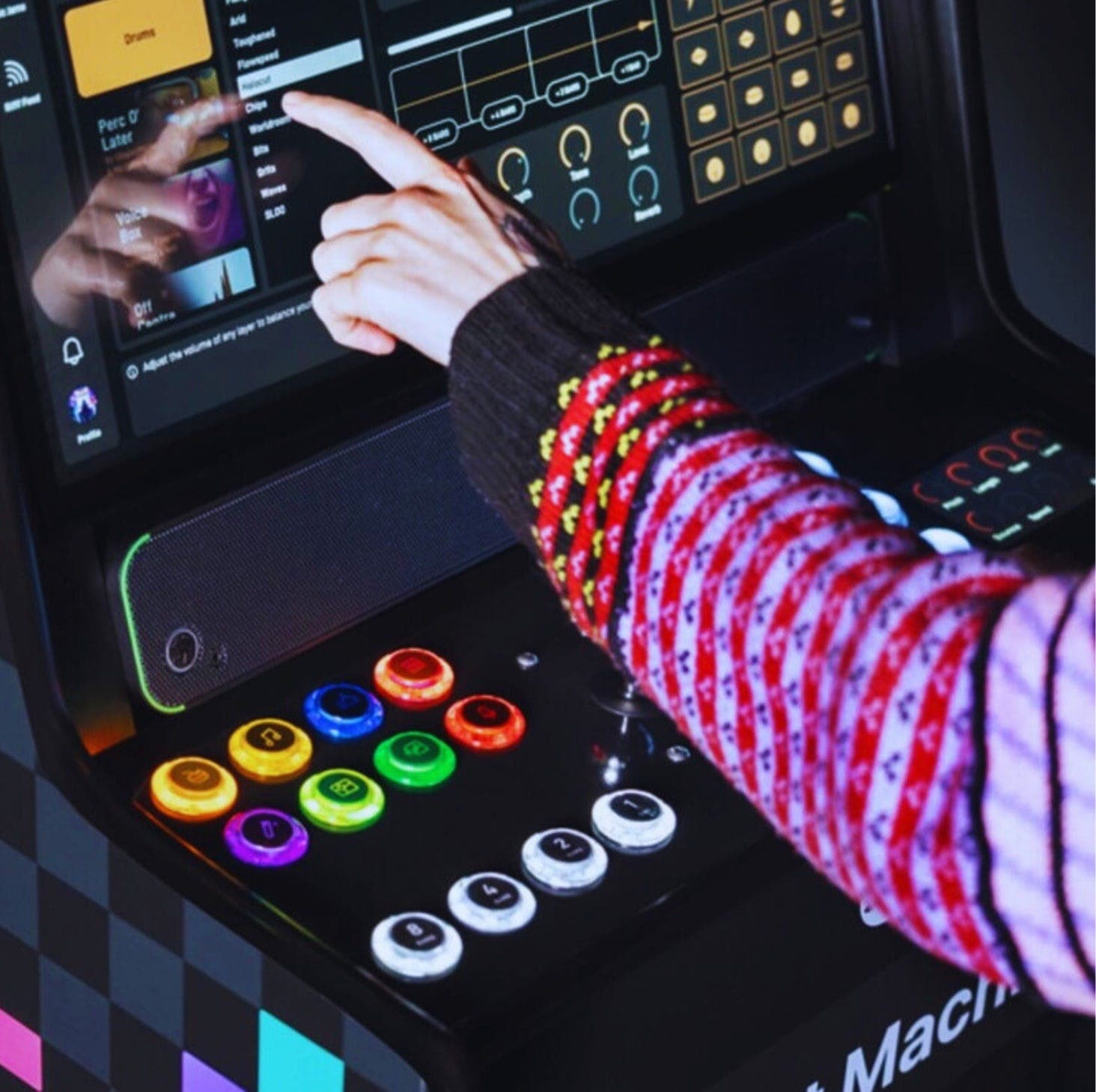
- Tools like SUNO and Udio promise quick music creation, appealing to the desire for "effortless" production.
- Claims made in advertisements often include phrases like "make music faster," indicating a shift towards minimizing traditional creative struggles.
- Examples from Marketing:
- Advertisements frequently use terms like "streamlining," "simplification," and "no processing required," which suggest a removal of traditional creative labor.
- The Financial and Emotional Stakes
- Financial Precarity: Musicians facing economic pressures may internalize a Silicon Valley mindset, prioritizing productivity over artistic integrity.
- Cultural Implications: This mindset risks homogenizing music, leading to a lack of emotional depth and unique expression in creative works.
- The Changing Definition of "Musician"
- Creator-Consumer Concept:
- A new category emerges where musicians are seen as "creator-consumers," focusing on output rather than the artistic process.
- This term reduces the identity of musicians to mere consumers of tools rather than established artists.
- Impact on Artistic Identity: The shift towards viewing musicians through a commercial lens diminishes the value of artistic expression and learning.
- The Role of Learning in Creativity
- Education and Mentorship: Effective music making is tied to educational experiences that foster personal growth and creativity. The pursuit of efficiency sidelines valuable learning opportunities.
- Creativity as a Learning Process: The act of creating music involves experimentation and mistakes, which are essential for artistic development.
- The Dangers of Homogenization in Music
- Cultural Uniformity: As efficiency-driven tools proliferate, they risk creating a standardized sound across genres, leading to a lack of diversity and emotional investment in music.
- Cultural Reaction: The saturation of similar styles can stifle innovation, pushing artists to react against these norms, yet the pressure for quick output conflicts with deeper artistic exploration.
---
Key Takeaways
- Efficiency vs. Creativity: While technologies can aid in music production, an overemphasis on efficiency may dilute the creative process and limit the emotional richness of music.
- Cultural Responsibility: The music community should recognize the value of artistic struggles and complexities, fostering an environment where learning and growth are prioritized.
- Critical Engagement with Tools: Musicians must remain vigilant about how technology influences their practices, ensuring they use tools as aids rather than crutches that undermine their creativity.
Conclusion This episode provides a critical examination of the evolving landscape of music production, highlighting the tension between technological advancement and the intrinsic value of the creative process. As methods of music-making continue to evolve, it is vital to maintain a balance that honors the artistry and emotional depth of music.
Written by AI. May contain mistakes. Listen to the episode to check what was said.
Transcript
Automatic transcript. May contain errors.0:28What if your dog is secretly your natural musician? So with myriad new production tools debuting each year, targeted towards every experience level, device, and platform, making music has arguably become easier than ever. But is that better? From AI song generators like Sumo and Udio to knob-free browser-based DAWs like BandLab, a slew of new apps and software is wooing creators with the promise of shortcutting the time and elbow grease it traditionally takes to make music, in favor of generating a song or element as effortlessly as possible. So today on the show, we're joined by Montreal-based writer and musician Devin Hanson, who's the creator of a new substack called Paracosm, which features their excellent new essay called The Great Process Squeeze, How Efficiency Bias is Choking the Music Industry.
1:16We get into how tech's fixation on productivity and frictionlessness is infiltrating not just how we consume music, but how it's being created. how financial precarity and pandemic isolation pressured musicians to internalize this Silicon Valley worldview, and what aspects of being a musician and the music itself are emphasized and minimized as a result. And please do head over and check out Paracosm. It's awesome. It's a substack that's set to feature both nonfiction and fiction writings, which Devin describes as an exploration of culture, the weird, the spiritual, and the many faces of power.
1:52You can find it at paracosm.substack.com. We'll be right back with Devin after the break.
2:12Hey, y 'all. We are here with Devin Hanson. Thanks so much for coming on, Devin. Of course. Thank you for having me. All right. So you wrote this essay, The Great Process Squeeze, How Efficiency Bias is Choking the Music Industry. What is process squeeze? Like, how did you first come into contact with it or realize that it is indeed a thing? Process squeeze is a term that just kind of came to mind for me when I started to notice that it had become a lot more common for music software companies and music production like content creators to use language and like really emphasize language around time efficiency and workflow optimization and productivity and like maximization of output.
3:00And I first kind of started to catch on to it a bit before the pandemic, but it really like ramped up during and after the pandemic. And the term felt appropriate because there now kind of seems to be this ambient like sense of pressure in the air to you know be as productive as possible as a musician and the effect that that has at least for me and some musicians that I've spoken to about it has this kind of way of sneaking into your creative process and pressuring you to sort of trim the fat or to water down your process or to be more avoidant than you otherwise would be of you know uncertainty or ambiguity or difficulty or friction and things like that.
3:41So it just felt like a useful term for articulating that kind of sense of pressure. Could you maybe give us, if you can recall, any examples of some of the wording or phrases that were in some of these targeted software ads that you were getting? Yeah, there's a lot of, I guess it's pretty much all across the board, YouTube video ads. There's one from a company called Output that I cite in the essay, all the way to like you know instagram static ads ads all across social media or also just like suggested content creator videos on youtube like the turns of phrase that you might see are like make music faster or i don't have to do xyz like sort of framing certain tasks or steps in the music production process as burdensome and that like whatever the given product or the given like working method that's being highlighted is makes it so that, you know, I don't have to do XYZ or streamlining is a big keyword or simplifying or terms like this plugin like requires a very little knob turning, just anything that like emphasizes a kind of like shortcutting between, you know, when you begin your process and when you have a final product or when you have something that you like.
4:50Yeah, there's one ad that you quote, that's like being able to actually take your own stuff and bring it in and instantly have it be a vibe without you having to do any processing. That's pretty sweet. Yeah, like that's a pretty that's a very classic example that feels it just kind of it's all it's all packed into that quote, I feel like, because the word vibe is also very important there. And this is something I'd like to write a bit more about at some point. But the word vibe in that context sort of implies that you've arrived at some sort of a like a unique or distinctive feeling in what you're doing, but without having to do the frictiony or tricky or maybe even like emotionally invested work that's involved in establishing that thing that we call a vibe, like that thing that sort of hooks people's attention or that exudes a kind of like signature for your style, your sound.
5:41So that quote is in that ad because it's appealing to the desire to have a unique style and to have a kind of distinctive flavor to what your output feels like to listeners, but without having to do any of the emotional investment or any of the kind of time-consuming stuff that that has typically involved and that has actually defined that process creatively. I'm glad that you spotlight that word because the entire tone of that sentence, I feel like, is almost greater than the sum of its parts. Another quote that you actually open the essay with. It's from AI tech entrepreneur Mikey Shulman. And it made the rounds on the music internet earlier this year, and it made a lot of musicians very mad.
6:22The quote says, it's not really enjoyable to make music now. It takes a lot of time. It takes a lot of practice. You need to get really good at an instrument or really good at a piece of production software. I think the majority of people don't enjoy the majority of the time they spend making music. So this is such a strange way to view making art. Where do you think this mindset comes from? I mean, something that I mentioned in the essay is it's like kind of difficult to tell, especially with, you know, just the way that, I don't know, like appealing to VC or kind of like inflating the value of your product.
6:55It's difficult to tell whether he actually believes this or if he's just kind of in entrepreneur brain mode. And as these guys like often do, kind of like fabricating a problem that doesn't exist, to sort of like position their product against. He's the CEO of Suno, which makes a product of the same name that's basically like a AI full song generator. It'll generate complete songs based on like text input by the user. And so it's either coming from like kind of more cynical angle to portray the creative process in music as being like inherently cumbersome when he knows that it isn't. Or if he genuinely believes that, which, you know, I wouldn't put it past him.
7:35I think that mindset comes from the same kind of worldview that we're exposed to through figures like Daniel Eck, where you're sort of taking this obsession with frictionlessness that's very typical of tech and tech thinking, this obsession with efficiency and applying it to something like music creation or the creative process, which is, you know, is not defined by efficiency. if anything it's defined by challenge and difficulty and emotional stakes and messiness and it's very telling as to like the way that he views creativity and the way that he views honestly like just the experience of anything like if he feels this way about a type of process like music making which people have been doing for almost as long as people have existed if he really genuinely views it as being this intrinsically unpleasant thing then that speaks to just like a broader, like compulsive avoidance of like emotional stakes in anything and just like a complete adherence to this like dogma of frictionless inefficiency, like at all costs.
8:35So it's kind of dark stuff when you really, really unpack the worldview that's behind a statement like that. And a real like prioritizing of kind of like the output or outcome over the act of creating. Yeah. Let's get through that as quickly as possible. All that matters is the end result. Yeah, exactly. And that's that's what, you know, this like fixation on efficiency is all about is like efficiency as an end in and of itself, almost actually, ironically, regardless of the product, like on one hand, it does speak to an extreme valorization product over the experience of process. But on the other hand, you don't have to look far now to see that we're in a culture of slop and that like the type of product, the type of output that's generated by a culture that is so quantity obsessed and so efficiency obsessed, you know, it produces quite a lot of garbage.
9:27So it's sort of like it's difficult sometimes for me to tell whether this is a fixation on product over process or if it's just a fixation on efficiency, regardless of what the product even is. As long as capital can be captured and as long as a given sort of machine or mechanism is as mathematically efficient as it can be, that sort of that is the end in and of itself, it seems. Yeah. And it feels like this sort of like frictionless concept of efficiency. It's such a narrow definition of efficiency because, you know, there's an argument to be made that in the music making process, like taking the time to work through mistakes, you know, learn the instrument, you know, do the work that can't.
10:05yes, like sometimes be frustrating or a slog or whatever, but you can make the argument that sometimes the results of those products are actually more efficient because you've actually figured out what it is you're really trying to express. Yeah. Rather than making the thing for the thing's sake, which like, you know, certainly is a practice and whatever, but that's not what we're talking about here, you know? Yeah. And that's why I kind of tend to see it as like an emotional avoidance, really. Like it's at the risk of like armchair psychology. Like there are, like you said a lot of arguments to be made that it's extremely inefficient to like strip away so much from the creative process because of how often that kind of results in slop even if you want to take it entirely maybe a slightly more cynical like angle on it it is deeply culturally inefficient to produce an enormous amount of slop and like to divest in the kind of creative processes that produce like more enduring creative works things that kind of like hold up over time And so there is a lot about it that is ironically inefficient, which is why I tend to think of any time that we see this kind of ideology that is oriented around productivity and efficiency.
11:12I've more and more I've been seeing it as like the subtext to that there's an emotional subtext to it. There's a psychological subtext to it that basically says in terms of attracting VC and capturing capital in general, like posturing about efficiency is what sells and what makes investors feel confident, regardless of whether or not efficiency in the long run is the thing that actually ends up happening. It's really just this short term set of discursive tools that lower the emotional stakes and lower the sense of risk involved in whatever the product is. There is one part of Shulman's quote that I want to circle back to and unpack a little bit.
11:49You and I were talking a little bit about this yesterday, actually. But it's the part of the quote where he says, it's not really enjoyable to make music now. What do we think he means by now? Like as if some, you know, shadowy force crept in and was like, I'm going to take this process of learning instruments and making music that was once very simple and straightforward and overcomplicate it. Like, what is that now? The now thing is weird. I hadn't noticed that until he pointed it out. That's really interesting because he could mean like one of two things by that. Like that could just be, you know, again, this sort of like entrepreneur speak tick that happens where you use words like now to indicate that there's something wrong with the present, the current landscape of whatever the thing you're talking about is so that you're you can sound like you're diagnosing a problem that has some kind of like sense of urgency to it.
12:39But the other thing is, obviously, I don't know, you never know, but there's no way he means that it's somehow more cumbersome to learn like a physical instrument now than it has been before. That just is absurd on its face. Yeah, right. But the other thing, I think that if the interviewer in that podcast had asked him to expand on that, he probably would have made the move of saying like, well, there's just so much software out there now. The market is so saturated. We have such an oversupply of music production tools, both software and hardware. And that makes it more intimidating for beginners to know what thing to choose, what thing to go with first.
13:21And so it's much more simple, much more efficient for them to just choose one thing that just does the entirety of the work for them. The irony about that is like, I mean, that would be very in keeping with this like pattern that we've seen with tech in general of just kind of proposing new band-aid solutions for problems that were technological to begin with. In that situation, he surely wouldn't make a meaningful critique of the reasons why the market is so oversaturated with technological solutions for music. He would just sort of say like, look at the inconvenience that the sheer quantity of these tools introduces for a beginner artist.
13:54My product happens to be the perfect solution to that problem. Would you say that this mindset is most closely associated with like a certain kind of music tool, like with whole song generators, for example, or is it just like a mindset you see connected very much to this era of music tech? Where I think, as you note on the recent episode of New Viles, I think the guy from Amnesia Scanner said something similar as well. We're like, we're reaching the point where like music tech is kind of like one of the most profitable domains in music. Yeah, I mean, that's 100 % right. Like in market research circles, you know, for music production tech, it's become like sort of common knowledge that the industry for music production technology is growing quite rapidly.
14:38And as far as like the main like part of your question, I think it's sort of like a little bit of column A, a little bit of column B, like there are certain tools that do like full song generators or, you know, tools that maybe generate instrument specific layers, tools that sort of like take over a certain way. significant portion of the creative process are definitely like more extreme or more salient examples of this whole phenomenon. But I'm usually like beyond criticizing the premise of full song generators, I'm usually hesitant to like try and deliberate, you know, to a granular extent, like which tools do and do not proliferate this kind of like squeeze on the creative process.
15:22because just for one thing, like two different artists will use the same exact tool in like a completely different way. So it's, it's hard to really like essentialize exactly like what role a given tool will play in a person's process. So instead, I like tend to focus on scrutinizing the value system and like scrutinizing what a tool or a set of tools or certain statements by the people who are responsible for putting them out in the world, what those things like say about creativity and like the direction that that kind of discourse steers artists into and the things that become naturalized like as a result of that yeah because like electronic music has always been you know so inextricably bound up with technology i guess you could technically make that argument about any tool yeah just try to like get people to use it yeah it's a slippery slope for sure and there's a very even within ai music software there's a kind of a tricky spectrum between what you could call like assistive AI and generative AI, like something all the way at the assistive AI end might be something that just kind of optimizes a process like file management or like pulling up very basic like project templates or just sort of the very like small scale management tasks that are involved in modern technology based music production, all the way to like, yeah, the extreme generative side of the spectrum with products like Suno and their competitor UDO.
16:46But between those two things, it tends to get so complicated. And musicians are just kind of inherently like crafty and thrifty and tend to, you know, want to break the things that they're using or to use them in unusual ways as well. So yeah, I do find it kind of a lot more, you know, meaningful to look at the value system, look at the ideology and be aware of the degree to which it's kind of like naturalizing certain habits in your process. What alternate vision of the act of music making or what being a musician consists of does this mindset imply? You mentioned the concept of the creator-consumer.
17:24What aspects of being a musician get emphasized and which get kind of minimized or erased? Yeah, the creator-consumer term is a really interesting one. That's like a more recent term that's come out of market research circles with regards to not just music production technology, but any type of like creative technology. And it's a more recent one than content creator. And there are like, depending on the context, there are kind of like nuanced differences between the two terms. But something that I've noticed is that like what the term consumer creator tends to indicate is a person who engages in the process of creating something, but doesn't necessarily consider themselves to be an artist or a musician.
18:06They might, but not necessarily. And so they might engage with some sort of creative process at a more casual basis than an artist and even more casual than like someone who might call themselves a good content creator. But then in other contexts, I've seen the term used just to refer to content creators as consumers of creator tools. So to kind of like see the sort of phenomenon of content creators as an addressable market of consumers of tools that are necessary for their livelihoods or for their sort of like content creation hobby or something like that. What this all kind of seems to envision is like just a more measurable version of the thing that we used to just call an artist or even before that, just like a person who like makes things.
18:49It seems to point to like a vision of, let's say just if we limit it to the context of music, a vision of musicianship that is the person is first and foremost, like a contractor, a sort of like a producer of a commodity. And usually, like, that's what is so useful about categories like consumer creator or content creator is that you're sort of taking the more slippery, more difficult to measure, more difficult to define category of artists or art, and you're sort of packing it into a much more measurable mold of, you know, content creator and content. It's a lot more friendly to capturing capital and to sort of like capitalizing on creative impulses.
19:32Like as a result, this is something I've been thinking about more recently is the whole category of content creators sort of feels like this black hole that now like anyone who does anything creative is basically being sucked into. I'm sure you guys have felt this being journalists. I know that myself and other musicians feel this, especially with how compelled we are to be active on social media on such a constant basis. It really feels like because the category of content creator is so useful and so measurable from the perspective of, you know, institutions that want to extract labor and capital from creative impulses.
20:05Now there's just this ambient pressure for any creative person to just become a content creator, whether they see themselves as that or not, or whether they end up, you know, like sarcastically calling themselves that in a way that's like, I can't believe I'm calling myself that, but that is literally what I've become, you know. I think the consumer part is the part that bugs me the most, somehow where it's like I know that it's probably they call it that because it's like you know in market research they're looking at like who are artists we can sell stuff to but it also feels like this tell in a way that's like there's clearly like no hope that like most of these people will be making money or something yeah so essentially when you boil it down like the great majority of them will spend more money on the act of creativity than they make so we might as well just call them consumers.
20:52Right. And that's the funny thing about like, to us, it's a tell, but like to people doing market research and then, you know, to entrepreneurs who are reading that market research and trying to compete in a market of creative technologies, that's not a bad thing at all. You know, like there's no stigma from their perspective behind seeing creative people as consumers of creative tools. If anything, it's sort of like a quite exciting, you know, opportunity to capitalize on a new type of person. And so like, from our perspective, it's like, you know, how deeply cynical and dark to turn what we used to call an artist into someone who's simply like consuming even like a simulation of the experience of being creative.
21:35Whereas, you know, that's exactly what you want when you want to capture as much capital from creativity as possible, you know? Yeah, it almost feels like a step removed even from like, like hobbyism, you know right yeah it's even more alienated than the idea of having a hobby which already sort of feels like it has a lot of weird baggage to it it feels a bit diminutive to refer to your craft and your art form as a hobby but some people are perfectly comfortable with that which i think is fine but then i i can't imagine any creative person in their right mind would autonomously identify as a consumer creator so that's that's the thing is that like this is language that is expressly designed, you know, by and for the market, you know.
22:17Yeah. I also have like a follow up to this. Like we've been talking about what aspects of being a musician get emphasized and which get minimized. I'm curious, what aspects of music do you think get emphasized and minimized as a result of this? Yeah, that's a, that's an interesting thing I've been, I mean, in the essay, I kind of compare this process squeeze to what, you know, Liz Pelly has pointed out and other folks have pointed out about the way that streaming has affected like average track lengths and the overall like sensibility of music. I mean, in the case of generative AI, like there already is like a very perceptible effect on how the music sounds because generative AI tools like have a sound to them.
23:02As hard as they're trying to make generative AI music tools sound more convincing and to have greater and greater fidelity, which they might continue to improve in their sound quality. But like, it's not uncommon now for people to sort of like come across tracks, recommended to them on Spotify that have at least one sort of AI generated element in them. So there's that kind of more like measurable effect. But I would say like overall, at least in electronic music, there is a kind of like homogenizing effect that a high quantity or high productivity environment has on the style of music. And that might be particularly noticeable in electronic music and in dance music because dance music has tended to be more stylistically uniform, which I say in a value-neutral way.
23:50There are some important cultural reasons for that. But I would say overall, in an environment where you're really emphasizing output and you're really emphasizing quantity you just get a kind of musical landscape that feels full of emotional investment that lacks vulnerability that lacks the kinds of you know weird idiosyncrasies or stylistic flares that can only really like happen when you're when you're investing time into your craft i kind of wonder like we had um sean ronaldo on our pod a while ago and we talked about how for example dance music's forms were sort of slowly blending to social media environment like because he was saying like because of boiler room and the need for these like photogenic moments or videogenic moments where you see like everyone crowding around the dj and then like the drop happens and everyone goes crazy that like that had changed like how djs thought of their sets or how like producers thought of their tracks and there were like more frequent drops for example i wonder if like the these sorts of generators like push us closer and closer to that kind of uniformity as well yeah and that's also um shaped by like the time limit of the songs that an ai song generator can create i'm not sure exactly like the maximum track length that uh suno or yudio can generate now because it has changed since i last looked at it but But that's also a factor is that like if you're using an AI song generator and you're limited in the total length of the track that you're generating.
25:32And like on top of that, it's going to be using as its reference music that is about the same length and is going to follow the same kind of generalized like genre conventions. Because it's been it's been trained to sort of like express a creative average of whatever genre ecosystem it's referring to. So over time, like the more that we lean into, just like as is kind of just globally the case with generative AI in general, like when you're using a tool whose reference points are a kind of like creative and aesthetic average, then you're producing a lot of average things. I kind of see all of these things, including the like boiler roomification of or like the emphasis on the drop in dance music over time.
26:17All of these things are kind of just part and parcel of the same thing, which is that whether you're talking about music consumption or music production or live music events and social media, all of it is sort of being squeezed into this tube of the attention economy and And the rules of the attention economy are governing like every aspect of what the creative process allows for or what the creative process can express. Yeah, it bums me out so much, too, because you think about how much great music and even entire genres have been created because of the allowance of mistakes or lack of knowledge or whatever, or like the bumbers of having limited knowledge.
27:00I mean, that's like how punk was created, right? Yeah, yeah. Like getting things wrong, basically. Like, yeah, entire entire subgenres have appeared because it was people very earnestly engaging in something in a way that was doing it wrong. And it became a new thing. Right. Like necessity is the mother of invention. Right. And this completely removes necessity from the process, basically. You could also just like you could say that inefficiency is like the mother of invention. Yeah, 100 percent. Exactly. Exactly. I see this proliferation of apps now and music software that's advertising like how to fill in keys or chords.
27:37Like, you know, you don't know which one comes next. Instead of like figuring that out by ear or maybe being like, oh, I don't think this is like part of that scale, but like it sounds really cool here. I have like basic music theory training, but in creating my like sound art and whatever, like I'd look to bone up on my music theory just so I can like under speak my language better. right um and i've had such a hard time finding one that kind of just gives me the basic like lessons and knowledge that i need and doesn't just try to like fill in the keys or next chord progression for me um and it's very telling yeah yeah i think that's a huge i think often like underlooked like aspect of the the way that efficiency driven creative technologies like affect just as a cultural experience is that like creativity is like deeply intertwined with education and learning experiences and person-to-person learning experiences and mentorship experiences like one of the other very frustrating dangers of leaning so hard into technologies preoccupied with frictionlessness and with time efficiency is that you're really kind of like edging out learning, the whole factor of learning something and going through the experience of learning because the experience of the creative process is an experience of learning.
28:56There's just no way that you can separate those two things. You're always, if you're actually engaged with it actively and in earnest, you're always learning something. I don't think it's a coincidence that especially in the US, education, especially public education, especially arts education is an absolute crisis because there's just this like divestment of value into learning as a process that has value and that we're also in a cultural environment where the tools that are being used for creative experiences are increasingly devaluing the learning experience like as as being an inherent part of creativity.
29:36Also like reacting like so much of art is like reacting to what exists and then something new or yeah not that like all art has to be about quote-unquote innovation but if you're surrounded by if a style sort of sets in and becomes the norm for everybody that no longer becomes very interesting and then the artist might sort of react to the ubiquity of a style by you know twisting it somehow or doing the opposite of it like what does it feel like to be stifled by this style oh I'm going to try some you know yeah I'm going to say something different and it's not just music it's you know fashion literature so many things kind of work that way and it seems like these tools are only geared towards like producing a widget that will work within like that will work on platforms and as they exist kind of thing yeah and that all of that kind of like an artist's ability to kind of like serve as an agent in like a cultural dialogue requires time it requires thought it requires introspection it requires like absorbing your culture in an active way rather than in a passive way and building like a nuanced relationship with it and it's so much harder for all of that to happen when all you can think about is how quickly you can churn out the next single that you want to churn out and how effectively you can sort of maximize your chances for viral success in the streaming ecosystem by just cranking up, you know, the quantity of your output as much as possible.
31:11Yeah, it almost feels like a shift of rather than being about adding to the conversation or in the conversation forward, it's about keeping up with the conversation. Yeah, yeah, totally. So then why would a musician who otherwise enjoys making music end up internalizing this mindset or falling under its spell. I think, you know, for musicians who rely on their music for their income. And that's it for the free preview version of this episode. There's lots more ahead. Get the full conversation and all of our bonus content, plus access to our Discord community, Kujoplex, which is actually how we met Devin and found this essay by signing up for a paid subscription, just five bucks a month, over at theculturejournalist.substack.com.
From the publisher
From AI song generators like SUNO and Udio to “knob-free,” browser-based DAWs like BandLab, a rash of new music production apps and software is wooing creators with the promise of shortcutting the time and elbow grease it traditionally takes to make music. But is quicker and more effortless necessarily better? Montreal-based writer and musician Devon Ha…