In short
Podcast Episode Summary: Mayor Mamdani and the New Image Politics
Overview In this episode of The Culture Journalist, hosts Emilie Friedlander and Andrea Domanick discuss the historic election of Zohran Kwame Mamdani as mayor of New York City, marking a pivotal moment for the American left since the Bernie Sanders movement. They explore the intersection of politics and media, particularly how Mamdani's campaign utilized compelling imagery to connect with voters.
Episode Themes and Key Discussions
The Significance of Zohran Mamdani's Victory
- Historic Context: Mamdani's election is noted as the most significant leftist political success since Bernie Sanders' rise.
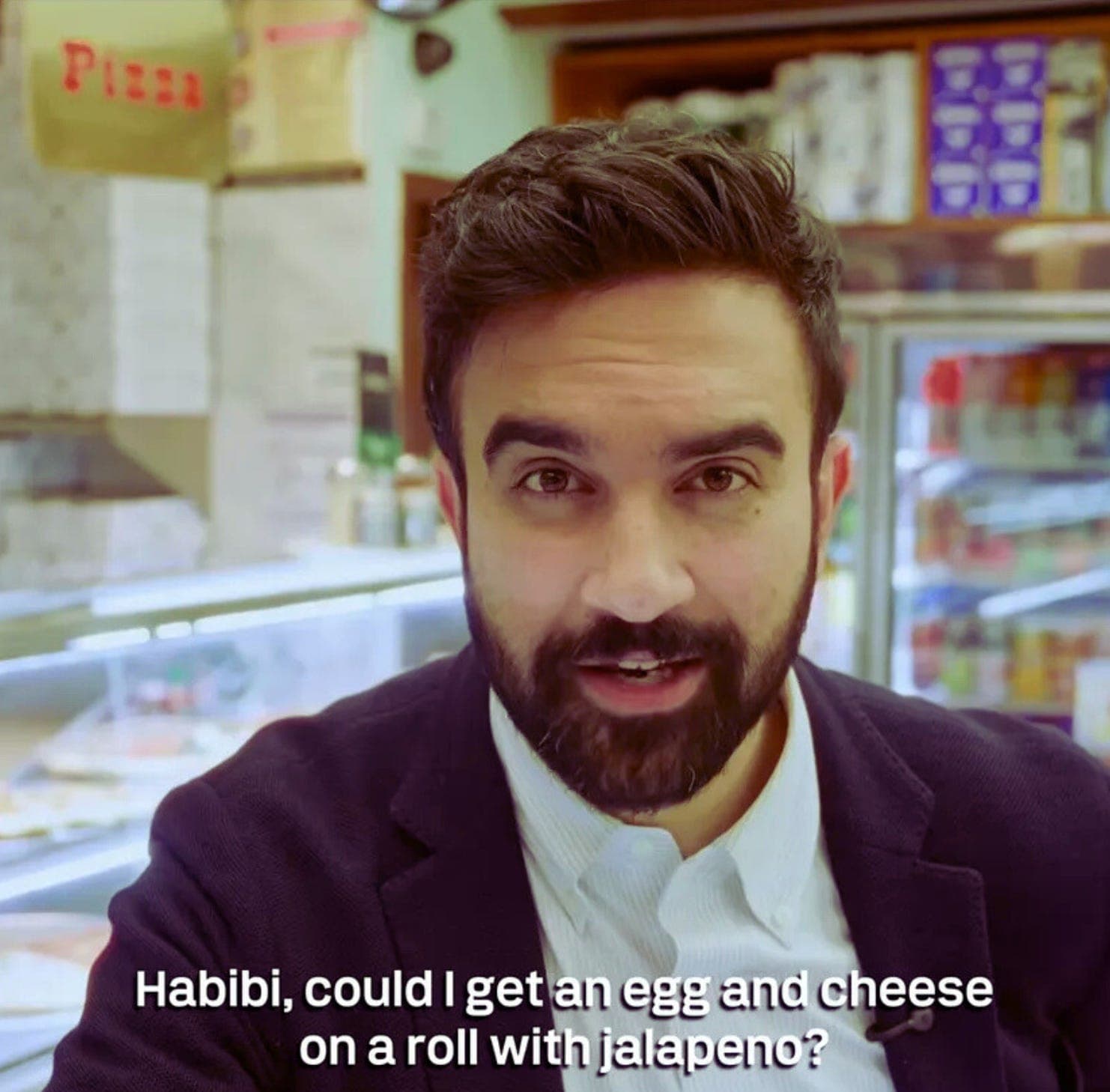
- Media Savvy: His campaign effectively leveraged documentary-style videos that depicted everyday New York life, illustrating how image and narrative can influence political success.
- Cultural Resonance: The hosts liken Mamdani’s command of imagery to that of Donald Trump, suggesting a new paradigm where politics blends theatricality with reality.
The Role of Images in Politics
- Image as Narrative: Mamdani's campaign is characterized by its use of visual storytelling, focusing on relatable aspects of New York culture (e.g., halal carts, bodegas).
- Counteracting MAGA Aesthetics: The discussion touches on how aesthetic politics can serve as a form of resistance against the populist imagery of the right.
- Populism and Media: Writer Gideon Jacobs, the episode's guest, draws parallels between Mamdani's narrative style and the broader rise of populism, asserting that images today play an increasingly pivotal role in shaping political discourse.
The Theatrical Nature of Modern Politics
- Reality vs. Fiction: There’s an argument made that political realities are increasingly influenced by fiction-like narratives, complicating how citizens engage with politics.
- Cinematic Campaigns: The episode discusses how both Mamdani and Trump operate within a “cinematic universe,” where image crafting is as crucial as policy.
- Performativity: All candidates now navigate an environment where charisma and media presence can outweigh traditional political qualifications.
Implications of Image-based Politics
- Cultural Impact: The hosts explore the ramifications of an image-driven political landscape, raising concerns about authenticity and the potential for disillusionment among voters.
- Audience Engagement: There's recognition that engaging voters through relatable imagery can foster a sense of community and shared identity among constituents.
- Sustainability of Image Politics: Questions arise regarding whether this focus on imagery can lead to a more substantive governing philosophy or if it will perpetuate a cycle of superficial engagement.
Future of Political Engagement
- Navigating the Image Ecosystem: The episode concludes with speculation about the future landscape of politics, suggesting that candidates must adapt to a world where political visuals dominate.
- Call for Authenticity: There’s a push for a return to genuine connection in political initiatives, emphasizing the need for candidates to ground their messages in real-world experiences rather than curated images alone.
Conclusion This episode of The Culture Journalist weaves together the themes of political imagery, the rise of populism, and the evolving nature of political engagement in the digital age. Through the lens of Zohran Mamdani’s campaign, the hosts and their guest examine how images not only shape perceptions of candidates but also influence the fabric of political discourse itself.
Key Takeaways
- Mamdani’s campaign illustrates the power of visual storytelling in modern politics.
- The intersection of aesthetics and populism presents new ways for candidates to connect with voters.
- The reliance on imagery raises questions about authenticity and the potential oversaturation of performance in politics.
- Future political landscapes may require a balance between image crafting and substantive policy discussions.
---
For more insights and discussions, visit [The Culture Journalist Substack](https://theculturejournalist.substack.com).
Written by AI. May contain mistakes. Listen to the episode to check what was said.
Transcript
Automatic transcript. May contain errors.0:00A great New Yorker once said that while you campaign in poetry, you govern in prose. If that must be true, let the prose we write still rhyme and let us build a shining city for all. Hello, you're listening to Cujo, a podcast about culture in the age of platforms. I'm Andrea Dominick, here with my illustrious co-host Emily Friedlander. Hey, Andrea. So, since you last heard from us, something pretty historic happened. Zoran Kwame Mamdani was elected mayor of New York City, marking the most significant political victory of the American left since the Bernie movement took off in the 2010s. And though his campaign would probably say that was because of Zoran's populist economic policies, that win also comes in no small part thanks to his unusually skillful feel for images, and particularly for documentary video.
0:56Whether he was chatting with New Yorkers about why they voted for Trump or conversing with halal cart operators about halal-flation, watching his campaign from afar almost felt like we were watching an indie documentary about life in the streets of NYC unfolding in real time, rather than a traditional campaign. Which is no surprise, because as you probably heard, Zoran is the son of a filmmaker, Monsoon wedding director Mira Nair. He was also a rapper named Young Cardamom before pivoting to politics. and, for the campaign, hired a scrappy crew of indie filmmakers to make his videos. Stay tuned for this month's weather report because we're actually bringing one of them on the podcast, which we're really excited about.
1:41So Zoran's obviously got tremendous star power and media savvy, which is also why people have been calling him the left's answer to Trump, who has almost gleefully welcomed him as a dramatic foil by the name of my little communist. All of this raises the question, is politics in the current information economy becoming indistinguishable from theatrical worldbuilding? And if so, what does that mean for our offline IRL lives? This week's guest is someone who has made a career out of examining our personal and cultural relationship with images, both as a journalist and in his prolific artistic practice.
2:20His name is Gideon Jacobs, and he's written for publications like The New Yorker, The New York Times, Art Forum, and the LA Review of Books, where he penned an excellent piece earlier this year about the commonalities between Trump and Elon called Player One and Main Character. Gideon brings a particularly keen eye to all this stuff. Before becoming a writer and artist, he was the creative director of Magnum Photos, and before that, a child actor. And, like Emily, he's also a native New Yorker. All of which gives him a unique perspective on how the Zoran campaign wielded documentary images of New York to create an idealized vision of America that can go to bat against that of Trump, rooted in the idiosyncratic characters and diverse cultures of the city.
3:05Gideon joins us to talk about the aesthetic politics of the Zoran campaign and what it can tell us about what successful counter-programming against a MAGA vision of America might look like. We also talk about his contention that reality, especially post-Trump, is increasingly beginning to bend to the rules of fiction and the dangers of living in a world that is mediated by images, images that in turn feel increasingly detached from reality. We also get into what Gideon's study of the role of images in ancient cultures and religions can tell us about navigating the image world of the present. How the rise of both left-wing and right-wing populism is inextricable from our current technological moment.
3:47And whether Zoran's campaign points to a future where politics feels grounded in material reality. Or if it's just the beginning of an ever-escalating image arms race. We'll be right back with Gideon just after the break.
4:03This is not a photograph And there's a nice real life in the earth This is not a photograph This is not a bigotend This is not a photograph This is not a photograph
4:23The Culture Journalist is an independent project that relies on word of mouth and is funded entirely by listeners. If this pod had something meaningful to your life and you want to access everything we put out, please consider supporting our work by becoming a paid subscriber over at our Substack. Paid subscribers receive access to our Discord community, the Cujoplex, full access to bonus episodes, and more goodies. You can get it all for just$5 a month over at theculturejournalist.substack.com. hey guys we're back with Gideon Jacobs and we're starting this episode in media's race with Gideon telling us about his background as a child actor and talking about the effects of face fame yeah I think the reason one of the reasons why child actors grow up and either are addicts or die um I mean that sounds so flippant I I don't mean to be so but like the mortality rate of child stars is kind of astounding and although i think there's like the correlative thing which is often like the kind of parents who you know whatever we know that road like kind of oftentimes that kid is going to have like maybe a tough life anyway i don't think that was my situation my parents are pretty lovely but i do think there's something intrinsic to having like an image of self the development of it sort of outpace your sense of self and as that relates to sort of my work with images.
5:47It's like, yeah, basically the image sort of in a period of development eclipses the referent. And I think that's psychologically like challenging. I think that's spiritually like precarious. And I think in a weird way, when I look around and see like youth today in like a mental health crisis, I'm like, oh, well now just like everybody has that. Like what was like this sort of niche experience has gone mass. And yeah, like in so many ways, it's almost like now like everybody has the potential to become a child actor or like for sure at least psychologically have that kind of vulnerability and like a reconception of the self just like yeah by any like youth who like decides to be on tiktok consistently right yeah i mean i like i like to use these terms like actor and image like as generally as possible but so i would It's like any kid who is putting time and investing energy and meaning into a online based on true story avatar of themselves, like is an actor.
6:51I mean, they are existing part of the time in a performative mode and to some extent identifying with that image. And where we started is I think like identifying with image is a precarious position. I mean, one, because no image fits, like there's always the dissonance between the image and the self. And I think we're seeing like a lot of the pain of that dissonance of, you know, to be human is like human when used as an adjective is, is like a synonym for imperfect or ephemeral or changing, like all things that are essentially like the antithesis of images, you know, images are fixed, they are manipulatable, you can control them.
7:31um yeah i mean i think like our image drive is in a way like and i would say even like our robot drive like the desire to be like the you know the singularitarians it's related to this desire to not be human i think it's a death drive essentially wow that really got that is not what i was where we were planning to start and i really went off good morning from gideon james oh shit that was not the plan guys no that was awesome totally i mean that just made me think i'm just like Like we're all actors now in a way. I appreciated the point. I was listening to your, to prep for this, your interview with Messy Truth, which was like excellent by the way.
8:13It was a great conversation. And you made some great points about Trump being really adept and his ilk being adept performance. It's all entertainment and performance and like what he lacks in political acumen, you know, is made up for just like this is what he deals in is like non-reality. Like you brought up how he like was mad about the Time magazine cover. Right. And then it's like, you know, he has all these like gold adorned mirrors in the White House, but like can't even recognize himself because it's just so far removed from reality. But that is his reality. And what is that? You know, totally.
8:52You know, I mean, that Time magazine thing, I was like, oh, whoa, like that's how deep the pathology lies for this guy. Like he doesn't recognize his reflection. He recognizes like an AI generated image of him wearing a crown in an airplane like as more him, I think, than his reflection. And he was to say it isn't. Right. This reminds me, I think I've talked about this on this podcast before, but a couple of days before Trump was reelected, my partner and I actually randomly ended up going to a Trump rally here in, well, I live in Philly, but sometimes I spend time in Lancaster, Pennsylvania. He did like a rural Pennsylvania rally and my partner was reporting on it.
9:43And we were like, we have to go check this out. And noticing this, like, like he has this sense of choose your own adventure game, like fiction, like almost like following the hero in a movie vibe built into his very campaign and like how he was putting together these rallies. Like they begin with this like music and then a recording of the captain of Trump Force One being like, hello, we're like descending the plane, like coming in for landing Trump. And I was just like, I don't know if it's like wrestling or it's like, oh, my God, like Trump is coming. And it's this like fictional and interchange between the pilot and the ground.
10:24And it's really, really, really weird. And this is kind of like ties to the peg for today's podcast, which is when Zoran Mamdani pulled off his amazing historic win here in New York. Was it last last week? I can't I can't keep track of time. Yeah, it was about a week ago. Yeah. um i i remember i think it was like the morning after or later that night and this video comes comes out on my timeline that is like stand clear of the closing doors we're heading for city hall and it had that same exact feeling yeah that's and this is not yeah this is not to say that trump and zoran are similar they're actually you know obviously politically quite the opposite but we've been following your writing for a while and you had a lot to say about this phenomenon, especially in your excellent piece for the LA Review of Books.
11:18I didn't know that people pronounced it LARB, the dish, but it's called Player One and Main Character. And you talk about how one way to understand Trump's rise to power and also Elon's rise to power, Elon was heading up Doge at the time that you wrote it, is that they both behave as if reality is some degree of a fiction. And this was interesting to me because you also argue, and I think it was very correct at the time, that part of the left's failure during that election to capture the imagination was sort of their inability to introduce this kind of like adventure and levity and feeling of like anything is possible.
11:59I mean, it's more than that, but you know what I mean? So I'm curious, Like, since you wrote this great piece and you should tell us a little bit about it, like how your thinking has evolved on this while watching the Zoran campaign. Yeah. I mean, actually, I would say my main interest in highlighting Trump and Musk's strange relationship to reality or relationship to fiction as sort of what made them bedfellows for a while was actually more about the fact that I think, well, what distinguishes fiction from reality? It's consequences, right? When you're in a fiction, when you're in a game, when you're in a simulation, when you're in a dream, which I think are all essentially just under the umbrella of fictions, you're in this, it's a low stakes place.
12:46And I think there's something historically intoxicating about people who move through the realms of everyday life that we all consider to be stressful or boring and weighty and, I don't know, difficult when they move through. And there are a lot of reasons why those two men do that. But what I tried to get to towards the end of the piece was that they are tapping into like an ancient desire to divest from everyday consensus reality and invest elsewhere. One, it's like, it's a pleasure to watch someone who's free of our constraints, like watching Trump on state or, you know, in the most stressful possible situation, just be like as loose and uninhibited as imaginable, which is like really a peek into just like Like even the greatest performers in the world, like if they're negotiating live with Benjamin Netanyahu, would not be as loose as Trump is in that situation.
13:43Just like throwing shit at the wall, you know? It's like the same skills that you see in like a charismatic rock and roll performer or whatever. I would actually argue it's the same skills you see in religious leaders and cult leaders and prophets. And that's what I was most interested in in this piece, because I do think there's like a reason why prophets and religions tend to rise when material frameworks are failing. It's because they offer and sometimes like even life and death is not as consequential as maybe you thought it was before you. Like that is like the ultimate consequence. Right.
14:18And even that can start to have a levity to it. So my point of that when talking about Musk and Trump was that they're actually tapping into a sort of spiritual appetite in America. And that's why I sort of think of them as false prophets and think of Trump as reverse enlightened. I think whereas, you know, a prophet offers in theory, if they're like not a fucking charlatan, like a higher imageless plane, like you divest from the realm of images by softening your gaze or grip on them. That's like what meditation and prayer are to me. And but then, you know, the idea is that you like level up into like a higher imageless plane of like the real or the divine.
14:59like Trump sells, you know, like a lower, like, you know, the conspiracies, like you take the red pill and you actually go to this lower plane that is like full of, it's just like a Marvel QAnon collab of really rich imagery. You know, it gives you the same like vertical movement of spirituality, but you're basically living in like a sub matrix rather than being in touch with the divine. So that was, that was, wow. That was my interest in talking about those two guys no no i mean i'm just realizing i'm like really get a cup a little caffeine in me and put a mic in front of me this is what i guess what happens there's a lot of what we're here for yeah okay okay cool well that's cool it's nice to have permission permission um okay well well then to get to the topic at hand which is uh zoran i mean i think zoran seems to me to be more of like a normal human being, then, you know, I think Trump is, I don't think he's like a man of history, like the alt-right does, but I do think he's unusual.
16:03I think he is, like I said, like doesn't recognize his own reflection. That's like an unusual psychology, an unusual state. But I do think Zoran is an incredible performer. Like clearly something I joked to someone after 2024 was like, the only consultant the Democrats need to hire are like the best casting directors in the country. Like it factor to say it began with television is stupid. It like began with the fireside chats. It began way before that. Like clearly being fear of the great orators in Greece or whatever, like this has been a thing from the beginning. But yeah, we just, we are ramping up more and more and more to the point where I think we're like in like sort of a post-policy politics or it factor is most important.
16:51So I think Zoran has a serious amount of it. And as we know, like that's not teachable, like that's famously not teachable. It's not a, it's not a skill. It's something, you know, someone walks into a room and some king maker or casting director goes, oh shit, he's got it. And so that's what I think Zoran has. Well, I read a really interesting article. It was actually in the Philadelphia Inquirer by a local DSA politician named Nikhil Saval, who's really cool. And he was putting Zoran's victory in the context of the DSA's long... They had like a program or they've been making efforts to find these candidates who have star power years in advance and then get them into, you know, a smaller office and then a bigger office.
17:42He was like Mikhail Soval was also a he's charismatic, but in a different way. He was a longtime editor and plus one. He lives in Philly, but like they had found them early and then helped kind of like really cultivated them in the way that you can imagine. And like, I mean, I'm sure it wasn't like this, but I think of like music A &R. Totally. Exactly. These people have something and we're going to like. And then another thing that I find really interesting, obviously, as you were saying that like with candidates like Trump or these sort of cult leader people, it's like more about the personality than the policy.
18:17A big thing with Zoran is that the policies were very clear. They were very synonymous with the candidate early on. But he does, like Trump, have, he comes from an entertainment background, obviously, like a much very different kind of entertainment background. Like his mom was director of a lot of really cool movies. He had his moment as young Cardamom, the rapper. we have a friend in the discord jamie brooks who was saying that like the failure of the music industry for like millennials over the past 10 years like the fact that it's been impossible for a lot of like young indie artists to take off actually was beneficial in this case like he failed as an artist but then was able to like kind of come back as something that is more consequential than an artist but but there is an element um and it's it's very different than what you're exploring with Elon and Trump, but there was an element of art of cinema.
19:12He clearly like from out of the gate, like I remember seeing his first like campaign announcement video. I'm like, I feel like I'm watching some kind of, I don't know, like millennial targeted TV show or something. Like he goes into a bodega and there's really cool music. And then I don't know if you saw like the defector piece. It was really good by Corey Atad that was interviewing all of the people who worked on Soren's campaign and they're all they do not come from Washington they do not come from politics they're all indie filmmakers in the I would say like extended you know like vice media style social universe if that makes sense or DSA we actually are having one of the people who worked with him Anthony Demieri who is like he has a feature film coming out today that he invited us to in New York City, like fiction film.
20:03So these are people who like, he took this interesting different tack, which I always said, like, I feel like I'm watching with each video, the unfolding of some kind of like film or TV show in real time. And these people were in the article on the defector. They're like saying they took reference from like Kyrostami, from Cassavetes, from Liquid Sky. They're describing how they took inspiration from Carol Reed's The third man and how they would reconcile having to shoot both for like vertical video and horizontal video. So there's something kind of interesting going on there. And then when he wins, he goes up on stage and actually weirdly quotes Mario Cuomo and says, a great New Yorker once said that while you campaign in poetry, you govern in prose.
20:51If that must be true, let the prose we write still rhyme and let us build a shining city for all um so yeah i i'm just curious like what you guys think about how if creative world building on some level is becoming increasingly important in navigating this sort of image ecosystem um how does zoran's approach feel different from that of trump and elon to you does it point to a different way of doing things i mean i feel like like the rosy reading of him well first of all yeah quoting Mario Cuomo what a what a yeah it's so funny I get well Mario because Mario Cuomo was I'm learning more about how Andrew Cuomo was like the fail son a little early he wanted to be like his father but never lived up to how iconic he was or something I mean so the the kind of like positive reading I have of it is like maybe the left is finally tapping into something that has energized the right.
21:49And it's probably the only part of the new right-wing ethos I can get down with, which is an appeal to beauty. There's all these... Obviously, I have very different tastes than what is going on aesthetically with the right. But yeah, I think there was a rejection of the focus on efficient, bureaucratic, rational design, basically, in government and a desire for things to look and be kind of more beautiful. I mean, this is unfortunately resulting in gold in the White House and like Trump wanting to build like the art that Trump, you know, it's gone horribly. But the maybe less positive reading I would have is that like, if the last decade has shown me anything, it's that America actually has no patience or appetite for prose at all, both literally and metaphorically so it's like okay yeah we govern in prose no like you can't anymore you govern in meme you go well well i mean again like i'm trying to use these freight these terms very generally like we would rather live in poetry than in prose like that has become clear too and in america that means living in like reality tv reality like that's that's what American poetry is in a way.
23:13We'd rather live in like a dysfunctional reality of hot people and car crashes and like scandal. If it's meaningful and entertaining, then I think like, you know, the boring humdrum of sort of everyday government in life. And, you know, I guess you could say the Biden election as like a really horrible candidate was sort of a referendum on that idea. But I would say, yeah, like eventually we tend to get tired of the circus and we don't want to, you know, maybe a steady hand appeals again. But I don't know. I guess I think in an era when we live so much of our life in poetry already, like where we started this conversation, you know, if we're going to use our real faces and real names on the internet, if we're going to to function there as if it's this based on true story version of here.
24:09We live in a gray area between Poach and Prose all the time. So Zoran, I think is right. Like we're between story and life. We're between image and reality. And I don't know, like, I guess I'm getting at the fact that like, I don't think this is like a recipe for a functional society, though I do think it is where we're at and i think zoran yeah like you know don't hire political consultants hire former vice media employees i'm available for work if you're listening to this or on yeah hire former vice media employees okay andrea but i do want to say that like i mean this is this is why i mean i got i got really into neil postman a couple years ago like this is why he feared not junk tv or or or like be crappy action.
24:58He feared the stuff that purported to be serious, like the news or Sesame Street. And I think that like social media in a weird way has been like that for us in terms of ontologies, in terms of reality. It's like been the training wheels that has blurred the line and created this disorienting mode where we want life to be poetry. I mean, I've been thinking a lot about the slang term mid. and you know like mid is just big and then you also hear like um people being like yeah the center didn't hold and you're like yeah because like nobody wanted to be mid like like the center didn't hold because the algorithms literally erase mid yeah and in like a society and then like i think functional societies generally like most people are mid they're like normal they don't they have like normal everyday boring lives they don't expect life to be at the margins or at the extremes yeah i think the algorithms have basically polarized everything from like wealth to personality to reality to politics it's a brilliant way of like fostering self-censorship and like maintaining control and like removing agency for the powers that be you know wait explain what you mean by that i actually don't not following sorry galaxy braining internally for sure no i think because of that polarity the sense of self i mean i guess this this turns back into the image making and the sort of perfectionistic acted versions of ourselves we put online.
26:29Everybody thinks twice about what they're putting out there because of polarity, you know, and so whether it's like, your opinion, you're worried, does this sound mid? Is it wrong? Is it going to get canceled? Or like, will this get me canceled so I can get likes and more visibility? You're not just being present, like the self is constantly gravitating towards one of these two poles and therefore there's you see what i mean there's like a built-in sort of self-censorship because you are thinking within these sort of boundaries that have been set of like what what qualifies as like valid amid this totally you know what i'm saying and i say this all the time on the pod but i won't shut up about it is you know we especially because so much of that is driven by the negative i guess this is like goes to like a point i was going to bring up later in the conversation but you know the algorithm thrives off of like what we don't like and as a result we all know so much what we don't like because that's what's constantly feeding what comes into our eyes or or you know it's the soft things that we do like like kittens and whatever but as a result it's like this is why i think we've ended up with the crisis on the left of like not having a strong candidate and why i think this is such a powerful moment to see a candidate like Maundani rise to his position is because we've been operating in a we've been operating in negative space like we know what we don't want we've been voting for what we don't want or along the lines of what we don't want but there's no consensus around what we do want what we do like and as a result we have lost our sense of agency because we don't even know how to advocate for those things because the algorithm has trained us to only like go for these two extremes essentially does that make sense?
28:06Well, you had, Andrea, you had highlighted that in that defector piece interviewing Zoran's video team, one of them said we wanted the whole campaign to feel like the antidote to doom scrolling. Yes. And they found that there was like certain positive messages that actually were resonating in that context, I guess, and kind of felt different and gave people hope, I suppose. Yeah. Yeah. I mean, yeah, we know what works on the Internet. Like I think we all know at this point, and obviously like the negative is it works. But I think extremity from what I understand is more important than valence on the internet, right?
28:48It's just how much something stands out and how much of a reaction it gets. And like almost the nature of that emotional reaction is not important. It's the intensity of it, right? So I guess I'm trying to get less galaxy brain and bringing it like a little more back to like reality. I mean, I don't think this is something that you can manufacture. Like, I think we've, again, learned that you like can't do this with Amy Klobuchar. Like, it's just no amount of media training or consultants are going to like do. Or good vertical videos. Due to her what, you know, it's just money cannot buy it. But that said, I do think Zoran...
29:33Okay, before we talked about it factor being the main metric of potential success in politics at this point. The other one I would say, if you're talking about aesthetics, is how easy would it be for a Central Park caricature artist to draw them? Zoran is a smile in a suit. Done. Fucking done. He's a cartoon character. and obviously he's like to be a cartoon character yeah i feel like that's a that's a vibe like to succeed you need to be a cartoon character well i mean that's also i think that's also like algo based like it's about the speed at which something is legible like nuance dies on the internet we are seeing that happen more and more and more i think zorn was a great candidate because he really is like a pretty seemingly normal like he has all that in factor stuff like likable, charming, doesn't seem nervous, can like hang with the bros, can also be totally professional.
30:32But he did it in a uniform. He did it in like the most simple, legible, cartoonish. Yeah, he established his caricature very quickly. I think of that Black Mirror episode. It was the Waldo, the Waldo moment. I'm trying to figure what year that was this is when black mirror felt like it was like upstream of things as we experienced them whereas now i feel like it somehow has lost that valence but there was that episode um in i think the early tens where it was 2013 so before trump is elected they have this episode about a cartoon, like a little cartoon ball monster guy named Waldo, who becomes a political candidate and then is so successful.
31:23He sounds very Trump-like. He screams a lot and then he becomes the world's dictator. He takes over the entire world. And this is like three years before Trump winning the election. I don't see how that's that different from our reality. Yeah. I'm being totally serious. Like none of us have ever seen him in person. Yeah. I don't know. I really don't think it's that different from our, yeah, I don't think it's that different from our reality. I did see him in person at the rally, but it was very far away. He also said something about how if someone tried to assassinate him, they hoped that they would shoot through the press corps to get to him.
32:01And I was, I was there sort of in the capacity of journalist or with a journalist. And that was not very comfortable. You guys know that we keep full-length episodes like this one free for everybody to listen to because we want as many people as possible to be able to hear them. You can now show your appreciation for episodes like this one by sending us a tip. If you look at the blog post for this episode at theculturejournalist.substaff.com, you'll now find a send us a tip button that brings you straight to a pretty simple checkout page where you can write in the amount you want to tip and pay in just a few clicks using Stripe's link tool.
32:37Think of it kind of like tipping a barista for your morning cup of coffee. Just a buck or two goes a long way. Only instead of a cup of coffee, you're tipping us for an hour or more of stuff that you download straight into your brain. If you listen to an episode and don't think we earned it, then by all means, like, don't tip. But if you got something useful out of it or you learned something new, we'd love it if you could toss a few coins in our cultural labor jar to let us know that you are enjoying what we make. Okay, so this actually comes in well to the next question we had, which is, and we've talked about this a little bit, but what are the perils of a society that the examples of Trump and Elon point to, where we're increasingly experiencing the world through images and where those images bear less and less relation to reality?
Read the full transcript
33:24But conversely, do you think the Zoran campaign that has these kind of more like realist aesthetic emphasis to it, you know, like documentary footage of New York and, you know, this very clear political emphasis on concrete goals, does that point to a way of navigating the image ecosystem that remains grounded in the real? Or does it have to deviate from that? Yeah, it's funny because I know you worked at Magnum Photos, and that gave you a lot of ideas about the idea of photography and documentation. And you sort of counterposed that a little bit to Trump posting an image of him as some sort of AI-generated superhero.
34:06But there was a more documentary emphasis in how Zoran did this. Totally. I was thinking about this last night before bed, actually, kind of, because I'm reading Faulkner for the first time in my life. And there was this line that I wrote down because I knew I was going to have this conversation today. He was talking about a rogue preacher or something, and he referred to his religion as a cyclone that doesn't have to touch down or something like that. And I was just like, okay, like that's, that's kind of what we're talking about here. Like, I mean, I do feel like we are in real time as like a species living through the postmodern question or experiment of like, can we live in a realm of images that is divorced from its referent?
34:56And I sometimes have written about and talked about Kamala Harris being sort of constrained as living in a photographic reality where she, although she could be considered inauthentic and a liar. I mean, that was a lot of what people felt about her, that she was phony or a political operator because the image she was performing was tethered to a referent. It felt tethered to a referent. And therefore, there could be this dissonance between the real Kamala Harris, whoever that was, and who we were seeing or what she really thought and what she was saying versus Trump to me is like the postmodern candidate.
35:39And why I kind of say he's like the AI image reality, or he's an AI image, because he's celebrated for his authenticity, even though he's the greatest liar in the history of politics. And I say in the piece that you mentioned that you referenced them, you know, duplicity requires duality. And I don't think Trump has duality. So yeah, like, what are the perils of like being able to like, I don't know if we can live there. I don't know. I mean, I think we're finding out in real time, we're gonna be finding out in like more and more literal ways. If you think about the economy, if you think about a bubble, an economic bubble as an image, what is a bubble other than an image of value, of the on-the-ground reality of a market that has strayed too far from its referent?
36:29And why can a bubble burst? Because we can expose the gap or the dissonance between the two. And as Wall Street just continues to rise in our era of economic speculation and hype and meme stocks, I'm like, maybe they can just be separate now. I don't know. Maybe we can't even really burst bubbles anymore because the distance has, in fact, reached that point. Maybe just as we cannot uncover Trump's lies and he cannot be exposed, maybe you can just choose which one you live in now. And if you get enough people along with you, you have a critical mass. I mean, if you live in the photographic reality, then you put yourself at risk of being torn to shreds for doing the same shit that Trump does.
37:22But you just have a different group of players, I guess, that are deciding whether or not to tear you to shreds. I don't know. Yeah, I was thinking because you also brought up the point about, you know, Kamala and the photographic reality and Trump and the AI reality and the messy truth pod. And the question I had running through my head when I heard that was I was just like, but so what is the other option? you know like yeah and i don't i don't know i mean is zoran maybe an example of what okay is zoran which reality is he and is he still in the photographic reality or some other new third thing i don't know like i think that's a good question i think he's tied to at least in his uh aesthetics he made a very big effort to set himself apart by being tied to literal like i'm here i'm down here on the street and you're seeing sometimes more pictures of just ordinary people on the subway walking around town halal carts he walked from the top of manhattan to the bottom of manhattan this sort of like durational stunt where he's like i'm here walking in the real or that's at least what was you know conveyed from it the defector article i was reading was also saying that they made a very big effort to use his image as a way of tying his image specifically to these you know three demands of his campaign that we all I don't I probably need not repeat because we all know the move.
38:41So there was something there definitely is much more grounded than Trump saying to me the most like bizarre thing Trump ever said the most fictional reality thing Trump ever said was oh like we're going to take over Canada. I don't know if he's directly said we're going to take over Canada but alluding to the fact that soon Canada might be part of the United States like because I decided. What's interesting, though, is that the opposition to Zoran, even though his campaign, I think, felt much more grounded in documentary reality and the real, they viewed his demands or his policies as fantastical.
39:17They cast them as fantastical, as completely unrealistic. It's such capitalist realism, but in a way. It's a perfect example of him being subject to that same photographic reality that Kamala was. It was like, so what was he supposed to do? Like not make campaign promises. Wait, so Andrea, I was going to ask you, what do you think Zoran, what category do you think Zoran is? And I was curious. Yeah, I don't know. I'm thinking about it. Secret third thing. I mean, you know, obviously to a degree, it is too early to tell. I'd love to like revisit this question with both of you, like this time next year.
39:50You know what I mean? after we've seen a how his messaging has continued but also how that has existed in context of his policies actually being executed and him exercising his power as mayor tune in 2026 for that i guess i'm wondering if he because there is an element of photographic reality to it right in terms of exactly what emily was just saying of him being on the streets the halal carts like you know walking across New York like he's it's almost that he has reclaimed the narrative of the photographic reality whereas I feel like maybe before there was a sort of like element of passivity to it like like life and the way we were consuming images the speed of the algo and all that was always moving a step ahead of sort of like the dimension of images that that old guard candidates were operating in, if that makes sense.
40:44He almost like stayed one step ahead by bringing in this element of self-awareness too. Like, I think maybe it's self-awareness. That's a little bit of the antidote to the challenges that we've seen come up as our image ecosystems have changed so much so quickly. Does that make sense? That's interesting. Yeah. I mean, I want to also respond to Emily. Like, well, for, yeah, I'm, I'm in New York. Emily's a New Yorker. I'm a New Yorker. Like we, I don't know about you, Emily I grew up with kids like Zoran like my my friends who went to school with him at Bronx Science like I went to another magnet school yeah yeah he's extremely familiar to New Yorkers like I knew kids from Queens like Zoran um and yeah I mean I think there's a part of this that's just like we forgot how much familiarity helps in a local election like Cuomo feels like that it's like actually was a weird fit like he feels like the dad at the soccer game who's on his phone when you take the bus to new jersey to like play that team he doesn't have like a i'm not like he's so new york curtis lee was a really new york totally but and curtis leewa has become a micro celebrity like i really think uh another was sort of lost but i but i did want to say that like there's some part of me that wants to be like yeah he used images and maybe brought it back down to brought the cyclone back down to earth but it was all still content like it was also content and part of why it worked is because he turned new york city into like very quick recognizable legible almost cartoonish but but like in in a way that that's like why images are so powerful content i want to i guess quickly say though that i have sort of woo woo metaphysics like armchair metaphysics ideas as to like yeah why why reality is sort of behaving more cinematically and like obeying the rules of images and why we're seeing candidates who can only thrive if they like really develop a cinematic universe i'm not gonna get into like the metaphysics of it because i think elon musk puts it more plainly uh he you know keeps tweeting over and over again over the last five years in different ways the most entertaining outcome is the most likely um he said it like many times many ways and if you think about it like that um something i've just since we're on one have just i can't stop thinking about in a way that's both horrifying and and exciting is like if you think about like that zaron winning makes an unbelievable amount of sense like if we're in a world of heroes and villains, right?
43:20And you have a slumlord fucking scowling piece of shit from Queens, racist piece of shit from Queens, who else? But like a Peter Parker smiling, like immigrant from the same borough is going to come up and challenge like the, I don't know who the big bad guy is in Marvel, but like reality needs better writers. It's growing more and more predictable. And I have like theories as to why, but I do think like the entropy that we are used to is diminishing and it causes these things to happen. I mean, not to, you know, they're from the same borough. Trump is about to send the national guard here. Like the climax of this story is the battle of New York.
44:03It is. And the image I'm waiting for that only the only one that could supplant Trump's iconic image, which is one of the greatest images in the history of mankind of surviving the assassination attempt is Zoran on the front lines of a protest with guns pointed at him. It is, I think, where we're heading. I think Zoran in some ways knows it's where we're heading. And I think he will, that is like what this was a vote for. It was a vote for the cinematic reality where Zoran is on the front lines and we are seeing an elected public official with government weapons pointed at him. And I think that's the only thing that could trump Trump's image.
44:43Yeah. The thing I wanted to point when you were talking so movingly about growing up in New York, it really resonated with me. And I wanted to put a point on just how much the specific imagery he is capturing of New York resonates with somebody who grew up there, but is like, now it's too expensive and all the things that I loved here. Growing up in New York, like native New Yorker, I don't know about you, but like it was all about like having that falafel cart. It was all about like going to Queens to find, I don't know, I would go out to find like experiment with going to Georgian restaurants.
45:21You're interested in the immigrant culture. That is what you view. Or for me, that was kind of like what New York was to me. And the sadness of that being pushed out is actually part of why I moved to Philly where things feel like he's Zoran is creating an idealized vision and he's a statement of intent of what America is in these images and what he believes. You know, this is the American utopia. Not that everything is utopian that he depicts in the images. He's talking to like taxi drivers about how they can't make a living but he's saying this is what america is the whole thing feels very like eb white this is new york uh like but this is what america is this is what new york is and that is the powerful image to fight against trump's mar-a-lago maga image or whatever you know but no but i think like you pointed out two specific examples like talking to taxi drivers the yellow taxi is is literally like on the children's placement of iconic new york images and like he's not talking to uber drivers just talking to like medallion guys you know it's like uh and you talked to me about his relationship to food i think or you know he keeps yeah like i feel like food keeps coming up with zoran and i think it's sort of brilliant um it resonates it's what makes places feel like a place and i think part of what you know this goes to a different part of the conversation that i would be excited to have is like part of what i think the zoran appeal is and what i it's it's also like i kind to mention to you guys that I feel like technology is, or I said in the article, it's becoming the reorienting metric of politics as opposed to relationship to government.
47:04And I guess, what are we talking about? We're talking about modernity. And we're talking about medallion taxis versus Ubers. We're talking about the things that make New York feel like an airport versus the things that make New York feel like New York. And I think talking about local food was talking about, you know, like this is the pushback we're seeing in general in America. Why I think like whatever fucking Democratic candidates emerge in 2026 and 2020 have to claim like check on tech or, you know, sort of like the anti like I'm not saying the anti modernity candidate, but like that's what I feel like weirdly Trump got the vote of but obviously is not going to be the deliverer of.
47:48What are the bipartisan issues in this country? It's like 80 % of Americans don't want their kids on their phones. Whatever candidate, right now it's like Josh Hawley and Cox in Utah who are on that hill. If a Democrat doesn't get on that hill right fucking now, I'm going to lose my mind. Marjorie Taylor Greene maybe? Yeah. People want the place they get their falafel to stay open. they want their kids to like be local like know what local things are as opposed to just be on their fucking phone ordering grubhub you know i feel like he's restoring agency through visibility too instead of like wow every you know which is an interesting thing when you compare that to middle america where a lot of what might have been like local culture before is now so homogenized right so there is this urge to want to escape into you know that ai reality the the fantasy of just like it is whatever i say it is whatever i want it to be because you know there's not like a lot of i mean i don't want to totally i haven't spent a ton of time in the middle of america so i don't want to like pretend i know what i'm talking about here but like i did live in the suburbs of las vegas for a while so you know i mean las vegas is a great sort of example here and maybe like for sure and an anachronism maybe to what we're talking about but you look around i mean i was like losing my mind there even though there was some like local and alternative culture but like i was losing my mind because it was just like everything was like strip mall parking lots you know like raising canes drive-thrus ross stores you know stucco stucco like mid-mod architecture really cheap rent but it's like every sunday we're all like watching game of thrones and like playing bags while grilling you know on the back patio and like you have this urge inside you that there's got to be something more out there and for a lot of people i think the most immediate release is like the imagination of ai and the internet but like devoid of like context or any grounding in reality you know what i'm saying for sure it's it's this is back to where we started which is like when it sucks out there generally like that's when revolution that's when the vertical movement up or down can happen like into a fiction or I would hopefully say like in you know a diversification of like where you're investing your sense of self but I really wanted to like say like back to what we're talking about is like this has to be the left's response to like the rights just disgusting nativism like you know when J.D.
50:20Vance talks about living where you have like you know, three generations buried in the graveyard or whatever, like Zoran sort of like what makes New York, New York, like the yellow taxis that like make it make make those things able to thrive as opposed to just being like completely sterilized. That just feels like the left's best answer to that anxiety that I feel, you know, like and Emily is talking about like missing parts of New York that obviously include immigrants of all kinds. Yeah. Yeah. Another question I had was, well, something that I think supporters of the Zoran campaign or members of the Zoran campaign have been insisting for a while.
51:03And I think largely rightly, we're having a conversation about aesthetics. We're having a conversation about aesthetics and politics and you can't separate the two. But I think like, you know, it's a point should be made that, you know, it's like it's not just the images. It's the policies that are appealing. It's the another candidate, like a centrist candidate. I don't know. Like, we've made the point that like, even if Amy Klobuchar had really great vertical video, we can't see her resonate in the same way. I'm curious if you think that this way of operating, this ability to successfully navigate the image world in this way is inherently tied to a populist politics, either on the left or on the right.
51:47Two things. I mean, I think the Breitbart doctrine has been proven correct that politics is downstream from culture. But I insist in sort of like, I think, the McLuhan reading of history and life, that culture is downstream from technology. And I think in a time when our entire lives are mediated by technology, that's proven to be more and more true. So could a centrist candidate politically succeed? Again, I think it factors more important probably. But I do think back to our discussion about algorithms, yeah, like the center cannot hold in any realm. So I think in an algorithmically informed reality, you will always see the fringes amplified.
52:35But again, I guess the distinction I'm making is it's not the policies themselves. It's the fact that like the position on the spectrum does not work in our current technological moment. Does that make sense? So it could have been different policies, but it's more important. I think of how like Trump loves to have he has his like favorite enemies and like now Zoran is his little communist. Like he wants both sides want to have these sort of polar opposites that are almost like mutually enforced in the attention economy by warring with each other. But that's also the world building. You need heroes.
53:13Heroes need villains. And I think both sides seem to get that. But I guess I quickly wanted to answer your question about images being inherently or the relationship to populism in a kind of nerdy way, if you'll forgive me. Please. I mean, the photo part of me, like part of my brain is always just like, I mean, Susan Sontag writes about it in On Photography. Images are an intrinsically populist medium. They require zero education to read. They look like the world. They can be read in like milliseconds as opposed to, you know, you read, I don't know, 150, 200 words a minute. They never need to be translated.
53:54Like there's a reason why the New York Daily News, which was a populist New York paper, was New York's picture paper. And Germany has build, which means picture. Like, I don't think it's a coincidence that in a handful of decades where we've gone from more images being made per minute than were in existence before like 1950 total, that we've seen a rise in populism on both sides. so am i blaming like images entirely for where we're at no but i i do think there's like an under-recognized media story in that and just like not realizing that as images have sort of won the day and once we kind of like move away from a literary culture we're going to live in a more populous society i want to um ask you because i i think you've been like pointing at this, but haven't directly stated it, like, what would be your ideal state of affairs with like how a candidate would present itself?
54:57Or what would be a better way if we didn't have to deal with this? Like, or what would be your ideal way of what a political campaign might look like? Well, you're asking two different questions, kind of. Because like, one is like, how I wish reality was or the world functioned. And like, what kind of candidate I think can succeed in the way it does function. So I guess which one? I'm curious. I guess I'm getting to like, is the point of you exploring this that you on some level wish that we were more grounded in the real and didn't have to navigate this image world at all, or at least very minimally?
55:33I mean, as kind of we talked about, this is an ancient problem. There's the example of Adlai Stevenson famously said, I think he was like, didn't want to do commercials for his campaign and he famously said something like this isn't joy versus palm olive and then of course dwight eisenhower like did those really catchy ads and fucking crushed him um so yeah like this is the state of the game and it has been forever and i just think we're like it's just increasing i mean my personal i can only talk about how like i deal with this in my personal life although i get animated talking about this because I get excited.
56:11I'm very at peace personally with this being the trajectory of humanity. I think in almost like a Kubrickian way was where we've been heading since apes picked up the bone. And I just think it's going to continue maybe two steps forward, one step back but i i don't um i think to some degree like the fatalism of silicon valley that they take to like really dark places is is right i mean i think we are i think they underestimate how much we need the real and that it's like intrinsic to us and not like this learn thing also they under it like you know machines break like images images fade they act like this stuff is happening in a vacuum.
56:57It's like fucking insane. Like our Zooms glitch. Like imagine when that's our brains. I don't know. I don't know if I'm answering your question. So you're saying that it's inevitable. We can't get back to, I think that in one of the, like one of the LARB pieces, you talk about how you wish that people could focus more on governing than campaigning or image production. I think actually, I don't, I don't know if that's what you're referring to. I hoped that we would stop fighting the message, but start fighting the medium. Maybe that's coming. Yes. Let's talk about that. Yeah. Okay. Yeah. I mean, I just think like fighting Trump is essentially a distraction.
57:37I think fighting the circumstances that allowed Trump to rise are the goal. And to me, I mean, I get really in danger of being reductive when I start talking about the internet as being sort of the main cause as to all of our things that feel weird and our problem. But like, yeah, I mean, I think the metaphor like I use in the pieces, if it felt like Kamala Harris was spent, you know, billions of dollars shadow boxing, like not being able to land a fucking punch on this guy, maybe it's because he is a shadow. He's an image. So what do you do when you realize you're fighting with an image? You turn your attention, even though it's really hard because Trump is so entertaining towards the mechanism, the light that's projecting him on the wall.
58:27And that is the internet. And that's why I think we'd be better served spending all of our energies, essentially, not all, whatever, Some percentage of it, I'm trying to build a internet that doesn't, I mean, I'm not like a, I'm not an internet philosopher, I'm not an engineer. That's not like my air of expertise. And I've like, you know, read things that propose certain kinds of regulation. But like, yeah, I think the unregulated internet in its current form is entirely the, I'll say the primary cause of this problem, of a lot of our problems. It's interesting that Lena Kahn is on Zoran's transition team because it reminded me that I haven't really seen, I'm sure he's addressed it somewhere, but I haven't seen that be like a big issue in the campaign.
59:16Like Andrew Yang made the internet a bigger, more central issue within his campaign for mayor last time around. But it's interesting that Lena Kahn is sort of, she's addressing, she has worked on addressing that problem. Like he wants to like have everyone get used to the temperature of the water first before introducing something like that, you know? Totally. No, I mean, but like back to sort of. And the right likes her too. Like certain factions of the right like her too, which is really. Yeah, the factions of the right that we were kind of talking about a little bit before, which is like the Hawley right, right?
59:49And that sort of. Bannon maybe. Yeah, yeah, yeah. Yeah. But I don't know, when we were talking about like medium versus the message, I just want to like give one more sort of plea for like why we need to focus on the internet. And yeah, I mean, so even the hysteria around and fear of tech right now is like so focused on AI. And, you know, you'll see like a lot of, like the big upheavals in history happen when big communication technologies arrive. Like, you know, the radio is inextricably bound up into the last major wave of fascist authoritarians. You know, the Nazis basically gave away radios for free to have a radio in every German living room.
1:00:33But I think more importantly, like when the printing press arrived and like was ubiquitous around Europe, this continent was essentially at war for like 100 years. In areas like 30 % of the population died. Like the idea that we are fearing AI instead of the internet is wrong to me. AI is only dangerous because of the internet. And the sort of discussions around AI being like the nuclear bomb, I'm like, yeah, you know how many people the nuclear bomb has killed since the Manhattan Project? Like 300 ,000. Do you know how many people died in the century after the printing press? Like 12 million in war and conflicts.
1:01:10Do you know how many people died when Protestants brought the printing press to China and wood block printing was replaced by the printing press. I think something it's like something like 15 % of China died in a 14 year civil war. Just all to say, like, I feel like I'm I almost just I almost just did the James Carville thing. But like, whatever. It's the internet stupid. It's the internet stupid. And you actually have spoken about how you do have a hope that AI could help change our relationship to images on not that you were a proponent of AI, but that you there is maybe some sort of silver lining in the arrival of AI.
1:01:49Yeah. I mean, I don't think the way before we were talking about like photographic reality versus or photographic image. I don't know how to, I need to find a better way to say that. Whatever. Let's stick with photographic reality versus AI image reality. I don't think photographic reality was good either or like great either. I think part of why we've ended up this vulnerable to figures like Trump functioning in an AI image reality way is because we never developed a level of mass media literacy that allowed us to recognize that photos weren't true either. So I guess there is some part of me that tries to be optimistic and is optimistic that AI has in some ways broken a system that was already broken or is breaking a system that was already broken.
1:02:40And that the fact that like my parents and like people who would never have thought about the veracity of an image and its relationship to reality, it's mainstream conversation now. And I think that is good because I don't think truth, maybe, yeah, maybe we can start thinking about truth as something that's like not found in its pure form ever in representation. It's always something to be triangulated, always something that maybe the eyes and ears and those kind of senses are like not the right sense at which to access truth um and that's you know that brings me to back to more spiritual and religious territory could you tell us a little bit about some of your recent projects within your art practice involving images and what you've learned from studying how past cultures and religions have engaged with images that maybe can be applied to our understanding of the present.
1:03:33Yeah, I mean, sometimes I wonder whether I'll get over this kind of obsession eventually. I mean, yeah, our species relationship to images has been sort of the common thread or center of the Venn diagram, or it just seems to be leaking into all my work really since I quit my job at Magnum at the age of like 26 and now I'm 36 and you know I'm working on a novel and it's in some ways informed by this I'm I did a a one-man show that's called the images a show last year and at earth in New York and it's coming to a venue in LA in the spring and then also I think another venue and back in New York in the fall yeah and in terms of like the history of images a lot I mean a lot of my interest as I think I got into a little bit in this conversation, although I have kind of blacked out while just ranting about this stuff.
1:04:32Before any of this was a concern for politics or media or anything like that, it was a spiritual concern. It was recognized, our relationship to images as a species was recognized as much more fundamental than any of those sectors of society, that it was much more basic in what it was to be alive. And that's a part of not just my work, but like my, my life, you know, I, um, I would say at this point, my intellectual interests are pretty much hard to untangle from my personal interests. It's like a human being and someone who like, when he quit his job at 26, because he was super depressed and having trouble getting to work.
1:05:15The first thing I did was go on like a 10 day silent meditation retreat. And, you know, you walk in and you hear the noble truth and you're like, oh yeah, if you identify with that which is fixed images, when all materiality is in constant motion every second of all of history, like the Buddha figured that out long before the quantum physicists did, that solidity and stability are illusions. I mean, way before, I don't know, like Niels Bohr or someone was like, that nucleus is a fly in a cathedral. The Buddha was well aware of that. So yeah, I would say that I'm very interested in the fact that we've sort of lost sight of that this issue is more basic and fundamental than the sectors of society and discourse that it's usually limited to.
1:06:07And you've also experienced this in relation to the question of self-image. And you were open about the fact that you were an actor as a kid, which is a super interesting, I don't think I've ever met someone who was a child actor. How did that inform sort of like the personal side of this? We're talking about like societies, but it's also about, as you were talking about in the opening of this podcast, that this can also have like fundamental implications for our self-image, how we're able to, you know, be in the world. Yeah, we started talking about it a little bit to start. And I talked about it on another podcast once, I think the one you guys were referencing before.
1:06:50Honestly, I don't feel the desire right now to make it that individual and personal. I think this is a universal problem at this point, the over-identification with the realm of images. I think we're seeing kids, whether they are performers or not like dealing with that. I don't know. I mean, there's like a part, I don't, I don't know why I'm, yeah, I've really, we're really galaxy branding this today. So I guess there's like this part of me that wants to like talk about that this issue that I'm obsessed with along with others has led us into a situation, I think where everything that we've talked about is kind of irrelevant.
1:07:31Like we're talking about strategy of likability and what works in an image world and what makes a decent human, a not sociopathic, decent human being electable from the left. The metric of what the administration in power will do, I think, is what they can get away with. I think they have no attachments to clearly democracy, norms, law. So I don't know. There's a part of me that's having that moment of being like, wait, we just spent an hour talking about electability and I have like absolutely no, no faith. Like, like if they can steal 2026 and 2028, they will. That's, that's the metric. And I'm not an expert in the question of whether they can.
1:08:13There are people who know whether that's possible. I don't know. But if they can, they will. I, that I feel pretty confident about. So there's a part of me that just feels like having this more sober moment of that and being like, maybe again, we should like look upstream like in the same way i was encouraging us to look at technology rather than looking at politics maybe look at what is like further upstream the situations around elections and then there's this other part of me that wants to even look further upstream wow i'm really fucking on one today guys forgive me we'll be looking for them it's like yeah we love it don't don't self-censor i appreciate it uh when it's like you know cop 30 is happening right now Like we just blew by more and more climate benchmarks.
1:08:55And it's just like, you know, these conversations and even elections and even like rigging elections is like Game of Thrones when the Death Eaters are on the march or whatever. Not Death Eaters, that's Harry Potter. White Walkers are on the march. White Walkers, yeah. White Walkers are on the march. You know, so I'm just, you know, that's also why like my interests are more spiritual in some ways at this point than strategic or material. And why I go galaxy brain, why I'm having trouble keeping this conversation in the everyday. I do think we get so caught up in, again, the medium of everyday content that we're robbed of the perspective in every moment that allows us to address big problems.
1:09:41So, yeah, I try to bounce back and forth as much as I can. I agree. Although I think that I'm kind of like, well, how else? How else other than like figuring out how to navigate the situation that we're in? Can anything begin to? I don't know what the alternative would be. You know what I mean? I don't know if there's another way to go about it at this point than trying to get people elected and get Lena Kahn in some position of power again, etc. So it's hard to separate the chicken from the egg. Of course. Well, I think the next question I had, I mean, it was a little bit more focused on the Trumps or on polarity of it all.
1:10:23But I think it is actually something that probably we can expand and apply a little bit more to the bigger picture spiritual realm, which is what's the role. And I think that's all the time is like the role of media literacy, you know, and like legibility and sort of just like the ability to sort of bring a bring a horse to water of it all. And again, this is something that I think applies like well beyond politics. You know, we've seen how these like visual media campaigns have proven to be able to reach new audiences. right you know the perfect example is like zoran's first viral video like just talking to the trump voters like right before he announced his mayoral candidacy um but you know ultimately they'll never be able to reach everyone or the image will only be appealing to so many people right exactly and i think it's like this goes back to the thing we were saying of just like sort of like the the class element of all this too of the legibility of images you know maybe the question here is like are we stuck in a perpetual image arms race like do you see us getting to a point where the focus will shift to simply governing or beyond that like taking action spiritually mending ourselves um fighting climate change like having breaking past this into some post reality of what we're talking about beyond this or are we yeah are we just stuck in image warfare escalation forever well the first part of your question um i think yeah i totally agree with i think part of the like the realignment of the electorate or humanity is um access to the real being um premium like in the same way it already is in food applying to media and um yeah we'll just see like the the poor unfortunately like living synthetic existences including yeah their relationship to ai i think that is i mean we already see it like you know farm to table is the most expensive shit out there you know it's like yeah it's not like the you know it's not the stuff cooked in a lab that's like the most expensive shit but um your question about like the arms race i mean yeah i i think like what we're talking about with zorn is like he made better images like you know it's a question it's not it's not a question i don't i don't think we should destroy them all i don't think we can like create an image list i think part of the problem is oftentimes we have the expectation that this material realm can be perfect, can look like an image.
1:12:47And we get into a lot of danger when we have expectations that it'll be anything above good or functional or mediocre. I think perfection is not for here. That doesn't exist here. That is something that if you've been sold, you've been sold an image. And I think that's a lot of what Trump sells. So I think trying to inject more humanity and like the qualities we associate with humanity, like I know there's been stuff written about the amount of like handwriting kind of in Sauron's aesthetics. And yeah, I think better images is one way to go. But I think that is the image arms race. And I guess what I was talking about before, like, Emily, I didn't want to make it sound like I'm this like fatalist doomsdayer.
1:13:31I don't think you did. Like, okay, yeah, I guess I try to hold both my belief that like, this is our story. Like I said before, it's like a species in our relationship to technology. But at the same time, I don't think my feeling about where we're going makes me want to like, live any less or try any less hard, you know, or like, I don't know, it's like sort of like my weird, I mean, this is like why I've never quite understood or never quite agreed with like the state of the world or climate change is like a reason not to have children. Like, I don't think death is a reason not to live. I don't think suffering is a reason not to live.
1:14:09And I don't think the possibility of like the intractability of our problems is a reason not to fight. So the noble thing is to keep fighting. But I also think I try to hold both realities in my head at the same time, if that makes sense. It does. So may we all. Yeah. All right. Gideon Jacobs, thank you so much for coming on this has been a blast uh where can people follow you find your work all that good stuff thanks for having me it was it was really fun we definitely uh we're like looking down from a thousand million feet at points but hopefully people hopefully we stayed on the ground at points um yeah i mean uh you know i keep it pretty low tech as far as tech goes uh i have an instagram where I try to use it as little as possible, but do you post new writing and like new events?
1:14:57I'm just Gideon three underscores Jacobs. And I have a sub stack that I've never posted to before, but I think at some point I will. But yeah, probably just follow me on Instagram for now if you want to keep tabs on what's going on. Right on. Thanks so much. Thank you guys. Really, really fun.
1:15:20This episode of The Culture Journalist was produced and edited by Emily Friedlander and me, Andrea Dominik. Our theme music is by Mark Donica. To check out more, head to our Substack. That's theculturejournalist.substack.com And if you like what you're hearing, leave a rating or review on Apple Podcasts or share us with friends to help support independent journalism.
1:15:47Geo Nord Stream
From the publisher
CUJO is a podcast about culture in the age of platforms. Episodes drop every other week, but if you want the full experience — including access to our CUJOPLEX Discord and reading group meetings — we recommend signing up for a paid subscription.
Paid subscribers also get access to The Weather Report, a monthly episode series where we take stock of where the cultural winds are blowing and tell you what’s rained into our brains. On our latest installment, we chat with Billboard editor Katie Bain, author of a new history of Coachella, about what the festival’s 2026 line-up tells us about where culture is headed, the rise of anti-sellout discourse, and the AI industry’s nostalgic, artisanal rebrand.
Since our last episode, something historic happened: Zohran Kwame Mamdani was elected mayor of New York City, marking the American left’s most significant electoral victory since the Bernie movement took off in the 2010s. While his team will credit his win to bold, populist economic policies, there’s no denying another factor at play: Zohran’s extraordinary command of images. He grew up in a film-director household, rapped as Young Cardamom before pivoting to politics, and hired a crew of indie filmmakers to create a video campaign that unfolded like a documentary love letter to the NYC of halal carts, bodega cats, and ordinary working people.
Zohran’s media fluency is also why people are calling him the Left’s answer to Trump. Which all raises some big questions: Is politics in the information economy becoming indistinguishable from theatrical world-building? And what does that mean for our offline lives?
This week’s guest, writer and artist Gideon Jacobs, has thought about these questions for years. A former creative director at Magnum Photos, child actor, and native New Yorker, Gideon has explored our cultural relationship to images in outlets like The New Yorker, The New York Times, Artforum, and Los Angeles Review of Books, for whom he penned an excellent piece earlier this year called “Player One and Main Character,” which contends that political reality, post-Trump and post-Musk, is beginning to bend to the rules of fiction.
We talk about the aesthetic politics of the Zohran campaign and what it tells us about what successful counter-programming to MAGA’s vision of America might look like. We also discuss what Gideon’s study of the role of images in ancient cultures and religions can tell us about navigating the image world of the present, how the rise of populism (on both the left and the right) is inextricable from our current technological moment, and whether Zohran’s victory marks the start of a political future more grounded in material conditions—or the next phase of the image arms race.
Follow Gideon on Instagram
Read Gideon:
“Player One and Main Character” (Los Angeles Review of Books)
“Trump l’Oeil” (Los Angeles Review of Books)
“Thou shalt not make images—but what if AI does?” (Document Journal)
“Aliens” (The Drift)
Additional reading:
“Selling Zohran” by Corey Atad (Defector)
This is a public episode. If you'd like to discuss this with other subscribers or get access to bonus episodes, visit theculturejournalist.substack.com/subscribe