In short
Podcast Notes: The Culture Journalist - Tomorrow's Music Today with Simon Reynolds
Episode Overview
- Hosts: Emilie Friedlander and Andrea Domanick
- Guest: Simon Reynolds, music critic and author
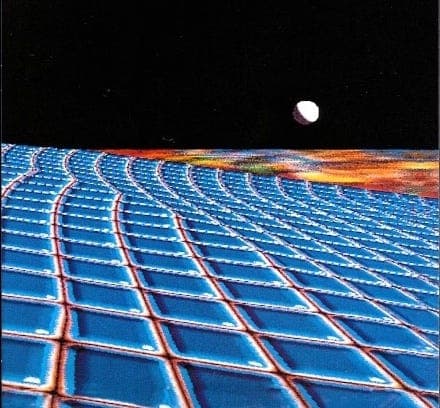
- Book Discussed: *Futuromania: Electronic Dreams, Desiring Machines, and Tomorrow’s Music Today*
- Main Themes:
- Exploration of electronic music's history and its implications for understanding our past, present, and future.
- The contrast between *Retromania* and *Futuromania*.
---
Key Concepts
Futuromania vs. Retromania
- Futuromania:
- Focus on music that signifies a glimpse into the future.
- Explores genres and artists that seemed ahead of their time.
- Aims to present a hopeful narrative about musical evolution and technological innovation.
- Retromania:
- Explores the obsession of pop culture with nostalgia.
- Focuses on the revival and recycling of past musical forms.
- Tends to present a more pessimistic view of music's relationship with its history.
Emotional Engagement with Electronic Music
- Electronic music often evokes feelings that are both human and inhuman.
- It serves as a medium for processing complex emotions about technology and society.
- Listeners are drawn to both the ethereal and mechanized sounds, reflecting a longing for transcendence or escape.
---
Key Discussions
The Sounds of the Future
- Early electronic music (e.g., Kraftwerk, Donna Summer) provided a soundscape that felt futuristic.
- Hosts reminisce about personal experiences with music that felt groundbreaking.
Processing Technology Through Music
- Music often reflects our ambivalence toward technology.
- The duality of excitement and fear regarding technological advancement is mirrored in the evolution of electronic music.
Historical Context of Electronic Genres
- The impact of societal conditions on music:
- 1970s synth music reflected both optimism and a somber view of the future.
- Genres like jungle and gabber express dystopian themes influenced by contemporary media.
Nostalgia and Rediscovery
- The cyclical nature of music trends: older genres resurge in contemporary scenes (e.g., gabber, hardcore techno).
- The phenomenon of retrofuturism: blending nostalgia with forward-thinking aesthetics.
---
Important Moments in the Conversation
- Personal Anecdotes: Both hosts share formative experiences with music that felt innovative and 'future-like.'
- Simon Reynolds' Insights:
- Discusses the evolution and impact of electronic music over decades.
- Reflects on the blending of past and future sounds and their implications for current artists.
- Cultural Critique: The podcast raises questions about the future of electronic music and whether it risks becoming a 'museum piece' as it ages.
---
Key Takeaways
- Electronic music serves as a lens for understanding broader cultural sentiments towards progress and technology.
- The nostalgia for past genres does not negate their potential to inform and inspire modern music.
- The quest for musical innovation continues alongside a complex relationship with history, highlighting the importance of context in music appreciation.
---
Additional Resources
- Book: [*Futuromania: Electronic Dreams, Desiring Machines, and Tomorrow’s Music Today*](https://www.hachettebookgroup.com/titles/simon-reynolds/futuromania/9780306833786/?lens=hachette-books)
- Follow Simon Reynolds:
- Blog: [Blissblog](https://blissout.blogspot.com/)
- Social Media: [X (formerly Twitter)](https://x.com/simonretromania?lang=en)
---
Conclusion The episode provides a rich tapestry of insights into the realm of electronic music, emphasizing its role as a reflection of cultural aspirations and anxieties. Reynolds' perspective invites listeners to contemplate the continual interplay between the past and the future in music.
Written by AI. May contain mistakes. Listen to the episode to check what was said.
Transcript
Automatic transcript. May contain errors.0:20Hey pals, it's Andrea and Emily with The Culture Journalist. And today we're talking about music that sounds like the future and what exactly that even means. Emily, what was some of the first music that you heard that kind of felt like that to you? I think I remember being in like late middle school, early high school, sitting in my cool friend's apartment in the East Village. And she showed me Kraftwerk's 1977 album, Trans Europe Express. specifically the song showroom dummies where they're singing from the perspective of these mannequins I guess and with the like synthesized sounds and then the way they were singing I was like I cannot tell like when this was even from it just sounds so new and like what a strange and striking and novel idea to have someone singing from the perspective of a mannequin and almost like ambiguously celebrating becoming an object or like a man meets machine sort of situation.
1:28Totally. Kraftwerk and that album specifically were like a big one for me too. What about you, Andrea? For some reason, I have this really early memory burned into my brain of being like, I don't know, seven or eight years old and in the backseat of the car driving around with my mom. And Situation by Yaz or Yazoo came on.
1:50And I remember it was like so loud and so intense. And while even at that young age, I had a sense like this is 80s music. But I also just remember being like really like freaked out and overwhelmed by it. And it just being like so synthetic and intense and feeling almost a little scared by it. And like not being able to tell if like the vocals were a man or a woman.
2:18and it was just this realization that there was something else out there that I didn't yet know or understand. Totally and these feelings you described are all feelings that we're going to be talking about today. It's funny because if you really stop and think about it even the kind of electronic music that we say sounds futuristic like the examples we've just discussed doesn't always necessarily evoke the future per se. It can also feel like it's speaking to our present or even the past, right? Absolutely. The future itself is this nebulous concept that can kind of be applied to any range of sentiments or emotions or things that we might be grasping out.
2:58So Emily and I have both spent a good chunk of our careers covering electronic music. So we were especially excited to find out that one of our all-time favorite music critics, Simon Reynolds, has a new book out about exactly what we've just been talking about. It's called Futuromania, Electronic Dreams, Desiring Machines, and Tomorrow's Music Today. And it's a collection of pieces focused on music that, in its moment, seem to presage the future. So Simon, as you probably know, has written a number of other very definitive books on music cultures and movements, like Energy Flash, or as it's known in the U.S., Generation Ecstasy, which was about techno, EDM, and rave culture, Rip It Up and Start Again, about post-punk, and, of course, 2011's Retromania, which investigates pop culture and pop music's addiction to its own past.
3:54Futuromania is kind of the flip side to that book, exploring the vanguard genres and innovators that sparked anticipation for the utopian world or the dystopian world that often seems to be lurking just around the corner. Future of Mania encompasses over two dozen essays and interviews, offering a chronological narrative of machine music that spans from the 1970s to the present, and covers artists and movements ranging from analog synth to autotune and Giorgio Moroder to amnesia scanner and Jalen. Along the way, Simon threads the interface between pop music and science fictions, dreams and nightmares, offering a portrait of the humanity that's always lurking just beneath the surface of new technology.
4:40So Simon joins us today to take a walk through the annals of electronic music history, from Kraftwerk and underground resistance to Daft Punk. We dig into the differences between retro-mania and future-mania, the deeply human appeal of music that sounds distinctly inhuman and machine-like, and what music that sounds like the future can tell us about our present. Hint, electronic music seems to often have functioned as a way for people to process their ambivalent feelings around technology. We also discuss the role of retrofuturism in the genre's history, a personal favorite of mine, the cycling back into fashion of decades-old electronic music styles like gabber and hardcore techno, and the changing meaning of musical newness in a world where even electronic music itself is now nearly half a century old.
5:31We'll be right back with Simon just after the break.
5:55The Culture Journalist is an independent project that relies on word of mouth and is funded entirely by listeners. If this pod adds something meaningful to your life, please consider supporting our work by becoming a paid subscriber over at our sub stack.
6:26Hey guys, we are back with Simon Reynolds. Simon, thanks so much for joining us. Oh, great to be with you. All right. So Future Romania, as with some of your other books as well, is a collection of your writing, criticism and interviews. When and how did the themes for this particular book and collection emerge to you? Like, how did the concept come together? Well, it has a bit of a tangled, somewhat boring publishing history, but it was an idea that came from my Italian publisher. And I won't go into the whole backstory, but it was something we came out together and then came out in Germany in a slightly different form.
7:03And then my English publisher wanted to put it out and we sort of reconceived it a bit and adjusted it. the main problem was that um i didn't want it to overlap too much with energy flash or rip it up and start again or indeed uh bring the noise which has a lot of hip-hop writing in it so uh the pieces sort of chose around that but it's basically it's sort of like um i suppose like a kind of sister book to retro mania in the sense that it's almost like the obverse of it retro mania was kind of gloomy and depressive really you know it came out in 2011 so as well do about the first decade of the 21st century and the huge explosion of this archival music culture and pastiche and revivals and all this stuff so it's a kind of glum book and i kind of like the idea of putting out a book that was much more excited in time and about you know the kind of future music that would give you these ideas about that music should be constantly innovating and moving forward and it's sort of drawn all across i suppose my lifetime as a listener really because the first piece is about i feel up by donna summer and georgia moroda which is probably the first time i can remember feeling like a piece of music was futuristic or a pop single anyway and then it goes all through 80s synth pop industrial various kinds of rave music right up to recent years with conceptronica and sort of auto tune track and stuff like that some of the pieces were written in real time at the time like this piece on acid house that's in there was written in 1988 others are historical pieces so they were written you know decades afterwards but go like really deep into the story so that's the thematic really you know it's like music that feels at its moment of release or its emergence felt like a glimpse of the musical future maybe somehow had some kind of vibe of the future future like you know what life or the world would be like in the future yeah so how would you actually define Futuromania and how does that compare to Retromania, which was, as you mentioned, the concept that you've explored in your previous book by that name?
9:11Yeah, I don't know if I'd really call either word a concept. Retromania is sort of like a buzzword. And I don't think it's the word I came up with. I seem to remember there was a vintage clothing store called Retromania in london and this current book i'm working on now is about the late 80s i was going through old reviews and i saw a review by a friend of mine from 1988 where he talks about a certain band as having retromania i think it's this word that was floating the way i use it in retromania is a loose buzzy term for a whole set of actually quite discrete phenomena that sort of seem to converge in the 2000s to create a uniquely depressing musical landscape.
9:53But, you know, reissuing revivalism, pastiche and vintage aesthetics, you know, the whole phenomenon of bands reuniting and festival lineups that were largely legacy acts. These are actually all separate phenomenon, but they all have this quality of being about the past or about a kind of museum culture. And, you know, another phenomenon is museums. When I was growing up, there were no such thing. was rock museums or museums of youth culture. But then by the 21st century, there were loads and loads of museums and exhibitions and a curatorial thing going on with music's history. And then future mania is a similar sort of buzzy word.
10:30I suppose a significant bit of each word is the mania, because there is an excitement to retro culture in a way. There's an excitement of being like an archaeologist digging through the crates, and an excitement of some of the music of the noughties, like Ariel Pink or Hauntology, where it's very retro-oriented, but there's exciting new things being done with the past. And you can be as obsessive about exploring the past and digging in the crepes as you can be about chasing the latest, weird, futuristic sound. Futuromania is, though, is meant to be a word that is indicative of a certain kind of mentality, almost a neurology of always chasing the cutting edge, always hotly anticipating and hungering for the latest micro genre and the latest kind of weird sound which i think is you know something that's i've found my life a lot but i feel like there's still lots of people young people who are like that and are chasing including my own son so they're chasing um chasing the latest micro or even nano genre see shit post-modernism our episode yeah and coming up with these words Sometimes the artists, musicians generate these concepts, these words for genres, but then other times a journalist leaps in to fill the semantic vacuum.
11:50And it's interesting because sometimes the naming of the thing that's new because of the way that culture works is actually naming the cycling back into fashion of something that's old. Exactly, yeah. Like with new gaze, you just add the new, N-U, to anything and it's sort of new and it's old at the same time. exactly and then you were kind of doing a history of sounds that sounded fundamentally new in some way or looking towards the future yeah i mean i think that's the common theme or leitmotif or whatever through most of these pieces the ones that were written in real time you know say that's your house one i'm telling you like what the hell is this music and i think there's quite a few errors and and sort of misunderstandings of the music simply because it's so new at that time i'd I actually corrected a few things I made where I refer to people from Detroit as just being house musicians.
12:42Because at that point, I only fastened on the word techno. Describe themselves. I just picked up in a bunch of house 12 inches from a record store in New York. I just happened to pick up several from Detroit, but I wasn't aware at the time I wrote the piece who Derek May was or who Kevin Saunderson was or whatever. So that's very much like a piece written in the heat of the moment. Then the other pieces are, yeah, like reconstructing. It's still about a musical moment that was extremely new, but it's kind of historically reconstructing it and going much deeper into the story than journalistically you would have been able to, I think, at the time it originally happened.
13:20Something interesting about the premise of the collection is that, you know, it's maybe like a cliche, but we often talk about music as being moving because it taps into something very human. this is not everything you were looking at but one of the feelings you were sort of looking at through time was why people are attracted to something that feels alien or inhuman very machine-like through looking back at this like long stretch of history how do you explain that attraction to something that it feels distinctly not human like what emotional function did you see it serving for people? I think it can vary.
14:00I mean, I think it's related to probably the sort of feelings people get when they read science fiction. And there's, I'll say like with I Feel Love, when that came out, there was a feeling, which is actually an illusion, but like the feeling you got listening to it was it was untouched by human hands. Apart from Donna Summer's vocal, which is itself quite ethereal and not exactly gaseous, but like, you know, she's like some angelic post-human being on that record so even that sort of fits the feeling but like you know there's a sort of feeling of absolute you know beyond the human precision about the track that it feels like you know no human humans are involved actually what i do in the the piece about it is i actually go about all the very human inspirations behind it like donna someone was crazily in love had had time and channeled that feeling she had uh and uh the guy who uh one of the people involved Pete Bellotti was a literature nut and they had come up with this idea of a record called I remember yesterday this is the Donna Summer album and every every song was supposed to be about a different era of uh music that they returned to from the past um and this you got this idea from i think it's anthony powell dance the music of time it's like a 12 volume series of novels and you like the idea of uh with each novel set in a slightly different decade i think or period of someone's life uh so that was the inspiration then at the end of it as an half almost as an afterthought they they they said um uh let's do a song for the future which is what i feel love was and you know in the whole track every every element of the track which involves great human ingenuity and grappling with technology but the end product as it was heard felt really futuristic and it seemed to sort of suggest i think with it seemed to suggest a sort of utopian pleasure pleasure dome kind of the future where where your pleasure is programmed you know sort of some fantastical sci-fi discotheque i i think i bring up this thing in um at some point i've mentioned maybe it isn't in that piece but um you know like the film logan's run there's a thing called the love shop which is like a kind of sex or something like it's like all like some fantastical discotheque uh but also like an orgy at the same time so there's this sort of idea the future is like program for your pleasure kind of thing but then there's also the more dystopia and eerie the machines are controlling us kind of fantasies about the future that you might get off some of the acid house or techno records where there's a feeling it's a sort of a dark thrilled to sort of feel like you're surrendering to the sinister machines that are kind of making this music again it's a sort of fantasy because these machines don't produce anything without human will and intent behind them yeah i was thinking a lot about this while reading your book and also just in anticipation of this conversation and especially thinking a lot about i feel love because that's like one of the most important songs ever to me like i think as with many people.
17:05It's just like profoundly transformative upon first listen. And I wonder if part of what you're getting at, Emily, has to do with like when we as humans try to take feelings that are inside us, and of course, they feel pure inside us. But when we try to express them or articulate them outside of ourselves, they almost get tainted and become imperfect. And there's a kind of impossible perfection and almost purity and seamlessness that machines can achieve with that articulation. Does that make sense? Yeah, no, I think that's right. I mean, I think, yeah, a lot of the associations, you go back even before pop music to the early days of music concrete and avant-garde electronic music.
17:45And I think it's partly because the space race was happening at the same time and all the first sort of, you know, satellites were being fired up into the atmosphere and beginnings of, you know, attempts to land on a bin. But a lot of the imagery that people applied to electronic music was like space, you know, places where no humans were, and sort of ideas of heavenly, some sort of immateriality, a zone of immaterial perfection, leaving behind, you know, the earthy and human mess and human emotions. You know, if you listen to a lot of craft work, that's very much the sort of techno-utopian imagination, isn't it?
18:24something like neon lights isn't obviously set space but uh the song neon lights it's like i don't know someone from a car or maybe a plane that's landing or a bus seeing the cityscape as this sort of shimmering carpet of neon and feeling sort of serene and slightly remote but at the same time it's an idea of technology as this sort of marvelous potentially heavenly thing and the modern world is something that could be glorious so i think that that sort of it does sort of has that evocation of its yeah leaving behind the sort of messiness being human yeah it externalizes and articulates the internal in a way that we just can't do it just gets muddled when we try perhaps yeah and i think yeah i think it does sort of often come out almost like the idea the music of the spheres or something celestial or something yeah celestial purity of the tones you know you know the thing is with electronic music you can do very gnarly maculate abject sounds with it as well as dropping gristle show or a lot of more recent artists like arca or amnesia scanner or whatever they're making quite quite gnarly sounds with electronic music digital music but um a lot of certainly the early days of electronic music the purity and cleanliness of the tones almost invited these sort of ideas of ethereality of of the angelic think of the song like um craftworks the man machine it's like electronic beach boys or something it's got that kind of hymnal quality to it and it's sort of like the idea technology could make us angels kind of thing yeah or make us like the raging beast that we feel inside to go to the opposite of that extreme that you were just touching on like you know it's always going to be more satisfying it's going to feel more cathartic to hear some industrial distortion fried mechanical grind than just to hear somebody going, ah, ah, ah, you know, or to feel yourself going, ah.
20:21Yeah. Well, I mean, a group, I'd say like Suicide, one of my favorite piece, but they're not actually in this book. You know, they did songs like Frankie Teardrop, which are like electronic minimal psycho, a guy going crazy and killing his family and himself. But they also did things like Dream Baby Dream, which is absolutely shimmering hymnal kind of things using the same technology. I mean I think that you know although a lot of the fantasies in this music I write about relate to these ideas of leaving behind the human at the end of the day they're fantasies had by humans totally and in this book I kind of emphasize the human beings and the individuals and their sort of quirky stories and their struggles with technology whereas back in the 90s, partly because I think there was a lot of fashionable theory around then that tended to depersonalize everything, I tended to almost attribute sentience to genres and say you know the music is moving this direction we are dragged with it into the future we must submit to the will of technology that was kind of theoretically if you think of the things that were out of that time like donna harroway french writers like paul virilio and deleuze and guattari that emphasis on anonymous processes and you know this concept of desiring machine you know this was this was sort of the way people tended to like to characterize how culture worked, was to de-emphasize the agency of human individuals.
21:52Hey pals, if you're enjoying today's episode, we want to remind you that the only reason why we're able to keep this podcast going is because of the generous support from listeners like you. If you can't chill out for a subscription, we understand. We know things are rough out there right now. But there's another way you can help us out, which is heading over to Apple Podcasts and leaving a rating and review. It literally takes only 30 seconds, and it actually goes a long way to helping people find us. When you were looking back at this work and putting it in music history, chronology, was there anything unique about the cultural and social context that were surrounding these moments in music that you began to sort of identify?
22:36Was there any kind of like cultural foment or by contrast, maybe malaise that were happening that you noticed sort of in tandem with when these changes arose? Like what was going on that seemed to give rise to these kind of new iterations of future oriented music? Well, I think, you know, in the 70s, although a lot of people talk about the 70s as the decade when faith in the future that sort of naive faith in the future kind of faded and there was a bit of a post moon landing come down you know a loss of interest and excitement about exploring space and you know worries about pollution and overpopulation and this idea that faith in the future kind of faded a lot you know If you actually look at popular culture of that time, like I have an essay in there about these people like Jean-Michel Jarre and Tangerine Dream and these sort of people doing these synth epics, like 15, 20-minute long tracks, Klaus Schultz.
23:40It was a huge genre of them. A lot of that music was based on a naive excitement about electronic music and the idea of the future. And you had magazines like, I don't know, there was this magazine called Omni, very sort of excited about technology, excited about the future kind of. so the two things we go on there was this sort of kind of gloom about the future like in the uk there was a tv series called i can't remember what it's called something it was like catastrophe or something or crisis like all about you know ecological crises and the characters would go out and solve some kind of problem david bowie did that song five years which was like you know we've got five years left there's another show that i loved as a boy called the survivors where like um biological weapon escapes from a laboratory and 95 percent of the population is wiped out so it's about people trying to survive there's a lot of gloomy dystopian stuff around but there's also this sort of counter current of you know science fiction that was quite filmed and there's the whole Star Wars thing, close encounters so you know the two things were going on and I feel like that's sort of carried on in a way you know on the one hand you have a lot of the artists that I write about in the book like some particularly the jungle artists and the Gabba artists they were very influenced by what I think of loosely as cyberpunk films you know like Blade Runner Robocop Aliens Terminator these are all but pretty if you think about that pretty grim scenarios going on in them either with you know robot cops cracking down on the population or it's like some kind of corporate future so that's very influential on the imagery of of Jungle and and Gabba this sort of bleak collapsed decayed or dystopian tyrannical surveillance-oriented future.
25:24But in a weird sort of way, there's a kind of excitement to that. In the same way, there's an excitement to, say, more recent films like The Hunger Games or whatever, where a lot of young adult fiction is dystopian-oriented, isn't it? And it often has a plucky band of renegades fighting against almost insuperable forces of control and tyranny. So weirdly, the dystopian stuff is as much a vehicle for exciting fantasy, probably more so than utopian visions of the future in a weird way certainly because it lends itself to action-oriented suspense-oriented plots and heroic struggles and stuff like that but i mean i suppose looking back one thing that occurred to me it's part of the excitement of electronic music and then later on digital music was how little it actually impended in everyday life like you know we led largely un-digital lives you know in in the 90s certainly and that's why in a way the technology and the sound of that technology could have this sort of excitement about it.
26:22Now we're swamped and we're completely prosthetically merged with our phones and we're always online and much more pervasively penetrated by electronic systems. So it feels less like a future, more like just somewhat stress-making present electronic sound, I think. Yeah, like even in my coming of age time, like I'm a millennial, I guess elder millennial, and there's of course like other movements than this i'm just zeroing in on some that were like important for me but i remember like in the arts there was like a feeling i went to college and like the western mass noise music scene right and and this is around the time also of like the you know new weird america thing and people were using technological tools and they were obviously like using the beginnings of the internet to you know spread awareness of their music and create like a national network of people making this kind of music but the the general movement seemed to be towards making music that suggested a retreat towards technology and an embrace of this kind of like hippie back to the land vibe yeah and then like as time progressed like even with i don't know it's always kind of dialectical right it's never just like one feeling about technology it's like muddled but i remember you know heading into the turn of the tens with the rise of even genres like chill wave and these kinds of hipster electronic musics of the time there was also a fetishization of like older tools like rejecting the digital right yeah wanting analog synths and exactly yeah analog synths and like also fetishizing like old vhs imagery and stuff like that and so it was like embracing technology in a more forward way but also it was still I guess in that retro mania vibe yeah right but then I remember like as like the tens progressed and like you you mentioned ARCA as our lives became more intertwined with the digital there was actually it felt like a moment of excitement around the digital yeah and you had hyper pop you know very much like glossy crisp sounds and artists like Sophie and and everything things very sort of super super digital hype super digital and super bright colorized sounds exactly and it was kind of a i think it wasn't like without a simultaneous critique of it or it was almost like emphasizing the almost like cringe aspects of the digital too and right um but there was more of an excitement of like oh we can use technology and the digital to like transform to express identity, to become beings that are more fully realized than our earthly selves or something.
29:17That was like a time that that whole trajectory for me as a millennial was like very important to me. And I'm not, but I'm not really sure where we are now with that. Yeah. And it seemed to sort of match. Like I remember the first time I started to see people in the street where it seemed like they were trying to look like the version of themselves they'd put on Instagram or wherever, where they kind of sculpted their eyebrows to look sharp. as the sort of doctored and filtered images they put out there on the internet, on social media. So you're right, there was definitely this phase of everything was kind of, you know, as a sort of faded, distressed, analog media that's aged with time kind of feel and blurry aesthetics.
29:58And then it seemed to switch. I like someone like James Ferraro kind of went some quite no-fi, you know, not even lo-fi, kind of no-fi sounds to then very very super crisp digital but yeah as you say almost parodic digital kind of what was the record he did that was like far side virtual yeah that seemed to be a big shift uh and yeah and some of the same people who've been doing quite sort of yeah misty cruddy sounding records suddenly were doing very very um super clean sounding records yeah but yeah it's all very interesting because you can just kind of you know you can do this at any moment But it seems like you can look at these texts as, you know, ways of people processing both the possibilities and, you know, maybe fears around technology.
30:47Yeah, I mean, I think, you know, it's always been a double-sided thing, isn't it, technology? As much as people feel excited and empowered or just thrilled by it, there's always this sort of sense that it's addictive, it gets in your head, you know, you can't put your phone down. Who's in control of this? It's empowering, yet it's simultaneously enthralling in the sense of thrall, like it's got some kind of control over you. And you get that thing, I think, in quite a lot of Acid House music, had songs that were this artist, Sleazy D, which I think was actually Marshall Jefferson, had this song, I'm Losing Control.
31:24And then there's various other Acid House songs that have this sort of idea of almost of abduction and of being taken over. by the machines and by this music that is so strange and seems to come out of nowhere. Someone wrote a really good story, a science fiction story, bizarrely, there's a guy called Alastair Reynolds, no relation, but it was about the idea of a techno track that no one knows what it's called, and it just circulates on the scene, but there's some kind of audio virus within it. It sort of gets inside people's brains, and I can't remember what happens in the end, but it's not good.
32:03It's sort of proliferated. It's uncontainable. Before I go to the next question, I called up a quote from your chapter on Daft Punk that I feel like is especially a kind of salient coda to everything we were just saying, where you're talking about your son, Kieran, who at the time, I think this was written maybe like 11 years ago, so he was still a young teen. 14, I think, I'm 13. Yeah, and he said, my son doesn't really live with an idea of the future, By that, I mean a cultural idea of the future. Time is unfolding in a linear direction. He looks forward to things. He has vague thoughts about college and what he'll do when he's a grown-up.
32:40But there's no special excitement about the future with a capital F. Little sense that it'll be better or even dramatically different from the present. And I thought that really resonated. And it's also funny to think about how much that sense has kind of changed but not changed since you wrote that. Or kind of what has happened with that fact. Or what has emerged given that fact. because I do think that that fact is kind of a given and that was very true in the decade that's elapsed since you wrote those words. Yeah, I mean, I think I don't also have an idea of the future. Whereas, you know, when I grew up, you know, listening to all these kinds of music, but also I was really into science fiction and just generally really curious about what the 21st century would be.
33:19I bought a few of these sort of popular nonfiction paperbacks you'd get, like, every sort of maybe some, not science fiction, but like futurology. You know, so I imagine, like, by now, that the skies would be full of dirigibles, an old-fashioned word for an airship, a directable balloon, essentially, and freight would be carried by these giants, you know, Zeppelins, I guess, and people would travel, you know. It could never happen. There were all kinds of, like, you know, great sort of intriguing... You know, I mentioned this magazine Omni. There was a show in Britain called Tomorrow's World about new technology and things that were going to happen and possibly take off and become determinant of the future.
33:58So growing up, certainly, I don't know if I actually definitely thought I would visit the moon as a tourist, but, you know, it seemed possible. And I don't feel like any sort of mental pictures, really, of the year 2100. I don't think there are any sort of, anyone has any mental pictures of that or even of really what 2050 will be like, except the climate unfolding disaster, really, I think is the main thing. And maybe AI putting loads and loads of people out of work. But, you know, there aren't really bright pictures of tomorrow that possess the cultural imagination, I don't think. You know, William Gibson had a great comedy made on Twitter, I think.
34:35He pointed out that as early as the 1920s, the phrase 21st century was in quite common parlance. The idea of the 21st century, what would it be like? You know, will everyone travel by, you know, rockets, you know, instead of buses or whatever? and we don't the idea of the 22nd century does just not really a phrase in in in common parts is it it's not like something people talk about think about imagine refer to so i thought that was in that was an interesting comment this is a few years ago but sort of reinforced the sort of thing i'm talking there in respect to my son's generation and what do you i mean do you do you have any enticing or just any pictures at all of what life will be like in 30 years time not really Like hotter and poorer.
35:22Hotter and poorer. I don't know, but it changes, right? It can, and we forget, I think, because our news feeds and phones and social media are so mainlined into us. We're such boarins in that sense, if I can make the science fiction illusion, that I also think part of this is because we've become conditioned to be able to think about that less because we are so, we're constantly feeling like we're behind on the present while we're in the present too. So I also think there's been a sort of clipping of imagination, of the future imagination that's happened in addition to maybe some realities that make it less alluring to fantasize about.
36:01I just saw an exhibition at MoCA in LA. Someone called Josh Klein did this huge immersive exhibition called Climate Change. It's almost too much. It's not something you just spend a week to fully look at. but it's sort of like a science fiction novel set up as different chapters for each room. And there are these little films. One of them that I did watch most of was like a young woman in, I don't know, Portland or somewhere like that, who was seemingly sort of kind of liberal, but was very opposed to climate migration, by which she meant people from Texas and Arizona moving to her state because it was literally unlivable.
36:43This is like, I don't know, 20 years time or something. literally unlivable in those states. And she was very much like, we don't want these people here. It's their fault. They didn't believe in, they thought climate change was a hoax. Why should they come and raise the cost of renting in our more temperate state? I thought this idea of internal to the USA climate migration had never occurred to me. So I thought that was a very clever, you know, kind of science fiction I actually like, sort of extrapolating from current trends to the near future. That's the kind of stuff I really most enjoy. Totally, yeah.
37:18Love a near future dystopia. And then another one is on this theme, is I did read, it's a relatively optimistic book, Kim Stanley Robinson's Ministry for the Future, which is also about climate change. It's one of those science fiction books that's panoramic, so there's multiple plot lines and things going on in different parts of the world. But one that really sort of amused, alarmed me was that there's an atmospheric river descends on LA, flooding the LA basin. And a road quite near where we live becomes a river. And the female character happens to have a canoe. And she's one of the only people who is able to go down Orange Blossom Grove, whereas everyone else is sort of sitting on their rooms in desperation, waiting to be rescued.
Read the full transcript
37:59So that was, you know, that was very literally close to home scenario. I did think of one kind of like aspirational, inspirational futuristic imagery that i have seen and sometimes can imagine or think about um which is i've seen this in line like more kind of uh tech circles but there's a preoccupation with almost like solar punk kind of imagery where it's like very jarring juxtapositions of like high tech and nature um like there's this really cool collective called felt zine that i follow did this series of images. I think it was kind of like partly AI generated, but it was like images of people using computers in all of these different outdoor settings, like in a lake or, you know, on a tundra or in a forest.
38:50And yeah, and it kind of does dovetail with like, I have some friends here, for example, in Philly who are urban farmers. And one of my friends is like a he works on like a black lead farm that makes like produce for people living in food deserts in philadelphia and there's like definitely discussions going on around you know how the city of the future is one that involves like you know a skyscraper next to an urban farm as a way of combating climate change or this is more on the like kind of cringe real estate element of this but like you'll see sometimes these architectural renderings of like vertical forests which are like skyscrapers with plants you know and gardens on every level and things like yeah i mean human ingenuity is is always amazing and so many great ideas about things to you know generate power without leaving a carbon footprint or rebuild wetlands and damaged environments so there's There's fantastic ideas.
39:52It's just there is a sort of feeling of like, it's too late. It's all out of control. Things are already fat. Like when you read in the paper about how there's all these microplastics already in everything. In your body, in the water, in plants, in animals. You know, even like say in LA, a lot of public places like museums have flushless toilets. And they often have a little sign above the toilet saying, we are saving, you know, 47 million gallons of water a year or something. Some astronomical amount through this thing, this technology. That's like a relatively new clever thing. But it's like, sometimes you feel like it's not enough.
40:30You know, touching on this idea of the ministry of the future, which I think in the book is some kind of organization within the UN. You can imagine this future world government actually sending troops into countries that have not performed their environmental policies. Definitely sounds like a science fiction movie to picture that. Yeah.
41:00Simon, which moments in the history of the electronic music that you write about here, do you feel the most resonance with personally or generationally? um well i mean i suppose they are the ones that where i was like sort of really involved like in a real time on the front lines kind of way so i mean the whole sort of 90s thing of jungle particularly gabba all of it really i mean i liked everything that was going on there and it felt like a sort of a musical social vanguard i felt very lucky to get caught up in it and you know able to sort of write about it all very much like in real time you know week by week month by month and you know i was like going out to loads of raves and and stuff having adventures you know like i feel love was a big month for me just as i wasn't even really following music that much at that point but it's one of the first times i can remember being really startled by a pop record it's number one for a month i think in the uk and and i was then very into science fiction and it just sound like nothing i'd ever heard before i don't know i mean another there's a whole chapter on auto tune and that's sort of informed by living in la driving in the car and hearing a lot of really exciting auto tune based rap on the radio and driving around at night you know with uh cars all these sort of you know as most cars do bright tinkling colors and patterns and things showing you how much gas you're using versus how much electricity and whatever so it feels like you're in a little spaceship anyway and then you have this you know i don't know future or taliscan or something like that and the sound of it seemed to fit the the vibe of traveling in this car with the glittering dashboard you know and this little future futuristic capsule that was another real-time sort of period where i was like amazed by what i was hearing and that's kind of reason why when the opportunity came to write an in-depth historical piece about autotune from the beginning i sort of jumped at it and actually wouldn't really although i've never made used it myself i've actually studied youtube tutorials on autotune and melodyne and all these things trying to really understand the things that producers could do and and i was flabbergasted by it really was like science fiction a lot of the stuff you could do to a human voice or any instrument actually with Melodyne.
43:26You could just completely reshape it and re-articulate it, change the emotional feel of it. So, you know, those are some of the phases where I felt like there's a sort of real, real-time thrill about the sounds I was hearing. I'm curious what you think about the particular thrill, and I don't know if you feel this as well, that people get from, you know, retrofuturism. I'd mentioned like a moment in my generation where it felt like people were very interested in like OPN, maybe like a poster child of this, like fetishizing the analog synthesizer and getting really into like, you know, Wendy Carlos.
44:06So yeah, like why do you think people get so tickled by visions of the future that never came to be? And have you felt this yourself? Absolutely. Yeah. I mean, like a lot of people, I did this whole thing of like becoming obsessed by the BBC. radiophonic workshop and then you mentioned um one of tricks point never um yeah around that time because a lot of the artists like him and i don't know if else emerald and james fryer or whatever were referencing new age music you know a bunch of people at that time it's like oh maybe new age wasn't this ridiculous music or very bland music that only aging hippies listen to maybe there was something there and then listening and hearing interesting stuff in that zone and sort of starting to reconceptualize it and say oh actually it's kind of a cousin to ambient music and what Ina was doing and some of it came out of tendencies in kraut rock and actually maybe it's a legitimate form music so yeah I'm I love that whole archaeological thing about digging through music history finding things yeah a lot of my listening actually to this day is like oh in terms of why people find it exciting I mean it's just the sounds often sound better something think about the sound center of that time crisis kind of vibe i think um the end product like the sort of reverb on early music concrete it's very flavorsome all those things that bbc radiophonic did then again there's the romance of these particular artists something sort of heroic about them delia derbyshire hitting a lamp a metal lamp in the bbc and making this ring tone and then turning it into a particular piece where she's taking this source sound and doing all these amazing manipulations of it.
45:49And I suppose also with some of the music, there's also the sort of naive optimism that sort of seems to come off the early moments of when chopping up tape was a new thing or when analog synths were a new thing. I don't have it in this book, but there's this sort of phase i call it like synth delia which is like when rock groups in the late 60s used moogs or sometimes they actually made their own sound contraptions so like groups like the united states of america silver apples 50 foot hose some famous rock groups also dabbled a bit like the birds and the doors and the beatles jefferson airplane but these sort of groups that they'd ever kind of made it at the time white noise is one this is a group that delia derbyshire was involved with that were signed to Island Records and they did this amazing, tripped-out electronic psychedelic record.
46:41There's something about the optimism and excitement that these artists had. Also, the struggle they had, because it was a lot harder to get good results than, you know, I think the White Noise record had something like 15 ,000 edits in there, like 15 ,000 little snips of tape that were then joined up to create these effects that probably nowadays you could achieve the results almost instantly with what's available to people there's something about the struggle these artists had to create otherworldly sounds using quite clunky machinery so yeah there's a there's a romance around all these things i think that's what people tap into totally i definitely resonate with the like sort of longing for the naivete of a simpler time aspect perhaps and yeah and i think they were you can sense the excitement and there's something of it being the first time and going into the unknown i don't know if it's real or if it's some kind of projection but like for instance like right now there are loads of people who make very good facsimiles of sort of early mid-90s hardcore rave and jungle tunes when they They get sounds right, and they often use techniques that we use then so that it sounds like the gristiness of the sped-up rape beats and certain kind of bass tones that people got.
48:04They're very enjoyable to listen to, but there's some absent quality. They don't have that feeling of an actual record from 1992 or 1993. And I sort of, perhaps mystically, feel there's some sort of zeitgeist thing that gets into the record of when it really is a new thing, when it really is a breakthrough into, you know, Terra Incometa. I tend to feel that anything that's really new at one point, somehow it always remains new. That's why you can go and look at, you know, a Miro painting or some early avant-garde film or something. And it's still, even though the techniques of you ought to be completely bored and completely familiar to you, they still somehow have that little frisson, that shock of the news somehow trapped in them.
48:52I totally thought that the other day when a car drove past playing Pop Smoke, you know, who passed away a few years ago, especially with like the combination of the vocals and the grime instrumentals and especially like the grime production and the vocals. But I feel like that electronic music foundation, that always feels new. I was just like, this will never not sound new and fresh and kind of exciting. I mean it would be interesting maybe perhaps to prove it you'd have to sort of take someone who never heard either the thing or the original thing and sort of see if they can tell the difference maybe they wouldn't I might I teach music students so I might I might actually try that see if they can spot the difference you should definitely do that I would love to know the results this kind of thing doesn't just apply to it try music I mean I like a lot of the new Shuge's music being made but I feel there's something in the My Bloody Valentine or Slowdive stuff that just captures the excitement of that moment of doing something new with a guitar, or say with Hendrix or Birds, you know, Eight Miles High.
49:59Equally wild and unforeheard, things were done with guitars at various junctures in music history, and that has the same thrill. It still sounds amazing. It doesn't sound hackneyed or ancient or anything. Yeah, and you make the really great point in the introduction to the book that we can't really draw a solid line between electronic music and rock music anyway, because they're especially like amplified rock music is electronic music. They're all using electronic tools to some degree. yeah yeah i mean i once when i was trying to learn how to play guitar a long time ago my friend lent me guitar but not the amp so i was just amazed how pathetic the guitar sounded electric guitar sounds it's a teeny little scrapey sound without the amplification but learn all the effects pedals and things yeah it was so far from the noise i dreamed of briefly dreamed of making comic guitar um so yeah i mean i'm sure there's that there is a distinction between electric amplification and electronic music that is real but it's a blurry line and uh once you get into effects pedals and and then what people do in the studio with guitars it's pretty much a form of synthesis i think for sure i think we're at kind of an interesting point right now where some of the music that you document is kind of future adjacent or future pinging and your book is actually being rediscovered reference and almost maybe retreated into as a kind of nostalgia today you know you wrote about uh gabber and hardcore techno for example and that's having a big revival in the gen z driven underground right now and it's also even starting to poke its head into more mainstream sounds it's kind of secretly all over justice's new album um and like the the big single they put out with tame impala uses some hardcore and gabber from like 1995 or 1992 it's just slowed down right so there's a lot of slowed down gabber all over this justice album you mean justice justice justice sorry is that a track called generator yeah yeah generator it's one of the lead singles from the album i think i seem to remember it because it's referencing this sort of belgian hardcore techno sound for about 18 months ruled the world of techno in the early 90s which is kind of the preliminary stage to gabber and things like that and when i did listen to it i was like oh yeah it's like a sort of tidied up a very well produced version of that sound uh but yeah no that is interesting yeah it's fine it is funny yeah especially someone like me has been sort of uh following me for so long you do notice the cycles like with the shoegaze thing i don't feel like there's already been a couple of returns of shoegaze and then this current one and uh as you mentioned the the gabba thing i feel like people like six or seven years ago were talking about a return to gabba or harder sounds i read a piece in resident advice by holly dicker about that um but yeah it's interesting yeah we talked about this a little bit earlier this year on our annual dispatch from Coachella.
53:15I feel like Gabber and Hardcore Techno and these other more aggressive genres are actually starting to finally resonate with wider American audiences, which is interesting. I think this is something we're also seeing with other genres you touch on in your book, like ambient and new age. I mean, especially here in LA, I'm sure you're seeing a lot of that kind of resurgence with artists here. I'm wondering, Do you sort of see this rediscovery reference retreat as kind of a natural part of what happens to any musical genres or movements after a certain amount of time? Or do you think what we're seeing now is a kind of future nostalgia that's specific to our cultural moment?
53:54Probably a little bit of both. But I mean, I think there is sort of something structural about the evolution of music genres where they, when they've been around long enough, they have a history. like when they're starting they don't really have a history as such but you know by a certain point they've got all these sort of past phases and for a new musician it's very tempting to sort of revisit them and you can kind of find you know especially if they were quite brief you know as in the onrush of rave culture from acid house in the late 80s through hardcore and jungle and and tribal house and a million other genres.
54:32There are phases that only lasted a year or two years, and people move on quickly. Like Bleep is this great phase of early UK techno that was only about 18 months long. And I can see how modern artists would be like, oh, there's all these great ideas and sounds, and I could revisit that and do new things within that vein, as some people have done, in fact. So, yeah, I mean, dance music and electro music have a grand history behind them. And so it's almost a structural, medical thing even that the chances are a new artist will be as drawn to revisiting, reworking things or maybe combining different things from different phases, you know.
55:19A bit like, say, someone like Ariel Pink did with the whole history of pop and rock or any number of alternative rock artists. I've kind of been doing that, I suppose, since the late 80s, really. You had a group like Bachel Service, who a lot of their stuff was referring back to pre-punk music, quoting Black Sabbath, pastiching Donovan. It's archival fun, I suppose, is the thing. And that's only possible once you have the archive. In the early phase of music, the idea of looking back, revisiting something doesn't occur because there's nothing to go back to, nothing to draw from. Right. Maybe the difference now, or what I'm sort of observing that it feels like it's a retreat into the music of the future yeah i mean is that also just sort of secular or is that maybe itself a new moment or iteration specific to our context um i'm trying to think i feel like this is something like that has been happening at various points before like say in the early 2000s there was the whole electro clash thing and that was like weren't the 80s cool there was all this sort of very cold yeah we are neurotic we are empty sold people uh inspired by quite a selective view of the 80s like they're very obsessed with the film liquid sky they were oh man warm leatherette by the normal like the sort of cold and erotic we are dead souls we are we are fake we are superficial people kind of thing Miss Chittin had that whole sniffing in the cocaine in the VIP area kind of thing, didn't she?
56:55This sort of cold glamour thing. But there was definitely a lack of looking back to the 80s, looking back to certain Grace Jones, Gina X, sort of certain, you know, quite selective reading of 80s synth pop, ignoring its more warm-blooded, open-hearted, emotional side, like Human League and Soft Cell and things like that. But yeah, this idea of going back to the future, I feel that's the kind of move that people have done. I don't know if you remember this group. There's a group called Add-in to X, who towards the end of the 90s were deliberately using hardware synths rather than digital technology.
57:31Claim they didn't like techno or anything like that at all, but they did a kind of sort of bombastic, almost prog version of electronic music with great Doomy. They very much were using hardware synths. So that's one, you know, this sort of retro future thing, I think is sort of, it's a move that's been made before, and it's sort of enjoyably paradoxical isn't it because it sort of contradicts itself at the same time like it's sort of like futuristic except it's looking back to the future it's sort of nostalgic yet it's really about music that originally was anti-nostalgic or enjoyed because it was like a complete break with the past but you're sort of going back to that you get enfolded in these sort of temporal paradoxes which are enjoyably fuddling totally we had Sean Rinaldo, the writer of the First Floor newsletter, on the pod several months ago.
58:21And I know that you had an interview with him. This is kind of like the other side of the coin. But he wrote this piece about how electronic music is getting old and how we've recently celebrated Techno's 40th year anniversary, kind of raising this question of like, is electronic music itself something that could become codified as this you know thing in amber from the past or something do you think that like electronic music will always continue to be this thing we think of as futuristic or could the thing that is future forward be something else down the line i sort of feel like it's sort of inevitable and as something ages out and yes has this sort of history.
59:08I think there's a huge museum, isn't there, in Frankfurt, the Museum of Electronic Music, something like that. And it's Frankfurt as a city staking its own claims to have been very important in techno music. You know, you have Kraftwerk endlessly touring. I've called their tour like the Museum of the Future. They've been doing it really since the early 90s when they put out an album called Remix, which was like remixes of their most famous tunes. And there's been very little new music for them in 35 years. And each tour they've done, I saw them most recently about five, seven years ago at the Disney Hall in LA.
59:43And they were playing the same set more or less that they played when I saw them the first time in 1990, which was around this remix album. And more or less the same set when they played in New York in 98, I think, when I also saw them. So they're doing this Museum of the Future tour with their own history. And the only thing that changes is that the visuals get more and more impressive. So when I saw them, I had to wear 3D glasses. It was visually amazing. I gather it's got even more amazing in its latest iteration. So this sort of museumification of the future, I think, is sort of inevitable.
1:00:14Although it's disorienting if you've invested this idea that it's always going to be about the future and be a culture without nostalgia. It was bound to happen, you know. People who make it have got older. They're either doing work that is legacy-oriented or they're sometimes revisiting their earlier sounds. you know uh you get quite a few younger people who are fascinated by these past years and do work but it's a paradoxical time in a way in a way in a way my book's sort of like an elegy for that sort of feeling of um straightforward feeling of the future rush now temporally in terms of your temporal orientation in music it's a lot more disorientating and a lot more paradoxical in a way i think there's a lot of looking back to the future and um i don't know i think mark fisher had great quote i can't remember exactly but he said something like the future quote unquote the future is now like a fixed style almost like a font or something it's a stylistic set of sonic trumps or parameters or qualities that no one really expects to sort of be suggestive of an actual future anyone will live in um and you can make futuristic music that's sort of like you know yeah it has air quotes around it because it's established style in the same way that people can make punk music It sounds punky, but it doesn't necessarily have anything of the sort of shocking quality that punk would have originally had, where it was felt musically, physically, socially, absolutely transgressive and barbaric, in fact.
1:01:43Now you can go and see a bunch of dads or moms playing punk tunes as entertainment at a school event or something. Not a preschool, maybe, but a middle school fundraiser. You'll see a group of parents playing Ramones songs and stuff like that. All my friends are having babies right now. And my go-to gift for all of them have been these thick cardboard books for two-year-olds that are like a guide to rock and roll. musicians a guide to hip-hop a guide to rappers and it's like david bowie and rum dmc and like but then someone can repurpose these old styles like for instance there's a lot of punk energy that's like queer punk and new kind of social content and social forms of anger and rage being expressed through the old template so you know it may well be a punk can or or is being made relevant in certain contexts in certain ways and say perhaps the same will happen to techno something will be done to it it will make it less like a sort of legacy style and more like a really futuristic thing again i don't know i guess on a sort of similar note but maybe taking a meta turn to the work you do and that we all do as music writers and critics did revisiting these works reveal anything to you about how writing about music and how we engage with its audiences has evolved over time and maybe in tandem with some of the concepts that you're examining with the book itself um i don't know i mean one one thing that i had there was a really big polemic early on in my writing and it actually applied initially as much to guitar based music and what we now call shoegaze was my angle, I suppose.
1:03:31My angle at that time was very much like, let's get away from writing about lyrics. Because at that time, the bulk of music criticism was based around lyrics and then maybe also statements said in interviews and opinions and stances and so forth. I was very much like my feeling, and initially it was a feeling largely developed in the context of rock of a group like Sonic Youth or my buddy Valentine was actually they do have interesting lyrics but if you write only about the lyrics you're missing 95 % of what is interesting and exciting about this music so I was writing that way about rock music trying to write about the textures and overwhelming sonic impact of this music and that sort of segway quite you know when I got into the rave scene that way of approaching things work perfectly where with most electronic music you know the textual element was maybe the title and maybe occasionally a sample or something like that maybe the choice of the band name was the only semantic units within it it was entirely about rhythm entirely about production entirely about sound so that was sort of you know my continuing polemic then so i mean i think music writing has got much better about dealing with the sonic side of things but i have noticed there has been a sort of a creeping return especially as we have a lot of singer songwriters around this time there's a big sort of creeping back of this only writing about music as if it's a form of statement or a literary you know a literary activity like taylor swift she's writing her lyrics knowing that it's going to be on genius and people are going to be like picking out different quotes as like clues to what she's doing and then also with taylor swift like her whole career is a kind of macro text isn't it it's like a text you read her career moves and her the whole ear is so I mean I think generally speaking people write about the sonic elements of music much more much better than they used to when I always had my polemic about it and it's not to say that you know electronic music isn't meaningful like the culture of it is meaningful you know there's certain artists in certain areas of it like the what I called conceptronica where it is very texty and there is a lot of intent and a lot of statements being made and there is a politics But, you know, a lot of electronic music, dance music especially, it's a thing that is built for a purpose.
1:05:47And it's not actually communication. It's more something like a function and a communion it creates on a dance floor. And you can talk about that and write about it and whatever. But it's really about sensation and about feeling. A form of criticism that is deriving its tools from literary criticism is not going to convey the majesty of a lot of dance music. because it's not primarily about lyrics. It's often not at all about lyrics because there are no lyrics. I don't know if that was the only kind of answer to what you asked, but that's one thing that sort of runs through a lot of my writing about music in this book and just generally is I'm always trying to sort of talk about what it sounds like, but without using technical language because I don't have some musician's technical language.
1:06:31Right, and I mean, neither does most of the audience anyway. Exactly, yeah. It's more effective that way because we're not talking about literally the music we're talking about what role does this inherently communal art form play in our lives right yeah i know but also like how it how it directly sort of impacts your body and the pictures it makes in your mind and the physical sensations of it as well well simon just wanted to say thank you so much for taking the time really a pleasure to talk about this yeah pleasure to chat with you
1:07:10This episode of The Culture Journalist was produced and edited by Emily Friedlander and me, Andrea Dominik. Our theme music is by Mark Donica. To check out more of Simon's work and some suggested reading and listening, head to our sub stack. That's theculturejournalist.substack.com. And if you like what you're hearing, leave a rating or review on Apple Podcasts or share us with friends to help support independent journalism. Thank you.
From the publisher
What can electronic music tell us about our past, present, and future? Today, we take a walk through the annals of electronic music history with Simon Reynolds, one of our music critic heroes and author of a new book called Futuromania: Electronic Dreams, Desiring Machines, and Tomorrow’s Music Today.
Encompassing over two dozen essays and interviews, Futuromania offers a chronological narrative of machine-music spanning the 1970s to the present—with a special focus on music that, in its moment, seemed to presage the future, from Autotune and Giorgio Moroder to Amnesia Scanner and Jlin. You can think of it as a future-focused counterpart to Simon’s canonical 2011 book, Retromania, where he explored how pop culture and pop music had become addicted to its own past.
We dig into the differences between retromania and Futuromania, the deeply human appeal of music that sounds distinctly inhuman and machine-like, and how music that sounds like “the future,” much like sci-fi, can help us process our complicated feelings about technology and the world. We also discuss the role of retrofuturism in the genre’s history, the cycling back into fashion of decades-old electronic music styles like gabber and hardcore techno, and the changing meaning of musical “newness” in a world where electronic music itself is now nearly half a century old.
Get access to bonus episodes and the CUJOPLEX Discord server by becoming a paid subscriber.
Grab a copy of Futuromania.
Keep up with Simon and his writing on blissblog
Follow Simon on X
This is a public episode. If you'd like to discuss this with other subscribers or get access to bonus episodes, visit theculturejournalist.substack.com/subscribe