
In short
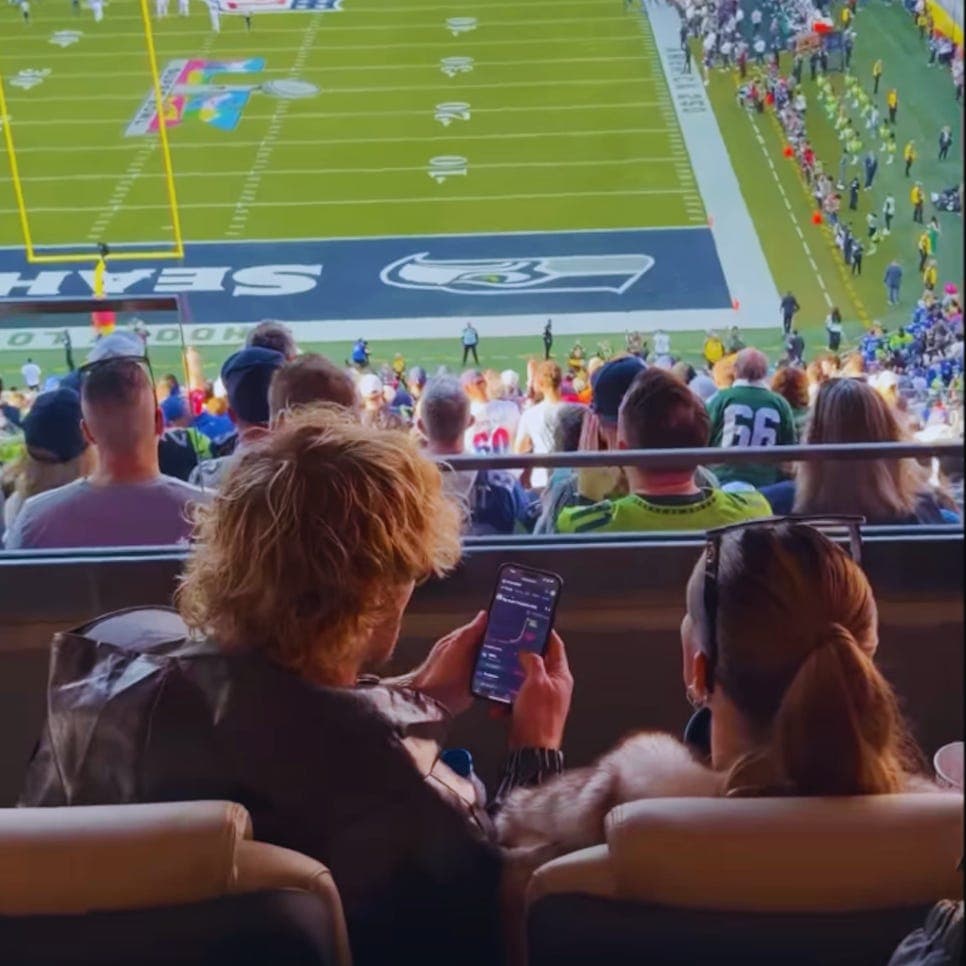
The episode “Welcome to the reality exchange” (Cujo) argues that prediction markets are rapidly going mainstream by combining “market truth” ideology with the everyday appeal of gambling. It opens with a mock bet about Fed Chair Jerome Powell’s speech (lowering the federal funds target range to 4.25% and shrinking the balance sheet), then pivots to Super Bowl 60: $1.5B traded on the winning team via Kalshi/Polymarket, plus huge music/politics markets (e.g., $100M+ volume every few minutes on which Bad Bunny song plays first; $485M on the 2025 NYC mayoral race, reportedly predicting Zoran’s win better than polls).
Guest
John Herman, New York Magazine columnist and writer on prediction markets, including coverage of the “Mamdani election” and whether events in Venezuela qualified as an “invasion.” He previously appeared on the show’s 2026 predictions episode.
Key claims
prediction markets differ from sports betting because odds are set by other bettors in real time (no “house”), and they’re expanding beyond sports into politics and pop culture. Their surge is driven by (1) sports-betting adoption, (2) election coverage, and (3) legal breakthroughs—Kalshi winning a CFTC lawsuit in 2024, with Polymarket later becoming legal for U.S. users. Herman also links the trend to crypto’s risk-tolerant, ideology-and-influencer ecosystem, and to a new aspirational “sharp” career archetype (like Wall Street traders or poker pros). Notable examples include election odds shifting toward Trump on Kalshi/Polymarket, and influencer-style marketing such as Logan Paul “betting” content (allegedly not confirmed as real).
Written by AI. May contain mistakes. Listen to the episode to check what was said.
Chapters
Tap a time to open that second in VOFederal Reserve Insights
0:00 to 0:21
Learn about the nuances of Jerome Powell's upcoming speech and its implications.
“Fed chair Jerome Powell is about to give a speech.”
Prediction Markets Explored
0:30 to 2:02
Discover how prediction markets function and their rise in popularity, especially during events like the Super Bowl.
“Kid Rock halftime show face-off, arguably the biggest headline to come out of it was the sheer volume of money being traded on prediction markets.”
Guest Introduction: John Herman
2:02 to 3:05
Introduction to John Herman, discussing his interest in prediction markets and political narratives.
“John has also written a bunch about prediction markets for New York Mag, including about their role in the Mamdani election and in the U.S.”
Understanding Prediction Markets
3:05 to 3:35
Learn the fundamentals of how prediction markets operate compared to traditional betting.
“We also discuss why prediction market true believers see markets as a better way of adjudicating reality and even as an organizing principle for the world.”
The Cultural Shift in Betting
3:35 to 4:32
Explore the cultural implications of betting and how it's becoming more mainstream among young people.
“The Culture Journalist is an independent project that relies on word of mouth and is funded entirely by listeners.”
Diving Deeper into Prediction Markets
4:32 to 10:40
An in-depth discussion on behavioral economics and the mechanics of prediction markets.
“So we were just talking earlier, you sent in one of our most popular predictions for our prediction episodes.”
Historical Context of Prediction Markets
10:40 to 14:05
Understanding the rise of prediction markets and their legal issues in the U.S.
“like state gambling licenses that they lobbied, spent hundreds of millions of dollars trying to get.”
Exploring Prediction Markets and Their Purpose
14:05 to 15:04
Learn how prediction markets function and their purpose in decision-making.
“Yes, people maybe engage with this like gambling.”
The Evolution of Polymarket and Its Appeal
15:05 to 16:47
Discover how Polymarket emerged and attracted users during the 2024 election.
“which, you know, why shouldn't everyone be able to do that?”
The Intersection of Crypto and Prediction Markets
16:48 to 18:59
Understand the relationship between crypto investments and prediction markets.
“It's such a compelling thing for so many people that, you know, they have marketed really heavily, but they almost didn't need to.”
Show all 41 chapters
Market Ideology and Political Implications
19:00 to 20:05
Examine the political appeal and ideology behind the concept of prediction markets.
“And there's also a lot of like grand theorizing, which is popular in the crypto world.”
Cynicism and the Gamification of Betting
20:06 to 22:55
Explore the cultural mindset and cynicism that drives modern betting behaviors.
“I think there's something appealing generally about the idea that everything should be a market to people of a certain political persuasion.”
The Rise of the 'Sharp' in Prediction Markets
24:32 to 28:00
Discuss the emerging archetype of the 'Sharp' and its significance in betting.
“I want to talk about this sort of like figure of the, you know, the person who is really good at this.”
Gambling and Risk: The Allure of Prediction Markets
28:00 to 30:06
Explore the parallel between gambling lifestyles and the appeal of prediction markets.
“And for the right young person, they all they all sound really bad.”
Cultural Impulses: Skirting Bureaucracy and Traditional Paths
30:06 to 32:21
Discuss how younger generations are seeking agency and alternative pathways to success.
“So it's almost like a bureaucratic fantasy in a way.”
The Rise of Belief Systems in Modern Culture
32:21 to 35:05
Analyze the emergence of new belief systems and how they parallel traditional ideologies.
“It really pings to this impulse, this contemporary impulse to skirt the middleman, which we've seen with the job market for some time now of like, you know, this sort of like almost anti gatekeeping cultural mentality.”
Influencer Culture and Prediction Markets
35:05 to 37:51
Examine the intersection of content creation and the growing prediction market space.
“Yeah, maybe if I lost all my income sources and had no other option, we're here for you.”
The Spectacle of Betting: Data and Reality
37:51 to 41:33
Delve into the spectacle of betting through live streams and influencer marketing strategies.
“Wondering if you could talk a little bit just about the what are the ways in which this kind of feels like an extension of influencer culture or maybe even manosphere culture?”
Legal Landscape of Prediction Markets
41:33 to 42:00
Investigate the legal questions surrounding prediction markets and their regulation.
“But the implication of the video is Logan Paul is betting a million dollars on the team that was probably going to lose.”
The Legality of Prediction Markets
42:00 to 46:09
Explore the legal landscape surrounding prediction markets and their distinctions from traditional gambling.
“And it's a really easy pitch to the right people.”
Disruption in Gambling Markets
46:10 to 48:21
Discuss the impact of prediction markets on traditional sports betting and the industry’s response.
“The government is in the process of like rulemaking around prediction markets now.”
Cultural Shifts and Risks
48:22 to 52:51
Analyze the cultural implications of the rise of prediction markets and their potential risks to consumers.
“It's a little bit like when TikTok came along and it's like, oh, all these social media companies about which we've we've got all these like complicated feelings now.”
The Evolution of Betting Culture
52:52 to 56:00
Investigate how the integration of betting into sports culture has evolved and its consequences.
“whether prediction markets or sports books are more harmful on the individual consumer level, what are some of the larger existential concerns that this raises?”
Corruption in Sports and Gambling Influence
56:00 to 57:08
Explore the relationship between gambling and corruption in sports, highlighting recent trends.
“for watching sports and consuming sports, not just as like a huge industry that's influencing how sports are like consumed, but also like a source of increasingly ridiculous corruption within sports.”
Prediction Markets and Political Media
57:08 to 58:15
Discuss how prediction markets are influencing political media and public engagement.
“and it provides a template, I think for what could happen if you get widespread adoption in other areas.”
The Changing Nature of Political Engagement
58:15 to 59:38
Examine how betting on political outcomes transforms engagement and public perception.
“about them, boasting about them, trying to discredit them.”
Ethics and Market Dynamics in Politics
59:38 to 1:02:17
Analyze the ethical implications of treating politics as a market and its effects on society.
“earlier with like waiting around with the other dads, like you're not talking about sports anymore.”
The Sociopathy of Political Media
1:02:17 to 1:07:57
Critique the current state of political media and its connections to market-oriented thinking.
“You've sort of taken the task of figuring out what you want from an election and changed it into trying to figure out what people are going to do.”
Conclusion on Prediction Markets and Reality
1:07:57 to 1:10:01
Reflect on the implications of prediction markets for understanding political realities.
“With which publications was it that announced public partnerships?”
Exploring Prediction Markets
1:10:01 to 1:10:18
Learn how prediction markets can adjudicate reality through specific incidents.
“Like that little ticker on the bottom of the news broadcast, I think that it keeps getting bigger.”
The Complexities of Betting on Outcomes
1:10:19 to 1:11:46
Understand the challenges and ambiguities in betting on geopolitical events.
“How did that incident illustrate what can happen when we use markets to adjudicate reality?”
Insider Trading in Prediction Markets
1:11:47 to 1:13:00
Explore the implications of insider knowledge in prediction markets and how they're regulated.
“Like maybe someone knew someone who was about to get on a plane and maybe they put some money into Polymarket.”
Resolving Market Outcomes: The Role of Oracles
1:13:01 to 1:14:46
Learn about how outcomes in prediction markets are resolved through decentralized governance.
“But no, you can kind of just insider trade on these for now, which is wild.”
Authority Crisis in Prediction Markets
1:14:47 to 1:16:03
Discuss the challenges of determining authority and credibility in prediction market resolutions.
“But on Calci, they resolve the stuff themselves.”
Implications of Prediction Market Resolutions
1:16:04 to 1:17:32
Examine the consequences of decisions made by prediction markets on reality and public perception.
“I was just saying like, wait, are they going to be hiring, just like straight up hiring investigative journalists and fact checkers?”
Challenges of Defining Reality in Betting
1:17:33 to 1:19:02
Investigate the difficulties in defining what constitutes a real outcome in prediction markets.
“betters instead of just waiting for decision desk to make the early call or whatever.”
The Future of Prediction Markets
1:19:03 to 1:20:58
Explore the potential development and ethical implications of prediction markets in society.
“You're betting on this slightly abstracted thing.”
The Influence of Prediction Markets on Political Discourse
1:24:07 to 1:26:37
Explore how prediction markets shape political beliefs and voter engagement.
“You lose motivation to engage, you lose even more, you You have one more reason to think that there's no point in voting and participating in activism and even allowing yourself to think that something else is possible.”
Ethical Implications of Betting on Outcomes
1:26:38 to 1:29:18
Discuss the potential dangers of betting on political outcomes and societal impacts.
“And there's a lot of space to allow for upsets, to allow for hope, to allow for last minute campaigning, to allow for last minute, get out the vote, all that sort of stuff in a sort of fuzzier environment.”
Regulatory Challenges in Prediction Markets
1:29:19 to 1:31:39
Examine the current regulatory landscape and the potential legal challenges faced.
“with the maximum theoretical outcomes or prediction markets has helped maybe like rationalize them and make the case for their legalization and whatever else.”
The Future of Gambling and Prediction Markets
1:31:40 to 1:34:39
Analyze the rapid growth of gambling culture and its consequences on society.
“I really do think, unfortunately, the core thing here is we're back.”
Transcript
Automatic transcript. May contain errors.0:00Fed chair Jerome Powell is about to give a speech. We make$2 ,500 if he doesn't say the word balance sheet. We are up$45 ,000 this year. Let's see if we can keep it going. Decided to lower the target range for the federal funds rate by a quarter percentage point. This is where he might say it. To four and a quarter percent. After when he talks about that. And to continue reducing the size of our balance sheet. Hey gang, it's Andrea here with Emily and you are listening to Cujo, a podcast about culture in the age of platforms. So Super Bowl 60 went down this weekend, and besides the Bad Bunny vs.
0:34Kid Rock halftime show face-off, arguably the biggest headline to come out of it was the sheer volume of money being traded on prediction markets. Fans exchanged a whopping$1.5 billion on the winning team alone through prediction platforms like Kalshi and Polymarket, causing MarketWatch to call the event a coming-out party for prediction markets. Prediction markets, if you're not familiar, are basically exchanges where anyone 18 and older can bet on event outcomes. Essentially, they aggregate collective beliefs about the future. If it sounds like gambling, it works a little bit differently. It's different from a sports betting app because instead of betting against the house, you're betting against a faceless mass of other people who are also betting.
1:20all trying to divine what will happen at the end of the game or event in the manner of a kind of democratized futures market. It also differs from sports betting apps because prediction markets are not just for sports. For example, one of the biggest wagers during the Super Bowl was over which song Bad Bunny would sing first during the halftime show, a bet that saw$100 million in trading volume every three minutes. And then, of course, there was the$485 million traded on the 2025 NYC mayoral race, where prediction markets ended up more accurately predicting Zoran's victory than the polls did. Today's guest, New York MAG columnist John Herman, is especially interested in how prediction markets are expanding into just about every area of life, and, in his words, how they serve as a new way to narrativize the world.
2:16You might remember John's contribution to our recent 2026 predictions episode, which no money was placed on, where he forecasts that prediction markets will come for politics and political media, much the same way that they have with sports, with all the sponsorship opportunities, gamification of reality and potential for corruption therein. John has also written a bunch about prediction markets for New York Mag, including about their role in the Mamdani election and in the U.S. quote-unquote invasion of Venezuela. Or rather, what happened when the markets couldn't agree on whether what went down there even qualified as an invasion.
2:54John joins us to discuss what prediction markets have in store for politics and the historical conditions that have converged to make prediction markets so unbelievably popular. From young people's flatlining economic prospects to having a former casino owner as our president. We also discuss why prediction market true believers see markets as a better way of adjudicating reality and even as an organizing principle for the world. and how the prediction market sharp, or whale, has become an aspirational career path for young people in the 2020s, and especially young men, not unlike being a Wall Street trader in the 80s or an influencer in the 2010s.
3:34We'll be right back with John after the break.
4:00The Culture Journalist is an independent project that relies on word of mouth and is funded entirely by listeners. If this pod had something meaningful to your life and you want to access everything we put out, please consider supporting our work by becoming a paid subscriber over at our sub stack. Paid subscribers receive access to our Discord community, the Cujoplex, full access to bonus episodes, and more goodies. You can get it all for just five bucks a month over at theculturejournalist.substack.com. Welcome back to the show, John Herman. We're so stoked to have you on. Thanks for having me.
4:38All right. So we were just talking earlier, you sent in one of our most popular predictions for our prediction episodes. And I texted Emily immediately when I heard it. And I was like, we got to have him on the show to talk more about this. So let's start with the basics. What are prediction markets? And how do they differ from, you know, plain old sports betting or the time honored human tradition of, you know, gambling? Yeah, so I guess the simplest way to put it is that when you gamble in like a sports betting app, it's kind of like you're at a casino. You're betting against the house, like the bookmaker that establishes the bets and sets the odds and all that stuff.
5:17When you're using a prediction market, you're betting on outcomes with other people. And your participation in the market ends up making the odds. And I'm using these terms kind of in preslicely, but that's like to put it in the sports betting terms. If a whole bunch of people go on a prediction market and say, here's who I think is going to win the presidential election, if they all put their money on one candidate, the bet sort of shifts in that direction and betting the other way becomes like, you know, a bigger risk with a bigger outcome. So they're kind of fluid. They're like markets. And over, you know, the length of time that the market is open, you can kind of watch the odds change.
5:54You can watch the stock in a given outcome kind of rise or fall. And that's pretty different from just like putting some money down ahead of a game where FanDuel or whatever is saying like, all right, well, put a dollar on the Patriots and you might make two dollars if they win. So, yeah, it's more real time kind of adaptive and your odds change as time goes on. And it's also based on the number of other people that are betting on that thing. So it's almost more democratic in a way. Would that be accurate to say? Yeah. I mean, there just isn't there isn't the house in the middle. There isn't the casino in the middle.
6:25you're just kind of entering into this market with other people. So if a bunch of people think that something's going to happen and a few people think the other thing is going to happen, you end up just sort of setting a price on the outcome. So it's this thing that's like theoretically really interesting. The prediction market people will say like, oh, well, this is a way to surface conventional wisdom, to surface good information from people who have skin in the game it's like more accurate than punditry and forces people to sort of confront their biases and really like kind of put their money where their mouth is but at the same time you also have a bunch of people using these markets and we should say their names polymarket and calci are the two biggest ones although you can do this on like robin hood now they're also just using those mostly to bet on on sports so you've got this kind of funny like dual identity you've got this this sort of lofty like okay prediction markets are about you know coming together and using the power of markets to discern the future.
7:21And then you've got a whole bunch of people being like, dude, I've got some money on the game and I'm using Kalshi this time. And like, you know, the odds are crazy. So you've got this sort of this whole like strange conflict and narrative. The other thing we should say up front about prediction markets is that the way they were used previously before they got really popular when they were just kind of run as small experiments was to forecast important real world events. So you had a lot of people forecasting elections, You had people forecasting like geopolitical outcomes. You know, will there be a conflict between these two countries?
7:52Where do you expect interest rates to be in two years? Like you had people trying to figure out what they were good for. Now anyone can bet on that kind of stuff. You can bet on all kinds of stuff. There are not a whole lot of things that you can't bet on when you start looking at these sites. And that's where like, again, the theoretical prediction market stuff is interesting to talk about and has all these really strange potential outcomes. And this prediction that you're referencing was about politics and first probably political media becoming obsessed with prediction markets. But it's also it's really important to say that, like, right now, most of the money is people just betting on sports.
8:26Like it is people who are, for all intents and purposes, using like an alternative to DraftKings. Yeah. And just for the unacquainted, can you give us an example of like what a traditional sports gambling bet might be versus what a prediction market type bet would be? Well, I mean, on the surface, the types of bets you can place on sports on Polymarket or CalShe are pretty familiar. It's just like who's going to win the game? Will the star player score more than 30 points? Stuff like that. But with sports betting, you'll get a whole bunch of granularity in a given game where it's like, all right, you're going to bet on a soccer game.
9:04You've got the money line bet about who's going to win. You've got the odds based on which team is favored. You've got a bet on whether or not there's a tie. You've got a bet on how many goals they're going to be. You've got a bet on how many goals a particular player is going to make. All that kind of stuff. You can do all that stuff on prediction markets. But the thing with sports betting now is that they really sort of use like every part of the animal in the game. There's like 50, 100 different ways you can put money on a single sporting event. And then you can link those together into like a parlay.
9:33So you have like effectively infinite bets you can make on a given game. And, you know, going into this era with prediction markets kind of bringing this logic to everything a little bit. This has been like a complaint as a millennial male and particularly like a young parent who spends a lot of time just like standing around with other dads. There aren't a whole lot of easy small talk things that are like safe. and, you know, past that half hour outside of the play center or whatever. And now sports is not one of them. It's betting. It's all betting. It's all just like, oh, you've got any money on the game?
10:05And it's like, man, I'm already struggling with conventional masculinity here. And now it's now I have to learn how to gamble. Anyway, what's weird about this is that's kind of a part of the culture for years. Sports gambling won. It was something that was kind of rejected by the leagues early on, rejected by the entertainment conglomerates that were like sensitive about something not being family friendly, being associated with like Las Vegas and degeneracy and gambling and all this stuff. Total victory eventually. Like this is what people wanted. Now all these sports gambling companies are like looking around and wondering if they're in trouble because they all have their like state gambling licenses that they lobbied, spent hundreds of millions of dollars trying to get.
10:46They pay all these taxes state to state. They have all these rules. They have to like log people out of their apps on all these like rigid schedules there's all this stuff and now calcium polymarket by sort of like doing the same thing through a different concept are available nationally are for the time being like very lightly regulated are uh effectively legal anywhere and allow people to do kind of the same thing and allow young younger people to do the same thing too i think it's worth pointing out that whereas gambling is you have to be 21 or older i believe for these prediction markets, the age limit is 18?
11:20Yeah, you have to jump through a lot of hoops and meet special requirements to like use a gambling app in New York State, for example, to log into Calci. You kind of need to like see an Instagram ad, tap a couple times, link it to your Apple Pay. And then you're betting on not just like the big game, but whether or not there's going to be like a military engagement in Iran in the next 48 hours. Or like, is the guy, is the Coinbase CEO going to say the word Web3 on his earnings call? Like these are like right in there. And yeah, that's an 18 year old probably. It was just like, oh, I saw a guy on Twitch who's rich from doing this.
11:58I think I'm going to give it a shot. Like I know something about the world. So anyway, that's, I guess, a sort of like scattered version of the world we're in right now. But it's it's happening really, really fast. And it's like kind of wild to watch. Well, yeah, that was that was our next question, which is that, you know, prediction markets have been around more or less since 2014 and possibly even earlier. Why are they having such a big moment right now? Like, what are the conditions and historical developments that came together to make prediction markets so popular? I mean, they really blew up in, I'd say, 2025 last year.
12:33And then, you know, the whole reason we're doing this episode is because it's it's only going to get bigger from here. Yeah, like, I think the two stories of the like really rapid rise of prediction markets are one, if you're sort of like exposed to sports betting, it's just the pickup there has been really, really fast and natural and doesn't really require a lot of background. It's just like another way to gamble and people love gambling. And we're already doing it in huge, huge numbers in like certain demographics, certain like social environments and whatever. The other big story got a ton of media coverage, which is that these platforms became like part of national and local elections.
13:11The 2024 presidential election drew out a lot of conversation around Kalshi and Polymarket, which were favoring Trump pretty heavily. You know, and in that case, you know, it turned out to be right, but were part of the like anxious lead up to the election for pundits and analysts and whatever. and that drew a lot of people in because you had a whole bunch of people being like, oh yeah, you know, Donald Trump's definitely gonna win. I'm gonna make some money on him too. And then you had other people being like, oh yeah, you know, I think he's gonna lose it and I can double my money if I get this right.
13:41But the thing that unleashed all of this is Kelsey became effectively legal in, I believe, 2024. They won a lawsuit against the CFTC, which was challenging prediction markets on the basis that they were basically gambling. And under the Biden administration, And just generally, you know, before the Trump administration, the attitude toward these prediction markets was kind of skeptical. They were like, all right, we have this thing. Yes, it looks like betting. Yes, people maybe engage with this like gambling. But one, you know, this is a way to learn about the world. And they made the pitch about this is summoning the public wisdom via markets to learn about outcomes, to make good decisions in the world.
14:21Second, they're like, this is a financial instrument. This is a way to hedge. This is a kind of bet that financial professionals and financial institutions were able to make to protect themselves against outcomes they didn't like. So you could have a futures contract that says, you know, we think that an election is going to go a certain way. And we think that's bad because of the tax policies of the due administration. So we're going to hedge against that. Actually, that's not really something that was widely done. More widely done would be like, we're going to make a bet. We're going to hedge against change in price for a commodity or something like that.
14:54like pretty unglamorous from the financial world. Right. Their logic was like, in a lot of ways, this isn't that different from Wall Street, which is definitely something we want to touch on later in this conversation. Yeah. And it's like this allows regular people to engage in risk management and hedging, which, you know, why shouldn't everyone be able to do that? Why shouldn't everyone be able to trade on all kinds of different outcomes in the way that like a farmer might trade corn futures to protect against a bad harvest or something like that. This is, again, like interesting. Like you could definitely make those arguments and they need to be answered.
15:31But again, you fast forward from these arguments unfolding in 2023 leading to Kalshi, you know, kind of getting wide open permission to do all this stuff to now where it's just these guys online in the Kalshi comments, you know, calling each other like cucks and losers and like betting on whatever because it's fun or just, you know, random people who were sort of casually interested in sports betting, logging into a prediction marketplace and looking around and being like, oh, yeah, I also have some interesting thoughts on, you know, politics or pop culture. Like, I think I know what's going to happen at the Grammys.
16:09And it's just sort of like, you know, pretty obvious disconnect there. But yeah, 2024 sort of opens the path for that. Polymarket eventually becomes legal too. During the 2024 election, Polymarket was technically only legal for people outside the United States, which was interesting because its odds were determined by people who, one, didn't live in the U.S., and two, were like crypto users who sort of knew how to engage with a crypto-based platform. Again, their market resolved in the right direction for who was going to win that election. But it was a strange thing to sort of witness and talk about.
16:43But yeah, it was a floodgates opening sort of thing in 2024. And once this was possible, money started flooding in. It's such a compelling thing for so many people that, you know, they have marketed really heavily, but they almost didn't need to. It's just sort of like, hey, make money betting on everything in the world. To what extent is this just sort of the latest evolution of or downstream of crypto, both spiritually and also in some ways literally where we know Polymarket is blockchain based? Yeah, part of the early success of Polymarket is that you had in the 2020s, a lot of people, particularly like young men in a certain sort of cultural milieu who had money in crypto.
17:27And you serve a lot of the same, I don't know, emotional needs by investing in crypto as you do by engaging in prediction markets. There's a lot of risk. There's a lot of betting. You can really feel like you're just gambling. And so already you had a whole bunch of people who are kind of predisposed to this sort of stuff. They also just had money in their crypto wallets and not a lot to do with it. One of the big promises of crypto in the 2010s was, you know, OK, we're building a new currency. You're going to be able to like transact in a different financial world. Eventually, you'll be able to transact in the real financial world.
17:57It'll all be the same. COVID crypto boom was all about Web3. And like there's going to be a whole new economy and a metaverse built around this new economic order. And everything's going to be structured like a market and all this stuff. There was like the crypto crash, but tons of money still in crypto. So I mean, prices of like Bitcoin kept going up. The overall size of the crypto market kept growing. They became really politically influential. But that story kind of fell away. And that dream of like, I'm going to like live in crypto world also kind of receded a little bit. But then here comes Polymarket and it's something to do.
18:29In the way that like NFTs were briefly something to do with your crypto, early Polymarket kind of represented that. It's like, OK, I can play in this like slightly sci-fi world with my slightly sci-fi money that I can also cash out and spend and engage in this like really interesting exercise that that I a like highly risk tolerant young person who probably feels good about how things have gone and maybe made some money on Bitcoin or Ethereum or something. But that sort of drew people into the beginning. And there's also a lot of like grand theorizing, which is popular in the crypto world. And some of it overlaps.
19:08Yeah, I was going to ask about that next. The kind of ideological scaffolding of this. Yeah, I don't think most people using prediction markets are like engaging with this too much. But if you follow their like growth and creation, there is like an interesting theoretical scaffolding. The pop version is again, like you can really learn things about the world, or at least about what people think about the world by making them put money on their bets. And I think that there's something to that. But you can take some of these ideas to their extreme and you can say like, all right, well, you can also very clearly imagine a world where people influence outcomes to resolve predictions in the way that they want.
19:50And to someone hearing that for the first time, that might sound like simple corruption. To someone sort of like steeped in this world, that might sound like a way to kind of govern events, you know, to sort of like prioritize things. You might like make a subtle jump from asking people to put money on outcomes they think are going to happen to imagining a world where people put money on outcomes that must happen. I think there's something appealing generally about the idea that everything should be a market to people of a certain political persuasion. And I think that the instant appeal of prediction markets to the right, and particularly the tech right, doesn't really require a complicated explanation.
20:34It is just making everything a market. And I think there's like an additional satisfaction on top of that in the notion that you can just replace punditry, you can replace bureaucratic decision making, you can replace all these sources of friction and obfuscation and opportunities for like wokeness to intrude or whatever it is with just money and market logic. so i don't know it's pretty on its face about that but again like in the product form and i'm gonna say this probably like 100 times in the course of this podcast it is effectively for most people like a way to bet on the game so again you've got these two completely not like separate stories but like different experiences unfolding right and that comes with a big that comes with a big asterisk of for now right yes crypto is kind of like that too right most people were probably just casual users who bet once in a while.
21:30Yeah. And the Silicon Valley narrative in the 2020s was all about like what crypto means and how it replaces the financial system. And, you know, sort of beneath those, there was the implication that like, it will reward the right people and finally either free us from or at least reduce the power of the wrong people. Like there's this heavy implication there. But in the meantime, time, what was really happening was a whole bunch of people were like, maybe I can make some money on this. Like my friend knows a guy who made a million dollars because he bought Bitcoin in 2012. That kind of stuff was what was driving the adoption.
22:08And you had people who were pretty nakedly ideological kind of like steering things at the top. And we have a little bit of a replay here. And I think the connection between the two, at least in terms of sensibilities, it's right there. Like it's the same. It's the same story. It's the same folks. It's the same story. It's sort of hive mind driven excitement and ebullience. I feel that energy with it. Yeah. Combined with like a nihilism, like a sort of black-pilled cynicism. And if you are making money as you sort of express these sentiments, you are, you know, king of the world. You are a lone genius making money on the foolishness of others.
22:53If you are one of the majority of people using these platforms who's either breaking even or losing a little bit of money you are something else you're like a slightly ashamed or embarrassed or addicted user who is maybe still kind of adopting that same cynicism and above it all attitude you're something slightly i think different from a gambler or at least like common like gambler archetypes you are engaging in a truth-finding system with other forward-thinking young people who are, you know, tired of the bullshit and just want to see things as they are. It's an interesting mix. New ways to sort of convince yourself to put more money in, I think, are emerging from this that are kind of outside of the boundaries of regular sports betting.
23:43If you like what you're hearing on this episode, there's a place where you can join the conversation. It's called Cujoplex, and it's a private online hangout zone on Discord where smart, cool weirdos just like you, you know, people who like talking about the evolving state of independent culture, can congregate, share links, and talk about the news of the day. We've had some great conversations lately about creative economies, media theory, AI, politics, the future of journalism, and even the records and TV shows we've been obsessing over this year. Some of our chats have even inspired episode ideas.
24:18You can get access to Cujoplex along with our monthly bonus episodes by signing up for a paid subscription over at our Substack. That's theculturejournalist.substack.com. I want to talk about this sort of like figure of the, you know, the person who is really good at this. I guess it's called like the sharp. They call them not whales with the prediction market. Sharp is the term that they use. Right. Yeah, sharps. Not sharks, but sharps. Sure. There was a really fun piece in the New York Times, like talking to some of these people, and it kind of described the Sharp as the archetypal aspirational career path of the 2020s, like in the vein of the Wall Street trader in the 80s or a Silicon Valley startup founder in the 90s or an influencer in the 2010s.
25:12Why do you think gambling on the Internet is so popular given young people's economic circumstances? And how do you see this type of career being different from other gambling adjacent professions like working on Wall Street or becoming like a VC or something? Yeah, I feel like one of the clear drivers in the adoption of crypto trading and retail stock trading in the last five years, I guess longer than that now, has just been this like, you know, kind of millennial and Gen Z coded, particularly Gen Z coded sense of like being locked out of old institutions of, you know, like the whole GameStop thing was about, you know, retail traders standing up against the short sellers or the hedge funds or whatever.
Read the full transcript
25:57And so you had this sort of odd, like complicated populist messaging where you would get a little bit of buy-in from political figures like AOC, but not too much because you're still talking about like retail stock trading. And it was always kind of queasy and weird. But the basic outline was like, OK, little guys have a chance here to make big money if we work together. A lot of that runs through crypto adoption. And there's a ton of like powerful vindication for figures in the crypto world who were being told by friends and family members like, oh, this is all a scam. Why would you buy a Bitcoin for$5 ,000?
26:34And then it's worth$50 ,000. And it's worth$100 ,000. So you have this real like sense of empowerment and like kind of sometimes like embittered vindication from people who are just like, we told you we are smart. Like we kind of know, you know, they made a bunch of money. There's no more intoxicating thing, I think, in professional life than just making a shitload of money for taking a risk. You know, that convinces you you're right about all sorts of things. And with crypto, this is happening at scale. With some retail trading, this happens at scale. And then you have this against the backdrop of like, yeah, people don't have jobs very long anymore.
27:07The economy, however you measure it, feels bad, particularly to young people. It's sort of this bleak backdrop for all this stuff. and the notion that you could get a job at like google and be set for life was first for years kind of like a hyper elite fantasy out of reach for most people and more recently is sort of like oh maybe that's not even a ticket maybe you're still going to get laid off even if you got that job at facebook or whatever and the world of finance became really like esoteric and focused on like weird sophisticated trading outfits like jane street or whatever or for people who are engaging in all this retail stuff kind of became this villainous place that wasn't just an industry where you could make a lot of money, but was aligned against not just most people, but everyone and even the people who would have been inclined to work there.
27:58So anyway, you just have like this unrelentingly bleak set of stories for the consumption of young people. And for the right young person, they all they all sound really bad. But also, you have a bunch of opportunities to kind of just like skip it all and make a bunch of money um betting on a stock betting on a token or now betting on pretty much anything and i think the figure that is like the best precursor to this is probably the professional gambler the professional poker player someone who is good at poker which is you know something you can be good at but it's also like a super risk tolerant gambler and who has made a bunch of money doing that.
28:42And you have like a lot of famous people who are Manosphere adjacent who do that. It's like kind of an attractive thing to that world. And you can understand why. Like there is a lifestyle element. You're in a world of gambling, which is kind of like brings with it certain expectations and aesthetics and like also you're, you know, you're partying. But also there's like this very, I don't know, there's like this renegade persona. There's like this sort of cowboy persona. there's like you are going out there on the strength of your like intuitions and skill and nerves you're gonna beat everyone and make a bunch of money and you get a whole bunch of figures who are like you get someone like a dan balzerian who's just like a you know scumbag influencer character who is sort of tapping into this fantasy but then you also get like a nerdy empowered version of this with someone like like nate silver who is an advisor to polymarket who's the famous meta pollster who's like doing these sophisticated election forecasts and doing a lot of punditry also a poker player who's made a bunch of money and at times lost some money doing the sort of like invigorating bold thing of like playing cards against very good card players so i don't know it's this incredible fantasy where if you're good at it and if you can tolerate the risk you can prove yourself and leapfrog everyone and become a millionaire doing something kind of cool just by being smart and bold.
30:06So it's almost like a bureaucratic fantasy in a way. It is. Yeah. And it allows you to skip over all of the annoying, like bureaucratic logic of life as it's been presented to you. Like, okay, you need to go to some school. You need to get a job. You need to climb. You need to deal with politics. You need to do all this stuff to just sort of say like, all right, but what if I, what if I'm just smart and what if I am smarter than other people? Or Or what if I'm just more cunning? Isn't there a way that I can kind of use that to just get ahead? And in some cases, in an environment like CalShare Piling Market, that's certainly true.
30:43In day trading, retail trading, it's been true forever. I think there's a little bit more cynicism about that because it's been something you can do for decades and most people fail at it, but it still draws in a lot of people. With sports gambling, it's obviously part of the appeal. but that is somewhat I think dampened by the acknowledgement that there's only so much you can know about how a game is going to turn out like a fan can be really informed about their team and its players and can have really good intuitions about if they're going to have a good game or not but you can't know as much as you might convince yourself that you that you can and so there's kind of a little bit of a ceiling there too and that obviously gets sort of overcome by, you know, people being addicted or desperate or whatever else.
31:28But with prediction markets, you can, at least for a while, at least until people absorb this and internalize this and kind of develop different expectations around it, you can kind of free yourself from those hangups and just be like, I know how the world works in some way that other people don't. And I should and can be rewarded for that. And I am aware of people who have been rewarded for that. And they, to me, were right. And I agree with them. And I am like them. And it's just incredibly powerful. I say this not to like mock people who think this way. I say this to sort of put yourself in that position and to sort of imagine how you might end up thinking that way.
32:08Or at least someone you know, you know. No, I think it's just a really powerful thing. Yeah, absolutely. Like, it's just very, like, symptomatic of our cultural and economic and social climate. I think you're right on the money that, like, it's it all pings to this very, I guess, millennial and Gen Z or just for all the younger generations. It really pings to this impulse, this contemporary impulse to skirt the middleman, which we've seen with the job market for some time now of like, you know, this sort of like almost anti gatekeeping cultural mentality. anti-institution anti-expert yeah exactly it's a very like hustle culture adjacent i think where the gig economy kind of adjacent and also i think the sort of belief system aspect of it that you're talking about is also very salient i think people are you know we live in a time where people are so hungry for agency right yeah and like people have never felt sort of more disenfranchised when it comes to like the scope of like their life their career trajectories Their financial situation.
33:10It's funny because bringing you back to our predictions episode, other folks predictions had to do with more sort of a cultural shift to more spiritual and theological type thinking. And I think this actually isn't too separate from that, where just an overall vibe in the culture of people kind of opening their minds towards like religion again. And when we were doing the research, I was thinking a little bit, I was like, oh, is this like the male-coded analog to sort of the rise in astrology that we've been seeing, which is like, of course, very femme-coded. But, you know, I think astrology has gotten really popular in popular culture.
33:44And I'm like, oh, is this just like male astrology kind of? But it's, you know, people want belief systems because our traditional belief systems have been completely, you know, shattered, undermined, atrophying for some time now. And I think this pings to both like stability, agency and aspiration. Yeah. Is there like an area of the world where you have a level of obsession and knowledge that feels like rare, unusual, like something where you're so fluent because you really care? And can you imagine or can you consider the prospect of like putting money on it? I guess is sort of the question.
34:22That's what our journalism, what we've all better journalism careers on, right? but like in the way that sports betters are like i care about sports so much and i i feel like i know something here is there a part of life that you wouldn't have thought about of wouldn't have thought of that way that you could now imagine that way well trevor mcfedry is you know him he was also in the lineup he's like the founder of creator of little mikaela founder of fwb sort of like futurist thinker guy he had like a twitter thread about how creative people like this is going to be applied to the arts and people who understand the arts really well like artists writers etc and who have their finger on the pulse of culture are going to finally have like a new income source because they're going to be they're like good at predicting where the cultural winds are blowing and they are going to finally be able to clean up that was um his take but i could i mean i could see it like there is a side of me that's like i would be really good at this right You know what I mean?
35:21Yeah, maybe if I lost all my income sources and had no other option, we're here for you. Hey, they're sponsoring a lot of, they're doing a lot of media partnerships. Now's the time. I think you're right. On one hand, there's this real sense of like, these companies would say they're democratizing something. I think people might like, in a motivated way, theorize these as a way to like, yeah, get justice for the knowers of various things. But to bring it back to sports a little bit, I don't know that I would frame the rise of sports betting and like the re-rise via prediction markets of sports betting as a way for people to finally get like compensation and recognition for their fandom if that makes sense and again sports are weird because there's only so much that you can know you still have these like contrived games with unknown outcomes like the grammys the oscars are kind of a contrived game with an unknown outcome i mean these award shows are now broadcasting with prediction market odds on screen.
36:17And the sensation of watching that isn't like, oh, I'm learning something about the conventional wisdom that I didn't know. And this is, you know, finally people who were really good at guessing this are being recognized. It's just sort of like takes a little bit of the fun out of the ritual, I guess, for viewers who aren't doing that. And for the people who are participating, I don't know if they're getting recognized. I don't know. It's just it's a stretch to me. I mean, I can understand what he's saying where like, you know, finally you have somewhere to like put that energy, but I'm not sure that putting your enthusiasm and passion for something into a market is always going to give you back what you want or be empowering.
36:52I guess I would say I'm not sure that it's empowering by default. And maybe, perhaps, it is the opposite. It might be kind of depressing if you're actually in a situation where that's the only way you can make money. Yeah, yeah, yeah, yeah. And the idea, I'm really interested in what you were saying about prediction as like a spiritual exercise, because there are people in this world who also talk about it as like this hyper rationalist thing. Like we are no longer stuck in the world of, you know, speculation and no longer governed by the ideologies of our, you know, pundit class and whatever.
37:26We are instead, you know, approaching pure market truth, which is, you know, has religious undertones. That's, you know, the kind of spiritual. This idea that we live in this like bingo game reality where, you know, crazy stuff happens every single week and that this is like, I don't know, it's like a way of like leaning into that. It's almost like this magical kind of feeling. 100 % yeah exactly it's like in this you know we can't rely on any kind of narratives like who's to say that like we don't have the narratives locked within ourselves or within like-minded people you know which I want to bring it back to um we were talking about well these you know is is this enough to like sort of define your life and there are certainly I think these aspirational folks the sharps that we were talking about who make to to sort of like your general public participants in this seem like it could be a reality.
38:21Yeah. Wondering if you could talk a little bit just about the what are the ways in which this kind of feels like an extension of influencer culture or maybe even manosphere culture? And what role does content creation play in the prediction market space? Yeah. One thing that has been kind of strange to watch in the last few months as Kelsey and Polymarket have really sort of broken through, gone mainstream, is that they are kind of growing into media operations and they're partnering with traditional media. Their marketing, on the other hand, tends to depend a lot on influencers. Like you'll see a lot of Calci ads on social media where you've got either actual influencers or influencer-ish people doing these very like naturalistic social media ads.
39:06Like, you know, some guy's driving down the street and almost hits someone in his car and the guy standing in the middle of the street is totally, you know, like glued to his phone because he's about to make money on a big bet. And he then just starts explaining what Calci is. But the companies themselves are behaving weirdly like traditional media companies. They both have these really active and kind of ridiculous Twitter accounts that speak in the language of, I don't know how to explain this like a quick way, but if you spend a lot of time on X, there are these like sort of anonymous, really popular news accounts that post like Bloomberg terminals and post a lot of financial news, post a lot of like weird breaking news, often without links or from it.
39:49Anyway, there's like a really heightened news culture there with a lot of stuff that is like true-ish and very fast moving. And Calci and Polymarket are like active participants in that now. So on one hand, they're sort of building themselves into media companies. They're doing podcasts. They are like both allowing people to bet on information with information and producing information. So that's sort of one weird part of it. But the organic adoption, yeah, I think is driven by people who are, you know, telling really individualistic stories about success. And all influencers kind of do that by default.
40:20You are watching them sort of achieve success, if not on their own, in a sort of lonely spectacle of like, look at, like, look at me, I am like my charisma, my message, my content has like given me success. I do think this sort of aligns with that spiritually. But there's also, I don't know, there's something more private about it. This allows you to sort of embrace that logic without having to put yourself out there. You have to put some money in, but your failures aren't public. Your success isn't dependent on being a public figure. Isn't there like a streamer component where it's like, we're going to get rich together, which is very cryptolite too?
40:57Yeah, yeah, yeah. I mean, also placing a bet on live stream is, uh, is like a great spectacle and is something that people do for their streams and also something that they fake for their streams. I believe so apparently, so Logan Paul was filmed sort of maybe placing a bet on the Patriots winning the Superbowl. Polymarket posted a caption on the clip, which suggested again, this huge bet on their platform, but it does not appear that the bet was real. Like that's for another company, like a massive scandal, but in the sort of like weird information environment that Polymarket is working in, I guess it's just normal.
41:33But the implication of the video is Logan Paul is betting a million dollars on the team that was probably going to lose. And no one has been able to confirm that this happened. And for a variety of reasons, it appears that it did not happen. They probably like paid him to do that, right? Yeah, I would assume so. Yeah. I mean, it's an official Polymarket tweet that says Logan Paul checking Polymarket at the big game. And, you know, you sort of look closer. Anyway, there's an obvious connection there. But I think more than just influencer culture in general, there's just like a pretty good swarm of influencers who are popular with with young men who are maybe crypto curious, who are maybe gambling curious, that are just like absolutely an obvious marketing target for prediction markets.
42:16This might actually belong a little bit more to like that uncomplicated prediction market story, which is just that a whole bunch of betting or a whole bunch of stuff that feels like betting on a whole bunch of things is now legal. And it's a really easy pitch to the right people. And I don't think a lot of the people jumping into this are like really thinking too hard about it. That's actually my next question is just like, how is this legal? How is any of this legal? And what are some of the more, I mean, you've touched on this a little bit earlier in the conversation about how, was it Polymarket or Kalshi that became legal in 2024?
42:49Kalshi paved the way. Okay, it was Kalshi, yeah. But like, it's so wide reaching. You only have to be 18 to do it. It can be on anything. How is this legal? Like, what are some of the more maybe contentious legal questions that have come up around prediction markets, especially in light of gambling being such a heavily regulated industry? Yeah, I mean, basically their argument is that they're not they're not gambling. Their argument is that they're offering people the ability to buy futures contracts. They're a contract market. They are closer to like Robin Hood or something than they are to DraftKings or FanDuel.
43:24and like in a technical sense, you can definitely make that argument and structurally they are really different. Like again, with FanDuel, you're engaging in a game of chance or you're wagering and you're dealing with a casino, like you're dealing with the house. And with Calci, the technical argument would be that you are hedging against outcomes. It's a financial derivative or a financial asset. It's not a wager. So you can have these technical arguments and they're pretty clean if you're really fluent in that stuff and care about that stuff and are interested in like drawing lines there, you can.
43:58But I'm not sure that those lines that you can draw are really relevant to like the way people use these things and the way that these companies have argued. The other big thing is that there are, like gambling is legal in a lot of places, but it's heavily regulated. It is something that, you know, if you want to do it, you have to spend a bunch of money lobbying. You might have to get a license. You might have to follow a bunch of rules. You might have to pay a bunch of taxes that feed into like, you know, schools or something. there's like this open give and take, like, okay, we're going to let you do something that society agrees is kind of bad.
44:28And in exchange, you're going to give the state something back and we're going to set some rules for you. Meanwhile, the prediction markets are making this argument that's sort of like, no, we are providing something that is actually ultimately a public good in the really, really, really broad market sense where, you know, allocating capital towards some good purpose. In a more narrow sense, we're giving people a financial instrument that might be empowering in some way or another. But again, like if you really get down to it and how people are using these things, that starts to sound kind of absurd.
44:57And most of the arguments that regulators had against Calci initially were sort of like they were people sounding kind of trying to sound realistic about what was going to happen here. And I think they were largely right. Basically, the mood now culturally and the regulatory environment is just really loose. Not only is gambling like a natural fit with the Trump administration, you know, like the president used to run casinos. The family is involved in prediction market businesses in like a direct way. Like this is absolutely aligned with them. And to get like, I don't even want to say it's really conspiratorial about it, to sort of be practical about it.
45:34is there a group of people you can think of that is like more interested in the value of non-public information than the Trump administration? Like they know, they know that having a hot insider tip is very valuable and they are in a position now probably more than anyone else in the world to have a lot of valuable insider information. So like the opportunities for corruption or corruption adjacent type stuff here with prediction markets are just like so obvious and it would be really naive to totally set those aside. They were on their way to breaking through in a really big way without the Trump administration.
46:08But I think we can expect for this four years, at least for them to be pretty thoroughly unleashed. Like this is just it's an easy pitch. The government is in the process of like rulemaking around prediction markets now. If it was a few years ago, that might mean that they were at risk of really changing, getting shut down, whatever. Now it doesn't really look that way. It just looks like they're going to have a set of predictable national rules to operate under for the next, you know, three years. States can raise issues with this and file lawsuits and stuff. And that's already happening. But yeah, I don't know.
46:43They're just kind of letting it rip now. The other thing about this is that the sports betting companies, which it took them a while, like, I don't know if when sports betting apps became legal in New York state, which wasn't that long ago there was like it was a huge lobbying effort tons of money spent incumbent gambling firms and casinos were like spending a lot of money it was this huge heave for the industry and they won they kind of got what they wanted and it was so obvious how valuable it was to them because in the early days these apps were running like utterly ridiculous promotions where it's like put in five hundred dollars if you bet on things with certain odds will give you back two thousand dollars like a friend of mine was passing around a sort of system a sports writer friend for gaming all of these like onboarding sports app things and making five thousand dollars like eight thousand dollars and it worked it worked for like dozens of friends it was so obvious to them that spending money to get people locked in was worth it now all those companies are panicked because here's a version that they had to lobby nationally and it was like a little bit of a struggle for them but they kind of just appeared.
47:53Like it was not that long of a road for Calci, for example. And so now you've got like pretty substantial portion of sports bettors using these instead of using like DraftKings or FanDuel. So those companies are like, oh, are we completely fucked? And so they're opening prediction market features in their apps. They're reorienting their whole businesses. Like this is disrupting a sort of like massive newly established business with something that is more pure and to the point. And, you know, given how we've sort of processed the rise of sports betting and come to understand it more in the last few years, I'm not sure that's like obviously a good thing.
48:29It's a little bit like when TikTok came along and it's like, oh, all these social media companies about which we've we've got all these like complicated feelings now. They're getting completely overtaken by an app that is more engaging, that uses every engagement trick that is like harder to stop using, that offers an even less nominally like social experience than than the previous generation of apps. Like on one hand, it's funny to see everything get swept away and to be like, wow, a new thing is like doing to Facebook what Facebook did to MySpace or whatever. On the other hand, it's like, oh, it's just more potent now.
49:02And I think it kind of feels that way with with Kelsey and Polymarket, where it's like, oh, well, no one was really going to offer a full throated defense of like sports gambling as a major part of American life. Right. Like it's this thing that everyone's a little uneasy about one way or another. For that to get disrupted by sports betting for everything is, I don't know who that's a victory for except Kalfi.
49:35So is there anything that makes prediction markets inherently more dangerous or exploitative than sports books or casinos? I mean, I've sounded skeptical for most of this, but I don't really think so. I think the main criticism in that respect is that they invite people to be naive about what they're doing in a way that doesn't really work with like day trading or gambling. Like kind of everyone knows what gambling is. Doesn't mean you can't get caught up in it or make a bunch of bad bets or lose your family's money or whatever. But you know, there's a cultural history there that you are aware of, probably.
50:11Your family probably told you about gambling. and you might associate it with horse racing or sports or cards or whatever. And with day trading, there's like a same sort of thing where there's a culture where you're like, okay, these are people taking a big risk. This is something I'd have to learn a bunch about. I don't want to fool myself into thinking I'm an expert on markets and, you know, derivatives or whatever. And people still do. But again, it's like decades and decades of people doing this and kind of like failing and sometimes succeeding and whatever. this is just like reset total blank slate it's like all these new versions of that mindset that are that are sort of like i don't know unvaccinated like really vulnerable populations of people who are just like oh yeah like i know a lot about music and so these grammys like i can do this like i can make a bunch of money betting on the grammys and i don't know maybe they can for a while But probably not.
51:06And if so, not for long. So anyway, that's probably it. But no, generally, I think they're probably slightly less predatory because the middleman is just someone who's taking like a little bit of a toll rather than like the casino, the house that is like always going to win, as people say. And, you know, it's true. A friend of mine who is into all these types of things was saying that it's actually like hard. It was harder for him to get into prediction markets because at least in the state where he lives, there's like limits on the number of bets you can even place. Whereas like sports betting can just be this like super immersive, endless thing.
51:42yeah um i would say that the sports betting platforms there are more rules and stuff about how they operate but they are like using them is like entering a casino like there's numbers everywhere things are moving fast you're invited to do it there's promos everywhere it's sort of like using i don't know like wish or or something or not wish timu or or sheen or something where it's just like every time you touch something it moves something pops up something spins like they are super high engagement, like sell, sell, sell apps. It's totally unapologetic what they're doing there. And I won't think like to their credit, but at this stage, that is not quite yet what Polymarket and Kalshi are like.
52:20You're using something that feels a little bit more like a trading tool. That's what it is, I guess. And also something that is operating with like slightly more seriousness and with a clean interface. And like, you know, there is an element of like, we really are doing prediction markets here. Like we really are sussing out our, you know, predictions about the future. So in that sense, it is not full like degenerate gambling environment yet. But all sides point to like rapidly approaching that as quickly as possible, especially as a lot of people come in. Yeah. So even if right now it's maybe debatable whether prediction markets or sports books are more harmful on the individual consumer level, what are some of the larger existential concerns that this raises?
53:03Like, for example, what impact have we seen the ascent of legal sports betting and prediction markets have on the culture and business of sports? And what lessons do you think we might take away from that as we see prediction markets spreading beyond sports? Yeah, it's interesting. I feel like the discussion of like harms and is it bad, whatever, it's easy to be like kind of moralistic and to You end up sounding like, you know, you want to stop people from gambling and gambling is bad and whatever. And I don't know, sure, kind of. And I think early data on prediction markets suggests that people are a little more likely to lose a little bit more money because they mistake themselves for experts in like a really wide range of things like that.
53:48That might continue to be true, might become more true, or it might sort of resolve to be the same as sports betting or whatever. but culturally I think it's really easy to talk about in sports you went from betting being this like marginal activity that was very much part of the culture but was like kind of contained right it's like something you do casually with your friends it's something you do illicitly with a guy at the sort of next stage it's something you do at the casino it's something you do at the track it's something you do if you're rich and have a bookie it's something you do if you're desperate it and found a bookie like there's it had this interesting like place in and around sports culture that was important like part of it but kind of delineated in all these in all these ways over a very long period of time once this just becomes generally available once it becomes as easy to bet on sports as it is to like you know post on instagram it i mean i i guess predictably just takes over completely.
54:49If you watch sports, if you read about sports, you will have noticed in the last 10 years, this rapid shift from like sports betting as a subject that comes up in coverage to sports betting as like an animating feature in coverage. It's all over all the sports websites. There are entire shows on all the networks about betting. There are entire networks sponsored by sports betting. If you watch the games, you hear about it. There's a whole section on the Ringer podcast network that's just devoted to gambling. Yeah, and that's a great example because the Ringer people in 2012 or whatever would have been extremely skeptical and were about sports betting and its influence on sports.
55:27And then eventually, what are you going to do? That's the entire economic engine or a new one that's sort of bolted on to the old one. And so it was just like total victory for sports betting. And you have plenty of people in sports, whether it's players or pundits or just fans talking about this, who do lament this, but the forces are completely overwhelming. I think if you like, you know, go back and listen to a bunch of episodes of like Pablo Torre's podcast, you can get a good picture of where this has ended up, which is sports betting, not just as like this new framework for watching sports and consuming sports, not just as like a huge industry that's influencing how sports are like consumed, but also like a source of increasingly ridiculous corruption within sports.
56:14And this has always been a problem. Like people have always been vulnerable in sports to like, I don't know, throwing a fight because someone's got a bunch of money on it or, you know, enough money flowing around in like black market betting to influence a ref in professional basketball. Like this is all these are all things that have happened. but they were kind of rare, kind of extraordinary and really scandalous. And now it's like you've got leagues making rules about like what kinds of sports their athletes can bet on, you know, versus like they can't bet at all. It's just like a complete total relinquishing of the game to the meta game.
56:52So anyway, if you're interested in sports and sports media, this has been the big story of the last decade where you get, you know, ESPN and Disney being like, well, I don't know if we want to be associated with gambling to like gambling is everything. Like we, we love gambling and it provides a template, I think for what could happen if you get widespread adoption in other areas. And I think we've started to see some of this happen in political media, which I would argue is, is constitutionally like less immune to these temptations than sports media, which is, you know, saying something. Yeah, that was kind of the focus of what you're positing in the prediction that you sent us is that this is now going to be coming for politics.
57:37Yeah. And in sports, again, you have this history of gambling and this like relationship with gambling that people have like intuitions about and feelings about and they've sort of thought about it before and have, you know, had their opinions about it challenged or whatever. in politics. It's just like, oh, wow, this is crazy. We've got these new numbers we can use. Maybe this will help us tell the future. Like there's just no, it's just like zero skepticism, incredibly rapid adoption. As soon as prediction market numbers are, you know, available in real time on Polymarket and Kalshi, it was a huge part of political punditry.
58:14Candidates were talking about them, boasting about them, trying to discredit them. Kalshi and Polymarket sort of followed media companies leads in the last year and said, oh, yeah, let's partner with you. You're already talking about us. Let's put a ticker on CNBC or CNN or MSNBC, you know, like all those other numbers that includes our numbers. It's just like such a natural fit. And it feels kind of obvious to me that political media, which is, you know, really quite craven and somehow less like morally anchored than sports media, despite, you know, dealing with things that are like very much concerned with real world outcomes.
58:50it's so clear to me that they're just going to give in and chase this as far as they can wherever it goes and that's honestly like not a huge deal like political media that i'm talking about is is becoming like less and less relevant dying and punditry and in general sort of like going through this collapse at least when you know we talk about people working in traditional media people with like you know jobs like like mine uh where you're like you know sitting in a position where you're supposed to talk about this or that. What's much more important, I think, in the longer term is that if enough people start betting on political outcomes, for example, they start to think of politics as a market and they start to think of their engagement with politics as participating in a market.
59:37Yeah, this is the most fascinating thing to me because it's like you were saying earlier with like waiting around with the other dads, like you're not talking about sports anymore. more you're talking about the bets or in your prediction, you were saying, you know, you can't now talk about sports without talking about money, without talking about your stakes in it. It's like the tail is wagging the dog. So yeah, culturally and otherwise, and how this is going to manifest on the individual level in terms of our culture, our political future. What does that portend? Yeah. I mean, when you're talking about sports betting, there's like this kind of wistfulness about it, or it's like, oh, you know, betting messed up sports, the thing that I used to pay attention to to relax or you know i had a connection to a team that i grew up with and now it feels like it's all about money like there's a there's a certain uh like nostalgic sense of like loss there but ultimately i mean i think it's a big deal i think it matters to lose this like common cultural thing but also you're talking about games still uh i think it would be hard to have a lot of nostalgia for like losing the political media the political conversation and like mass politics as we understand it today.
1:00:43I don't think people are going to be super nostalgic for that, whatever happens. And I think people are, with good reason, like relentlessly critical of how we already consume and process politics. Like, oh, you're treating politics like a fandom. Oh, you're treating political coverage like a horse race. You're making it into a game. Like this is already just sort of a zone of like maximum cynicism. And it's just like, you know, it's bad to start. But there is a world where instead of wishing that one candidate would win over another or one party would win over another for reasons that maybe are too tribal or too caught up in personality or whatever your judgment is, are still fundamentally connected to like what you want for the world, like not just what you want for your team.
1:01:32Probably underneath that, you are expressing some sensibility, some belief about how the world should work. it's politics this is your only way to like affect this stuff is to say i'm gonna vote for the candidate i'm gonna vote for the party that i think is gonna maybe help or maybe do the least damage or maybe kill the fewest people like this is a real important connection that people have to the world however strong it is it like makes i think a significant number of people feel like they live in a society to use the overused phrase there i think if you take a lot of those people who are naturally like really engaged with politics and political stories and turn them into people who are first just trying to guess what other people believe, you've turned them into something different.
1:02:15You've turned them into analysts, maybe. You've sort of taken the task of figuring out what you want from an election and changed it into trying to figure out what people are going to do. That is like a strange form of pundit brain that people like us are probably pretty familiar with and that is kind of revolting to watch in the world. If you are just sort of interacting with elections and politics entirely as a market and, you know, with the prospect of making money or trying not to lose money or whatever, you're not really engaging in politics at all. You're just, you know, trading stock. You have this sort of orientation toward the world of someone who works at a hedge fund or someone who works at a big financial firm.
1:02:59And, you know, if you live in New York, you might interact with people who do this kind of thing for a living, who sort of profess to have no politics because their job demands that they think of the world as a series of trades. And, you know, many of them are lovely people, but you try to talk to them about what they want for the world and there's nothing they won't tell you. They kind of maybe can't tell you at some point. They've changed their relationship to politics into this other thing. And I don't know that there's a whole lot of benefit in, you know, convincing millions of people to think that way.
1:03:33I'm not going to say that I know how it will be bad or what type of politics that might produce, but I think it's sort of safe to say that it'll be different. Does it raise specific ethical concerns from a media perspective that we can imagine what those would be? I can't quite put my finger on how it might change journalistic ethics. Do you mean like specific sort of extreme scenarios where, you know, someone's trading on like insider information or i mean i think that yeah you imagine there's like a bill simmons of political media you know and like cnn suddenly has like a tab on their website called gambling and there's political gambling you know what i mean i mean that's just kind of what's happening like we're very close to that i think like if you watch if you read political media now let's say you read like axios or politico or something like real insider publications there's like a proud sociopathy about how they how they talk about politics it's all about like narratives and who's in who's out what washington is thinking stuff like that and there are a lot of reasons to like dislike that you know um i described it as sociopathic but it's also there's a lot of bullshitting there and part of the promise of prediction markets is like you replace some of that with people talking about, you know, rather than like vague moods around this or that issue, people putting money on something and saying like, oh, the odds have swung against an immigration bill or whatever.
1:05:06Like I can understand that argument. It is not less sociopathic though. It is not more connected to the like life or death outcomes that politics is supposed to be about, that is about regardless of, you know, how people are engaging with it. it's not a game stop making it a canyon exactly like if the worst criticism of political coverage is that you've made it into sports and that's kind of what it's been for a decade it's like stop treating this like like it's a game you know like people will die again you can make the narrow argument that like sussing out better public opinion signals is valuable but it's harder for me to see the argument for what I think is going to happen, what already seems to be happening, which is this like extra layer of distance between the stuff of politics and how people talk about it.
1:05:59If it is all just abstracted into markets, it feels kind of like safe and clean. You're talking about odds and outcomes and, oh, you know, it seems like this election is going to go this way. Oh, it seems like this bill is not going to make it like you're sort of speaking with confidence about what will happen, what's probably going to happen. You're less interested in the fights over what should happen, which for all the like uselessness of political media now are still a major subject of coverage. Like people in politics get attention fighting for or against something, making the case for or against something.
1:06:32And if the focus shifts entirely to like how much money is riding on the, you know, binary outcome, you sort of lose that like sliver of opportunity to make a case in public for anything except the inevitability of like one outcome or another. And there already isn't much like there already isn't a whole lot of space in political media for people who want things to be different to actually make an affirmative case for that. And I think that this sort of possibly shuts that down a little bit more. And I don't know, again, just like kind of look at sports media and imagine people talking about, you know, funding ice that way, right?
1:07:09Where it's, it's like an issue that if you're engaged with it on the ground feels like, you know, life or death of the country type of thing. And it is so much more comfortable to engage with it as a story about Washington politics, and even more comfortable perhaps to engage with it as a market. It is just an abstract number. And so, you know, not to get too moralistic about it, but it feels like checking out a little bit. It feels like stepping one more step away from actual politics. Well, yeah, I think that's sort of what Emily was maybe suggesting with asking about like the ethics of media and journalism as this inevitably will probably come into the fold.
1:07:51And as, of course, these media institutions, I mean, they're also desperate for money right now. You can imagine Polymarket or Calshi coming to them and saying they're going to sponsor a bunch of stuff. How can they say no? They already are, right? They're already forging partnerships. With which publications was it that announced public partnerships? Let's see. I think CNN did it. I think MSNBC did it. I think CNBC did it. There are a lot more Google, I believe, in finance is doing it. And I mean, that's honestly the one that probably makes the most sense. It's like actually undermining the stories that are getting reported, though, because like you said, it's dehumanizing them.
1:08:27It's creating more and more distance from them. It's like almost canceling them out to like see like odds next to, you know, hypothetically, like something. A story about ice and then odds about ice. I mean, what the fuck? you know? Right. Yeah. It feels really, I mean, I guess, I guess you could say the same thing about a lot of coverage that again, it has this like sociopathic tendency to sort of describe these things to sort of like normalize these things. And I will not be melting into the fence of like political media as it exists here. But I do think that as a way of like re-narrativizing what's happening in the world, markets are, you know, useful in some ways, but I don't, I don't know that they draw out the things from people that that we might want into the political system.
1:09:11I don't know that that most mass media does does either. But for all the ways that prediction market boosters sort of talk about how they're better, they're more clear and more clear eyed and rational or whatever. They don't serve that maybe like idealistic purpose of drawing people into politics because they care about outcomes. They sort of draw people into markets because they care about market outcomes. And that's just like a different connection to the world. That is, again, checking out of democracy as practice and like deliberative process that is messy and bureaucratic and weird and into a system that is, you know, how everything else works.
1:09:47Like, you know, it draws more of politics into the system that is, you know, putting pressure on politics. It's, I don't know, it's just so, it's so on the nose. It's really wild. And I think, I think it can go a lot further than people might first expect. Like that little ticker on the bottom of the news broadcast, I think that it keeps getting bigger. So to bring in some of your own writing here, tell us about the piece that you wrote about how Polymarket responded to the U.S. capture of Maduro. How did that incident illustrate what can happen when we use markets to adjudicate reality? It seemed like that was a really interesting moment.
1:10:28moment. One of the weird things about prediction markets is that while they feel to their users, like gambling, you're often putting money on outcomes that are not that easy to like resolve or describe. You're like, like a game, a game is constructed and refereed and settled. And there are sources of authority. Like the league eventually says, we agree with the ref, the game went this way and the ways that games can go wrong are like well accounted for and you know you can pretty much plan for that if you're building a gambling app around sports or whatever but when you start making markets around like is there going to be an invasion of venezuela within this time frame you've got all kinds of contentious stuff that's really hard to settle like you're sort of asking people to bet on an outcome that maybe in history will not be resolved in a clear way depending on who you ask.
1:11:24And so they're kind of like rushing into some weird scenarios. What happened recently when the United States like rendered a Nicolas Maduro in the middle of the night was that people on Polymarket who had bet on an invasion or a military offensive in Venezuela within a certain time frame, they were like, oh yeah, we won. Like we knew. And there was evidence that maybe someone had insider information. Like maybe someone knew someone who was about to get on a plane and maybe they put some money into Polymarket. Like there was some suspicious activity. And this is like a super common thing with these types of bets where like there are all kinds of people that might know something and it's very hard to know and also not really illegal.
1:12:06Like that's not really clear that that's illegal. You know, you're not. Without getting too far afield, like how do they guard against like insider trading and prediction markets? They kind of don't. They have like crypto wells and Polymarket should terminate. Isn't there like this like Dow like mysterious organization that determines. Yeah, well, part of how they result, like there are different ways to resolve this. And on the question of like how they guard against this, it's kind of the maximalist argument for prediction markets is that actually this is a feature that they draw out information into the public that wouldn't otherwise be public by incentivizing people to like leak or whatever.
1:12:38But it's not really a polymarket's problem if, for example, someone at Google is leaking information about when a new AI model comes out, which is something that has been widely suspected because there are people making bets on this and doing so at suspicious times and whatever. That is obviously a problem for Google, who has an employee who's leaking non-public information. So it'll be sort of enforced on that side. But no, you can kind of just insider trade on these for now, which is wild. But yeah, OK, so you've got the United States going into Venezuela with a lot of people with guns, killing people, taking the leader of the country to the United States.
1:13:18Does that resolve to yes, if the market was written as the United States will commence a military offensive intended to establish control over any portion of Venezuela between this and that date? I don't know. So in Polymarket's case, because this is like the blockchain one, this gets kicked to an oracle called UMA, where a governance structure made of people who hold a UMA token vote on the outcome. And what actually happened, what actually happened. So this is people, not like an expert, you know, no, but the idea here is that they're incentivized to make the right choice, because if they make the wrong choice, you know, they lose money, people who challenge this, like they also have skin in the game, people who ask for the resolution to happen, And they risk losing money if they make a foolish request or a ridiculous frivolous request.
1:14:11So they have sort of like a system here that kind of works. But also they are in some ways dealing with an impossible task. Like you could absolutely make an argument that, yes, the United States did try to establish control over part of Venezuela, at least long enough to take Maduro out of the country. Like, I don't know. Sure. Yeah. If the word was invasion, you can make a case for that. But they resolved like sort of on a technicality. No. And the crypto thing, it's interesting. It's weird. And it's has in the past been sort of like a vector where people could influence outcomes in ways that really just don't make sense.
1:14:48But on Calci, they resolve the stuff themselves. They just try to write the markets in a way that is like careful and lawyerly. They try to avoid situations like this, but they can't like weird stuff happens. These are not football games. These are events that don't have rules, that don't have refs, and that don't have some authority you can appeal to, to say, this is what happened. If you're looking for an authority like that, in the case of a military action, what is it? The United States? The CIA? You can't just be like, oh, well, they say this is true. So you then have to write questions that way.
1:15:23And this is often what happens. You get like a market where the resolution is defined by a consensus of credible media agreeing that this happened, which invites all kinds of other criticism, especially as, you know, credible media is totally collapsing as companies like Polymarket and Kalshi sort of like take joy in saying how much better they are than credible traditional media or whatever. So you get this like authority crisis that these markets don't really resolve. And I think the desire of people using these markets is to both bet on a wider range of things, including outcomes that are not easy to adjudicate after the fact, but also to be like given clarity when it's over.
1:16:05like polymarket had to issue an update to the venezuela question they said you know trump's statement that they will quote run venezuela while referencing ongoing talks with the venezuelan government does not alone qualify the mission to capture maduro as an invasion and it's like i don't know why not like what if the president's saying that they're going to run a country like i don't know so yeah there's no matter how many like layers of crypto oracle you build here, you're still sort of stuck with really fundamental epistemic questions. And there's like, yeah, that's it. I was just saying like, wait, are they going to be hiring, just like straight up hiring investigative journalists and fact checkers?
1:16:47I think probably what they'll do instead is just hire a bunch of lawyers to construct their markets in a more careful way. And, you know, you look at the people who bet on this stuff and they're furious, obviously, and they're talking about class action lawsuits. And they have sued before. and there have been settlements over like obviously arbitrary outcomes but you know you look in these outcomes even on stuff that was kind of clear and you get a lot of people saying like oh this is arbitrary this has to be a yes you know trump said 20 times that the u.s controls venezuela are like well what the fuck would an invasion be like polymarket's a scam so you have you know at the edges already a lot of stuff where there's genuine uncertainty about like what constitutes an outcome.
1:17:28And Polymarket, if it becomes sufficiently popular, I think at some point their declarations become kind of newsworthy, you know, like they call an election for the betters instead of just waiting for decision desk to make the early call or whatever. Like you can sort of see this inversion too. And then at that point, you know, a really meaningful part of our like account of the world belongs to prediction markets. And that also feels like it's really, it's going to be really hard to stop. But if you pull up the political tab right now, it's, you know, like Venezuela, who's the leader by the end of 2026.
1:18:06And, you know, there's a common sense way to resolve this and say, like, all right, it's probably going to be Delcey Rodriguez. And we will resolve this by, you know, listening to or say, I am in charge of this country. But what if the outcome is like transparently a puppet government where Dulce Rodriguez can't do anything without asking the Trump administration first? Like, all right, who is in church? But, you know, they write this carefully. They say this is the individual who officially holds the position on December 31st in 2026 and officially holds, quote, they have to spell this out, is formally appointed or confirmed or sworn in or something like that.
1:18:43So they are careful now to narrow it down to sources will say. But if you're betting on this, if you do have that skin in the game and you believe that you are correct in assessing the situation differently, like, I don't know, you don't really have any. Like you're sort of realizing, I think at that point, that what you are betting on is not really reality. But, you know, again, a market. You're betting on this slightly abstracted thing. You're not actually closer to reality. you are you know purchasing a financial derivative and hoping it resolves in the right way god to be a fly on the wall in these meetings where they're like both writing the questions but also like having to like do the rewrites or the pivots or issue the statements like god that would be a dream story i think there's just like infiltrating on there's like some very tired older lawyers and a bunch of very young kelsey employees being like yeah whatever and just just for the record i want I want to shout out the title of your piece about this because it's such a great headline.
1:19:45And we'll, of course, have it linked on the blog post on our sub stack. The title of the piece is called What Good Are Prediction Markets If Nobody Can Agree on What Really Happened? Yeah. I mean, we're living through a world where like the 2020 election was contested at the time, resolved by a bunch of credible sources and is now in the process of being re-litigated by like the top authority in the country. Like, how are you supposed to resolve bets around that? You know, what if the market resolves in the next election that, you know, Donald Trump lost? And what if Donald Trump as president says, no, that is not correct.
1:20:24And it is the assessment of my new election special commission that that is not true. They will have written a question to account for this, I'm sure. But what happens if, you know, 60 % of the people who put money on this are like, no. The president says no. It seems like a problem. It seems like a possible issue. And, you know, maybe a future critique of the truth-finding ability of the market platform. But, you know, whatever. It seems like on the surface, you know, prediction markets benefit ostensibly, like, two people who are the betters, who are winning, who win. And then, you know, these companies like Kalshi and Polymarket.
1:21:03But I think, you know, as this evolves, There are inevitably other folks, maybe now, maybe in the future, that are going to be benefiting from this in particular the way that, again, I don't mean to keep using this phrase, but like the way that the tail variously wags a dog across different kinds of markets. Who do prediction markets ultimately benefit both currently and perhaps in the future? I think the one of the arguments for the utility of prediction markets is like sussing out information about like understudied possibilities. If you look at people who are running like small prediction market experiments for years before this, they'll do it for like big election forecasting.
1:21:43But they'll also do it for stuff that doesn't have high quality polling to see if maybe it comes up with like a better prediction or whatever else. That's all, again, like interesting. there's like a there's a tool in here there's like a real mechanism here there's like real utility in asking people to put money on what they think is going to happen you do learn something at the very least you learn what people think is going to happen and in some cases that really matter like in an election that can tell you a lot you know like that can be connected to real outcomes if you layer that over everything especially if you layer that over things that are widely discussed and contemplated and polled and tested and whatever else.
1:22:25I think what you get is an environment that tends to favor status quo. You poll people about what they want. You poll people about what they wish was different. And you get all this information. You get like a lot of signs now, for example, that people feel really bad about the economy. They want things to be run differently about, you know, around immigration or around economic policy. they want the United States to you know handle foreign policy in a different way like there's a lot of wants and shoulds and information there but if you ask people what's going to happen they sort of revert to like well it seems like the thing that's happening is what's going to keep happening again this is like kind of valuable ahead of an election it's like all right well if most people think that this person's going to win that's probably who's going to win right like a lot of people seem they either think they're going to vote for this person or that all their friends are going to vote for this person.
1:23:17Like that's a real signal. But again, if you just sort of layer that over everything, you get this really strong signal, this market, this number saying there is a probability, there is a chance that is very large or larger than 50 % that the obvious outcome is going to happen. And so that obvious outcome starts to feel inevitable. That obvious outcome starts to feel like a done deal. And I do think that that, and you know, this here, I am just sort of speculating and exposing my own like, you know, here I am doing no skin in the game punditry. I'm doing the thing that poly markets like positioned against or whatever.
1:23:54But it feels like maybe by internalizing all of these probable outcomes as sort of destiny, you lose a sense of any ability to do anything about it. You lose motivation to engage, you lose even more, you You have one more reason to think that there's no point in voting and participating in activism and even allowing yourself to think that something else is possible. And I think that anyone who has watched prediction markets through an election and seen their preferred outcome not happen can sense this. And this isn't just like a progressive left complaint. Like, obviously, the big 2024 prediction market story was these got that election right.
1:24:45So did the polls generally, you know, like so did Nate Silver just doing his old methods. But it was more pronounced and I think more confident on Polymarket and Kalshi earlier than it was in like mass punditry and in like polling averages and stuff like that. It was sort of a bunch of people sort of saying like, yeah, seems like Trump's going to win again. And so Democrats, progressives, the left experienced that as like, you know, this political loss, but also the sort of like domination by market logic. And there was a lot of instinctive rejection ahead of that election of Polly Market and Kalshi as tools by Democrats and people supporting Harris or just who are worried about Donald Trump.
1:25:25They're like, oh, this is just a bunch of Trump people. It's probably biased Twitter. in the mayoral election in new york you had a sort of flipped scenario where largely the same population of people participants on calcian barley market were like oh yeah maldani is gonna win and they guessed it pretty early and they were right and you had a whole bunch of people you had like bill ackman getting on twitter and being repeating a lot of the same stuff that you would see before the 2024 election for democrats being like oh well it's the whales the whales are distorting the market, placing these big bets.
1:26:01Oh, most of these people don't live in New York City. They don't really know New York City politics. They're making these bets from afar, like exact echoes of how people were talking about the polymarket before 2024. And I think what you come out of this with is like, one, kind of new respect for this narrow predictive power of these markets. Like this is what they're for. And sometimes they can be very good at it. But I also think you sort of walk away from that once you've been on the other side of it, thinking a little bit, even if you sort of know intellectually that this isn't true, that like, oh, well, this is kind of like once it's been sufficiently predicted here, like it's kind of done.
1:26:37You know, the election's over before it's happened. And there's a lot of space to allow for upsets, to allow for hope, to allow for last minute campaigning, to allow for last minute, get out the vote, all that sort of stuff in a sort of fuzzier environment. There's room for politics to happen, there's room for influence and change and whatever. And I do think that's sort of worth something. I think that prediction markets on big and maybe likely events invite resignation. And I think anyone across anyone who's dealt with this across political spectrum can has to admit that that's a little bit true and has to think about what that means.
1:27:13How crazy do you see this getting? Like, what are some extremes that this might go to that people or even people involved might not be considering right now. I mean, the earliest thought experiments about prediction markets obviously went straight to assassination, where it's like, all right, well, if you predict with enough money that someone gets assassinated or doesn't get assassinated, you manifest the assassination. If you have an anonymous way to collect the money, like, truly, first place you go. Schrodinger's cat, right? Yeah, exactly. These platforms obviously have rules against that specific outcome, only because they know it would, I mean, that would be not great for them if that's sort of how they functioned in the world.
1:27:55But again, if you're betting on real world outcomes, real world political outcomes, it's pretty close. Like you're kind of in an assassination market. You know, you're not betting that a particular politician gets killed necessarily, but you are betting on some number of civilians getting killed in any number of scenarios. You're betting on something failing, something collapsing, something being interfered with in an unexpected way like you, it's really easy to think about how sufficiently like large market could manifest an outcome. And I'm not just talking about like people giving into an outcome and being like, oh, well, this is going to happen.
1:28:32I guess, I guess we should just sort of get used to that idea. There's just like a huge opportunity for people to be like, oh, well, if I'm betting on, I don't know, it's like, again, think back to sports. It's like, okay, well, I'm betting on someone losing a fight or winning a fight. Well, how can I get to that person? How can I influence that person, whatever. And you have so many more surfaces for that now, with so many participants who are not maybe star fighters worth millions of dollars, you instead have, you know, random employees or random companies who might provide you with information who might be able to, I don't know, it's just, I weirdly don't worry as much about that sort of stuff as I do about like, markets as a new way to narrativize the world.
1:29:15because I think that sort of affects everyone. And I think that like the tendency to sort of engage with the maximum theoretical outcomes or prediction markets has helped maybe like rationalize them and make the case for their legalization and whatever else. Like it reminds me a little bit sometimes of some AI conversations where it's like, well, if we can just align these models so that we don't, you know, turn everyone into fuel pulp for a machine, that will be a huge victory. And we would love to help you regulators figure that out. And meanwhile, it's like, you know, the products are being deployed in the real world.
1:29:50And that's a great analogy. The actual harms look really different. So I don't know, there's there's a I think it is easy to sort of dazzle regulators, certainly receptive regulators, as we have today. by just saying like, oh yeah, we just have a magical tool for telling the truth and a way to like destroy the cathedral and a way to, you know, make money from, I mean, this isn't their marketing to like let people make money from their passions and whatever else. Sure. Great. That is, that is to basically ignore like the prediction markets as they exist in the world already with many millions of users.
1:30:22So I don't know. It's still just fun to think about, but it's not, It's not where my fears are. Totally. And just to be super clear, right now, there isn't any kind of substantive legal pushback or like guardrails in place to keep this from spreading into politics, other aspects of life beyond sports that aren't games as best that you see it. Federally, I think it's a clear path. I think there's like a bunch of state level fights that are emerging, but they are not like these virtuous crusades against, you know, the prediction marketization of everything. They are largely like sports betting companies who paid good lobbying money to become legal in various states being like, hey, wait, not fair.
1:31:05You know, so this, I don't know, it's kind of like a whoever wins, we lose kind of situation. Or, you know, if you're if you love gambling, we win either way. But for now, I don't know. The path feels pretty clear. I think there are quite a few lawsuits. and I think some of those could could bite because there's just there is still a degree of regulatory uncertainty about what these are how they're supposed to behave what they can and can't do and I think it's pretty easy to make the case that like while these companies are you know say they're doing derivatives or whatever they're obviously like inviting people to gamble so there are a whole bunch of federal lawsuits from like state gambling commissions and stuff like that but again the signal from the trump administration and all of its agencies is just like we love this shit and donald trump jr is an advisor to calci and polymarket truth social is going to launch its own prediction market service robin hood the stock trading app has one fanduel and draft kings i think both have their own versions of these things like this is just go go go same with crypto right now where you know the administration is just like yeah we fucking love this like we have our own coins go go go like whatever you want this is your time so that's where we are and i guess that's i don't know that's why i feel like it's probably good to talk about a little bit yeah i think a lot of it is probably being obfuscated by just the fact that people don't really even if they understand that they're not really thinking about in these far reaching impact ways that you are seeing and writing about but also i'll also even like dismiss some of some of that stuff like all the stuff we talked about i think is really important really matters a lot.
1:32:39I really do think, unfortunately, the core thing here is we're back. It's just like sports betting times 10, right? Like just now, or just reaching the point where huge breakthrough in sports betting, everyone does it. You see it everywhere. You hear stories from people being like, ah, shoot, you know, my, my spouse has, you know, spent$40 ,000. I didn't know. And now we're in trouble. And, you know, every, all the, these TV commercials, it used to be, it was like sports gambling commercials with a little disclaimer at the bottom where it's like, Like, oh, you know, gamble responsibly. If you have a problem, call this number.
1:33:11Now the commercials are just for the number, you know, like, oh, this number. Obviously people, there's, we're fine. Like we're doing this really fast process of like, okay, gambling is, we should be careful of this too. Gambling is everywhere too. Oh boy, it seems like we're going to have to reckon with the consequences of this in society and they generally aren't great. And this is going to be something we're going to have to sort of work out. As we're just starting to have that realization collectively, it is like, but before that, we're going to go all the way we are going to double down we are going to see how far this goes and if anyone is prone to making bad personal financial decisions here we are going to democratize the process we are going to empower them to be their very most money losing selves in as many ways as possible and deal with the consequences later so i don't know it just feels like we are going to find out what this looks like and for all the for all they like you know hand-wringing about like oh what's this going to do to politics or whatever i do think that matters i think probably the first order consequences here are just you know here's another way that people can sort of be led to make decisions that maybe aren't aren't great for their lives and that maybe don't have quite as much upside as you know they've been led to believe i don't know people can i don't know people should do what they want but i think there's going to be a really painful period of adjustment here and and the onboarding is going to be kind of kind of brutal i think i think we see a bigger version of sports betting where it's just like oh turns out this is a problem for a lot of people yeah like i don't know should we tell them not to do it should we make it impossible to do it maybe but uh at the very least we have as a society and as an economy we have we have created some easily accessible risks for everybody and so you know stay woke prediction markets.
1:35:00Yeah. About, I don't know, stay woke about statistics. Stay woke about probabilities. Talk to your chatbot about probabilities and what they are and how they work. And ask it some hard questions about, you know, how special. Well, actually, don't ask it how special you are. Don't do that. Do not do that. All right. John Herman writes the excellent screen time column for The Intelligencer at New York Magazine. It is essential reading if you want to make sense of and follow anything happening in the tech world right now. And John, where else can people, how can people follow you, follow your work?
1:35:37Yeah, I'm at New York Magazine. I'm on Blue Sky, but just posting New York Magazine stuff. So this is it. Listen to me when I come on this podcast. New York Magazine, totally lay me off. That's where I am.
1:35:52this episode of the culture journalist was produced and edited by emily friedlander and me andrea dominick to check out more head to our sub stack that's the culture journalist dot sub stack dot com and if you like what you're hearing leave a rating or review on apple podcasts or share us with friends to help support independent journalism
From the publisher
CUJO is a podcast about culture in the age of platforms. Episodes drop every other week, but if you want the full experience, we recommend signing up for a paid subscription. Paid subscribers also get access to our CUJOPLEX Discord and The Weather Report, a monthly episode series where we take stock of where the cultural winds are blowing and tell you what’s rained into our brains.
Besides the Bad Bunny vs. Kid Rock faceoff, arguably the biggest headline to come out of Superbowl LX was the sheer volume of money being traded on prediction markets, online exchanges where anyone 18 and older can bet on event outcomes. Fans exchanged a whopping $1.5 billion on the winning team alone through prediction platforms like Kalshi and PolyMarket. But these markets aren’t just limited to sports: During the game itself, more than $100 million changed hands every three minutes over which song Bad Bunny would drop first in the halftime show.
John Herrman, New York Magazine tech columnist and our guest on last year’s episode about the future of the internet, has been all over how prediction markets are creeping into just about every area of life. And in our 2026 culture predictions episode (with zero dollars on the line), he forecast that politics is next — bringing all the sponsorship, gamification, and corruption risks we’ve already seen with the rise sports betting.
John joins us to discuss how, in his words, prediction markets serve as “a new way to narrativize the world.” We explore what prediction markets have in store for politics and the historical conditions that have converged to make prediction markets so popular, from young people’s flatlining economic prospects to having a former casino owner as our president; why prediction market true believers see markets as the most effective way of adjudicating reality, and how the prediction market “sharp” — or whale — became an aspirational career path for young people in the 2020s, not unlike Wall Street traders in the '1980s or the influencer in the 2010s.
Follow John on Bluesky
Read “Screen Time” at New York Magazine’s Intelligencer
More by John:
“Gambling Ate Sports Media. Is Politics Next?”
“What Good Are Prediction Markets If Nobody Can Agree on What Happened?”
This is a public episode. If you'd like to discuss this with other subscribers or get access to bonus episodes, visit theculturejournalist.substack.com/subscribe