
 Ask ChatGPT


 The Daily Stoic
16 Apr 2025 · 1h 5m
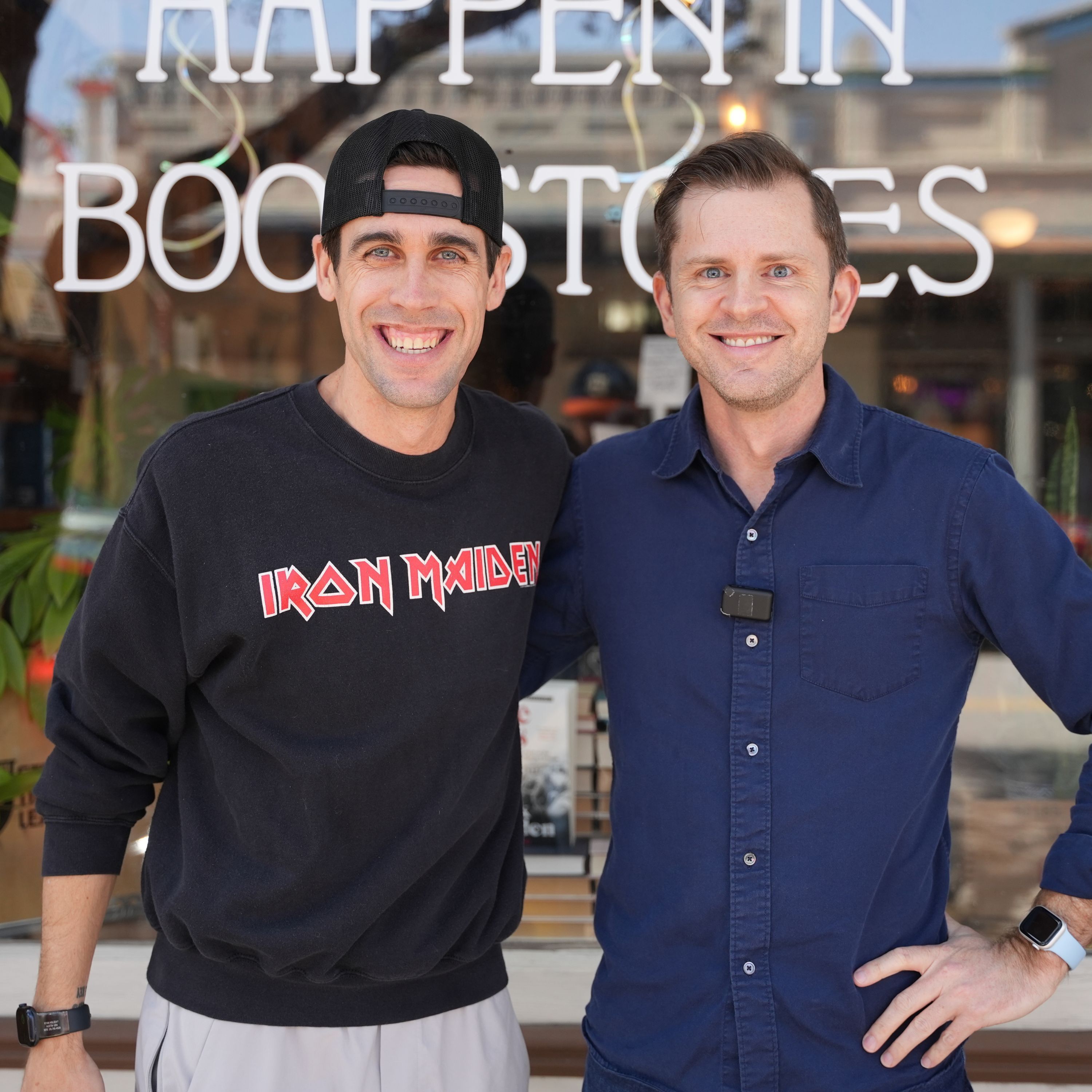
In this episode of The Daily Stoic, Ryan Holiday hosts bestselling author Chris Guillebeau to discuss modern anxieties related to decision-making, time management, and ambition. Drawing from Marcus Aurelius's teachings, they explore how individuals can escape or discard anxiety by changing their perceptions and choices.
Written by AI. May contain mistakes.

Get the gist, explore an idea or ask about something said.
 Claude
On The Daily Stoic, what are the key points of this episode?
Searching your listeningAutomatic transcript. May contain errors.
0:00I'm recording this on a Monday, and Monday is our grocery store day in our family. I usually pick my kids up from school and we go over to Whole Foods, get all our groceries for the week. Although here very shortly, we're going to go over there to get our Thanksgiving turkey because they've got a bunch of great options. Turkeys start at$149 a pound if you have Prime with organic birds at$299 a pound. And they only carry no antibiotic ever turkeys that will bring quality to your table at a great price. Whole Foods has great everyday prices on all your Thanksgiving essentials, whether you celebrate with a massive family or just a few close friends.
0:37Everything they sell has high standards to help you shop with confidence. Enjoy so many ways to save on your Thanksgiving spread at Whole Foods Market. Why choose a Sleep Number smart bed? Can I make my sight softer? Can I make my sight firmer? Can we sleep cooler? Sleep Number does that. Cools up to eight times faster and lets you choose your ideal comfort on either side. Your Sleep Number setting. Enjoy personalized comfort for better sleep night after night. It's the final days of our Black Friday sale. Recharge this season with a bundle of cozy, soothing comfort. Now only$17.99 for our C2 mattress and bays, plus free premium delivery.
1:11Prices higher in Alaska and Hawaii. Check it out at a Sleep Number store or sleepnumber.com today. This message comes from Capital One. The Capital One Venture X business card has no preset spending limit, so the card's purchasing power can adapt to meet business needs. Plus, the card earns unlimited double miles on every purchase, so the more a business spends, the more miles earned. And when traveling, the VentureX Business Card grants access to over 1 ,000 airport lounges. The VentureX Business Card, what's in your wallet? Terms and conditions apply. Find out more at CapitalOne.com slash VentureXBusiness.
1:52Welcome to the Daily Stoic Podcast, where each weekday we bring you a meditation inspired by the ancient Stoics, a short passage of ancient wisdom designed to help you find strength and insight here in everyday life. And on Wednesdays, we talk to some of our fellow students of ancient philosophy, well-known and obscure, fascinating and powerful. With them, we discuss the strategies and habits that have helped them become who they are and also to find peace and wisdom in their lives.
2:37Hey, it's Ryan. Welcome to another episode of the Daily Stoic Podcast. When I was in London for my talk, I did a Q &A first and someone asked me, you know what, let me just run the question in my answer. I wanted to ask a question more related to Daily Dad, which is, you know, you seem to have maybe a classic neurotypical set of kids. They're younger than mine. But, you know, I find it very hard to apply a lot of those things to, you know, say my 14-year-old who has autism and pathological demand avoidance and ADHD and a lung set of complex diagnosis. and I wanted to ask you, you've got it right from your own perspective and what you know, but have you come across talking to people with those kind of needs and what wisdom do you have for us?
3:31Well, I don't want to blow up my family spot, so I don't talk about all the stuff that we deal with. I don't know if any of us are quite neurotypical in my family and we're wrestling with a bunch of stuff right now and have been for a while. But that's interesting. I guess, can you tell me what you think I'm reflecting that is making it seem like I'm only talking about neurotypical people or you can just shout it out? Well, one example is, I don't know if it was in one of the emails this week or maybe in the book, but you talk about, you know, one of the greatest joys is your kids running to get a hug.
4:10Yes. My daughter is never going to do that, has never done that. That's rough, yeah. Well, I'm sorry if you didn't feel included in that one. What I try to do in all my books is try to touch on different parts of the experience, some of which are very universal and some of which are very specific. My kids are still pretty young, so there's also a big bias in what I'm writing about towards that stage because it's all that I know other than having been a kid. But what I try to think about is, you know, how do I make, it's a challenge, right? You're sitting down, you're writing a piece of parenting advice.
4:48You only know your experience. And then you also are writing to people who have infants or are expecting, and then you're writing to grandparents, right? And so I'm trying to hit a pretty diverse target. But I think one of the things that I am learning with my own family's stuff is just how tough people have it. And everyone has strong opinions about things. And then I think life finds a way to give you some version of that thing that forces you to re-examine that opinion, right? And I think one of the things I have taken from parenting is just a real humility that we don't know what the fuck we're talking about until we have direct experience with that thing.
5:40And we have to be real patient and understanding of people because a lot of people are having a much harder time than you are. And so I think about this with things that I don't understand or things that I don't agree with or things that I would do differently. I just try to think about what it must be like to be in that person's shoes and how not my business it is, you know? But I actually, I'm glad you raised this because I want to make sure that what I write about resonates with all the broad spectrum of experiences. So thank you. Well, for sure, stoicism helps. It does. Yes, it does. I mean, I think just parenting in general is waking up to a world you don't control and trying to figure out how to respond and make it day by day, basically.
6:25Why I'm saying this is that I would not qualify really anyone in my immediate family as neurotypical. And that leads me to today's podcast. It's a discussion with my friend, Chris Gillibeau, who came out to the painted porch a couple of months ago. He was in town. I said, hey, what are you in town for? And he said, you know, I'm doing this conference in Austin on neurodivergence. I said, oh, that sounds amazing. And we got to talking and he said, actually, I'm doing a book about it called Time Anxiety, The Illusion of Urgency and a Better Way to Live. And it's funny, my wife, Samantha, was there.
7:02I'm a time anxious person and she is a time blind person, two sides of the same coin, I would say. And so we were just like, oh, that sounds amazing. You got to come back out and do the podcast about it, which he did. It was an awesome conversation. I always love talking to Chris. It's funny, it was striking. And we, as he was there, we realized, oh, exactly five years ago. And I still have these notes. I can see them. It's on this top of this cabinet, right? On the left-hand side of my desk. I went to a sort of an author mastermind with Chris, like the last week of February, first day or two of March, 2020.
7:35And we were just like, that was like the last thing before the world shut down. And it's funny because we did that thing together because he had a book coming out. And I think he was one of the first remote episodes of the podcast that we had to do because of the pandemic. His book, The Money Tree, just got totally swallowed up by the pandemic, which is really unfortunate. And it's like just the reality of life is how do we respond? How do we react to these things that happen? And I think Chris has done an amazing job. His conference, World Domination Summit, was one of my favorite conferences that I've ever been to.
8:05I gave a talk about stillness there many years ago. I love his work. We sell a bazillion copies of The$100 startup here in the bookstore. People love it. His other books, The Art of Nonconformity, Gonzo Capitalism, 100 Side Custles. They're all super popular. And look, you should check out his new book, Time Anxiety, The Illusion of Urgency and a Better Way to Live. We talk about that in the episode. We talk about comparison, time blindness, having fun, setting our future selves up for success, and then what we can do about this time anxiety thing. You can follow him on Instagram at 193 countries.
8:37You can follow him on Twitter at Chris Guillebeau. You can check out his podcast, Side Hustle School, and more of his work at chrisgillibeau.com. He gave me a bunch of helpful podcast advice when we were taking the Daily Stoic podcast to the next level. If you're looking for a little reminder, I have one here on my desk, the Daily Stoic Anxiety Medallion. You can grab that at store.dailystoic.com. It's been a reminder for me. I was just traveling. We were delayed many hours at SFO, and as I was sitting there, I was just sort of spinning it around, holding it through my fingers. And a week before that, when I was flying back from spring break with my kids and it was like, okay, it's going to be two kids at the end of a long trip traveling Southwest with a bunch of other crazy college kids on this flight.
9:18Let's stay sane and let's focus on what we control. I'll link to that in today's show notes. Enjoy.
9:28What makes you most anxious, you feel like? Makes me the most anxious. Yeah, yeah. Oh, there's a list. Yeah, I'm presuming that you have anxiety, which is maybe a projection, but certainly I do. What makes me the most anxious of all, it's kind of like a topic that I wrote about in this book, which is like, how do I know what to do next? That's the ultimate superpower, I think. You know, people are like, what superpower would you like to have? And you have to take like, you know, time travel off the list and like the ability to fly because there's always like the first ones, right? Yeah. For me, I'm like the ability to know exactly what to do next, right?
9:59So you become anxious because you don't know what to do next? Yeah. What's part of it, right? And then not knowing what to do next means you're wasting your time or you're missing out on something. Why does that make you anxious? Because there's so many things that we could do, right? Right. And so the sense that there is a right answer, or maybe there's probably multiple right answers, right? But still, like, how do I choose? How do I make sure I'm choosing one of the right answers? I find it really stressful. Yeah, you know, I think a lot of anxiety is traced back to that idea that things are supposed to be a certain way or that there's a best way to do them.
10:33Sure. Right? Like there's this line from Seneca where he's saying that hope and fear are the same thing, which seems crazy on its face. But I think what he's saying is that you're either hoping it goes a certain way or you're hoping that it doesn't go a certain way. That's what fear is. You're like, I don't want it to go that way. But what it's presuming is that you get to decide what way it should go and that you know what the best way to go is. Right. And in fact, you don't know. Right. But you still have a certain amount of control, right, over your actions, right? Yes. Right. But the anxiety is the like, well, it should be this way.
11:09And so I think you go to yourself, if I spend a lot of time thinking and ruminating, it will make it more that way than if I just let whatever happens happen. Yeah. I mean, sometimes it's about the outcomes, right? And so the answer is like, I got to let go of the outcomes. But I think also sometimes it's just like, what are my inputs? You know? And so you ask like, what makes me the most anxious? I think that's probably the biggest thing. Like, how do I know what to do next? But then it's also like bigger picture. Like there's something I should be doing. It's not just in this moment, but there's something I should be like working towards.
11:40Yes. It's like, I have this like deep sense of it, but I don't always know exactly how to pinpoint what that is. Yeah. So I feel like that's anxiety inducing. Yeah. So there's like some Zen place you get to where you get rid of the should, you know, and you accept yourself and you accept life. But then there's this other part that I think is true and real, which is like, you are only here for a certain amount of time. We each have potential. You don't want to waste this thing that is existence. And so there's some middle ground between the two of like beating the crap out of yourself because you're not doing what you should be doing.
12:16And then also doing what you should be doing. Right. The answer cannot be like, just take it easy. You know, it can't be like, just, just slow down. You know, like sometimes in life we need to slow down for sure. But I think, you know, ultimately just accepting this, like, I'm going to just step back is not a good solution for most people. Right. Well, where would the world be if everyone just stepped back? Right. There's something we need to actually step into, but the anxiety is like, what exactly is that thing? And how do I choose? I remember like a few years ago, you said to me, I actually thought about you a bit when I was writing this book, because you said to me a few years ago, and I'm probably like paraphrasing, but you said something like you were a little frustrated with maybe your career or you're like, I feel like I should be reaching more people or something, right?
13:01Yeah. I'm curious. I have no recollection. Yeah. Which maybe in some ways is not a very Ryan Holiday thing to say, but I always like appreciate you because you're very multifaceted. And now here we are a few years later, and I think you definitely are reaching a lot more people, right? And you have had more impact. And so I wonder, you know, is that the result of, you know, choices that you've made? Is it the result of circumstances outside your control? Right. And do you still feel the same way? Because I feel like you had some, some sense of discontent, maybe more than anxiety or dissatisfaction or longing for something that, you know, even a few years ago, I thought you were still, you know, like reaching a ton of people, but you wanted something different than you had.
13:39Was this at that thing in Nashville? Yeah. Isn't it crazy? That was exactly five years ago. Like, I think we got back to, because we got back like the day or two before everything started shutting down. Right. And so that was like, basically right now. Right. Spring 2020. Yeah. Yeah. Crazy how five years is. I would have said three years if I hadn't thought about it. How long ago was that? It was like three years ago. Yeah. Five. Wow. Well, yeah. If you told me it was 18 months ago or it was 11 years ago, I would believe you. Right. Right. Which is like the crazy. Yeah. What I remember at that thing is we james clear was there we're talking with james and you know there's something about comparison is is bad right it's the thief of joy as they say at the same time when someone really like knocks something out of the park or does something that hasn't been possible before it helps give you a sense of like what is possible right like it wasn't until somebody breaks a four minute mile that you're like oh that's physically humanly possible so it's not just me bumping up into some limit, that limit might be mental.
14:38And so there's always this tension when you meet really successful people about like, am I making myself feel shitty by comparing themselves to them or have they unlocked something? Have they figured something out? Did they do something actually that's really simple and obvious and definitely should be done that if I did, I could get that same result. And I sometimes struggle with that. Like, hey, am I measuring myself against this person in a way that's making me feel inferior and just taking the joy and pride out of what I've achieved? Or is this person showing me how to do something? Like if every writer 20 years ago was just sort of, oh, what is blogging or what is social media?
15:22They would have left a huge amount of people on the table instead of trying to listen to things. So there's always this like tension between, you know, comparison, I think in a negative way, and then comparison in a constructive way. And do you feel that you do that comparison in a negative way that creates the sense of inferiority? Because I don't see that. I do both. Like I remember, you might've been in this too. There was a group that we were in. It was like a Facebook group back in maybe more than hated. It was all like speakers. And I found that hearing how many gigs people were getting and what people were paying for gigs, that was primarily what I was taking out of the thing.
16:00not like, hey, every once in a while, like someone would be like, here's this thing I clip on the curtains in a hotel room and it keeps it dark. I was like, oh, that's like, that's an awesome thing that I learned from someone else. Mostly what I was just doing is like, how are they getting that? But I have still have a bunch of notes from that meeting. From that meeting that we were at, you told me what you were doing on your podcast and who your agent was. And I didn't go like, I got to beat Chris. I was like, I should talk to that guy. and Ben Davis who reps this show now helped us unlock this.
16:34Like, so, so I think I do both, but I try to only do the constructive form of comparison where I go like, what is working for that person? Are there things that I want to add into my thing as opposed to more status anxiety of just like, are they beating me? Are they better than me? Are they happier than me? Yeah, that's great. It's tough though. It is tough. It is tough. It's something like I do the inferiority thing and I don't want to do it. It's not like I'm like, oh, this is a better way. Like I understand I'm harming myself by doing that. And probably the only thing that's helped me is to understand, okay, I am not them.
17:08And it's not that that person is better than me necessarily. They've had a different life path. They've had different life experience. You have to always ask yourself, like, would you trade your life for someone else's? And it's really tricky because I think at first you're like, well, of course I would trade for whoever this mega successful person is. But then you have to realize like if you're truly trading your life, you're trading away like - To get rid of stuff. Your life too, like all the experiences you've had. And so I think back, oh no, I've actually, I have been able to do some cool stuff.
17:34And like, there are parts of my life that I would not want to give away to any person in the world. Right. And that other person that I might feel envious of, or might be comparing myself to, you know, they've also been able to do some cool stuff, some different things than me. Sure. But they haven't had my experience. Right. So would you trade your life for someone else? I think most of the time when you think about that, at least for me, I'm like, no, I wouldn't.
18:01Thanks to Toyota Trucks for sponsoring this episode. When I bought my ranch in 2015 out here in Bastro County, I drove my car about halfway down the dirt road that we live on, thought this isn't going to work, stopped, parked it, walked the rest of the way home, borrowed my wife's car, drove into Austin and bought a truck. What I bought was a Toyota Tacoma. And this truck wasn't just transportation getting me to and from my house. It unlocked a whole different style of living for us, not just on the ranch, but in our little Texas towns. There were places I could go now that I couldn't go before, especially out here in the piney forests, through the fields and on the unpaved roads like the one that I lived in.
18:46We got to go deep into the hill country's wild beauty. We've driven all the way out to East Texas. We've driven across the country. And by we, I mean not just my wife, but both my kids who I drove home from the hospital in that truck. Toyota trucks are built for those who understand that the best adventures happen when you're willing to veer off course. Because you never know when you'll end up on a Toyota adventure detour. And of course, this is stoicism too, because every detour, every obstacle is an opportunity. But it's helpful if you can handle the difficulty inherent in that. If you've got the resilience and the right companion to make it wherever the road takes you, discover your uncharted territory.
19:28Learn more at toyota.com slash trucks slash adventure dash detours. Look, when you're hiring, you don't want just anyone. You need the right person with the right background who can move your business forward. And when I need candidates who match what we're looking for at Daily Stoic for any of my businesses, we trust Indeed Sponsored Jobs. Because when you're hiring, Indeed is all you need. You can give your job the best chance to be seen with Indeed's Sponsored Jobs. They can help you stand out and hire quality candidates who can drive the results you need. and according to Indeed data sponsored jobs posted directly on Indeed are 90 % more likely to report a hire than non-sponsored jobs because you reach a bigger pool of quality candidates and you should join the 1.6 million companies that sponsor their jobs with Indeed.
20:22People are finding quality hires on Indeed right now. In the minute we've been talking, companies like yours made 27 hires on Indeed. Spend more time interviewing candidates who check all your boxes, less stress, less time, more results now with Indeed Sponsored Jobs. And listeners of this show will get a$75 sponsored job credit to help you get your job the premium status it deserves at Indeed.com slash Daily Stoic. Just go to Indeed.com slash Daily Stoic right now to support the show by saying you heard about Indeed on this podcast. Indeed.com slash Daily Stoic. Terms and conditions apply. If you're hiring, do it the right way with Indeed.
21:03Well, also, I think when you do comparison, you want to make sure you're comparing like against like. So when we were at that group, we were talking about James and James is there. So we're not talking out of school or something, but you know, you go, okay, this person sold this money or this person did X. And then you go, well, why haven't I done that? And you got to go, it was either you or John Gordon said something like, it's a book about habits, man. That's the biggest category that there is. And then, so I've done some work on myself that's been helpful where I go, I write about an obscure school of ancient philosophy.
21:33Not that there's a ceiling, but that is not for everyone. And knowing that what you're doing is not for everyone or knowing on the spectrum of for nobody and for everyone, knowing roughly where you are, that's not to say that you can't expand it, but like, look, has Yo-Yo Ma brought more people to classical music than were previously interested? Absolutely. And I feel like that's what I do with my work. At the same time, it's still classical music, right? You're probably not going to sell out Staples Center. You could do Madison Square Garden, but you're probably not going to go on the Taylor.
22:06You're not going to follow Taylor Swift, right? You're not going to fill everything. The era of stoicism. Yeah. There's just different ceilings on different things. So then who are my peers that I actually can not compare myself to, but I can measure myself against and go, hey, actually, I'm not doing everything that I could. Or my publisher or my agent or whomever is not bringing me the things. Like, how do you know when you're just having an endless amount of ambition and when someone you've hired to do a job for you is not delivering those results? Like you have to know. And I think having an accurate sense of where you are and what's possible for what you do can help reduce, can transition that from anxiety to a more constructive place of whatever.
22:54That's very helpful. Yeah, it's rough though. Would you describe yourself as an anxious person? Sure. Yeah? Yeah. What does it look like for you? I think for me, it's this constant sense of questioning. Yeah. And I've tried to transition the questioning, at least in terms of questioning myself and questioning every decision, into paying attention and noticing. Yeah. That's a little bit different. and something I think is really helpful for people is if you just kind of like go through your day and just start by paying attention to how you spend your time. You don't have to do anything else. Like if you just notice, you know, what are you responding to when you have little pockets of free time?
23:37How do you spend that time? How do you structure your day with whatever autonomy you have? I think if you do nothing else, then just moving forward, you're going to probably make some better decisions. And the second part is like, what do you want more of? And what do you want less of? And so I have tried to take some of my anxiety, which is always like, it's a physical manifestation. Like I'm feeling like really, you know, this tightness in my chest and, um, and it's very much in my head too. I'm just like worried all the time. I'm trying to like, okay, what, what, what is going on right now?
24:07What do, what do I need? Uh, what is happening? What do I need? What can I do? How can I maybe also get out of myself? So it's not just like, what do I need for myself? But if I really don't know what to do, then it's like, is there some small thing I can do to be helpful to somebody? And that's actually going to make me feel better usually, right? Like, hopefully it's going to help that person too. But I'm also going to be like, oh, okay, it's cool. I did something there. Yeah. Like, have you gotten better at noticing when it's you or the anxiety talking? Do you know what I mean? Like when you're like, hey, I'm in this, this is not me in my resting state.
24:39This is the anxiety state that is feeling this intense or this worried or what, like, can you notice that? Yeah. I got a lot better at understanding cognitive distortions, which I wrote about in this book about like black and white thinking or personalization. Like if this thing happened, it's not, you know, if some negative thing happened, it's not the end of the world. If I get some criticism, maybe it's actually more about that person's experience than mine. Right. Which you know this stuff intellectually, but I kind of had to like delve into it a little bit more to understand it, like to not just understand it, but to internalize it, I think.
25:11Well, one of the interesting passages where the Stoics talk about anxiety is Marcus Realist, he goes, he's probably sitting at the end of the day and he's reflecting in the journal and he goes, you know, today I escaped my anxiety. And so he's, you know, when you have a good day where you didn't have it. And then, but then he, he catches himself and he says, actually, no, I discarded it because it's within me. And I think that's something I've tried to get better at. It's like the airport is not the cause of the anxiety. I'm in the airport bringing the anxiety to it, right? Like it's not what's happening in the world.
25:45That's the source of the anxiety. It's my opinions about what's happening in the world. My sense that it should be different. My sense of powerlessness over it. Like I'm, it's not that I'm choosing to be anxious, especially if you tell that to someone who's anxious, that sounds very dismissive. But the point is like the common variable in all the situations that you are anxious in is you. And so what I think Marcus is doing there and what I try to do, and it sounds like you try to do, is you take this feeling that you have and then you kind of go, why am I feeling this way? What is the logic of this?
26:19Is that actually logical? How is this worked out? And the same racing mind that's causing the anxiety can be used to kind of slow it down and detangle the knot that you've twisted yourself into. Yeah. You ask, what is the evidence for this, right? What is the evidence? And maybe you can come up with something, but most likely it is your projection or something else. And then once you realize, oh, this is just a thing, then maybe you do still feel that, you know, but you can also be aware, okay, I've been here before, right? I've been here before, this is going to pass, right? Am I doing more or less the right things, right?
26:54Am I, you know, like I may not be... More often than not. Yeah, exactly, right? Am I working towards something that I believe in that is important to me? Do I feel like I'm being true to myself? And these sound like these - Have I done everything I can do? You're like, hey, I want this to go well. Well, have you done everything you can do? And then if the answer is yes, then you got to chill out. Right. And if the answer is no, maybe there's something specific that you can do. And that helps too, I think, because often it's this overwhelming generality. And so if we say, oh, here's actually three things I can do that might create a better outcome.
27:28I don't know for sure. But I'm, you know, if I do these three things, then I've done my part, you know? So, yeah, getting specific has really been very helpful. Another question I like is like, would that really be so bad? Right. Like what, like, you know, the worst that can happen. Yes, exactly. Right. Because, because often you just have this vague existential doom that you haven't put up for review and evaluated. And it's like, you know, it actually, what would happen is they would laugh at you or actually, or no one would figure it out. No one would care. More Or like, you know, people are judging me, people are judging me, but actually most of the time they don't care, right?
28:02When people are not thinking of you. Yeah, it's like travel is a big source of anxiety for me. I don't have a problem flying, but it's the, I need to get here by this time to do this thing. Or it's not, usually it's not even need. It's like, hey, the thing is tomorrow, so I'm flying out tonight. But if I get in by this time, then I can do this thing, and then I want to have dinner, and then I want to have time to relax. You know, like I just set up this order that I'd like things to go in. And sometimes it doesn't always go that way. I remember one time you were going to Canada and didn't have your passport or something.
28:31Oh, did I tell you about that? Yeah. Oh, God. Yeah. And so then that created obviously a lot of stress. Right. No, it did. I flew to New York. Last minute. New York. I was supposed to fly to Canada. Last minute, I had to do a stop in New York first. So I, leaving the house, I was just like, I'm going to New York. I don't need my passport. And then I realized that my wife had to fly with a baby to meet me at J. In retrospect, I'm worried about missing this thing. I should have said, well, the worst thing that could happen is you don't get paid to do the thing. People are vaguely mad at you. You take a hit of X amount.
29:01And if I could have said, is that so bad? I could have just gone on a plane and flown home. You know what I mean? But in my head, I built it into this like career ending catastrophe that I would never recover from. And my reputation would never recover from. And these people, you know, you just, and then you, you get in it and then you're busy in the stress of it. You personalized it. Yeah. Totally. oh man, it's brutal. Sorry to bring that up. No, no, it's so funny. Believe me, you're not the only one that brings that up. My wife is fond of bringing that up. That was a stupid one. Everything that could possibly go wrong basically went wrong.
29:39For me, it's like I've stacked, what I do is I stacked an order of things that I'd like them to go. And then because I've decided I'd like them to go that way, then I'm committed to them going that way. and then I'm real fragile if they don't go that way. So that's totally a construct that I have built up. And what I've done is I've now put my, not even happiness, I've put my equilibrium in the hands of the United Airlines pilot or the weather. And most of the time it goes your way, but a lot of times it doesn't. And then you can't handle it. Yeah. I mean, I think something that's helpful for a lot of people is to build in a little bit more margin.
30:21already built in the margin. It's tomorrow. The thing is tomorrow. But what I've done is I've just moved up. So maybe in that example, you've built in the margin, but I feel like a lot of people are stressed all the time because of time blindness of thinking they have more time than they do. And trying to add one more thing before I go to the next meeting or before I run this errand or whatever. They forget about all the extra minutes that things take. And so if you can add 10 to 15 minutes for every transition, we're talking about a small amount of time, this can actually make your life much, much better.
30:54And I find that people are really stressed about doing that. They're worried about, oh, but what will I do for the, what if I have 10 to 15 extra minutes? Oh, no. Right? No, no. Carry a book with you, carry a journal or do nothing, you know? Yes, yes, yes. But if that's the worst problem that you have, a little bit extra time compared to like always feeling like you were stressed from thing to thing and you're always late and your friends are just kind of used to it. They're like, oh, he's always, he's, you know, it's a few minutes. He's always going to be like, wouldn't it be better to just add a little bit more buffer or margin?
31:21Well, what is time blindness? Because that concept has actually been life-changing for me. I don't have it. I have the opposite of it. I have an intense awareness of time at all times. Interesting. That's the source of my anxiety, I find. Okay. But it has helped me be more patient with other people, realizing that they have it. Okay. Well, it's simply like the characteristic of overestimating or underestimating the amount of time that something will take. Yeah. So if you're a student, you're like, oh, I've got X amount of days or hours to prepare for this exam or write this paper. And you just kind of like put it off and put it off.
31:56And then you end up in this deadline kind of crunch. Or just when you're stacking those meetings or errands, I'll just do this until this time and then I'll leave. But then you're late because you're not aware of how much time it takes. So it's interesting that you are hyper aware of time. Which might be its own form of time blindness. Yeah. Well, yeah. Maybe it's like hyperlexia, the opposite of dyslexia. But I would be curious, you know, if you've ever estimated, have you ever tried to like close your eyes and count to one minute and then compare yourself and see like. Oh, how close you are?
32:23Yeah, because most people are off by at least 15%. Do they tend to go which direction where it fluctuates? That's a good question. Yeah. I don't know the answer to that. I just know that they tend to be off. And so if you're off, you know, 15%, like over the course of an hour, that's like nine minutes or something. That's a lot, right? Maybe you've got it dialed in. Right. But I also tend to think. I'd be very curious. Yeah. Most, you know, I also think like your head is not the best place to keep up with time. You know, like there are lots of ways to keep up with time. Sure. That's a mental load that you're carrying for no reason.
32:53I mean, and maybe it's just baked in or internalized for you at this point, but you know, casinos don't have clocks, right? Because they don't want people to be paying attention to the time. And I actually think it's very helpful for most people to make time very visible in their lives, except for, you know, maybe like in your bedroom or something, you don't want to be aware of time, but you know, in your workspace, in your kitchen and in your general living space, I think it's actually helpful to have timers and clocks around so that you're not trying to keep track of it all in your head. Yeah.
33:19I mean, look, I do lose track of time in good ways, like when I'm writing or running or when I'm doing things that are important to me, I can lose track of time. But it's more like, like if I have a, if I have a 1pm appointment, that appointment is always there for me. Right? Like in the sense of like, okay, I'm deciding what I'm going to do the whole day because I have this anchor at one. And then at 11, I'm going, okay, in two hours I have this thing. And then at 1250, the thing isn't starting at one. Sure. Okay. Which is good in the sense that I tend not to miss things, but it's bad in the sense that if I make an hour commitment, it's actually cost me an hour and 20 minutes plus all the other.
34:01So for me, it's this fixation with not sort of missing things or whatever that there's probably some childhood thing. And I've definitely put a lot of thought in it. It's not occurring to me for the first time. But what it creates for me is like, if I'm like, hey, okay, we have to be here by noon. And so it takes 30 minutes to get there. And then so my wife and I are like, okay, we're going to leave at 1220 just to be extra sure. I'm like ready to go at 1215. Like I've already baked in the thing. And so that's my sort of irrational thing, which creates a lot of intensity and stress in my house.
34:37Especially, it was fine when it was just me. It was fine when it was just her. Now it's like, you know, you're just rushing these kids around all the time. So that's what I work on. But time blindness is more like, I would say Samantha definitely has it. And so, and then where she is, there's this, like, it took me a while to go, oh, you're not doing this on purpose to push my buttons about, like, you're not flagrantly, like, disregarding the times. you're just like, it's not like if you're, I think this is what's really helpful. I think about understanding neurodivergence is just the understanding that not everyone is wired the same way.
35:16And then you just take so much less personally, because it's like, if you have an intense focus on time, like I do, when someone is five minutes late or not five minutes early, that means something. But in fact, it means nothing. It just means they - Well, it's a value system for you, right? Yes, exactly. Exactly. Yeah. I'm curious what the duration of time that you have in your head, because you talk about the daily schedule. Yeah. But I mean, are you thinking about this for tomorrow? Are you thinking about this for next week? How long does it go? That's a really interesting question. Yeah, it is.
35:44I would say it's more day to day than it is like I'm petrified of a book deadline three months from now. But because of the day to dayness, I'm usually on top of the large scale things. Like, so I have to work. I've talked about this before. I've been working more on like, hey, this thing that you're working on is not measured in five minute increments. And so you have to be flexible about giving five minutes over here or taking five minutes over here because that's not even a perceptible unit of measurement for this three year project. Right. And I think your book is right down the middle for me because it's like time and anxiety are inextricably linked.
36:27Right. Sure. I think it's a very common experience. When I started this concept, I started exploring it. I would talk to different people and I would just use that phrase time anxiety and everybody immediately connects to it in one way or another. Yeah. And they would say like, oh, I have this or this like defines my life or my friends and I talk about this all the time, but we didn't have a name for it. Yeah. So I was like, this is really, this is the right thing for me to explore. And it's also not just like from academic interest, you know, like I feel like this kind of governed my life for a long time.
36:56Sure. And that's why I wanted to kind of go into it. No, no, it makes total sense. And I think, yeah, realizing that other people have different anxieties, different ways of thinking, and then that like you have to not accommodate, but you have to be aware of that. So yeah, the value system is part of it. And then also understanding like, hey, how does the interplay between these two things trigger you or trigger them? That's like a big part of it. Like, do you limit, like given things that give you anxiety or give you because it's all your fault, obviously. But like, do you think about like how you limit your inputs so as to not trigger those things?
37:35I mean, there's a lot of stuff that I don't do or don't pay attention to. Yeah. You know, if the news is stressful, then I want to be somewhat informed. I don't know that it's always good to like, I just don't want to have any, any information at all. Yes. But I think that, I mean, you talk about this a lot. There's definitely a point in which more information is not helping you. Yeah. When I see people have a TV running in their office, I'm like, why are you doing that? Yeah. Right. Exactly. What are you going to get on this 15 minute news cycle? And then also different messages and communication.
38:01I've tried to like scale back and not try to be as available. I tried to be really available for a long time and I kind of prided myself on it. And that works to a certain point. Sure. And then it starts to really stress you out. Yeah. So yeah, definitely like limiting the inputs. And also Dan Pink has this 10-year regret test that I mentioned in the book about like... He was just here. Oh, yeah. Cool. Yeah. Yeah. Asking yourself like when you're making decisions, like a big decision, will I regret not doing this? And that's actually been like something that's really made a big difference in my life.
38:32Just thinking through, if I've got this idea to visit every country in the world or start a blog or whatever, okay, that's a big commitment. there's a lot of reasons not to do it, but if I can't stop thinking about it, if it keeps me up at night or whatever, then it probably means I'm going to regret not trying. At least I can't control the success or failure of it. But, uh, so limiting the inputs and then also thinking about that question of regret. Yeah. And the inputs thing, I like, do you know the concept of like mental load? Sure. Like, I think a lot about like, Hey, like if I'm hiring someone, the mental load, the mental load of the thing should be on them, not on me.
39:05Right. And like, how do you, And then, but sometimes you have people who've, from how they think about things or how they're wired or maybe how they worked on previously, they think their job is to constantly be putting the load back on you. Right. And, and just like, how do you set up a team or a system or life or boundaries? So like, Hey, I'm paying you to think about this. If I'm having to think about it, I'll either just do it or I'll pay less. You know, like, how do you think about mental load is, I think, a big part of like creating that tranquility and peace, but also just like freeing up your energy to be directed at the things that you're meant to be doing.
39:42Yeah. I mean, for me, I've learned, like, I don't actually want to have a big team, you know? I look at people - Because you got to worry about them. Yeah, exactly. It's just, like, I look at like other mutual friends of ours, Ramit Sadie, you know, he's built this really, you know, fantastic business with lots of team members. but that required, you know, a pretty significant investment in building the team and developing the team and also kind of staying in the same or very similar concepts for a long time. And I think of myself primarily as a creative person, I want to create, I want to write.
40:11I like working with people, I like working with teams and, you know, for some things, but on a day to day, I want to be able to write and also explore different topics and go in different directions. So that mean, that may mean that I have some ceilings and some things that I won't be able to accomplish, to the same degree that other people have. But I also think, would I be true to myself if I tried it the other way? And I think probably not. Well, that goes to the comparison thing. I think it's really important. It's like, when you have made a choice, you have to own that choice and then also give yourself the grace of having made that choice.
40:42Like you chose not to build a huge team. So the results are gonna be the results of a smaller or a boutique or bespoke version, not a huge, the problem is we make the choice and then we compare ourselves to the people who made the different choice and go, why can't I have both? And then I say, maybe I'm just justifying the choice, right? Maybe, okay, these are the outcomes that have, are the results that have been created, you know, and I'm saying in retrospect, oh, I'm glad I didn't get into Harvard, right? Sure. You know, but at the time when I applied to Harvard, I would have been very happy to have gotten in and I was very disappointed when I didn't, you know, so I do think about that as well.
41:19But ultimately, like, life is short, right? Ultimately, life is short. There's more that we want to do, then we're going to have time to do. I used to think a lot about legacy. I wrote about this in the last chapter of the book. I used to be very motivated by this idea of, I want to build a legacy and leave a legacy. Something that lives on after you. Yeah. And I realized, I don't want to say how silly that is, but how impossible that is. Obviously, some people have legacy, but you don't always get to choose, right? But it is silly. I mean, Mark Zerrill spends a good chunk of meditation reminding himself how silly it is to lust after posthumous fame, which by definition you will not enjoy.
41:57Right, right. Exactly. And then even this idea of like, oh, in the future, they'll understand. He's like, no, they won't. There'll be stupid people then too. You know, like the future's not better, smarter, wiser. It's just people like people now. Right, right. And then I think the most interesting one is when he goes backwards and he goes like, he just lists a bunch of famous people from like two, three, four generations past. He's like, where are they now? Who cares? You know, what's happened since? It's like, try to remember three, four vice presidents ago. That was like the second most powerful person in the world, a heartbeat away from the presidency.
42:33And now they're kind of going out and living life pretty much normally for the most part. When they're dead. Right, exactly. Right. But it sounds very noble at the time, though, when you're like, I want to build a legacy. And it sounds like, oh, this is a very admirable kind of thing to do. And I just found that my life is better when I think less about that and more think like, what can I do right now? What can I do today? Yes. Do I like what I'm doing right now? Yeah, sure. Yeah. Because how many people, if they're being honest, the legacy they're after is how they're justifying that they don't like what they're doing now.
43:07So you're like, I never see my family. I'm working myself to the bone. I'm putting up with all this shit. It'll all be worth it because a thousand years from now, people will be know my name. And it's like, that's deranged if you think about it. Like, you don't retroactively, like, like it doesn't retroactively go back and fix that you were, you were miserable when you were alive because your, your legacy is positive while you're dead. Like that doesn't, you have to like it now. Yeah. You have to think about how to be of service and also how to have fun and enjoy life yourself, which is also something that I, I don't historically do a good job of like, I want to have fun.
43:44I actually wrote about it. It's like, how do I practice having fun? There's a whole chapter about this. And I had the story of this guy in the Netherlands named Jan, who for like 30 years, every Wednesday, he would go to Amsterdam, Schiphol Airport, and book a flight somewhere within Europe, wherever was cheapest. He'd fly to Stockholm or Barcelona or somewhere, and he would just kind of hang out, and he would walk around the terminal, and he'd fly back. Never leave the airport? Never leave the airport. It's so interesting. This is what he liked to do. He found it really peaceful, enjoyable, relaxing, and so on.
44:13so it's it's so easy to criticize that you know be like well he never he traveled so much and never traveled at all right but it's a small thing that made him happy you know and i think you know if we can all find like small things that make us happy even if they seem weird to other people or strange or like why would you do that then our lives are going to be better and i was thinking about his story one day when i went for a walk i found this restaurant i wanted to go to it was like 17 miles from my house i thought about it for maybe like a few days in advance but not too long. And I was like, I should walk there.
44:43You know, I was like, I should walk to this, you know. And so one day I was like, okay, what do I have this afternoon? Not that much, nothing that I can't do later. And so, so I did, I got it like right after lunch, I left and I walked like six or seven hours. And it's funny because I thought, well, I'm going to try to get some stuff done on the walk, you know, like make some phone calls or whatever. But then that your phone battery dies, you know, cause you're on GPS the whole time, like tracking. And I was like, oh, this is not going to actually be a very productive experience. But of course it was actually very meditative and kind of fun and also silly, but like, it's like, this is a thing I'm just doing for myself.
45:14And I'm not even going to like blog about this. I'm not like, Hey, everybody, I'm out on a walk for six hours. You know, I'm just doing this thing. And I went to the restaurant and, and then like went home and then like for days afterwards, I'm like, what a cool thing. You know, what a fun thing that I did. It's a weird core memory. I bet you felt very alive. Yes, exactly. Yeah, exactly. And so there are things you can do to feel more alive. Yeah. And I have been trying to lean into that myself and I hope that other people will. Yeah. Instead of going, hey, I got across these 15 restaurants off a list.
45:42I got to do this. I'm sure you're not just, you probably felt alive because you were present. You were only doing that thing, however silly and inexplicable that thing was. That was the attraction. That was the thing. Yeah. Did you walk back? No, I took an Uber back and then the whole way - Took 15 minutes. Exactly. That's what's funny. I was like, this is fun, but I'm passing all the way, all the places that I'd walked, you know, and I was like, oh, that's just fun. When you pass by those places now, you can tap into that feeling for even just a fleeting second. Yeah. And this is two years ago.
46:16And I still remember this weird memory. And it wasn't that hard of a choice to make. And it's not like I was like, every Wednesday from now on, I'm going to walk 17 miles. I don't have to do that. Yeah. And just be like, what are things like that that I can respond to and say yes to? How was the food? The food was really good. It was really delicious. Cornbread. there's a cornbread appetizer that's usually like shared among people and i ate the whole thing sure you just work yeah exactly you could do whatever you want it yeah i think as you get older you have less time and also tolerance for doing inexplicable things because they seem irresponsible or hard to justify or even just hard from a scheduling standpoint but there that's kind of what life is those are like those are the things that you remember i think it's the the harder part, scheduling for sure, but I think the harder part is justifying it to yourself.
47:08Yes. You know, it's like, why would I, why would I do this? Why wouldn't I just drive or take the Uber there in the first place? I don't know, just because it'd be fun. If it's not fun, then I'll stop midway or I'll try to make it and I'll never do it again. Okay. But you know, it's fun. Yeah. Right. That's funny. I feel like you would do something like that. Yes. I don't know if I'd walk 17 miles, but I do. Yes. I'm going to Greece this summer and I'm to do the the marathon the actual marathon oh cool not as part of it i'm just yeah like yeah yeah same thing i'm just like i decided i'm gonna do this yeah you're just gonna do it so now i got to figure out my one promise is that i won't inconvenience everyone else in my family so i have to figure out how like i can rope like a driver into this thing or to like because i got to drive there run back so i gotta do that and then it's like can i get him to like leave me some stuff right and then can i you know not get hit by a car or whatever on the way that's like there's no reason to do this thing other than i just decided there's a great reason to yeah it sounds great yeah i would do it seems cool good for you
48:13we just took our kids to an outdoor performance the nutcracker they had a snow cone and then uh they went insane in the car ride home and one of the things i try to remind myself when that's happening is that I don't control my kids' behavior, especially when they're too far gone like that, but I do control how I respond, right? That's stoicism, but it's also what Dr. Becky talks about. Dr. Becky is a clinical psychologist and a best-selling author, and she founded Good Inside, which is there to give parents practical, actionable tools for handling those everyday challenges with confidence. My wife introduced me to Dr.
48:50Becky's books. I love them. I've recommended them a million times. I've had her on the podcast. And as it happens, Dr. Becky is hosting two live Q &A events for good inside members. I am one of them. She signed me up for it about a year and a half ago. I've loved it ever since. On December 1st, you can join Dr. Becky for her How Not to Raise Assholes event, which is about avoiding entitlement and raising kind, empathetic kids. And on December 15th, she's hosting her How Not to Lose It Over the Holidays event, which I'm sure we could all use. As I said, I'm a big fan of Dr. Becky. She's been a great influence for me as a parent and just as a human being.
49:31And daily Stoic listeners can join for 15 % off with code STOIC15. You just got to head over to goodinside.com to catch the events.
49:46I think about like, I do this joke in some of my talks where I go like, let me show you an ideal day in my calendar. And it's just, there's nothing in it, you know? And then everyone laughs and I go, you know, not because I'm not working. It's that I just haven't scheduled a bunch of interruptions from my work, you know? And like, to go to what I was saying, like when I don't have stuff, it's just what I want to do. But then if I've put this thing in there, then I have the time anxiety of like, now by nature of putting this thing at noon, I only have three hours until that time and that create, and then I only have three hours after that time, you know, and I've, so, so whenever I've given myself permission to like own this space for me, then it's better.
50:28Yeah. I encourage people to think about an ideal eighth day of the week. So it's not your ideal day. Yeah. Sometimes people are like, what's your ideal day? And that, I feel like that's very pressuring and you have to think about like this idyllic perfect day, but what if you could actually like repeat this day? Yeah. Like you got 52 of them in a year or something. And the other thing, when you, when you ask people this, people always say, well, I would catch up on my email, right? Or I would catch up behind on everything. So I would use it to catch up. And so you have to say, okay, so let's, let's say you're actually caught up, you know, I know that's a, you know, dream scenario, but you're somewhat caught up.
51:02And then also nobody is asking you for things on this day, right? Like you have certain responsibilities in life, but, you know, just for the sake of the exercise, nobody's asking you for things. How would you fill that day? So it actually repeats. So you could, you start thinking about like, what do I want to learn? You know, I could like over the course of a year, I could learn a language. I could write a book. There's so many things I could do. So, and then it's like, what, what can I do? How can I, you know, I don't have a magic eighth day of the week, but maybe there are choices I can make, you know, to accomplish the same kind of goal.
51:32Yeah, like I think about my like Saturdays are not that different than my regular days. There's just no pressure, you know, like you wake up, but it's usually roughly the same time that I normally wake up. I eat the same things, but also I could have a little bit more. I'm not, you know, there's just nowhere that you have to be. And so I often get like, I find like a successful Saturday, obviously there's family time. Maybe I'm watching sports or we're doing something outside, but I also tend to accomplish some things, but it's extra. So you know what I mean? It's not part of a quota. Yes, exactly.
52:08It's like, hey, I sat down and I banged that thing out or I had this idea. So I sat down and I did it in 20 minutes instead of two and a half hours. Yeah. And so like I do try to, when I feel like extra stressed and busy, I try to go, what if I just treated today like your exercise, which is like, like it was a bonus day. So if you get something done, that's extra, but you don't have to do anything. And it's usually that have to, need to, you're screwed if you don't. That's what drives the anxiety. And again, we're like chimpanzees on a rock in space. We don't have to do anything. It's all absurd.
52:46It's all a construct. And when you kind of can give yourself the grace of like, you can actually sometimes be more productive than if you were trying to be productive. 100%. Do you ever go through your calendar and remove things? That's something I try to do. Like the calendar ahead? Yeah, the calendar ahead. Or maybe you're so intentional about what goes on the calendar in the first place, but some of this stuff just gets added or it seems like a good idea at the time. And I think when we're feeling overwhelmed, like a simple thing we can do is like in the next two to four weeks, are there two to three things I can remove from my calendar?
53:16that are maybe not essential. And I'm going to give myself that time. I'm going to give myself this time back so that I can get closer to that space you're talking about, about feeling freer. People think about spring cleaning as like, I'm going to go through my garage. I'm going to clean out this drawer. I'm going to get rid of these old winter clothes. But you'd probably have more success and make a bigger impact if you just said, hey, I'm going to delete eight things from my calendar. I'm going to, what's a standing commitment that actually isn't productive anymore that we've just been doing because we've been doing And I'm going to, I'm going to clean out that imposition on my time.
53:53And I'm not going to allow myself to immediately fill it with something else. Yeah. So this is time decluttering basically. Right. And time of course is the most precious resource. So aren't you going to feel better in doing that than just like cleaning out your sock drawer? And maybe you can do that too, but yeah. When that's what, like when I pull up my week, if there is a lot of white space in the calendar, I know that's going to be a good week. Yeah, for sure. And when it's a lot of different green and red and whatever, I go, I wasn't disciplined enough. Like some people might think a busy calendar is disciplined.
54:22Like I have this, I'm going to this. But actually that's to me a sign of ill discipline, which is that you have overcommitted. You haven't been strict enough. And it's in those white spaces that you're not sitting around. That's when you're doing the thing. That's whatever you actually do. You just haven't scheduled a bunch of interruptions to that thing. And so, yeah, a cluttered calendar to me is a bad sign. Like I usually, if I have more than three things in my calendar on a day, that's not an ideal day. Yeah, same for me. Yeah. Yeah, two to three. And I like to have them in the second half of the day usually.
54:54Or like later in the morning is okay, but not early in the morning. Yeah, if the first thing you have for the day is some scheduled interruption, I think you have spoiled your most intense, focused, disciplined part of you. Like if I wake up and write or I wake up and I do something, everything else I accomplish is extra. But if I do the extra stuff first, I'm either going to not get around to that important thing or I'm not going to bring my best self to that thing. Like Toni Morrison talked about she had to do all her writing before she heard the word mom. Okay. Wow. So like if she got a good four, wrote while she watched the sunrise, and then, you know, you hear the kids on the baby monitor or you hear them.
55:38you know, getting up to go to the bathroom, you're like, okay, the day is starting to begin, but I already fucking won. You know, like I already did my thing. And by the way, her job, she had a day job as an editor at Random House. Yeah. But you think about what she must have had to politely remind her writers about. Like, she's like, I already did your job before you woke up. But the idea of like, yeah, hey, when do you, how do you get the win in as early as possible or before the other drags on you is to me an essential part of like a productive, also like enjoyable, creative life. Yeah, for sure.
56:13I agree. Deleting things from the calendar is great. And here's how you know it's great is the relief you feel when things get canceled. Yes. You know, you could give that pleasure to yourself. Right. You're afraid that they're going to be mad, but they're going to be feeling the same when this is you. That's right. You know, and something I try to do when I think about future stuff. Yeah. Uh, cause this is like, we tend to say yes to things that are happening far in the future. Somebody asks like, you know, oh, we do this thing in six weeks. Then you just say, oh, sure. Of course, you know, right.
56:41It's not real. Right. Then it gets closer and you're like, oh, I don't want to do that. So, you know, ask yourself, like if this thing were happening tomorrow, would I say yes to it? Right. And if the answer, if you're like, yeah, I would do that tomorrow. Okay, great. Then, you know, but if the answer is, I really want to, wouldn't want to do that if it's tomorrow. Well, tomorrow's going to arrive. Right. So there is your answer, right? Like, can you, can you actually say no to it now? There's this commercial I think about all the time as sort of a metaphor, but it was about credit cards and the interest rates on credit cards.
57:08And so you go around and you pay for stuff in life. And the premise of the credit card commercial was they were saying the real price to people after the credit card interest and debt. So they'd be like, would you like to pay$300 for this dinner? Or would you like to pay one and a half times as much for this thing? And they were like, no. But people unthinkingly put it on a credit card, pay the minimum, so they actually end up paying a significant amount more because of compounding effective interest. And so I think about that where it's like, okay, someone's asking me to do this thing that I definitely don't want to do that I will probably try to get out of later.
57:43So I could say no now and they'd be mildly disappointed. Or I can say yes because I'm a people pleaser and then I could have somebody else disappoint them more later. I'm just going to pay the cost up front. Do you know what I mean? That's what we do. It's like we agree to stuff because we don't want to be rude. But eventually that bill comes due and then we have to pay it. Either we don't show up and we're disappointed. Either we flake, that's not good. We cancel last minute, that's not good. Or we also push through and we just do it. But then we're not being kind to ourselves. Well, I was going to say another one is we show up and are not our full selves because we don't actually want to be there.
58:21And then the fourth one is, yeah, we soldier through and we're rude to someone, which is us or our dependents or, you know, whatever. And yeah, just pay it up front. Like you're going to have to say no to something somewhere. Say it here, not deferred no in the future. Think about your future self. Totally. What can you do to be kind to your future self? No, canceling stuff is great. Or if you agree to stuff, being better upfront, like, hey, I only agree to 30-minute calls. It could go longer, but I'm not going to give you an hour now because 30 minutes is the most that we need. And just being like, sometimes people push back on that, right?
59:03And they're like, well, we really need an hour. And you go, okay, let's not do it then. Right, right, right. But being firm about the boundaries upfront is good too, I think. Setting rules of engagement, you know, so that you already have these decisions made, perhaps. Yeah. You know, if your schedule is already full for this particular week. Yeah. Then even something that you might normally add. Yeah. You say, actually, I would like to do that, but I just I can't because I'm just already scheduled. Basically, I've made other commitments, you know, the commitments could be to yourself. Totally.
59:30Right. But I've made other commitments. I also try to be clear about what I just like people. Hey, let's get on the phone and talk around. Let's hop on a call. Nothing is less interesting. That's the worst. That's like the worst phrase in the world to me. Let's hop on a call. Yes. I'm like, oh, you know, I think for a time blind person, let's just shoot the shit to a person who's conscious of time. Yeah. I try to understand people are relationally different, you know, and there are some people for whom this is like a love language or this is, this is just an important part of how they kind of interact.
1:00:00Um, and so for some of your important relationships, you know, maybe you need to like be a little more flexible, but yes, generally speaking in life, you know, I think it's important to understand how you like to communicate and to try to create as much of an environment around that as possible. Well, people are relationally different, but also people are compensated differently, right? So it's like, if you're an employed person at a company, you sold your week, you know? You got paid either way. You have time to hop on all the calls. Yes, yeah. And then if you're someone who works for yourself or you eat what you kill, if this thing doesn't pan out, if it's not worth doing, you lost something because of it.
1:00:37And then, so being conscientious of other people, like, is important, but also being aware of what you're worth and how things, the consequences of what you say yes or no to. Like, realizing, like, hey, if I agree to stuff, there's an, ultimately the opportunity cost is paid in how much time I get to spend writing. And that's what I love to do. And that's what I'm lucky to get to do. And here I am frittering it away on this or that. Right. Okay, so when people hear this idea, like the Stoics talk about memento mori, right? Yeah. Life is short. Think about it all the time. But I think that causes people a lot of anxiety.
1:01:16Sure. How can meditating on mortality and the shortness of life be invigorating as opposed to anxiety-inducing? Yeah, so I think there are two things. The first is there's a difference in understanding—I was going to say existential. That's not the right word. It's more of like the intellectual understanding of mortality, right? like everybody dies versus the emotional or personal understanding someday I will die. And I had this previous book about quests and going to every country in the world and people who'd done different quests. And one of the things I, the commonalities I saw among them is they often had this very personal or emotional awareness of mortality.
1:01:54Yeah. Or they had a near death experience. Yeah, exactly. Or someone close to them or something, you know, or sometimes it wasn't anything like that. They just had this from a young age, but yes, however they got there, they had that. And I think so it can be very anxiety inducing, as you said, or it can be very purposeful. And it can help you understand, okay, well, I am I am instead of living in ignorance of this fact, which is true for you and for me and for people we love and for everyone, I'm actually aware of it, I accept it. It's just how things go. And therefore, the gift is that I have this awareness.
1:02:29And the gift is, I understand every day is precious. I understand that I get to, you know, do something that matters to me. I get to have important relationships and invest in those people and hopefully create something. And yeah, who knows if it'll, if it matters in a hundred years or 200 years, right? Like you said, but this is what's in front of me now. And that is a gift. And so I think, you know, thinking about death every day, which is a phrase I've used, I know you've used that as well. I think it is purpose-inducing rather than anxiety-inducing. I think when you think about Memento Mori, it's not that you will die tomorrow, right?
1:03:05It's not an asteroid is coming and humanity is not going to survive. Remember a couple of years ago, there was that missile alert in Hawaii. There's no island, there's nothing. Knowing that on the one hand would be settling in the sense that it's certain, but profoundly unsettling because almost nihilistic in that like everything is now rendered potentially meaningless because the future has disappeared. That's not what memento mori is supposed to make you feel. Memento mori is that you could die tomorrow. You definitely will die. It could be tomorrow. Like if you knew you were going to die tomorrow, maybe try heroin.
1:03:43You're now immune from the consequences or a nerd to a certain degree of the long-term consequences from your decision. It's that you could die actually makes the consequences of your decisions immediate and urgent. That's the difference, right? So I think if you're thinking like, well, why does it matter? I'm going to die. You're not doing it right. It's that, it's that, Hey, tomorrow is not guaranteed. And the next day is not guaranteed. And what is guaranteed is that at some point there's no more tomorrows. so don't do it later do it now don't do it crappy do it well because it could be the last time you're that's right i think i wrote in the book about this gives you a built-in excuse sure for not doing anything that you don't want to do yes and i understand what you mean about like we would just take heroin if it was going to be tomorrow but i still think like if you're just like when you have requests or opportunities for your time demands for your time uh that you don't want to to engage with.
1:04:41I think it's good to just be like, no, thanks. I can't do this because I'm going to die one day. No, Mark's in meditations. He says, let me see if I can find it. He says, this meeting sounds great, but I'm actually going to die. So, you know, probably not tomorrow, I don't think, but I don't know. Well, what he says is, and I think this is a great question. He goes, whenever you're doing something, ask yourself, am I afraid of death? Because if I die, I won't be able to do this anymore. Right. There's a bunch of things that I don't want to die because I love playing with my kids. I love nature.
1:05:11I love my job. I love writing. I don't love standing in line. I don't love traffic. I don't love, you know, there's a lot of things I don't love. And so the meditating on your mortality, it gives you this perspective, as you said, a built-in excuse to go, why the fuck am I doing this? I'm only here for so long. It also can have the effect of going like, this is why I'm fucking doing this because I'm only here for so long. So it cuts both ways. And it's very clarifying in that sense. I remember I was standing, you know, Waverly Cemetery in Australia, like on Bondi Beach, that walk. Yeah, I know the walk.
1:05:49There's that cemetery right over the ocean. I remember I was looking out over that cemetery once this summer, and I was thinking, for almost no one in this cemetery, were they like, it's time. Like everyone else, it was like, it's too soon. It snuck up on every single one of these people here as it will sneak up on me. But the practice of memento mori is supposed to announce the presence, right? To make it not catch you by surprise. You'll still probably be surprised, but ideally you won't have gone, I can't believe I just wasted the last 20 years on that. Right. You want to look back and be proud.
1:06:23Like, yeah, I want more of it. Sure. I would like more, I would like it to continue, you know, if it were up to me, but it is ultimately not up to me. You know, the timing is uncertain. So I want to be proud of what I've done. Yeah. Seneca says you should have more than a large number to show at the end of your life. That's great. Right. Because people are like, I'm 87. Can you believe it? And it's like, I've met 17 year olds that have done more than that. That's right. Meanwhile, like this guy, George Raveling, who I know, I just worked on this book with, he's 88. And when he was born, the life expectancy for a black man was like in the mid forties.
1:06:57So what he thinks about is like, he has, it's this. He's lived twice as long. Yeah. And does he have twice the amount to show for it? I would argue he's got like five or six times a show. Like this, he's lived this incredible life. I mean, he knew Wilt Chamberlain. He met Martin Luther King. He was there on the March on Washington. He, you know, he, he met these people. He did these things and he had, he had real impact in real people's lives. Like, it's funny. I mean, he was a great basketball coach. He won a lot of games when you're like, Hey, you got two lifetimes. What do you have to show for it?
1:07:28Like win-loss percentage, very low in the list. Very high in the list is primarily relationships, primarily experiences, primarily some, however you would measure like the degree of one's self-actualization. Like did you become what you were capable of becoming? And I think that's ultimately, if there's anything that should give us anxiety, it's questions like that, not, hey, if I don't get there by three o 'clock, someone's going to be mad at me. Sure. you know? Sure, sure. Or is it too late? I think that's something that drives a lot of anxiety. It's too late for me. I feel like I'm too late in life.
1:08:05But, you know, speaking of the age thing, it's interesting because I did a lot of research and asked this question of a lot of people. And I had people who were 17 who said the same thing. Yes. Oh, it sounds so silly, but it's right. But it's just as dumb, you know, if you're 30 or 40 or literally any age, like there are, there are some hard limits to some things. You know, you can't become a gymnast at certain ages or Olympic gymnast, you know, let's say. Right. Even that distinction is interesting, right? Right. Right. Exactly. It's like, is that too late to really love gymnastics? Yes. A hundred percent.
1:08:37It's not too late to work at a gymnasium. Right. Right. Right. There's alternatives. Right. So yes, there are some limits, but there is so much more. So yes, at all ages, people have this sense of like, oh, I've missed my chance. Right. And you haven't missed your chance. There are more chances. You probably haven't missed whatever chance you're thinking of, but there are also other chances. Well, I think about that as a parent, because you would never tell your kids that it's too late. Right. Right. Like it's never too late to apologize. It's never too late to turn things around. It's never too late for them to come home and for you to help them.
1:09:07Like you would be so upset if your kid goes, I'm 23. It's over for me. Like even if your kid just got sentenced to 20 years in jail, you would be telling them like, hang in there. It's not too late. You can make something of your life. and then we turn around and tell ourselves like it's too late like i'll never lose this weight i can't have a career that i like i'll never find anyone we we would never allow people we love to get away with thinking that it's too late and then we inflict it on ourselves it's just terribly sad yeah well it's not too late no it's definitely not uh it's definitely not and uh the only way it's not too late but you can do it later like it's not too late but tomorrow is worse than now.
1:09:50Right. Right. Like that expression about like the best time. Yeah. The money tree. That was also five years ago when we were hanging out in Nashville. Right. No, because that came out during the middle, like right after, right? It was like the first pandemic. That's right. It was a great, a great bestseller. I think at least 12 people bought it. People were a little preoccupied. That was, well, this is awesome. You want to go check out some books? Sure. Thanks so much for listening. If you could rate this podcast and leave a review on iTunes, that would mean so much to us and it would really help the show.
1:10:24We appreciate it. And I'll see you next episode.
1:10:45Look, ads are annoying. They are to be avoided, if at all possible. I understand as a content creator why they need to exist. That's why I don't begrudge them when they appear on the shows that I listen to. But again, as a person who has to pay a podcast producer and has to pay for equipment and for the studio and the building that the studio is in, it's a lot to keep something like the Daily Stoic going. So if you want to support a show but not listen to ads, well, we have partnered with Supercast to bring you an ad-free version of Daily Stoic. We're calling it Daily Stoic Premium. And with Premium, you can listen to every episode of the Daily Stoic podcast completely ad-free.
1:11:32No interruptions, just the ideas, just the messages, just the conversations you came here for. and you can also get early access to episodes before they're available to the public. And we're going to have a bunch of exclusive bonus content and extended interviews in there just for Daily Stoic Premium members as well. If you want to remove distractions, go deeper into Stoicism and support the work we do here. Well, it takes less than a minute to sign up for Daily Stoic Premium, and we are offering a limited time discount of 20 % off your first year. Just go to dailystoic.com slash premium to sign up right now or click the link in the show descriptions to make those ads go away.
In Meditations, Marcus Aurelius says, “Today I escaped from anxiety. Or no, I discarded it, because it was within me, in my own perceptions—not outside.” Today, bestselling author Chris Guillebeau joins Ryan to talk about the overwhelming anxiety that many experience when it comes to modern decision-making, time management, and ambition.
They talk about the pressure of choosing the “right” next move, time blindness vs. time anxiety, strategies for managing calendar clutter, how Memento mori can be a tool for finding clarity and purpose, and more.
Chris Guillebeau is the New York Times bestselling author of The $100 Startup, Side Hustle, and The Happiness of Pursuit, which have sold over one million copies worldwide. During a lifetime of self-employment that included a four-year commitment as a volunteer executive in West Africa, he visited every country in the world (193 in total) before his thirty-fifth birthday. In his latest book, Time Anxiety: The Illusion of Urgency and a Better Way to Live, Chris offers a bold path for redefining our relationship with the clock.
Follow Chris on Instagram @193Countries and on X @chrisguillebeau.
Check out his podcast the Side Hustle School and more of his work at chrisguillebeau.com
📕 Check out Chris’ new book Time Anxiety: The Illusion of Urgency and a Better Way to Live and grab copies of The $100 Startup, Gonzo Capitalism, The Art of Non-Confirmity, 100 Side Hustles at The Painted Porch: https://www.thepaintedporch.com
🪙 We are the creators of our anxiety. Which means we can also be the ones to do something about it. Gain a powerful tool in your fight against anxiety and get the Daily Stoic Anxiety Coin today! https://store.dailystoic.com/
🎙️ Follow The Daily Stoic Podcast on Instagram: https://www.instagram.com/dailystoicpodcast
🎥 Watch top moments from The Daily Stoic Podcast on YouTube: https://www.youtube.com/@dailystoicpodcast
✉️ Want Stoic wisdom delivered to your inbox daily? Sign up for the FREE Daily Stoic email at https://dailystoic.com/dailyemail
🏛 Get Stoic inspired books, medallions, and prints to remember these lessons at the Daily Stoic Store: https://store.dailystoic.com/
📱 Follow us: Instagram, Twitter, YouTube, TikTok, and Facebook
See Privacy Policy at https://art19.com/privacy and California Privacy Notice at https://art19.com/privacy#do-not-sell-my-info.
