
 Ask ChatGPT



Storytelling In A Competitive Content World | Max Joseph (Pt. 1)
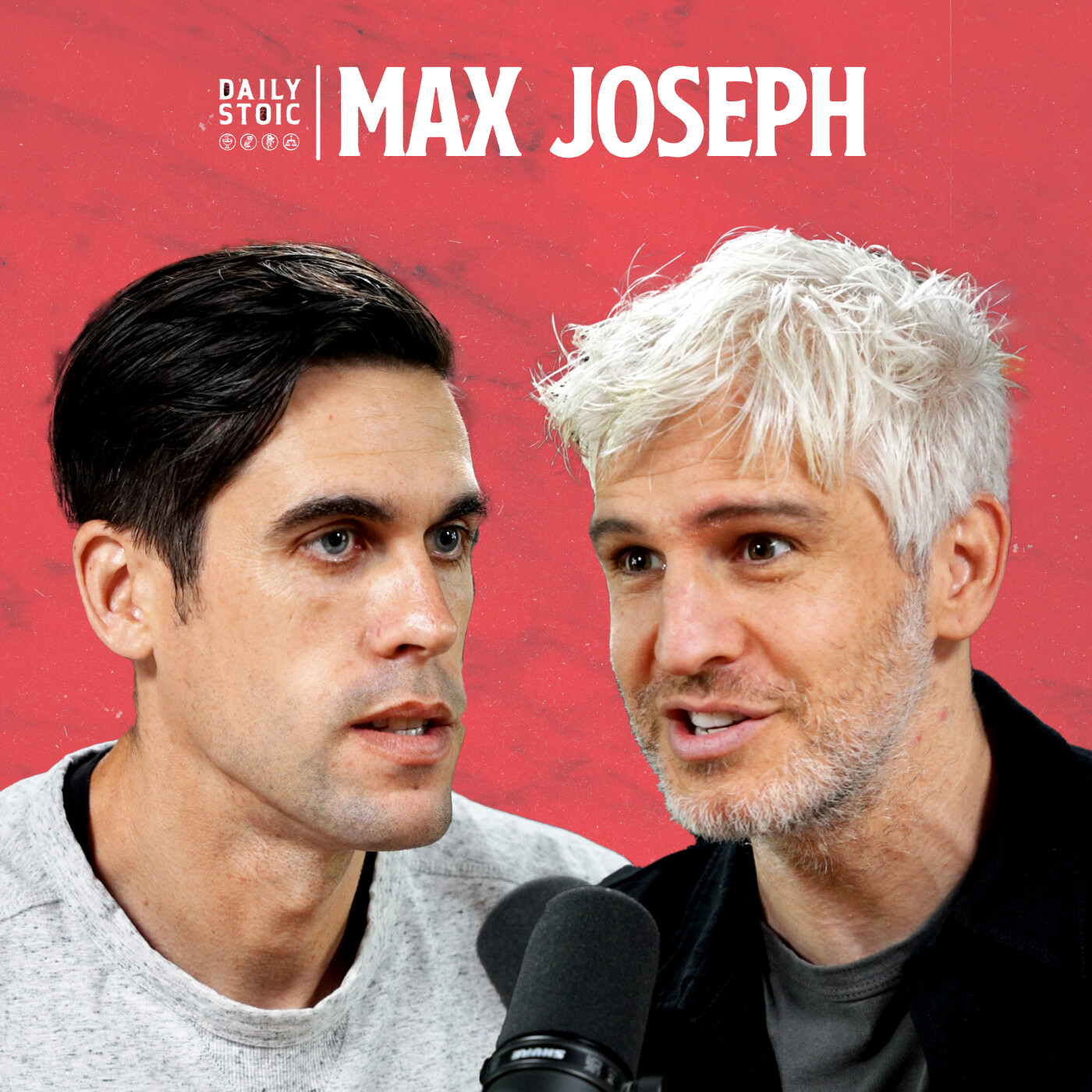
In this episode of The Daily Stoic, Ryan Holiday interviews Max Joseph, discussing various aspects of storytelling, the challenges of documentary filmmaking, reading habits, and how to engage with literature in a content-saturated world.
Written by AI. May contain mistakes.

Get the gist, explore an idea or ask about something said.
 Claude
On The Daily Stoic, what are the key points of this episode?
Searching your listeningAutomatic transcript. May contain errors.
0:01You hear that? That's not just a Toyota truck Look, that's the sound of no crowds, no alerts, no distractions, and no telling what you'll find next. You know, like a detour. So why would you ever take a tour when you could take a detour? Toyota trucks. Look, ads are annoying. They are to be avoided, if at all possible. I understand as a content creator why they need to exist. That's why I don't begrudge them when they appear on the shows that I listen to. But again, as a person who has to pay a podcast producer and has to pay for equipment and for the studio and the building that the studio is in, it's a lot to keep something like the Daily Stoic going.
0:58So if you want to support a show but not listen to ads, well, we have partnered with Super Overcast to bring you a ad-free version of Daily Stoic. We're calling it Daily Stoic Premium. And with Premium, you can listen to every episode of the Daily Stoic podcast completely ad-free. No interruptions, just the ideas, just the messages, just the conversations you came here for. And you can also get early access to episodes before they're available to the public. And we're going to have a bunch of exclusive bonus content and extended interviews in there just for Daily Stoic Premium members as well.
1:35If you want to remove distractions, go deeper into Stoicism and support the work we do here. Well, it takes less than a minute to sign up for Daily Stoic Premium, and we are offering a limited time discount of 20 % off your first year. Just go to dailystoic.com slash premium to sign up right now or click the link in the show descriptions to make those ads go away.
1:59Welcome to the weekend edition of the Daily Stoic. Each weekday, we bring you a meditation inspired by the ancient Stoics, something to help you live up to those four Stoic virtues of courage, justice, temperance, and wisdom. And then here on the weekend, we take a deeper dive into those same topics. We interview Stoic philosophers. We explore at length how these Stoic ideas can be applied to our actual lives and the challenging issues of our time. Here on the weekend, when you have a little bit more space, when things have slowed down, be sure to take some time to think, to go for a walk, to sit with your journal, and most importantly, to prepare for what the week ahead may bring.
2:52Hey, it's Ryan. Welcome to another episode of The Daily Stoic Podcast. Just several years ago now, my conception of time is all screwed up because of COVID. I was going through security at LAX. I don't know why I was there. I'm trying to remember. I was going through security at LAX, and I see this guy. I recognize he's got white hair. He's young, but he has white hair. And I know we have a mutual friend. It's Max Joseph from the show Catfish. And let me just do an aside. I love the show Catfish. I love the show Catfish because it's such an interesting look at human psychology. and the way we are willing to fool ourselves when our identity is at stake, right?
3:34In almost every case, if you don't know what Catfish is, there's this fascinating MTV documentary about it. And then they made an MTV series that ran for many seasons. I think it's still on. But Max is usually the guy with the camera. He's like sort of the sidekick on the show. Nev is the main guy. But anyways, it's about people who think they're in a relationship with someone. And it turns out it's not a real person. and someone fooling them on the other end because they're a troll, because they're mentally disturbed, because I don't know. What was amazing about the show to me always was that almost without question, the person that they think they're in a relationship with is like wildly out of their league.
4:12But this person can't see that or else they'd have to see themselves and the mess that their life is in. And so it becomes this sort of delusion that they're complicit in. Feynman said, the first rule is you can't fool yourself and you're the easiest person to fool. And they're fooling themselves. I've always found this show absolutely riveting and fascinating and sad. And an insight into just how the wreckage of so much of American life, you know, these are people that were failed by so many different institutions in American life. Their family life is bad. Their health is bad. bad, their opportunities are bad.
4:54And so the internet becomes this escape. I don't know. I thought sociologically, I've always, always loved this show. Anyways, I see Max at the airport. And it's always this weird thing. Like, do you want to say something? Do you not want to say something? And then he came up to me and said, Hey, you're Ryan Holiday. And it turned out, we had a friend in common, Robert Green. And as we talked about in today's episode, he had this awesome video he was doing about bookstores. And I was in the process of opening the painted porch then. So he and I become friends. We've stayed in touch. I was just in New York for the launch of Right Thing Right Now, where I ran with our mutual friend, Casey Neistat.
5:31And both Casey and Max were sort of really instrumental into me starting to make videos for YouTube and Daily Stoic. So when I heard that Max was working on a new docuseries about happiness, I was just excited to watch it as a fan. And as it turns out, it's awesome. you'll hear me talking about it in today's episode because i watched it and i loved it i'll link to it in today's show notes a lot of times i got guests on the show and they're like you gotta watch this movie that's coming out or you gotta buy this book this one's free you can just watch this documentary it's free on youtube and it's awesome it's so good it shouldn't be free but it is and he popped by the painted porch we talked about it he was actually doing a screening at Tim Urban's house, which I didn't get to go to, but also past guest on the show.
6:19And you've seen him on Catfish. You can check out his video bookstores, how to read more books in the golden age of content. His other one, Dicks, Do You Need to Be One to Be a Successful Leader, features the one and only Robert Greene. And his new one on happiness is absolutely fantastic. He also made his feature film debut with the movie We Are Your Friends, which starred Zac Efron. And I actually thought it was pretty good. But as we talked about, sometimes you make something that you really care about, you pour yourself into, and it doesn't work, you know, commercially the way you think it should.
6:48So this is part one with Max. You can follow Max on social at Max Joseph on Instagram and Max Joseph Director on YouTube. Enjoy.
7:05we used to have a dachshund but they're magnificent and horrendous at the same time it's like basically all the things you wouldn't want in a dog in one dog and then a bunch of amazing things at the same time very needy yes and like very attached yes and then extremely loud and then extremely determined, independent, but then also extremely needy. The worst dog is a Corgi. The worst dog you could have is a Corgi because none of the things you would want in a dog, like you couldn't go running with it, it can't do anything, and then it's got all the downsides of a dachshund and would shed a lot more.
7:40That's my theory on dogs. Well, Simon, he's amazing. Like, we don't need a leash for him. Wow. Yeah, I mean, like, he will stick close to us. Steve, like in the city in New York, in L.A., like kind of don't need a leash. And so that's amazing. He's great when he's outside of the house and he doesn't bark. He hates certain breeds and he'll, you know, he hates any kind of bulldog or pug or anything like that. Does it just look weird? Yeah, I think so. It's kind of mean. But when he's inside the house, he gets barky, right? If he hears a sound or anything like that. But, I mean, I worship him. and positive negative they live for fucking ever we had to put ours down last year but it was she was 16 or 17 wow so it's like we got this dog my wife and i got it when we were in college and then like i mean now we have a seven-year-old like you obviously you want your dog to live a long time but that's also so long like that's just like the idea of imagining 16 years in the future when i was 19 was insane you know what i mean your dog could have written a really nice like memoir about about your growth as a human being from college to yeah to now to being the father of a six-year-old it's crazy uh yeah they just they live forever except that they can't jump on like their thing is they jump on everything right but they're not good at it because they're comical so like the last let's say five years are not so fun i know we we try to not i mean he doesn't go up or down stairs and hasn't yes that's good i mean there are a few times he does but like we're very like diligent but yeah he'll jump on the couch and off the couch and but we get loke everything is now everything's about or you're like hey we have to pick a specific kind of bed yeah because we don't want the dog on this bed oh yeah no no no our everything all our furniture even the even the apartment we move into it's like can't have stairs bed needs to be low like one of those japanese like beds like couch needs to be low everything is built around preserving his back well okay so i was trying to think about where we met we met in an airport that's right yes security at lax yep no no no we were we were through security i came up to you i think i think so we were yeah we were in like a terminal at lax and i saw you and i think i had just seen you do a Q &A with Robert Greene over laws of human nature.
10:15Yeah. In LA. Yes. And then I recognized you and I came up to you and I was like, you know, dealing with my own anxieties about certain things. I came up to you and I just was like, Ryan. And then I proceeded to try to like get you to give me advice on various different things. Well, it's weird because like you recognize people and then i obviously recognized you and then uh you have the very distinctive hair and then um i didn't i didn't feel like i had a good in i was going to be like oh because we have a mutual friend casey neistat and i was like the oh we both know the same person is never a good one because you realize um 90 percent of the time when people say that they don't actually know the other person it's just a lie and then it's right so whatever i didn't have a good in but then you had yeah you had just seen me which i hadn't expected yeah and i know that you had worked a lot with Robert.
11:08Yes. And I'd interviewed Robert before and I'd read a lot of his books. I think you had just done your documentary, your bookstore documentary, because I think you you were like, hey, I want to show you this thing that's coming out. And I don't think I did. I tell you I was literally in the middle of opening a bookstore. You might you I think you did like that's like there was already an overlap in like the love of of books and bookstores in particular that thing crushed didn't it that documentary was huge right yeah it did really well uh i loved it of course uh what would you say your favorite bookstores are cook and book in brussels okay which is like the willy wonka's chocolate factory of bookstores like there are nine different rooms i mean like they're almost like planets yeah and each one is completely different than the other, like based on what the theme of that room is.
12:04You know, there's the cooking, the cookbook room. And then there's the chill. I mean, the children's room is kind of an obvious one. But then there's like the graphic novel room. There's the art bookstore room. There's the like literature room. There's the English bookstore room because, you know, it's in Brussels. And they're each so well like set designed. Yes. Like production design. then i would say no that that's my fit that's my favorite one have you been to the last bookstore yeah that's incredible it's great yeah i shot that too it didn't make it into the documentary that's what i was gonna ask because i didn't remember it being in there there it is in there in like shots like there's shots of it in there but i didn't like do a full-on profile on it and i will you know book soup is for sale i do know that i was looking at it it's too expensive well Well, it's too expensive for me in the sense that I would then own a business in Los Angeles, which I don't want to do.
12:58Like this one works for me and my wife because it's like also our sort of headquarters slash like home base. So like if you can make it, which it's funny, I was talking to who was then the CEO of BookSoup when I was thinking about doing this. And she was like, the number one thing is it has to have multiple uses. She's like, if you're just trying to make it work as a bookstore, that's really, really hard. And the math isn't that great. But if you're using it for other stuff, so it's like a podcast studio and it's an office and we do e-commerce for a daily stock out of here. Like then the bookstore can sort of subsidized by other things in the way that it's subsidized even on Amazon, right?
13:38Like Amazon is selling refrigerators. That's where the money actually is. Right, right. Whatever, batteries. And then books are like this extra thing. So the math on just doing a bookstore is very hard. I can imagine. I mean, it's also L.A., so like how many people are actually reading? Yeah, I can only imagine the rent on a building on Sunset Boulevard. What I would really like to buy, have you ever been to the bookstore behind BookSoup? Yes, the first edition store. That's a very special. And how they're not the same is insane to me. It's kind of like the bookstore equivalent of the Buffalo Wild Wings Pizza Hut combo.
14:18But they're not. They're totally separate businesses. Yes. There's one in New Orleans that I love that's like that. It's called Faulkner House Books. And it's like, you know, one of those old tall New Orleans style, like three story buildings that Faulkner lived in when he was writing his first novel. And so the woman who owns it or the family owns it, they live upstairs. and then downstairs is a bookstore mostly sort of southern writer Faulkner themed and then they just sell lots of like super rare Faulkner first editions which probably pays for right you know they sell one of those a month or whatever it pays for everything that's a really cool one I like that one I need to make a second edition of that you should yeah I should because there are plenty because after you make one of those everyone starts sending you you didn't even know about the ones you didn't know about no right and now of course there are all those amazing ones in asia that like you know you see on instagram that now i i just need to do a whole like asia trip just just for the bookstore bookstore tour books tour bookstore tour there's one in manhattan that i haven't been to that i keep meaning to go but like something you can only have in new york i guess but it's a shape it's a churchill bookstore it's only books about it's called churchill books and It's basically only Churchill books.
15:36Imagine being such a prolific writer and historical figure that there could be there'd be enough books about you to fill an entire bookstore. That's pretty insane. I need to I need to see that. I just moved to New York. I just moved back to New York. Oh, really? Why? Yeah. I'd been in L.A. for 20 years and I just I grew up in New York. Yeah. So my family and friends are there. And so there are multiple reasons I wanted to move back. But just on a creative level, I just wanted more different stimulation, different cultural input. But on the topic of bookstores, in the dock, there's this hotel in Portugal called the Literary Man Hotel.
16:21All the walls of the hotel look like this. And every room, like there's like a chamber inside. It's like a reading room, but there are no windows. In the hotel or in the chamber? In the chamber. Okay. And it's like all, it looks like it's out of a children's book about like magical libraries. I'm thinking of that Aaron Morgenstern book, which I'm reading right now called The Starless Sea. I don't know if you've ever, but it's like, it's very magical. And so it's not, it's not a bookstore in itself, but as far as like book lovers go and people who love libraries and bookstores, Like it is, it's kind of a fantasy, like fantasy camp.
17:11Human, your body has a performance superhighway. 60 ,000 miles of blood vessels that deliver oxygen and nutrients to every cell. This, of course, is your cardiovascular system. It's the foundational system that powers everything we do. Both elite athletes and longevity experts invest directly in the cardiovascular system because supporting healthy blood flow is critical for energy, recovery, mental clarity, and overall performance. That's where Schumann comes in. That's Schumann with two Ns. They started out of research at the University of Texas, near where I live, and have 15 years of experience making award-winning supplements for nitric oxide production and healthy blood flow, now used by over 160 pro and college sports teams.
17:59Human Cardiovascular Health Daily is a plant-based and made from clinically studied ingredients like grapeseed and seed kelp extract. It supports nitric oxide production for healthy blood flow and energy while also supporting blood pressure and helping support the delicate interlining of your blood vessels. Just two capsules each morning will power energy and recovery while also playing the long game by supporting long-term vascular health and healthy aging. Human has an exclusive offer for our listeners. You can visit human.com slash stoic for an extra 15 % off your first purchase. That's enter code S-T-O-I-C, stoic at checkout.
18:33That's human with two N's, dot com slash stoic for an extra 15 % off with code stoic at checkout. The world is full of tours. But you don't choose a Toyota truck to follow the beaten path. You choose it to find the places in between. The detours, where each adventure pulls you toward the next. And wrong turns turn out right. So why would you ever take a tour when you could take a detour? Toyota Trucks.
19:14Did you actually solve your reading problem, which inspired the doc? I did. I did. Because for people to know, you're inspired by Tim Urban, who also lives here now. But he had this sort of chart of like how many books you're going to read in your life. And there's sort of this ticking clock on it, right? We think we're going to read stuff later or we'll read more at some other point in our life. but you probably won't. And so the urgency of kind of meditating on your mortality does create an urgency about reading. And I think also an urgency about quitting books that suck, which we should talk about.
19:50But so it did it for you. Like you're back on track. I'm back on track. I was an English major in school. So like I used to read a lot, but I started reading late as a kid. Like I, like my parents weren't like, you're not going to watch TV. You're going to read books, which I kind I wish they had done. Yeah. But then maybe I wouldn't end up making movies. So I guess there's a trade off. I've gotten back in the habit. And that habit is generally like 30 minutes in the morning. Like first thing when I wake up. Yeah. Instead of the phone? Definitely. Yeah. My day, I like it's so kind of binary. If I start the day looking at my phone, my day goes this way.
20:31Yes. And it's not in a great direction. And if I start the day reading and it's reading fiction, Fiction in the morning, nonfiction in the evening. OK, because I'm just like transitioning out of like the dream state. Yeah. My brain is super like plasticky and like, I don't know, it's so easy to just get into it, like whatever I'm reading. And that's why fiction in the morning. It's the opposite of, let's say, reading like the news first thing. It's like all of a sudden, like when you look at your phone, you read the news like you're you're in that kind of transitional state. And then you're having all these kind of reactive emotions and that reverberates like, you know, through the rest of your morning and then your day starts off completely influenced by that.
21:16But if you start fiction, you're distanced enough from it that your emotional reactions, even if they're strong because you're further down in a book, like, you know, on some level that it's not real. Yeah. And that it's happening. Well, it's like, are you going to start the day by playing Russian roulette? Right. Like, like I better hope nobody sent me any frustrating texts while I was sleeping. No work crises arose while I was sleeping. So that's my email inbox. Nobody said anything stupid or awful on social media, you know, never going to happen. And then, uh, yeah, no, no negative news events in the world.
21:52The chances of all those lining up are so extremely low or just even like looking at your calendar, right? You're like, oh fuck, I forgot all the things I committed to two weeks ago for today. Right. So the chance that you're going to wake up and you're going to grab the phone and it's going to be a thing that sets a positive course for the day is essentially zero. So it's actually worse than Russian roulette. Like the odds are definitely not in your favor. It's like there's five rounds in the chamber. And yeah, it's just why play that game? It's better. I think you get up a tad early because if you're getting up late, then you don't have the luxury of like putting things off.
22:28But if you can get up early and I try to keep like a 30 minutes, a one hour buffer before I go into that phone mode. Yeah. Yeah. Because I can't remember the last time there was something I saw that couldn't have waited that long. Yeah. It's what really sucks is like when you're like sometimes I'm doing like a commercial or a project with people in the UK. And in L.A. it was actually worse because you're the you're the last to wake up. Right. So and if you're working with people in New York or L.A., like there are a lot of emails and texts that are like urgent. And this is lunchtime. You like wake up right into like right into the day.
23:09It's very stressful. It's like, yeah, you have like a very early Zoom or something. Yeah. And you have to have read something to prepare for it, like an email or something. But yeah, being in that fiction, like mind space in the morning is really, I don't know, really sets the day out. And talking about buffers, it does create like this kind of like shock absorption buffer that you that you go through the day. I mean, yeah, it kind of fits with your stoic thing where it's just like, you know, you're able to kind of encounter bumps in the road and all those things. And without being like jolted too, too hard and finding yourself in a super reactive.
23:52Yes. Like state. And I kind of feel like, yeah, the more you, the more you read in the morning, that stuff. And then in the evening, like I find it really hard to read fiction at night because I'm so, I don't know. You've been living in the real world all day. I've been living. Now you have to go to Mars or something. Right, right. It's hard to transition out of it. And I'm very, by the end of the day, I'm like very self-centered. Not in a selfish way, but I'm like, you know, I've been dealing with things all day. And so I find it helpful to read nonfiction that is like serving some sort of value, whether it's like helping me out.
24:29Like that's the thing I'm most interested in at the end of the day are things that are going to help me solve my problems. I think when I read fiction, yeah, I'm thinking like the cognitive load of fiction is you have to enter and assume all the the facts of a not real world. Right. Especially if you're reading like science fiction or something that's even different than just fictional characters. But you have to enter this world. And there is a certain mental load to that that I find is hard to do when you're tired or fried, unless it's amazing, right? Like when you're reading the greatest novel ever, you'll probably pick it up at any time.
25:04But when it's a stretch. If you're already like in it, it's easier. Yes. But if you're just like still getting into it, I'm like, wait, what? How does that work? Or who was that person? And you're like, just like at the end of the day, it's hard to remember all the people you talk to or who your wife's telling you some story. And you're like, wait, who are we talking about again? But to do that in a novel, you got to remember all these people, right? And all these things that happen. The only thing I have heard about fiction at night, which is it's good to read before bed because - To your dreams.
25:34It puts you to sleep. No, just because of that, right? Like it's slower than like, you're reading some self-help book before bed. You're like, it's getting your mind firing, which is the opposite of what you want to be happening before bed. At the same time, though, like if I'm reading like recently reread How to Stop Worrying by Dale Carnegie. Yeah. Yeah. So it's How to Stop Worrying, which is great. And like each chapter has like a little gem and like you read it and you get this little gem and you're like, ah. And then it like and then it's nice. And then you like you feel you feel like a little relieved.
26:13You feel like a little catharsis and then you can go to sleep. Yeah. See, for me, when I'm reading too much stuff at night, it's like, oh, I'm going to use this. Right. So it gets it's like it's like getting the work brain going again. So I try not to do that too much before. But you didn't I don't remember you talking in the documentary. Maybe you did. But one of my favorite reading rules is about quitting books. You give every book 100 pages minus your age. and so like never heard that so broken down to such a precise formula and it's funny because i my grandmother's 94 95 and i just and so like i'm like give this book like five pages like if it's not good you got to move on but because i like the idea of thinking about like okay we only have so many books we're going to read in our life we only have so much time obviously there are sometimes you you really struggle through a book and it pays off halfway through or three quarters of way through or you're glad you read it afterwards.
27:08But most of the time, no. Like if it's not doing it early, it's never going to do it. And it's not because it's challenging your assumptions that you're not liking it. You're not liking it because it's not making the argument well, or it's not entertaining or the writing is poor. But I do think part of the trying to read a lot in the short amount of time that you have in life, what I find with people who are good at reading is they quit books and they don't feel guilty about quitting books that suck. I definitely don't feel guilty. We do we do talk about it a little bit in the doc. But it's interesting because I I like reading and I know I'm alone on this, but I love reading on like my iPad, like because I can I can make notes.
27:52I can highlight things and then export them. Right. Like save them in a way that like I can't do that. Like when I'm and also I can hold it with one hand in bed, like in every angle. When I look, though, at like a lot of the books on my on my iPad, I can see that like a lot of them, like I've stopped reading them around 30 percent. Yes. But sometimes years after I've started them, I will circle back. Sure. And then I find that around like 35%, 36%, maybe 40 % is like when I like actually enter like the world of the book. But I need to get over that like 30 % hump. Like the beginning is always fun.
28:36It's like meeting someone. It's like meeting, you know, a girl for the first time. You're like, oh, first two dates, first three dates are great. And then you kind of hit like a little bit of a lull. and like there's like you know it gets a little slow and you're like i don't know i don't really know if i want to stay in this like and start looking around some more and then then you get over like 40 and you're like i'm in right i'm into the end but the worst is when you're reading a book and you're building a case against the book yeah because you like you're like i don't know you haven't let go you haven't like surrendered to it am i am i not liking this because i'm close-minded, I have these assumptions, or am I not liking this because it's garbage and the person is wrong?
29:21That is a tension, right? Because you want to, like, if you're only reading books that you agree with, you're not really getting the benefit of reading, which is learning new things. But at the same time, like, I think about it, one, as an author, like, my job is to make the book readable and interesting. It's like, oh, you just didn't get the movie. No, the movie, your job is to make me get the movie, right? Like if it's boring, it's the filmmaker's fault, I feel like. And the same is true with books. But then, you know, is this not working because there's something fundamentally faulty about what they're saying or about their point of view or whatever?
29:59And should you keep reading? I read a book the other day where like there was something I saw in the acknowledgements that ruined it for me, like right there. Like the person had said something about their husband who I knew something about. And it just like, it wasn't like this Seinfeldian like super nitpicky thing, but it was like, this person was like saying something about their, like thanking their husband, who their husband, who they subsequently got divorced from, who got in all this trouble. And I was like, wait, so like, you didn't even see this in like your own, I was just like, I'm the case for me started like literally one sentence.
30:36No, and what's worse than like going page by page and like not just having the author's voice in your head, but your own like kind of reactive, like cynical voice. Like that's the voice you you don't want when you're reading. And then if that tension is there the whole time, like you're just digging yourself into into a hole. Yes. And you might. So you might as well read something you're actually going to get something out of instead of this thing that their fault or your fault, your head fucked about and it's not going to do anything. You want to surrender. Yes. And you want to and when you surrender, you want to make sure that you're surrendering to someone with like who's worthy to surrender to.
31:15It's true. Like you want to know that you're in good hands of someone with more wisdom or someone who's like, this is going to take me somewhere. And until and until you surrender, and that works with movies, too. Yes. You know, movies, though, it's like it's a smaller time commitment. Yes. But still, I'll walk out of a movie. if if I'm watching a movie and like I'm building a case against it while I'm watching it I'll ask myself though maybe I'm being closed-minded maybe I came in with a judgment try to put it away but if I'm just building a case over the course of a movie I'll walk out yeah well that's the sunk cost fallacy right like should you keep doing a thing just because like you paid for the ticket so should you keep should you should you take the ride no you paid for it either way.
32:00Do you want to pay for it and waste two hours of your life? Or would you rather pay for it and only waste one hour of your life? It's hard for us to do that math. You're like, I'm already 500 pages in, you know, like you're reading these huge books. It's like, that's, that's probably too many, you know, like, like it's, it's, but it's hard to quit because we feel like that's an act of ill discipline when actually the discipline is to quit.
32:36It is kind of case by case. Like if you're reading a book that you know, like is in the canon, right? Like I was an English lit major. And so there were plenty of books where I'm reading. I'm like, this is real. This is work. Yes. This is work. But why did people appreciate it for so long? What am I supposed to get out of this? Right. And I often on those, I go, okay, it's not Shakespeare here that's the problem. It's me. So what do I need to read or ask questions? How do I need to figure out how to get from the thing? Now, sometimes the emperor doesn't have any clothes and there's a few classics that definitely suck.
33:10But like, I think in those ones I go, okay, I'm not enjoying it because I'm not understanding what's happening. That's really what's the problem. And so I'm going to go like, I don't believe in spoilers when it comes to books. So I'll like I'll figure out what's happening and then I can appreciate what's being said as I've understood what's happened. I mean, that's exactly why I was an English major, because I always kind of I love history, too. But history is like I can read a history book and like it can it's it's more cut and dry. I don't need and I don't need someone to unpack a history book with me.
33:47Sure. There's so much literature is dense and some of it's really hard to understand. if you have a great teacher and I've, I had some great English. I mean, I think they just turned me on in, in, in general. And like, I had a great teacher who taught us Moby Dick and just like, I, if I had just read Moby Dick on my own, no way, no way would I understand. I mean, I still don't understand like a lot of it. It's so dense and there's so many ways to read things. there's so many layers to have a great guide a sherpa kind of taking you up that mountain that's what really i don't know i recommend that to anybody but like you said if you're reading something from the canon and and you're doing it on your own it is like kind of climbing a mountain on your own without a guide like you do need and now with the internet yeah you can go on and watch a video about it right like i try to go find like like good reviews about a thing like yeah you're reading Moby Dick, like chances are some new edition has come out, you know, in the last 150 years.
34:51So the New York Times book review will have like some in-depth article about Moby Dick and what it means and why it matters and just read that. And then you're like, okay, now I know what the fuck is happening. Right. And now I have my bearings. I can, I can understand all the things that people are saying and why they, why they matter here. Yeah. You, you need just someone to like give you a little, like a little push. and so and like oh these are the themes oh i see these are the big themes we're talking about this is what he's like this is what he's dipping his toe into this is the whale kind of represents this that and the other we're realizing too like the person that you're reading this article or this teacher they haven't read the book one time they've read the book like 50 times right and so they missed what you missed the first time too that's the point is you want someone if you want a guide climbing a mountain, you don't just get another person who's climbing the mountain at the same time.
35:45You get someone who's climbed this mountain hundreds and hundreds of times, and they know the things that are true on some days and not on other days. They know it at a level that you're not going to get on your own, and you want to save yourself having to read it 50 times. It is crazy how, whether it's watching a movie twice, like I've often just said to myself, Like you've never seen a movie unless you've seen it twice. Yeah. Like, and you probably have never really read a book unless you've read it twice. But I've read very few books twice. How many books have you read like 10 times or 20 times?
36:21Most, most of those books I've read multiple times are, are kind of more nonfiction books or like full, like I've read Robert Greene's books a couple of times. Like I've read mastery. Oh, that's an incredible. I've read mastery. Like I think I read it like a bunch, like two years ago. I listened to it as I was running. Like, like I went through the whole thing a couple times. When I think also understanding that the idea that you're never actually, I would say you can't read a book two times, right? You can never read the same book more than once, right? Because it's a different book. You're different.
36:53And so the idea that you're evolving with it. And then also, if you can get to a point where you don't have to start on page one with something like those books that you can dip in and dip out of those are amazing. Like I need I need like a pick me up. Yeah. Or like there's I know there's a chapter about this in this book and I'm just going to go grab that. And I think Robert's books are amazing in that they're sort of designed to do that. They're like they're this modular thing. They're like they're Talmudic. Yes. Like they're so dense. And then they're the stories like they're the and then they're the keys.
37:26And then there's a yeah, reading it for the first time is really like you're only getting your what's going in is only like a small fraction. And you're only open to hearing what you needed at that time you're reading it. And then you're like, oh, oh, you know, he was talking to someone who's going through it at this other level or in this different way. You know, you think about how strange it is that we have like teenagers read these like, like what did me as a 17 year old need to get from The Great Gatsby? Like this is a book about like a man who's trying to go back in time, written by a guy who's in his 30s, sort of deciding what direction to take his life.
38:11Like there's almost nothing a 16 year old can get about that. And so like, it's a book you have to read, not when you're older, but like when you reread it, when you're older, you, you go, oh, I didn't even understand all these things that I was missing. Totally. And that's something special. I can't even, I don't even remember that this happened in this book. And now, and that was like the most, like that's the most beautiful, like poetic, instructive part of this. I don't even remember this scene. Yes. There's a Joan Didion quote where she says, you know, writing is a hostile act. you're trying to get someone to see something the way you see it and so that's my my point too about like quitting bad books like it is a hard thing to convince someone of something and sometimes a person can't convince you because the argument is stupid sometimes they can't do it because they don't have the chops to do it but i think it's wrong to just think of books as it's like book a book isn't a painting where someone just made this thing not that that's what painters are doing But like a book is an argument, right?
39:11Or it's a world. And it has to be this self-contained thing. And it either does the job or it doesn't. And I think, unfortunately, like a lot of books don't do the job. But the job is different for each book. Like you said, like it's such a multiplicity of goals that a book can have. Like you said, like it could be a world. it could be a like someone setting out to kind of map out a message or a but you want there to be a tension between what the person has set out to do and what they're doing if there's no tension because the thing the thing they set out to do is simple and they're just rehashing it you get that too you're like i get it yes like you made like some books should only be one chapter although So sometimes people, I'll see this in reviews of my books, which you're not supposed to look at, but people will go, people will go like, oh, it got repetitive, you know, towards the end or it repeats itself.
40:11And there's some, there's a narcissism that we all have when we read something, we go, oh, there's, it's repetitive. And it's like, it's repetitive to you because you got it. Right. And so what's hard about a book project and a movie or documentary is understanding that the audience is different and understands things at different levels or brings a different level of knowledge to it. Right. And so some people you have to beat over the head with it. Some people got it in the first five seconds. Right. And most people are somewhere in between there. Right. And so it's like I've had to take it. It's like, OK, that's a compliment.
40:44They told me I won earlier than I expected to win. and and so great way to to read your reviews so but if i listen to that advice yeah then there's going to be a whole bunch of other people on the next one that go he didn't make his point i didn't get it and so so like you have to understand that like that's what's tough about art is it it has to it has to be something to you first and foremost right and then it has to be something to a multiplicity of people um who are at different places and phases and familiarities and and cultures and all this stuff and that to really do something for a lot of people is a magical thing totally yeah like i feel like in the robert green example like he he's setting out to map out this like very big ambitious idea and like he's reaching really far and like moby dick same thing like melville is like he's grasping at something and the book is the space between the grasping and the goal yes and if that tension is is too if it's too slack yeah or if it's like too facile like he can just grab it yes then then the book is not as like it doesn't have the charge sure that it needs to have so you want you want there to be like some sort of gap between the grasping and the thing which is which is what's keeping the the writer or the artist like going Yeah, if they're not challenging themselves, there's not going to have the energy.
42:16But also if they're biting off more than they can chew, it's not going to work either. So they're always biting off. That's the danger. They're always trying to bite off more than they can chew. And right, whether they kind of get it or - Do they chew it at all? Right. Like you don't want them, they're kind of, it's kind of condescending if they are not biting off enough. Yes. And it's also like very frustrating if they're biting off so much that it's just like, Like, what do you do? Like, what are we doing here? You don't get it. Right. You don't get what you're talking. Like, I'm not sure you wrapped your head around it.
42:51Right. Yeah. Thank you for implanting, incepting in my mind, like this vomitus of ideas that you weren't able to organize. Well, I have to tell like a lot of authors will do books like they'll be like the paradox of X or the book would be called like the whatever paradox. And I'll go like I've said this to multiple people who've done books like that. I go, here's the problem. What you're telling me from the outset is that you didn't figure it out. You're like, it's complicated, right? Like you're like, it's, it's a little of this and a little of that. And it's like, I already knew that you got to find the part of this that you do understand.
43:28Or like conversely, when someone will write a biography and they're like, I kind of love them and I kind of hate them. And you're like, okay. But like, if you haven't cracked the puzzle on insert, like, I'm not saying that everyone is all good or all bad, but if you haven't made up your mind about like, I need you to tell me why this is why you hate this person having spent years of your life with them, or you love this person. Like either the good outweighs the bad, and that's why you wrote the book, or the bad does not outweigh the good, and that's why you wrote the book. But if you've got this sort of, like sometimes academics will just have this kind of middling take on the survey.
44:02Yeah, yeah. It's a survey course of all the things that happened to them. This is why it's become a cliche. But if you haven't figured out the rosebud thing that unlocks why this person is either worth understanding or why you, the story you decided to tell about this person that unlocked them for you personally, then again, it's not going to have the energy. Well, that gets into documentary. That's very relevant in terms of documentaries. Yes. Because unlike a narrative feature where you basically, you know where you're going to end, you've already mapped it out. You're telling the story of Fyre Fest or something.
44:38Well, I'm talking about in a narrative feature we're scripted oh okay it's like you're you know you have a script you know what happens at the end and then it's like it's not painting by numbers because obviously like an actor brings something to it there are ways that you're going to interpret the material you're you're kind of like kneading yeah you're kneading the dough and you're in but you know you know where you're going for the most part with a documentary you start i mean different documentaries are different but like you often you start with a question what is this about or what happened here sure and if it's a good documentary i think like the the filmmaker doesn't know yeah and so you're but you're taking a gamble yes you're like by the time i'm done with this which should you know for financial and and time management reasons needs to be like you know by two years into this three years into this I'm gambling that I will get to that rosebud thing.
45:35Well, there's the expression of like jumping off a cliff and building a plane on the way down. You better hope, or a parachute, you better have assembled something towards the end, or it's just going to go with a thud. Because you're like, what am I watching? I see there's lots of footage here and you put lots of time, but what are you telling me? Well, that's what's, and that's what's so exciting about making documentaries. A because when you wake up in the morning and you get your gear together and you go somewhere like you don't know what you're going to get. It's like digging like you you kind of like you can kind of change the direction of the dig based on what you find.
46:11And like then when you get something, it feels like such a discovery. And that's not the same with with scripted filmmaking. It's like, oh, you get a great performance that was that really brought the material to life. but it's not the same as like oh my god that moment like didn't plan me something that i didn't know or i didn't know about them or that they'd never shown before and i was filming it yes yes and it's like i captured i captured something while it was happening that like that is not just left an impression on me but i now know that i can if i represent that or bring it into the work that it will it will impact other people too yeah i think like of your new one.
46:54It's like, if you were, if the end of it, you're like, happiness is complicated. Nobody knows, you know, I'm like, what am I watching? Right. At the same time, if it's like, here are the seven steps to happiness, you're also full of shit. Right. Because it's, it is more complicated than that. And so there is this, you go and you have, it's like science, you have a hypothesis or you have a sense of where you're going. But at the end of the day, I don't want to hear about the experiments that didn't work out. You know what I mean? Like, so you, there's this moment where you unlock it. Maybe it's not what you expect, but you unlock, here's what I have to say about this thing.
47:25And that is a magical feel. Like for me, it's like, obviously you, you, you sit down to write a book. You have to know where you're going. If you do the thing, you're going to figure it out while you're doing it, you're going to get hopelessly lost. But there is a moment where maybe like two thirds of the way in, like I'm, I'm probably roughly half on the book I'm doing right now. And so you're doing it every day, but you're not sure it's working. And there is a moment where it clicks and you go, okay, I am doing it. Like this is going somewhere it's it's come together i could still crash and die you know the i don't know how to fly a plane but like there's wings here whatever however you want to do the metaphor it started to come together to a degree where you're like okay i didn't just waste two years of my life that's a magical feeling right but that's like the that's the exhilaration of of being kind of making these pieces of art that are kind of art plus instruction which is like you are jumping off the cliff and you're like, am I going to pull this off?
48:25Like, you don't know. You might not. But you have a feeling you will. Thanks so much for listening. If you could rate this podcast and leave a review on iTunes, that would mean so much to us and it would really help the show. We appreciate it. And I'll see you next episode.
48:50Thank you.
You may know Max Joseph from MTV’s show Catfish, which he co-hosted for 7 seasons, or from his movie We Are Your Friends which starred Zac Efron. Max’s latest project is a docuseries called HAPPINESS, in which Max is trying to crack the code on the philosophy, science, and secrets behind true happiness. In this Part 1 conversation, Ryan and Max talk about the challenges of documentary filmmaking, relearning to love reading, when to quit a book, how to make the most of literary classics and more.
Some of Max’s other documentaries are BOOKSTORES: How to Read More Books in the Golden Age of Content and DICKS: Do you need to be one to be a successful leader? which features Robert Greene.
You can connect with Max on YouTube and IG: @maxjoseph
✉️ Want Stoic wisdom delivered to your inbox daily? Sign up for the FREE Daily Stoic email at https://dailystoic.com/dailyemail
🏛 Get Stoic inspired books, medallions, and prints to remember these lessons at the Daily Stoic Store: https://store.dailystoic.com/
📱 Follow us: Instagram, Twitter, YouTube, TikTok, and Facebook
See Privacy Policy at https://art19.com/privacy and California Privacy Notice at https://art19.com/privacy#do-not-sell-my-info.
