
 Ask ChatGPT



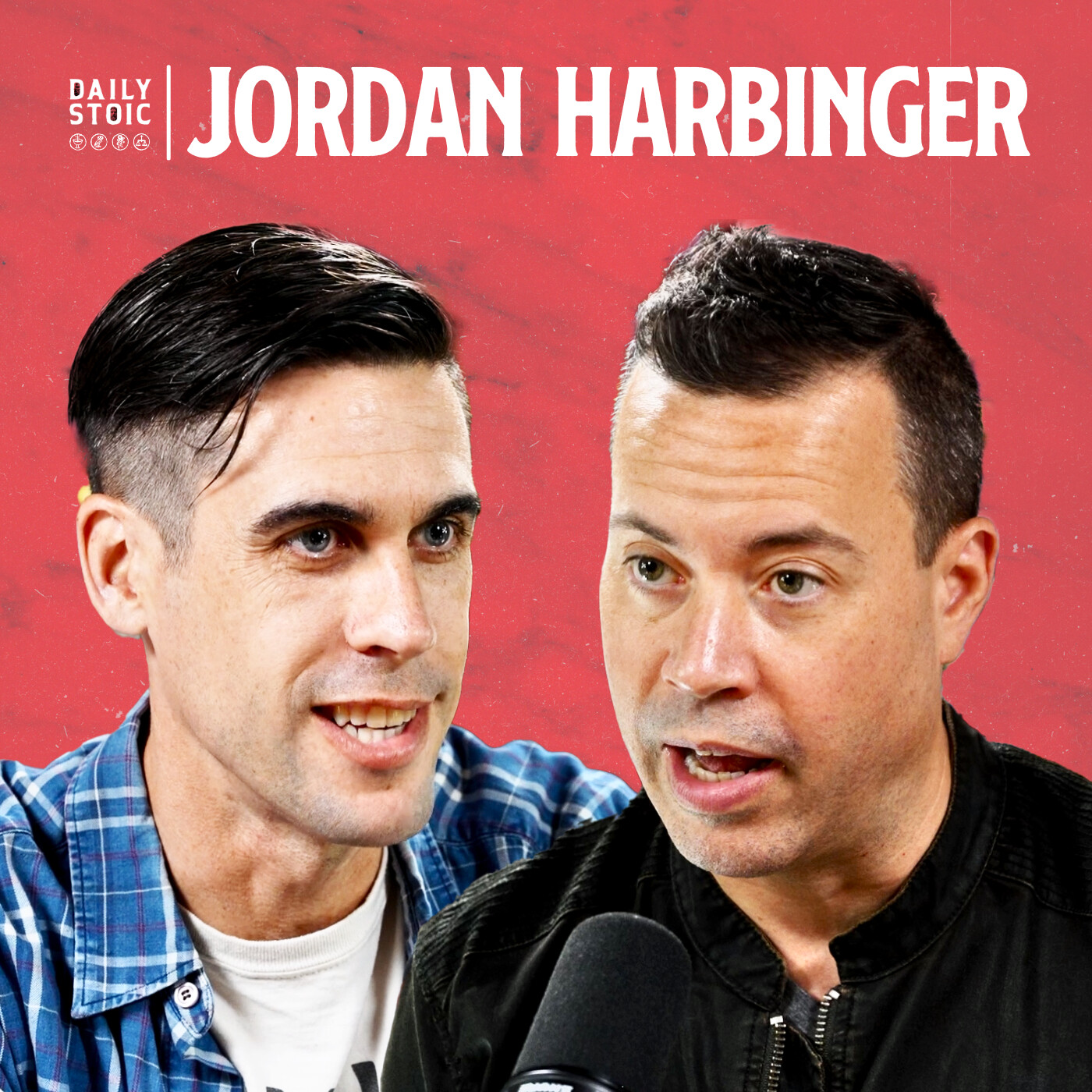
In this episode of The Daily Stoic, Ryan Holiday discusses integrity and ethical choices in the context of podcasting and public influence with guest Jordan Harbinger, a successful podcast host. They explore the compromises often faced in the pursuit of fame and financial gain, emphasizing the importance of maintaining integrity in one’s work.
Written by AI. May contain mistakes.

Get the gist, explore an idea or ask about something said.
 Claude
On The Daily Stoic, what are the key points of this episode?
Searching your listeningAutomatic transcript. May contain errors.
0:28Why choose a Sleep Number smart bed? Look, ads are annoying. They are to be avoided, if at all possible. I understand as a content creator why they need to exist. That's why I don't begrudge them when they appear on the shows that I listen to. But again, as a person who has to pay a podcast producer and has to pay for equipment and for the studio and the building that the studio is in, it's a lot to keep something like the Daily Stoic going. So if you want to support a show but not listen to ads, well, we have partnered with Supercast to bring you an ad-free version of Daily Stoic. We're calling it Daily Stoic Premium.
1:12And with Premium, you can listen to every episode of the Daily Stoic podcast completely ad-free. No interruptions, just the ideas, just the messages, just the conversations you came here for. and you can also get early access to episodes before they're available to the public. And we're going to have a bunch of exclusive bonus content and extended interviews in there just for Daily Stoic Premium members as well. If you want to remove distractions, go deeper into Stoicism and support the work we do here. Well, it takes less than a minute to sign up for Daily Stoic Premium, and we are offering a limited time discount of 20 % off your first year.
1:49Just go to dailystoic.com slash premium to sign up right now or click the link in the show descriptions to make those ads go away.
2:00Welcome to the weekend edition of The Daily Stoic. Each weekday, we bring you a meditation inspired by the ancient Stoics, something to help you live up to those four Stoic virtues of courage, justice, temperance, and wisdom. And then here on the weekend, we take a deeper dive into those same topics. We interview Stoic philosophers. We explore at length how these Stoic ideas can be applied to our actual lives and the challenging issues of our time. Here on the weekend, when you have a little bit more space, when things have slowed down, be sure to take some time to think, to go for a walk, to sit with your journal, and most importantly, to prepare for what the week ahead may bring.
2:51Hey, it's Ryan Holiday. Welcome to another episode of the Daily Stoic Podcast. Thanks to everyone who supported Right Thing. Right now, I just found out I spent another week on the New York Times bestseller list. So thanks to everyone. My arms are exhausted from signing all the copies. I have a Daily Stoic or exhausted from mailing them all out. But it just means so much that everyone's supporting the book. And it's funny, I made this big video of like, actually three videos, which I'll link to them in the show notes because they're on the YouTube channel. But I basically, as I was writing the book, I was sort of documenting as it was happening.
3:24Like even at the very beginning when I was like, what the hell is this book? Like I have that footage. And so you can really see the book go from conception to organizing the note cards, the first words on the page, all the drafts, covers, whatever. But as I was going through the footage, I noticed there's one day, I don't know why I was filming it. I'd just been out of town. I got back and I'm taking a COVID test. And I was like, what is that about? So I watched the footage and then I realized what had happened is I'd gone and done a live event for, this is still sort of smack dab in the middle of the pandemic.
3:56And I'd done a live event in Los Angeles with Jordan Harbinger, who I ran the first chunk of our in-person interview at the Painted Porch Studios earlier in the week. But anyways, I'd just done this, flown out to LA, got to stay in my favorite place, which is Los Angeles Athletic Club, got a swim in. And then we went and we did it at some little club in LA. And it was awesome. It was great to see him. I hadn't seen him since the lockdowns and whatever. And then I get home and I get a text and he goes, man, I feel so terrible, but I just tested positive for COVID. He's like, I don't know if I got it like the next day to go shoot something.
4:33He's like, I don't know if I got it there. I felt fine if I if he was like beside himself and I was like it's okay man I'm an adult I just appreciate you telling me because now I can handle myself so I anyways I was filming something as this call came in so I took the COVID test I was negative all good it just flashed me back because here I am like you know three years later and uh he's at the studio I'm doing this podcast it just took me back because I don't even know if I would have conceived having my own studio when that happened. And he's such a good dude. And it's funny, I'll bring up one other thing related to this, because I ended up ironically having to have a funny conversation with him because he and I saw each other in New York while I was doing the launch of Right Thing Right Now.
5:14And then a couple of days later, I got COVID. I know how it happened. I didn't give him a heads up because I know for a fact that I'd gotten it after him. And he was like, do I have to get tested? And I was like, the shoe's on the other foot now, man. But no, I told him he didn't. It's funny, though, So I posted it because it was like on my birthday and Father's Day that this is what all happened. And people are like, blah, blah, blah, blah. Guys, the whole point of justice is thinking about how your actions affect other people. It's like sort of basic empathy. It's like you got to run around and be terrified of a virus.
5:46I'm just saying if I can, by spending a little money on a test or having the NyQuil or whatever delivered, instead of picking it up at the store and infecting someone, instead of giving it to my kids and they have to miss summer school or my wife, who now on top of all the support she gave me for the book launch, she's got to be out of commission. No, I mean, this is basic courtesy. Like this is why you wash your hands. This is why you don't speed in somebody's neighborhood. You think about the little choices you make and the impact that has on other people. This is just basic human decency 101.
6:26And it's a shame that that's been so politicized and lost. And I think when you find someone who's up front with you, who is considerate, who's conscientious, keep those people close because those people are great. And Jordan is one of those people. He's a lawyer turned podcast host. His show, The Jordan Harbinger Show, has had over a thousand guests. As I was saying in the intro for the first episode, he's one of the first podcasts I've ever done. He's had some way more interesting guests, Mark Cuban, T-Pain, Ray Dalio. He's had Kobe on. He came by the Painted Porch. We had these great back-to-back conversations.
7:01I'll link to part one. And then he interviewed me. And then we kicked around the Painted Porch. I showed him some of my favorite books. He also talked about why he turned down interviewing Kanye, which I thought was really interesting. Again, conscientiousness, courtesy, obligation, responsibility. Anyways, great episode. You can listen to all my episodes on Jordan's show. I think they're great. He's always a class act and an awesome interviewer. And I love his podcast. I listen to it all the time. I think you should too. Thanks to Jordan for coming on. I'll share his episode with me on social at some point, I'm sure.
7:35In any case, here's part two with me, Jordan Harbinger.
7:45I'm heading over to Australia in a couple of weeks. I'm going to be in Sydney on July 31st. I'm going to be in Melbourne on August 1st. Then in November, I'm doing Vancouver and Toronto, London, Dublin, Rotterdam, all awesome cities I'm really excited to go to. If you want to come to those talks, they're open to the public and you can grab those tickets at ryanholiday.net slash tour.
8:12I wonder how you think about this balance. So you have a public platform. You just speak into a microphone for hours a day. Pretty much. Yeah. You can, there's some aspect where you're like, I just say what I think and I don't think about the consequences. And then there's this other part where you can be very calculated and there's like, on one end of the spectrum, there's like, I'm an asshole and I just say whatever I think. And then on the other hand, there's like, I'm phony and fake and restrained. And there's probably some middle ground. But how do you think about like what you say and don't say when you speak up, when you don't speak up?
8:44Well, the problem is you have to make upstream choices in order to not put yourself in a position to say something bad. Like if I have a sponsor that I think is crap, I'm already in trouble. Yes. Right? Like if I'm shilling something where I'm like gamblingonline.net, everybody, like I'm like how did I end up in this mess? So what I do is I write things into contracts. It's like I have to approve all of my sponsors. and if the sponsor does this thing or it turns out to be something else, I will cancel it and I will just lose the money. Sometimes I have to just lose money. If it's like, oh, this company has pivoted to do this thing, but we've already approved it, I have to be like, hey, agency.
9:22I approved it thinking it was this. I didn't realize they forced people to buy this thing every month and you can't cancel it. I don't want to do that anymore. I'm getting complaints. And they're like, well, we have a six-month contract. You've already done two of the ads. Yeah. And I'm like, well, I don't want to keep doing it. So let me know how to wind this down. And like, all right, can you do the next 30 days of it? But then you have to wind it down. And if it's really egregious, I'll just be like, no, I just I will pay back that I cancel the whole campaign. I'll give the money back for the ads I've already run.
9:55My sales team is like, thanks a lot. Jerkface. Right. Because they their commission goes down the toilet. Are there types of advertisers you won't? Yeah, I won't do any sort of gambling thing. And I even tell my network, you know how those automated ones come in sometimes? I'm like, block the whole gambling category. The problem is these companies that do things like gambling are, in my opinion, already unethical. So what they do is they say, this ad is home and garden, and then we catch them. And they go, gosh, this casino ad was under home and garden. And they'll go, oh, that was an accident.
10:25No, it wasn't. You just lied because we blocked the gambling category. And you want to advertise to people who have said no already. So they do that and they can say, oh, somebody checked the wrong box. Because you're like, here's the categories that I approve or here's the things I won't do. And then so they try to find a way around it. So of course the ads I voice, if I see copy that's like gambling online. Sometimes you don't see it until you're like literally sitting down and you're like, wait, this is, these are, yeah, there's that. And there's also the ads that are not voiced by me that are just like an announcer and they go across 10 ,000 different podcasts.
10:58I might not even know that's in there. I care a little bit less about those in that, like, I feel like one, I'm not endorsing it. And two, I have no control over what the YouTube ads are. That doesn't keep me up. You know what I mean? Like maybe this is rationalizing, but I think there's, there's obviously different levels of it. But yeah, when I'm sitting down and I'm saying the thing, I'm saying you should bet on sports. And I don't really think you should. But you could look, I'll tell you this. And this is I'm not telling you what choice to make, but you can block gambling ads and you will not see a decrease in your income.
11:27It's called programmatic advertising. It will just get filled with something. Wear your seatbelt or like booksonline.com. Like it'll just get filled with something. Right. There's unlimited. Yeah. Maybe gambling pays a couple dollars more CPM. What if you made 300 more dollars this month? Would that change your lifestyle? Do you do alcohol? Yeah, I do, actually. But it's only if it is tasteful and only if it's like something that I don't think is probably geared secretly towards young people to binge drink. Because there's different brands that I'm like, oh, this is an expensive brand of booze.
12:02I'll share this with my father-in-law. Okay. But if it's like this booze is really cheap and available at gas stations and also has caffeine in it, I'm like, this is for people to get hammered. I'm not down to that. I'm not going to endorse that. so i block that kind of stuff there's so i don't do any cbt stuff anything with oh cbd stuff yeah cb yeah i feel like that maybe doesn't even do anything i'm not even sure yeah i'm just i'm just like i just like don't i i think it's weird when you're like telling people to do stuff that is veering into the medical space yeah do you know what i mean i agree i won't uh so i never endorse anything i wouldn't put in my own body so if it's like a vitamin okay i'll check with doctors or experts and make sure it's supplements i'm not that concerned about but but and if it's magnesium to help you sleep okay there's science behind that if this is a supplement that's going to help lengthen your telomeres and induce anti-aging and something something like i have a whole whatsapp chat group with all these like really high level sort of like fitness guys and i it's called is it bullshit oh and i just go this guy or this person's documentary or this supplement and then they'll go no and they used to send me links where i could prove it and i'm just like i don't need to read the the 10 000 word article you wrote debunking it i get it yeah and i'm just like no i will not endorse this person who sells like plant water that is supposed to make you reverse the aging process i didn't you know sometimes it's not that obvious yeah sometimes it's like oh this supplement i've heard of that yeah but you can't take it in pill form it's like an intravenous drug and the research says this oh so these pills are bullshit yeah so i just say no to all that stuff.
13:41And my sales team, sometimes they go nuts because they're like, this company is spending so much money. You're going to say no, they'll buy the whole year. And I go to, I just have to think like, okay. I kind of, I think it's almost like don't think, right? You're just like, well, yeah, I think it's lame. Is it weird? No. But the problem is then they want you to go, well, think about what it's cost. You know, once you start doing the calculation, then it's harder to do what's obviously the right thing. It is. Look, if someone listens to you and they trust you, which a lot of people trust you. A lot of people trust me.
14:11Why would I squander that to get a few thousand dollars? It took me years to build a reputation where I go, this is pretty good. This book is good. I buy this thing. It's good. This mattress is good. Why would I squander that? Because I'm so, it's always, I'm always so close to accidentally mentioning specific names. Why would I do that? Because this specific supplement company is offering me a bunch of money. What would I do with that money? I would put it in a interest bearing savings account and I would earn more money with it. Yeah. This is not like we can send the kids to that private school if we just shill this thing.
14:41This isn't, I desperately need this for my daughter's cancer treatment or something. No, it's not. Not that that would excuse it necessarily, but like, why are you making decisions to do things or be a part of things that you know you would judge someone else for doing? A hundred percent. So, so like I said, I have to make upstream decisions where I block gambling. I block vape stuff. Yeah. I block any sort of like, yeah, CBD stuff. and I'm not against like cannabis use. I'm against like, this does all these medical things that are not researched. Yeah, people you know who are not doctors who are selling, you know, it was an apparel company three years ago and now it's pivoted.
15:16You know, like there's just something weird about it. And then, yeah. The other thing I block or won't endorse are those like sort of dubious financial things. Like, look, if Bank of America wants to advertise, it's not my favorite bank, but fine, it's a bank. They're not going to steal your money. But if it's like invest in a real estate fund with as little as$500, if you really knew what you were doing, would you be soliciting$500 from college students to invest in skyscrapers? No, you'd be a client of Goldman Sachs and your initial investment would be$500 ,000 or a million dollars or whatever.
15:51This is clearly BS. I don't want people to get caught up in that. And I also don't do crypto stuff. Again, it's not because I don't believe in anything having to do with blockchain. It's because you might personally invest in it or whatever, but it's not a thing that needs another person to hawk. Can you sleep at night if somebody goes, hey, I put 50 grand into that thing and now I can't get it out. And you go, yeah, I can't get mine out either, but it doesn't matter because I have more money than you. I just put 50 grand into that thing and I can't get it out because I put more money in it. It doesn't affect my lifestyle.
16:22And this person's like, yeah, that was kind of like I was going to use that for my wedding. And now I can't pay the deposit. I cannot sleep at night if I do something like that, dude. Yeah, there's something about that where it's like people are being very flip about things because they've, I think, lost their understanding that they are not representative of the audience. So like this happened, I think, during COVID where people would say things and it's like, hey, not everyone is 26. Not everyone is jacked. You know, not everyone is perfectly healthy. Not everyone lives in America. You know, like you're assuming that you're representative and then advocating your choices.
17:00And people do that in lots of ways. They're advocating as if they're normal and as opposed to being the exception of the rule. And maybe it feels a little patronizing to be like, I'm going to tell people to do things that I don't feel that strongly about. But there is something about understanding that different, like, I'll give you an example where I think about this. I dropped out of college. It's worked out very well for me. And I think early on, I was much more comfortable talking about that and encouraging other people to do the same. And now I don't get as many emails anymore because I'm old.
17:30People probably talk to younger people about it, but I don't talk about it. And I don't necessarily say that I think it's a good thing because I understand more and more that I was probably an unrepresentative sample. And also I know how agonizing it was. I know how easily it could have gone the other way. I'm not, and I know the audience is now at a size. I'm not going to flippantly tell large groups of people to do a very risky thing because I understand that even if it works out for most of them, the percentage of people that it won't work out for is a large amount of people. And you have to have a responsibility that goes.
18:08There's a responsibility. 100. I could not agree more. There's a lot of bad entrepreneur sphere advice that I always tell people, just don't listen to that particular bit of advice. There's one bit of advice that is going around where it's like, you've got to burn the ships. Yeah, burn the boat. Go all in. Go all in. And by the way, what is burn the ships from? Is that a Roman thing? Well, one story is Cortez when he lands in America. He burns the boat, so they have to make their way up through Mexico. By the way, he was like - I knew you would do that. He was like awful. You know, it's like you went and raped and pillaged to like a continent.
18:43So like there's something about the story that's also like not great. Like they were so desperate that they dehumanized the people they were. Right. That's a good point. They had no option. So the whole go all in, burn the ships thing, it's a really bad idea. Because if let's say you have a business and you're making like an extra$1 ,000 or$2 ,000 a month, why would you quit your current job that makes you$4 ,000,$5 ,000 a month? Now you have to cut – first of all, now you have to work 100 hours a week because it turns out your business wasn't that scalable. Like you have to work 100 times more to make the extra$1 ,000 that you were making up when you were a server at Applebee's or whatever other job you had.
19:22Also, the thing you loved doing when you were making jewelry on Etsy and making$1 ,000 or$2 ,000 a month, now you hate your hobby because now you have to make 40 necklaces a day. So you're working 10 hours. You've binged every Netflix series while your hands are bloody from bending wire around gems or whatever. And you've ruined your hobby. You've ruined your side hustle. And for what? $5 ,000 extra dollars a month. Just because it worked for you doesn't mean it's going to work for people. And so you have to be intellectually honest about the advice that you give. And I think you owe a responsibility to not be flip about things that are actually, even if you believe them, even if it is a good, like you can't obscure the costs and the challenges of the thing.
20:08You know what I mean? I think a lot of it comes down to a lot of these people who say things like that, their level of intensity in whatever they do is enormously high. So they can't run a store and also write and publish books or coach people or whatever the business is. So they have to focus on one thing because they're unhealthily obsessed with that one thing as it is. So they tell other people, you know, if your parents don't support you, move out and do your own thing. And it's like, is that really what you want to do? You want to sever the relationship with people who really do have your best interest in mind and are telling you something because they think you're making a mistake.
20:45Do you want to cut off that support structure? That's like what cults tell people to do. And I think whatever, like I remember someone was saying, like the people that become like dating columnists or sex columnists are normally weirdos. Like not, not like in a judgmental way, but usually there's stuff happening with that person. Yeah. And like, is that who you necessarily want to get the advice from? Oh yeah. You know, so there's, there's this element of like, I'm insecure about the thing or the things like, there's a kind of a, like a, a rationalization that happens where you, you want to evangelize what you're doing to normalize it.
21:22Cause you're maybe a little uncomfortable with it. That's in a sense. That's interesting. I totally understand that, that there, there's some sense there.
21:34Thanks to Toyota Trucks for sponsoring this episode. When I bought my ranch in 2015 out here in Bastro County, I drove my car about halfway down the dirt road that we live on, thought this isn't going to work, stopped, parked it, walked the rest of the way home, borrowed my wife's car, drove in Austin and bought a truck. What I bought was a Toyota Tacoma. And this truck wasn't just transportation. getting me to and from my house. It unlocked a whole different style of living for us, not just on the ranch, but in our little Texas towns. There were places I could go now that I couldn't go before, especially out here in the piney forests, through the fields, and on the unpaved roads like the one that I lived in.
22:19We got to go deep into the hill country's wild beauty. We've driven all the way out to East Texas. We've driven across the country. And by we, I mean not just my wife, but both my kids who I drove home from the hospital in that truck. Toyota trucks are built for those who understand that the best adventures happen when you're willing to veer off course. Because you never know when you'll end up on a Toyota adventure detour. And of course, this is stoicism too, because every detour, every obstacle is an opportunity. But it's helpful if you can handle the difficulty inherent in that. If you've got the resilience and the right companion to make it wherever the road takes you.
22:59Discover your uncharted territory. Learn more at toyota.com slash trucks slash adventure dash detours.
23:12I see a lot of these people that I used to. Now, again, on the concept, on the theme of us getting old and crusty. isn't it interesting to see people who you formerly really respected and you had such a high opinion of you watch them blow up their life over something stupid like they have an affair and then you're like well that's you're gonna end that right no i'm gonna leave my wife and kids of 30 years 20 years for this like influencer that i met on instagram and you go wait a minute and then you have to replay like everything that person's ever told you and be like does this still have legs was this actually good or was this actually terrible and there's like it's like an 80 20 thing where you go well that was actually really bad but this this other thing still stands out this thing worked out for me this other thing though and you have to almost like re-evaluate everything you've learned from this person to see if it was actually just really really terrible advice well you do it there's that zen story about like wait and see do you know this one yeah uh is that the chinese farmer one yes yeah he's like wait and see let's wait and see so you have these opinions about people and then if you stick around long enough or you know them long enough, it's a sort of a wait and see.
24:14You're like, Oh, it was more complicated than that. Or it was more context dependent than I thought. And then you're like, Ooh. And so, yeah, there is, it's kind of, I've found it to be sad. It's kind of a disillusioning that I've been going through the last several years where you're like, yeah, I thought all these, I thought we were all on the same page and that we were all had similar values. And then it's like, Oh no, no, no, you, you value very different things, or you have a very different kind of character, or you made some very human, but still very real mistakes. And now we're not the same.
24:48I think it might be worth making the distinction. Like, look, if your favorite NBA player did something that is kind of like you cheated on his wife, all right, maybe still your favorite NBA player. But if somebody whose advice, it's their business to give advice, you've taken their advice, and then you really like, say you take a bunch of business advice from somebody and you realize they're actually a con artist. Yeah. Or they're bankrupt or whatever. Like the multi-level marketing stuff always comes to mind. I'd love to just destroy these guys because you see the way they tell people to organize their life and the motivational nonsense.
25:22And then you find out that the person who's like giving seminars in Brazil about wealth and fame and freedom is hundreds of thousands of dollars in debt. Yes. Gets indicted in like Brazil for federal crimes or whatever it is. And you go, oh, so not only were you broke, you're stressed out. You have nothing to show for it. And this is built on the backs of you stealing from other people. Yeah. Yeah. So I get the not having certain advertisers on. How do you think about, because I've been thinking a lot about this. How do you think about who you have on? Like, how do you think about drawing the line on what you platform and don't?
25:58Or do you not think about it? I do think about it. I do think about it. So if somebody wants to come on and they have some sort of indiscretion in the past, I have to sort of ask myself, does this person deserve to have a platform that talks about this particular thing? And it's usually like, okay, fine. Like if somebody has allegations of sexual misconduct in the past and they were acquitted or the whole thing was dropped, did that happen because they're rich and powerful? Maybe. But are we going to talk about that? Is that the focus of our conversation? or are we going to talk about something totally different?
26:31Okay, fine, they can come on. But if it's like, oh, this person is on their apology tour where they're not really going to apologize, they're just going to try and distract everyone from the fact that they ran a pyramid scheme. No, I'm not going to have that. I'm not going to entertain that nonsense. Or if it's a person who I think is an, it depends how transparent we're being. Like I had Sammy the Bull on. Did he come on and say he wasn't a murderer? No, he came on and said, this is how many people I killed. The mafia is a terrible lifestyle. No one should be joining it. They should get rid of it.
27:03All you do is kill your friends and the people you love. He said something to that effect. And I was like, bravo. You were actually honest about this. That's pretty amazing. So is he a good person? No, objectively, no. Was he forthright about that? Yes, that's what made the conversation interesting. What you don't want is somebody to come on and go, oh, you know, that was just a big misunderstanding. Look, I'm not in prison. I'd be in jail if I was doing something illegal. And then you find out that they had like the reason they're not in prison is because they had a hundred million dollar restitution judgment.
27:30And now they're like selling their shilling colloidal silver as a cure for cancer to like pay for that settlement. Like I wouldn't have. That's oddly specific. I'm sure I could Google and find out. You can. You could. But like I wouldn't have somebody like that on or somebody who goes, I'm deliberately spreading misinformation because it's profitable to me. and I want to come on your show and use it to expand my platform and ability to do that exact thing. No, thanks. I think that's toxic. There's enough people who are more than willing to do that. I am going to pass on this opportunity. And people think I'm crazy for that.
28:05Yeah. Integrity is expensive. Yes. Because if you don't have it, you can make a lot more money and it's fast. Yes. And usually the things that you have to do, it's not like, I think people go like, okay yeah like um integrity is you could embezzle and make all this money and you're not gonna do it right and because like actually the integrity decisions what's tough about them is usually it's something that a lot of people are doing yeah and it's very normal and you're having to opt out of a thing that no one would judge you for doing yeah you know it's not or a few people would judge. Yeah. It's not like you do it and then you're a pariah, but you can cry in your big pile of money.
28:51I think that's what people think like these moments of big integrity are, but it's usually it's like, no, no, no. I'm actually like not going to participate in this thing. If I hadn't asked you these questions, you would just be not making money from the advertisers that you're not accepting. No one's like throwing you a parade and going, this is all part of the, you know, the Jordan Harbinger, like whole foods motto of like, Like if we listen to your show specifically because you don't do the, it's a quiet thing that you're just doing and it's costing you. And it's not just costing you. It's painful is the wrong word.
29:25It's, it's more work. It's more work to not do it that way. And, and yeah, those, those are more the decision. That's true. My sales team over at Podcast One, they're really good people, but they would love from, they don't know, they don't go, oh, hey, this supplement looks a little bit bullshitty. They just go, hey, their job is to give you the deal. Right. They go, hey, there's a really big deal coming in. And I go, hey, you're not going to like what I have to say on this next phone call, but I don't want that. And they're like, are you insane? And I'm not being – I'm not like, oh, I don't advertise gas-powered cars because green – I'm not doing that.
29:56I'm just saying this looks like a scam to me or this definitely doesn't work according to like every actual scientist that I asked about it. I'm not going to do it. And I do ask listeners, hey, if you hear a gambling ad, tell me because I have – basically I have to snipe this thing out in the dark. No, no. Because they're hiding from it. It's work. It's like there's diligence to it. Yes. There's work. It's kind of exhausting. Yeah, it's strange. So someone in Western Australia is like, I heard an ad for a local casino and I'm like, God, how am I going to freaking find that? Yeah. Now my sales team has to call this like Australian agency that sells programmatic.
30:30They subcontracted. And sometimes they come back and they go, I don't even know how to like start to address this problem. We sent a message to like the service that provides these and they didn't even answer. I think that's one of the things I've learned is you realize, oh, a lot of the structures that we have in business and in life or whatever are set up to just create just a couple layers. So then it's either too much work or it's too difficult to know. Right. So like the reason for the subcontinent, like outsourcing is like people think like Nike just goes and builds these big factories and then it's like, and then of course we'll just pay the workers like 25 cents an hour and then we'll encourage them to bring their kids in there and then we'll lock them in.
31:14Like, no, that's actually not how it works. Like most of the people at a company that are employing, they would never do something like that. So what they do instead, the way it works, the way humans have always done things, is you pay someone who pays someone who pays someone who does the fucked up thing. Or is made to understand that you're never going to look that far down the line. And that's how everyone gets to sleep at night. Exactly. You might even go, we're hiring a supply chain auditing firm. And that firm goes all the way to Vietnam and they get shown a model factory where everything, everything in air quotes is made.
31:54Sure, we outsource some manufacturing to some other places that are further from here, but it's a very small percentage. And then they fly home and they turn the lights out in that nice clean building where nothing is made like at all. And they go back to the rural factories and they're like, all right, everybody, get off your butts, you six year olds. sew those stitches in and they go look i've got a report from this auditing firm this is the extra mile we went to we paid a million dollars for them we have photos and videos we and it's like well okay at some level you have to be an investigative journalist with this with a massive you just make it a little a little harder to know and then since you don't want to know right you don't know right like that's that's how the mind because very yeah we think it's like as a kid you thought it was turning down drugs was going to be like, no, thank you.
32:42I'm not going to do heroin. Right? Like, it's never like that. Or they're going to give me an envelope full of cash. Right. And then they're going to ask me to do... That's not how bribes work. Right. Right? Like, it's always much more subtle than that. And there's usually layers and levels of it. And we all have versions of that in our own life of things we don't want to think about. Yeah. Because if we thought about that, we'd have to do something. Yeah. Yeah. It's funny you mentioned this. On the way from the airport to Austin, the cab driver had a Russian accent. I said, oh, are you Russian?
33:14He's like, well, I'm from Uzbekistan. And we got to talking. I said, when did you leave? All the stuff I always ask Uber drivers. And it turns out that his best friends are like the COO of Gazprom, which is this massive—it's basically like British Petroleum, but for Russia and Uzbekistan, former Soviet satellite states. And he's like, they're always trying to bring me back and hire me. And I'm like, but you're this is an Uber X. Like, I'm not trying to go in black. I bring black when it's my parents and kids. Uber X. This guy's not living the high life. Not living the high life. OK, this is a twenty eight dollar trip from the airport because Texas is way cheaper than California.
33:50And he's telling me, yeah, but you know what? Their kids all live in Europe and my kids live here. And I was like, what do you, you know, flesh that out for me. And he goes, if you work for Gazprom in Uzbekistan, you're basically just working for some KGB guy and explain to me how like there's these firms that hire people and you don't get to work for Gazprom you work for like Michael's uh organized staffing co and this mafia guy is basically taking cut of your paycheck and then he pays you and also he's like they use you like a condom is what he told me he goes they just make you do stuff they lie to you about project timelines they rope you in they never want to let you out and meanwhile you're in like Tajikistan in some rural area you don't see your family you don't see your so this guy made the choice the expensive I assume yeah To be an Uber driver.
34:35And he said before this, he was a custodian at a school that ended up closing. So this is not a guy who made a ton of money. And he's like, but I don't regret my decision for one second because my kids are in university in a safe country. And it really gets you thinking like this guy could have made more money and probably not. He just had to not think about what he was doing. And he would have had a nicer house and probably a little private, one of their dachas. You know, it would have been this whole thing, right? And yeah, he made that sort of hard right decision. Yeah. And he's like, look at it now.
35:09Nobody has anything. He's talking about the war, right? And he said in 2010, a bunch of Russians that had left went back there. And he's like, they're all gone now. They all left, which is kind of true. Like according to the people that I know that left, a lot of my friends went back there in 2010. And then they left before or right after the war. And one of my buddies is a YouTuber. It was like an escapee. he runs a program for russians that have left like and it's all just brain surgeon engineer doctor because anybody who can leave is leaving but these are people that i just find it so interesting we patriotism isn't something i usually harp on a ton but we are very lucky to be where we are and i know everyone's like this country's going to hell in a handbasket man unless you've lived in a country that has gone to hell in a handbasket you don't realize Because we're not exactly on the brink and we've got a great thing going here.
35:59Well, if we don't screw it up, I suppose. But I think that brings back to the discussion that I'm thinking a lot about where it's like I think a lot of people I know that sort of have internet platforms, they treat it like it's a video game or just a thing they're optimizing as opposed to a thing that has consequences. Yeah. When I wrote Trust Me Online, which seems like forever ago, I remember I was struck by this cartoon from the 1920s where this guy was talking about what were then sort of bad media outlets. And the image was him poisoning the water supply of the city. That's what the bad news was doing.
36:37Oh, I see. And the idea that the information that we consume being a commons, that this is something like clean water or clean air that we all rely on, and especially in a country where public opinion determines who gets elected, what those elected people are allowed to do, the norms they follow. So this idea that like, oh, I just have a podcast and sure, I'm going to have Alex Jones on. He's a nutbag, but he's funny and I'll get a lot of downloads. Or like, yeah, like, I mean, I don't agree with everything Robert F. Kennedy Jr. is saying, but like, I know that'll do well. Like what you're doing is poisoning the well for us now, for your children, for the world.
37:18Like real people are making real decisions based on what these grifters and charlatans are saying. Yeah. And in some cases, as we saw during the pandemic, these have life or death consequences. When you, yeah, you show crypto and then somebody spends their, you know, children's college savings there, their retirement on it. Like you have to think about what you're doing as being significant and important, even if it's pretty small, because it affects some people. And to me, yeah, if you don't take that seriously, there's something wrong with you. I definitely had planned on asking you this when I interviewed you as well, because you might have to repeat that exact thing.
37:58It was quite well said. It's funny. You also mentioned the two names that I was dancing around earlier because I was like, I don't know what your policy is on that stuff. But you're right. My policy is fuck those two guys. Fuck those two guys. Yeah. It's interesting. I see people are willing to pollute the information landscape for money. And it's really, really a bummer to understate it, right? It's terrible because these and a lot of these guys, they have kids. They're willing to just dump motor oil in the lake that we all swim in information wise because they will get a bigger house as a result of doing it.
38:34Or fame. It's just like, hey, I got to do five episodes a month and they asked to come on. What's really remarkable about it, and this obviously goes back to more extremes, but the banality of it. Just the like, whatever, we just talked for an hour. I'm just a comedian. I'm just asking questions is the new excuse. Yeah, exactly. Or you can't censor people. There are these sort of pedestrian ways we rationalize what I think any person who takes seriously their obligations as a person in relation to these commons would go, look, I can't stop people from being like that and I can't stop other people from having them on, but I can decide not to contribute to it.
39:18Of course. And then the next sort of chess move in these people's arsenal is they go, well, if they're so bad, what you should do is debate them. And it's like, you can't debate a fire hose of misinformation. The point, the reason is because if I go, well, here's 10 ,000 different little misinformation things over the course of a three hour conversation or however long your show is, what's that thing? Like the lies halfway around the world while the truth is getting its shoes on it takes like an hour to debunk something that somebody said that they just made up no the the there's there's a rule i forget what what the name is but it's like the amount of effort that it takes to combat bullshit yeah is like 10 or 100 x the amount of effort to create bullshit and so it's just inherently an unfair fight and the only way you win is by not platforming that yes and so people will say hey why i refused to have uh rfk on a long time ago and i got a lot of crap from my audience from and they were like come on people were like oh i'm really disappointed like you're never that guy and i go no look this is not about me disagreeing with some of the things on his platform or whatever like of course i'm pro-environmental but he's not going to agree to stick to that he wants to talk about the things that get him views which are these things that he has no idea what he's talking about and if we could agree to speak only of certain things that might help a little but i'm also sort of validating other things that he says by ignoring them and not challenging him on those things because there's still people who go oh this guy was really smart about the environment oh jordan didn't talk to him about vaccines or whatever he must just sort of agree with all that stuff and it's like oh how do you how do you deal with that oh you debate him on the vaccine issue well i can't do that because he doesn't even understand what he's saying so how am i going to learn all that undo all that stuff it doesn't make any sense he had a worm that ate literally ate his brains and then has a series of cultural grievances that he uses to just attack things, which, by the way, just fund this sort of empire that he has, which, by the way, pays himself literally millions of dollars a year from.
41:20Yeah, his vaccine charity paid him like$7 million last year. Wow. That should be more well-known. It's an enormous grift that comes at an incredible cost to not just to the people listening, but to the decisions they make about, you know, forget COVID. They're making decisions about whether they get their kids vaccinated for the mumps or the measles. And all these things that have real consequences, not just for immunocompromised kids, but for just regular kids. Like just, it's not fun to get those things. There's a reason we invented things to help people with them. And so, yeah, there's something weird about this.
41:55Like it goes back to why I wrote the book I did about Gawker where it's just this attitude of like, lol, nothing matters. and like this is all just a game and we're trying to get like the most views or the most points or the most listeners yeah and like the externalities of that be damned and i i think it's i've always liked that you clearly are very conscious of it and i don't think any of us are perfect i'm sure there's people that in retrospect you wouldn't have on again certainly are i think about that way there's examples where i was snowed by the person or they turned out to be different than i thought yeah and so it but the idea is like you're either thinking about these things or you're not And I think a good portion of people have decided not to think about it because to think about it would mandate a certain kind of responsibility or costly decisions that they just don't want to make.
42:43I agree.
42:54when when kanye was having his sort of anti-demite moment i had the option to maybe have him and my my buddy goes hey man i've known you for a long time and i'm not going to tell you what to do but there's just like a certain kind of person that's putting a mic in front of kanye west right now and i was like you're not the only person who's going to think that yeah and this is a friend of mine like that i've known for you know 15 years and i'm like if you think that there's going to be a lot of people who think that this would get a lot of clicks how much do i care about those clicks i'd rather be a person who doesn't literally exploit somebody who's having a public meltdown and this seems weird like that community like like put aside the anti-semitism which we don't which we shouldn't do but like he's also not a well person that's the other weird part that's happened in this space where it's like there's a number of these people who they still have to be held accountable, but they're obviously not well, but they are very popular.
43:44And there seems to be a lack of interest or awareness or compassion to go like, I'm not going to participate in what is obviously your public meltdown or you're spinning off the planet or your descent into whatever it is you're descending to. Obviously, I'm not saying you should be institutionalized, but people should not be putting mics in front of you. I agree. Look, I would love to interview Kanye West in a few years when he is not going through whatever he's going through. Like, what if he goes and he gets medical treatment and he's like, oh my God, I am so sorry. I don't believe any of that stuff.
44:21What the hell's wrong with me? I'll have that conversation with him and then we'll move on to his amazing creative enterprises. Like that's, that would be phenomenal, but people weren't doing that. They were in it. They wanted him on so that he would start yelling about the jews yeah and that would be a viral clip right yeah and i was like i'm not gonna do that to this guy man yeah no thanks right yeah just just the hey i'm not gonna enable what's happening yeah yeah especially for also when you look at clicks on youtube and you you meet like these really big youtubers you're like oh my god that got five million views how much money do you make from something like that you're like that's it that's what you see the smallness with which people will poison the information commons for it.
45:06The thing that, yeah, it's like your normal episode does 100 ,000 views. Yeah. And this one did 150 ,000. Is that worth it? Yeah, it's crazy. But we don't think about it. There's a lot of guys now that realize that the algorithm on YouTube especially loves controversial polar extremes, left-wingy or right-wingy stuff. So what they do is instead of, and it's funny because if you go back on like the latest, let's say like left-wing craziness or right-wing craziness for whatever YouTuber who's now trending. If you go back early, they were just trying to have normal-ish conversations with interesting people.
45:40Like there's one guy he interviewed, to your earlier point, Molly Bloom. Wasn't a really good interview. Wasn't really that engaging. Didn't get that many clicks. And I see like tons of overlap with his guest list in mind. And then you fast forward to now and it's all, can you believe that this crazy thing happened? And it's like conspiracy theories and just absolute nonsense. And you go, did you become radicalized in some weird way? Or did you just feed the algorithm so much that now you are beholden to it and this is what's made you famous? They didn't know where they were going and then they started to get traction.
46:12They're like, that's where I'm going. And so that's why it's like, to go back to what we were talking about earlier, if what attracted you to making stuff or art or any of the sort of public facing things, if what it was was validation, attention, and fame, Yeah. That's a really bad compass. It is. And you better hope you get lucky in a lot of ways, but that when you do get lucky, you get lucky for something that's not abhorrent or insane or, you know, whatever, because if that's where it goes, that's where you're going. And so, yeah, if you don't have a compass, you're like, here's what I care about.
46:49Here's what I like. Here's what's important to me. Here's where my boundaries or limitations are. You could find yourself in very sketchy territory very quickly. Well, it goes back to one of your previous works, Ego is the Enemy. And I know it's always a good strategy to kiss the host's ass during a podcast, by the way. It's working for me, I think. When you make choices based on those kinds of things, like these, all these guys doing these shows, it's always, it's almost always guys. So when all these guys doing these shows, they could still make a million or$2 a year doing their show if they just had interesting conversations with people they wanted to talk to.
47:27But instead they wanted to make$10 million a year. And even though they were already rich when they started from their like multi-level marketing scam or whatever that they ran beforehand. I know exactly what you're talking about. Yeah, I know you do. And so, but then it's like, oh, well, I'll be more famous and I'll be able to hang out with like Joe Rogan and be able to point to myself with famous people in photos. And that's important to me because it makes me feel good about myself. And you go at some point, unless your kids turn out the way that you're raising them, at some point your grandkids or your kids are going to go, oh man, grandpa was a grifter, huh?
48:00That sucked. That sort of sucks. That sort of sucks. Cause they're going to watch this or Google all this and just go, oh, he just did anything for money. It sucks. Yeah, it's very sad. I don't know. But that's why integrity is expensive. It's so much easier to trend and get famous and rich if you are just willing to do whatever the algorithms want you to do. And I'm speaking to the algorithms like they have control because they actually do. I know I might sound a little crazy, but Renee DiResta, do you know her? No. She writes a lot of books and she studies disinformation. Yeah. And she was talking about how people are like no longer creating for other people they're creating for this confluence of the algorithm and people especially on youtube and trying to surf a wave or sir they're trying to it's like this weird it's insane because it doesn't exist it's not a person right they're like competing for this person's approval yeah this is like robot person type the type of yeah this average the god of traffic that they've made up in their head that they they think what he wants is this.
48:58I think what she wants is this. It's very weird. I call this the Jerry Springer effect. Do you remember when Jerry Springer was a real host and had real conversations? You and I were probably like 11 or 12. Yeah, I guess I would have watched it when I was homesick from school. Right. Like with your mom and she's watching Jerry Springer and you're like, oh, that guy's pretty smart. So what happened was Geraldo Rivera, who you probably know, he also had a daytime TV show and he invited on like Black Panthers and neo-Nazis or KKK guys or whatever. And it was just supposed to be like another one of his sort of vanilla daytime conversations it was like oprah donahue jerry springer ricky lake whatever but of course they started fighting it was like crazies on either side and he gets hit in the face with a chair trying to break up a fight because they didn't have security guys back then probably and then he's doing the rest of his episodes with bandages over his nose and it got like in the nightly news and international news like look at this crazy thing so his ratings go through the roof so then what does jerry springer do oh man i gotta start doing this circus crap so he starts turning it into wrestling and then ricky lake who also was kind of serious at that point she turns it into trailer trashy wrestling whatever i know there's anything wrong with living in trailer i just passed a bunch of those on the way out here those people are actually quite nice most of the time but they turn it into that right and then you you you see like uh it's like jenny jones is another one all these daytime people start turning it into the same thing the problem is jerry springer i think it was like the the mayor of Cleveland or like the governor of Ohio is forget.
50:28And then he sort of tried to like go back into serious stuff for a minute. And the whole audience was like, no, no, no, no, no, no. You have crossed the Rubicon, my friend. You are now wrestling. That's who you are. Talk shows. Yeah. You can't go back and be serious. This is also what's happening with YouTube channels. That's what audience capture. Yes. Yes, exactly. So you see these YouTube channels where somebody was like, I want to talk about science. This show is about the latest cutting edge science. I watched a show where my friend was doing those interviews probably like five, six years ago.
50:57The latest person he had on were these guys that were talking about wokeism and how it's a mind virus. And he was talking about, yeah, you know, all this stuff, conspiracy theory here, there. And I texted his showbooker and I go, what are you doing? And he goes, oh, I quit a long time ago. I couldn't handle it. It's just too ridiculous. We're off the deep end. And I'm like, what's why does he do that? And he goes, have you seen his traffic, his channel traffic? it used to be like hovering around this and now it's like it varies but it's much higher he's making more money doing it and like but he's he knows this is insane and stupid we talked about this right he's like yeah but once you get those sweet sweet clicks man it's like drugs yeah I knew to say no to drugs then I tried it at a party and have you tried drugs they're amazing and you're like this is how it happens all right well let's not do that let's not do that thanks so much for listening if you could rate this podcast and leave a review on itunes that would mean so much to us and it would really help the show we appreciate it and i'll see you next episode
52:17Thank you.
Having interviewed over 1,000 people, how does Jordan Harbinger decide who he brings on his wildly successful podcast, The Jordan Harbinger Show? What guests, topics, or advertisers has he turned down despite how click-worthy or lucrative they are? Listen in to today’s conversation with Jordan Harbinger and Ryan Holiday to hear them talk about why integrity is incredibly expensive, but worth it every time.
🎙️ Listen to Part 1 with Jordan Harbinger on What We Can Learn From The Rich And Famous
Listen to Ryan’s previous interviews on The Jordan Harbinger Show:
45: Ryan Holiday | Solving for What You Really Want from Life
271: Ryan Holiday | Stillness Is the Key
740: Ryan Holiday | Discipline is Destiny (Live from Los Angeles)
Connect with Jordan on Instagram, X, YouTube, TikTok: @JordanHarbinger
🎥 Check out the YouTube series documenting the writing process of Right Thing, Right Now:
Ryan Holiday's Writing Process Part 1: Cracking The Structure
Ryan Holiday's Writing Process Part 2: The First Draft Of Anything Is Sh*t
Ryan Holiday's Writing Process Part 3: Publishing A #1 New York Times Bestseller
🎟 Order tickets to Ryan's tour dates at ryanholiday.net/tour
✉️ Want Stoic wisdom delivered to your inbox daily? Sign up for the FREE Daily Stoic email at https://dailystoic.com/dailyemail
🏛 Get Stoic inspired books, medallions, and prints to remember these lessons at the Daily Stoic Store: https://store.dailystoic.com/
📱 Follow us: Instagram, Twitter, YouTube, TikTok, and Facebook
See Privacy Policy at https://art19.com/privacy and California Privacy Notice at https://art19.com/privacy#do-not-sell-my-info.
