In short
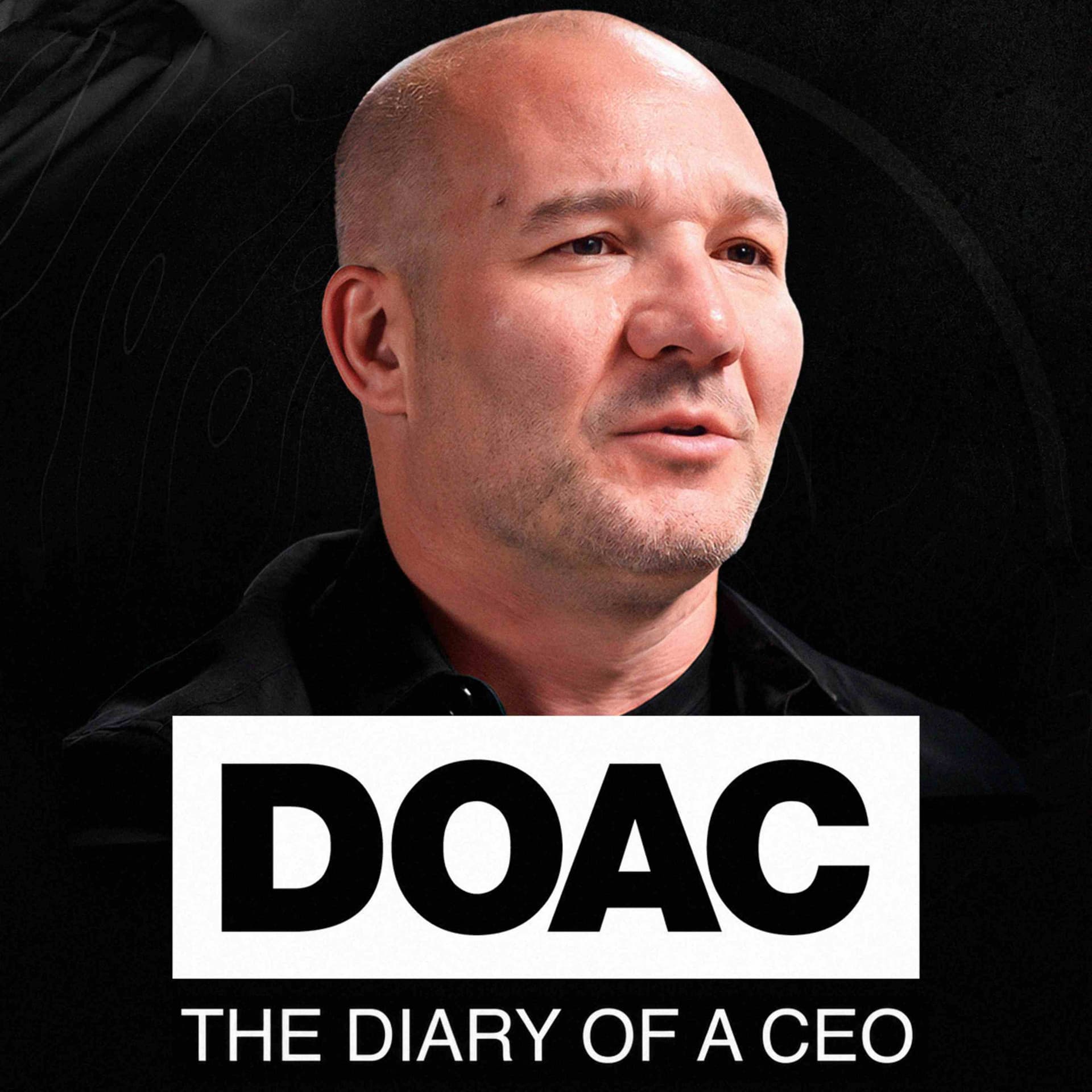
Podcast Notes: The Diary Of A CEO with Steven Bartlett
Episode Title
Moment 135: Master The Art Of Controlling That Negative Voice
Guest
Yung Pueblo
Episode Summary In this episode, bestselling poet and author Yung Pueblo discusses self-awareness, healing, and the importance of embracing difficult emotions. He reflects on his personal journey from mental and emotional turmoil to a path of healing through radical honesty and meditation.
Key Themes and Concepts
Healing and Self-Awareness
- Belief in Healing: Yung Pueblo initially believed mental illness was a lifelong struggle until discovering that healing is possible through lifestyle changes and self-reflection.
- Radical Change: His journey began with changes in diet, social circles, and incorporating meditation into his life, leading to significant improvements in his mental health.
The Accumulation of Past Experiences
- Impact of Hard Moments: Difficult experiences accumulate over time, influencing emotional responses and perpetuating cycles of negative thoughts and behaviors.
- Escape Through Healing: Healing is portrayed as the gateway to freedom from these cycles, allowing individuals to break free from their past.
Personal Journey and Transformation
- Background: Yung Pueblo shares his challenging upbringing in a low-income immigrant family, highlighting experiences of poverty, anxiety, and stress that shaped his mental health.
- Turning Point: A near-fatal drug overdose in 2011 served as a catalyst for change, prompting him to take control of his life and seek healthier habits.
The Importance of Emotional Honesty
- Radical Honesty: Emphasizes the need to face uncomfortable emotions rather than distract from them.
- Temporary Nature of Emotions: Yung Pueblo learned that intense emotions are often temporary and can be managed by simply allowing oneself to feel them.
Perception of Healing and Growth
- Misunderstanding of Power: Many people doubt their ability to change or heal, often waiting for a crisis to take action.
- Personalized Healing Journeys: Not everyone needs to hit rock bottom to initiate change; awareness and gradual steps can lead to improvement.
Notable Quotes
- "You don't need to hit rock bottom to be the best version of yourself."
- "Healing and letting go are possible."
- "The heavy emotions that come up are totally temporary."
Discussion Points Societal Trends in Mental Health
- Growing Demand: An increase in the demand for wellness tools and therapies correlates with rising mental health issues.
- Access to Resources: The globalization of mental health resources (therapy, meditation) provides more people with tools to manage anxiety and stress.
Self-Reflection and Emotional Awareness
- Confronting Feelings: The challenge of genuinely understanding one's feelings and the importance of external distractions in avoiding emotional honesty.
- Cultural Shift: The evolving perception of mental health, with more individuals engaging in practices like therapy, meditation, and journaling.
Philosophical Insights
- Vipassana Meditation: Yung Pueblo describes this meditation as a method to see reality clearly, fostering a flexible sense of self and acceptance of change.
- Impermanence: Understanding that everything is temporary can alleviate attachment and promote personal growth.
Conclusion Yung Pueblo's insights highlight the critical importance of self-awareness, emotional honesty, and the potential for healing. His journey serves as inspiration for those who might feel trapped by their past, encouraging them to embrace their emotions, seek healing, and understand that change is always within reach.
Listen to the Full Episode [The Diary Of A CEO - Moment 135](https://g2ul0.app.link/3CxFf11KAEb)
Yung Pueblo's Social Media
- [Instagram](https://www.instagram.com/yung_pueblo/?hl=en)
- [Official Website](https://yungpueblo.com/about)
Written by AI. May contain mistakes. Listen to the episode to check what was said.
Transcript
Automatic transcript. May contain errors.0:00People don't understand their capacity. You don't need to hit rock bottom to be the best version of yourself. What you just have to do is... When you look at the body of work you've produced and you look specifically at the writing, the content that you've put out into the world, what mission are you on? What is it you're trying to do? What effect are you trying to have on society at large? I think the mission is really hoping to raise self-awareness around the fact that healing and letting go are possible. So I got into this world really early on. I think it was 2011 when I started realizing that healing was even possible.
0:43And this was before wellness was even a giant sort of this giant world that it is today. And to me, it was a shock. You know, when I grew up, I thought that if you were sick physically or mentally in some manner, you just had to deal with that for the rest of your life. You couldn't really fix that in any way. And when I started changing my habits, when I started changing what I was eating, when I started reassessing my friend group, and then eventually when I started meditating, the changes were so massive that I was so shocked by them that I wanted to really check in with myself and see that, is this real?
1:22And it was real. So that just kind of pushed me into writing where I felt this sort of creative pull to share the little bit that I know. And it was interesting because I know that I don't know everything. I'm not fully healed. I'm not fully wise. I have a long way to go. But hopefully some of the things that I'm reflecting on could inspire other people to do this serious work as well. And why? Why does it matter that we heal? Why does it matter? I think it's because it's pretty necessary to live a better life. I think whether you've experienced serious trauma or not, you've definitely had hard moments in your life.
2:00And those hard moments get accumulated into the mind. They literally, you know, the times when you react very intensely with anger, with sadness, with whatever emotion it is, that reaction gets accumulated in your mind and predisposes you to feeling that same thing again. And oftentimes, we don't quite realize that we're sort of like trapped in this tight little bubble by our past. and we're thinking the same things, saying the same things, making the same actions, and it keeps us in a loop. But if you start healing, you can basically get access to your freedom. So thinking about what you said there about your own healing journey, where you couldn't believe the results were real and true, what did you heal from?
2:45I think a lot of it was anxiety and stress and this sort of scarcity mindset. So I was born in Ecuador in the city called Guayaquil. I came to the United States when I was about four years old with my parents. When we got to the United States, it was incredibly difficult. Like we were stuck in the classic American poverty trap. My mom, she worked cleaning houses. My dad, he worked at a supermarket. So So there was no upward mobility for us. They didn't know English. You know, we went through a really difficult time. So as I was growing up, I didn't notice how that was affecting me until I got to college, where, you know, I had so much anxiety and stress about, you know, I would see my parents fight constantly about how they were going to pay the rent, how they were going to get more groceries.
3:37I experienced multiple times where I was, you know, eight-year-old child and I'm so hungry because there wasn't enough food in the fridge. And this all got accumulated over time and never really properly processed. You know, like I didn't have access to a therapist back then, no meditating back then. It was sort of just, you know, coping mechanisms. And when I got to university, I hit this breaking point where I didn't want to admit to myself that I didn't feel good. I was constantly trying to coat myself in pleasure by drinking as much as possible, smoking as much as possible, always with friends, never alone.
4:17And I ended up just like building all these bad habits where I was partying constantly, doing tons of drugs, and eventually hit that breaking point in the summer of 2011 where I almost lost my life. I talked to a doctor afterwards and described to them what happened. And they were like, oh yeah it sounds like a mild heart attack where I had just taken way too many drugs one night was on the floor crying basically you know praying begging for my life um because I didn't I didn't want to go out like that and going through that experience and then basically taking a different route into the life that I have now I think um I'm really grateful that I had that strength and I want other people to know that they have that strength too.
5:00Zooming on that moment then when you go off to college, you, you know, find yourself in addictive cycles with drugs and alcohol and cocaine, I believe. Um, you have that miniature heart attack. And then at that point, you make a decision that you're not going to let this thing kill you. Yeah. What is the next step in your journey towards healing? Walking, uh, walking something. I mean, I was incredibly unhealthy, right? I was definitely overweight at the time, but, um, but internally, right. I had an exercise probably in like four years, four or five years. And, um, so I knew I took the drugs, threw them away.
5:39Um, you know, I'm home and I'm like, okay, how do I like revamp my life? And I remember seeing some YouTube video or stumble upon, or I saw something back then where it was talking about how important it is to have more nutrition. So I ended up buying a like huge tub of barley grass, you know, back barley grass used to be like really hip back then. And I needed some type of superfood because I knew I'm, you know, every day I'm just eating, you know, rice and meat, rice and meat, just like a very like South American diet. And I was like, okay, let me get some nutrition. Let me get this barley grass stuff.
6:16I can put it in my orange juice and just knock it back. And I was like, I got to do something. Like I have to go outside. And I just started walking. And I remember I was so unhealthy, started walking, lightly jogging that I got the worst shin splints. Like I literally, my legs hurt so bad that I was having trouble going up the stairs, but I kept going and I kept going. And like, you know, even this morning, this morning I ran four miles, no problem. And thinking about that time, it's, yeah, I've come a long way. I was thinking as you were speaking about the catalyst of change in people's lives.
6:54Like that moment where they hit rock bottom and they say enough is enough. And what it takes for them to make a meaningful, sustained change in any element of their life, whether it's their relationships and leaving and going, finding a better situation or a job or just life in general, like you're describing, where you realize you're on the wrong track and you make the decision to go in a new direction. Two questions there. What do you think it is that, from your experience, that starts that journey of change for people? And the second thing is when we often speak to people who've changed, the process seems to be really linear and quick.
7:29Like, I made the decision to change, then I changed. I think people doubt their power. Honestly, man, I've seen that happen time and time again where people don't quite understand their capacity. And especially when the situation gets severe. and of course like you know not everybody makes it like some people get destroyed by the process of hitting rock bottom but other people stand up it's almost like a phoenix i remember writing a poem called phoenix in my first book inward and um i think that you know it's pretty personalized like i really don't think everybody has to hit rock bottom and i think um i like having that point of view because i think people want to like go to extremes often and kind of dramatize things but you don't need to hit rock bottom to be the best version of yourself.
8:16I think that's, that's kind of the situation that I was personally in. Um, but for me, man, I remember when I was on the floor and I kept thinking about, I was like, man, I feel my life. Like, you know, it's, it's running out. Like I felt it running out. And I kept thinking about my parents and I was like, they worked so hard. Like, you know, they, I wasn't even mad at them that they didn't have time for me because I knew their struggle. Like I understood, like I got it. You, they rolled the dice by coming to the United States because everybody doesn't win here. The other major, major, major thing, like when I, you know, the few days after where I almost lost my life, I remember sitting in my room, um, at my mom and dad's house.
9:02And this was, you know, I had just graduated from college. It was 2011. The economy was, was pretty bad. It was hard to get a job at the time. And I remember sitting in the room and I was like, okay, I was like, what's the problem here? Like, why, like, how did this almost happen? And it hit me. It was like, oh, is it because you didn't want to admit that you didn't feel good? Now, if that's what got you here, what can get you out of this? And it's, oh, it's telling yourself the truth. And this was, you know, before I had learned how to meditate or anything, but I would just sit in my bed and I would challenge myself to stay with the feelings that I used to run away from.
9:40So like I like to call it radical honesty with yourself. It's not really about other people, but it's between you and yourself. And when those heavy emotions would come up, normally I would just roll a joint, smoke, and just, you know, it'd help cover whatever was there. But when the anxiety would arise, when the stress would arise, when those feelings of worthlessness would arise, I would just sit with them and you know first it was a few minutes then 10 minutes 15 minutes and I was like okay like and I learned a lot you know I learned that these little storms that come up like they don't need to blow you over they don't need to totally overwhelm you they don't even need to govern your actions if you just sit there and feel them you realize they're totally temporary and it's going to be okay.
10:28You know, and, and I didn't know that before until I started challenging myself to just be with that. And I don't really know where that came from. You know, like I had, I hadn't really, I hadn't really read self-improvement books or seen these things online or anything like that. But I think instinctually I was like, okay, if you were lying to yourself before, now tell yourself the truth. And what does that look like? A lot of the time it looks like feeling your emotions and not running from them we don't do that do we we um we distract ourselves constantly constantly yeah it's i was just thinking then how many how many of us really know how we're feeling like how many of us really know how we ourselves are feeling truly like when was the last time i think for most people listening to this have you really sat there on the end of your bed or wherever and ask yourself how you're actually feeling, all things considered.
11:22What's out of balance? It's rare, but I think it's becoming more popular. I'm pretty inspired by what's happening now. I've been watching this whole wellness world brew and grow and develop. And obviously it has its downs. It has a lot of consumerism around it, but there are a lot of positives. and there are just millions and millions of people who are seeing therapists now. There's millions and millions of people who are meditating and there are millions and millions more journaling, reflecting, building self-awareness, building language around these newer ideas. I mean, actually old ideas, but that have come back around.
12:06Is that also slightly concerning? What do you mean? Because it's a sign that there is an increasing demand, potentially, for, you know what I mean? If there's more fire extinguishers being sold. Right, right, right, right. There's more fires. Oh, it's totally concerning. I think it's concerning, but I think to me it gives me hope, honestly, because, of course, the world is incredibly challenging. you know the advent of technology especially with social media the increases in loneliness like we know we know like the cause and effect are very clear right but these tools have been around for like you know the western tools of therapy what 100 150 years the eastern tools of different forms of meditation indigenous healing practices these things have been around for millennia and now that the world is globalized people in major cities especially have access to them like you can type in like what can what what can i do to deal with my anxiety and you have like you know things from from psychiatrists like you know you can go to your like local meditation center there are tons of things that you can do now and what you just have to do is find something that meets you where you're at so you do see these two things rise together where the demand for your attention is through the roof now from the media, from tech, from everything that's happening around you, family and friends.
13:33But at the same time, here are a bunch of tools for you to get your mind right so that you can not be overwhelmed by these demands. I am certainly guilty of using screens and other means to distract myself from how I'm feeling. In fact, you know, when I'm feeling tired or, you know, bothered in some way or a little bit agitated and whatever it might be, my way of dealing with that is to pick up a screen yeah i was gonna be honest pick up a screen and either watch something on youtube distract myself from the feeling maybe watch some football um or something else you know something else that's probably not so good for me um and i think that you know scrolling on my phone for example i think that represents the majority of people we use distraction as a way to avoid confronting how we're feeling because confronting how we're feeling is can be uncomfortable absolutely i mean confronting how you're feeling for a lot of us that's the gateway to growth right so if you're going to be there and stand with your emotions you either see so much that you want to keep running or you're like okay i'm going to accept this challenge and let's see how i should grow next so it is quite difficult is it called vipassana vipassana vipassana vipassana vipassana.
14:53There's a bunch of ways to say it. What is that? It's a meditation that's been around, that originated from the Buddhist teaching. So 2 ,600 years, where you basically do your best to see reality as it really is. And it's very different from how we normally see reality, right? You and I are hanging out, we're talking, we're having this conversation. It feels like it's two individuals speaking, but let's ask ourselves what's happening at the ultimate level where, well, Diego and Steven were basically just these like bundles of atoms that are changing so incredibly rapidly, trillions of times. And at the same time, it's just mental and physical phenomena interlocking at incredibly high speeds that makes the illusion that we're here.
15:41But in reality, are we real? No, not really. Why is that an important or valuable exercise? It's quite valuable. I think the sense of self, when it becomes overgrown, when it becomes highly traumatized, it creates a barrier to happiness. So what I found through Vipassana meditation was that as I was observing the truth of impermanence, literally within the framework of the body, you know when you start learning that everything that arises ultimately passes away and you start understanding that change is it exists within the fabric of every single thing in this universe you start loosening up your identity it's not as rigid as it was before it's not like Diego always reads science fiction and he always loves blueberries actually it's not true sometimes I love watermelon sometimes I love you know like reading fiction some you know so it allows this understanding of change to help you loosen up and really evolve.
16:41And I have found that quite beneficial to my personal joy and happiness and definitely in my relationships, because if you embrace change, you're not going to be as attached. It's not going to be like, I want you to do this this way all the time. In fact, you're going to understand, oh no, different conditions create different situations. So yes, I can have goals, but if they don't come about, I'm not going to be crying on the floor. I'm just going to try again.
From the publisher
In this moment, bestselling poet and author, Yung Pueblo discusses his mission in raising self-awareness and making people realise that healing is possible. When he was younger he believed that if you were sick mentally it was just something you had to deal with for life, however by radically changing himself through meditation and a different environment, he realised that healing is necessary to living a better life. Over time the difficult moments in our past build up in our mind, and we repeat cycles of thought and behaviour, healing allows us the freedom to escape this. However, Yung Pueblo believes the biggest challenge is that people doubt their own power and don’t understand their capacity, distracting themselves from their emotions. Instead we need to sit and embrace these difficult emotions that make us feel uncomfortable and be radically honest with ourself.
Listen to the full episode here - https://g2ul0.app.link/3CxFf11KAEb
Watch the Episodes On Youtube - https://www.youtube.com/c/%20TheDiaryOfACEO/videos
Yung Pueblo:
https://www.instagram.com/yung_pueblo/?hl=en
https://yungpueblo.com/about
Learn more about your ad choices. Visit megaphone.fm/adchoices