
 The Dr. Brighten Show
3 Nov 2026 · 50m

 Add vo to ChatGPT or Claude to ask about everything you hear
vo listened to this episode to put together the overview and transcript, so there may be the odd mistake.
How Hashimoto’s/hypothyroidism can cause weight gain and why “eat less, move more” and generic thyroid labs often fail women; plus practical weight-loss, training, and nutrition strategies.
Dr. Emily Kiberd, chiropractor and founder of Thyroid Strong, a doctor-designed strength program for women with Hashimoto’s. She has 19 years’ clinical experience in strength rehab/functional medicine and has helped 1,000+ women regain energy. She also shares her own history of postpartum thyroiditis and remission.
Hypothyroidism slows metabolism, gut transit, and thyroid hormone conversion (T4 to T3). Under-eating (especially protein) and poor conversion can make caloric restriction backfire. Reverse T3 is “brakes,” often high with overtraining/undereating. Stress/cortisol, inflammation, and gut issues (H. pylori, SIBO, mold exposure) can add “load.” Unexplained gain >10 lb/year is a red flag.
Clients gaining ~20 lb in 6 weeks after being told to restrict calories/exercise more; postpartum weight gain despite unchanged habits; a marathoner eating ~1200 calories with high reverse T3. Labs: TSH optimal ~1–2; full panel includes free T3/free T4, reverse T3, TPO and thyroglobulin antibodies. Weight-loss “foundation”: food, movement, sleep, nervous system; then address inflammatory weight and digestion.
0:00Hashimoto's thyroiditis, the number one cause of hypothyroidism in women. Tell us how this impacts their ability to lose weight. I see so many clients who are like, I gained 20 pounds in six weeks. Tell us how eat less, move more actually backfires when you have unmanaged Hashimoto's. Dr. Emily Kiberd is a chiropractor and the founder of Thyroid Strong. The only doctor-designed strength training program for women with Hashimoto's. With 19 years of clinical experience in strength rehabilitation and functional medicine, she's helped over 1 ,000 women get their energy back. There is a direct correlation between the adrenals and the thyroid.
0:41Their conversion is poor. So like T4 to T3, the active hormone that's going to rev up their metabolism. And when we just bring more calories on board, their conversion is better. Those are like the four corners of the house. Food, movement, sleep, nervous system. And then we can build upon that house. Until you address the hypothyroidism, really caloric restriction, it's a saboteur and it can be doing more harm. Hashimoto's thyroiditis, the number one cause of hypothyroidism in women. Tell us how this impacts their ability to lose weight. Yeah. So with Hashimoto's, there's this component of hypothyroidism.
1:18Everything slows down. Our metabolism, the rate of food moving through our gut, and it makes us hold on to weight. And I see so many clients who are like, I gained 20 pounds in six weeks. And they go to their doctor and they're like, what's wrong? What's happening? They start moving more, eating less because that's what their doctor told them. And so what I find, it's really interesting. A lot of the women with Hashimoto's are often under eating, which then can lead to more fatigue and we need energy to do the things we need to do to lose weight, right? So like moving our body, steps, lifting weights.
1:52A lot of women are under eating protein. And so, you know, the two biggest things that I hear the women talk about are I want to get my energy back and I want to lose the weight. Tell us how eat less, move more actually backfires when you have unmanaged Hashimoto's. There is a direct correlation between the adrenals and the thyroid. And a lot of them are under eating. They're not getting enough nutrient density to actually probably have proper thyroid hormone conversion. I see this all the time is women, their conversion is poor. So like T4 to T3, the active hormone that's going to rev up their metabolism.
2:29And when we just bring more calories on board, their conversion is better. Yeah. Seeing these clients who have gained a massive amount of weight, that's a red flag. More than 10 pounds in a year, unexplained weight gain is a red flag. And yet it will be ignored and women won't be believed. And they'll be told just, you're not exercising enough. You're not, you know, restricting your calories enough. And as someone who went through Hashimoto's, so I had postpartum thyroiditis. I remember when that came on, I was still doing all the same exercise and I was eating the same. None of that changed. And yet postpartum, I gained more weight than what I gained in my pregnancy.
3:09And I was like, what is going on? Yeah. Yeah. And so I really empathize for women like that. And I think it's important that we share those stories because there's like every gym bro on the internet, which my audience knows that is a man who's usually not qualified to speak on women's health, you know, showing their shirtless profile pic, telling every woman, everyone loses weight and a caloric deficit. And yet in hypothyroidism, we don't necessarily see that being true. Yeah. What I see is that they're, especially postpartum, right? Pregnancy is a stressor. postpartum is a major stressor. I also gained a ton of weight and I was eating breakfast and dinner and I was like, I'm probably eating 800 calories.
3:52I'm going to soul cycle twice a day. How can I be gaining more weight? And what I find is that that stressor is putting load on the thyroid. It's a stressor on the adrenals driving up cortisol. What I find is that there's also this component of inflammatory weight. So yes, the gym bros are like calories and only calories matter and calories in calories out. And what I also find is this element of inflammatory weight that, you know, postpartum, there's a big shift in hormones. There's a big shift in sleep deprivation. And what I also find other components would be not necessarily postpartum, but what I find in my clients are gut infections.
4:33So H. pylori, SIBO. For me, one of the big things was living and mold exposure. And so when I talk about weight loss, it's like calories matter, but if that's not working, what else is putting load on the system? I'm sure I've seen you talk about this, but like this, this idea of the cup and like, and like every little bit of load until it overflows. And then there's this trigger of the autoimmune condition. So I like that you say overflows. It's very Shakespearean. Well, and the other thing too, is that like, no one will deny that like going into a caloric deficit and expending more energy is a tried and true way to lose weight.
5:14However, as you were saying before, this will actually sabotage your thyroid and your adrenal health even more. It's actually, as you were saying, it's often the wrong move when you have hypothyroidism. Until you address the hypothyroidism, really caloric restriction, it's a saboteur and it can be doing more harm. You talked about labs and you said, you know, So there's this range, right, that they may look at and say, your thyroid's fine. What's the optimal thyroid levels that we should be looking for in labs? Yeah, I like to see between one and two. When I was diagnosed, my TSH was 3.2. I've seen women in the eight and the 10 range.
5:55And I just remember being like dragging. And my doctor's like, you're fine. Everything looks good. granted the other markers like free T3, free T4, antibodies weren't checked. Like I went through five doctors and that's oftentimes, and I know you see this too, like women, their story is I've seen five doctors or I've seen multiple doctors and nothing was picked up. Or I've told, I was told that things were normal and it's such a disservice because there's a certain percentage of people when their Hashimoto's is caught early and they address, you know, the inflammatory load, they can go into remission.
6:29I think it's about 20%. I was one of those people. And so luckily I went into remission and stayed in remission even through a second pregnancy. And so I think if it's caught early, right? Test, not guess, right? Anytime there's fatigue, brain fog, it's like, just check a full thyroid panel. It's not, it's not like you're doing an MRI and you're, you know, thousands of dollars. It's like under a hundred dollars. Yeah. Can you just get the rundown of the full thyroid panel? That way women know what to ask for? Yes. So TSH, free T3, free T4. I like to see a reverse T3, TPO antibodies, so thyroid peroxidase antibodies, and then thyroglobulin antibodies.
7:10Yeah. And can you explain the reverse T3? Because that's not something that most people are familiar with. Yeah. So reverse T3 is like the brakes. A lot of times, so free T3 is the gas, like revs up our metabolism. Reverse T3 is like the brakes. And so I will see reverse T3 go high if someone's overtraining and under eating. I have a marathoner right now who's, we just started, she's like 1200 calories a day. And I'm like, girl, you are training 12 miles, 18 miles, like we got to get more fuel on board. And so her reverse T3 is high. Infections that just haven't been picked up, sometimes hiding in the gut can also drive that up.
7:54Yeah. And it just, so it blocks a conversion so that we're not getting the active T3. So if someone's listening to this right now, they're like, oh my gosh, this is me. I, you know, I'm doing everything right by the books, but I've been struggling with hypothyroidism, more specifically Hashimoto's. What is the path towards weight loss? Yeah. What is the path? I think it's get your labs checked. I like for people to track their food. I just want to thumb on the pulse. Like, are we bringing in enough nutrients, especially nutrients that are needed for thyroid conversion, like selenium, zinc, magnesium?
8:34Are you moving your body? Like, I don't like to overlook foundation and only go like, oh, let's just check inflammatory weight. Like, let's also dial in the basics, which would be what you're eating. Like I like women to go gluten-free. Um, the timing of your food, the number of calories and nutrient density. That's one piece of the foundation. The other foundation is like, what's your movement look like? Conversion of thyroid hormones can also happen just from simply the contraction of your muscles. So steps, are you weightlifting? Are you lifting too much? Are you overtraining? Is nothing happening?
9:06Sleep is a big one. Um, when I look at sleep, I really want to know deep sleep. I've seen women, they're like, oh, I'm fatigued. It must be my thyroid. And then you look at a sleep study and you look at their deep sleep and it's like 15 minutes, right? And ideal is about an hour and a half to two hours. And so it's like, oh, you're not getting that restful recovery sleep. No wonder you're tired and can't do the things you need to do to lose weight. And then nervous system regulation, right? Not being in that fight, flight, freeze, fawn, people pleasing state, you know, more than 20 % of the day and being able to drop back into baseline and just like that parasympathetic, everything's okay, that rest and digest state.
9:49So those to me, those are like the four corners of the house, food, movement, sleep, nervous system. And then we can build upon that house. And so that is the foundation when I'm looking at weight loss. And then the other piece is that inflammatory weight. Mm-hmm. Yeah. How can someone know if inflammatory weight is their issue? Holding on to weight in certain parts of our body. So like around the abdomen, around the hips, maybe certain places that could indicate some estrogen dominance, feeling like you're doing all the things and weight's not coming off. I think one of the other pieces is also when people are holding on to abdominal weight, sometimes they don't know if it's abdominal weight or there's some underlying belly bloat and it can be both.
10:32And so if there's eating and you're bloated immediately after you eat a little bit, you get full quickly, passing gas. Some of the things that in certain cultures were like, that's normal. We pass gas and that's like a celebration of what we ate. In my mind is actually not a normal symptom. And so if there's other systems that have load on them, that could be affecting the digestion of our food, the breakdown of our food, potentially causing leaky gut that then could lead to inflammatory weight. Yeah. Yeah. And what's interesting is you bring up leaky gut or anyone who wants to check the research, it's intestinal hyperpermeability is what you'd search in PubMed.
11:11We do see a correlation with that and having Hashimoto's. There's also many other women's health conditions that we see this association. And it's a big question mark, like does PCOS cause intestinal permeability? Does endometriosis cause that? Or is this something that goes along with the ride and then amplifies the symptoms? But whether it's like we'll ever figure out the chicken or egg situation, it's still an aspect of health that has to be addressed. I do want to ask, so if someone's listening to this right now, they're like, I'm hypothyroid. I try to exercise, but I don't recover well. I spend three days feeling sore.
11:51I feel like I don't have any energy for that. My joints get really achy. What are some tips that you would give them? Yeah, I think it's go low and slow. I think it also depends on programming. So low and slow for someone who's deconditioned. So someone who's not doing anything. I mean, I have some women who walk 2000 steps a day and it's like, let's just bump your steps up. Not from 2000 to the eight to 10 ,000, but a thousand steps per day, per week. So if you're hitting 2000 this week, hit 3000 next week, uh, to make that into a bite-sized digestible bit, 10 minutes of walking is a thousand steps.
12:28So I like to give women wins. It's like, Oh, okay. It's only 10 more minutes. Okay. No big deal. I can do that. Um, I also like women to walk after they eat just to help with glucose regulation. After that, it's like, let's bring in strength. I don't think, I think two days a week, uh, four to six sets per week per body part. So this hour in the gym, four days a week, I don't think is necessary. And the research doesn't support that, especially for women who have never lifted a weight. I'm going to say probably the first three weeks, there will be some soreness, right? Just because we are contracting muscles, using muscle tissue that hasn't gotten used in a certain way.
13:14I think form is a really big piece. So I always teach women how to breathe properly, how to brace because bracing to pick up a weight is different than a core engagement, for example, from Pilates and then to stack their joints so that they're not hanging out on their joints. So part of it is form. Part of it is programming. I start women three to five reps, right? And maybe it's three sets and there's four moves in their workout. Like that feels very doable to be like, Hey, you're going to deadlift three times and you're going to do three sets of that. They're like, I can do that. Um, I also know that there's, uh, there's a certain probiotic I use.
13:57It's called the Nella that helps with lactic acid. So it decreases, uh, that soreness. I think recovery is really important. So if like someone's not sleeping. This is why we go to the foundations. Yeah. When you work out and you're not sleeping, you're not recovering properly. There will be, you know, people are not going to feel good. They're going to be more tired. They're going to be more sore. And so I think part of its programming, part of its exercise selection, like I like compound movements. I'm never having someone start with like bicep curls or triceps. Um, but compound movements, I call them the essential seven.
14:30So a hinge, like a deadlift, a squat, a lunge, like so something asymmetrical, some sort of push. And it could be as simple as a push, like a plank off the side of your couch, right? Or then you can progress to elevated pushups off the side of your couch. Some sort of pull move, a carry, like we're carrying our groceries, things that are functional that have carry over to life, and some sort of control of rotation. So anti-rotation. So I will start with those moves four to six sets per week per body part and women get wins. Well, let's shift the conversation into the fueling aspect because muscle isn't built just from lifting weights.
15:14What do you think is the biggest mistake women are making, especially those that are struggling with hypothyroidism when it comes to nutrition? Undereating protein and under eating carbs. So I would think step one is like under eating protein. And there's definitely gut infections that go hand in hand with Hashimoto's where it makes it harder to break down our protein. So like the bacteria in our stomach, H. pylori, helicobacter pylori, less stomach acid. It suppresses our stomach acid production. Women are like, I don't know how I'm supposed to choke back this much protein. And it's like, oh, well, let's just make sure like everything's looking good in your gut.
15:52Oh, you have this gut bacterium that it's making it harder to digest your protein. Let's address that and now bring more protein on board. For the people who are eating protein, they're oftentimes under eating carbs. And we also need carbs for, I know protein has having its heyday and I am on board with it, but I also think under eating carbs is another big thing. Um, when we're eating more protein, the hardest macro to control is fat. And so, you know, fat then takes place of, Oh, it's harder to eat more carbs. Carbs are also important for muscle recovery and for muscle growth. And so those are the two biggest, uh, mistakes.
16:34I also think timing of our carbs is really important. We're more insulin sensitive earlier in the day. So if people are saving more calories for dinner at the end of the day, it's like, let's start to move those to earlier in the day. I think also just fueling before and after a workout properly. So what does it look like to fuel properly before and after workout? Yeah. So before workout, 15 grams of a protein, 15 grams of a carb, just to have fuel on board. I mean, you lift weights. If you're not eating before you lift, like I have a harder time lifting to what my potential is. It's just harder to lift heavier.
17:11Um, after I, I like to have lunch, but at least 30 grams of protein, I'm just having enough leucine on board to have proper muscle recovery. You were talking about the eating meat or eating, you know, protein. Most people that's going to be meat that's filling them up and H. pylori impacting that. And I think that's also sometimes a good idea to consider like, how can you meet your protein goals via liquid, right? Because that can be a lot easier to take in with the caveat being, you don't want to slam all of that in like under 10 minutes, right? Sometimes people get a smoothie and I've been guilty of this as well, where you're just sucking it down through a straw and you're like, Oh, that was way too much too fast.
17:53Like that was not a good idea because you do want to have time for digestion and you don't want things to be overloaded. Yeah. I'm all for a protein smoothie. Uh, I personally like way, if you can't handle dairy, which a lot of how she ladies can't whey isolate, if you can't handle whey isolate, then we go to like a hydrolyzed beef. Um, just like any other food, you're going to switch that smoothie in your mouth, the protein shake in your mouth, stimulate those digestive enzymes in the mouth so that, I mean, I, I have also pounded, um, a protein shake. I'm like, Oh, I'm bloated right now. Why is that?
18:29Oh, cause I just pounded, just shot it back. I have to share that. Um, so I, I was getting protein powder at Costco and they ran out of the one I use. And so I was like, I'll just try this new one. It's, it's a, you know, plant-based protein and, uh, you know, has probiotics in it, which I'm like, I don't really need, but thanks. And, um, you know, but it has some fiber in it. I'm like, well, that's cool. Two for one. And it was going fine until I entered. So the last week of my cycle, I add progesterone because I have adenomyosis and I don't want a hysterectomy in my future and the amount of bloating and how much pain I was in at night.
19:07And I was like, I think it's the protein powder. And I think it's since I'm on progesterone and my gut has slowed down a bit. And then I tested it one more night and I thought I was going to die. Like the pain was so bad. And I was like, okay. And I'm like, this is why I just would rather stick to whey. Cause the other thing is that, you know, I think a hack for people, something I do is if I use plant-based, I also add in hemp seeds to get more leucine and to really amp up that leucine. And then if you're like, oh, how do you chew a smoothie? Add chia seeds, like blend it up in there. So it gets ground and it'll give you a little more like to chew on in there.
19:42Um, I think that, you know, liquid alternatives can be really helpful in the meantime, when you're, you're trying to get things dialed in. I also think in the Ozempic era, it is something we have to do a lot more because people get full so quickly. And then what do they want to eat? They usually just want to eat a piece of bread because that's giving them calories and it doesn't overfill them. But that, you know, depending on the piece of bread, isn't going to be the most nutrient dense thing that you're taking in. Yeah. I like to get my protein from whole foods. I will, right now my protein's around 165 grams a day because I'm trying to put on muscle, a lot of muscle.
20:25And to eat that much in animal protein, it's a lot. Sometimes I feel like I'm choking back protein. So I do have to supplement with a protein shake. I really like Mark Bell's steak shake. I don't own this one. Yeah. It's a mix of like whey and plant-based. I think in this Ozempic era, it is a challenge to eat protein and I will have my women like, okay, eat your protein first, which sometimes then fiber gets sacrificed most of the time. And it's I, what I see is a lot of women will not be eating protein. Their energy will dip. And then they're like, I don't have energy to lift the weights. And then they start to lose muscle mass.
21:14So it's, it's a fine line to walk. And I think, you know, a lot of times people think they're eating enough protein, but when they actually measure it, they're not. And this is something that, um, you know, I remember, so I was a vegetarian for 10 years. I was never more neurotic about protein in my life because I was like, I was studying sarcopenic obesity, the intervention of branched chain amino acids in the prevention of sarcopenic obesity. So this is what I'm researching in the lab and yet I'm a vegetarian and I'm like, uh, and at the time I knew I was like, the cognitive dissonance is so real right now, like being a vegetarian, but I was so like unhealthily neurotic about my protein of like counting my protein.
22:01But I will say to people like you get to a place where you get really good. If you just track, even just for three days, that you start to identify like, okay, egg, that's six grams of protein. Like if I eat four of those, okay, I've gotten myself, you know, up to 24. Um, I came across a yogurt here that has 25 grams of protein per serving. It's like, I, everybody does know I live on it. Um, I do, I literally live on it because it goes into my smoothies. I'll, you know, make it with breakfast. I will even add it to, so when I'm making pancakes, I add it to that. I will add it to, um, you know, making like, um, a chickpea kind of like, I almost like a stew kind of thing with chicken.
22:43And I'm adding in that. Um, I feel like cottage cheese is having its moment right now, but I'm like 25 grams in yogurt. Like you can't beat that. And so when you can start to find those things too, that like yogurt is also something that's really easy to get in and it isn't overfilling. And then you add a bit a homemade granola to that. And like, you've got your carbs coming in as well. Yeah. I also think there's a little bit of, I don't know if there was misinformation, but you know, having a tablespoon of peanut butter, I was like, that's actually not that great protein, high fat. Like where did, where did this come from?
23:16Or, you know, having not just like a little handful of almonds, but lots of, I'm like, that's also not a very good protein source. Um, I think tracking is great. I think it's really hard. I resisted it for months and months. Um, but I think tracking is great. It's such great data and women self-teaching. Oh my gosh, this is, this is what I'm eating. This is like, here are the gaps. It becomes very clear. And I don't think, you know, for people listening, I don't think you need to obsessively track things. I do not. I remember, so when I was getting my nutrition degree and they were like, you have to get a scale out and measure food.
23:54And I was like, I will never, like, I just would rather not eat than have to like get a scale out and measure my food. Like if I'm like in a class, fine, I'll do it. But like at home, absolutely not. Like I would rather eyeball things. And I think it's where, that's where it gets really handy to be like, okay, if you're eating a chicken breast about the size of the palm of your hand, when you're eating fat, that's going to be about the size of your thumb that you're going to have a serving at a meal. And to your point, you know, So I think nuts, seeds, they're excellent sources of so many things, but to have that be your protein source is so many calories.
24:30Now they're great calories, but to consider, you know, if you are someone who's wanting to lose weight and you're looking at something like comparing the amount of protein you get in a steak and then the amount of protein you get in nuts and how many nuts you have to eat and then the calories, you have to just start weighing that. That's not saying nuts are bad. And that's not saying that anyone out there is being like, oh, just replace all of your animal proteins with nuts. Nobody's saying that. But I think it's an easy thing when you don't understand nutrition to start to kind of slide into and to think like, oh, peanut butter, source of protein.
25:06My child has finally ended his peanut butter and jelly protest of wanting to eat that twice a day. But with him, chia seeds, hemp seeds, and protein powder mixed into the peanut butter. And that's how his sandwich is made. And I'm like, you want to eat peanut butter and jelly? Fine. But it's going to be upgraded peanut butter and jelly because you are growing. You need good gut health. And so I say that because if you love peanut butter and jelly, hack it. Upgrade it. And literally be bougie about it. Like I'm upgrading this, like to be like, you know, the most bougie version of peanut butter and jelly.
25:44Yeah. I also think going back to tracking three to five days to start, it's not forever. Like you will eventually be like that chicken breast. I know how many grams of protein it is. It's not forever, but I think it's good. Especially, I think it's a non-negotiable if weight loss is a goal. Yeah. I think it's a non-negotiable just to know how many calories are going in, knowing that it is one piece of the puzzle, but it is not the whole puzzle. to weight loss with Hashimoto's. Can we talk about timing of eating post-workout? Because people say you have to get your protein in within 30 minutes.
26:16Other people say, oh, you've got a two-hour window. Others will say, oh, don't worry about it. Eat when you're hungry. What does the research say? Yeah. I think the older research was within a 30 to 60-minute window. Now it's been extended around two hours. I also think it's go based on how you feel. If I don't eat within 45 minutes, I am ravenous. My body is telling me like bringing fuel on board. I think leucine is the biggest, one of the biggest pieces for muscle recovery, along with just having carbs on board. Yeah. Back 20 years ago when I was working out and studying nutrition, like everybody knew that I would rage if I didn't get food within 30 minutes, because this is where like, whenever people are like, oh, the wellness culture perpetuates all of this orthorexic behavior.
27:03And I'm like, the food pyramid did it for me, actually. It was the food pyramid. And also like the things I was learning in nutrition and the science saying like, if you want to maximize muscle growth, you have to eat within 30 minutes. And so I would be at the gym and I would literally be like shoving like whatever protein I could get in my mouth. And I remember that, you know, in my twenties. So very different metabolism and way of operating at this point in my life. But I remember the men in the gym being like, how do you eat so much and stay so thin? And I was like, I teach seven to sometimes 15 group fitness classes, like a week.
27:42Like some days I'm teaching two to three hours of fitness. Like if I'm not eating, but there was this idea and it was, you know, it's not changed where a woman shouldn't eat so much. Why are you eating so much? You should be afraid of eating so much. You'll get so fat, but we actually find that when you need the caloric needs of your body. And of course, if you're wanting to lose weight, there needs to be a bit of a deficit there that your body architecture actually changes in a more positive way. And I think the focus always being on weight loss forgets that the aesthetic body is not always the functional body.
28:20What's this like, you know, how in the hell are we finding ourselves in society going back to the Britney Spears, like Paris Hilton era of like all B double zeros and wear those low waisted pants. I'm like, absolutely not. No, I got tricked because my frontal lobe wasn't developed yet back then, but now brain is fully developed now. Um, but I think that's like a real fear that women develop and there's people from the outside and it is a lot of people. I mean, this was personal trainers who would say that to me. Oh my God, you're eating so much. Firstly, how dare you comment on what a woman eats?
28:51Okay. Firstly that, but secondly, like, you know, it's not that women are always eating too much. So often we see is that women are not eating enough. All the time. All the time. We need fuel on board. We need calories. We need calories for the thyroid hormone conversion to make muscle. Muscle is so expensive. It's like, it's a very greedy organ and it needs a lot of calories. I think most women are under eating and And I don't know if maybe it's from that cultural perspective. Here's the thing. When we lose weight, we don't want to just be a smaller version of ourself, right? We want to be toned.
29:28We want to be fit. We want to look like we have definition and muscle. You need muscle to do that. Muscle also gives us more energy, which every single woman with Hashimoto's wants. So I think, I mean, I think the narrative is going in the right direction. I think there's lots of women in the world like Gabrielle Lyon, a lot of the fitness influencers where, you know, muscle is sexy and it's okay to take up space. I think there's also this energetics of it of like, to be smaller, to be a size zero, to take up less space. When I think of working out, I'm like, I want to take up more space. I want to have as much muscle on the bone.
30:04I don't care what the number on the scale is. I would rather have my body composition, like more muscle, less fat. And I know culturally there's, there's women that like the pound goes up and they're, you know, on the scale and they're freaking out. It's like, hello, water weight. Did you have more carbs the day, the day before? And if you look better, who cares? I have never really been a fan of putting people on a scale. And I think especially for women that are middle-aged with Hashimoto's, because that's when most of us develop Hashimoto's, the waist to hip circumference is so much more interesting when it comes to data than even what is your pant size?
30:45What is your, you know, there was, um, this influencer that was like, she's so rude. She was like, if you're 160 pounds, I need you to act your weight. And I need you to get on the treadmill longer. You saw that. And I just fangirled on every woman. And it's so funny. Cause I said this to my husband and he's like, but what if she's like 5 '11". And I'm like, exactly. What if like, you know, she's tall? Cause like not everybody is like my height. Okay. But there were so many women that came on and they were 160 pounds, super, super fit, maybe even more than 160 pounds. And just being like, I dare you to say that to my face, but I bet you wouldn't.
31:25And then they would flex. And I'm like, Oh girl, I am like such a fan of this right now, but there is this notion that like smaller has value and that I think is such a toxic way of being. We also know, you know, if you were a size four, for example, in your twenties, and then you get in your forties and you're a size six, but you are muscle body, like you, your longevity is stacked in your favor. If you were still that size four, like for some women, that's putting them at significant risk for the development of osteoporosis, for being more fragile as they age. We know when you have a smaller body and you're older, it's your one illness away going into the hospital with maybe like a severe flu.
32:10You don't have enough calories. You don't have enough, like you're not robust enough to survive that hospital visit. And so I think we really have to start shifting that conversation. And if you're naturally thin, then that is, I think, you know, celebrate your body. My sister is someone who is like, she could eat the world and she's still going to be the tiniest person. And she'll hear from people all the time who are like, Oh, you're so skinny. You should eat something. You should eat something. And she's like, I lift weights. I eat like food. Like this is just how my body is. And I think, you know, you can celebrate that as well.
32:44So I don't ever want anyone to feel shamed because they're like, but I'm naturally a size two. Fantastic. But please put some muscle on it. Yeah. And I think especially in this era of Ozempic and Trisepetide, which are tools that I love, we're trading this obesity epidemic for this, what I think is going to be a future epidemic of sarcopenia. And when we have less muscle, when we hit that age where we take a step, break a hip and fall, we never, most people don't fall and then break their hip. They break it and then they fall. I think it's going to be really scary. It is really scary. I mean, you know, the odds that you will die in the first year of a hip fracture are so grossly elevated that I'm like, that's, I mean, we're sitting in my studio right now where my standing desk is and there's a BOSU over in the corner as I'm talking to you, which is like, I will work on my balance.
33:37Like I do my treadmill, I do my balance, but I think those things are part of the components of health as well. We also see that, so Ehlers-Danlos syndrome, other connective tissue disorders, they're really common to also have autoimmunity. It's really common with endometriosis. I believe Ehlers-Danlos is like seven times more likely to have endometriosis. We also see ADHD, autism. So there's all these clusters, which, you know, one of the theories is that whatever like genetically led to you having one of these conditions, there's that cluster of genes involved that made it so that other conditions were more likely.
34:14And something that I'll often see is that women will say, oh, well, I have ligament laxity, you know, I'm really flexible. Therefore I can't do mobility work. Can you talk about that? Yeah. I think it's mobility in the right areas. So for example, someone like that, like an earlier Danlos, they can stand with, they can stand knee straight, palm the floor, right? Which is like every yoga teacher's dream, but they will have laxity in the back of their knees. They don't need to do more hamstring stretches, but as it works up the kinetic chain, what you'll find is their hip flexors will be tight. Their thoracic spine will be tight.
34:48And so doing mobility in the right places, not creating more mobility in the places that are already hypermobile would be what would be good for them. If you could give people who are listening three things that they could do starting tomorrow for their Hashimoto's, what would that be? Oh, well, if they're not gluten-free, I think going gluten-free is a big one. 30 grams of protein per meal will keep you satiated. We'll get rid of any sort of snacky tendencies. I have had women only increase their protein intake for breakfast and they're like, Em, I have so much energy. I don't even know what to do with myself.
35:26I'm like, great, let's keep going. So I would say we're going to make it super simple, like start your day, 30 grams of protein. They haven't test like gotten a full thyroid panel. I think just getting the data, like testing, not guessing is so important. What are the top five foods you would recommend for Hashimoto's to meet those nutrient density goals? Oh girl, this is more of a question for you than for me. Cause I'm just like eat your protein. Well, you have Hashimoto's. What are you eating? Um, yes. Okay. So I mean, I just, I eat a lot of protein. So animal protein, um, I eat eggs, good choline.
36:08Um, I am guilty of not getting a fiber. This is like my, my work that I'm working on right now. Um, so I'm trying to get more of a variety of vegetables. So like broccoli, asparagus. Um, and that for me, having been more towards the, I only eat protein carnivore for a long period of my healing journey. And now being like, Oh, I get a midday crash. Cause I don't have enough carbs on board. I'm trying to eat more starch resistant carbs. I think that's helpful for people to hear because you said you ate 165 grams of protein. And that was my question is like, how is she getting fiber? because I eat 120 grams and the fiber is work.
36:53Although I'll just say that like between chia seeds and raspberries, like raspberries are such a clutch move for fiber. You can like, cause everybody can eat a handful of, um, raspberries, but, um, it is something that like you have to be, I think, especially as you get over age 35, you've got to be hitting that 25 grams of fiber every day because you lose estrogen, you lose your microbial diversity. We also know that those who have varied fiber, varied microbiome, they don't tend to develop visceral adiposity of the deep fat that packs around the organs in the same way that those on a lower fiber diet do.
37:32So I have been adding berries to my breakfast actually. Yeah. Cause well, this was my journey. I was like, I'm going to have five eggs at 30, like almost 30 grams. And then I was like, oh, that just blew through almost half my day's worth of fat. So now it's more variety of a couple eggs and then more egg whites. I mean, this is, this is a journey of using the data and learning. And then I was like, oh, my fiber is not even hitting 20 grams. Okay. So I'm adding berries to breakfast. So like raspberries, blueberries, blackberries. I used to just have protein shake smoothie. Now I've been adding some berries to it.
38:11Vegetable, like adding vegetables to lunch and dinner. Just, it has been a challenge. I'm not going to lie. The other hack that I will share with you is chickpeas in like so many things. So if I'm making tomato soup, I roast the chickpeas with the tomatoes. If I'm making pasta sauce, I'm blending in chickpeas with that. If I make like some kind of sauce that's going to be creamy, I'll blend the chickpeas into that. And so it really boosts the fiber and you honestly can't taste them at all. Um, I also think like, you know, when you do smoothies, uh, adding in some psyllium, not too much, you guys, it becomes gel.
38:50It's disgusting, but just, and I call this microdosing your microbiome. Like it doesn't have to be a huge amount. Like you can literally just do a pinch of psyllium husk, add some chia seeds in there, add some fresh ground flax seeds, like add some, you know, pumpkin seeds. And then you're grinding all of that up. And maybe you throw in leafy greens. People always say like, it's gotta be kale. It's got to be spinach, but maybe it's romaine. Maybe, you know, it's even if it's iceberg, you're getting something different that you're showing your gut. Yeah. And let me just say this. If you have something going on in your gut, like SIBO, small intestinal bacterial overgrowth, don't eat what I just said.
39:29And you just load up on the fiber because that's what you were told. Yeah. Just also know that looking in depth, working with a practitioner that can look at those things, because SIBO is very common in the Hashi population, that if fiber is causing bloat, especially lower belly bloat, two to four hours after you eat, to further investigate that, to not beat yourself up of like, okay, I'm going to try and shove more fiber down. Why isn't this working? Why am I so uncomfortable? Why do I look four months pregnant? That there might be something else going on that's very common that goes hand in hand when you have Hashimoto's.
40:00Well, just in the same way that we see when someone's eating 60 grams of protein a day, and then someone says, I need you to get to 120. And then the next day they're like, I feel awful. My gut is so unhappy. It's the same with fiber. I might say like, we want to get to 25 grams, but if you're eating five grams a day right now, then you're adding only five more grams and you're holding for a week so that you're 10 grams a day. And we go really, really slow with that. The microbiome can shift, the gut can accommodate it. But yeah, to your point, if you're someone who's like, if I eat broccoli or cabbage, cruciferous vegetables, then I'm going to bloat even if I cook them well.
40:38That's what I'm like. That's small intestinal bacterial overgrowth until proven otherwise. I will also say that recurrent SIBO, I think SIBO has like a 55 % recurrence rate. A lot of times can be driven by something else like mold exposure. Well, and also I will say when we see this recurrence rate, it's because oftentimes not part of the protocol is motility support. Or I see this wild thing that happens a lot of times in like the functional medicine arena where people keep treating the SIBO over and over, but this person's hypothyroid. And they think if they treat the SIBO, they'll fix the hypothyroidism.
41:10But I'm like, until you actually get that person some thyroid hormone, because their DSH is eight and like they have no free T3, like you won't get the motility. You won't get things moving through. And that doesn't mean they'll have to stay on thyroid hormone, but sometimes you have to be doing multiple things at once. But I think always like the gold standard is like, we want to heal the gut and then that should help heal the thyroid. Yes. And I'm just like a big fan of like, let's like a treat acute while we play our long game. So this person feels better sooner than later. Yeah. It's like, get the person feeling better quicker.
41:41And then, because obviously some of these things are, are a low and slow approach, like 65 grams of protein to 165. We're going to increase 10 grams per week, increasing fiber, addressing gut, like all of that stuff takes time. So if someone needs hormones on board, yes, 100 % bring them on board. Get someone feeling better. 165 grams of protein a day. What formula are you working off of? I'm just curious. What formula am I working off of? Is it the 2.2, 2.2 grams per kilogram of body weight? So I was hitting one gram per pound of ideal body weight. Right now I'm sitting around like 158. So it's above my, um, current body weight.
42:23Um, I'm lifting very heavy. Like I'm trying to really push, like, I'm really trying to push my lifts. And so that, that, that is what my coach has said it as. Um, well, why I'm asking is because, so I did a whole episode on like ideal amounts of protein and I went through the 1.2 to 1.6, but then it depends if you're trying to lose weight, we're going to take you up to like two, 2.2 grams per kilogram of body weight. Or if you're somebody who is losing muscle or you're somebody who's trying to put on muscle, you're going to go to that upper end of protein that I just think I wanted to ask because I think some people are going to be like, Oh my God, that's like way too much protein.
43:05Depending on the goals, it's also something that like, if you have a sedentary lifestyle and you're not someone that's getting a lot of physical activity, you might be fine at the 1.2. Some recommendations will say you're probably fine at 1. I do not think a perimenopausal woman is fine going below 1.2. I don't think you can maintain the current muscle mass you have if you start dropping below the 1.2. But I'll also say you don't have to be perfect every day because I think that's the other thing is people will be like, I didn't hit my protein for today. I'm going to lose all my muscle tomorrow.
43:37And no, it's consistently what you signal to your body over time. Yeah. I also think I get a lot of questions for people who have a BMI over 30. They're like, I'm supposed to hit one gram per pound of ideal body weight. Well, their ideal body weight, let's say they're in the mid 200s. They're like, I'm just trying to get to 200. Am I supposed to eat 200 grams of protein? I will actually drop it down a little bit to like 0.8 per gram of ideal body weight. I think most women are under eating it. I think working up slow for myself. I've been trying to, I've been dialing in my protein since diagnosed with Hashimoto's back in 2017.
44:17Right now for the last 18 months, my whole goal has been to put on more muscle. So for a lot of women, they're like, you've been tracking for 18 months. Yes. You've been eating 165 grams of protein for 18 months. Yes. You've been in a bulk phase for that's, that's my goal for myself. So I think for most people, that is not how they want to move through life. Yeah. Well, and I'll also say that if you were saying I'm training for the Olympics, no one would bat an eye at that. If you said like, I'm an athlete, I'm training for these actual measurable things that society has decided is like, you know, admirable, people wouldn't bulk at that.
45:00And there's no reason why you can't train like an Olympic athlete with no desire to go to the Olympics. Like you can also do that. And I think that's an important distinction is that you have very specific goals in the same way an athlete has very specific goals. And I think, um, where everybody really wants to be is in the middle of being like, you do, do you, are you happy? Are you healthy? Are you working on your own goals? Fantastic. Honor it. Um, And be less about the like, no, like that doesn't work for me. Therefore, I don't think it should work for you either. Everything's a choice. And for right now, I am trying to make myself more uncomfortable and just be comfortable with the discomfort.
45:41So I get up, I get on my bike for 15 minutes. I make myself my kids breakfast. We, I hit 40 to 50 grams of protein for breakfast. Uh, hence why fiber is probably tricky to get in for breakfast. I lift heavy four days a week. I do two days of Metcon, like metabolic conditioning. I work on getting 10 to 12 ,000 steps a day. Some of those days are with a weighted vest. I don't start people there, right? Like that's me pushing my own capacity. And I think, you know, there's those moments in my day where I'm like, I could get a little more steps on my walking pad right now. And I kind of want to sit in my chair and write my notes.
46:25And all those little decisions, then they affect all the big decisions when like big things and hard things come up. They feel maybe a little easier. Well, thank you so much for coming on the podcast, sharing all of this valuable information with women. I know it's going to help a lot of them. Oh, thanks so much for having me. It's been amazing.
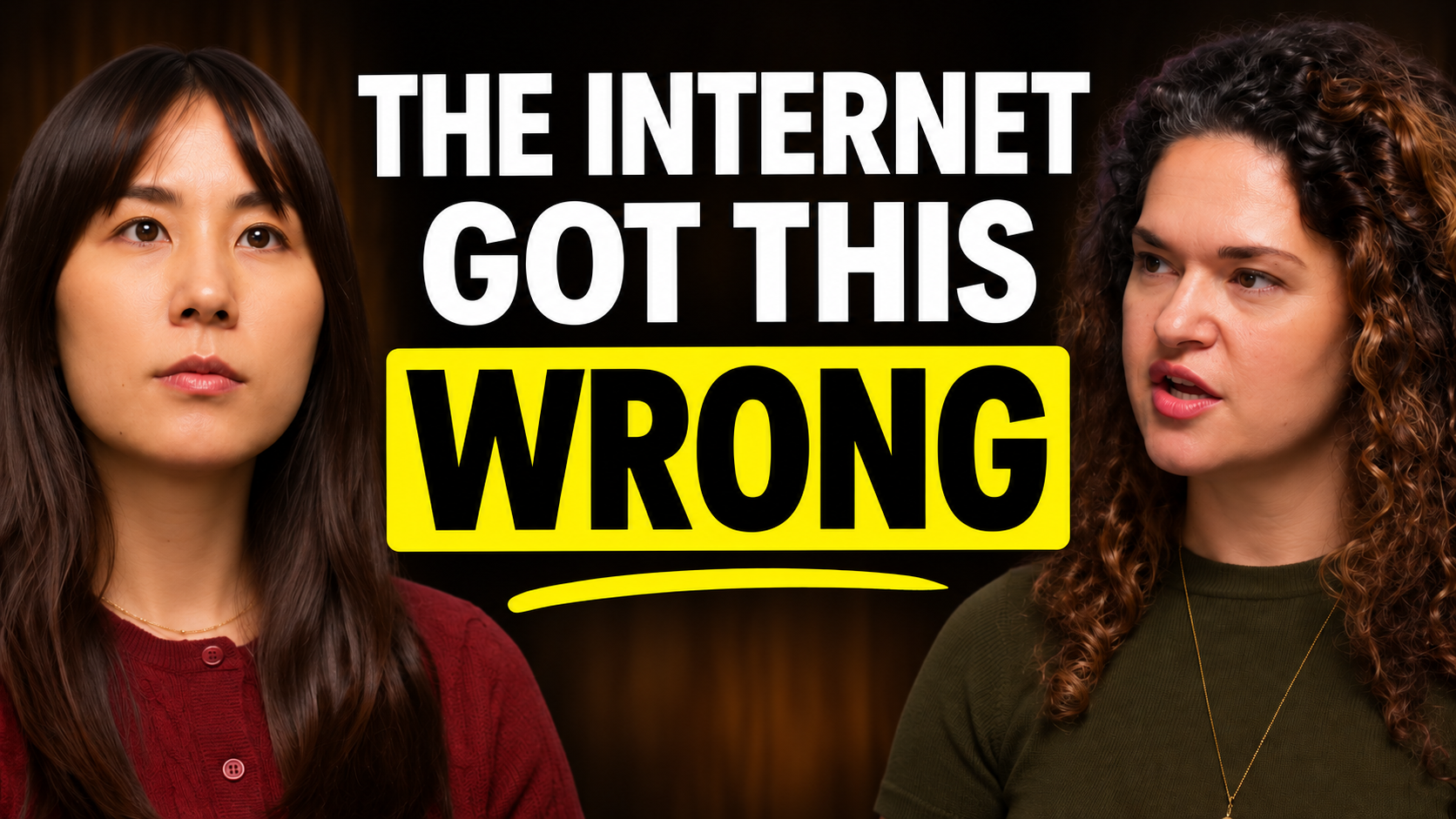
Can hypothyroidism cause weight gain? In this episode of The Dr. Brighten Show, Dr. Jolene Brighten and Dr. Emily Kiberd explore why weight changes with Hashimoto’s may involve more than “eat less, move more” and how thyroid testing, nutrition, sleep, and strength training fit into the conversation.
Dr. Kiberd, a chiropractor and founder of Thyroid Strong, shares her experience with Hashimoto’s and her work with women focused on rebuilding energy and strength. Dr. Brighten also draws on her own experience with Hashimoto’s as they discuss the questions women can bring to their providers and the habits they say are worth examining.
This Episode Is Brought to You By
Dr. Brighten Essentials
Want science-backed supplements formulated by a doctor who actually understands women’s health? 🌿 At Dr. Brighten Essentials, every product is crafted to support your hormones, boost your energy, and help you feel your best—inside and out. From targeted nutrients for glowing skin to essentials that fuel your daily vitality, you’ll get the highest-quality ingredients in forms your body can truly use.
Exclusive for podcast listeners: Use code POD15 at checkout for 15% off your order.
Shop now https://drbrightenessentials.com
LMNT Electrolytes
Want a clean, science-backed way to stay hydrated and energized? At LMNT, electrolytes are formulated with a precise balance of sodium, potassium, and magnesium — with no sugar, no artificial ingredients, and no unnecessary fillers. Designed to support hydration, muscle function, and daily energy, LMNT helps you feel your best through workouts, busy days, and everyday life.
Exclusive for podcast listeners: Visit http://drinklmnt.com/Brighten to receive a free sample pack with any purchase.
LUMEBOX
Ready to take your skincare results to the next level—right from home? 💡 LUME Box delivers professional-grade LED light therapy in a sleek, easy-to-use device that targets fine lines, pigmentation, and dullness at the cellular level. Just minutes a day can help boost collagen, calm inflammation, and reveal that lit-from-within glow. It’s the same science trusted in top dermatology clinics, now in your hands.
Shop now → https://drbrighten.com/lumebox use code drbrighten for our exclusive community discount on your purchase.
👩⚕️ About the guest
Dr. Emily Kiberd is a chiropractor and founder of Thyroid Strong. In the episode introduction, she describes 19 years of experience in strength rehabilitation and functional medicine.
🔗 Guest links
🌐 Dr. Emily Kiberd: https://www.dremilykiberd.com/
💪 Thyroid Strong: https://www.dremilykiberd.com/thyroid-strong/
📸 Instagram: https://www.instagram.com/dremilykiberd/
📲 Follow Dr. Jolene Brighten
📸 Instagram: https://www.instagram.com/drjolenebrighten/
🎵 TikTok: https://www.tiktok.com/@drjolenebrighten
▶️ YouTube: https://www.youtube.com/@DrJoleneBrighten
📘 Facebook: https://www.facebook.com/drbrighten/
👍 Like the episode, 🔁 share it with someone who may find it helpful, and 🔔 subscribe to The Dr. Brighten Show for more conversations about women’s health.
Learn more about your ad choices. Visit megaphone.fm/adchoices

Scan the code with your iPhone camera
Listen in the app.