Ask ChatGPT
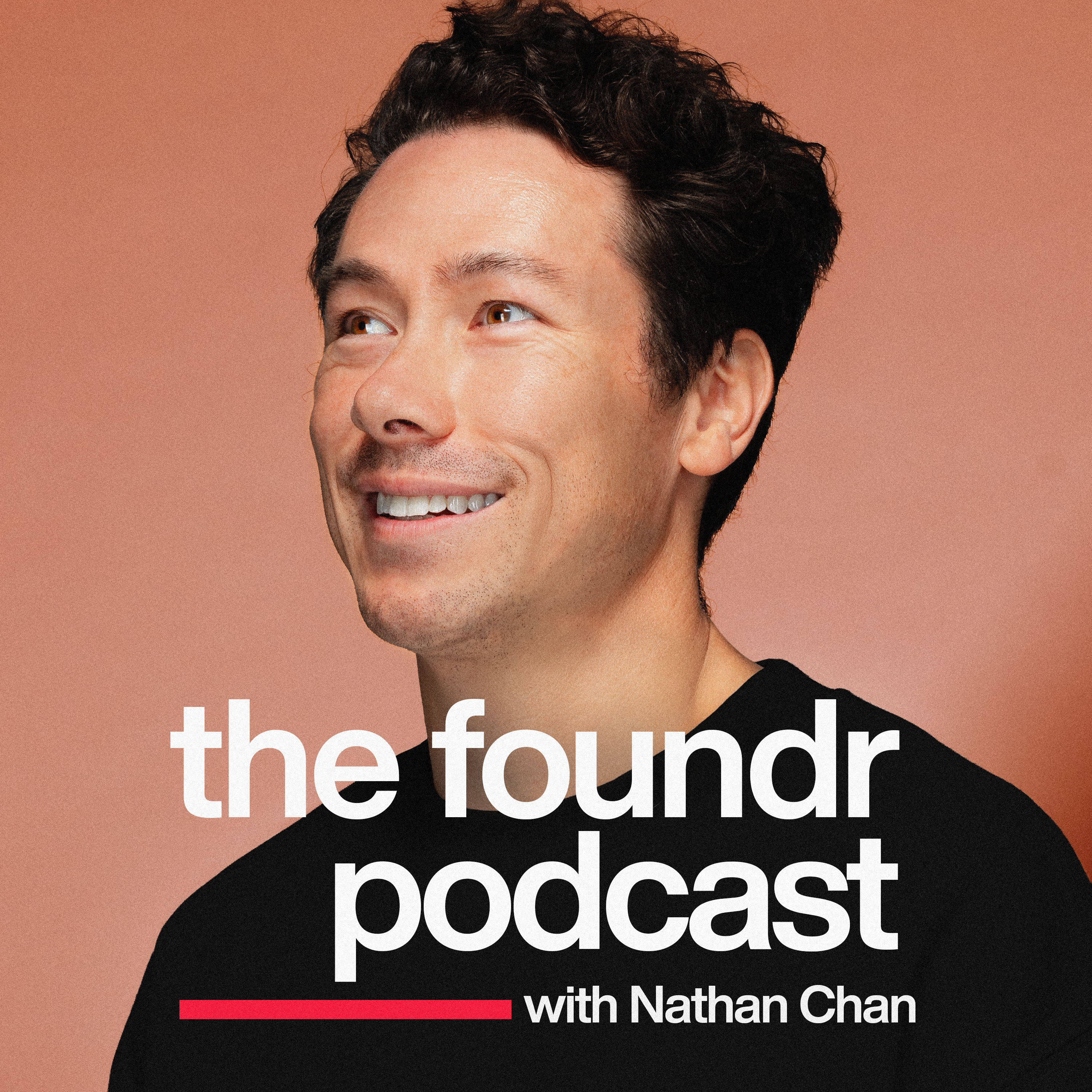
 The Foundr Podcast with Nathan Chan
26 Oct 2026 · 12m · 3 chapters
How founders decide when it’s time to fire an employee/contractor, separating emotion from the business decision, and using measurable signals to avoid dragging out mediocrity.
Solo episode by Nathan Chan (Founder to Founder podcast host), founder with 10+ years building companies and interviewing hundreds of billionaires; no other guests.
Firing is an emotional/identity problem, not a business problem; founders often wait too long; “three strikes” feedback prevents endless coaching; keeping underperformers harms the whole team and the founder’s stress.
Routing work away from the underperformer; repeating the same feedback conversation three times; “energy shifted” (late, webcam off, minimum effort); McDonald’s burger-cooking anecdote about standards; mistakes: loyalty-based delays, changing roles instead of making the call, waiting for “peak season.”
Written by AI. May contain mistakes.
Explore the emotional challenges founders face when considering firing someone.
“Welcome to the Founder Podcast with Nathan Chan.”
Learn the key signals that indicate it's time to let someone go.
“So step number one is you have to find a way to separate the emotion from the decision.”
Understand the right approach and mindset for firing someone respectfully.
“It doesn't mean you should always fire that person, but you at least owe them a conversation.”

Get the gist, explore an idea or ask about something said.
 Claude
On The Foundr Podcast with Nathan Chan, what are the key points of this episode?
Searching your listeningAutomatic transcript. May contain errors.
0:00Hey founder fam, before we jump in, I want to take a quick moment to talk about our sponsor OmniSend, the email marketing and SMS platform built specifically for e-commerce founders. We've been recommending OmniSend to founder students and members of our platform for a while now because it just works. So whether you're launching your first store or you're scaling it to seven figures, it really helps you automate your marketing and get results. And did you know, on average, OmniSend customers make$79 for every$1 they spend, which is an insanely good return on investment. And if you're already on another platform, here's the thing.
0:35In just five days, you could actually be paying 35 % less without doing an absolute thing. OmniSend will move every flow across, list, and template. You just show up when it's done. And finally, because you're part of the founder community, you get 50 % off your first three months with the code FOUNDER50. Just head to OmniSend.com forward slash founder and that's founder without the E to get started. All right, now let's jump in the show.
1:04Hey guys, Nathan here. Welcome back to another episode of the Founder to Founder Solo podcast where I share everything I've learned from building founder over this past decade and interviewing over 100 plus billionaires. I think I've done like 600, 700 interviews, hired hundreds of staff myself. I've built companies, multi-million dollar companies, eight figure companies and everything in between. So what I want to talk about today is something that unfortunately as a founder you eventually have to do and it's not easy, it's not fun and no one really talks about it or nobody really trains you how to do this and that's how to fire somebody.
1:39Nathan Chan: Hear the stories, learn the proven methods and accelerate your growth and future through entrepreneurship. Welcome to the Founder Podcast with Nathan Chan.
1:52This is a question every founder has to answer at some point, whether it's a team member, employee, or a contractor. Like, how do you know when it's time to let someone go? And I'm not going to talk through the legal stuff or the HR stuff. I mean, like, how do you actually know when it isn't working? Like, you have someone on your team, contractor, freelancer, full-time employee. They might be a good person, right? You might really like them. They might have been with you for years, and it's just not working. and you feel it in your gut, but you keep telling yourself, well, maybe you'll get better or, oh, look, they're doing just okay.
2:28Like they're not doing, you know, it's not the worst. And what you find is you start to accept the mediocrity and weeks turn into months. And it's actually easier just to kick the can down the road. It's actually easier. And by the time you finally make the call, you always realize that you should have done it six or 12 or 18 months, or even for some people years earlier, out of all my founder friends, I'm yet to meet someone that said that they fired that person too early or that they didn't give that person enough time. They always, everyone always says that they gave that person too much time.
3:04They dragged on for too long and it's tough. And I want to be, you know, real about why is it so tough? It's because it's not a business problem. It's an emotional problem. You feel guilty. You know, you've hired this person, You probably sold them the dream. You brought them in. You sold them on the vision. And now you're going to tell them it's over. And it feels like betrayal. And fundamentally, as human beings, we want to be liked. You feel afraid. You know, what if your team, how other people perceive you? What if your team sees you as ruthless? What if you're wrong? And then this whole identity piece that nobody talks about either.
3:34Like when you're a founder, you want to believe you're a great leader and great leaders build people up, right? Great leaders develop talent. So if someone on your team isn't performing, part of you thinks that that's my failure. And maybe it is, but keeping them in a role that's not working isn't leadership, it's avoidance. So step number one is you have to find a way to separate the emotion from the decision. And how do you measure success? So oftentimes, right, a lot of the time you might not be happy with a team member, contractor, employee, because you haven't showed them what success looks like and you haven't measured what success looks like.
4:07So I want to share with you kind of, you know, my framework to separate the emotion from the decision, acknowledge the guilt, the fear, the ego, let yourself feel it. And then let's look at the facts. So here's the five signals that we want to look for. Signal number one, you're managing around them. So this is the earliest warning sign and most founders miss it. It's where, you know, what happens when you're assigning work or planning a project and you're subconsciously routing things away from this person? Are you giving the important stuff to somebody else? Are you letting, you know, someone else or many other team members take on more work than them?
4:40So if you're managing around someone, if the team has quietly reorganized herself to compensate for one person, that is a signal. Signal number two, you've had the same conversation three times. Everyone deserves feedback, but everyone deserves a chance to improve. Now, there's a difference between coaching someone through a growth curve and repeating yourself. And if you've sat down with someone, clearly explain what needs to change, give them the tools and the time to change it, and you're having the same conversation for a third time, then that's not a conversation problem. The fit is the problem.
5:11So three strikes is a good principle that I like to live by. Like, you know, first conversation, benefit the doubt. Second conversation and make sure you write it. You put it in writing from the first conversation. Second conversation, you know, this is a bit more serious. Let's build a plan together, put it in writing. Then third, if we're still here, we're going to be here a year from now. And a year from now, you wish you acted today. So number three, the energy is shifted. Now, this one's a hard one to quantify, but it's real. You know, when someone mentally checks out, you can feel it. You can feel when they stop contributing to meetings, they come late, they come in with their webcam turned off, they do the minimum, they're not proactive, they're not curious anymore.
5:50And here's the thing, sometimes that's not their fault. Sometimes they've checked out because their role has changed. They're not motivated. They don't feel empowered. They don't feel fully in control. They don't know what success looks like. And that's like a kind exit. They know it. You know it. Nobody's saying it. But when the energy shifts, when someone goes from leaning in to leaning back.
6:10Nathan Chan: Real quick, before we jump in, I want to shout out one of our sponsors, Xero. I've used Xero from day one of Founder, 13 years now, and it's still how we run the business today. It's cloud accounting software built for founders exactly like us, and it automates all the admin that I used to do when I first started Founder. Invoicing, chasing payments, expenses, all the accounting. It really helps me get paid faster and keep an eye on cash flow. So Founder listeners, get a crazy 95 % off for the first six months. Just sign up through our form at founder.com forward slash zero. Terms and conditions apply.
6:47Remember, when you support our sponsors, you are supporting the show. All right, now let's jump back in.
6:55You can't ignore that. It doesn't mean you should always fire that person, but you at least owe them a conversation. Signal number four is the team is suffering. And this is where you have the responsibility to act because one underperformer, it sets the standard of what is acceptable amongst the whole team. Your A players notice, they always notice. And they're thinking, if this person can coast and nothing happens, why am I working this hard? And it's not fair, right? I never forget when I was at McDonald's, I was a really slow learner when it come to cooking the burgers. and I never forget, like the manager sat me down and he's like, man, if you're not good at this, people are not going to like you.
7:32And that's like just how life works. If you're shit at your job, then people aren't going to like you. And so you tolerating somebody's underperformance for too long, your best people, you will lose them as well. So if you're showing them that loyalty matters more than performance, that comfort matters more than standards and your A players don't want to work in that kind of environment. Signal number five is they're not getting KPIs. Like what does success look like? Are you measuring it? Are they consistently achieving, hitting KPIs, hitting targets, game changing the business in their function or not?
8:06And that's it guys, right? Like if you get all these signals or even a couple of them, you've already made the decision. And here's the mistakes that I've made, right? Like I've kept people too long because they were loyal. They'd been with the company for a long time. They worked hard, they cared, but the business grew past their skill. And that was like, I feel like I owe them something. I wanted to be loyal. And it's a really tough thing. It's the thing that nobody talks about when it comes to building a business. And it's tough and it's not easy. Mistake number two that I made is I tried to fix it by changing the role.
8:37Instead of making the hard call, I'd move someone sideways. And you know what? Sometimes that can work, right? Sometimes that can work. Doesn't always work, but sometimes it can. But most of the time, if someone's not performing, moving them to a different seat on the same bus doesn't solve the problem. And mistake number three is I waited for the perfect time, right? I just kept kicking the can down the road. Oh, you know, we've got this crazy peak season and I need this person, all this kind of stuff. You keep waiting and it's costing you. And I can't, I can't tell you enough, right? Like when you do it, it'll be like a huge weight off your shoulder.
9:10And it's so tough. Like I'm not sitting here. I'm not like a ruthless person. It's so tough. It is not easy. But you have to remember that you're doing this person a disservice because there are actually people that I've let go in my business where I've actually seen them do much better in other businesses. So I'm actually, you are actually doing this person a disservice. So how do you actually do it? First and foremost, if you can, you know, pre-prepare, read from, you know, a script or a note. So you just, so you're respectful. You don't say the wrong thing. Don't say sorry. Own it. Don't blame them.
9:42Don't make it about their character. Talk about the role. Be generous where you can severance a reference, help with the transition, do it quickly. Don't do it on a Friday and really kind of do it in the most respectful way possible. And what's most important, and this is something a mentor taught me, is don't speak bad about the person after they leave. That's a really bad sign of character because they probably might speak bad of you, but you want to maintain any level of integrity, right? and you know if if somebody asks you know what happened with joe you're going to say hey look unfortunately things didn't work out with joe and you know uh i wish that person all the best and you leave it at that you don't go for the laundry list you don't go complaining all that kind of stuff and the meeting itself should be no more than 15 minutes the decision is already made it's a non-negotiable and i want to leave you with this reframe because i think most founders have this backwards.
10:39Firing someone isn't a failure of leadership. Keeping someone who shouldn't be there, that's the failure. And whether it's a person, contractor, agency, freelancer, employee, whatever, you deserve it to yourself and your business deserves it to have the right people on the bus. And I can't stress this enough. When you do have the right people on the bus, it makes so much of a difference. It makes running your business so much easier. It is far less stressful, but it starts with you having the courage. So guys, every week you keep someone in the wrong role, you're making all those bad decisions at once.
11:12You're hurting their growth because they could be somewhere where they're actually thriving. You're hurting your team because they're carrying the weight. You're hurting your business because you're paying for output that you're not getting. And you're hurting yourself because the stress of managing someone you've already lost confidence in is eating you alive. And the founders that I respect the most aren't the ones who fire anyone. They're the ones who make the call quickly, treat people with dignity and keep the bar high. That's how you build a team that actually wants to show up. So guys, if you are watching this, you're listening to this and you have someone in mind, someone you keep going back and forth with, I hope that you found this conversation helpful, but make the call, be kind, be direct and raise the bar.
11:47That's how you lead. All right, guys, heavier one than usual, but I hope you find this helpful. Not enough people talk about this and I'll see you in the next episode.
12:01So if you run a brand, you're probably feeling this problem right now. You're relying heavily on Meta and Google to acquire new customers and finding another channel that you can scale profitably is not easy. So that's why I'm super excited to tell you about today's sponsor, Applovin. Now, there's a founder in our community who took the ads already working for them on Meta. They reformatted them for Applovin and within their first 30 days, they'd already scaled to more than$100 ,000 a month in ad spend while seeing really strong returns. Now I asked them if I could shout them out and share their results, but they said no because they didn't want their competitors finding out about this platform or the results that they were getting, which is wild, right?
12:42So if you want to diversify your spend beyond Meta and Google, I highly recommend testing out Applovin. Now founder listeners can get up to$10 ,000 in matched ad credits plus$1 ,000 free in ad credits to test when you sign up through our link. So go to applover.com forward slash founder.
At some point, every founder has to do the thing nobody trains you for and nobody really talks about: letting someone go. It is not easy, it is not fun, and I am not going to pretend otherwise. But out of all my founder friends, I am yet to meet one who said they fired someone too early. Everyone says the same thing. They dragged it on for far too long.
Here is why it is so hard: it is not a business problem, it is an emotional one. You feel guilty, you sold this person the dream, and part of you believes that if they are not performing, it is your failure as a leader. But keeping someone in a role that is not working is not leadership. It is avoidance.
In this episode, I share the framework I use to separate the emotion from the decision, the five signals that tell you it is time, and how to actually have the conversation with dignity.
Here’s what you’ll take away:
Why the real cost of keeping the wrong person is the opportunity cost, and why you always realise you should have acted months or years earlier
The five signals it is time: from “managing around them” to having the same conversation three times to your A players quietly carrying the load
The three strikes principle and why putting feedback in writing from the first conversation matters
The three mistakes I have made myself: keeping people out of loyalty, moving them sideways instead of making the call, and waiting for the “perfect time”
How to actually do it respectfully: keep it under 15 minutes, own it, talk about the role not their character, and be generous where you can
Why you should never speak badly about someone after they leave, and the reframe that keeping the wrong person, not firing them, is the real failure of leadership
If you have someone in mind right now, someone you keep going back and forth on, this episode will help you find the courage to make the call, be kind about it, and raise the bar for everyone who stays.
If you’re loving this solo series, I’d love to hear your feedback. Email me directly at [email protected] — I read every reply. Hope you enjoy it.
SAVE 50% ON OMNISEND FOR 3 MONTHS
Get 50% off your first 3 months of email and SMS marketing with Omnisend using the code FOUNDR50.
Start here → https://your.omnisend.com/foundr
SAVE 95% ON XERO FOR 6 MONTHS
Simplify your business finances with 95% off Xero for your first 6
months. Start here → https://foundr.com/xero
GET UP TO $10K IN MATCHED AD CREDITS ON APPLOVIN Scale your DTC brand beyond Meta and Google with up to $10,000 in matched ad credits, plus $1,000 free to test AppLovin. Start here → https://applovin.com/foundr
WANT TO GROW YOUR BRAND WITH META ADS?
Join the Foundr Operators Waitlist → https://foundr.com/operators
HOW WE CAN HELP YOU SCALE YOUR BUSINESS FASTER
Learn directly from 7, 8 & 9-figure founders inside Foundr+
Start your $1 trial → https://www.foundr.com/startdollartrial
PREFER A CUSTOM ROADMAP AND 1-ON-1 COACHING?
→ Starting from scratch? Apply here → https://foundr.com/pages/coaching-start-application
→ Already have a store? Apply here → https://foundr.com/pages/coaching-growth-application
CONNECT WITH NATHAN CHAN
Instagram → https://www.instagram.com/nathanchan
LinkedIn → https://www.linkedin.com/in/nathanhchan/
FOLLOW FOUNDR FOR MORE BUSINESS GROWTH STRATEGIES
YouTube → https://bit.ly/2uyvzdt
Website → https://www.foundr.com
Instagram → https://www.instagram.com/foundr/
Facebook → https://www.facebook.com/foundr
Twitter → https://www.twitter.com/foundr
LinkedIn → https://www.linkedin.com/company/foundr/
Podcast → https://www.foundr.com/podcast