Ask ChatGPT

 The Hidden 20%
29 Oct 2025 · 51m · 31 chapters
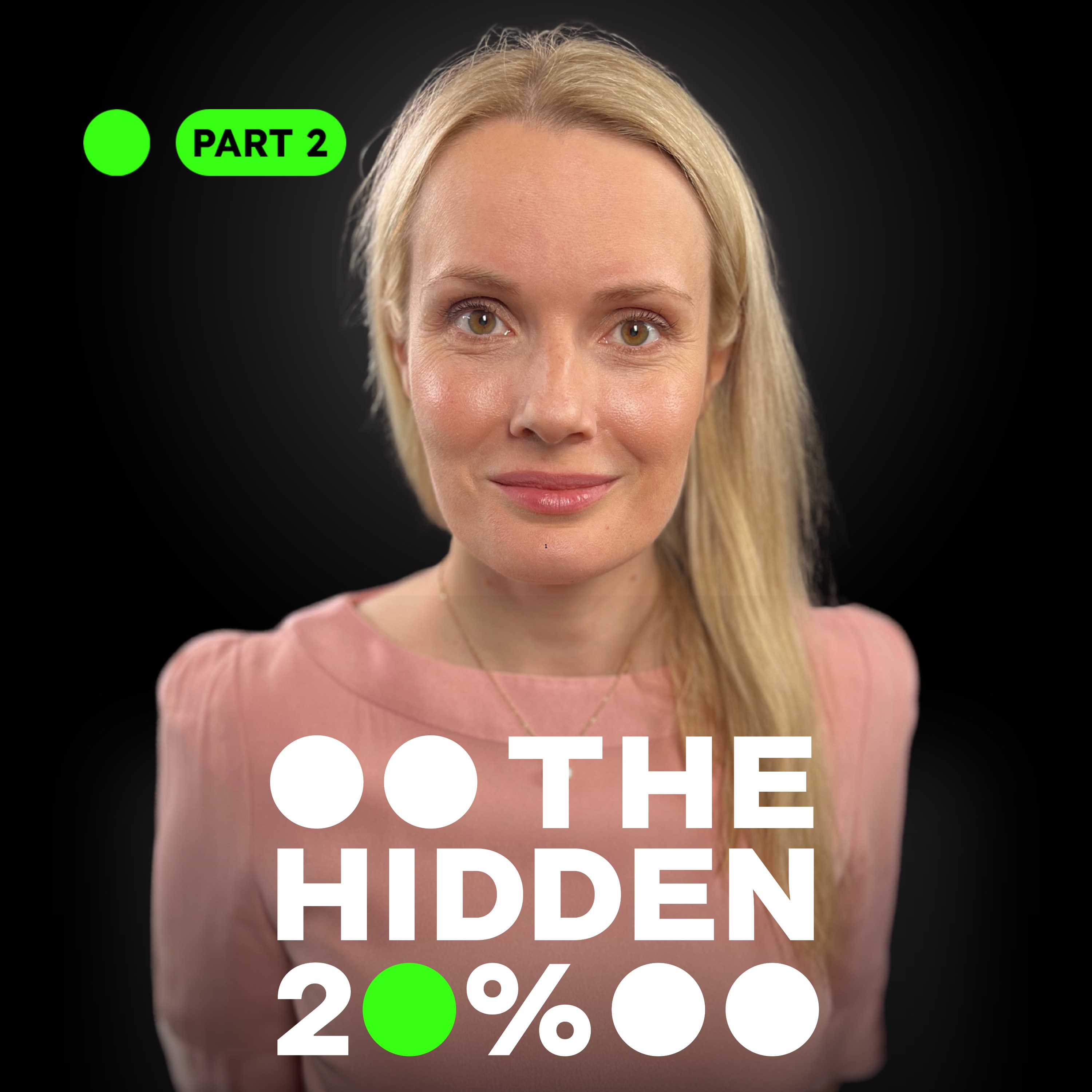
How autism is misdiagnosed as BPD/EUPD, CPTSD, OCD, bipolar, and eating disorders in women; why “1 in 3 autistic women” are misdiagnosed and many remain undiagnosed; and how to separate autism (lifelong neurotype) from trauma and personality disorders.
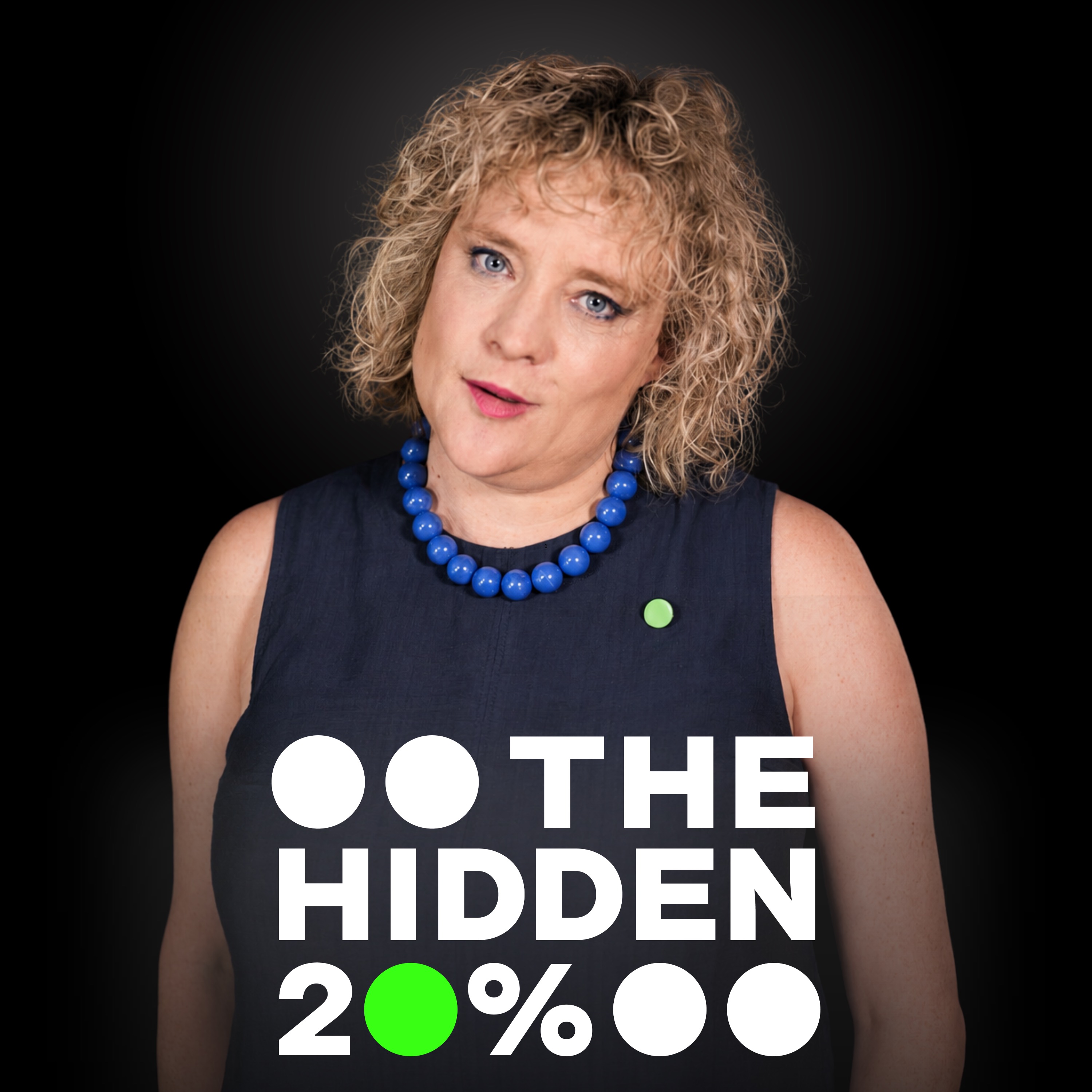
Dr. Alison Lennox, late-diagnosed autistic psychiatrist; former clinical lead for an NHS adult autism diagnostic service; now supports autistic adults privately and trains clinicians.
Misdiagnosis is common because assessments may be short and focus on “autism yes/no” without reviewing existing labels; BPD is often favored in crises (including luteal-phase presentations) because services can only offer help if you fit their diagnosis. BPD and CPTSD are not interchangeable: CPTSD is PTSD plus additional effects on emotional regulation/self-attitudes. Autism traits go back to infancy.
Typical referrals are young women with BPD/EUPD plus eating disorders and/or OCD who are ultimately autistic. Eating-disorder overlap includes ARFID (sensory-based, not weight/shape driven); she cites research that about a third of inpatient anorexia patients show high autistic traits. She also describes adults mislabelled as anorexic who later receive ARFID + autism.
Written by AI. May contain mistakes.
Explore how women often receive misdiagnoses like BPD when they're actually autistic.
“I think in particular with women, it's very, very common to receive a diagnosis of BPD.”
Dive into Dr. Lennox's background and her work supporting autistic adults.
“Alison Lennox, late diagnosed autistic, psychiatrist and former clinical lead for an NHS adult autism diagnostic service.”
Discuss the common misdiagnoses and the assessment process for autism.
“What are people being misdiagnosed with that you are then uncovering is actually that they're autistic?”
Examine the implications and understanding of BPD in the context of autism.
“and you can understand that they're autistic.”
Discuss the confusion between autism and BPD and the implications for treatment.
“Why have we favoured a BPD diagnosis over an autism one?”
Understand personality disorders, their classifications, and implications in treatment.
“And these are adaptive traits that you learn because they help you when you're little.”
Delve into why symptoms overlap between BPD and autism and the diagnostic challenges.
“Which as you see is quite a similar time to a lot of people perhaps having a diagnosis of a neurodivergent condition.”
Discuss the long-term impacts of BPD versus other disorders like CPTSD.
“So there's confusion because there are features that overlap.”
Explore the similarities and differences between borderline personality disorder and autism.
“And that's because the boxes don't work.”
Discuss the relationship between autism and various eating disorders, including ARFID.
“Can you be autistic and have an eating disorder?”
Understand how ARFID can be misdiagnosed and its implications for treatment.
“Their neurotype is affording them some degree of recovery that's small.”
Learn about ARFID, its characteristics, and its links to autism.
“that whenever you say no to something in therapy that's just your anorexic voice sabotaging it.”
Examine the confusion between complex PTSD and autism diagnoses.
“And that's what complex PTSD referred to.”
Explore the differences between CPTSD and autism and how they can coexist.
Discuss various trauma types and their impact on autistic individuals.
“And that's not correct because they're completely different.”
Identify key diagnostic indicators that differentiate autism from BPD and CPTSD.
“Now, I suppose there are different sorts of trauma that people consider when they're thinking about autism.”
Understand the significance of a longitudinal approach in diagnosing neurodivergent conditions.
“So first of all, autism, neurotype, lifelong, goes all the way back to infancy.”
Discuss the effects of late autism diagnosis on mental health outcomes.
“I don't know about that specifically, but what I do suspect is that as rates of neurodivergent conditions are increasing, it seems that rates of personality disorders are decreasing.”
Examine the ramifications of misdiagnosis and the role of dysregulation in treatment.
“I think diagnostically, what you're always trying to do is kind of pull things apart to make it easier.”
Investigate how trauma can shape the behaviors of autistic individuals.
Highlight the serious risks associated with institutionalization of misdiagnosed patients.
“that leaves you with feelings that are quite uncomfortable about yourself.”
Discuss the evolving nature of psychiatric diagnoses and their implications.
“It's autism with a very high degree of dysregulation.”
Explore the complexities in differentiating between bipolar disorder and autism.
“Rather than bipolar 1 or bipolar 2, it was we've widened this to a spectrum, So now it includes more people.”
Encourage listeners to focus on individual encounters for meaningful progress.
“I'm conscious that we've just talked through and for listeners of like BPD, what?”
Provide advice for listeners feeling overwhelmed by mental health discussions.
“And what do you say to people listening who we've suddenly just overloaded and overwhelmed with, oh my God, am I bipolar?”
Learn how to communicate autism diagnosis with sensitivity.
“which is, don't worry, you're exactly the same as before we met.”
Explore the challenges of understanding mental health terminology.
“I was told, gosh, I was so tired I don't even really remember.”
Discuss the implications of self-diagnosis and its risks.
“Because actually what I'm doing behind the scenes is shuffling diagnoses and traits and things inside out and going, what about this?”
Consider how social media affects perceptions of neurodivergence.
“I have a lot of concern about the sort of clickbaity social media around neurodivergence.”
Contemplate future changes needed in neurodivergence support.
“If we fast forward a year and we're sat here again in a year's time, I know it's only a year.”
Highlight the importance of allies in neurodivergent communities.
“So I would really like to give my green badge to a lady called Liz Robertson, who used to be my secretary in the NHS, because I have never come across such a phenomenal ally for neurodivergent people.”

Get the gist, explore an idea or ask about something said.
 Claude
On The Hidden 20%, what are the key points of this episode?
Searching your listeningAutomatic transcript. May contain errors.
0:00Dr Alison Lennox: I think in particular with women, it's very, very common to receive a diagnosis of BPD. If you present in any kind of mental health crisis, particularly during the luteal phase of a cycle, how people present, you know, at their most intense hormonal experience may not indeed be the same person the rest of the year round. It's autism with a very high degree of dysregulation. That's the part that I feel most uncomfortable about. when we're getting the care almost 180 degrees wrong. Yes. And we're doing harm. So can you reverse a diagnosis of BPD, for example? You bet I can. Welcome to The Hidden 20%, our neurodiversity charity on a mission to rewrite the future for people who think differently.
0:49Together with you and an eclectic range of brilliant guests, we can break the cycle of silence by smashing outdated stereotypes, exposing the myths, and sharing the most up-to-date truths about what it really means to be just different, not deficient. The best way you can help is really simple. Subscribe so you never miss an episode, and if you can, donate to our charity through the link below. Enough preamble. I'm Ben, your host. Let's get into today's episode. Today I'm chatting with Dr. Alison Lennox, late diagnosed autistic, psychiatrist and former clinical lead for an NHS adult autism diagnostic service.
1:32Alison now works privately supporting autistic adults while training clinicians and helping shape how neurodivergent people are understood in mental health services. Part one will focus on autism diagnosis, Alison's own journey, her work and approach to supporting autistic adults. Part two will focus on misdiagnosis, breaking down why one in three women are misdiagnosed and 80 % of females remain undiagnosed at 18. Let's get into it.
2:06Let's talk about misdiagnosis. What are people being misdiagnosed with that you are then uncovering is actually that they're autistic?
2:18Dr Alison Lennox: Really anything. Oh God. Let's have a list. Right. Top things. So before we think about misdiagnosis, it's really common for me to see people coming for an autism assessment as an adult who've collected a number of different diagnoses, whether they're right or whether they're a misdiagnosis at that stage. And I don't always know if it's a misdiagnosis until I get to the end, if you see what I mean. But things that can commonly be confused with autism, I would say would be borderline personality disorder, complex PTSD, OCD, every single type of eating disorder, bipolar. Gosh, what else? Depression.
3:00Dr Alison Lennox: Sometimes things even like schizotypal disorder. You name it, it can be there and it can be wrong. and you've seen people with these diagnoses that are actually only autistic or that there is a combination going on so basically you could have any configuration it's very very common to meet people who've been given a fairly flimsy diagnosis and then you have then spent you know three four hours assessing them for autism and it's become a lot more clear what's going on because you've actually had the advantage of being able to spend a lot longer building rapport, building trust, getting to know them, hearing many more pieces of the story.
3:43Can you give me an example? Can you give me a story?
3:46Dr Alison Lennox: Well, I suppose I often will see young women who will come to see me who will have a diagnosis of a borderline personality disorder or sometimes called EUPD. And very commonly, they'll also have a history of eating disorder, perhaps some OCD. That's my very typical patient who comes to see me. That's a starting point normally for me. And then you assess these people and you can understand that they're autistic. How valid then is the borderline personality disorder, the eating disorders, the CPTSD, etc. Are they still valid? Yeah. So what I would say is that for most people who go to have an autism assessment in the UK, the assessor will only look at the question of is it autism yes no and they won't explore or touch the existing diagnoses so that's not something that most people experience in their assessment okay and that's probably because of a lack of skill around different sorts of mental illnesses and to be able to have the confidence to do that the other thing is that people have signed up for a specific sort of assessment and so if you're going to be thinking about kind of lending your thinking to existing diagnoses you need to be pretty sure that the patient you know has consented for you to do that really okay and that you know what you're doing so can you reverse a diagnosis of BPD for example you bet I can have you yeah and have you replaced a BPD diagnosis with a diagnosis of autism?
5:23Yeah.
5:24Dr Alison Lennox: Yeah, all the time. Why have we favoured a BPD diagnosis over an autism one? It's a good question. If I think back to, say, 10 years ago in my training, when I was a trainee psychiatrist, I would commonly assess people and make a diagnosis of BPD and I didn't give anyone a diagnosis of autism because I didn't know how to assess for it. It wasn't in my repertoire. are. I think if you go to see a mental health team and you have an assessment, it's likely it'll be pretty short. It might be an hour max. I think in terms of receiving something like a borderline personality disorder diagnosis, BPD, there are circumstances where you will have had a very thorough personality assessment, which will have led to that conclusion.
6:08Dr Alison Lennox: And there are circumstances where you may, for instance, have presented in a crisis, shown some of the features like suicidal you know tendencies feeling very unstable perhaps some sort of stressed association feeling very empty and a diagnosis of BPD may be given that may not be correct or full I'd say Ben I really want to stress that I think in particular with women it's very very common to receive a diagnosis of BPD if you present in any kind of mental health crisis particularly during the luteal phase of a cycle and I say that because how people present you know at their sort of most intense hormonal experience may not indeed be the same person the rest of the year round.
6:54Dr Alison Lennox: I think with diagnosis one of the difficult things is if you go to see somebody you sort of think they're going to be able to look at everything and nobody can. I can't you know diagnose all the pieces myself but if you go and see somebody who only can diagnose borderline personality disorder and not autism, you've got two options. If they haven't got this option and you're there in a crisis, maybe suicidal, they're either going to say, yes, we've got a thing and we can help you, or they say, you haven't got a thing, we can't help you. So it's very much weighted towards receiving that diagnosis if you see what I mean.
7:27What is borderline personality disorder?
7:30Dr Alison Lennox: So I think language is really important here. Personality is really, I suppose, you could see it as a sort of set of traits that you use to navigate your way through different life situations. And these are adaptive traits that you learn because they help you when you're little. When we talk about personality, and I think, you know, the language, the phrase personality disorders, it's quite jarring. I certainly find it so, which is why I'm trying to... Borderline is confusing. Right, right. And who wants to be emotionally unstable? Yeah. So I guess what I'm saying is that you basically you grow up with ways that you cope with things that help you out.
8:09Dr Alison Lennox: And when you repeat those when you get older and they're not so helpful when you're trying to navigate situations, that's what we would call sort of a personality disorder. It's just it's just about how you relate differently to how you relate to yourself and to other people. But the reason it matters in terms of using the language wisely is that actually it can be for some people a very helpful framework to understand their experiences so that they can get the most tailored support. And is BPD a neurotype? No, it's a mental illness. It's a mental illness. Are you born with it? So I suppose what we understand about personality is that you're not born.
8:47Dr Alison Lennox: It's not like being autistic. You're not born as having personality features that are going to be maladaptive through your whole life, but that it kind of emerges as your personality forms, as you start to navigate the world, often kind of as sort of adolescence, early adulthood, when you're doing a lot of your kind of social and emotional development. That's where the sorts of traits that you have become kind of clearer, I suppose. but interestingly in the newest version of the diagnostic manual the ICD-11 there isn't actually an age cut off as to when that diagnosis should be made. Okay when are most people diagnosed BPD?
9:28Dr Alison Lennox: Probably around the age of 18 to 25. Okay. Which as you see is quite a similar time to a lot of people perhaps having a diagnosis of a neurodivergent condition. And what proportion of people that you see or have seen who have a BPD diagnosis are actually autistic? It's tricky to say. Maybe about half. Wow. I'd reckon. And their reaction when they understand that? I actually think it's very often the case that people with a BPD diagnosis who are seeking an autism assessment are seeking the autism assessment because the BPD never really felt like it was the right fit. Okay. So a lot of people are coming into it with that question specifically in mind.
10:21Okay. I'm asking you all the silly questions, Alison. It's not silly,
10:24Dr Alison Lennox: because Ben, this is a really tricky area that people don't even talk about. Yeah. And it's why we need to talk about it. That's it. And also why we need to break it down. But also, you know, a lot of your viewers and listeners will have this diagnosis and some will find it helpful and some will wonder whether it is right. And of course, you know, there could be co-occurrence as well. Sure. So can you be borderline personality and autistic? Yeah. In the way that you would be born autistic, and that's your neurotype, that's your baseline, but you have had experiences through your life and you've developed ways of understanding yourself and others that technically fits with the diagnosis of a personality disorder.
11:06And can anyone have borderline personality disorder?
11:10Dr Alison Lennox: Can anybody? Yeah. I think so. Why are you asking? Is that something you were thinking? Just generalisation, I seem to hear about it more in a female context than, yeah, a male one. I agree with you. And I certainly, I think women receive the diagnosis at a higher rate. But I also think that what little people understand about personality, very often it's used as sort of a proxy for talking about having emotional dysregulation. And actually, emotional dysregulation is common to so many different experiences that I think that's why it then becomes a larger entity than it may be. Is borderline personality disorder a bit outdated?
11:55Dr Alison Lennox: So what I'd say, Ben, is that it's really confusing. The reason it's confusing is that we have an American diagnostic manual in the UK, diagnostic manual, and they're different. So BPD is the American version, which we often use in the UK. The UK version, the ICD-11, used to have what's called emotionally unstable personality disorder. The EU. EU. But EUPD has now been updated. Because what we've done in the UK, so BPD is still there in America, but what we've done in the UK is we've said we haven't got personality disorders anymore because we used to have a range of subtypes. Now what we have is just something called personality disorder, mild, moderate or severe.
12:44Oh, we've put a scale on it.
12:46Dr Alison Lennox: We've put a scale on it. We've put a severity scale. And wait for it. To get a diagnosis even of mild personality disorder, you have to have moderate functional impairment. So we're just twisting ourselves into funny little loops all over again. The important thing for anybody listening to know is that, you know, personality disorder exists as a framework across the world. and it can be very useful to you in being directed to the right kind of therapeutic treatment. Because if you have more problems, more to do with, you know, relating to people into personal difficulties, then something like DBT therapy or MBT therapy might be the most useful starting point to start to understand yourself and what it means and to give you the opportunity to try to do things differently.
13:41Why has there been confusion between BPD and autism?
13:48Dr Alison Lennox: So there's confusion because there are features that overlap. But actually, I've got to be honest, there's always confusion in psychiatry. It's very common for patients, even with very severe mental illness, who are frequently in hospital to perhaps cycle between labels of schizophrenia, bipolar, schizoaffective disorder, delusional disorder. And that's because the boxes don't work. Okay. You know, if they were robust, if they were discrete entities, this wouldn't happen. Why does this word disorder, obviously it features in autism spectrum disorder. Right. But also borderline personality disorder.
14:27Is borderline personality disorder quote unquote temporary, i.e. once you are diagnosed with it, you don't have it for life. a bit like CPTSD, for example, which is another disorder, but is not a lifelong thing necessarily in terms of traits or symptoms or challenges?
14:50Dr Alison Lennox: I think most of my patients who have borderline personality disorder would describe it as being longer term. Okay. Yeah. But something that there is a lot of promise that with good, robust therapy, that certainly improvements in someone's well-being can be made. And what are the features of BPD and autism that get confused? So I suppose somebody with BPD is likely to find it quite difficult to interact with people perhaps because of things that they feel about themselves and others based very logically on earlier experiences that they've had. And I suppose that sometimes can be confused with the sort of difference in social approach of somebody with autism.
15:36Dr Alison Lennox: Similarly, I suppose people who have borderline personality disorder often think in quite a sort of a black or white way. That's a real kind of phrase that goes with the condition there. And that can look very similar to the kind of rigidity is the word we use in autism for when you're very, you know, fixed in what you're thinking and feeling. And I think also there can be overlaps in all kinds of areas, like even your sort of sensory areas can overlap. You know, a lot of people with BPD have had difficult life experiences and therefore can get a lot of confidence in sensory seeking behaviours or may, for instance, stim to try to calm down and to regulate.
16:12Dr Alison Lennox: And so things can look very, very similar very, very quickly. Is there any overlap that you've seen with ADHD? And BPD? Yeah. Yeah, there is. So I suppose the key thing is that a lot of people with BPD are highly impulsive. Okay. And if you're highly impulsive and you have some mood dysregulation, you know five years ago people would be calling all of that thinking oh this could be BPD and now people might be thinking first ADHD which shows how the attitudes might be shifting. So for our listeners Alison if people are listening who have either got a BPD diagnosis or have been for an assessment or have a friend loved one partner colleague etc who has one what would your advice be?
16:59How valid is their diagnosis?
17:01Dr Alison Lennox: I think that people shouldn't panic and question your diagnosis. Nobody is going to give you a diagnosis to do you harm intentionally. But I do think it's reasonable nowadays, while attitudes are changing, to perhaps ask to have a look at the assessment that was made of you so that you can try to understand the reasoning that the diagnosis was made and to see whether it seems robust. Let's talk about eating disorders. Can you be autistic and have an eating disorder? Yes. So we've got really good research from King's College London a few years ago that shows that around a third of people with anorexia and inpatient wards had high-level autistic traits.
17:48Okay.
17:48Dr Alison Lennox: And this has sparked a bit of a revolution. so we've then had basically a big campaign called the peace project it means the pathway for eating disorders and autism by clinical experience okay and basically it's about adapting treatments that exist for eating disorder to fit the needs of people with autistic neurotypes and there have been small pockets of research and improved service you know delivery in different places in the south of England over the last few years. They have a really fantastic website with resources that people who are autistic and experience eating disorders or their carers can look at.
18:31Dr Alison Lennox: And it can be hugely, hugely helpful just to have that sense of belonging that actually there are lots of other people who have this experience that's more blended. Eating disorders you are not born with, correct? Autism you are born with. How do they interact? Yeah. Yeah. So what I would say is that there are different sorts of eating disorders that we understand now. So most people know about anorexia, which is a restrictive eating disorder. There is also bulimia. We now talk about offset as OFSED, which is where you've got some of the features of eating disorder, but you're not fully, so it's more atypical.
19:14Dr Alison Lennox: And we also have a newer eating disorder called ARFID, which also has some links with autism. I suppose eating disorders are very, very difficult, very distressing, very private and very controlled experiences. And I do think that it's the case that an autistic mind can sometimes lean into that even more strongly. so for instance if you are compulsively exercising or you are really fixated on numbers in terms of weights and calories and things like this and you have an autistic mind that just can't help but interpret the numbers and push it further it may be that that may go some way to the development of an eating disorder and also in terms of sort of sensory difficulties you realize there are more sensory-based eating disorders like arphid.
20:03Dr Alison Lennox: I do think that clinically what I tend to find though is that a lot of my colleagues feel quite anxious about people that I might see who may have you know a long-standing eating disorder and some autistic traits now they are autistic and and this kind of interplay can make people feel quite stressed but clinically what I tend to find is that these people tend to often make a much better recovery from their eating disorder the neurotypical counterparts. Okay. Why do you think that is? Well, in a strange way, when they set their mind to something in a sort of monotropic way, if they're sort of monotropically focusing on their therapy, their recovery, they can really do some quite powerful things.
20:47Dr Alison Lennox: So in a strange way, it feels to me like neurodivergent people often have this kind of neurodivergent core and they can drift into an eating disorder or drift into OCD or drift into a mood disorder. But it feels to me they don't get as stuck out there as neurotypical counterparts. Their neurotype is affording them some degree of recovery that's small. And do we see within people with eating disorders any correlation between autism, dyslexia, ADHD? Do we see, generalising here, but is autism the most likely type? We don't know. So there's a lot of focus on autism and eating disorders because of the research that highlighted that there were a lot of autistic traits.
21:29Yes.
21:30Dr Alison Lennox: But since then, we're now sort of scrambling to find, you know, evidence looking at other neurotypes too. Because what we've learned is that if you can adapt therapy for eating disorder for an autistic person, you can hugely aid their recovery. And so now there is work to make adapted, ADHD-specific, adapted therapy for eating disorders. So it's really quite an exciting time. Yeah. And so eating disorder clinics and specialists, how much do they know about autism and neurodivergence? I think that patients tell me they don't know very much. but from my perspective I receive a huge number of referrals each year from eating disorder consultants and therapists so I think like everywhere there are pockets of knowledge and interest but I think you don't need too many people who get it before you start to shift the culture yeah but basically what I'm taking from what you're saying is there are a lot of people out there who may for their whole life believe anorexia or bulimia that's their challenge and not learn or understand that they're autistic yeah so one thing that I hear that I find really sort of quite heartbreaking really is when I see somebody who has had lifelong struggles with anorexia perhaps you know several admissions for feeding over the years and it comes to light later that in fact actually this was never anorexia.
23:11Dr Alison Lennox: This was, for instance, thinking of my clinic, this was ARFID and autism all along and there's something really tragic about growing up being told that whenever you say no to something in therapy that's just your anorexic voice sabotaging it. Most of these autistic people have never understood what anyone is talking about because they've never heard an anorexic voice. But are you therefore saying that there are people who have been diagnosed anorexic that are not actually anorexic? Yeah, but I do say that. But I also caution that we have a lot of people who I see, who I have referred to eating disorder colleagues for a second opinion because I've suspected they're not anorexic.
23:56Dr Alison Lennox: They have ARFID and they have been re-diagnosed and reformulated as ARFID and offered a different treatment path. But we didn't have ARFID when they were diagnosed several decades ago. Let's talk about ARFID. What is it? What does it stand for? What do we know about it? So ARFID is Avoidant Restrictive Food Intake Disorder. It's another D, I'm afraid. It's basically, I suppose you could describe it as more of a sensory-based eating disorder. It can be very, very severe and can cause people to not be able to eat food and to require to be hospitalized. It can happen quite a lot in young children, actually, which is where I think it's first gained interest.
24:40But increasingly, we recognize that there are lots of adults today who have always had difficulties in certain sorts of ways.
24:47Dr Alison Lennox: And one way that ARFID is very different to anorexia or bulimia is it's not about weight or shape. So people with ARFID will lose a tremendous amount of weight. It can be very, very dangerous. But they're not trying to get thin. That's not their goal. They're not body checking. That's not what it's about. It's about avoiding foods that they can't tolerate or swallowing difficult things. It's more that sort of thing. And what do we know about ARFID and autism? We know that there are more people who are autistic who have ARFID. So there's definitely a link there. And that makes sense. But I think it's also important to know that not everybody who has ARFID is autistic.
25:29But when you talk about ARFID being very sensory focused and you apply that sensory aspect to autistic people, I can see how those things can overlap.
25:43Dr Alison Lennox: Yeah. Can adults have ARFID? Yep. Because all I hear and see is it being children. No, adults do have ARFID. And I think it's important that we say that so that people listening may recognize and validate their experiences there with food. Is it just being fussy? No. No, it's very serious. And is it just a preference for certain foods? No. Good. What are the other myths around ARFID? I think it's the children thing. I think people think it's a children's thing. And that's why when I see people who are misdiagnosed with another eating disorder, I'm like, come on. Have you ever heard of... I don't think people have heard of ARFID.
26:27Dr Alison Lennox: Yeah. And definitely not in an adult context. But, you know, things like ARFID and CPTSD are new. They're new. They weren't there when I started. Yeah. How new is ARFID? I think it's the last couple of years. I'm not quite sure. Really? That new? Yeah. we can check that but i think it's last couple of years wow okay let's talk about ptsd and cptsd how is that being confused with autism what's the connection between those to tell you the story the story basically goes that we've been diagnosing bpd for ages and people got really comfy then for kind of around 10 years or so people have been talking whispering about this idea of complex PTSD, but it's not a thing yet.
27:13Dr Alison Lennox: But people are talking about it. And basically what they're saying is that there might be something that's similar, but I guess different where people who experience PTSD symptoms also get quite pronounced severe emotional dysregulation and really quite negative feelings about themselves, shame, guilt, hopelessness, etc. And that's what complex PTSD referred to. Unfortunately, what happened next is that people started to see it as a sort of a lazy substitute. So if you thought clinically somebody had BPD, but you didn't want to tell them that because that was stigmatizing, people started to say it's called complex PTSD and it's because you've had some trauma as a sort of maybe a substitution of terms.
28:02Okay.
28:03Dr Alison Lennox: Because it was more gentle. I suppose less stigmatizing because there isn't a stigma with the new one yet that's literally what happened people were trying to use it as a substitute and that's not correct because they're completely different so I was diagnosed in rehab aged 20 Ben you got CPTSD all this trauma CPTSD obviously no one was talking about autism ADHD etc at that time and just to clear up you can be autistic and have cptsd and ptsd you can have all of these you can have all of these they're all possible cptsd and ptsd obviously has been seen through that lens of trauma how are we like confusing trauma and autism it's a good question before we get to that can we just quickly pull apart the cptsd and borderline bit a little bit more because i think as i said people were substituting them almost.
29:02Dr Alison Lennox: And that's not correct because they're completely different. So as we've talked about, your personality is what's going on throughout your life from your early experiences about things like your early attachments and how you relate to yourself and others throughout your life as a result of what's gone before. And then maybe some trauma there, but not necessarily. Complex PTSD is a completely different entity. Complex PTSD means you have PTSD plus you have additional features to do with, for instance, how that experience, that trauma experience has affected your emotional regulation and your attitude to yourself in these very difficult sort of negative feelings.
29:42Dr Alison Lennox: That's totally different. And so it's really important that people hear that these are not interchangeable terms, because I think there has been quite a lot of confusion in the UK about that. How do they both relate to autism? Well, I suppose We understand that autistic people are much more likely to unfortunately experience traumatic events than perhaps neurotypical counterparts. And so the idea of somebody who is autistic experiencing trauma now makes good sense, I think, to most people when you think of it through perhaps a lens of perhaps some more vulnerability or being more open hearted, etc, etc.
30:20Dr Alison Lennox: When I started my training, as I suggested, I was sort of told to make a divergent choice as to whether a patient I was assessing met criteria for autism, whether their presentation could be explained fully by their trauma experiences. Yeah. Now, I suppose there are different sorts of trauma that people consider when they're thinking about autism. We understand, for instance, that kids that grow up in Romanian orphanages end up with a very different way of communicating often and can look quite autistic, but are not necessarily autistic. Perhaps in the same way that actually, if you grow up with an autistic sibling, you could behave in a similar sort of way without actually that being your own neurotype.
31:04Dr Alison Lennox: I think it's very common to meet patients who are autistic who experience complex PTSD. What are you looking for when you assess someone that separates out BPD, CPTSD and autism? What are the clear indicators? So if I knew that, this would all be much quicker. But I can tell you some pointers. So first of all, autism, neurotype, lifelong, goes all the way back to infancy. So that's different. If we think about borderline personality disorder, we might be looking for if there's any evidence of any sort of attachment difficulties in somebody's life. And when we're thinking about complex PTSD, I would be thinking for finding very clear evidence of PTSD and then additional features, because these are actually quite high bars, each of them to reach when done properly.
31:59How much of this is about patterns and long term behaviours and how much is moments and I don't know, a specific element of trauma, for example, like how longitudinal are these?
32:16Dr Alison Lennox: For all three things, whether we're talking autism as a neurotype or CPTSD and BPD as mental health conditions, you're always going to take a longitudinal approach to trying to work it out diagnostically because otherwise you may make a mistake or you may miss something else that overlaps. And could we say that things like CPTSD and PTSD and maybe even BPD and eating disorders, is there been any research done on outcomes for children diagnosed autistic as a child versus late diagnosis autistic people who've gone through or are going through trauma and real challenges or eating disorders connected to the fact that they haven't been diagnosed autistic?
33:08Dr Alison Lennox: I don't know about that specifically, but what I do suspect is that as rates of neurodivergent conditions are increasing, it seems that rates of personality disorders are decreasing. Oh, really? And the other thing that's interesting about that, I should say, is that we've been talking about borderline personality disorder a bit today. In the UK, we don't have emotionally unstable as a sort of subtype in that same way, but there were other kind of trait domains that were called two. So one of them is called detached. And if you read the new diagnostic criteria in the ICD-11 diagnostic manual for what a detached sort of personality domain looks like, it reads very similar to something called autism.
33:53Dr Alison Lennox: And so it all gets very, very blurry. but I think diagnostically it's about making the right decision about what's what's best for the patient in the UK we have psychiatrists who specialize in personality disorders we do yeah and so you go see them and I guess you're being looked at through that lens of personality disorder rather than potential of personality disorder but also what about neurodivergence and autism? So I have some friends who are the sorts of psychiatrists you mean who specialize in personality disorder and I can say with the numbers that I know they tend to be very clued in to trying to understand if somebody might be neurodivergent and if that is a better their explanation or an additional explanation, even though it's not their remit to confirm a diagnosis, they will be highly suspicious that that might be one of the options because actually their patients are informed and are going to see them saying, well, what about this?
34:59Dr Alison Lennox: What about this? I think diagnostically, what you're always trying to do is kind of pull things apart to make it easier. And so you can explain it to somebody. I think one of the things about autism is that most people that I meet by adulthood have experienced traumas okay they're you know they're vulnerable people who've experienced traumas they've lived enough years of life some really awful stuff has often happened but normally you can go back and you can get the time point before the trauma and look for the autistic traits there because that means it's either autism or it's both but it can't just be trauma if before that throughout your whole primary school before the onset of abuse or something like that you were spinning in circles tiptoeing lining up your stones can trauma create autism no autism is a neurotype you have to be born with it good but what i would say though is i think autistic people who experience trauma can can develop difficult personalities if you think about things that make quite good sense perhaps to people like you and I.
36:07Dr Alison Lennox: Like for instance, if you've experienced quite a lot of rejection or bullying or just a sense of being peripheral, it can make quite good sense that you might grow up responding to people in a more defensive, more suspicious, less pro-social sort of way that leaves you with feelings that are quite uncomfortable about yourself. What have you seen misdiagnosis lead to that we need to stop? So for me, I would say, in my experience, what I find quite harrowing is thinking about people who are perhaps quite young. Maybe they've come through the CAM system, had a lot of disruption to their life. They end up on an adult inpatient ward and they pick up lots of really dangerous habits from the very, very sick people around them.
37:04Dr Alison Lennox: like the sort of self-harm that you would never have imagined were possible and someone has learned to do that while being observed and i suppose what i mean is that i feel that there are patients who end up institutionalized kept very long periods of time making them worse and worse and probably hugely increasing their suicide risk, potentially having very sedative antipsychotic treatments or electroconvulsive therapy even for their treatment resistant depression that just isn't depression. It's autism with a very high degree of dysregulation. And yeah, that's the part that I feel most uncomfortable about when we're getting the care almost 180 degrees wrong.
37:53Yes.
37:53Dr Alison Lennox: And we're doing harm. Yes. because sometimes I think about patients I saw when I had just started as a really young doctor and I think god I would just like to call them and tell them that I really would like to invite them for an autism assessment okay I guess so much of this is against a field of psychiatry I guess and medicine that we must also be really clear doesn't have all the answers and is also learning and catching up as much as society is as well. It feels like that when we can only diagnose someone as autistic and ADHD starting 12 years ago, like this is fresh stuff for everybody, quote unquote experts included.
38:42Dr Alison Lennox: Yeah, we're all learning together. Yeah, which feels unlike anything else within the field of psychiatry. is my hunch, but correct me if I'm wrong. We've seen similar things happen. So there was a huge sort of surge in interest in bipolar disorder around 10 years ago, and we saw really large numbers of people seeking assessment, and it was also a time where there was a lot in the media about a bipolar spectrum. Okay. Rather than bipolar 1 or bipolar 2, it was we've widened this to a spectrum, So now it includes more people. So many more people came forward and we had a similar thing where people would say, well, I have this diagnosis, maybe I have BPD, but now I think it might be bipolar.
39:31Dr Alison Lennox: So there have been trends where awareness has influenced presentation. Can you be bipolar and autistic? Yes, it's quite common co-occurrence. Okay. Have you seen people who have had a diagnosis of bipolar, but actually they're autistic? God, it's so confusing. I mean, throw in the fact that bipolar disorder is also BPD and it's just a fuck. BPAD. BPAD. BPAD, effective. So bipolar affective disorder. Yeah. But, you know, this is the point then, I think. For us to actually sit down and have a nice think about what these different things mean and pull them apart, it's complicated. Yeah. And so it's not surprising that if it's tricky for us to understand, that it's tricky for everybody, really.
40:23Yeah. What gives you hope within all this? I'm conscious that we've just talked through and for listeners of like BPD, what? Never heard of ARFID before, anorexia, bulimia, suicide, kind of institutionalization, people being misdiagnosed, all this really serious stuff. what gives you hope about getting some clarity within all of this for me I take a lot of hope
40:51Dr Alison Lennox: from focusing on each encounter with a person who comes to see me and I think of it more as kind of about really making meaning for them and that's what I think it's about because the terms will change the landscape will change if we think about the systems the NHS configurations they will or be redesigned again and again. And we could get really het up worrying about all of these things or we could try to do the best with the person in front of us. And that's what I like to try to keep in mind. And what do you say to people listening who we've suddenly just overloaded and overwhelmed with, oh my God, am I bipolar?
41:34Am I BPD? I am BPD, but am I actually BPD? Eating disorders, like we've just overloaded a whole load of psychiatry that I really don't want people to be listening, thinking or feeling fully overwhelmed. What advice would you give to people listening who are just trying to take all this in?
41:56Dr Alison Lennox: I would say what I tend to say to people actually at the end of an autism assessment, which is, don't worry, you're exactly the same as before we met. I feel there are a lot of people in the world to hear that but that actually you know you are no different because you have spent some time exploring topics around this and that nothing has changed you know best who you are and if you do want to explore you know a little bit more about these sorts of topics there's lots of information available but do it slowly okay how do you tell people that they're autistic I say congratulations. Do you great.
42:37Dr Alison Lennox: To be honest, it depends who they are. Okay. I was told congratulations. You've got to get it right for people. Yeah. How were you told? It means different things. I was told, gosh, I was so tired I don't even really remember. I was exhausted from it. Okay. I mean, I found the experience of being on the other side and being assessed just knackering. Yeah, I mean, even my brain is tired from rolling over all of these acronyms and psychiatric terms. What's a disorder? What isn't a disorder? What's a mental illness? What's a neurotype? It's a lot, isn't it? It's a lot for people like me and I'm sure lots of our listeners who are not psychiatrists or psychologists or medical professionals.
43:27But suddenly as it relates to our identity and our understanding of ourselves, there's all of these terms out there. There's all these sort of quote unquote things you can be or can have. and I guess we as a population, we do have a tendency to want to put things in boxes and we do like to name things and define things.
43:53Dr Alison Lennox: We like to categorise. We like to categorise, but there comes a point where I feel like we can lose sight of what you've just said, which is what you say to people. You are you and these words and these names are, are not necessarily who you are as a person. No. Because otherwise it just gets really confusing. I think the knack of the job for me as a psychiatrist assessing people for autism is to give somebody a very relaxed, safe encounter where they feel heard, they feel their experiences have been thoroughly explored, digested and kind of interpreted in a useful way so that they have something that they can take moving forward that offers meaning.
44:44Yeah.
44:45Dr Alison Lennox: Because actually what I'm doing behind the scenes is shuffling diagnoses and traits and things inside out and going, what about this? What about this? Test this hypothesis, test this hypothesis. But it needs to seem like we're just having a chat. Yeah. And I guess because we can all go and sort of self-diagnose and Google things and take online tests and, you know, put one and one together and come out with three, rather than just go, I don't know and I'm coming to see you. Can you help me unpick this and understand this? We have all this information that we can get to at our fingertips. Is some of that, do you think, playing into misdiagnosis and people self-diagnosing and going off down the wrong tangents?
45:29Dr Alison Lennox: I think the awareness being much higher probably does lead to people getting the wrong end of the stick sometimes. The problem with that, I think, is that if you then pursue a lengthy wait for an assessment, the stakes might be really high by the time you get to the top of that. You might be, you know, years and years and years of investment in an identity that may not, in the eyes of a professional, be correct for you. And that's kind of a bit of a potential threat there to oneself if you have incorporated that. I have a lot of concern about the sort of clickbaity social media around neurodivergence.
46:11Dr Alison Lennox: On one hand, I'm not really a social media person, but I have concerns about the fact that on one hand, it's lovely for neurodivergent people to, say, meet online and to have a sense of community. But it's really uncomfortable when I see things that I believe are leading people down entirely irresponsible paths. If you have these five behaviors, you are likely to be an autistic woman. Well, I've never heard of anything so ridiculous. And that's bad medicine. Yeah. And I get it. People want answers. We want understanding. Absolutely. People want to know who they are and what they're doing. But reaching for snippets of these moments to then kind of shape your identity, I guess, yeah, can be problematic.
46:54Dr Alison Lennox: I think it makes sense that people have a tendency to do that. But I do think that some of the snippets on offer are quite tantalizing for almost anybody. And whilst I absolutely do support the fact that there are lots of experiences of being neurodivergent that are absolutely not in the diagnostic criteria, unfortunately you won't meet the diagnosis if you only have these peripheral features and you don't actually have the core traits that are described. Yeah. If we fast forward a year and we're sat here again in a year's time, I know it's only a year. It's not actually that long in the grand scheme of things.
47:35What do you hope has shifted? Big question. I hope there's more transparency from our government about what can be done.
47:51Dr Alison Lennox: Because I do think in terms of supporting neurodivergent people, a lot of folk would feel a lot happier to understand where they stood in a system that is contorting in all different ways. I also hope that there would be I suppose more energy for psychiatrists across different specialties to engage a bit more with neurodivergence particularly autism as I do think it's the most overlooked for people to just feel a bit more comfy around these things. We did a training program nationally with the Royal College of Psychiatrists a couple of years ago to upskill a few hundred psychiatrists. And it was great, but I just sort of think we could all do with a bit more of that.
48:38Dr Alison Lennox: Not just the doctors and the teams, but everybody. Yeah, the 35 ,000 psychologists and psychiatrists in the UK right now brought a bit more up to speed or maybe a bit more curious? I think it's just it's everybody's business. Yes, neurodivergence is everyone's business. Well said. Last question, Alison. I have another green badge for you. Who would you like to give it to? So I would really like to give my green badge to a lady called Liz Robertson, who used to be my secretary in the NHS, because I have never come across such a phenomenal ally for neurodivergent people. This woman was working weekends for months for the NHS, desperately trying to triage referrals.
49:34Dr Alison Lennox: She has an absolute dedication and understanding and she is neurotypical. And I think it's really important that we reflect that our allies are not just within the community, but they're everywhere. Thank you so much, Alison.
49:56That's it for today's episode of The Hidden 20%. But just before you go, a favor. The Hidden 20 % is a charity and we do this to bring you the truth, the latest research and the real stories that matter. So if this episode spoke to you, then please hit subscribe. And if you can, donate via the link below. Finally, a big shout out to you all for listening and our brilliant team who make this all happen. Phoebe, Charlie, Kristen, James, John, and the guys at TYX Studios. We'll see you next time.
In Part Two with Dr Alison Lennox, we dive deep into the world of misdiagnosis in autism. Alison unpacks why conditions like Borderline Personality Disorder (BPD) and Complex PTSD are often diagnosed instead of autism, the dangers of getting it wrong, and the real-life consequences for neurodivergent adults.
Drawing on her own lived experience as a late-diagnosed autistic psychiatrist, she explains where autism overlaps - and doesn’t - with BPD, CPTSD and other mental health conditions. Alison shares why systemic change in mental health services is urgently needed.
If you’ve ever felt mislabelled, misunderstood, or struggled to get the right support, this episode is essential listening.
Join us at hidden20.org/donate.
_________
Host: Ben Branson
Production Manager: Phoebe De Leiburné
Video Editor: James Scriven
Social Media Manager: Charlie Young
Music: Jackson Greenberg
Head of Marketing: Kristen Fuller
The Hidden 20% is a charity founded by ADHD & autistic entrepreneur Ben Branson.
Our mission is simple: To change how the world sees neurodivergence.
No more stigma. No more shame. No more silence.
1 in 5 people are neurodivergent. That’s 1.6 billion of us - yet too many are still excluded, misunderstood, or left without support.
To break the cycle, we amplify voices, challenge myths, and keep showing up. Spotlighting stories, stats and hard truths. Smashing stereotypes through honest voices, creative campaigns and research that can’t be ignored.Every month, over 50,000 people turn to The Hidden 20% to feel safe, seen and to learn about brilliant brains.
With your support, we can reach further, grow louder, and keep fighting for the 1 in 5 who deserve more.
Join us at hidden20.org/donate.
Become a monthly donor.
Be part of our community where great minds think differently.
Brought to you by charity The Hidden 20% #1203348
______________
Follow & subscribe…
Website: www.hidden20.org
Instagram / TikTok / Youtube / X: @Hidden20charity
Ben Branson @seedlip_ben
Dr Alison Lennox https://www.dralisonlennox.com/
If you'd like to support The Hidden 20%, you can buy a "green dot" badge at https://www.hidden20.org/thegreendot/p/badge. All proceeds go to the charity.
Hosted on Acast. See acast.com/privacy for more information.