 Ask ChatGPT



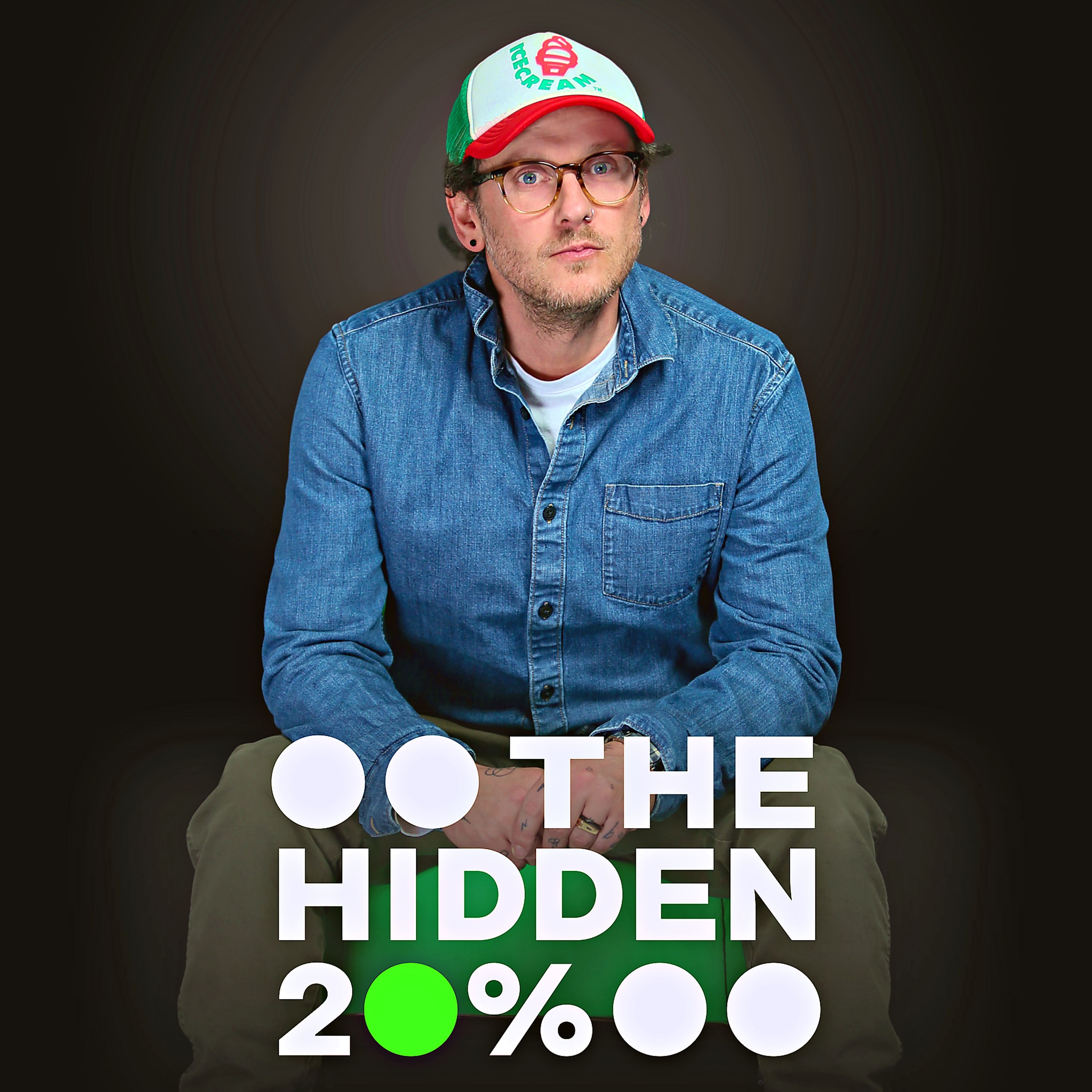
James Hunt, founder of Stories About Autism, discusses raising two non-speaking autistic sons with high support needs, emphasizing that communication is broader than spoken words. He covers routines, emotional regulation during meltdowns, using AAC, managing public outings, separating the boys to reduce triggers, and long-term planning for lifelong care. He also critiques limited support access (e.g., EHCP delays) and inadequate UK carer financial support.
James Hunt is a former marketing professional who left his career to raise his sons full-time. His sons are Jude (16, non-speaking autistic; recent ADHD diagnosis; limited reading/writing; communicates via leading/hand guidance, facial cues, grunts; loves music, Mickey Mouse, Special Agent Oso) and Tommy (13, non-speaking autistic; uses AAC after starting with PECS; logical, puzzle- and schoolwork-focused; communicates via an AAC device; loves supermarkets and structured choices).
“Be the expert in your child”; meltdowns aren’t bad behavior; give simpler language and reduce demands; more control can increase progress; social media can normalize autism.
Jude’s meltdowns included self-injury (slapping radiators, punching himself). Tommy’s AAC improved understanding of spoken language. A Lion King trip succeeded using a visual schedule/social story.
Written by AI. May contain mistakes.
Explore James's morning routine with his non-speaking son, Jude, and his unique ways of communication.
“Let's see how great minds think differently.”
Discover Tommy's communication methods and how they differ from Jude's experiences.
“So Tommy, very different, very different.”
James shares insights about shopping with Tommy and managing expectations in public.
“And again, even that, like before it would be trying to open everything before we've got to that point.”
Delve into the importance of non-verbal communication and the learning process for both sons.
“And I can tell he knows exactly what it is I'm saying.”
James reflects on the small joys his sons find in everyday activities and how it shapes his perspective as a parent.
“As much as I've learned so much from other families, autistic adults, podcasts, books, movies, you know, there's so many things I've drawn information from.”
Learn how to balance routine with the need for new experiences for autistic children.
“So I guess there's a balance between us of she'll encourage us to do more and I'll probably double check everything a hundred times.”
Discover a successful approach to introducing new experiences to autistic children, like a trip to the theater.
“Like I said earlier, Jude is very anxious.”
Understand the nuances of managing meltdowns in autistic children and effective coping strategies.
“Sometimes it is just having to let it happen in the safest possible way and just trying to reassure them that you're there and you will be there when it ends.”
Explore the effects of family separation on autistic children and the importance of tailored support.
“And Tommy's meltdowns, how did they show up?”
Learn how parenting non-speaking autistic children requires adjustment in expectations and dreams.
“Even though I didn't really know what that meant, and I guess, yeah, you started to see how different Jude was to the other kids around us.”
Explore the varying perceptions of autism and its impact on public understanding.
Discover how sharing experiences can foster empathy and understanding in conversations about autism.
Learn about educational and social care systems available for families with autistic children.
“Often people are just scared of saying the wrong thing and they don't want to upset you or they don't want to put their foot in it.”
Understand the benefits of online communities for parents of autistic children.
Examine the importance of sharing experiences on social media for awareness and connection.
“So Goldenhares is like a facial disfigurement disability and he's autistic as well.”
Address the common fears parents have about the future care of their autistic children.
Exploring the lifelong support needs of non-speaking autistic children.
Strategies for parents to prioritize their well-being while caring for their children.
“And Jude and Tommy are not going to make those decisions.”
Discussing the challenges and financial burdens faced by carers in the UK.
“And I sometimes, I find myself staying up for half an hour after they have gone to sleep just to have that time of, there's no work demands, there's no kid demands, there's no demands from my dad.”
Insights on how understanding autism improves parenting and emotional outcomes.
“It's going to shed some really important information on what it's actually like.”
Encouragement for parents feeling overwhelmed by their child's needs.
“A lot of our week is the same, but it also means that they have big smiles on their faces.”

Get the gist, explore an idea or ask about something said.
 Claude
On The Hidden 20%, what are the key points of this episode?
Searching your listeningAutomatic transcript. May contain errors.
0:00Autism is such a wide spectrum. We have people who are autistic and married and working and have kids. And we have people who are autistic like Jude and Tommy who are unable to communicate verbally. I'll be honest, we've had some of the lowest lows that I just never would have imagined. How can I possibly explain what life is like for them when in reality there's been meltdowns, sleepless nights, they're still not speaking, there's so many things going on. You have to figure out what it is that works for them. Communication is so much more than spoken words. Tommy and Jude are able to express themselves in many different ways.
0:35It's just you have to be open to listening.
0:40James Hunt left a thriving career in marketing to dedicate his life to raising his two non-speaking autistic sons. Through his platform Stories About Autism, he offers a real and honest look into life as a parent to autistic children with high support needs. sharing practical insights on everything from creating consistent routines to supporting emotional regulation during meltdowns. His work has become a vital source of support and understanding for families around the world. James is exactly what The Hidden 20 % is all about. A brilliant role model sharing the truth and using media as an amazing way to scale education.
1:20Let's get into it. Let's see how great minds think differently.
1:32I thought I'd just start with how your morning's been, James. My morning's been relatively straightforward for one of my mornings. I start with getting my son Jude up and onto the school bus. So when he wakes up, I have to shower him, help him get dressed and out in time to then jump on a train and come here and meet you. Tell me about Jude. Jude is 16. He's autistic. He's non-speaking. He has a very recent ADHD diagnosis and I'd say for want of a better word, what that means is for him he can't write, he's shown no signs that he's capable of really reading. We have to keep language quite simple with him.
2:12His sort of fine motor skills aren't great so he needs a lot of support with showering, dressing, undressing, those kinds of things. He loves music. His music is I I think probably the biggest passion in his life, along with Mickey Mouse and Special Agent Oso. They are the two mainstay cartoons of 16 years, which are driving me a little insane, but he seems to still love it every day. And yeah, for him, he communicates a lot through leading you, through taking you hand by hand to what it is that he might be after. And if you get to know Jude, it's almost like a telepathic sense. And I don't want to say that as in, you know, we have a telepathic connection, but you just seem to get to know what it is that he wants, whether that's through the way he moves his eyes, his sort of facial expressions, the sort of little grunts and sounds that he makes.
3:02And, you know, he can clearly, you can tell by looking at his face, you know, whether you've made the right decision of what it is that he wants to do. So you feel like you know him really well. Yeah. He has this sort of soft, gentle soul that even the teachers who get to work with him for a couple of years they're captivated by him even though he finds socializing and being around people quite difficult um even myself and his mum sometimes he just has that sort of soft nature that seems to really you know draw people to him in the way his face lights up when he's listening to a favorite song or just you know smile he really struggled at school around his peers around his other kids for a long time but now he he loves it and he you know he's sort of matured into he's a watcher.
3:46He likes watching what the other kids are doing and he's sort of on the edges. Do you notice him adopting any behaviours or learning by observing? Yeah, to an extent. And I think, again, that was probably one of the early signs that led to an autism diagnosis. He seemed to struggle to copy. That's obviously one of the ways of teaching a baby and a toddler. He didn't really show signs of that, of wanting to copy certain things he did. And tell me about Tommy. So Tommy, very different, very different. Again, autistic, non-speaking. Tommy uses an AAC device to communicate for a lot of his wants and needs.
4:23But Tommy loves taking part. He's very logical, even now, but especially as a kid, he loved puzzles. He loved like building blocks and those kinds of things. He loves school and his schoolwork. He wants to complete the tasks. He then moves on to the next one and work through the day. and it's meant that he can access the world a lot more he can go and do a lot more things and he really gets involved he doesn't seem to worry too much about other kids being there and loves the supermarket loves he definitely loves the supermarket to get to that stage of him loving the supermarket we've kind of adopted a you can choose what you want so we wander around the supermarket and it used to be 30 seconds and grab something and come out and i couldn't get anything that I needed to be what he needed.
5:07But now, you know, we've progressed past that and where people might say that, you know, oh, you're spoiling him or you're, you know, you're setting him up to fail. Do people say that? Occasionally, yeah. Most people who see my content are other parents or people who are within the community, should we say. But occasionally you get even other parents sometimes of, you know, oh, I had firm boundaries with my kid and they've completed school and done this and gone and got a job. And I'm like, okay, but they're very, you know, as we said before shows you how different autism is for different people and even sometimes parents don't understand that they see their child's experience yes well i did this that works for them so you're just not strict enough right okay we're not going to change your mind i found with tommy a lot of the time if i give him more control he progresses and he learns to almost adapt the social norms of so when we go shopping now he still chooses he's more limited in what he chooses and I can get shopping for us as well for the family I can you know oh actually we do need some washing powder and I can grab that rather than it being thrown out of the basket again yeah so yeah and how's the checkout yeah so he's again progressing to that he quite likes to check out now and we're we've been working recently on the sort of self-scan and he'll scan it and I've got to teach him how to pay soon at some point but yeah he's happy to pass me the items out of the basket, scan it, put it in the bag.
6:32Yeah. He seems to really understand. And again, even that, like before it would be trying to open everything before we've got to that point. Okay. And I've been there. I've been that parent thinking we're never going to get past this. This is how, you know, we're going to have to stop going to the supermarket because it's one thing a five-year-old doing that. It's another thing a 15-year-old doing that and what people think and look and say. But yeah, it's as time's gone on and as we've done these things more often, or even sometimes we've given it a break and gone back to it in a year's time when there's been more progress and more understanding.
7:04He's very comfortable in there now. Let's talk about devices. Tommy uses an AAC. Yeah. And Jude doesn't. Yeah, he's not. I still have hopes that it will work for him because he can navigate an iPad quite well considering his fine motor skills and, you know, aren't great. He can scroll and, you know, get in and out of apps. Tommy, he can ask for most things. We're not very, he's not very conversational with it, which I hope will improve. And a lot of our communication is about the here and now, not about what's happened or what will happen in the future. It's more, you know, I would like a red cake or I would like to go to the park and he can make choices.
7:50If I ask him about what was his day like, doesn't really want to, you know, communicate about it or talk about what we're going to do tomorrow or does he ask questions he sometimes asks about what's happening tomorrow so he wants to know in advance so he'll be like breakfast bus school bus daddy's house how did you find the device what did you yeah what so he started with pecs which is a picture exchange communication system that's not a prerequisite at all but that was what school were using at the time and he seemed to get on quite well with that so you have a folder with velcro strips and little cut out symbols with the words on and you will create you'll take the symbols off the velcro strip create a sentence and hand it to the person so that's where a lot of that has been learned but obviously pecs is quite cumbersome it's if your vocabulary is going to expand you end up with a huge folder and you're trying to find these words and technology has come in to replace that so we started six seven years ago and at school school were great they you know i sort of pushed for it the speech therapist worked with class to introduce it to tommy and he really took to it and what it has done it's really improved his understanding of language i've watched him go through the folders of words and listen to them and sort of get to understand where they are and what they are.
9:24And over a space of about a year of him doing that, his understanding of spoken language just soared. So he understands pretty much every single thing I say to him. He doesn't always respond to it how I want him to. But he's going in. Yeah, he definitely is going in. And I can tell he knows exactly what it is I'm saying. Communication is so much more than spoken words. There's so many elements to it. and Tommy and Jude are able to express themselves in many different ways. It's just you have to be open to listening. You have to figure out what it is that works for them. What do you love about your boys?
9:59I love how much they enjoy the small things and that's been a big sort of teaching point to me as a parent. I think we, as a parent, or when you're becoming a parent, you imagine all these big moments, right? You imagine the holidays, the... Christmases. Christmases, the goals they score at football, the team. all of that kind of thing and you think that's what it's about but i see how much joy they're getting the tiniest of things whether that's flicking water or like every night now tommy he gets a thousand piece puzzle and he doesn't make it he just plays with it and he flicks the pieces and he stands up and he lets them drop through his hands and he is captivated by it and he does it for about half an hour 45 minutes he does it every night now i can really understand the sort of pleasure he gets from it and i can see how much important it is to him whereas when he was three or four i might have naturally gone oh no that's not what you do with a puzzle you have to play with toys and yeah i love how much music sort of goes through jude's soul you can see that you can see when we're in the car he's rocking back and forth like with a huge smile on his face and that's probably the happiest i get to see him is in those moments and he's almost safe from the rest of the world you know we're in a car no one's gonna come and bother him and that's what what you want as a parent you want to see your kid enjoy those things and when for so long we didn't see that we saw sort of a lot you know life was a lot harder and you crave those moments and you do anything to have them so yeah i think that's why i love how they enjoy the little things i love how despite how difficult life is for them at times they get up and go to school they they push themselves and sometimes i probably don't appreciate that how some days it must be really hard and yeah they're a lot more resilient I think than I give them credit for.
11:47How normal does your life feel to you James? I think now it's become normal you have a new normal and I was speaking about this yesterday with parents saying about you seem like you're in a very accepting place and I am our routines and the sort of life we've created that that works for Jude and Tommy has become normal because they're 16 and 13. They're not five and three when it still feels so new and so overwhelming and so much to learn. I've known Jude for nearly 17 years now. I know him deeply. I know what works and what doesn't work. And that makes a huge difference. I guess all the first times are done, all those adjustments and a lot of that understanding, you've sort of gone through an eye on a different level, I guess, with my daughter, just thinking about all the sort of mental effort required to have to think about every single little thing before it happens and make all these thousands of adjustments and then doing them without thinking about them.
12:55I talk to a lot of parents who've got neurodivergent kids and I get asked, how do you do it? What do you do? What's the best advice? And I feel like all I'm saying at the moment is just be the expert in your child. Yeah, 100 % agree. I always say that is that, you know, your child will be the best teacher. As much as I've learned so much from other families, autistic adults, podcasts, books, movies, you know, there's so many things I've drawn information from. But at the end of the day, what has taught me the most is watching and being with Jude and Tommy and seeing what works and what doesn't work and realizing that okay today there's a huge meltdown because I figured out what it was that happened let's see what happens when we don't do that let's try for the next few weeks not doing that and see if that makes a difference and some of those things you can't control you know as much as we want to like you said there you spend a lot of time trying to predict what's going to happen trying to sort of micromanage the day and I think yeah over time whether that's a combination of certain things we've stepped back from and just we don't do and there's still certain things we try and push and and you know because we want them to continue growing and progressing and experiencing as much of the world as they can.
14:16How do you balance that routine and structure and repetition is really important so how do you balance that kind of let's try this oh god but it might be an absolute disaster versus oh my god it might be a new thing that they absolutely love or is really helpful naturally i'm not very good at that i'm the sort of step back and let's play safe let's stick to the routines and and we'll just keep going like if this is all we ever get to do this is all we ever get to do i'd rather that than a meltdown whereas their mum is much more she pushes so charlotte will believe that they can do this and push them outside their comfort zone more.
14:55So I guess there's a balance between us of she'll encourage us to do more and I'll probably double check everything a hundred times. But there's been plenty of mistakes. Don't get me wrong. Not mistakes. You don't know until it happens. And yeah, sometimes you forget things. Sometimes you don't plan everything perfectly. Sometimes a dog comes up to you in the park and there's nothing you can do. And that's ruined the perfect day that was going so well. How do you deal with that? In the moment, you feel incredibly guilty. You feel like your child's upset. And if we hadn't tried to do this, we'd have just had a happy day.
15:33And I think the difficult thing is, is sometimes it has a real knock-on effect of, it's not just the upset of the dog there in that moment. It could still be two days later having this repercussion. And yeah, in the moment, you feel awful. You feel like the worst parent in the world. I just think over time you realize that you're doing the best you can. You see other families going through similar things and realizing you're not the only family that's having this challenge. And you sort of take solace in the happy days. And that's because I have prepped and done things and pushed them just outside their comfort zone enough to enjoy these activities or whatever it is that you've done.
16:16Can you give me an example of that with one of the boys? Where we've pushed outside? Yeah, where you've pushed. A couple of years ago, I took Tommy to see the Lion King. We had tickets and thought, you know, is he ready for this? You know, it's a big thing. It's getting a train to London, getting a taxi across London, you know, busy. You're in Covent Garden. It's hectic. It's manic. And in my mind, I was like, we're ready to go. As soon as there's too much stress, we're out there. We're back in the cab. we're going to the station and he loved it again we had the visual sort of schedule of what's going to happen a social story we had you know reminding him on the train we sort of went through it again and again the lion king is quite a special one where they come down through the audience with the animals and so you know he's watching and sort of really fascinated by it and it worked and that you know there was a few moments he was nearly on stage at one point okay but in the relaxed performance that's okay you're allowed to stand up you're allowed to move around there and the performers are used to that they know that's going to happen so it's not off-putting everyone who was there had some kind of connection to you know a learning disability families adults so the expectations are already exactly there's noises there's you know people moving around and he coped really well so that was a massive step outside his comfort zone and one that probably a few months before that, I'd have automatically said no and just wouldn't have been ready to push and go through that.
17:49And Jude and Tommy, tell me about their living situation. How does that work? So they have always struggled to be around each other, going back to when they're very little. Like I said earlier, Jude is very anxious. Other kids are his idea of hell because they're loud, unpredictable. They're everything he hates in the world. and unfortunately Tommy was very loud and unpredictable he was just he never purposely upset him he was just being Tommy Tommy liked to scream he liked to jump he liked to you know stamp his feet and Jude really struggled with that so Tommy became this huge trigger for Jude in what would prompt a meltdown and unfortunately for Jude his meltdowns would be self-injurious so he would jump from the sofa onto his knees and like bounce up and down over and over he would slap radiators with his hands he would punch himself in the face and when you see that when your five-year-old is doing that it's heartbreaking it's the hardest thing i've ever had to had to go through and watching your child do that again and again and again and not being able to prevent it and not being able to help him you just feel like completely lost and this was happening time and time again it's how long would these meltdowns last they could last anything up to like an hour and it would happen multiple times a day and it would happen at school again just from kids being loud kids being you know the world is very overwhelming for Jude and we really struggled with that and one of the solutions were when we were together we often were apart we'd have Jude upstairs Tommy downstairs we'd have Tommy at the park Jude at home and you know constantly splitting them up and just having small amounts of time together to try and try and manage that so we separated when about eight nine years ago and when we were going through that we realized that okay both boys need one-to-one support and how could we possibly cope with dude having these huge meltdowns every day and just one of us being there yeah it was hard enough when you know either I'd be at work or and then you're completely stuck because you've got both boys opposite ends of the house what are your top tips James for helping deal with a meltdown definitely slow things down keep language very simple lessen demands so when Jude or Tommy are in that state I've come to learn it's very overwhelming so me trying to you know give them loads of information and tell them to stop doing that or it's either not going in or they're not able to process it so keeping everything very simple looking for a safe space so whether that's at home trying to help them transition to a bedroom maybe where it's softer looking to some of their comforts for instance an ipad which is a distraction for them giving them something that will help reduce that overwhelm and give them something to concentrate on and then just letting them know that you're there for them sometimes they've not wanted me anywhere near them when all you've wanted to do is give them a cuddle and learning that and sort of fighting that temptation as a parent to naturally try and make things better that's made a difference stepping back and even just sitting outside the room and waiting rather than trying to fix it and sometimes just letting it happen and letting them go through the emotions and letting it all out because sometimes that's what it is they need to let it all out and if you can find a way of doing it in a more safe private environment you know where they're not going to get hurt nothing's gonna get broken and that you can just patiently then get get on with the rest of the day that that's really helped for us i went through a phase with river of trying to i'm quite good in a crisis but i wasn't very good when she had meltdowns because i try and explain to her what was going on yeah i've done it and they don't understand lots of language i'm like they can't hear you in that moment and yeah i still wanted to try and yeah like sort of analyze the situation and explain the situation and yeah that's not where she was and i think a lot of it is also understanding understanding what a meltdown is and that it's not bad behavior so that is a light bulb moment and that it's not a tantrum or being spoiled or it is something that has become out of their control they are really like like in it yeah yeah because when in those moments i can see it is like a a red mist has descended and there is nothing I can say that will snap them out of it or break through that.
22:44Sometimes it is just having to let it happen in the safest possible way and just trying to reassure them that you're there and you will be there when it ends. I've been there, especially when the boys were much smaller, of trying to comfort, console, you know, all you want to do is pick them up and hold them and rock them and they'd be fighting to get out of my arms like I'm trying to kidnap them. that's one of the harder ones in public is when it appears like you're trying to abduct your child when you're actually trying to stop them running in the road and they don't have the words to explain they're lashing out they're screaming hysterically and you're just trying to keep them safe so the public meltdowns are very difficult, I always just try and get us out of there as quickly as possible as safely as possible at home obviously you can be a lot a lot more patient a lot more controlled really give them what they need whereas sometimes in public it is about being safe and just trying to get back to the car as quickly as possible that's the sort of general general rule for us yeah and ignoring to the car everybody else yeah yeah basically nothing like which again is difficult that feeling of judgment that feeling of people staring at you and you know and sometimes times getting choice comments again it hasn't happened too often to us we haven't had many bad ones but again people i've spoken to and have been devastated by some of the things have been told in supermarkets or restaurants but for us yeah in public it's how do we get out of there as quickly as possible and i know that when we get back to a car we're taking away the outside world yeah and if they're upset in the car it's contained and we just start moving and you know trying to get home as quick as we can.
24:36And Tommy's meltdowns, how did they show up? Back then it used to be a lot of tears and a lot of just like screaming and uncontrollable. There was a time where he would really lash out and be destructive. So for Jude, it was much more towards himself. And then he would lash out at you if, almost if he was trying to stop him hitting himself, he would turn on you. So again, very contrasting behaviours. and then being together both doing it at the same time is is an impossible situation situation so it's almost like a 50 50 arrangement but full-time where you've always got got one of them how did you find that i had to do a lot of sort of come into terms with that because again it's a it was like another reminder of life not quite being how you think it's going to go firstly separation and divorce which is a huge thing but also your family not being together we couldn't even you know go in the car and go to mcdonald's together we'd have to take it in turns and and do these things and stop worrying about what other people think stop you know because it is when you explain it to people who don't know you very well it's quite shocking that you're separating your boys and you know you're separating your kids i guess i worried about the judgment of that for a while and i guess it kind of makes you feel like you're failing as well that if we'd have done something better when they were younger if we'd have done a different therapy if we'd have done you know if we'd have been better somehow this wouldn't be happening how did you move through that i think because it proved very quickly that it was the right decision so when i got my first place when jude first came there he went and wandered around and searched and you know as you expect to get used to the environment and he you know spent about five minutes wandering around realizing that all his things were there and sort of processing that and then seeing him relax and this happened for like a week or two he was you know same thing same routine go in explore go in every room and i think i really believed that he was checking it was just me and him okay and i'd noticed like a almost like a relief come over him within a few weeks there's a huge reduction in the meltdowns so that was just like the sign for both of us for me and for charlotte that you know this this is working this is making a huge difference and he was happier at school he was happier he was you know started to cope with things a lot better was there a moment where because you've mentioned a couple of times about the kind of expectations you have or the hopes that you have of how life's going to be when you bring a child into the world.
27:22Was there a moment when you realized life was going to be different? I think very early on. So Jude was diagnosed before he was two. And back then, I knew nothing about autism. And, you know, the world was a very different place in terms of information, in terms of social media, what information we had at our fingertips. For me, I didn't even connect, but the only reference I had was Rain Man. So when we were going for that diagnosis, and again, back then the language used was severe, and we were sort of given quite a doom and gloom scenarios of what life would look like. Even though I didn't really know what that meant, and I guess, yeah, you started to see how different Jude was to the other kids around us.
28:10Went to a little farm near us. I think it was for like a second or third birthday and the kids were fascinated by the animals and, you know, naming them and having conversations with their parents and Jude just wanted to play in the water trays. Didn't roll his sleeves up straight in, flicking water over it. Had the time of his life, loved it. Had zero interest in the farm and the animals. so I think even back then you start to appreciate quite quickly that life is is going to be different doesn't mean you process it as well back then it takes a long time to get used to that because you do have hopes and dreams and you have I think we're almost conditioned into what we expect parenthood to be like yeah whether that's watching them play football on a Sunday we'd be playing tennis we'd be going to museums and films and some of them we've managed in our own way like we've been to the cinema we don't go very regularly but we go now and again we've had we haven't had many holidays but we've had holidays again slightly different than than what we imagined but our own version and i just think over time you start to you start to adjust as much as you're learning about your kids and and what they need you really adjust your expectations and and your hopes and dreams i guess you talked a bit about how autism was portrayed how do you think autism is portrayed now there seems to be quite a i don't think it's a divide but whether autism is this superpower or disability autism is such a wide spectrum we have people who are autistic and married and working and have kids and we have people who are autistic like Jude and Tommy who are unable to communicate verbally and I think for the general public that's very hard to understand you've met one autistic person you've met one autistic person right I've clearly met autistic people before Jude and Tommy came along I had no idea yes so I didn't appreciate and maybe even those people didn't know they were autistic and then I hadn't had any experience of knowing people who had a learning disability as well as being autistic or you know were like my boys it's very difficult for someone with little experience to know to understand that and get their head around that it can sometimes depend on what tv programs you've watched whether you've watched something like is it the good doctor or whether you've watched something like the david tenan program there she goes you know again very contrast in terms of autism and neurodivergence so i think it's a difficult you know that's why people don't fully understand autism it's a difficult thing to to portray and to to get right i think we're a lot better at it than we were i think there is a more varied conversation and whether that's through social media podcasts sometimes i feel like i'm in a bit of a bubble because of that because most people i hear from are already within the autism community most people i interact with now are people who are autistic or have autistic kids or work with autistic kids yes so there is an understanding i realize that i'm in a bit of a bubble when i step out into the real world the whole world you know maybe understanding isn't as good as i i thought it was as far as sharing my story guys i mean for me it's been amazing it's been the best decision i ever made was hitting published on that first post it was i've been sharing stories for 10 years now and it was because I couldn't talk about autism I couldn't find the words to say when people asked me about it when people asked about Tommy and Jude I was either too emotional or I couldn't I didn't feel like I was doing them justice in the the two minute snatched conversations of how can I possibly explain what life is like for them in when you're in a busy pub and someone asks oh how are the boys yes i'd say oh yeah they're fine thanks when in reality there's been meltdowns sleepless nights they're still not speaking there's you know there's so many things going on and i found that we were having to be quite isolated we weren't going to family occasions my friends and family weren't getting to know them as well as i expected and wanted them to know them so yeah i thought i'd write it down i thought i'd write a few posts explaining about a little bit about what autism and means for them and hoped that they'd go away and read them and then maybe we'd have better conversations because of it and we did and it worked and you know i wrote a few posts and i think a month or two later there was a wedding and i felt like it's all we spoke about was people you know coming up at different points and feeding i guess wanting to show that they'd read it wanting to show that they you know were being empathetic or they had questions or and we had funny isn't it when I find people are obviously a bit nervous to talk about it.
33:12And I didn't appreciate that. Yeah. Yeah. And yet giving them a little something. Yeah. Often people are just scared of saying the wrong thing and they don't want to upset you or they don't want to put their foot in it. So yeah, that's where it started. That was the idea. I didn't realize that 10 years later I'd still be sharing stories or that I'd be going to Australia or doing things like this. And, you know, the thought me 10 years ago who couldn't say the word autism without tears in my eyes and, you know, bumbling over my words to be sitting here or to be doing speeches just is surreal. What do you say to the parents who are in touch with you who are struggling?
33:56I usually start with I get it that and I think people need to hear that they just need to be heard and not sort of given false hope or promises and I think people need to realize they're not alone and I think that in itself makes a huge difference that's what I got from social media before I started sharing and I still get from from other people and that's what parents tell me that they get from from our stories just know that there's other people out there doing the same and then I guess if they're really struggling it's going into okay have you looked into and I know it's not as simple as that I know it takes time but often parents haven't especially when it comes to social care within autism what support is there there's different areas so there's school for a start I don't know if we've spoken about in the podcast before but about EHCPs whether that's mainstream or in a specialist education setting.
34:56So that is one. Which is an education healthcare plan. Yes. Yeah. So an educational healthcare plan, which you need for extra support within school, whether that's extra support within the mainstream or to get into a specialist education setting. And who gives those? So that would be the local councils. And it's not easy. It's shocking how bad things have got in that sense i hear all the time from parents who are either waiting for an ehcp which is supposed to come within i think it's within 12 weeks across the country but i you know i know parents who are a year later still waiting and so that when i say their support out there i also qualify that with it's not easily accessible all the time so finding the right school finding the right setting is part of them being happy and you as a family being happy then there's social care i know for me when that word first came up 12 13 years ago what do i want a social worker for why do i want someone involved in you know i don't want yeah i can do this and yeah well they're going to be like criticizing us and you know i had this view of social care came into families who you know were failing or weren't working or but in reality having a social worker has been a huge benefit to us they're often involved in a lot of the meetings we have around school around you know what life looks like after school they have helped provide funding for respite for carers which again is an essential part of tommy's weekly routine there are things out there it's it's not easily accessible like i said but i think the probably the biggest support that parents can get is from from other families and whether that's having one friend online who lives hundreds of miles away who you can message who just gets it or whether that's a local coffee morning a charity meetup having a group of parents who are walking in your shoes or have walked in your shoes a few years before you and can give you some advice for us we're still really good friends now sophie and alex when jude was two and their son oliver is two or three years older and it's just like a goldmine of information because they'd been through it they'd applied for a school they'd applied for different things they'd you know known who to speak to and just having that like makes such a difference can you shout out some of the people or profiles that have really helped you if you go on instagram or you know tiktok or facebook there's so many accounts now even in the last you know and i see it my boys are like i said 16 14 there's so many accounts now from kids who are free all the way through to to young adults so there's a wealth of information i think two accounts have really helped me years ago i've Altered Life, Charlie, son, Harry has Goldenhares and is autistic as well.
37:56What's that? So Goldenhares is like a facial disfigurement disability and he's autistic as well. For anyone who has like a PDA profile, Steph's two girls. So her daughter has PDA. And PDA, Pathological Demand Avoidance. Do you think the world of social media for the autism community is a good thing? Yes, massively. because I think that the point of this podcast, the hidden 20 % is we're not hiding. We're normalizing what life is about and can get criticism about your sharing your kids' lives out to the world. Do you get criticism for that? Yeah, which I can understand it. I can understand some people have a view of you.
38:37They're not consenting to being on social media. They don't understand what social media is. And I get that. That's a valid point. But I also think if I don't share their lives, how will anyone know what their lives are like? How will anyone know what this type of autism looks like and what it means? And if I just stayed at home and hid and didn't talk about it, then how would I know that there's other people out there going through the same thing? When Jude first had his meltdowns, it just did not make sense to me how we could be going through something like this. and it was only by realizing that there's so many other people out there who are going through the same thing have experienced it have advice have you know this worked this didn't work for us look you can start to feel okay this is okay we can manage it we can cope with it social media is you know there's some negative sides to it but there's for us it's been hugely positive and only have to look around sort of our local community and see people recognize us and not in a like oh they're famous kind of way but i can tell that they have a little bit of knowledge about jude and tommy i see people move their dogs really i see in the supermarket when tommy's bouncing and flapping i'm not worried but i just have a bit more confidence because people have stopped us and had conversations so tommy loves funfares so we went to adventure island in south end but we were queuing to get on this ride and these teenagers in front of us let let us go in front and they said that's tommy from tiktok and that was a beautiful moment for us but i'm hoping quite emotional yeah but i'm hoping it also means that if they see someone else out there who presents similarly to tommy that they might understand and go oh actually like this would really help you we can wait another three minutes yeah and they were like 13 14 and yeah like that that wouldn't be possible if people didn't share their lives on social media and i i just think yeah there's so much power in it don't get right if judy and tommy were ever able to tell me that they don't want to be in social media i would happily delete it all tomorrow but i just think there's so much positives to it that far outweigh any any negatives i think you're the evidence that that is absolutely the case and that if no one talks about this kind of stuff then everyone suffers in silence yeah right yeah because you want to know you're not alone and you want to better understand yourselves or understand your kids why should we hide it away I've read or seen you say a few times James not in a dramatic way but that you are you're scared about dying you're scared about not being there for your boys can you tell tell me a bit about that I've come to realize it's a fear that a lot of us parents have generally as parents you raise your kids for like 20 odd years and then they go off out into the world and that's when obviously you're still worried about them and care and concern but they're independent and they're they're working and they're forging a life for themselves and then as you grow older then hopefully they help support you in in your older age that's you know what we've done for thousands and thousands of years but when you have kids like like tommy and jude where they need you know they're going to need lifelong support they're never going to live independently i hope they live as independently as possible that's our goal and that's our dream but they will always need support and that's a very different reality of then what does that look like in their 20s in their 30s where are they living who's providing that support is that me is that their mom is that family is that outside support and you start to worry about what will happen as we get older i'm petrified of dying now of of what that would mean for their immediate care and how would they ever process it and understand what that means but just in general the long term of how am i going to provide their care in my 60s in my 70s and what does life look like for them it's a big topic it's one that's very emotional and very i speak to parents and i i think when you know you you might feel this with your daughter being at the age that she is that you have this automatic reaction of well we'll look after them for you know we'll they'll we'll provide everything we'll do everything they'll live with us forever and i know plenty of families have done that and hats off to them and i felt exactly the same i felt like you know they're both non-speaking how can we ever trust anybody to to provide them with the level of care but the reality is how am i going to provide that care when i'm 30 years older than they are yeah at some point i'm gonna struggle to be able to do that and then who takes over and i guess in the last few years i've met lots of parents who have gone through that and whose kids have gotten to their 20s and either they have supported living within their own home or they go to supported living somewhere else i can see it's a huge emotional decision and there's many reasons for and against it and everyone's circumstances are different but another parent explained it to me once what's more fair your child moving out at 22 and you being fully involved in everything that goes on or them having to move out at 50 in an emergency because you're in hospital and there's no one there to look after them and that's stuck with me ever since that that moment and i don't know what the future looks like for jude and tommy and we haven't made any decisions but i'm more open to them now i'm more realistic that would it be better for me to be fully involved in you know their transition and in being able to go visit them constantly and making sure everything's okay to you know how would they react at 55 suddenly being whipped out of home and put somewhere new.
45:04Yes. And like, and not seeing their dad anymore. It feels like a big weight, a big responsibility to, which it has been for years of making those right decisions. There are so many decisions we have to make from, you know, what school they go to, to therapies. And Jude and Tommy are not going to make those decisions. No, exactly. And we have to make the best ones that we can for them. And the first steps are looking at what comes after school. Jude has two years left and what that combination of things looks like he's never going to be independent he's not going to you know have a job he's not going to live by himself he needs some kind of activities during the day so I do want to find the right balance for for Jude and then for Tommy when the time comes and also for me and for their mum Charlotte as well that we can still all live fulfilled lives and that's i think the goal now is is what will give them the most fulfilled life and the happiest and maybe that is the dream of having a bungalow in the garden and carers coming in and you being there all the time or if that's not possible maybe you know maybe it is an assisted living somewhere i don't know but i'm open to finding out and i'm open to to seeing you know in four or five years time what's possible for that how do you look after yourself how do you balance that prioritizing your own well-being so that you can be the best for your boys yeah it's tricky it's very tricky and it's something that lots of parents acknowledge and know that they're failing at that you know we put our kids first and uh our sort of the detriment of our physical health of our mental health a lot of the time especially if our kids are in crisis and struggling there is no respite there is no time there's probably been a handful of times i've slept more than like five six hours in the last 10 years whether it's the airplane analogy of the gas mask dropping down and you have to put your own one on first before your kids in an ideal world yes but actually finding the time to do that or the the space to do that when your kids have very high support needs is is tricky for me i'm fortunate in that i work for myself so i can be a bit more flexible at times i live very close to a river so i will try and get out and walk along the river on nice days i also always try to do something for myself every day and that can be reading a chapter in a book it can be watching a box set and whether that's at eight o 'clock or two o 'clock in the morning when they've finally gone to sleep, I still try and do that.
47:50And I sometimes, I find myself staying up for half an hour after they have gone to sleep just to have that time of, there's no work demands, there's no kid demands, there's no demands from my dad. And I can just decompress a bit. You mentioned your dad, James, and you're a full-time carer of your boys and of your dad and previously also of your mum what about the government budget cuts you know what do we need to do more for for carers in the uk i think it needs to be recognized more i think the sort of stereotypical idea of what a carer is is still in the past is still the oh it's an elderly parent and that's the only form of carer there is which I think it's happening slowly but it's it's really not acknowledged I mean the financial support I give carers who have to give work is ridiculous yeah it's way less than any other form of benefits it's not livable it's I think at the moment it's around 90 pound a week and that is for people who have given up work you're allowed to work I think up to 12 hours a week forgive me the numbers might be slightly wrong yeah but you're allowed to work up to a certain amount a week on top of that but for the majority of carers they can't work they it's impossible so financially caring is a job yeah it is a full-time job and the amount you save the government yeah like if if i wasn't doing what i do for my dad it would cost them a fortune yes i mean there's so many things that need to change in when it comes to budgets and the whole education side and disability and autism and stuff needs there's so much around that but for carers specifically yeah it's it's disgraceful that it's it's not seen as a job largely it's mums who end up having to give up work and lots of them i speak to i don't know how financially i survive yeah thanks for talking about it because definitely more needs to be done there yeah i just want to say thank you for giving us your time and I just know there's going to be loads of people listening where this is going to do one of two things this episode.
50:05It's going to shed some really important information on what it's actually like. Yeah. For people who don't have children that are the same as Tommy and Jude like you, but are going to get to understand and hear what that means. And then for other people who may be in a similar situation to you hopefully get some comfort and some hope and understanding and being very simplistic what i hear from your story is it was really and it was really scary and it was really hard and it was hard to manage accept deal with and it got better yeah exactly that a lot of the reason it's so hard is because of lack of knowledge and a lack of preparation.
50:55It never crossed my mind that that would happen to us. And I say that in a way that it just wasn't expected. And I didn't know other people lived like that, really, because it just wasn't on our radar. And so when Jude and Tommy have had those challenges, I wasn't prepared for it. I'll be honest, we've had some of the lowest lows that I've, I just never would have imagined for kids to experience such difficulty and be so upset regularly and, and watching that as a parent, it breaks your heart. But like you said, things have got so much better. And that's a combination of me understanding them better.
51:37It's me learning more about autism and what works for them. It's about Jude and Tommy growing as well and not being so anxious at school and not being you know experiencing things for the 50th time rather than the first time yes and and learning and developing and finding our kind of happy place yeah i guess finding what works for us it's the rhythm and the groove and the life for you guys that is the right life for you guys regardless of how everyone else's life is yeah exactly that We've found now, especially, I feel like we've found exactly that groove. A lot of our week is the same, but it also means that they have big smiles on their faces.
52:20And my life is a lot less stressful because of it. My life is a lot happier because of it. So that's what works for us. Yeah. Thank you. Who would you like to give your green badge or green badges to? I mean, I'd need about a thousand of them, let alone two. There's so many people. We can arrange that. as a person i met a couple of weeks ago at an event and i think that person is a symbol of a lot of our community and it was a it was a mom at an event in australia and she was really upset because she's struggling she's in the early days everything's overwhelming confusing and feels like she can't you know can't meet her kids needs can't figure out how to help them and I think you know the badge would go to her but her as a symbol of so many parents out there who are especially in the early days of things of just feeling in that position and feeling like they're failing as a parent and I'd hope that the green badge would act as like a symbol of that you can do this and be patient keep going and in time with the right help the right support the right knowledge, things will get a lot better.
53:31Winner. Thanks, James. Thank you. It's been great. You've been listening to The Hidden 20%. If you're still knocking about, then let me introduce you to the band. First up, main man on the mic, host Ben Branson. Our wonderful producer, Bella Neal. And the man who'll probably try and cut this bit, video editor James Scriven. Not forgetting our wondrous theme tune by Jackson Greenberg. Lovers or haters, we want to know. So be sure to leave a review wherever you're listening. For the lovers amongst you, you'll find us on TikTok and Instagram at Hidden20Podcast or over on Hidden20.org where you can join our mailing list.
54:25Thank you.
Life changed for James Hunt when he became a father to two non-verbal autistic sons. Now, through his platform Stories About Autism, James offers a raw and honest look at raising children with high support needs. In this chat with Ben, he shares invaluable insights on creating consistent routines, the importance of self-care as a parent, minimising triggers, and calming strategies during meltdowns. James also reminds us that communication goes beyond words and that our children are our greatest teachers. Plus, he unpacks the real cost of government neglect for neurodivergent family caregivers.
______
00:00 Introduction
1:30 AuDHD and Non Verbal: James’ Son, Jude
4:12 Autistic & Non Verbal: James’ Son, Tommy
7:06 Communication Devices and Autism: “It’s So Much More Than Words”
9:57 What James Love’s Most About His Boys
11:47 James’ New Normal
14:17 Autism: Balancing Routine VS Trying New Things
17:48 Jude & Tommy’s Living Situation
20:08 James’ Top Tips For Autistic Meltdowns
24:36 Navigating Co-Parenting and Living Situations
27:08 The Moment James Knew His Life Had Changed
29:28 How James Feels Autism Is Portrayed
32:18 Autism & Isolation: James’ Writing Journey
33:49 James’ Advice For Struggling Parents
37:21 The Positive Power of Social Media
41:20 James: “I’m Scared of Dying”
46:26 How Do You Look After Yourself First?
48:07 UK Government VS Carers: How Do We Move Forwards?
52:27 James’ Green Light Badge
_______
Follow & subscribe…
Website: www.hidden20.org
Instagram / TikTok / Youtube / X: @Hidden20charity
Ben Branson @seedlip_ben
James Hunt @storiesaboutautism
If you'd like to support The Hidden 20%, you can buy a "green dot" badge at https://www.hidden20.org/thegreendot/p/badge. All proceeds go to the charity.
Hosted on Acast. See acast.com/privacy for more information.