
 Ask ChatGPT


 The Hidden 20%
17 Sep 2025 · 14m · 6 chapters
Late ADHD and autistic burnout diagnosis; “lost generation” of people missed in childhood; medication experience; learning to work with ADHD/autism; finding neurodivergent community.
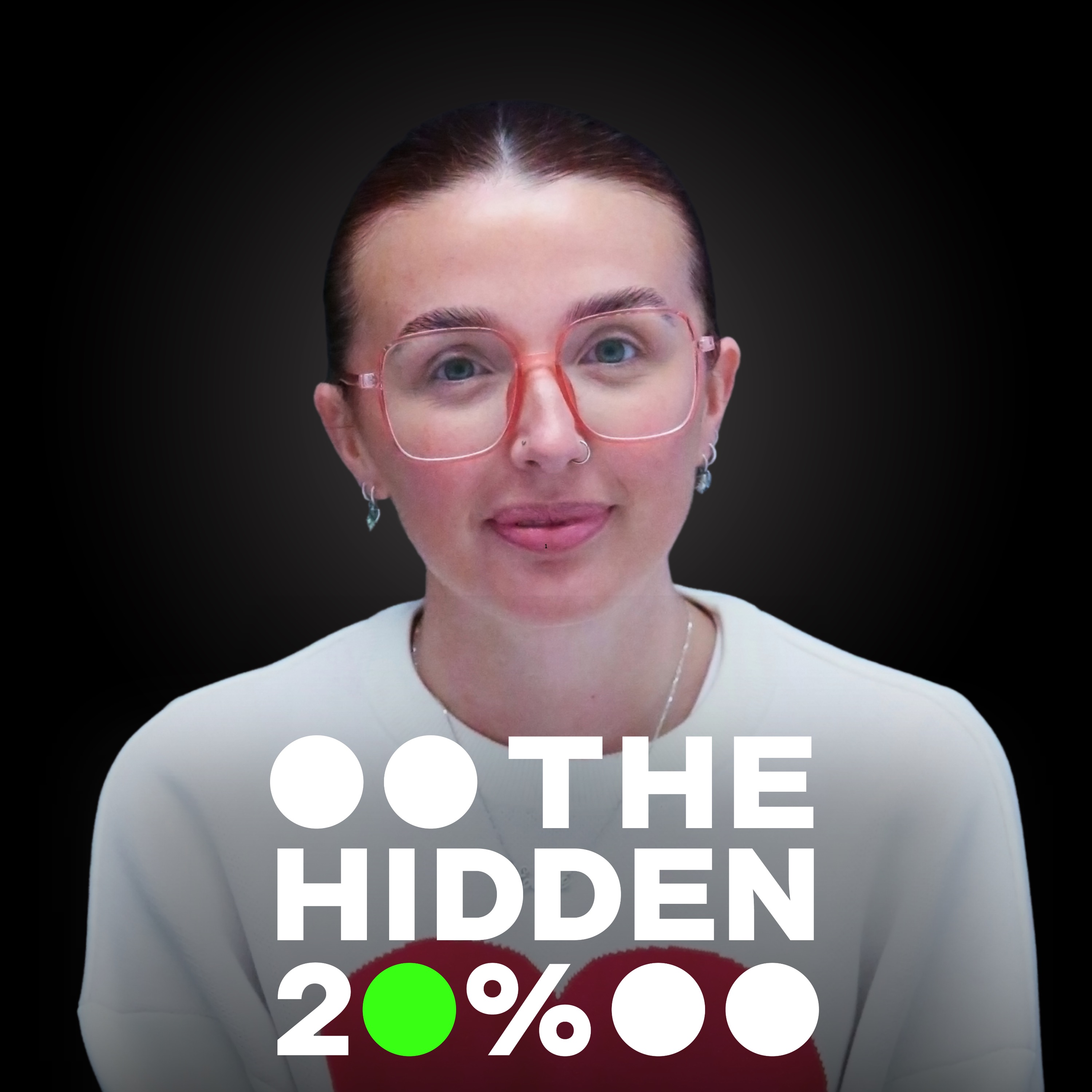
Ellie Middleton, author of a book discussed on Hidden 20%/Refocus; late-diagnosed with ADHD and autistic burnout; self-employed; previously had severe antidepressant experience starting at 15.
Late diagnoses reflect people “slipped through the net,” not new conditions; autism isn’t a linear spectrum; high-masking/low-support-need people can still be autistic/disabled. Ableist, hyper-individualist capitalism makes support needs hard to admit. Medication can quiet the brain and improve task initiation, but may increase stimulation/need for achievement, so she uses it intermittently.
“Brain silence” within 30 minutes of first dose; school-holiday crashes (losing voice, getting physically unwell); accelerator (ADHD) vs brake (autistic needs for routine). Advice: “Find your people” via online/local neurodivergent spaces.
Written by AI. May contain mistakes.
Ellie explains the concept of the 'lost generation' in neurodiversity.
“understand because I think there's some, yeah, some mega important stuff.”
Discussion on societal views of autism and ADHD and personal struggles with acceptance.
“What's the journey you've been on with medication and ADA?”
Ellie shares her experience with ADHD medication and its effects.
“What did you believe the medication was going to do?”
Exploration of Ellie’s cycles of productivity and burnout.
“But I think definitely for like productivity, I can't imagine not having it and having to do anything of any value.”
Ellie discusses how she has learned to work with her neurodivergent brain.
The importance of finding supportive communities for neurodivergent individuals.

Get the gist, explore an idea or ask about something said.
 Claude
On The Hidden 20%, what are the key points of this episode?
Searching your listeningAutomatic transcript. May contain errors.
0:00Welcome to Refocus, where we rewind the moments too good to miss. Short takes, big takeaways, no attention span required. Let's get into it. Let's refocus.
0:18Ellie, thank you so much for coming on Hidden 20%. Thank you for having me. Thanks for coming down south. I know it's not that far. We were in touch before you published your book. and now you've published your book. Congrats. Thank you. I've read it. I think it's brilliant. And I wanted to just pick out, maybe start by just picking out a few things, a few choice sort of phrases and maybe if you can help listeners, watchers, et cetera, understand because I think there's some, yeah, some mega important stuff. First one was the lost generation. I just love the phrasing and wondered if you could, But yeah, given that we're both part of that lost generation, and I'm sure many people listening and watching are also part of that lost generation, maybe you could just outline what that is.
1:07Yeah, so kind of the idea that like there's all of these conversations happening at the moment, especially in the media of like everyone's getting diagnosed with ADHD nowadays and everyone thinks they're autistic and all this stuff. And it's like trying to explain the fact that actually, no, these people that are getting diagnosed later in life have always been autistic, have always had ADHD. they just slipped through the net weren't diagnosed when they should have been um as children so now it's kind of like yeah that lost generation of people who are now hopefully starting to find answers and get those diagnosis and it's like so yeah there's no wonder that we've got all of these people to catch up on because we were missed initially rather than it just like magically appearing out of nowhere people think of the autistic spectrum especially as like a line from a little bit autistic to incredibly autistic and it's like that's just not the case it's a circle and it's like different experiences and those things like change over time and I think in a way it's used in people who are lower support needs and higher masking I think sometimes they can be kind of like oh yeah I'm I'm autistic but I'm not like those autistic people and it's like no you are we're all we're all this we're all the same like yes those people have higher support needs they might need they might have more difficulties they might be disabled in more ways but that doesn't they're not lesser than you I think a lot of people who are very high masking and very low support needs are getting diagnosed later in life because they've been able to kind of have the like mask and have these coping strategies to be able to go under the radar for such a long time but that means that they've kind of grown up in this ableist society that we all live in where it is kind of like oh no you don't want to be like those people who can't work and they can't do things for themselves um so that's ingrained in you like I find it really hard still to admit and to accept what I can and can't do like even then me saying like oh yeah I just find it hard to shower like that's a really hard thing to accept as a human like I actually can't wash myself properly sometimes like to admit that is really icky it feels of like oh no I'm fine I'm a fully functioning human and I'm great and I can do everything.
3:18And it's like, actually, I can't. And that's okay that I can't do that. And I think when you've grown up in a world where it is so hyper-individualistic and capitalism is just everything, basically, it's hard to accept that you can have support needs and rely on other people and find things difficult and also be an equally valid human. What's the journey you've been on with medication and ADA? yeah so when I first got diagnosed I was kind of like I didn't go into the diagnostic process thinking that I would go on medication it was very much more for like understanding validation whatever and I was kind of like I'm not really interested in I think I had really um I was very reluctant to go on medication because of the experience that I'd had with antidepressants I was put on antidepressants at 15 by 17 I was on like the maximum dosage that a fully grown adult man can be on which is you know clearly not great to happen and I couldn't get out of bed and all of this stuff so for me I was very much like I'm not I don't want to be back on medication and then I had a friend that was going through the ADHD diagnosis process at the same time and she was kind of in the same place and she was like I've been looking on Reddit and everyone kind of says that it is really helpful and she's like I just feel like it would be silly for me to have gone to all of this effort to get the diagnosis to not even give it a go and I was like actually you kind of like that makes sense what you're saying that I was like I think I might give it a go like if I don't like it I can not take it but at least I know this way.
4:52What did you believe the medication was going to do? I think I wasn't really sure I think I'd when I'd looked online it was people sort of saying that they could just think about one thing at a time which yeah I was like that doesn't sound that's fake news I think as well because like the only other sort of similar experience I'd had was antidepressants and that's not almost like a tangible difference it's just like kind of gradually over time things feel less intense I guess um so yeah I think I didn't really know what to expect but I took it at like I don't yeah 8 a.m and then within half an hour I was on the phone to my mom crying I was like I can just like my brain is quiet I can like think wow this is just amazing I don't know like I was like my brain is just quiet I it was I can just remember this I think I probably don't, like I'm used to it now, but I can remember the first thing of being like, almost like feeling like I was in like an echoey room of like, oh, this is, is this what people have?
5:53Yeah. I'm like, is this what people have been having their whole lives of like, it was like the first silence, almost like, you know, when you like turn the extractor fan off after you've been cooking and you're like, oh, it was like that inside my brain. No background noise. Yeah. But then very strangely, that was also the day that I posted my LinkedIn post, which was like the first post that went viral, which is like kind of what kickstarted all this. So it's like I had 30 minutes of silence and then it was like, I've not had a quiet moment since. But yeah, so I've kind of been on the same medication since then.
6:27I went up a bit in dosage and then I've come back down a bit in dosage since I've been self-employed because I kind of found, I think it's really tricky as a an autistic ADHD as well because when I'm on medication it is amazing in terms of I can do things basically like I can get started I can sit and work rather than I feel like when I'm not on medication I'm it's like dragging huge weights on my feet to do anything everything's just hard whereas the medication makes it just easier to do things um but I also can't rest if I've taken my medication because it is this like I'm almost like insatiable for like stimulation and work and like I need to be doing something I need to be I'm like a capitalism machine when I'm on medication like I need to be achieving something I need to be working I need to be doing something so as an autistic person that's not ideal because I need to rest um so I've kind of got to a place now where I'll take it like three or four days a week and then over the weekend I won't take it so I can actually like switch off um I think it's a very personal choice I think a lot of people choose to go without medication I think maybe if I was like in like different places in life as well like I think when I go on holiday for example I probably will only take it like every few days just to make sure that I'm not then just like I don't know go and call turkey but I it's not if I was traveling for example I think at that point I probably wouldn't be on medication at that time because I don't need to be able to like work in the same way.
7:57But I think definitely for like productivity, I can't imagine not having it and having to do anything of any value. My life was basically a cycle of run myself into the absolute ground, be unwell, recover, go again. And I think I'm still in that cycle, but at least I'm sort of conscious of it now and I know that it's happening and it's I think hopefully getting less like severe like less low lows and less frequent as well I guess the most kind of obvious now looking back example was like every school holidays I can feel it now my throat's going because my body knows that it's like almost Christmas for every single school holidays I would be unwell like physically I'd like lose my voice I'd be like ill I'd be run down because it was like the whole school term I'd be like going going going like obviously school is not great for undiagnosed any neurodivergent person and I'd be doing all these extra things I'd be going to my dance classes and I'd be doing seeing my friends and doing all this stuff and I'd be going going going and then it's like I would finally stop and my body would just be like what the heck has just happened the last six weeks crumbled yeah yeah um and i think yeah i definitely was like unaware of that cycle that i was in and i think yeah i think the the obviously understanding is a massive part and not like and knowing why the crash comes because before i think it was just like oh no i'm like my depression's back my anxiety's back i'm in a really bad place like the world's gonna end not knowing like why do i feel so horrendous and almost feeling guilt for feeling that bad as well because i think that was a lot of it um like when my mental health was at its worst it was like sort of feeling a bit like ungrateful like I know that that's that's not how mental health works that you have to have like air quotes a reason to be unhappy but for me it was like I'm doing well at school I've never wanted for anything I've got a family that love and support me like why do I feel so awful all the time um whereas now I'm like oh I'm just really tired like I've just done too much I've just like wore myself out thankfully in the simplest way I view my own brain is I've got an accelerator and a brake and my ADHD is a foot on the floor accelerator and being autistic is is an absolute brake because I want process and system and analysis and routine and structure and no risk and order you know and then my ADHD is like no I want risk chaos pace impatience danger you know give it to me all fast now now yesterday and again yeah and I want it again and again and again um you said which i loved um that you've learned to work with your brain not against it yeah i thought that was a really kind thing to say to yourself yeah i think it's like i think that's like the biggest thing that i've especially with adhd i think it's just like if you try and like fight you're never gonna win so like it's just not gonna happen so if you sort of like go with the like path of least resistance like even things like I don't know one example I saw was like if you always leave your clothes like on the chair in your bedroom or whatever just put a basket on the chair so it's like at least they're not as messy on the chair but they're in the basket but don't tell yourself I'm going to start putting them in the wardrobe because you're not you're not going to start if you were going to put them in the wardrobe you would have been doing it the whole time they wouldn't be on the chair so I think it is that of sort of like taking the fights that you want to take and I think that's really I think it's really great for people to hear if someone's listening and struggling or maybe self-diagnosing or just in that you know tricky time what advice would you give what yeah what would you say I think if and where possible like finding your people is that's the thing that has got me through everything of like I now have a place to belong a friendship group to belong to as mostly online it's mostly like a group chat it's mostly texting my friends rather than being in physical spaces but just knowing that I have people around me that get it um and that love me as I am rather than for someone that I feel like I need to be in their presence is like the best thing to come out of all of this I've never like never sort of had any sort of solid friendship groups I had an awful time at school like I like yeah I've never had that space of like oh these people love me for me and I think finding that is the best thing to come of all this so yeah if you can access spaces where other neurodivergent people are whether that's online whether that's locally whether that's in person like yeah finding finding people that get it I think is the best thing and like I think it's so much like additional energy to always be explaining why you're feeling a certain way whereas like you can just do it without having to explain and that's okay but yeah I think that would be my thing of find your people find your people like that
13:45Thank you.
Our Refocus series rewinds the moments too good to miss. Short takes. Big takeaways. No attention span required.
In this episode, Ellie Middleton shares her journey through late diagnosis, ADHD medication, and the burnout cycle - and why language, community, and finding your people matter more than ever.
_________
On "The Hidden 20%," host Ben Branson chats with neurodivergent [ADHD, Autism, Dyscalculia, Dyslexia, Dyspraxia, Tourette's etc.] creatives, entrepreneurs, and experts to see how great minds.. think differently.
Host: Ben Branson
Production Manager: Phoebe De Leiburné
Video Editor: James Scriven
Social Media Manager: Charlie Young
Music: Jackson Greenberg
Brought to you by charity The Hidden 20% #1203348
______________
Follow & subscribe…
Website: www.hidden20.org
Instagram / TikTok / Youtube / X: @Hidden20charity
Ben Branson @seedlip_ben
Ellie Middleton @elliemidds
If you'd like to support The Hidden 20%, you can buy a "green dot" badge at https://www.hidden20.org/thegreendot/p/badge. All proceeds go to the charity.
Hosted on Acast. See acast.com/privacy for more information.


