
 Ask ChatGPT



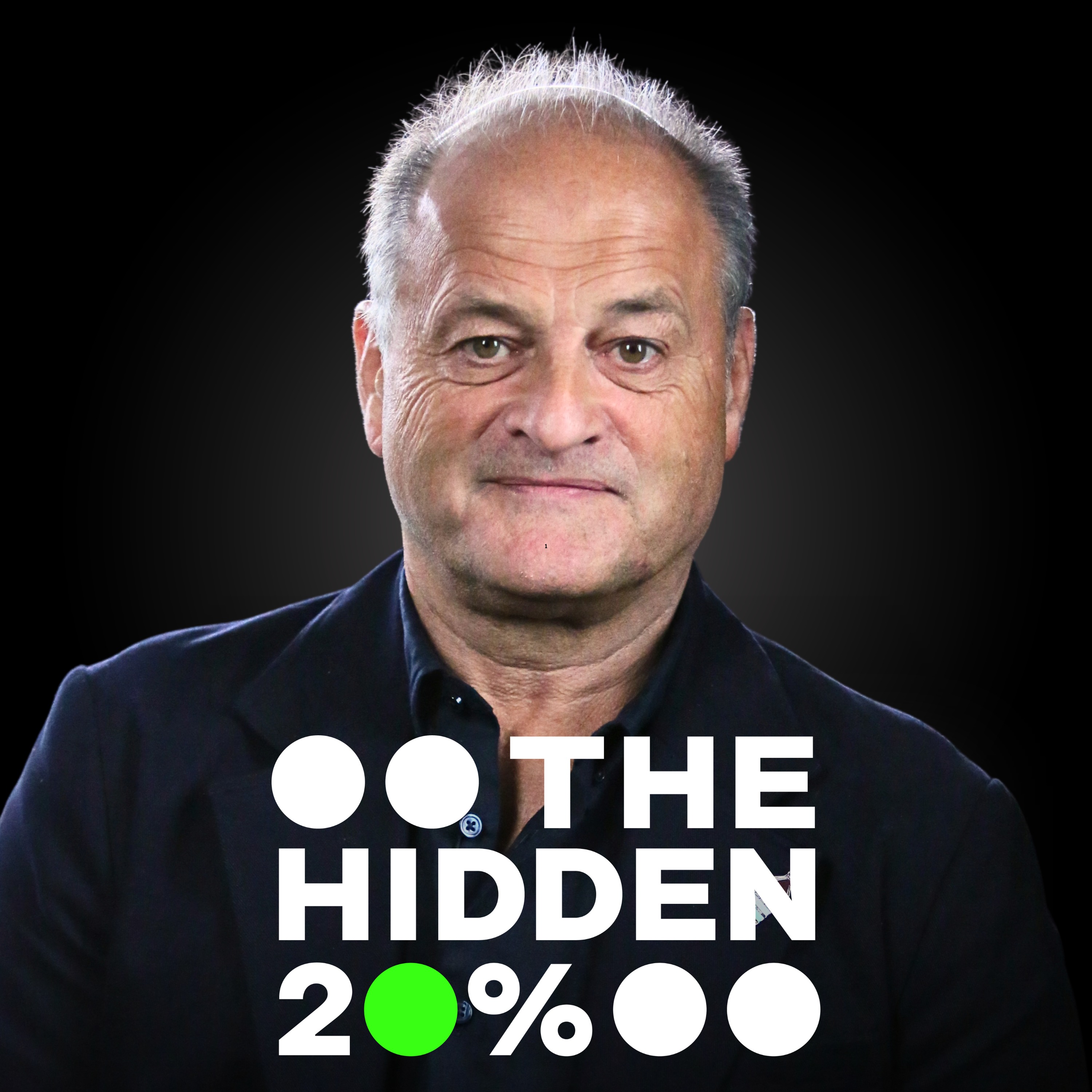
Will Chase, founder behind Tyrrell’s Crisps, Chase Vodka, and Willie’s apple cider vinegar, discusses being diagnosed in his 60s with ADHD and autism, the “highs vs lows” of neurodivergence, late diagnosis, burnout and suicidal thoughts, and how diet, regenerative farming, and exercise support “healthy aging.” He also apologizes for pain he caused others due to ADHD-related unreliability and communication swings.
Will Chase (entrepreneur, organic/regenerative farmer; built and sold a snack empire for nearly £40m; recently diagnosed ADHD/autism). Interviewer: Ben Branson (host). Producer: Bella Neal; editor: James Scriven.
supermarket “pretty potatoes” prioritized appearance over nutrition; he cut pesticides/herbicides and now farms regeneratively; “the mother” in apple cider vinegar supports beneficial bacteria; alcohol (especially red wine) worsened his lows; exercise and morning grounding help; sleep is a major unresolved challenge.
his 1992–93 suicidal period; being expelled/suspended as a “difficult child”; James’s three words for his brain (curious, contradictory, restless); running at 5am; cutting processed sugar/alcohol to protect gut bacteria.
Written by AI. May contain mistakes.
Will and the host discuss their shared backgrounds and struggles with mental health.
“Let's see how great minds think differently.”
Will reflects on his journey from commercial farming to organic and regenerative practices.
“And that's the bit that I would like to focus on the future for me is sharing anybody that suffers from that darkness.”
Discussion on the relationship between gut health, mental health, and Will's farming practices.
“And I always like to start with, I'm not an expert.”
Will discusses lessons learned from past failures and managing emotional highs and lows.
Learn how to manage highs and lows in the business landscape.
“And I haven't quite worked out that that's not, we had a really good piece of feedback or we won a listing.”
Discover the balancing act between ADHD and autism in creativity.
“Do you have to trade some of the highs for the lows to do that?”
Explore the personal journey of accepting one's neurodiversity.
“Probably because it was taking my life away from me.”
Find out how diet impacts mental health and well-being.
“It's trying to get through life and manage that brain.”
Understand the critical role of sleep in managing ADHD.
“So probably the most I'd ever get is four hours.”
Reflect on personal growth and managing expectations in relationships.
“And I think if I was the sort of person that could do nothing, I never would have done it in the first place.”
Learn about the role of forgiveness in self-acceptance and ambition.
“So I think the best way is to work again, is trying to work out the ADHD, trying to work it yourself.”
Hear the importance of discussing mental health and struggles openly.
Understand the complexities of mental health and the lows we face.
“It's if I can help anybody from the darkness, because it's a place I don't want to go to.”
Learn how emotional lows can compound and affect overall well-being.
“If the lows get too low, they almost compound themselves to get even lower.”

Get the gist, explore an idea or ask about something said.
 Claude
On The Hidden 20%, what are the key points of this episode?
Searching your listeningAutomatic transcript. May contain errors.
0:00What do you think people would say, Will, who worked with you at Tyrrell's about what kind of boss you were then? If you ask those people what they thought about me, most of them would think I'm crazy because I'm making life very difficult for myself and everybody around me. I find I'm going off at a speed where nobody's catching up. I'd like to apologize to all those people that have suffered as a result of my ADHD. We all talk about the highs. It's great to see the highs. We all see all the success going on, but the misery and the pain, it's people who you can share the pain with along the way.
0:33Yes. It's a terrific thing, isn't it?
0:39Today's guest is someone who's built businesses, lost everything, started again, and recently just discovered why his brain works the way it does. Will Chase is an entrepreneur, organic farmer, and the mind behind some of the UK's most iconic food and drink brands. from Tyrrell's crisps to Chase vodka and Willie's apple cider vinegar. He's taken on the supermarket giants, built a distillery from scratch and sold a snack empire for nearly£40 million. But behind the success was years of struggle. Diagnosed in his 60s with ADHD and autism, Willie's now rethinking a lifetime of self-doubt, burnout and the brilliant chaos that's fuelled his creativity.
1:20Just a heads up, in this episode we do touch on some sensitive topics including mental health and suicide. Let's get into it. Let's see how great minds think differently.
1:37So before I actually start peppering you with questions, well, I wanted to share two things. firstly you've been a massive inspiration to me and we've never met before tyrells was one of those amazing examples of premiumizing a dusty unloved mainstream category that you did so brilliantly one of those brands that was a huge inspiration to me when setting seed lip up so thank you for that the second thing is i've learned obviously we've done our stalking on you And I was really struck by how much actually we have in common. Both farming boys, both ADHD and autistic, both love brands, both love the land, produce.
2:25And I guess that's all the sort of nice bits. But then I know that you're no stranger to dark times, suicidal thoughts, burnout, stress, etc. And I also have made friends with those areas, I guess, over the years. And so, yeah, before I start asking you loads of questions, and we start talking about our brains, I just wanted to start off by sharing that with you. Thank you. That's great to hear. Not just the success, but the darkness. That's my hardest part of life. And that's the bit that I would like to focus on the future for me is sharing anybody that suffers from that darkness. We all talk about the highs.
3:09It's great to see the highs. We all see all the success going on, but the misery and the pain, it's people who you can share the pain with along the way. It's a terrific thing, isn't it? To have somebody who's physically trod that journey. yeah but no one ever talked to me about adhd or like no no i was always i went to the priori on my report yeah or just thick or just yeah just a difficult child yep naughty i was just suspended and expelled and naughty yeah i just wanted to say that i appreciate that yeah and i don't want to talk about capitalism i don't want to be the big guy that i don't want to talk about the past i feel quite embarrassed by my past as well do you very yes i feel very i always have regrets on something like selling tyros.
3:55But I think if you put all this stuff together, there's no book of rules to life. I think the interesting thing about my story was I was a commercial farmer. My job was to produce tons and tons of nutrient-less foods that cosmetically look pretty. Tesco's actually made me originally because they wanted pretty potatoes. When you walked in the supermarket, people would pay excessive amounts of money just for cosmetically pretty. They didn't care about nutrition. So my journey with food, even as a farmer, I've gone from being a commercial, conventional farm, which I saw organic as tree huggers. You just could not do that profitably.
4:26And they didn't. Everybody sort of failed miserably. Side note, I am a tree hugger. There is, and I am a tree hugger now, a total one. I'm totally converted. We don't use any sprays, anything at all on the farm now. No pesticides, no insecticides, no herbicides. It's 100 % natural. It's more than organic. It's totally bio. It's totally regenerative now without any glyphosates or anything at all. So for me, I love to tell the story as a farmer and not as an expert. I'm not an expert. And I always like to start with, I'm not an expert. I'm just sharing what I've learned. Do you feel like you are becoming more of an expert in your brain?
5:01Yeah. No, I'm probably failing now. Because our brain, it's too complicated. And from what I've learned, I'd like to talk about the line and the line in life. The highs are when you get above the clouds and the sun's out. Everybody gets on a plane. I've just been to Spain now and you watch everybody, all the Brits on there And they all get out and then suddenly it's like a big sigh as soon as it comes up through the clouds because the sun's out and they just feel better because they're away. They're free. And then that's the high of the ADHD. Then the lows is down below the ocean and it's suffocating.
5:34And it's when you wake up and you don't want to get out of bed and you don't want to face the world. And the more you turn and you've got this bad side of you that wants to shut that out. When was the last time you felt like that? No, I get that regularly. I'm a regular. So I had that really bad. I was suicidal when things went quite wrong for me in life. This was what, 1993? 93, 92, 93. And I ran away. I met Mo Gaudet many years ago with my son James in India. So it's his Becky story I think is really influential to me. You mentioned James. I asked James last night to give me three words to describe your brain.
6:12Yeah. Why'd you laugh? because probably james would know me better than anybody i'd say what do you think he said i don't know what what uh well the first word he picked was curious yeah does that chime yeah very much so yeah the second word he picked was contradictory how does that sit that's it that's it that's like the whole adhd not doing what you're supposed what you're told to do yeah and the third one was restless yeah that'd be a very good very good assumption i'd say three good words yeah you were diagnosed adhd and autistic what year was that only 12 months ago okay so very recently and why did you pursue those assessments because i'm making life very difficult for myself and everybody around me i find i'm going off at a speed where nobody's catching up so i thought this is this is going nowhere this is a problem and so the only way to sort that out is to try and get somebody but if i want to carry on in business and carry on in life i almost need somebody between me that can decipher what i want to do and then relay that yes so bringing all that back to managing your brain to being able to make something a success is communicating and communicating with the people around you What kind of communicator do you think you are?
7:34I would say, depending on my mood If I'm in the right mood I'm up here I'm on the 10 out of 10 I think I'm a very good communicator because I'm confident and I'll tell people exactly what they want to hear I think if I'm down on a zero and I'm at the bottom I'll be very nervous I'll be very defensive and I won't be quite as good a communicator as I probably could be because I've got that the dark side of my brain is holding me back is not letting everything go So it's the highs and the lows. And do you see a difference in how you communicate with your personal life versus work? No, I probably treat it all as one.
8:09Do you feel like you've found, knowing a bit more about your brain now, do you feel like you've created environments in which you can thrive? Do you feel like you've chosen careers or picked businesses where you can be at your best? I've picked the businesses where I can be at my best, but I'm struggling to manage my brain to to get that my my communication I want to be taken seriously now in my field that I'm in and when I was in sort of farming and producing just commodities or luxury goods or alcohol or ultra processed foods or whatever or snacks it's an easy sell basically I think where I am now trying to sell health is not is not an easy especially when you're competing with things like the Ozempic and you have all these different ways today of shortcuts yes so what i'm finding really fascinating about the whole gut to mind thing is the sort of the shortcut to health and wellness i'm really interested in what you're doing now and how that relates to your brain your gut and your health and farming i feel like you you're it's third time lucky you did tyrells but you look back and you you know there's some mixed feelings about that you did chase you look back there's some mixed feelings about that as well now you've got willies and you're organic farming you're producing something that is helping people's health and their guts and their brains tell me about that as you say it's my sort of third big chapter if you like and i'm not doing it if i was doing it for money obviously i'd still have tyrrels or i would just be investing in i'm doing this because i follow my gut and i'm trying to do it from from trying to put something back so the reason i called the brand willies was it was my nickname when i was young because my adhd or i was always called willie or won'ty because i was i was yeah i've let a lot of people down in the past by not calling them back or or just being so unreliable into people i've worked with or friends and family and everybody around me and i think that's quite a that's consciously it's a bad thing to have because i don't like letting people down and i don't but my mind is so scatty i'm thinking about so many things so the idea of calling it willies was i wanted to know that people wouldn't forget what i really want to get to is trying to help people with healthy aging and and i'm suffering quite badly now as i get older the dark side is and with adhd if you do suffer from it or you suffer from darkness is to make sure you get more of the highs than the lows.
10:47Why is apple cider vinegar so connected to this? Why is it so good? It's all about the mother. It's all about the bacteria. I've learned so much from being a conventional farmer, as I was saying, to a regenerative farmer. I've learned so much from frying and distilling spirits to actually fermenting living bacteria and actually farming with bacteria. I grew up as a dental baby. I thought all bacteria was bad and we've got to wipe it all out. you know and when you find out things like 80 of your body over 80 is good bacteria it's only 20 bad bacteria and stop feeding those naughty little bad bacteria don't give them processed sugar don't give them alcohol don't give them all of these these things it's all quite simple to work out how to keep your your balance of your body and that obviously that's that's back to your brain how i've learned those things that's how i'd like to pass on to other people to share with them and then when we're young and fit we don't think about these things again so back to the healthy aging because you can't anti-age we can't turn the clock back but we can age healthily by trying to do our best and i was always one of those that would say or so-and-so lived to 100 because they and they smoke cigarettes all day and they drank a whiskey you know but it doesn't work like that it is a simple thing that we are we are what we eat sorry sorry sorry i know neurodivergence interruptions distractions not good i apologize but i need to tell you about something we've just made supporting the Hidden 20 % super, super simple.
12:13You can donate or buy a Green Dot badge at Hidden20.org, join the Green Dot club, hit subscribe or follow wherever you get your podcasts, even just leaving a comment or a review can help to support us in taking our message one step further. Now back to the episode. Given you're doing, you're on this third chapter, Will, what are you doing differently than the first two and what are you doing that you know works that's a fantastic question when i had my first chapter i didn't know what worked and there's a lot of failures and it's love those we were just beginning society now talk about failures more than successes that we need the failures for successes it's not that easy it's so hard isn't it and then to be lumbered with back to the adhd story is you've got the highs that help you and then you've got the loads that kill you that bury you as well the the darkness i don't know how you get on i'm predominantly either feel like i'm king of the world and i just want to tell people about trees and i just want to make delicious liquids and i just want to yeah do everything and conquer everything and or it's all rubbish and it's gonna crumble and why am i doing it and you laugh because i know you know that feeling well there's nothing worse is there so do you think those lows fuel you so much to push you back up to the next highs again What I am noticing is that absolutely nothing can change and I can be on top of the world or down at the bottom of the hill based on nothing, based on my mood.
14:06And I haven't quite worked out that that's not, we had a really good piece of feedback or we won a listing. Great, I feel amazing. and somebody didn't like the product oh my god i feel on the floor it's nothing to do with that you know i've had enough people tell me that what i'm doing is ridiculous and stupid and a waste of time and will never sell except i've had an i've got enough of a sort of thick skin now i think to roll with that and also not dine out on every single little piece of you know great feedback Not that that's not important, but I'm now no longer kind of attaching myself or my mood to that scale of it being so up and down.
14:54So you've worked out how to manage your mind over that so you can try and have more of a level. Do you have to trade some of the highs for the lows to do that? Yeah, I think so. But I think I can have these days or moments where I just feel so wonderful. It's like real bliss and everything's working and everything is firing. And it's a really amazing feeling. And obviously, I want that to just continue forever. That's fantastic. But I know being ADHD, I know I can have that obsessive sort of manic passion of being hyper focused on things. And then I know being autistic, I can be absolutely single minded and very straight line thinking and very narrow and very clear.
15:53There's a tension there. I don't know if you feel that tension with your brain between ADHD and autism. All the time, yes. Do you? Yeah. And it's just, if you can get yourself into that space, nothing will stop you, is it? When you have that idea, and it's phenomenal, it's the power of that idea. And the power of the will behind it to actually action it and put that idea into action. And to get others to come with you to do it, because that's the hardest part. You can't do it on your own. Nobody is an island. We all need everybody around us to make things happen and to get them on the same page.
16:29And I think that is the most, you know, so powerful, isn't it? Having that idea and it's going to do this and it's going to do this and it's going to do this. For me, it's not a capitalist thing. You're not doing these ideas to make a lot of money. You're doing these ideas to create this. I have to do them. Create this thing. It's a compulsion to create and make. why did you decide to talk about being ADHD and autistic? Probably because it was taking my life away from me. And the other reason I want to do it is because as a farmer and as a food maker, I've learned that we know everything about our bodies and having suffered many different problems in life, but we don't know enough about this yet.
17:13There's so much to learn. The whole, the neuro side, we haven't even started yet, looking at how it works so i think nobody's an expert all we can do is share what we have and how we deal with our brain understanding that everybody's brain works a bit differently and that everybody learns therefore differently and behaves therefore differently is really simple concept but it's one that i'd never had lots of questions about my brain without the answers or with my own belief system about the answers which were usually derogatory and usually put me down or usually weren't allowed to be expressed of yeah not embracing my brain and being myself you know and if we'd met what i find amusing or ironic will is that if we'd have met eight nine years ago and you were running chase and i was running seed lip neither of us knew that we're ADHD or autistic, we'd have had a very different conversation.
18:20What I love is that you are in your 60s and talking about this stuff. I'm really thankful that you are speaking up because you're in a generation where this stuff you don't talk about. I still probably think I'm in my 40s. That's my biggest problem. I've not grown up yet. And I hopefully never will because I think you have to have a young inner age. And we have different ages, don't we? We have three different ages. We have our actual age and our natural inner age and our mental age. And then some people go on to others or you can have your cosmetic age. Yeah, your actual physical age. It's trying to get through life and manage that brain.
19:01And so my story now is trying to do it through food. What have you found that's working for you? I think on the diet subject, the first thing to get rid of in my life and my biggest and still my biggest loss is red wine. I am in massive love because I spent years understanding the process, how to make it, how to make it. And the levels of it are just phenomenal. I've seen you say Burgundy literally calls you. It does, yeah. Again, it's trying to get through life without having to have that drink because that drink used to take me down. It used to be my relax. And I'm not into medications for ADHD because, again, and I don't like to do anything anybody tells me to do.
19:44You know, I think there's some things like magnesium or one or two things we do need to take. I think it's a healthy diet and a healthy plan. So yeah, I think that's the key point there. So cutting out as much as possible, ultra-processed. Yeah. Stopping alcohol. Yeah. What about your sleep and exercise? Sleep and exercise. Exercise is probably the best thing. So I think exercise is your number one to get those endorphins to get out there. My one thing is my, if anybody procrastinate, procrastination is a great word. That's a wonderful word as you get older. You can, especially with ADHD, you can sit and procrastinate as long as you like.
20:20But to get out there, to get out there first thing in the morning, go for a run, go for a walk, even just do 20 steps outside the door. It was like things like grounding and things like that. I thought, what's all that about? But it's just get out there and feel the air. All the tree hugger stuff that well. And get out there and live it. And to do it first thing in the morning, at five o 'clock in the morning. it's just to be there and to wake up with the world when the world wakes up and even if it's just a little bit of exercise that that will change your life completely i think that sets you up for the day so i think exercise obviously is the number one how's your sleep my sleeping is terrible and it's still terrible and worse since i've given up it was bad when i when i drank and now it is bad and tell me about that and it probably is one of the most important things so again it's here sorting this thing out because if this thing is relaxed and happy and quiet you can sleep.
21:09So probably the most I'd ever get is four hours. I think four hours I'd be doing really well. I'd probably average about two and a half, three hours at the moment sleep of a proper and broken sleep. And that's my next challenge in life is to try and master and combat that. But the trouble with the ADHD thing, when your mind's racing and that whoever's around you, nobody else can get in your brain and do it for you. You're the only one that can do that. Yeah. So I think sleep, and we all hear about this, this breathing, sleeping, exercise. Yes. But sleep is so, so important. And when I think of the days, I see with others how they can sleep in the morning and you can probably budge them till 9, 10 o 'clock.
21:45It's amazing to be able to sleep. So, yeah, I think sleep is a massive and how, again, you can only sleep if you can manage this. And at the moment, that's why I'm sharing my story, because I can't manage this at the moment. So that's the part that I want to share, that how, and getting older is not helping. Getting older is this thing that, you know, time is running out and it's about healthy aging so again back to the 40s 50s 60s it's as you age how you deal with this and and it's everything so it's that personal space again you're feeling content or you're feeling happy and then you've got to be like that to be able to sleep to switch off you can switch off because you i switch off because i get older tired i overthink things yes and i switch off but that's not the reason you should be able to go to sleep because you need to recharge Yes, and because you have got whatever routine in place to calm, like slow down.
22:36Yeah. So you're ready to go to sleep. And I'm on a mission at the moment to do this thing. So until I've done this thing, and I think I always will be, I think people say, why don't you, you know, when you gave up, why didn't you just do nothing? And I think if I was the sort of person that could do nothing, I never would have done it in the first place. Yes. So I think we're all creators of our own destiny and we're all doomed, you know, to how we deal with it mentally. Are you proud of where you've got to? Are you proud of what you've done? In some ways, but some ways for probably expecting too much from people as well.
23:09I've probably been quite demanding on a lot of people around me. So I'm not very proud of that. What do you think people would say, Will, who worked with you at Tyrrell's about what kind of boss you were then? If you ask those people what they thought about me, most of them would think I'm crazy. You know, they'd roll their eyes and they'd say, William Chase, you know, he's like, you know, just when we think we're safe and we're here, then he's off doing something else. And I think that's, it's like innovation and not boring. I don't write boring. I don't do boring. No, that's, well, I perhaps rose tinted listen to that and think my, I just think, well, that's progress.
23:46There's progress and there's never enough. There's always more. and that's why I find the brain so so fascinating that we're probably brought up to think contented we're going to be patting each other on the back and saying how well we've done and celebrating the wins in the corporate world but that's boring isn't it it's it's it's really doing something to change the status quo both of us have been late diagnosed you a bit later than me and I know we're not alone is there anything that you would like to say to people who are a bit older in life and maybe don't want labels and don't think this kind of stuff exists or don't think we should talk about this kind of stuff is there anything that you'd like to say to those people yes i think i would like to first i'd like to apologize to all those people that have suffered as a result of my you know we'll put the label on it the adhd label it's helped me deal with a lot of ghosts and a lot of from my behavioral pattern in life that how i've been and how i've been with others i would recommend people to understand how they are and who they are before they get to too late so i'd say i'm probably a little bit too late to have got diagnosed i think i should have done it a lot sooner and then it would have helped me deal with myself my life and how i react with other people and it could have probably saved a lot of pain i think it would have helped me understand that i am different and i don't and not to expect too much from others and to manage expectations do you think you're kinder to yourself now well that's a good one isn't it i think giving up alcohol has probably made that worse it made me punish myself more for it i would say and and i think you are that sort of person aren't you if you do have adhd you can't just let things go you have to you have to get the reason the detail to every you have to chase everything down to the last point i don't think i have been the last few years i think i've made life very difficult for me and everybody around me i wouldn't expect somebody else to be able to get into my head and fix me sure i'd expect somebody to listen to me sympathetic but i don't want to be this other person that moans on you know and expect somebody to lumber somebody else you know even pay them cash to lumber them in my problems.
26:06So I think the best way is to work again, is trying to work out the ADHD, trying to work it yourself. So I was recommended then to go to Bhutan. A, because it was there, and it's like all things we discover in life on my different trips around the world, talking to different people. Nearly met the Dalai Lama, but I didn't. And when I was in India on a couple of business trips, it was that sort of, that's where it planted the seeds in my mind to go to Bhutan and do this. But I think the main thing I learned about Buddhism is probably forgiveness. Forgiveness is a massive thing, isn't it? What about forgiving yourself?
26:34Yeah, forgiving yourself, because I think I've been very greedy in life and trying to do a lot of things. I'm very ambitious, you could call it or whatever words you want to put, but I think it's on the soul side. Yeah, the soul. The soul. Yeah. Thanks, Will. it's refreshing I think to hear someone of your experience talk about mental health talk about neurodivergence talk about failure talk about struggles and do that so openly and I think for the right reasons that people listening can take hope or comfort from so So yeah, thank you for that. Thank you. And it's the darkness for me. It's if I can help anybody from the darkness, because it's a place I don't want to go to.
27:25And when I go down there to that darkness, that's a place I don't want to be. Yep. And it's painful and it's just a very bad place. And it's like we're talking about suicide and things. I could never understand why people would take their lives. But as you get older, you do understand with the darkness that it's, you know, and you hear people have committed suicide and say, well, if only they'd talk to me. It's not as simple as that. It's like life's closing in on you. And it's people who share that on the mental side with the lows and how to deal with those lows without having to get drastic.
28:00It's almost like a compounding thing. If the lows get too low, they almost compound themselves to get even lower. And you go down to a place where you shouldn't be. So that's what I'd love to share with people in the world that suffer the same degree of those lows. Success is lucky if we have success. But all the time it's to be conscious of those lows existed to get those highs. Yeah, well said. You've been listening to The Hidden 20%. If you're still knocking about, then let me introduce you to the band. First up, main man on the mic, host Ben Branson. Our wonderful producer, Bella Neal. And the man who'll probably try and cut this bit, video editor James Scriven.
28:45Not forgetting our wondrous theme tune by Jackson Greenberg. Lovers or haters, we want to know, so be sure to leave a review wherever you're listening. For the lovers amongst you, you'll find us on TikTok and Instagram at Hidden20Podcast or over on Hidden20.org where you can join our mailing list.
29:09Thank you.
Will Chase is best known as the man who turned potatoes into gold, first with Tyrrells crisps, then with Chase Vodka. But beneath the branding genius and business triumphs lay decades of inner chaos he couldn’t explain.In this chat with Ben, Will opens up about the high-octane ambition that built his empire, and the internal battles that nearly undid it all.
Diagnosed with ADHD and autism in his 60s, he’s now reckoning with a lifetime of shame, restlessness, and relationships left in his wake.They talk about building billion-pound brands from the ground up and what happens when the very traits that make you succeed are also the ones that nearly destroy you.
_______
Follow & subscribe…
Website: www.hidden20.org
Instagram / TikTok / Youtube / X: @Hidden20charity
Ben Branson @seedlip_ben
If you'd like to support The Hidden 20%, you can buy a "green dot" badge at https://www.hidden20.org/thegreendot/p/badge. All proceeds go to the charity.
Hosted on Acast. See acast.com/privacy for more information.


