In short
Podcast Episode Notes: He Covered Creators Before the Creator Economy Existed | Joshua Cohen (Tubefilter)
Podcast Overview
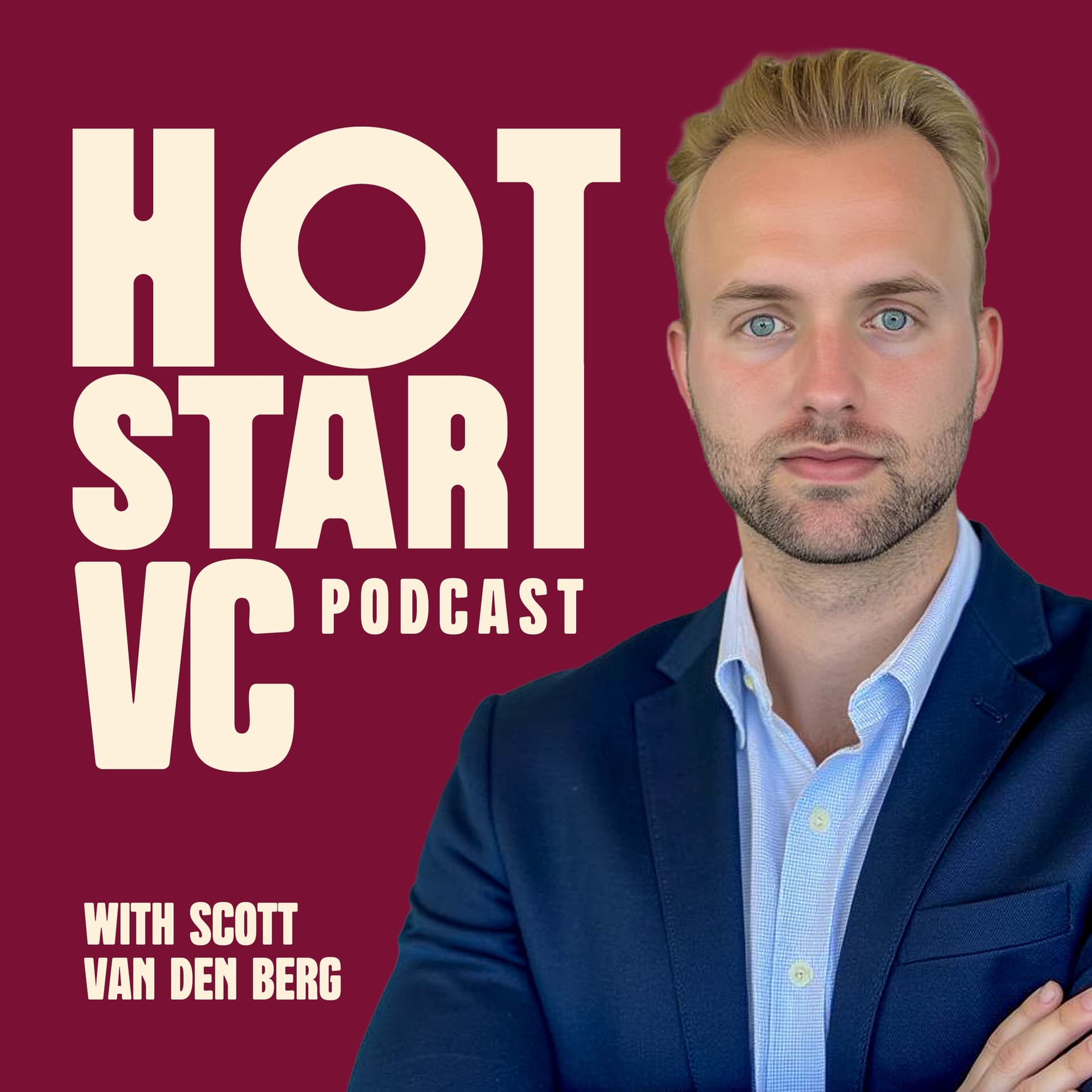
- Title: The HotStart VC Podcast
- Host: Scott Van den Berg
- Description: Discussing how celebrities and creators build billion-dollar brands.
Episode Summary In this episode, Scott Van den Berg interviews Joshua Cohen, co-founder of Tubefilter, who has been a significant player in the creator economy since its inception. The episode captures the evolution of creators from making videos for fun to becoming influential figures in entertainment, marketing, and business. Cohen also discusses his new venture, Gospel Stats, which provides insights into the YouTube sponsorship ecosystem.
Key Topics Discussed
Early Recognition of Online Video
- Moment of Insight: Joshua saw the potential of online video after watching a video podcast at a Steve Jobs event in 2006.
- Founding Tubefilter: Launched in 2007 to provide serious coverage of the online video industry, which was initially dismissed by mainstream media.
Evolution of Creators
- Waves of Creators:
- Wave One: Creators making content for fun.
- Wave Two: Creators making a living from their content.
- Wave Three: Creators launching ancillary businesses.
- Wave Four: Experts using content as a distribution channel for their core business.
- Shift in Perception: The narrative evolved from viewing online content as trivial to seeing creators as a powerful force in entertainment and marketing.
Creator Economy Insights
- Sponsorship Dynamics: Gospel Stats reveals comprehensive data about YouTube sponsorships, showcasing a 54% increase in sponsored videos from 2024 to 2025.
- Niche Opportunities: Smaller niches, previously seen as unmonetizable, are now attracting serious sponsorships, opening opportunities for underrepresented creators.
The Role of Creators in Business
- Advice on Entrepreneurship: Only about 2% of creators should consider launching their own brands; passion and product-market fit are crucial.
- Follower Count as a Metric: Cohen emphasizes that engagement is more critical than sheer follower count; a smaller, engaged audience can be more valuable than a larger, disengaged one.
Creator Financing
- When to Raise Capital: Creators should consider raising funds when they have product-market fit and a clear vision for growth, rather than relying on follower thresholds.
- Types of Financing: The podcast discusses varying financing options such as crowdfunding and venture capital, tailored to the creator’s needs.
Key Takeaways
- Creators as Future Leaders: The podcast emphasizes that creators are pivotal to the future of entertainment and marketing.
- Passion Over Profit: Creators should pursue brand deals and products they are genuinely passionate about for long-term success.
- Utilizing Data: Tools like Gospel Stats can help brands and creators navigate the complex sponsorship landscape effectively.
Notable Quotes
- “Creators are the new culture.”
- “Get behind a brand you'll still love three to five years from now.”
Resources
- Tubefilter: [Visit Tubefilter](https://www.tubefilter.com/)
- Gospel Stats: [Access Gospel Stats](https://reports.gospelstats.com)
- HotStart VC Newsletter: [Subscribe Here](https://hotstart.beehiiv.com/)
Conclusion This episode offers valuable insights into the evolution of the creator economy, highlighting the importance of engagement over follower counts and the potential for creators to shape both the entertainment and business landscapes. Joshua Cohen's experience provides a roadmap for upcoming creators and brands aiming to connect with their audiences authentically.
Written by AI. May contain mistakes. Listen to the episode to check what was said.
Chapters
Tap a time to open that second in VOThe Early Days of YouTube and the Creator Economy
0:00 to 0:30
Learn how early YouTube creators began to monetize their passion for content creation.
“You have old school content creators like Phil DeFranco who he has a story where he was like I was going to quit YouTube and focus on school because I was failing out of school and I was going to go do that.”
Founding Story of TubeFilter
1:03 to 2:30
Explore the origins of TubeFilter and the media landscape during its inception.
“Joshua, I'm excited for you to be on the show.”
Evolution of Coverage and the Streamy Awards
2:30 to 6:08
Understand how TubeFilter grew and adapted alongside the creator economy.
“who was writing at the Hollywood Reporter back then.”
The Shift from Passion Projects to Business Ventures
6:08 to 8:35
Discuss the transition of creators from making content for fun to launching businesses.
“And True Photo has definitely become one of my favorite news outlets.”
The Nuances of Creator Brands
8:35 to 10:40
Explore the complexities of launching brands by creators and the motivations behind it.
“of products and spin off into these ancillary businesses.”
Niche Creators and Investment Opportunities
10:40 to 14:00
Learn about the rise of niche creators and how they are creating viable business opportunities.
“But now I think there has always been, and now I think there are more creators that are realizing like, hey, maybe that's not the path for me, or maybe it's a smaller product, or maybe it's more of a little side hustle.”
The Evolution of Creator Financing
14:00 to 15:00
Discover how creator financing has evolved with new opportunities and methods.
“And I think that was really the only viable option up until a few years ago, just because the viewership on YouTube, I don't think was sizable enough in these niches.”
Creating and Sustaining a Creator Career
15:00 to 17:30
Learn about the multifaceted challenges and responsibilities of being a creator.
“Like they invest in the holding companies of these creators, similar to like how Mr.”
Introducing Gospel: A Game-Changer for Sponsorships
17:30 to 20:24
Understand how Gospel helps brands and creators navigate YouTube sponsorships.
“own storefront in some type of small town or large town.”
Analyzing the 2025 Sponsorship Landscape Report
20:24 to 22:22
Explore key insights from the inaugural sponsorship landscape report for 2025.
“And it's actually funny because to a certain extent, you can also consider that a creative founder brand, given that you have been creating content about the creator economy for the last 20 years.”
Show all 12 chapters
Leveraging Gospel for Brand Partnerships
22:22 to 24:16
Learn how creators can utilize Gospel to find and partner with brands.
“So we basically looked at the YouTube 2025 sponsorship landscape.”
Advice for Aspiring Creator Brands
24:16 to 27:32
Receive valuable advice on launching and maintaining a successful creator brand.
“But they often ask me, like, I have no idea what type of brands I should partner with.”
Transcript
Automatic transcript. May contain errors.0:00You have old school content creators like Phil DeFranco who he has a story where he was like I was going to quit YouTube and focus on school because I was failing out of school and I was going to go do that. And then I got a check from YouTube for like$112. And I was like, oh, this is interesting. And so then continued on in that process. And that really fundamentally changed the whole trajectory of this creator economy and really established it. Because it gave creators who were doing it for fun an ability to start doing it for a living. Welcome to the Outstart VC podcast. The show where we break down how celebrities and creators build billion dollar brands.
0:35In today's episode, I'm joined by Joshua Cohen, the co-founder of TubeFilter. one of the most trusted and widely read platforms in the creator economy. Joshua co-founded TubeFilter back in 2007, long before the term creator economy even existed. We'll talk about what inspired him to start TubeFilter, how the ecosystem has evolved from early YouTube passion projects to creators building full-time careers and launching their own companies and his latest venture gospel. So without further ado, let's get into the conversation. Joshua, I'm excited for you to be on the show. Thank you so much for being here.
1:06Scott, thank you so much for having me. I'm stoked to talk to you for a while. Yeah. So let's go back to 2005. YouTube was just launched. And in those early days, not a lot of people took it seriously. And especially not a lot of people thought that becoming a YouTuber could actually become a career. Yet you actually decided to launch TubeFilter in 2007. So can you tell us more about those early days and the founding story of TubeFilter? So I was working in the television industry, doing post-production first at Discovery and then at A &E Television Networks. And around that time, this is like 2006 or so, Steve Jobs had just introduced the video iPod at a Macworld or Worldwide Developers Conference, whatever was going on back then.
1:46And when he introduced the video iPod, he showcased this episode of this video podcast, because that's what they were called back then, called Tiki Bar TV, which was filmed by three people out of their garage in Vancouver, Canada. And I watched that and then I went home and I watched some more. And I enjoyed watching that more than whatever I was supposed to be consuming on NBC, ABC, or CBS that night. And so I got really excited and I started just diving into all the different video podcasts that existed, all the different free streaming services that existed back then. YouTube was one among many.
2:21There was Newgrounds and more. And so they're just consuming a lot of this content, started writing about it, and that became a site that eventually became TubeFilter. And then early on, like our kind of thought process was an ethos of the site was that there's nobody covering this industry seriously and taking it seriously in their coverage, except for maybe Virginia Heffernan, who was a reporter at the New York Times back then, and Andy Wallenstein, who was writing at the Hollywood Reporter back then. if there was really any mainstream coverage of this early online video ecosystem, it was basically through the lens of look at the stupid shit kids are putting online these days.
2:58And we thought, hey, no, we have to take this way more seriously. First, there's the bunch of creators who didn't have access to tools of production now do. There was finally like low cost cameras, editing equipment and free distribution on all these video sharing sites. And there's only a finite amount of space in Hollywood. and now with all these different tools, there's people that probably should be in the Hollywood ecosystem that couldn't have for whatever reason before, nepotism, their race, religion, luck, et cetera, that are now gonna have an opportunity to really shine by creating really compelling video content.
3:31And they're starting to do that and they're starting to get audiences, big audiences for it. And they're starting to make some money with it too. So we took this really critical eye and became like a variety or Hollywood reporter except for this space. Yeah, it's super interesting. And luckily, like, because I'm doing this podcast, I get to talk to creators who have been creating content for like 15 years. And it's so fun to kind of look at their first videos and then look at their last videos and see the difference. How would you say that TubeFilter has evolved as a platform and publication from those early days to what it is today?
4:02So I think we've just grown with the industry. We've expanded our coverage. The coverage has gotten more nuanced and in-depth as the ecosystem has evolved and developed and got more nuanced and in-depth. And we've been really able to maintain this bird's eye view looking over everything. And through our website and newsletter, really provide, I think, a critical and most importantly, useful perspective and purview of what's going on in the creator economy. And then in terms of expansion over the years, we've done that through a number of different events and platforms. And the biggest and most known event we do is called the Streamy Awards.
4:38We started that in 2009. Similar to TubeFilter, where TubeFilter covers these creators, similar to these traditional media platforms and entertainment platforms like Variety and Hollywood Reporter, we wanted an award show that honored creators the same way that traditional celebrities are honored in the Golden Globes and Oscars and more. So we created the Streamy Awards really to shine a spotlight on this ecosystem and raise the status of everyone involved in it. So our first year of that was in 2009. It was great. Joss Whedon was there, Neil Patrick Harris, Felicia Day, Smosh, and more. Just real early entrants from the Hollywood ecosystem that were playing around in this online video space and old school, born and bred online video creators that were, I think, really blown away by the fact that we were able to put together this big event that honored them in such a way.
5:33And they felt really good to be there. And so we've been writing TubeFilter ever since, producing the Streamy Awards ever since. And then we've also expanded in terms of we have this new YouTube sponsorship intelligence platform called Gospel Stats, which, among other things, is able to find all the sponsored videos on YouTube and provide data around them. So show you which brands are sponsoring what creators, how many times and more leads to a variety of different use cases and insights. But we've expanded. Those are just some examples of the way we've expanded kind of our footprint among this ecosystem as we've grown up with it.
6:07Yeah, I love it. And True Photo has definitely become one of my favorite news outlets. So yeah, it's really fun to read it always. And I think what's interesting as well is that you have kind of had a front seat of creators just creating videos for the love of it to then them actually getting brand deals and them actually turning it into a full-time job. To nowadays, you actually see a lot of creators launching their own companies. What do you think of this trend? I think you really nailed it in that the first wave of online video content creators were doing this because they just love doing that.
6:36They had a camera. They wanted to film themselves. They thought maybe something could come of this, but maybe they just really enjoyed the process and the feeling they got when they were distributing this out to an audience and then getting feedback from the audience. When YouTube first introduced its partner program, where it said it was going to split advertising revenue, 55%, 45%, 55 % going to the creators, that was really just a huge fundamental shift in the ecosystem. You have old school content creators like Phil DeFranco, who he has a story where he was like, I was going to quit YouTube and focus on school because I was failing at a school and I needed to go do that.
7:14And then I got a check from YouTube for like$112. And I was like, oh, this is interesting. And so then continued on in that process. And that really fundamentally changed the whole trajectory of this creator economy and really established it because it gave creators who were doing it for fun an ability to start doing it for a living. or eke out at least some kind of living by continuing to post those videos. So after that was obviously very successful for YouTube and inspired more creators to create more content, which led to more consumption on the platform, which snowballed into this big behemoth that it is today.
7:50But what you saw was just more people seeing that those, that first wave of creators were doing it and it was working for them financially and economically. And from a career perspective, you saw this second wave of creators that's like, oh, that's what I want to be. They could point to something and say, that's what I want to be when I grow up. And then from there, a few more waves of that, but each kind of subsequent wave, it got a little bit more, I don't want to say complicated, but a little more nuanced, a little more complex, a little more sophisticated in that first you had this wave of creators that was doing it for fun, then started to make a living.
8:28Then you had this wave of creators that was like, I want to do that. I want to make a living at it. Then you had this wave of creators saying like, I want to do that. I want to make a living at it and create all these different types of products and spin off into these ancillary businesses. And now what you're seeing too, is like all of the above, plus people who aren't even really defined as content creators. I don't think they would define themselves as that. They're experts in another industry or vertical or ecosystem that are using content creation as a marketing and distribution mechanism.
8:57seeing all the benefits of that. But fundamentally, it's their expertise in their core area of business that's really driving all of their or a lot of their viewership and their engagement. And the viewership and engagement and anything they get from being a content creator is also funneled back into their core business. Yeah, I love that you highlight that because that's what I see as well. A lot of people nowadays, they want to become a content creator, but sometimes for the wrong reasons, not because they love creating videos, but actually because they love all the perks that they see their favorite content creators getting, whether that's fame, fortune, or all these other perks.
9:34So yeah, nowadays you see like Mr. Beast as Feastables, Logan Paul as Prime, Emma Chamberlain as Chamberlain Coffee. Do you think that every creator at a certain level need to start thinking about launching such a company? Definitely not. I don't think every creator is equipped for it. I think there has been this idea where like once you reach this certain threshold in your creator journey, then it's your time to launch a product. And I think you see the same thing in traditional entertainment. You see big celebrities get, attain a certain level of notoriety and then they want to launch an alcohol brand.
10:07And sure, some are really passionate about it. Some may want to do that. I think for others, it's just felt like something they should be doing or something their peers are doing. So by no means should every creator, once they reach a certain size, be launching some kind of product. I think the ones that are really passionate about the products that they do launch definitely should. but it's not a foregone conclusion that like, this is what you do when you become a creator of this size. I think it used to be maybe a couple of years ago, it's like, oh, okay, you've reached the size. Now let's start talking about monetizing your audience and your engagement and your reach in this different way.
10:40But now I think there has always been, and now I think there are more creators that are realizing like, hey, maybe that's not the path for me, or maybe it's a smaller product, or maybe it's more of a little side hustle. It doesn't need to be this big, huge initiative that I have to undertake. Yeah, we are a VC fund that exclusively invests in brands founded by celebrities and creators. So naturally, you would assume that we actually want all creators to launch their own companies. But I actually always say is that 98 % of them should never launch their own company, just because of some of the reasons that you mentioned.
11:08When we were talking about the 2%, and I think what's really nice about TubeFilter is that you also cover some of those stories. Like, what are some of the most exciting creative founded brands that you have seen in recent years? The ones that I've been most excited about, I mean, it's easy to get excited about Prime or Feastables or one of these big brands launched by a big creator because there's a lot of excitement just inherently around that. When one of the biggest stars on any platform launches a big product, and at least for the start, it seemingly goes really well. But what I think is more interesting now and shows a definitely a maturation of the industry is smaller creators who the vast majority of people even in this space may never have heard of before.
11:49So like Jonathan Katz Moses, who's a woodworking creator, got some investment from Slow Ventures. And he fits into this category of a little bit what we were talking about before, where he he does woodworking. He's good at that for a living. He was making this channel on YouTube where he was showcasing his craft. And as his viewership got bigger, he was able to get a bigger workshop. As his viewership increased, he was able to launch his own woodworking products and more and got investment to accelerate that trajectory. And I think he's one representation of what we're going to see a lot more of in the future.
12:27There's been more like him already, but I think we're going to see a lot more. as these niches become populated by creators that are trying to get sizable audiences. I mean, if you just look at the trajectory of YouTube and you extrapolate it out, there's going to be more billions of people on the platform. Those billions of people on the platform are like a variety, like hundreds of millions of different niches. And because just the sheer quantity of people that are consuming content on YouTube and the nature of the algorithm that will hopefully help it discover new creators, these niches that wouldn't have been able to really sustain the livelihoods of creators, even like several years ago, are now going to be able to.
13:08And I'm really excited about that and seeing investment into those ecosystems for not the huge creators, although that's great too, but creators I've never heard about who are launching thriving businesses. Yeah, no, I love that you actually mentioned that example, because I often get the question, like, is there a type of minimum follower count that you're looking for whenever you're investing in these companies. And I'm like, look, we don't care about follower count because it's a vanity metrics. Like we have invested in creators who only have like 200K followers. We've also invested in celebrities with 50 million followers.
13:37But that was also for a specific reason. If the specific creator has like 200K followers with 50 % are really engaged and they're exactly the target audience of whatever they're selling, that's a much better business than if you have 10 million followers, but only 1 % of them are actually engaged and actually buy what you are selling. So I love that you mentioned that example. And I think this is also what we're going to see. It's more about these niche companies and these problems that they're solving instead of trying to find like another Feastables or another Prime, just because of there's only a handful of creators that can actually pull that off.
14:10And I think there's an opportunity just in those niches where like when I was growing up, maybe there was a woodworking magazine where these creators would show up in and where these brands would be able to sponsor these creators and find them. And I think that was really the only viable option up until a few years ago, just because the viewership on YouTube, I don't think was sizable enough in these niches. And now because the platform's gotten so big and there's so much consumption of it, it makes these niches that seem like small potatoes a little bit ago, actually these viable products that people like you can invest into and see some great results from.
14:48Yeah, and you already mentioned Slow Ventures and just financing in general. And you kind of say like also new types of financing, whether that's like people investing in their channels or crowdfunding or like Slow Ventures does. Like they invest in the holding companies of these creators, similar to like how Mr. Beast or Stephen Bartlett have raised capital. So it's like throughout all their companies or you actually see funds like ours who are just investing in the brands. So when do you think a creator should start thinking about like raising capital in general? And do you think these different financing options also fit with different types of creators?
15:21I think a creator should start thinking about raising financing when they feel like they actually need it. And I think when you actually need it is when you have some traction and product market fit. And you're like, oh, man, I have here's what I'm doing right now. If I only had this X dollars or these amount of resources or this other person on my team, I can clearly and definitively see how I could get to this next step or up level in this way. I don't think there's a, like you said, a minimum viable threshold or a maximum amount. I think it's more, does it make sense for you at this point in your trajectory?
15:59And do you have like a clear idea of how this is more definitively going to work than not? Yeah. And when you're talking about those different financing options, do you think like it also fit better for different creators? I think it totally depends. It shows you that there's a sophistication in the industry that there are now a multitude of different financing options for creators. And I think as the market continues to get more sophisticated, maybe some will be more in vogue than others, just like in regular financial markets. And depending on who's getting what, what the terms are, and more.
16:31But I think, again, it just depends on what the creator wants and where they're at in their trajectory. Yeah, that makes a lot of sense. You are a creator yourself, obviously, through Tube Filter, but you have your own podcast. what have you learned actually from being on the other side of the table, being a creator yourself? Well, I also consider myself a creator from the Streamy Awards. It's like a show we have that gets put out once a year. So I do like to think of myself a creator in that respect. It is not easy being a creator. It's simple, but it's not easy. You know all the things you have to do.
17:00You have to create really compelling, engaging content. It has to be of a minimum viable threshold of quality, both in terms of the content itself, the sound, the video, and more. You have to have the right distribution. You have to have the right marketing and promotion. You have to have the right hook. You have to have all these different components you have to think about that I think is unique to being a creator. I think it's unlike any other job except for maybe being an entrepreneur that owns their own storefront in some type of small town or large town. I think people that have retail stores that people can walk in and out of have a lot more in common with content creators than like celebrities or athletes or anybody else.
17:47Because those people that own those like small shops that rely on foot traffic and locals to come visit, they have basically instant feedback from their customers whenever they're inside. They know what their customers like and don't like. They have to satisfy those customer needs and also think about like the synchronicities that happen in the back office, as well as what they put in the front window. And I think that that's like what a creator has to think about. They just have this virtual storefront that's their content. And they have to think about all these things all the time. Yeah. Like being on screen is only like 10 % of what you do.
18:21So there's so many other stuff that you have to do. And being a content creator is actually a full-time job. And I think a lot of people actually underestimate that. So yeah, love those insights. Let's move on to gospel. Like you already touched about it, but can you tell us more about what is gospel and what insight led you to founding that company? So it's a YouTube sponsorship intelligence platform in that it finds virtually all the sponsored videos on YouTube. And again, tells you which brands are sponsoring what creators, how many times and more and reveals like an incredible and I think unprecedented level of detail about just the sponsorship landscape on YouTube.
18:53so we started it because it originally started as an internal tool for tube filter in the streaming awards where i used to be able to keep track of every single creator in my head this was going way back in 2011 2012 was probably the last time i could say that and then we realized that that wasn't a good option anymore and so we developed this back then it was kind of like if you're a sports fan if you like the new york yankees you probably know everyone playing major league baseball or have heard of them at least. And then it started to become like following every little league athlete in the country, just impossible.
19:27So we developed this internal tool that would evaluate the inbound we were getting at Two Filter and the Streamy Awards and also look out into the ecosystem to make sure we weren't missing anyone. First big win for us was we were the first people to ever interview Ryan from Ryan's World. Back then, Ryan's toy reviews in late 2015, I think, because we saw his numbers just start to go skyrocket. And then from there, it kept iterating on the platform and eventually also figured out a way to find these sponsored videos. And it's a lens through which you can look at the YouTube ecosystem that basically no one's had before.
20:01I think there's tons of sponsorship going on on the platform that very little people have a lot of insight into. With more transparency, I think it can lead to more deal flow, more brands getting involved in the space and feeling comfortable about spending in the space, and more creators and a more disparate kind and type of creator getting brand deals from all the dollars that are going to be flowing into it. Yeah, very interesting. And it's actually funny because to a certain extent, you can also consider that a creative founder brand, given that you have been creating content about the creator economy for the last 20 years.
20:34You've built a deep expertise and also an audience in it. And you're now leveraging that authority and also the insights that you've gained over time to push out the product. And you can actually leverage two filters, kind of your top of funnel to arrange distribution. So yeah, it's kind of funny that those worlds are also coming together. I hadn't thought about that before until just now, but I love that POV on it. Yeah. So to understand gospel a little bit better, can you maybe talk about like a use case? Let's say I'm a brand. How can I actually leverage the platform to do what? Yeah. So I think like first, if you're a manager or a agent, if part of your job is getting brand deals for your clients on YouTube, there's no better lead source you'll have than gospel stats.
21:14Again, we tell you all the brands that are sponsoring YouTube creators, who they're sponsoring, how often they are, new brands that are entering the ecosystem and more. So it's really going to be full stop, hands down, the best lead list and business development tool you'll have for sponsorships on YouTube. And then from a brand and influencer marketing perspective and media agency perspective, it gives you this unprecedented overview of what's going on in the space, this general kind of market landscape that can provide just like foundational footing that you can feel really comfortable. You know, you know, your way around the space as you start to or continue to or put more money into it.
21:53There's also a competitor analysis. You can see what brands that you're competing with are up to. And then looking at creators and discovery of creators through the lens of who's getting brand deals can be really interesting as well. Yeah. And as part of the launch, you also kind of launched the 2025 sponsorship landscape report. I will put a link in the description for everyone that wants to see it because it's full of interesting insights. I wanted to kind of hear in your own words, like what is the report in case you hear some of those interesting findings? Yeah. So we basically looked at the YouTube 2025 sponsorship landscape.
22:27this is our inaugural report we're going to be releasing probably at least one a quarter moving forward and we looked at all the sponsored videos we found on youtube in the first half of 2025 versus the first half of 2024 and found that there was almost a 54 percent increase in the quantity of sponsored videos during that time frame year over year and that to me when i first put these numbers together that's what actually inspired me to do the report was that like huge percent increase. And I think it shows just the interest that more companies have in YouTube because of a bunch of the different narratives that we talked about.
23:01YouTube's just this massive behemoth. It's consuming more watch time on televisions. It's the biggest podcast distribution and consumption platform in the world. There's lots of these narratives out in the market that are making people pay more attention to YouTube. And I think that's just gotten more and more brand's attention as well. Also, I think the increase is because there's these bigger niches now or these niches that were small now have sizable enough viewership that they can command sponsorships. So I think it's those two factors where you have more niches are getting bigger. So brands in those niches are becoming aware of those creators and want to advertise with them and support their content and programming.
Read the full transcript
23:44And then also just YouTube's becoming so big, the bigger brands can't ignore it anymore and can't ignore the power of these creators. YouTube is also pushing this narrative a lot in that like, yes, it's big and massive. Yes, spend a huge portion of your programmatic ad budget with us. Also, creators are the new culture. And so you should get involved with them too directly within their videos. Yeah, super interesting. Like, let's take myself as an example or actually talk about like other creators. I often get approached by other creators who actually wants to start to get monetized. But they often ask me, like, I have no idea what type of brands I should partner with.
24:21For them, can they kind of leverage the platform to say, hey, I'm a business podcaster. Can I see what else, like what brands are sponsoring business podcasters and then kind of reach out to similar companies? Or how does it exactly work? Yeah, I think in terms of more of an enterprise SaaS tool. So smaller creators might be able to download these reports and get some insights into the types of brands that are active in the ecosystem or just the type of activity in general and get inspired to reach out to people or just look at the data and get a better sense of what's going on in the world. And it's the way the platform is right now.
24:54It's more geared towards this enterprise SaaS service. What's next for a tube filter? What are you most excited about? Like you said, Scott, we've been around for almost 20 years. I think it's been 18 and change right now. And we always knew that creators were going to be the future of entertainment. We didn't quite know how they were going to be the future of entertainment, but we knew they were going to be the future of entertainment when we started. Stoked to see that coming to life right now. And it has been obvious for the past several years. But now I think like everybody in the world sees that it's obvious now and that this is the trajectory and the direction that the entertainment industry is going.
25:25What's even more exciting is we didn't realize creators were also going to be the future of marketing, media and advertising, too. And that's like just getting started. We're on the precipice of everybody kind of realizing that right now and then getting more invested in this ecosystem. So I'm stoked to be in this space for so long and being able to have had this career and build up these properties that are still around and able to take advantage of this new kind of next phase we're in. So it's still early innings, but I feel like we're getting into the meat of the game here and where we all expected this industry for everyone who is around has been in the space for 15 plus years.
26:05We're like at the point we all expect it to be a long time ago. Yeah, it's interesting. I always say it's not to create their economy anymore. It's the economy in general. Because even if you look at like politics, like look at what's happening in New York right now, like someone got elected as the mayor just because of how much they were leaning in TikTok, you know. So we're getting so much information from people instead of corporations nowadays. So yeah, love that insight. Final question on my end. What's your number one piece of advice for creators who are thinking about launching their own brands?
26:32I would say get behind a brand that you really love, that you're going to be cool with a week from now, a month from now, three years from now, five years from now. I really like Emma Chamberlain's Chamberlain Coffee. I have no insight into the financials or how it's doing, but she loves coffee. and I feel like she's going to be happy with that brand decision no matter what happens to it because she can wake up every morning feeling like, okay, I made this product in a space that I really love and enjoy and I'm really proud of it and I'm sharing that with my fans. And regardless of what happens with the business, I think she can like still wake up in the morning and feel great about that decision.
27:11And I've just seen some content creators make products that it felt like they were doing it because they thought they should or they could make money from it, which no harm, get the bag when you can. But I think if you can combine that with making something you're really passionate about, that's like the most ideal scenario. Yeah. I love that advice. Well, to end, where can people find you? You can find me on LinkedIn at Joshua J. Cohen. You can subscribe to TubeFilter at news.tubefilter.com. It's a fantastic resource. We publish our newsletter five or six days a week. I'm really proud of it. It's going to give you an incredible amount of insight and information about the creator economy.
27:52And then you can check out our Gospel Stats report at reports.gospelstats.com. Perfect. Joshua, thank you so much for being on the show. Thanks, Scott. This was awesome. Thank you for listening to the Hot Start VC podcast. If you enjoyed this episode, make sure to subscribe and leave a rating or review. It really helps us grow. You can also subscribe to our newsletter at hotstart.vc for more breakdowns on how celebrities and creators build billion dollar brands. Thanks again for tuning in and we will see you in the next episode.
From the publisher
When Joshua Cohen co-founded Tubefilter in 2007, YouTube was just two years old and the term "creator economy" didn't even exist. While mainstream media dismissed online video as "stupid shit kids are putting online," Joshua saw something different: a fundamental shift in who gets to tell stories, build audiences, and create careers outside the traditional Hollywood gatekeepers. Now, nearly two decades later, Tubefilter has become one of the most trusted platforms covering the creator economy, and Joshua's latest venture—Gospel Stats—is pulling back the curtain on the multi-billion dollar YouTube sponsorship ecosystem that almost nobody has visibility into. But here's what makes this conversation especially compelling: Joshua watched creators evolve from making videos for fun to making a living, to launching businesses, to now becoming the dominant force in entertainment, marketing, and even politics. And he's got the receipts to prove it—Gospel's 2025 report reveals a staggering 54% year-over-year increase in sponsored YouTube videos, signaling that brands can no longer ignore what Joshua knew 18 years ago: creators are the future.
In this episode, you'll discover:
The exact moment Joshua realized online video would disrupt traditional entertainment—watching a garage-filmed video podcast showcased by Steve Jobs at a Mac event in 2006
Why Phil DeFranco almost quit YouTube to focus on school until a $112 check from YouTube's new partner program changed everything and helped birth the creator economy
How Tubefilter became the "Variety and Hollywood Reporter" for creators when nobody else was taking the space seriously—and why that positioning still matters today
The evolution from wave one creators (doing it for fun) to wave two (doing it for a living) to wave three (building ancillary businesses) to today's wave four (experts using content as distribution for their core business)
Why 98% of creators should NOT launch their own companies—and what separates the 2% who actually should
Why follower count is a "fantasy metric" and how a creator with 200K highly engaged followers in the right niche beats one with 10 million disengaged followers every time
When creators should actually start thinking about raising capital (hint: it's not about hitting a follower threshold—it's about having clear product-market fit and knowing exactly how capital accelerates growth)
Why being a creator is more like owning a small retail shop than being a celebrity—instant feedback, customer intimacy, and managing both the "front window" and "back office" simultaneously
How Gospel Stats finds virtually every sponsored video on YouTube and reveals unprecedented detail about the sponsorship landscape—becoming the ultimate lead source for managers, agents, and brands
The 54% year-over-year increase in sponsored YouTube videos (H1 2025 vs H1 2024) and what it reveals about brands finally waking up to creator power
Why YouTube niches that were too small to monetize three years ago are now commanding serious sponsorship dollars—and how this creates opportunities for thousands of "undiscovered" creators
His number one advice for creators launching brands: "Get behind a brand you'll still love three to five years from now—look at Emma Chamberlain and coffee, she can wake up every morning proud of that decision regardless of the financials"
From launching the Streamy Awards in 2009 (honoring creators the way the Oscars honor traditional celebrities) to being the first to interview Ryan from Ryan's World in 2015, Joshua has had a front-row seat to every major shift in the creator economy. Whether you're a creator thinking about launching a brand, an investor evaluating the space, or a brand trying to navigate YouTube sponsorships, this conversation delivers a masterclass in understanding where this industry has been—and where it's headed next.
Chapters:
HotStart VC
Subscribe to the HotStart VC newsletter: https://hotstart.beehiiv.com/
Become a HotStart Angel and co-invest with us in celebrity-founded brands starting from $5,000: https://www.hotstart.vc/hotstart-angels/
Check out our fund: https://www.hotstart.vc/
Scott van den Berg
LinkedIn: https://www.linkedin.com/in/scott-van-den-berg-22b534150/
Instagram: https://www.instagram.com/scottvandenberg_/
TikTok: https://www.tiktok.com/@scottvandenberg_
YouTube: https://www.youtube.com/@scottvandenbergvc
Joshua Cohen
Tubefilter: https://www.tubefilter.com/
Gospel Stats: https://reports.gospelstats.com
LinkedIn: https://www.linkedin.com/in/joshuajcohen/
HotStart VC is a fund that exclusively invests in brands founded by celebrities and creators. We're the go-to platform for celebrities and creators launching brands, providing capital, strategic support, and the infrastructure to scale.