In short
Notes on The HotStart VC Podcast: Episode with Julia Straus, CEO of Sincerely Yours
Episode Overview
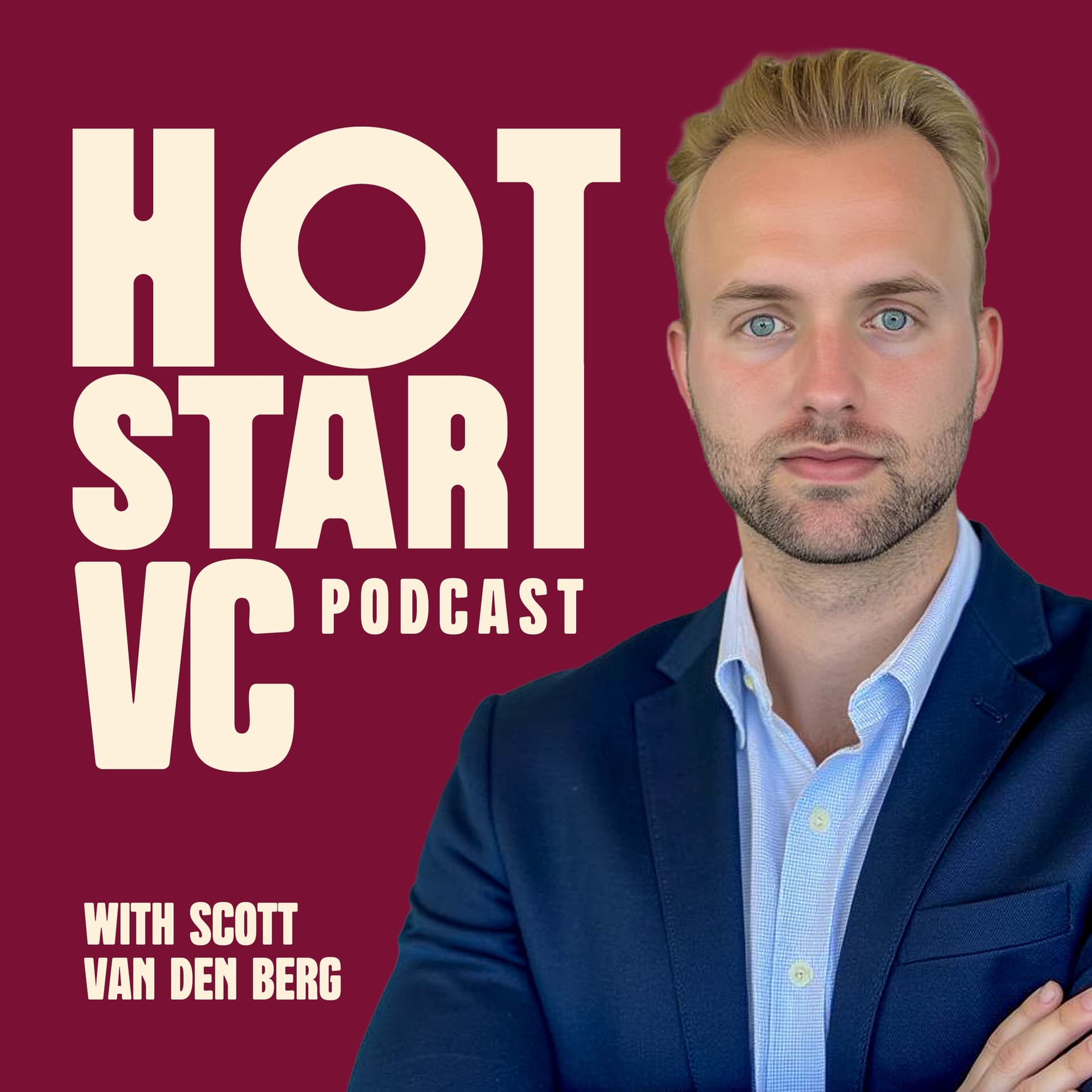
- Podcast Title: The HotStart VC Podcast
- Episode Title: How Salish Matter Is Redefining Teen Skincare
- Host: Scott Van den Berg
- Guest: Julia Straus, CEO of Sincerely Yours
- Episode Description: Julia and Salish Matter launched the skincare brand Sincerely Yours without previous experience in brand creation, targeting teen consumers with a mission-driven approach.
Key Themes and Discussions
- Background of Julia Straus
- Extensive experience in consumer brands; previously led Tula Skincare and Sweaty Betty.
- Transitioned back to the U.S. after running Sweaty Betty in the UK to explore opportunities in the teen skincare market.
- Inspiration for Sincerely Yours
- Julia identified a gap in the teen skincare market characterized by confusion among young users regarding skincare products.
- Meeting with Jordan Matter and Salish led to the realization of a shared vision to create a safe and age-appropriate skincare line.
- Unique Positioning of Sincerely Yours
- Unlike typical celebrity launches, Sincerely Yours is mission-driven and co-created with input from a community of 60,000 teens.
- Products are designed to cater to the specific needs and preferences of the target audience.
- Community Engagement
- Establishment of a Teen Advisory Board to involve teenagers in product decisions, with quarterly meetings and a structured approach.
- Emphasizes the importance of genuine community feedback in shaping the brand.
- Launch Experience
- The launch event at the American Dream Mall attracted over 80,000 fans and led to the mall's temporary shutdown.
- Rapid sell-out of products at Sephora showcased the brand's initial success and fan engagement.
- Organic Celebrity Support
- Achieved celebrity endorsements organically, including support from Khloe Kardashian, through years of relationship-building rather than paid partnerships.
- Fundraising Journey
- Raised $7 million in funding, with investors appreciating the creator co-founder model.
- Many investors were initially unaware of the scale of Salish and Jordan’s social media influence, emphasizing the need for awareness in the investor community about the creator economy.
- Balancing Brand Identity
- Ensured Sincerely Yours can stand independently from Salish’s celebrity status; the brand is named "Sincerely Yours" rather than "Salish Skincare."
- Focus on developing a strong brand identity and narrative that resonates with the target demographic.
- Creative Philosophy
- Jordan Matter's philosophy: "If it's been done before, why bother?" - encourages breaking boundaries in brand and content creation.
- Julia highlights the need to respect the creative process of co-founders who are creators.
- Advice for Future Founders
- Key advice: "The key word in 'creator co-founder' is CREATOR." Emphasizes respect for the creative process and understanding the unique insights creators bring to product development.
Key Takeaways
- Sincerely Yours stands out by involving its teenage audience in every aspect of product development.
- The brand's launch was marked by unprecedented community engagement, emphasizing the power of a strong creator-audience connection.
- A deep understanding of the target market and a commitment to authenticity can drive success in saturated markets.
Conclusion Julia Straus’ insights illustrate how effective collaboration between experienced brand builders and authentic creators can redefine market categories, particularly in the beauty and skincare industry for teens. Sincerely Yours exemplifies a new model for launching consumer brands by combining community engagement, creativity, and a mission-driven approach.
---
For more information, visit
- Sincerely Yours: [sincerelyyours.com](https://sincerelyyours.com)
- HotStart VC: [hotstart.vc](https://www.hotstart.vc)
Written by AI. May contain mistakes. Listen to the episode to check what was said.
Chapters
Tap a time to open that second in VOJulia Strauss's Career Journey
0:56 to 3:15
Explore Julia's background in the beauty and consumer goods industries.
“So without further ado, let's get into the conversation.”
The Founding Story of Sincerely Yours
3:15 to 6:15
Discover how Sincerely Yours was created to address skincare needs for teens.
“Kay, Laura, tell us more about what is Sincerely Yours and can you also tell us more about the founding story and how it all came about?”
The Importance of Creator Collaboration
6:15 to 8:31
Understand why involving a creator like Salish is crucial for the brand.
“But it really came out of the same shared, you know, I think, observation and personal experience around a gap in this catwalk.”
Balancing Brand Identity and Sales Strategy
8:31 to 13:49
Learn how Sincerely Yours balances storytelling with sales efforts.
“I always say it's not the greater economy anymore, but it's just the economy in general.”
Building a Standalone Brand
14:00 to 15:00
Learn how Sincerely Yours aims to create a brand independent of its founders.
“And there's a reason, you know, the brand is called Sincerely Yours.”
The Importance of Organic Growth
15:00 to 16:00
Discover the significance of allowing a brand to evolve organically based on customer feedback.
“So, yes, do we think that there's I think Sincerely Yours has so much to offer at a problem that we're solving regardless of any of the people behind the brand.”
Connecting with Gen Z
16:00 to 17:10
Understand how to authentically reach Gen Z consumers in a crowded marketplace.
“So I think that's also just to Celis' point that she hasn't been like promoting so many other companies.”
Launch Event Experience
17:10 to 19:00
Hear about the overwhelming response to the launch event at Sephora and its implications.
“So yeah, I think it's been, it's been really special that Jordan and Zalich have focused the way they have on this, on this brand and this launch.”
Harnessing Celebrity Influence
19:00 to 20:50
Explore how the brand leveraged celebrity connections for organic marketing support.
“We had capacity for five thousand to come through the pop up.”
The Teen Advisory Board
20:50 to 23:20
Learn about the Teen Advisory Board's role in shaping the brand and its products.
“And I think trust comes first and then great product to back it up and a great experience with the product you've built.”
Show all 16 chapters
Compensation and Experience for Teens
23:20 to 26:30
Find out how the advisory board members are compensated and the value of their experience.
“They're going to go to quarterly board meetings.”
Investor Perspectives on Creator Brands
26:30 to 28:02
Understand the investors' views on creator-led brands and the future of the creator economy.
“So we're really excited to see how they can continue to sort of lean in and make sure that this feels, you know, rewarding as they go.”
The Future of Media and Consumer Engagement
28:02 to 29:12
Explore how the shift in media consumption affects investor insights and brand strategies.
“But I think like a lot of investors had no idea, right?”
Inspiration from Creator-Owned Brands
29:13 to 31:04
Understand how successful brands draw inspiration from creators and celebrities while maintaining uniqueness.
“I actually just canceled my Netflix subscription.”
Navigating Celebrity Co-Founders
31:05 to 33:34
Learn the dynamics of collaborating with creative co-founders in business ventures.
“He will never do anything someone else has done.”
Advice for Aspiring Founders
33:35 to 35:28
Gain insights on effective strategies for founders looking to integrate creative partnerships.
“What would be your number one piece of advice for founders who are building or thinking about building a company to get a bit of celebrity or create a co-founder?”
Transcript
Automatic transcript. May contain errors.0:00We're standing out, one, because we, again, our founder, our co-founder is the target audience. that there actually aren't that many teen brands founded by teens, believe it or not. And so Salish is truly behind every decision and so involved so that we know that the North Stars is authentic to our customer. Welcome to the Hot Start VC podcast, the show where we break down how celebrities and creators build billion dollar brands. Today, I'm joined by Julia Strauss, the co-founder and CEO of Sincerely Yours, the skincare brand she launched with 15-year-old creator Salish Matter and her dad Jordan Matter.
0:35The brand's debut made headlines after its American Dream Mall launch drew over 80 ,000 fans and shut down the mall. And it's continued to stand out by involving 60 ,000 teenagers in building the company. In this episode, we'll talk about how Sincerely Yours came to life, what it takes to launch at that scale, and how Julia is turning community into a core business advantage. So without further ado, let's get into the conversation. Julia, I'm excited to have you on the show. Thank you so much for being here. Happy to be here. Nice to see you. Yeah, likewise. So before we talk about Sincerely Yours, can we learn more about your background and your career leading up to this?
1:10Absolutely. No, happy to share. Maybe I'll start with my more recent gigs in consumer. I've been in consumer for a very long time, basically since business school. Kind of grew up in the D2C heyday of New York City. So, you know, back when it was Birchbox and Rent the Runway and all these brands that were just sort of discovering what it meant to sell directly to your consumer. and frankly, online. It was still very early. I'm going to sound very old when I talk about all this stuff. It was a really great way to sort of cut my teeth and understand, you know, truly what it means to be direct with your customer and sort of no middleman.
1:43And I just, I loved it. And then I had this opportunity to help start a company from scratch. I met the founders of Tula Skincare, which at the time was basically one SKU, no website. It was almost pre-launch and they were looking for someone to take the helm. I had zero beauty experience, had never run anything before, but they let me give it a shot. So I ran that company for about three and a half years. It was an incredible journey. Tula was sort of early to, again, sort of D to C first beauty and really had an incredible story with a gastroenterologist behind the science. So loved it. I would have, I always say it was like my first child, would have been probably still running it today.
2:23But my husband got in the way. He had sold his company to a company over in the UK. And so we needed to, for personal reasons, move over. So I ended up staying within the Catterton portfolio and took the helm at Sweaty Betty, which was a very different business in some sense, because it was 20 years old at that point, very scaled, you know, a number of stores all across the UK and some in the US. So very different journey. And of course, apparel is a completely different beast. But that was also incredibly rewarding and very similar to a tool in the sense we were very close to our community and our customer.
2:55And we ended up tripling that business, went global, ultimately sold the business to a strategic in the U.S., survived COVID and many other chapters in the middle of all that, but it was awesome. So that was sort of my two big chapters before coming back here to the U.S. and somehow finding myself at a startup again. I don't know. I said I'd never go back to the beginning, but here I am. Yeah. So let's talk about Sincerely Yours. Kay, Laura, tell us more about what is Sincerely Yours and can you also tell us more about the founding story and how it all came about? Absolutely. So Sincerely Yours is a new brand, our focus on serving a younger customer, so young adults, teens, and tweens with clean, safe skincare.
3:32We launched about eight weeks ago, so it is still, I mean, truly a baby brand, but we've had a really exciting ride so far. We're sold exclusively at Sephora, and then we're also sold on our website, Sincerely Yours.com. How did it all come about? So I, you know, from my side, I'd moved back to the U.S. I'd had my third kid. I was trying to figure out what's next, you know, doing all the soul searching, really wanted to get back into beauty and skincare. I think when you're out of this industry, it's really, it's interesting because you sort of, it's such a dynamic space and it moves so quickly, especially on the marketing side.
4:06I think having been in apparel, which is dynamic in a different way, I just really missed the innovation, the creativity you see within sort of personal care and beauty in particular. So I wanted to get back into it. And this is back in 2023. And really every third or fourth article you read was about the younger customer. It was a really interesting time. And it felt like there was sort of this explosion within the younger demo looking to be part of the category. And a lot of confusion and conflict in a way that was coming through in that. And oftentimes they were using products that really weren't meant for younger skin.
4:42From my side, I felt like there was a real problem potentially to be solved. and certainly a lane that felt like there was education needed. I reconnected with one of our investors in Sweaty Betty, and they were looking at this as well, looking at the same exact problem, the same exact dynamic. And they said, someone you need to meet, his name's Jordan Matter. I was like, cool, who's Jordan Matter? At the time, I was not as well-versed in YouTube world. And, you know, I just was kind of getting back into everything. And I got to meet Jordan Salish. and I spent a huge amount of time with both of them and was just blown away by the community that they've been building over the past, you know, five to 10 years.
5:22And, you know, from their side, what was really interesting is Salish at the time was 14. She's now almost 16. And every time she talked about this category with her audience, she saw the same exact both engagement as well as sort of confusion. So lots of excitement around skincare and beauty and sort of being in that, again, that sort of personal care space, but also a lot of questions. What is she using? I have sensitive skin. What should I use? I love this brand, but it's not made for me. Just a lot of confusion. So they kind of thought about doing something as well. Interestingly, they have not done many brand sort of projects.
5:57They don't do a lot of sponsored things within their channel. They'd really been focused on building their content in their community and waiting for the right time to bring a product forward that felt really authentic to Salish. And that timing was then. So that's how it all started. And gosh, it's been a wild ride since. But it really came out of the same shared, you know, I think, observation and personal experience around a gap in this catwalk. Yeah, it's funny because, like, I'm obviously knee deep into the celebrity and creator world. But I also didn't know who Salis and Jordan were until, like, I read about, like, hey, this 15-year-old creator is launching, like, a skincare company.
6:36So, yeah, I just think that it's a different target audience, obviously. But, yeah, they are massive. if they're some of the largest influences in the world. And to your point, Dev, never launched their own brand before or whatsoever. When you came up with kind of this category insight and you were thinking, hey, maybe I should launch a brand in this space. Did you already consider, hey, maybe I should find a celebrity or creator co-founder or was that not a thought at all? You know, I think, again, it all sort of came together literally within the same week. So I think we all were circling around the same problem.
7:09So in a way, it was 100 % part of the equation because the equation was really meeting someone else who had the shared sort of dream and vision. I think prior to meeting Jordan and Salish, I did feel very strongly, as did our third co-founder, Seth Rodsky from Strand, that I just couldn't imagine building something from the ground up and not having a creator community involved, especially when you're targeting a demographic that really relates to creators in a very organic and passionate way. So it almost felt like how could you start something without having that community built in from the get-go?
7:48And I've worked with creators in all different shapes and sizes through my career. And I just think it is – I don't think it's a part of marketing. I think it is marketing. And especially these days when it's hard to break through, traditional channels of marketing have become more and more crowded and expensive. And I think, you know, the world's a tough place and people are looking for storytelling and personal relationships because it can feel like everything's at the surface level. Finding, you know, working with someone who has, again, that trust and that deep connection that goes beyond just the like, hey, here's the thing I saw on my feed today.
8:24It just feels it just feels critical. So, yeah, I wouldn't be here if I wasn't working with them for sure. Yeah, that makes sense. I always say it's not the greater economy anymore, but it's just the economy in general. So the Daphne Alliance, like sincerely, yours is not the first like skincare brand that is focused on teens. Why do you think it really stands out from other brands in the category? Yeah, I think it's a huge category. So we're definitely believers that this isn't a one brand play by any means. But I think we're standing out one because we again are our founder, our co-founder is the target audience that there actually aren't that many teen brands founded by teens, believe it or not.
9:03And so Salish is truly behind every decision and so involved so that we know that the North Star is authentic to our customer. And then I think alongside that, we really made an effort to build with a group of teens and our community alongside us, which, by the way, is quite complex to do. There's one thing if you're going to do a focus group after you've built your product. It's another thing to say alongside, like as we're, you know, coming up with our packaging, we're going to ask 30 teenagers to, you know, opine and share their opinion. And, you know, it's a great process and it's been so, so helpful to help us feel like we're putting our voice in the room.
9:42But it's not for the faint of heart because it does mean that you're sort of adding a lot of input, you know. So I think those are the two things that we tried to do quite differently and really just listen to the customer first. And I'd say on top of that, and a lot of brands also follow this, but I think it's been really important to ensure that we balance that input with experts from the medical world to ensure that we're building something that's really safe and that parents can trust as well. So I think we've tried to build this right from the start, and hopefully that is why it's resonating.
10:13So what was our customer? Yeah, so at Hot Start 3C, whenever we invest in brands founded by celebrities and creators, we're always looking for that authentic creator product market fit. And like you already mentioned that like Salis, she is the target audience. She struggled with this problem. So she's kind of solving her own problem and she's also speaking to her audience. Like thousands of comments were always about, hey, what skincare are you using? And can you share it with us? So in that sense, it really fits. You also talked a little bit about the involvement already that she's really involved in product development and that type of stuff.
10:44But can you tap into that a little bit more? Like what does her involvement on a day-to-day, on a week-to-week basis look like? especially because I assume that she's still in high school or whatsoever. Oh my gosh. Yeah. She's still like, and I don't know how they do it, but you know, she has six days a week. She's just a normal team. You know, she goes to school, she has activities, she, she does sports. Um, and I think that's a really important part of her life and also really important reason why she continues to resonate with her audience because she is living a pretty relatable life. Right.
11:13So that's critically important, but yeah, you know, somehow we're squeezing in around that a very natural. and I'd say like fluid conversation with her, which is, you know, everything from packaging to products, testing, getting her insights on, you know, what she's loving on social, how would she think about, you know, tone of voice and merch, it's all of the above. Of course, it's not, you know, there's, we have a whole team and we're, you know, operating the business as needed. But I think what's been fun is, you know, almost replicating a bit of the way they run their content business, which again is a family business.
11:45It has a small team. They have to trust each other. They have to be able to work fluidly. And ultimately, the North Star for their content is Salish. You know, she is really able to say, here's what I think would work. Here's what I'm comfortable doing. Here's what I don't think it makes sense. And we sort of tried to take the same approach with Sincerely Yours. So it's not like we're sitting down every week and saying, here's our big board meeting. On the contrary, I think it's been something that we've had to sort of build organically as we go through. But it's been really, it's been great. She's dedicated so much time.
12:17And I think, you know, again, has a great instinct for this. I think in part because she spends a lot of her time listening to her audience. Yeah, I love that. And they also just add a different value, right? That no one else can add, especially when they're so young and have that kind of can-do spirit. They don't see the obstacles whatsoever. 100%. And actually, you know, one of the things that's been most exciting, I think, for the team and for me is, you know, Being an entrepreneur is scary and hard at any age, right? But I think, as you said, it's especially unique to be able to show other young women in particular that they can do this too, right?
12:51And I do feel like, you know, we're not really genuinely or putting out a story that shows that someone who is young and ambitious, but true to herself can do something big and can make a difference and can build this and be taken seriously. And I think that's a really important part of all this for the brand and for this category. And it gets a little bit lost in the sort of flashiness of creator, founder, influencer, you know, beauty. I think underlying this is an entrepreneurial story that is really inspiring. And again, I have three girls. My oldest is only eight and a half, although she definitely wants to be involved in the company and loves helping behind the scenes.
13:30But I love being able to say, look, here's a 16 year old and she's out there like building a company. How cool is that? So yeah, that part of it's really important. Yeah, I love that. And obviously having a creator co-founder brings like a built-in audience. So it basically means that you can put free eyeballs on your own company. And that is something that traditional brands have to pay millions of dollars for. But there's also a balance here. So like between like building a brand on sales only versus letting the brand build on itself. So what is the balance and how do you decide when and how sales should appear marketing and storytelling versus letting the brand and the product speaks for themselves?
14:05Absolutely. Yeah, no, it's absolutely a balance. And there's a reason, you know, the brand is called Sincerely Yours. It's not, you know, just Salish's skincare. Like, we want to make sure that there is an opportunity, you know, for the brand to stand on its own over time. And in particular, to make sure there's not too much pressure on her because, you know, she also has her own life to live and we want to make sure that this is manageable. But yeah, I think ultimately, you know, the balance, I think that you have to have the intention that you know your brand can and should be able to stand on its own.
14:33And anyone who walks into a Sephora who is our target customer should be able to understand the story, understand the product offering, what makes the products unique, and be able to go through that customer journey having no idea who any of the founders are, right? And that's the case for many brands. I think the thing that we try to be careful about is if you get too prescriptive and you say, well, by two years from now, it needs to be this, this and that. You're not allowing the brand to sort of organically unfold and listening to your customer along the way. So, yes, do we think that there's I think Sincerely Yours has so much to offer at a problem that we're solving regardless of any of the people behind the brand.
15:12But I also think that it's important to embrace the community that we've already started to build and, you know, make sure that we're kind of leaning into our superpowers. I mean, beyond the eyeballs that they offer, right, and the reach and the efficiency that you get, you know, from a marketing standpoint. What I think makes it special is that it doesn't have to feel like marketing. It doesn't have to feel like here's my marketing talking points and here's how. It's just another teenager who has a product she's made and she's sharing it with you as a friend. And ultimately, that's the best kind of market.
15:43And I think that's also the credits to Celis herself. Because to your point, like before they never launched their own brand or they haven't experimented with like other beauty brands or whatsoever. And so many times I see celebrities launching like multiple companies and many of them failed or occasionally they didn't talk about it anymore. They are not open about it. So I think that's also just to Celis' point that she hasn't been like promoting so many other companies. So once she actually does and leans in, then it's really authentic. Absolutely. I mean, listen, you know, they're among the biggest YouTubers now and creators full stop in the country, in the world.
16:20Salish has been number one on Famous Birthdays, most searched name for over a year now, I think almost over a year above Taylor Swift. So like, well, scale that they reach, you know, they could be doing anything. And I think it, yeah, is a huge credit to who they are that they chose to do something thinking long term and, you know, building something from the ground up that that she really that they both really believe in. So, yes, I think that that is really important also because this debt, this this generation, if you will, they see through sort of performative marketing like that. Right. Like they don't it's there's so much media out there.
16:56There's so many different channels or so many inputs. You know, when I was 13, I probably like looked at a, you know, commercial on TV and it was like, oh, that makes it, you know, they're just so much more sophisticated. I think it's critical that they, that we reach them. I mean, it's such an overused word, but you really have to reach them in an authentic way. Right. So yeah, I think it's been, it's been really special that Jordan and Zalich have focused the way they have on this, on this brand and this launch. Yeah, so let's talk about the launch, which was absolutely insane. And I, by the way, I love the announcement videos.
17:29I will put the link in the comments because I would love for people to check it out. But yeah, let's talk about the launch event. You actually secured like an opening event at a Sephora store in the American Dream Mall in New Jersey. And over 80 ,000 people showed up, causing actually the mall to be shut down. So what was that like? Well, I'm still recovering. It was just an out-of-body experience day. The background to this was we wanted to bring the brand to life through an event in person because, again, this customer loves to share experiences in person. I mean, one of the reasons we love partnering with Sephora is we know our customer wants to shop in person, in store, and experiencing that.
18:15That's one. Two, we really wanted it to be a consumer event and a community event. Another sort of like, not to knock this, but we didn't want to come out of the gate with the big influencer PR thing, right? That's what a lot of brands do, and it's so sort of exclusive to that group. And we just wanted our customer to know that they're welcome and that they can be part of this sort of celebration, if you will. So that was the plan. Thought it was a plan. And the American Dream in New Jersey was a great location because it was central to our community, you know, allowed us to, you know, we had a whole show planned and we had a pop up.
18:46It was a big space. We thought it was a big space. It all felt very natural to who we are as a brand. And I think ultimately, you know, we were just so blown away by how many people wanted to be part of it. We had planned for maybe, you know, a couple thousand. We had capacity for five thousand to come through the pop up. and you just never could have predicted what unfolded. So, you know, we, as you see in the videos, we did ultimately have to shut down the event because it just wasn't safe. There were just too many people there. We sold out of all the product in Sephora, I think within an hour.
19:19So we plan on doing more events so that we can make sure that we make it right and get to everyone who wanted to be involved. But it was a remarkable moment. And I think it just, again, speaks to the passion around Jordan and Salish And also the excitement to share in a brand that they are part of. We didn't even tell anyone what we were launching. Aside from like a couple of days beforehand, people were coming to this event and didn't even know what the event was about. So I think it really speaks to how excited their community are to be part of something she's behind. Yeah, and it shows how influential they are.
19:52Like I've been involved in brands of celebrities that have like 60 million followers and they have not been able to drive like$1 million in sales. I've also seen the other side. I've seen influencers that only have a million followers and they've been able to generate multi-million dollar revenue just by posting online, just because of how engaged their community is and how influential they are. Yeah, I think the American Dream All event definitely showed that they're very influential and I think that's most important. But also online, I think when you launched, large celebrities like Khloe Kardashian started to talk about it organically.
20:26So, Keita, tell us more about how you pulled that off. Yeah, I mean, we, you know, online, there's a lot of great support. And again, it comes back to, you know, longtime support and friendships for Jordan and Salish. And we haven't, we never have paid for anything. We don't plan to pay for support through influencers. We think it really has to be organic. And we want people to just love the product and love what we're doing. but you have to get product to people's hands so we sent a lot of product out we said if you love it please share in the excitement around launch and there was just a ton of great support so I mean it was that simple I think going forward the key is just making sure that you do have that same focus on the community and that you don't lose sight of you know of course the Khloe Kardashian's and the big influencers but also the smaller ones and the nanocreators and the folks who to your point might have a million followers but the followers I do have are so passionate and so trusting.
21:23And I just keep coming back to this idea of trust and connection because I think, yeah, coming back into this and especially, you know, new platforms like TikTok that move so quickly, I think now more than ever, you just need that focus on trust. There's no shortcut. Yeah, I don't think. And I think trust comes first and then great product to back it up and a great experience with the product you've built. But to get someone's attention now yeah i think you need to be able to have earned it um and yeah i i think that's one of the reasons why everyone wanted to talk about it they trust our co-founders yeah it's years of relationship building right so like it's not just something overnight um we actually at hotstar vc we call this celebrity friends with benefits basically talking about like a hidden hidden superpower that these celebrities have where they can basically tap into their celebrity friends who actually want to help them support just because they're friends.
22:18They don't care about getting paid for that or whatsoever. Yeah, you also talked about community. And I read online that you have built a community of 60 ,000 people, of teenagers, by the way, who have been sharing their input on the brand and that you've also built like a teen advice report, which includes like 30 teens. So can you elaborate on that? Yeah. So as I mentioned in the beginning, you know, we knew that we needed voices in the room. And of course, we've had Salish and her friends, or tight, close-knit friends along the way, but also felt like it was important to get a broader group together, especially so that we could have representation from different parts of the country, different ages, different backgrounds, diversity of voices is so important, you know, within any demographic.
22:57And so the team board was something, I think we started this process before we even had a name for the company. And it's, you know, started with friends of friends and kids, the kids of our medical advisors, you know, we just had a group that was started to pull together. And then over time, we built sort of one by one through various connections. And it's been awesome. And from the beginning, I said, if we're doing a board, they're going to be treated like a board. They're going to go to quarterly board meetings. They're going to have an agenda. We take notes. First couple of board meetings, I was more nervous about those than I was about public company board meetings I've done in the past.
23:30So it was definitely intimidating because it's a young group. But they were so excited, very honest and thoughtful in the feedback that they give and the questions they ask. And what's been most exciting is over time, I think they've become more comfortable and also been able to see their input come through. Right. And so the best board meetings and we said, and here's the product, you know, this is what you help build. You help name it. You've tested it, you know, given us ideas behind, you know, along the way. And so I think for that group, it's hopefully been really rewarding, again, to show that at any age you can be entrepreneurial and be part of something and that your voice is going to be listened to and that your opinion is valid.
Read the full transcript
24:09So that's one group. And then the larger group that we have, we also is mainly tapped into Jordan and Salish's network. But what's been fun is using a platform where you can two-way text so we can ask them questions as a group. They just can text back to us. But it allowed us to sort of very quickly at scale gut check decisions. And so, you know, oftentimes in consumer testing, you want small qualitative input. You also want, you know, more quantitative input. And it's sort of in our quantitative tool. And that's been equally exciting because we can, you know, ask about categories. We can ask sort of big questions around how we should phrase things so that it makes sense.
24:41So, yeah, it's great to have those communities at our fingertips. And we're really excited to continue to sort of nurture them, reward them as we build. Yeah, I love that. Two questions here. So I read this story online about the name that you actually wanted to name it something differently and that the teen advisory board was like, oh, no, that's lame. We should go for something else. And then two, like, how are these like things like the advisory board like compensated? Because I think it's such an interesting opportunity for them to get real experience instead of like getting like the boring internships or whatsoever.
25:12Really see what's going on in a brand and help shape it forever. Totally. Yeah. So on the name, we were, you know, every time you name a company, it's like an emotional roller coaster, especially in beauty, because there's like, you know, so many names that are taken and trademark issues and all that stuff. And yeah, we had we had names that we thought through. And, you know, Salish had some that she liked. And basically, we went out to this larger group. It wasn't it was actually the team board. It was the larger group. And we were polling different options and kind of bumping them up against each other.
25:40And some of the ones that the grownups in the room, you know, the adults in the room thought were so cool. they were like these are cringe it was just like so it's like 80 no uh it was it was early in our experience it was again quite humbling because you go oh gosh this is the first time I'm trying to build a brand for a customer and I'm not the customer sweaty betty I was the customer it's easy it's a bit easier when you can kind of put yourself in the shoes fully um but in this case you have to kind of let go a little bit and listen so that was great gut check on the name and then and then And Salish loves Sincerely yours as well.
26:13And that was really important. And yeah, and then the board is competent. You know, we, they have sort of a whole suite of things that they get as being part of the board. And, you know, we really have encouraged them to think of this as, yeah, as almost an internship. And yeah, we're sort of excited to, in fact, a few of them are now interning fully for the company. So we're really excited to see how they can continue to sort of lean in and make sure that this feels, you know, rewarding as they go. So it's been a really fun part of this. And my daughter is like itching. She's like, at what age do I get to join?
26:43I love that. Yeah. And since your board is so like valuable because it helps your product development, messaging and all this other stuff. So yeah, definitely see that as a very USB for your company. Let's talk about fundraising. So you recently raised$7 million to launch the company. Can you tell us more about the experience of raising for like a creator co-founder brand? Did investors like see the creator co-founder as a risk, as a moat? Did they see it as both? Yeah, I mean, it was, you know, it was frankly a pretty quick raise. And the short answer to your question is they love the positioning and love, I think the people we have around the table believe in this model.
27:19And it wasn't even a conversation, you know, it was an absolute must. So I think everyone we have around the table deeply believes in what we're doing from a category standpoint, the white space that we think we've identified the problem we're solving first and foremost. And then also the founders around the table. I think, I don't want to speak for them, but I think for a lot of investors in early stage pre-launch, you're investing in an idea, you're investing in a vision, and you're investing in the people behind it. whether Jordan and Salish were creators or not, I think they're investing in them as people and as co-founders of the company.
27:52And they look at them and their commitment and hopefully my commitment. And I think that's sort of what drives a lot of this. But of course, you know, 35 million subscribers on YouTube doesn't hurt either. Yeah, yeah. But I think like a lot of investors had no idea, right? Because like they're older, they're not on social media, they are not the target audience of Jordan and Salish. So they actually had no idea that there's like 35 million subscribers behind the company, I assume. Absolutely. I mean, I definitely think And, you know, creator economy, I know, if I look back to, like, my Tula days in 2015, it was so early.
28:23I mean, we were talking about bloggers. Like, it was just so early to everything, right? And it has developed in such a major way. And yet, you know, I still feel like it's misunderstood or sort of underestimated. And I think some of that is by channel. Some of that might be by, you know, because there's still so many media dollars sort of tied up in traditional media. But if you look at what creators are doing, in particular on a platform like YouTube, which, by the way, is streamed on a television, I mean, it's basically TV, right? More than 50 % of Jordan Salish's viewers watch on television.
28:56It is the future of media, right? So I suppose for investors, but also anyone within the consumer space, it just feels like if you're not looking at where eyeballs are today and where that engagement is with Gen Z, Gen Alpha, I don't know. It seems like you're missing a big part of where entertainment is and therefore where consumer brands need to play. Yeah, 100%. Funny anecdote about me. I actually just canceled my Netflix subscription. I don't watch like normal TV. I only watch sports. So like live TV, I don't watch. But I also just got my premium YouTube subscription. It was finally time to not have the ads anymore.
29:33So yeah, I think that insight is spot on. In launching Sincerely Yours, did you take inspiration from other creator or celebrity founded companies? I think, you know, the beauty world is so inspirational. I mean that truly. I mean, there's so much creativity every day and both in big picture, you know, what is Rode doing as they launch in the UK? Oh my gosh, but this is amazing post that Facile put on Instagram. There's endless inspiration, which again is part of the reasons why I wanted to kind of be back in the category. I think we took inspiration from certainly the way some bigger creators and celebrities have built sustainable, healthy businesses and importantly, a real connection with their community.
30:17I mean, I think about Selena Gomez, what Rare Beauty has done with their nonprofit and their give back. And we have a big give back component to our platform. One percent of all of our sales goes to Girls Inc. in L.A. We're partnering really closely with them. So I think part of, you know, inspiration can be everything from how do they market to how do they think about, you know, longevity of the brand. But yeah, I mean, I could go on forever. But yes, the answer is yes. We certainly took inspiration. But also, you know, you have to be careful. You have to find what's going to make sense for your brand and how you're going to define your ethos and your aesthetic and your voice.
30:52And I'd like to think I think the team that we've built, which is so talented, you know, is really good about trying to craft that without it feeling, you know, me too and duplicative. One thing Jordan says, and this is so critical to his world, and I love learning from what he's doing in his content space. He will never do anything someone else has done. Right. If it's been done, that's boring. Why would you do the same thing? Right. And so his view is like if it isn't different, if it isn't unique, if you're not trying to break the boundaries and think outside the box, like why bother? that's you know this is both is super inspiring because you're working with someone who really does that every day on the content side and we're trying to figure out how to how do you learn from that and bring that into brands as well yeah no i love that insight because uh i think after the successes of skims fenty even casamigos so many other celebrities and creators were like hey let's actually replicate the playbook but they don't understand what's actually going on behind the scene and also what worked for them doesn't mean that it's going to work for like these newer celebrity brand.
31:49So it's always great to kind of take inspiration, but also figure it out on the go. So yeah, I think that's very important. Yeah. And I think that that's like the case. I mean, I'm not sure that's just unique to celebrity or influencer marketing, right? I mean, if I think of Sweaty Betty as an example, you know, we had a very unique boutique model. We had stores all over the UK and Europe that were off the beaten path. They were intentionally small. They were on sort of the side streets and it was constantly we were being asked, well, when are you going to open a giant store like We Will Lemon on Regent Street?
32:16And you just have to be brave enough to say like that's not us you know that's that i see that i see that that's what works for that brand that's a big lab that isn't that isn't the community we're building that isn't the ecosystem we want to create you know from a retail standpoint so i don't know i think that you see that in a lot of brands that kind of being brave enough to stay true to yourself which is hard to do um is an is an important part of uh you know the growth the growth plan yeah that makes sense what's next versus yours somebody most excited about so much i mean there's so much going on.
32:48Well, at the moment, we would like to get some more stock in because we're pretty much sold out everywhere. It's just been both a blessing and a curse. So we're very focused on playing a little bit of catch up. And we have some great new products coming next year. Importantly, we're really just excited to get the core products that we've created into people's hands. We have a really beautiful lineup. It's a great set of essentials. And so I think what's next is ensuring that we can reach all of our potential customers and then looking at how we We start to bring in newness, but kind of reinforce the core message.
33:21We'll have some more events. We definitely have more planned that'll be out of the box in event land. And yeah, I think we're just excited to kind of double down on what we built so far. Yeah, I love that. Final question on my end. What would be your number one piece of advice for founders who are building or thinking about building a company to get a bit of celebrity or create a co-founder? The key word in a creator co-founder is the word create, right? Ultimately, I think you have to be really respectful and open to learn about partnering with someone who is at their heart a creative person.
33:58Creative people who put themselves on the line, you know, out there publicly and also, you know, have such a creative force. They wouldn't be as successful as they are if they weren't driven by that, like, just sort of deep and remarkable creativity. I think from a business standpoint, it takes some sort of flexibility and openness to looking at things differently, working a bit on the fly, you know, just kind of trusting that you're going to try things in a bit with a little bit less structure, perhaps. But I mean, Jordan's been, you know, I've learned so much about what it means to be, you know, to take on a creative process and sort of trust that.
34:34So I think it's important to sort of chill out a little bit and just kind of see how it unfolds. But also make sure that underneath that you're able to provide enough structure and great product to support. But yeah, I think he always talks about brands coming to creators and saying, here's the brief. And he's like, like, who wants to, like, that's your approach. You're sort of losing all the magic. They know their customer, they know their audience, and they are creative. How do you get the most out of that? And how do you bring that into a brand? And that's the magic of it all and what makes it really exciting, but also makes it hard because you have to be sort of willing to do things a bit differently.
35:11Yeah, I love that advice. Yeah, no, I think let them do what they do best, and that's creating content because they know their audience and they know what's resonating. So yeah, I love that advice. And where can people find you? They can find us on SincerelyYours.com at Sephora.com and stores. Although give us about two weeks. We're a little bit out of stock. And then on our channels, we'd love everyone to follow us on Instagram, SincerelyYours, and TikTok, SincerelyYours as well. And then please subscribe to Jordan Salish's channel, which is under Jordan Matter on YouTube. Well, Julia, thank you so much for being on the show.
35:41Thank you so much for having me. This is fantastic. Thank you for listening to the Hot Start VC podcast. If you enjoyed this episode, make sure to subscribe and leave a rating or review. It really helps us grow. You can also subscribe to our newsletter at hotstart.vc for more breakdowns on how celebrities and creators build billion dollar brands. Thanks again for tuning in and we will see you in the next episode.
From the publisher
When Julia Straus partnered with 15-year-old creator Salish Matter and her father Jordan Matter to launch Sincerely Yours, she had no idea their American Dream Mall debut would draw over 80,000 fans and literally shut down the entire shopping center. But here's what makes this story different from every other celebrity skincare launch flooding Sephora: Julia brought decades of consumer brand expertise from scaling Tula and Sweaty Betty, Salish is genuinely solving a problem she experiences daily as a teenager navigating confusing skincare advice, and they built a community of 60,000 teens who helped shape every decision before a single product hit shelves. This isn't a licensing deal or a quick cash grab—it's a mission-driven business solving a real gap in the market, backed by $7 million in funding, and proving that when you combine authentic creator-product-market-fit with world-class operational expertise, you can break through even the most saturated categories.
In this episode, you'll discover:
Why Julia walked away from running Sweaty Betty in the UK to return to the US and build a startup from scratch—and what she saw in the teen skincare space that convinced her there was a massive white space opportunity
How an investor connection led to meeting Jordan and Salish Matter—and the exact moment Julia realized their 35 million YouTube subscribers represented an audience desperately seeking safe, age-appropriate skincare solutions
Why Salish and Jordan had never launched their own brand despite being among the world's biggest creators—and what made skincare the right authentic fit after years of turning down other opportunities
The revolutionary community-building approach: assembling a Teen Advisory Board that meets quarterly like a real corporate board, plus a 60,000-person text community for rapid product testing and feedback
How they sold out of all inventory at Sephora within one hour of the American Dream Mall launch—and why Julia was more nervous about Teen Board meetings than the public company board meetings she'd run in the past
Why organic celebrity support from people like Khloe Kardashian happened without a single paid partnership—and how years of relationship-building created a "celebrity friends with benefits" effect that money can't buy
The $7 million fundraising experience and why investors loved the creator co-founder model—even when many had no idea Jordan and Salish had 35 million YouTube subscribers (because they weren't the target demographic)
The critical balance between building a brand that can stand on its own versus leveraging Salish's massive platform—and why the brand is called Sincerely Yours, not "Salish Skincare"
Jordan's creative philosophy that transformed Julia's approach to brand building: "If it's been done before, why bother? You have to break boundaries and think outside the box—that's what makes content and brands memorable"
Her number one advice for founders partnering with creators: "The key word in 'creator co-founder' is CREATOR—respect their creative process, don't hand them a brief, and trust that they know their audience better than any focus group ever could"
Chapters:
Chapters
00:00:00 Introduction: Building a Teen Skincare Brand with Authenticity
00:01:10 Julia's Background: From D2C Pioneer to Beauty Executive
00:03:20 The Founding Story: When Three Visions Aligned
00:08:42 What Makes Sincerely Yours Different
00:10:43 Salish's Day-to-Day Involvement as a Teen Co-Founder
00:22:23 The Teen Advisory Board: 60,000 Voices Shaping the Brand
00:17:20 The American Dream Mall Launch: 80,000 Fans Shut Down the Event
00:20:24 Organic Celebrity Support and the Power of Trust
00:26:55 Fundraising: The Seven Million Dollar Seed Round
00:33:41 Advice for Building with Creator Co-Founders
HotStart VC
Subscribe to the HotStart VC newsletter: https://hotstart.beehiiv.com/
Become a HotStart Angel and co-invest with us in celebrity-founded brands starting from $5,000: https://www.hotstart.vc/hotstart-angels/
Check out our fund: https://www.hotstart.vc/
Scott van den Berg
LinkedIn: https://www.linkedin.com/in/scott-van-den-berg-22b534150/
Instagram: https://www.instagram.com/scottvandenberg_/
TikTok: https://www.tiktok.com/@scottvandenberg_
YouTube: https://www.youtube.com/@scottvandenbergvc
Julia Straus
Julia Straus: https://www.linkedin.com/in/julia-straus-5a98a211/
Sincerely Yours: https://sincerelyyours.com
Instagram: https://www.instagram.com/sincerelyyours/
TikTok: https://www.tiktok.com/@sincerelyyours
Salish Matter & Jordan Matter
YouTube: https://www.youtube.com/@JordanMatter
HotStart VC is a fund that exclusively invests in brands founded by celebrities and creators. We're the go-to platform for celebrities and creators launching brands, providing capital, strategic support, and the infrastructure to scale.