
 Ask ChatGPT
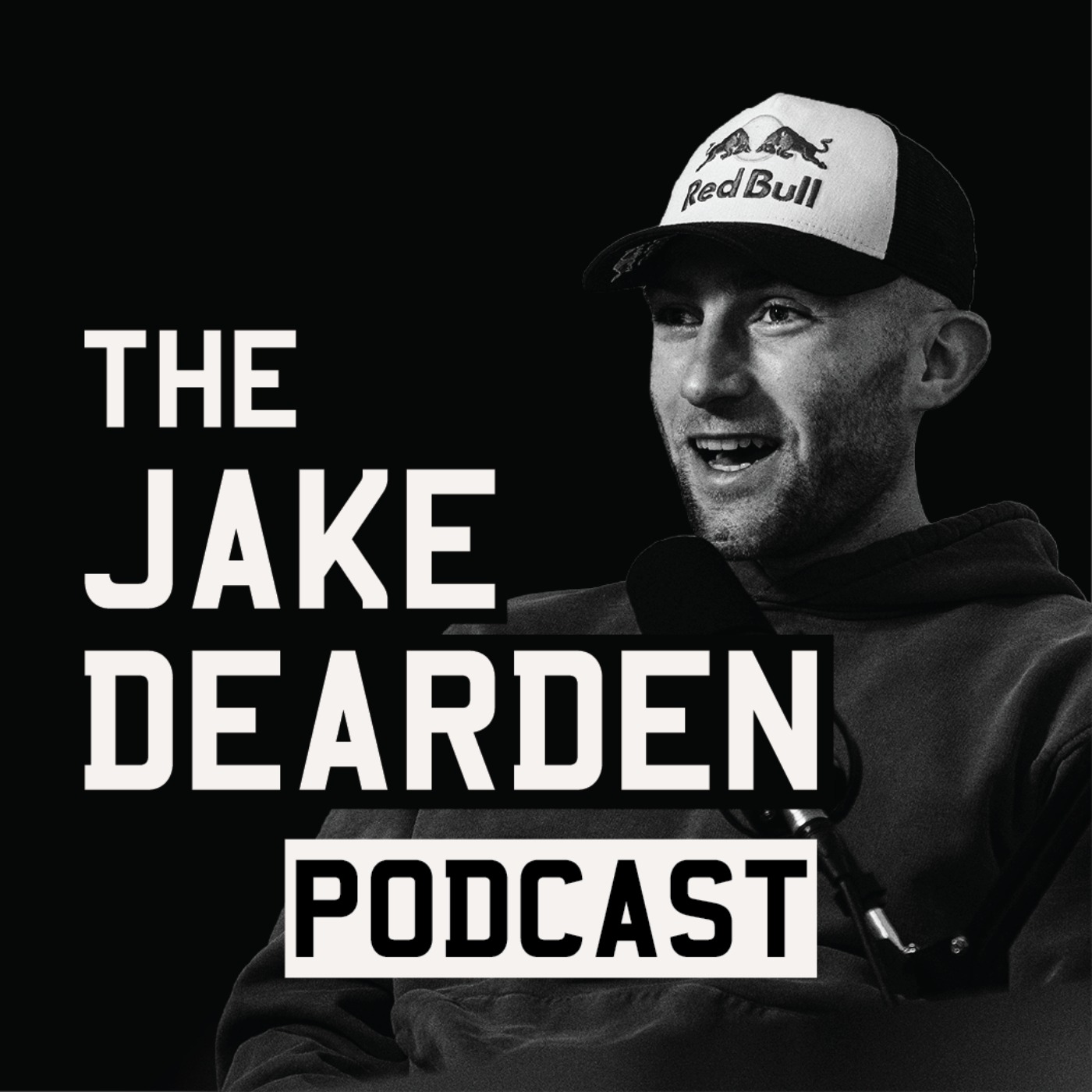

- Podcasts
- The Jake Dearden Podcast
- Dom Di Tommaso - #017
In short
Dom Di Tommaso discusses his parkour career and training philosophy, injuries and risk management, and how those skills translate into fitness events like HYROX doubles. He also explains parkour competition formats (freestyle vs speed) and offers advice for beginners.
Guests
Dom Di Tommaso (Red Bull parkour athlete, long-time social media creator; known for failing publicly as part of training). His doubles partner for HYROX is Oloni Vanoseki, described as a 100kg Fijian rugby “physical freak” and former Physical Asia co-star.
Key claims
Consistent practice and “learning to fail” keeps him grounded; parkour success comes from repetition, patience, and controlled adrenaline (he wants calm, not spikes). Society is overly fear-averse; regular exposure to manageable risk builds life resilience. Injuries worsened mainly due to returning too soon; he now trains with a more structured gym approach and aerobic base.
Notable examples
Started parkour after watching Naruto/anime and finding parkour on YouTube; first big overseas break was “For the Love of Movement” in the Netherlands, where a large front flip helped drive growth. Biggest near miss: a front flip across a gap that dislocated his shoulder before landing in water. HYROX context: 16 teams/32 athletes; Dom aims for sub-60 minutes and expects Team Korea (Amoti, Stun Gun) to be favorites.
Written by AI. May contain mistakes.
Chapters
0:45
Dom's Journey to Hyrox
Discussion about Dom's experience traveling to the UK and his participation in a Hyrox event.
“And you're doing a doubles open tomorrow, is it?”
4:00
Parkour: The Beginning
Dom shares how he got into parkour and his initial experiences with various sports.
“Figure skating definitely the most intensely.”
7:30
The Path to Professionalism
Exploration of Dom's rise as a professional parkour athlete and the dedication required.
“And so straddling that is really difficult.”
11:00
Inspiration and Influences
Dom discusses his inspirations in parkour and the mental aspect of the sport.
“you know, just figuring this shit out and then how it's progressed.”
14:03
The Journey Begins: From Passion to Career
Learn how Dom transitioned from loving parkour to making it his career.
“And at this point, did you think you could make a career out of this or did you just purely love it?”
15:00
Making Waves: The Event That Changed Everything
Discover how an event in the Netherlands propelled Dom's parkour career.
“It was like a very big annual event that was run in the Netherlands.”
16:15
Inspiration and Connection Through Parkour
Understand the impact of Dom's work on aspiring parkour practitioners.
“Do people message you saying like you've inspired them to get into parkour?”
17:15
Overcoming Injuries: The Reality of Parkour
Hear about the challenges and recovery process from injuries Dom faced.
18:34
Lessons Learned: The Consequences of Neglecting Recovery
Learn about the long-term effects of ignoring injury recovery in parkour.
“Like I was getting a couple of hundred bucks a week to do performance work.”
19:51
Understanding the Anatomy of Parkour Injuries
Gain insight into the anatomical issues that arise from parkour training.
“chances are my ankles wouldn't look like cactuses on an MRI scan.”
Show all 33 chapters
20:32
Near Misses: The Risks of Parkour
Explore the thrilling and dangerous moments Dom has faced in parkour.
“And so I couldn't flex my foot because there was a piece of bone growing here in front of the joint.”
22:30
The Psychology of Pain and Adrenaline
Understand Dom's perspective on pain tolerance and adrenaline in parkour.
“Do you think you perceive pain different now?”
24:19
Life Lessons from Parkour: Embracing Risk
Discover how embracing risk through parkour translates to life skills.
“Yeah, I uh because I'm not risk averse in any way.”
27:20
Mastering Control: The Art of Parkour Technique
Learn how Dom maintains control and awareness in high-risk situations.
“I'd say in parkour, it's like the similar process.”
28:00
Understanding Parkour Safety and Control
Learn about the importance of control and risk management in parkour.
“because, you know, I'm on a rooftop and I'm jumping across a gap onto a small ledge and if I fall off to one side.”
29:10
Getting Started in Parkour: Essential Tips
Discover key tips for beginners to safely approach parkour training.
“Like it should feel lame because the first part of it is really basic human movement.”
30:48
Cultural Perspectives on Parkour
Explore the cultural differences related to practicing parkour in various locations.
“So there are parkour studios and stuff like that.”
32:08
Evolution of Parkour Training and Competitions
Understand how parkour training has evolved and the rise of competitive formats.
“Now there's more people who are doing like contemporary parkour where it's like dance and parkour mixed at different spaces and looking for really interesting visual architecture to go along with that.”
34:48
Parkour in Film: Stunt Work and Realism
Delve into the involvement of parkour in films and the realism behind stunts.
“which was all on the rooftops of Santorini, Greece.”
39:20
Physical Training Regimens for Parkour Athletes
Learn about the training routines and methods used by parkour athletes to build strength.
“I'm like, I haven't trained, but my body's primed to do this high rocks because I've been doing parkour for so long.”
42:00
Plyometric Training and Parkour Structure
Learn about plyometric training techniques and the balance between structure and intuition in parkour workouts.
“Just really small base plyometrics in the gym.”
45:02
Preparing for High Rocks Competition
Discover the mental and physical preparations for the High Rocks competition, including team dynamics and personal expectations.
“And then I do three, like, about 60k of hilly bike rides per week.”
48:07
Family Influence and Athletic Background
Explore the speaker's athletic lineage and how it shapes their current training and mindset.
“And then there's a couple of guys who I would say are more fitness adjacent, like influencer, but they're coming to have a go as well.”
54:03
Longevity in Parkour and Future Aspirations
Discuss the longevity of parkour as a sport and the speaker's future aspirations in it, including coaching and teaching.
“And I don't necessarily have to be doing the same insane high intensity gaps with like high risk that I was doing before.”
56:00
The Challenges of Balancing Life and Parkour
Explore how life's responsibilities can impact dedication to parkour.
“There's not as many positions and life has other avenues that will take up your time.”
56:50
Mentorship and Coaching in Parkour
Learn about the importance of mentoring in the parkour community.
“I mean, I've done a fair bit of teaching and coaching over the years.”
58:27
Embracing Data in Fitness
Discover how data tracking influences fitness and performance.
“It's a recent, recent obsession of mine.”
59:15
The Importance of Fitness in Parkour
Understand why fitness is crucial for longevity in parkour.
1:00:20
Insights on Recovery and Performance
Learn how recovery practices impact performance in sports.
“Good sleep is probably like the number one priority for me.”
1:01:50
Career Aspirations Beyond Parkour
Explore alternative career paths for athletes outside their sport.
“First one, if you couldn't do parkour or anything related with it, what would you do for your career?”
1:03:24
Parkour Techniques and Landing Skills
Get tips on mastering parkour techniques and safe landings.
“People like do the front flip and they whip really fast and rotate on the way up.”
1:04:34
Nutrition and Cooking for Athletes
Find out about healthy meal options and cooking habits.
“Even if you just fall to the side, like controlled splatter out to the side, you're dissipating that force more than you're taking it in your joints and limbs.”
1:05:33
Comparing Parkour Environments: Australia vs. London
Discuss the differences in parkour environments between locations.
“I mean, I've traveled enough now and every time I go home, I have this really like pleasant perspective of home where I'm like, oh, we're from a really beautiful city.”

Ask about this episode
Get the gist, explore an idea or ask about something said.
 Claude
On The Jake Dearden Podcast, what are the key points of this episode?
Searching your listeningTranscript
Automatic transcript. May contain errors.
0:00Dom Di Tommaso. Hey. How we doing, mate? Yeah, fantastic. I'm happy to be back in the UK. How was the flight over? Terribly long. Usually it's like 24 hours, but this time it was 36. We had like an eight-hour layover in Singapore. It just stretched the whole thing out. I woke up the next morning thinking that I was going to be okay and definitely was like under the weather just from exhaustion. Sick. Sick. And why are you over here? So I'm doing a Hyrox ex-Brownie Creators race. So I've never done a Hyrox before, but they were like, hey, do you want to do a Hyrox doubles against a bunch of other fitness creators?
0:38And I was like, yes. Because I have been interested in doing a Hyrox. I've been looking at it like, oh, maybe I'm flirting with the idea. So when they were like, oh, do you want to come and do one? I was like, yeah, this is a no-brainer. That's really cool. And you're doing a doubles open tomorrow, is it? Yeah, doubles open. My partner's going to be Oloni Vanoseki who is like a 100 kilo rugby player Fijian physical freak. We did the TV show Physical Asia together last year. And then yeah, it's going to be I'm going to really rely on him for like the heavier sled pushing and stuff like that. And then I'll do the burpee broad jumps and the more agile stuff.
1:16You say that but you're a big lad yourself. How much are you weighing at the moment? 91 kilos, maybe 92. And you're in shape. It's not like a fat 91. No, no, it's definitely because I remember before I dropped to 84 last year. And before that, it was like 90 kilos, but it was like a thicker 90. It wasn't like the same 90 it is now. The power to weight ratio is definitely switched up. And I feel like fit and strong. I just I think I always like internally downplay how my size is. I don't know why. It's only when I see it like in third person, I'm like, oh, I'm actually bigger than I thought. No, definitely, definitely.
1:56Obviously, we met last year in Australia. And obviously, I'd seen your videos before. You're a parkour athlete. And that's what you're known for. You've been with Red Bull now nine years. Is that correct? Yeah, yeah, correct. And obviously, I've seen these crazy, insane videos and I thought, this guy is the maddest guy ever. I didn't know what to expect, like when to actually meet you, but you're so genuine and down to earth. Oh, cheers, man. Yeah, no, I mean, I think in parkour and as you've seen in those videos online, I fail quite a lot. And when you make a decision to try something and unquestionably go up against failure, it's quite a humbling experience.
2:40You kind of, you can't blame something else. You can't delegate, you know, the feelings elsewhere. You're like, oh, you have to accept like, oh, I'm the idiot. So I think in that way, it kind of keeps me grounded though. I have, you know, large internet following and social media has become like a big part of my life because I'm constantly trying and failing things. And I'm like, I'm not the best or the greatest or the number one, whatever, whatever biggest cojones. No, I just try, like, I'm just having fun with what I like to do. And I think everyone's journey in that way can be celebrated, you know, whether it's doing high rocks, whether it's doing parkour, whether it's being a professional rugby player, there's similarities in all those journeys.
3:22And the failures are more apparent maybe in parkour, but it's relatable to all the other ones. Yeah, it just makes me happy to be around it. Oh, that's amazing. Where did it all start? So I think it started when I was a kid, just jumping and climbing on everything that I could find. But then I was doing more serious sports like figure skating. I did athletics for a while, cross country running. And this was all back in Australia? Yeah. When I was a child, I was 6 to 13 in Queensland. I was doing all these sports quite seriously. Figure skating definitely the most intensely. and then I started watching anime Naruto and was very taken by the movement that was drawn in the cartoons started looking up ninja stuff on YouTube when I first got YouTube found parkour through that and was like that that looks great I want to go out on my lunch break and try that I got like a friend at school grad was like let's go fucking try and jump over tables like really just instantly drawn to it um it was like i don't know i love action movies and action films and it would be like doing a chase scene from an action movie but without all the combat i wasn't that into confrontation or like martial arts where it's a bit more strict in its discipline this is like very free in its nature so yeah i i just went out tried it and then i really haven't ever stopped doing it since.
4:51No, that's crazy to think that, like you say, watching anime, you go from that to then, like all these years later, becoming a professional parkour athlete. And there's not many people that are professionals in the sport. Like it is a growing sport, isn't it? Yeah, it's still a small pool of people who are like paid professionals, especially for more than, you know, a brief five-year window or something like that. How does that make you feel that you're one of them people? Very lucky. I feel very fortunate because I think, you know I did work my ass off like I you know when I started Instagram in 2014 I posted every single day for eight years 2014 that's when I started my account 12 years ago now yeah and it was like for the first eight years nine years I posted every single day like no no question no like no matter what post something every single day what would the post be would it be the failures Would it be the, uh, the wins?
5:45Usually what I tried to do was not be strategic in like, uh, what I was posting. It would try and be a documentation of what I was doing day to day. And because I was doing so much parkour, I often had parkour clips to lean on. And then sometimes I would do photo shoots and every so often I would share like some lifestyle stuff or like a more comedic post where I like came up with a little gag or something that I wanted to do. but yeah it was it was about the consistency it was about my theory was if i wanted to be a pro at this i need to be working harder than any other person perceivably on the globe doing it so by posting every single day and doing parkour every single day it was hard that anybody else was able to match that pace that was my theory were you were you looking at any inspiration at the time Was it any inspiration from, say, like other sports, skating, BMXing, that you kind of saw this path that you went down?
6:46I mean, there's historical greats in every sport that I guess I've taken a lot of inspiration from, like Michael Jordan, obviously, reaching the pinnacle of basketball and becoming not just the name, but the status of player ability in the sport and pushing the sport forwards. You know, you think about a lot of people who are at that level now, but he was unlocking that generations ago. And that kind of being on the forefront of the sport and trying to push it and advance it forwards with what people think is possible was always really inspirational to me. And I only realized that that was kind of possible to do after seven to nine years of training once I did become a professional.
7:23And I was like, oh, I have now the time and luxury of when I can apply myself to really push this thing to the next level. but it was in the sport there's always been a constant inspiration from athletes who were training for longer than me and also younger athletes that are coming through and just watching them like improve and get to the level of world class and then take it to the next level uh for me it's always just like there's such I could name you know hundreds of athletes off the top but I think the biggest ones have been Daniel Labaka who is from Liverpool uh he was just 20 2007 to 2015, like there's no best athlete in parkour, but he was the best, you know, that he was definitely just eons ahead of what anyone else could do physically and mentally.
8:10And that physical and mental autonomy is the thing that kind of makes you stand out in the parkour world, because there's a lot of guys who are physically very gifted, very strong, super powerful, but their mental game restricts them from doing anything in more consequential scenarios. And then you have guys who are crazy, but aren't maybe as skilled and they'll do crazy things, but you don't have the same respect from the community if you're not doing things in a very strategic, safe, controlled manner. And so straddling that is really difficult. And only a few athletes have done it over time.
8:44But now with this next generation of athletes, like we've got Ellis Torhall, got Twin Parkour, got Stora, who have been doing things for a very long time, but now have kind of stapled their name into a cultural identity with the sport. Travis Verkey, Ed Scott, all UK-based athletes, Joe Scandrit, they're all just legacy athletes at this point who have managed to not just make a name in the sport but also make a living doing the sport. So those guys are my biggest inspirations for sure. Do you think it takes a special type of person to do parkour? Like you mentioned there, the confidence to actually attempt the tricks and the jumps do you think there needs to be something is your brain wired different would you say i think it's just repeated time and time again practicing practicing practicing and it's so calculated that you know it's going to pay off obviously it doesn't pay off all the time yeah no i think i mean i'm not the best example of like that controlled manner of training but i don't think you need to have a screw loose to do parkour or you need to be of a different mindset.
9:52I think fundamentally, it is just a journey of self progression about learning to use your body and understand different obstacles and how to interact with them. And then being able to be more creative with that landscape of your body. And you know, using different, different moves, different challenges, different ideas. But to excel at parkour, I do notice a trend in a mindset or like an avenue that like a lot of athletes have which is like a commonality for the the yearn for progression or like want to improve um and that then shows itself in many different ways whether they become like competition-based athletes or street sport athletes or social media more like production-based i would say like you know everything's showcased really professionally.
10:42They are doing still world-class stuff, but they're presenting it in this really beautiful way as well. And that often leads to people becoming like videographers and having another pathway of income because it's just the creative crossover. Yeah, yeah. And I want to take it back to the training. When you was 15, you know, just figuring this shit out and then how it's progressed. How many hours a day are you kind of spending learning new tricks? Are you doing gym training at this point are you not uh so when i was 15 i was doing like figure skating training quite a lot and i would do off ice training which is like plyometric based training as well uh some sort of some pair work uh lifting with a partner and so through that i did three to six months of gym where i was doing legs mostly just like deadlift and squat I remember progressing that I think when I was 16 or 17.
11:39I did 180 deadlift. Wow, so quite strong for a 16, 17-year-old. Yeah, yeah. At that stage, I was like unaware that that was pretty like… Pretty fucking… A lot of weight to be pulling. So naturally, pretty strong, pretty explosive. Yeah, and just years and years of training. I've just been training since I was a kid doing like figure skating and all sorts of different sports. I think that all helps towards parkour. Yeah, absolutely. I think it gave me an understanding of how much time I needed to invest and also how much fundamental training needed to go into doing the high intensity or like performance work.
12:17And so when I started doing parkour, I was doing sometimes like 12-hour days, but you're not training the entire time. It's like you go to a spot, you maybe train there for an hour or so, and then you wander to another spot, maybe have like a 20-minute break, play around in the next spot. And when you're doing smaller learning style of movement, you're able to do a lot more capacity wise. Now at the high end of stuff, my body runs out of steam a lot quicker. And also my adrenaline spike and coming down, that makes you a lot more fatigued. So it's really hard to do high intensity parkour all day, but it's actually quite easy to do low intensity technical fundamental parkour all day.
12:58And that was what a lot of the first years consisted of. I would do it every day that my body allowed me to do it. So what were we talking about? Like four or five days a week? Yeah, probably like five to six. All right. Okay. Yeah. You was obsessed with it. Yes. You're doing 12-hour days for… Yeah. Just complete obsession. And I was very fortunate that it was like at the age where I had a bit more spare time to dedicate towards it. And then even on like an off day or a small day, you still go out and do like one or two hours of just like maybe just pick one spot. and butt ass around a little bit.
13:32But it kind of, my theory on training was that I had to do as much technical practice as possible and get my fundamental like movement chains really, really locked in. So then when I did the biggest stuff, all that muscle memory and like practice kicked in instead of extending myself and then being out of my depth. Like, oh, it's just a slightly bigger version of this thing that I've practiced hundreds and hundreds of times. Like repetition is key with any sort of movement and patience is really important as well. And at this point, did you think you could make a career out of this or did you just purely love it?
14:12A bit of both. I think, yeah, I really loved it. And then within a year, I realized that I was quite adept and I'd taken to it quite quickly. Is that when, obviously, you said that you posted every day on socials for eight years. When did that kind of start popping off? I mean… So yeah, when I realized I wanted to make a career with like 2007, so 2008. But then in 2014, when I started social media, I'd been trying over the years, like with different teams and different things to make it pop off. But when I started my Instagram was the first time I got invited to an overseas event. And so I kind of used that to hit the ground running and started posting stuff from the event.
14:54Also did like pretty well at the event to get my name out there. Which event was that? It was For the Love of Movement. It was like a very big annual event that was run in the Netherlands. And just going over there and meeting all of the guys who I'd been watching online for years. And then I did a very big front flip, which I thought was normal and that everyone could kind of do that. But turns out that was like pretty strange for most people. They were like, oh, I've never seen anything that big. So I capitalized on that, made an aim for myself doing big front flips over the next few years, went to all the competitions and within like i don't know three months i had 20k following so then i was like cool this is working and then just really like doubled down i'm really trying to push social media uh at a very early stage and now you've got a huge following i think 3.4 million on 3.7 on instagram yeah wow yeah yeah it's uh almost unfathomable at this stage how many people that is.
15:54And it's really cool because most people are just following me because I do parkour, you know what I mean? Because I jump on stuff. So I feel very grateful to have the support of people thinking what I like doing and I think is a little bit weird and nerdy, but they like it and they support it. So that makes me feel very gratified and humble for just doing what I like doing and people like it. Do people message you saying like you've inspired them to get into parkour? Yeah. And I often meet people at events and jams where they're like, oh, I watched your videos and then got into parkour, which I think for me is the most rewarding thing in the world.
16:33The whole reason I do put myself out there and try to promote it is because parkour, it gave me so much confidence. It helped me learn. It helped me understand problem solving better, dealing with failure, dealing with risk, all of these things. And so if it can help one person just a little bit in the way that it helped me, I feel like that's what I'm trying to get out there. So when these guys or girls come up and say they started parkour because of watching my videos or anything, I'm super stoked because I feel like they're going to be on this exciting journey and they're going to learn a lot about themselves and have a lot of discovery about life through this one craft.
17:12So that's like the North Star for me. were there any like low points in your career where you felt like you know this isn't worth it the injuries that you've had like coming back from them like how how do you find them do you always look at like the positives in things or inherently i do look at the positives but i can acknowledge that there has been times where things have gotten tough um there's actually interestingly a lot of it revolves around my ankles even back in 2012 I can remember having a ankle injury and then there was about three months where I was working as a dancer with a professional breaking crew we were doing like performances for the halftime shows at basketball games but I wasn't really into parkour I was still doing flips here and there but I was into going out and drinking with my friends uh and yeah I just didn't have the same draw to it I've been doing it for at that point like five six years and again trying to make something of it and nothing had really happened so it was a little disheartened that uh i hadn't become a pro yet was you working full-time at this point uh i was yeah working as a laborer and uh doing some like reception work before that period and then uh yeah during that pit window i was just working as a dancer.
18:36Like I was getting a couple of hundred bucks a week to do performance work. And then I went to a national gathering, which is where like all of the states would get together and have like a parkour jam. And the second I got there, I was like, what am I doing? Like I want to be doing this. And from that day forwards, I've been like, again, super, super dedicated and super, super into it. But then recently when I had ankle surgery last year to remove bone spurs, I had, I have, I have, Definitely ruined my ankles. Is that just, yeah, parkour, just time and time, the impact. Yeah, because also, it's not so much the impact, it's not recovering.
19:14Not taking the time to recover is the killer. So I would do something horrendous and cause a microfracture and then just continue training. As soon as it was bearable, not even walkable, just bearable, I'd be like, cool, I'm going to get back out there. And again, it was that theory of training more than anybody else to make it that then also became like the thing that's taken me longer to recover from now because it's just years and years of negligence on recovery more than it was. Like if I'd done those damages and then taken the appropriate amount of time off, chances are my ankles wouldn't look like cactuses on an MRI scan.
19:58But that's just like, I don't know. Something I definitely learned in later years was that that tolerance and drive that got me there also pays dividends. So the injury itself, obviously the impact, micro fractures time and time again, and that's just calcified the bone. Yeah. The bones grown more and more and that's made your ankles immobile. Is that correct? Yes, that's correct. So there was some that are like floating and don't interfere too much. And then there's some that are The ones that I got operated on were right at the front of my ankle joint where the flat bones are. And so I couldn't flex my foot because there was a piece of bone growing here in front of the joint.
20:41So I was very stuck with like mobility. My knee wouldn't go in my toe. And then if I did it in like a aggressive or momentum kind of fashion, it would just like stinger all the way up. So then, yeah, getting the surgery, I thought it'd be a couple of months, but it's been like five, six months. and I can say now it's recovered, but it took much longer than I thought it was going to. Has that been like the worst injury you've had? Obviously, you've had some big falls. Some crazy falls, yeah. Which are the ones that have kind of stuck with you and have any kind of like traumatized you that you're like, ah, that was touching goal, like too risky?
21:24No, I just don't really view it through that lens. Like, yeah, I've had some near misses, but I've had more near misses than I have like terrible failures. I think I look at the positive parts of each thing where I could be dead but I'm not and I learned that my body will generally reflexively save me in some manner. So yeah. What's the biggest like near miss you've had? I think the biggest near miss is probably also my most viewed video where I front flip across a gap. don't make the distance my toes hit the wall first and then my head perceivably slams into the wall but I put my shoulder down in front of my head so the force dislocated my shoulder and then I land in the water and flick my hair up like I'm okay I'm okay but like that was that was bad it was obviously bad I just think I've had so many fails over the years and I was with like a bunch of people and I didn't want them to worry that I'd knocked myself out and I was going to drown in the water.
22:28So I was like, cool, I'll just tell them I'm good before I really realized what had happened to me. Do you think you perceive pain different now? Yeah. Yeah, I think I have a... Because I like to complain. I like to whinge. Like, oh, I'm sore. Oh, I got dorms. Oh, my legs this, my legs that. But then during going through pain or when I experience pain, I think my tolerance is actually quite high for that sort of thing because my excitement outweighs the pain. Do you still get like adrenaline spikes? Like before a big jump, are you still kind of, is heart rate high? Or are you like really, really relaxed?
23:06I think it's mostly relaxed now. I generally still will get an adrenaline dump after a jump. When I land and everything's done and I'm like, oh my God, that was crazy. But beforehand, I don't want any interference. I don't want any adrenaline spiking because that's going to make my job harder to be in control during while I'm doing it. Is that what you seek? That kind of adrenaline? Are you an adrenaline junkie, as they say? No. No, I would say I'm not. I would say that I almost crave control of the adrenaline where I want to be in like a meditative or zen-like state where though I'm in a perceivably dangerous situation or going to do something that might become very risky or high risk, I'm gonna do it in a calm and controlled manner and maintain like level-headedness through the whole situation I think that this helped me with like, you know stressful situations in life like, oh, where's my passport?
24:05I'll figure it out. Like you roll with the punches a lot better if you practice getting punched Would you say more of a chill guy now then because of that like if you know shit hits fun? You're you're chilled. Yes. Yeah, I uh because I'm not risk averse in any way. Like, it'll be fine. The sun will set and the sun will rise tomorrow. So things will just keep on keeping on. You know, I can recognize that I'm from Australia, which is a very good economy and lifestyle. And we're very fortunate in that way. But yeah, I think it does just keep me more relaxed that life will keep ticking on and what will be will be.
24:47Do you think you could, Would you recommend that to other people? It might not be in the... Obviously, you do it through parkour. Yeah. But would you recommend people pushing themselves out of their comfort zone? Because that's essentially what you're doing regularly. Like almost every day that you train, you're like, shit, I don't know whether this is going to pay off or it's not. And you're getting kind of like that fear. Yeah. Do you think that helps you in life? And do you feel like people should seek that? But yeah, I mean, I absolutely believe that society has maybe an overdeveloped relationship with fear these days.
25:27Like we're very bubble wrapped and coddled in the risks that we take in day to day. Even like if I climb a tree on the street, the security or police would be like, oh, don't climb the tree. You're like, well, what do you mean? I'm taking risk upon myself completely on my own decisions. but it's also something that fundamentally was like a human thing. We all as kids climb trees or, you know, seek to do something physical or exciting or, you know, explorative in that way. And we don't encourage that as much in society as we used to. And so by putting myself in those scary situations regularly, it's given me a very different perspective on not just fear and the relationship with it, but also like the way I look at landscapes and life and the day-to-day on the street for me is very exciting because it is just a big playground as opposed to a pathway that I've got to walk down or a bridge or a rail that I've got to stop.
26:30You know, there's a more free aspect that comes along with it. And I think the more people can introduce risk and just being in a fearful situation, learning how to adapt is going to make their tolerance and understanding of everything more clear. Yeah, I can relate because if I do bad at a high-rocks competition, I sometimes think it's the end of the world. Yeah. And I know it's because you deeply care about something, but you've got to look at the bigger picture. Like, everything's the same. I'm healthy. I'm going to wake up tomorrow. And I feel like what you do probably highlights that a little bit more because you could literally, something could go wrong and you might not see tomorrow.
27:18Yeah. Literally, that's how dangerous your sport is if you don't calculate the risks. Yeah, exactly. I think, and correct me if I'm wrong, but the training cycle for a high rocks is like this probably month to two month long period and you're building up over time and you've got this one antithapis where it's like the match day and then the emotional fallout, be that good or bad from that kind of peaks off. I'd say in parkour, it's like the similar process. But as you said, it's more incremental and more day to day. But I don't think anybody that's doing parkour thinks that they're going to die or thinks that there is actually a risk of death in the way that they're practicing.
27:55Like objectively, I can see how that may seem like the case because, you know, I'm on a rooftop and I'm jumping across a gap onto a small ledge and if I fall off to one side. But the big thing is if. I don't think that anybody doing parkour... often or a professional level, uh, is putting themselves in a situation where they don't understand the full capacity of the like control required, the risk involved and how the contingency plans that are in place to save them from doing anything that is mortal in that way. Um, like I always have, you know, preference to which side I'm going to land so that I can go into the place that doesn't have the death drop or like different techniques where I'll undershoot and then catch the wall with my hands instead of falling down.
28:46It's like all these learned skills over years and years and you never put yourself in the spot where you actually think, oh, I could end here. Like you just, if that, if you're thinking that nine times out of 10, you're not going to be doing that jump. There's no way. Like you can acknowledge the fear, but if you're thinking about it, your body won't let you do the jump. if you was on that note if you was thinking if someone was thinking about getting into parkour yeah would there be some key tips that you'd say start off with like one thing that I probably picked up on there like you learn how to fail before actually attempting the jump if that makes sense like you learn how to fall properly yeah so you're safe I would say that when you're learning parkour the first part should feel dorky it should feel like oh I'm just learning how to get up and get down off the floor.
29:40I'm learning how to step over a box. Like it should feel lame because the first part of it is really basic human movement. And then you're adding acceleration, power, speed, all these different things to those elements that are fundamental human movements and building them up over time. Uh, start somewhere soft. Don't start on concrete and metal that is just extremely taxing on the body. My theory would be start on somewhere that's softer than your bone density. So like sand, gym, even like rubber matting is a lot more forgiving than concrete is ever going to be. And then also seek out others, locals in your area that are doing it.
30:27So you have instruction that you don't necessarily need to go to classes, But if you find that there's a class structure that speaks better to your learning style, then seek out classes in your local area. There's almost a parkour gym in every single city now who does some sort of classes and has an indoor setup. So that would be my advice for anyone getting into it. And have fun. I didn't actually realize that. So there are parkour studios and stuff like that. It's not just like people doing it on the street. Yeah. Yeah. I mean, here in the UK, they have a full federation. and everything's done through like a proper system.
31:03And then there's multiple parkour gyms throughout all of England, all the way up and down. Are there any rules on where you can and can't do parkour? Officially. And do you… My next question would be, would you abide by them? You're allowed to just jump on roofs. Yeah, culturally, no. Culturally, you can do parkour wherever. Obviously, there is law restrictions. but that changes country to country. Here, going on rooftops and doing parkour is seen far less criminally than somewhere like Japan, right? Or Singapore. If you're climbing on a building in Singapore, chances are the regulations are so high in that city that it's going to be a big issue.
31:48Here in the UK, most of the time, if I'm climbing on a roof and the police are called for any reason, they'll be like, hey, what are you doing? I'm doing parkour. They're like, cool. someone's called us so if you guys can just move on no worries there's no like extra criminality involved because there's an understanding of what the sport is and the culture and just the difference in in laws here i would say and is a favorite place you like to do it like a favorite part of like an urban area i mean i i love bfi imax there's uh just outside waterloo station here there's these blue walls and it's an iconic park or spot that's been used by the UK practitioners for you know over 20 years and yeah I've done a lot of my hardest physical challenges there and some mental scary ones as well and it's probably my favorite spot to just go in the world I even like you know just went and visited it on my first day here the other day just to see it yeah that's sick that is that is so cool how's the how's the training like evolved because how i've seen it like parkour when i was younger like it was just this thing like say people did on the street now it's getting more and more professional yeah has the training changed with that i would say that yeah there's a a lot more variety in how people train nowadays they used to be more of like go out you have a pretty standard set of skills and you go to places with walls or like high density of urban structures and practice those.
33:23Now there's more people who are doing like contemporary parkour where it's like dance and parkour mixed at different spaces and looking for really interesting visual architecture to go along with that. Then there's people who are training more traditionally, just still going out, holding what we call a jam, which is just a general training session. And you just bounce from spot to spot. Then there's people who are really focusing on the competition style. And that's like the big surgence that's happened in the last five years is that getting yourself into competition can be a really good launching platform for a career as an athlete, getting sponsorships, getting paid to win if you're that good.
34:02And the Federation of Gymnastics has started some competitions as well. And then we have a World Series that's like our cultural one, SPL, Sport Parkour League. And through that, we see a lot more people practicing in the gym with structured training, whether that be for speed competitions or freestyle competitions. They're like doing, you know, formatted training to become a specialist in those fields. And then maybe they're performing on the concrete and outside a little bit less and saving their big moments for competition, which generally speaking, the competitions are still indoors and in the gym.
34:44But I would love to see more outdoor competitions. Like these have Red Bull Art of Motion, which was all on the rooftops of Santorini, Greece. I was like, this is the best comp, you know. Putting parkour in an urban environment for a competition far outweighs like the visuals of any gym. So you said there, there's like freestyle and the speed parkour. Can you just like explain the difference between them? Is it like a different type of competition? Yeah, there's three competition formats that we have in parkour now. So there's freestyle, which is what I grew up doing. You've got a course and you get some time to come up with a 20 to 40 second line consisting of your best and hardest tricks all connected as well as possible.
35:23You want it to be like one long, smooth combination with as few kind of dull moments as possible. And then it'll be judged on flow, creativity, execution, and difficulty. Do you have like music going along with that or anything like that? Generally, you get to pick the track that's playing, but you're not doing it to the music. Right. So it's not like, for example, bodybuilding or something like that. No, no. Not acrobatic in that way, where it's like a performance to the music. The music just adds, you know, you can ask to have no music as well. But the piece itself is usually linking the big tricks together in a really nice like high execution way as opposed to doing a trick and then scrambling your way over to the next thing you want everything to be like succinct in the whole run um but then we have speed and speed is the most obvious one it's race against the clock uh the courses usually vary um but they do you do see like a heavy focus on the parkour side of things.
36:34So there's less, there's no flipping, there's no acrobatic maneuvers. It's like climbing, jumping, running, striding on top of things. So this is what you'd see like typically like in a film or like when you're getting chased by the police. Yes, yes. That speed aspect. But I think even the guys now, they go so quickly that it wouldn't even translate to film as well because they'd just be gone. Like, you know, like three seconds and they'd just be out of frame. And the police would just be standing there like... Like it's so fast nowadays that we've seen like... Would you like your chances if you ever did get chased?
37:14Yeah, if I got chased, I think I'd be fine. To catch or to run away from somebody, I'm definitely willing to do something that my pursuers would not be, like jumping off a high height or something like that. I used to often joke that I do parkour to train for the zombie apocalypse. as long as I can, you know, do something that would be fatal to a zombie, then I should be able to survive. I love that. And you mentioned that like, obviously you can have different jobs that come out of being good at parkour. Yeah. Have you done stunt roles before? So I have done a few small stunt jobs over the years.
37:50And there's also like coaching or event organizing, gym ownership, parkour brands are different ways to go down. I did a movie called Twist, which was like a modern retelling of Oliver Twist. I did the opening scene for that. Really fun. Got to shoot in Library of London, which, you know, again, insane location to go and do parkour. And then I recently did the parkour design and consulting for Highlander that they're shooting currently, the new Highlander that's coming out. So I'm really excited to see how that translates to the screen. We just went in, you know, rigged up all the jumps and told the director what works and what is like legitimately modern parkour as opposed to like the traditional lens of cinema parkour, which can sometimes be a bit camp.
38:44Yeah, well, I was thinking that. Are you the people that kind of decide whether it's possible? Because like films seem more and more unrealistic. Yes. Are you kind of like the voice that says that can be done or that can't be done? I would like to think that, yeah, that's the position I'd like to work into. It's only been a few times now that I've had that say. But yeah, I would very much like to work into a specialist role of realism in the movement and understanding what is pushing the limitations of what the human body can do versus what is just unrealistic and is being done by wire work or CGI.
39:23Where'd you see Parkour going? I mean it's it's for me it's like this never-ending growth because it can go in so many different ways whether that be completely you know taking over and revolutionizing the movement of the stunt world and people involved in it can also help like other athletes who want to pursue different sports it can help them in their base training just having like a fundamental understanding of plyometric takeoff and landing repetition of jumping you know for any other athletic sport is a good way in. It's kind of like the pull I'm using. I'm like, I haven't trained, but my body's primed to do this high rocks because I've been doing parkour for so long.
40:05So it's that like... It's like that general preparedness. General preparedness, yeah. You learn as a kid. And is there anyone or any sport you think a parkour athlete could like transition over to? Yeah, I mean, depending... I'm thinking like OCR, like obstacle course racing. Yes, for sure. For sure. Obstacle course racing. I also think it depends on the skill set, but you know, like a bigger parkour athlete could transfer into rugby. And I think the smaller athletes could do something like a sail GP really well, where they're not necessarily doing parkour the whole time. And there is other roles that come along with it, but it's like maneuvering about the boat in the middle of the ocean, having the balance and understanding of your proprioception in a high risk situation like that.
40:51I think those little things can aid athletes in such a big way, just understanding how to move and how to shift their balance while at high speeds. That's super interesting.
41:06I'm so interested with how I can learn from you from a high-rex point of view. We trained together the first time we met last year in Australia and we did a gym session together and I was just mind blown by, at this point, you've probably done like six months in the gym. Yeah, yeah. I think it's about that. Six months is gym training. And your core strength is naturally unbelievable. Your grip strength, even your pull-up strength, you know, I think you was pulling like 35 kg plus your body weight. I mean, just. Just about, but like you're naturally so strong and I'm guessing this is down to, like you say, being able to pull yourself up things and yeah, How's training looking like in the gym now for you?
41:50I would say it's about 50 % functional, like movement training for jumping and parkour. What's that looking like? So I'll be doing like two plyometric sessions a week. Just really small base plyometrics in the gym. I'm not doing anything too crazy. Sometimes I'll go max box jump and that sort of thing. But most of the time it's just hopping exercises, small box jumps, repetition, or like max bounds. that sort of thing um and then i'm doing like on those plyometric days i'll also do other leg exercises like sissy squats and uh hip thrusts and that sort of thing and then i do three days of like bro building where it's just like i've never never really lifted weights at all so doing all this upper body training is really fun because i can definitely feel myself getting a lot stronger So I have like a pull day, a push day and a hypertrophy day, hypertrophy, whatever you say it.
42:47Yeah. And like I've got a program from Matt Hampton, who's like this 140 kilo bodybuilding, just absolute monster of a person. And so we like have fun with the idea of putting a bit more size on me just because I'm big framed, as you said, but I've never had like the muscle structure to back it up. So now I'm like mixing it around. And when obviously you're in the gym, you're looking at, I'm sure the term progressive overload has come to you where everything's really, really structured. Have you transitioned that into your parkour workouts? Like is there a certain amount of jumps that you should do per session, for example, or do you not really think about it like that?
43:32Do you just do it until you saw and then go home or do it until you have a big fall and then you go to the hospital? Yeah. Yeah, I just kind of like when it comes to parkour, it is there is like I've tried to implement structure before. I'd be like, okay, I'm going to go to training. I'm going to do 10 of this, 10 of that. And then you just like get carried away doing other stuff anyway. It's very intuitive and it's very at your own leisure and pace. Some guys will come out for three hours and do two jumps. Like I don't have that capacity. I noticed if I'm training about every 50 seconds, 45 to 50 seconds, I'll be doing some sort of jump or maneuver or like.
44:08trying a challenge over and over again. There's not a big gap between me going for the thing and then finding the next thing. But that'll only last for like an hour. I've done like 100 jumps and then I'm like, cool, I'm pretty pooped. I'm going to go into the next spot or go into the next thing. But it's really like really hard for me to see that as like formulated or structured. So when I do the gym, it's nice because I don't have to think or come up or be creative in any way. I know the weight I lifted last week, I look at my little program, I do my program, and then I go home. It's like that thoughtlessness and less alone on the creative side is helpful.
44:48And I enjoy that more now than I used to. And are you training just as much now? Or are you training a little bit less? You're doing far less parkour now. I'd say I do like two to four days of parkour a week. And then I do like five days of gym training. And then I do three, like, about 60k of hilly bike rides per week. Oh, so you're working on this aerobic base? Yeah, I just think it really helps with parkour. Yeah. Yeah. But, like, you can just jump more frequently or do… Yeah, I think, like, being able to go out for longer training sessions. But also just having like an overall level of athletic base being high helps you within the sport just because it is very athletically, you know, driven.
45:41You do need to be able to run, jump, land, roll, all these things over and over and over again. And so if you're physically not at your maximum, then performing these high level, high risk maneuvers makes, becomes more difficult. Yeah. No, that definitely makes sense. Are you, so I want to move on to the high rocks now. How are you actually feeling for it? I think I keep getting in waves of nerves. So like at one point I'll be like really confident. I'm like, yeah, I'm just going to fucking smash it. You know, I'll go out. I like running. It's all consistent level running. So I don't have to worry too much about my ankles on like all the different like hills and that sort of thing.
46:24And then I'm like going through the other drop off of that where I'm like, oh my God, I'm going to get a kilometer in and my ankles are going to blow up and I'm not going to be able to keep up with like the people I want to be able to keep up with. And then I'm going to get disheartened. But at the end of the day, like it's my first one and I'm going in very like c 'est la vie about the whole thing. I'm not giving it too much pressure. And I also bought like a human weapon as my doubles partner. So I know the type of person that he is, we're going to be able to carry each other through that like, you know, down period or any like slacking off won't happen because we're going to want to do well together.
47:06Are you the favorites? No, I don't think so. I wouldn't assume so. How many teams are there tomorrow? There's like 16 teams, I think. 32 athletes. My, like, as far as I know, the favorites would be Korea. Team Korea. They both do high rocks. I have done high rocks. and for the audience would you just be able to explain what's actually going on so yeah okay so one youtuber brownie stan brownie he has a youtube account called brownie he's gotten together 16 different countries two fitness creators per country and we're having a race to see who is the fittest creator it's called fittest creator cup i believe um and so from the uk they have Leo Baker and KSI from Team Australia.
47:51We got myself and Alani. Team Korea, they have Amoti, who was the Season 2 winner of Physical 100, and Stun Gun, who was the captain of the team that won Physical Asia. So there's like a lot of guys who are very, very fit and do high rocks. And then there's a couple of guys who I would say are more fitness adjacent, like influencer, but they're coming to have a go as well. So it'd be an interesting mix of people. I don't think there's going to be a huge amount of people that do sub-60. But if I tail the Korean team, then hopefully we can get sub-60. That's the goal. Yeah, that's the goal. I think you've got a strong chance.
48:34Before this, we were talking about your background. You said that your dad was a marathon runner. Yeah, yeah. Until I was 15, 16. He competed for the 2000 Olympic trials. You know, we were running all the time, every week. And then my mom was a triathlete as well. So she has a base in it. Wow, so pure endurance background. Yeah. And now my brother-in-law is also a marathon runner. So it's just, yeah, it's in the family. And it's something I did a lot as a kid. I just haven't done a lot over the last couple of years because of my ankles. But the two runs that I have gone on have been really successful in the last 12 months.
49:10So I'm just kind of riding the coattails of that. You've been on two runs in 12 months. Yeah. Yeah. and then I'll do the high rocks tomorrow. But I also do… Straight in the deep end. Yeah, exactly. But I… Okay, the thing that is positive about the high rocks to me is that it's not monotonous running. I can burn for 4K and then because I'm doing doubles, I'm going to have these 30-second windows to just recoup. And then as soon as I'm back onto the running, as I get my rhythm for that, I'll be able to like come back off and do something else because I think when I'm doing running, the monotony is the thing that kills me.
49:45The constant just same, same, same. So I like the idea of every like four to five minutes I'm going to be switching things up. Even if I'm going a bit slower, it still means that like ADHD brain isn't going to get distracted or bored just running. And I can push to a certain point and know that I'm going to have these little breaks. Is that why you mentioned before that one of your past careers was a bin man? Were you calling him a bin man? I don't know, what do you call him? Yeah, so I was a garbage man. Yeah, garbage man. for four and a half years. It's different over in Australia, right? Yeah.
50:16I mean, I guess I didn't realize that we do it very differently there. But in Australia, there's only a few spaces that have people running on the back of the truck still. And in Sydney, we were kind of brought up on these garbage men who were like off-season footy players and just like these big units just running around, tossing the bins because it's good pay. And so they can support their families while still being like second grade rugby players coming up into the ranks. And so we just got that job when I was like 18. My best mate had the job. We jumped on the trucks and yeah, just treated it like it was like a paid workout every time.
50:57The job was good. Like I really liked it. It's again, you're getting paid to run around and have fun. You know, it might be a bit dirty, might be a bit less of them, But it's also societally one of the most important roles that we have. It's like a doctor or anything else. The bins need to be taken out. So in a way, it's very rewarding in a sense. Like, I'm doing something good for society. I'm contributing. No, it's cool. I think it's a little bit different over here. Like every bin man I've seen walks. They don't run. But it's cool that you've turned it into a workout. I think that's just the way of Australia, isn't it, really?
51:35Yeah, we have a very big fitness culture, a very big sporting culture in Australia. I think it's quite celebrated as well. So the more you can get behind it and do some like honest hard yakka, it feels gratifying in that national way. Like, yeah, come on. Yeah, that's sick. I want to talk about like you away from parkour. What do you do in like your spare time? Watch Netflix and wait to do more parkour. Like, I don't know. I really enjoy like production and film and learning about like the lore of different novelists and that sort of thing. I really think coming from an acting background, not just being like, oh, I like to watch films or like watch series.
52:21I'll watch the same series like five times over. What's your favorite series at the moment? Oh, at the moment, I'm back watching Naruto again. But I like Peaky Blinders, The Boys, Game of Thrones. I like rewatching them. Why do you rewatch them, by the way? Yeah, that's… I don't necessarily know why I prefer to rewatch things as opposed to starting new things. I don't know if it's like, oh, I'm scared the new thing's not going to be good. And I know this thing is reliably good. But I also like… It's the first time I watch it, and then I'll watch a breakdown of it. And then I'll learn more about the lore or like the nuance of the story.
53:01And then I'll watch it back knowing these things and trying to observe how the people have directed and shot that to accentuate this point or like look at the status of this character or what character development they're having between episode to episode look at the scripting the dialogue the lighting the costume design like that whole world of film and cinema that because i've worked enough in it to know what goes into those things then i'm fascinated by that process so when i watch it over and over i often i'm looking at different details or watching like people in the background of the scene and what are the extras doing and what are the people on set doing and like even when I watch movies and tv shows like reality tv I can often see these little tells of things that I know from production like oh that guy works on production with the orange shoulder bag because he's in this shot and then when they cut to this other shot he's in this shot doing the crowd wrangling it's like this weird fascination with that world but watching it through the screen do you think that's something that you'll move into essentially what do you see yourself and this is another question that I'm curious about like parkour can how long can you do it for like do you see longevity in the sport you're 33 now 33 33 can you see yourself doing it into your 40s definitely 50s yeah I mean I'm kind of now in it to prove how long you can keep doing it professionally I'll be one of the older professional athletes in the game and there is like I guess unfounded land of like how far can you keep doing parkour but like I said before it's not a traditional sport I don't have like a coach or a season or a competition that I have to do I can just go out in the street when I feel like it do cool shit and then that's my job that's my career so in the same way that skateboarding is a bit more free and can be done you know Tony Hawk's still doing amazing things on the board to this day because it doesn't have the same parameters as other sports, I think there is a lot more longevity in it.
55:02And I don't necessarily have to be doing the same insane high intensity gaps with like high risk that I was doing before. And I was also doing that stuff like regularly daily. Now I can do it when I feel like it, which means that it gives me a lot more freedom to push it into a number of years. And my goal is to still be doing parkour at a professional level into my 40s for sure. I'd like to do it to 50 and then I'll evaluate from there whether it's worth growing up. Do you feel like that at the moment? Do you still feel like a kid? Yeah, absolutely. I mean, yeah, I get to... To keep you young.
55:42Yeah, yeah, yeah. And like, because of the generational turnover of parkour, I end up like training with a lot of younger athletes. Like a lot of the guys that I end up spending a lot of time with when I'm at home or in their early 20s because that's when they have the opportunity to kind of give parkour or go as a career or they just have enough time to dedicate before like real life sets in you got to go get nine to five and then suddenly your days become full and then you've got a misses and you haven't got as much time to dedicate to your craft and then coming out once a week and then you've got something that comes up on Saturdays and then suddenly you're not coming out for months at a time that just naturally happens to a lot of people as they get older in the sport.
56:22There's not as many positions and life has other avenues that will take up your time. It's still a very like leisurely lifestyle activity, parkour in that way. Like, you know, some people just do it as a hobby, but we'll see them still practicing for a number of years. And do you see yourself like coaching or anything like that? Do you know after, say like when you've retired from the sport, What did you see yourself doing? I mean, I've done a fair bit of teaching and coaching over the years. I like running workshops on specific techniques and that sort of thing. But I don't inherently like coaching as much as I kind of like just mentoring other athletes.
57:12I don't like the structure of the coaching, but I want to be there making sure that these younger athletes are taking the right measures to do it safely. they're pushing themselves to that next level that maybe they couldn't unlock by themselves. And they're like understanding what the morals and codes of the sport are when we're out practicing as well, like respecting the space and respecting the public and that sort of thing. But yeah, I often do a lot of that kind of mentoring just through sessions more than coaching nowadays. And then I'll do the infrequent workshops here and there. But I feel like my goal is just to become kind of a spokesperson on behalf of the sport, push the sport into more mainstream places.
57:56And then hopefully by the time I get to retiring, the sport has enough industry and position to hold me in like, you know, live stream hosting or competition judging or, you know, doing video productions around parkour and sponsoring younger athletes and giving them, you know the spotlight in that way just anything i can do that's still forwarding the sport of parkour um and then using the fortunate position of profile i have to further it as much as possible that's kind of how i see it very loose again i'm like it's chill guy you know what i mean just wherever what will be will be yeah that's cool and i like how how chilled you are but i do notice that that you've got a whoop yep which means that i feel like you're probably a little bit obsessed with the data?
58:46It's a recent, recent obsession of mine. My partner got this for me for Christmas. Oh, right. Okay, so very new. And she was like, not sure if I was gonna take to it and really, really use it all the time or I was gonna just use it for a couple of days. You've got the charger on, so... Yeah, yeah. I really like it. I kind of think sometimes it validates when I'm like, I'm feeling tired and like, I shouldn't do something today and then it's like, you have 1 % recovery. I'm like, oh, I'm almost dead. so maybe I should just yeah listen to this so it's validating in that way but I also like um yeah with this whole new I guess fitness journey and gym focus that I have more on my physicality more than just like the big performance stuff of parkour then all that information is like fun and helpful to to progress and feel like I am getting better like when I started it said that i was aging two times faster and now i'm aging 0.3 times slower or something like that so yeah yeah younger yeah exactly there's there's improvements that are being made um just by having the knowledge how important do you think it is to like doing any sport but like you say parkour uh how important is it to look after your fitness because like you say you've had countless injuries um i think it you know if you want to be able to continue doing it it's a huge priority i think the fitter and stronger and healthier you are as a base the faster you're going to recover from injury the more you're going to be aided in your ability to learn and take on new things physically and overall like the more energy you have and the better you're feeling the better you're going to perform uh just on like a very base level so kind of like top things that you look for like do you try and get your sleep every night you try and obviously you're learning new skills like that is your job your progressive skills and when i've studied skill learning sleep is one of the most important things uh making sure that you're relaxed you're not stressed are these things that you kind of like incorporate into your lifestyle?
1:00:59Yeah. Good sleep is probably like the number one priority for me. Do you ever go out on a bad night's sleep? Like would you ever try? Yeah. I mean, I've done some of my best days of parkour hungover. So I mean, that's just the nature of the beast is you can't control every facet of life. But I think trying to make sure that I'm, the way I see it is output over input. So whatever my day consists of, if I'm doing more physically of an output than I'm intaking with food or beers or whatever it may be, then I'm going to be fitter and stronger the next day. So then I just keep trying to do more physically output wise than I do input.
1:01:45And it seems to be working. Pretty simple formula. I love that. I want to finish with just some questions. Yeah, yeah. First one, if you couldn't do parkour or anything related with it, what would you do for your career? What would you do for work?
1:02:05Probably videography or writing. Or writing. What would you… I would like to do like joke writing for like film or television or script writing or... That's interesting. I've never heard anyone say they want to do that. Yeah, yeah. I mean, I would have delusions of wanting to be a stand-up comedian, but I'm not that funny. Have you tried? I've done a few small gigs in the parkour scene. We have like a Oslo Movement Festival gathering, which is our biggest annual gathering at the moment. And I've done, yeah, a stand-up show for the last two years there. It's gone all right. But I think the craft of like actually writing jokes and coming up with like how to package it as opposed to just being inherently funny is like a fun task for me.
1:02:55It's like a fun brain training. Next one. Your favorite trick? Front flip. Definitely. Diving front flip. Give me three meters plus and a soft landing and it's just like the best thing in the world. Is there a certain recommendation or tip you give to someone? How do you progress onto that? Is it something that takes years and years of practice? Or is it… No, it just… You have to remove the idea of doing a traditional front flip. People like do the front flip and they whip really fast and rotate on the way up. With this one, you want to dive out and then kind of rotate on the way down and then use the kick out and timing of the exit to get it right.
1:03:38Yeah, it looks so cool. It's so much fun. Yeah, when you see it in person, it just looks so cool. How do you land from… Like you say, like these, you're jumping from so high. Well, the landing technique in parkour, no. If it hurts, I did it wrong. Right, okay. That means it was unsuccessful. The technique for landing is very much like balls of the feet first and then you're trying to squat down and do the activation all through the muscles and then transfer using momentum, be that a roll or some sort of like ground momentum transfer to get rid of all the force and dissipate the force. That's how you're actually able to land from such heights is that you're not taking the impact.
1:04:25You're like kinetically maneuvering around it. So a roll is better than just trying to absorb it just by landing on your feet. Absolutely. Even if you just fall to the side, like controlled splatter out to the side, you're dissipating that force more than you're taking it in your joints and limbs. Ah, interesting. Do you cook? Yeah, I do. Yeah, yeah. What's your go-to meal to make? I'm pretty basic. I do just like a steak, a salad, and then I air fry potatoes to have fries, but homemade air fry potatoes. On nutrition, are you pretty healthy most of the time? Yeah. Yeah. I would say I, you know, have frequent bouts where I just go through a phase of having burgers and fries every day.
1:05:12But at home, pretty big on, you know, meat and three veg. Most meals, I do a lot of the cooking for my partner as well. So we try to eat healthy and have a pretty good sleep cycle as well. Like up at six, go to the gym, go to bed nine, 30, 10 o 'clock most nights. If you could live anywhere in the world? Would it be Australia? Yeah, it would still be Oz. Yeah. I mean, I've traveled enough now and every time I go home, I have this really like pleasant
1:05:46perspective of home where I'm like, oh, we're from a really beautiful city. Our economy is really like fortunate. Like the lifestyle is really good. So yeah, I would, here, London is the only other place or England is the only other place that I would fantasize about moving. I do like it here a lot. Just, just the weather. It's yeah, but the parkour is so good. Yeah, true. Yeah. Is it the same over in Australia? The architecture is just different. Yeah. There is some really good spots and we do have like a pretty high urban density for that sort of thing. But a lot of corrugated iron rooftops, a lot of tile rooftops that are at angles as opposed to like the flat rooftops and the spaces between buildings are huge as opposed to here where everything's a lot more compact.
1:06:32That's like the big standout differences. It's so crazy because if you was in any other walk of life, you'd think the opposite. You want the opposite. Yeah, exactly right. You want the space. You want the like, yeah, nuance and the sunshine. But I don't know. There's something I like about the grit and the grime of London. Yeah, there definitely is that like we were talking today. It's cloudy outside and being cloudy is a nice day. Yeah. As long as it's not raining. It's a nice day. yeah but no that was super interesting good luck with the High Rocks tomorrow thank you supporting I'm watching I think I think you'll smash it like I say every time I've seen you train and witnessed what you do you're a beast oh thanks man you've got the background yeah you could be a High Rocks athlete in the future yeah yeah yeah we'll see from here we'll evaluate I think the next one I'm going to do I'm going to do it with my mum who's 70 oh so that'll be fun She started messaging me after seeing I was doing this.
1:07:32I'm like, oh, I'd be keen to do it. And she's a beast as well. Yeah, so you said that she was into triathlon? Yeah. She now still does like paddle boarding, open water paddle boarding. She's 71, but competes at the over 50s world championships and still like places. Well, I think in some of those one in Sydney. Yeah. Yeah, yeah. That's what we're talking about doing. So should be good. Very exciting. That's cool. That's cool. No, thank you for today. Thanks for having me. It's been an absolute pleasure. It's been sick. Thank you.
From the publisher
Today's podcast episode is Parkour Legend Dom Di Tommaso.
This episode we dive into the mindset and journey of a professional Red Bull parkour athlete. He shares how training every single day for years, embracing failure, near-misses, and documenting the process through social media helped turn his passion into a career.
00:00 Intro
04:30 Discovering parkour & early sports background
09:00 Mindset and fear within parkour
14:00 Training routine
20:30 Injuries, recovery
27:00 Social media growth & becoming a pro
34:00 Risk, near-death moments & pain tolerance
42:00 Adrenaline vs control
50:00 Why you should push past comfort zones
56:00 Advice for beginners & final thoughts
5% off 247 Represent - Use code: JAKE247
https://uk.representclo.com/collectio...
BPN supplements - 10% off, Use code: JAKE:
https://www.bareperformancenutrition.com
Whoop — 1 month free:
https://join.whoop.com/gb/en/Jakedearden
Hosted on Acast. See acast.com/privacy for more information.
More from The Jake Dearden Podcast
All episodesWe use cookies.They keep VO running smoothly and help us improve it. Privacy policy