
In short
Podcast Summary: The James Altucher Show - Episode with Kevin Shipp
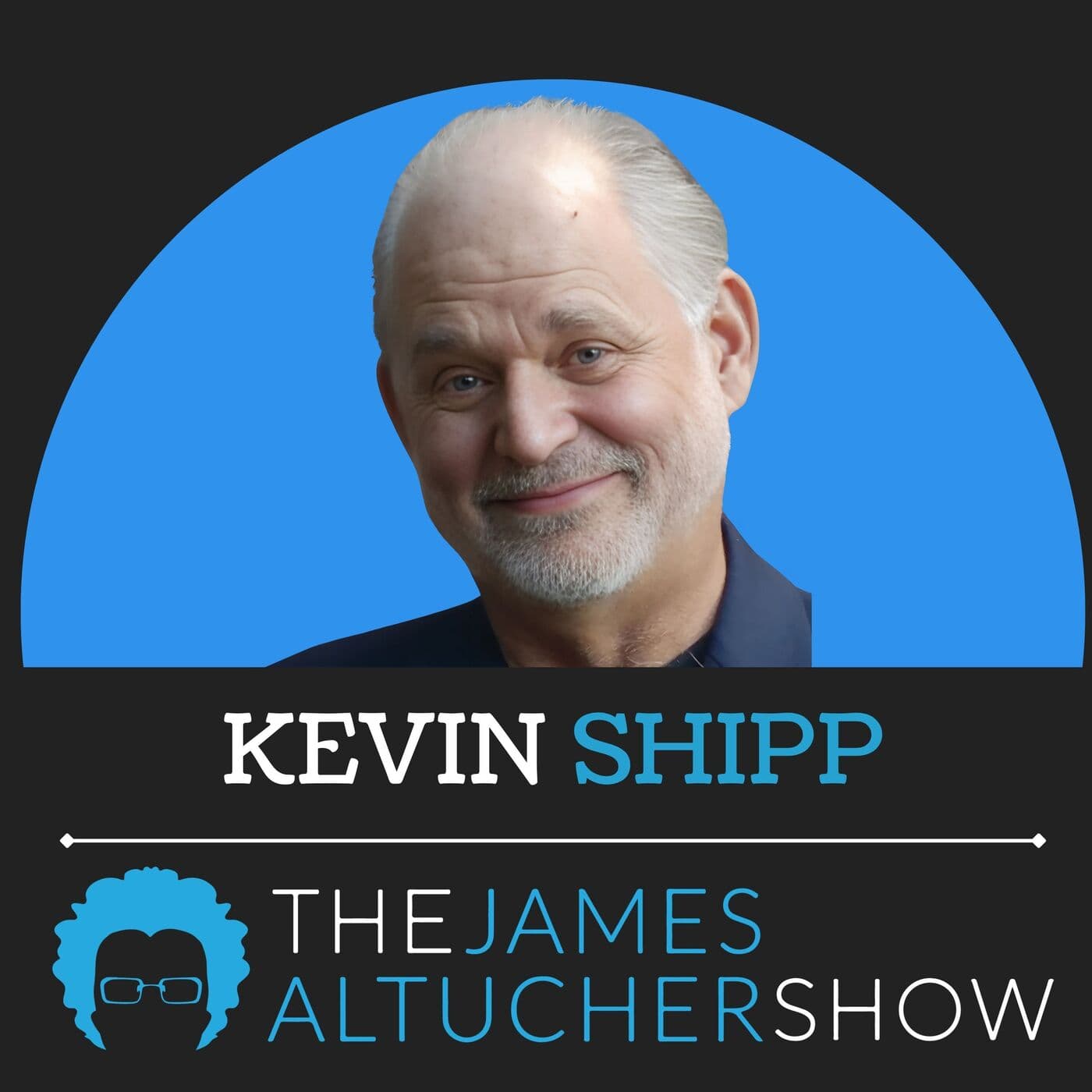
Overview In this episode of *The James Altucher Show*, James Altucher interviews Kevin Shipp, a former CIA officer with 17 years of experience. The conversation revolves around Shipp's new book, *Twilight of the Shadow Government*, which explores the intricacies of the CIA's operations, the concept of a "shadow government," and the deep state in America.
---
Key Themes and Topics
Introduction to Kevin Shipp
- Background: Shipp spent 17 years in the CIA and has unique insights into its inner workings.
- Book: His book, *Twilight of the Shadow Government*, details his experiences and observations regarding the CIA.
The CIA's Influence
- Systemic Issues: Shipp discusses systemic problems within the CIA, including cover-ups and its influence over U.S. policy.
- Shadow Government: The notion of a "shadow government" is examined, emphasizing the CIA's role in manipulating elected officials and public opinion.
Highlights from Shipp's Experiences
- Disillusionment: Shipp shares moments that led to his disillusionment with the agency, including dangerous assignments and security oversights.
- Controversial Events: The discussion touches on significant historical events, including the Kennedy assassination and 9/11, exploring possible CIA involvement or negligence.
The Consequences of Speaking Out
- Personal Risks: Shipp describes the repercussions he faced for speaking out about his experiences, including threats and harassment.
- Calls for Reform: He advocates for necessary changes within intelligence agencies to ensure accountability and transparency.
Notable Incidents
- BLM Protests: Shipp reflects on the lack of accountability during protests and perceived leniency towards certain groups, attributing it to a progressive ideology within government.
- Epstein Case: He discusses Jeffrey Epstein's connections to intelligence operations, suggesting he was used as a blackmail asset.
Historical Context
- CIA Operations: Shipp details past CIA operations and their implications, asserting that many actions were taken without the consent or knowledge of Congress.
- Influence on Elections: The CIA's involvement in political affairs and the influence it has on public policy are major points of discussion.
---
Key Takeaways
- Shadow vs. Deep State: Shipp distinguishes between the shadow government (CIA) and the deep state (military-industrial complex).
- Role of Secrecy: Secrecy within the CIA restricts oversight and accountability, leading to unchecked power.
- Need for Public Awareness: Shipp emphasizes the importance of public demand for reform in the intelligence community to combat the shadow government's influence.
---
Timestamped Key Moments
- [00:01:30] - Introduction to Kevin Shipp and discussion on his background.
- [00:47:04] - Distinction between shadow government and deep state.
- [01:01:26] - CIA's historic influence on global events.
---
Conclusion This episode provides a profound look into the operations of the CIA through the eyes of Kevin Shipp, revealing the systemic issues and hidden truths that shape U.S. governance. The conversation highlights the need for transparency and accountability within intelligence agencies to protect democracy and public interest.
For further exploration, listeners are encouraged to read *Twilight of the Shadow Government* for more detailed insights into Shipp's theories and experiences.
Written by AI. May contain mistakes. Listen to the episode to check what was said.
Transcript
Automatic transcript. May contain errors.0:00Being an entrepreneur is a 24-7 job. And when you're hiring, you need a partner that works as hard as you do. That hiring partner is LinkedIn Jobs. When you clock out, LinkedIn clocks in. LinkedIn makes it easy to post your job for free, share with your network, get qualified candidates that you can manage all in one place. For one thing, you can post a job. LinkedIn's new feature can help you write job descriptions and then quickly get your job in front of the right people. You get qualified candidates. At the end of the day, the most important thing to your business is the quality of the candidates.
0:30And with LinkedIn, of course, you can feel confident that you're getting the best. Based on LinkedIn data, 72 % of small, medium businesses say using LinkedIn helps them find high-quality candidates. Find out why more than 2.5 million small businesses use LinkedIn for hiring today. Find your next great hire on LinkedIn. Post your job for free at linkedin.com slash altature. That's linkedin.com slash altature to post your job for free. Terms and conditions apply. This message comes from Capital One. The Capital One Venture X Business Card has no preset spending limit, so the card's purchasing power can adapt to meet business needs.
1:09Plus, the card earns unlimited double miles on every purchase, so the more a business spends, the more miles earned. And when traveling, the Venture X Business Card grants access to over 1 ,000 airport lounges. The Venture X Business Card. What's in your wallet? Terms and conditions apply. Find out more at CapitalOne.com slash VentureXBusiness.
1:35that was insane kevin ship 17 years with the cia he had some wild experiences that led to him leaving the cia just published a book published without the cia's permission it's called twilight of the shadow government i got almost scared during this interview that maybe i shouldn't even release this podcast episode. Like he didn't say anything that was like crazy or off the deep end. I just got scared. And when you listen to the episode or, and read the book, you'll see why. So I'm just going to go right into it. I'd love to hear your comments. Here it is. Twilight of the shadow government about the CIA.
2:18This isn't your average business podcast and he's not your average host. This is The James Altucher Show.
2:52that this, you know, how the CIA is sort of, everybody always wonders who is really running things. And your point is the CIA and others potentially linked within the government or media to the CIA have been essentially running things for the past 60 years. Yes, I think in basic and factually that that is entirely the case. And there's plenty of evidence out there that that clearly indicates that. And of course, we have got, as you know, a lot of footnotes in the book with some of the research that we did. Yeah. Like, uh, you know, I want to get to the Bob Woodward story cause that's fascinating, but I want to, I want to start off with something you, you peripherally mentioned it particularly in the beginning, but you don't really address it that much during the BLM protest.
3:37You remember when Seattle, like portions of Seattle were just taken over and it was, the area was called the Chaz or the Chad. I forget what it was called. And then afterwards, nobody, you know, they basically quarantined off this whole area, the activists, and you weren't allowed in and, and they were running things. And I remember when one teenager died because the, they wouldn't let the ambulance through because the ambulance had to be accompanied by police. So there was like, like, this was a seriously bad thing. And when they threatened to kind of take over the neighborhood where the mayor lived, she said, or he said, I think it was a she, she said, nope, that's the end of it.
4:21And they cleared it all out. But nobody went to jail. Like the main guy running it, the Chaz area was selling like merchandise, like merch on his online store afterwards. How come this was allowed to happen and no one went to jail? Like, doesn't that seem insane to you? Well, it is insane. But I think, in my opinion, I understand why. Back in 1994, when DEI came into the CIA and they ordered us, no one can say Merry Christmas or have manger scenes or anything. It's a very progressive ideology. And it's the progressive ideology that is being promulgated through the news media, especially that you are not to question any minority group or ethnic group or groups such as what they do.
5:11You are not to question that because DEI, unfortunately, is now kind of a ruling entity. And I saw it in the government starting in 1994 in the CIA. And, of course, now it prevails throughout our entire government. So I think the Biden administration, without question, heavily leans towards DEI. And so that's why more wasn't done about that. I mean, is this a DEI thing or an insanity thing? I mean, they let basically like a bunch of like forgetting all about like race and BLM, which was supposedly the underlying movement. like they just let a bunch of people take over part of a city and and have their own rule of law running things yeah and then nobody got prosecuted afterwards like i can't imagine i could never in the prior 40 or 50 years imagine something like that happening it happened in like a part of like portland happened in some other cities too but nothing like seattle and i just always wondered like why didn't anybody go to jail like kids died even and like the same thing like inst louis there was all these riots and a police officer uh you know an african-american former police officer got shot and killed while during one of the riots oh yeah and it was just insane what was going on and why it doesn't even matter like i don't care about like okay uh the underlying movement had important messages and people should listen but then what happened clearly i mean i even spoke to Eric Adams was the about to be mayor of New York.
6:41And he's like, this is not activists. This is a professional outfit of criminals that are really kind of behind a lot of this. Just was the CIA kind of involved at all? No, I don't think the CIA was involved in that at all. Again, I think it was kind of the progressive mandates in the government that kept from prosecuting any of the people that created actually did legitimate crimes. I think that came down from the kind of the progressive leaning of the government, not to prosecute people in that particular movement, you know, and it is, you're absolutely right. It's total insanity. I like to tell my wife, you know, if something is happening and it defies common sense or it defines logic, something else is up.
7:29I learned that. Yeah. You mentioned that exact theory in the book and I like it. Like what were some incidents that were in the news where you're like, huh oh well epstein was a prime example i knew epstein was a ci operative going way back when that whole thing started just by looking at all the case facts and how he wasn't prosecuted and then uh they didn't prosecute prosecute him because they were ordered that he was he was quote-unquote intelligence and then they dropped it and and he walked and then he continued to do that sort of thing the ci's hands were all over that he was the ci asset he was a massad asset So there's an example.
8:07Now, how do you know for sure? Like, do you actually know? Or is this like people you know told you because they knew? Or you just think it's reported out there. And I'm trying to remember the district attorney, the state attorney at the time. He was later promoted to a cabinet level position, I believe. He made this statement. And you can Google this and find it. You know, why didn't you prosecute or put Epstein in jail the first time? And his his quote was you can look this up. We were told by intelligence not not to touch him. And that quote is out there. It's been I documented and verified it a few times that he made that statement.
8:46And and of course, the head of of Israel was was photographed visiting his residence. And you put all those facts together, especially the quote. There's no question. And the doc, the evidence is out there. if you Google it and Google Epstein's first case, you'll see it. And me knowing how intelligence works and how the blackmail operation works and how Mossad and the CIA work together, that's how I knew initially that he was being used as an asset. So what was the plan, do you think? So basically they have all these super rich or super famous or super powerful people. They have some evidence on them of some sort.
9:26What was the goal? What was the end goal of Epstein's plan? And also, how do you rationalize, like, obviously, they were very bad to young girls who were involved? Yeah, well, it was a blackmail operation with a lot of high level political officials, a classic blackmail operation. That was the first part. The second part was Epstein was providing the needs of some twisted elites and even some in government, providing their kind of twisted needs. And at the same time, he was a Mossad CIA asset, collecting pretty damning bribery information. Of course, he taped everything in his mansion and everything.
10:06So there's some people out there that Epstein had on film doing nasty, illegal things. And A, why was it then decided, okay, let's put this guy in jail? B, what do you think about, did he kill himself or was he killed? And C, do you think they're ever going to release kind of the client list? I don't think they'll ever release the client list because of the clients that are on that list. And in terms of Epstein's so-called suicide, I'm convinced that was a murder for several reasons. Bill Barr, of course, was the attorney general supposedly monitoring that case, Epstein's case, when he was in prison.
10:46And Barr never once contacted or went to the prison to check even by phone on how Epstein was doing. and Bill Barr, a lot of people probably don't know, Bill Barr has CIA connections going back at least two decades, has worked for the CIA before without question. So Barr was directly connected, is directly connected with the CIA, and you can document that. You can search that and find that pretty easily. And then the warden of that prison after this, if you would say it It was a horrible lapse in security and several coincidences happening at the same time. The warden, who should have been checking on Epstein constantly, didn't.
11:30And then after Epstein, in my view, was killed, Bill Barr promoted that warden as regional director of another prison area in a new region. And is it unusual that he promoted that warden in the sense that, you know, A, should the warden, the warden's a high up guy. Like, should the Warren have been checking on Epstein on a regular basis? And also, do promotions happen just on a regular basis? Like, what I'm saying is, was it just business as usual that he was promoted or was it unusual that he was promoted? It was unusual. He should have been reprimanded because you had one of the most high-level, high-risk clients in prison, prisoners in prison in years.
12:14And he was a very, very critical figure. you should be checking on him at least weekly to make sure that he's okay waiting for his trial. But they didn't. And you know the security lapses that have been reported, which if you put them all together, you know, you could go that route. That's fine. But if you go back to look at all the other facts, it's pretty clear that Barr was involved, the warden was involved, and Epstein was shut up because he was a bribery asset of Mossad and the CIA. And he did have pretty damning information on some political figures. And so you think it'll never be, the list will never be released because there's never going to be a group in power that won't have some incentive to keep it private.
12:55It will only be released. That's exactly right. It will only be released if we get an administration that demands that it is. Now, people need to understand, let's get into the CI and find those records. Well, sometimes you can do that. Most of the time, like the Kennedy assassination and other things, the CIA will destroy all those records before Congress even asks for them. So I just, this is just my opinion. I don't think they'll ever release that list. And I think it's because of who's on that list. And I think it may include a president.
13:28Take a quick break. If you like this episode, I'd really, really appreciate it. It means so much to me. Please share it with your friends and subscribe to the podcast. Email me at Alcantra at gmail.com and tell me why you subscribed. Thanks.
13:50Being an entrepreneur is a 24 seven job. And when you're hiring, you need a partner that works as hard as you do. That hiring partner is LinkedIn jobs. When you clock out, LinkedIn clocks in. LinkedIn makes it easy to post your job for free, share with your network, get qualified candidates that you can manage all in one place. For one thing, you can post a job. LinkedIn's new feature can help you write job descriptions and then quickly get your job in front of the right people. You get qualified candidates. At the end of the day, the most important thing to your business is the quality of the candidates.
14:21And with LinkedIn, of course, you can feel confident that you're getting the best. Based on LinkedIn data, 72 % of small and medium businesses say using LinkedIn helps them find high-quality candidates. Find out why more than 2.5 million small businesses use LinkedIn for hiring today. Find your next great hire on LinkedIn. Post your job for free at linkedin.com slash altature. That's linkedin.com slash altature to post your job for free. Terms and conditions apply. We're spending more than ever. I hate my job. The price of everything has gone up. AI is threatening my job. It's crisis after crisis.
14:58Nothing is working out. I can't find a job. We're one disaster. Take control of change. I need a change. Disruption is the force of change. Stop the chaos. Stop the madness. Take control. Read James Patterson's Disrupt Everything and Win. What can 160 years of experience teach you about the future? A lot, especially when it comes to protecting what matters. At Pacific Life, we've helped people and businesses confidently embrace the future with life insurance, retirement income, and employee benefits. With strategies built on strength and trust, and a promise to be here for you today and tomorrow.
15:42Ask a financial professional how Pacific Life can help you today. Pacific Life Insurance Company, Omaha, Nebraska, and in New York. Pacific Life and Annuity, Phoenix, Arizona. You know, so you were in the CIA for 17 years. You saw a lot of things. You've been involved in a lot of posts. You were pretty involved in a lot of different activities and the stories in the book. You mentioned that Barr was also probably in the CIA. I was at a family event once, and a bunch of people in their 80s were talking to each other, and they turned to another person in their 80s and says, oh, you were in the CIA also, right?
16:21And he was like, no, no, no, I wasn't in the CIA. Why did you think that? And these other two guys were saying, oh, it's just everybody from our group kind of went into the CIA for a little while, meaning basically people who are now in their 80s or 90s and who went to Harvard or Yale, they all kind of had spent their time in the CIA. A lot of them did. Yeah. And then they all became extremely successful businessmen. Yeah. What a coincidence. Yeah. It's a revolving door. You get that CIA clearance and you're involved in some of those operations, which of course you can't talk about, but you've got that access, that clearance and those connections in the CIA.
16:54You can walk into Lockheed Martin and demand your salary from them. So it's very valuable. So when did you start to, and you talk about this in the book, but when did you start to first not feel as patriotic as you once did? Well, I was a dedicated officer. I was a category one officer and I don't want to confuse that with tier one. I was on, and I can't say the exact name, but I've been told to call it an anti-terrorism counter. an anti-terrorism assault team is what I'm told I'm supposed to say. But we were sent out to counter the New People's Army in Manila, who were killing a lot of Americans and embassy people.
17:39So I was a very dedicated officer to the agency. I went in under Ronald Reagan. It was my patriotic duty. I wanted to serve my country and everything was going great. I'd received several awards. And then I was doing an international investigation on the CIA's computer networks with some of our allied governments. And the officer before me, who was just rotating out, said, look, there's something here that it's probably nothing, but you may want to check it out. And then she rotated to her new assignment and she probably should thank God she did. So I said, OK, I'll look into it. So I looked into it and started doing some deep digging and found that you could go into the visa section of any U.S.
18:22embassy in the world through the unclassified visa section. That includes foreign intelligence officers and others. Go into that system and identify our covert CIA officers overseas, chief of stations, undercover officers, and most notably their assets for assassination, whatever. So the more I investigated, the more I found that it was true, shockingly. So I presented it to – So I just want to understand. So you're saying anybody can go into an embassy? Like what do you mean? How can people access this information? They sit down in the visa section at the computers in the visa section, unclassified open computers, that any foreign national can go in and sit down allegedly to apply for a visa.
19:12Well, they can search on through there and actually identify our cover people. And I submitted my report, detailed report to senior CIA officers and they just, they balked at it. I said, okay, fine, let's, we'll do some more research. I did, found out it was even stronger. So I took it to, I sent it to the office involved in this vulnerability and said, listen to the division chief executive officer, you probably should look at this. If this is true, this is pretty serious. Okay, we'll look at it. I called him a week later and said, did you see my report? What report? I said, well, the one I sent you through documented CI internal mail, that report.
19:52No, we must not have received it. I said, okay, well, I'll tell you what, I'll hand carry it over to you. So I took it over to headquarters, into CI headquarters, up to that division, handed it to the executive officer said, here's a copy of the report. Would you please give this to your division chief? She kind of ruffled and said, okay. I walked out thinking, geez, what is going on here? Called her a week later. So what did the chief think about my report? What report? I said, ma 'am, the one I handed you over your desk. She goes, I don't remember any report. Then my report was deleted from the server inside CI headquarters, just wiped off, vanished.
20:29I I received a phone call from the division chief threatening me to drop the investigation or it would be my career. And I was like, what on earth is going on here? Well, my report was leaked outside the CIA to the department by a good high level officer. It was leaked to the Department of State senior IG inspector general's group. They looked at my report, called me over there and said, listen, we think there's something here. Let us look further and we'll get back to you. I get a phone call. Golly, a couple of days later. This is Jim So-and-so. We looked at your report. We think there may be something potentially serious here.
21:02We're going to travel around the world to embassies, go to the visa section, see if this can be done. He said, keep your head low. Don't tell the CI anything about this. And you'll probably get a call from us in about three months. And I was like, good, over to you. Three months later, I get a call on the secure line. Kevin, this is Jim. We did our investigation. It's worse than even you thought. There's a meeting this Friday at Department of State IG headquarters on the upper floor. Would you be there? And I said, yes, sir, I'll be there. So I go to the meeting and I walk in and there's Jim who says, yeah, Kev, come on and sit down.
21:40We walk in this big conference room with this long walnut table. I sit on one side of the conference room table. Jim sits on the other. The two senior IG guys sit at the end of the table. And they said, just hold on for a couple of minutes. We have someone coming. Uh, there's a buzz on the door. They go open the door, bring in the chief of the division that threatened me, uh, the division that destroyed my documents. Uh, and they, they ordered him to sit at the end of the table. And, uh, the, the chief IG official stood up and said, consider this an official rebuke by the department of state for putting the lives of CI officers undercover are overseas at risk for over 10 years.
22:22We are going to put this in a report and this will be published. What the CIA has done and the coverup will be published to the entire intelligence community. So they publicly rebuked him for... They fixed the problem though? Well, if you read the book, it gets strange. First of all, why didn't they fix it in the first place? And you can do, there's all kinds of theories you can develop about that. But goodness, it was probably after the report was issued to the IC and the CIA was publicly rebuked and embarrassed in front of the entire intelligence community, I remember walking out of that meeting thinking, well, that's the end of my career.
23:00I mean, I knew that I had a proverbial laser dot on my back, you know. So a month later, I get a phone call, Kevin, you need to come over to headquarters immediately. And we have a meeting about your report. Oh, yes, sir. I'll be there. I show up and I walk, they show me the office. I walk into this big office with no furniture, nothing on the walls, just the old steel government kind of desk. And standing in front of it was Ted Shackley, who was supposed to be retired long ago. And he was kind of like the dark side of the CIA, running the private CIA organization, running drugs for money. And, you know, just, well, there's Ted Shackley standing there.
23:43and I knew who he was. And I said, yes, sir. He goes, Kevin, I just, he yells at me. He goes, I just want you to know that we're going to fix this problem. Do you understand? I said, yes, sir. Yeah, that's great. He goes, we're going to fix this problem. I said, yes, sir. He goes, that will be all. And I walked out thinking, weird. Why didn't they go to the director of security or to information security or somebody or the director of the CIA? You know, why Ted Shackley, the darkest figure in the CIA? Well, I have a question about this issue, though, and this is what I was wondering. So what possible reason could they have for doing this kind of cover-up or not wanting to explore this report?
24:24Is it that they didn't want to get in trouble, that they realized they made a mistake, but they didn't want anyone to notice it so nobody would get in trouble? Or did they want those asset names to be out there so that their assets would be at risk to foreign governments? or was it misinformation perhaps that they were knowingly letting out there? Like, what was the story? Well, those are great questions. I think it's either A or B covering abhorrent negligence. But I provide a report where they could have fixed that negligence, which they didn't. They covered it up and then threatened me. And eventually for the rest of my career, and the book goes into what they did to me later, they could have fixed it then, but they didn't.
25:04So why didn't they fix what a problem they knew was there before all this happened, before state IG took it over? That's the$6 million question. Are they that afraid to be outed on a huge problem of negligence? Possibly. Did they want this vulnerability there for some mind-blowing reason? Possibly. And I'll give you my best answer to that question. I don't know. Yeah, I mean, it just seems like there's a lot of crazy stuff that happens in the book. And, you know, you were about to describe, you know, what happens to you next. Like you get assigned, you know, to this base in San Antonio and shit happens.
25:50Did it ever. Yeah, the first thing they did was I went over to the director of operations doing some human collection and had cover while I was doing that. Well, I went over to a war zone in the middle of a lot of terrorist activity. I was doing some operational work up there. And the people in the embassy, quote unquote, put a new student in the class and that I was training how to tactically shoot. And I stood right next to me with a loaded pistol, shooting bottles and breaking in them at 25 yards. So I sent in my report on this guy, said, hey, this guy, this and that. And I got this scathing report back, not from the division that that engaged in the vulnerability we're talking about.
26:42But I get a scathing report back from another CIA division saying, do you know who this guy is? He's an Iranian assassin. What are you doing training an Iranian assassin? And I said, whoa, whoa, whoa, whoa, whoa, whoa, you guys, somebody put him in my class. So over to you on that one. And the guy could have shot me any time. Well, it got worse than that. When I got back, I found out that the division that did the vulnerability cover up did not put me undercover. I was an open CIA officer standing right next to an Iranian assassin and not even knowing either one. So I was trying to understand that.
Read the full transcript
27:15What does it mean that they didn't put you undercover? That means you were out there in this foreign country and it was known that you were like your job was as listed as CIA agent or like what does that mean? Well, I went to most of the assignments I did. And I've got to be careful here, of course, when I say most of the assignments I did. When you collect human intelligence and you're overseas and director of operations, you're undercover. I mean, that's well known for your own good that they won't just kill you. They'll torture you horribly. So in previous ones, I'd gone over there. And of course, I was undercover.
27:47And we were in the middle of terrorist groups and some war zones and things. And we were protected by our cover. Of course, I can't say what that was. In this particular case, I should have been under that cover, but the division responsible left me open as an open employee. Anybody could have any Iranian intelligence office could have done an easy open source search and found out I was a CIA officer. So I came back. I'm just shocked. But I filed that into the stupid file, you know, an idiotic file. Then they placed me on a secret basin inside the United States in a house they knew was badly contaminated.
28:22The people before were so sick they had to evacuate them. They put us in that house, and my wife and oldest son especially became seriously ill, almost terminal. And I asked the base to do a test on the house. They refused. I asked them to contact headquarters and Office of Medical Services and get my family tested, and they refused. I was ordered not to communicate with headquarters at all about what was going on. Uh, and, uh, it turns out the house was infested with this horrible black mold in the walls and there were mustard gas shells percolating up in the yard that my sons were finding. And, uh, if you look up the, the, uh, symptoms of that kind of toxic exposure and they were identical anyway.
29:06So I filed suit and I'll make this as succinct as possible. So when they refused to test the house. They refused to get our family tested. I secretly flew, especially my son, primarily in this case, out to a well-known immunologist and did a battery of immune system tests on him. And the doctor's response, it was all said and done three days later, said, Mr. Shipp, all I can tell you is your son's immune system is so damaged. It's like someone that's been exposed to a burst of radiation. And I said, what? He goes, that's just what his immune system looks like. So we took him to another immunologist in that particular state.
29:43without the CIA knowing it. And she did a battery of tests and said, I think your son has AIDS. And we said, well, to our knowledge, and you know, a parent never knows, but he's never dated. And they said, well, you need to get him tested for AIDS. So for two weeks, my oldest son suffered thinking somehow he got AIDS and he was going to die. We did the AIDS tests, got the results back in two weeks. It was not AIDS. His immune system had been exposed to an extreme toxin, which this lady said it could be terminal. His immune system was so bad. My wife was bruising all over her body. Her gums were bleeding.
30:14Eventually, she wound up in bed with dementia, with severe headaches. They did MRIs and CTs and couldn't find anything. And it just got worse and worse and worse. So finally, I filed suit against the CIA, a personal injury suit to get them to do something. And that's when the fun started. This all wound up in me writing my primary book before this one from the company of shadows. And in that book, I put all of this in there, the doctor's diagnosis, the blood test results, the environmental company I hired testing and the conclusion that the house was badly contaminated. I put that in from the company of shadows and the CIA publications.
30:50Well, now it's called, it used to be the PRB and now it's the publications classified review board. The CIA took that and they redacted or blacked out everything, all of the evidence in my case. None of it was classified. All of it was open source. It was a violation of Executive Order 12356, which says the CIA cannot redact things simply because it reveals criminal activity. So they violated that one. And it just got worse and worse from there. Our house was broken into on the base. A chemical was painted on the ceiling where we found evidence of some of the toxins. My attorney at the time, and I got my attorney cleared inside the authority.
31:29I got my attorney cleared before the CIA knew it because they would have forced me to have their own CIA, which is what they do. Anyway, I got him cleared and we're back. We found this chemical with an ultraviolet light, which they didn't realize I had or was going to do. And we found that they painted brushstrokes of this invisible chemical on the ceiling where we found mycotoxins leaking in, in the in this case, the closet of our master bedroom. So your theory is that the CIA, because of this earlier, you know, you uncovering some problems and other things, your theory is that the CIA basically, somebody at the CIA wanted you dead.
32:06Yes. And even more evidence. I left the CIA, became a program manager for Department of State Anti-Terrism Assistance Program. I was actually managing the Hamid Karzai protective detail while the CIA was giving him bags of cash to give the war awards. yeah there's no question about it when you put all the puzzle pieces again on one of the primary ones I'm at an offsite with this particular Beltway Bandit Corporation sitting there and one of the former CIA IG officials had left and was now working for this company we were program managers it was a celebration in Arizona he comes over and sits down at my table and I said I said Larry hey man I haven't seen you know I guess listen Kevin there's something I need to tell you and I said what?
32:47He goes, I just wanted to see how sorry I am for what the CIA did to you and what the CIIG did to you. We were ordered by the director to silence you and to stop you because I had reported all this to the IG. We were ordered to silence you and stop you from your story because the CIA was so afraid that people would find out what was buried on that base and what had happened on that base. His name was Larry. I'm not going to mention his last name. He's probably retired by now, but they can track him down pretty easily. So I was going to write a book. I decided not to like, nah, just let it go. And then I looked at it from kind of an aerial view and put all these pieces together.
33:27And it was like, goodness gracious. And this all resulted in the book Twilight and Shatter Government. And because they had redacted damning information against him and from the Company of Shatter, I knew that they were probably going to redact most of Twilight and Shatter government or keep it for years, which is what they do. They have no oversight in that whatsoever. So I made the personal decision after a lot of thought, a lot of prayer, a lot of calculation that this had to be done. And I violated my CIA NDA and I hired a ghostwriter. I submitted the whole thing to the CIA so they knew what I was writing.
34:00They had it for three months. And in three months, I submitted to the publisher and said, let's go. And Skyhorse published it and now it's out. So I took a personal risk, which I still think was the right thing to do and always will, to get the truth out to the American people of what the CIA is and what it does without Congress knowing it or anyone else. They block Congress from my case completely. And I want the American people to know the unbridled power the CIA has and uses of secrecy. And one of the final parts of the chapter in the book, I give 12 steps to reform the CIA back to what Truman originally intended and get rid of this unbridled power of secrecy that the CIA has to even use cutouts to spy on American citizens with impunity.
34:43And I call in the book at the very end, number 12, the most important one is there's got to be an avalanche of public demand for reform of the CIA and pressure on their congressmen and senators to do something about it or nothing is going to get done. I feel like there was an attempt for that in the church subcommittees in the 70s. Yes. But it didn't really like there was outrage from the public. But and this is not a criticism. Americans have the luxury of nothing happening with their outrage. Like they don't care, really. Yeah. That's a classic case. Frank Church was threatened by the CIA. You publish this and it'll be the end of you.
35:26Well, he was a very my understanding. He's a very straight, upstanding guy personally. And he went ahead with it with the church committee. And that was he found they found just the tip of the iceberg, just the tip, just enough to show the American people what the CIA had been doing behind the scenes. It was pretty horrific stuff. And, you know, what what came out, MKUltra, the assassination program and Operation Mockingbird and others. Well, sure enough, Frank Church's career was destroyed and he lost his reelection when he was a favored candidate. So congressmen and senators today know that to do another church style committee or an investigation of the CIA will result in the ruin of their career.
36:08They know that. And if you look at the intelligence committees, 20 members of those committees own stock in some of these military industrial contractors and CIA contractors like Lockheed Martin. So Congress is not going to do anything unless the American people order them to do it or they fire them. it's almost like they should just start the CIA from scratch. Like you said, get back to what Truman originally intended, which is we have people in foreign countries who gather information and potentially recruit assets. And that's it. They're not really that operational. Right. They're supposed to be information gatherers.
36:46And the DIA is always doing, the DIA under the Pentagon is already doing all of that. and the DI and the CIA, of course, are enemies because the CIA is doing what the DIA thinks it should be doing. And my proposal is that move the covert side, that side you just mentioned, over to the DIA and leave the good parts of the CIA intact, like the Directorate of Intelligence, the DI. They do brilliant. And I was trained by the DI. They do brilliant analytical work. And the NRO satellite program, brilliant work there. The DI analysts analyze satellite imagery, And it is just remarkable what they can find from a satellite picture.
37:23So keep the good parts of the CIA that Truman intended and eliminate this rogue part of the CIA that under secrecy, without even Congress knowing it, are doing these illegal covert operations.
37:50So, you know, there's all these theories and this is the title of your book, Twilight of the Shadow Government. There's all these theories in different administrations that there's really some behind the scenes group that's running things. So, and it, you know, it could be under the Republicans, like under Reagan, it was theorized, you know, Oliver North and others were part of this shadow government. And now under the Biden administration, people point to the Clintons and Obama and others as being part of this shadow government now running things. And I'm wondering, A, if that's true, and B, if the CIA itself, like guys like Ted Shackley that you mentioned earlier, are really, you know, guys like that, obviously not any more him, but, you know, guys like that are really running the CIA as opposed to, you know, whoever the current president picks to run things, there's a real group that's actually running things.
38:42Yeah, the CIA, the dark programs are run at the top. And with the really, especially with like Iran-Contra, the illegal ones, there's maybe four or five senior CIA officials that even know about it. I was an agent on William Casey's protective detail. My command post was in his house and outside his office on the seventh floor and driving the motorcades. None of us there with that kind of access and proximity knew that Casey had secretly engaged in a meeting with the Saudi prince to kill an imam with a car bomb. And so it was all set up. The CIA set the whole thing up next to a mosque and there was a girl's school there and the imam walked out and the CIA said, okay, and detonate in 10 seconds.
39:29Well, the imam turned around to go answer one of his patrons' questions. It's too late. The bomb was already triggered. It exploded and killed 64 women and girls in that school. And it turns out it was the wrong imam. So none of us that close to the director had any idea that that sort of program was going on. So at the very, very top, Below that, in the CIA workforce, you will meet some of the finest, most patriotic people you could ever know that are in there. But I have a question, though, about this, like that one situation. Why didn't they just get a sniper, for instance? And then the other question is, there's got to be a bunch of people who are involved.
40:12Why do we never really hear from any of these other people who might have been involved on either the Saudi side or the U.S. side? Like, where's all the people? Where's all the bodies? Oh, that's a great question because I did a program, Where Are the Whistleblowers? Every CIA officer is put under a CIA secrecy agreement, which threatens civil and criminal penalties if you reveal any operation, secret, confidential and above, up to top secret. If you reveal any of those, the CIA could put you in prison. And that's why my decision to write Twilight of the Shadow Government and intentionally violate my NDA to get the truth out put me at such risk.
40:50No one in the CIA is not only going to come out and blow the whistle on these things because they know that the CIA will hit them with criminal penalties. Congress, who is also threatened with criminal penalties by the CIA for their clearances, are not going to do a thing about it. And the good case is John Kiriakow, who they put in jail for two years. I know John. John was a top performing officer. He is no criminal. But everybody in the CI that's involved in these operations know that their freedom is at stake if they say anything about some of the horrific things they've seen. And so, again, like, you know, it's hard to know who are the good guys and who are the bad guys.
41:29So so you really describe in a very interesting way about Bob Woodward. So for people who are listening who don't know, Bob Woodward was part of the journalist team in the early 70s, Woodward and Bernstein, as featured in the movie All the President's Men, starring Robert Redford and Dustin Hoffman. And they were basically these amazing journalists who broke big parts of the Watergate story and ultimately led to Richard Nixon's resignation only a year and a half after he had the biggest reelection in U.S. history. And he was a very popular president. And then suddenly he was disgraced and fell from power.
42:14and Woodward, as you point out, was this nobody journalist who suddenly had like, you know, the assistant head of the FBI leaking information to him. He suddenly rose to the top of the biggest paper on the planet and was given all this information to basically bring Nixon down. And you make a compelling case that he was an intelligence officer. Yes, I think factually that is correct. And this all started when I was an agent in the hot seat outside William Casey's hospital room when he had terminal brain cancer. Woodward claims that he got past security. It's in his book, Veil. You probably read it.
42:54Yeah, I remember him. It starts off with Casey's last words, basically. Yeah, that is a complete fabrication. We were right outside Casey's room. The agents on duty at the time. Woodward tried to get in. They caught him and they showed him the exit and he never tried again. That is a complete fabrication. Now, Woodward fabricates something that historically important. Will he fabricate other things? You bet he will. And the more I dug and I remember Woodward used to come and visit William Casey often, a journalist, because Casey hated journalists. I mean, there's no there was no everybody knew that.
43:28But Woodward would constantly visit Casey. And they've had these meetings behind closed doors in the director's office. And we were like, what the heck? This is Bob Woodward, man. Well, if you dig into it, Bob Woodward had a top secret clearance going all the way back to when he was Navy. He's been connected to intelligence for decades. And how do you know that? Like, is that a theory or do you know that? I know that. Yeah, I know that. If you read Twilight of the Shadow Government, Kent Heckenlaue, my courageous co-author, and I get into detail proving that with statements from his commanders when he had the clearance on down.
44:05Oh, there's no question about it. And you and you mentioned how he was reporting even to Alexander Haig back then, who ended up being that's Reagan's chief of staff. That's a fact. Yes. And when I decided I was going to go public with my story, I went to the Washington Post. Of course, that's a self-correcting mistake. But I went to the Washington Post and to blow the whistle. I'm not going to mention the journalist's name because he was he was they were really pressuring him with the story. And he kept telling me that his editor kept telling him to come back and ask me questions. And the answers were all classified.
44:38They were trying to get me for 30 days. They tried to get me to give answers that were classified and I wouldn't do it. And he would say, well, my editor is just pressuring me. And I'm like, I'm not this is not going to happen. So finally, I said, look, I've had enough. I got the New York Times waiting for this story. Pony up or I'm going to Charlie Savage. Well, no, no, this could ruin my career. And he was just distraught. Well, his editor, quote unquote, still wouldn't let him do it. So I went to Charlie Savage. He published it in the New York Times. Well, guess who? One of the editors of The Washington Post was that Bob Woodward.
45:08So, and I know for certainty that Woodward had no idea. Everybody on CI's, on the director of CI's protective detail, everybody had a cover. Nobody could come out and say what they were doing and where they were doing or that they were on Casey's detail or anything. So Woodward thought no one would be able to come out and counter his story until I had my cover removed and came out factually as a witness and brought it forward. And then when Woodward was challenged about it, he said, well, I don't really remember. Bob Woodward is a fabricator. And I think we proved that in the book. And it's something I think Americans should read.
45:46I am really promoting the book for Skyhorse and Kent Hecken-Lively. it appears that the CIA will probably come after me and take my royalties from the book. So I'm promoting the book, promoting them and just promoting factually the things that people need to know. And that's why I came out and wrote this. And what do you think is the relationship between the government and events right now and the CIA? And you talk a little bit about this towards the end of the book as well. Yeah. Yeah. We did at the very last minute, the book is ready to be published. We were asked to put my analysis of the Butler, Pennsylvania assassination attempt on Donald Trump.
46:26And there are all kinds of theories floating around out there. A lot of people make theories. They don't have evidence. You know, there was a lot of that floating around. So I just did my analysis. And the analysis was it was a it was gross negligence on the part of the Secret Service. It wasn't the CIA. It wasn't a hit. It wasn't a deep state. It was gross negligence on the part of the Secret Service. And this is just my opinion. I think they put Donald Trump at the bottom of the list for protective resources for whatever reasons. It was clear that day because they pulled two ladies from DHS who had no protective operations experience.
46:59Those are the videotapes we saw of them run around not knowing what to do. So he was placed at the bottom of the list for resources. But my analysis was this is one of the gross missteps of Secret Service in their history, second to JFK. And, you know, one line of questioning that was happening right after the assassination attempt was, would he be allowed to kind of stand up and communicate to the audience after being hit like that? Well, yeah, you know, people are politicizing that for that cause, which I am directly against. You know, they forget that a loving father, fireman, was mortally killed in that assassination attempt in front of his daughters, who he laid on to protect.
47:45They leave that out. And I stay apolitical. I don't go Trump. I don't go Harris. I don't go there. And sometimes I think there's a uniparty. But anyway, but the fact of the matter is using that event and ignoring the fireman that was killed and the other people injured is political theatrics. And I think it's morally reprehensible. You know, right now, would you say like how many, like what are some of the types of things that we might not know in the U.S. that we should know? Well, the ones that I got out, of course, is in the book. And I make a distinction between the shadow government and the deep state.
48:27People say there is a deep state. People say there isn't a deep state. And the first program I did on YouTube, actually I did it before an audience and it was put on YouTube, was called Shadow Government Deep State. And I make a distinction between the shadow government and the deep state. The shadow government would be the CIA and its manipulation of our elected government, Congress, the White House and the judiciary. And I get into that in that speech, for which I thought I'd be arrested the next day when I wasn't. I get into how that works. The deep state, people say it doesn't exist. Well, the deep state are these massive military industrial contractors and what I call the secret intelligence industrial complex that literally set foreign policy for the United States on behalf of the CIA with their CIA contracts and their military industrial complex contracts.
49:13That's the deep state, in my view, in conjunction with Department of State and other things that are running an unelected government and setting foreign policy with no input from the American people. and you know is this is this something obviously is this something we should be concerned about has this been going on all along and it's just business as usual like what are some of the things they run that maybe is even beyond what the president might know well from the very beginning up until now the ci has used these corporations to constantly engage in foreign wars constantly over and over it we see ukraine john brennan the director of the ci was making secret trips into Ukraine to help them build and do the coup of 2014.
49:54The CIA was involved in that. There is so much. That's why I wrote this book and why I call for reform in the end. Things like that and all of the other things we document in the book the CIA has done without people knowing is so dastardly and disturbing and horrific in some cases. And the people, they're using$39 billion. That's an estimate the CIA is of our tax dollars to do these things. and Americans have no idea that unelected officials are causing constant wars. That's big business. Vietnam was a trillion dollars for the CIA and the contractor, for example. So they make a lot of money off this and they make a lot of money off wars and coups.
50:33Countries that have oil like Iran, when they ruined Iran to keep Iran's oil, the CIA did. In what way? What did they do in Iran? In Iran, they went in there and the the democratically elected president at the time decided that he didn't want America to have free access to Iran's oil anymore, that he wanted to nationalize it so Iran could make profits off their own oil. Well, the CIA did not want that to happen. That meant billions of dollars in oil profits. So the CIA engaged in and staged a coup, overthrew him and replaced him with the Shah, their puppet, who was, excuse my French, he was a moron, put him in power, enabled him to live the lavish lifestyle.
51:13The people were enraged by his palace living. So they threw him out and elected the current regime, the Khomeini and the Iranian government, which is now the chief sponsor of terrorism in the entire world. That was all started by the CIA. These are the blunders that they do because they have no oversight because what they do is in secret. Now, it seems like, you know, like, and you describe various things in this book, ranging from, we talked about the Nixon impeachment, but also the Kennedy assassination you talk about in the book, and we don't have to, you know, people could read about that in the book.
51:47But how do you, like, it seems like, you know, Kennedy and Nixon were on opposite sides of each other. So like, what side is the CIA on then, or this deep state or whatever? Like, why were they against both? The CIA is on one side only, and that's its own side, and self-perpetuation and concealment of the illegal drug running and arms running and things that they have done. They're on their own side. They want promotion, and expansion of the CIA and any White House that doesn't get in line with that, then they will start engaging in covert activities to bring that particular president down, which I think is pretty clearly what they did to Nixon.
52:22And in conjunction with the mafia, they did to JFK. So the CIA is a global juggernaut that functions with the power of secrecy and manipulates our government, Congress, the judiciary with the state secret privilege and FISA and other things, and manipulates the White House, like Iran-Contra, where George W. Bush, longtime CIA officer, which he tried to conceal, he'd been with the CIA as an officer for decades. George W. Bush's vice president was the CIA in the White House, and he ran the Iran-Contra affair, which was illegal without Congress's knowledge. That's just a classic example. You're not talking about George W.
53:01Bush, you're talking about George H. W. Bush. Yeah, I'm sorry, George H. W. Thank you for that. Yeah, I'm sorry. Because he was the director of the CIA in the 70s, and then suddenly was vice president. Yeah, he was director of the CIA for six months. I met him up on the seventh floor when Reagan visited. You know, nice, congenial man, likable man. Well, that's a classic CIA agent, no question about it. But when I dug deeper, I found out that he goes, connections to CIA go all the way back to Zapata Oil, back just after the Cuban Missile Crisis. So so he gets he becomes six months with the CIA and he claims that's the only time he had with the CIA, which is a lie.
53:35And he winds up in the White House running an illegal operation. Did Reagan know or not know? In my opinion, Reagan didn't know the extent of what Bush was doing. That's just my opinion. When he found out, it was like a oh, gosh, moment, you know, but that's just my opinion. But no question that George H.W. Bush, longtime CIA officer, was operating Iran-Contra illegally out of the White House. Then he becomes president and the CIA is in the office of the president. I think I talk about that in the book. And people don't know that. They don't realize that that is what was going on. And that's one of the reasons I wrote this.
54:09And why didn't Reagan just throw Bush under a bus then? Like Reagan didn't like Bush to begin with. like, you know, why'd they kind of just all put the blame on Oliver North doing it in secret? You know, I guess maybe it throws, it questions his judgment if he blames, you know, his vice president. I don't know. Well, yeah. I mean, I've got my own opinions on that. I know President Reagan distanced himself totally from William Casey after that. And he was his campaign manager and they were friends and he stopped communicating with him totally, me, which I thought, well, that's peculiar. So, you know, Reagan had to protect his presidency, which it would have gone down if he hadn't just come out openly like he did and admit the quote unquote mistake.
54:57And all the American people want to know is the truth and an apology in most cases. And that's what he did. He was not the perpetrator of Iran-Contra. It was George H.W. Bush and Oliver North, who I have met, and he stole some fibs, and he was doing something illegal, and they were running guns, no question about it, and they all got off, which is typically what happens with a high-level CIA official when they do something naughty. And, you know, I guess they weren't, and hopefully aren't, still powerful enough to sway elections, because George H.W. Bush was defeated by Clinton, for instance. And, you know, it seems like their level of power of this deep state isn't that high enough to sway elections, although you never know.
55:47I think it still is, frankly, that they are and they do. For example, I wrote an article for the Blaze News. I don't know if you read that, but in the Blaze News, I talk about that, the CIA's influence on elections in the White House and 42 high level, one was assistant director of the CIA, came out, 42 of them and signed a declaration saying Hunter Biden's laptop was disinformation. They knew it was not, but they signed that to stop Trump. Well, now in this election, all 42 have come out again. These are high level CIA officials. All 42 have come out again and stated that Donald Trump is a danger to democracy has got to be stopped.
56:26And then in addition to that, 741 other senior intelligence officials came out and signed the same kind of agreement. Donald Trump must be kept out of the White House. You talk about influencing an election by the intelligence community. Now they're doing it right in our face. I mean, maybe they are legitimately worried. I think some of them are. I do. I do. You know, I stay apolitical, but I think some of them are. And, you know, I'll just stop there. And so I know a couple people who are going through the process of joining different three-letter agencies, maybe not the CIA, but in that community.
57:08What would you advise someone young who wants to be a patriot? And look, obviously the intelligence community as a whole does good things. It's important. There is a role for intelligence and we got to make sure there's no terrorism and no 9-11 and stuff like that. And, you know, what do you tell people? Well, they can join the CIA. Just just be careful what part of the CIA they get in. If they get in the director of operations, they tried to get me to go to the DO overseas collecting human. And when I turned it down, they told me my career was over. But when they go on the operations side, they're there for life and what they see and what they do.
57:51And I know case officers personally who were sick with what they were doing and they wanted out. So you could go in and see either. What were they doing? What were they doing? I can't say what they were doing. I was out with them doing it. Well, let's put it this way. You lie. You cheat. You steal. Some of them engage with prostitutes. Typically, you're an alcoholic. uh you know you do things morally that you have to you well you have to eliminate morals in your thinking that they do and uh this james bond slick cia type case officer couldn't be farther from the truth some of them are some of the lowest snakes i've ever met so if you're going to join the cia go the director of intelligence is an awesome branch man go there that's a fulfilling career.
58:36It's fascinating. There's a director of science and technology go there. Uh, the director of administration, there's positions there. So there's things they can do, but I would say stay away from the dark side. I mean, how do you know though, until it's too late? Well, you don't, that's the thing. I had no idea when I got hired, I was like, dude, and then I wound up being the senior brief briefer to new people coming in. I had no idea what I was going to be doing. And And later on, I wound up in the field undercover doing human operations and seeing the dirty side of things. So, no, sadly, because of the dome of secrecy, they're not going to know.
59:11Now, there's one branch that I champion, and that's the security protective service, the top secret cleared federal police service of the CIA, which is newly created around 85 or so. That's a great bunch. They're fantastic. And if somebody, even if without a degree, you could get into the security protective service, become a federal police officer with a top secret clearance, you're able to go places in the CIA, no one else can go. And there's an example of a good thing to join. Well, what do they do? Their mission is to protect CIA personnel and facilities around the world. And there's a wide latitude for that.
59:48And I was chief of training for that police force. And they are extremely well trained. They're trained not just in police tactics, counterterrorism tactics, but also in intelligence. So they're fantastic. And what they do is clean. They protect people. They protect facilities that are under a terrorist threat and things like that. It's a noble goal. Yeah, that seems really important. And, you know, one other thing I want to talk about, you know, I was a day trader and hedge fund manager in 2001 for many years. But I'm talking specifically about 9-11. and everybody knew the day after 9-11 that somebody was shorting huge and buying puts huge on the airlines.
1:00:34And you talk about this in the book. It seems like that's something that's easy to track. And you give some tracking, but then the trail stops. So you talk about this in the book, you have a story about it. You talk about Alex Brown and the former CEO there. But why does the trail stop. It's all electronic. We have the information. Why wasn't anybody arrested for simply shorting the airlines, huge, or questioned at least for shorting the airlines on September 10th? Oh, that is such a great question. And as you know, I track Buzzy Kroengard was the one who was behind the attempt to silence and destroy me and with my family's collateral damage.
1:01:17Buzzy Krongard is in the book, exactly the chapter you're talking about. And he, Alex Brown, was a pretty corrupt organization we get into in detail. But Buzzy Krongard short sold his stock just a few days before 9-11 hit. And he is mentioned in the 9-11 commission report, which left out, I was a criminal investigator. The 9-11 report was not a criminal investigation at all. And it left out some important things. If you look at the footnote, it talks about a certain day trader that's short-sold before the attack in a footnote. And that person was Buzzy Krongart. And did he know? Like, okay, this is where it starts to, like my conspiracy theory radar starts to go off that it couldn't be.
1:02:03Because, again, if people knew, then a lot of people had to know somehow. now and it would have, it would be, you know, 20 years later, people would know that other people knew. Like somebody would say on their deathbed, oh, I got to get this off my chest. I knew about 9-11 beforehand. The deathbed, maybe like E. Howard Hunt, but other than that, they don't want to go to prison. They're not going to say a thing. And we follow in the book, I do, the evidence, period. I don't make any conclusions about Buzzy Krone Guard or any conspiracy. I mean, they're going to call me conspiracy theorist. That's what they do.
1:02:39That's why there's so much evidence and documentation in the book, including my own performance appraisals in the CIA for people who claim I never worked there. So I know that's coming and it will come. But this book is documented with footnotes in that regard in terms of Kroengard and the short cells. And it just stopped. I think we mentioned this in the chapter. Kroengard, Buzzy Kroengard didn't just start with the CIA when George Tenet, his buddy, invited him over. Krohngard was with the CIA for years before he was appointed as an XO. So he wasn't just a newly Wall Street dude, which is, the CIA has been connected to Wall Street since his formation.
1:03:15So he wasn't just another Wall Street dude coming into the CIA. He had a connection to the CIA for years. Yeah, so I guess, so again, Again, piecing together the theories, do you think he might have known something was going to happen, but he didn't alert the other parts of the CIA or the CIA turned a blind eye to it? Like, what do you think personally happened? If you notice, I don't go there in the book. I don't make conclusions that I can't back up with facts. And that would be one of them. Okay, fair enough. Yeah. And look, I respect that because it seems like I want to believe that if an organization knew what was coming, they would have done something to prevent it.
1:04:02And I know afterwards, I mean, the whole reason the Department of Homeland Security was formed is because that the different pieces were known by different groups within the intelligence community and nobody was communicating. So that was kind of like the theory that survived that, you know, historically. And, you know, and then we kind of like think that it's incompetence as opposed to something more insidious. And I'd like to believe it's the maximum it is, is incompetence. But if someone knew enough to make money on it, then that's a little scarier. Well, let me put it this way. I approached that like a criminal investigator.
1:04:38And there was a whole lot that was not investigated in the 9-11 Commission report. A whole lot. There's about 100 different things that weren't looked into that are really concerning. And I point people to do their own research on what was missing from that report, what was not investigated. Strange things like they found the paper passport of one of the so-called hijackers laying on the street after the plane, everybody in it and the building was incinerated. This passport seemed to survive and they found it on the street. I mean, that's one of multiple things that I think people need to be aware of.
1:05:15Am I reaching a conclusion? No, I'm not going there. I'm already being called a conspiracy theorist. Let's just change that. Say I'm a conspiracy investigator. because I go where the facts go, even if people are going to accuse me and, you know, hurdle defamation. I don't care because the book is full of facts and it's documented. And that's the only place I go is the facts, wherever they lead. And with 9-11, there's some concerning things that were never looked into. I mean, I'm, you know, I'm sure that's probably true. Maybe again, people were, again, I'm kind of hopeful that it's an incompetence thing and people don't want the level of incompetence to be revealed.
1:05:52I do believe that these Al Qaeda guys took over these planes and crashed them into the buildings that, you know, I was actually at the world trade center that morning. So the first plane going in. And so I really saw it happen and, you know, I, I, I lived about two or three blocks away. And so, so I do want to believe again, that most of the story that is historically out there. But there are some concerning things. We all knew that, I mean, everybody in the country knows that there was some shorting of the stock markets the day before and the two days before. And I always wondered, and people ask me, how come it's so easy to trace, at least now?
1:06:39But even then, everything was electronic. It was all electronic records. Everything is heavily regulated. Now there's something called know-your-customer laws. but there was sort of the same thing back then too you know it wasn't like it was a big secret who was doing things somebody knew well the brokers know the 9-11 commission even traced it to buzzy krongard but they didn't put that in the report he's in a footnote so there was some tracing there uh the way i i approach it is this we'll start you always start with negligence and incompetence with the government first and then you work your way from there you know i've seen the CIA do some stupid things I can never talk about.
1:07:17It was like the Keystone Cops. So you start with negligence there, and then you look at the facts, and you see if they lead in another direction. And that's kind of what I do. Start with incompetence, and then start building information that, well, maybe it wasn't just incompetence, and these are the events or the facts, and perhaps why. And, you know, you're going to be attacked if you question the 9-11 report in the mainstream media. And I get into Operation Mockingbird and the manipulation of mainstream media in the book, of course. Anybody that even questions 9-11, which I think people should, are immediately attacked as the CIA's old term conspiracy theorists or on and on and on without addressing the facts or without addressing some of the evidence on both sides.
1:08:01They don't do that. And that's just the news media. When is the last time you saw a real investigative journalist report on the CIA, not since the church commission. Most people are terrified of the CIA, and journalists know it would be the end of their career if they did that. I'm terrified of the CIA. I'm starting to think this podcast is going to get me in trouble. You got me nervous, Kevin. Well, and let me say this, because I get that all the time. I am the only one they can get. I signed their CCC agreement. No one else did. They can't touch them. However, they're threatening people. They threatened Tucker Carlson.
1:08:36I don't know if you read that. Tucker's now really mad at him because Mike Pompeo, the director of the CIA, called him personally and said, if you continue talking about this, Julian Assange, you're going to be arrested. And one of the points I make in the book, which is I think one of the most important, is people have got to stop fearing the CIA. That's how they do it. Everybody is afraid of them. And they're like the Wizard of Oz, big, scary face, little man behind the curtain. You got to understand the little man behind the curtain. So you're not afraid of the big, scary face. And as soon as Americans realize that, realize that the CIA can't touch them, especially if there's millions of us demanding reform, then they'll stop being afraid of this rogue agency.
1:09:15Think about it. There is an agency of the federal government that people are terrified of. Just think about that. And my favorite quote, I end a lot of my speeches on this by Thomas Jefferson, is when people fear their government, there's tyranny. When the government fears the people, there's liberty. So they need to fear us. And I don't know whether they fear me or not, but they're certainly, I think they're certainly regretting what they did. But we need to stop fearing them. We have to, because that's their hold. Well, Kevin, and I'll say the title again, it's Twilight of the Shadow Government, how transparency will kill the deep state.
1:09:56Whether or not anybody reaches the same conclusions as you or has different opinions than you or whatever, this is an eye-opening book. You raise so many questions. You create more questions. I probably know less now about the government having read the book than I did before I read the book, but it's definitely eye-opening and you, and you make a lot of interesting connections and point out things that, you know, I, who am a follower of history and so on, I didn't know anything about. Um, so thank you so much for writing the book and for coming on the show. And if I get killed in the next few weeks, people will know why.
1:10:41Hey, and bring me a cake if I'm in jail, would you? No, no. Hey, it's been a great pleasure. It really has. Thank you. Thank you, Kevin. It's the same here. Thank you.
From the publisher
A Note from James:"That was insane. Kevin Shipp, 17 years with the CIA, then, he had some wild experiences that led to him leaving the CIA. He wrote, just published a book that he published without the CIA's permission. It's called Twilight of the Shadow Government. And I got almost scared during this interview that maybe I shouldn't even release this podcast episode. I don't want to say anything. He didn't say anything that was like crazy or off the deep end. I just got scared. And when you listen to the episode or, and read the book, you'll see why. So I'm just going to go right into it. And I'd love to hear your comments. Here it is. Twilight of the Shadow Government about the CIA."Episode Description:In this episode, former CIA officer Kevin Shipp sits with James Altucher to unravel secrets and operations that rarely see the light of day. With over 17 years in the CIA, Shipp shares personal experiences that highlight systemic issues, unexplained cover-ups, and the often unchecked influence of intelligence agencies on public policy and global events. The discussion spans decades and touches on topics from high-profile events to shadow government operations, all detailed in Kevin's book Twilight of the Shadow Government. This episode dives into the real-world implications of intelligence, secrecy, and the inner workings of the CIA.What You'll Learn:The Inner Workings of the CIA: How operations are conducted behind the scenes and the influence they wield over government decisions.Shadow Government Dynamics: Shipp explains what he calls the "shadow government" and its implications on U.S. foreign and domestic policy.The Cost of Speaking Out: Hear about the personal risks and consequences Shipp faced after publishing his book and coming forward with his experiences.Critical Events in U.S. History: Insight into high-stakes moments, from the Kennedy assassination to 9/11, and the CIA's possible involvement.Reforming Intelligence Agencies: Shipp's views on necessary changes within intelligence organizations to restore accountability and transparency.Timestamped Chapters:[00:01:30] - Introduction to Kevin Shipp and his background in the CIA.[00:03:01] - Media, government, and intelligence connections.[00:06:48] - Reflecting on personal experiences with DEI within the CIA.[00:14:02] - Strange intelligence operations and moments of disillusionment.[00:24:15] - Dangerous assignments and shocking security oversights.[00:36:33] - The recruitment and "elite" culture within the CIA.[00:47:04] - Distinguishing the "shadow government" and the deep state.[01:01:26] - CIA's historic influence on global and national events.Additional Resources:Twilight of the Shadow Government by Kevin Shipp and Kent Heckenlively
------------What do YOU think of the show? Head to JamesAltucherShow.com/listeners and fill out a short survey that will help us better tailor the podcast to our audience!Are you interested in getting direct answers from James about your question on a podcast? Go to JamesAltucherShow.com/AskAltucher and send in your questions to be answered on the air!------------Visit Notepd.com to read our idea lists & sign up to create your own!My new book, Skip the Line, is out! Make sure you get a copy wherever books are sold!Join the You Should Run for President 2.0 Facebook Group, where we discuss why you should run for President.I write about all my podcasts! Check out the full post and learn what I learned at jamesaltuchershow.com------------Thank you so much for listening! If you like this episode, please rate, review, and subscribe to "The James Altucher Show" wherever you get your podcasts: Apple PodcastsiHeart RadioSpotifyFollow me on social media:YouTubeTwitterFacebookLinkedIn
See Privacy Policy at https://art19.com/privacy and California Privacy Notice at https://art19.com/privacy#do-not-sell-my-info.

