
In short
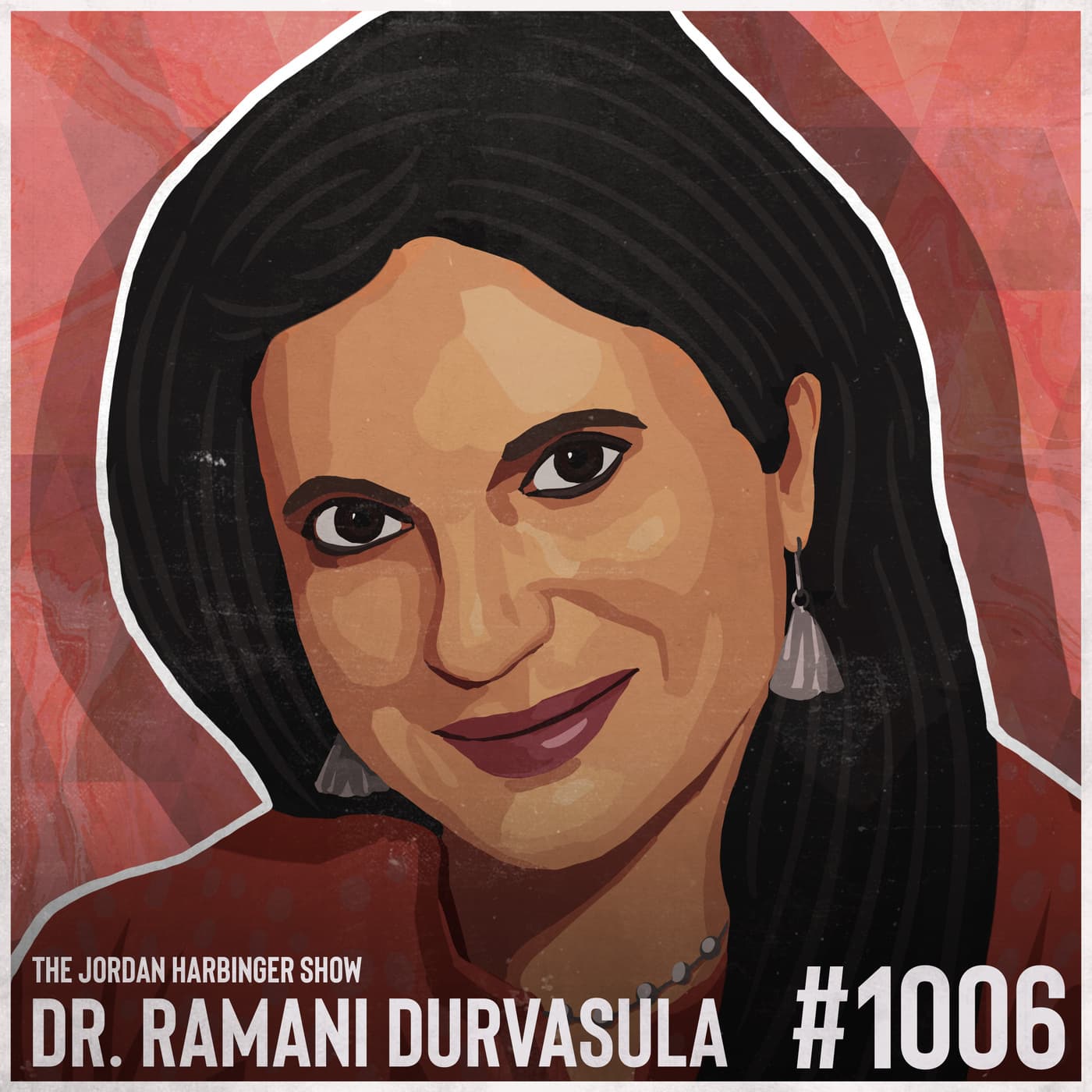
Podcast Notes: The Jordan Harbinger Show - Episode 1006: Dr. Ramani | Surviving and Recovering from Narcissistic Abuse
Episode Overview In this episode, Dr. Ramani Durvasula discusses identifying narcissists, overcoming abuse in relationships with them, and finding pathways to healing. With her extensive experience in psychology, she offers practical strategies for coping with narcissistic relationships and emphasizes the importance of self-awareness and personal growth.
---
Key Topics Discussed
Recognizing Narcissists
- Common Traits of Narcissists:
- Know-it-all attitude and constant interruptions.
- Dangerous driving behaviors.
- Throwing tantrums when frustrated, indicative of a fragile ego.
- Types of Narcissists:
- Grandiose Narcissists: Attention-seeking with a lack of empathy.
- Vulnerable Narcissists: Passive-aggressive and feel entitled without effort.
- Malignant Narcissists: Manipulative and coercive, potentially violent.
- Communal Narcissists: Seek admiration by portraying themselves as saviors.
- Self-Righteous Narcissists: Judgmental and morally rigid.
- Neglectful Narcissists: Instrumental view of others, ignoring them until needed.
Coping Strategies
- When Leaving Isn’t an Option:
- Develop written records of abusive behaviors to combat cognitive dissonance.
- Establish boundaries and reduce emotional investment.
- Engage in self-care activities independent of the narcissistic individual.
Healing from Narcissistic Abuse
- Possibility of Healing:
- Healing is achievable through self-compassion and reclaiming lost interests and passions.
- Recognizing that the abuse was not the victim's fault is crucial.
- Maintaining Relationships:
- It’s feasible to maintain relationships with narcissists while establishing emotional distance.
- Cultivating other meaningful relationships is important for emotional health.
The Role of Cognitive Dissonance
- The tension created by wanting to maintain a relationship with a narcissist while knowing the toxicity can lead to mental strain.
- Keeping a list of negative experiences can help counteract the urge to rationalize staying in a bad relationship.
Self-Criticism and Healing
- Individuals may adopt an internal critic that reflects the negative reinforcement received from narcissistic relationships, leading to self-blame.
- Overcoming this involves reconstructing a positive self-image and recognizing one's worth.
---
Key Takeaways
- Understanding Narcissism: Recognizing the different types of narcissistic behavior helps individuals navigate relationships.
- Boundaries are Essential: Effective boundaries can help individuals manage relationships with narcissists, even if complete separation isn't possible.
- Self-Reflection is Key: Keeping track of abusive behaviors and recognizing positive aspects of one’s life outside the relationship can aid healing.
- Empathy for Oneself: Developing self-compassion while distancing from the internalized voice of the abuser is crucial for recovery.
---
Additional Resources
- Dr. Ramani's Book: *It’s Not You* - A guide to understanding and healing from narcissistic relationships.
- Website for Further Information: [jordanharbinger.com/1006](https://jordanharbinger.com/1006)
---
Closing Thoughts This episode provides valuable insights into the dynamics of narcissistic relationships and offers practical advice for those looking to understand and heal from such experiences. Dr. Ramani emphasizes that while the journey to recovery may be complex, it is undoubtedly possible with the right tools and mindset.
---
*The notes above summarize the key points discussed in the podcast episode, providing a structured and accessible overview for those interested in the topic of narcissistic abuse and recovery.*
Written by AI. May contain mistakes. Listen to the episode to check what was said.
Transcript
Automatic transcript. May contain errors.0:28This episode is sponsored in part by 1-800-CONTACTS. customer service and perks like free returns, free exchanges, even free torn lens replacement. Jen loves their Express exam, which lets you renew your prescription online in under 10 minutes. It's a vision exam, not a full eye exam, but it gives you a doctor issued prescription. If you're seeing clearly with your current lenses, no waiting rooms, no dilation drops, remember those things? And with their best price guarantee, if you find your contacts cheaper somewhere else, they'll beat it. Getting contacts doesn't have to be a hassle. Let 1-800-CONTACTS get you the lenses you need right now.
0:56Order online at 1-800-CONTACTS.com or download the free 1-800-CONTACTS app today. This episode is sponsored in part by Dell. It's time for Cyber Monday, Dell Technologies' biggest sale of the year. Enjoy the lowest prices of the year on select PCs like the Dell 16 Plus featuring Intel Core Ultra processors, and with built-in advanced features, it's the PC that helps you do more faster. Plus, earn Dell rewards and enjoy many other benefits like free shipping, price match guarantee, and expert support. They also have huge deals on accessories that pair perfectly with your Dell PC and make perfect gifts for everyone on your list.
1:28Shop now at Dell.com slash deals.
1:33Coming up next on the Jordan Harbinger show. In a way, when you're in a narcissistic relationship, it's like there's these incendiary devices always going off in your life, and that creates this hypervigilance. And over time, that hypervigilance causes a lot of wear and tear on our bodies because physically it really wears us out. It makes us more vulnerable to getting sick. We get headaches. We experience other downstream effects of tension. And one of the only ways to break the tension is to recognize this is who this person is. The thing that makes the tension worse is a lot of us believe is there's something we can do to make this better.
2:12Welcome to the show. I'm Jordan Harbinger. On the Jordan Harbinger Show, we decode the stories, secrets, and skills of the world's most fascinating people and turn their wisdom into practical advice that you can use to impact your own life and those around you. Our mission is to help you become a better informed, more critical thinker through long form conversations with a variety of amazing folks from spies to CEOs, athletes, authors, thinkers, performers, even the occasional rocket scientist, drug trafficker, economic hitman or astronaut. And if you're new to the show or you're looking for a handy way to tell your friends about the show, I suggest our episode starter packs.
2:44These are collections of our favorite episodes on persuasion and negotiation, psychology and geopolitics, disinformation, cyber warfare, AI, crime and cults, and more. It'll help new listeners get a taste of everything we do here on the show. Just visit jordanharbinger.com slash start or search for us in your Spotify app to get started. All right. So a few months ago, we did an episode on narcissism and the victims of narcissism with Dr. Romani Dervasula. She's amazing. Whenever we do these episodes, we get a ton of feedback. It seems like narcissists are just everywhere. I wanted to do this follow up episode because while we helped people identify by narcissists.
3:17We didn't have time to get into how to actually handle these people. So now we've got a bunch of folks listening who have clarity on whether or not they're in a relationship with a narcissist, but no real game plan on how to extricate themselves from the situation, or if they can't do that, what else they could do about the situation that they're in. So that's what we're doing this episode, Practical Stuff, here with Dr. Ramani Dervasula. So let's start where we left off last time. How can I spot a narcissist? And we went over some of the traits last time we talked and some of the ideas about, some of the ways these people behave, which allow us to spot them.
3:54But are there other character traits that these people tend to hold either universally or, you know, 80 % of them do this? Well, they're know-it-alls. Let's start there. They know everything. So no matter what topic of conversation comes up, They know the answer. Oh, I stayed in that hotel. Like, yeah, now I've been to that place. Or yeah, I've eaten at that restaurant. That place is no good. So it really takes the joy out of a conversation because they know everything and they're often kind of negativistic. And so they'll often say like, oh, that's not even as good as such and such place that's out of business now.
4:28So now you can't even be in the conversation because the place that's good only they've been to and it's out of business. So there's this real know-it-all feel to them, which can sort of suck the air out of the conversation. And they will often need to be the one, either they have to be the one that is the center of that conversation, or if someone else is coming into the conversation and holding more of it, you will notice that they'll start almost seeming pitiful to the side. And the empathic people will be like, oh, we need to draw them back in. And then you're back to hearing their know-it-allness.
4:56So that's one thing that sort of they are the expert on everything. Number two is that they will interrupt. It's not like it's a one-time sort of awkward timing and conversation thing. It's that they'll often do it quite consistently as though what you're saying is ridiculous or they'll use non-verbals like, oh, and so they're not saying anything, but like, okay, the floor is yours because I can't look at this anymore. A third one that people aren't always aware of, but there's at least 12 published studies on this, is that they drive rather erratically and dangerously. And so what we see is that narcissistic people are more likely to drive at a high rate of speed on a road not designed for it.
5:37They'll come up on other drivers to kind of get them out of the way. They'll cut people off. They might honk and, you know, try to get their attention. They may engage in road rage behaviors. And sort of an added wrinkle to that is if you're a passenger in a car with them and you're saying, hey, hey, hey, slow down. Like, what the heck? They'll say, oh, what's wrong with you? And they'll mock you. They'll make fun of you. Don't be a wimp. For having anxiety about that. Yeah. Don't be a wimp or come on. And it's so funny because anytime I live in LA, so it's just basically, it's just a constant.
6:07Oh yeah, no narcissist there. Take your life into your own life. And anytime I'm driving, I'm like, gosh, I wish I could talk to the person in that car because I know I'm right. But there's multiple studies. In fact, there are studies that even suggest that people who have significantly more money, and the study, the marker variable was the kind of car they were driving. We don't know that they were narcissistic, but odds are probably in that direction in some ways. But the nicer the car, like the study actually made clear which luxury brand of car they're looking at. BMW? Is it BMW? BMW, Audi, and Mercedes, and all these high-end cars.
6:39German. They were significantly less likely to stop completely at a stop sign. And this person did this research at various intersections, Paul Piff. He did it at various intersections in Orange County. So they drive dangerously. They don't do well if they're frustrated or things aren't going their way. So they throw adult tantrums. Okay. So this could be anything from they don't get the table they want in the restaurant, the reservation's not ready right on time, the flight is delayed and you're not getting all the information in the airport, whatever. Receptionist says, okay, we're a little delayed in this office, we need a few minutes.
7:13Whatever the frustration is, usually it's something that leaves them feeling not special, right? If they were special, then all these things would have happened. And so those things are experienced as sort of like a ping against their insecurity. And their reaction will be really, really out of control. And in fact, what will happen is people say, so odd, like, I was having a good time with this person I met, a new person. But my gosh, they lost it when we got to the restaurant. And they were told it was a 15-minute, I made a reservation. What does that mean to you? Blah, blah, blah. And so I say pay attention to that.
7:44Because the way that poor host at the restaurant is having to deal with their rage, it's a matter of time before it's you. This is so interesting. There's a guy that my parents used to be friends with years and years ago when I was a kid. And he was always different than all of their other friends. And he would do things like tell my parents that we were going to meet at 7 p.m. at a restaurant and that he could they could bring me. Right. Because of child care. And it would be like 930 p.m. and he would still not be there. And this is before cell phones. And it was like, oh, my God, what are we doing?
8:16And then my mom would be like, let's go home. We have an eight year old with us. What are we doing here? It's 930 p.m. He's falling asleep at the table. And we'd be like walking out the door and he'd be walking in and be like, where are you guys going? Come on. I said I was going to be there. I'm not that late. I'm not that late. And it'd be like two and a half hours late. And this is an adult man. And I remember my mom saying, this is an adult man having a birthday party because he would have a birthday party for himself, but it was almost like a child's birthday party. And people would bring gifts and it would be like he would have all these things set up.
8:47And my mom's like, why is he having a birthday party? He's 50. This is weird. or 45 years old, however old they were at the time. And he would do a lot of stuff like that. And he was a lawyer. And later on, I got into law school. And it was a law school that I know my parents told me he couldn't get into. And my parents didn't want to tell him because they knew it was gonna set him off. Somehow he found out anyway. He called my dad and said, well, obviously they lowered their standards if they let in your son, which is hilarious. and he was probably right about that, but whatever. It's not true.
9:27And he later went to prison for tax evasion, which really jibes with somebody who thinks the rules don't apply to them, right? Exactly, exactly. And I love your story actually, it catches it in all these different ways because one of the other signs is they have no respect for your time, but they expect you to have respect for theirs. It's a double standard. So they may consistently show up late, come up with whatever excuse, minimize your experience saying like, oh, come on, I wasn't that late. Two and a half hours qualified. With a kid too, like with a child. With a kid. So no empathy, no awareness.
9:58But if you, for some reason, were to show up late, they would lose it. So it's that hypocritical double standard. And then, you know, to that point of you got into the law school, they didn't. That's what I'm saying. It's that kind of know-it-allness, but with this entitlement and people saying like, Like, ah, these days, they'll let anyone in, which is the opposite of what we know to be true, that nobody's able to get into schools anymore. That once upon a time that you basically like showed up and they're like, sure, come into our law school. That kind of entitlement and almost victimhood, like it was so much harder for me.
10:34It's what you said is really the ringer here is when this narcissistic stuff goes unchecked, unchecked, unchecked. I'm not saying everyone's going to get pinged for tax evasion, but they do escalate their behaviors, right? Because they get emboldened by there not being consequences. Like maybe your mother screaming at this man saying, what the hell is wrong with you? I've got an eight-year-old child that no one was calling this dude out. And when they don't get called out, they just keep pushing the limits. And in some cases, it can result in breaking the law, breaking ethical standards. And then they're always so surprised, like, I can't believe they're making such a big deal out of this.
11:10That's so funny. That's what he said. Because my parents were like, they'd had it with him by this point in time. And my parents saw that he went to prison in the newspaper. And they were like, what do we do? Do we say we're sorry about this? And my mom's like, don't talk to him. But they were in touch with his mother. And she was like, yeah, you know, it just doesn't make any sense. Because other people have done these things. And they don't get nearly the amount. And I'm like, that sounds like him saying that to you. And then you saying that to us. That's exactly right. Couldn't believe he didn't get probation.
11:39and he actually had to go to prison, even though it was like, you know, egregious and obvious fraud or whatever it was. Yeah, but they do always compare themselves to other people. Other people had it easier. Again, it's that chronic victimhood. So when a narcissistic person gets called out, there's consequence, things don't go their way. They very quickly, again, it's this thing called DARVO. If you're not familiar with what DARVO is, you know, DARVO is Dr. Jennifer Fry's construct of when you hit someone who has this kind of narcissistic personality style, they will deny, they will attack, and then they will reverse victim and offender, DARVO.
12:11And that's a very standard thing that happens in these relationships that by the time you're done with an argument with them, not only will they have denied and come at you, they would, by the end of the conversation, they've truly pretty much convinced someone that they are the victim and have been wrong. Right, yeah, we went over the DARVO model in the previous episode that we did. So if people are like, what's that? And I highly recommend people go back and listen to that, but it's not required to go back and listen to that to understand the conversation we're having now. So if you're already listening to this and you haven't heard the part one, if you will, just listen to it later, it'll be fine.
12:41Are there different types of narcissists? I mean, I've heard of malignant narcissists, but are there like different varieties of these folks? Yeah, and that's what makes it so complicated, which is why if you're having a relationship with someone with one type of narcissism and you're talking to someone who's having a relationship with someone with a different type of narcissism, it's going to feel like different experiences and you might doubt yourself. So the standard one, and we've already sort of talked about this a lot in the prior episode, the grandiose narcissist. Arrogant, preening, pretentious, no empathy, lack of self-awareness, but very attention-seeking.
13:14Interesting thing about grandiose narcissists is though they can be quite successful because they do actually, they will have the fantasy dream, but they will actually kind of hustle up a little bit to make it happen. Now, the vulnerable narcissistic person is a more passive-aggressive, victimized, sullen, resentful, aggrieved sort of narcissistic person, and they often have this failure to launch. They sort of feel entitled to their big dream coming true, but why should they have to work for it? No one else has to work for it. It's like that person you were talking about. And then they will have that experience of never launching because they'll sort of be sitting there believing that all good things should sort of show up at their doorstep.
13:51Vulnerable narcissistic folks also can look quite socially anxious, not so socially skilled. They may not have that shiny charm and charisma we see. The malignant narcissist you described is probably the most severe subvariant of narcissist in terms of how it affects other people. And here we see all the standard narcissistic stuff, but what's also happening in the relationship is much more heavy-handed manipulation. They're willing to take advantage of people, the exploitativeness. They are much more coercive. They're more isolating. These are relationships that are a little more unsettling. There may even be physical violence or the fear of physical violence is sort of always present.
14:27Another form of narcissism is the communal narcissist. The communal narcissist model only has been around for maybe about the last 15-20 years. And in this model, the narcissistic person, still motivated by all the same stuff, and has the lack of empathy and all the rest of it, but the way they get their admiration and validation needs met is by being perceived as a savior or a hero or a giver or a doer. So these are people who will do things in the world and keep framing themselves as, look how much I do. And they may very well be doing things, Jordan. It's not like they're not. They may be raising money.
15:02They may be spending their weekends and making a nonprofit to clean the beach, though they always look good and will always be wearing a really cute bathing suit while they do it and posting to Instagram. That's how they get their validation is that perception. And because they're doing this do-gooder stuff for the validation, they can get quite brittle and angry if they're not getting what they consider to be an adequate amount of validation for their do-gooding. Why isn't everyone seeing how much I do? I do so much. No one appreciates everything I do. I'm so much better than you. I actually care about the world.
15:35So you'll get a lot of that pushback. And what people close to them will say is that, oh, yeah, yeah, it's all the narcissistic stuff. But the world views this person as some kind of savior because they raised this money or did all these good things. But behind closed doors, it's the invalidation and the narcissistic abuse and all this stuff. So that can be confusing because these are people who can be viewed as a pillar of the community, but really be treating their families horribly. The fifth kind of narcissism is something we'd call the self-righteous narcissism. And self-righteous narcissism is this sort of morally rigid, financially controlling workaholism, but in a judgy way.
16:14They're very judgmental. I work hard. Maybe you don't have things because you don't work hard enough. Well, that's what you get for choosing a ridiculous field like that. And they're very, very rigid. So they might say, our dinner begins at 6, and you have a sick kid and you get caught in traffic, and maybe you show up at like 6.15 and you even text them and say, I'm sorry, dinner begins at 6. And you're not getting dinner. And you're thinking, are you kidding? But very, very moralistic. And their invalidation really comes through their judgmentalness. Sometimes these are people who really, really sort of, they might seem actually to the world as deeply loyal.
16:51Sometimes they're very religious. religious and so they're viewed as a pillar of their religious community because they sort of live within these really moralistic standards people may admire them which is their source of supply but they're actually quite cruel they have no there's absolutely no tolerance for the fact that sometimes life doesn't go well for other people and we just kind of got to give them a helping hand so for example if they had someone in their midst who was an addict they'd say like this is all your fault and no sense of like in part this is also a disease and things like that or they might view someone like a family member is hard on their luck, loses their job and gets sick.
17:26And that family member might ask them for money and they'll say, well, I'll give it to you, but it's at 25 % interest and we can put you on a payment plan and they may have plenty of money. So it's this really kind of, it's so awful because it's so judgmental and so rigid. The kids who grow up with parents like this will say, we would be frantic, make sure everything in the house is perfect. You couldn't touch anything. You couldn't move everything. These are folks who often live in very rigidly oriented schedules. They get up at the time and it's, I must do my yoga vegan cleanse meditation at 4.30 and no one is to interrupt me.
18:00And you're thinking, what? And there's a sick kid and someone else is dealing with that, but like, it's yoga vegan cleanse time. No, no, no. And so there's a really, like, again, it's a rigidity with absolutely no regard for anyone else. And the final form of narcissism, we could call it neglectful narcissism. These are literally people who view other folks instrumentally. So they will not notice someone when they come into a room, but will only turn to them when they need them. And so people in these relationships feel as though they're not seen. Well, that's almost creepy. Do they deliberately ignore the person or is their brain just like, that person's not useful to me right now, so I literally don't even need to acknowledge that they exist slash I don't see them.
18:40Like my brain won't even perceive that they're there until I need them. It almost feels like an elitist, contemptuous, like I'm above needing to deal with you. You know, I don't need to talk to you. I don't need anything from you. And people say, well, is this only rich people who do this? No, I've even seen people who don't have that much money, but someone might be, quote unquote, in their service and they'll view them that way, but they'll view family members that way too. Like, are you talking to me? Cause I'm not listening. I don't have time for this. It's that. It's weird. Cause you see teenagers do some of these things, some of the time.
19:12And it's like the worst phase of everyone's life, right? Teenagers or raising a teenager is probably worse. I don't know. You tell me. But you outgrow it. And then those same people are like sweet adults that they would never think to do that. And if they knew they did that, they would feel terrible about it. And these are adults that do this. Do these behaviors show up as kids or do they get stuck somewhere at like age 15 and then they just never grow out of it? How does that work? I would actually say they get stuck at age three because of all the tantrums. But here's what we got to remember is personality is a funny thing.
19:42It's very fluid and developing. It's almost like seismic, you know, plates or tectonic plates moving. And they're moving a lot in adolescence, which is why in adolescence, kids are experimenting with almost like different identities, different ways of being. Their emotions are raw and all over the place. But keep in mind with adolescence, they can keep it together with their peers. They're really largely mean to their parents and other sort of predictable adults in their life, right? Because you'll see them. I remember watching my adolescent daughters. I'm thinking, you seem like a normal human being with this person.
20:12And yet, what is this monster that comes at me, but I realized it's, I am a safe place. So it's actually the ultimate flattery. At least that's how I got through my kids' adolescence. I have to remember that because I'm already sad that my kid is aging out of Hot Wheels. So I can't even imagine how it's going to feel when he's like, dad sucks. Yeah. Dad sucks. And you don't know what you're talking about and all that other stuff. So there is almost a normal, if you will, I put it in quotes, narcissism of adolescent. They're doing what we call separating and individuating. In fact, the old saying is adolescents shit the nest.
20:42And they do that because it's going to be easier, not only for them to leave, but the parents will all, it's almost like a generous thing. Like I'm leaving and look how terrible it was, but they're still holding their blankie and the parents are crying, but they're like, I'm so glad they're gone kind of thing. And so everyone gets through the transition that way. But that said, narcissism is a story that can be told backwards, but not forwards. Show me an entitled 15 year old. I'm like, I don't know if they're going to be narcissistic. They may just be 15, but show me an entitled 33 or narcissistic 33 year old.
21:12and we'll probably trace it back and see that there were actually quite a handful in adolescence. Does that make sense? It does. Not all adolescent handfuls become narcissistic, but all narcissistic adults, we can probably trace it back to someone who was a handful in adolescence. Yeah, that makes sense. So if you take like 10 prick jocks from high school, one of them might turn out to be that way as an adult, and the rest of the guys are like just normal dads who you'd never guess were doing all these horrible things. I mean, I was also in a little a-hole for many years, right? And as an adult, I'd like to think I'm okay.
21:42My parents are, they haven't said anything recently. So, you know, whatever. I would actually imagine of all the different types of narcissists, these sort of more moderate ones might even be the most dangerous. Because I know you mentioned the malignant, are violent sometimes. But like, if I know someone like that, I am running for the hills. It's the person who you become friends with who you're like, oh, that was weird that he treated the waiter like that. Maybe he's having a bad day. The moderate ones kind of slide in to your inner circle. And then you realize when you're dating them or you're married to them, you're just like, oh my gosh, this is a terrible person.
Read the full transcript
22:16But they didn't trigger any of your defenses because it was so moderate that it just, it didn't hit the alarm bell. It doesn't hit the alarm bell because it is subtle and the good stuff's good. They're either very intelligent, smart, attuned, interested. It's a shallow attunement, but it feels like attunement when it's happening. And in the case of those vulnerable narcissistic folks who kind of come off as sort of needy and difficult and sad. For some people, that feels like a project, like they want to help them and say, I want to, and that might sort of play into what we want to be with someone.
22:44And we might say, oh, look, things are getting better because I'm helping them, but then they never quite get better. So I agree with you that the more moderate the narcissistic person, there's still very harmful patterns, but we don't spy them. But I will say this, Jordan, also even about the malignant narcissistic folks, the charm and the charisma may not come off as like sort of as shiny as it might with a grandiose or communal narcissist, but with the malignant narcissistic person, they may come in and seem like they're taking care of a situation. Like let's say a person was in a previous relationship where they felt like their partner wasn't even interested in them or wasn't texting them back all the time.
23:20Because malignant narcissistic folks are so controlling, they may actually very quickly want to control someone, say like, hey, I'm in this, let's move in. Or they're constantly, what are you doing? What are you up to? Who are you with? What do you do? what do you see? And that's all that controlling, like, I need to know where you are at all times. But somebody may perceive that as attentiveness. So even with the malignant narcissistic folks, it's not like they come in to your first date with a bat and threaten you. They really are, they might be coming in, again, not as shiny as the grandiose narcissist.
23:49But I mean, if we think of like for someone like Bernie Madoff, who was very likely a very malignant narcissist, I mean, the early stories was like sort of a scrappy kid from Queens, right? And who was, hustling hard. And I'm sure he wasn't the easiest person to be around. But as time went on, the malignancy really came up. And as he got more and more emboldened, you can sometimes see a shift of a grandiose into a malignant narcissist as they get more and more and more power. It's not like you're in one of these categories and it's done. You mix them up. So there can be people who are malignant, vulnerable narcissists, grandiose, malignant narcissists, communal, grandiose narcissists.
24:26And if in fact, a malignant communal narcissist would be a cult leader. So these things can all combine up to give you more specificity. Wow, you mentioned that somebody might perceive the controlling malignant narcissist antics as attentiveness. That really explains why, in part, why you see these, I'll use women as an example because that's who's writing into my Feedback Friday inbox about this specifically, but they'll say like, I keep dating bad guys and it's like, my dad wasn't really around, wasn't interested in a relationship with me and I always date these kinds of guys and it's like, oh, that's cliche, right?
24:57You have bad relationship with your parents, you have bad relationships with mates later on. But it makes sense, right? If it was inattentive parenting and then you get a controlling person, you misperceive that as attentiveness and it fills that gap that you've had your whole life and you don't have a healthy calibration on what attentiveness is really like. You don't have your, let's say, father figure being like, let's go camping, it'll be fun. Oh, let me be your date for the daddy-daughter thing. Like that's healthy attachment, healthy attention. You just have nothing there. So when someone's like, where are you?
25:26I wanna know where you are at all times. you're like, oh, he really loves me, right? Because you've never seen that that's kind of psycho. Yeah, no, no, no, absolutely. And I think that people say, oh, we date our parents. No, we don't always date our parents. We often date what we perceive to be the correction to our parents. But the problem is that we might be overcorrecting on the wrong thing and not understanding. In fact, you know, one thing we know, for example, from the domestic violence world, especially for young women, we say never accept a cell phone or another smart device as a gift because if they're paying the contract on that or maybe even not, they can track you on it.
26:00So you want to make sure that your devices are you and you're paying the contracts on those things, little things that you have to be aware of in a malignant narcissistic relationship, gift giving through devices can simply be them just putting a tracking device. Yeah. And looking at every phone number that you're calling. I don't know if they still do this, but I used to be able to log into my cell phone carrier and see every number that everyone had called back when they used to charge you per minute, right? You'd be like, what? How come my bill's more? And you'd look for the call that cost 25 bucks.
26:29I'm like, what the hell is this? But yeah, now that you mentioned it, you could just say, oh, I'm going to pay your cell phone bill. Oh, he's so sweet. And it's like, no, he just wants to see every single person that you're calling and who's calling you. That's right. Exactly. And where you are, all of the things, yes. And all, and just all of those things that our devices now do. So it's these little things that slowly but surely people need to learn. But if a person is feeling as though they were never ever seen or heard, a malignant narcissistic person really, this is exactly the kind of candidate that they would focus on because it would be somebody who might be quite vulnerable to the control.
27:02Speaking of this, you've heard about this whole air tags, right? The Apple air tags and how whenever I go say snowboarding, I always get that alert. That's like, there's an air tag that's with you because there's so many people around you and they're going the same direction, especially if you're on a shuttle. But if you have an Android phone, it doesn't say that unless you download this specific app that Apple made recently for AirTag tracking. Oh, interesting. And you open it and it tells you if there's any AirTags that have been with you for a while. People were downloading this and being like, oh, there's an AirTag that's always with me, but I don't understand.
27:33I don't have Apple devices. Where is it? And people would find these things like in their car. And it's like, how did that get there? And how come whoever owned that didn't lose it? And it's like, are you dating anyone new? Maybe. And it's like, oh, he wouldn't do that. But yeah, it's like basically someone shoves it between the cushions of their seat in their car. Yeah. And you'd never find it. Why would you find that thing? You'd never find that thing. And this sort of like, again, the tracking, the controlling, like I said, the more severe the narcissistic relationship, the more the malignant patterns are on board, the more we might see some of this.
28:05But again, it's this sort of, I don't consider putting an air tag on someone subtle. When air tags first came out, there was no way to figure this out. Right. Because I'll tell you, this is how deep I am into this game. When I heard about AirTags, two things went through my mind. Great, I won't lose my keys. Oh my God, this is going to be a nightmare for people in abusive relationships. So that immediately went through my mind. It shocked me that Apple didn't think about that out the gate. It was surprising. I mean, I was also surprised by it, but I didn't design AirTags and I'm not really in the industry of like keeping people safe like you are in many ways.
28:36But you're right. Whoever designed it was just like delightfully naive about the world, I guess. Really delightfully naive. I mean, and you know, it wasn't just one person. Right. So that to me already speaks to like how many people don't get this narcissism thing. Yeah. Because if you did or you knew anything about how controlling relationships work, the first thing on your mind should have been, okay, he's going to get into the wrong person's hands very quickly. Yeah. Somebody probably raised the flag and they were like, let's look on the bright side of our products, not on the dark side. And they were just like, all right, fine.
29:03I guess I won't mention anything. and then like two months later or two weeks later after these things came out, it was like, yeah, my psycho ex is using this as taped to the wheel well of my car. Insanity. Please contribute to my narcissistic supply by supporting the fine products and services that support this show. We'll be right back. If you're wondering how I managed to book all these great authors, thinkers, and creators every week, it is because of my network, the circle of people I know, like, and trust. I'm teaching you how to build the same for free over at 6minutenetworking.com. This course is about improving your relationship skills and inspiring other people to want to develop a relationship with you.
29:37I know you're probably not using it for business. Maybe you are. It's great for personal and business. Yes, even if you're retired. Yes, even if you're at the beginning of your career. The course does this all in a super easy, non-cringy, down-to-earth way. There's no awkward strategies, no cheesy tactics, just really practical exercises that are going to make you a better connector, a better colleague, a better friend, and a better peer. In a few minutes a day, that is really all it takes. And by the way, many of the guests on our show already subscribe and contribute to the course. So come on and join us.
30:02you'll be in smart company where you belong. You can find the course at sixminutenetworking.com. Now, back to Dr. Ramani Dervasulo. I would imagine with a lot of narcissists, especially the more moderate ones like we were just discussing, there's just enough good days to keep us hooked, right? Because if it was all bad, you'd probably leave. There'd be a breaking point, but they know kind of how to keep you on the hook, right? They reel you in really tight and then it just like let you tire yourself out. I'm gonna push back and they know how to reel you in. They don't know. What's interesting is that this isn't coming from such an intentional place.
30:34They're not masterminds, right? This isn't them rubbing their hands together. It's like, today's going to be a good day so I can keep them on the chain. It's they ebb and flow depending on how much narcissistic supply they get, right? So they're having a good day at work. They negotiated a deal they wanted. They closed a bunch of sales. Someone flirted with them in the gym. Whatever supply is for this person, if they're well supplied, they're going to roll into other parts of their life more well regulated. In fact, I've known, I've worked with people who said their narcissistic partner was having multiple affairs and those were actually the smoothest times in our relationship.
31:11Why? Because the narcissistic partner was well supplied. They were getting it all over town. And so they were coming home feeling pretty damn good about themselves and were strangely a much more attentive, not mean partner. It's not so much that the narcissistic person knows how to keep you on the chain. It's that when they're on, because we've sort of met this person and fallen for this person or care about this person, whatever it may be, the empathic person in this relationship is always going to be trying to figure out ways to maintain an attachment to someone we love. But the narcissistic person is not cherishing the relationship in that way.
31:47And so as a result, what that means is that, again, if they're having a good day, it's a good day. And because you don't necessarily know what that is, you might actually think it's something you're doing. Like, oh, they really appreciated the dinner I made. They appreciate me. No, they had a good day at work and you just happened to make a dinner. That was a coincidence. And enough of these coincidences happened that people think that there's actually more reason than rhyme here. And so that's part of the problem. And after a while, people almost, it happens, it's again, it's indoctrination is the best word I can think of is that where the good stuff was actually more in your face.
32:21good. Like you'd go out, you'd have a good dinner, you would spend some fun time together, you might have a good conversation. But as the trauma bonding experience unfolds, like you're justifying the relationship more, you keep fighting about the same thing, you're blaming yourself more, you might be at the point where it's called breadcrumbing, they're doing nothing. Like they might say hello to you, and you think this is some grand thing that they've done for you. So now, the things that you're able to sort of build the justifications around in a narcissistic relationship actually aren't that big.
32:52You're like, look, we actually have a house. Okay, I understand you have a house, but that's not mean your relationship is healthy. And so these justifications are almost based on such tiny things at that point that the person is going to... Now the relationship almost has a life of its own. And the narcissistic person simply from all ways does what works for them. Initially, they're giving you the full court press because they want your supply. Once they have your supply secured, they ain't going to do that much work. Right. Oof. In the book, you mentioned a strategy called hoovering, which is essentially how narcissists will suck us back in if we maybe get sick of their crap.
33:30Can we go through a little bit of this? Because I thought this was quite interesting. It almost sounded like cult stuff, right? The love bombing and stuff like that. Obviously, a lot of cult leaders are also narcissists, but it's interesting how much of this stuff overlaps. Absolutely. So hoovering is called hoovering because in the UK, they call it vacuum, a hoover. So hoovering is literally being sucked back in, but it's more nuanced. than that, right? Because we can get hoovered in so many different ways. In some cases, we're hoovered because the narcissistic person plays on our empathy, our pity, or our sympathy.
34:00They might say, I started therapy, and they might come to us looking kind of deflated, and this is a person we have loved. And almost they might be showing up with exactly the thing we always wanted. They may say the things we always wanted to hear. I was wrong. I was so lucky to have you. I can't believe if I screwed this up, I will regret this for the rest of my life. And if you're still teetering, hearing that stuff, it's pretty rare for people to say, oh, no, no, no, no, no, no, no, because they have not done what I've asked them to do, which is right, make a list of all the terrible things they did in the relationships.
34:32You're like, I don't know that this trip can be turned around. That's one thing that they'll do is they'll play on those sympathies. You know, number two is that they will, they're testing the waters. They want to see if they can pull you back in. It might even be as simple as like you're resolute. I am not responding to their texts. I'm not. I'm not. Now, this is a game for them. What do I need to do to get them to respond? So now they're playing cat and mouse. It's like a video game, except you're in it and you're a real human being. And so once you start responding, then they're going to pull back again.
35:03So that can be awful. Hoovering also can show up when your life is moving along well. So maybe it's been a while since the breakup, six months, a year, even longer. You've got your life where you want it. Maybe you've met someone new. Maybe you're in a new job. Maybe you've moved to a new place. And maybe you're sharing that with the world. Or you guys know mutual folks. I see. That's their chance to say, oh, now you're supply again. And they're going to reach in there, either in a mean-spirited way. I'm going to mess this up. But more than anything, you're supply again. You're in a good place.
35:32And they want to be part of a good place. And so they may try to pull you back in then. And you might think, well, I've got it all figured out. I'm in a good place. This isn't going to get me. Yeah, it is. And so a little bit, even if you don't get pulled back in, it messes with your head. So there's lots of different ways hoovering can do it. Hoovering can be very, very delayed, Jordan. Some people may not hoover for 10 years. And so people will think, well, this can't be a hoover. It's taken too long. Their personality hasn't changed. And so the relationship's not going to change. So look alive.
36:01Wow. That's scary that it can just be, it's like these people are just lying dormant. It's like a virus in the Siberian tundra. Yes, it is. It is lying dormant because you were supply. And if you were good supply, and because remember, the narcissistic person is also a novelty seeker. It's a very sort of a dopamine-y personality style. They're very, very reward sensitive. They like quick hits. They like, they're impulsive. They want things to feel good quickly. They don't play a long game. So that's why they have a greater propensity, for example, for infidelity, cheating, getting distracted by new shiny things, jumping between things.
36:38so they're going to get bored with anyone after a while and get really drawn to the new thing so you become the new thing if the relationship ends and then then they resurface too so that constant novelty seeking is why a lot of times these relationships recycle because they get interested in you after because they haven't seen you for a while right oh my gosh you really have to be on your guard with these people even if they're already out of your life you do you really just have to be on. You do. You do. Because I think a fantasy many people carry from childhood is to want to be chosen, to want to be cherished, to want to be the one who's so important, so good, so valued that you're the one who's picked.
37:19That's very much a childhood fantasy. And if a person didn't get that, and then they're hoovered, that idea of someone coming back around hat in hand saying, I choose you. I made a mistake. I chose this other person. And that's another reason hoovering works. There's a little bit of ego in it for some folks where they're like, they went, they cheated on me. They went off with that other person. They saw it's not so great out there with someone else. Now they're coming back. There can be a bit of an ego thing like, okay, yeah, you're right. It is better over here. They don't deserve you. If they were not able to cherish you right in the first place, why do you think they cherish you right in the second place?
37:55That is a really good point. Oh man, you wrote some other scary slash interesting things in the book too. There There was one that was, and by the way, if people buy the books from the show, please use the links in the show notes. It helps support the show. There was one thing that you said, and I'm paraphrasing here, was often what seems like curiosity from a narcissist towards you is them gathering information to use against you later. That is so, what's the word? Is it insidious? It's really spooky and creepy that somebody might pretend to be interested in you or is acting interested in you, and you think like, oh, okay, it's finally coming back towards me in this relationship.
38:31but really they're just, I don't know, gathering pieces that they, what are they really doing? I mean, what could they be gathering against me to use against me later? I guess that's the question. Well, it's all intel, right? My friend Mark Vicente calls it the data download, but it's, again, not as intentional as you might think, but as a relationship goes on, we share. And narcissistic people are actually quite good. They're actually quite socially perceptive and can be very socially skilled, particularly grandiose narcissistic folks at drawing you out. And that's why they're such good salespeople.
39:02And so they might even say like, come on, tell me your greatest fear. I really want to get to know you. And now you start talking, you basically, you're giving them an encyclopedia of every way they can harm you. And they might do the same, but who knows if they're telling you the truth or not. And it doesn't matter because you wouldn't do those things to hurt them. And so you've now told them these things. Maybe you even told them vulnerable things that have happened to you or, or sort of things you've done that you're not proud of, or maybe even had a little shame about, but thought, oh, I'm going to take this out of the shame and I'm going to share it.
39:31It feels like intimacy and closeness. But what happens then is because narcissistic folks always fight dirty because their goal in a fight is absolute destabilization. You might be having a conversation or an argument with them months, even years down the road, and they will stick it back to you about a story you told them where you had some shame about what was shared or a vulnerability you had. They may know that abandonment's a trigger for you, so they'll often use that to their advantage. This is why I tell folks in new relationships relationships slow way down pay attention feel it in your body see if you feel safe if you don't feel like laying your secrets out there because sometimes a narcissistic person might say to you if you're like yeah you know what i don't know if i'm at the secret sharing stage or the truth or dare part of this relationship yet and they might say okay okay listen i thought you were looking for something deeper here i get that i get that that may not be what you're looking for and so now you may think but I am looking for something deeper they're gaslighting you right and then you think well okay I guess the sharing thing is part of that maybe it is me maybe I have commitment issues and so people will question themselves but you also have to remember Jordan for narcissistic folks relationships are transactional and they exist to serve them they are not reciprocal they are not mutual they are very very transactional you show me I show you I give you you give me It's that kind of setup.
40:55So when they're getting all this intel, they're not thinking like, okay, third date, intel date, let me go get it. They're sort of paying attention to kind of make this sort of map of you, but it's really a map of these vulnerabilities. And then kind of by the time they get all the intel they need, they kind of click out and then they've got the information that they need. It reminds me of, you know what they did, like in Scientology, how they make you go through those audits and then they write down all the things you're ashamed of. and then later on you're afraid to leave because they're gonna air all that dirty laundry.
41:25That's what that reminds me of. In the book, you mentioned that bad days with narcissists eventually build this weird anticipation because a good day might be coming. It's almost like gambling. Oh, it is gambling. We're losing, but we're due for a good day. And it's like, well, that's not how gambling works. It's math, right? And the odds are against you. Right, but it's funny math, right? Because it's not just math, Jordan, it's also behaviorism. And when we look at the model of intermittent reinforcement, right? The reason gambling works, particularly sticky gambling like slot machines, is because not only is there intermittent reinforcement, you get rewards every so often, but you don't know when the reward's going to come.
42:01There's always a possibility of a really, really, really big reward. That's why slot machines are so nefarious, because it's not even like when you're playing cards, like you're having to ante up a lot. Yeah, you could win, but there's a lot of your stake in there. But in a slot machine, you could put in a buck, and they're telling you conceivably could win a million dollars. And that right there is what happens in a narcissistic relationship. You're thinking the million dollar win could come. Some wins come. You're like, oh, dollar in, three dollars up. I'll take that. You kind of forget conveniently about the hundred dollars you put in.
42:32And over time, nothing came out because it wasn't a hundred consecutive dollars you put in. Every few dollars, something's coming back, even if you're still under. A dollar comes up after you put in five kind of thing. That's intermittent reinforcement. And we know it's the most difficult kind of what we call reward schedule to interrupt. It keeps us in the game because we think, well, maybe if I stay another six months, maybe if I try a little harder, that's the challenge. And so the casinos were smart to that a long time ago, but that's how these relationships work. And that intermittent reinforcement is what creates this trauma bond.
43:06The problem with waiting for a good day is even when you get a good day, aren't you going to have that good day and be like, ah, now bad days are going to happen? or is that sort of lost on you at that point? Yeah. Yeah, because I think you're right. The bad days are kind of lifted with like the good days coming, right? Because you've been sort of trained in that way. But with the good days, it's that sense of dread of when is this going to go off the cliff? Because invariably it does. So you're desperately trying to make it last as long as you can. So what a lot of folks in narcissistic relationships do is when the so-called good days happen, they're still pedaling double speed to keep the good day going.
43:44And like, I got to make sure I don't say the wrong thing. And I want to be really careful. And I don't want to be the one to mess this up. So you're now even anxious on the good day because you don't want to be the one to screw up the good day. Yeah, man. Living with this level of like base anxiety, it seems not only very stressful, but also unstable. Just knowing, oh, it's a we're due for a bad day or like we're due for a good day. But when's it going to come? It seems like, well, maybe when you're waiting for a good day, there's positive anticipation. But when you're waiting for a bad day or you're in the middle of one, it seems like it would be bad.
44:14I used to have this really crappy business partner and everyone on the team would tell me that they would dread checking their email or their Slack, which is like this team's communication thing, in the morning because it's interesting that they all sort of came to me with this. They'd be like, I just don't know what's going to be in there. And it's like, well, what would be in there? Well, it's going to be something from this person. and it was a weird sort of come to Jesus moment for a lot of us because it was like, oh, you feel that way too? I thought it was just me that I would wake up and get like a really crappy paragraph that was day ruining.
44:45And it would inevitably come, I think I've told this on the show before, but inevitably it would come, if someone was going on vacation, it would be like the morning before they caught their flight, it would be like, this is all these stuff, things you're doing wrong and here's all these things that need fixing immediately and we sort of got used to just being like, eh, that's just how he is. It created anxiety. You would literally find yourself checking your inbox in the morning and you'd be like holding your breath almost, right? It was awful. This takes us to what I do call the inbox issue with narcissistic, when you're in a narcissistic relationship, whether it's the workplace, whether it's a relationship, especially when the relationship's on the rocks or you're working with someone.
45:23And so it's sort of, it's not the same thing as like an intimate relationship, even a family relationship. There is that what we call email dread, especially maybe you've emailed on something that you know that they're not going to like, like, I can't do this, or we're not going to be able to do that, or you're giving them some bad news. And people will say the email dread is such that they'll avoid opening their inbox, which can result to its own set of problems, because then they're missing other important messages, or they'll see the person's name pop up on their phone, they'll say, oh, God.
45:50And so it is a very stressful way to live. Because in a way, when you're in a narcissistic relationship, it's like there's these incendiary devices is always going off in your life. And that creates this hypervigilance. And over time, that hypervigilance causes a lot of wear and tear on our bodies because physically it really wears us out. It makes us more vulnerable to getting sick. We get headaches. We experience other downstream effects of tension. We don't sleep as well. So there's all these negative health effects that come from living in this chronic state of tension. And one of the only ways to break the tension is to recognize this is who this person is.
46:27And if you're in this job, guess what? You're waking up in the morning and you're seeing an awful paragraph. It's like this awful radical acceptance. And then one day you ask yourself, is this what I want? The thing that makes the tension worse is a lot of us believe is there's something we can do to make this better. I know in the book you write about different phases of narcissistic relationships. I would love to go through some of these because I think it'll help people maybe see if they're in this mess, if they don't already, if they're not already painfully aware, Maybe they'll see where they are on the timeline.
46:57So I think that in phase one, here's the thing that I think a lot of people misperceive with narcissistic relationships. And I'm going to be talking about adult intimate relationships right now. Let's keep the parents aside. But adult relationships that we, in essence, choose, right? Whether it's intimate, work, friendship, whatever. Initially, in these relationships in phase one, we fight back. We're like, what the hell? I never said that. Or, dude, you can't show up two hours late. We interact with them like they're a normal human being, but when we like them, right, we might really actually enjoy this relationship.
47:28We may like the job. We may think they're smart. We may enjoy the friendship. We might like the things we do. So we have some buy-in, but we have the capacity to set boundaries and ask someone to be accountable. Not everybody does, but a lot of people do. This idea that everyone in a narcissistic relationship is a shrinking violet is completely wrong. However, if we're not prepared for the gaslighting, the shaming, the invalidating, and again, that doesn't happen right away. It's very gradual. And in fact, what they might do, which is a very common hustle, is early on when we complain, bring up something, they'll be like, oh, oh, oh, let me, all right, I can, let me, I'm sorry about that.
48:11They might actually seem like they're accountable. So it's almost like when someone's doing a financial scam on you, you loan them some money and they pay you back quickly. You loan them some money, they pay you back quickly. You loan them more money and they don't pay you back. But you are convinced they're going to pay you back because on the smaller amounts, they did pay you back. So they've, again, they've sort of gotten you into position. It's like that too in narcissistic relationships. Every so often early on, they might even get it right. So then as things go on, you're like, but they did do it that time.
48:43So maybe I'm being too dismissive to say, this is just someone being toxic. Maybe I'm just expecting them to be perfect. Now we start doubting. That's phase two. And as that questioning and that doubting happens, we are getting into more of a self-blaming, self-doubting, confused, anxious, vigilant space, and more and more times going on. We're ruminating, all this other stuff. Time's going on. There's more buy-in. and there's more sunk cost. And ideally, in my world, somebody gets help during phase two, because what we're trying to avoid is phase three, and that's hopelessness. A person is like, okay, I'm stuck in this forever, or there's something wrong with me, or they just don't know what to do, or they keep questioning, like, is this bad?
49:28Is this not? Maybe this is my fault. And so in that hopelessness piece, people may even be less mobilized to get help, to connect to other people. No one's going to come to therapy in phase one. Some people might already be in therapy. Sometimes I work with clients who've met a narcissistic person while we happen to be in therapy, which is great. But it's phase two where we want people to seek out help. Yikes. Yeah. It's so, of course, therapy, most people go when it's been going on forever, right? It's just like, how did it take you so long to get here is probably, you know, you should have come here five, 10 years ago.
50:01I would imagine being in a relationship like this can make you physically sick as well, just because of the stress, the baseline stress would take a toll over time. Oh, it absolutely does. And I can't tell you, I've worked with countless numbers of clients who said if they might've had an autoimmune condition that went off the charts or they developed one that didn't really make sense or the course of illnesses they had were much, much worse. People will think like, I didn't have the risk factors for these particular illnesses and I developed them. Then we see all the chronic stress-related illnesses, migraines, headaches, headaches, muscle tension, GI complaints, dermatologic conditions, anything that stress can cause because of how it affects us.
50:39These are incredibly stressful relationships. And it's a stress that doesn't go away because you're constantly ruminating, even if they're not in front of you. How do I make sure I get it right today? How do I make sure I say it right today? How do I make sure I don't mess this up? I better make sure the house looks perfect. I better make sure everything's perfect. You also write healing cannot be solely based on addressing the behavior of the abuser. And I thought this was particularly insightful, right? Because if we're waiting for the person who's mistreating us to, I don't know, allow us to heal by giving us a break, you're in for a bad time.
51:11You're going to be disappointed, right? Because they don't care about your ability to heal. They're maybe not even aware of your suffering at all in any meaningful way from the sound of it. No, no, no, no. I mean, I think that this is the mistake we've made to give you another example of it, Jordan. For years, we in the domestic violence world, all of the focus has been on perpetrators support. How do we stop them? How do we create support groups for them? Screw them. They are harming someone they're in a relationship with. The help, the support, the structures should be there for the people who are being harmed in these relationships.
51:47But we spent, look at all the books out there about narcissism. I mean, I'm responsible for writing a few of those, but there's lots of books about narcissism. There's a lot fewer about what happens to a person in this relationship. That's why I wrote It's Not You, to really put that frame of reference. And that becomes what's important because if we keep focusing on the narcissism of it all, the punchline's always the same. This isn't going to change. So we have to educate people about this so they can deal with it on the front end and hopefully not get into it. And if they are already in it, they can start sort of disentangling themselves from it and feel whole again.
52:23But the mistake we've made, and again, the DV world's a great example of this, is we've always focused on, well, maybe if we could make them stop abusing people, everything would be okay. You can't stop that. And in the process of this, hundreds of thousands of people are walking around the world without the help they need. Oh, man, it's so disheartening, of course. And the question is, okay, fine, how do we leave? And is that the goal here? And I know what I really appreciated about the book was that you come from a very realistic standpoint that not everybody can actually leave a narcissist, right?
52:54It's not practical. And there's no judgment in the book about not being able to leave. There's lots in the book about healing from narcissistic relationships while you are still in them, or when you're just trying to separate from them a little bit. And it's an important note, because it's really easy for somebody like me to be like, make sure you get out of that situation. And it's like, cool, I'm a woman with a high school education from, I don't know, India or something married to a guy in Silicon Valley who's a computer engineer at Facebook. What am I supposed to do with my three kids? Just go home and never see them again or be homeless or live on food stamps and lose custody to this guy?
53:34That's worse for them because then I'm not there. Right. It's just unrealistic for a lot of people. And I got some criticism last time we recorded because I always paint the guy as the narcissist in my examples. And that's a me thing. Your book doesn't do that. I wanted to be clear about that because people are like, why did you guys do that? And I'm like, oh, that's literally just me. I just do that because that's what pops into my head. But plenty of female narcissists out there as well. Oh, you better believe it. And I've worked with many clients. I've worked with men who are in relationships with female narcissists, women who are in relationships with female narcissists, and anyone who has a narcissistic mother, that was a female.
54:11So absolutely. And the experience a man will go through in this relationship is equally vexing and all that. So to your point, I do not prescriptively ever tell someone to leave. Remember too, Jordan, my book is about people where it's about moderate narcissism. In general, these are not relationships where there's physical danger or harm. Obviously, it's a different conversation if that's what's happening. But many people will say, I can't leave. I can't leave for any of the reasons you said. Family court, no money, lack of safety, fear of post-separation abuse, cultural reasons, religious reasons.
54:45And all of those reasons are valid. The one thing I really, really despise about this space, and a lot of people, TikTok and Instagram and internet and all that are talking about how it's, you got to go if you don't go. And I'm like, slow that way down. Some people aren't ready to leave relationships. Some people don't want to go no contact with their parents. it's not how it works it's that you can understand it listen I'm going to also own it if you're going to have ongoing contact with a narcissistic person it's going to be hard I'm not saying that this is easy but it's not an all or nothing that up you have no choice but to go and it does become about the radical acceptance and the workarounds and seeing it clearly and no longer blaming yourself for their behavior those things can all be part of this process but that decision to leave some Some people will say, I can't do that.
55:32And I said, that's fine. You know, nobody's telling you to. And some people will get there five, eight, 10 years down the road. Some people wait until their youngest child turns 18. It really depends on the individual. Some people will wait for one parent to pass away. And if the narcissistic parent one stays alive, they're like, I'm out. I stayed in touch with you because of them. They're gone. Bye. And so it really comes down to each person's individual story. But it's very important. And I make this repeatedly clear. and it's not you, is that you can heal whether or not you actually ostensibly leave this relationship.
56:05Yeah. The post-separation abuse stuff sounds scary. Is the post-separation abuse worse than the relationship a lot of the time, or is it just the fear that it's going to be what keeps people in? So post-separation abuse is an interesting spectrum, right? So it's like you said, in some cases, it's the fear of what's about to happen. Some of those fears are usually not exaggerated. First of all, family court's a disaster. So people who are going into that space, they're thinking like, I don't think it's going to be good for my child to spend time one-on-one for extended periods with this parent.
56:37I'm like, well, then you better think this one through hard because that's what's going to happen in family court, number one. Number two is that they're so exhausted in the relationship, but the unknown of leaving a relationship raises even more concerns and fears. And, you know, listen, they also don't know what's going to happen financially. Like, listen, we could talk about people who have lots of money and they're splitting up lots of money. A lot of people don't have much money at all. And so if it's the sort of thing where people might be in sort of very traditional roles, one person is cut back on work to care for children and the other one's doing okay, but not great.
57:11I'm in California. Nobody can afford rent or mortgage or homes or anything here. So the idea of splitting up and moving into two separate places may not be literally financially an option, even if all the procedures in family court and community property and all that stuff are figured out. People just can't afford to rent. So they're having to stick it out. But the post-separation abuse can range from everything from full-on stalking, electronic abuse, smear campaign, call your employer, be waiting in front of your house stuff, all the way down to sort of being punitive in family court and doing things like, well, I'm not going to sign that on time, like really passive aggressive petty stuff that may harm your kids or that you just feel like is everything feels like a headache.
57:58Obviously, the less interlinked you are with the narcissistic person, for example, if you don't have kids, that might be a cleaner split, the less you have to rely on them financially. I've worked with many clients who said, you know what, the narcissistic person would use the monthly time they had to pay me out each month as every single month, 12 months a year to get another dig in on me, right? And this would go on for years. So over time, you become less affected by it. But it's just sort of an it's like a letter from the IRS. Like nobody wants that. Well, I don't know about you, but my sense of self worth and frankly, my ability to pay rent is contingent upon you supporting the fine products and services that support this show.
58:36So we'll be right back. If you like this episode of the show, I invite you to do what other smart and considerate listeners do. Take a moment, support our sponsors. All the deals, discount codes, and ways to support the show are searchable and clickable over at jordanharbinger.com slash deals. If you can't remember the name of a sponsor, you can't find that code, you're not sure if it even exists, hit me up, jordan at jordanharbinger.com. I am happy to surface that code for you. Yes, it is that important that you support those who support this show. Now for the rest of my conversation with Dr.
59:04Ramani Dervasula. One thing I thought that was pretty smart was, and you mentioned this earlier, They're writing down a list of all the harmful behaviors to avoid gaslighting yourself when you try to separate from the narcissist because let's assume you finally say, you know what, I've had it. And then they're like apologizing and love bombing and buying you stuff or whatever, taking time off work and taking you on a fancy trip. I can imagine it would be really easy to go, all right, they've turned over a new leaf because this has never happened. Or, well, I guess maybe I did blow that other thing out of proportion and we do have kids and maybe I should try to make it.
59:39But like, but then you've got this, if you've done what you recommended, you've got a 30 page journal that you've been keeping over 18 months. And it's just like, okay, so he took me to my favorite restaurant, but I've got 18, I got 18 pages or what, you know, 30 pages or whatever it is of things that he's done. And there's something in there like every two days that's kind of horrible. I don't know if this makes up for it. Yeah. Well, I mean, that's, again, that's sort of the trauma bonding, cognitive dissonance space because human beings, Jordan, are naturally oriented towards attachment and connection and love.
1:00:13A healthy human being wants those things. That's how we're wired. It's good for us. It's good for our mental health. It's good for our physical health. It's good. We're a very tribal species in that way, social species too. So a healthy person who wants those things isn't always going to be a cut and run person like, oh, I don't like this 30 pages, so I'm out of here. You might look at time. You might look at kids. You might look at other folks that are affected by this relationship, staying together or not staying together, finances. All of those things are coming in all the time. And so the reason I tell people to write it all down, all the bad stuff, is we tend to sort of mildly dissociate, do something that Dr.
1:00:52Jennifer Frey calls betrayal blindness. We kind of keep turning away from all these pieces of evidence that tell us to run screaming away from this relationship because it's too overwhelming. And so we just kind of, like I always say that when you move into a new house, there's always that high up shelf on a closet that you put stuff in. And the next time you see that stuff is when you move out of that house, because it's just impractical to get stuff in and out of it. This is the same thing we do in our minds. We put stuff in that sort of, you can't reach a closet. And then maybe in therapy is the time you're like, Ooh, what is that?
1:01:21And so we put these things away so we can maintain our attachments and our connections. That's a very natural sort of order of things for people. So as a result, a lot of people shame themselves. What was wrong with me? Was I a codependent? Was I a doormat? Is that why I stayed in this? I said, no, actually quite the contrary. You are a human being that was trying to stay connected in a relationship that you had spent many times that you're still able to see some good aspects of that you're trying to protect other people. I can't, I don't see the pathologization of that, but many people do that to themselves.
1:01:54I'm so embarrassed. I'm so ashamed. Why was I so weak? And I'd say I'm not weak at all. while the issue lies in somebody who is willing to behave like this in a relationship, like keep the spotlight where it belongs. But you know, what ends up happening, Dr. Yanya Lala, she's a cult expert, and she uses the language in her books, which I really love. She's like, it's about breaking the shell. And I want you to think of like a closet rod is a great example. You know, a closet rod, you put too many clothes on it. You put that last thing on and the whole closet rod breaks. It's similar here. And what we're doing when I'm doing therapy with a client who's going through a narcissistic relationship or anyone's doing it, we're trying to break the shelf, break the rod as it were.
1:02:33By, you know, each time the evidence comes in, we might have the client look at it like, okay, so this is about the seventh time this has happened. How are you feeling? So we don't let them look away from the evidence. At some point, the shelf breaks, the rod breaks, and they have to see it. All the stuff in the closet comes down and there's no not seeing it. That is an incredibly painful day, but an incredibly important day because it's often a call to action for a lot of folks. So you're trying to get the cognitive dissonance or whatever to finally just crumble. Yeah, I'm messing up the analogy, but you're making me wanna go clean out my garage.
1:03:09There's so much in this book that's practical and that's one of the other things that I really liked about it. There's another idea that you make a list of things you missed out on because of the narcissistic relationship. And I think that's a great idea, right? I can no longer go to my favorite restaurant because he doesn't like it or she doesn't like it. I gotta switch the genders of the examples here. I'm gonna get in trouble again. We can't go to my favorite destination for vacation that I've been going to since I was a kid that my family goes to every year because she wants to go somewhere else.
1:03:39And you just write like, therefore I haven't seen my nieces and nephews really growing up because we miss our family vacation every single year. Doing that seems like it would also help crumble that cognitive dissonance because you review that and you go, these are some of the best things that I enjoyed about my life and they're gone now and I traded it for what? To get yelled at because dinner's cold because he showed up two hours late? This is BS. Yeah, so it can be any number of things. Like you said, no longer going on vacations to see family members. It could be for five years, you haven't gotten a single pizza from that favorite pizza place that you wanted to watch films that were nominated for Oscars and they only want to watch whatever, like Marvel movies or something.
1:04:20Then there's only one TV in the house. Whatever it may be, you're always uncomfortable at night because they get to run the thermostat. This list becomes really important, A, to see not only what you've given up, but as people come out of these relationships, right? When they first get out, there can be a lot of second guessing, like, oh my gosh, what have I done? Did I make a mistake? Am I gonna be alone forever? I'm like, look at what you gave up because guess what you get to do now? You can start trying to do these things. Like, go ahead, start going back to that pizza place. Go watch all those movies.
1:04:49Do the things you wanted to do. Set that thermostat anywhere you want. Like, do the things. because that starts helping you sort of also understand what are the things you like because for so long we make a million micro adjustments to be what the narcissistic person wants do the things they want eat the things they want be where whatever the things that they want expect prefer whatever and so it's a coming back into oneself now even if you don't leave the relationship though there's no reason some of these things can't be participated in maybe you watch the movie on your phone. Maybe you go and get that slice on your own.
1:05:24Whatever it is, you're like, I am taking back my life one pizza slice at a time because that's how it happens. It doesn't, because people will say, I can't go, but why can't I go to Joe's Pizza? And no reason. I mean, you don't have to sell them on, and I think it's to break people out of that cycle of, well, I wanted to share Joe's Pizza with them. And I said, that's not on the table, but you now don't give up totally on what you like to eat. Yeah, it's almost like you're creating a separate, a bubble for yourself that has oxygen supply, an oxygen supply of its own, right? I'm getting my own pizza.
1:05:58You know, when we were, I'm doing what I want to do. I'm going to the restaurant that I like with my friends. You are never going to like it because I like it. And so I'm just never going to try to take you there. Like, it's part of your radical acceptance idea, right? You're just like, he's never going to, she's never going to want to do this. So I'm giving up on actually trying to get them to do this. I'm going to do it on my own. I'm going to yoga by myself. Because there's no point in trying to make them. It's not even like giving up on it. I'm not going to ask them to do this because they're never going to come around on this.
1:06:27And if I keep doing it their way, I'm never going to get to do this thing. So it's seeing it that way and then making your choices accordingly. Because if you're making your choices from the point of view that you might be able to change it for them, like that they might be willing to do it differently, then you're going to keep it on hold. But once you make that radical acceptance, they're like, they're never gonna do this. So if I wanna see this, I'm gonna have to do this myself. I noticed in a lot of your examples in the book, a person who is, let's say, in a bitter divorce with a narcissistic partner or in a relationship that's, they're there to see you at that point.
1:07:00They also have a narcissistic mother or father. That seems like a pattern that you mention often. It's kind of cliche, right? People fall into these patterns that they had when they were growing up. But do we really know why this happens? Is it just, oh, I'm familiar with this from women, so I'm going to date another similar woman? Because you kind of mentioned before, we don't necessarily date our parents. We date the correction. But then like in some of the examples, it's mother was a narcissist and now my wife's a narcissist. Right. So what happens when we have a narcissistic parent is we basically don't get to fully form our own identity.
1:07:33In order to survive with that parent, we had to be what they wanted us to be. We sort of existed in their service. It was a real role reversal. And for the child with a narcissistic parent, needs, wants, aspirations are all shamed. The child is told they're ungrateful. They're told that they're greedy. And remember, that child can't tolerate being viewed that way because that's dangerous for a child, right? Better not anger these people. They're the only game in town. And so the child will then either take responsibility and blame themselves. The child will become very vigilant. The child will attempt to do and be everything the parent wants so they can get their regard.
1:08:09Well, that sets up a precedent of a we don't actually when we have narcissistic parents We don't ever get to fully develop what we think we want because to have done that once was dangerous And we become really really good at being very accommodating So when you take those two things into adulthood When we meet maybe a very attractive narcissistic person, it's not like oh narcissist i'm interested in that It's no someone i'm a charming charismatic attractive whatever they're paying attention to me That's even different than what we might have had with a parent. And then when they start sliding into the invalidation and you're sliding into that role of accommodating, it's frictionless.
1:08:48It's very natural. In fact, that's the rule book we were given on love. So then we kind of roll with it. And so then, you know, as you open your eyes to all of it and you see the enormity of it, the harm of the narcissistic parent and how it replays in the adult relationship, once you get past the rage and the grief, you then start seeing like, I never really got to develop me. You know, everything about me, who I am, what I'm about, that my dreams are not shameful, that my aspirations aren't arrogant. You know, many people who have gone through lifelong narcissistic relationships feel that if they have a dream, that they're being grandiose.
1:09:23So that's not grandiose. Having a dream or an aspiration is not grandiose. It's something that's part of you. You have the right to explore, but it might have been consistently shamed or like, don't be ridiculous or whatever a person might have heard all their lives and then magnified again in the relationship. To break out of that cycle is an absolute act of defiance. It seems, how do we break out of these patterns? Let's say we were raised by a narcissist and I'm 22 years old. How do I get out of that pattern so that I don't end up married to an a-hole in addition to being raised by one? Well, I think number one is if a person, now again, now that we're talking about it more, I think more people are starting to recognize an early adulthood that maybe this was their story, get into therapy.
1:10:06Like start to try to figure this out for yourself so you're not replaying these cycles. You know, there's the understanding, the one thing we do know, and this is in a more extreme sense of people who've gone through the experience of being abused as children, neglected as children, is that as a person goes into adulthood and they're able to construct a coherent narrative about what happened, understanding what their parent was about, maybe even understand, have some meaningful sense of The why of it doesn't make it right, but that capacity construct a coherent narrative can actually free a person from these cycles somewhat so that they don't go on to make those mistakes.
1:10:40But you show me a 22-year-old who has a coherent narrative about what happened to them in childhood. It doesn't happen. You know, in fact, in many cases, especially culturally, people are told that that's disloyal to construct that, or I feel guilty, or my parents did this, sacrificed this, did that, da-da-da-da. And so people don't feel, 22 is still too young. I mean, people don't even have a full-on frontal lobe till they're 25. So this kind of deep diving and creating these coherent narratives and having access to that kind of therapy and being motivated to do that, it's a pretty rarefied space for young adults, which is exactly the age when they're actually trying to meet partners with whom to have long-term committed relationships.
1:11:20It almost seems like in your 20s, you should just start going to therapy and don't stop till you're like 35. I don't disagree. I think at a minimum, a lot of people in their 20s might want to explore. I think it's hard to be young these days. I think that the economy is tough. I think that there's almost too many options and opportunities. I think we're often unrealistic in what we expect of young folks. They're coming into a very different world than their parents in terms of housing, in terms of how people work, in terms of so many things. And I think that because of that, getting into therapy to explore, because I think we view therapy means something wrong, you know, and it's sort of the idea of like sort of it is becomes therapy as luxury product, I suppose, at that point, maybe it's self-exploration.
1:12:02But do it with a therapist, somebody who actually went to school to learn and understand this, because there may be some really deep dynamic themes. I'm kind of getting a little tired of the whole culture of think of five positive things you can say and put affirmations on your mirror. Oh, yeah. If that was the case, I would not have spent 13 years in higher education and training to do this if it was as simple as a post-it on a damn mirror. Right. Oh, God. I love hearing you say that because I'm so against pop self-help stuff, which is I'm probably atoning for having spent like 10 years in that world and probably propagating way too much of it.
1:12:38Now, I was never into the post-it notes on the mirror thing because that was always sort of obvious BS. but a lot of this sort of like, just every time something bad happens, think of three reasons why it's a good thing. Like, okay, that's somewhat useful, but on the other hand, if you've really ate a turd sandwich for most of your life because of bad parenting or tragedy, it's not really gonna work to just be like, here's three positive things about the fact that my parents both abused me horribly as a child. Like, no, no, no, you got some real stuff you've gotta work out, and going through therapy is something that I think a lot of people, they think like, oh, I'll do that if I'm like sexually assaulted in college.
1:13:16Not, I'll do that if I have trouble thinking about how I'm going to get a career because it seems impossible. I think about what you mentioned about young people. I think about that all the time. Housing is impossibly expensive. My dad, he, my parents are selling their house back in Michigan and they just did it. And my dad was laughing to himself and he's like, I can't believe it's worth this much. It's unbelievable. We bought it for$13 ,000. And I was like, how much? And he's like,$13 ,000. And I was like, no, no, no, no, no, no. The house, not the, how much was the house? He's like, yeah, it was $13 ,000.
1:13:52And I'm just thinking it's on a lake. How would you buy a house on a lake for$13 ,000? Now it wasn't an amazingly large house. It's not a huge lot that's, you know, whatever. It's not on the ocean, but$13 ,000, I just built a gym in my backyard. It was, you can add a zero to how much that cost. No, no, I know. I know. Salaries haven't gone up in that same way. And I think, and the thing with housing is it's unlike other things in that it's a source of stability for people. Right. And so if you don't have that and you're renting and it's extortionate and all of that, it under destabilizes. Right.
1:14:29And then if you're in a relationship that destabilizes, well then that's a whole nother set of problems yeah right yeah and then of course you also have to pick a career and don't look at your social media where everybody else already has all this stuff figured out and they're gorgeous while doing it right and they seem to go on vacation every single month and it's like meanwhile you're like doing a minimum wage job being an intern for a thing that you don't even care about just so you don't starve to death it's yeah the younger generation is really I know we it's always older generation complaining about the younger generation I really feel, I'm worried for Gen Z as a millennial slash borderline Gen X or whatever it was.
1:15:05I am legit worried for that generation. I am. I am. But they'll figure it out because they also are, they're digital natives. They understand this new economy. They understand this world. There's a, probably a cynicism that had to come up with in them earlier than they needed. But they also, there's some really, they have some really interesting ideas and interesting spirits. And so as an older person, I have to believe in the younger people because one day they're going to be taking care of me. Well, that's for sure. I was going to say, we have to believe in them and stop shaming them because we have handed them all of these big problems and we're like, solve this climate change and like fascism on the rise.
1:15:41Hey, this is on you guys. We're going to be too tired to handle that stuff. We're too tired. Look, I know we're running out of time, but I wanted to ask, okay, the narcissist is not someone we're married to. What if it's like my sister and my parents go, oh, come on. They're not so bad because they've coddled her crap for our whole life. Sure. You're not perfect either, Jordan, or whatever it is. I don't have a sister, so this isn't going to be a real example, but they're essentially enablers or everyone else in the family puts up with their crap. And it's like, but she picks on, she's making me miserable.
1:16:14It's easier for you to say, I'm the one that has to deal with her the other 364 days a year instead of Christmas. What do we do with those people? How do we deal with that? You have to recognize these enablers, they're not uniform. It's not all enablers are created the same. Some enablers are Pollyannas who just think everything's good and everything's great and everyone's got good in them and we can figure it out. Some enablers are kind of on the make, like they're benefiting from this narcissistic person, so they don't want to burn that down. Some enablers just don't want the status quo to get challenged.
1:16:44They're sort of comfortable with the way things are. They may not be experiencing it the same way as you or be in massive amounts of denial, but whatever it is, they're willing to have other people sort of have to put up and shut up so they don't have to sort of shake the tree because they don't want that to happen. Some enablers are narcissistic themselves. And so they may not be as heavily narcissistic as the other person, but they don't see a problem. And then we're back to that status quo issue. So do we treat the enablers the same way we're treating the narcissist, which is like, keep them at arm's length as much as possible?
1:17:12Yeah, same thing. Don't share your vulnerabilities with them. More than anything, don't share with them that you think that this person is narcissistic, right? So I think because then you're going to start getting into this sort of semantic battle with them that you, you know, when you do slowly disengage, this is something that needs a big parade and lots of heraldry and bells and whistles. You do it very gradually. And a lot of it is a very inside game. You don't share things the same way. You decrease your expectations for these folks. And simultaneously, you cultivate other spaces in your life where these needs are being met in a meaningful way, whether that's friendships or other social groups or work that's meaningful and purposeful or other kinds of human activity that's meaningful and purposeful, that you recognize the limitations.
1:17:55It doesn't mean you end the relationship, but you definitely interact with it differently. Yeah, I feel I'm going off some letters we got after our last one, like, okay, this is all really good advice. But the problem is, it's my, like I said, it's my sister. And every holiday has to be about her. And if it's not, she like creates drama or she'll start crying at the Thanksgiving dinner table because no one's paying attention to her and everybody asks what's wrong. And then it's like some weird thing that doesn't seem like a big deal because she had to think of it in the moment so that she could start crying.
1:18:23And it's like, work isn't going well. And it's like, what are you talking about? You just told me you got promoted. Yo, I just wanted the conversation to be all about me at the table. So I had to do that. It's just like, it's exhausting, right? Living with anywhere near these people. It's absolutely exhausting. And I think that that's really over time that people around them feel very depleted. I know we're running out of time. I really wanted to hammer this last thing because I thought it was so insightful. You wrote, and again, I'm paraphrasing as always, your inner critic might start to criticize you in order to get the jump on the narcissists in your life.
1:18:55So in other words, you criticize yourself before you're criticized by somebody else and that criticism maybe hurts more because it's unexpected or it comes from them. And I thought this was just really interesting because it's, first of all, that's a really unhealthy habit or pattern to be in. but I also completely understand how this defense mechanism might, it might be appealing at first, but it also really explains, right? You get these letters from kids or adults, I should say, but kids who have crappy parents, they tear themselves down so much and they're used to doing it before their parents maybe do it to them or their siblings, but then they grow up, right?
1:19:31And they move out and maybe their parents can't even get to them. Maybe they've even gone no contact because they realize it, but it doesn't matter because they're now their pattern is they tear themselves down constantly. And I see this in the Feedback Friday inbox where people are like, well, you know, this, that, and the other thing. And I'm like, oh gosh, this person is so used to crapping on themselves. Their parents died 10 years ago and they're still doing it because their voice in their head is still, it's now their own, but it's still their dad being like, oh, you lazy sack. You're never going to be good at anything.
1:20:02It's so, so sad. It's so sad, but it's a protection, right? And it's absolutely right. If you will, controlling the narrative a little bit, It becomes part of a safety and a trauma response. It is the internalizing this persecutory voice to protect us because what it's doing is like, you're no good. You're a loser. Nothing's ever going to work out for you. Well, then we don't try. And if we don't try, we don't fail. And if we don't fail, then we're okay, right? Because then we don't have to deal with the onslaught of what's going to come at us. So these voices in a very, very dysfunctional way might be a strange way of protecting us.
1:20:34That's what inner critics strangely do. but it is the often it is the internalized voice of the narcissistic person and it is us getting ahead of ourselves so it becomes a very self-effacing style that a person will take into the world but it is it has now gotten so ingrained it's gotten so carved in it shapes our identity so then as much as we might say oh i'm so i'm so dumb and disorganized over time it bakes into your identity and you you start feeling like the dumb and disorganized person and that's going to impact the kinds of choices, risks, maybe even things you might try to do in a job when in fact, it's not true at all.
1:21:08You're a very competent, well put together person, but that identity is not allowed to exist in that family system or in that relationship. Ah, that's interesting, right? It ends up getting baked into your identity and you, man, unbaking that's got to be a real challenge. I mean, that's what you do. You got your work cut out for you when somebody comes in like that, because their mom or dad died 20 years ago. And Yeah. The first voice they hear when they get up in the morning is their dad telling them, you know, why would anybody hire you? You're lazy or you're dumb. And it's like, oh gosh, how do you get around that?
1:21:40It's a whole different episode. Dr. Romney, thank you so much. Always fascinating. Thank you so much. I do. I hope we do get to talk more pointedly about healing in another episode someday, because I think that's its own sort of nut to crack after understanding all of this. Is healing possible? It absolutely is. And in some ways, though, Jordan, these voices, these inner critics, these voices that sort of stay with us, they're fellow travelers. And if we can learn to have more empathy and compassion for them, instead of saying like, I'm a damaged person, you're not a damaged person. Someone did bad things to you or said bad things to you.
1:22:14And yes, you internalize them, but doesn't make them true. And you can sort of lift some of that blame off your shoulders. So thank you so much for the opportunity to talk with you again and sharing about the book and all that. I'm so grateful. You're about to hear a preview of the Jordan Harbinger Show with a pain psychologist that helps people manage chronic pain when all else has failed. None of us are going to escape pain. Pain is part of being human. All of us at some point, if we haven't already, are going to experience pain. Seems about time we understood it, knew how it worked, and knew what to do about it.
1:22:48So I am what's called a pain psychologist, which no one has ever heard of. People say, oh, well, you must treat emotional pain. The answer to that is no. Pain is always both physical and emotional. That's what neuroscience says. And in fact, what we know is that negative emotions like stress and anxiety or depression or anger or frustration turn up pain volume in the brain. We think and are trained that pain lives in the body, like in your back or in your knee. It is, of course, true that things may be going wrong in your back or in your knee, But that isn't where pain lives. Pain lives in the brain.
1:23:29Pain does not always indicate danger. When you have chronic pain and your brain has become sensitive, small bits of non-dangerous input from the body are being interpreted incorrectly as dangerous. You've seen that car alarm. You're looking out your window and that car, the lights are flashing and the horn is beeping. and you're like, bruh, no one's breaking in. You're safe. The glass isn't even broken. That's a brain on chronic pain. So it's just so important for people with pain to know that part of what's happening for them is that their brain has become extra sensitive and it is alarming when it doesn't need to.
1:24:11And it can be hacked. Guess what you and I are doing today? To hear more from Dr. Rachel Zofnes about how pain works in the body and brain, check out episode 661 of The Jordan Harbinger Show. I actually found it quite scary that narcissists, eventually they will just do or say anything temporarily to get you back because they are afraid of being alone. It's this deep-seated insecurity that we mentioned earlier, which makes them kind of dangerous if they're also violent. Also, a lot of us, when we're dealing with narcs, we engage in self-blame, right? We decide that this is something that must be at least partially on us.
1:24:50It prevents our growth or even maybe our escape from a bad relationship. We judge ourselves for viewing the narcissist as a bad person. Additionally, Dr. Romani says, hey, you got to purge your social media feed of these people. Imagine purging your social media feed of all narcissists. That's not it. Just the narcissist you're currently involved with. Avoid getting sucked into the birthday trap or the memory trap like, hey, I'm going to text this person on their birthday or, hey, remember that time we all went on that trip? Just don't do it. Remove photos of them so your iPad doesn't remind you.
1:25:20You know, we've all had those like, here's you and your ex-girlfriend do it. You're just scrambling to shut that thing. I can imagine it's like five years ago. Here's you and your abuser in Miami after a blow up with fake smiles after you just found out he cheated on you for the third time. It's just kind of a miserable situation. So get rid of all of that stuff. It's interesting. Some of the methods as well that she describes for taking back places and memories from the abuser. For example, if a trip to a favorite restaurant or city or country was ruined by an abusive narcissist, you can dress up, gather friends, go back there and make new memories that otherwise overwrite or help you mitigate the negative experience.
1:25:56So if your favorite restaurant is ruined because you went there all the time with this person, go get a gaggle of friends and retake that thing. There's no reason to leave that place in the dust. There's lots more in the book, lots of details, practical exercises on boundary setting and forcing boundaries. But dealing with narcissists, not as easy as just setting boundaries. Expecting a narcissist to finally get it or to respect boundaries, Dr. Romney says it's like waiting for a submarine to show up at a bus stop. You're going to exhaust yourself waiting for this moment that will simply never arrive.
1:26:24I'll leave y 'all with this. Dr. Romney says that dealing with narcissists is like living with somebody who smokes. No matter what filters you got in the house, how long you leave the windows open, you're still going to get sick if you're in it for a long time. Always love my conversations with Dr. Romney. All things Dr. Romney will be in the show notes at jordanharbinger.com. Advertisers, deals, discount codes, ways to support the show, all at jordanharbinger.com slash deals. Please consider supporting those who support the show. Also, we've revamped our newsletter, We Bit Wiser. The idea of the newsletter is to give you something specific, something practical, something that'll have an immediate impact on your decisions, your psychology, your relationships in under two minutes a week.
1:27:01If you haven't signed up yet, I invite you to come check it out. It is a great companion to the show. jordanharbinger.com slash news is where you'll find it. Don't forget about 6-Minute Networking as well over at 6minutenetworking.com. I'm at Jordan Harbinger on Twitter and Instagram. You can also connect with me on LinkedIn. This show is created in association with Podcast One. My team is Jen Harbinger, Jace Sanderson, Robert Fogerty, Ian Baird, and Gabriel Mizrahi. Remember, we rise by lifting others. The fee for this show is to share it with friends when you find something useful or interesting.
1:27:30The greatest compliment you can give us is to share the show with those you care about. If you know somebody who's in a relationship with a narcissist, maybe they're trying to get out, definitely please share this episode with them. In the meantime, I hope you apply what you hear on this show so you can live what you learn. And we'll see you next time.
1:27:49This episode is sponsored in part by the Something You Should Know podcast. Finding a great new podcast can feel like searching for a needle in a haystack. Let me save you some hassle. Check out Something You Should Know with my friend Mike Carruthers. Every episode is packed with fascinating insights that you can actually use. Mike interviews top experts on topics that shape your life, like how to optimize your brain chemistry, the best and worst ways to apologize, probably could have used that recently, why couples hate to talk about money. No matter the topic, Mike asks the questions you'd want to ask, getting straight to the good stuff.
1:28:16And the conversations are always engaging, always insightful, guaranteed to leave you a little smarter than before. They've got thousands of five-star reviews. But do you even need that? I'm recommending it. You don't need other people's opinion, right? At this point, I would hope. Anyway, give it a listen. Just search for something you should know wherever you get your podcasts. Look for the bright yellow light bulb and start listening to Something You Should Know.
From the publisher
It’s Not You author Dr. Ramani Durvasula is here to help us identify narcissists, overcome the abuse we suffer in relationships with them, and heal.
What We Discuss with Dr. Ramani Durvasula:- Narcissists can often be recognized by common traits like being know-it-alls, interrupting frequently, driving dangerously, throwing tantrums when frustrated, and displaying a strong sense of entitlement. But what kind of narcissists are you dealing with in your everyday life?
- Strategies for coping with narcissistic relationships when leaving is not an option.
- The role of cognitive dissonance in keeping people trapped in narcissistic relationships and how creating a written record of abusive behaviors can help overcome this psychological barrier.
- Growing up with a narcissistic parent can lead to difficulty forming one's own identity and a tendency to accommodate others' needs while suppressing one's own. This pattern can make a person more vulnerable to entering narcissistic relationships in adulthood.
- While it may seem daunting, healing from a narcissistic relationship is possible. By developing self-compassion, understanding that the abuse was not your fault, and gradually reclaiming aspects of your life that you enjoy (like hobbies, favorite foods, or social activities), you can begin to rebuild your sense of self and create a fulfilling life, even if the process takes time.
- And much more...
Full show notes and resources can be found here: jordanharbinger.com/1006
This Episode Is Brought To You By Our Fine Sponsors: jordanharbinger.com/dealsSign up for Six-Minute Networking — our free networking and relationship development mini course — at jordanharbinger.com/course!
Like this show? Please leave us a review here — even one sentence helps! Consider including your Twitter handle so we can thank you personally!
See Privacy Policy at https://art19.com/privacy and California Privacy Notice at https://art19.com/privacy#do-not-sell-my-info.