

 The Louis Theroux Podcast
11 Nov 2026 · 1h 28m

 Add vo to ChatGPT or Claude to ask about everything you hear
vo listened to this episode to put together the overview and transcript, so there may be the odd mistake.
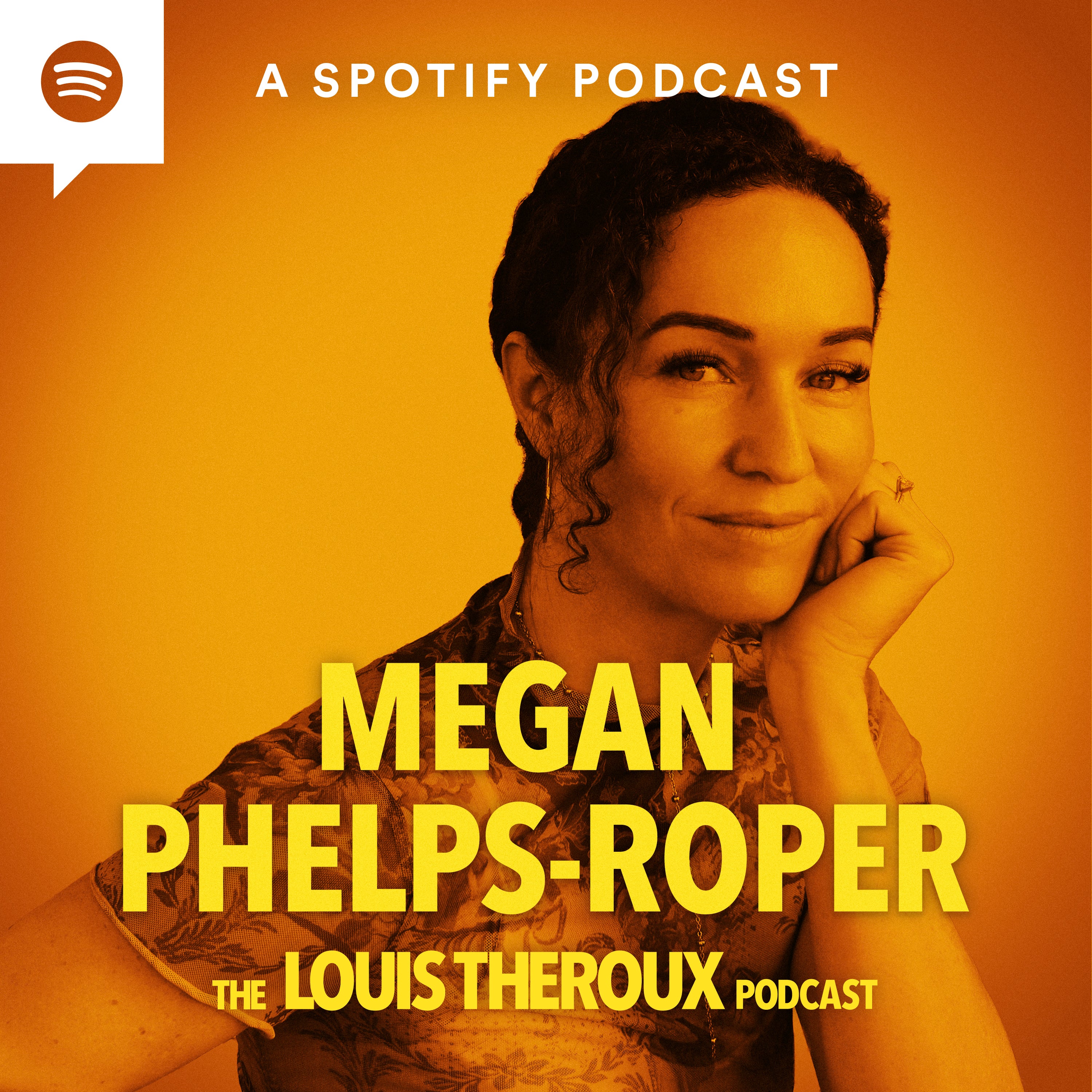
Megan Phelps-Roper, former member of the Westboro Baptist Church (founded by her grandfather Fred Phelps), explains how she left the group, what it was like to protest at funerals and with hateful signs, and how social media (especially Twitter) helped her question doctrine. She also discusses her podcast work interviewing J.K. Rowling and her broader argument that online amplification can intensify people’s worst impulses.
Megan is an author and podcaster; she grew up in Westboro, a small family-based group (~70 people) that staged provocative protests and targeted LGBTQ people and others. She later left in 2012 and wrote the memoir Unfollow (2019). She has podcasted The Witch Trials of J.K. Rowling and later launched Bookkeeper.
Westboro’s logic connected “sin” to punishment, including soldiers’ deaths. Members believed they were doing good by “warning” others, even when they caused grief. The church’s attention-seeking and viral-style tactics reinforced their certainty. After leaving, she describes intrusive fear and difficulty making independent decisions, and notes that some ex-members still believed they’d go to hell.
signs like “God hates fags” and “Thank God for dead soldiers”; picketing soldiers’ funerals; protests against Swedish-related targets (vacuum cleaners, vodka) and “fag Sweden” jokes; her brothers’ suicides after leaving (Zach and Noah).
0:05Hello and welcome to another episode of the Louis Theroux podcast.
0:16Today I'm joined by author and podcaster Megan Phelps-Roper. An advocate for tolerance, Megan is a former member of the Westboro Baptist Church, a Christian sect widely regarded as a hate group and by some regarded as a cult. Founded by her grandfather Fred Phelps, the church gained notoriety for staging highly provocative public protests, in particular at soldiers' funerals, while promoting extreme views on the LGBTQ plus community. I first met Meghan while filming my documentary The Most Hated Family in America, released in 2007. I spent three weeks getting to know them, trying to understand them.
0:56and why they did the strange things that they did, which they still do, by the way, but more of that in the chat. I met her again for a follow-up film in 2011 when she was still a member, and then the next year she left the church, going on to speak openly about her experience growing up in the family. In 2019, she released a memoir, Unfollow, a journey from hatred to hope, which I highly recommend. She stepped into podcasting with a much-discussed series titled The Witch Trials of J.K. Rowling, for which he interviewed the Harry Potter author. It was a hit, I think. We talk about that in the chat.
1:31The reviews were, I think, mainly positive. It's a contentious subject, so as you can imagine, not everyone was a fan. We recorded this interview in August this year at Spotify HQ. Megan joined me on a rare trip over to the UK. She'd recently released a new podcast called Bookkeeper, in which she returns to the Bible and the stories that shaped her to ask which are worth keeping. We spoke for a few hours. Editor Tom had to hack it down. I'm sure there was a lot of good stuff we couldn't use. We wanted to keep it tight. But stick with the conversation. I really think it goes somewhere interesting.
2:07A quick warning, this conversation contains strong language, adult themes and discussion of suicide. Two of Meghan's brothers ended their lives after leaving Westboro, which is obviously a deeply distressing subject for Meghan. But we talked about it. We also talked about much, much else besides all of that coming up.
2:46welcome um this is funny isn't it this is this is a ltp first because i've never interviewed an alumnus, an alumna of one of my documentaries. That's not really the right word, but someone who's been in one of my documentaries. First time we filmed together, well, we were mainly filming at your house, and then you were a student at the time studying law at the University of Kansas, and do you remember we walked around the campus? By now, the church members had learned a little about my life, and they knew that I'd had a child with my partner out of wedlock, a detail which seemed to put me in the firing line.
3:19Do you like going to the pickets?
3:21Megan Phelps-Roper: Yeah. Are you kidding? It must get kind of old, though. You don't get tired of all the sins, pursuing your sins and your lusts. Do I? It's like, I say you don't. Don't I? Because you keep doing it. Are you talking about me specifically? You or everybody else. You don't get tired of serving your lusts. I don't get tired of serving my God. So should I be killed for having extramarital intercourse? According to the Mosaic Code? Yeah. Actually, I'm not sure. I think so. I think, I know what adultery is. Wow. And homosexuality was. You want to see me killed for that. I want to tell you the truth. If I can continue the collegial metaphor, you're like my star pupil.
4:04Because when people say, are people capable of change? Do you ever see people? Or if they say, are there any people that you've made films about that you stay in touch with? You are exhibit A. That's really cool. It's pretty cool. From my perspective, it's cool because it gives me grounds for hope, and I can impart an encouraging message that says people are capable of change and growth, which is actually not really always the case. For people who don't know, how would you describe the Westboro Baptist Church?
4:41Megan Phelps-Roper: It is a group that is almost entirely my immediate and extended family. About 70 people. About 70 people. And yeah, they just really believe that their understanding of the Bible is the only acceptable, true, right version. And on that basis, everything else follows. So we would go from the time I was five years old and protest every single day in Topeka, Kansas. And then very quickly that spread. We started to protest across the country. Initially our targets were gay people and anybody who supported them. But that also ultimately, like everybody outside of our church was a target. Everybody else was doing wrong.
5:25Megan Phelps-Roper: And so, yeah, all of our faculties were, and our resources, all of our effort was toward understanding what we thought God required of us and why everybody else was wrong and chapter and verse, memorize it. That was our life. And you came to fame, the church came to fame initially locally from picketing a gay cruising spot at Gage Park, which was how your grandfather had first become fixated on what he perceived as kind of a local problem. And then it kind of built from there to pickets of soldiers, the funerals of soldiers killed in Afghanistan and Iraq. And then that gave the church massive nationwide and then international attention.
6:14Explain the logic of picketing the funerals.
6:19Megan Phelps-Roper: So my family would say that, you know, when people go to these funerals, they're, you know, thinking about death and heaven and hell and eternity. And it was our job to go and connect the dots. And for my family, the dots were very clear. The first one was your sin. So God has all these commandments, these things that you're supposed to follow, and you are not following them. You are supporting gay people, adultery, fornication. And so we're supposed to connect the dot of your sin to your punishment. And the punishment is, in part, those fallen soldiers. And for us, again, those were intimately connected.
7:02Megan Phelps-Roper: They're, you know, immediately and, you know, fully intertwined and obvious that the sin is the cause of this punishment. And obviously for most people, they don't believe that. They don't see that connection. They see, you know, their family members went and fought, you know, for the freedoms that we were exercising. So for us to go there in those moments when people were trying to mourn and say goodbye to these people that they love, obviously you know a massive amount of controversy and pain came from that it's worth uh reminding ourselves of some of the spicy content some of the provocative and actually hateful and horrible messaging of the signs trigger warning or just appropriate language warning like i'm going to use the f-bomb um because i i just am because it's i think you need the full impact of the terms The famous one is God hates fags Fags hate God Is another one AIDS cures fags Fags burn in hell Thank God for dead soldiers Fag troops Thank God for 9-11 Don't pray for the USA That's a confusing one Why not pray for the USA?
8:18Megan Phelps-Roper: God told the prophet Jeremiah Pray not for this people for their good Like I've already given them up They are, I've already been fully turned over to their sin and they love it and they hate me and my message. And so therefore, pray not for this people. Just to state the obvious, and this is a theme that comes up a lot in your book. It's based on selective selection. Well, it's based on a selective quotation from the Bible, right? I don't doubt you could find a passage in the Bible that said, do pray for people, you know, if you're worried about them or, you know. Oh, for sure. I mean, oh, yeah.
8:53Megan Phelps-Roper: Yeah, so it's not, I wouldn't say it's selective because that makes it seem like, oh, they're picking and choosing which ones. They're doing what everybody is doing, which is like they're interpreting. Right. They are trying to make all of the pieces fit together in a way that is cohesive and makes sense. So they're not trying to leave anything out. They're not actively attempting to distort or consciously mislead. mislead, but in order to create a coherent quilt of understanding and kind of practice, they are having to prioritize certain verses. Well, so when they look and they are comparing, you know, the times that we live in to the times of Jeremiah, they're saying that verse applies, that idea applies.
9:33Megan Phelps-Roper: Whereas if you look at, you know, whatever, a passage where it says, you know, do pray for people, then they would say like, okay, well, this isn't those times. The U.S. is not going to hear us. We know they won't hear us because we've been preaching all these years and they don't hear us. So that's what I mean. Like, it's the only reason I'm like quibbling with your word, like, you know, selective, because for them, it's not selective. It's not like they're casting some verses aside. It is a genuine effort to do the right thing. And that's, you know, for me, that's a hopeful thing for me the fact that like even westboro is trying to do the right thing like that desire to do good is something that you can tap into like if you can find a way which is what people did with me they were able to recognize that i had good intentions i was trying to do the right thing i just was coming from a framework that was so far from how most people see the world and in tapping into the desire to do good and showing me a different way that was consistent enough, like it enabled to sort of help me find internal inconsistencies in my worldview that made me open to seeing things a different way, that absolutely changed my life.
10:43Just to dwell in the kind of the hate, if that's the right term for a second.
10:49Megan Phelps-Roper: Yes, let's dwell in the hate. Because the obvious thing to think about and what I think most people's minds turn to is, well, how could you be comfortable inflicting pain in that way? surely just at a human level your response would be to feel bad you know and I reflect on the fact that when I first went to Westboro on day two we went on a picket of a funeral and truthfully it's got to be recalled that oftentimes maybe usually you were quite far back from the funeral like there were various ordinances that prevented you from getting very close yeah so that I could imagine a lot of people came to the funerals and weren't aware or if they were aware it was only because they were driving past the picket.
11:31But once they're at the funeral, it would be either drowned out or too far away. Nevertheless, when I was there, I remember a car came past that, you know, there were 20 or so of you and waving the placards and a window came down and the woman driver was like, what are you doing? And then I think it was Margie's son, Jacob, said, well, we're picketing the funeral. She said, well, you know, why are you doing that? You know, this is her dad. This is the funeral for her dad, pointing to the woman next to her. And Jacob said, well, her father's in hell. And you just saw the girl in the passenger seat kind of crumple in grief and upset and confusion.
12:18And then the window went back up and they drove off. and it was like a vignette for how that pain is conveyed and experienced and I just wonder whether if that had been you or the people who were there does that have any impact? To what extent, if any, are you ever aware of the pain that you're actually causing when you're on those pickets?
12:42Megan Phelps-Roper: Well, I mean, so that's one example I mean, the very first soldier's funeral protest that I went to was in Nebraska And this was early on, so it was before there were any ordinances. And we were directly across the street. And it was an extremely quiet residential neighborhood where this church was. And we start belting out these songs, and it's echoing off of this church front. You would have been about 15? No, I was 19. 19? Yeah, when we started protesting the funerals, the soldiers' funerals. which I should say like the funeral and sort of like celebration of death and tragedy that was way before the soldiers funerals protests so you know it was something that I had like was just I was born into it like how how we saw it as punishment from God like just punishment from God so you know and then of course all those years on the picket line I was very used to dismissing whatever, you know, pain or frustration, you know, that people were experiencing.
13:46Megan Phelps-Roper: Like, we did that as a matter of course. But it was different. This was, it was a big change for us when we started protesting those funerals, because it was visceral in a way that it hadn't been before. And so I remember going to my mom and, you know, asking, like, I need to understand why we're doing this. I was genuinely wanting to make sure that we were following what the Bible said. Is this really what we're supposed to be doing? And so I think the answer to your question is like, often we were not aware and or dismissive of the pain, but even when we were aware of it, we saw it as essentially, you know, it's just collateral damage almost.
14:27Megan Phelps-Roper: It's like the pain that you're experiencing now for us to come and tell you and warn you, do not follow this person to hell um you know it's it's just it's something that has to happen in order it's like the the pain you experience now is much less than what you would experience if you did follow them and ended up in hell yourself so we really saw it's i know it seems so wild to people to look at that you know story for instance that picture you just painted and think how could these people possibly believe they're doing the right thing and yet there is a framework and it's not you know it's not like they're just making this stuff up.
15:03Megan Phelps-Roper: Like, it's in this book that so many people claim to believe, and that they believe is the literal infallible Word of God. And they take it extraordinarily seriously. You know, I'm not a believer anymore, in part because I just, I can't reconcile some of these ideas in the Bible with things that are good. Yeah, there's a lot of weird stuff in the Bible. I remember you saying that, actually. It was your explanation for why Westboro is the way that it is. I think you said, like, essentially, Gramps was bad, and the Bible is weird. Yeah, well, I probably stand by that. I don't know about bad, but angry.
15:40Gramps had anger issues. Yeah. And in fact, it's probably worth reflecting on that for a second, because so much of this comes from, is the trickle down of a single person's personality, that being Gramps, Fred Senior. and he was born in Mississippi, right? So he comes from an ultra-traditionalist milieu to begin with, raised in probably a form of Baptist teaching that wasn't that unusual but nevertheless would strike us nowadays as extremely narrow-minded. But that collides with, because the conventional wisdom has always been, oh, he's a closet case. Like, oh, he must be, which is so basic and kind of, I don't know, just reductive to say, oh, he preaches and it's really offensive about, he seems to be fixated on gay people.
16:31He must be gay. Like, I don't know about you, like, that was never my takeaway. Like, I don't think he was a closeted homosexual. No. I think he was genuinely angry. And I think, you know, in prepping for this, I realized for the first time his mother died when he was five. Mm-hmm. He was given to an aunt to be raised by, then returned to his father, who then remarried. I mean, it's a very chaotic. Imagine losing your mom age five, right? For starters, it's going to... Maybe this is armchair psychology, but nevertheless, I would think it would make you angry at the world, confused. You lose your foundation.
17:07Megan Phelps-Roper: Yeah. But I mean, he was also really accomplished. I mean, he graduated school. He was a valedictorian. I think he was 16, top of the class. He was a golden gloves boxer. He's an Eagle Scout. Like, he wasn't, it wasn't just like his mom died and he just, you know, fell away into, you know, just became a... Well, into a what, though? Became a crazy, ranting creature. Like he did eventually. I mean, at the time, at the time. All these things can be true. Yeah, understood. And I used to joke like, they're like the Kennedys of hate, like about your family. Like an attractive, highly accomplished, tightly knit, ambitious family that kind of punched above its weight, headline-wise, influence-wise.
17:43But instead of being dedicated to politics and, you know, the Democrat Party became avid picketers and kind of promoters of God's supposed wrath against a fallen America. but so on Gramps it felt like for whatever reason he was a he was an angry dude and temperamentally just volatile anger prone controlling I know you had and have I'm sure a lot of love for him but also in your book you detail how he was physically abusive to his wife your grandma physically abusive to his children so there's a lot going on yeah there is
18:33Megan Phelps-Roper: and there really wasn't anybody to restrain him that's what I think ultimately what it comes down to when I think about how obviously the other thing was that he was kind of missing from this narrative is the civil rights work that he did which he spent decades before the picketing started And I think if he hadn't lost his license to practice law, that would have continued, the civil rights work. I think – I didn't realize this until I was writing my book, but the timeline was kind of wild to realize like months after he lost his license to practice law, that incident took place in Gage Park and the protesting started shortly thereafter.
19:18So there was almost like – it replaced –
19:21Megan Phelps-Roper: It's like there was an absence, this vacuum in his life of meaning. And when you said earlier, just to connect this other dot, about like why we were so focused, why Gramps was so focused on gay people, they would always say it's because you're so focused on gay people. And gay rights was really coming to the fore in those moments. You know, groups like ACT UP and, you know, the AIDS crisis and all these things were very, you know, commonly talked about and written about in the media. And so it was something that they felt like they had to respond to. Like this is a crisis of our times that we need to fight back against.
19:56Megan Phelps-Roper: So, yeah. So I feel like we're playing all the old hits and maybe that's fine. Why? Because the other question would be like, but why do you have to use the word fag? Like why not just say it in a nicer way? You know what I mean? It doesn't say in the Bible, like be rude. You know what I mean? Maybe it does. somewhere it probably does but well they would say so at the very beginning like the very first like big sign said god hates gays yes and they very quickly which it's also offensive but maybe slightly better
20:35Megan Phelps-Roper: oh well so so they would say gay is a misnomer gay means happy and these people are not happy they commit suicide at you know disproportionate rates and god hates them and you know this is not a happy lifestyle um and so the word fag i honestly of course it has the provocation the thing about oh he said it was an elegant metaphor 100 yeah it also means sticks bundles of wood and they're and for kindling and the kindling and then god's gonna stoke the fires of hell yes and they they stoke the fires of god's wrath they burn in their lust one toward another according to romans 1 we are playing all the hits uh it's just it's so funny to me because i haven't thought about or talked about some of the stuff for so long and it's just right there just like comes i mean it's because you know you can't spend all those years talking about something but yes what about fag sweden was a popular sign this is actually one of the funniest parts of my book to write because our the way that we went after sweden and like of course you showed this in your film how funny it was that we ended up protesting a um hardware store that sold swedish vacuum cleaners because we couldn't actually go to Sweden to protest.
21:40Megan Phelps-Roper: And so we turned on, you know... It's been confusing for the hardware store owners. They must have been like, what the... We protested an alcohol distributor whose wares included absolute vodka, like a local performance of a Swedish chamber orchestra. It's absolute, a Swedish vodka. I think so. I did not know that. This is so funny. Like, this is what I was told. I guess I have it independently confirmed. And the reasoning was because Sweden had imprisoned a pastor for preaching against homosexuality. Right. Noah, do you know what fag troops are? Yeah. What? It's this nation of these fags. It's the nation of fags.
22:24Megan Phelps-Roper: That's what fag troops mean. It is a nation of fags, that's right. Wait, wait, wait, you're not going to let him get away with that. Oh, it's fag soldiers! I mean... Fag soldiers! Okay, fag soldiers. I'm sort of glad that they don't understand it better. Well, you understand. Noah, do you know what else you could be besides a fag to be in trouble with God and be included in that sign? If you're not just a fag, but what else? Abroad.
22:54Megan Phelps-Roper: Swedish yen. And soldiers yen. But what are you if you're not a practicing fag? What are you? What if you support fags? What does that make you? You're a dyke. Your grandfather, Gramps Fred Senior, also commented, quote, the king of Sweden looks like an anal copulator and his grinning kids look slutty and gay. Which became a saying in my family. We would say, that's slutty and gay, whatever. Like, I'm laughing because it's, there's so much, there were moments for sure when we were aware of the, you know, extremeness and absurdity. Absurdity. Yeah, so we would say, like, it was cold outside and we're like, God hates winter, that kind of thing.
23:42Megan Phelps-Roper: Like, we would, you know, tongue in cheek use these things, including phrases like, slutty and gay. This is a quote from your book. By age 11, I was standing on the picket line, exultantly repeating the words I'd heard from Gramps, quote, Two whores in a week. I fancied myself cutely countercultured to be reveling in the deaths of two widely beloved women, though I had little knowledge of either, Mother Teresa or Diana, Princess of Wales.
24:13Diana, I mean, I would never use that term. She was beloved and her life ended tragically. Nevertheless, I mean, I've been regretting starting down this conversational path.
24:28Megan Phelps-Roper: Why Mother Teresa? I mean, she was Catholic. And Catholics have all kinds of problems, according to the church. I don't think anyone ever called her a whore, though, do you? Well, they would – okay, it's like it's both physical, like sexual whoredom and also spiritual whoredom. But she wasn't sexually a whore, though, was she? I have no idea. I don't know. I don't think so. But spiritual whoredom is what they were talking about. Like she's worshiping false gods and encouraging other people too. So they would say that, oh, they worship Mary. Catholics worship Mary. They worship these saints. These are, you know, human beings.
25:01They don't deserve your, you know, reverence in this way or whatever.
25:06Megan Phelps-Roper: And of course, all of the false doctrines that Catholics have, according to Westbrook. This is why they would call her a whore. Just staying with the placards for a second, because we've given a kind of biblical rationale for it. But there's also a sort of sociological lens which would say that Gramps loved attention and he loved the headlines. And it wasn't just like he liked to upset people. I think probably he did quite. But he also liked commanding, you know, just having a public ministry. And that must be intoxicating. Not that different from, well, in a way, it's the DNA for what became large parts of the Internet.
25:45trolling people, which tends to mean cynically saying things you don't believe. But in this context really means putting a message that's so provocative that you do still believe but is designed to get a reaction and go viral. In a sense, your family went viral before viral was a thing in the news cycle, right? And that was a feedback loop of affirmation for both your grandfather and the family in general that you thought, we're doing the right thing because everyone can't stop talking about how much they hate us. And just to reflect also, my documentary, it was one of the most pleasant, weird word to use, but certainly most enjoyable documentaries I made, in part because I had no anxiety about how you guys would feel afterwards, really, because you regarded me as a hellbound sinner and you knew that I regarded you as hopelessly misguided and when we called it the most hated family in America, I remember your mum saying, like, that was perfect.
26:51Megan Phelps-Roper: So great. Yeah, that was exactly right. Like, yeah, we are the most hated family in America. Yeah. And then suggesting you should make a follow-up called the most hated family in the world. But it was a perfect alignment of, you know, you're going to hell. No, you're going to hell. You know, we can agree, kind of. Yeah. Like, you're the worst person. Like Steve saying to me when I came back, he said, he said, you're one of the chief workers of iniquity in the whole history of man. You're right up there with Pontius Pilate about me. Yeah, I remember that. Because I had taken the one ministry that was preaching the true word of God in the world and tried to make them look ridiculous, which made me the worst, kind of the worst, one of the worst people in history.
27:41Anyway, that was a long rambling.
27:43Megan Phelps-Roper: But there's so many things you said that I'm ready to... Well, the thing I was thinking about, so I think if you wanted to understand it as a sort of sociological matter, you'd say like, oh, they were drunk on the attention of the world saying, we hate you. And that became very affirming paradoxically. So it's really interesting, though, because once again, it all comes back to the Bible. So, you know, I remember this reporter, I was sitting in on an interview that my gramps was giving with like a reporter from Oklahoma or something. She'd come from Oklahoma because we were going to protest there.
28:14She's sitting in the office across from my gramps and she said, some people would say that you're just doing this for attention.
28:21Megan Phelps-Roper: And I wrote this in my book. He looks at her like she was uncommonly dense and said, of course I'm doing this to get their attention. How can I preach to these people if I don't have their attention? So 100 % it was an attention-getting, you know, these were attention-getting tactics. And like you said, it was absolutely, you know, the background of this was the 24-hour news cycle. And the fact that if you just say these, you know, three to five words, you know, very provocative words on a picket sign, you will get massive amounts of attention. And we had that reinforced everywhere we went, every little town that we went to.
28:55Megan Phelps-Roper: You know, many news articles, you know, would get written. You know, people are writing letters to the editor. They're planning counter protests. Sometimes we would not go protest in a place because it had already been completely saturated with our message before we even went there. All we had to do was say we were going there, put out a news release that my gramps could do. All I had to do is swap out the location, leave everything else on the news release the same, and get massive amounts of attention for this message that we thought was what, you know, gramps would say it's what people need more than they need water to drink, food to eat, or air to breathe.
29:29Megan Phelps-Roper: So yes, absolutely, it was about getting attention, but it was for the message. And the part about being hated, like reveling in being hated, 100%, because Jesus said, blessed are you when men will hate you and revile you and say all manner of evil against you falsely for my name's sake. It says, woe unto you when men will speak well of you, because that's what their fathers did to the false prophets. So the fact that we were hated was evidence that God was with us. so the attention was affirming the hatred was affirming um and of course graham saw himself in like think about like um you know the prophets like he saw himself like like isaiah or jeremiah you know these people who um like god was speaking to them and through them and he saw himself in that way so all of the attention just absolutely fed into this image that he had of himself as this incredibly important, you know, speaker of truth to the entire world.
30:30Megan Phelps-Roper: I went to deliver some papers to him and he was in the kitchen and there's always like stacks of Bibles everywhere. And he's like, ask me if I could pick up this Bible and read from, I think it was Matthew 5. So I open it up and I start reading and I get to this passage about praying for your enemies. And I was like, what does that mean? And he said, well, it doesn't say to pray for their good. and I was like in the context that's absolutely what it means and so like I take this and I'm like and I finish whatever he asked me to do and then I go back home and I run into my dad who's like coming home from work and I was like can you talk to me for a second how old are you at this point has probably I mean 2021 um but so and I say this to my dad and I I read the passage and he goes tell me exactly what it says and I read it to him and he goes that's not what that means like clearly that means to pray for their good and I was like okay good um but then the moment it occurred to me that we might be not just wrong about like one or two like small doctrinal issues but broadly wrong all of those moments where of like moments like that of like deep questioning or like things that hadn't sat right with me but I couldn't quite put my finger on why or let myself pursue it.
31:47Megan Phelps-Roper: I just felt like I was assaulted by every one of those moments that I had ever had. Well, that brings us to how you came to leave and the fact that, and this is all brilliantly recounted in your book, that you were a very valued member of the church and kind of a golden child. And as you write, when you said goodbye to Gramps, you said, I thought we had a jewel jewel yeah in this one i thought we had a jewel here i thought we had a jewel here meaning you you leave with grace your sister she's the young sister she was kind of on her third strike so she'd been excluded but the feeling is like you know she was close to it yeah she wasn't not quite yeah but getting close so she's sort of excluded or semi-excluded and then you are there saying like i'm going to and they're like no you don't have to go you know when i reread parts of your book for this it struck me how many parts of the puzzle there are to do with how you came to leave and part of it is interactions on twitter twitter became like palantir the seeing stone in the lord of the rings you were looking out into the world but the world was also kind of looking into you and influencing how you thought about things you were sitting with aspects of inconsistencies in some of the teachings that people had raised.
33:02There was also a texting relationship going on with a mysterious man. Spoiler alert, he went on to become your husband. But there's also in the backdrop a displacement of your mum from a position of authority in the church. She's humiliated. And when I went, one of the striking aspects of how Westbury was set up that was on paper a very patriarchal institution but as your dad as your grandpa faded increasingly your mum and your aunt margie were kind of stepping into the role of organizers and although they wouldn't preach from the pulpit because that was forbidden they kind of came across as the key people at the church and along with that was this younger generation of girls yourself jail libby your sister Becca.
33:52And so there was this heavy feminine thing going on, which made it really interesting as a kind of subject of a documentary. So what I should say, like, you'd lost a little bit of your position of privilege at the church, but definitely your mom and dad had been completely sidelined.
34:12Megan Phelps-Roper: So it's a few things. So first of all, I actually was elevated in a way when my mom was sidelined because some of the work quite a bit of the work that she did fell to me um and i did not want that i was not you know trying to i never thought about it in terms of like power and influence that wasn't the um what it did though like the conversations on twitter a big part of the reason they were so influential is yes it was making me question the doctrines but what it also did, like, from the first time, I realized, wow, the church could be wrong about something, and my view could be right, which is so funny, because even saying that now still sounds like extraordinarily arrogant to my ear.
34:57Megan Phelps-Roper: But I was able to see something that I thought they had missed. And so, when I see them judging my mom and my sister the way that I had seen them judge so many other people in the church over the years, I had many times had feelings of, are they right about this person? Like, I'm not living in this person's house. Like, they seem very sure about this. And I would always take the fact that my judgment didn't align with theirs as like, oh, I'm just not spiritual enough to discern. Like, clearly, there's something happening here that I'm missing because their descriptions of this person and my interactions with them do not line up.
35:36Megan Phelps-Roper: And so I would just, I basically took away two things. Like one, I'm clearly missing something here and, you know, I'm just not smart enough, not spiritual enough to understand what it is. And two, I just can never allow myself to get in that position. Those are the two main things I took away. When it started happening to my mom and my sister, these people who live in my house and who I know way better than what these, you know the men who are judging them and who are making all these accusations against them um the fact that i had this little bit of confidence in my own understanding and my own discernment that came from those conversations on twitter um that was what allowed me to think in my own mind they're just wrong about her they're just like they're accused her of being kind of sharp of being overly acerbic yeah basically i mean like and yes like i mean i worked extraordinarily close with my mother and she was a horrible, horrible micromanager.
36:35Megan Phelps-Roper: It made a lot of things very difficult in our relationship. And anger prone at times. Yes. Erratic, a bit inconsistent. Yes, absolutely. You know, very sharp. Like she could eviscerate someone. She could eviscerate me. Like, so I was not unaware of her flaws, but the like, they went to such an extreme. I could go into details, but it's going to sound just ridiculous. But for what reason, Why would they do that? To make them understand our way or the highway. Like, you just have to... Was that biblical? Because obviously the Bible itself is kind of patriarchal. We are in charge, yeah. So were they doing it in good faith?
37:12Or do you think behind it was kind of guys just trying to do a power grab?
37:16Megan Phelps-Roper: I mean, I think I would say in good faith. I mean, I think they thought that exactly what you're saying here. Like, men are supposed to be the head of the church. Shirley is not a man. She should not have this influence. I wrote this in my book, too. you know I didn't realize this until I was writing it so much of her power if you want to call it that of her influence was the fact that she would see things that needed to be done and she would pick it up and run with it she it was not a matter of like I'm trying to be in charge here I'm trying to be in control it's no one else is doing this and it needs to be done and so she would just so what she did and the position that she ended up in that they later saw as um unbiblical it was because they weren't they weren't the ones picking up you know picking up the oar and you know going for it um but anyways to get back to your point though it for me it had nothing to do with like oh i'm losing my power again like i in many ways i was gaining some i don't even like to think about in these terms it was more for me the fact that i had some confidence in my own understanding and my own judgment and that i could look at my mom and my sister and recognize Yes, they have their flaws and yes, they've made mistakes, but they don't deserve to be cut down in this way.
38:32Megan Phelps-Roper: So, yeah, for me, it was much it wasn't about power. It was about we are not living according to these standards that you have taught me all these years are unquestionable. I think the important takeaway for me is that it wasn't like a momentary thing or a single decision. it was a process and it unfolds and you you you write about it very clearly and intelligently that it was it was a series of moments and a kind of and then a period of kind of inhabiting almost two realities and and and both of them are horrific one is that you're going to hell and and you made a terrible mistake and the other is that you are you've inflicted pain for years and years because leading this life of a kind of confused and dangerous misguided Christianity.
39:26And so both of them are horrific. But then what happens is you leave. And I think the other part of the equation that people don't always grapple with is how difficult it is when you leave, that then you're having to piece your life back together or a new life. and you've lost contact with anyone that is in the church, your family said, unless you repent, and they sort of left the door open a bit, but for a lot of people who leave, the door isn't even open. And that you have no contact, like it's a total cutoff. And then what do you do? Who are you in touch with? What does that look like? And then there's a kind of carryover from the psychology that you've been indoctrinated in.
40:13Can you talk about that a little bit? And to put the kind of the basic question would be like, oh, well, you leave and isn't that kind of basically like liberation and free and then you get to have fun and party and be free and not worry about going to hell.
40:28Megan Phelps-Roper: Yeah. Yeah. It's not like that at all. Like I remember, I remember talking to people who had been out for years and realizing, oh my God, they still think they're going to hell. Like if I still believed that, like at that point, I mean, and I, it's not that I didn't have moments for a while after I left where, you know, I would, I suddenly think like, oh, like God's going to give me cancer or like my car's going to run off the road here or like, you know, like very visceral moments. Intrusive thoughts. Very intrusive thoughts. Absolutely. What's the hardest part? So to get your head around, some people still carry the belief.
41:06They still think they're going to help. For you, what were the challenges of starting the new life?
41:12Megan Phelps-Roper: I had no, so many challenges. But a major one was I had no experience making decisions for myself. Decision making was a muscle that had completely atrophied from disuse. I never, I didn't know, I had no connection in the world, no reason to be anywhere. And so I had no idea where to go. I was so confused. How do people decide where to live or what kind of work to do? You know, my first instinct was literally to move half an hour away and get a job at a law office. And I'm so glad I did not do that because Grace's instinct was to go as far away as possible. I think she actually wanted to go to France.
41:51and I was like, we're going to be totally broke if we go to France. You'd saved a bit of money, right?
41:59Megan Phelps-Roper: Some, but not that much. It basically got us through that first year. And I had a car that I had bought a couple years earlier. But we were doing all kinds of things and just going places and visiting people, meeting people. Decompressing. And this, again, is in the book. you reading do you kind of figuring out south dakota to read books you went to south dakota yeah deadwood deadwood yeah why deadwood my brother sam had been a fan of the tv series that's quite weird to go to a place just because you'd seen a tv show about we had but this is a to highlight i hadn't actually seen the series at that point either it was just sam was a fan of the show we were i was looking for some place that we could do in a day's drive and deadwood was 12 hours from where we were um and my friend a new friend had um told me about airbnb and so when i searched deadwood on airbnb the first the very first um listing that came up was this attic room like a big attic room in this old victorian house and i showed it to grace and and we were like oh my gosh this is the place we're gonna we were running away to read books for a month in um imitating um david foster wallace who had taken a year out of school to go and read books he was a bus driver or something it's like we don't have a year we have a month between grace's fall and spring semesters so we'll go to scotter to read books you know with i'm very grateful to my sister because her instinct to not just do the obvious close safe thing um that was like really started to propel me to like recognize like the world is so much bigger than what i ever understood and And it's just not what we were taught.
43:41Megan Phelps-Roper: I think for me, one of the things that was so hopeful was, you know, we had, you know, the sign, the world is doomed. And the matching website, theworldisdoomed.com. And God hates the world. And all of these terrible things that we believed about everyone else and their intentions and how horrible they were. And over and over again, I kept meeting wonderful people who were clearly trying to do the right thing. and realizing that like there was good in the world um was amazing and then you know at first i thought well i'm just gonna have to there's no way i can ever account for the life that i lived at westboro i'm just gonna have to go away and change my name and just like completely start over like i was gonna go by my legal first name and part of my last name and just whatever do that But it eventually pretty quickly became clear that was not possible, obviously, in the age of the Internet and also not desirable.
44:38Megan Phelps-Roper: Because I realized in part, like, you know, my name means something that I don't believe anymore. And if I don't believe it, I have a responsibility to do something different. And so, yeah, that eventually started this conversation. I wrote essentially an open letter apologizing. apologizing like I didn't know what I was going to do or how I was going to try to do good in the world but um it seemed important to say that I had left and explain part of why and I literally just posted on Twitter I said hi because I hadn't tweeted in months I said hi and I put a link to that and I didn't expect it I thought you know just the people that followed me might see it or whatever and it became this really huge story that got so much attention and so much and that really surprised me um but it also really surprised me how kind people were and how understanding and then the work really began you know I started writing and speaking and volunteering and and all these you know many places that that offered the chance to to do that And it was incredible.
45:51Megan Phelps-Roper: And also, at the same time, trying to build a normal life.
46:18walks of life, from everyday folk to Hollywood stars, and each one of them has their own unique story and goals, just like you and me. And that's no different to our financial stories, and with the expenses of summer behind us, now is the perfect time to take stock of your story by checking your Experian credit score. I know it's something that's easy to put off, but just in a few minutes you could better understand your score, learn how to improve it and feel confident for your next financial move. That means you can start getting set and feeling confident for what's next, be it a new car, a new home, or maybe a copy of Gotta Get Through This.
46:58That's my memoir available at all good bookshops. Download the free Experian app and better your story today. For most trusted, visit experian.co.uk slash claims.
47:22You know, you mentioned, I guess there were five, of the 11 of you, five left. That's right. Six now. Six left.
47:30Your oldest brother, Josh, who'd left before I arrived.
47:34Megan Phelps-Roper: He's the second, actually. Second oldest. So Sam is still there. Second oldest. Your youngest brother, what's his name? Luke. Luke. Yeah. When did he leave? Last year. Last year. Yeah. Grace, who you leave with in the book, but also Zach and Noah, both of whom left and then went on to take their own lives. And both of them are in that first film I made. And in fact, Noah, people may remember as the child who's carrying the fag Sweden placard. Yeah. Kind of confusedly attempting to explain the logic of it. And then in the second one, he's talking about a prophecy that will mean that the church may be moving to the Middle East and living in pink caves.
48:19Just exquisitely lovable, talkative, humorous, full of life. In the third one, he's much more subdued, and it would have been a year before he probably ended up leaving. having you know having known Noah a little bit I guess one thing to reflect on is that it was kind of a little bit strange it turned out like I had figured in his the way he saw the world somewhat like that I think you related to me that well do you want to what that when you left he said something to you about me
48:54Megan Phelps-Roper: yes so you're talking about the day that I left the church um so I was packing and crying and my family members were coming to talk to me trying to talk me out of it um and noah um noah texted me and for years i mean if it was like eight and a half years or something after i left that he left and that was the last message he sent to me but one of the things in his message was um if you do leave don't talk to louis he's evil basically basically i mean i shouldn't laugh But it is. He was 13 at the time. Right, he would have been 13. He was 13, yeah. I just, I love Noah. He was born the day before my 13th birthday.
49:42And he was very much my little guy, you know. And when I did my first documentary when I left, and I can't remember if this is in the film or not, but he made a little booklet.
49:51Megan Phelps-Roper: Yeah, I think it's at the end. I think it's in the credits. Saying, don't be a snake. Yes. Don't be a fag. Don't join the army. Did you do it for me? Yeah, I'm going to let you have it so you can carry it around so you can know all the rules of obeying God. Don't kill people. Don't marry two people. Don't lie. I think everyone lies. Some in their life. Maybe when they're a kid. Don't act like a snake. What practically Louie does. Actually, all of these Louie does. What does that mean? Act like a snake. I can't remember. Hey, you've been saying don't act like a snake. No, Noah, don't say that. You've been saying I act like a snake.
50:37Megan Phelps-Roper: No, you clarified for him. Yeah. Don't act like a snake and then says don't be sneaky. Yeah. Yeah, you knew him as this like very sweet. Yeah, garrulous, sort of irrepressible. I mean, as a journalist visiting to the church, like you visiting the church you you were you kind of became aware that this the the family was sort of starved of outside companionship yeah and so that you not that they saw you as a friend when you were coming but they were just grateful to to be able to kind of talk to someone without getting in trouble and find out about someone from the uk and worked in tv and and for a younger person like a friendly face from the outside world obviously made an impression but then evidently he later on he came to see me as something else what do you think was that was about?
51:26Megan Phelps-Roper: I mean he basically the way that he told me the story and I mean I don't want to go into all the details but basically there came a moment when he was like nine years old where he just started to take on what the church believed about humans in general and him in particular which is you know humans are naturally purely evil and there is nothing good in you and you know you should be ashamed of yourself and yeah so he just took on an extraordinary amount of shame and you can see it anybody who knew him can look back at him like in your films and see him as a child and how like he was so at ease in the world he was so talkative he was so happy he was so sure of himself and then after this this moment when he was nine he did the opposite he became sort of quiet and withdrawn and it was a process, it was not like an overnight thing but it was for sure a process and that eventually derailed his life and took it sorry
52:45I mean, just to be...
52:47Megan Phelps-Roper: I just want to say, like, the amazing thing to me about Noah is that when he left, and I would talk to him about things, like, he... I always loved his mind. And I should say, like, nine months before he left, he was sending me anonymous messages on Instagram about, like, things I had said, like, theological points that I had disputes with the church about. And after the second message, I looked at my husband and said, I think this is my brother Noah. And then nine months later or so when he sent me a message on that same thread and said, this is your brother Noah. And I have just left the church.
53:29Megan Phelps-Roper: And I immediately burst into tears. And I was like, would you believe me if I told you that I knew it was you? And then I asked him for his phone number. And it was the same number. So when I texted him, the first thing that came up was that message where he told me not to talk to you from the day that I had left the church. But I started talking to him, and he was in law school at the time. And he just, the reason I knew it was him is he just had this incredibly interesting mind, and I always loved it. It was so smart and so thoughtful. And I would talk to him about everything. So I had conversations with him about this shame thing.
54:05Megan Phelps-Roper: and what amazed me so much is that he did not feel that way about other people he could see he was able to let Westboro's judgments of other people go and see them like as interesting you know people human beings who are trying to do the right thing and and and just worth thinking about and being kind to and whatever but he just he could not get there with himself he had so deeply internalized it and again i don't want to um like go into too much detail or anything but you know i just saw things after he died things that he had written where he just he says it so plainly and so clearly that there's no doubt in my mind that our upbringing just played a huge role in the things that triggered him to take his own life because he just he just couldn't get past it it wasn't the case that having left he could see rationally um well this is incorrect i shouldn't punish myself that um these are intrusive thoughts it's my mind playing tricks on me based on programming i've had growing up and i'm saying really basic but that would be the you you would hope that leaving would be the beginning of taking a kind of view of yourself right yeah and like i said he did that with other people so he was clearly capable of it in general but he could not extend grace to himself he just couldn't and it it was one of those things where like you know he would he had he had this list of things that like incidents that he would come back to and he told me them multiple times like we and over the course of you know because it was three years almost to the day after he left the church that he did it.
55:59Megan Phelps-Roper: And so we went through that list so many times, and they were such small, like tiny things that he thought that he did wrong. And when I say small, I mean, again, I don't want to go into detail, but like objectively, the smallest kinds of missteps that we would all of us make 20 times a day, and he just could not let them go. And if he hadn't grown up in Westboro, your strong feeling is it would have been a different situation. It would have been a different outcome. I do. Absolutely. Yeah, it's absolutely devastating. Noah was only 24. He was only 24 when he took his own life. And he had so, like I told you, he just was a wonderful person.
56:48Megan Phelps-Roper: He cared about other people.
56:53Megan Phelps-Roper: And when you see that version of him in your films, like as a child, that like unbridled version of himself. He at one point he told me he would look at that version of himself and he hated himself. It made him hate himself because like how could he possibly have felt this way when he clearly is just a terrible person? And I just I was going to say. It's confusing. Yeah, I just, I wrapped my arms around him. He hated the what, the easiness and the happiness that he had at the time? Because how dare he? How dare he? Like, I can't, it's... It's so confusing. I know.
57:31Is there anything you'd like to say about Zach? Zach took his life the following year? What's it?
57:37Megan Phelps-Roper: Yeah, it's a little more. It was last July, a year ago, a little bit just over a year ago now. um yeah zach had bipolar disorder and he spoke very publicly about um about that and he'd been out for quite a while he had and he had like and again he was very public about this so i don't um i don't think it's wrong to talk about it but he said um yeah he attempted he attempted suicide multiple times um starting because like we didn't discover that he had bipolar disorder until shortly after he left. Um, and, you know, he eventually like, you know, he, he continued to, he was a nurse. Um, he, he had also, you know, great aspirations.
58:23Megan Phelps-Roper: Like he was really wanting to do good in the world and help people. And he did, I hear from people, um, who, who have also been suicidal. And, um, yeah. And so I know he helped a lot of people too, But yeah, ultimately, like he just, you know, I was very close with Zach. I think I was closer to him than anybody else in our family, just probably because like I knew that he, he just would, you know, bipolar, like you have these cycles, so he would have these intense highs, and that made the lows that much lower. and so anytime he was in that you know mode like when when the fall came um you know i would be on the phone and texting him and um you know trying to and last summer it's just one of those moments came and i didn't know it he didn't he didn't reach out and so there was there was nothing anybody could do do you think the upbringing played a role or it's hard just hard to say Yeah, I mean, it's hard to say.
59:19Megan Phelps-Roper: Like, I mean, again, like with bipolar, it's... Anyone, that can happen to anyone. It really can happen to anyone. And what eventually, like, you know, I'm a very rational, like, logically minded person. And so I would try to talk to Zach. And it's like, well, Zach, well, here's why this doesn't make sense. You know, like, in both directions, both the like, sort of delusionally positive things that he believed he could accomplish and the delusionally... I mean, I don't say that dismissively. I'm not trying to, I just mean like he would believe things that to my mind were so clearly so far outside of the realm of possibility or just accuracy, both positively and negatively, depending on where in the cycle he was.
1:00:02Megan Phelps-Roper: And I realized at a certain point, he could be in the most perfect situation in the world. imagine the most perfect situation you could have someone in and it would not matter what the facts were because the whatever it is and the brain chemistry or whatever is going to interpret those facts in a way that is either very positive or very negative the the the logic is secondary to the feeling in other words that was my experience with zach um yeah so so i do think with zach um it almost certainly would have happened one way or the other. But the fact that Noah took his own life, that really derailed my life, I would say, for like a year and a half maybe.
1:00:48Megan Phelps-Roper: It took me a year. It took me less than a day to write the first letter that I wrote to my parents, which was I was writing to them on a drive to Kansas. We were going to my cousin's wedding. I was supposed to see Noah at this wedding that weekend. And, you know, the letter was just remembering Noah and how much we all loved him and how devastated I knew that my parents were. And sort of doing the opposite to them as we did when we went to people in their moments of grief. It was grieving with them. and I left the letter in the door at my house because when my mom and my brother saw me, they ran away.
1:01:33Megan Phelps-Roper: But then it took me a year to write the second letter because I felt like I had an obligation to say something to them that was essentially like, you should do something differently. I mean, that's the thrust of it is like, there are things you can and should do differently. I know you're trying to do what the Bible says, But here's why I think you're wrong and here's where I think you've gone to miss. But it's very hard to say you need to do things differently. You should do things differently without saying this happened because of you. This is your fault. Do you have any contact with your mom and dad?
1:02:11Megan Phelps-Roper: No. I mean, it's almost for years and years, it's been almost entirely one-sided. Like it's me reaching out to them. You know, again, part of the reason I don't blame my mom and my family at the church in the way that so many people do. You made the distinction earlier about, like, you know, Westboro, something that you're born into. You didn't make the distinction with my mom's generation, but a lot of people do. They see, like, oh, you were adults when the protesting started. But all of the constraints, all of the control that my grandfather exerted over my mom and her siblings, that was already solidly in place long before the picketing started.
1:02:55Megan Phelps-Roper: The sense of shame and submission, like you have to submit yourself to your father and to God and to the church, like all of that was there. it's very hard for me to blame the people who were raised there any more than I can blame the version of myself who was raised there so for me it's it's not about blame or shame it's about change and how best that can happen how's your energy I'm good are you all right I'm feeling good yeah you know we should talk about are you okay to talk about witch trials for a second Sure. I mean, so you've carved out this career as a broadcaster, podcaster, advocate for understanding, reaching across ideological boundaries.
1:03:44You had a hit podcast about J.K. Rowling, the witch trials of J.K. Rowling that kind of went through her journey. The fact that she was, there were campaigns against her from the Christian right accusing her of, I don't know, sorcery or.
1:03:59Megan Phelps-Roper: Promoting witchcraft. Promoting witchcraft. Demonic activity. And then later on there was more controversy related to her views, which were characterized as gender critical. Anti-trans is right. Anti-trans. So many people don't, like, it's a minefield. It's a terminological minefield. It's absolutely because any, it was one of the things we experienced making the show is that every, almost any description of anything that's happening, like immediately puts you on one side or the other, depending on how you do it. And also just the confusion of terms. The fact that gender critical is the opposite of like critical gender theory.
1:04:37Yes. It's like there's just... The term gender critical, I'm not a huge fan of.
1:04:43Megan Phelps-Roper: I don't think there's just no clear. I find it a confusing sort of quasi-scientific. This was in 2023. It was a six-part audio documentary. Seven part. Seven, because actually there was an additional one. Thank you. it's a spicy topic to take on. Like, I think kudos for even going there, first of all. And then the fact that you made what I view as a compelling and very fair-minded documentary series is all bonus points. And also because J.K. Rowling, Joanne, I don't know her, but I think her first name is Joanne, hasn't done a lot of speaking on other people's platforms. Obviously, she's been active on what is now X.
1:05:29so what brought you to make it and um and then how did you get jk rolling on board
1:05:37Megan Phelps-Roper: um okay so my friend andy mills who is now in crime now is my yeah my colleague godfather yes he's incredible he um co-created the daily podcast the new york times podcast and he created a grammar for it that's become yeah very widely copied yes it's a conversational style isn't it yes i mean he just is a brilliant broadcaster he's a brilliant storyteller um but he called me one day um and it was actually i can tell you it was march 1st of 2021 and wow that seems like because it it took a while um but he just was telling me about this idea he had for a podcast and he had pitched it at the new york times and had been rejected it was not the moment um for it apparently um and it was the witch trials of jk rowling and it was this idea that you just said it's like she was she has drawn the ire um of both the right and the left in these two um what you could describe as witch hunts um and i had forgotten like westborough had not we were huge fans my dad is the one who is an my dad is an elder in the church and he brought me those um the first book and he was like you will love this book his boss had given it to him so we were quite an eclectic reader your dad yeah well we um yeah we were just we were big fans so we had not participated in the backlash from the right.
1:07:01Megan Phelps-Roper: And so as soon as I got off the phone with Andy, I was just really interested in the subject. And so I went and started looking it up and I started finding, you know, old, like there were films made by the Christian right, like these people who were deeply offended and they had these incredible accusations against Rowling about the kind of person she was and she, maybe a secret Nazi and just all kinds of, it was very fascinating, like look at the late 90s fundamentalist Christianity in the U.S. Yeah, we started doing all this research and realizing like how much Rowling's story is both singular in the sense that, you know, she's written these incredible books that have touched so many people's lives in so many different ways.
1:07:44Megan Phelps-Roper: But also her story is the story of many women, women who have suffered, you know, poverty the way that Rowling did as a new mother you know domestic violence sexual assault as she wrote about in in 2020 and these are the the realities of many many many women around the world and also there's the way that her story intersected with both like the 24-hour news cycle in the 90s and then the social media and how like just all these trends and yeah and we realized after a while Like we can't tell this story without Rowling's voice. And so like seven or eight months maybe into this research that I was doing part time, I wrote her a letter.
1:08:30Megan Phelps-Roper: And like some weeks passed and eventually I heard back. And the short version that you said, how did I get her on board? I mean, I wrote her this letter asking for her to take part in this conversation and sort of essentially laying out my background and what we hope to accomplish. and a friend of hers had been at an event that you and I did for my book in London. And she had received my book as a gift. Really? Yeah. So she read it? That I had signed, yeah. Yeah, and she had, I'm sorry, yeah, she had read my book. And she liked it. Yep. So one of my takeaways from listening to the series was how online, There's an episode earlier when you're talking to her and she's got this familiarity with the world of online influencers.
1:09:18And she's talking about Milo Iannopoulos and figures from the alt-right and people weaponizing free speech to promote hateful content. And I was really striking how engaged she is. maybe it shouldn't be, that she's very, very curious about the culture wars even prior to her speaking out, right?
1:09:42Megan Phelps-Roper: Yeah. I mean, I think she, like many people, is very interested in how what is happening online is influencing real life. Right. And sort of the trends and the things that like social media, I think, often amplifies some of our worst impulses and incentivizes extremes, just like with my family, right? It's because the louder you are, the more extreme you are, the louder your voice is because more people are paying attention to it because it's outrageous, because it's provocative. It gets amplified. It gets retweeted. It gets more engagement. Outrage is apparently the biggest driver of engagement online or one of them.
1:10:19Megan Phelps-Roper: Yeah. Yeah. And then there's this thing that we covered in episode three of Witch Trials where I interviewed this internet researcher named Angela Nagel. And she described these sort of like reinforcing cultures, opposing cultures on the two examples that she used were Tumblr on the left and 4chan on the right. And sort of the visibility, like the people like on Tumblr see what's happening on 4chan. And they think, oh, my God, those people exist in the world. they have to be opposed and sort of pushes them further to the left and the same thing with people on the right so they see the like sort of you know extreme sensitivity of places like tumblr and they're like you know they is the they do the exact opposite it's this extreme anti-sensitivity they're going to say the most offensive things um and so yeah there's just there's all these dynamics and they're incredibly fascinating so it doesn't surprise me at all that rolling would be interested in them shout out angela nagel and her book kill all normies which Which is so good.
1:11:17Which was a very early text that's basically about exactly as you say, so internet confirmation bias and echo chambers. The podcast was relatively, it was a big hit. It's like, that's the main thing I want to say. And like I said, everyone was listening to it. The podcast was relatively well-reviewed. This sounds like a godsmack. Although The Guardian argued it was undermined by Megan's, quote, quote, mushy Christian desire to be as kind and even-handed as possible.
1:11:48Megan Phelps-Roper: Is that a Christian thing or a journalistic thing in general? You're asking me. I'm just saying. I can't speak for The Guardian. I'm just saying. It also sparked plenty of discourse. The Washington Post argued it was an exhausting lesson. I mean. I think so many people came to it thinking that it was a debate. Over on the left and the right. Some people thought it was too accepting of various trans perspectives and others thought it was kind of platforming JKR in an irresponsible way. So many people, like, I think, came to the show thinking that it was a debate. Like, it's not a debate. And if you judge it as a debate between these two sides, like, that's not what it is, though.
1:12:31Megan Phelps-Roper: It is a narrative about the way that, I mean, partly on how the way that the Internet has changed. It's sort of using Rowling's story as a lens to examine these profound changes that society has gone through over the last, like, 30 years. That's really what it's doing. And it's, yeah. I'm incredibly proud of it. As you should be. I see, I mean, I see that criticism. What was the second criticism? Oh, platforming J.K. Rowling. Go on. I'm definitely not platforming J.K. Rowling. J.K. Rowling is definitely platforming me, just by the way. But, again. What do you mean she's platforming you? I just mean like, so first we couldn't have made this show without her, first of all.
1:13:10Megan Phelps-Roper: And also I am like, she has her own platform. She does not need a champion. She does not want one. Like I think some people might think like, oh, she only agreed to do it because you were nice to her or whatever. They wanted the strongest possible arguments on the other side. Like, again, she does not need a champion. She is her own champion. As you can see how she represents herself. Yeah, absolutely. She does not need me to platform her. My goal and one of the things that I wrote in that letter to her was taking that conversation off of social media where it's happening and it's going to continue happening, but trying to give it context and space and to have people like from various perspectives share this, like, what are the strongest arguments on and, you know, and to cover them as extensively as we could in a way that helps people understand where they're coming from and what is at stake for the people in this conversation.
1:14:04Megan Phelps-Roper: Because I think, yeah, it can be very obvious to you what's at stake on your side, but maybe not as obvious what's – it's easier to dismiss, obviously, other people's experiences when you don't really understand them, which is why we included – there's many reasons to include Natalie and Noah in episode six. Natalie spoke out and said she regretted taking part. Did you know that? I did know that. Shall I read this out? This was before – she disavowed the podcast before a single episode aired. Yes. Uh, I'll read this out. This is before she'd heard it. Well, I don't know what you're about to read.
1:14:39Megan Phelps-Roper: I'm just saying. Megan spoke to J.K. Rowling about me and I thought it seemed only right to speak to me about J.K.R. This is what was pitched to me. I took the bait and consented to a pretty miserable three hour interrogation about my transition, as well as the usual, quote, concerns about trans rights. Man, so many things to say. She's brilliant. And you can go and look at her YouTube. Like she made she had made a video about a video, meaning a long video essay. She makes these long video essays, one about J.K. Rowling and one about cancel culture. And so as someone who came to the story, like both as recognizing the dangers and pitfalls and sort of ugliness of canceling someone and knowing that people do it with all good intention.
1:15:25Megan Phelps-Roper: I mean, similar to Westboro, like they come to this like the way that Natalie put it was. you're trashing someone but you feel righteous i think that's how she put it something like that um and so talking what she was speaking about how she reacted to jk rowling so this there was two separate videos so i think that one that quote or paraphrase is from the cancel culture video but she made another one about rowling and so as someone who was both critical both of rowling and of cancel culture um i thought she was an incredibly interesting person to talk to and i did go to rolling with some of the things that came from her video.
1:16:03Megan Phelps-Roper: And we played, I think we played some of her video in the series or referenced it at least. So absolutely, we wanted to go and talk to her. Like she has an incredibly interesting perspective. And I hate the fact that she thought that the interview was miserable because I thought it was incredibly fascinating. And I was very grateful to Natalie for sitting down with me. And we tried very hard to present her argument. And accurately, of course. But, you know, she's incredibly intelligent. And we heard from many people, I don't know if it's any consolation to her, but we heard from so many people who walked away from that, very persuaded to see that side of the argument in ways that they never had before because of her experience and because of Noah's experience, young trans boy named Noah.
1:16:52Someone on the team was saying, well, it would have been a less polar, it wasn't polarizing, But some people took against witch trials of J.K. Rowling, possibly because they heard the title and thought, you've decided that this was a witch trial.
1:17:04Megan Phelps-Roper: Okay. So I'm really glad you brought it back to this because we cast about for a long time for a different title. And the reason we ultimately settled on it is because the language of witch hunting came up on both sides. So, yes, for sure, Rowling's side see themselves as the subject of a witch hunt. They see themselves as like the word TERF, which is, you know, used for... Trans-exclusionary, radical feminist. Radical feminist, yes. They see that as like just a new version of the word witch or bitch. And so they for sure see themselves as, you know, being targets of a witch hunt. But so do people on the other side.
1:17:46Megan Phelps-Roper: And like it was very interesting to realize... On the other side, they see themselves as being witch hunted as well. Absolutely, absolutely, because they are being targeted. It's just a very small portion of the population that is transgender, and they are getting inordinate hatred and cruelty and opposition, they feel. So in that framing, the grammar is also like, oh, she's leading a witch trial. Yes, so the title, The Witch Trials of J.K. Rowling, she could be either the subject or the prosecutor. Or the witch finder, the witch finder general. Absolutely. And so realizing that it was actually ambiguous and the fact that, again, just the fact that the witch hunting name, we talked to a witch expert.
1:18:29Megan Phelps-Roper: So it's a woman who wrote a book on the Salem witch trials. It is a theme sort of throughout the series. We talked about the top of episode seven, I think especially. But anyway, yeah, like it is an ambiguous title. So people come to it thinking like, oh, for sure, they're on rolling side. but obviously we can point out and hope that they hear that the other side is also represented in very I think very compelling terms I found both Natalie and Noah extremely compelling did you feel by the end you basically did you feel by the end you sort of agreed with JK Rowling or is it more complicated than that um it I think it's complicated um I think there's just a lot that I'm very, I remember I was talking to Joe Rogan on his show and I said there's two things that people have a hard time saying.
1:19:20I messed up and I don't know.
1:19:23Megan Phelps-Roper: And I'm very comfortable now saying I don't know. I think there's a lot of things that we don't know about a lot of things. And I mean, related to this subject of sex and gender. And I don't have to, I don't have to take a position on all these policy issues. I can inhabit the role of a journalist and say, like, I'm trying to understand people on all sides and let that be then. When you move through the world and you're explaining to people what your story is, if they don't know, what do you think is the most common misconception? What do you find yourself having to explain over and over again about Westboro?
1:20:02Megan Phelps-Roper: I think some people, like, think that they're just, I mean, they think they're just bad people. and you know for me like that's a big part of the story maybe the biggest part of stories like they're they're i don't think they're bad people i think they're doing bad things because they have been indoctrinated the way i was indoctrinated and and so it's in like once again like the fact that they have good intentions is the thing that for me is is hopeful i think that's the biggest misconception though yeah it's not intrinsic uh it's something that it was an effect that was wrought by the circumstances.
1:20:36Megan Phelps-Roper: And that the circumstances can change. And that's, for me, that's really what it comes down to. The circumstances, for me, changed. And yeah, it's just an incredibly hopeful thing. And if they are watching or listening, your brother Sam, your sister Becca is still there, Isaiah is still there, Gabe is still there. Those are the siblings. Not to mention your uncles, aunts, cousins. and your mom and dad what would you say to them that i love them unconditionally and that i am here for them and that if they you know i'm not trying to tell people you know how to live or what to do but if they did feel compelled to leave that i'm here and i will do everything in my power to help them um that the world is not what we were taught it was that there is a lot of good and a lot of hope and that I deeply wish for them to experience it because I can't even tell you how much my life has changed in positive ways in the absence of that church.
1:21:58Welcome back. Thank you for listening. I hope you found that interesting. Massive, massive thanks to Megan for coming by and talking so openly and sensitively and thoughtfully. A lot of people talk about the need for empathy, the need to be less tribal. That's easier to say than to do. Megan is modeling a kind of compassionate attitude, not least with respect to her own family and the way she's kept the door open or attempted to try to communicate with family members, show them that she's still there for them when needed. For me, it's been an extraordinary experience being a very small part of that whole story and seeing Megan and her transformation over the course of nearly 20 years, 2007 when I first visited.
1:22:46And obviously, yeah, check out those documentaries if you haven't seen them. They're all on iPlayer. The first one I sometimes say about my documentaries that um they're like my children i don't have favorites but that's one of my favorites because of the extraordinary immersion and and and the combination of um sort of positive and negative values like they were very hospitable and kind to me when i stayed we would go we went ice skating or rollerblading and ate chinese food and then they were spewing hatred on the pickets and and and the incongruity of of those different modes uh and the way in which i you know i could see that in other settings they would have grown up to be positive people felt like a life lesson or you know in indoctrination when i last checked westboro was still doing pickets but they had kind of toned it down a bit um some of the language a bit was a little bit moderated mainly my mind goes to what uh shirley and and and brent megan's parents must be going through like the idea of your children one after another leaving i think she we talked in the chat how many has she got have they got left four or five still in the church but but two of them actually having ended their lives it's it's a it's a mind-boggling thing to consider.
1:24:21I think that might be it for now. If you've been affected by the topics discussed in this episode, Spotify do have a website for information and resources. Visit spotify.com slash resources. That's it for this episode. Thanks for tuning in and I hope to see you next week. Come back.
Louis is joined by writer, podcaster and subject of not one, not two, but three Louis Theroux documentaries, Megan Phelps-Roper. 25 years on from them meeting, the pair swap notes on Megan’s departure from the church, crossing paths with J.K. Rowling and how social media amplifies our worst impulses.
Warnings: Strong language and adult themes.
If you've been affected by the topics discussed in this episode, visit spotify.com/resources.
Links/Attachments:
The three video/audio extracts are from ‘The Most Hated Family in America’ (BBC)
TV Show: Deadwood (2004-2006)
https://www.imdb.com/title/tt0348914/
Podcast: The Witch Trials of J.K. Rowling (2023)
https://open.spotify.com/show/0pOqilA3erTXXQ3cf422Ct
Podcast: The Daily Podcast (2017-present)
https://open.spotify.com/show/6wVeXmXdT9nh5QKiZxPSmy
Book Series: Harry Potter, J.K. Rowling (1997-2007)
https://www.bloomsbury.com/uk/discover/harry-potter/resources/series-overview/?srsltid=AYCX9vLX_rGZirNt8zcub_I762yQTqKsHXrX6pejimhQdlgtQZgLXYR4
Book: Kill All Normies, Angela Nagle (2017)
https://www.collectiveinkbooks.com/zer0-books/our-books/kill-all-normies
Podcast: Joe Rogan Experience #974 - Megan Phelps-Roper
https://www.youtube.com/watch?v=hOnefFVBEb0
Credits:
Producer: Tom Fuller
Senior Assistant Producer: Maisie Ellen Williams
Junior Production Manager: Rosie Pender
Production Executive: Francesca Bassett
Original Music: Miguel D’Oliveira
Video Editor: Scott Edwards
Audio Editor: Tom Guest
Series Producer: Millie Chu
Executive Producer: Arron Fellows
A Mindhouse Studios Production for Spotify.
Learn more about your ad choices. Visit podcastchoices.com/adchoices

Scan the code with your iPhone camera
Listen in the app.