
 The Marketing Millennials
4 Nov 2026 · 32m


 Add vo to ChatGPT or Claude to ask about everything you hear
vo listened to this episode to put together the overview and transcript, so there may be the odd mistake.
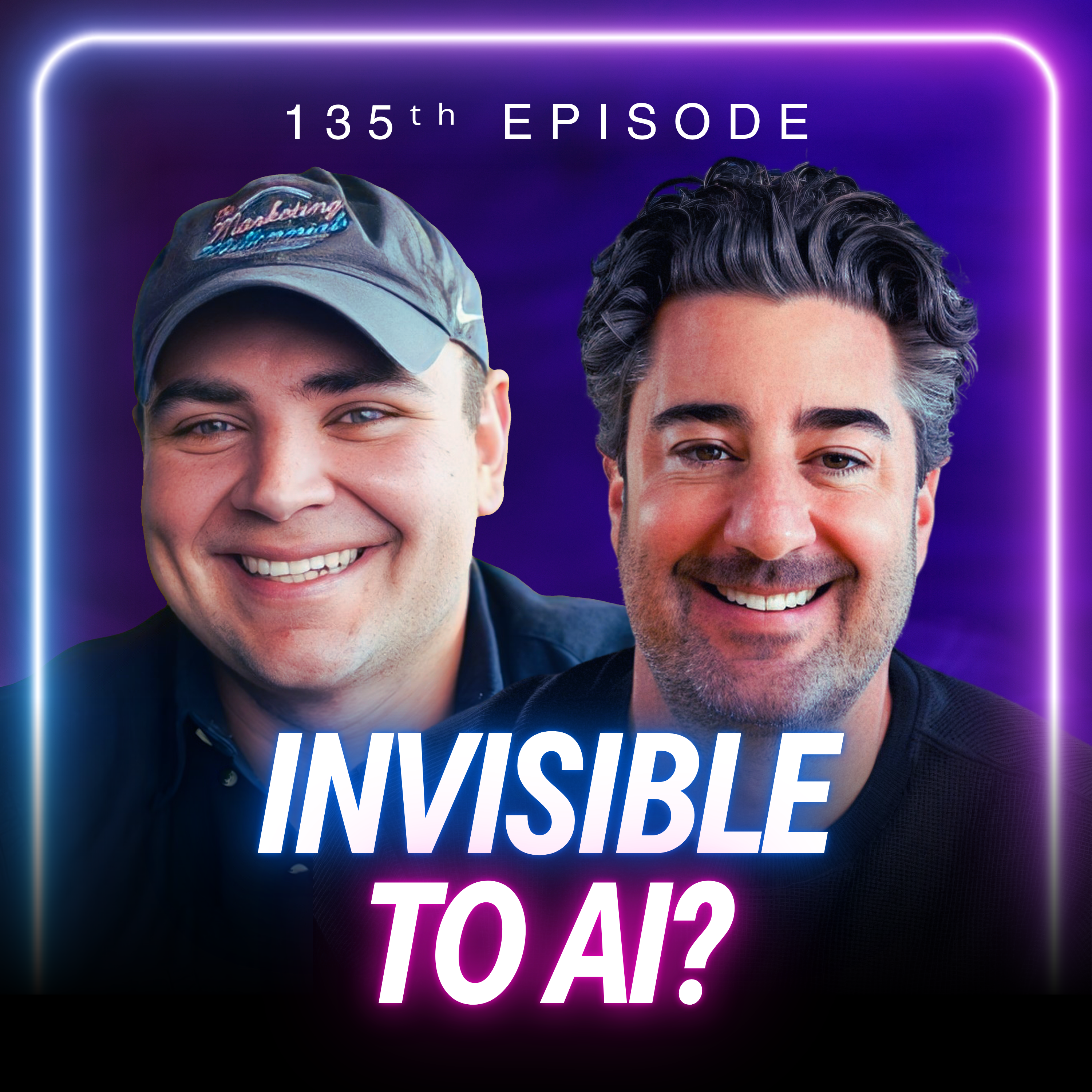
Dan Robbins (Head of Brand Sponsorships at Substack) explains why Substack is building native brand sponsorship formats for independent media, arguing sponsorships should feel like “wind at your back” (access/discovery) rather than interruptions. He outlines Substack’s approach to newsletter sponsorships, brand/creator value exchange, and measurement (including brand lift via Cantar). He also discusses Substack’s discovery engine and how brands should evaluate creator partnerships.
Dan Robbins, advertising/measurement executive. Background includes Nielsen (data science/measurement), early Roku ads business, and PayPal/Venmo launching ads; adjunct professor at Cornell teaching economics of advertising.
Independent media founders are rising; brands should “tap the party where it already is” (sponsor existing publications) instead of launching their own; publishers retain creative control; Subscriptions are the “floor.”
Rare Beauty (Selena Gomez) using the “Upgrade” format around World Mental Health Day; flagship partners mentioned: Balenciaga, Uber, T-Mobile.
0:00Dan Robbins: This episode is brought to you by Sixth Sense. Their conference, Breakthrough, is hitting Las Vegas in November. Three days of workshops, two really big parties, and one new agentic certification to earn. Visit sixcents.com slash breakthrough to register.
0:22Welcome to the Marketing Millennials, the no BS marketing podcast. I'm Daniel Murray and join me for unfiltered conversations with the brains behind marketing's coolest companies. The one request I tell our guests, stories or it didn't happen. Get ready to turn the f*** up. We are back with another episode of the Marketing Millennials Podcast. I am here with Dan Robbins, the head of brand sponsorships at Substack. Excited to chat today. I want to get started with how did you get into the advertising business, like your story, to set up the conversation for today? I got here totally by accident.
1:10I went to college thinking I would be a journalist and did some freelance writing and copy editing and working for a college newspaper. And then And realized I wanted to be a little bit more on the business side of things and started my career at Nielsen really on the data science and measurement end of media. How do things get measured? How does the money move? And I thought that that was so fascinating and went from there to Roku as it was launching its ads business. This was like the very early days of streaming when advertising and television over the internet was very new. and worked to build that business and then went over to PayPal and Venmo to do something similar, launch a new ads business.
1:57And that brought me here to Substack. If you had asked when I was a kid, well, I'd be working in advertising, I think I probably would have been like, what does that mean exactly? But I think the thing that I really love about it is the consumer psychology of advertising and the way that the economics of the market are set up. It's a very unique industry that has its own sort of quirks and nuances. And several years ago, I did an adjunct professorship at Cornell teaching a course on the economics of advertising. And it just reinforced for me that this is such an interesting industry that sits at the middle of what do people watch?
2:41What do they buy? Why? And how does culture move? Yeah. I'm also interested because you've been in like very different like mediums for advertising and newsletters. It definitely, it's a medium that people know, but it's also like pretty immature for some sponsorships, I would say like some partners out there still don't understand like the value of newsletter. They still are, use it as like a test budget type thing. So I'm wondering like, what do you see with newsletters and like newsletter creators that, like why was that opportunity so exciting? I think it's so exciting because in many ways it's much bigger than newsletter.
3:23When you think about Substack, it is really the home for the most ambitious media founders out there. And these are folks who are, yes, writing newsletters, but they're also building their own media empires, podcasting, live video, community chat, in-person events. In many ways, Substack does all of the hard things or sort of the background things so that anybody who is a expert in their field can do the important thing, which is make really ambitious work. We're in a moment in the last, year or two where I think the idea of the independent media founder has hit a new cultural level where the depth and the credibility and the conversation in lifestyle, in tech, in fashion, beauty, in news, in media and entertainment, it's now often starting in this sort of long form depth in a world where people are a little bit fatigued by shouting through feeds and swipes and they want to get to the real thing with real people who really are going deep and spending time with stuff.
4:31That to me felt like this really big untapped opportunity. The other thing that made me really excited about this is there's an opportunity for brands to deepen the connection with subscribers, to make this new way of doing something on your own pay even more, be more successful. And that's very different than just sort of renting space in a, in a pod somewhere. I believe in all that stuff. And I do think that the age of like the independent media creator, like you, you're seeing more and more and it is like a place where you can get in-depth expertise in an easier way to find that in-depth expertise.
5:15Cause like you said, in a feed you have to scroll to find that or it's not like you can back in the day where you just followed someone and then you would get that in the feed now it's like your algorithm depicts what what gets into your face um so i wanted to go into the the model you came up with too um subsec just announced like three newsletter formats uh you know not just newsletter but sponsorship formats, so Upgrade, Unlock, and Masthead. Can you walk us through how they work and why Substack built them? So Substack first got into the native sponsorship business earlier this year, and we did sort of two things to start.
5:58The first was bring on a handful of flagship partners like Balenciaga and Uber and T-Mobile and whatnot to sort of figure out what the right fit is here. The second thing is that we launched creator kits, which are basically customized media kits that any publisher on Substack can use to better describe their audience and their business to potential sponsors. As we started doing some of that testing and learning, it really led us to the launch of these three new formats, which you mentioned, Daniel. And the first is this idea of an unlock, which is simply that a brand can, at that paywall moment, make a post available to free or net new subscribers.
6:41The second is this idea of an upgrade, which is very similar, but it's actually upgrading somebody to a free month. So you arrive at a post and you are paywalled, you can now get a free month brought to you by the brand. We just ran some of our first ones of these with Rare Beauty, which is Selena Gomez's makeup brand. And that was part of World Mental Health Day earlier this month. And so Rare Beauty was able to find sub stacks that really fit that kind of like lifestyle and beauty and home focus and give a value exchange right in the moment. The third and just final unit that we've announced is this idea of a masthead, which is basically this high-impact promoted destination on the Substack web and Substack app.
7:33It's kind of like a zine or a capsule. You could imagine a tech brand curating or commissioning content about the future of AI, or a retail brand bringing the best gift guides on Substack together for the holidays, or a travel brand awarding the best travel writing of the last year. What it really solves is depth and credibility, and it allows a brand to ultimately have a space on Substack without launching their own publication, which is quite difficult to do as a brand. And in sum, I think the exciting thing about each of these formats is they're all about access and discovery. They are native to the platform and they're giving readers and people more of what they love.
8:19And they're helping brands play a very natural role in tapping into the depth and the proximity that comes from Substack. And so that's kind of why we went there and not just sort of copy pasting ad models that exist on other platforms. I'm also interested in your philosophy of how ad formats play a part in media. Because you see so many platforms do wrong where it kind of is like an interruption instead of part of the experience. So how do you think about advertising and what is your philosophy behind it? We have to say that sort of like an ad grabs you by the collar and a sponsorship is like the wind at your back.
9:03And I think the distinction between those two things is one, to your point, Daniel, is an interruption and the other is empowering. It is taking the experience, but it's again, giving you more access or more depth or more discovery. And because Substack is at its core a subscription business, and that is our North Star, we really wanted to find things that don't feel like interruptions that we know are going to be more welcome to the community base and that are going to speak to what sponsorships have done for a long time, which is underwrite, really ambitious, great work. And that stretches all the way back to consumer packaged goods, underwriting the first soap operas, or an insurance brand setting up the Grand Ole Opry in music, or Michelin creating the Michelin guides in travel.
9:58Obviously, those are big ambitious projects, but I think the spirit of it is still the same, which is like brands getting behind amazing things and not just sort of like jamming in and interrupting in a way that is not going to give the long-term value. To that point of like brands giving that great value, I wonder what do you see like the two sides of it? Like when brands do sponsor independent creators, like what are they, what is like the right way to do it? And what are a lot of brands, what are the mistakes a lot of brands do when they enter this space? The right way to do it is really, to me, focusing on that sort of depth and access.
10:44And so the brands who are, again, kind of making content available, who are doing editorial collaborations that are going behind the scenes, or they're providing practical value, or they're entertaining in and of themselves, helps. Or are, again, curating and spotlighting great work. In each of those, there's sort of a value exchange. I think when things are as strong or are more forgettable is when either they feel like that sort of commodity advertising, like it's a logo slap and people just zip on by. Or I think the other area that brands sometimes go awry is thinking, well, the way to start, because Substack has grown as this cultural hub is to just launch my own publication.
11:30And the reality is launching a publication takes a lot of work as we were talking about. You need your own writers, a regular publishing schedule. You need a point of view. You need to put effort into acquiring an audience. These things are not easy. And so in my mind, it's like tapping into the party where it already is versus trying to open up your own party and get people to come over there. that is really the, I think, the right way to go about it. And on the brand side, how much creative control should brands give independent creators? And what should the brand's involvement beginning to end look like?
12:15Yeah, I think not different from other platforms. For brands, the key is having just sort of a clear brief and a clear goal. Who are you trying to reach? What is the message that we're trying to get across? What does success look like? I think, again, Substack as a platform really shines in that mid-funnel. It's the depth, the time spent, and then really shifting consideration and intent because you are going 2 ,000 words, not 140 characters. From the creator perspective, our point of view is it's vital that publishers retain creative control and choice. And that also means being able to choose which sponsors they work with and who shows up in and around their work.
13:02And that's a bit different than what other platforms have done, which is basically like, you sort of turn on the thing or you don't, and you have to just roll with the punches. We really want to be the most creator-friendly platform when it comes to this sort of thing. And we view our role as the platform to, similar to content, do all of the logistical and infrastructure and tooling things that make this stuff hard today, like the back and forth, the contracting, the payouts, each of those pieces, and just make scaling and data and measurement and access and formats really straightforward so that then people can go out and do their best work.
13:42What was the turning point where you decided that we should, where Substack decided this should be an advertising business too? How did that decision come about? Well, I think first, subscriptions, again, are at our core. And even as we expand into this world, it is in service of not in differentiation to having a subscription business at the center of what we're trying to do. The reasons, though, that we did decide to move into this native sponsorship program are twofold. The first is that it was already happening. And so, so many of the top writers and publishers on our platform have built really big sponsorship businesses on their own and have been working with brands over the last few years.
14:32And so, we kind of saw that as, okay, there is real demand and opportunity here. And then the second was, what can we do to help? And when we really listened to the market, again, we came back to, gosh, there's a lot of interest here, but it is just too manual and onerous and difficult to get this stuff done. And so once we have the signal that, yes, this is starting to pick up here, and yes, we can do something that is uniquely valuable and helpful, those were the two things that said, okay, let's try to jump in and, again, be additive to what's already going. And I also wanted to ask you, because I think one of the coolest things, and I think the best thing about Substack is like the discovery engine that you all have.
15:21I think it's one of the coolest things you have. So how does that discovery engine work? Because it is a little bit like an algorithm, but not like how social media algorithms work today. So how does that discovery engine work for people who don't know Substack at its core?
15:44Dan Robbins: Let's talk more about Breakthrough, the three-day B2B industry conference taking over Vegas. November 2nd to the 5th, 50 plus sessions, split by role, marketing, sales, rev ops, execs, and more. You can even earn a certification to help you win the Gentic GTM era on site. Plus, two big parties and rooms full of people obsessed with your exact problem. Visit sixcents.com slash breakthrough to save your spot.
16:18Yeah, recommendations and referrals are very much a huge part of how people find their next Substack publication to follow or subscribe to. I think one thing that you are kind of bringing up a bit is the Substack app, which is relatively new, but very fast growing. and it takes this ecosystem to being much more than just, again, an email newsletter. For those who haven't played around with the app, it is more feed-based, it's more real-time, it's more intimate, and a lot of discovery happens through that app because you're able to follow and find people in ways that you just may not if you're reading just sort of one post.
16:58More broadly, one of our ambitions, and this is a little bit different than just sponsorships, is to make discovery as sort of simple and as fruitful as possible. So that even if you subscribe to a few publications on Substack, your next amazing follow is like just a click away and we're helping you to find it. I also want to ask, because going back to like the why of this ad, it's like, what ad products would you never be considered a Substack getting into? It's a good question. And, you know, as I said, we really don't want to just sort of copy paste like commodity advertising that I think has either become, and some platforms, frankly, attacks, like you have to do it whether you want to or not, or feels like some sort of necessary evil, like it's, you know, interruptive or abrasive or cheapening.
17:54we're still figuring out again what that looks like on our platform so hard to say I think the kind of reframe of that actually is like what will we do and what we want to do is support more discovery more access and more empowerment to the creator and that's like a bit of the north star on where we're going yeah because it seems to me that you're like the line you draw is like the experience of the discovery the experience of like the what people experience of the platform you don't want to hurt necessarily hurt that experience you want to be an added up to that experience and that's what I feel like these ads are trying to do the ad products are doing is trying to like be a part of the everyday sub stack users experience instead of um being another way to like block someone from doing another the next task inside of sub stack.
18:53So I think that's, if I'm not mistaken, like a line you're trying to draw is like, how could I keep the experience high and figure out a way to make creators more money at the same time? Yeah. Our thesis is that there is a win-win-win here, which is that the reader or the people or the audience feel like, oh, you know, that's interesting, or I'm thankful that I got access or discovered this thing. And I'm excited to see this creator who I really believe in and want to support continue to succeed. It's exciting to see the people that you really believe in their output continuing to grow and be successful.
19:35And I think for the publisher, again, it's the choice and control and just the added firepower to keep building and keep focusing on your subscription business and your work. And for the brand, it's the ability to go deep. It's to back the communities that are going to grow your business. It's to say thank you. It's to have the space to like explore something that you don't have to cram into some tiny sort of box. And in each of those, if we get it right, it is a win for everybody involved. And since this is like not your typical sponsor, obviously people do, there are probably some out there that are similar, but what, what is like when a brand's evaluating like a creator or like a newsletter or whatever their value, like what is like the success metrics they should be looking at?
20:26Like this campaign was successful or this is like the independent creator I want to work with. I think there's kind of two parts there. The first is discovery, which is something that we're really helping brands with. There's over a hundred thousand publishers on Substack that are making money today through subscriptions. And they cover every topic area and interest and audience base. And so we are really trying to build the foundation that makes it easier to find those people. And generally, to your question, those right fits are going to be on context. Is this somebody who's an expert in beauty or skincare?
21:00Or do they really have their finger on the pulse of fintech? Do they know exactly what's happening in the TV industry? So finding those right people. And then the second is the audience that they reach. Are these subscribers, again, those sort of influential people that you know are going to be the future to your business? And from the measurement perspective, we're really focused again on the value of depth and authority. And it's one reason we announced a partnership with Cantar last week, which is an independent provider of brand lift measurement. So being able to understand when you did run a sponsorship, did it move the needle on awareness, favorability, consideration, intent?
21:42And that really speaks to who am I reaching? Am I reaching the right person? And am I shifting opinion and perception because I'm backing this creator? Separate from that, affiliate marketing is huge on Substack. It is, again, providing those links to recommendations and Substack Today doesn't run a formal affiliate program, but I think it just speaks to the power of the platform in certain categories to really shape what people are interested in next. I also was going to ask about obviously the discoverability thing is a good thing, but if a brand wants to go into specific targeting, how does targeting work in that discoverability?
22:31Like if I wanted to like get demographics or I wanted to get even more in depth and interest, like how does that work? Comes back a bit again to that discovery element. And generally we work with brands to help them. You know, they'll come with a brief and they'll say, you know, these are the type of people and the type of content that I'm trying to reach. And then we use our position as a platform to try to help with that discovery Rita, surface opportunities they may not be thinking about. And we can do that very much based on sort of audience and context and, you know, the type of content. And so that's really where we've been helping brands as they think about the right strategy.
23:15And I'm wondering, I mean, you said you work with the early partners at the beginning. What is something that you like learned from them that slightly changed the sponsorship product? I think one thing that we learned is really trying to make things accessible and clear from what the options are. I think one thing that's challenging in marketing sometimes is when you have a blank whiteboard and a zillion ideas and so many different things that you can do. And part of launching these products is to say, this is not the only thing you can do on Substack, but this is a starting point. This gives you some container or structure to figure out how can I show up without having sort of the blank canvas every time.
24:03And our goal is to be able to serve both ends. Like we want to be able to say, if you want to come in and do something turnkey and scalable, we can do that. And if you want to do something nobody's ever done before that's super custom and expansive, we can also help to support that. And I think it's the beauty of the platform because of the choice and control that undergirds it. if I want to get into sponsoring creators or independent creators and Substack, and I have some budget to work with, where do I start? How do I approach it? You can start either by emailing sponsorships at substackinc.com or visiting our website on the sponsor or substack.com sponsorships.
24:49And generally the way we start again is like exactly what you said, like, hey, I have a little bit of budget and I want to try to reach, this is like the type of person I'm trying to reach marketing practitioners. And like, this is what I'm kind of trying to do. And then part of our expertise and focus is like helping to then bring some plans and ideas forward and then also execute to make it happen. So it's very much like an iterative process today. And we're building up a lot of the tooling and the infrastructure to start to make it again, even more seamless and straightforward. yeah and it's good because i think i mean you it's only it's only been like a few i mean months i mean you start you've launched at the beginning of the year so i'm i'm betting it's just gonna keep like being this continuous like luke motto of learning what's working what's not working what offers work what type of creators work what like if you put it the if i'm this type of brand this works better than this.
25:46Um, it's just a whole learning process right now. Totally. Yeah, totally. And I think that's part of the fun part. So. Yeah. And I, and I think, I mean, there has been independent creators for a while, but this, this whole like sponsorship of independent creators is a new kind of relatively new thing people are getting used to. So it is like this, like get your feet wet approach. And then once people, I've seen it with like new, my friends who've run newsletters and stuff like that. It's like, once people start seeing value, cause it is value. Cause there's depth and trust in, um, like value that these creators bring you once they start seeing it, it actually becomes one of the most successful channels that they do run once they find the right creators, the right content to pair with.
26:40And then also they work freely with the creator to come up with the best campaign for their audience. Yes, I totally agree. This is still, again, very new, but there's a ton of potential. And lastly, where do you see this going? I know it's hard to predict, but where do you see independent creator space going? Where do you see ads for Substack going in the next two to three years? Obviously, you're early, you're learning right now, but you might have some sort of vision that could be wrong, but probably there's a vision there of where is it going? I think you said it well earlier that we've entered the era of the independent media owner.
27:30And we have big ambitions. We imagine a world where writers aren't working for ads, but ads are working for writers.
27:45Subscriptions are the floor, but they're not the ceiling. If you want the income to go all in, you have the ability to do it. And I think this has this opportunity to get back to a space where, again, brands are really making the future of media happen and don't feel like we're just sort of riding the coattail, like we're following and being pulled along where we're going. but like we're at, you know, hand on the steering wheel and shaping that future together. And it's the thing that gets me most excited for brands who are ambitious and culture forward and want to shape the agenda. Now is such an exciting time to be involved.
28:26I mean, especially like the era of like trust and traditional media going. Because a lot of people are just, are having negative sentiment of traditional media publishers. And that's why Substack's grown so much and why the space keeps evolving is because of that lack of trust. And the trust comes from these experts who aren't necessarily biased by certain things that are happening in the world. So I think it's... Yeah, we're in a world where trust has moved from institutions to individuals, and I think that's only going to continue to accelerate. Last question I have for you, and I ask everybody on this podcast, but what is a marketing hill you would die on?
29:16Hmm, what a good question. A marketing hill I would die on. I think the marketing hill that I would die on is that marketing, when done well, is a net positive for society. And I don't know that everybody agrees with that, but I think marketing done well provides access. It enables discovery. It helps small businesses to launch. It democratizes what people can read and see and view and fosters independence. It gives people the ability to do things that move the culture forward. And I'm just really energized about the ability to kind of get back to that and to build on that. And it's a hell I'd die on.
30:03Yeah. Lastly, where could people find, obviously, more updates on what's going on Substack, follow your journey, anything like that? Yeah. I think a few different things. Like, one, we're very interested to connect with brands and creators. So, again, you can reach out to sponsorships at substackinc.com. another place to really just like learn a little bit more about what's going on with Substack is on Substack which is our own publication about the platform and I think it's a great way again to really be on this journey with us which we're excited to build with the industry. Well thank you so much for sharing this new I would say it's like a new and a marketing channel that some people aren't like aware of.
30:52Not there are some brands that have tested, but there's so many brands that could find so much value and like opening up and working with these great creators that are on the platform. So excited to see like the next phase and the next phase and the next phase. So thank you for coming on. Yeah. Thank you for having me. Really enjoyed it. Thanks so much for listening. Keep tuning in to hear more great insights from the coolest marketers from around the world. If you haven't already, make sure to subscribe and follow the Marketing Millennials podcast on Apple Podcasts, Spotify, YouTube, or wherever you get your podcasts.
31:29And if you like what you hear, I would greatly appreciate you giving us a five-star rating. It helps bring more marketers into our community.
31:44Thank you.
What if the most underrated Marketing channel isn't a new platform, but the independent creators your audience already trusts?
Dan Robbins, Head of Brand Sponsorships at Substack, has spent his career building ad businesses from scratch. He started in measurement at Nielsen, then launched ads at Roku in the early days of streaming, and later did the same at PayPal and Venmo. He even taught a course on the economics of advertising at Cornell. Now he's bringing brands like Balenciaga, Uber, T-Mobile, and Rare Beauty onto Substack.
And, Dan breaks down Substack's three new sponsorship formats. Unlocks let a brand open up a paywalled post. Upgrades give readers a free month of a paid subscription, like Rare Beauty did for World Mental Health Day. The Masthead gives brands a curated destination on the Substack homepage and app without having to launch their own publication.
Plus, Dan explains why launching your own brand newsletter is quietly one of the biggest mistakes brands make on the platform. His advice is to join the party where it already is instead of throwing your own. He also explains why creators should keep full creative control, and how Substack is using brand lift studies with Kantar to prove these sponsorships actually move awareness, consideration, and intent.
If you're a Marketer who wants to reach audiences where trust is moving from institutions to individuals, this is the episode for you.
Breakthrough 2026 is the Agentic GTM Conference, happening November 2-5 at Fontainebleau Las Vegas. Join 1,300 revenue leaders for three days of real research, hands-on skill-building, and a certification to prove you can apply it. Learn more at https://6sense.com/breakthrough/
Follow Dan:
LinkedIn: https://www.linkedin.com/in/drobbins2/
Follow Daniel:
YouTube: https://www.youtube.com/@themarketingmillennials/featured
Twitter: https://www.twitter.com/Dmurr68
LinkedIn: https://www.linkedin.com/in/daniel-murray-marketing
Sign up for The Marketing Millennials newsletter:
www.workweek.com/brand/the-marketing-millennials
Daniel is a Workweek friend, working to produce amazing podcasts.
To find out more, visit: www.workweek.com


Scan the code with your iPhone camera
Listen in the app.