
 Ask ChatGPT

- Podcasts
- The Media Club with Matt Deegan
- The Horror Of Subscriptions & Ghostwatch Revisited
The Media Club with Matt Deegan30 Oct 2026 · 44m · 25 chapters
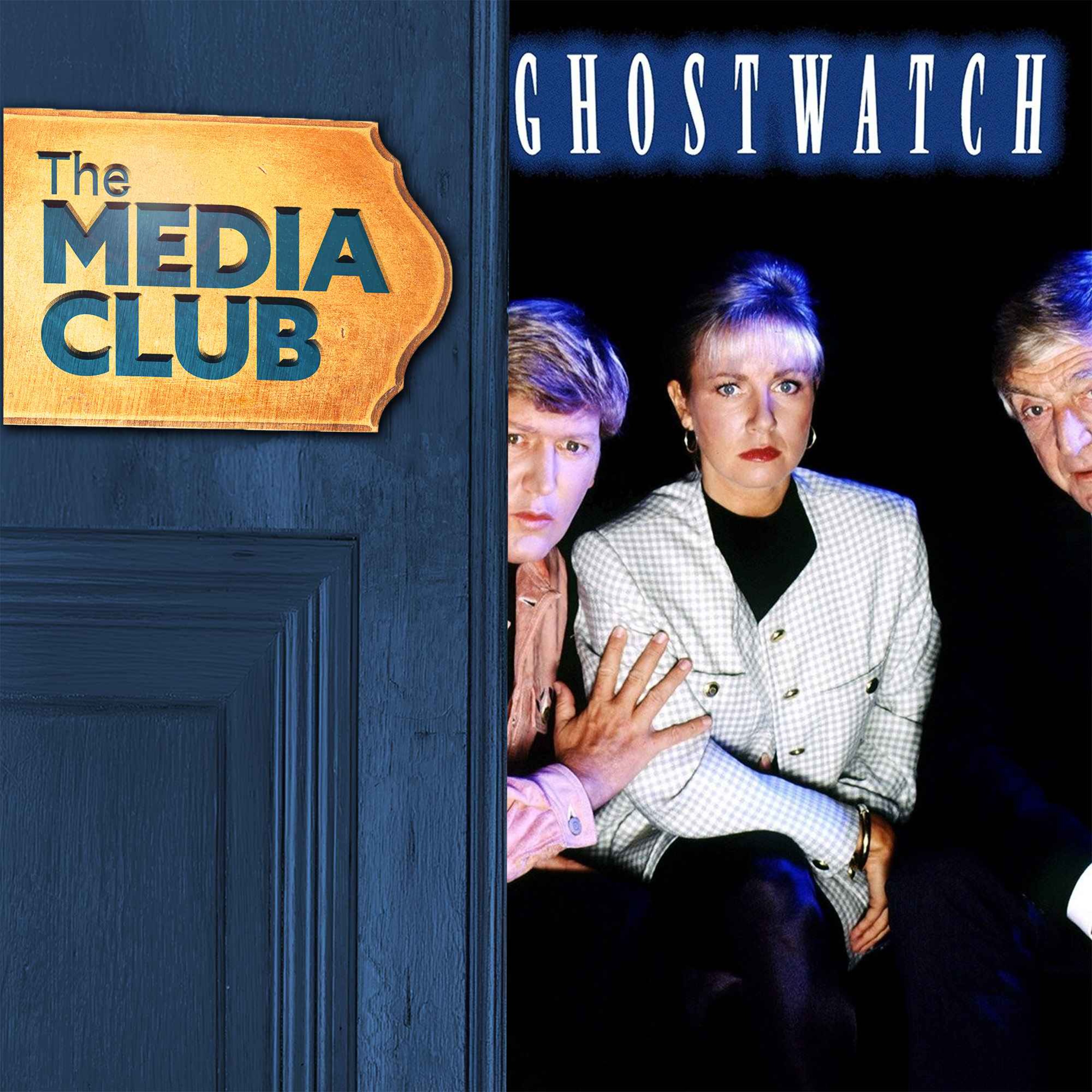
The Horror Of Subscriptions & Ghostwatch Revisited
In short
Subscription fatigue and paywalls; BBC commissioning overhaul for multi-platform; Channel 4’s move to Disney Plus and implications for independents; Telegraph cutting ~100 jobs for an AI-led premium media push; radio audience figures and aging demographics; Ghost Watch documentary revisit; copied podcast content and other “fright club” media stories.
Guests (backgrounds)
Steve Ackerman, media executive (recently left Sony) and non-exec board member of subscription tech platform Superpass. Claire McArdle, CMG Productions co-CEO and Channel 4 alumna; her Ghost Watch documentary airs on Channel 5 for Halloween. Adam Bowie, broadcast consultant analyzing radio ratings.
Key claims
Paywalls need overhaul; BBC should commission around “one audience” across platforms; Channel 4-Disney Plus deal may “rent” audience/data and raise indie residual questions; Telegraph’s AI investment targets video/audio/social and US growth; radio remains huge (87% weekly reach) with commercial radio increasingly reliant on 65+.
Notable examples
BBC paying Lucy Conn £400k over anti-Semitism allegations; Channel 4 on Disney Plus “no extra cost”; Ghost Watch (1992) causing mass panic; Spreaker copying podcasts (1,778 copied shows).
Written by AI. May contain mistakes.
Chapters
0:39
Guest Introductions
Matt introduces guests Steve Ackerman and Claire McArdle, discussing various media topics.
“That's all coming up in this edition of the Media Club.”
1:52
Nomination of Plus Ones
Guests share their 'plus one' nominations, discussing media-related objects and personalities.
3:08
Discussion on Emilia de Moldenberg
In-depth discussion about Emilia's career and her impact on the media landscape.
“So I think they're doing it through, it's either, was it Netflix or YouTube?”
4:52
BBC's Commissioning Overhaul
Discussion about the BBC's merger of TV and audio commissioning teams.
“You can manage orders, sync inventory, track returns, all automatically.”
5:35
BBC's Audio and TV Integration
Continued discussion on the pros and cons of the BBC's new strategy and its implications for the media industry.
“The BBC is merging its TV and audio commissioning teams across comedy, arts and classical music from January.”
12:12
Channel 4 and Disney Plus Partnership
Exploration of Channel 4's new deal with Disney Plus and its potential impact on independent producers.
“Disney Plus subscribers in the UK and Ireland will get Channel 4's live HD channel, new shows on the same day they air, and hundreds of hours of box sets in a Channel 4 branded section, all at no extra cost.”
14:01
Revenue Flow and Distribution Deals
Learn about the complexities of revenue flow and distribution rights in media.
15:18
Impact of Kangaroo on PSBs
Explore the consequences of the Kangaroo project not materializing for public service broadcasters.
“Yes, this was the opportunity where all the PSBs were going to have one super streaming service and it was put on kibosh by the government.”
16:05
Channel 4's Strategic Moves
Discuss the implications of Channel 4's content availability on streaming platforms.
16:44
Creative Direction at Channel 4
Analyze the significance of hiring Adam Adler as creative director for Channel 4 studios.
Show all 25 chapters
17:59
The Telegraph's Job Cuts and New Focus
Examine The Telegraph's strategy in transitioning to video and audio content while cutting jobs.
“The Telegraph has a powerful brand amongst people.”
19:32
Alison Pearson's Departure from The Telegraph
Discuss the potential implications of Alison Pearson's exit amid changing editorial direction.
“So, I mean, if that is the plan, if it is about reaching that kind of centre right audience in the US as well, then those would be the areas that were of less interest to a more global audience.”
21:36
Radio Audience Figures Overview
Get insights into the latest radio audience figures and trends in the UK.
“I think if people want to get hold of Alison Pearson content, they will still be able to.”
21:51
Listening Trends and Audience Demographics
Understand the dynamics of radio listening habits and audience demographics.
“So I sat down with broadcast consultant Adam Bowie to go through the numbers.”
23:27
Competition Between Radio Stations
Explore competition and audience overlap between Classic FM and Radio 3.
25:41
Changing Landscape of Radio Programming
Learn how radio programming is adapting to changing audience behaviors and preferences.
“I mean, I think that Classic FM has seen a dip over time.”
28:00
Adapting to Changing Audience Behaviors
Learn how media stations adapt to evolving audience preferences.
“And I think that really, that's how to do it.”
31:01
Recent Media News Highlights
Explore recent significant media stories including BBC payouts and award nominations.
“Here's a few stories we've been talking about in the club this week.”
31:59
Steve's Involvement with Superpass
Insight into Steve's role at Superpass and its subscription technology.
“It's a subscription technology platform, basically.”
35:14
Ghostwatch: A Cult Classic Documentary
Discussing the impact and legacy of the Ghostwatch documentary on British TV.
“It was a drama written by the brilliant Stephen Volk, but people watched it as live.”
37:55
Behind the Scenes of Ghostwatch Documentary
Sharing spooky experiences and insights from making the Ghostwatch documentary.
“And it's a little girl's voice saying, is she here?”
40:28
Audio Network Media Quiz: Fright Club
Engaging quiz segment with spooky themes and media connections.
“Three media stories connected by one theme.”
42:00
The Launch of The Reformer Newspaper
Discussion about the launch of a new newspaper by the Reform Party and its implications.
“Well, yes, this is the Reform Party launching their own newspaper, The Reformer.”
44:09
Social Media and Contact Information
Hosts share how listeners can follow them and stay updated.
45:40
This Week in History Teaser
Preview of upcoming historical events covered in the next episode.
“On Monday, how Brits abroad brought the Barbie Girl virus back with them to the UK charts.”

Ask about this episode
Get the gist, explore an idea or ask about something said.
 Claude
On The Media Club with Matt Deegan, what are the key points of this episode?
Searching your listeningTranscript
Automatic transcript. May contain errors.
0:01Hello and welcome to the Media Club. I'm Matt Deegan. In the club today, how many subscription services do we need? Media exec Steve Ackerman tells us why paywalls need an overhaul. Also on the show, Channel 4 moves in with Disney Plus and hires the Cube showrunner to make its own hits. CMG Productions co-CEO and Channel 4 alumna Claire McArdle on what it means for broadcasters, indies and your remote control. All that plus Telegraph's AI powered future costs up to 100 jobs. It's Rage Our Week and Adam Bowie talks us through the numbers. And in the Audio Network Media Quiz, we weave a tale from three more spine chilling media stories.
0:39That's all coming up in this edition of the Media Club. Come on in.
0:46Now joining me are two members to discuss the week's biggest media stories. Welcome back, Steve Ackerman. When you were last here in February, you had just left Sony, and now you've joined the board of Superpass. More on them later. But who would you like to give your plus one to this week? Well, I'd like to have your permission for it to be an object and not a person. Okay, I think we can do that. And, I mean, you'll understand why. So the object I'd like to nominate is a wind-up radio or FM radio. That's good, yes. Which obviously is selling out at the moment because the government has said Armageddon is coming and everybody's suddenly stocking up.
1:22So I thought that was suitably media-related to nominate. I wonder, is it going to change that percentage of digital radio versus FM radio in the radars next quarter? Maybe it will, depending if we have a disaster or not. Well, and listen, there's got to be a whole bunch of people who are probably turning on a radio for the first time ever. Just to make sure it works. How very dare you. Are you stocked up? Have you got your chargers and your cans? Well, I have to say that my wife did immediately stock up. So yes, yes, we do. we bought some stuff i bought a big like battery plug-in thing uh but my main my main thought was kind of media related it was like what would what would still work what are the best things what are the best things to do and also back with us clen mccardell co-ceo of cmg productions whose ghost watch documentary and i'm very excited maybe we'll talk about this later as on five this saturday uh on halloween of course um so who would you like to bring as your plus one this week so i I'm going to bring Emilia de Moldenberg better or very well known but also very well known for Chicken Shop Date which is coming to a close after 12 years and she is sort of the finale of that is going to be in cinemas and I just I've been so impressed by Emilia over the years and I've met her in the early days of Chicken Shop Date and I just to have she's been so clear on who her audiences are and how she connects with them and really turned down lots of approaches from various people myself included over the years to to take chicken shop date somewhere else because she knew that she held all the value in that um and i'm just really excited to see what she does next i saw her speak at the edinburgh tv festival this year uh and i hadn't quite clocked but they don't really do any brand deals on that on that show at all and steve it was so easy for that that thing i mean everybody i'm sure would want to want to work with her but does it make it is she does it make it special not doing that and does that help her in the long term or has she just like given away a million quid well i think it displays a brand confidence doesn't it and and also when you look at all the other opportunities that she's had and the oscar red carpets and all that sort of stuff i think she's i think it's worked out fine and and you know good on her because she's had the sort of bravery and persistence to to take that approach and this series obviously it's a youtube series but it's on netflix as well i think these final episodes?
3:44So I think they're doing it through, it's either, was it Netflix or YouTube? I'm going to have to check that. But all six episodes they're doing in cinemas. I think in, there's one in Bristol. I think they're doing London. They're doing one in Scotland. They're doing one in Paris and running sort of all the six sort of final episodes together. Neil Gallagher, various people on board. Yeah, I saw an Instagram post from Jamie East who comes on the podcast sometimes from Daily Mail and he was saying he'd heard rumours that the last episode is her revealing the James Bond, which I would be surprised if that's true because it just seems so mad.
4:19But also, you're trying to reboot a thing, you know, in cinemas, but that'd be a good place to do something like that. Does that mean James Bond is Andrew Garfield? Maybe. Well, yes, that's right. There may be that. I mean, look, having said that, when we talk about brands that protect, you know, guardians of their brand, I mean, nothing comes stronger, I think, than the 007 franchise. So I'd be really surprised about that. with all those Amazon guys. It's not the Broccoli anymore. Well, this is true. This is true. OK, in a moment, one commissioner, two mediums is the BBC's latest commissioning overhaul.
4:52Good news for radio. I'll see you in a sec.
5:11You can manage orders, sync inventory, track returns, all automatically. Everything your operation needs, all in one place. Upgrade your shipping operations to stress-proof your biggest sales days and capture every bit of potential revenue. Go to ShipStation.com and use code AUDIO and get 30 days free.
5:35Welcome back to the Media Club. The BBC is merging its TV and audio commissioning teams across comedy, arts and classical music from January. I saw this, Steve, and in some ways it makes a lot of sense. You know, the BBC are trying to save money, bring everything together. And I just thought, do any of the audio people know anything about television or any of the TV people know anything about audio? Is this a good idea? I mean, I think it is a good idea. And actually, I think it doesn't go far enough. OK. you know at a time where they're faced with having to make the cuts they're having to make I mean look let's take a backtrack every media every big media organization has moments where they have to make changes like this and actually the BBC has always been very slow and shy of doing that and so what they're faced with of course it's it's awful it's never nice when people have to lose jobs but equally when you look at the sorts of cuts that other media organizations are going through at the moment it's not that unusual i mean it is a large a large amount of having to do but but the reason i say they haven't gone far enough is nothing really to do with cuts it's about the media ecosystem now and we all know that all the time pretty much every week you're talking about something here that has to do with multi-platform approaches and how people are thinking about that you know the same content running in different platforms and how that iterates across different platforms and that's why i think this isn't going far enough because actually that is that is the mindset that has to happen now and you know the bbc like every media organization it's not alone in this battle it has to start moving towards a model where it's really thinking about one audience and how they service that across all different platforms and and and so this silo approach i think that's historically been there of course made sense historically but i don't think it does make sense going forward okay well looking at the the details this is a note from kate phillips who's the content chief now at the bbc uh so chris sussman oversees comedy across TV and radio with Julia McKenzie from Radio 4 joining his team.
7:29Susie Klein, who is at Head of Arts and Classical Music Telly at the moment, is going to see arts across audio and video with Matthew Dodd from Radio 4 joining her. And then Sam Jackson, who's controller of Radio 3 and the Proms, he takes over the video and TV side of classical music with probably around 100 roles to close. I was sort of quite surprised. I'm kind of an audio person. I'm not a TV person. There's a lot of commissioners. Yes. A lot of individuals involved. And certainly my experience has been whenever you're trying to, you might have done a lot with the TV teams and then trying to get into the audio teams.
8:06It's as you say, it's just incredibly siloed and sort of I never got the sense that those and maybe I'm wrong, but those conversations were happening sort of across teams where and I completely agree. We are in a world now where you cannot operate in those silent teams and you have to be thinking about where is my audience at any point in time and how am I serving them? It's never felt to me like something that comes in maybe into sort of the podcast space. There should be somebody there saying, actually, do you know what? Here's how this works across every platform that we have. And actually, or maybe we don't do a podcast on that.
8:41actually we know there's a tv audience for that and and organizations who aren't at at the scale of the bbc looking at at content in that way i think you're just setting yourself up to fail steve there's an opportunity to sort of do bigger things across multiple platforms because because there are kind of siloed opportunities and it's not that tell you and radio don't get on but you got to protect your own space a little bit um does this mean we'll see more kind of traitors-esque bit on sounds bit on eye player bit on linear well i was going to say that i mean of course there's always going to be a scenario where something might just be right for audio might just be right for visual but ultimately the if you want to be optimistic about this this should lead to actually much more ambitious opportunities in commissioning and it's also really the bbc playing catch up with the audience now the audience is already there we all know that you know the audience is already there in terms of uh very willingly watching something on uh you know on social media and then maybe a longer form on a broadcast channel and then going and listening to the companion podcast, that sort of thing.
9:44And so, of course, I think if they join this up in the right way, it can lead to some really ambitious opportunities, which is exactly what should be happening. Claire, do you have a worry that it's sort of big ideas for big indies and maybe if you're not like a super megacorp, you'll miss out? I mean, I don't know. I don't know that it makes that much, that this sort of makes that much of a difference. I think there's bigger issues for small indies versus kind of the megacorps at the moment. I think there are some companies that are very, very good at understanding how the audio piece works alongside the TV piece.
10:20Or, you know, last time I was in, we just done our deal with Stack around how do we sort of co-originate ideas. And I just think that if you're working in that sort of collaborative environment and you know what you don't know, then I think there's absolutely an opportunity. I mean, that sort of model, what you've done, is super exciting. And actually, when you think about the part of the reason why obviously TV production or independent TV production is in some of the troubles it's in is, frankly, because you've got podcast companies who are now doing visual and are doing it much, much cheaper, doing shows like the one we're taking part in today and able to turn this stuff around fairly quickly.
10:56But, of course, when you do broadcast TV on a much bigger scale, that doesn't mean they necessarily got those skills to translate. So that element of collaboration, I mean, this is really, I think, the TV world catching up with what the online world has had for a while, which is this sort of frenemy culture that you compete against each other sometimes and other times you collaborate and work together. One last bit on radio, news last week about Radio 4 Extra closing. 24 years old, does pretty well ratings-wise, appears to an older audience. Saves a bit of money. Do you think it's a good decision by the BBC?
11:30maybe pushing all this stuff to sounds or throwing the baby out with the bath water I think it's a complete storm in the teacup because exactly for the point you've made I mean everything is searchable on sounds sounds is more and more you know the sort of destination point in terms of audio and obviously BBC audio has been reshaped a few months back where Jonathan Wool is now heading up everything and the heads of the radio stations report into him so in other words sounds is the preeminent platform So you sort of missed a speech. Yeah. And so, you know, this is, again, I think this is almost echoes of the previous story we've been talking about.
12:06It's just the direction of travel. And again, makes sense in terms of really catching up with where I think the audience is already at. OK, Channel 4 is heading to Disney Plus from early next year. Disney Plus subscribers in the UK and Ireland will get Channel 4's live HD channel, new shows on the same day they air, and hundreds of hours of box sets in a Channel 4 branded section, all at no extra cost. Claire, you've commissioned Channel 4. do you think this helps solve a problem for them? I think this feels like a big win for Channel 4 I think sort of for Prius straight out the gate to be doing a big deal with Disney I think it feels flashy it feels meaningful I think Disney get a lot out of this deal as well They get a lot of shows they get a lot of shows they haven't paid for Well, this is my and herein lies my problem How on earth does this work for independent producers?
12:59the fact that there was sort of zero mention of it in any of the the press sort of set my spidey sense off for one almost almost a sort of that is going to have to be baked into the deals that you're doing as an as an indie and so we have made we made two programs for psbs that we sold as a second window to disney and that was good business for us and we also it was a sort of a disney amea deal is the door still open for those sort of deals that's the whole point of the the psb commissions having ip retained by the by the independent producers especially when you have to find the money to pay for because yes yes because we we make our money on those on those international on those international sales so i'm waiting to see how this shakes down in terms of what does that mean for independent producers if you're putting box sets of shows up on dis well how does that how is that revenue flowing back through to the producers how are the residuals calculated on that if it's drama like it's are they saying hey you when you sign a deal with us we have kind of broad distribution rights on our platform that's against the terms of trade right that's against the pack terms of trade so it'll be interesting to see how that um shakes down when i was reading and maybe i just hadn't seen it um when there's been deals like this there's similar deal with itv where some itv shows went on uh disney plus but they did some reverse some disney shows went to itv i haven't read that for this i think it's a it's one-way traffic sounds like one-way traffic um and i think i think it also sort of leans into obviously it was the tv deal with uh with uh with disney i think it leans into in in a broader question that we're we're going to hit up against industry wise around subscriber fatigue um cost of living crisis which of those you know oh if i'm now getting i'm getting channel four on disney and i did but what's the actual value to if you've already paid your disney subscription because channel four is free anyway you just have to watch some adverts so there's that piece but but also i think it It goes back to, and sorry to go back through the mists of time, but the PSBs in the UK are still experiencing the fallout of Kangaroo not happening in 2008.
15:25Yes, this was the opportunity where all the PSBs were going to have one super streaming service and it was put on kibosh by the government. And by the regulator. And the PSBs have been playing catch up ever since because they couldn't come together and be sort of that force of content. Because when you pull everything together, why does Disney want Channel 4's content? Because there's a really good slate of content there. If all of the PSB content, and now those conversations are happening, I know there's sort of a Channel 4 BBC conversation. But we've been backpedaling ever since because that deal wasn't allowed to go through.
16:03And that's been a bugbear of mine since 2009. Steve, this also, for Channel 4, if they're thinking this is a good deal, this is people that never press that channel 4 button and suddenly they appear as a tile on a on a platform like disney plus is it a reach play for them i mean presumably presumably there's a brand awareness play i mean i mean i thought this was a really interesting story because where my head immediately goes on this is is really this is about who owns the audience and who owns the data behind that audience and and it feels to me that that that i'd be very interested to know what the detail is in terms of what access to channel 4 have to that data because otherwise all they're doing is renting an audience yeah and they're giving away the ownership of that audience and i can't believe that they would necessarily do that uh it just just doesn't make sense um because ultimately that's that's really what everyone's competing for now it's that data and understanding of the audience and and and so i thought this was quite a surprising deal in in in some senses uh last thing on channel four uh they've just hired uh adam adler uh currently or previously showrunner on the cube as the creative director of this new studios operation uh what do you think of that as a as a hire um i think it's it's the the whole studio system at channel four remains a thorny subject within the independent production community i have to say um back when i was there in sort of the early 2000s it was something that was talked about and sort of shelved and sort of um i mean he's a great creative brain it's but seems to be leaning very much into this formats an entertainment space for the channel four studio um because that's obviously then owning that ip and being able to do the kind of distribution deals that they can't do with independent production companies content is is obviously you know that makes that makes good business sense i think that'll be there that sort of signals a bit of their direction of travel i think so i think i think the sort of the the that it doesn't make a huge amount of sense for them to be setting up that studio to be making content that only works locally because the whole point of it is for them to be able to to own that and exploit it the telegraph is cutting 100 jobs just under four months after axel springer completes its 575 million pound takeover the ambition is a global ai powered premium media and intelligence business and on wednesday the guardian reported that one of the paper's best-known columnists allison pearson is negotiating her exit steve their plan leans into video audio and events um if you're at the telegraph was that would that be what you would want to do with it well listen i mean i think in a way i thought that was the sort of hidden bit of the story if you like because of course the headlines were about journalists losing their jobs and again i mean that's just always awful when people are losing their jobs but but we know that the challenges for legacy print uh or even legacy media businesses is how you start to engage with the online audience and how you start to ensure back to where we started the whole podcast today you know how you start to ensure your content is sitting in in all those different areas.
18:59The Telegraph has a powerful brand amongst people. It potentially reaches, though, of course, it's an older audience and that's a challenge in itself. And I think... It does pretty well on subs, you know, now it's got a big company behind it. Listen, this is absolutely the right thing for a business like this to be doing. And when you look at actually where they're cutting the journalistic jobs, it's sort of around the edges in the sense of it's not hard news. I think it was things like culture and arts and, you know, sport. I mean, look, these are areas where obviously that that isn't good news for the people losing their jobs but but to put that investment into video and audio and social media content um if you're a traditional journalist you're not going to like that because you love the written word and you're an expert at it but the truth is this is where the world is moving and where again audiences are setting the pace and a brand like the telegraph now has the ability which is the exciting thing for their business to not just be a print medium but to be a business that can operate in lots of different spaces uh claire you could have mentioned it there sort of culture and sport are said to be hit hardest uh foreign affairs defense and business are the priorities um just the right sort of thing for them to do to to to grow what it sounds like as as well that there's a desire to grow the presence in the u.s and those are going to be the subject areas where that is going to where that's going to make sense for that audience and sort of having a UK focused culture and sport less so.
20:27So, I mean, if that is the plan, if it is about reaching that kind of centre right audience in the US as well, then those would be the areas that were of less interest to a more global audience. Alison Pearson, I'm not a big reader. I'm aware of her work. It's very popular with a certain group of people. I thought it was sort of surprising that maybe she's on the way out. Obviously, they would save quite a lot of money, I'm sure, by her not being there. And maybe she'd like to join the Substack Revolution herself. Well, look, I'm sure if she's been looking at what fellow journalists have been doing in recent months, she'll be thinking about that.
21:08Claire touched on the crucial phrase, which is Ashley Springer, they've said centre-right. And she is definitely not a centre-right columnist. and over the past few years has actually become quite far right. And my understanding is even to the level where she's really upset significant amounts of people within The Telegraph over some of the articles that she's been writing that definitely touch on, frankly, racist overtones, which is not where a respectable brand like The Telegraph wants to be positioned. So it just feels like the two are parting ways in an inevitable conclusion, really. I think if people want to get hold of Alison Pearson content, they will still be able to.
21:45I think so. OK, just before the break, it's Rage Our Week. The radio audience figures for the third quarter are out. So I sat down with broadcast consultant Adam Bowie to go through the numbers. Who's up, who's down and who's quietly hoping nobody notices? It's largely a bit of a stasis one. Some of the speech stations didn't do that great. Global did pretty well overall, but Radio 4 slipped a bit. Radio 2 kind of OK, but Radio 1 does definitely some splits. And then if you get into some of the other stations, I think not a lot of the main Bauer stations really had great quarters. But they can often get a lot of these stations all get made up for by the digital stations.
22:30Those kind of big brands like Heart or Kiss, obviously lots of spin offs that all kind of go into the same pot. That kind of top number, I think people are still sometimes surprised when I say that like 87 percent of the country tune into the radio each week. um i mean even with all the kind of competition i think it was 87 and 22 hours a week that people consume it is phenomenal that it remains at that level it is i mean obviously like you can dive into it and you discover that young people are definitely not listening as much um but even young people are listening a little bit and so hence the overall the reach stays up and the hours have remained above a billion we always you know i've been on here before and talked about yep they're still above a billion um and if you've got the right station you look at something like boom where they're listening for 14 hours a week which is an enormous number and it's bigger than like anyone else radio 4 gets about 12 and then honestly if you're getting five or six hours a lot of stations be quite happy about it um so uh maybe that older audience is bolstering those because they haven't moved entirely to streaming music services i was thinking some of some of those older audiences so in commercial so historically the bbc did very well with older audiences commercial radio wasn't that bothered because they didn't make any money from them it's very much changed now it's sort of commercial radio is sort of dominant in the in the 65 plus or the change i think it's from 30 to sort of 40 over the last few quarters driven by boom radio station for over 65 driven by greatest hits radio and their spin-off things like smooth and smooth 70s is commercial radio actually going actually rather than being this sort of younger person's 25 40 year old medium screw it let's just go go for the old listeners because they listen all day isn't that's that's commercial radio's evil plan i mean i don't know if it's an evil plan or just the way you have to cope with the reality of it i think you know part of that is being advertisers being happy to um you know actually there's some quite wealthy pensioners who uh have got things to buy with their money um ladies budget will help absolutely you know so um and you know you could go back a few years and honestly the advertisers just weren't you know agencies weren't interested in that and now they are they clearly are stations you know that are leaning heavily into new music but um it's less of a focus yeah and it's you know for a lot of commercial stations i don't think it it really is you know they want something that's recognizable i don't think there's sort of many of them really breaking artists these days i'm sure you know people will come at me and say no stations does but i thought interesting sort of classical music battle that kind of pops up every so often uh radio three had a pretty good book um kind of softening numbers for classic fm over over the past few years uh though i kind of noticed in their press release they sort of were very much comparing themselves to radio three i I didn't know that that was entirely sensible for them to do.
25:31Yeah, I mean, I think they're different stations. I mean, you know, Classic FM is still twice the size of Radio 3. And there's an audience overlap, but it's not going to be quite the same. I mean, I think that Classic FM has seen a dip over time. And, you know, it's got a low reach, an all-time low reach. on the other hand Radio 3 kind of sits around the same kind of place its audience has always been 2 million and it kind of comes and goes this is their prom's quarter so it always does well in the prom's quarter and of course they've now got Radio 3 unwind as well so there's a kind of you know there is a battle but you know I always think of them as entirely separate is you know you can compare smooth with capital they both play popular music i don't think they're really the same thing and they're going over quite the same audience um and you know that there's a probably a much greater diversity of music on something like radio three you know there's still bits of jazz in there or there's some really kind of quite avant-garde stuff late at night which you definitely won't hear on classic fm um so and unwind unwind for them it looks like a pretty good opportunity to sort of onboard people into into radio i think like traditionally radio it was quite hard to break into but suddenly there's a glimmer of light there about 360 000 yeah yeah i think no i think that's right and i think you know radio three has always had a bit of a sort of thing about being you know is it a little bit you know elitist and very hard to get into um you know and i i think that's less the case now and you have got something and you know you know the the sort of those those kind of giving it unwind you know definitely makes it a much easier sell for someone who's you know maybe they're used to sort of just saying play tinkly piano music to spotify and get something and you know maybe i just want something a little bit more with some presenters occasionally telling me about the music i'm listening to for program controllers who are looking at their figures um people who are sort of worrying like radio one took a bit of a bit of a hit a hit for the last couple of quarters um those sort of challenges does it mean that their programming is wrong is it more that the audiences are changing is there sort of a new kind of a lower baseline normal they've got to share their audience with more more stations it is a lower baseline audiences behaviors are changing i think all you can do really is try and meet the audience where they are so if that means off station radio one programming you know that might be the route to get get it so you're not actually thinking about the live listening quite as much um i mean it really it's reaching the audiences you know something like the bbc it's about making sure there's something of suitable for everybody and if that means in a kind of more offline world and you probably see that in some of the podcasts that they are creating, which, you know, might not even be branded Radio 1, but they are still aimed at the same kind of audience.
28:46And I think that really, that's how to do it. It's the only way. We're not going to go back. It's the same way that you can look in television and go, well, Coronation Street used to get 20 million and so on. And now everyone gets very, very excited when Traitors gets to about 14 million. And yeah, that's just the world we're living in. Alamari, thank you very much. Right, coming up after the break, we're catching up with Steve and Claire, and it's the Audio Network Media Quiz.
29:20Hello, Media Club listeners. Patrick here from Podcast Discovery, the podcast marketing company, where this week we've been thinking about billboards. You don't see many podcasts out in the wild, since it's only recently they've had a broad enough audience to be worth advertising at a scale. but now 71 % of the UK listen to podcasts and other shows are yet to catch on. Not yours though. Get in touch at podcastdiscovery.com. That's podcastdiscovery.com. So whatever the robots end up doing in newsrooms, they still can't host a decent podcast. Well, yes, which is why real people come to places like this, Podshop Studios, where we record the media club every week each studio has its own distinct look and feel and now with two studio locations designed to suit different budgets and needs all professionally designed and fully equipped to do broadcast quality video recording you can check out the whole range at podshoponline.co.uk you can also get a discount 25 off your first booking if you use the code media club now that's use media club at podshoponline.co.uk
30:27When you're running a growing business, the right systems can unlock your full sales potential and make fulfilling every order effortless. Switch to ShipStation before peak season, so you're prepped and ready before the rush hits. ShipStation connects Shopify, Amazon, TikTok Shop, and over 200 more marketplaces with one platform that does it all. You can manage orders, sync inventory, track returns, all automatically. Everything your operation needs, all in one place. Upgrade your shipping operations to stress-proof your biggest sales days and capture every bit of potential revenue. Go to ShipStation.com and use code AUDIO and get 30 days free.
31:00Welcome back. Here's a few stories we've been talking about in the club this week. The BBC has paid£400 ,000 to Lucy Conn, the former Storyville commissioning editor who says she faced anti-Semitism with the corporation. The BBC says its processes didn't uphold her allegations but acknowledged shortcomings and the personal impact on her. It's reported to be the first payout of its kind. The TV Festival has set the dates for its first year in Manchester. They're a week later than usual after the August bank holiday. It's going to be based at Versa Studios on the old Granada site and Aviva Studios as well, home of Factory International.
31:34And the British Journalism Award shortlist is out. Alongside the Nationals, there was a strong turnout for the newsletters. The Mill, London Centric and The Nerve are all in contention. Piers Morgan's Uncensored is up for interviewer of the year and roy bremner hosts the ceremony on the 10th of december remember you can see all of our stories on our sub stack just go to themediaclub.com that's themediaclub.com steve and claire are still with me steve let's start with you um we mentioned earlier you've joined superpass of a pass pass superpass superpass very posh depends where you've been in the country i guess but as a non-exec uh why this business what was the thing that interested you in it Yeah, I mean, super exciting business.
32:16It's a subscription technology platform, basically. So it's aimed at any content creator that wants to have a subscription piece to what they offer. And what Superpass does is it takes all your content, video, audio, written word, and it very quickly turns it into a beautiful looking Apple standard app and a website, obviously allowing you to have to sort of put various bits behind the paywall. but the real killer uh sort of aspect to what they offer is um is that you keep as the content creator you keep all the revenues and you keep the data and we've talked about data earlier on the on the podcast and the importance of that as i said it's a great business already with 10 000 people globally using it so i was super excited uh to be asked to be asked to join the board and and to help them grow you know in a in a significant way and obviously with my background being able to open up doors hopefully to some some bigger multi-platform and online content businesses both in the uk and obviously uh the us and elsewhere and there's a lot of subscription platforms out there we've mentioned some of them uh already um it's not always the easiest thing for consumers though all of these platforms have their own different quirks and sometimes not that easy for for content creators either well this is why i mean frankly this is why i think this business is interesting because um pretty seamlessly you know because you're owning your own app um it gives a space for your content to sit where you're not running the risk of passing your your listener or your viewer or your reader off off to somewhere else you know if they're within spotify or patreon or substack then of course they can have a little fish around and you know find other bits and pieces it gives you ownership but i think the crucial bit um really is around is is around the data and look for for any user of course as you said you want a seamless experience you're a good a good experience and if you're a content creator i think that's really important being able to create a place that feels like like your home and and we all know that subscription is becoming just i think a fascinating bit of the industry and certainly for content creators the fact of being able to whatever platform you use being able to now run uh and have a subscription revenue line alongside your advertising line only adds to that drive of really folks wanting to own their own their own ip and being able to monetize that even if you've frankly got quite a small audience yeah the the big sort of the poster boys and girls was probably a goal hanger because they've kind of come out and talked about their numbers um is that the aim to kind of sign up some goal hangers or is it more smaller creators or where does it pretty much in the space pretty much both to be honest i mean i mean currently uh the platform definitely has that sort of range of businesses everything from sort of little running coaches who might be posting their you know running videos coaching videos that sort of thing through to music artists who who just want to obviously you know reach out to their to their fan base and are trying to be savvy about how they're doing it so it's really it's really everything and and everything in between but if you're if you are a content creator i'd really urge you go and check it out because it's uh you know i think you'll find that once you go and have a look it's pretty it's a pretty compelling proposition and claire you've had a busy autumn i'm very excited about what's going going to be on uh five uh this weekend yes uh tell us about it yes so uh channel five halloween saturday this saturday uh 9 15 p.m so we are our documentary at ghost watch the night that terrify britain or the most terrifying night british television get the title right changed a few times um so a a program that i have been obsessed with since i saw it in 1992 ghost watch where Michael Parkinson appears to become possessed live on television caused an absolute furore.
35:59It was a drama written by the brilliant Stephen Volk, but people watched it as live. It was presented as live. It was in the trope of your crime watch or hospital watch. It was recognisable presenters, Mike Smith, Sarah Green, Craig Charles, and it played out as if they were feeding in footage from a real-life haunted house. I was talking to some colleagues about it in the office and you need to be a certain age to have experienced it. It was only ever shown live. This was pre any catch-up. It was shown on Halloween Eve. The furore and the backlash was so great. They basically did such a good job of making it seem like it was sort of a real live fun entertainment TV show that took a turn for the worst at the end.
36:53Yes. So the BBC switchboard was jammed on the night with people sort of phoning in to report. People thought that they had taken part in a mass seance and that things were happening in their house. It was so well done. Somebody called the police to go to where they thought they were filming. Obviously, they'd filmed it in the middle of summer and nobody was there. And the red tops really picked up on it and ran with it for sort of for several weeks. But what it all culminated in was that the BBC largely disowned the show and it was kind of locked away. And it wasn't seen for years and years until a DVD release happened in the early 2000s and sort of a whole new generation found it.
37:37But it's before Blair Witch. It's before Paranormal Activity. brilliant horror directors like Guillermo del Toro and Mike Flanagan who's doing Carrie at the moment have sort of cited it as kind of as an inspiration as one of the great kind of unknown horrors You were obviously a fan before what did you learn doing the doc? Going back to it how well it stands up how you could only really have done it it's a very particular point in time when you when there's obviously it's you can't they show you footage that looks like the family on Kilroy but you have no way of checking if that family was on Kilroy you have they show you newspaper headlines well unless you're going to you know go down to the local library and get a microfiche machine there's no way of checking that you can't look things up so um it was very much sort of of its time and the thing that that struck me was it just it's an incredibly well made piece of television it should have won everything it should have been BAFTA award winning and it's been sort of locked in everyone got a bit nervous everybody got very nervous and and just how how smart it was at sort of acknowledging how you lead an audience somewhere to to a really quite brilliant payoff and by the time you're at the end of it watching now you're like how am I how am I still now I'm making a documentary about it and I'm still sort of slightly terrified when i see the infamous pipes pop up in the background well it's well i do have i do have a spooky story that happened while we were making it um i had gone to uh into the lovely guys at storm post-production to do the audio qc and and part of the format of the show is we have filmed four people who watched as children who have never watched it again so we we did sort of we filmed them watching on an old 80s tv and it's sort of down the lens and as one of the we're so we're watching a bit of that footage in the uh in the audio qc and i was like oh hang on a minute so we got a double audio track there i can hear a voice and so the audio engineer at store was like no no no that's on the mic and we're like it can't be on the mic because there was there's nobody else there there's nobody else there and i said can you bring it up?
39:57And it's a little girl's voice saying, is she here? Oh, gosh. And we all just sat and went, and the audio engineer said, should I try and take that down? I said, yeah. This isn't some sort of Darren Brown special, is it, that you're setting us up for? I look forward to this as like another setup for another documentary of the documentary later on. But it was a huge amount of fun to make it. and yeah, so I'm very much looking forward to it. Just enough time for the Audio Network Media Quiz.
40:33Three media stories connected by one theme. This week, it's Fright Club. I'm going to tell you three ghost stories. Lurking inside each one is a real media story from the week. Your job, just name it before the terror takes hold. And once again, Alex Audio Network has taken this truly chilling brief from producer Matt and conjured up three tense sound beds mind the jump scares. It's a best of three. Buzz in with your names if you know the story. So Steve you'll say and Claire you'll say lights down, let's play Fright Club. There's a name in the story that no one may speak. Not the reporters who speak.
41:13Oh Claire. Am I allowed to say? Well. So is this, I'm going to use air quotes because they are used in the news story the famous man. Yes, the famous man known only as PPT is asking the High Court to stop The Guardian and ITN publishing allegations against him which he denies. As we record, Mr Justice Nicklin is deciding whether these allegations can be published. So who was it? No, we're not going to do that. Question number two. It came through the letterbox in the dead of the night. Not one, but millions of them. It looked like a newspaper. It had a master's. Oh, Steve. Yes, Steve. This is, I mean, I can't believe we've been talking about this on the media club.
42:02This is... Print. We love print. Well, yes, this is the Reform Party launching their own newspaper, The Reformer. Do you need to use air quotes? Well, I think I do. I mean, I was literally just reading today how they're still trying to recruit 12 or 13 journalists. And in the first edition, which is out now, the only named journalist or columnist in the newspaper is Nigel Farage. Alison Pearson's looking for a job. Well, yes. I think even she could do better. Yeah, Steve is right. Billed as the newspaper of Reform UK, this eight-page first issue has reportedly gone to 15 million households and the party is hiring for a seven-day digital newsroom at its Westminster HQ plus a Reform TV video studio.
42:41OK, number three. Have you ever had a feeling that someone is wearing your face? your listeners hear your voice your words, your episode titles but it's a copy a perfect double now hang on, I can't remember the name there's a company, I can't remember their name but there's a company Spreeca who are basically taking people's podcast episodes, ripping them off running adverts in them and trying to make money out of other people's content and IP? Yeah, they allow people to rip and re-upload shows without perhaps much of a focus on where that content comes from and running ads. Pod News looked at this and it counted as 1 ,778 copied shows, including The Rest is Politics and Crime Junkie.
43:36Not little ones either. Spreaker says that its rules are clear and that you should not upload content that isn't yours. But we'll take the revenue share. look at it too well i think that makes you sort of joint winners oh good so you get to come back in 30 years having made a documentary about the night of that pop that media club episode absolutely um uh thanks uh to steve and to claire also thanks to alex audio network for supplying today's music remember they can do that for you as well just head to audionetwork.com or click the link in the show notes uh so before we go steve how can people keep up with you your work follow me on LinkedIn often commenting on what's going on online and creator economy and podcasting and that sort of stuff and superpowers as well and superpowers and Claire how about you and your productions same LinkedIn you can try and follow me on Instagram but it's just pictures of my dog and stuff won't sell to you so good thank you both also thank you to you for listening and watching my name is Matt Deegan the producer is Matt Hill and it was a Rethink Audio production with video support from Podcast Discovery I'll see you next week Nothing stops wearing an ass.
44:46Pulse.
45:02Is she here? 500 orders a month was manageable. 5 ,000 is madness. Embrace intelligent order fulfillment with ShipStation, the only platform combining order management, warehouse workflows, inventory, returns, and analytics in one place. What used to take five separate tools, ShipStation does in one. Automate fulfillment and rate shopping to ship up to 15 times more with up to 90 % savings. Go to ShipStation.com and use code AUDIO to try ShipStation free for 60 days.
45:39So retrospectors, what historical events are we ticking off on this week's run of Today in History? On Monday, how Brits abroad brought the Barbie Girl virus back with them to the UK charts. On Tuesday, when James Dean on a motorbike became the world's coolest look. On Wednesday, no beef, no beer. The Puritan origins of America's most prestigious university. On Thursday, the anniversary of the day a Florida surfer pulled off the jewel heist of the 20th century. And on Friday, we debunk the myths around Orson Welles' notorious War of the Worlds broadcast. That's Today in History with The Retrospectives.
46:14Ten minutes each weekday, wherever you get your podcasts.
From the publisher
How many subscription services do we need? Podcast exec Steve Ackerman, tells us why paywalls need a overhaul.
Also on the show: Channel 4 moves in with Disney+... and hires The Cube's showrunner to make its own hits. CMG Productions co-CEO and Channel 4 alumna Claire McArdle on what it means for broadcasters, indies... and your remote control.
All that plus: the Telegraph's AI-powered future costs up to 100 jobs, it's RAJAR week and Adam Bowie talks us through the radio numbers, Steve explains why your favourite podcast has no idea who you are... and, in The Audio Network Media Quiz, it's Halloween - so we turn the lights down low for three spine-chilling media tales.
The Media Quiz is sponsored by Audio Network. Alex (who is a real person) selects the music for us to score each episode and she and her team can do it for you too at audionetwork.com
We record at Podshop Studios - for 25% off your first booking, use the code MEDIACLUB at podshoponline.co.uk/services/podcast-studio
Become a member for FREE when you sign up for our newsletter at themediaclub.com
A Rethink Audio production, produced by Matt Hill with post-production from Podcast Discovery.
What The Media Club has been reading this week:
BBC to merge TV and audio commissioners across three genres
Channel 4 and Disney+ strike landmark UK deal
Channel 4 hires Adam Adler as Creative Director of its in-house studio
Telegraph cuts up to 100 jobs in 'AI-powered' overhaul
Allison Pearson said to be negotiating exit from the Telegraph
Adam Bowie’s review of RAJAR Q3 2026
SupaPass appoints Steve Ackerman as non-executive director
Ghostwatch: The Night That Terrified Britain on 5
Why colourful collaborations can be a route to success
BBC pays £400,000 to former Storyville commissioner Lucie Kon
The TV Festival sets Manchester dates and venues
British Journalism Awards 2026 shortlist revealed
Celeb seeking injunction against Guardian and ITN
Spreaker and the podcast copycats
Hosted on Acast. See acast.com/privacy for more information.
More from The Media Club with Matt Deegan
All episodes
We use cookies.They keep VO running smoothly and help us improve it. Privacy policy