 Ask ChatGPT

What constitutes a “wellness brand” as wellness expands across food, supplements, beauty, home devices, and even indulgence—blurring lines between wellness vs health, and food vs medicine.
Lexi Leipzak, West Coast correspondent at Glossy, covers beauty and wellness; struggles to define wellness because it overlaps with health and food. Rachel Hirsch, managing partner at Wellness Growth Ventures, investor in Belly Welly and Flouse; defines wellness broadly but invests in consumer products rather than biotech.
Wellness is increasingly “everything,” but marketing often muddies definitions; “do no harm” matters. Some products are wellness by intent and measurable health impact (e.g., oral care), while others are just fortified or optimized indulgence (e.g., protein candy/soda, “wellness” nicotine microdosing).
Belly Welly shifting from IBS-focused bars to fiber supplements; Flouse electric flosser tied to gum health and oral microbiome; Unilever Wellbeing/Grunz overlap of food and supplements; nose strips/inhalers; fortified Doritos; GLP-1-driven fortified snacks; humidifiers as wellness; fragrance as not wellness; protein seltzer as not wellness.
Written by AI. May contain mistakes.
Discussion on what constitutes a wellness product with insights from Rachel.
“I'm so excited to talk all things wellness with you two.”
Lexi shares how beauty coverage now includes wellness, exploring the blurred lines.
“Our investment thesis of Wellness Growth Ventures is actually fairly narrow.”
Exploration of how food, supplements, and wellness products are converging in retail.
“You know, it's funny because I think the beauty space media content publication-wise was very much beauty and health for so long.”
Rachel discusses the evolution of Belly Welly from food to wellness product.
“And he said that they're increasingly really thinking of something like food supplement as really bleeding over and overlapping much more than it ever has been.”
Discussion on the evolving definition of wellness and its implications.
“on the road and everything makes them sick, their stomach sick.”
Rachel compares wellness to the internet, highlighting its ubiquity in daily life.
“The hard part about this is that I really want you both to like me, but you know I have so many hot takes.”
Discussion of how home appliances are now marketed as wellness products.
“And I think it's part of the problem that we ended up with our food system in America.”
Exploration of oral care's role as a fundamental aspect of wellness.
“But this isn't necessarily all new information.”
Debate on the blurred lines between wellness and health, with examples.
“But again, it's like it's kind of now bred this entire, you know, full category of brands and products.”
Explore the nuances of wellness products and their medical claims.
“If you ask a doctor, I have asked my ENT about mouth tape and she's like, well, you know, it depends on the person.”
Discuss the implications of fortified foods and their actual health benefits.
“maybe this is the part where we could talk a little bit about like how nutrition is such a big piece of this.”
Engage in the discussion about candy marketed as wellness products.
“Like, I guess on the flip coin, like I can kind of understand it.”
Examine trends in wellness products and the concept of longevity.
“Okay, it's funny you called them candy because I actually am not sure if you're referring to— Say it again.”
Analyze the trend of applying beauty standards to wellness products.
“bubbled up that I'm like, if it's all wellness, it can't be wellness.”
Discussion about the structure and impact of wellness retreats.
“It was like, you know, and I totally get it, but it's like very intentionally set up that way.”
An exploration of how wellness trends reflect and influence beauty industries.
“And then I want to give Rachel a chance to add on to that too.”
Analysis of the confusing and potentially exploitative aspects of the wellness industry.
“But I think that in a lot of ways, the wellness industry is becoming and has become kind of predatory.”
Debate on whether skincare should be considered a part of wellness.
“No, that's so interesting you bring up Fish Wife because that's a perfect example of on paper, you know, looking at your portfolio.”
Discussion on industry trends, acquisitions, and the evolution of wellness in beauty.
“there's a lot to sort of weed through there for consumers.”
A quick-fire game assessing various products as wellness or not.
“a short lightning round of questions for you girls to say like, it's like wellness or not, kind of like a hot or not little round.”

Get the gist, explore an idea or ask about something said.
 Claude
On The Modern Retail Podcast, what are the key points of this episode?
Searching your listeningAutomatic transcript. May contain errors.
0:09Hello and welcome to the Modern Retail Podcast, our show about the ways the retail industry is changing and modernizing. I am senior reporter Gabi Barkho. Every day we see more categories bleeding into so-called wellness. Everything from food, beverage, beauty, and even home gadgets are all now somewhat tied into health and wellness routines. That begs the question, what exactly constitutes a wellness product? Joining me today to discuss this trend is Lexi Leipzak, West Coast correspondent at our sister site, Glossy, and Rachel Hirsch, managing partner at Wellness Growth Ventures, which is invested in brands like Belly Welly and Flouse.
0:52Guys, thank you so much for joining us. I'm so excited to talk all things wellness with you two. Me too. Thanks for having me. To start off, I would love to hear, you know, maybe starting with you, Rachel, welcome back to the show, talking about wellness since the beginning of the year. Is, I guess, how do you define it now as we're kind of wrapping up 2026? I think, I feel like if I ask 10 different people what they consider to be a wellness product these days, they might all give me a different product. And so I'm kind of curious as an investor what, yeah, what you define it as. Okay. So context of I am like in the depths of being a wellness girly and always happen.
1:41Like I was on Wall Street brewing my own kombucha, which is so conflicting when you think about that. But I love that. I, it's, it was, oh, my boss hated it. He was like, what is this gross smell? Get this off the desk. I don't know. It was like awful, but it was amazing. At any rate, my investment thesis, I have a fiduciary duty to return capital to my LPs. So it's an interesting balance for someone like me, who's like, I think we should all be eating whatever. And also like, I need people in Idaho to be like, yeah, I also agree. And spending their dollars that way. So how I view wellness and have always viewed wellness is significantly broader, I would say.
2:19Our investment thesis of Wellness Growth Ventures is actually fairly narrow. And my hope is that with each fund that comes beyond this one, that it's sort of like an onion that will peel open and the layers will, instead of it just being better for you food, it will be like truly nutritious food is medicine type food, like pieces like that as we get further down the line. Yeah, I think that's another piece is sometimes better for you and wellness tend to be used interchangeably. I know I'm guilty of it. So that's maybe where we'll really get into the weeds in this episode. And Lexi, you come from heavily covering beauty, and I feel like in the last couple of years, your coverage has started to sort of bleed into other categories, right?
3:04It's no longer just skincare, color cosmetic that's considered beauty.
3:09Lexy Lebsack: Oh, for sure. Yeah. You know, it's funny because I think the beauty space media content publication-wise was very much beauty and health for so long. And then it kind of split apart. And now we're back to sort of version of that with, you know, beauty and wellness being what I primarily cover and also sort of the grouping that you see other journalists cover as well. I have a really hard time defining wellness though, because it's such a fine line between what is health and what is food and what is wellness. I oftentimes think about it as, products and services that are designed to help your overall well-being and holistic full body health.
3:48Lexy Lebsack: But I mean, I'm looking forward to this conversation a lot because I have a very hard time in defining it. But Gabby, you cover a lot of wellness. How do you define it? For me, because I cover so much better for you, like food, drinks, grocery really in general, that has now bled over into supplements. Rachel and I talk a lot about, you know, gummies and now there's like supplement strips, I guess, are the hot new thing. But all of that, you know, to me was always better for you food, right? Like what you would see at a Whole Foods or a natural channel as opposed to the mass market or drugstore.
4:28The thing is, though, in the last couple of years, that has really converged. I recently saw the CEO of Unilever Wellbeing, which recently acquired Grunz, talk about this. And he said that they're increasingly really thinking of something like food supplement as really bleeding over and overlapping much more than it ever has been. Now, whether that's a good or bad thing for us and the consumers, I'm not sure. I think it can get a little muddy, but we'll talk a little bit more about that. But yeah, I think coming from everything from hydration, energy, all of it is now considered sort of in that halo of wellness culture is interesting to me.
5:17I mean, even how some retailers like Target's the perfect example of how they're starting to move shift aisles around it. It used to be like there was a supplement section and then a food section like that is no more in that in totality. but it's bleeding in a way that confuses people and or is indicative of what's going on in the world. Yeah. Well, Rachel, maybe this is a good time to talk about a brand like Belly Welly, I think is maybe what I want to talk to you mostly about. I mean, feel free to talk about any other brand in your portfolio, but that one to me is sort of a perfect example of what I was referring to, right?
5:53It's that it's technically a snack brand, but it's also a better for you bar, right? And it's very much targeted at, for those of you not familiar, you know, they're very up front and center about people with IBS issues and problem solving. And so it makes sense to me that even though it's a food product that's sold, you know, under next to other bars, it is a wellness product because it is targeting a specific health and wellness, I guess, problem, if you will. yeah well okay so i'm going to clarify a few things because it's such an interesting conversation katie the co-founder she started with bars it was purely just not granola bars but like granola bars it's food right but not they don't have they sunset the bars the bars were amazing they were great people loved them and yet they started selling fiber supplement like in powder form and now gummy form and that is their whole business now so they are purely a supplement company now but it's such an interesting evolution in terms of yeah they were a food company and agreed a food supplement company at that.
6:56Like, have you ever met another woman who doesn't have IBS? Like, I think it's just like every gender, born gender, female woman is like, I have IBS. And so it was like a brilliant way to target people that are like constantly hungry on the road and everything makes them sick, their stomach sick. So it was like such a brilliant white space for her to target. She was so early. She was so like, hot girls have IBS was her thing. but it has totally transformed into a pure supplement play. And I think, again, that's so indicative of exactly what we're talking about and the ability to oscillate back and forth between the two.
7:33Lexy Lebsack: Well, see, this is where I feel like, and I've interviewed Katie. I think Belly Welly is so smart. I think they're absolutely killing it over there. But, you know, I kind of struggle with that fine line between food and wellness because it's like, I don't really know how to exactly articulated, but it's like, it kind of reminds me of the self-care boom that happened in the mid-2010s where we all of a sudden became really hyper aware of taking care of ourselves in a better, more holistic way. But then by the time 2020 hit, self-care was everything. Self-care went from taking care of yourself and going on a walk and stretching and seeing your friends.
8:12Lexy Lebsack: And it turned into buying this new product and it turned into going out for drinks and it turned in for going to a concert. It turned into everything, which I don't think is bad. But my fear for wellness is that everything becomes wellness and then nothing is wellness at that point. But I don't know. Can I push back? Yeah. That's what this is for. The hard part about this is that I really want you both to like me, but you know I have so many hot takes. No, it's perfect. That's why we wanted you on. Wellness is like the internet to me. Like back in the day, it was a thing that it was a part. It was this booming thing that was a part of your life in a very specific niche way.
8:49And it gave you access to something very specific and niche. And now, I mean, I couldn't even tell you what the, I can't do anything without the internet. Like even my car uses the internet. And so I actually, that's our whole thesis at Wellness Growth Ventures, that like wellness is everything. Your food is supposed to nourish your body. Yes, you want it to taste good. You want to enjoy the experience. and the intent of food is to nourish your body, to give you sustenance, like so that you can continue to pump blood and your cells regenerate and all of the things. And so to pull that out of wellness to me is like so backwards in the sense that like, I mean, think about some of the things that we eat, like it's not real.
9:29And so it's not nourishing, but it should be. And so if it's not tied to wellness, like that creates a problem. And I think it's part of the problem that we ended up with our food system in America.
9:40Lexy Lebsack: Hmm. Yeah, I see that perspective completely. I understand where you're coming from. Yeah, I think this is a great example. And we'll circle back on food a little bit more because that's just, I think that's where a lot of eyeballs are right now, just because there's like a lot of heavy M &A activity and everything. So, but I do want to talk about something like home, right? Which Lexi and I, both of us have covered what's considered like a, basically traditionally like a home appliance that's now like a beauty and wellness product. I mean, shower filters, humidifiers, recovery devices, you know, everything that is now essentially sold at like Ulta and Sephora are also what maybe 20, 10, 20 years ago, people thought of as just like an appliance that you put in your house.
10:31And so that to me is also interesting, right? This is what I mean by like, it's touching every part of your day. And yeah, Rachel, to your point, you're right. It's like, you know, whether it's your car, whether it's your commute, whether it's your morning routine, this is what we're referring to. And I think, so we invested in flouse, which is an electric flosser, like quite a few years ago, before everyone was talking about the mouth. The reality of it to me wasn't just like, yes, I am actually teeth obsessed and clean teeth and I do floss multiple times a day. But that is besides the point.
11:02That wasn't the investment thesis. The investment thesis is your gums, like gingivitis leads to so many things. And there are studies about dementia being correlated. Like there is so much there. The oral micro, people are finally talking about the oral microbiome and like what that means. But this isn't necessarily all new information. It was just like before you had to dig a little bit. And there's a reason you go to the dentist twice a year for your teeth cleaning, and it's not just vanity. And so to pull that or the air you breathe or whatever it might be away from wellness, I know I'm neurodivergent, but like I can't get it.
11:38The dots don't connect for me.
11:40Lexy Lebsack: I 100 % agree with you. I actually think that oral care is maybe the purest, most basic version of wellness, like maybe the best wellness category that we have. Because just like you're saying, Rachel, it's like compliance creates this clear, measurable result that impacts your health, your well-being, your longevity, your quality of life, even your beauty. I think that oral care is the number one wellness category for sure. Yeah, I agree. I think it's also why we're seeing this sort of golden age of like the reinvention of everything from toothpaste to flossing, even like teeth accessories are a thing right now.
12:19I'm so into it. Any company that's essentially trying to get us to floss more, I mean, I don't think anybody can argue that that's not health and wellness. But again, it's like it's kind of now bred this entire, you know, full category of brands and products.
12:38Lexy Lebsack: I think that the confusing line for me a lot of the time is the line, I already said this, between food and wellness, but then also between wellness and health. Because like if you take a category like, you know, breathing, I know we, Gabby and I have been talking about this. There's this new company that just took on all this money for these really, really interesting things that open up your nostrils for their breathing. Nose strips. And then I also covered this company called LMAX, which is very interesting. They have like an inhaler that is said to clear your lungs of pollutants and things like that.
13:09Lexy Lebsack: And sometimes I wonder if we almost want to or we almost should sort of like corral wellness as to just things that are outside our body. And then maybe health is what's inside the body because I can see the breath strips being wellness. Because you're optimizing your breath, you're sleeping better, you're exercising better. It's helping your lifestyle and your well-being. But then when it comes to like doing an inhaler, I feel like that's more doctor and maybe more healthy. And then I also think about like taking – using like a copper peptide body cream. I think that's very wellness-y. But then injecting peptides feels out of the realm of wellness.
13:51Lexy Lebsack: It feels more health. So what do you guys think about that line between health and wellness? What should that look like? To me, they're very blurred, I guess. Maybe that's, I know I keep saying it, but that when it comes to brand marketing, they are very blurred. If you ask a doctor, I have asked my ENT about mouth tape and she's like, well, you know, it depends on the person. It depends on the case. Like, I don't think we should just take every influencer and brand at their word that mouth tape is going to work for everybody. And so, yeah, this is, I think, Alexia, I get what you're saying, where they're like, when there's like medical and clinical, I guess, backing or claims that are involved, that's where, yeah, it can get a little iffy.
14:34But yeah, if it's like a cream, maybe it's not as risky. Rachel, what do you think? Well, I also think it gets challenging because you just said like medical and then clinical, but there is clinical for everything nowadays. That's true. Listen, a double-edged sword, there are so many real clinical studies going on for face creams and whatnot. And there are so many, can I say bullshit on this? Yeah. I mean, yeah, you could also get a chemical burn from a face cream. So what do I know? Well, no, I mean, but it just, it does. It blurs the line so much. I'll tell you in terms of WGV, we won't invest in anything that like needs true, like biotech.
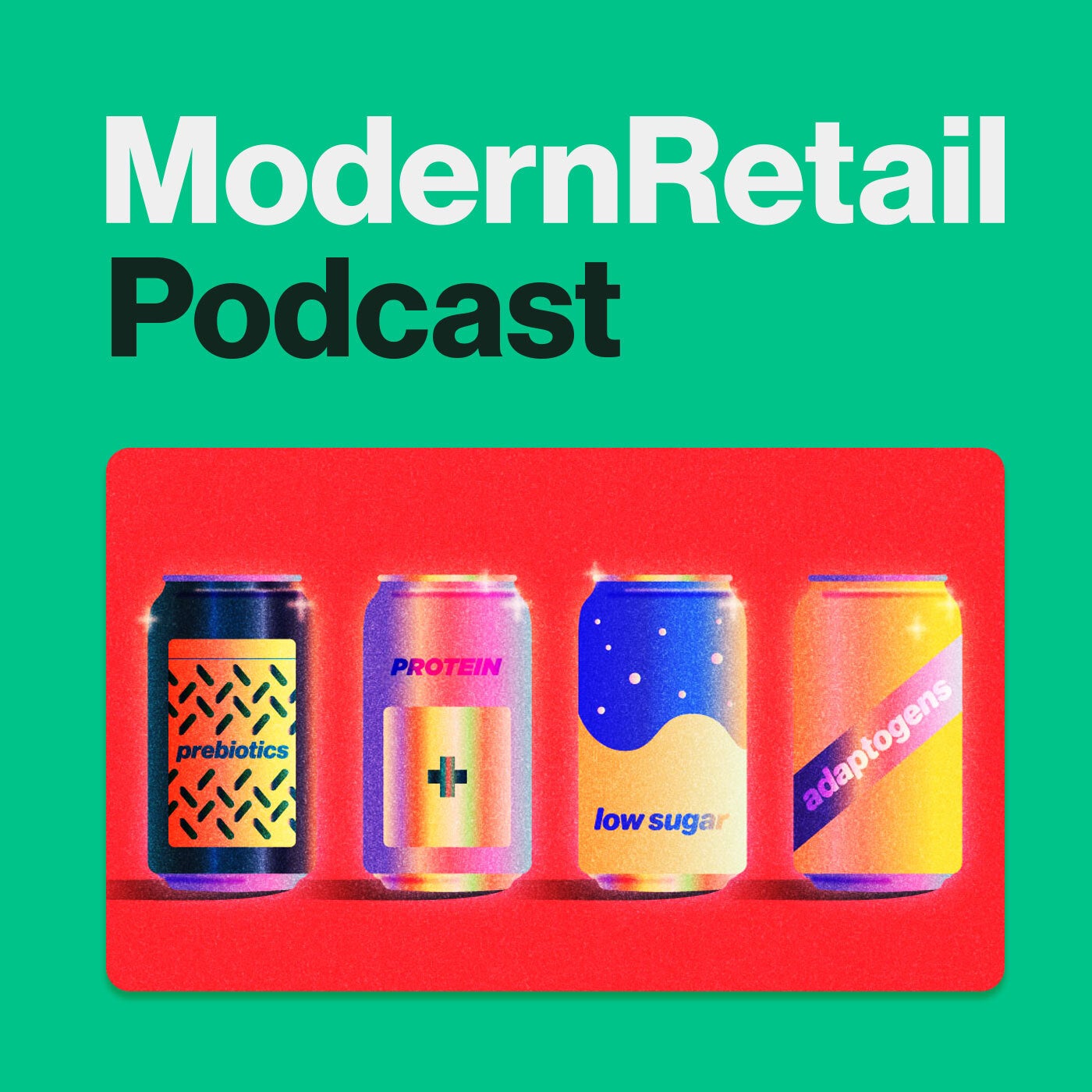
15:16That's too far. It's like too research focused. The reality with most consumers is we're irrational. And so we invest in consumer wellness. And so it becomes, I'm with you, that this like line between health and wellness gets a little precarious, especially with AI and now how everything is so personalized. And it's just, I think, going to get more confusing. But it's easy for me in terms of mandate to separate it versus how I actually view it as an individual. maybe this is the part where we could talk a little bit about like how nutrition is such a big piece of this. You know, with sort of turning everything into a functional product, I'm thinking of, you know, everything from like a gummy supplement to like now we have protein sodas.
16:08And so it's like, yeah, that's technically a food, right? I mean, literally it is on the food shelf. But it's also wellness and it's also health. But does every single person need a protein soda? I don't know. Can we just talk about fortified foods for a second? I'm not saying fortified foods are bad. But I, again, that this is like the wellness girl I mean, will never be able to understand. I eat my greens. I get my fiber from my... I get my greens from my greens. I get my fiber from my fruit and my greens. I get my omega-3s. I was just eating a piece of salmon. And again, I appreciate I am super niche.
16:48I am a single woman. I don't have kids. I have so many luxuries that allow me to really do that. And that is not necessarily accessible to the typical human. But fortified ingredients are not the same as that. And not all ingredients are created equal. And until we start having that conversation, this is just consumerism at its best. And I'm actually not saying it's bad and I'm not saying I'm not going to invest in it, but adding protein to your Doritos is not healthy. That does not make your Doritos healthy. And the absorption of protein in there, hard to say. So I really, sorry, I'm getting angry, but it really just like unnerves me because I think wellness is really supposed to progress us.
17:30It's supposed to make us better and healthier. And when you just toss fortified protein into your Doritos and you genuinely believe and you're being told that that's good for you, like we are not helping society. We are going backwards. Yeah. Yeah. Thank you. Thank you for coming to my TED Talk. Like, I guess on the flip coin, like I can kind of understand it. Like if I'm a brand with the GLP-1, I believe it's now one in eight Americans on GLP-1s, peptides. there is an opportunity because when someone's appetite is kind of up and down constantly, and maybe they just want like a cookie or a soda or whatever it might be.
18:11Yeah. I mean, of course I'm going to target that person with this product. From a health perspective, it's going to be a hard sell. And also it's hard to see right now, whether this is a fad or a flash in the pan, right? I know it's been a couple of years, But there's already a backlash to, you know, fortified foods. And there's like, you know, whey protein shortages because of all the sourcing right now. So, yeah.
18:38Lexy Lebsack: I personally have the hardest time with this conversation saying that soda and candy are wellness products. I understand that a lot of the sodas that are coming out are better for you. I totally get that. But it's soda. Like, it is soda at the end of the day. And the same thing with gummies, like, okay, I guess that if it's the only way you're going to get, you know, your basic nutrients, couple vitamins, like, I guess do the gummy, but like, that's not wellness for me. In the same way that I think that there's a lot of beauty categories that are being marketed as wellness that I don't think are wellness.
19:15Lexy Lebsack: Because I think inherently, if you drill down, soda and candy, it's just soda and candy, right? And we've been fortifying foods forever. All the cereals on the market are fortified. They have a whole range of vitamins and minerals, but it doesn't make those healthy for you or a wellness food. I think what we're talking about here is just this revolution happening in the grocery store aisles, partially fueled by GLP-1 users, partially fueled by awareness about health issues that we're having here in this country. Social media culture. Foods are getting healthier. They're becoming more competitive.
19:46Lexy Lebsack: So I think that's great, but I don't think it's wellness. Okay, it's funny you called them candy because I actually am not sure if you're referring to— Say it again. They're fortified candy. Like, they just are. And there's nothing wrong with it. If that's what you want, if you're going to eat candy, then eat candy. But, like, it's candy. This is— Legacy for president. Yeah, no, because I know Rachel agrees on this, and she's talked to me about this plenty. But, no, I guess I want to clarify whether you're talking about, like, the gruons of the world. Let's just call them what they are. Or I think there's also like simultaneously, this is what I really cover heavily and I find really interesting, like the sort of cleaning up of snacks that's happening too.
20:31Like right now there's a really interesting renaissance happening in the candy aisle, true candy aisle, by the way, like actual, you know, hard candy. That's where some of those gummies should live. Right. But like these are very much like, I think they're taking a page personally. I think they're taking a page out of like the European playbook. So it's like maybe using real sugar, but lower sugar, you know, less ingredients, blah, blah, blah. But like, are they going to actually replace, like, should you be eating that every single day? No, but if you're going to eat candy, like maybe you go for that as opposed to like the mass market brands that we grew up with.
21:07So to me, I guess I find these two products very different. And I don't want to name any brands, but to me, that candy is not trying to say that you're getting your greens for the day from this.
21:19Lexy Lebsack: Yeah. You know, I had this coworker years ago at Refinery29. This was like six, seven years ago. And she came into work one day and she was like, I cannot believe what my husband did. I came home last night. He was sitting there and he'd eaten an entire bottle of gummy vitamins. And he didn't know they were vitamins. He just ate the whole bottle. And I was like, is he okay? And she was like, I don't know. He seems fine. But he was just eating them. And she said, oh, my gosh, those are vitamins, not gummies. And he said, they taste like candy to me. And he ate the whole bottle. So, I mean, I still see them on Instagram.
21:49Lexy Lebsack: So, I think he's, you know, doing fine and well. Well, I mean, he didn't read the label. Because it's just a gummy. Yes, because it's literally, it's a gummy. Because there's no efficacy. Yeah. Oh, gosh. I mean, that's a whole other conversation. But, yeah, so true. But I don't know. Can I extrapolate this beyond, like, the candy and gummy aisle and take it to even cereal because one of my least favorite and favorite activities is go look at a cereal label from the 90s. Go look at Cheerios label now. I don't know who you do. It's like, you will never be able to unsee what you see. Wait, it was worse then or better and worse now?
22:31No, it was real, shockingly real ingredients that maybe not good for you ingredients, but just like six ingredients, like what it should be. Now it's like pretty much everything I can't pronounce. That's my rule of thumb. If I can't pronounce you, you're probably not good for me. I guess to me, all of this, and maybe this word is going to start replacing wellness very soon. They all kind of feed into this longevity. I'm doing air quotes. I know, Rachel, you like to use this word. So this is your chance to defend the latest buzzword because to me, it is a buzzword. Wellness is a buzzword. I'm sorry.
23:08I don't care what brands say. It is something they're tacking onto their product to sell it at the end of the day. I had a conversation. My sister is an amazing woman. She lives in the Midwest. She's very healthy, but she's like a Midwest gal, you know? And she asked, like, I don't think I understand, like, is longevity that I'm supposed to live forever or is longevity that I'm supposed to live better the years that I am living? And I was like, what an honest question that I imagine is like a real question for so many. And if I'm super honest, I think different people have different answers, just like what is wellness.
23:44But I said, you know, like you don't need to live forever, but I want you to live the years you're living, like really get to live them. And to me, that's longevity. Like I bless, God forbid, I live past a hundred for a variety of reasons, But I hope that I am walking. I can hold my grandkids. I can, God forbid, but I can play tennis like for so many things. Like I hope that I can live better for longer. And so I think longevity gets a bad rap because it's like, I'm going to biohack my way to X, Y, and Z. To me, that's, that's their version of longevity. Longevity to me is like the real things, you know, like the tangible, the things that make us feel better.
24:26It's the wellness. Yeah.
24:28Lexy Lebsack: I think that I agree with what you're saying here. It's like, I think that wellness makes more sense to me packaged up as a way to live, have a better quality of life for longer. I think that makes a ton of sense. But when we're talking about optimizing things around longevity, there are so many trends that are just so wild to me. Have you guys seen the, that people are microdosing nicotine and there's all of these new nicotine pouch competitors coming out now. They're like better for you nicotine pouches because nicotine has some fringe studies around cognition. I'm not an expert on this, but this is one of the many trends I'm seeing bubbled up that I'm like, if it's all wellness, it can't be wellness.
25:09Yeah. Okay. This one actually, Lexi put me on too. I had no idea this was happening, but Lexi, can you explain to the listener who's not familiar what this actually is, because when you explained it to me, I'm like, this is out of Mad Men. Are we just literally saying that smoking is good again? I know that's not exactly what it is, but in a very long runaround way.
25:35Lexy Lebsack: Sure. No, you know that brand Zin? It's sort of like, if you're unfamiliar listening, there's these little white pouches, And it's sort of like the more sterile and advanced version of like chew. Is that what they call it? Where you like put the tobacco in your lip? Dip. Thank you. It's been a long time since I was on a ranch. But so it's basically like a version of that. And I think that these people, when they talk about it on social media, they talk about, you know, these studies that they've seen that says that microdosing nicotine, just having a tiny bit of nicotine is really good for your brain health and your cognition in the same way that you see those studies come out that are saying like, if you have coffee every day, that's good for your brain health.
26:17Lexy Lebsack: It's a stimulant just like caffeine is. Yeah. I was going to say, this is very like a glass of wine a day is actually healthy. Yes. Which they later found out was completely wrong and not accurate. Well, thank you. This is why I'm like, I need to actually see these studies of these people you're talking about because I don't know. I'm like, I don't want to roll that dice. And then in 10 years, somebody saying that was actually bullshit. I'm sorry. That's just me. But here's where I struggle. It's should you want your drunk cigarette? Like by all means, your body, your choice. But let's not like let's not say because you want it and it feels good to you that this is like packaging good for everyone.
26:57Right. That's my problem, too. Yeah. Right. Let's just and if you genuinely believe it's wellness, fine. but like that it's a little bit like, do you COVID shot or not? Feels like to me, like, it's just like, let's just separate. Doesn't need to, it doesn't need to go there.
27:15Lexy Lebsack: I mean, that's the whole like thing we're talking about here, which is like, you get this big concept and then it, you know, the Zet guys latches onto it. And then all of a sudden, everything is wellness and everything is optimizing and even pleasure and indulgence also becomes self-care. And so you could rationalize anything being self-care and wellness if you really wanted to, but why can't we live in a world where like some things are wellness for your longevity and your wellbeing and that other things are just like indulgence and that's good too. I don't know. Totally. The reason I got so excited was because I hosted a retreat this weekend and it's like, it was a bunch of founders.
27:51There were a few investors. It was like very high performing individuals. And I intentionally left like a few hours of nothingness on when everyone got there, they're like, what is this time? What are we supposed to do? It was like, you know, and I totally get it, but it's like very intentionally set up that way. And it's called a wellness retreat. I was like, trust me, it's going to make you well. And there's just like, it's exactly every minute, every second is optimized. And at what point does that make you unwell? Yeah. Rachel, you need to invite Nathan Fielder to one of these retreats to document you haven't seen you can see everything okay it's okay oh i was like i just didn't know his name i just didn't know his name lexi you you talked about this um i i remember um recently by saying that it's like this skinification of wellness products um do you want to maybe just explain that a little bit which is yeah it's almost like you're putting um like a glossiness or like a reinventing a category with the wellness filter on it.
28:57And then I want to give Rachel a chance to add on to that too.
29:01Lexy Lebsack: I will say that the wellness trend and the wellness sort of like burgeoning marketplace is very reflective over the beauty industries, like many iteration. Like we had, you know, regular conventional beauty, and then we had clean beauty, which is like a better for your beauty. And now we see skincare absolutely exploding in popularity and sales over the last 10 years. And then we see the skinification of everything, the skinification of makeup and fragrance and hair care and scalp care. And it just continues to sort of bleed out to impact the entire industry. And I think that's very much just what's happening with wellness right now.
29:34Lexy Lebsack: We see people's yearning for a better quality of life and a little bit of security around their health and living longer and being able to see their grandkids and all of these universal goals that people have. But I think that in a lot of ways, the wellness industry is becoming and has become kind of predatory. I think that consumers can't tell in a lot of ways what a lot of this means. Sometimes I'm shopping and I still don't even know what some of this means. So I don't know. I don't know. That was kind of a tangent though. Part of the reason I'm not actually super bullish on peptides is because of exactly what you're saying.
30:15I think there's GLP-1s, You know, everyone, they did a great branding job. They know, everyone knows exactly what it is, exactly what it does. And like, there's even secondary and beyond markets built around jailpounds specifically. Then when you start to talk about some of the other pieces, people are, do I need this? What is this? What exactly does this do? And like, should I, there's just so many questions, which is why I think until it becomes better marketed, for lack of a better phrase, I think I'm just a little bit bearish on them. But my pushback and like let me be my glass half full optimist for a second is that I would say that the wellness industry is not the hot take class passes of the world who are greenwashing everything.
30:57I would or the, you know, people that are saying like this is good for you and like we if you look under the hood, it's really not. I would say that's not wellness and we don't want them included in our category that we call wellness. There might be predatory companies in consumer that are chasing after the dollar spend going to wellness, but those are not wellness companies. And that is my clear separation, especially for what we invest in the portfolio. Like, I don't think Becca Milstein considers Fishwife a wellness product. But let me tell you, if you read that ingredient and you find out where she gets her fish from, that is pure wellness.
31:31Like, it is good for you. It's good for your skin. It's good for your body. It's good for, like, so many different things. So I think the blurriness and the gray area of, is it wellness or is it, are they hopping on the bandwagon? But I want to believe that the wellness people are the good people that really want to push us forward and make us all healthy and happy. Yeah. No, that's so interesting you bring up Fish Wife because that's a perfect example of on paper, you know, looking at your portfolio. I'm like, well, is that really wellness? because I think for me, you know, I'm thinking of like a nice tinned fish with some like charcuterie and a glass of wine, right?
32:11Whereas maybe you're thinking of it as, yeah, like these products that have the benefit as a byproduct, I guess, of the pleasure of eating it too. Whether you're enjoying it with wine or not, it is that nutritious that I would consider a supplement that you're consuming.
32:25Lexy Lebsack: I cover beauty a lot, as you both know. What do you both think about skincare being wellness? I love it. Well, what kind of skincare? Like anti-aging? Because people have a problem with that, I guess, being framed as wellness. Our skin is our biggest organ. Okay, this is where I struggle. If you're going to only eat green food and you're going to eat organic, and then you start putting things on your skin and you don't know what it is, I don't know why you think your body isn't absorbing that. Like you can quite literally see when you put lotion on your skin, it absorbs it. So again, but I think wellness is even the paint we put on our walls.
33:07So I'm a little bit of an extreme for sure. But I do think that we need to be cognizant of not just what we're putting in our bodies, but on our bodies, what we're wearing. Like there's so many pieces. So I'm bullish on it. Yeah. I think what I meant by anti-aging is that for so long, skincare was focused on like minimizing wrinkles or reducing or preventing wrinkles. And it's like, well, so would an injectable, right? So it's like, is that wellness? I think that's what I mean by like, whereas like if it's a moisturizer or yeah, if it's like a body care or an oil or whatever it might be that you think is really helping with your like longevity, I guess, of your skin as an organ.
33:52Yes, I agree.
33:53Lexy Lebsack: That's wellness. Does that make sense? No. Yes. And that brings up a really good point that I struggle with where I think when you talk about health and as we get into wellness, I think the number one rule is do no harm. So I think that if you are putting skincare on that is, I don't know, what we view today as better for you, as clean, as that sort of like really good and helping the longevity of your skin and strengthening and protecting your skin, I think that is 100 % wellness and makes perfect sense to be wellness in the same way that I feel very strongly about oral care being wellness. But again, I think it's like the beauty and the skincare market are the number one appropriators of trends.
34:37Lexy Lebsack: So it's like there's a lot to sort of weed through there for consumers. But I think that skincare can be, is a good wellness category in my opinion, but not all of it. No, it's interesting. I guess maybe I'm just thinking about it as I don't really see that in the messaging or the marketing. This is the first time I really have considered that, right? I want to have healthier skin. I mean, obviously sun care, that's like a big one, right? But like, yeah, for the most part, I feel like this category and these brands have really, I mean, I'm in my mid thirties, I'm really feeling it right now. I feel like it was very much targeted towards the insecurities of getting older and your skin getting older.
35:24Lexy Lebsack: Yeah. There is like one argument that's being made right now where the skincare market was slapped on the wrist for using anti-aging as a term. And so they just sort of traded in longevity and added some science to it. So there's that one argument. But I think that most of the big companies are investing somewhat in it. So Estee Lauder purchased Niod, the Decium company, a while back. Something. And they, you know, there are big copper peptides, big wellness. They're basing their entire marketing play around, you know, biohacking and wellness and that sort of like niche. And then we see L 'Oreal launching the L 'Oreal Longevity MD, which is backed by science coming from Timeline, a biotech company that targets the zombie cells, the senescent cells.
36:10Lexy Lebsack: So there's a lot of cool stuff coming out. And it's coming from the larger companies or the larger companies are snatching these companies up and they're acquiring them. So I do think this is going to be a big thing. And that's the cool thing to me is that makes the ecosystem live. That yes, they can innovate in-house, but the nimbleness of a startup is creating so much more progress. And so I do, I love it every time there's M &A and not even just for like the dollars that are, you know, DPI and all of that, but I do, I think it makes, it like pushes it forward in the sense that like, did you ever really think there would be such like Estee Lauder would have a longevity skincare?
36:48Like it would be, it's just like such a crazy world. But yeah, I do think that the innovation happening outside and the M &A just like keeps it going. Yeah. So to wrap things up, I want to do a short lightning round of questions for you girls to say like, it's like wellness or not, kind of like a hot or not little round. So right now we're seeing claims. I think, Lexi, I believe you have brought this up to me previously, but fragrance companies are starting to lean into like the olfactory as wellness. So is that wellness or not? I say no. Okay. Rachel? I also say no. Okay. What about like a humidifier?
37:34Like something that, you know, is in a lot of nurseries, but now it's sort of tied to like skincare and like your breathing and everything else, longevity. I say yes. And that one's not, there's no other, it's just a yes. Yeah. I think it's leaning really beauty lately, but yes, I think it's wellness too. Okay. And then the last one, just to kind of, you know, go crazy. Okay. Protein seltzer. I'm picturing someone like doing like a vodka protein seltzer. I don't know why, but that's a hilarious thought to me. Is that wellness? No. Is that a better for you cocktail? I can't math. That one doesn't math for me.
38:20Doesn't matter how you say it. There's going to be someone who says yes, but like out there. And people will buy it. I'm not saying people won't buy it, but is it wellness? No.
38:30Lexy Lebsack: Yeah, I see that as well. Yeah. And the things that I'm saying no to throughout this whole episode around wellness, same as Rachel, like nothing's wrong with this stuff. I just don't think it's wellness. No, to me, it's not. In the same way that like a vodka soda, quote unquote, is healthier, but like it's still alcohol, you know? When people say that they drink vodka sodas because it's like lower sugar and it's like, yeah, but it's still alcohol. All right. Well, on that note, we will wrap up and thank you so much for joining me. This was really fun and I think just proved my thesis, which is that wellness can mean a lot of different things.
39:07And it's great that we are trying to define that, I guess, in real time as we go, you know. For sure. Thanks for having me.
39:18Thank you for listening to this episode of the Modern Retail Podcast, a show by Digiday Media. If you haven't already, please subscribe and head to Apple Podcasts to leave us a review and a rating. Find more of our coverage at modernretail.co and follow us on socials like LinkedIn and Instagram at Modern Retail. You can also follow me at Gabriella Barco, that's B-A-R-K-H-O, on all socials. See you next week.
From oral care to shower filters, many categories are bleeding over into the so-called wellness space.
That begs the question: What exactly constitutes a wellness product?
This episode of the Modern Retail Podcast explores the blurring boundaries of the health and wellness market. To discuss this phenomenon, host Gabi Barkho is joined by Glossy West Coast correspondent Lexy Lebsack and Rachel Hirsch, founder and managing partner at Wellness Growth Ventures, which has invested in brands like BelliWelli and Flaus.
The episode breaks down the definition of a wellness product as the category increasingly intersects with food, beverage, beauty and even home gadgets. The panel also delves into growth areas and trends to watch, including hormone health, oral care, gummy supplements and GLP-1 support, highlighting how major retailers and brands are adapting to this convergence.
This episode dives into:
Why everyone is cashing in on “wellness”
How consumers’ longevity goals are driving CPG trends
The line between a health product and wellness routines