Ask ChatGPT
 The New Music Business with Ari Herstand
30 Sep 2026 · 1h 12m · 33 chapters
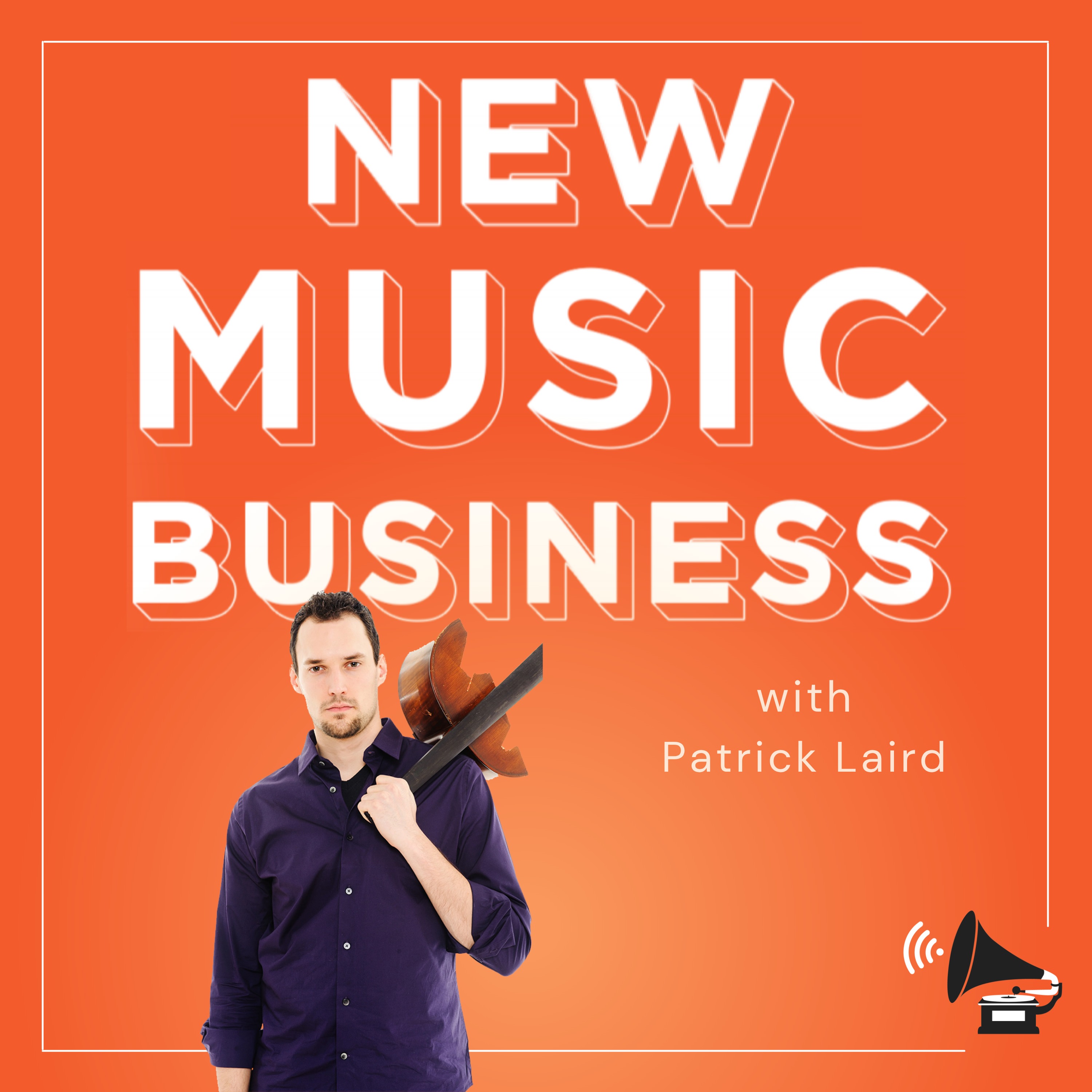
Patrick Laird of Brooklyn Duo explains how a husband-and-wife classical piano/cello cover duo built a long-term, mostly passive music business by combining high-volume YouTube releases with streaming, radio, and sheet-music revenue, then pivoting from frequent studio posts to fewer, higher-production location videos.
Patrick Laird is one half of Brooklyn Duo (piano/cello). He and his wife Marnie are classically trained, with degrees from Juilliard and Eastman. Before the duo, Patrick played cello in an instrumental rock band (Break of Reality).
Their early “strength in number” (about 17 albums of covers) helped them survive uncertainty. Their biggest early revenue driver was Pandora via SoundExchange (later shifting as Pandora declined). They also rely on streaming (YouTube, Spotify, etc.) and a wedding-focused niche that drives sheet-music sales. They now earn mostly passive income and release less, focusing on location-based, higher-production videos.
first-day Shakira cover going viral after being shared by Shakira’s team; John Legend “All of Me” as an early major hit; Taylor Swift cover tweeted by her; “Take On Me” filmed with Carnegie Hall/Ensemble Connect; “Every Breath You Take” filmed in Arizona; Pandora “Billionaires Club” milestone (~1.5B streams).
Written by AI. May contain mistakes.
Learn how releasing multiple albums can create a stronger music business.
“Our strength as a business has come from sheer volume historically.”
Discover how Patrick and Marnie transitioned from traditional musicians to a popular duo.
“Yeah, so I'm excited to talk to you today about your most well-known project, Brooklyn Duo.”
Learn the story behind their first recordings and how they gained initial traction.
“Before we started the duo, I was in a cello rock band.”
Understand the different revenue streams Brooklyn Duo explored in their early days.
“I mean, you know, there were some, uh, instrumental people and whatnot.”
Explore how having multiple income streams has been crucial for their success.
“Um, and, but along the way, you know, we had been releasing covers and it was really exciting because every video that, I mean, not every video was a huge success.”
Learn how independent musicians earn revenue through platforms like Pandora and SoundExchange.
“And then I'm like, hey, are you signing up to SoundExchange?”
Discover the importance of timing and strategy in releasing music for success.
“But even early on, that was like probably 40 or 50 percent of our revenue.”
Explore how various revenue streams contribute to an artist's income over time.
“And were you seeing, I mean, that's incredible.”
Gain insights into the complexities of the sheet music publishing industry.
“other various revenue sources at the time.”
Learn about the steps involved in creating and selling sheet music arrangements.
“Talk to me about that because I'm not super familiar with the sheet music industry.”
Hear the struggles artists face with physical album sales in the digital age.
“And, um, so, uh, you know, with sheet music, it's, it's not like that, but as music notes has been growing and as the sheet music, I think world has been growing, it's a lot easier.”
Learn about the emotional experience of discarding a large collection of albums.
“Yeah, I mean, it's it used to be like my band.”
Discover how street performances led to significant album sales for the duo.
“And like, I mean, now Brooklyn has never toured.”
Explore the duo's process of arranging cover songs and their collaborative style.
“Tell me about the arranging process of this.”
Understand how the duo divides responsibilities in their music production.
Discuss the duo's experiences with live performances and private events.
Learn about their project with Carnegie Hall and the creative filming choices.
Discover the duo's shift towards producing fewer but higher quality videos.
“as in like a beautiful, maybe more intimate space or more interesting space.”
Explore how passive income from past releases has influenced their current work.
“Yeah, well, it's been a couple of years now where really our income is passive.”
Understand how filming locations have shaped their most successful videos.
“filmed two like beautiful videos, like some of the best looking videos we ever filmed.”
Discuss the duo's decision to prioritize high-quality, location-based videos.
Discusses the challenges of maintaining quality in recordings and the effects on platform-specific traction.
“Do you notice that it directly translates?”
Explores the duo's marketing strategies and the effectiveness of various platforms for music promotion.
“it's, it's always been like, okay, well, if we can reach a lot of people on YouTube, maybe we'll bring more people into, like, we have control over YouTube.”
Examines the changing dynamics of music revenue and the duo's sustainable career choices.
“But, um, I mean, we don't make anything from Instagram.”
Highlights how the duo's music became integral to weddings, creating a consistent revenue stream.
“I mean, I don't even know, to be honest, like what's hot now, but, um, you know, it seems like there's a different financial model.”
Discusses their approach to covering timeless ballads that resonate across generations.
“And we want, you know, that was a very different feel.”
Learn how a piano/cello duo created a sustainable music career through smart business strategies.
“I can't believe I'm meeting you right now.”
Discover the importance of owning music rights and the pitfalls of selling catalogs.
“And it's incredibly admirable and honestly enviable.”
Understand how DistroKid changed the music distribution landscape for independent artists.
“enough for it to justify me trying to sell it now.”
Hear about the artist's journey back to creating original music after years of covers.
“And so, you know, we've been more or less really happy with them.”
Explore evolving definitions of success in the music industry and the artist's personal journey.
“And it's going to be released soon, actually, I think partially under Brooklyn Duo, but also under my name.”
Discussing the freedom to create without revenue pressure.
“And that's that's the beautiful thing that you have that freedom is that you don't need to only create something for the business and to generate revenue because you are generating passive revenue.”
Exploring personal definitions of success in the evolving music industry.
“I have one final question I ask everyone who comes on the show, and that is, what does it mean to you to make it in the new music business?”

Get the gist, explore an idea or ask about something said.
 Claude
On The New Music Business with Ari Herstand, what are the key points of this episode?
Searching your listeningAutomatic transcript. May contain errors.
0:00Our strength as a business has come from sheer volume historically. So we have, I don't know, like 17 albums or something like that that we've released of covers. And that's strength in number. And that's been the biggest thing for us because you don't know what's going to do well. um sure you know but now looking back though now that we're sort of in this more passive income stage where you know we've already built the catalog we've already built the audience we've already you know things are working you know so now there's a pivot where okay now we can look back and say what are our bigots you know biggest performers on specifically on youtube and it is like you see you know i mean there are a couple in you know tripod videos peppered in from our studio.
0:50But, you know, by and large, our biggest hits, like we have a video that has like 150 million views, you know, and that's filmed on location. And if you go down like the top 10, it's like clear that people resonate with beautiful locations.
1:10What's going on? Welcome to The New Music Business. I'm your host, Ari Hurst and author of How to Make It In, The New Music Business. The book third edition is out now. All formats, hardcover, ebook, audiobook, however you like books you can find the book. Today my guest is Patrick Laird. He is one half of Brooklyn Duo. They are a piano and cello duo that started 2014, kind of putting covers up on YouTube, and it has grown from there. But this is kind of what they do. They do instrumental cover versions of popular songs. They've kind of found a niche in the wedding industry, the wedding market, but they have billions, that is with a B, billions of streams.
1:53And he kind of breaks down this business as in where the revenue streams of this business comes from. You know, we talk YouTube, we talk all the platforms, we talk Pandora, I mean, everything and kind of how the revenue pie chart has shifted over the years. We break into all of that. But he also talked about you know he's got a decent sheet music business going and how all that works and how publishing works in that realm we also discussed catalog sales but brooklyn duo is completely independent they released their music through distro kid that is actually how we got connected our partner here at ours take one of our partners is distro kid friends of the pod for many many years friends of mine i've known the founder of of distro kid philip for years and years since they started so good friends with distro kid and they they sent brooklyn duo over that said, hey, you guys, you should talk to them doing some really interesting stuff.
2:39And they have very significant streaming revenue. And so we break it all down really interesting. Not we don't have too many classical musicians on the show. You know, we've had a few, we definitely had a few but having this this classical duo doing piano, cello cover songs, really interesting. They're both classically trained. It's a husband and wife duo. So So Marnie is his wife's name. She's the piano player. Patrick's the cellist. They both are classical musicians. They have their degrees from Juilliard and Eastman. Not too shabby in the world of classical music. Definitely think you're going to dig this episode, whether you are into classical music or not.
3:15Very fascinating stuff. You can find Brooklyn Duo everywhere where you find music, listen to music. Check out their YouTube channel. They got over a million subscribers. I think one and a half million subscribers on YouTube. Check them out there or wherever you listen to music. You can find all of us that make the show happen at Ari's Take on the socials. Find me at Ari Harrison on Instagram. Hit the subscribe button. Hit the follow button. However, you're listening to this. Leave us a comment on YouTube or Spotify. I'd love to read your comments. But right now, if you wouldn't mind, just pause this episode.
3:44Leave us a five-star review. However, you're listening to this Apple podcast, Spotify, all that stuff. And visit Ari's take.com and get on our email list. That's the best way to stay in touch with us. All right, let's kick it. Patrick Laird, welcome to the show. Hey, Ari. Thanks for having me, man. Yeah, so I'm excited to talk to you today about your most well-known project, Brooklyn Duo. You're not based in Brooklyn. Tell me where this name comes from and how this project got started. Well, we were based in Brooklyn when we started, but actually we only lived there for a little bit before we had to move out because we needed to make recordings.
4:26and there was just no way to financially make it work. Like building a studio in Brooklyn is not easy. But Brooklyn Duo was available when we started and it's a good name. So, you know, it's stuck even though we're West Coast now. Yeah. Were you married at the time when you started the project or just dating or just friends? Or tell me about the inception. Yeah, we were married. We had been together for a long time. And so we were married in 2012 and then 2014 is when we started. So about two years into marriage, yeah. Cool. And so tell me about kind of how, it's an interesting concept. I mean, you know, the piano cello idea, you're both classically trained musicians, studied at prestigious universities, music degrees, the whole thing.
5:21Where did this idea come from to try this kind of piano, cello duo and yeah, where the idea come from and like what was the inspiration to kind of get this thing going? Yeah, there's a little story behind that. Before we started the duo, I was in a cello rock band. So three cellos and percussion. Break of reality. Break of reality, that's right. I've done my research. Yeah, yeah, yeah. We, you know, we had done quite a bit and we were pretty successful as a instrumental rock ensemble. You know, instrumental rock music is not an easy thing to make a living out of. So we had done quite well. But we were very, you know, we wrote a lot of our own music.
6:15And when we did do a few covers, they were the brand of the band or the, you know, the whole vibe of the band, we weren't going to cover anything. We were very specific about what we wanted to cover and it had to fit within our own voice. And I was sort of getting frustrated with that. I mean, I could have changed it, but it didn't make sense for the group. And the reason why I was frustrated is because I knew that the things that we would cover wouldn't have as much legs in terms of reaching people. And at the time, YouTube was really sort of taking off. This is 2014. It had already definitely been a thing, but I'd say we were like second wave or maybe third wave YouTube.
7:05And we were starting to see people have a lot of success in terms of reaching people through popular covers. And so kind of through my frustration with the band, Marnie and I were just married and she was like teaching a little bit at Juilliard and she was like gigging a bit, uh, in the city, but she wasn't loving it. And, uh, we just said, you know, we're seeing this stuff happen on YouTube and we can do this and we can do it better. And, you know, um, why not? We're both, you know, great musicians and, uh, you know, from a classical standpoint, you know, and we knew we could do it. And we just sort of booked a studio one day and went there and put up a camera, like a tripod camera, no camera movement or anything.
7:56And we filmed a couple of videos and like our first video was like this random Shakira cover. And somehow Shakira or her team found it and she had like 100 million Facebook followers at the time. And she like, you know, Facebooked it out or whatever and was like, you know, check out this duo playing my song. And we just, when we got lucky, we had no views at the time and somebody found this. And so that was, you know, from the get-go, we were like, okay, you know, we're onto something if, you know, we're making traction here so soon. um so yeah that's kind of did you only film that first song uh in that studio that that first day or with the Shakira song or did you kind of batch him uh no we we filmed three things that day so we filmed a classical uh like I think was I want to say was Claire DeLune and okay Marnie Marnie played that solo and um and that one actually has been really successful for us as as well and then the other one we did was john legends all of me uh yeah and that has actually also been uh it doesn't do as well anymore i think because the song's kind of fading maybe a little bit but uh it that was like one of our biggest hits for a long time it was our our biggest video so i we really we lucked out because yeah those three things that we did were all really strong and and actually sort of defined us as a group.
9:37Like we didn't know what we were doing. You know, we, I don't even know why we chose a Shakira song, but it was new, you know, it was brand new. And now nobody even knows this song, you know, it was like Empire, I think it was the name, you know. But she was like promoting it. I think that's why her team found it. But the John Legend one was like sort of a home run. So it was lucky. And I mean, regardless, it was more that, you know we had the impetus to keep going like had we kept going we would have been successful no matter what it wasn't those three videos that like made us or anything it was just that you know we had gotten feedback pretty quickly of like okay this is this is gonna work we should double down on this i mean it helps that uh the the first thing that you ever do uh goes viral and gets uh sent out by shakira so yeah that doesn't hurt that gives a little bit of encouragement you know here here you know uh that like the same time you know i was uh i i dipped my toes into the the youtube universe for a second doing those cover videos around the time i went in la and we never got the the shakira cosign or the the viral videos after a while i was like fuck this this sucks i hate doing this and so i quit doing the the youtube cover thing but that's it but that's a thing because it's like yes around that time everyone was doing it i was out here in LA, everyone was doing the YouTube cover thing, but you had something a little bit different and unique, you know, uh, how many, how many, you know, piano, cello duos are there doing the, the YouTube cover thing.
11:14I mean, you know, there were some, uh, instrumental people and whatnot. So tell me about like, keep going like, yes. So you, you got this encouragement, you're, you're, you decided to keep going. Um, what did that mean? When did you start to kind of professionalize the operation and and like start to actually make money from this uh well it was it was pretty quick so like that was that was at the beginning and then six months later we had done a taylor swift cover um and taylor swift you know every i mean she's like the biggest artist of like all time now back then she was still pretty darn big um but she had uh found a cover that we did of hers six months later.
12:00And she had, um, like they both, this is like actually the same number. I, like I always throw out this number, but it's actually the number, like she had a hundred million followers on Twitter. And, uh, so she tweeted our video six months later. Um, so by that point it was kind of like, well, obviously we're doing this. Like, obviously we're going to keep doing this. Um, and, but along the way, you know, we had been releasing covers and it was really exciting because every video that, I mean, not every video was a huge success. And now you'd look back and you'd see a lot of duds in that period, but, um, but are, you could see our audience growing very quickly, um, and very steadily.
12:43So it was an obvious move. I'd say about six months in, we had started looking for houses to buy in, in New Jersey, where we could build a studio and do this like full time. So tell me about the, like, how are you monetizing this at the at the time? And where was the revenue coming from? Was it just YouTube ads? Or I mean, this is like 2014 2015. So I guess it's like, probably not streaming revenue out of the time, I would imagine is the iTunes sales or CDs? Or where were you pointing to? Or how how is this operation making money at this point for you to be able to like search for houses? That's a good question.
13:19And I think it's always been for us a strength of having multiple sources of income. So I think YouTube ad revenue was something, but not primary, certainly. I think the real diamond for us was Pandora Radio. So, and that had been a huge thing for my band as well. So we had done really well with Break of Reality on Pandora, so much so that we had developed a relationship with Pandora and we had performed at their office. I had even traveled to Capitol Hill, uh you know talking to politicians uh on pandora's behalf um you know to to you know talk about independent music and our experience um so we were involved with them uh with the band because uh we had done so well so we actually reached out to them like uh early on and said hey you know we're doing so well in your service like it'd be great to meet you and then we got you know we had a lot of fun times with them we played south by southwest at their uh you know their stage and everything and yeah yeah and just to clarify uh making money from pandora that is via sound exchange was that right or how are you making because at the time i mean do you even remember is because pandora doesn't but prior to them being like a interactive streaming service uh they weren't really paying money directly to anybody it was i think you're right yeah i think it was sound exchange now i i believe we get a lot through distribution now now it's different yeah now pandora will cut checks uh to distro kid etc but um but yeah at the time when it was just radio uh and non-interactive it was the sonic change was doing so i was curious because because i've talked to people who were having a lot of success on um a lot of success on uh pandora that weren't getting paid and didn't know how to get paid.
15:28And then I'm like, hey, are you signing up to SoundExchange? They're like, what is that? I've never heard of that before. And then their first check is$15 ,000. I'm like, what? That's exactly. With the band that had happened, we had gotten this huge first check because we finally figured it out. Like, okay, let's sign up for SoundExchange. It's all coming back to me now that I'm talking to you. Right, now your member's like, oh yeah. That's right. But going into it with Brooklyn Duo, I had already known this and I had already had a relationship with them. I mean, full disclosure, that didn't help our streams.
15:56Like their algorithm was separate. So it wasn't like I could pull that card and be like, hey, play us on, you know. But we did submit our music and it got accepted. Like at the time, it was curated. So you actually, they might not accept your music. Now I think everybody gets on. But so we had entered. And again, you know, timing is really strong here because Pandora was doing super well. And Brooklyn Duo started popping on Pandora pretty quickly. And to the point that we are actually part of the Pandora Billionaires Club, which is Pandora artists who have a billion streams or more. We're up to about 1.5 billion streams now, which is, you know, this is over a long, you know, over a decade.
16:46But even early on, that was like probably 40 or 50 percent of our revenue. And I think, you know, this is also like your point before about like you had friends of yours who were doing covers and like, you know, it doesn't work for a lot of people. But this is where the power of niche has always been really strong for us. So like we were, we saw a hole in the market where we knew we could, we could fill that hole and we could do it better than just about anybody. And, uh, and we entered at the right time. Now it's a lot harder, you know, in our genre, but at the time it was like, we filled a very specific niche and on Pandora, for instance, like we were hitting people in like a lot of businesses were playing, uh, like maybe quieter offices where they like doctor's offices or like, I can't tell you, I've gotten like chiropractic adjustments where my music's come on and it's like oh man can you turn this off please yeah it's like oh that's the part i wasn't perfectly in tune there and it's bugging me right exactly oh i never listen to our music it's yeah yeah i can't stand it um so that makes a lot of sense i mean right the timing is a big thing uh and pandora being you know kind of elevating And now that's interesting, though, because you are now seeing some success on YouTube and Pandora.
18:13And so are you like how often are you putting out music? Did you realize early on it's like, oh, this keeps working. Let's just put out more and more music. And what was your frequency? And were you working on like, yeah, timelines and all that stuff? Yeah, I mean, that's exactly what we did. And it was kind of lucky. Like everything, it made sense to do it that way at the time. Like I had been in my band for a decade. We had toured internationally. Like I love touring, but like I had sort of gotten some of that out of my system. And my wife, Marnie, she, you know, has never really been that into like, hey, let's tour, you know?
18:55And so it was kind of an obvious thing to be like, why don't we just make as many of these videos as we can? And then as the, I mean, the writing was on the wall, we were finding success early on and the growth was there. So we're like, I think we just need to do lots of these. So we would like go out to my parents in the beginning and they had like, you know, they didn't have a studio in the house, obviously, but they had an older piano that I kind of grew up with. And it was in a nice area in their house. You know, they lived out in the country and had a, you know, nice house. And so we would just like bring mics and set, you know, put them in the piano and we would nail out like three or four covers in a day and then, you know, stagger them on YouTube.
19:36And that was working super well. But yeah, we quickly, I mean, I think probably a year in we were at like six figures in terms of revenue. And so it was clear, like, okay, we need to do this, like, we need to do as much of this as we can. And were you seeing, I mean, that's incredible. And how often were you releasing music? Putting out videos, I guess, yeah. I want to say, like, every week, you know? Weekly, okay. I mean, I'd have to look back to be, you know, and it was probably staggered. Like we've never been good at like having, you know, a steady, I think maybe for a short period, we were able to commit to every week.
20:21But it was something like that. I mean, it's a lot of work to put those things together. They're supposed to look like we just sat down and, you know, we love each other and we love our music and we love this pop music. We're just like, let's jam out on this. And that's what it's supposed to look like. But in reality, it takes a lot of time to arrange and record and edit and all the things. Yeah, well, I mean, I want to talk about the the creation part of the arrangements and all that. But before we get to that, you mentioned a year in you're at six figures of like a pie chart. I'm just curious, like, um, how is that broken down?
20:59Was it primarily the Pandora revenue via sound exchange? Was it the YouTube ad revenue? And that was pretty much 5050? Or were there any other little slivers or large chunks of this pie that are from other various revenue sources at the time. And maybe also, how has that shifted over the years? Yeah. Yeah. So I think it's been remarkably consistent, I think, over the years, with the single exception of Pandora gradually going down, you know, as everything else kind of takes a bigger chunk. But I want to say, and I don't have these numbers, like, you know, like, exact. So I'm going to take a guess.
21:36But I would say in the beginning, Pandora was the heaviest in terms of percentage of revenue and probably around 40 or 50 percent and then um spotify i want to say spotify has always been either number two or number three for us and same with youtube ad revenue so those three i think make up the biggest chunk but then from the beginning we were selling sheet music and because again of the type of like we sort of lucked out with the with the what we chose you know because there's so many uses for our music but then there's also like cellists and pianists who want to play this and we fell like deeply into the wedding scene as well and so at that point you know not only do we get like 700 requests to play people's weddings every year but we also like tons of people are hiring a cellist and a pianist to specifically play our music so they go and they buy our sheet music um or maybe it's a student who wants to learn so So sheet music has always been relatively strong, although you get kind of killed in terms of the publisher gets the lion's share on that.
22:47Talk to me about that because I'm not super familiar with the sheet music industry. How does that work at all? So you make an arrangement, you create the sheet music, and then, yeah, take me from there. How do you sell it? Well, luckily, we work with music notes. So from early on, we kind of signed up with them. And that is a sheet music publisher? What is music? It's a sheet music store. So that's where people buy sheet music for, you know, it could be for guitar, could be for any instrument. Historically, probably one of their biggest artists in terms of sales. And, you know, the way they work is they will actually negotiate the licenses directly with the publisher.
23:29And I think Hal Leonard owns most of it. like they're the publisher for most of it and i've actually talked directly to hal leonard trying to get you know a better deal and uh and i got a worse deal they're going directly to the publisher so um you know we just it's i i can't tell you uh because i'm contracted not to but i can't tell you what exactly what the percentages are but they're not great like i i feel like if you put time into an arrangement and people are buying the arrangement you know uh so that that hurts the the revenue on that front but it's still one of the sources so yeah tell me more about uh like sheet music publishing and how all this works like through music notes you mentioned how leonard was the publisher for a lot of these things but but break it down from like i people myself included like just don't really understand publishing at all when it comes to sheet music because yeah these are covers and technically if i'm understanding this correctly like you know you didn't because you didn't write the songs uh you don't have the rights to sell the sheet music i guess and that's why you have to get the permission but you made the arrangements and so it break break all this down for me yeah it's it's getting a lot easier thankfully like initially you would have to get permission from every single artist to be able to to sell their sheet music um and it's not like with cover songs where you know traditionally you've been able to do it as as long as you go after a contract or get, you know, but nobody can stop you from putting a cover on as long as you try to pay the artist and, you know, that there's set statutory rates.
25:09And, um, so, uh, you know, with sheet music, it's, it's not like that, but as music notes has been growing and as the sheet music, I think world has been growing, it's a lot easier. So now you can literally just like distribution, you can go to music notes and, um, you used to have to be an artist, you know, like it'd be sort of enter an agreement with them. And now I think they even have like a marketplace where like anybody can just go and upload an arrangement and sell it. And they have, you know, they clear all the public, you know, the publishing contracts for you and it's done. You know, I, they're I think one of the top companies, but I'm sure other companies are following suit as well.
25:51Well, that's nice. I mean, right. So you can upload some sheet music. they have I'm assuming all their pre-cleared uh songs by their publishers and everything and then if you sell a piece for I don't know what do they go for 10 uh uh like I'm just curious like what is this yeah around 10 bucks usually or 10 dollars some people charge 6 6.99 or um yeah I mean we we and what do you get from that of it yeah for like a 10 piece I can't I can't I'm not allowed to tell you. I don't know how much trouble I could get in just with that. Oh, you're on the NDAs here with music notes? I remember the contract specifically when I started working with them.
26:35And I think because it might vary from artist to artist, I'm not allowed to share that. Got it. But I will say that it's not as good as if you were to upload a cover song to Spotify, the percentages. and you know even with us like i to be honest like for your listeners like sheet music is probably never going to be a focus like we're one of the right we are you know given our niche like we're going to sell more sheet music than most other artists comparatively to how big they are and even still sheet music is not a focus for us i mean we have it there it certainly is a a good income stream to have but you know as far as the you know yeah that that spotify pandora uh youtube less pandora now uh you know now apple music has creeped up and but it's it's really our strength financially has come from streaming um and partially youtube ad revenue got it so uh and And not, I mean, any like our sales part of this.
27:45I mean, I feel like this type of thing. I mean, I know you do like some holiday music and Christmas albums and stuff like that. I mean, I suppose this is kind of still a post-sales era that we're in here. But do you ever kind of lean in? I mean, I do see you have CDs for sale on the website, but that's not really part of the not a big enough chunk of that pie. Yeah, I mean, it's it used to be like my band. And I just, I have a really sad story for you. I was visiting my parents. They're moving across the country to be closer to us, actually. And I had to go and throw about 20 ,000 albums in the dump.
28:2420 ,000? I know. So they're all in these boxes. I've got some great stories, really great stories for you. But they're all in these cardboard boxes. And they even told me, I went to the dump. They're like, we'd like you to recycle the cardboard. So can you open these boxes and dump the CDs? which was even more painful because i had to open them up and dump each one of these like boxes we're talking like hundreds of boxes i don't know and like watching all these cds just these pristine beautiful cds just fall you know uh we we did keep you know enough that we think we'll ever sell but um that was really painful but you know my band we used to tour and so we'd sell a lot but then when we first started um we break reality broke out by playing in the streets and the subways of of uh new york city and we the first when we started doing this in six months we sold 30 000 albums at 15 15 a pop and in fact in the subways in the subways in like central park was always the biggest like on the weekends in central park you get a lot of tourists but like we would we literally had to hire two people to sell cds for us because one person physically couldn't sell these cds fast enough to people like it was it was amazing and and so we would you know buy these cds in humongous quantities tens of thousands of cds and um you know and so that's why we had all those but then even after that when we we sort of burnt out from that and stopped busking but um Then we started touring and we were still selling a lot.
30:01And like, I mean, now Brooklyn has never toured. So, you know, we're not selling CDs in person, which is where you'd sell the majority of them. So it's not, we don't even think about it. It's a revenue stream, but it's not big enough to make a difference. Gotcha. Tell me about the arranging process of this. Like when you decide to do a song, do a cover song, how do you go about the arrangements? And yeah. You know, that's been something that I learned with the band. You know, I used to do a lot of writing with that and we did some covers. And so I had written a lot and gotten used to using like notation software, for instance.
30:51Like we, I use Sibelius for years and, um, and I think if you've got a good ear and if you've got like, I mean, we, we were trained classically, so we had all the theory background and everything. And so it was never really that complicated. I think some people would think like, oh, that sounds hard. But when you actually sit down, you're literally just like listening to the music and, you know, you can just start by literally directly, uh, putting down what you hear. and then and then you learn to put you know your own style into it and brooklyn duo has developed like our own style and we really like to trade off melodies like i think that's a power for us is our strength you know what people love is that i'll have a melody and then we'll seamlessly kind of pass that to marnie and back and forth and um so it it's not complicated i did it's just like anything else you do it you know enough times and you get good at it and um now marnie arrange together uh well do you do yeah how does that yeah initially we were um and it was it worked well but um as we grew i naturally kind of took on more of the music business side of things and um and i do like with the band i learned how to edit audio you know record how to handle all the you know editing video editing all of that i do so it was after a while it was like okay Marnie why don't you do the arranging and then I will do and she's I mean she has like one of the best she's got like natural perfect pitch and she's got a great ear so like she's really good at arranging and uh it's a perfect thing for her to focus on while I'm you know bogged down with all the editing and yeah the rest of it sure that's it that's yeah that's a great um uh delegation of duties there uh so has it i mean her being the piano player i would imagine maybe the arrangement part of it uh just seems more natural or i don't want to say easier but like when like how are your piano chops i mean could you arrange the piano uh parts with just you know with your i don't know limited piano abilities or probably probably not like it would be really bad if i did yeah she's always done the piano always done her piano yeah all all like in in the beginning you know um because she hasn't written her own music like she's much better at arranging and she's not interested in like she she much prefers like capturing something as well as she can and maybe like adding you know making a little bit more rich or something like that but um sure you know initially when we were working together a lot or even still sometimes we'll work on stuff and and because i have a writing background i'll you know work with her on like oh maybe can you do something a little more like jazzy here with the piano or whatever and she'll try a couple things and but i can't like yeah piano is like so foreign to me uh i can't do it but in terms of string writing like i've i've written like a sim i've written a not a symphony a concerto before for like a whole orchestra, you know, so I've learned how to write for each instrument, but there's no piano, you know, it's like piano is just like, for me, I don't know how to voice things, you know, I'm good at writing a lot of instruments, but yeah, I'm thankful for her.
34:11Yeah, no, totally. So tell me about, I mean, because your videos were taking off and you too, I mean, you've gotten to play at some pretty prestigious venues around the world and festivals and and tell me about the the live uh performing that you guys have done even though you said you're not really interested in touring as much but i know you've done some some one-offs here and there and uh tell me about where you know this this project has taken you through the years yeah well with brooklyn duo um we've really as far as like public concerts like we played i think joe's pub in new york like early on um maybe a couple times and and that was sort of like our start toward like maybe we should start touring and then we never actually really moved on to full-on tours but what we do a lot with the duo is we'll uh we get asked for so many private events mainly weddings but also like uh you know we'll play at uh you know corporate events or you know whatnot so that's been in the beginning it was a big part of what we did and we could demand a pretty good fee mainly because of the sheer numbers of requests we got for that but yeah we it's a private events that we've always done in my band uh before that you know that was where we toured internationally all around the world and we opened for big bands like cake and um heaven and hell and like uh yeah you know we had a pretty good touring career um but yeah with the with brooklyn duo at least we've only done mainly privates gotcha and when uh i i saw that you mentioned here uh that you partnered with carnegie hall and the ensemble connect to produce uh a cover take on me that that was not actually with the concert hall directly it was just the organization that you kind of worked on this song together yeah so they they connected us with the with an ensemble there that's a really you know highly regarded classical ensemble and we did a music video with them at Carnegie Hall but in not actually in the hall uh okay we could have but we um we actually find that um halls are not a great place to film these videos like I think it doesn't connect with people as much as in like a beautiful, maybe more intimate space or more interesting space.
36:37And so it was filmed at Carnegie Hall, but it was in like this beautiful sort of like wall of window, like meeting hall, I guess that they had. And so, yeah, they had Carnegie Hall kind of put the whole thing together, but that ended up being a huge hit. We did Take On Me. And there was like, you know, they had like we had horns and like winds and other strings and one moving camera. It was like once, you know, Ronin, like stabilized camera throughout the whole thing. And it was really pretty, pretty fun and did did really well for us. That's awesome. So tell me, like over the years, how you've evolved your operation, because I mean, I'm seeing, you know, you're not doing weekly releases anymore.
37:25um i mean i i think the last post uh i think i saw from you guys uh was like maybe six months ago or something like that so um tell me now just like is this just an evergreen thing and like because you've hit the proper algorithms across all of the various uh platforms that it's just you're in all the algorithmic playlists you're in everything and then you don't actually need to put out new music or what is kind of this evolution here and what's your strategy these days? Yeah, well, it's been a couple of years now where really our income is passive. It comes from all of our previous releases. In fact, it takes years really for our hits that we release today to actually become heavy hitters because they have to sort of like populate within the streaming, the playlists, you know, like people add them over time and like they grow up on Spotify and people always listen to like the top your top tracks on spotify you know and so sure it takes time for anything new to actually start earning meaningful you know revenue um and you know aside from youtube ad revenue will be really good at the beginning because you're releasing a new video but so that's provided us a lot of flexibility um and so a lot of times i'll find myself riding my bike because i'm these days i'm you know i'd rather be riding my bike than making music because i i feel embarrassed to say that, but, um, you know, it's, it's like, uh, I've become really passionate.
38:55I'm actually really serious about cycling. Like I've, I've sort of really gone all in on that world. Um, but no, the, the flexibility allows you to sort of step back and say, what do you want to do? And it's, it actually looks bad right now. Like we haven't released stuff in a long time, but we're this year where we're intentionally focusing on higher production videos. So we have multiple in the, in the pipeline right now that like, we just were in Europe for a month and we filmed two like beautiful videos, like some of the best looking videos we ever filmed. One is in front of this incredible chateau.
39:32Um, and, uh, so we're releasing less now and decided that we're going to focus exclusively on higher production videos. We just, the writing was on the wall. we realized our biggest hits um you know to date are all filmed on location they're not in our studio you know so we're kind of pivoting and that's why it looks a little slow right now right yeah i saw this uh police cover that you did the every breath you take and this is uh i mean this is beautiful where where was this this is in arizona in arizona arizona yeah that looks like arizona um and so that's interesting because it seemed i mean i feel it would have been the opposite that your biggest hits would have been more intimate in the studio but you're saying more has this evolved because like i mean i guess your songs of all time uh your biggest hits of all time are uh maybe in a single space but uh is that an evolution that you've noticed yeah i mean we probably should have made this decision a couple years ago.
40:36I mean, in one sense, I would say that our strength as a business has come from sheer volume historically. So we have, I don't know, like 17 albums or something like that that we've released of covers. And that's strength in number, and that's been the biggest thing for us because you don't know what's going to do well. um sure you know but now looking back though now that we're sort of in this more passive income stage where you know we've already built the catalog we've already built the audience we've already you know things are working you know so now there's a pivot where okay now we can look back and say what are our bigots you know biggest performers on specifically on youtube and it is like you see you know i mean there are a couple in you know tripod videos peppered in from our studio um but you know by and large our biggest hits like we have a video that has like 150 million views you know and that's filmed on location and if you go down like the top 10 it's like clear that people resonate with beautiful locations and intimate performances still we're still trying to do the same thing it's supposed to look live still like in the studio it really is live uh on location you can't do that um so you know that that was the realization of like why are we still you know we were previously like oh man it's been like a month we haven't released anything like we really need to buckle down and do a recording and we'll just do something in the studio um sorry uh i've lost you there a second yeah uh can you say that again about yeah that how the recording works uh in terms of if it's live or in or do you record it on location yeah so uh when we recorded the studio you know everything is live but when we're recording on location it's impossible to do it in a you know to our standard uh you know and capture everything it in a good enough quality and um you know so uh but the writing on the was on the wall the whole time we needed to do you know these higher production videos and and that's kind of where we're like, let's, let's focus on this a little bit and really go big on that and, and see what happens.
42:50Yeah. Do you notice that it directly translates? Cause now, you know, I look at all of these platforms almost there, they're almost siloed
43:03themselves because you're so much of the traction is built uh siloed internally with on each platform where like the youtube algorithm is affecting the youtube views the spotify algorithm is affecting the spotify plays the pandora algorithm is affecting the pandora plays um are you do you notice that does does anything break out of these silos off platform whereas like if you see a lift on spotify like you got included in a big playlist or the algorithm you just like got knocked up there that that translates over to the other platforms or do you see song maybe like like you said because you're talking about the video quality or at least a you know on location this beautiful setting someone listening on spotify doesn't know it was filmed in a beautiful setting or whatnot is they're just hearing it so does that does that translate at all or is it really um they each kind of have their own algorithms and their own way that that people are responding on each platform yeah they're they're very different which makes it kind of hard to like it's like what are we making this track for are we making this track for spotify are we making this track for you know back in the day was is this for pandora is this for you know because each of the service is really kind of independent you know like right like we'll notice that some of our biggest hits on youtube are not necessarily our biggest hits on Spotify.
44:30Now there, I mean, if you've got a really, like for us, we're big in the ballad scene. So if we release a famous ballad that is really good for weddings and like, you know, resonates with people and it's performed well, it's probably going to do well everywhere. But, um, you know, it's, it's impossible to know even where, you know, you could just make educated guests and say, okay, we're going to, we're going to do this and hope it does well on this particular service. But for us, it's always been, we focused almost exclusively on YouTube. Like we just, even though that's not even our biggest revenue stream or even our probably top two, like it, it's, it's always been like, okay, well, if we can reach a lot of people on YouTube, maybe we'll bring more people into, like, we have control over YouTube.
45:17Like if we release a good video, it might do well and we can build an audience there. Like Spotify is kind of like, you know as you grow spotify is just like a byproduct of that you know like people will add to play this but you can't like craft anything specifically for spotify you know um just in terms yeah i guess the only thing you can really craft i guess is the frequency the amount of music you release and how often yes exactly um and then i mean do you experiment i I mean, what kind of marketing do you do, if any? Nothing. Historically, we've done nothing. I mean, we do YouTube. For a while, we were big on Facebook.
45:57It was doing well, and then all of a sudden, it just died. But yeah, it's like we'll release the content. We try to create something that we think people will emotionally impact people and that we can connect with them as best we can. And that's what we have control over. Like, I mean, sure, we've tried like taking out ads in the past and we've tried like, you know, pitching for playlists. Consider nothing works for us. At least it's just like, why waste our time on that when we just create 10 videos and one of them is going to like be viral and then is going to that's what's going to drive traffic, you know?
46:35So it's kind of like, I mean, maybe I'm not saying it doesn't work. You know, I just it's it's always been like our successes come from creating something that resonates with people and goes viral, hopefully. Right. And are you noticing like different things go viral? Because, I mean, we haven't even talked about Instagram and TikTok, you know, and you have a significant following on on Instagram and views. I mean, like this, I was looking at that kind of the Pink Pony Club video did from last year. The Instagram video got more views than the YouTube video. Is that, I mean, is that a newer thing?
47:18I mean, we're looking at one and a half million views on Instagram and about 300 ,000, just over 300 ,000 on YouTube. Well, thanks for letting me know. this is good information for me to have i haven't looked um you know i the the problem historically is that youtube is great at paying people you know so it's like right you don't make any money from an instagram video going viral right and it's hard for me to see uh i i yeah i don't know instagram has always been secondary for us now like facebook just paid us a ton of money to like do like to release a certain amount of reels on on facebook um like they had this program open to anybody who has a following like on youtube for instance and so we we have started to make some money on those other platforms but it's like you know that hasn't been our focus so like i we create for youtube and then um i have uh you know somebody kind of a chain you know edit it so that it's specifically for Instagram, you know, they'll cut it down or whatever.
48:21But, um, I mean, we don't make anything from Instagram. I mean, hopefully it'll draw people into, you know, uh, into Spotify, but for, for me, from a business standpoint, it's like, you know, that's always been a, yeah, I don't even think, I don't even think about those. And, and honestly today it's just like create the content. Like we're really, that's our followings on YouTube. That's where we're to get a lot of traction a lot of times so like you know um we're not trying to reinvent the wheel here like we we you know we're kind of like i don't know we're in a phase of our career where it's like um we're gonna be fine and like we're we're just trying to um create what we think is good and put it out there and however it does is is great but yeah historically youtube has just spend our focus.
49:11Right. And, you know, I asked about this, because it's kind of like, in terms of marketing, a lot of people look at the short form, you know, platforms for marketing, like Instagram and TikTok are essentially used for marketing their streams on Spotify, you know, it's kind of like, that's the thing is like, why are people doing all the short form content on Instagram, and TikTok, they're not trying to be creators getting brand deals, they're doing this to try to drive people to Spotify to listen to the music, and then eventually hopefully become fans you know all that you're in this like really fascinating interesting position uh you know running a successful music career uh where you don't tour uh you know arguably i i don't know how many like fans necessarily you would say you you consider you guys have but it's like people aren't buying tickets to your shows and they're not purchasing merch directly from you so this like direct to fan mechanism that everybody has kind of you know been been harping on for years now is it's like you got to go direct to fame you got to get your fans to pay you you don't really have that at all um and so it's kind of like right what is the like what where is the control like we were talking about like how do you control this this operation now other than i guess just throwing videos up on youtube putting the recordings on on you know the dsps and and and praying yeah and i you know this is where we're kind of dinosaurs you know it's like Like, you know, we lived in the golden era, like, especially with my band, like we sold CDs for$15.
50:41Like imagine making$15 on a CD, you know, like, you know, those were the good old days. And then with YouTube, like we got to create content that was like, this is our music. It's a full song. Like, we don't have to worry about your attention span. We don't have to worry about other people's dancing, do our music. We don't have to worry about this being like this viral little clip. It's like, this is our music. It's a live performance. It's, it's easy and it's nice. Like, but you know, today it's harder, like we're kind of grandfathered into that. You know, we, we've, we've become sort of like, we were lucky to time things well and to enter at the right time that we, we sort of became one of the kind of more forefront groups of our genre.
51:24And so, you know, and like I said before, we're like not incentivized to, you know, reinvent ourselves at this point. It's like, things are working and right now we're transitioning to focusing on what make like we have two kids you know we we want to make sure now the best life we can you know we're trying to enjoy our lives and enjoy our music as well but also enjoy cycling and enjoy and build the you know a good family dynamic and it's so you know we're we're not uh it's not the advice i would i wouldn't tell an aspiring musician to do what we're doing now you know i would tell them yeah sure tick you you know, focus on TikTok or, you know, Instagram.
52:04I mean, I don't even know, to be honest, like what's hot now, but, um, you know, it seems like there's a different financial model. Like we're lucky that like our music was our product, you know, now it's like, I mean, the music is eventually a product, but now you have to like create something viral that people are going to use. And it's like this little clip, but then like it gets, it's catchy and then people get used to it. And then they go and they're like, Oh, I actually like this artist, you know, um, back when we were doing youtube videos at the beginning it was easy it was just like you know the you know but yeah it's um i i'm not one for good advice for new musicians you know it's a different world yeah no i mean it is but it's it's still like you know your music is still uh it's not like your revenue has dropped off so that's where it's fascinating because you know being uh like Like speaking of the olden days, someone who had a hit and sold a bunch of CDs or something, you know, 20, 30 years ago, once that like a couple of years after that hit died off, they're not really selling any more CD.
53:16Like the revenue drops off. You know what I mean? It's kind of like you have this flash in the pan moment. You blow up. You sell a bunch of records. A few years later, no one's buying the record. You're not making money from radio. you know and it's just like everything's kind of falling off yeah whereas like now we are in this really interesting long tail era and you're a perfect example of this long tail situation that a lot of art i mean some artists have but but many artists don't and so i'm i'm fascinated that your revenue would you say and correct me if i'm wrong but your revenue is essentially staying consistent month growing actually growing every year has growing better than the year before since the day we started unbelievable that's incredible and you're actually the frequency of how you release music is going down you're not releasing as much music right every maybe year over year that's correct right so the and it's not like the new songs are having more success than your old songs uh i mean on the contrary maybe you know some of your biggest biggest hits are from years ago right yeah so i and here's the thing is it's like we're unique in this aspect and it's the power of niche for us and like i think also i i from the beginning i've always had a good music business mind and like i touring around the world with my band and like being like like hey this is, this is our vision and that's what we want to do.
54:47And we want, you know, that was a very different feel. Like with Brooklyn duo, I sort of, I was like, look, I want to, I want to make music. That's going to reach a lot of people. And I want to do this for a living and I want to be successful. Like that's always been kind of like the focus. And early on, I realized, look, you know, our music is a utility for so many people. Like, yeah, I think if we did book a tour, I think we probably could do pretty well. And I think at this point we're big enough where we probably could do a decently selling tour. But it's not lost on me that our music for almost our entire career has been utility-based.
55:30So we're very lucky in the sense that we fell into the wedding niche. And we're probably played at 50 % of weddings worldwide. During a cocktail hour, the DJ... Like if we go anywhere, like - I've definitely heard your music as people are walking down the aisle. Dude, everybody has. It's so funny. Like we, you know, occasionally we'll get like recognized or whatever, you know, but not that often, you know, it's just like, we're not like famous people. But when we walk into a wedding and we meet the wedding DJ, oh man, we are famous. Like they were like, holy crap. I can't believe I'm meeting you right now.
56:08Like I've played your music for years. So like that niche. Now, if you think about it, every, you know, six months or whatever period you want to say, a whole slew of new people get engaged. And what do they do? They start planning their wedding. They start planning, you know, what music are we going to play at our wedding? And they inevitably find us. So it's like, and also, because we do covers, we've focused, like, I think the strength that the way I've able to apply the business aspect of it is we realize that people were using our stuff for music. So what do we do? We cover a lot of ballads.
56:44But then also, when we're covering ballads, we're not covering ballads that are brand new that are like, you know, going to die in six months or a year. We're covering ballads like polices every breath you take. You know, like that in 20 years, people are still going to be walking down the aisle to that. And our video is going to pop up on the YouTube search, you know, or on Spotify or wherever. So it's like, we're incredibly fortunate. Like I, none of this was really pre-planned. The only thing I will say that I had a part of it or that, you know, Marnie and I had a part of it was identifying that and accepting that like, hey, we're not, you know, trying to be a Taylor Swift here.
57:26You know, we're not trying to be an artist that like has fans and we're trying to tour around and like, you know, that's not the focus. The focus is how can we create the best music that we can, but that also has the most utility that we can get out there. And so in that sense, we've, you know, we've developed a system where we can do what we love to do. We love to play our instruments. We love to cover music. But we can do it in a way that we feel will give us longevity and allow us to put more utility in our music, to be able to use it in new ways. Yeah, no, and absolutely. And it's incredibly admirable and honestly enviable.
58:08enviable i mean there's there's so many musicians out there that that are just just hoping praying working whatever they can do for passive income where they're not in this like you know this this hamster wheel of trying to get something to go viral or pump it out or whatever and just to like have something that just catches now you know it is this uh kind of getting back to uh where this long tail era that some people are enjoying and participating in in the streaming era which is why catalog sales are such a huge thing these days have you explored catalog sales at all uh yeah the problem with that is um well i have a control problem so i don't want to like and also So like I have never signed, like the band was offered contracts from major record labels and from, you know, managers.
59:08And like we've been down that route and thankfully it didn't go that way. And so I've always been very protective of our masters. Like I want to own our masters. And at this point, I think I'd rather pass those on to, you know, my kids if they were open to managing the catalog. But there are ways where we've we found ways to sort of like there's so many income streams here that like all of the offers we've gotten for catalog acquisition have been grossly undervalued. And, and we, you know, I'm a, I'm a, I'm a financially, you know, frugal person. And so I think that people get caught in the trap where they're a musician and they're, they, they want to do this or they want to do that and they need money like capital now.
59:58And so they sell, uh, their catalog to get like, I've, I've sort of created a situation where, you know, we don't want to rely on our monthly income at this point to be able to like, you know, uh, we, the, the point being that like, I'm, I, I don't want to take, if somebody is like, Oh, we'll give you what you make in, you know, four or five years. And one, like, why would I do that after four and five years? I don't get anything after that. It's like, I would much rather be paid, you know? And, and also our music is remarkably consistent. Like our, the streaming revenue is remarkably consistent.
1:00:35So it's like, I'm fairly confident that over time, it's not going to go down far enough for it to justify me trying to sell it now. And I would be stressed if I didn't have like, you know, a steady income, you know, if you sell it, you don't get the income anymore. It's like, I don't know. I don't know. I mean, the idea is that people sell it and that, you know, they're making retirement money, essentially. It's like, you know, you sell your catalog for $50 million or something to like, I'm set for life type of thing, or maybe even$10 million or something like that, which maybe not for Yeah, the four year thing, that's like usually what what these third parties are doing for like advances is like will advance you four years worth of streaming revenue.
1:01:18And they're just going to even maybe you split that like, you know, 80 20 or 50 50, and they're paid back and then they get a little bonus or whatever. And the contract is for a little bit longer the catalog sales like you said you know you can do whatever stream whether it's your master revenue uh whether well you don't have publishing with this so it'd be like the master uh revenue um and yeah and it's usually like okay what is it gonna earn for 30 years or something like that and that's what we're gonna price well so here's the here's the thing is that like these guys are not offering you this so that they can lose money like they they're going to make money, whether it's you're, you're, you know, renting the catalog to them for four or five years, or you're selling it to them.
1:02:02They've calculated it in a way that they can't put that in the S and P 500 and make a, you know, like they know they're going to make a better return, uh, by buying your catalog. So, you know, why, why sell it then? You know, like, it's the same thing for me. And I don't, I don't trust that any, like they all try to sell you like oh you know well we're going to take your music we're going to grow you you know you we're going to make you bigger you know so that your new music it's like i don't trust that they don't have the skills that they don't know how to do that yeah no they don't and that's like the conversations i i remember i had a conversation with uh sony years ago i think i think it was sony i i had talked to a number of of majors about brooklyn duo's catalog and about you know like just signing to them for an album or whatever and like i remember having the funniest conversations because it was like so what are you going to do for us and they're like oh well this and this and this oh and i'd have to ask like well why are none of your artists getting more streams than us if you're going to get us more streams like why aren't you doing this for your other artists you haven't even signed us yet why don't you focus on your other artists like you know it's right it's you know yeah it's the whole thing's kind of silly so i don't know i you know i probably there should be a point at which you know maybe i'll consider selling and just for the sheer like letting go of the the responsibility of managing the catalog but i yeah i i feel like if you don't absolutely need the money to you know uh to grow your art you know your career or whatever then i would i wouldn't do it personally it's like i mean i i even know people who've sold their catalog and it's been a it's been a mistake for them like you know Interesting.
1:03:46Yeah. And I kind of feel bad because it's like they're some of their biggest tracks and they're no longer making any revenue from it. And now if they grow and their back catalog grows, they're not getting any bit of that. I don't like it. I don't like it. Yeah. And you release all your music through DistroKid? Is that right? Yeah. Yeah. And in fact, I think that's how we got connected. That's right. Through DistroKid. Yeah. Yeah, no, I was actually, I have a friend of mine who used to work at Pandora, actually, who moved over to DistroKid. And so I had a, I felt good about starting with DistroKid early on.
1:04:26This was like when DistroKid just started. And I knew this person and I felt like good about, you know, okay, I know somebody who works there. So it would be good to, you know, if I'm going to distribute through a new distributor. But they changed the game, DistroKid did. And so, you know, we've been more or less really happy with them. I just don't want to pay anybody, anybody a higher percentage. I'd rather just keep 100 % and pay, you know, whatever the monthly fee is or yearly fee. And District Kid does that well. Yeah, yeah. No, that's I mean, that's a thing making 100%, especially with the streaming revenue that you're doing, the streaming numbers you're doing makes a lot of sense.
1:05:06Yeah, it is so fascinating, just this long tail era that we're in and how you are seeing your revenue grow year over year with covers doing it in the streaming era. Now, getting back to like the pie chart that I kind of asked you about at the beginning of where you were back, you know, 10, 12 years ago as to where we are now. How has that evolved and shifted? And where is that revenue pie chart looking like these days? These days, it's remarkably similar. Just that main shift is Pandora has come down over the years. Like Pandora is probably now at 20, 25%, maybe less actually of revenue. um spotify is a big hitter um and youtube is a big hitter so still the kind of the same big three um and then there are like you know 30 others i would say but um you know maybe like for instance maybe apple music is is roughly where sheet music is um and uh yeah it's a big drop off from Spotify to Apple Music for sure.
1:06:21Gotcha. Gotcha. Well, well, cool, Patrick, this has been so illuminating and really appreciate kind of pulling the curtain back for us on on how the business of Brooklyn Duel works and all of this. And it's, yeah, I'm curious now where you kind of uh um kind of are heading from here what's the what's the next stages or like what is the next year looking like for for you um i think you know we're doing this trial where uh we've actually put a number to it we're going to do six high production videos the first one was the uh police every breath you take and and as you know we had hoped that one is um done you know quite well but better than you know our average uh by a pretty good long shot and we're really excited about the other five.
1:07:12Um, and it's a trial, you know, if, if these six do really well and we can still reach people on YouTube with the old fashioned method of like doing a really high production video and like a full length song. And, and if it's resonating with people and doing well, um, then I think probably that might just be a permanent shift for us where, you know, we, we're just not doing stuff in this awesome studio that we created specifically to do stuff in uh you know yeah yeah sure um yeah i i think that that might be that might be the next thing or maybe it maybe it fails you know and then maybe we go back and we just you know i don't know i i'm in a place now too where i approach music a little bit more like what do i want to do like last year I finally wrote another full-length album of original material.
1:08:08And it's going to be released soon, actually, I think partially under Brooklyn Duo, but also under my name. And I used to write music and I loved it. And it's been like a decade, you know, and I've just put it off, put it off, because it's like, why write my own music when I know I can make way more revenue, you know, and build the life that I want, you know, through doing covers, you know. Yeah, but there's something to say about, you know, what your soul needs. Yeah, well, you see, that's where, you know, that comes up. But I love, the truth is that I love creating music. Like, I love playing music.
1:08:48I love playing the cello. I love, you know, and I also love growth. I have a growth mindset, you know. Brooklyn Duo has been the greatest project in my life. It's my biggest like source of joy because it's so exciting to watch it grow. And it's essentially at the end of the day, I'm doing what I love to do now. Like, would I like it better if I was writing my own music and like, you know, becoming massively successful and, you know. Yeah. I mean, I think every artist is probably, but like it's worked so well and I get to do like I have no regrets. In fact, I would advise young artists to consider looking at their music as a business and saying, how can I grow?
1:09:33Because once you start growing, then you have the option. And once we reach a certain amount of people, at any point I could say, hey, what do I really want? Anyway, I did reach a point where I made the decision, this year I want to write an album of original material. And it's for me. Exactly. Exactly. I'm expecting it to not do well, but I'm also, you know, maybe we'll do well. Yeah, I don't know. But I'm doing things now, you know, that are like a little bit more, more, you know, whatever I want to do, because I don't really care so much about the revenue. Exactly. And that's that's the beautiful thing that you have that freedom is that you don't need to only create something for the business and to generate revenue because you are generating passive revenue.
1:10:19You can do things for you, whether it's go ride a bike or make an album of original music. Exactly. Cool. Well, Patrick, this has been great. I have one final question I ask everyone who comes on the show, and that is, what does it mean to you to make it in the new music business? What is making it mean? That is a really good question. I think for me, that is not uh that question has changed every single year let's say you know like because how do you define making it in in music you know it's like initially it was like you've made it if you if you've made a living if you can make a living just doing music like that's a that's a big one right where where i am right now you know it's you've made it in music where you can And, you know, like I say with this original album, it's like where you reach a point where you can truly decide, you know, what do you want to do with your time without having to worry about like how well it's going to do or how like for me, that's that's this year's, you know, answer.
1:11:25But if we talk again, I'll probably have a different answer for you next year. It sounds good. All right. Patrick, thanks so much. That was great. Yeah, thanks. This episode was edited by Ruben Zarate with music by Brassroots District and produced by all the great people at Ari's Take.
This week on the New Music Business podcast, Ari sits down with Patrick Laird, cellist and co-founder of the classical cover duo, Brooklyn Duo. Patrick breaks down how he and his wife built a music career without traditional touring. He discusses their journey from viral YouTube videos to building an evergreen passive income model, navigating revenue streams across Pandora, Spotify, and YouTube, the intricacies of sheet music publishing, catalog acquisition offers, and why creating utility-based music enabled the creative freedom to pursue personal projects.
Follow Patrick Laird:
https://www.patricklaird.com/
https://www.instagram.com/brooklynduo/
Check out Ari’s Take:
https://aristake.com
03:55 - Brooklyn Duo’s Origins & Moving Beyond Classical
07:16 - Early Viral Success & Going Full Time
12:50 - Monetization: Pandora, YouTube, and SoundExchange
22:20 - Sheet Music Licensing & Publishing via Musicnotes
30:20 - Arranging Process & Delegation Between Patrick & Marnie
38:50 - Strategic Pivot to High Production Location Videos
52:45 - Building an Evergreen "Utility" Model for Streaming
58:30 - Retaining Masters & Rejecting Catalog Buyouts
01:10:20 - What It Means to "Make It" in the New Music Business
Edited and mixed by Ruben Zarate
Music by Brassroots District
Produced by the team at Ari’s Take
Order the THIRD EDITION of How to Make It in the New Music Business: https://book.aristake.com
Hosted on Acast. See acast.com/privacy for more information.