Ask ChatGPT

 The NPR Politics Podcast
13 Nov 2026 · 25m · 11 chapters
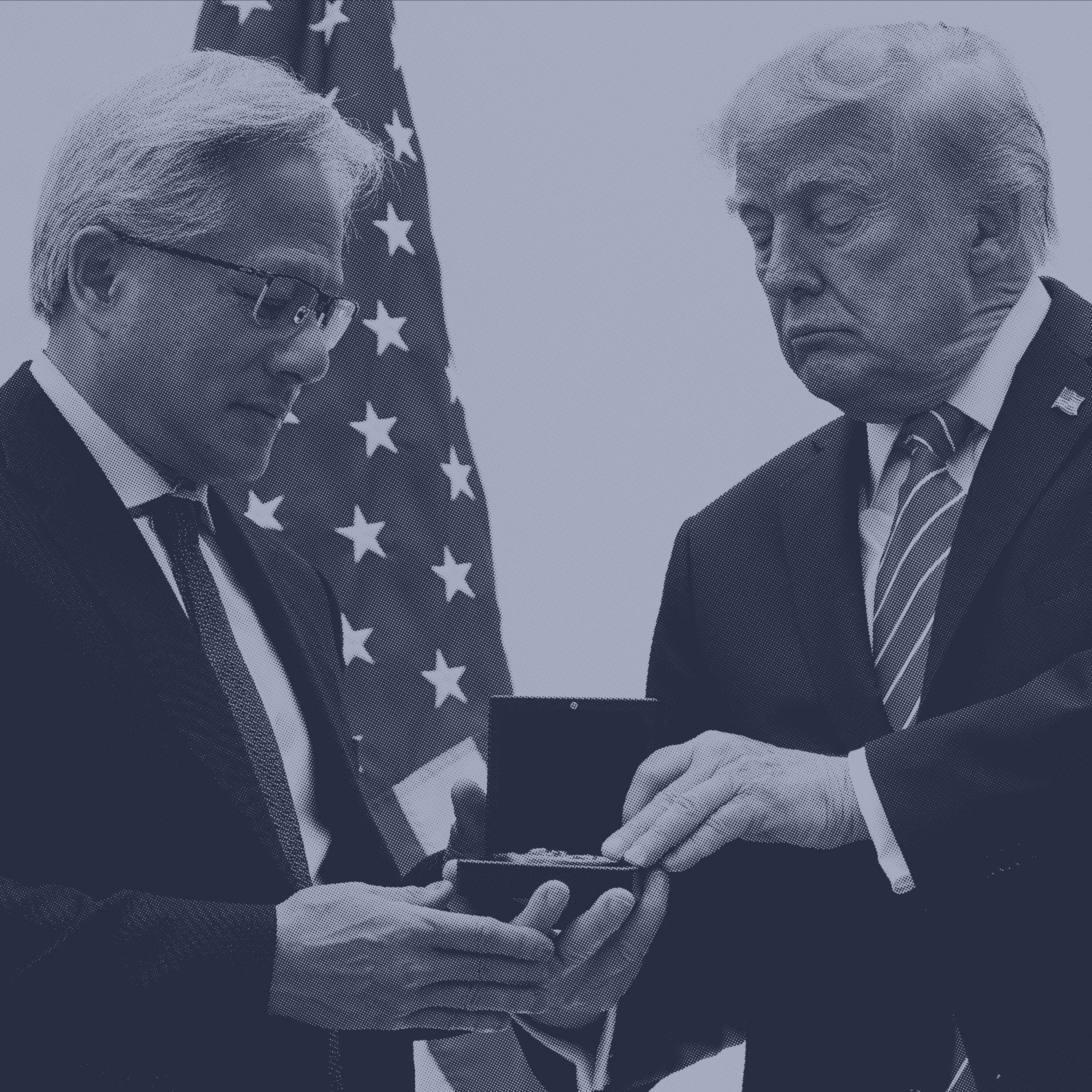
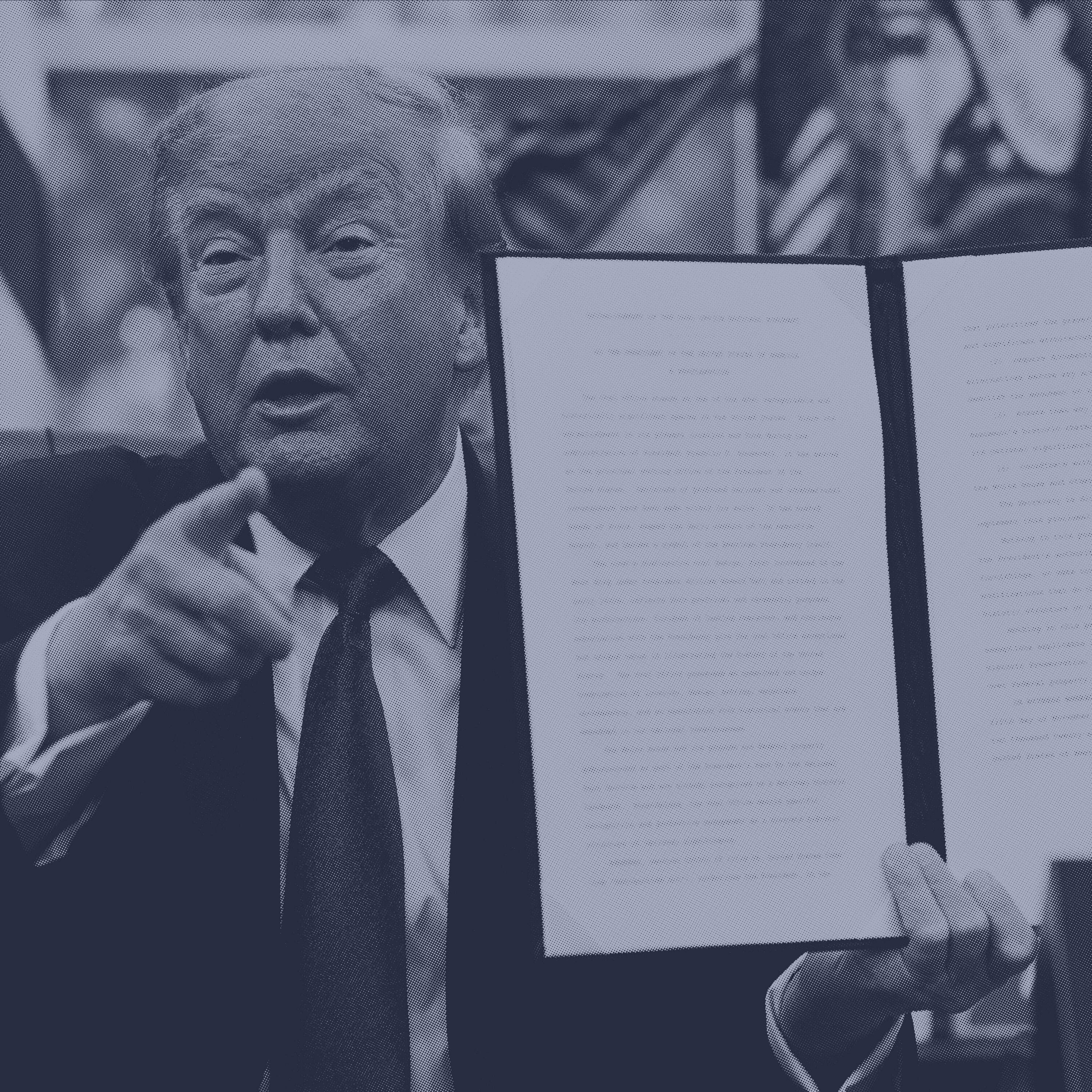
The episode (NPR Politics Podcast) discusses a scandal involving NVIDIA’s former CEO Jensen Huang: he admitted having an extramarital affair with a suspected Chinese spy, and he lost his job. The hosts argue the affair could have national security implications because NVIDIA’s AI chips are vital to U.S. defense and computing, and the U.S. restricts NVIDIA sales to China. They note Trump previously loosened some restrictions after lobbying by Huang, and describe close ties between Huang and Trump, including large political donations (e.g., Mar-a-Lago) and a trip where Trump picked Huang up in Alaska.
White House knowledge may have been incomplete or evasive; Marco Rubio allegedly warned Trump before Huang traveled.
Ashley Lopez (covers voting), Deepa Shiburam (covers the White House), Domenico Montanaro (senior political editor/correspondent).
Air Force One trip to China, APEC meeting with Xi, and calls for Senate hearings of Howard Lutnick and Huang.
Written by AI. May contain mistakes.
Discussion on the implications of the CEO's affair related to national security.
“It cost him his job running a tech company that produces goods vital to U.S.”
Insights into NVIDIA's technology and its significance in the U.S.-China AI race.
“And I'm Domenico Montanaro, senior political editor and correspondent.”
Exploration of Trump's ties with Jensen Huang and the implications for national policy.
“Like they have a very tight relationship.”
Discussion of what the White House knew about the CEO's affair and its timing.
“And we know that Jensen Wang was at a million dollar a plate Mar-a-Lago dinner.”
Reactions from Congress regarding the scandal and its implications for national security.
“I mean, there's a lot of questions for Commerce Secretary Howard Lutnick.”
How Jensen Huang's affair affects U.S.-China technology policy and national security.
“Can you suffice to say, like this might come up, right?”
Speculation on the future of NVIDIA and the changing landscape of tech leadership.
“There are some folks who disagree with that posture, but that's generally been the stance, and it sort of provides more oomph for folks in Washington who want to further that.”
Discussion on recent political events including impeachment efforts.
“But did you know it also saves you time?”
Explore the failed impeachment process of Defense Secretary Pete Hegseth and its implications.
“Let's talk about some big news on Capitol Hill this week.”
Discussion on recent political coincidences and viral memes influencing politics.
“Support for this podcast and the following message come from Cure Duchenne.”
Discussion on recent political coincidences and viral memes influencing politics.
“That's the part of the show where we talk about the things from the week we just can't stop thinking about, politics or otherwise.”

Get the gist, explore an idea or ask about something said.
 Claude
On The NPR Politics Podcast, what are the key points of this episode?
Searching your listeningAutomatic transcript. May contain errors.
0:00Oh, Kevin, it feels good to be back. It sure does, Casey. And what a time the world is talking about AI and what's going on in Silicon Valley. And we are here with a new show to tell you all about it. That's right, Kevin, on our new show, Machine Gods, twice a week, we'll be bringing you the biggest news in tech and bring you unmatched access to the real titans of this industry. You can find Machine Gods from NPR on the NPR app or wherever you get your podcasts. The CEO of a major tech company has admitted he has had an extramarital affair with a suspected spy for China. It cost him his job running a tech company that produces goods vital to U.S.
0:35national security interests. Today on the pod, the implications for U.S. politics and national security with the scandal plaguing NVIDIA.
0:45It's the NPR Politics Podcast. I'm Ashley Lopez. I cover voting. I'm Deepa Shiburam. I cover the White House. And I'm Domenico Montanaro, senior political editor and correspondent. All right, Deepa, before we dig into the news of like what's happening with NVIDIA, the chip maker, can you tell us first what they do besides just they make chips? Yeah, yeah. So for starters, this is a U.S.-based company. They make these chips, so these micro pieces of technology that are really crucial to high-powered computing. You know, big pieces of tech think like lots of AI technology, among other things. And keep in mind, we're talking about this as like there is an ongoing global race between the U.S.
1:25and China over AI, right? The U.S. has prohibited NVIDIA from selling these chips to China on national security grounds. But last year, after lobbying from Jensen Huang, the former CEO of NVIDIA, Trump did make some changes to allow one of NVIDIA's chips to be sold to some Chinese companies. It's not the most powerful chip, but that move still raised a lot of questions from lawmakers and national security folks in Washington. Yeah, I'm guessing especially because it's sort of known that CEO or former CEO Jensen Huang has this like really close relationship, not just to the White House, like Howard Lucknick, the Commerce Secretary, but like Trump himself.
2:03Like they have a very tight relationship. Can you tell us more about it? Yeah, for sure. I mean, look, this is a president who likes to be really close to rich and powerful people, especially people in Silicon Valley. Trump is very friendly towards tech companies. This is an administration that has been extremely hesitant to place any kind of regulations on AI and on AI. The U.S. and China are in this very competitive global race on AI. This is something that has dominated the Trump administration, Trump's rhetoric about AI. He's always kind of trying to point out that the U.S. is ahead on AI, is beating China on AI.
2:39This is a very central part of his messaging and his relationship with China. So that's where the president stands on this. And Jensen Wong, the former CEO of NVIDIA, is one of the players in that game. He's very close to Trump. On the last trip that Trump took to China in May, he picked up Jensen Wong in Alaska on the way to China. He literally gave him a ride to China. Wong and NVIDIA have given millions, talking tens of millions of dollars, to Trump's ballroom project as he, you know, still advances that in the former East Wing of the White House. So there's a money relationship here and there's also like this lobbying relationship here.
3:16Like I mentioned earlier, Wang being the person who really was pushing Trump and Howard Lutnick, the commerce secretary, like you mentioned, and all these players in the Trump administration to try and expand essentially NVIDIA's chip access to Chinese companies, which is definitely not the norm. Yeah. And I mean, look, this is the risk when you have so much of the economy wrapped up in one thing with AI. And Jensen Wong, having been the face of this, being a founder of NVIDIA, and certainly cozying up to Trump. As we've seen with all these tech barons or oligarchs, however you want to put it, really trying to figure out ways to get close to Trump.
3:58And we know that a lot of that has to do, obviously, with money. And corruption was a big piece of what people said in this election that they were concerned about. One of the things that people were looking at is the fact that really wealthy people seem to be doing just fine and having access to power while regular people aren't. And we know that Jensen Wang was at a million dollar a plate Mar-a-Lago dinner. And this is what Trump has been soliciting. And, you know, now we're in a situation where the country is trying to balance this competition with China, the portfolios that people have, whether that's their 401ks or just general stock portfolios, and, you know, whether or not they want things like AI guardrails and data centers, which Trump has certainly pushed back against.
4:52Deepa, can you tell us what you know about what the White House knew about this woman that Jensen Huang was having an affair with? Yeah, so I'll start with this. So on Monday, President Trump held like a surprise press conference at the White House. He fielded several questions about this affair, about Jensen Huang, like we stated, who he's very close with. And he said that he did not know about this affair or this woman when he was headed off to China earlier this year. However, The New York Times has reporting out that Marco Rubio, the secretary of state, did sound the alarm on this to the president before Wong came on Air Force One on that trip to China.
5:32So that really contrasts with what the president was saying in his press conference earlier this week. Like, I will also say, like, Trump has been a little dodgy in his responses on this. Like, when he was asked on Monday, like, repeatedly about this, you know, what was the timeline of, you know, when did you first learn about this? Like, how long have you had this intelligence? He was kind of just like, oh, I have to check with people. Like, I'm not – I don't really have an exact timeline. And so it sounded like he was very evasive about it. And in the middle of all of this, you know, he's defending Wong.
6:02He's very close with them. He's done a couple interviews and taken questions lately where he's called him, you know, an honorable guy. He's really going through it. He's really, you know, close with this person. And that's throwing a lot of questions into the relationship that, you know, Trump has with these individuals and also with other administration folks. I mean, there's a lot of questions for Commerce Secretary Howard Lutnick. earlier today, he said that he would come forward to the Senate Banking Committee and answer questions because there's lawmakers on both sides of the aisle who are saying, what is going on?
6:34What is happening here? And who has access to the president to make these kinds of influential pitches and decisions that are massively impacting national security? Yeah. And, you know, it's interesting. Trump also said that Wong is hurting right now, You know, as opposed to this being a situation of Wong's own causing. And this happens repeatedly with Trump, with people who he will say are victims of one piece of society or the other. And it does speak to Trump's ethics and I think part of his political issue. Yeah, but I mean, also like a very weird thing to have the president's first posture being protecting this man and like defending him.
7:15But instead of being like, this could be potentially a national security issue, like not that not being the sort of first thing to worry about. Like in another White House, another president wouldn't the first thing be like if there are like national security implications here, obviously that comes first. Yeah, it's definitely says something that NVIDIA is launching an independent investigation. Lawmakers on Capitol Hill have questions they want to ask and the White House is kind of just waiting for President Trump to post something on social media. Yeah. And the expectation is I know obviously the banking committee is having a couple of hearings about this.
7:47Tim Scott has called Howard Lutnick to come in for a hearing as well as Jensen Huang. But like this likely will not end with Republicans. Like I'm assuming Democrats will probably be taking this up. Yeah. And that balance of accountability versus affordability that the new Democratic majority is going to have to figure out. Yeah. All right. I think it's also worth noting that this is coming like literally right before President Trump heads to China. I was talking to you, Deepa, about you going along this trip and that being very coming pretty close. Can you suffice to say, like this might come up, right?
8:22Yeah. You know, it's interesting because I was really wondering that, too. And in the process of preparing for this trip, I was talking to some folks who are experts in the region about, you know, does this play a role? This is a meeting that's this is the third time that Trump and Xi Jinping, the Chinese leader, will be meeting this year. It's going to be on the sidelines of the APEC summit that's taking place in Shenzhen in China. So it's not just the U.S. that's coming as a delegation. There are several other partners and countries in the area that are all gathering in Shenzhen next week. So there will be some kind of a, you know, likely one-on-one meeting with Xi and Trump.
8:59But the degree to which this situation with Jensen Wang is going to play a major role in that meeting between the two of them, experts I talked to kind of downplayed that and said it's actually going to make and already is making a bigger impact in Washington. One person I talked to said it provides more tailwind for folks in Washington who want to further technology denial towards China. Basically, the policy and the stance that the U.S. should, like we were talking about earlier, limiting NVIDIA chips to China, essentially saying that the U.S.'s best technology should be kept in our hands and not shared for the purposes of national security, but also maintaining an edge in this AI race.
9:38There are some folks who disagree with that posture, but that's generally been the stance, and it sort of provides more oomph for folks in Washington who want to further that. Well, I am curious what you guys both think might happen next year. This is a big U.S. tech company. I mean, was the biggest company in the world for a little bit. Now it's like second to Apple. Possibly. Vital secrets were compromised here. This is not small. What do you think could possibly come of all this? Well, the CFO of NVIDIA has been named the at least interim CEO, and she's going to have quite a challenge in front of her to try to right the ship and make investors feel like it's still a good bet.
10:17The technology that NVIDIA has is the reason why they've had such a stranglehold on the market here. And it's a lot harder to have a new company come along and say, oh, yeah, we're going to capitalize on this vulnerability that NVIDIA has. The fact is the country, the world is depending on a lot of these NVIDIA chips in many different kinds of ways, whether it's politically or economically or even just for usage of AI. Well, the president has weighed in. He posted on social media earlier this week and said that he thinks that former Apple CEO Tim Cook should be the new leader of NVIDIA. Tim Cook has not responded.
11:01Apple has not responded. I don't think NVIDIA has even responded to that, but I find it interesting that the president maybe thinks that he plays some kind of role in deciding who the next leader of this major tech company might be. But there's a lot of backlash, as Domenico mentioned earlier, to AI, AI data centers, these big tech companies. The American public is very skeptical and very afraid on a lot of these issues and at the same time has clearly voted with corruption and this idea of major, you know, power holders being such a small group of people. And so I wonder, like, going forward, if there's more of a at least public separation, right?
11:38Like maybe these tech leaders don't start to come, you know, just casually have dinner at the White House as much anymore if that separation starts to happen in a more public facing way. Yeah, let's see. OK, time for a break. More of the week's political news in a moment. Stay tuned for the following announcements and messages from our sponsors. Support for NPR's 2026 midterm election coverage and the following message come from Made in Cookware. President and co-founder Jay Kalick shares why he was inspired by his family's fourth-generation kitchen supply business. Growing up in a commercial kitchen at home really opened my eyes to bringing what was cool in restaurants into your home.
12:18And when you think about what we do today, we are asking these chefs for product ideas. We are designing products together with them that we then realize a home cook can use as well. Learn more about Made in Cookware at madeincookware.com. This message comes from BetterHelp. Your brain has limited storage. So why is it still holding on to that embarrassing moment from years ago? BetterHelp is an online therapy platform that gives you space to talk about what's taking up too much of yours. BetterHelp is now in network with more than 125 health plans, with many co-pays as low as$15 for eligible members.
12:55And if you don't have eligible insurance, you can still get 20 % off your first month. Visit BetterHelp.com slash NPR. Cost and coverage may vary. Discount cannot be combined with insurance. NPR Plus is a great way to support independent journalism. But did you know it also saves you time? Over a year of fresh air, NPR Plus listeners can save more than 17 hours with sponsor-free episodes. As a thank you for your support, get more NPR in less time, plus bonus content and dozens of other sponsor-free shows. Sign up today at plus.npr.org.
13:57Spotify and the NPR app, there's a big follow button you can hit. Do that and make sure you are always up to date with the latest show. All right. Let's talk about some big news on Capitol Hill this week. There were efforts to impeach Defense Secretary Pete Hegseth. If you want the background on that, check out Tuesday's episode. But the big news of that push lately was that it failed. Domenico, this was a close vote, but like I think there was like a lot of there was a lot that was surprising about what happened here. Well, number one, that 11 Democrats missed the vote. Now, I do think it's fair to ask why only one Republican, Thomas Massey of Kentucky, who's been certainly a Trump antagonist, who has been the person pushing for this impeachment.
14:38You know, if you think that the war in Iran was the main thing that sidetracked Republicans in this midterm elections and if a lot of members on Capitol Hill maybe privately have some issues one way or another with Hegseth, you have to ask why then was only one Republican willing to go forward with this? Well, now the focus will be on the 11 Democrats, you know, and I think that's a major Democratic test that starts with this. You know, the Democrats don't have a majority until January. But this was sort of like a first pretest. And it seems like a pretty big failure for someone like Hakeem Jeffries, who's supposed to be the heir apparent to be speaker when Democrats have that majority.
15:22because if there's one thing that Nancy Pelosi, the former speaker, was really good at, was knowing if she had the votes. And clearly there was some kind of failure here. Well, I mean, I got to say, I was surprised when I saw the notification on my phone that it had failed because of an attendance issue. I had assumed it was Republicans because the big expectation coming out of the big walloping they got during the election was that a lot of Republicans wouldn't be showing up because they had lost their job, like senioritis would kick in. So I'm kind of curious, like, what happened here? Well, some of them said that they were attending a different event in D.C.
15:55and that they ran into traffic. Nancy Pelosi was one of the 11, ironically, who didn't vote. And she said she was on a plane back to San Francisco for a veterans event. But again, that's a place where what is the failure of whipping there? I mean, like what you're supposed to know which people are going to be there, which people are not. And that just, again, just I don't think gives people a lot of confidence a week and a half or two weeks after the election who maybe voted for Democrats or want Democrats to push forward on accountability and weren't able to help advance this. Here's one of the members of Congress, Melanie Stansberry of New Mexico, who missed the vote.
16:35Let me start by saying I am so sorry. There is no one who is more disappointed in myself than me that I was not here that the moment that gavel dropped as the Republicans were trying to bury this impeachment of Pete Hegseth. Well, look, Republicans control the majority and can say whether or how long a vote stays open. Right. So clearly Democrats were caught perhaps by surprise on some of this. Yeah. Debo, I wonder what the White House is saying. Like, are they seeing this as a victory? Yeah, I think more like a moment to brag, maybe, if anything else. Pete Hegseth, for his part, gave remarks when this all happened.
17:20And after he spoke, the president came onto social media and defended his defense secretary. He called this basically a failure by Democrats. He said, quote, every single Republican except Thomas Massey, a major loser, voted in favor of Pete. And he cited what he sees as the U.S.'s victories in Venezuela. He names Iran as a victory and he credits Pete Hegseth with high recruitment numbers for the military. So all things that the president has been bragging about for a long time now was a big selling point when he was traveling the country, you know, stumping for Republican candidates ahead of the midterm elections.
17:55He's a big fan of his defense secretary and was quick to defend him and and basically point fingers at Democrats and say that they're weaponizing and abusing the government. And even if there are some misgivings with Hegseth, like we said, politics is often, some would say too often, a team sport, you know, and no group is more conditioned to put the T-shirt on and run the playbook than Team Red. And that's certainly what happened in this situation. Yeah, well, I mean, kind of, right. But this whole thing was started by a fellow Republican, as Trump pointed out. Like, there are some fractures.
18:26I mean, he's on his way out because he's split with Trump, arguably. But, you know, this is a sign that there's still some fractures. Well, again, it is someone who Trump targeted and won in a Republican primary by targeting Massey. So he's been able to put him in a corner and say he's not on our team. In fact, he's a member of the other side. Right. And that's something that Trump has been able to wield his power on considerably in primaries. But certainly we saw that backfire in the general election for Trump. But look, this is a Congress that's going to become more conservative, like you said, because when you have a tsunami like this, it takes out moderates or anyone who was even potentially could have been a moderate.
19:09But I will say there's also questions here on whether this is what voters even want. Right. Because I think that it gave Republicans some oxygen to talk about something that they think voters don't want, that they were able to go on offense here. Certainly Democrats want it. But, you know, there's numbers to suggest from polling that came out after the election that there's some real question on whether or not this is something that voters at large want. Yeah, I think it also, as, you know, Dems and Disarray, I remember being such a talking point in the 2018, like post midterms of 2018 and Democrats coming into power and realizing all the fractures and differences and priorities in their party.
19:50I'm curious how things go over come January when this new Congress is sworn in. How it plays out I think also lays some of the groundwork maybe for how Democrats start running in 2028 as well and what those fissures and fractures end up looking like and how they explain what potentially could be like a messy Congress to voters who are now looking at them as potential presidential candidates. And there are some real decisions that Hakeem Jeffries has to make if he is, in fact, going to be Speaker of the House because he was on PBS NewsHour this week, for example, and was asked about whether or not he's going to pursue more impeachments.
20:26And he said, we'll cross that bridge when we come to it. Well, as the Speaker, you're basically building the legislative bridges. You're in charge of the agenda. And a Reuters Ipsos poll that was taken after the election found that nine in 10 people said that they think Democrats focus in the first hundred days should be on surprise, surprise, the cost of living. Three quarters said that lowering health care costs should be the focus. Seven in 10 said lowering gas prices. Six and 10 said ending the war in Iran and eliminating Trump's tariffs. Only 40 percent said investigating the Trump administration should be a priority in these early days.
21:0271 percent of Democrats, though, do want to see that be a focus in that time. Only 36 percent of independents do. So, look, Democrats, Hakeem Jeffries is going to have to balance what the energy in the base wants versus what voters want more broadly. All right. One more break and then can't let it go. Stay tuned for the following announcements and messages from our sponsors. The number one issue in America right now is the economy, whether it's the high price of gas, a potential AI bubble or the unsteady job market. At NPR's The Indicator, we've got you covered. Understand the economy in 10 minutes or less each day.
21:41Listen to The Indicator from Planet Money on the NPR app or wherever you listen to podcasts.
21:50Two iconic voices, one rare opportunity. I thank you so much for being on our show today. Terry Gross and Paul McCartney. I listen to your show. I listen to NPR all the time. I'm not just blowing smoke here. A live conversation between one of the world's most influential musicians and one of America's most accomplished interviewers. Monday, November 23rd in New York City, benefiting public media. Tickets and information at WHYY.org slash events. Support for this podcast and the following message come from Cure Duchenne. For most parents, birthdays mark milestone moments. For families who are living with Duchenne muscular dystrophy, birthdays can be a reminder the clock is ticking and parents may outlive their children.
22:35Until there's a cure, every second counts. Historically, those with Duchenne muscular dystrophy have not lived past their 20s. Cure Duchenne is working to change that. Visit acurecantwait.org. Welcome back. Now it's time for Can't Let It Go. That's the part of the show where we talk about the things from the week we just can't stop thinking about, politics or otherwise. OK, I'm going to start first. It is a political one, but it's kind of fun. So I can't get over the fact that James Tallarico, the incoming Democratic senator from Texas, which is a sentence I'd never thought I'd say in my life.
23:12The name of his chief of staff is Gina Hinojosa, which also happens to be the name of the incoming Democratic governor of Texas, Gina Hinojosa. Another sentence I thought I'd never say. It's just what a crazy coincidence. I mean, after the Dan Sullivan situation in Alaska, I'm just like, man, I'm seeing double everywhere. I feel like this means we need to hire another Ashley Lopez to cover politics at NPR just so we can do it for the bit. Yeah. Like every time I come in the office, we give each other like the Spider-Man pointing. Yes. There has to be two ways where it's like, and now I'm Ashley Lopez and joining me next is Ashley Lopez.
23:50Like that, I mean, no better way. I have to say, if I was chief of staff, Gina Inosa, I would insist on James Tallarico calling me governor. It was funny to see like one Texas reporter like responded to a tweet about this showing in her phone how she had to like very clearly delineate which Gina, you know, so was in her phone. Oh, my gosh. Just so funny. I can't get over it. OK, Domenico, what is your can't let it go this week? Well, mine is politics adjacent. And that's maybe I have had my head in the sand, but I did not realize or was not following this meme of Rob Sands history as a model. Yeah.
24:30So he is now going to be governor of Iowa. He has been thought to have run one of the best campaigns of anybody in the country. But he was apparently a Prada model. Yeah, incredible. And the photos are great. The photos are great. And then he leaned into it and put out on Blue Sky. I'm disappointed to learn images of me modeling for Prada are circulating because this shot from Italian Vogue is much better. That's so funny. And said, buy a shirt here. Oh, man, the millennials that are making their way into office right now. So good at social media. That's so funny. Yeah. I mean, those photos. I mean, Deepa, have you seen them?
25:06I think they're like pretty striking. I've seen like a scrolling through. It was on my feed, but I have not actually taken the time to like sit and take a gander at this. And I'm very excited, too. Yeah. I mean, no, I don't mean this as any sort of offense because like, I mean, I'm not going to comment on his attractiveness. But he does look like a Prada model in that there's something that's not like obviously like traditionally beautiful, just sort of like interesting looking. And he definitely fits that bill. But it's so interesting that his pivot from modeling was, I don't know, running a Midwestern state.
25:36Yeah. I mean, I'm just really surprised that I didn't notice him on my days walking the Gucci runway. Oh, sure. Yeah. Wait, I just Googled. I just Googled. This is Rob's. That's crazy. Yeah. Serving face, looking good. Very, very fancy. Oh, my God. And the photo that he had put out looks like something out of like Steve McQueen meets, you know, Jack Yonassas or something, right? Or Audrey Hepburn. It's quite the shot. And now he's just in like farm attire basically all the time. In America, anything can happen. Yeah, truly. Is this not the American dream? I don't know. I agree. All right, Deepa, what can't you let go of this week?
26:17I'm going to take a hard pivot and move away from politics. Thank you, Leslie. Mainly just because I'm really sad for our friends across the pond who live in the UK and other parts of Europe. Their Rice Krispies are no longer crispy. Snap, crack, and pop is dead. Apparently, this is something I learned in the process of learning about this. Two separate companies like head up Rice Krispies treats, for example, in North America versus in Europe and the UK and stuff like that. So not affecting us here in the U.S., thankfully, but over across the pond, Rice Krispies and Cocoa Pops are no longer being made with whole rice grains.
26:55So you're not going to get the Snap Crackle prop anymore. They now are these little puffs that are made with corn flour and rice flour instead. Instead, partly, you guys, because we can't have nice things because of climate change. Climate change? Yeah. Because the crops for rice crops in Southeast Asia, things like that, because of El Nino, because of all these weather patterns, it's been really difficult. And so they are changing their recipe and people are angry. Because they're less crunchy? Yeah, they don't have the same crunch. People said it doesn't even taste like Rice Krispies anymore.
27:27I'm reading a BBC article about this. And it just doesn't have that sound. You know when you would pour them in the bowl and you would pour the milk, it doesn't even do the crackle thing anymore. Especially in this day and age of ASMR expectations. Oh, my gosh. For sure. Imagine being an influencer and maybe your whole career was around Rice Krispies. No more. Oh, my God, guys. Listen to this. Do you hear that sound? Nothing. Everyone's just going to do Pop Rocks from here on out. They can't change the recipe for Pop Rocks. I'll riot. Speaking of that for you, I was just going to say. All right.
27:59That's all for today. Our executive producer is Mithoni Maturi. Casey Murrell edits the podcast. Our producer is Bria Suggs. Special thanks to Dana Farrington. I'm Ashley Lopez. I cover voting. I'm Deepa Shibiram. I cover the White House. And I'm Domenico Montanaro, senior political editor and correspondent. And thank you for listening to the NPR Politics Podcast.
28:24Stay tuned for the following announcements and messages from our sponsors. Money is one of the biggest sources of stress in our lives, no matter our paycheck. This is Fresh Air's Tanya Mosley, and I spoke with journalist Mona Chalabi about how financial secrecy impacts us all. I think in this country, language around class is just so stunted. And it allows us to hide because we're not being specific. Listen on the NPR app or wherever you get Fresh Air. Happy fall. Yes, the days are getting shorter and colder and the rain can be a drag. But this is also the perfect time of year to get cozy. LifeKit has lots of ideas so you can embrace the change of seasons, with episodes on everything from making soup to exercising outdoors.
29:11Listen to the LifeKit podcast in the NPR app or wherever you get your podcasts.