Ask ChatGPT

 The State of It: USA
19 Aug 2026 · 21m · 11 chapters
How “American summer” shapes politics and culture—presidential vacation patterns, summer news not going quiet, and why heat and time off can coincide with unrest and mass protest.
Katie Balls (Washington editor/columnist for The Times and Sunday Times). Gerry Beaker (editor-at-large of The Wall Street Journal; columnist for The Times).
Presidents keep working during vacations with full press/security; vacation geography tracks partisan identities (Democrats: Martha’s Vineyard, Rehoboth Beach; Republicans: Texas ranch, Florida, Reagan’s California). Summer can amplify anger and unrest (e.g., 2020 protests after George Floyd; “violent summer” 1968 with Chicago riots). Americans often stay domestic due to limited passport use; summer camp fills long school breaks.
Trump Bedminster golf; Biden Rehoboth; George W. Bush cutting brush in Crawford; Jimmy Carter “killer rabbit” canoe attack; Reagan’s ranch; Afghanistan withdrawal coverage in August; Iraq war planning at Bush’s Texas ranch; White Lotus “air-conditioning” effect in Sicily.
Written by AI. May contain mistakes.
Discussion on how American presidents spend their summers.
“Do you keep hearing podcast ads, like this one for example, but always wonder how you actually get involved with them for your own brand or organization?”
Discussion on how American presidents spend their summers.
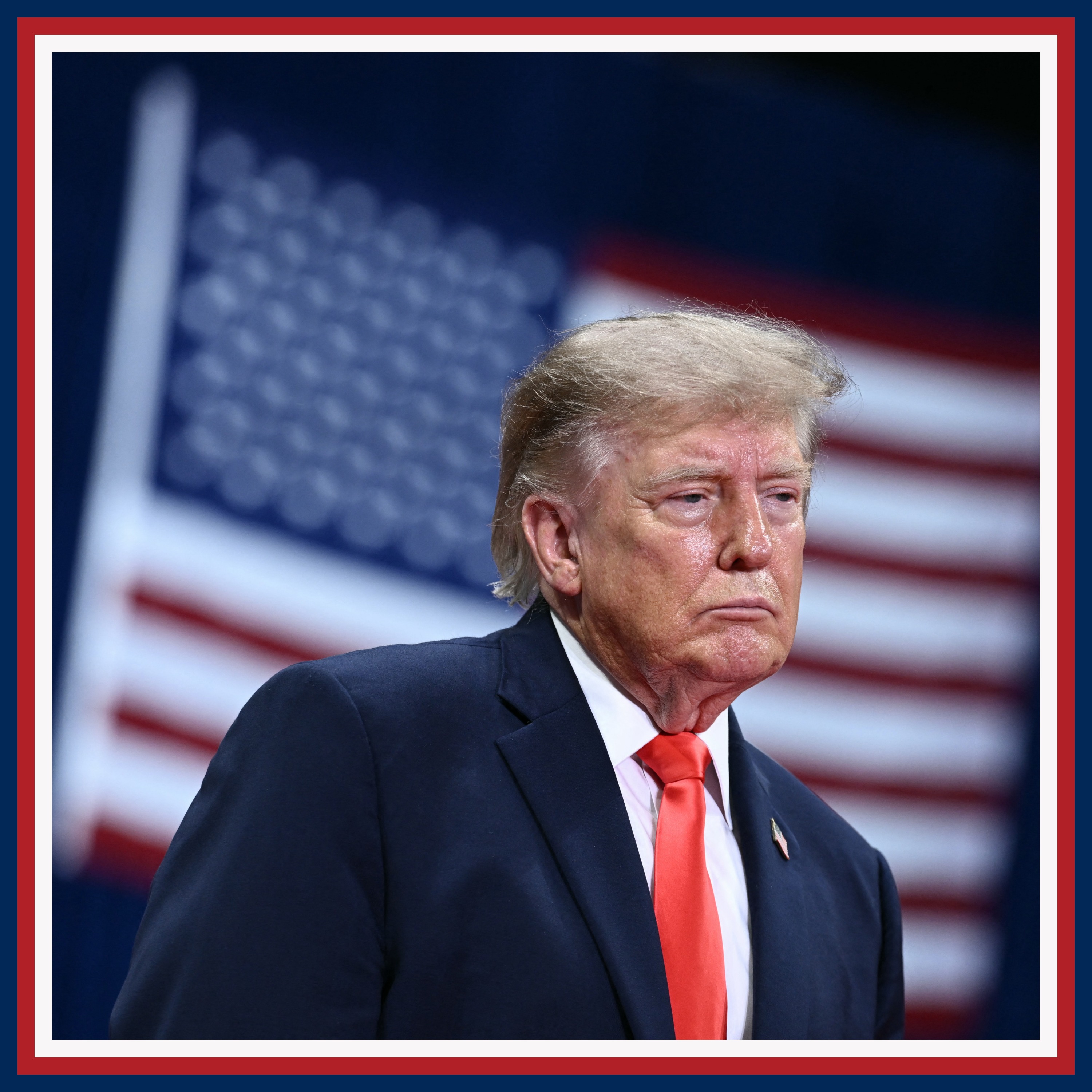
“Donald Trump is retreating to Bedminster for the break, and he joins a long tradition of American presidents who decamp but don't really completely switch off.”
Analyzing the vacation preferences of various presidents.
“But other presidents have tended very much to sort of follow particular patterns.”
Exploring the political significance of summer vacations.
“Although, as you mentioned, it was interesting that J.D.”
How summer is a time for significant news and protests.
“I think there is more of a sense that it is a working vacation than this idea in the UK, which is still almost that, you know, prime minister can effectively have close to a week off.”
Examining the cultural and social tensions that arise during summer.
“Digital precision, post-read authenticity, and performance data that proves it worked.”
Explore the unique political events and social consequences of American summers.
“So it is, you know, there's just there's always it's another feature of American summer that as much as you have, again, people trying to get away and trying to get a bit of a break and get a bit of relaxation.”
Discuss the differences in how Americans and Europeans approach summer vacations.
“Not currently in my plan, but you never know.”
Examine the impact of popular culture and air conditioning on American travel habits.
“not only people staying in America but having these long, long periods where they have to find things for their kids to do.”
Analyze how extreme weather reflects the American character and politics.
“And I suppose to conclude, Jerry, where are you spending your American summer?”
Analyze how extreme weather reflects the American character and politics.
“Do you keep hearing podcast ads like this one, for example, but always wonder how you actually get involved with them for your own brand or organization?”

Get the gist, explore an idea or ask about something said.
 Claude
On The State of It: USA, what are the key points of this episode?
Searching your listeningAutomatic transcript. May contain errors.
0:00Gerard Baker: Do you keep hearing podcast ads, like this one for example, but always wonder how you actually get involved with them for your own brand or organization? Well, it's easier than you think. We're Acast, and we give you the platform to do it all yourself. Browse thousands of popular podcasts, choose the shows that match your perfect audience, set your budget, and launch. And if you want a hand, our podcast specialists are there to help you launch with confidence. This is podcast advertising without barriers. Get started at acast.com slash advertise.
0:36Katy Balls: It's been calculated that Donald Trump plays golf on something like 120 days a year, which if you think about it is a pretty extraordinary amount of time.
0:47Gerard Baker: Welcome to the State of It USA, the podcast that tries to make sense of Trump's America. I'm Katie Balls, Washington editor and columnist for The Times and Sunday Times.
0:57Katy Balls: And I'm Gerry Beaker, editor-at-large of The Wall Street Journal and columnist for The Times.
1:01Gerard Baker: Today we have something a little different. The outdoor offices are on, the children are out of school, so we thought we'd talk about the role of summer in American cultural and political life. Donald Trump is retreating to Bedminster for the break, and he joins a long tradition of American presidents who decamp but don't really completely switch off. Let's hear from George W. Bush. I call upon all nations to do everything they can to stop these terrorist killers. Thank you. Now watch this drive. Gerry, can you talk us through where the divide is? Do Democrats tend to go to one side of the country compared to Republicans on the other, or do we have more of a mix?
1:44Katy Balls: Yeah, Katie, well, presidential summers are very much part of the institution of American political life, actually. Presidents do like to get away, get away from the White House, get out to their vacation homes. Of course, the work goes on when they go. It's a fascinating thing to do, as I've done it once or twice. They travel, of course, with the entire kind of press corps intact, not just the White House press corps. I mean, not just the White House press corps, but an entire staff of hundreds. And they have secure communications and everything else that you'd expect. But there is a sort of pattern in presidential vacations, which sort of reflects the politic very much.
2:23Katy Balls: And we live in a, as we repeatedly said on this podcast, a very polarized partisan country. And it kind of applies to presidential vacations too. Of course, President Trump is on his vacation in Bedminster in New Jersey, which is now some people think that Donald Trump, some people accuse Donald Trump of spending most of his time playing golf at one of his various resorts. He spends a lot of time, of course, particularly in the winter, down at Mar-a-Lago. But other presidents have tended very much to sort of follow particular patterns. I remember for Democrats, there are particular parts of the country that have particular appeal for kind of liberal progressives.
3:02Katy Balls: Bill Clinton, back in the 1990s, used to travel up to Martha's Vineyard. Martha's Vineyard is a very popular destination for liberal Democrats. It's a very liberal area. Barack Obama was very keen on Martha's Vineyard too, also a golfer. He would go up there and play golf a lot. Joe Biden, interestingly, he vacationed out on not far from Washington, D.C., actually Rehoboth Beach, which is in Delaware, about a two, three hour drive from Washington, D.C. We all remember the famous pictures of him falling off his bike while on vacation there. Republican presidents have taken a rather different approach, going to very much sort of really kind of escape sort of vacations.
3:38Katy Balls: But they had different ideas of escapes. We just talked about Trump going to his own courses. Richard Nixon famously went down to Key Biscayne in Florida. Ronald Reagan had his Western White House. Of course, he was from California, had his White House out in Santa Barbara. My favorite, though, recollection, and I did go there one summer, was George W. Bush, who used to vacation, believe it or not, in Crawford, Texas, where his house was not far from Waco. And one thing he would go and do is he would go and cut brush. He would spend his summer vacations walking through his enormous 10 ,000 acre farm, if you could call it a farm, going and cutting brush.
4:13Katy Balls: And he used to find it very refreshing and very restorative. And I remember Tony Blair, you may recall, Katie, in the summer before the Iraq war, summer of 2002, Tony Blair going and visiting him. And I don't think Tony Blair cut any brush. But it was an interesting example of how presidents spend their downtime.
4:32Gerard Baker: I suppose another aspect of these holidays, Gerry, is we've also seen when they do leave the US, which obviously is rarer. But last year, for example, it almost became a MAGA British summer in the UK because you had Donald Trump coming over for Turnberry. You also had J.D. Vance, who, of course, is a vice president. And if you were to take what I think you might call a busman's holiday, whereby he went to the Cotswolds and met with reform, the Tories and the foreign secretary, at which point you wonder what his wife might have been thinking that whole time.
5:06Katy Balls: Yeah. And it's true. But, you know, politically, again, Republicans, conservatives want their politicians to be, you know, doing really American things like, I mean, cutting brush in Texas or, you know, hanging out on the beach in California or on the ranch in California where Reagan was. But I do remember Barack Obama, Barack Obama, of course, was very friendly, all these Hollywood types, in particular George Clooney, who, of course, famously had his villa on the shores of Lake Como. But I do know that Democratic presidents often, you know, were much more likely to flee the country. Although, as you mentioned, it was interesting that J.D.
5:38Katy Balls: Vance in the Cotswolds, actually, that might possibly just be another example of how J.D. Vance's political antenna are really not very good, because maybe someday that will come back to haunt him, to say that instead of J.D. Vance going and spending his summer vacations back home in Ohio, on the lake, perhaps in Ohio, he went out and spent it with the great and the good of British society in the Cotswolds.
6:01Gerard Baker: No, he now has a house in Middleburg, Virginia, where they're getting his property on a farm, which did slightly amuse me when I heard the news because I remember going to Middleburg and then one night being in the local bar there and there's a woman coming up to me being like, where have you come from? And I said, well, I'm from Britain, but I live in DC. She said, well, congratulations on finding the most English town in America.
6:23Katy Balls: It's true. It's a horse country, isn't it? It's very...
6:27Gerard Baker: So maybe J.D. Vance now doesn't need to go to the Cotswolds because he's found what they call almost the cheap version if you're an American and don't want to get the flight.
6:35Katy Balls: The whole phenomenon of American summer is fascinating because although famously Americans, as we said, they don't get much vacation time, certainly not as much as Europeans, And summer is such an important element of their lives. And, you know, at the same time, Americans, you know, they sort of there's always a fight in American politics about, you know, who's taking too much, who's taking too much vacation. I can remember, you know, Joe Biden famously, you know, did take a lot of vacation and there would be people who would be taking track, keeping track of exactly the number of days he would spend at his beach house out in Rehoboth.
7:06Katy Balls: And it did turn out to be something like, I think, you know, he spent something like three months of the year out at his beach house. And the same with Donald Trump. I mean, you know, Donald Trump is, I think it's been calculated that Donald Trump spends, you know, plays golf on something like 120 days a year, which, if you think about it, is a pretty extraordinary amount of time.
7:25Gerard Baker: It's also, Gerry, as you point to, it's a less pure form of holiday than perhaps what a UK Prime Minister takes. Because with a UK Prime Minister, there's always, when are they going to take the holiday? And it becomes the game. Then it is, are they taking a week? Two weeks is pretty unthinkable. And then there's always some kind of crisis, or there tends to be, although something that at least the press is saying is a crisis, which means they should cut their holiday short. And therefore, lots of UK Prime Ministers now just play it safe and go on holiday within the UK. But at least with the president, because they are taking their entire team, because they have the traveling press pool who are there, you know, on site.
8:03Gerard Baker: I think there is more of a sense that it is a working vacation than this idea in the UK, which is still almost that, you know, prime minister can effectively have close to a week off.
8:13Katy Balls: Holidays can have political peril as well for presidents. I'm just about old enough to remember Jimmy Carter when he was president. Famously, he would go back to his peanut farm in Georgia and spend some time down there. And he, on one occasion, was out sort of paddling a canoe. I think it was a boat in a lake near where he was. And it was an absolute sort of classic Jimmy Carter moment, which sort of completely epitomizes entire presidency. because he was actually, as the story, as it was related later by Secret Service, he was attacked by a rabbit. This became known famously as the Jimmy Carter and the Killer Rabbit episode when some apparently kind of quite, there's a certain sort of wild breed of rabbit down in Georgia or whatever, came sort of as he was getting out of his little boat or whatever, came and actually like sunk his teeth into him.
9:04Katy Balls: And it was at a very low point in Jimmy Carter's presidency. So it just became the kind of iconic moment for Jimmy Carter. And, you know, again, the contrast was Ronald Reagan. Ronald Reagan would be out there with Nancy and his ranch in California, sitting astride a magnificent steed and, you know, surveying everything before him. And there was Jimmy Carter kind of desperately trying to scurry away from a rabbit.
9:28Gerard Baker: And with that, we'll take a break. And when we come back, we'll be talking about the perils of the long, hot summer and the differences in terms of how Americans and Europeans see the break and what they think of the locations.
9:59Gerard Baker: from a friend. ACAST gives you that trust at scale. Digital precision, post-read authenticity, and performance data that proves it worked. Don't fight for attention. Buy it with ACAST. Learn more by visiting acast.com slash advertise.
10:21And we're back.
10:22Katy Balls: Well, summer is typically seen or used to be seen as a time for when news took a break when things quieted down. Everybody wanted to go off on vacation or just take some rest and some downtime from everything they were doing. And, you know, supposedly news wasn't supposed to happen in the world. But it's been actually historically the case in the last, certainly in my reporting lifetime, that actually huge news stories have broken in August. Just a few years ago, we had Joe Biden's disastrous withdrawal from Afghanistan dominated coverage in August. Then, as I said earlier, the planning for the Iraq war began over the summer of 2002 at George W.
11:01Katy Balls: Bush's ranch down in Texas. I can even recall it back in 1990, the summer of 1990, when Saddam Hussein invaded Kuwait. Initially, actually, George H. W. Bush, then president, was in Colorado, where he met with Margaret Thatcher, prime minister, then went back and started to plot the whole first Gulf War from his compound, his resort, the family compound in Kennebunkport, Maine. It just seems that actually, you know, despite the sense that we have that things get quiet in the summer, actually, they just don't. And summer news happens almost as frequently as it does the rest of the year. You've probably seen quite a lot of that, Katie, both in your career, but also recently in the US.
11:44I also think if you look into kind of one of the other things that's happened in the
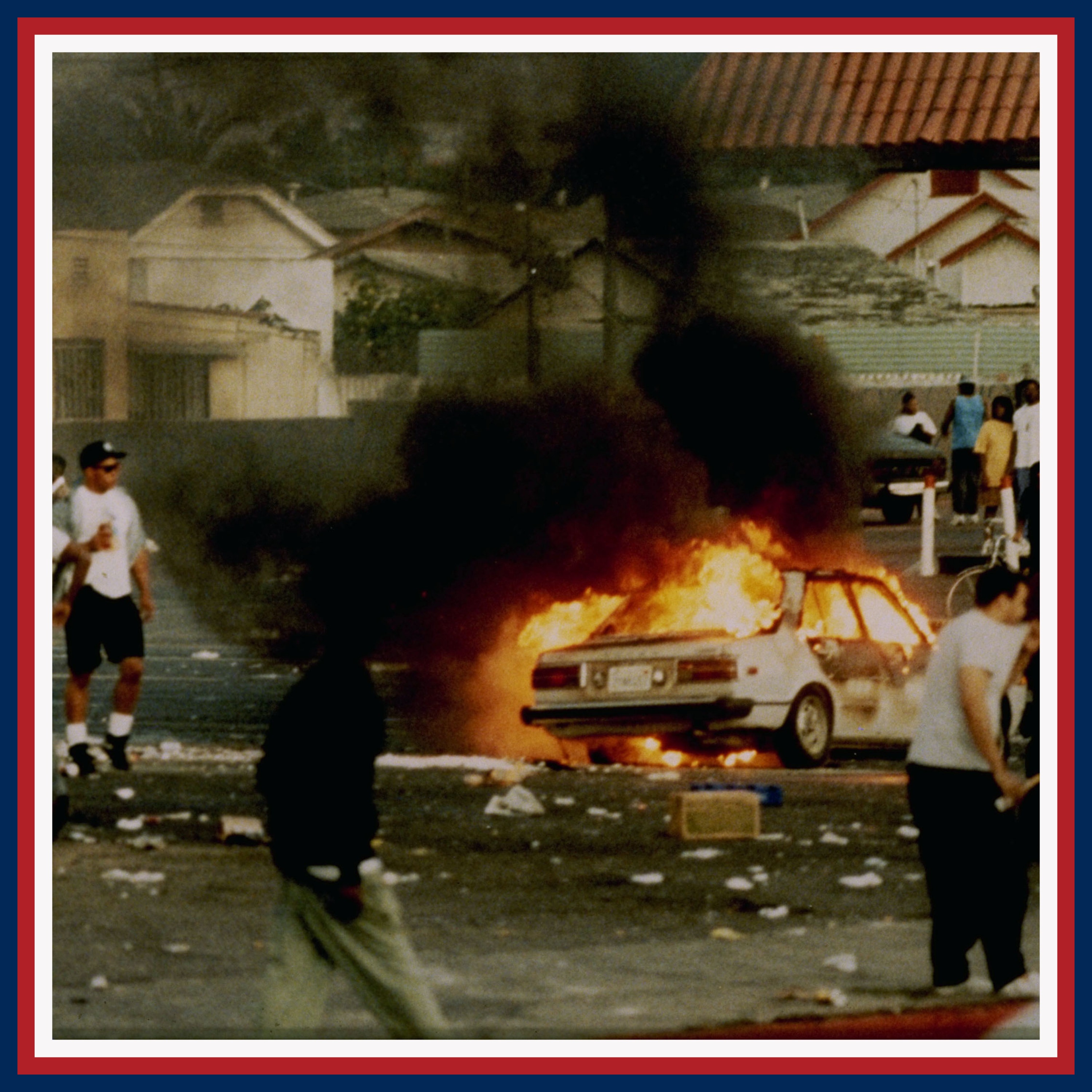
11:50Gerard Baker: and the US in these summers is often you do get unrest and you get mass protest. And some people will say, you know, it's, it's a, I remember in the UK, in my old job, The Spectator, you know, it's, it's part of the hot summer adds to the anger of the youth is one of the things that's been suggested. You also, of course, have the Black Lives Matter protests, which if you think about George Floyd, obviously, that began more in the spring, but those protests spread out throughout the summer. And I think also, if you think about the riots in London, so I think it It can be a time of, you know, obviously you can have riots at any point in the year, but certainly I think it is something which can be an aspect of people being hot, bothered at home and having time on their hands and anger about government policies.
12:35Katy Balls: Yeah, that 2020 summer was, as you said, was an extraordinary summer. As you say, the George Floyd murder, of course, happened at the end of May. And then we just had this extraordinary explosion of protests. Of course, it was also the summer, the first summer of COVID. So there was this extraordinary kind of sense of release. I remember speaking to some of the police officers at the time who said, you know, there was this sort of simmering rage that was going on that somehow seemed to be fueled by those incredible sort of hot summer days. There is something about American summers in particular, although you say it's also been true, of course, in Britain, that does, you know, the combination of the heat, the tension.
13:17Katy Balls: You know, we've kind of all seen these movies, I think, of great movies like In the Heat of the Night. You know, there's a sort of, you know, there's a sort of cultural, social, racial tension that's often simmering beneath, you know, beneath the surface. And it takes, you know, people are out on the outside of their homes. It's hot. They don't have much else to do. And, you know, these tensions often boil over in summer. I'm not hoping for a second, of course, that we see anything like that in this current summer. But there is always just that sense that summer brings much more likely to bring it happened in Vietnam during the Vietnam War.
13:53Katy Balls: Summer of 68 was a famously, famously violent summer. We had the conventions, the political conventions, particularly the Democratic Convention in Chicago when there was riots and mass arrests. By the way, that's another sort of political phenomenon that happens in summer, the political conventions, which often tend to be both politically eventful and, as we said, can sometimes spill over into kind of having social consequences too. So it is, you know, there's just there's always it's another feature of American summer that as much as you have, again, people trying to get away and trying to get a bit of a break and get a bit of relaxation.
14:33Katy Balls: There's also just this this boiling, this the sense of a country sometimes steadily simmering to a boiling point and and breaking out in the ways that it in whether it has on, you know, many, many, many, many occasions through these summers.
14:47Gerard Baker: As for those who choose what to do their summer holidays, as in the final part of this podcast, Gerry, and decide to go on holiday, I think one of the probably, and not go to a protest. You're not joining any protests?
14:59Katy Balls: Not currently in my plan, but you never know.
15:02Gerard Baker: But as we look to, I suppose for me having, this is my second summer in America, and my first, I mean, some of the stuff is very obvious that you almost don't even want to say I have that. But, for example, one of the first things you notice is in the UK, most people go abroad for their summer holidays. And actually, to do a holiday in Britain is often more expensive than going on a cheap flight to Europe and getting cheap wine somewhere. Whereas in America, it is fairly rare, maybe a stretch. But most Americans would choose to spend their summers within America itself.
15:38Katy Balls: Yeah, look, this is where I'm going to do my little bit of raising the flag for my fellow Americans here. I mean, it's often – there's a statistic out there, which is – I still think it's true that something like less than – significantly less than 20 percent of Americans have passports, something like that. And most Americans do not travel abroad in the course of their lives. And, you know, Europeans sort of get very sniffy about this and look down their noses. But actually, America is a continent-sized nation, right? It has, you know, just about every kind of climatological, topological, geographic kind of feature you could want.
16:16Katy Balls: It's got astonishing oceans and beaches if you want to go there. It's got the most beautiful and majestic mountains from sea to shining sea. It's got amazing cities, obviously. It is vast. And it's not really that surprising. One thing I should also say about American culture is summer culture, Katie, is, you know, I've got children. I've got five children. Summers are very long, as we talked about at the beginning here. The summer typically when my kids were growing up, we lived in Washington, D.C., the school would go would finish early June, first or second week of June, typically, and then go back in first week of September.
16:54Katy Balls: So it's like three months of summer, so 13 weeks of summer. So, you know, first of all, that leads to a lot of parents tearing their hair out about what their kids are going to do. Those who can afford it tend to. That's why summer camp has become such a big thing. My kids went to summer camp every summer, loved it. But it is, you know, it's a long, long time. And people and in fact, actually, one of the things there's a bit of a debate on in some states about whether or not to go to more of a European summer holiday and shorten it. Because, again, with both – America's summer – America's entire sort of annual calendar, in fact, is sort of built around a time that no longer exists anymore.
17:34Katy Balls: Sort of when one parent went out – typically the father went out to work. The mother stayed at home, looked after the children, or maybe the kids went off to camp. Now with two parents working, smaller families, all this kind of stuff, it's a long, long time for people to be stuck at home. and potentially causing mischief or just getting stuck on their phones all day. So that is a feature of an American summer too, not only people staying in America but having these long, long periods where they have to find things for their kids to do.
18:07Gerard Baker: Yeah, and we also have two other things, which is when the Americans do make it to Europe, that's a pretty high-end holiday, whereas kind of hilariously for lots of Europeans, it's the cheaper alternative to staying where they are. But I was speaking to various Americans. I couldn't believe there was a chain restaurant in Venice. I think there's a certain idea of how they expect it to be, and it doesn't always deliver. And, Jerry, you were telling me just before we started recording about the White Lotus effect that you've been hearing about.
18:35Katy Balls: Yeah, yeah, yeah. Those who have not watched the HBO series. We haven't talked about air conditioning. We got through almost an entire podcast about summer without air conditioning, which, of course, became a bit of a meme during the World Cup. all these Europeans and others coming to America and discovering the joys of air conditioning.
18:54Gerard Baker: Also another reason, Gerry, why lots of Americans can't leave. I've had Americans move to London and message me saying, how can people do this? And I said, well, it's because we only have five hot days a year in the UK.
19:04Katy Balls: A friend of mine whose friend runs one of the more glamorous hotels in Italy, which was featured in the television series The White Lotus, was set in Taumina, Sicily. and what happened with all those series was that as soon as the series was over wealthy Americans wanted to go and stay in these hotels that they'd seen that had been portrayed so luxuriously in these beautifully shot TV series and apparently bookings for the hotel where it was filmed in Taumina from America just went through the roof for the following summer but my friend told me that apparently what happened is that many of these Americans paying whatever$3 ,000 a night for a room in this astonishingly beautiful hotel would get there and find it was so absolutely unbearably hot, sort of 45 degrees Celsius, that they would spend 18 hours a day in their air-conditioned room and wouldn't venture out at all because it was too hot.
20:00Gerard Baker: And I suppose to conclude, Jerry, where are you spending your American summer? I am going to the Hamptons, which I think is pretty American of me, but probably one portion of society. And then also Wineland in California.
20:13Katy Balls: Very nice. Well, you're getting both coasts. I mean, Hamptons is, I mean, of those, again, I'm sure many people will have seen it in various television programs if they haven't visited.
20:21Gerard Baker: My generation saw it, I think, through Gossip Girl.
20:24Katy Balls: Absolutely beautiful. White picket fences, beautiful ocean beaches. You've been up before, I know, but you have an amazing time. For me, I'm actually doing a very American thing, which is kind of staying home. We have a house, which is where I am now, which is in the Hudson Valley, about two hours north, two and a half hours north of New York. very pretty rolling hills. Some people think it's a bit like the Cotswolds. It isn't quite as soft and gentle and undulating hills as the Cotswolds. Anyway, so we should wrap up. But without making too grand, it's always a mistake journalists make to make sort of grand conclusions from things that really mainly don't add up.
21:00Katy Balls: But I think there is something about the weather. I mean, the weather and summer in America, I think, does explain quite a lot of American character in American politics. And there is just this raw, elemental, wild kind of quality, whether again, whether it's thunderstorms, whether it's hurricanes, whether it's, you know, extraordinary, you know, snowstorms in winter that just America is a country of extremes. And it's again, maybe it's a pathetic form of sort of pathetic fallacy to see to see that those sort of climatological factors represented in the American character. but I think there is something there about it.
21:39Katy Balls: It's a country of great extremes, extreme heat in summer, which we're trying to escape, Casey. And when we come back in September, there will presumably be people, that element of the American character will be very much on display again in American politics. But that's it for this week. Thanks for joining us. We'll be back again next week with another episode. In the meantime, from Katie Balls and me, thank you and have a great week.
22:11Katy Balls: Do you keep hearing podcast ads like this one, for example, but always wonder how you actually get involved with them for your own brand or organization?
22:20Gerard Baker: Well, it's easier than you think. We're Acast, and we give you the platform to do it all yourself. Browse thousands of popular podcasts, choose the shows that match your perfect audience, set your budget and launch. And if you want a hand, our podcast specialists are there to help you launch with confidence. This is podcast advertising without barriers. Get started at acast.com slash advertise.
In this summer special episode, Katy and Gerry explore the political and cultural significance of the American summer.
Katy Balls, Washington editor and columnist at The Times and The Sunday Times
Gerard Baker, columnist at The Times and editor at large at The Wall Street Journal
Producers: Euan Dawtrey, Harry Kitson
Picture: Getty Images
This podcast was brought to you thanks to the support of readers of The Times and The Sunday Times. Subscribe today
Hosted on Acast. See acast.com/privacy for more information.