 Ask ChatGPT


State of US-UK relations after Donald Trump met UK Prime Minister Andy Burnham on the UN sidelines, plus analysis of Trump’s UN General Assembly speech and what it signals for Iran, Cuba, AI regulation, and midterm-election timing.
Gerry Baker (Times columnist; editor-at-large at the Wall Street Journal) and Katie Balls (Washington editor and columnist for The Times and The Sunday Times).
The Burnham-Trump meeting was short but warm, with “businessman/dealmaker” praise helping rapport; major friction points include Chagos, media/free-press tensions, and especially the UK economy amid Iran-driven price pressures. Trump’s UN speech threatened Iran with “annihilate” rhetoric while implying pressure may intensify after the Nov 3 midterms. He reframed AI as “super intelligence” and resisted globalist rules. Cuba will “fall,” likely via pressure rather than immediate force, though military options aren’t ruled out.
Chagos Islands ownership dispute; Trump’s walkouts by Cuban and Iranian delegations; Trump’s “to the victor, the spoils” line; references to AI/financial-system risks and upcoming Trump-Xi meeting.
Written by AI. May contain mistakes.
Discussing the dynamics of the meeting between Trump and Burnham at the UN.
“We are recording this just after Donald Trump and Andy Burnham have had their first face-to-face meeting on the fringes of the UN.”
Exploring the underlying tensions affecting US-UK relations post-meeting.
“I mean, as you said, calling him a businessman, there is probably no higher praise in Donald Trump's lexicon.”
Analyzing how Trump's policies may impact the UK economy moving forward.
“Now, if you think about the timing of that, you know, it's just about good enough for for Burnham and Healy, John Healy, the Chancellor, the Exchequer, because the midterm elections on November the 3rd.”
An insightful discussion about Trump's recent UN speech and its implications.
“Now, Donald Trump has a long history of giving quite adversarial speeches when it comes to the United Nations General Assembly.”
Exploring the potential outcomes of the midterm elections on Trump's policies.
“What did you think about what he said about Iran?”
Discussion on Trump's views about AI and its implications for international relations.
“And he's saying, you know, let's not hold it back, and suggestingly he's not going to get behind any of those efforts.”
Examining Trump's stance on Cuba and the potential changes in its regime.
“does need to need to arrange to have some sort of a strategy for dealing with the potential risks from AI rather than just kind of, you know, let it all rip.”
Discussion on the challenges the U.S. faces with Cuba and Trump's potential approach.
“And, you know, the Cuban people are increasingly immiserated as well as incarcerated by that regime.”
Analysis of Trump's controversial phrase at the UNGA and its historical significance.
“Ultimately, this is something Trump has been saying he wants to happen since even before the inauguration.”
Exploring Trump's evolving stance on China and implications for U.S. relations.
“So, look, I think, you know, and I think to some extent that's directed also at Xi Jinping that, you know, we're great power.”

Get the gist, explore an idea or ask about something said.
 Claude
On The State of It: USA, what are the key points of this episode?
Searching your listeningAutomatic transcript. May contain errors.
0:00Therapy's biggest impact doesn't show up in some dramatic breakthrough. It shows up in the smallest moments. You bite your tongue instead of escalating. You put your phone down instead of firing off that text. You say what you actually mean instead of what would hurt someone else the most. Nobody applauds those moments, but they quietly change your life. That's what growing feels like. And that's exactly what Grow Therapy is here for. Grow is therapy that works, covered by insurance. Sessions average$21 with insurance and some pay as little as$0 depending on their plan. There are no subscriptions, no long-term commitments.
0:37You just pay per session. Grow connects you with thousands of high-quality licensed therapists across the U.S. offering both virtual and in-person sessions nights and weekends. You can search by what matters, like insurance, specialty, identity, or availability. And you can book a therapy session in minutes and begin in as little as two days, not the national 48-day average. See if you could pay as little as$0 for therapy in seconds at growtherapy.com slash start now. That's growtherapy.com slash start now. growtherapy.com slash start now. Availability and coverage vary by state and insurance plan.
1:18Hey everyone, it's Adam, host of Ted's podcast, Rethinking with Adam Grant, and this episode is powered by AT &T Business. When you're building a business, momentum is everything. There's nothing worse than hitting your stride only to have a spinning loading icon bring everything to a halt. When navigating competing priorities, reliability isn't a luxury. It's a foundation. AT &T Business is built to work so you can spend less time troubleshooting and more time focusing on what actually matters. Powered by AT &T Business. Built to work. Get today at business.att.com. I think he's a natural business person.
1:56There is probably no higher praise in Donald Trump's lexicon. He gets it. He understands what he has to do.
2:06Hello and welcome to the State of It USA, a weekly podcast from the Times and the Sunday Times on the state of America. I'm Gerry Baker, columnist for the Times and editor-at-large of the Wall Street Journal. And I'm Katie Balls, Washington editor and columnist for the Times and Sunday Times. Well, this week we are talking US-UK relations at the United Nations and elsewhere. We are recording this just after Donald Trump and Andy Burnham have had their first face-to-face meeting on the fringes of the UN. Donald Trump's had a busy week. Of course, he signed an agreement with a security agreement with Denmark and Greenland over the status of Greenland.
2:43And of course, he's given a characteristically combative speech at the United Nations. But let's start, Katie, with that meeting which has just concluded between Prime Minister Andy Burnham and President Donald Trump. They did a little presentation to the cameras afterwards. Tell us, what's the vibe? How did it go, this first head-to-head meeting between Burnham and Trump? Yes, I think the first thing to know is where the meeting was. And I'm joining you from New York, where I've been at the United Nations General Assembly. And I think that if Andy Burnham and his team had had their way, this meeting would have taken place at the White House.
3:22They were trying to get that White House meeting, perhaps Andy Burnham going after the UNGA summit there. The reason that couldn't happen was a few reasons, but mainly the fact that you have the leader of China heading for a state visit tomorrow. So there wasn't time in the calendar. China trumps the UK right now. So he had to settle for a meeting on the sidelines, one of many meetings Donald Trump is having yesterday, today. And it was fairly short. They had, we thought the press were going to be brought in first and then they'd have their meeting. They changed it last minute. So he had the meeting and then the press brought in.
3:58And the initial readout from Andy Burnham was they talked about a range of issues, including the Falkland Islands. So they didn't say what had been said on that. And again, this effort to say it'd been a positive meeting. and we know from well I know from speaking to those around Andy Burnham that for all the talk recently which is you know he's going to be less deferential than Keir Starmer he's willing to disagree they went in very much with charm offensive and trying to use that meeting to build a personal rapport and I think from the Q &A they'll be fairly happy because this is what Donald Trump said about UK-US relations and what Donald Trump said about Andy Burnham the businessman I think he's a natural business person.
4:38We've had a lot of discussions even before this meeting. We were talking to each other numerous times on the phone. Yeah, I think so. He gets it. He understands what he has to do. Gerry, it feels to me as though that is going to be a sense of relief, I think, amongst Andy Burnham really about how that went, because he got he was told that, you know, relations are better than they were under Keir Starmer, even though there were still some points of friction. Yeah, very much. I mean, we all know this comes in a slight against the backdrop of a somewhat awkward time between the UK and the US. You know, we've had, as you mentioned, we've had the Chagos dispute, which has been ongoing.
5:15We've obviously had Trump's dissatisfaction with Keir Starmer's refusal to for the UK to get involved in any offensive in any serious way in his war with Iran. We've had Trump a couple of weeks ago in Ireland sort of saying give Ireland back to the Irish. We've had this sort of rumors that Trump may possibly shift the U.S. view on the Falklands to being more pro-Argentina. So all this stuff's going on. And, you know, Israel, you know, in the background to the fact that, you know, the U.S. is probably not very happy with the U.K. imposing sanctions on exports from the West Bank and settlers in the West Bank.
5:51So all these things were kind of, you know, potholes, really, or unexploded devices that could presumably have caused a bit of a bit of a bit of caused a problem or two in this meeting. And it looks like from, as you say, from that sort of immediate readout from the two of them there, Donald Trump's nice warm words about the relationship between the UK and the US being good, it looks as though they've navigated that minefield reasonably well. Well, we may learn a little bit more, I suppose, later about what was actually said during the private meeting because we'll get some more information about that.
6:27But yeah, the Downing Street crowd must be fairly happy because you never know with Trump. I mean, he could – we'll talk a little bit later in the podcast about his performance at the UN. You know, he's quite capable of being as undiplomatic as any politician can ever be in these circumstances. And he could have made it quite awkward for Andy Burnham. But he didn't. I mean, as you said, calling him a businessman, there is probably no higher praise in Donald Trump's lexicon. Dealmaker. Than the word businessman, dealmaker. So, so Burnham must be very pleased with that, even though I suspect, no disrespect to the prime minister that he's probably never, ever even doesn't even know what a profit and loss, what's the difference between a profit and loss on a balance sheet.
7:15But nonetheless, you know, that that that will all be that will be taken quite well, I would think, by number 10. Yeah, I think so. There is definitely you can see the points of tension. And I think that when it comes to a meeting like this, you know, Donald Trump, you get the sense he was willing to play nice. he didn't want to make things tricky for the new leader. But certainly when the press pressed him on various issues, so one would be the Chagos Islands. I don't support it. I think it's terrible. It was a terrible deal. They all of a sudden say they have ownership. Somebody has ownership that never showed up before after decades and centuries.
7:51I think it's ridiculous. So if we listen there to what Trump was saying on the Chagos Islands, I mean, this comes at a time when the Times has been reporting that Andy Byrne plans to press on with the Chagos Islands deal. Listening to what Trump just said, well, if you need US support, which I think most in the UK side think you do need to really progress it, the Chagos deal does not seem to be happening. Yeah, I mean, I'll just say, and again, from a sort of transatlantic perspective, the Chagos deal does seem terrible. And I just, I'm not really surprised that Trump is not very happy with it.
8:24I know it's fair to say, of course, that the US went back and forth on this. And, you know, when it was initially signed under Joe Biden, everybody thought, oh, God, Trump's going to come in. He's going to hate this. But then Trump and indeed Marco Rubio signed off on it. And then I think when they really realized kind of what was at stake, especially when they looked at where the Chagos Islands are on the map and the strategic importance in particular with regard to what the US is doing in the Middle East, I think the kind of I think the temperature, the presidential temperature rocketed. So that is a pretty awful deal.
8:54So I'm not surprised Trump cut up, if he did a little bit, he continues to cut up Rafa a little bit about that. But other than that, are there any other issues, Katie, that you've heard, other than the ones we've discussed, that are kind of going to drive this relationship in a healthy or an unhealthy direction? Well, I think there's two. I think the biggest one, which I'll come to, is the economy. But I'll just say briefly, Andy Burnham has suggested that he is going to, you know, or at least those around him, but even in his own words, when he said, you know, he'll agree where he agrees, he'll disagree where he disagrees.
9:26And therefore, he has a left-wing base that don't like Donald Trump. And I think if you're going to be slightly critical of that meeting, I think where it might cause Andy Burnham a problem is, you know, he was so keen to agree with Donald Trump, there were no points of friction. And I understand why Downing Street did that. But there was a point when Donald Trump was going on a rant about the, you know, the fake news media after he banned these free publications. And you could just tell from Andy Burnham's face, he was like, oh, what do I do with my face while this guy says how evil the press are?
9:58And it never went directly back to Andy Burnham. He could have dived in and said, you know, he supports the free press. I think Trump said, you know, you probably don't have these problems, Andy. And he's just smiling along. and you know that was a little the right thing what burnham should have said is mr president you know you think you have it bad with cnn and ms now and politico well you should you should try watching the bbc or you know some of some of some of some of some of the british media you know you i would have been quite a no i'm not suggesting you should yeah i'm not suggesting he should done that but yeah he must have been so grateful that he could just sit there and not have to say anything um but i think down the line speaking to u.s officials british diplomats those on you know, the Downing Street side, I think the real tension is going to be the economy because you have a really difficult budget coming up for the UK when it comes to what John Healy can or can't do.
10:47And there are lots of figures around Andy Burnham who think that the best way to kind of play this to the audience is to say, look, the Iran war is raising prices. We've always opposed the Iran war. It's not up to us. The Americans did this. And to slightly turn it on the Americans and specifically Donald Trump. And I think there are some on the dip the mat side who worry that if Andy Burnham does lean into that too hard, it's just going to create space for, you know, tension in the relationship, less of a businessman, more of a subject on true social posts. Yeah. And that's a good point. And I think the timing is really interesting here because we'll talk again in the second half of this.
11:26We'll talk about Trump's speech at the UN. But But from what I'm hearing from talking to people, from what's listening to that speech that Trump gave at the UN, I think I think I think Trump sounds like he might be gearing up for a much more significant kind of re-escalation of hostilities after the midterm elections. Now, if you think about the timing of that, you know, it's just about good enough for for Burnham and Healy, John Healy, the Chancellor, the Exchequer, because the midterm elections on November the 3rd. The budget is in October the 28th. So, you know, if there is a big escalation and we really see a real further fallout in terms of higher energy prices, then that happens, you know, straight after the budget.
12:08So maybe, you know, at least they don't have to factor it in. But you could be in a position where if that does happen again, I'm not saying it will. But if it did happen and we saw, you know, a real escalation in in in hostilities and we saw a run up in energy prices that could and indeed interest rates, of course, and inflation that could immediately cause havoc with just, you know, just just days after the budget or weeks after the budget that could cause havoc with even with the with the budget. And even in the constrained circumstances that Healy is putting together that budget with all of the fiscal problems he faces, those problems could get a lot worse straight after the budget.
12:44So it's a really interesting point I think you make there that you could see real challenges for Burnham caused by Donald Trump. And yeah, he'll, you know, politically, he will have to say, you know, if it does come to pass, this is all Donald Trump's fault. And that could make things very uncomfortable for that relationship. Now, Jerry, we're going to take a break. And when we come back, we're going to be talking about what was the main event for Donald Trump at the United Nations General Assembly, which was his speech, his focus on Iran, and what that means, what we could expect to see in geopolitics in the coming weeks and months.
13:19Hey, everyone, it's Chris Gillibow here, host of the Side Hustle School podcast. This episode is powered by AT &T Business. In my early days, I did some of my best work in parked cars or coffee shops. But when I landed my first big contract, I realized I couldn't bet my future on a public connection that cuts out if someone turns on a blender. As a small business owner, you're already wearing at least 10 hats. You shouldn't have to be your own IT department as well. That's why I rely on AT &T Business. They keep your connectivity reliable so you have one less thing to worry about. Powered by AT &T Business.
13:53Built to work. Get AT &T Business at business.att.com.
14:24Grow is therapy that works, covered by insurance. Sessions average$21 with insurance, and some pay as little as$0, depending on their plan. There are no subscriptions, no long-term commitments. You just pay per session. Grow connects you with thousands of high-quality, licensed therapists across the U.S., offering both virtual and in-person sessions, nights and weekends. You can search by what matters, like insurance, specialty, identity, or availability. and you can book a therapy session in minutes and begin in as little as two days, not the national 48-day average. See if you could pay as little as$0 for therapy in seconds at growtherapy.com slash startnow.
15:07That's growtherapy.com slash startnow. growtherapy.com slash startnow. Availability and coverage vary by state and insurance plan. Hola, soy Natalie Marcus, nutróloga y conductora del podcast Las 3 R's. El cáncer de colon tocó de cerca a mi familia y me enseñó que detectarlo a tiempo puede marcar una gran diferencia. Así que hablemos de lo que no se habla. Por eso es que estoy colaborando con ColoGuard para decirte que si tienes 45 años o más y tienes un riesgo promedio, pregúntale a tu profesional de la salud si ColoGuard es adecuado para ti. Es una prueba que puedes usar en casa y detecta el 95 % de los cánceres de colon.
15:43Obtén más información en ColoGuard.com. diagonal prueba. La prueba ColoGuard está diseñada para detectar el cáncer colorectal en adultos de 45 años o más, con un riesgo promedio. Visita coloGuard.com diagonal prueba para obtener más información, solo con receta médica. Hacerte la prueba es un acto de amor por ti y por tu familia.
16:07OK, we're back. Now, Donald Trump has a long history of giving quite adversarial speeches when it comes to the United Nations General Assembly. Just last year, he spent much of the speech turning on his supposed allies, or at least traditional ones, as he warned about mass immigration, energy policy. But what we had from him this week, Gerry, was instead a focus on, I think, the more traditional enemies of America, talking about communist Cuba, how he wanted Cuba to fall, and then, of course, Iran. Here's what he had to say. I believe we'll make a deal. right after the election because it doesn't make sense for them not to.
16:49They're waiting to see how I do in the midterm election. I gave absolutely no credence and will not give credence to the election when it comes to Iran. It doesn't even enter my mind. The only thing that does is that Iran will never have a nuclear weapon. So those who weren't fans of that speech would be the Cuban delegation and the Iranian delegation who both walked out mid-speech. Though I have to say he got a slightly better reception in the hall generally than in some of these previous ones he has given. And he was also quite nice, for example, about Mark Rutte from NATO. He spoke positively about Denmark and Greenland after his deal.
17:34Gerry, what was your main takeaway? So many interesting things, I think, in this speech. You mentioned both about his intentions with regard to Iran, his sort of broader diplomatic approach, the politics, the domestic politics. I mean, he even talked about the midterm elections. So let's I mean, let's kick off. I mean, the first thing, as you said, was, you know, although he did seem to contrive a speech that that seemed to be designed to drive as many people out of the different different delegations out of the room. And you've got that with the Cubans, I think, and the Iranians. Right. It wasn't by Trump's standards, by Trump's, by the standards of previous Trump UN General Assembly speeches.
18:12It was more emollient, I think we can say, than last year when I'm reminded that he started off telling pretty well, I think, everybody in the room that their countries were going to hell. Whereas they were not the hottest countries. This time he said they're all great leaders. The people in the room were great leaders. So that's, you know, that represents, you know, enormous stride in terms of Trump's diplomacy. Look, I thought the, so I thought the, as you say, you're right, he focused on sort of the enemies rather than sort of the broad brush attack on people who, on climate change, on economic problems, on countries that face economic challenges and countries that don't do what the US want.
18:48It was focused heavily on these enemies. I think what, you know, but again, the things I think were important was firstly, yeah, Iran. I mean, he stood there in the well of the United Nations and said he threatened to annihilate a nation. I mean, you know, even the Soviet Union in the great days of Nikita Khrushchev banging his shoe on the desk at the Security Council, I don't think we've seen quite something quite as explicit as that from a major world leader. He said, you know, he said he's got a decision to make between whether to sort of do a deal with Iran or to annihilate them. Now, you know, again, this is we've seen a lot of this rhetoric, obviously, from Trump, although not in that location.
19:31And I think what was interesting is, you know, he talked about, you know, he's got to, you know, the Iranians think that he doesn't can't he can't do anything because of the midterm elections. And he kind of seemed to acknowledge that that was true. So sort of coming back to what we were saying before the break, you know, all of this did seem to me to suggest that this does indicate that Trump is probably planning, you know, I don't think to annihilate Iran. but is certainly trying to kind of up the pressure on Iran, but waiting until after the midterm elections in six weeks' time. And I thought that was really, you know, I thought that was quite significant, that his kind of acknowledgement that the midterm elections are a constraint on him, his threat to annihilate Iran, his, you know, saying he might conceivably do a deal.
20:15All of that, you know, again, just sort of suggests that these things are probably coming to a head after the midterm elections. That was the most interesting thing. There were other things too, though. What did you think about what he said about Iran? Well, it was slightly confusing because, as you say, he was saying, everyone thinks I can't make a decision on Iran before the midterms. But actually, I would never, ever, ever be influenced by, you know, votes in the midterms because I'm not running. The Republicans are running. I have two and a half years left regardless. And I'll keep doing whatever I want.
20:46My number one thing is don't give them a nuclear weapon. But I'll probably do a deal after the midterms. yeah yeah yeah i agree it wasn't the most it wasn't there wasn't a consistently clear line was there it wasn't the most so he was almost saying i'll do whatever i want but no one believes i'll do whatever i want so therefore i probably i'm going to be forced to do it this timetable was slightly what i got from it but i think it was interesting a little bit about you know we keep hearing the phrase lame duck president at the moment um when people are talking about what's going to happen to trump after november and speaking to some republican pollsters over the past couple of days.
21:19I mean, there is more and more talk of this idea of a blue tsunami when it comes to the midterm elections. And obviously, you never know, things can change. But a lot of polls are saying, you know, if you think you're in a safe Republican area, and you were plus 15 of Trump at the election, you should go check the numbers because you might be in trouble. Yeah, absolutely. I heard one Republican consultant say that the midterm elections were shaping up to be, for the Republicans, look like the opening 20 minutes of Saving Private Ryan. And, you know, if you look at we'll come back to this in another podcast when we go to the midterms.
21:50But yeah, where the Republicans are now spending money to defend seats. These are seats that the Republicans have held for decades. Kansas, Iowa, Nebraska. These are all seats that are potentially vulnerable now. So what was always expected to be bad could be could be a nightmare. Completely. And that's why I thought his comment when he was talking about that, because he also said, you know, I'm not on the ballot. I have two and a half years left and I will do what I want as I want in that time. And that to me was almost him slightly laying the groundwork, which is even if the Republicans do atrociously, as we discussed, he's going to insist that he's going to act as he pleases in that period.
22:32No, I look, I've always thought this and I and I have to say, you know, I think I feel vindicated from hearing Trump today. you know it's kind of less in trump's sort of you know taxonomy it's less lame duck more raging bull i think i i think he's going to be off you know i think he's going to feel no constraints he's going to have no political constraints after the midterms he's going to have two years to go um you know the part he's not going to you know okay he's going to be subject to all kinds of investigations from democrats in congress but on foreign policy i think he's going to feel he's got sort of free reign to kind of you know to set his legacy he's going to have two years to kind of remake the world so you know hold on to your you know hold on to your seats because i think i think far from being uh you know a period a lame duck period i think it's going to be a period in which all kinds of interesting things are going to happen and i think you're right katie that that was sort of implicit in the in in the message today yeah don't count me out yet no matter what is happening around me about ai ai he talked a bit about ai um you know he was saying basically he renamed AI yeah yeah that's right yes what's a super intelligence that's what it's called yeah I think we can hear him now the United States also totally rejects any attempt to construct a globalist scheme to control for the artificial intelligence being spoken of so much now here and after officially called super intelligence changing the name yeah so Jerry AI is now super intelligence, and also this is super intelligence, so it's fine because Trump's got it.
24:04But he seemed to be saying that we have a time, obviously, a big conversation at UNGA and beyond, this idea of these, you know, lots of the kind of international community wants to create an international rules-based order, never been Trump's favourite thing. And he's saying, you know, let's not hold it back, and suggestingly he's not going to get behind any of those efforts. No, exactly. I mean, he's obviously, he has said this in recent weeks, And again, you know, making it very clear there at the UN. It's quite it is interesting because there are reports that there is quite a lot of internal division in the administration over this, that there are people, including perhaps Scott Besant, the Treasury secretary, you know, who is a little concerned, more concerned about some of the risks from AI and would like to see not necessarily an international agreement, although they are certainly going to be discussing it with the Chinese when they meet them later this week.
24:52They don't necessarily want a supposedly binding international agreement, but they do want some kind of a framework for dealing with the potential risks of AI, which, of course, could be really significant. You don't have to believe maybe the scare stories that AI is like some Frankenstein monster that's going to destroy the whole planet. But we do know that AI in the wrong hands. We do know the pace of which it's developing. We do know that AI getting into the wrong hands can be a real security threat. Besant and others at Treasury and I know at the Fed, they're concerned about some of the financial system implications of AI and again being used by rogue agents or hostile agents to weak to undermine the financial system.
25:43So I think there are, you know, while Trump is adamant and, you know, we discussed this before, Katie, on this podcast and you rightly pointed out that I think what's driving Trump's view is he knows all this AI investment has been what's driving the economic growth the U.S. has had. And he doesn't want to sort of kill that golden goose. But at the same time, I think there are question marks whether or not, you know, the U.S. does need to need to arrange to have some sort of a strategy for dealing with the potential risks from AI rather than just kind of, you know, let it all rip. Yes, Jerry. And I think finally, looking at that speech, we also had Cuba.
26:16Cuba, where the communist regime is under great pressure, the biggest pressure they've ever been under. It's an absolutely failed state. It's failing like never before, and it will fall. Marco Rubio is handling a negotiation. He's deep into negotiations with Cuba. Let's see what happens. We'll not allow a haven for foreign adversaries to threaten America on our own doorstep. It's right at our doorstep. This is something which we know has been going on, and not in the background is the wrong phrase, but it's almost a long-term project. When you think about some of Donald Trump's foreign ambitions, they're very much in our face.
26:59Whereas this is something that's largely driven by Marco Rubio. We know that Marco Rubio's dream since he is a teen is to have a liberated Cuba. He told his grandfather, I think, that he would lead the revolution when it came to overthrow the communist regime. And you had the Cubans walking out of the hall. Ultimately, Trump returning to this theme in the speech saying that Cuba will be freed. How much credence do you give this? Do you think this is something which, you know, the big question is, is it going to happen by force? Is there something where they just starve, you know, the regime of so much help that eventually either, you know, the people behind it or the people on the streets start to, you know, change what is going on?
27:44Yeah, as you say, you know, this is very much a subject dear to Marco Rubio's heart for very personal family reasons. And, you know, a lot of those Cubans, especially down in Florida, have been, you know, salivating at the prospect of finally getting that regime out. And let's be clear, it is a horrendous regime. And, you know, the Cuban people are increasingly immiserated as well as incarcerated by that regime. So, yeah, a lot of Americans would like to see, you know, one way or another, the U.S. has been trying to deal with the communists in Cuba for literally for 70 years from, you know, the Castro revolution through the Cuban missile crisis through successive, you know, issues successive presidents have had.
28:25Trump would love to put that on his on his legacy as, you know, finally having toppled where toppled this regime where so many presidents have failed. Again, though, obviously, the risks are obvious. You know, the U.S. with military force has not succeeded in doing that over the last 70 years. With what's going on in Iran right now, does the U.S. really want to open up another front like that? I think probably not. But I think it's definitely something that's on the, you know, again, if we're talking about timeline, If Trump is going to try to deal with Iran and try and really deal with that issue and, you know, get that resolved in the aftermath of the midterm elections.
29:04And if he is going to be raging bull off the leash for the last two years, I think Cuba is definitely right up there. And, you know, at some extent, you know, can they put can they increase the pressure on Cuba? Knocking off Nicolas Maduro in Venezuela was important in that respect because it sort of Venezuela was one of Cuba's few kind of economic partners in the region. and that's now been denied them. So the economic squeeze is getting harder. Can they keep that squeeze up, or do they go full on for a sort of full-on military option? As I say, with Trump in his final two years, I don't think he can rule anything out.
29:38No, quite. And with Trump, it feels it might be more on the whim, but you have the consistency in the fact that Marco Rubio, I think, you know, does want to have this happen. And I think when you speak to figures around Rubio, the State Department, they would rather do it in their version the nice way, which is not having to use force. But if the clock is ticking and you have a president who's bound down and constrained by a democratic Congress when it comes to what they can do domestically, you can see Trump perhaps deciding that is an option for how you while away those two and a half years.
30:13But, Gerry, as Trump's anger is coming to the end, he has more meetings, but he will be heading back to D.C. tonight, heading back to DC on Tuesday night because he needs to get back for a special visitor. This is a state visit for presidency. Ultimately, this is something Trump has been saying he wants to happen since even before the inauguration. He obviously sees the Chinese leader as a strong man, one that he has criticised, but seems to have a lot of admiration for. How significant an event do you think this is in terms of what we should be looking out for? Yeah, it's a very big deal. Well, I just say one more thing on the and it's related on Trump's UNGA, UN General Assembly speech.
30:54He used a phrase which I think will probably resonate with historians for decades, if not generations to come, because it was such an extraordinary thing to hear an American president say. He used the phrase he was talking about in the context of Venezuela and, you know, the deal that the U.S. did with Venezuela. He used the phrase to the victor, the spoils. I mean, this is such, you know, look, you can have a cynical view about America. You're entitled to have a cynical view about the use of American power over the last hundred years. You can say, you know, America has been an empire and has been throwing its weight around.
31:30But American presidents have never, ever, ever put it in those terms. Right. They've always they've always framed everything they do in the world, whether using diplomacy, economic sanctions or military force, which, of course, the United States has done many, many times. They always frame it in terms of the promotion of democracy, of human rights, of the American ideal, the founding, the ideals of the founders. It's all about the promotion of liberty, you know, the promotion of democracy. You've never had an American president say, you know, in blunt terms to the victor, the spoils. I, in other words, you know, we will throw our weight around, we'll use our force.
32:14And when we win, we'll grab, you know, whatever we want, because we're the winners. That's what you do. That's that's the way the Romans did it. That's the way the Athenians did it. It's the way, frankly, you know, you know, Napoleon did it. That that's the you know, the pre 20th century, pre second half of the 20th century, pre pre American revolutionary ideal, really, of the of the use of of power. And it's an it was just an extraordinary thing that he said that. And again, I think it was, you know, you can't always kind of take much of what Trump says because he changes so much. And, you know, who knows what he's going to do in Iran or Cuba or any of these countries.
32:52But that was just so, I thought, so revealing that this is this is how we have the world now needs to think about America, that it is kind of, you know, that it's sort of rapacious and that it's going to fight these wars and then it's going to take, you know, it's going to take the spoils. So, look, I think, you know, and I think to some extent that's directed also at Xi Jinping that, you know, we're great power. And when we use force, we're going to, you know, we're not going to be sort of, you know, all kind of lily-livered about this and all sort of squeamish and follow international rules and the rules of the liberal order.
33:29It's you and us. You know, we're in this, we're the sort of two gunslingers in this fight. And whoever wins this, you know, gets the spoils. So it'll be interesting to see. All that said, you know, Trump has, you know, having in his first term taken a pretty tough line with China and imposed tariffs, talked about decoupling the U.S. economy from China, stood up to China in many respects. There's a lot of evidence, Katie, that, you know, this time around, Trump is more interested in a kind of a, frankly, a sort of a cooperative relationship with China. Maybe, you know, dividing up the world between China and the U.S.
34:04is something he's quite interested in. It's been very revealing, very striking that he's taken a much, much less kind of robust line on Taiwan with China than previous presidents. The Chinese are even hoping, I think, that maybe, you know, that he can be persuaded to, you know, not formally, you know, abandon the U.S. commitment to Taiwan, but to kind of essentially give China a nod and a wink to move in that direction. So there'll be a lot of attention on that in the next in the next 48 hours as Trump and Xi meet in Washington, in the US. And whether or not, you know, this is, you know, Trump is going to keep that position of standing up to China and show, you know, or whether or not he seeks some sort of a, you know, global kind of cooperation with China.
34:49And I think that's going to be a really important and whether or not, frankly, whether if this is Cold War Two, whether the US is sort of seeking a truce in Cold War Two, whether it really wants to win Cold War Two or whether actually it might even conceivably lose Cold War Two. Yeah, and I think when you look at those around Donald Trump and his approach to China in the second term, I think there is a sense that he is almost the chief dove on China these days, compared to much more hawkish colleagues who obviously fall into the line behind Donald Trump. but you know decisions he makes on how close to tie those economies will give us an indicator of you know can he go back to his older version or is he now in the space where he actually wants to I don't know have a much more dovish approach I think some of the things we saw in the first term you'll be there Katie so you'll report on all of this and tell us what's going on for Times and Sunday Times readers look forward to listening and hearing and reading what you've to see.
35:47Yeah, I will be on my 5am Amtrak tomorrow back to DC to cover this. So with that, do join us again next week.
36:01Hey, everyone, it's Chris Guillebeau here, host of the Side Hustle School podcast. This episode is powered by AT &T Business. In my early days, I did some of my best work in parked cars or coffee shops. But when I landed my first big contract, I realized I couldn't bet my future on a public connection that cuts out if someone turns on a blender. As a small business owner, you're already wearing at least 10 hats. You shouldn't have to be your own IT department as well. That's why I rely on AT &T Business. They keep your connectivity reliable so you have one less thing to worry about. Powered by AT &T Business.
36:36Built to work. Get AT &T Business at business.att.com. Los deportes bring families together. Maybe it's watching el partido or cheering from the stands. While you are taking care of everyone else, don't forget to take care of yourself. If you are 45 or older and at average risk, it's time to screen for colon cancer. ColoWard Plus is non-invasive, requires no prep, and can be used at home in about 15 minutes. Habla con tu médico, or request ColoWard Plus test online. Hablemos de lo que nos de habla. Available by prescription only.
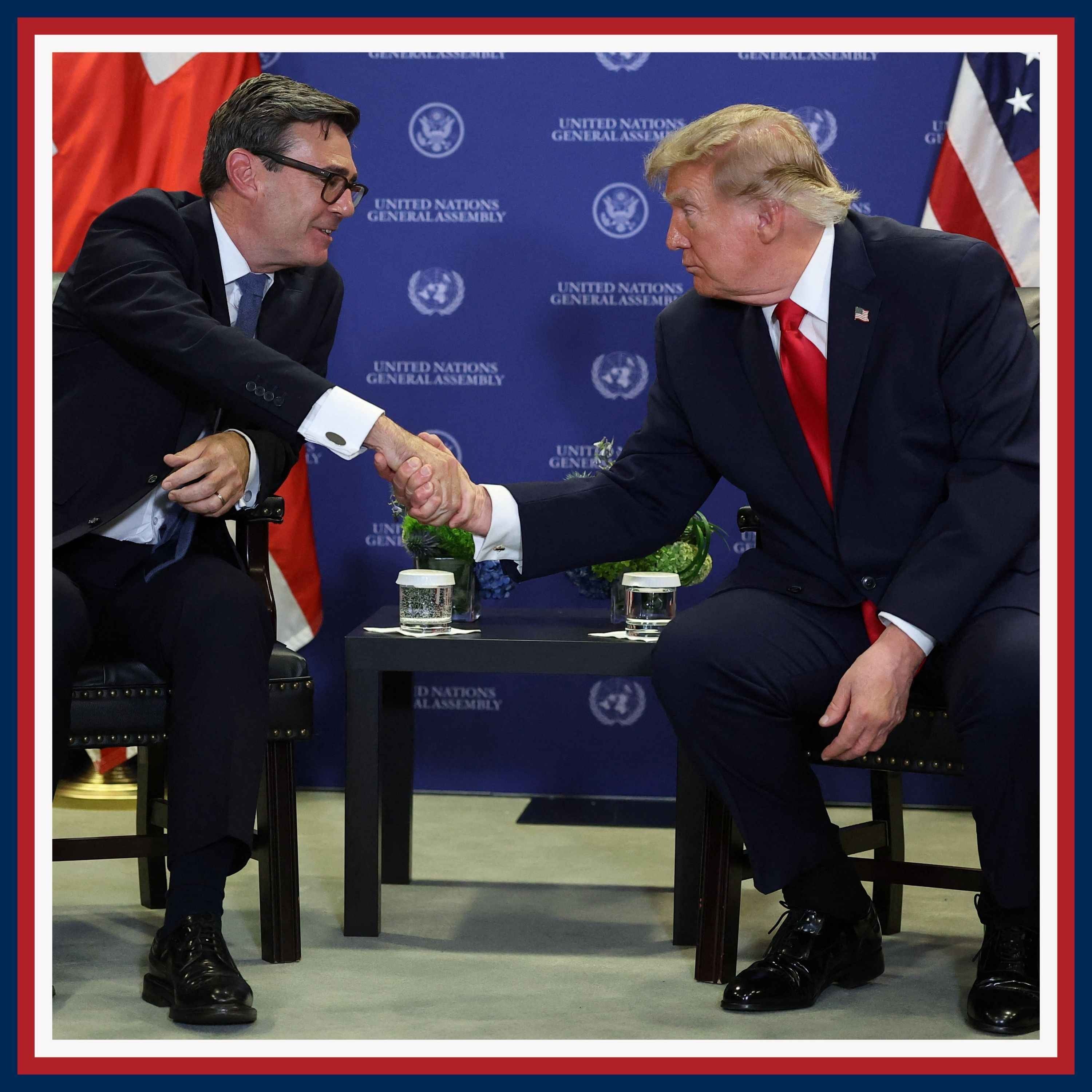
Donald Trump and Andy Burnham have had their first meeting at the United Nations General Assembly in New York. Trump said that US-UK relations were better now than when Keir Starmer was prime minister. But he reiterated his opposition to the Chagos Islands deal. We look at what was said, what was not said and the body language between the two men.
Making sense of Trump's UNGA speech
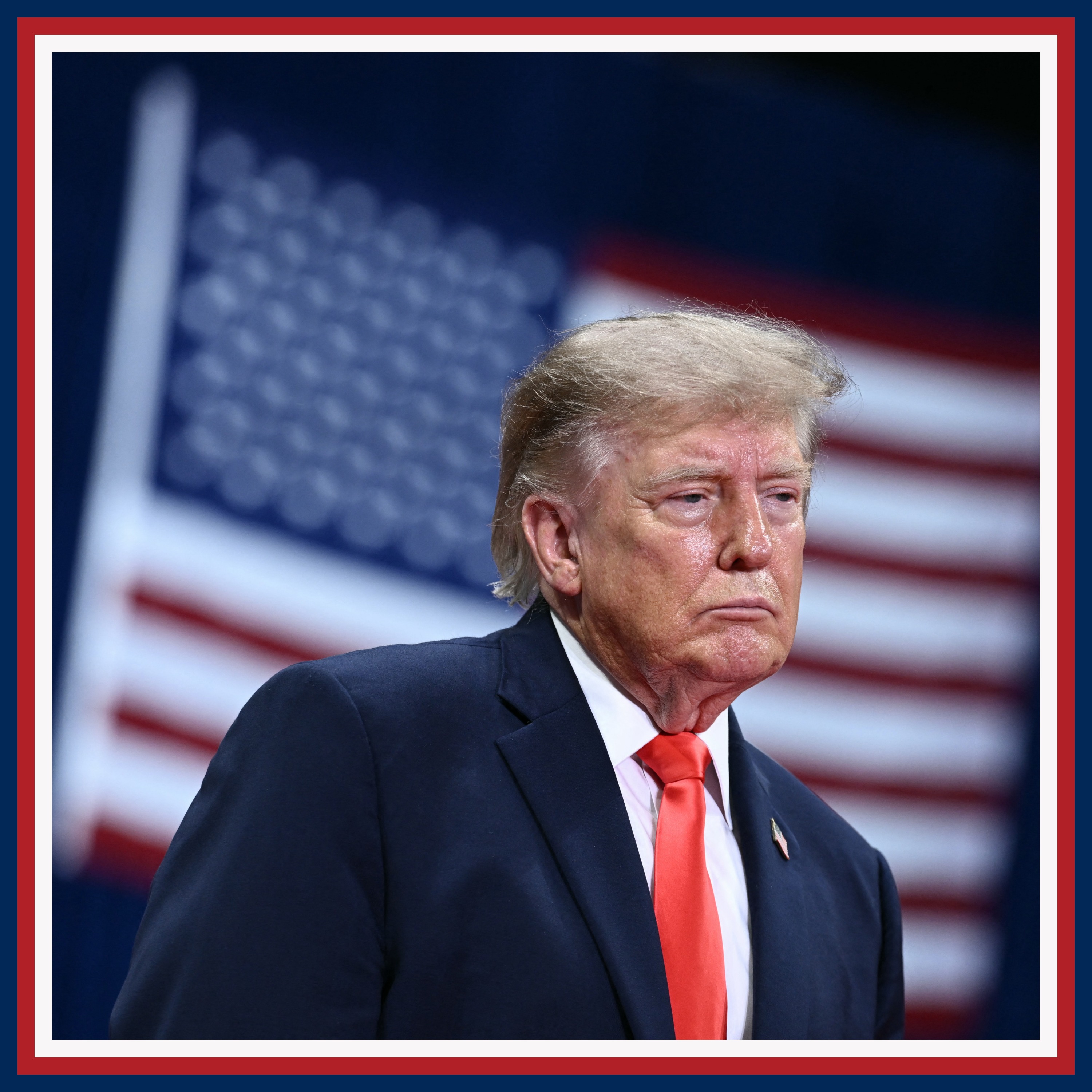
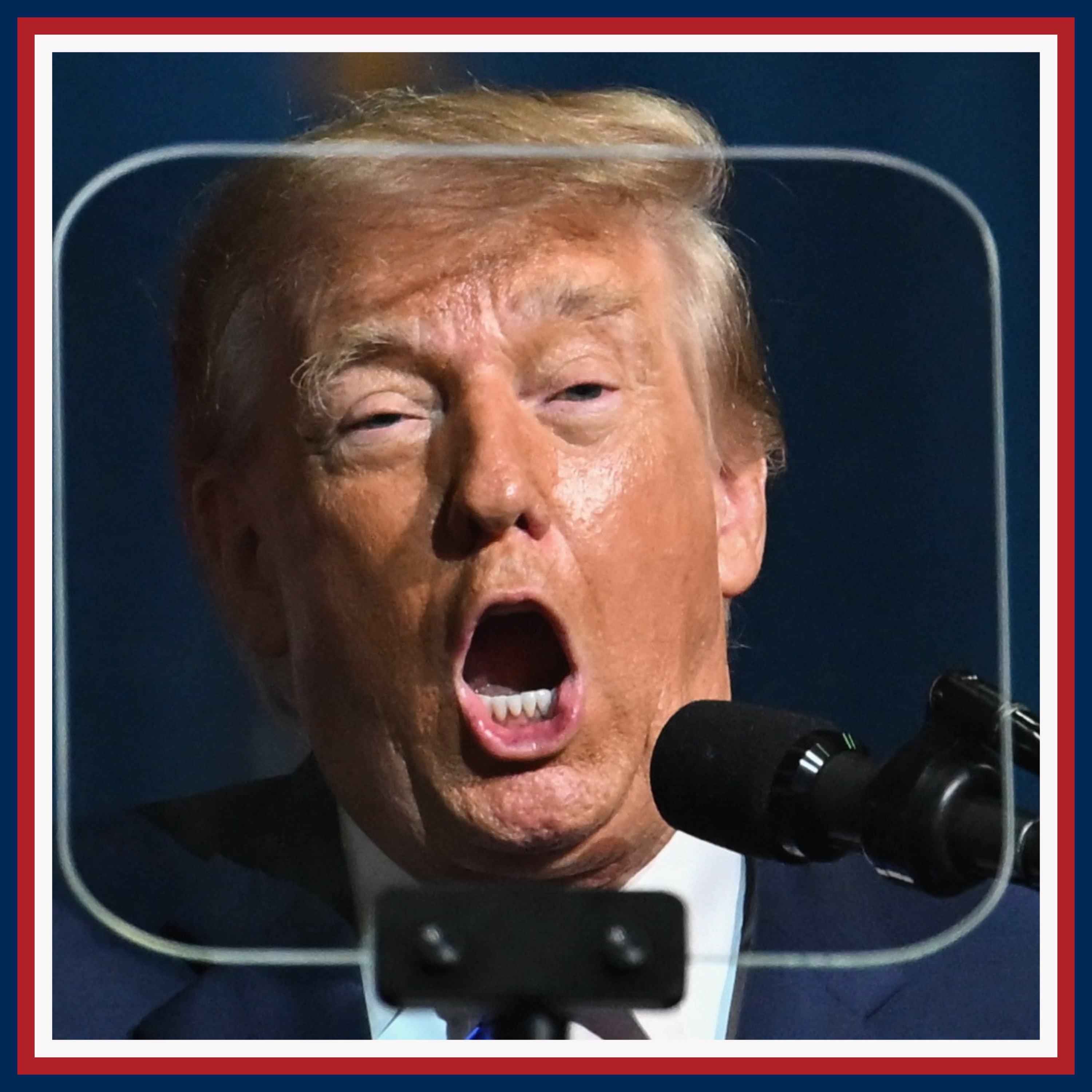
In President Trump's UNGA speech he threatened to annihilate Iran but also said he might make a deal after the midterms. The Cuban delegation left the room when Trump called their country an “absolutely failed state” and said “it will fall”. Trump also said that AI should be renamed “super-intelligence”.
Less lame duck, More raging bull
We look at what we learned from the speech about Trump's foreign policy and his priorities. And what does it say about America that the president used the phrase “to the victor belong the spoils”?
Katy Balls, Washington editor and columnist at The Times and The Sunday Times
Gerard Baker, columnist at The Times and editor at large at The Wall Street Journal
Producer: Harry Kitson
Executive producer: Molly Guinness
Picture: Getty Images
Audio: Reuters
This podcast was brought to you thanks to the support of readers of The Times and The Sunday Times. Subscribe today
Hosted on Acast. See acast.com/privacy for more information.