Ask ChatGPT

 The State of It: USA
7 May 2026 · 28m · 11 chapters
The episode dissects Trump’s worsening Iran situation—oscillating between proposed ceasefire/“peace” plans and abrupt reversals like Project Freedom—while arguing Trump is constrained by Gulf allies, domestic costs (high gasoline prices), and fear of losing a warship. It also covers Marco Rubio’s Vatican visit and his unusually friendly White House press briefing, plus Indiana Republican primaries as evidence Trump still controls the party.
Gerry Baker (columnist, The Times; editor at large, Wall Street Journal) and Katie Balls (Washington editor/columnist, The Times and Sunday Times).
Trump’s deal posture is driven by desperation; the offered Iran deal reportedly requires Iran to give up nuclear material, with a 20-year uranium enrichment moratorium and inspections. Gulf allies reportedly refused key U.S. basing/airspace support for Project Freedom. Indiana primaries show MAGA dominance despite Trump’s low national approval.
Khalid air base refusal; “finish the job” hawkish pressure; Indiana GOP challengers replacing “rhinos” after redistricting; Rubio’s Pope trip and press-briefing “love-in” atmosphere.
Written by AI. May contain mistakes.
Discussion on the ongoing tensions and diplomatic efforts regarding Iran.
“Katie, I've been in California actually the last week, mostly at the Milken Institute annual conference, which is a big gathering of global political leaders, CEOs, business people and others.”
Analysis of Trump's fluctuating peace proposals and their implications.
“You know, we're still in this kind of weird limbo.”
Examination of the fallout from Trump's abrupt changes to military strategy regarding Iran.
“And I think we've seen very much in the last few days that's exactly where Trump is right now, just with a series of bad options.”
Discussion on the domestic and international factors complicating Trump's Iran strategy.
“And I was speaking to one senior figure in the defense arena who does speak to Trump.”
Transition to discussing Marco Rubio's recent media presence and political ambitions.
“to one of the big questions in Washington, D.C.”
Details and reactions from Rubio's press briefing, showcasing his popularity.
“Gerry, Marco Rubio is visiting the Pope this week.”
Explore the intersection of cultural references and political commentary.
“because having daughters, five children in their 20s, I've been exposed to a lot of popular music.”
Discussion on Marco Rubio's aspirations for America and his political journey.
“And it's meant to be rotating maternity leave, whereby they're not having an official press secretary stand in for Caroline Leavitt.”
An analysis of Marco Rubio's shift from a young politician to a Trump supporter.
“And it very much does look like the type of video you might have.”
Insights into how the MAGA base shapes Republican politics amidst Trump's unpopularity.
“I was having dinner last night with some, let's call them Vance adjacent Washington figures.”
Examining the disconnect between the MAGA base and the general electorate's views on Trump.
“So, you know, this is absolutely the problem.”

Get the gist, explore an idea or ask about something said.
 Claude
On The State of It: USA, what are the key points of this episode?
Searching your listeningAutomatic transcript. May contain errors.
0:04Hello and welcome to the State of It USA. I'm Gerry Baker, columnist for The Times and editor at large of The Wall Street Journal. And I'm Katie Balls, Washington editor and columnist for The Times and Sunday Times. There's plenty to discuss today, including the latest twists in the Strait of Hamus and reports of a possible ceasefire deal, though we have been here before. Then we have Marco Rubio's diplomatic visit to the Vatican, straight from a diplomatic triumph in the White House press briefing room. We'll be looking at the recent Republican primary contests in Indiana, a deep red Republican state where Donald Trump flexed his electoral muscles and demonstrated the hold that he still has over the Republican Party.
0:46So let's get straight in. Katie, I've been in California actually the last week, mostly at the Milken Institute annual conference, which is a big gathering of global political leaders, CEOs, business people and others. Iran obviously dominated. And look, we're continuing to see this extraordinary kind of back and forth over Iran. President Trump there on Sunday afternoon announcing Project Freedom and by whatever it was Monday night, abandoning Project Freedom. Then we have these reports in the last 24 hours of another peace proposal. Donald Trump once again upping the optimism and saying that a peace deal is near.
1:2714-point peace plan, which the US has proposed, the Iranians haven't yet responded to. You know, we're still in this kind of weird limbo. What have you been hearing in Washington? What's the very latest? I mean, is peace about to break out at last? I think there is a wariness now every time Donald Trump says a deal is near. And you can see it from a few weeks ago when, you know, people would get him on the phone for about 20 seconds. And he said, you know, a deal was coming and the markets would really react strongly to that. And so were journalists, you know, and it's still obviously newsworthy, anything the president says.
1:59But I think people are just taking him over a bit more of a pinch of salt. That said, we know that, you know, Jared Kushner, Steve Witkoff are working on some type of memorandum. and as we talked about on an episode not too long ago, the question I think being asked in D.C. is how similar is this to the Obama deal? To the point of the mixed messages, we can hear a few clips here of some people talking about this operation on the street. As a direct gift from the United States to the world, we have established a powerful red, white and blue dome over the street. They're sitting ducks. They're isolated.
2:37They're starving. They're vulnerable. And so President Trump, as he always does, stepped up. Only to then have Donald Trump pull the rug from under their feet an hour and a half later, saying, you know, after these great talks, he was putting this project on hold. So I think even his inner circle, you know, they're being sent out to defend lines, hold positions. But the situation is so fast and moving and Trump's feelings on it changing so abruptly that, you know, it's hard to have a consistent line that lasts an hour after a press briefing. Well, I think what we've seen, Katie, in the last couple of days is just the extent to which Trump is really operating in an incredibly constrained environment.
3:15Somebody said to me in this conference I was at, a very senior former White House official said to me that by the time a decision gets to the Oval Office, the only choices are between bad and worse. And I think we've seen very much in the last few days that's exactly where Trump is right now, just with a series of bad options. The announcement and then the abrupt cancellation of this Project Freedom plan to sort of open the strait by escorting ships through the strait, it's pretty obvious that that – and I think NBC have now reported this – that this got scrapped quite quickly, at least in part because Saudi Arabia – You know, after assumed when Trump announced this complete without any consultation, that this is what we're going to do with any consultation with those allies.
4:01When he announced this, the Saudis who were horrified by the prospect that this would mean, you know, all kinds of shooting going on in the Gulf and around actually refused to let the U.S. use U.S. forces use the air base, the main air base, the Khalid air base in Saudi Arabia. So Trump was abruptly forced to cancel that plan because he hadn't done the work beforehand. And more importantly, he was coming up against real concerns from Arab governments. One of the other things, talking to some people from some of the other Arab states there, was that they made it very clear that they had been as against this war as Israel was arguing for it.
4:39So he's facing real military and diplomatic and political constraints there in the Gulf. He's got the enormous domestic political and economic constraint of high gasoline prices. I was in California, kind of remarkable seeing oil, gasoline, as they say, petrol at$8 a gallon in some petrol stations in California. This is really, you know, this is coming home really, really badly as approval ratings continue to tank as a result. and at the same time he doesn't want to escalate to try and he's being urged by some people finish the job finish the job i heard that from several leading sort of republicans in the last sort of 48 hours 72 hours go in you know the iranians are weak go and go and get the nuclear stuff go and take out the rest of the missiles but but he's very reluctant to do that a good source of mine who used to work in the cia and who's very well connected with the uh with the republicans right now said that Trump has, he's heard that Trump's fundamental fear is of losing a warship.
5:44He does not want to be the president who loses a warship to the Iranian military, even if they, even if that may be the cost of going in and doing, taking this military action. So all the evidence is that he's pretty much desperate for a deal here. And of course, when you're desperate for a deal, you don't tend to get the best sort of deal that you might get. The Wall Street Journal, I should say, my colleagues at the Wall Street Journal did report last night that, you know, So the deal that's been offered, that Trump has offered to Iran would involve Iran giving up all their nuclear material to the US, a 20 year moratorium on uranium enrichment, open to inspections.
6:18It sounds pretty much like a wish list for the US, unlikely to happen. Yeah. And I was speaking to one senior figure in the defense arena who does speak to Trump. And, you know, they're definitely on the more hawkish end of the spectrum. But their view was Trump could be convinced to go further. But the problem is when he is in the Situation Room speaking to his national security advisers, when you look at that cast of characters, there is little appetite amongst those figures to go further. J.D. Vance, I mean, we understand actively argued against the strikes in the first place, but the others were, you know, minus Pete Hegseth perhaps, were pretty cautious pointing out some of the risks.
6:57And therefore, they're not the type to sit there and say, oh, but, you know, there's more risk in that direction. The voices that Trump is now surrounding himself with tend to be those who think it is less of a risk to keep things as they are and hope something shows up and try and de-escalate than it is to escalate. Now, lots of people listen to this and think escalation is risky, but their point is that there's a risk to doing nothing. And if you look as though you really need a deal, to your point, you're going to be getting less in the long term. And on your point about the kind of countries in the Gulf region, we think about Project Freedom, you know, this big announcement at the start of the week.
7:33And you will have some people in Trump world say, well, this is another, you know, classic Trump putting something on the table, getting a reaction. But there are other reports that Gulf allies ultimately didn't want him to use their airspace for it. And that was one of the reasons he was forced into this Utah rather than a position of strength. to my point about the series of bad choices that you have when you're in the Oval Office. He's got three choices, none of them good, really. One is, you know, he does a deal, which, as we've said, because he's so desperate for a deal, will inevitably not look very good.
8:05And it will look, people will say, what on earth, why? But both domestically and diplomatically, people will know that it's, you know, they will say, why did we spend all this effort, time, resources, money, missiles, and indeed lives? some American, not a significant number of lives, but some Americans have been killed in this. Why do we do all this to achieve a deal that we could have achieved on day one? So he does a deal, which isn't ideal. He continues with the blockade and this sort of standoff, which means oil prices stay high and domestic pain stays high and international economic pain is high.
8:42And by the way, we are only in the early stages of that. Some of the interesting conversations I've been having in the last few days suggests that, you know, we are probably weeks away from a point where there are literal physical supply shortages of not just oil, but of course, of fertilizer and all the implications that has for global food and all of that stuff. So, you know, he carries on with the blockade with potentially disastrous consequences, or he escalates. He finishes the job as he's being urged to do, and that involves enormous military risk and large scale, obviously, political risk to himself.
9:10So it's an unpalatable selection of options. I've got to say, you know, He's in this position because he ignored the warnings of those who said, don't do this. Many of the Arab states were saying, don't do this. Many of his military advisers were saying, they wouldn't say, don't do this, because ultimately he's the commander in chief. He decides, but they were spelling out the big risks that would happen if he decided to go and do this. One very interesting conversation I had with a senior military official in the last few days, somebody said, we can't bomb our way to victory. That was the phrase he used.
9:43And that, you know, that's what Trump, Trump ignored that advice. He ignored the political risks, decided to go ahead. And it's such a fascinating story, Katie, about the way policy is made. Obviously, it's partly instinctive Trump, impulsive Trump behavior. But it's also, this is very, to me, who was here during the Iraq war, it's very reminiscent of a kind of fundamental sort of problem with US policymaking, which is the people who've been sort of driving this war are kind of these sort of, for want of a better word, kind of neoconservative Republican types who know nothing about Iran, who know nothing about Iran's military capabilities, just as they knew nothing about Iraq.
10:18and all the kind of experts and anybody who knows anything about this and anybody who knows anything about the risks is always very cautious. But instead, somehow political leaders decide that, no, no, no, I'm going to ignore those people who know anything and I'm going to listen to the people who say, rah, rah, rah, let's go and do it. And I'm afraid Trump's just fallen into that trap again. Yeah, I think, well, particularly when you get high enough up and you get advice for enough people, you always find someone giving the advice that you want to hear. Now, we're going to take a break. And when we come back, we're going to be returning to one of the big questions in Washington, D.C.
10:49this week, which is, could Marco Rubio finally do it? By which we mean 2028. This week, the Secretary of State stepped in to be maternity cover for Caroline Leavitt in the White House press briefing room. And I think, as for someone who stood in the room, it's safe to say he got a warmer reception than the President does when he pops by occasionally. When you say could he finally do it, you mean could he finally become White House press secretary? Yeah, it's his long-term ambition. The culmination of his political career. Could it be a three-month stint? So we'll be back after the break and we'll also be talking about Indiana.
11:25And we're back. Gerry, Marco Rubio is visiting the Pope this week. He also gave a press briefing to the White House Press Corps and lots of people talking about him. I think, you know, certainly in the media, he gets this positive reception that J.D. Vance, who has been up and now seen as the favourite for the 2028 nomination, has not. Yeah, well, little Marco, as Donald famously called him when he was running for president 10 years ago, seems to be having, as you say, a bit of a moment. And I think it's partly because it's interesting, actually, because, you know, whereas Vance, what we know, was pretty skeptical about this war, Rubio very much has been traditionally in the kind of neocon camp of, you know, American go around the world, knocking over regimes and establishing more favorable circumstances for them.
12:12So it's kind of interesting that actually that even though he's been associated with that policy for a long time, he somehow seems to have kind of slipped away from kind of principal responsibility for the mess that there seems to be happening right now. And his star is still very much in the ascendant, as you say, going to meet the Pope. But I mean, he gave this fascinating briefing this week, Katie, in which all kinds of, he said all kinds of interesting things. And you were there in the room. Well, first off, the press briefing room these days in the White House is often overcrowded, one could say.
12:44I can't complain about it too much because I'm one of the beneficiaries of this, which is past administrations were pretty tight and he would get a pass. And the White House under Trump, I think, for various reasons, has obviously expanded to the new media. What this means is in these press briefings, you know, we don't get the seats, we get the standing area, the long established publications get the seats and everyone crowds in. So it's always busy. The Marco Rubio press briefing was off the scale busy to the point I was getting messages from friends saying, you know, either come here an hour or so before, an hour or half before or give up.
13:20And, you know, people were packed in all the way back to the corridor and it had a little bit of a different atmosphere having been to quite a few of these briefings now. Now, Trump does them occasionally. Caroline Lever is very effective when she does them, but, you know, it can get quite ferocious. The Marco Rubio press briefing felt a bit like a love-in, if I'm being honest. You know, people were excited to have him there. They were laughing at all his jokes. I think we can hear a little bit of the press conference now because he has some quite interesting phrases he kept slotting in. I mean, the top people in that government are, to say the least, you know, they're insane in the brain.
13:56Jerry, did you recognise the song lyrics? I'm embarrassed to say it. I consider myself, perhaps for my age, surprisingly up with, down with the kids, shall we say, because having daughters, five children in their 20s, I've been exposed to a lot of popular music. But I've got to say that those ones punched me by. But I did catch the commentary afterwards that apparently they were rap lyrics, right? Yeah, I'm not quite sure what happened. I mean, the slightly difficult thing in retrospect on this briefing was Mark and Ruby have spent the time talking about this operation in terms of what they were planning to do to reopen the strait, only to have Donald Trump an hour or so later say the operation was off.
14:33Pull the rug, like minutes later, yeah, yeah. That hasn't stopped people saying it was a great briefing, but it made a little bit less an idea. And I think just, again, to the points earlier, it just shows you that, you know, you can be the most top of the top in how the White House and others are, you know, relying on you, and it still comes down to one man. I'm betting J.D. Vance was chuckling when that happened. And it's meant to be rotating maternity leave, whereby they're not having an official press secretary stand in for Caroline Leavitt. So in theory, Vance could have his time, but I think the mood would be very different if Vance was doing it and a lot more adversarial between the two sides.
15:07And I mean, there was one point when one of the hard-hitting questions was, Marco Rubio, we all want to know what your DJ name is, because a video had come out of him DJing at, I think, Dan Scavino, the deputy chief of staff's wedding. My DJ name? Your DJ name. You're not ready for my BG. But there's another moment, which I think was very interesting, which is this question came from further back in the room. And it was a little softball in the sense of, you know, Marco Rubio, what is your vision for America? And, you know, what do you want to see most for America right now? And I think we can hear what he had to say.
15:44We wanted to continue to be the place where anyone from anywhere can achieve anything, where you're not limited by the circumstances of your birth, by the color of your skin, by your ethnicity. But frankly, it's a place where you are able to overcome challenges and achieve your full potential. I think that should be the goal of every country in the world. I remember being stood there thinking this is the leadership launch. But since then, Marco Rubio's own social media account has taken that clip and shared it. And it very much does look like the type of video you might have. But, Gerry, you've been covering Marco Rubio for a long time.
16:14You met him when he was a senator. You met him during his failed bid for the White House. When you heard that answer, did it feel a little bit familiar? Very much so. Little Marco has been on a journey, as the popular vernacular has it, shall we say. I mean, it's a fascinating career. I mean, he entered the Senate, I can't remember, 15 years ago, as this dynamic, young, smart, young, upwardly mobile politician who was very much, because of his Cuban-American, Latino, very much, you know, the Republicans had a huge problem with Latino voters at the time. He was seen as someone who could sort of outreach to Latinos, to immigrants, more broadly coming from a family of immigrants.
16:56And, you know, articulate, good speaker, all that kind of stuff. He was very much in those early days involved in an attempt to, you know, deal with the problem of immigration by essentially kind of what I mean, what critics would call amnesty, which is give, you know, allow illegal immigrants in the country to stay. So that was very much on that wing of the party, a kind of an inclusive conservatism, you might call it that. He on comes Donald Trump in 2016, 2015, when he starts running. I met him then during the campaign when one of the debates and then saw him several times afterwards during that campaign.
17:26And, of course, Rubio is staunchly against Donald Trump at that point. Famously, you know, they get into these extraordinary, not just nobody remembers the policy issues. Everybody remembers the most probably one of the most notorious moments of that campaign when Marco Rubio commented on how small Donald Trump's hands were and raised an eyebrow when he questioned what that might be a signal of anatomically in other respects. Anyway, of course, Trump wins. Marco becomes a Trump supporter. He's a Trump supporter in the Senate for years in the first term. Then he's picked as Secretary of State and becomes a very, very, again, staunch sort of articulate advocate of Trump foreign policy.
18:08It is interesting, though, that that that little speech in in the White House was fascinating because that was the kind of speech. Again, it was exactly the sort of speech that he gave 10 years ago when he was running for president against Trump. And it was very it was it was of a school of again, that school of conservatism that is very inclusive. You know, if you think, if you think, Casey, the kind of speech that J.D. Vance gives all the time, the J.D. Vance speech is designed to appeal precisely to the 39 percent of Americans who are MAGA and to alienate everybody else. He knows that's where the votes are in the Republican primary.
18:46That little speech that Rubio gave was very much, you know, this is a great country. We're all in it together. This is, you know, it was an inclusive kind of ideal that he articulated, which I thought was, you know, really interesting. I mean, if Rubio is going to run, if he's in all the evidence so far is that he says he's not. But if he is going to run in 2028 and if he's going to run against Vance, it's going to be interesting if he really is going to sort of make that his pitch. A kind of, you know, yes, MAGA, of course, Trump's been magnificent and wonderful and has transformed the country for the better.
19:20But actually, you know, we still need to stand by these great sort of ideals of traditional American conservatism. I was having dinner last night with some, let's call them Vance adjacent Washington figures. And therefore they're quite sympathetic to J.D. Vance. And they were talking about Rubio. And one of the points they were saying, well, you know, Rubio can't go for it because he said on the record that if Vance stands, he's not going to. And this was in this infamous now Vanity Fair piece. and I have had a few people point that out to me which is you know Rubio said well you know if Vance is going for it he would effectively stand aside.
19:57Now I don't think politicians say a lot of things, Marco Rubio has said a lot of things in his career but what I took from it is were Marco Rubio to decide to run I think that you'd have a little bit of this kind of attack that he is slippery because he has you know almost betrayed I don't want to be quite stabbed in the back but he said one thing and he hasn't kept his word, which I think would be one of the things that would quickly come up against him. I'm not sure how effective it would be. Yeah, I mean, I don't think it would do him too much harm. You're right, there would be accusations from the Vance crowd in particular that this is slippery.
20:30And I think the larger question though about him would be, is he really a Trump loyalist actually like Vance? I mean, of course, Vance has been on his own journey in that respect, but he's clearly nailed himself to that cross. But that's where Vance is. Rubio will more easily easily be accused of sort of slipping away from Trump and from not really being a Trump loyalist. And, you know, all that stuff from 2016 will be resurrected. But, yeah, it's an interesting it's one of the things that's interesting, Katie, is that we've seen lots of polls and focus groups and things like that. I've seen in the last month or so of people, Republicans ask, you know, sort of a choice between Vance and Rubio and the numbers are overwhelmingly for Rubio.
21:13Now, I should say there's focus groups, because I did one of the other conversations I had in California this week was with a very prominent pollster who was very sceptical about that. He said he thinks Vance has absolutely all the inside track. Vice presidents who seek their party's nomination always get it. You know, he's very much got the support of the base. Just to your point there, I think the White House press briefing room being warm towards you is not necessarily helpful when it comes to the MAGA base and getting those votes over the line. and I always remember the Turning Point event I went to where they did a straw poll of the membership and that is the young MAGA movement, the ones who turn out, the ones who are very focused.
21:51It was so heavily J.D. Vance, Marco Rubio, you know, was second, but we're talking so far behind. So even though we're hearing a lot, I think we're yet to see it in the base. And to your point, we are seeing a sense that when it comes to what is MAGA, it is still coming down to one man and that man is Donald Trump. We had some interesting results this week in Indiana, which not on paper is the kind of middle of the cycle election that you think you need to keep your eyes on. But this all relates to a row last year when the White House set about on redistricting. And the Democrats in turn have done their own redistricting pretty successfully, for example, in California, it seems.
22:34and various Republicans had their own redistricting attempts to help the White House on the White House's order. But in Indiana, the Republicans said no. They said they didn't believe it was what their constituents would want. They suggested there was something unfair, but this gerrymandering, this idea of changing the electoral map in your favour. And in turn, Trump vowed vengeance and we have seen him endorsing rival candidates in Indiana. lots of money thrown in on campaigns against those Republicans that they called, you know, rhinos, Republicans in name only, helping the other candidates.
23:09And there were seven that they wanted gone. Five ousted, one in a very tight count, and one managed to survive. And quite quickly, you had figures in the White House, close to the White House, in the MAGA movement, celebrating, saying it showed it was Donald Trump's party. Yeah, I mean, it is absolutely a good sort of contributory evidence to the idea that this is very much Donald Trump's party still. You know, one sort of obvious slight word of caution. This is this is a state level primary vote in a state like Indiana, where turnout is obviously very, very low. It's really, you know, it's pretty solid activists who come out to vote, although the turnout was pretty good because the Trump people had made such an effort and spent a lot of money.
23:53It was still overall, you know, that these are not elections, you know, first week of May at a state level where people come out to vote in anything like that. They would vote in a national election or even in a statewide general election. But that said, yeah, this, you know, this this shows the hold that Trump has. And I think it shows fundamentally the conundrum the Republican Party faces, which is this is the MAGA party. It is Donald Trump's party. And yet Donald Trump nationally is increasingly unpopular. And that is the primary election system that shows the kind of the chat, the weakness or the problems with the primary election system that you have, which is that the primaries are dominated, especially in low turnout elections like this, by hardcore activists who are not representative of the electorate as a whole and who therefore vote for candidates and push the party towards the base and towards a more radical position and make candidates run towards the base.
24:51and away from the general electorate. So, you know, this is absolutely the problem. The Republicans, you know, look like they're going to lose quite heavily in the midterms this year. Donald Trump's approval ratings, as we've discussed many times, are, you know, flirting with the lowest of his, either of his two terms in office and some of the lowest numbers ever recorded for a president in, you know, in the last 50 years or so. So that's his, you know, the general populace is not at all happy with Trump or MAGA, but the MAGA base continues to absolutely love it and to love him. And, you know, that we'll see.
25:29Now, can those two be reconciled? This all depends on obviously what happens, what we started talking about, what happens in Iran, what happens to oil prices, what happens to the economy, whether Trump can somehow turn around his very low approval ratings and get support up. But right now you're going to have a host of candidates, and this may well be an indicator also what we've been talking about with the 28 presidential primary, a party that is still absolutely wholeheartedly committed to Trump and everything he stands for while the country is moving in a different direction. So, you know, and Karl Rove, my colleague of The Wall Street Journal, points out in a very interesting column today saying, you know, this is the other aspect of this is that, you know, the Republicans spent, as you pointed out, spent a lot of money essentially conducting an internal elimination operation.
26:19They, you know, this was a revenge operation against those Republicans who had opposed Donald Trump in that redistricting vote. And they spent a lot of effort, time, the party spent time, effort and money defeating those people, which money which should be spent, you know, shoring up support for Republican candidates who've got tough elections to fight, tough general elections to fight. So, yeah, it does show, you know, it shows both the appeal of Trump to his base and to the core voters, but also just the political risk that that involves for the Republicans as a whole. Yeah. And I mean, I think the optimist argument in D.C.
26:55for those in Trump's circle of why they think it was worth the money and the time is that they needed to have, given the circumstances, an exercise in discipline. And that is sending a message to other Republicans. At time, you have Trump floundering, you know, going down in the polls, unhappiness when it comes to voter concerns. And therefore, the last thing you want to add to that is Republicans turning on the machine and not doing things. And they think this at least will be a reminder that, you know, you're still better with Trump than not. And of course, there's a point, you know, the MAGA people have a point that you need to, you know, you need rigid party discipline.
27:32What was it? You know, Benjamin Disraeli was supposed to have said, damn your principles, stick to your party. And they are absolutely enforcing that. And with that, do join us again next week. And if you enjoy this podcast, please do subscribe and rate.
27:50Thank you.
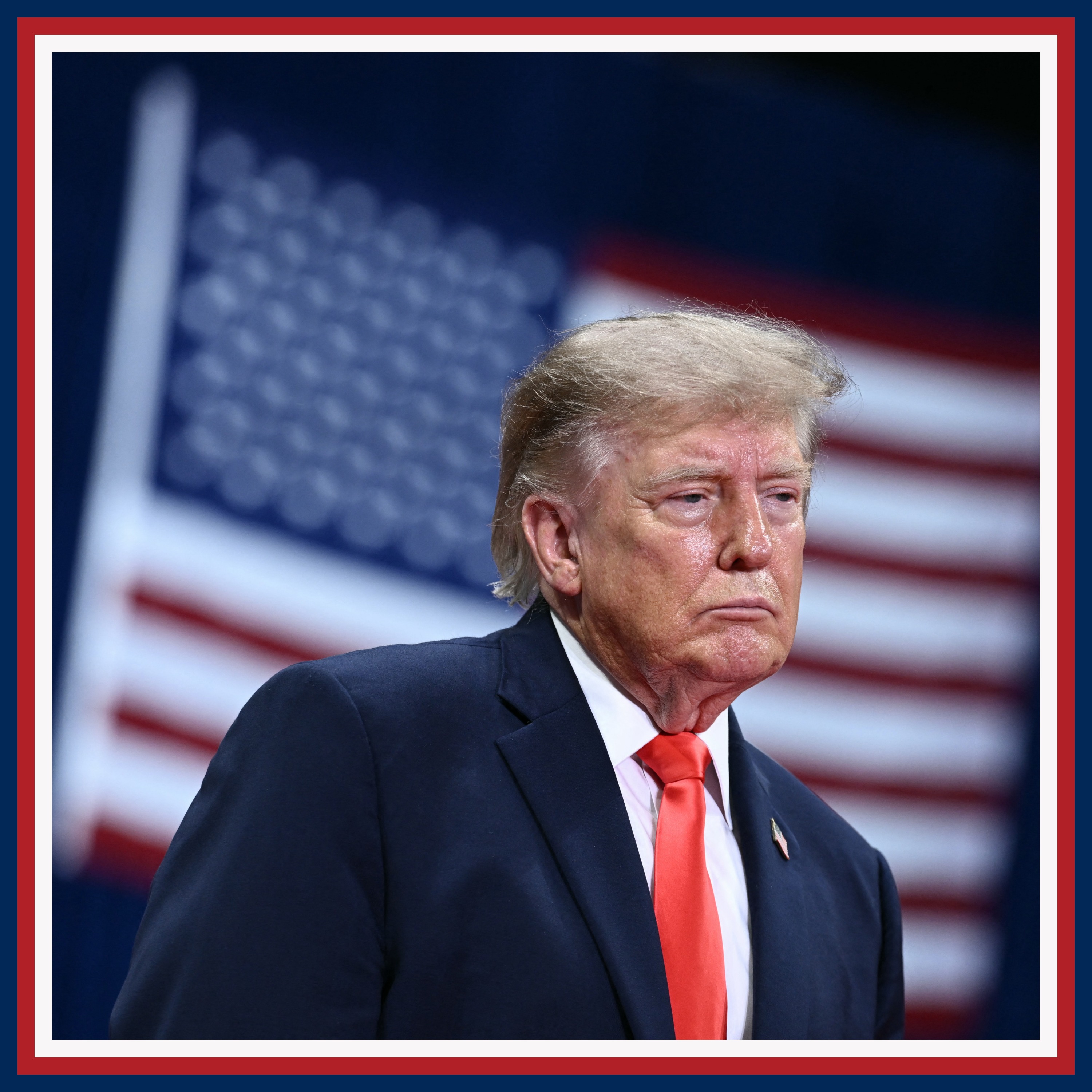
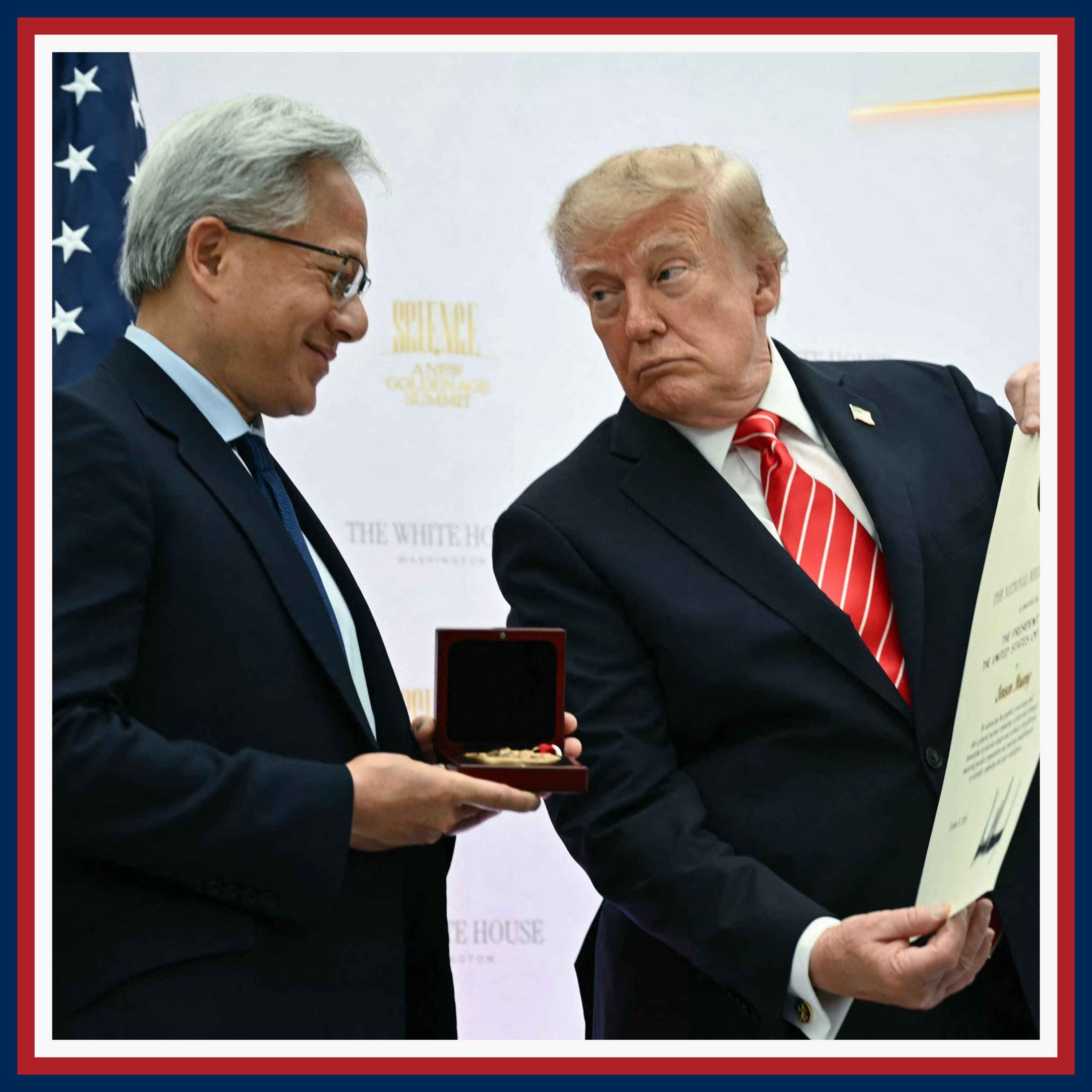
The unpredictability of Trump’s conflict with Iran shows no sign of slowing. Is a genuine peace deal with Tehran actually close — or is the President once again overstating progress? Why did Trump abruptly announce and then abandon “Project Freedom,” the US naval plan to escort ships through the Strait of Hormuz?
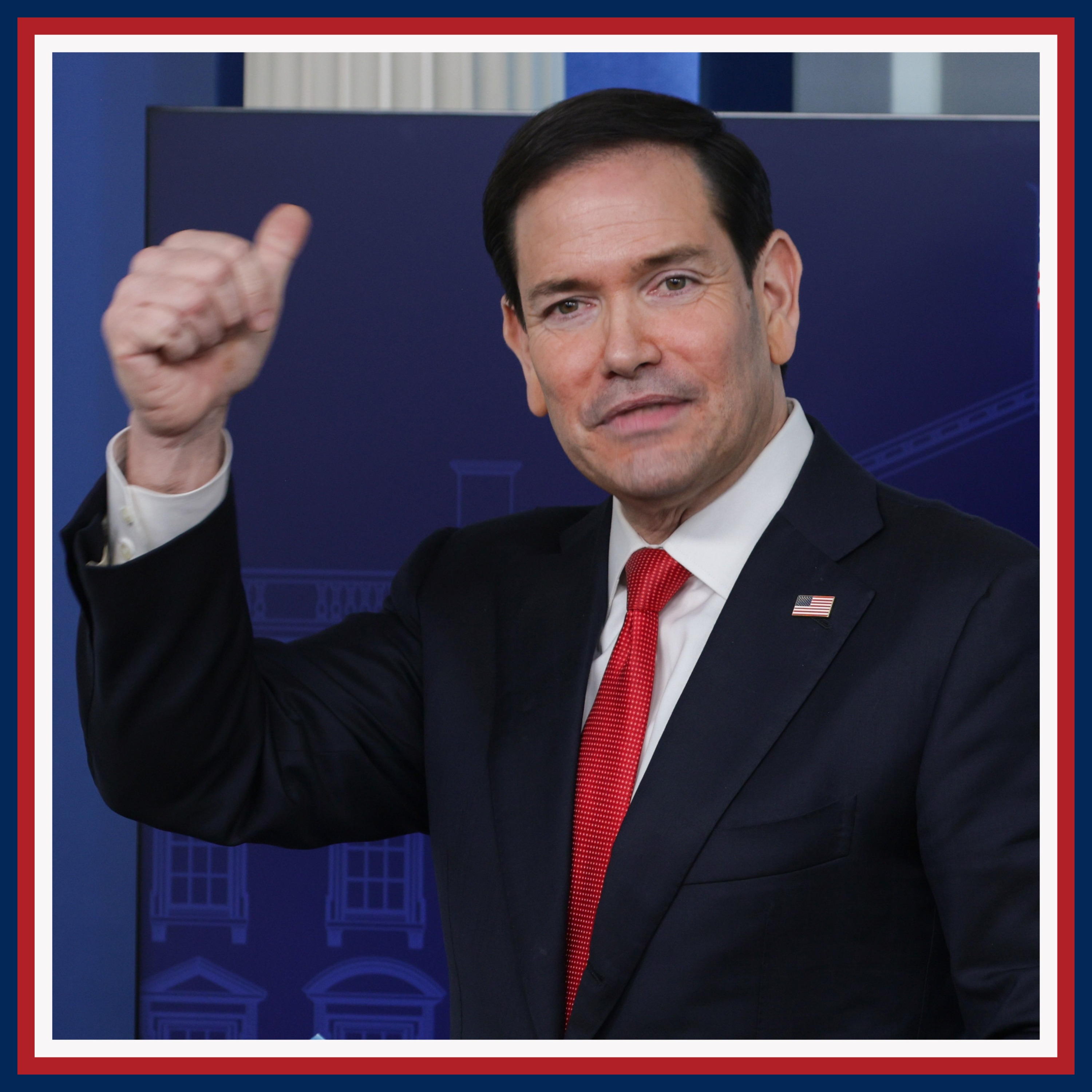
Meanwhile, Marco Rubio’s warmly received White House press briefing has sparked fresh speculation about his 2028 ambitions. And despite Trump’s declining national approval ratings, the latest Indiana primary results suggest it still pays for Republicans to stay firmly in line behind the President.
Katy Balls, Washington editor and columnist at The Times and The Sunday Times
Gerard Baker, columnist at The Times and editor at large at The Wall Street Journal
Producers: Euan Dawtrey, Harry Kitson
Image: Getty Images.
Clips: Reuters
This podcast was brought to you thanks to the support of readers of The Times and The Sunday Times. Subscribe today
Hosted on Acast. See acast.com/privacy for more information.