In short
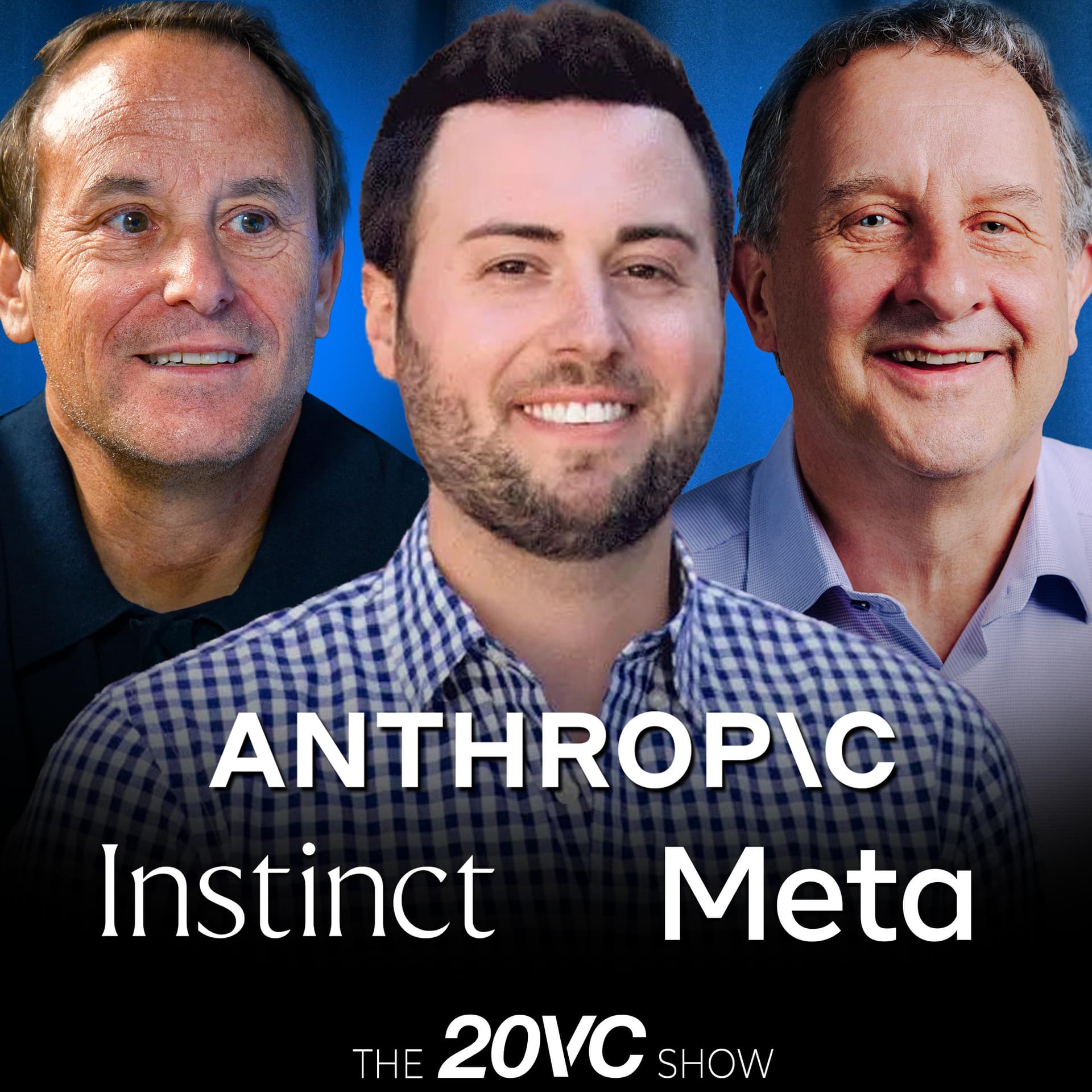
Podcast Summary: The Twenty Minute VC (20VC) - Episode with Ron Gabrisko
Podcast Details
- Title: The Twenty Minute VC (20VC)
- Host: Harry Stebbings
- Episode Title: 20Sales: $0-$3.7BN: The Databricks CRO’s Playbook to Build the Fastest GTM Engine in SaaS History
- Guest: Ron Gabrisko, Chief Revenue Officer at Databricks
- Release Date: (Not specified in the transcript)
Episode Overview In this episode, Ron Gabrisko shares his insights on scaling Databricks from $0 to $3.7BN in annualized revenue, building a sales organization, and competing against Snowflake. The discussion covers various key strategies in sales and go-to-market (GTM) execution, emphasizing the importance of culture, pricing, market fit, and the role of AI in the sales process.
Key Takeaways
- Databricks Origin Story:
- Founded by a team of seven PhDs and led by Ali Ghodsi.
- Initially focused on a cloud-first approach and open-source strategy.
- Sales Culture and Scaling:
- Emphasizes the importance of prospecting days to cultivate a strong sales culture.
- Built a sales team of over 1,000 globally, fostering expansion into various markets.
- Pricing Model:
- Consumption-based pricing model was pivotal for customer adoption and revenue generation.
- Market Focus:
- Transitioned from targeting SMBs to enterprise customers, recognizing long-term sustainability.
- The value of direct engagement with customers to understand their needs was reinforced.
- Sales Process Insights:
- Importance of founder-led sales for genuine customer insights.
- Building a playbook based on customer feedback and real-time sales experiences.
- AI's Role in Sales:
- AI tools are used for research and to enhance sales processes.
- The human touch in sales remains critical, especially in understanding customer needs.
- International Expansion:
- Strategic decision to enter international markets after reaching $500M in ARR.
- Emphasized the need for local leadership and adapting the company culture to new markets.
- Leadership and Culture:
- Building a leadership team that embodies company culture and vision is essential for scaling.
- Maintaining a startup culture is vital as the company grows to avoid becoming too bureaucratic.
Detailed Discussions
- The Databricks Origin Story
- Founders and Initial Vision:
- Ali Ghodsi and his team aimed to disrupt the data and AI space with innovative technology.
- Initial skepticism from other industries (e.g., financial services) about cloud adoption.
- Building a Sales Organization
- Hiring Practices:
- Emphasis on hiring intellectually curious salespeople who understand the technology.
- Importance of hands-on management and training for new hires.
- Sales Culture:
- Regular "prospecting days" to encourage team engagement and learning.
- Setting realistic yet challenging goals to ensure sales reps are motivated and rewarded.
- Competing Against Snowflake
- Market Positioning:
- Positioned Databricks as a leader in AI and data lakehouse technologies.
- Focused on building long-term relationships with customers through value-first selling.
- Lessons Learned
- International Growth:
- Caution against expanding too early; timing is crucial for successful market entry.
- Investment in Talent:
- Importance of strong sales leadership to drive growth and maintain a healthy company culture.
- Product Market Fit:
- Continuous learning from customers is key to refining the product and pricing strategies.
Final Thoughts Ron Gabrisko's insights into the sales landscape offer invaluable lessons for founders and leaders in tech sales. The balance of human connection with the efficiency of AI, along with a strong sales culture, are pivotal for companies aiming to scale in competitive markets.
For more insights and future episodes, listeners can check out the [Twenty Minute VC](https://www.20vc.com) website.
Written by AI. May contain mistakes. Listen to the episode to check what was said.
Transcript
Automatic transcript. May contain errors.0:00You all listening to 20 sales with me Harry Steppings. Now, state we have an absolute unicorn from the sales world. On the show, we have Ronga Brisco, CRO Data Bricks, which he joined in 2016. And check this out, under his leadership, Data Bricks has scaled from zero to over $4 billion in Aero. He's grown the sales team from zero to over 1000 globally, leading expansion into the enterprise, government and international markets. I do not know any other CRO or sales leader that has gone from zero to $4 billion Leading the charge incredible and this is one of the best 20 sales shows we've ever done But before we dive into the show today is your finance team a cost center tied up in enforcing policies bogged down by cumbersome processes and drowning in operational busy work Well, what if you could unlock seamless strategic finance that actually fuels your business growth This is why leading global growth companies use Payhawk, the finance orchestration platform that unifies global spam management with conversational AI to live a best user experience for everybody dealing with company spending.
1:09Finance teams using Payhawk report a major shift from operational to strategic work. New AI agents for each finance role handle the busy work, acting with the same governance as your finance team, like having a small team of expert assistance that worked 24 -7, but also providing an exceptional user experience to your employees. Payhawk is built for growth and enterprise businesses that operate globally. No six -month implementations, no consultant dependencies, just immediate finance transformation that scales with your business. Leading growth companies like Vinted, Wallbox, and Hundreds more, across 32 countries, use Payhawk to move Finance forward, not just keep up.
1:50Ready to turn your Finance proceeds into a competitive advantage? Payhawk is offering a staggering 30 % discount to everybody switching, from a qualifying expanse management or company card provider who mentioned the 20VC podcast. Visit Payhawk .com -flash -switch to learn more and make the intelligent switch today. And speaking of game -changing products like Payhawk there, no sales team can be the best without attention. Attention creates AI agents that learn from your best sales conversations. So they record your sales touchpoints across a ton of different areas like meetings, emails, calls, CRMs and more.
2:27They then use these AI agents and learn from that data to automate busy work, follow -ups, next steps, CRM updates, coaching scorecards. bluntly, all the manual shit that your sales team has to do, but takes away from their creativity and closing deals. So stop losing winnable deals to process and start automating. Take the grunt away from your sales team, use attention .com, the best sales teams all are. And speaking of incredible companies, let's talk about Brex, the ultimate financial stat for startups. So when Brex was founded, it wasn't just about creating another financial product, But it was about solving the really gritty challenges that founders face daily.
3:08Let's be honest, building something from the ground up is hard enough, without dealing with clunky outdated banks that pile on fees and leave your cash idle. Bracks is different, it's the financial stack that scales with you, no matter where you are in your journey, from corporate cards to maximising your runway, to earning yield on your cash. Bracks was designed with founders in mind to make every dollar go further, so you can focus on building. And here's what really stands out to me. Brackets combines the best of checking, treasury and FDIC insurance in one powerhouse account. You can send and receive money globally at lightning speed, earn yield from day one and still access your funds whenever you need.
3:45Plus with 20X the standard protection through program banks, your cash is not just working harder, it's working safer too. It's no surprise that one in three venture back start -ups in the US with companies like Anthropic, Coinbase and Robinhood, I mean my god these companies are incredible. Trust Brax to help them grow. If you want to join the smartest startups on the planet, head over to Brax .com forward slash startups and see what they can do for you. You have now arrived at your destination. Ron, I am so excited for this dude. I have heard so many great things, so thank you so much for joining me today.
4:19Yeah, excited to be here. Thanks for having me. And gotta start, you just mentioned before this how Ben Horowitz brought you into Databricks. Yeah. Take me to that story. How did Ben bring you into Databricks? Yeah, so I met Ben through VCE networking and at the time it was like kind of late 2015. So I was like looking at Mongo or Square or some of those companies and he was like, yeah, this company called Databricks, it's way earlier stage and anything you're looking at, but it's got the most upside of any company in my whole portfolio. There's seven PhD, super smart Berkeley, computer guys, and there's just a bunch of Berkeley hippies and wanted to you know, changed the world so they gave away their software for free and I need somebody to help them build a business.
5:04So I met the founders, they were just absolutely amazing, Ali and the whole crew. So what was that like meeting Ali? Because I think I have a challenge doing the show where I meet Ali today and I'm like, amazing leader of multi -billion dollar company and then I retrofit that on seed founders. Yeah. And I'm like, well, you're not as good as Ali and I forget the slope that Ali's been on. Yeah. What was Ali like then? First of All these like one and a billion, you know, this is kind of my third founder technical founder come He's hundred X better than any of them because he can do the technical stuff But he's also an inspirational leader and he knows the business back then he was like when I joined the company They were kind of transitioning to him as the CEO He was actually the VP of engineering and I was like he was like recruiting me I'm like that's kind of you know different right but no the first thing when he took over a CEO it was like teach me sales, like I want to learn sales.
6:00So you know, we would sit down and talk about org charts and med -peck and how organizations make decisions. And - Can you tell me to ask you sit down with that, I need to teach him sales. Yeah. What did you teach him? No, I mean, again, like enterprise sales is kind of a system. Like a lot of people think it's a black box, but it's not. It's a science, especially complex organizations. When you're selling to enterprises, Decisions are made not by one person usually they're made by Committees right so you got to kind of know how to navigate organization who are decision makers who are influencers things of that nature You know we talked about like med picks some of the how do you build a playbook?
6:40What kind of reps do you hire? I mean I'll use 10x smart right like these all the founders are like their brains work in a different way So he gobbled it up now. He's like an expert like he'll we'll sit down and he knows exactly like he's amazing salesperson though. So I love this in terms of the engine light characteristics, the science of it, but when you joined, it was zero. Like in revenue, you know? Yeah, well less than a million. Okay, less than a million. Yeah. Is it an art then? And how did you think about building the first playbook for Databricks? First, like we didn't really have a set playbook or revenue model, right?
7:19Like we were creating that. That was one of the things that really was exciting to me coming into Databricks. It was, hey, I get to help build the Playbook, build the culture, all those kind of things. And honestly, first thing I did was like, hey, let's build out a team of people that I know know how to sell. And let's just go find out what customers will buy. So a lot of that first kind of stage of a company called Product Market Fit from a million to 10 million is, you know, we had all these Spark users, they're free. But let's just go talk to them and find out. What would you pay for? I just want to go back.
7:52You said about the playbook there and figuring it out. Founders are told today the founder needs to be the one to create the playbook and then you bring in the CRO head of sales to run the playbook for you. Do you disagree with that? Kind of depends, right? Like I think founder led sales is really important. No one can sell the vision and the passion of the company better than the founders. Like Ali was really good at that. I'll tell you a story like early days. It's like I was, I don't know, 30, 60 days in. And I was like, hey, if we're gonna have a big business here, we gotta sell the financial services.
8:24And so I set up like 10 CIO meetings in Wall Street. You know, I brought Ali, Mate, Arsalan, we're gonna go meet all these folks. And we went and met JP Morgan Chase. This is back in like early 2016. And you know, we were meeting with like the risk management. And first of all, we show up, I get all these meetings like immediately and I'm like, what's going on? And I'm like, well, I have the creators of Spark. We show up and there'd be like a hundred people and they just want to take pictures with Matei. So it's hilarious. Anyway, we'll give you 10 million bucks to put this. And at the time, we're less than a million, like our whole first year targets, like 10 million, to put it on prem.
9:02And I'll leave it's like, no way we're not doing anything on prem. He couldn't get out of the meeting fast enough, right? Because his vision, then the founders vision was all around cloud, open source, and data on AI, which in retrospect was amazing insight on where the market was. going. Anyway, we just passed on it. And JP Morgan was like, we'll never be in the cloud. And obviously now they're like one of our biggest customers. So they're massively in the cloud. We have Jamie Dimon talking at Data and AI Summit. But again, like that product market fit, I think building that playbook, if you can find the right salesperson as a startup, you know, to help you do that, you should.
9:39But again, I believe in founder led sales, You got to go meet with customers, you got to understand what their needs are, how to develop the product. That product feedback loop of requirements and what's valuable to customers is incredibly important. So we're at like 500K to 2 million in revenue, say. And we're going to hire that salesperson. What type of salesperson do you like to hire in that stage? And if a founder is listening, do you recommend they hire? Is it the senior head of sales who's been there, done it? Is it the juniors? Who should we hire? I mean, if you're just hiring salespeople, find somebody who's smart, intellectually curious that you trust, you know, it's going to work their tail off.
10:19In the technical field, you got to have technical salespeople, right? Again, I always say salespeople teach. They don't sell. They teach customers how to get value out of their technology, right? If you try to go for the senior, really senior folk, they're going to want to hire a bunch of people. So you got to make sure you got a bunch of funding to be able to do that. But otherwise get like a great first line manager. Somebody trust, spend a lot of time with them. Because again, sales people are good at selling. So they're really good at interviewing. You got to know what you're getting. Do a lot of back channels, all that kind of stuff.
10:51But get somebody that gets their hands dirty. Take me back to that. It's an amazing moment. You're at 500K, whatever it is. And you join. And you start the sales process with Databrace. What were your biggest lessons from that one to 10 million process with Databrace? go talk to as many customers as you possibly can. Like we went and talked to hundreds of customers. Second, I hired probably 40 people in the first six months, some of the best sales people from my network, and I was literally just go set up meetings and find out what people will pay for and get the brand out there. Are you teaching them the questions to ask?
11:28How to engage with customers? Yeah, we're learning the discovery. Eventually when you build the playbook, you want to know, okay, as you start to scale, what's the discovery guide look like? What questions do I want to ask? How do I position our solution? How do I position the value of it, the differentiators? But it's all about asking questions. Like, even when I interviewed for data bricks, they're like, hey, here's our pitch. Give us the pitch, right? And I was like, okay, so I looked at it and it was like a lot of technical stuff. And I was like, well, you don't talk a lot about value, I talk more about time to value, innovation, all that kind of stuff.
12:03Like, okay, pitch us. And I said, okay, what kind of company are you in? And then he said, okay, let's do that. I was like, okay, what are some of your challenges with data? Okay, what are you trying to do in the future for your business? Now, like are you gonna pitch us and I'm like, I am? It's all about asking questions and trying to find where we can add value. And so then you build that into a system of repeatable plays and teach everyone, teach them exactly what's the profile we're going after at that time was like VP of analytics, we run prospecting day every Wednesday just to get meetings, we're trying to get meetings and activity and all those kind of things, which is kind of a cultural thing, right?
12:40You need to know I'm building pipeline all the time. And then here is our value and our differentiators and you start to build up that customer base. So... Can you take me to prospecting day? Yeah. How do you structure it? Yeah. What is lessons on how to do it well for founders this thing? Literally, we take the entire sales team. This is everyone, including me. like I'd jump into the pit because we had a lot of, you know, younger sales people too. But every Wednesday, all we did was prospecting. Because if you tell a salesperson, hey, go prospect four to eight hours a week, just not going to do it because it's painful.
13:11It's like hard. But you learn so much. And if you do it as a team and you make it interesting, we do it in San Francisco, you know, where the company was founded. I'd get breakfast in the morning. We talk about, okay, today, you know, you'd already have to show up with, okay, here are the three to five companies. I'm going to research for each salesperson. I'm going to try to get into these companies. He research their profiles and then okay, here's how we want to pitch at the time. It was like managed spark. So here are the differentiators and we teach them how to pitch it. We go make phone calls, LinkedIn, emails, all that stuff.
13:45And you break for lunch, they're like, all right, who got meetings? And then you share because the collective learning, the fast you You can iterate, that's your secret weapon as a small company is. I can iterate super fast and pivot super fast versus a bigger company. That's how things change. But anyway, we'd say, okay, I got this profile and LinkedIn and I got them with this message and you teach that to everybody, all right, everybody else starts trying it. So you start learning, okay, what are people interested in? How do I get meetings, all that kind of stuff? And eventually, then as you continue to scale that every Wednesday, it's just a muscle, your bill is like going to the gym.
14:22And so I would have winter at the end. You know, we'd either do like a donation to their favorite charity or some of them might get a cowboy hat today or a bottle of whiskey or something, you know what I mean? So just make it fun and have the team work together. And eventually like they'll start doing it on their own and you measure the activity. So what ACVZ selling at that point? 18 to 20 grand. I mean when I came in, yeah, when I came in, where it was tiny. But the first, you know, say month, I was there we probably did a million bucks because you know as a more experienced salesperson I could go in and say okay how are you using the technology?
14:56What's it worth to you? We found some customers that I was like oh that's 250k opportunity but at the time all the deals were 18k I was like no more deals less than my uber bill Dude I like you Okay, but there's a lot of founders who undersell and they didn't realize that undersell it thousand percent, how would you advise them to make sure that they're not under setting given the knowledge that you have? We spent a lot of time early days like debating how to do pricing. I actually think it was one of the smartest things we did at Databricks was we priced based on consumption. So you could start super small, but as you start to consume more, you could get super big.
15:37And then we expanded to multiple products, all that kind of thing. But if you think about data and AI, data is growing, the number of queries you're going to do or grows. So having a consumption based model is super smart. I see this mistake a lot, like people will be like, oh, I'm going to price on users. There's a cap on users. If the economy goes down, there's maybe less users. But if you can price based on what's your essence of value, then you can scale while we're sleeping, which is a big important part of I think how Databricks built its pricing model is based on consumption. If you use it and you get value out of it?
16:12Great. I've not, you don't pay anything. Did you find in the early days that helped you to sell? Because people were like, oh, great. We're moving to the risk. Yeah, exactly. So we'll try it out. And actually, the one trigger that we did early on was traditional enterprise. You're always selling your services. We developed a thing called strategic customer program where we'd be like, hey, if you spend 100 grand, we'll give you for resource because the biggest thing was like, there was a gap in talent and expertise. Like our product was amazing, but you had to know how to use it. And so we would add a resource.
16:44What is it? What's a resource a person? Yeah, a person like a smart technical person to be able to set it up, show you the first couple of use cases, all that kind of thing. And then once they got enabled, they're like, Oh, no, I get it. It's pretty cool, right? At what level can you do that? Because I think we're in that stage again with a lot of AI tools where bunny enterprises are like, I know it's valuable. I can see that. But I don't know how to implement it. And the integration process is actually much hard off a traditional enterprise is. At what stage can you do in FDs, fully deployed engineers, like the hot work plans to palate here?
17:17Yeah, at what price point can you do that? You know, again, early days, you just need logos. So it depends on your funding situation, but 50 or 100 grand, say 100 grand, okay, give me 100 grand a year. We'll do this pilot. I'll give you a resource to do it. But again, you're trying to get those big logos. because now once I, you know, the enterprise market's very much a FOMO. You see your competitors, they're doing this with this company, oh, I better get on board, go fast to do that to compete. And so getting those big logos is so important early days. Like you need to buy them and you need to put resources in and make them successful.
17:52Should you discount to get them? Should you do anything to get those logos? How do you advise early stage companies on getting mega I like it guys. I mean, first of all, enterprise sales is different than selling to digital natives in those kind of companies. You have to realize just the sales process is different who you sell to, how you sell, but honestly, there's more money in enterprises, because digital natives, they're like building stuff. They're going to squeeze you for lower prices. Enterprises need expertise. They need help. I don't know about just heavily discounting, but again, if you build a pricing model that scales that it's base unit is based on your value, whatever that is, as a tech provider, and you can scale it.
18:33So start with this one team or this one department, you can scale down the scope of it to get inside, like director has up to 100k. So you know, find a champion that'll spend that amount of money, give the resources, even if you just do a pilot, get that logo. You mentioned 18k ACVs and then the same month, 250k ACVs. So, were you doing like SMB and enterprise at the same time? How do you think about whether you need to be in one camp or the other? Early days when I got there, they were all in selling to SMB startups, digital natives, Silicon Valley type folks, which again, we're like trying to convince someone to spend 25 grand and I'm like, it takes you two engineers.
19:14We made a big bet early on to invest in enterprise. And we did that early because, I mean, one, I thought that's where the money was. And two, long term sustainable for a company, you have to have an enterprise business. I think there's very few businesses that can just scale based on startups and digital natives. They go up, down all over the place, right? So you need to make that investment. It's going to take a little longer to pay off. The sales cycles are longer, but you're going to learn a ton too. You're going to learn about like, when we entered enterprise, again, you could learn all kinds of new requirements about security, how to navigate the organization, even your legal process.
19:53One should all found as no before they go into enterprise because it is a big decision. A couple of things. One, it's a conscious investment. It's a longer term investment. You need some kind of sales expertise. They're experienced. Number one, number two, they're also going to try to push their custom requirements on you. Right, so you have to be a little bit careful like the security stuff is really important because again if you want to be a mainstream Tech provider you got to know about security and governance and all those things No enterprise is just gonna let them use some tech that doesn't have security the risk is too big So you're gonna get a lot of that But you're also need to be conscious you don't want to build something that's just for one enterprise, right?
20:35You want to make sure whatever you're building is gonna be applicable to 200 and you know make it some of these big customers, they can wield a pretty big stick in terms of trying to do custom engineering. Should you have a do custom engineering? I wouldn't do it if it's just for one customer because again, as a small company, your number one asset at Tech Company is your engineers. You want them innovating on how you build the market and grow the market. If you build something custom just for one customer and nobody else is going to buy it, you might distract your whole engineering team. You said you made it very conscious decision to invest in enterprise.
21:09What does that actually mean in reality? It's a decision that's the whole team, right? It's our lead, the founders. Hey, we're gonna go after this segment. Does that mean you leave the SMB segment? We kept that going. We hired a first line leader that would just, you know, in Arsalan at the time, he was running sales, one of the founders, crazy smart, technical, gregarious, great leader too, like one and a billion. And, you know, he was like, okay, I'm gonna keep the SMB DNBs going, which was kind of generating money as we kind of built out the enterprise segment. So, we personally did both. It's a handful, but I had done that before.
21:46Can you do both? You can't do both. Because I really worry when you see startups that are just going off to enterprise, and you have big ACVs, but 9 to 12 month sales cycles. And then they slip. And suddenly you've got nothing. Well, I mean, it's hard. Like I said, it depends on what kind of funding you have. Right? Because eventually your business has to have enterprise. But the digital native spent a lot of money, especially in the cloud data and AI and they're also going to be the Canadian Column. And price before 10 million a .R .S. We did in our first year, which I think we did 12 or 13 million a .R.
22:21We did two million dollar deals. And you've got a seed to 12, that's even in now. Yeah, we did two million dollar deals with enterprise. So again, you have to know what you're doing though. I think it is smart to do product market fit because those smaller customers will Educate you on the requirements of the future market. They're the again the Canary and the coal mine They're always going to be the ones pressing the technology boundaries early days Enterprises are going to adopt that as the next phase, but again you got to remember enterprise are going to have another set of Requirements that the digital natives might not have around security and all those things you need to learn about that stuff too 12 to 13 million in RAM.
22:59Yeah. Your sales cycles are not that long -lan if you're doing 12 to 13 in the first year. I think early days we had some pent up demand of just, you know, it was probably three to six months because they were basically free users. And we just had to sell them on why they needed to get more of our premium stuff by paying for it. You know, again, when I joined, we had hundreds of thousands of Spark free users. I was like if I can't sell them something I suck at sales. Did you make mistakes in your hiring of your first sales team? A lot of those early folks were people I knew. Like they were known quantities.
23:35Like I wanted smart, hungry, good at discovery, good at customer relationships, things of that nature. But of course when you're... What are the big fuck -ups you see young founders or early stage companies making that one -tanel building in the sales team? Probably the biggest thing is a lot of founders think, or I hired a salesperson, and I don't need to do sales. Because a lot of technical founders, they don't really enjoy sales, right? So like I need a salesperson to like take this off my plate. I wanna focus more on the product and engineering, but ideally you still need to be involved in sales.
24:10Cause again, founder led sales requires you to hear about your product. No one's gonna be more passionate about selling your product. You have to still be involved until you can kind of get that. Like I said, probably around 5, 10 million bucks where you have kind of a, okay, I know what people are buying. I can build a first playbook. That's a biggest mistake. It's just don't delegate it to the sales person because they could mess that up and that sets you back at least 12 months. I don't see donating sales as a dependency of a product market fit. Whereas I thought, well, they didn't sell, so it's that fault.
24:44And it's like, well, maybe you just two years one month and then even today, good salespeople ask good questions, understand what the market wants from your product. I'm always struck by the dilemma between when you're in those early ones 10 phase, do you do horizontal, see what resonates with different customer bases, be it financial services, be it logistics, be it healthcare, you name the different sectors that we can sell into. Or do you go, no, we're going to sell to financial services with a vertical sales team, very tight product marketing and a really hone sales process for financial services.
Read the full transcript
25:27Do you go horizontal and broad or vertical? I mean, I think you have to start horizontal because you're again, learning what's your applicability to the different verticals. I didn't go vertical at Databricks till we were probably 500 million plus, right? 500 million. Yeah, because like again, like can you skip to few steps that? We're at 13 of it. No, I know. I'm just saying like I think when you verticalize your sales team, there's a whole nother level of like resources and complexity that you're going to add, right? Because you're going to add industry experts. You need to add that vernacular, add that to your training, to your enable man, your customer stories, all that kind of stuff.
26:08Early days, maybe financial services at a place to go. Like what I learned was financial services isn't in the cloud yet. If we're going to be cloud, we're probably not going to sell financial services early days. Let's go sell to the folks that are in the cloud already. You agree that you don't want to educate your customers on the problem. And so like for me, I don't want to tell LPs that they should be investing in venture because it's two steps. And then I need to convince them to invest in venture and then to invest in me. You want people who know that the cloud is where they should be and then okay, data breaks.
26:42Not educating them that the cloud is good. It might be a little bit different now at the scale or up, but like early days if they weren't in the cloud, it was like Bridge to Door. Let the cloud folks convince them they need to be in the cloud because we need to generate customers and revenue. You spend a lot of time times your most precious commodity, right? Especially as a salesperson. So don't spend a bunch of time with people that aren't gonna buy anything. right? You need to go find. So the whole world is our prospect at that point. Every customer is potential new customer. One of our qualifying questions is, are you in the cloud?
27:16If you're not in the cloud, then you're not ready for data bricks. So let the cloud guys fight that out. So we're at 13 million in revenue now. Yeah. The whole deal horses on the 500. That's a shockingly late decision on that acquisition. I was like, very, A lot of companies are still horizontal. There still be horizontal. I think AWS just moved to verticals across the whole organization. They're a hundred billion. Again, I think that's another choice you have to make on your strategy when you vertical us. 13 million. What starts to change when this sales team goes from one to 10 to now in that scaling to 50, 10 to 50 mode?
27:56Now we have product market fit. We have some references. we've seen how customers buy, why they buy. Now we're starting to get into the scale function, right? Now we can start to build a real playbook, start to train more and more sales people. Don't know, if any of you say build a playbook, do you create a dog of questions? They should ask FAQs. Totally, discovery guide, here are the questions. You start with, here's the profile the customer we're looking for. Here's the actual profile of the people in those customers, then here's the questions we need to ask. Here's how we position it during the first pitch deck and then depending on your process, okay, we're going to run POC or pilot forum depending on what you're trying to sell, is an intuitive how to get value out of it, demonstrate value, and then try to close the customer.
28:46So you're building out that playbook, you're training everyone on it, they need to know how to do that so that you can rinse and repeat as fast as possible and gather customers. I mean, this was the utmost of respect. If it's bluntly that codified, can we not just get some monkeys to do this? I mean, it's like, here's the customer, here's the profile, here's the questions. I mean, shit, let's just get an AI avatar. Yeah, I know. I mean, a lot of people say like, hey, can we replace sales with AI? And I think there are parts of sales you can replace with AI, like maybe building a playbook, some of those things, once you get those assets.
29:20But again, early days are creating that from scratch. That's a learn from something because if you think about it a playbook creator integrated into gone Yeah, it could analyze tone Changes in voice. Totally words Which work and then say what are the best questions asked? You should get should be able to use AI to get way better at that early days But the one thing that will always require Humans to sell are a few minutes are buying Because the buying process is an emotional process You're trying to choose what problems do you want to solve? What are the most important problems to solve? How do I solve them amongst many different options?
30:01And a lot of it gets down to, if the technologies are okay, this one has some pros and cons, this one has some pros and cons. Who do I trust the most? Which organization do I think can get me there the fastest? If that's a person making a decision, it's not black or white. When bots are still in the bots, You don't need salespeople, but as long as humans are actually solving problems and buying stuff, you need humans to sell it. So going back to the 10 to 50, for you, what broke in that phase? When you're in this hyper scale phase, which I kind of see with some of the new AI companies, there's some great scaling AI companies, is you have to start thinking, like traditional business micro 20 % year when you're doubling, tripling.
30:47My staffing and my leadership plan has to be what I need next year. So you can't be like, okay, I'm going to incrementally add reps or leaders. You have to be thinking we're going to do 50 million next year. We're going to do, you know, we did a hundred or two 50. Like what does my org need to look at at a hundred million, two hundred fifty million. And I need to do that now. So I need to go get those leaders. I need to sell them personally. Why this is a once in a lifetime opportunity to get even bigger leaders than I need today Because once I start building out the team and the leadership now I can start scaling under I mean my biggest advice is you know, you need to look at least 12 months out because if you're just trying to iterate You're not gonna grow fast.
31:31Is it ever dangerous to hire a head of time? And what I mean by that is if you're hiring a 13 million an hour And then you're bringing in people for like a year ahead of time. Sometimes an org is not ready to digest current. Is that ever the case or is it actually just good to get them in earlier? No, I think you have to think about that, right? Like what does it take for us? It's like we're going to start to also have an impact on the culture of the company. Like Databricks is very engineering. Even to this day, it's very engineering technical culture. When you start adding salespeople, they have kind of a different mindset.
32:02You know, so you have to think about how that culture fits into that. Do you think a sales rep sicko and no prices? Not the best ones. I mean, listen, you go into sales because it has, you know, financial upside. The people I'm looking for, they don't ask like, how much do I make early on? You got to make sure they love the mission. Like the most important thing is you're building an army. They got to love the mission. They got to love the company first. Once they love the mission and the company. Would you mind if I came and I just said, I am fucking hungry to my money and I will crush it and make sure I hit quota.
32:37I mean, I'd love the grit and the energy. You know what I mean? But I also think in like, okay, what happens when you don't, what happens when it gets tough are you gonna go to the next company and? No, I blame you. Overgrown. I have a pool leadership. So I mean, I look on people's resumes, right? Like if they have a bunch of one or two year stints, they're not long for Databricks. I need people like, when this gets, what do you like to see in a resume? Yeah, again, I'm looking for grit, first of all, hard working grit. Like, I want somebody to tell me like, hey, I had some challenges here, but I worked through it.
33:11I worked my tail off and kick some ass, right? I look for technical back in the suit, like I'm looking for specific company profiles, because I know if I get a sales person that already has some data, AI technical capabilities, they're going to ramp way faster than somebody who's brand new. they got to learn the entire technology space, right? What's more important, someone has sold an ACV size before a customer profile before or they have the domain knowledge of the space? Really days is the domain knowledge. That's more important. Yeah, I think so. Why is that? Because again, you're trying to teach customers how to get value out of your technology.
33:52And if you don't add value, like especially in today's world, there's so many technical buyers. They don't really like sales people. Like the last thing they want to do is talk to somebody who's like, hey, you want to go golfing or whatever? Like they actually want somebody that's going to help them solve problems. Do you know just tie that into the sales engineer? I mean, we had a great, uh, we call field engineering, but in our salon runs that team. It's a great team, right? But I think the salesperson themselves has to add value. In early days, it's technical. Now as you get bigger, like we have $100 million accounts, you know, you need people that know the organization, can get access to the C level, all that stuff.
34:30But early days when you're just trying to get logos and early customers, you gotta be able to add value, you gotta be able to teach your customers. So 100 million dollar accounts. Yeah. God, I had, they got a customer six extra up. They've lots of people. I'm sure they did. Yeah. You kidding me? That's insane. 100 million dollar accounts. Yeah, we just did one for 190 million actually. No. Yeah, it's pretty good. That must feel pretty great. Yeah, it's pretty great. You put a slap message out. Especially when we're selling 18 grand. Yeah. You know, not too bad. Back them by some Ubisoft. Yeah, not too bad.
35:05Okay, so we're going 13. We have this process. Where are we at the end of year two? 50? Yeah, 30 to 40. Something like that. We did a three to four X the next year. Yeah, somewhere around that. So we might have got to 50. Did the leadership team put pressure on you to hit targets? I mean, Ali and I kind of built in the founders, you know, the early days of the company, right? Like he basically built out the product and the engineering and you know, helped me build out the go -to -market and stuff like that. And at least one of those guys he wants to set the target as high as possible. And early days I'm trying to make sure, well let's make sure people can make some money too, right?
35:40So there's always that tension. What are your biggest lessons on setting comp plans effectively? Yeah. Because it is important people make money and feel like they're winning. Thousand percent. What are your big lessons? Early days you've got to make sure that salespeople are crushing their numbers and making money because that's going to be your best recruiting engine. When you're trying to sell a company that has small revenue, you need people to take a leap of faith. They got to hit the believe button. So I was like, who's going to be my first million dollar earner? And I would make sure that that person does that because you know what?
36:11The best reps I would try to hire, they go, as anybody made a million bucks and then they're like, can I meet them? And then they're going to determine is that possible to replicate early days. because people have to be blown out their numbers and making tons of money and a great recruiting tool. Now, as you - So what does that mean? You set them to liberately low goals so they hit them and then they become a lot of - Not low goals, but I wanna make sure they're achievable goals. I want them to be stretch, but achievable. And I'm gonna make the plans like pretty rich, you know what I mean? And their plans are like four sets on aary.
36:42How do you think about setting in the face? And they're normal enterprise rep. You know, you're gonna pay $300, $350K. So, you know, if they blow it out, you want them to make three X. In early days, we were doing big commit deals. I mean, like I said, I have one guy, make a million bucks in the first year and then scale it. And, you know, now we probably have 20 guys, make a million bucks in the sales team. So you always have to have those big earners because it's part of the reason they're in sales. It's because they want the big payday. Wow. 20 million million dollars plus. Yeah. Have you ever lost a million dollar plus person?
37:15I mean, eventually people are like, can I wanna go to the next startup and try to do that? Because we have great retention. But as you scale, you have to be a little bit smarter too on how you spend your commissions. What changes, you just get tighter? You know, we have 1400 reps now. We have 5 ,000 people in sales. So like, you know, there's a certain budget we have to have on commissions. So we'll schedule a plan. We know this many people are gonna make 200%, 150. You know, you model it out. It's pretty sophisticated. because now you have big numbers. It's not like you have 20 people. Do you ever look at it and go like, it's fucking nuts.
37:50Like 5 ,000 people, I remember when it was me and Ali. Like selling 18 grand each. And it was funny. It was funny. Yeah, it's fun. It was fun to think. Yeah, it's awesome. Okay, until you have that, we have those million dollar people. Great. When you look at them say the 20, are there things where you're like, I see that non -conventional or unconventional trait in most of them, I'm slosh all of them. Yeah, like I said, I talk a lot about grit and hard work. You know, my dad was a construction worker. My mom was a math teacher. They taught me like hard work over comes talent every single day.
38:24So I'm looking for, that's the special quality I'm looking for is like, this person gonna put in the extra hours, have the extra grit. When times get tough, are they just gonna stay in the office longer and make more phone calls, that kind of thing? Do you think there's many sales people at that stay? I am with dear friends with Jason Lampkin from Saster. I love the man really but my father and venture probably said, hey, I'm gonna say I'm his older brother, but you know he's considerably older than me. And he's always like, no Harry, sales reps don't want to work anymore. They don't want to work.
38:54They want to dial it in and like, go home. Do you find that the sales reps of this generation are not willing to work as hard as they used to? I mean, that won't work on my team. Again, like, that's the kind of culture that I try to build. And again, I think if you're a good salesperson, you ask me, like, did we lose any older breaksters? Like, eventually, like, somebody's like, hey, I'm a startup person. I like to work at startups. I don't want to work at a, you know, 9 ,000 person company or 10 ,000 person company. So they go to a startup again. But at the end of the day, like, I think that's what we have to teach that next generation of sellers.
39:29Because it's going to get even more competitive. Work your ass off out hustle everyone. Does it get harder to hire the hustlers as data breaks becomes an incumbent? I think data breaks is a once in a lifetime type company. It will be a trillion dollar company. Somebody in that data and AI space will become a trillion dollar company. And we're the innovation leaders. I think we can do it, right? And so part of that when you think about getting talent at this level of scale, because we kind of skipped a couple stages now, is we have to become a destination company. People have to be like, I want go to Databricks because I can build my career there because someday I want to be a CRO or CEO or whatever.
40:09And they're going to teach me about how to do that in the right space better than anybody. I mean, think about like Microsoft early days or Google early days. Like a big part of getting talent is you have to become a destination company. And I think Databricks is doing a pretty good job of that. I love that in terms of being a destination company. How did the type of sales leaders that you needed to be changed from 10 to 100 million in the era? Yeah, I mean, 100 million, you know, now you got a lot more process, a lot more enablement. You know, I don't know everyone. I can't just reach out and make sure I get involved in the deals.
40:45And so a big part of it is, how do you build that leadership team? Again, we talked a little bit about like, what do you need in the next 12 to 24 months? So you need to build leaders so that they can effectively develop talent. My rule is like, if you have the best team on the planet and you inspire, motivate, mentor them, you get to win. I mean, we have a great product, which is also a massive advantage for us, but that's the number one thing you can do. If I put the best team on the field and they're well -coached and inspired, I'm going to win, right? We've been your biggest lessons on building a successful leadership team with data breaks.
41:20Yeah. Yeah, so I think a lot of it's like, again, the profile and cultural mix, right? We talk a lot about first team, first teams, the company. So sales leadership, the higher you go, the more it's got to be about the company. You're not there to just make sure your people are successful or, you know what I mean? It's got to be, okay, here's our company mission. We're together, we're going to do it. And so I think that camaraderie and how you build that team and how you build the culture is as important as anything else that you do in sales. People need to be, feel like they're part of a special mission.
41:57When was the culture at Databricks to West and what went wrong? The worst. I thought we've always had a great culture, honestly. I can't really say we had bad culture, but... When was that a challenging time? As you scale bigger and bigger, one of the keys, I think, is probably, how do you keep that early day culture? It's such a huge advantage when you're like a gritty, innovative startup. I think we've done a good job actually at Databricks keeping that, right? Like that's a big part of the founders is like we want to be the innovators, the disruptors, the cool nerdicates, you know what I mean?
42:33Like that's what we want to be. And so keeping that culture where you have grit and all that and not becoming a big company, you know, that's the channel. It's just scale. How do you keep that and not become a big company where people are just pure, a critic. like it's process, it's, you know, all of the management team versus the workers. So, but I think we've done a pretty good job of that. I think our culture is second to none. It's a big part of why we're successful. In the zero to 500 million, which is a huge range, what did you not do with the benefit of hindsight you wish had done? I started to invest in the partner channel much bigger.
43:10Partners are interesting, right? Like, especially the big partners, big SI partners. at that point we had already done, Ali and I did the deal with Microsoft, right, which became kind of pretty historical, I think, in legend. And it's still, you know, Microsoft start, you know, biggest partner, it's an amazing partner for us. But like, you know, you got to start thinking through, like, channels and partner strategies. And when you're so small, you're always thinking, like, how do I get these partners involved? But you're too small, and like, you know, go away. But once you start getting scale, you need to start investing early days and partners.
43:46So you didn't do that early enough? I think we could have done it earlier. Yeah, absolutely. I think a lot of founders see channel partnerships as like the panacea. We're gonna have a partnership with Salesforce and it's gonna be like boom. Yeah. Well, the secret. Early days, that's hard to do. Like, I would say if you're less than 50 or 100 million, like you need to build a strong direct sales channel and then you can build the partner channel. But at 500 million now, we should be scaling, moving stuff through channels. Right. What does it take to do partner channels really well? Good question.
44:17Because sometimes like partner leaders, they're like sales leaders that didn't make it sometimes. So I try to actually hire VCs, which is found as the didn't make it. I'd like to hire people that have strong sales acumen sales leadership. A lot of the same qualities that want to build out channels. because again, like, you know, me as a, as a CRO, I'm a sales leader, but I also spend, you know, 30, 40 % of my time with partners because I want to build that channel, right? And so it's a skill you need to learn when you're trying to build a massively scalable business. And so, you know, just getting a person that's always been in partnerships, sometimes a little bit dicey.
44:58I'd rather find some of it that's done some sales and done some partnerships that done it, you know, thoughtfully to build their career. So I mean, I think that's important to do. Okay. That's a fantastic one. That's what you maybe didn't do that you wish had done earlier. What did you do that you wish you hadn't done? What are the reflections on that? I think we did a lot of stuff right. Like I think when we expanded internationally, I think we did it at kind of the right time. When did you do that? We probably started to do that to Amia, maybe 100 million plus 100 to 250 million. and then we're an APJ probably, you know, about 250 million plus.
45:34You have to do that thoughtfully though. Any lessons on how to do it in a nationalized country? Yeah, it's hard. Yeah, it's hard because, you know, there's a lot of different things like you have to translate your culture, your playbook, you have to have leadership there that you trust. One of the big lessons I learned is you want to transplants some of your talent. So I literally like when we opened a Mia, Yeah, took four or five of my best young hungry sellers and said, okay, you're gonna go down Mia for a year. It's gonna be great experience for you. You need to help them build the muscle over there and build the culture over there, right?
46:08And me personally too, I'm doing multiple trips, want a quarter over there to get that going. Same thing with APJ, like transports on existing talent, helps build the culture, all those kind of things. So, what do you think of the big mistakes you see people doing when they go international? I think some do it too early, because again, it's gonna spread your focus to your sales leadership, but it's also gonna spread your focus for your product. Like you're gonna see new requirements come up in Asia or new regulatory requirements, depending on where you go. So I think the biggest mistake is people go early before they've really got that product market fit, because they, you know, hey, they have a couple customers in a me, so let's go support them.
46:49And now, again, you gotta think about like, I've limited team, you're constrained by your resources. Like, where do you want it focused? So I think that's probably the biggest mistake I see. I find people go to early in enterprise often. And the hard thing I find with enterprise is the sales cycles mean it's tougher to determine success with reps because they're just longer before you have clutches. How do you think about measuring rep effectiveness? And what are your biggest lessons in what it takes to do it well? How do you know if I'm good for enterprise or for any route? I does it differ. I think it does slide just based on the sales cycle, but I think I'm front I'm looking at pipeline and activity.
47:30The number one thing I'm going to look at is this person getting the right meetings, they're building the right pipeline. I got to make sure I'm inspecting that too. So, you know, early stage sales later, you're going to want to go, hey, I'm in your territory this month for this week. Set up as many meetings as you have and if you got one or two meetings, probably don't have great salesperson rates. So, you're going to see them in front of a customer to ask good questions. So the customer want to buy from them. Is there a right amount of meetings? I know it's really grannier that, but like we mentioned Dagnum before.
48:01Dagnum was always like to me when you get to my age, you know, the memory goes. But he said it's like six or eight. I can't remember what it is. But you can't do more than six or eight because you need to be researched, you need to be informed. Six or eight is the max. Yeah, do you agree with that? You know, we said at the bar at like five a week is kind of the minimum. So you know five to ten He's probably right and that's six to eight. That's not a bad metric But again, you do want to make sure you prepare it's just like any other sport. Okay, so you have five years I just wrote with this you have five to wait 20 a month Yeah, you have like an expected close right?
48:34I'm building opportunities, right? So at least 25 % of those should turn into some kind of opportunity. And now I'm going to work that opportunity. And you know, they're going to close at different rates depending on that organization. Where how can I get budget? This is that. Do you worry about setting goals that can be played? And what I mean by that is you're like, Harry, I want 20 meetings. I'm like, okay, 20 meetings. And then my qualification process should go down. How do you think about effective goal setting, which can't be played? Eventually, I'm going to see pipeline and closures, but you're right.
49:08There's a delay. There's a six, 12, maybe 18 months to lay on that. But that's why the first line manager and the sales leader's so important because I'm gonna go assess those meetings myself. Again, if you think about it, you need pitchers and batters, right? So, or catchers and batters, I don't know what, I guess, for cricket here, you need to need. Bullards and batters. Yeah, bullards and batters. So, we didn't play round as in this kind of case. I know, I know. But I'm baseball player. So, if you think about it, the reps, like when I was first there, I was like just give me as many meetings as you can just put in there be like oh I'm working to deal with J &J So like who do you want to meet with I was like anyone would a J &J email address because I'll be able to assess like is that Person got juice, you know, is there an opportunity?
49:51How do I navigate the organization? So again go take as many meetings as a leader. That's are you will join that cool and let them run it? Yep, okay, so you're not running that cool correct and you sit in yeah, and you just listen Yeah, as long as it's going well. Okay, and if it's not going well, I'm going to step in and try to help. Where does it not go well? It depends on the rap, their preparation. Are they asking questions? You know, when you think about what's a successful sales meeting, we're going to talk about that, like the basics of selling. It's like, have I generated some rapport?
50:24Do they trust me? Have I generated interest? Have I identified challenges? And have I driven to an objective? What was the objective of my meeting? was it to get an x -meeting, was it to get a POC, was it to get an introduction to somebody. So you need to have a game plan on all that. So you've had to have researched the company, the opportunity, the people you're talking to, their LinkedIn profiles. So a good meaning is somebody who really is prepared. Again, it's like any sport you practice 10x more at least than you play. So if you have a one -on -army needs to be prepared for it, 10 hours.
50:58So funny, that's that you're saying Bolton Fue, which is amazing. Yeah. And he says I had trained 10 years for nine seconds. Yeah, there you go. Ah, exactly. Sorry, fuck me, that's a bad ratio. Yeah, really bad ratio. I mean, think about the Olympics, right? Like, these people train their whole lives and it's over in split second, right? So honestly, unbelievable. Going back to that, what it takes to a good meeting, I'm so glad you broke it down in that way. Yeah. I know it's kind of fast -haul of me to ask, but what do you find works in building rapport? I mean, get to know somebody, right? be intellectually curious about their background.
51:33But I find it playbook when I feel like someone's running a playbook on me, it doesn't build rapport. And so for me, my job as an interior is to build rapport to, but to make someone feel safe. And like, you know what, he's not here to get me. And he's open to. I saw a talk about my mother having MS or anything like that because you're like, oh, I feel like I'm getting to know this guy. Yeah, be a little bit vulnerable. Yeah, exactly. Any lessons for you on how you build rapport else in life? Oh, or about you in the world. Oh, it's rainy and London. Ha, ha, ha. I'm definitely not a weather talker.
52:07Normally, I usually talk about where did you grow up? What are you interested in? What are your family? I mean, you got to start small. You can't be like, oh, do you have any cancers? We can talk about it. But I'm like, that's a savage stuff. No, but again, it's like, how do you try to get to know somebody or I get to know about them. I think a lot of people are influenced by where they grow up, their families. Like I like to ask about that because I think a lot of people are like, you know, family's super important thing. So I want to get to know about that. Do you find people lie about being a buyer?
52:39Because you want to know if they have budget and if they're the buyer. Do you find that people over and flat their own status within companies? I mean, listen, I'd never ask somebody do you have a budget? I'm experiencing enough to know what's going to happen. I'm going to get that information eventually, but listen, everybody wants to be important. So, like, a lot of them be important. The reason they have in that position is because they have some decision authority. You know, I've done literally billions of dollars of software deals and thousands of deals, right? I kind of know how organizations work and I'm there to teach how to get value.
53:13And I'll ask questions like, oh, you have to do a value case for this. How does that work? How does that process work? Who has to approve that? Who has buying authority? Once you've established rapport, you can get a lot more deeper on that kind of information on how to navigate the organization. But you can't really have that discussion into your vatted value. How does AI change the sales process, do you think? G's any AI tools today in the sales process. Oh, we do. Yeah, we use perplexity, we use glean. We actually built some of our own AI, like a sales AI assistant. Our sales AI assistant, if we're like, hey, how do I get funding for an on -prem migration from Microsoft?
53:53You can just ask and it'll tell you the process on that. We use perplexity. We'll do a lot of our upfront account research. Tell me, you know, how this customer uses data in AI. How would they get the most value out of Databricks? You know, a lot of information on that. And then our sales assistant will actually take that data or take that conversational stuff along with our account data. Like it'll say, oh, they've been growing here, they've been spending on this product, they're working on this initiative, oh, I also see in the press, they're interested in cybersecurity, stuff like that, right?
54:25So you can use AI to really accelerate all that research and get smarter, because again, the smarter you are on that customer, the more interesting questions you're going to be able to ask to try to find an area you can add value. It takes content preparation, because that's versus. In terms of outbound, will we see outbound not die but be replaced by AI in terms of email outbound literally being done by AI? I don't know if it's completely replaced it but certainly I think outbound stuff the AI is actually better at it than humans in my opinion because it'll also learn what works faster. Right?
55:02Like that whole iteration process I did early on with, hey everybody's gonna do prospecting day. If I start setting up a bot to try to ping people to get meetings, it's going to learn what works and what doesn't work faster than I can get a team of humans together. Now, that being said, like you want to learn that, but it needs to be informed, right? I don't think you're going to completely replace humans there. Also, in a world of infinite outbound, does value of it not go down? If you know that you're being outreached by an AI, does the value of that not go down? I don't know, I haven't thought about it.
55:35Still early days, but you're probably right. I mean, even now, like, I mean, how many emails and LinkedIn posts do you get? It's really thousands, right? So which ones kind of go to the front of your box where you even take a meeting, right? A lot of it's gonna have to do with your brand and your message and, you know, what's happening in the market and how much you know about their company, right? Like, again, that's what I think AI can do is if I really know what's going on inside that person inside that company, you're right. You might need a human to actually put a human touch to it, but it's probably going to give you the content to get them potentially interested better, right?
56:12Will you have more or less sales reps in five years time? Again, as long as humans are buying software, I think you need humans to sell software. So we definitely use AI to become more efficient, but we're going to hire quite a few folks because we're going to go big. So
56:33When you look at the different stages of the company, what was the hardest you can break it up into like 10, 100, 100, a billion billion and beyond? Which was the hardest? They all have different challenges. The zero to 10 for me was probably the most fun, it was tough, but I was like, I can sell $10 million or something to literally anyone. You know what I mean? Like, I'll have to do it to figure out what they want to buy. That 10 to 100 million is a pretty tough scale because now you got a little bit of product market fit But now you really have to get into like that enterprise motion start getting Referenceable customers get them to speak about you.
57:09I really enjoyed that phase for sure Then the hundred to a billion now you're getting partners involved Distribution channels just scaling the sales organization so now it's you know you get into the scaling function You know, we just did three billion last year. You know, I think we'll be 10 billion in a few years. So Now you're in hyper scale and a different set of challenges. Each one I've enjoyed because they're different. I think the 10 to 100 is one of the hardest things. Now, the hyper scalers and AI, they're blowing through 100 million. Somebody's companies, they're crushing it. Which one are you most impressed by?
57:45I think curves are super impressive. I think they're growing crazy fast. I use AI for engineering coding. They're doing really well. So I mean, we'll see, you know, if they can sustain it, I hope they can, but it's, you know, super impressive what they're doing for sure You you know, you have been in a fight against snowflake. Yeah, what are your biggest lessons on Selling against competition everyone has competition states one of the biggest things I've learned today investing Yeah, is that before we used to have two or three competitors data bracelets, don't say now there's 15 competitors for everything Yeah, what are your biggest lessons for founders on how to selling competitive market?
58:20So first of all, you need competition. Otherwise, you don't have a market, right? Especially early days. If nobody else is selling into your market, like, you know, what's the point? I don't think there's 15 companies that will survive and you know, the traditional thing is there's three companies. There's three clouds. There'll be three AI players, you know, I think there'll only be one data and AI player, Databricks, but they'll probably be three. Every other market, three, mine won. One win, crush everyone. one. No, but I think, uh, listen, and the biggest player gets 80 % of the market, right?
58:52And the other ones, you know, it depends and consumer that's the case. And enterprise, it tends to be the opposite tends to be much more distributed. I haven't seen it. I mean, look at Salesforce look at service. No, I mean, you look at cloud and you know, like AWS clouds a little bit more even distributed, although GCP, you'd still say it's kind of a distant third, right? But AWS and Azure kind of neck and neck. That's a big battle. Getting back to the competition snowflake question for us like it's kind of good to have somebody That's trying to make you better and I'm ultra competitive right like I'm an athlete So like the reason I do sales because I love competition, right?
59:31How fall behind on it? Five plus years in my opinion. You know, we bet on the future early days. We bet on AI We bet on the lake house. We bet on open source. They're just dip in their toe into that. And if you look at it too, right, we're three times their growth rate, we've done 250 snowflake, the data breaks migrations, eight of their top 10, like, you know, we're doing pretty well in that market. So I think we're the future. And the founders made some really smart investments and technology bets in R &D to make sure we're well out of them. And so we'll continue to invest. It's great being private too, right?
1:00:05We get to, you know, over invest in R &D, over invest in sales. Do you think you've benefitted from being private in a way that they haven't had the luxury. Yeah, massive. It's massive, right? We think it's early in the market. I see it's top of the second inning. And so if we can continue to pour money into innovation and R &D and sales and distribution, we're going to grab more market share and again, get further out of them. So where have you not spent or have not spent as much that you would like to spend more of in the future? Actually, our brands got really good, no? So we started to spend more of brand.
1:00:38I think we should have done more that early. Marketing and brand. I want to press even more on partners. You know, we'll fund 200 million in projects to partners this year, but I've spent even more on partners in distribution. Training, we just started Databricks India Academy. You know, we'll train over a million people. India Academy. Yeah. Databricks India Academy. Fuck me, that's nice. Yeah, it's cool. Wow. Well, there's so many companies that, you know, have big IT and outsourcing in India. And so we built a whole academy there to train all the Indian partners, whipers and emphasis and train a million people there So what are your biggest lessons in what it takes to do president's club?
1:01:19Well if I'm an early stage founder Yeah, should I do president's club and what do I need to do to make it good? I mean early -day founders what I've seen is they'll do the whole company in Offside, but it's not a president's club, right? What stage should you do president's club? when you have enough of a sales team where, because your presence club is like 10, 15, maybe 20 % of your people are going, but if that's only two people, it's not a presence club, right? So you gotta have at least, I don't know, 50 or 100 people, at least in sales before you join a presence club, because it's also like if you're an engineering company, because we bring MVPs too, engineering side of it's gonna be like, well, sales going on like a holiday for top performers, but if you think about the sales mentality, you're competitive, you want to be one of the best, you want to be one of the top 10, 15%.
1:02:09So it's usually kind of a slightly later stage thing, I would say you've got to be a hundred million plus to do it, you have to be smart about how you invest in it. And the whole idea is create a special experience for the sales person and their spouse. Get that spouse where they're like, wow, Databricks is amazing company and you got to make sure you go next year. I always say the power of pillow talk is so funny. Yeah, totally. And my sales team cares more about who goes to club or as much as who goes to club as like, okay, what's the new commission plan? How does that work? All that kind of stuff.
1:02:43It's that important. Like people will be like trying to lobby for the people that are on the fence. And you create that culture where, you know, everybody wants to get there and becomes a really fun thing. So I'm just making a wish. A day to break his sales, good, a shit. That's all real weekend. It's all weekend. It's fine. It's fine. It's been a power of pillow talk, I think it's so valuable because when they come home and moan, I just not. But remember, we did have a great time and Ron was so lovely to us. Well, listen, we're, I asked for a lot, right? They're traveling all the time. Does remote sales teams work?
1:03:17You said they're about kind of, you know, the pipeline building, the prospecting data, being their own person. Yeah. We have the saying, it comes from one of my leaders, Michael Harman, self from your feet, not from your seat. If you have the opportunity to go meet a customer in person, go do it. If you have the opportunity to go do launch or dinner or go do it because again, we talk about that rapport. Talk about that relationship with the customer. They want that relationship where they trust you, but they know they can count on you to solve problems for them because a lot of times they're making a decision.
1:03:48It may affect their career. Could catapult them way into the future or not? And so they're going to make a decision like the more time you can spend with them, spend with them in person, stab us or poor, crazy, expensive state dinner, not done. Because a lot of people are like, oh, that's so last year. It depends on the company. If you're going to sell to an enterprise company and you can get executives out for two hours to do a stake dinner, do it. It's worth it. Because now you'll have a relationship with those people that you wouldn't have had on 30 minutes over the phone, right? Do you know what I miss?
1:04:21I miss golf days. I don't know. I don't know. I don't know. to golf with customers. I love it four hours on a course. Yeah, that's rare. Oh, never told me that. But can you imagine if you had four of your biggest enterprise customers hanging out with each other, hanging out with you, shooting the shit, no phone? Yeah, we're trying, we try to do events like that. Recently, we did spring training events. We had like 30 customers there. Actually, I got to throw out the first pitch for the Texas Rangers and then, uh, and then he cost you five minutes, but, what on, who wasn't that expensive? But you know, then we went golf and then dinner and you know, you get to spend that kind of time now You have a different relationship with those customers.
1:05:00You got to make sure they're the right customers So hey He performed at your last president's club We said we were gonna talk about it. We know lots of about that. Yeah, no I don't know if that's public or not, so we don't have to maybe it is I don't know. I mean last year we had flow route. It was also. Yeah, it's fun. You use amazing I had the Arley did a breakdance to it. He did not. Oh, he did not. That was fake news. No, they did not. He did not. That would be too good, though. Although he is fun. Dude, I love that. Listen, I've so enjoyed this. Can I do a quick fire with you? Sure. Let's do it.
1:05:37Okay. There's so many places I can take this. Let's start with, what's the biggest misconception people have about SIRs? The sales leader, most people think like, oh, you're in sales? like the only people in sales they've had an interaction with is like a used car salesman. They're like, oh, you have to be slick. I don't think being a sales leader you have to be slick. Again, I think you have to be knowledgeable and trustworthy. You can be a mentor, right? You don't have to be tough. I'm a driver, but you know, mentor people inspire them. You have such a great voice as well. Oh thanks. Yeah. You're like kind of like a husky a Matthew McConaughey.
1:06:17I appreciate that. I think I look just like them. So in 10 years, I'm chasing my hero. I'm like just talk to me wrong. There could be a meditation app. Dude, where are you weakest as a sales leader today? What do you think you need to spend time? I mean, I'm all in on Databricks. Like, I spend a lot of time on Databricks. My kids are out of without so travel time. Is that a hard one, March? I have great marriage. My wife's like, I mean, I wouldn't be able to do what I do without her. She takes care of everything while I'm here in London or career or Singapore or wherever. So, Those who are biggest born buffets had the most important decision you make in life is the partner you choose to spend your life with.
1:06:58Yeah. Okay, what's your biggest advice to me on part in a selection? I told you at the beginning, you were like, how am I? This is hilarious. That's funny. No, for sure. Depending on what your life goals are, they have to be in line with your partner's goals, like kids and what kind of work you're going to do, all that kind of stuff. To me, when I look back at just life in general, having kids is the best thing I ever did, get married, best thing I ever did. If you do those things right, then it allows you to put your mind and everything into other things. I put it into Databricks like I had to make lots of sacrifices, but my family was always there to make sure I was on the right track So I think balance is probably the biggest thing for me, you know, you didn't really ask but you know work wise like Certainly, I'm sure there's a ton of stuff I can do better in terms of more patience and all that kind of stuff because I'm a hard driver Yeah, that's my biggest thing is you gotta have a little bit of balance too, you know, I don't know that how much patience It's like a little bit of 20 minute VC Are you kidding me?
1:08:04I am for this question, you're adopted son and I'm 23. I'm entering a sales org. First job, what's your biggest advice to me? As a 23 year old, entering sales for the first time, bright eyed. Two things. One, going into industry that's growing and you're passionate about. Obviously, I think data in the eyes where it's at today. But if you're going into tech, I'd say going into data in the eyes. So going to a market that's growing and I'd be passionate about it too. if you're like, ah, that's boring, don't go into that. Number two is go where you're going to learn the most. A lot of people try to go, oh, I'm going to get this amount of money instead of that amount of money.
1:08:39No, go to where you like the people and they're going to help man to you and you're going to learn the most because that's the whole thing about your first job or whatever is how do I learn and how do I grow as an adult, as a worker, as all those kind of things, right? Like that's That's what it's all about. Penultimate one, you can go back to any day in the day to Bruce Journey. What day do you go back and read of? Read of. Oh wow, that's a great question. Thank you, I'm a podcast. Yeah, there you go. I had some time on this. Yeah, they didn't even give me a heads up on those stuff. I mean, say to you like, Oh, that's a great sales process.
1:09:20No, it's kind of my job. One day, you know what? But I think when Ali and I got the first Microsoft deal signed was a pretty amazing day. So that was pretty game changing. Looking back, you know, I remember when he told me, we were on the 13th floor, there was this little conference room, we would like like a couch in there, there was like video games in there, whatever. So I'll say the brace. Yeah, in the office. And they called you up in the like, congratulations. You have a partnership? Well, no, no, I mean we've been working on it for months and months and months, but when it finally got signed, we're like, you know, me and Ali were like, oh great job.
1:10:02Good work. High five. Back to, no, it was like back to work and put on an ETA list with them back to work. Yeah, so shake it out. Yeah, no. Well, I'm more of a rap guy anyway. This is when you had a Tritiotated can perform the president's got. Yeah, there you go. She's pretty, especially, but a Tritiotated squad a little bit. That's a goal for you. I thought that was a pretty good day though. That's a pretty great day. Yeah, that's a cool day. Okay. Tanya's time. Fun one. Where is Databricks set in your mind? I think we're a trillion dollar company then. In Tanya's. Yeah. It's an iconic company.
1:10:39I mean, how many trillion dollars software tech companies are? There's only seven or eight, I think. It's funny. If you think back, like, people at Databricks today, it's like, you know, Microsoft off people, what were they like back in 1985 or Google people back in 2000, you know, when they saw these programs? Is that why you think you are in that journey? That's where we are. Yeah, we're early days, like, you know, we've obviously, uh, doing well, but it's early days. So we got a lot of work to do, but, uh, we're excited about it. Like I said, I think market's amazing. We've made a lot of good bets.
1:11:12I think we continue to invest and innovate. We can get there. So, uh, I think it'll be one of those iconic companies. Listen Matthew McHenry here. It's been wonderful having you. It's really, really, really, really. I want to see it shows like this, why I love doing what I do so much. So seriously, thank you so much for being so open and this has been amazing. Yeah, thanks for having me. I loved it. Dude, you are amazing. I mean, are you kidding me? He has been the head of sales CR -O from zero to five billion in revenue. What a hero. That was such a fantastic show to do. If you want to see more, you can find it on Spotify.
1:11:48I'd so appreciate it if you liked the episode and left a review and make a huge difference. But before we leave you today, is your finance team a coscentre tied up in enforcing policies bogged down by cumbersome processes and drowning in operational busy work? Well, what if you could unlock seamless, strategic finance that actually fuels your business growth? This is why leading global growth companies use Payhawk, the finance orchestration platform that unifies global spam management with conversational AI to live a best user experience for everybody dealing with company spending. Finance teams using Payhawk report a major shift from operational to strategic work.
1:12:28New AI agents for each finance role handle the busy work, acting with the same governance as your finance team, like having a small team of expert assistance that worked 24 -7, but also providing an exceptional user experience to your employees. Payhawk is built for growth and enterprise businesses that operate globally. No six -month implementations, no consultant dependencies, just immediate finance transformation that scales with your business. Leading growth companies like Vinted, Wallbox and Hundreds More across 32 countries use Payhawk to move finance forward, not just keep up. Ready to turn your finance proceeds into a competitive advantage?
1:13:07Payhawk is offering a staggering 30 % discount to everybody switching from a qualifying expanse management or company card provider who mentioned the 20VC podcast. Visit payhawk .com -flash -switch to learn more and make the intelligence switch today. And speaking of game -changing products like Payhawk there, no sales team can be the best without attention. Attention creates AI agents that learn from your best sales conversations, so they record your sales touch points across a ton of different areas like meetings, emails, calls, CRMs and more. They then use these AI agents and learn from that data to automate busy work, follow -ups, next steps, CRM updates, coaching scorecards.
1:13:50Bluntly, all the manuals that your sales team has to do but takes away from their creativity and closing deals. So stop losing winnable deals to process and start automating. Take the ground away from your sales team, use attention .com, the best sales teams all are. And speaking of incredible companies, let's talk about Brex, the ultimate financial start for startups. So when Brex was founded, it wasn't just about creating another financial product, it was about solving the really gritty challenges that founders face daily. Let's be honest, building something from the ground up is hard enough.
1:14:25Without dealing with clunky outdated banks, that pile on fees and leave your cash idle. Brexit is different, it's the financial stack that scales with you, no matter where you are in your journey, from corporate cards to maximising your runway, to earning yield on your cash. Brexit was designed with founders in mind to make every dollar go further, so you can focus on building. And here's what really stands out to me. Brexit combines the best of checking, treasury and FDIC insurance in one powerhouse account. You can send and receive money globally at lightning speed, earn yield from day one and still access your funds whenever you need.
1:14:59Plus, with 20X the standard protection through program banks, your cash is not just working harder, it's working safer too. It's no surprise that one in three venture buy start -ups in the US. With companies like Anthropic, Coinbase and Robinhood, I mean, my god these companies are incredible. Trust Brex to help them grow. If you want to join the smartest startups on the planet, head over to Bracks .com -thlash -dardubs and see what they can do for you. As always, I so appreciate all your support and stay tuned for an incredible episode coming on Monday with Anton, founder of the fastest growing company in the world, Lovable.
1:15:32Zero to 100 million in 7 months.
From the publisher
Ron Gabrisko is the Chief Revenue Officer at Databricks, where he joined in 2016. Under his leadership, Databricks has scaled from $0 to $3.7BN annualized revenue. He has grown the sales team from 0 to over 1,000 globally, leading expansion into enterprise, government, and international markets. Ron previously held senior sales roles at Cloudera and IBM, bringing deep experience in data and AI infrastructure. His tenure at Databricks has been defined by hypergrowth, multi-product adoption, and world-class GTM execution.
Agenda for Today:
00:04 – The Databricks Origin Story: Ali, Ben Horowitz & 7 PhDs
00:08 – Ali vs JPMorgan: Turning Down $10M to Stay Cloud-First
00:13 – Prospecting Day: How Ron Scaled the GTM Culture
00:16 – Why Databricks’ Pricing Model Was Its Secret Weapon
00:19 – Enterprise vs SMB: The Risky Bet That Paid Off
00:23 – From $2M to $13M ARR: How Ron Built the First Sales Engine
00:29 – Can AI Replace Salespeople? Ron’s Brutally Honest Take
00:36 – How to Get Your First Million-Dollar Rep (and Keep Them)
00:42 – The Culture Secret Behind Scaling to 5,000 Sales Reps
00:45 – Why Databricks Waited Until $500M ARR to Go International
00:52 – What Makes a Great Sales Meeting? Ron’s Gold Standard
00:58 – The Snowflake Wars: Why Ron Says Databricks Is 5 Years Ahead