In short
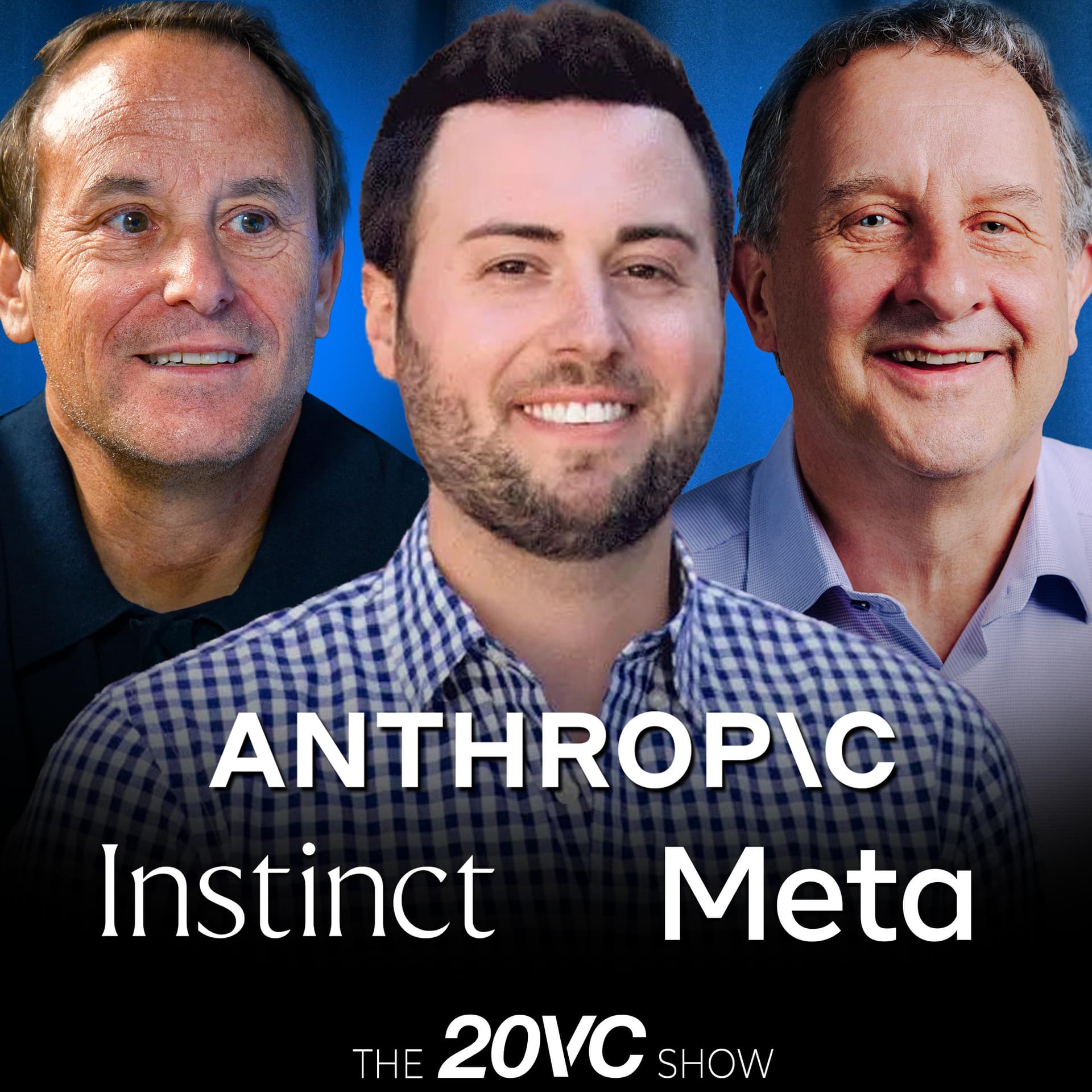
Podcast Notes: The Twenty Minute VC (20VC) - Episode: Kalshi's $1BN Raise, the Polymarket Feud, and the Battle to Replace Traditional Media
Episode Overview
- Host: Harry Stebbings
- Guest: Tarek Mansour, Co-Founder and CEO of Kalshi
- Key Topics: Kalshi's recent funding, rivalry with Polymarket, future of prediction markets, partnerships with CNN and CNBC.
Key Highlights
Introduction
- Tarek Mansour shares insights following Kalshi’s announcement of a $1BN raise at an $11BN valuation.
- Kalshi has raised a total of $1.59BN with notable investors including Sequoia, a16z, and General Catalyst.
- Exclusive partnerships with CNN and CNBC signal a strategic move into mainstream media.
Why Kalshi Raised $1BN
- Market Opportunity: Growing consumer behavior is shifting from passive consumption to active participation in predicting events.
- Growth Strategy:
- Building a global brand.
- Scaling the team and enhancing marketing efforts.
- Meeting regulatory capital requirements as a federally regulated financial exchange.
Kalshi vs. Polymarket Rivalry
- The rivalry is likened to competitive dynamics in sports (e.g., Messi vs. Ronaldo) and emphasizes the necessity of competition in driving innovation and growth in the prediction market industry.
- Tarek believes that this rivalry pushes both companies to excel and enhances the overall market landscape.
The Future of Prediction Markets
- Discussion on the evolution of prediction markets, particularly around political events and cultural phenomena.
- Tarek envisions a future where prediction markets become integral in news and media by providing timely insights and predictions.
Partnerships with Traditional Media
- Tarek explains the rationale behind partnering with legacy brands like CNN and CNBC instead of trying to replace them outright:
- Education: The partnership helps educate the public about prediction markets.
- Synergy: Media can enhance the utility of prediction markets while simultaneously boosting the credibility of news coverage.
Reflections on Leadership and Challenges
- Tarek shares personal anecdotes about resilience during tough times, particularly regarding fundraising struggles and regulatory challenges.
- Emphasis on the importance of maintaining trust and relationships with early investors.
- Discussion on emotional maturity among young founders and the challenges they face navigating their responsibilities.
Investor Insights
- Tarek reflects on the influence of Alfred Lin from Sequoia, highlighting his nuanced perspective and his role in providing balanced feedback.
- The value of great investors in building a successful company is underscored.
Quick-Fire Round
- Various topics covered, including:
- Misconceptions about Kalshi being a gambling platform.
- The importance of marketing versus product development in startups.
- Tarek’s thoughts on celebrity endorsements and potential partnerships with figures like Messi or Taylor Swift.
Key Takeaways
- Rivalry Drives Innovation: Competitive dynamics within the prediction market industry foster better products and services.
- Strategic Partnerships: Collaborating with established media enhances credibility and aids in user education.
- Resilience is Key: The journey of entrepreneurship is filled with ups and downs; the ability to persevere through challenges is crucial.
- Understanding the Market: Tapping into consumer behavior trends can reveal significant opportunities for growth.
- Value of Investors: Having reputable investors can signal legitimacy and attract talent, but it's essential to examine their potential impact on company culture and direction.
Conclusion The episode presents a dynamic view of Kalshi's growth and the evolving landscape of prediction markets, emphasizing the importance of competition, strategic partnerships, and resilience in the entrepreneurial journey. Tarek Mansour's insights offer valuable lessons for founders navigating the complexities of startup growth and market engagement.
Written by AI. May contain mistakes. Listen to the episode to check what was said.
Transcript
Automatic transcript. May contain errors.0:00I think this is kind of what happened with Calci in the election is a bit of a chat GPT moment for our industry. An industry truly becomes an industry when there's a rivalry. Without Polymarket, we wouldn't have pushed our marketing and pushed our product as hard. Did you ever cross paths with SBF? And what did you learn from observing FTS's implosion? This is 20VC with me, Harry Stebbings. And Calci is one of the fastest growing companies on the planet right now. In the last week, they announced their$1 billion raise at an$11 billion valuation. They announced partnerships with CNN and CNBC. And today, their founder, Tarek, joins me for his only interview following these announcements to give me the exclusive lowdown.
0:40But before we dive into the show today, are you drowning in AI tools, chat GPT for writing, Notion for docs, Gmail for email, Slack for comms, and you're constantly copy pasting between them all, losing context and losing time? This is the AI productivity tax, and it's killing your output. At 20VC, we're all about speed of execution, and Superhuman is the AI productivity suite that gives you superpowers everywhere you work. With the intelligence of Grammarly, Mail, and Coda built in, you can get things done faster and collaborate seamlessly. Finally, AI that works where you work, however you work.
1:20Superhuman gets you from day one with zero learning curve, and it's personalized to sound like you at your best, not like everyone else using generic AI. Get AI that works where you work. Unlock your superhuman potential. Learn more at superhuman.com forward slash podcast. That's superhuman.com slash podcast. And speaking of tools that give you an edge, that's exactly what AlphaSense does for decision making. As an investor, I'm always on the lookout for tools that really transform how I work. Tools that don't just save time, but fundamentally change how I uncover insights. That's exactly what Alphasense does.
1:56With the acquisition of Tegus, Alphasense is now the ultimate research platform built for professionals who need insights they can trust fast. I've used Tegus before for company deep dives right here on the podcast. It's been an incredible resource for expert insights. But now with Alphasense leading the way, it combines those insights with premium content, top broker research, and cutting-edge generative AI. The result? A platform that works like a supercharged junior analyst delivering trusted insights and analysis on demand. AlphaSense has completely reimagined fundamental research helping you uncover opportunities from perspectives you didn't even know how they existed.
2:34It's faster, it's smarter, and it's built to give you the edge in every decision you make. To any VC listeners, don't miss your chance to try AlphaSense for free. Visit alphasense.com forward slash two zero to unlock your trial. That's alphasense.com forward slash two zero. And if AlphaSense helps you make smarter decisions, Daily Body Coach helps you build smarter habits. You know how so many founders and execs say they'll finally take care of their health once things slow down? Well, they never do. Running a business is a marathon made of high-intensity sprints, and taking care of yourself is what gets you through those times performing at your best, both professionally and personally.
3:13This is exactly where Daily Body Coach comes in. Daily Body Coach is a complete, high-touch service for busy founders and executives, combining personalized nutrition and training with psychology-based coaching to help you not just follow a plan, but actually build the systems, habits, and mindset to stay at the top of your game. Built by an exited founder and led by certified experts with masters and PhD-level credentials, Daily Body Coach is fully tailored to your life, whether you're traveling, dining out, or in back-to-back meetings. You get daily accountability, data-driven insights from DEXA scans, and blood work and a highly certified team backing you.
3:52If you're serious about performing at your best, physically and mentally, go to dailybodycoach.com forward slash 20VC. That's dailybodycoach.com forward slash 20VC and take the next step. You have now arrived at your destination. Tarek, dude, it is so good to have you on the show. I mean, holy cow, what a rampage Koushi's been on, my friend. Thank you so much for coming back. Thanks for having me. Super excited. Dude, I've got to start on the main thing, a billion dollars. The first thing I have to ask, why does Koushi need a billion dollars? That's a good question. What we've realized in the last, I would say, six to nine months, given the sort of acceleration of what we've seen, is the opportunity ahead of us is maybe even bigger than we had all possibly imagined.
4:39There's a few symptoms of that. So one, Calci this year is at this scale, at least, I think the fastest growing company in America outside of AI. I think Anthropic is growing faster. And I'm not sure about Mercur and Cursor, but we're growing at that pace at that rate. And number two, what we're seeing, which is even more important, the qualitative thing that we're seeing is there's a real and rare shift in consumer behavior. People are kind of turning from like passive watchers of events or news or sports or other things that they engage with in real life to active participants. That natural behavior of wanting to predict the future or debating about something is turning into activity on Calci.
5:15That is rare. Like when you see this shift in consumer behavior, I mean, you've seen it in Airbnb with the host and Uber with riders. When you're seeing a new class of people, in this case, prediction market traders becoming a thing, that's indicative of a very, very massive opportunity ahead of us. And when you have a massive opportunity ahead of you, you want to go big, you want to bet big. And so we're just really scaling up for that opportunity here. What does a billion dollars get for you that you couldn't do without? I think one. So, okay, we are at a point right now where so we're growing incredibly fast.
5:44We are also profitable right now. And so it's a good question. I think the next phase is how do we build a global brand? How do we build a brand that people know, they talk about, they associate with, and how do we put the story of the company and the story of the brand out there? And so there's a lot of marketing that's coming, obviously scaling the team. So we're still 100 people. And number two is we're a financial market. We're a financial company. So as the volumes increase, as liquidity increases, we're a federally regulated financial exchange. It's a little bit like a bank or some of the kind of regulated clearinghouse you hear about.
6:18You have reserve requirements and added capital on the balance sheet. Think of it a little bit as a safety cushion. It enables us to do things faster. More capital enables you to do things faster in financial services. And that's usually a good thing. Dude, do you agree with the concept of kingmaking that large, large amounts of money can anoint a winner in a category? Do you believe that that is a thing? At least for the country strategy, that's not how we think about it. Maybe I'll lean a little bit more on the other side, which is like a better product will trump any day. And we've seen this a bit like with DoorDash and Uber Eats, right?
6:49Like Uber Eats had, I mean, infinite capital compared to DoorDash, but 20 bucks a better product and 21, right? And so I don't feel too dogmatic, but maybe I'm a slight no on this one. What do you think? I unwaveringly do. I think we're seeing it today where you're seeing VCs essentially choose a category and then just plow money in, knowing that if you build the right infrastructure, it massively increases your likelihood of success. If you have the right founders who are good resource allocators. Maybe with the if at the end, right? But the problem is the if is a bit conditional, right? Like oftentimes a lot of money can create like inefficiency and like companies start making a bunch of unforced errors when a lot of money comes in.
7:28But if that if is true, I think yet capital tends to be quality with success if the company is an A plus execution company. Dude, how much of Calci's activity is sports betting? And how do you respond to people who say it's just a sports betting platform? It's pretty similar to what happened last year, actually. So last year, it was, you know, the question I was receiving is how much of the activity is elections? Obviously a lot, right? Like how much of the attention right now is in the election? Like in terms of like what people were talking about in October 2024. And if you think about it, it's like, well, out of 10 tweets I see on Twitter, 9.5 tweets were about the election, right?
8:04Like, so maybe that will correlate with the volume on Calci. And it did, right? It was exactly that. And you're seeing the same thing happen with sports. But like per unit of time, it really is about what is most on top of people's minds. So, yes, Sunday, NFL Sunday is massive in America. And that's on top of people's minds. But when there's a Fed decision, that's on top of people's minds. And that's where the trading volume is. When there's a Mamdani election, that's when the trading volume is. So the volumes will basically ebb and flow with whatever is in the news, whatever is trending on X, whatever is top of people's minds.
8:32And I think it's a matter of time until basically like, you know, we're seeing incredibly strong evidence or traction in the culture markets, for example. What's happening with Taylor Swift, movies and how successful they're going to be, anything around culture like that, that is massive unaddressed, unaddressed time right now. And it's a matter of time to like, you know, we scale the number of markets, we scale the liquidity. And I think those one day will be very big. So sports is very big right now, but I don't think it's kind of like a, I think it's a moment in time. It's funny, I spoke to pretty much every one of your investors, by the way, before this show, including Colin at Sandwich, who told me about investing back in 2019 because it was the biggest TAM he'd ever seen in potential.
9:09I thought that was an interesting and bold statement, which I completely agree with you when you look at the untapped element of movies to culture and everything in between. With that, you have people realize that untapped ham and you see Robinhood come in with alternate products. How do you think about Robinhood's entry? I know Vlad pretty well. I'm always very impressed by their product suite. How do you internally think about that? Maybe let me answer that question generally and then specifically. So in 2024, we won the fight against the government. We sued the government and then we won that fight in October 7th, 2024.
9:41And I think that has accelerated prediction markets. That has really spearheaded them into the mainstream. And this has continued into this year. And when you see this type of, like, I would say success, I think this kind of what happened with Calci in the election was a bit of a Chad GPT moment for our industry. Well, what happened with Chad GPT and OpenAI is like everybody flopped, right? Like, you know, everyone was like, well, there's a goldmine here. We're going to go after it. That's happening in prediction market. And I always think of it as like, I think there's two markets. There's either small markets that not a lot of people will care about or massive markets that a lot of people will care about as long as you live in a free, open market, in a free, open society.
10:15And obviously I'm running a free market, so I have to believe in competition, right? And so it's great, like this competition that you're seeing from CME, from, you know, obviously DraftKings FanDuel, from some of the offshore players, some of the startups, some of the brokers is a sign that I think the opportunity I had is massive. It's a very big opportunity. On specific development, I mean, incredible company, amazing execution. I think Vlad has been able to sort of move into new products pretty successfully. And, you know, they've been an incredible partner of ours on the prediction market front.
10:44So I think them kind of pushing for more innovation in the space, I think is a very positive thing. You know, I think it's going to make all of us get better. And we're very excited about it. Totally get you. And I share that on Vlad. Just such a good dude. It's so funny, dude. I had him on the show when the market cap was in the dumps. He was in the dumps. And I had him on the show when the market cap was riding high. And this man was like lighter than air. He was so happy. He was so positive. I was like, whoever says that your happiness is not correlated to market cap, lied. Right. Why is the competition so intense with Polymarket?
11:14You know, we're great friends with Alex at Deal. The Deal rippling and you and Polymarket are similar in ferocity. There's probably even Trump's you. But why is yours so intense? Here's the way I put it. I mean, there's a little bit of spectacle around these things. You know how like when I get asked this question, I think a little bit about boxing. You know, I always wonder, like, do these boxers actually hate each other? Or like, are you doing it for the show? right? Like, do they go back and, you know, after they punch each other kind of in the weighing event or whatever, do they go back, you know, in the back room and they sort of like, you know, hang with each other and, you know, I don't know, like, you know, dab each other and move on.
11:49I always wondered that. And probably there's some truth to that. And look, I think people like rivalries and like they, you know, they scale them and amplify them and grow them. And it's more fun to watch a Calci Poly market than to not watch a Calci Poly market. I get you, but like Rippling hate Deal and Deal hate Rippling. I don't know if there's that. I mean, look, we've had our differences and we've had real conflicts. There's no question about that. And I think both companies have made mistakes in the past. Maybe fortunately, neither of us have escalated to that level, to the Rippling Deal level.
12:25But like, you know, we made a mistake last year with the, you know, the both of us have been sort of playing games against each other for years now because we're competitors. And there was one last year that sort of, you know, they promoted and there's like a whole backstory to it. That was a mistake made clear to the team. Like, don't ever do this again. Can I just what do you learn from, you know, I specifically, for example, when I left my old fund, you know, I was very quick in leaving and I really left no time for transition. I was quite thoughtless in my old partner. And I really regret that.
12:55I'm like, I should have given more time, been more thoughtful and caring. And with the benefit of hindsight, I would have done it differently. Benefits of age. When you reflect on the mistake that you mentioned there, is there a takeaway for you? The way I think of it is like, I think what I'm learning over time is that an industry truly becomes an industry when there's a rivalry. Because that rivalry will push you beyond the limits of what you thought you could get to. That's just how these rivalries work, like Messi and Ronaldo, right? They're both considered potentially the greatest of all time.
13:28Well, I think Messi is the greatest of all time, but this is the bid for another day. But like, but and they live in the same era. And I think that's there's correlation in that. I don't I or causation. I don't think this is just sort of like they just happen to be born in the same time. You know, Tom Brady and Manning, Tom Brady kind of reflected on that back in the day. He's like, you know, we were like the most ferocious on the field and we fought each other. But then over time, we got in some ways he became grateful for that because he realized that without Manning being in there and vice versa, he would have never achieved what he achieved.
13:56And I think that's happening in prediction markets. without Polymarket, we wouldn't have pushed our marketing and pushed our product as hard. And without us, they wouldn't have pushed their marketing and their product. And maybe also without us, the kind of the regulatory piece that we've unlocked as hard. And so that sort of infighting, I think, is going to push both of us to scale this industry and reach heights that we honestly wouldn't have been able to otherwise, which long-term is actually net positive for the customer. Like the net winner of all of this, the people that are happiest here is these early evangelists in prediction markets that now have seen their market grow from this sort of weird corner of the internet to like a massive industry, right?
14:32Like it literally starting to look like a stock market. Do you respect Shane and Polly Market more than any other? I don't like relatives like that. You know what I mean? Like I think it depends on what you mean, right? There's like, you know, a lot of really great companies in the space, you know, especially like bigger companies, legacy companies. I respect CME a lot, even though they're like an incumbent legacy, but as a business, it's really an incredible business what they've built and the modes that they have. I think, you know, obviously some of the traditional players like Draskins and FanDuel, they have really effective, I would say, like marketing machines.
15:02They're like some of the best spenders of dollars on the planet. So maybe in an absolute terms, I mean, look, I think they, some are like Polly has done an incredible job at marketing. They build a good brand and we learn from that. And I think, you know, Kaoshi has gotten really good this year on that front. What do you not do in brand today that you would like to do? That's a great question. So look, I mean, we announced, for example, so this week we've announced, well, we found the first and then the second large scale news network partnership with the prediction market. So we announced CNN exclusive partnership and then CNBC, the same thing the next day.
15:39Those have always been dream partnerships of ours. And there's more to come because this idea of just like embedding prediction markets in the news. There's so much symbiosis here, which is the news can get better from prediction markets because prediction markets are like this sort of, think of it as the news covers what's happening now. Prediction markets can extend the news to cover what's about to happen next, which is kind of the next iteration of news. And then prediction markets can benefit from the news because you can create that habit, which is like, I read a market, I read something about whether the Fed is gonna raise interest or the economy, I can maybe directly trade on it and put a position.
16:11And so they really gel really well together. There's obviously sports, leagues, I think some authority figures and affiliates. But I actually think the bigger thing for us that I think we're learning over time that we have to do, that we're starting to do a better job at is you just got to tell the story of the company. And we haven't done as much of that because what I realized is the story actually resonates and it resonates with our customers. It resonates with partners, but it also resonates with sort of like aspiring entrepreneurs that are starting this kind of, whatever they're starting.
16:37Because when you look back at the story of Kalshi, like the one thing I always tell people that I think is the thing that spiked for us. And look, I think we're competent. I think we're smart. I think we have great strategy. We work hard, but I think it's resilience. I think we were so deeply committed to making this thing work. And in some ways, even for me, the beautiful outcome here, maybe the outcome is giving us a beautiful lesson, which is like, you truly can will something into existence. You really can. And it's kind of amazing to see that play out. I mean, I've had my doubts over the years, obviously, but it really did work out.
17:07And I think we got to get that story out there. I spoke to Don Stalter before this show, and he asked you, tied to that resilience, what was your lowest day? And what did your mind tell you in that lowest day? It's really hard. I've had so many low days throughout the last year. I'm saying like, so I'll tell you, we lost three anchors for our fundraise and I had to cool my mom up crying, walking through London in the rain. And she just told me the harder it is, the better the story comes out of it. Yes, it is. And I always remember that. One of the harshest moments in the history of the company.
17:42So, you know, we spent three years to get regulated up front. Then we got legalized expiration markets, finally could be able to launch. Then we get blocked about the launch, on the launch. And then at the end of 2021, we started working on doing the election market to get it in time for the 2022 midterm election. You know, we had a team, we bet an entire kind of two years on that. And then the government pocket vetoed. So they delayed their approval till past the midterms to not give it to us in time. I think that was a, you know, the day that that happened, you could feel, you know, there's a sort of feeling that, you know, in the room that like some things change or like people just lose confidence in you.
18:21Because when things like that happen, people oftentimes question the strategy and they question the decisions. And so we lost a lot of the team over it. I could feel that like the trust and the faith in the company had kind of plummeted. It was zero at that point. So very similar, actually. It's one of those moments where you kind of walk out of the office and you actually feel physical pain in your stomach. You know what I'm talking about? Like there's this feeling of hopelessness that you're like, it is done. We're not. This is it. And I also called my mom, you know, and I was like, I honestly think this is it.
18:53Like, you know, this is the end of the road. And then, you know, she's religious. She's like, well, don't worry. I asked one of the saints that I let, you know, popular in Lebanon. I was like, don't worry at all. I asked to say, you know, I got the signs that I need. This company is going to be massive. Obviously, it's a very hard thing for me to kind of stand on. But like the one thing that's always been very good about Luana and I is like, we have gotten so gut punched so many times in the history of the company. True, really hard gut punches. And we stood, you know, stood back up. And like that one, so we took a day to kind of recover.
19:25The next day we came back and we were like, we're going to try again for the 2024 election. And then we tried another year till the end of 2023. three, then the government blocked it again. So that's the second time. And then God Punch, same exact deal, lost another big chunk of the team, horrible kind of situation. This was the moment where we're like, we're going to try a third time. And this time we're going to sue the government over the selection market. So three years just kind of going through that absolutely intolerable pain up until kind of, obviously we got rewarded at the end of 2024 where we actually won.
19:55But it took three different trials and three different years. The hardest days of the stories that you tell, did you ever doubt your leadership? The answer is yes. So at times, even today, I mean, you always doubt, like, you know, when you're building a company that's just going after a large market and, you know, first it's not working, then it starts working, then it goes back to not working. And then you do that 10 times and then it works really, really well, but then everything starts breaking. And this is maybe the phase we're in. And then you start fixing some of the things, but then more things start breaking.
20:25You have to continuously kind of shift yourself as founder and then CEO and evolve yourself. And there's always questions like, am I going to be able to kind of do this next phase? Right. And like, what are you not sure that you're able to do today? I think that it's the time at a company where we need to evolve into sort of like into a more structured organization and build the right set of processes and systems in the company. And we haven't done that before. That's kind of the next big challenge. It's like, you know, am I going to scale to the occasion and be able to do it while keep accelerating the growth of the company and not sort of compromising the growth.
21:00And that's a hard problem. What function do you think is weakest today? That's a good question. And I think marketing in the beginning of the year was a lot of where I spent my time. I think it's less about some specific department lacking, but more about consistency now. How do we move that into a scaled, consistent set of habits in the company rather than a series of sprints? Can I ask you a weird one, dude, which is It's like, if the world is financialized by Kaoshi, is that actually good for the world? I think there's two very important dimensions here. So the answer is unequivocally yes. Yes.
21:33Like more free markets generally tend to more positive outcomes. Always. But the thing that struck me is like the current financial markets, they don't relate to a lot of people. Trading stocks or options or futures, like people don't really understand them. And the game is sort of rigged. It's rigged on behalf of like for Wall Street against Main Street, against the average person. because you never can win against Wall Street on like where a stock is going to go or where an option is going to go because they have all the asymmetric information. The thing that got me excited about building this is like actually there's an opportunity to build a financial market for a market that relates to anyone, that anyone can relate to.
22:07And like one of my core beliefs, like everyone is an expert on something. Like everyone has a, reads the news about certain things or has passion about like specific something, like really the vast majority of people have specific passions or are really excited about specific vertical. And Caltech is really a way to kind of get them to participate and financial market on that vertical that is their home turf, where they are not kind of facing somebody who has more information than them. A hedge fund. I'm sure you've seen pro sports traders. They have every insight on every player and every injury and every weather win pattern.
Read the full transcript
22:37The standards guy, girl betting on an NHL game on Sunday, I think you said, doesn't have that. Is it not just like increasing access to a different field where there are different pros? I think that's part of it. I mean, like, I don't think that Citadel and Wall Street has asymmetric information on, for example, our political process. And you saw with the election, like the best traders in politics, what bills is going to pass, who's going to win an election. They're people that love politics. They're not Wall Street. Wall Street is good and they can get smarter over time. But where Wall Street is really good is seeing kind of like what hedge fund and mutual fund and whatever is buying which stock and they can know where a stock is going to go better than the average person.
23:15But a lot of people have a lot of insight about politics. Why? Because they've been following politics for a decade or two. And you see it in the numbers. These are some of the more successful traders on Calci. But there's another kind of facet to this, which is very important, is that the prediction market user is not just a trader. Actually, out of every 100 prediction market users, maybe there's like one or two traders that are actually trading on the market. But the rest of the users are getting informed about the world. It's really a form of news. It's a form of media. It's a way to basically come and get truth about what's going to happen next.
23:46In a world where actually it's been really hard to figure out what's happening. And you see this at every election, big election, people flock to Calci because you go on the traditional news networks and you don't know who won until five, six, seven hours after Calci, right? And that's extremely valuable. If you can see and get a little bit smarter about the future, we can make better decisions over time, allocate resources better and manage risks better. It's really interesting insight that one out of every 100 is, say, a trader, or one or two is a trader, and the rest are what I call in social lurkers.
24:17You know, people sit and watch on the sidelines. The question then becomes, and a lot of your investors ask this, why partner with a legacy media brand like CNN or CNBC when you could actually own the vertical? You have the money, dude. You could build the media brand and the media platform and own the entire stack. Why partner with legacy? and how long before that legacy partnership becomes cannibalism? I think they're not mutually exclusive. You know, that's a fair question. I just think that like right now we're so early that it's hard to think about cannibalism or think about any of this as a zero-sum question, right?
24:53We're just so early. The percentage of people that understand, deeply understand prediction markets is still so small. There's so much education to do. And I think the news and partners like CNN and CNBC are really an incredible way to get people to understand what these markets are about. And at the end of the mission of the company is like, we want to bring more truth to a lot of these processes, whether it's the election process. Right now we're using polls and pundits and people say whatever they want or weather or climate or the economy and how we make decisions about the economy. And the best way to do that is like put it in the places where people go and take that information, get their information about that.
25:26So imagine where election night coverage is informed by prediction markets, which actually work better than what we're doing today. That is actually net positive and the best way to do that is, well, let's go to the place where people are going to get their information about the election. And I think that news networks are an amazing way to do that. Do you not think you can create the next news network? I think we can. They're not mutually exclusive. I think we can do both. And I mean, even today, right, there's not a single news network that owns all the audience. And there's some news networks like CNBC for finance and business.
25:57CNN is for politics. They're not mutually exclusive. When you look at activity, what's more important? Is it breadth or is it like depth? Is there 99 % of trading and interest in a very small number of inventory? Or is that breadth massively important? Me and your team were talking before this about Luana and doing some PR in Brazil and just getting the brand in Brazil. Is breadth everything or is it having the 1 % that everyone gives a shit about? It's a great question. We think about this a lot. You know, my mental model for this is you have to have breadth. Product diversity, making sure that people have enough content to engage with and markets that relate to the news or the things that they read on X is important.
26:41And it's a bit similar to X. If you go on X and read about one specific thing all the time, like that's not going to make a very interesting experience. You have to have diversity, even if there are specific topics that are the vast majority of the eyeballs. It's just really a balancing, a constant balancing act between the two. We spoke about kind of becoming a news network and that also takes money. Don said, you fought hard to protect early investors pro rata, even when top tier funds wanted to squeeze the shit out of us. That's interesting. My mental model for this, we're playing a long term, iterated, infinite game.
27:12There's a lot of rounds to that game and every decision is around. And I think it's very important that throughout the game and throughout the rounds, you build a reputation where people can trust you and can trust that when you have a trade-off ahead of you, you will not be quick to basically, you know, kind of prioritize yourself. And you're trying to kind of like do right by people to the extent you can. And it's the same thing, like the people that believed in us early, right? Like even though maybe we don't need them as much right now, my mental model is you need them in terms of a reputation and doing right by them.
27:40That compounds. And if you're somebody that like does right by people around you, over time, people are going to want to work with you. And I think the best people, whether it's investors, partners, team members, want to work with people that like do right by them. Does Sequoia really move the needle in your company? Alfred Lin is incredible. Yes. Yes. Because when I had Alex Bouaziz on the show, he said that Alfred is the one person he doesn't have who he would most like to have. Yeah, I know. Why is Alfred incredible and what specifically makes you say that? Alex picked me so often over the years about Alfred.
28:11Alfred is a very unique, very unique investor in many dimensions, but like a few things that I really appreciate and admire about Alfred. one he's not the type of investor he's kind of the antithesis of what you would usually imagine a VC to be which is like VCs love to make strong simplistic statements you know you tweet something like the way to win is like have a great team and like Alfred's answer to everything is this sort of very nuanced in the gray uninteresting uninspiring answer but it tends to be the right answer and And most investors like simple kind of like structures and frames like, oh, you know, the margins are going to get compressed.
28:50So the business is not going to be very hard. And whereas Alfred is like, well, how is specific compression over time? It's actually going to be slower than expected. And then you're going to grow. And it's kind of a lot of like in the gray, you know, math and nuance. But that helps push you to get to the right balance between this and every decision. So one is nuance. Number two is he's always, always a kind of counterbalancing actor. And the thing I learned with Alfred is every time, so if I go with him with idea A, he will argue for not A. And if I go with idea not A, he will argue for A, always, systematically.
29:22He will always argue the other side, always. And this is to push me back to the middle, to push me back to like, hey, every decision comes with trade-offs and every problem, solution comes with problems. And the last part is like, and again, it's kind of, maybe there's a theme here, is like when the company is doing poorly, Alfred is the most optimistic and will come and like be excited and push you. And when the company is going well, Alfred gets pissy. He just wants to make sure that you don't get over your head. Then you're like, you know, don't forget dark times are coming again. And like, you know, be careful.
29:49But he's really been there for us from the early, early beginning. He's been a huge believer when at times where people really didn't believe it was really hard to believe in Calcian times. And he was just like always consistent. One of the most bullshit statements I think founders say is proliferated is, oh, you never want people who want to join your company because an investor is invested. I think that's utter crap. If Sequoia invest, it does increase the chances of success. It means you'll have another round of funding. It means more good people want to join and people want to make money for their families and make money.
30:23And so it's completely logical that you would get more people want to join post Sequoia investing. Do you agree with me or do you take the stance that don't take people who only join because of your investor? The best people want to win, right? Like they want to join a winning team. And like, I think having great investors is one sign out of many others that you are on a winning team, right? So I think expecting people to like disregard that altogether, you're probably kind of like pushing out or excluding some people that are, you know, winners, people that really want to win. But at the same time, you have to be, you know, make sure you're picking people that are going to do whatever, you know, that are going to really work hard and do whatever it takes to win.
30:59As long as they believe that this is kind of a winning company and a winning formula. So my answer is like, I don't think that people that like see having Sequoia on the cap table as a strong signal are bad people at all. Like, I think no, but I think you still have to do the diligence in the interview is like, is this person just joining just for a free ticket on a ride? Or is this person joining to make that ride go accelerate even harder? And are they going to do whatever it takes and work however hard to make it happen? If the answer to that is yes, then, you know, by all means, you should hire that person.
31:24Which investor do you not have that you would most like to have? If Alex's was Alfred, who's yours? Well, the most recent round, Neil Maddow came in small capacity. I've always wanted to have Neil involved. He's just like such an incredibly smart, like such an incredibly smart person every time I talk to him. Why did you not let Neil come in in a bigger capacity? It's not like a more semi-driven. We just chatted towards the end of the round. We just decided to do something small. I think, who would I really love to have? I have a lot of respect for Rivet and Mickey. I have a lot of respect for Founders Fund.
31:56I have a lot of respect for Altimeter. A lot of the crossovers in the public funds are also great. Learning from people is very important. One of your investors asked something that they asked not to be attributed, which I'm honoring. But they said, did you ever cross paths with SBF? and what did you learn from observing FTX's implosion? I got to know who this investor is. Yeah, I mean, the answer is yes. So actually the funny story is SBF, when I was a freshman at MIT, he interviewed me for Jane Street. And so I've known him since then. And then when he came into the US with FTX, we met once.
32:29We were never really close. He was kind of cold towards us when things were going well. And I think we actually had a history of people sort of looking down on us a lot. And we were a smaller company and we weren't as successful. We were having all these, like we were like doing the regulated route. We were focusing on regulation. We're like, we want to do it right. We want to do it clean, compliant, regulated first. And in those years, it was very unsexy to be that company. You had FTA, like everything was crazy. And like all the unregulated, offshore, like free for all, like those were the sexy companies.
32:59Those were the companies breaking rules and winning. And we were seen as sort of the safe, boring doozers, you know, because we were committed. We were like, we are not going to do this unless the government approves it. I have always been unwavering in my belief, same with Luana, regulatory first. And the reason is because I think in financial services and healthcare, the only way to build something that will last the test of time and that will truly go mainstream is to work with regulators, to do it clean, to do it right. And so maybe the learning came afterwards, which was like, at times you have doubts, right?
33:28Investors like, why are you not growing like FTX? Why are you not doing this? Maybe you should go offshore, you should do that. And you start doubting yourself. And like, maybe the learning was like, honestly, just like stay true to your approach. Like if you really have high conviction forget everything going around you, no matter the valuations, no matter what's building, stay true to your approach. When did you stay true to your approach where you should have changed? For example, for me, I believe for many years that audio was our platform. We don't do video. People don't feel as comfortable on video.
33:56It should be audio. I was stupid and we should have moved to video much sooner. When did you stay true and you should have moved and what did you learn? I think it was a little bit too, and this is going to sound a little bit unusual. I was too product driven for too long. I was always like, we got to build the product and make it absolutely perfect. And it needs to grow, you know, and grow really fast organically. And then we basically do more marketing and build a brand. And I actually think you have to build both together. And I think if I were doing it again, I would really be thinking about building both together.
34:29Your product is never going to be perfect, right? Like it evolves and it shifts and it improves over time. And the brand, you have to learn it. It's a muscle, right? The growth and marketing and brand is not something that you just turn on all of a sudden. It's like, oh, now we're ready to grow. It is a muscle. It's something you have to embed in your company. I've changed my mind on this, which is like, it's not like maybe it's the YC thing, which is build a great product, then people will come. Build a great product, but build a great marketing engine and scramble to do both at the same time is now my best answer to this.
34:54Do you think we've moved too far in that direction? When you look at the, in the distribution is everything, the rage bait, everyone has videos and everyone has a podcast and the clearly I'm going to take pictures doing obscene things. And do you think we've moved too far? Here's the way I would put it, right? I mean, you take that statement to the extreme, it's like maybe you should do marketing and not really focus on product. Well, that is definitely a recipe for failure, right? Like in the order of things, you know, build a great product, but make sure to think about your marketing motion early enough.
35:25Don't think of it like years late, which is what we did, which was, I think, a mistake. The second is build a great product and then think about your marketing. The third is build a great marketing machine and then think about your product is my view. Because no matter the number of eyeballs and the number, you have to build a great product. There's a lot of people that have had massive eyeballs. You see influencers and you see celebrities with mass eyeballs. Their tweets get tens of thousands, if not hundreds of thousands of likes sometimes. And they launch a product that doesn't really work.
35:51That's the age-old story. I'm not a believer of this whole distribution first and that's all that matters. And no, I think you have to do, you have to have a great product. That's a precondition to success. But you have to also build in today's age because technology has become easier, right? It's not, building tech is not the way it was 10 years, 15 years ago. You have to also build a good brand and build a marketing motion. Cristiano Ronaldo announced last night that he was investing in perplexity. Clearly, fantastic judgment as a fellow perplexity investor. My question to you would be, what celebrity would you most like to have in Calci?
36:26Yeah. Well, it's a very good question for Luana because hers is Taylor Swift. And, you know, it's funny because a lot of the coverage this week was like tying her to Taylor Swift. Now she's richer than Taylor Swift, apparently. She's richer than Taylor Swift. She's just younger. She's just younger. I mean, look, my almighty goat is Messi. We have talked to, I think we are talking to his team right now. So maybe we'll figure something out. But I think he's the greatest athlete of all time. He's obviously great on the pitch and everything he's done. But, like, he loves soccer more than anything on this planet.
36:55and you can feel it and you can feel it so heavily and everything around his life, right? Like he's made it, he's become rich, he's become famous. He's all he cares about is getting on that pitch and winning. And you could feel that hunger, like, you know, and the man never really spent obscenely. He stayed with the same person, you know, who's now his wife since he was like, I think 14. He has his family and that's just kind of like, you know, source of joy outside of work. But he is so deeply committing to getting that ball and scoring. And I love that. I love that so much because it was just never about anything other than the soccer for him.
37:29And you could feel that. You mentioned the humility there, the not getting distracted, the one partner focus. I'm a bit worried, dude. The youth of founders today is so much younger than it was even before. You know, I'm meeting 17-year-olds with term sheets for$5 million every week. They're talented, absolutely. And their talent is here. But dude, when I was 17, my emotional maturity was here. And I think most of us was here. Do you worry that we are overestimating the emotional maturity of a generation of very, very young founders? I will say that each generation is more mature than the prior one.
38:04You can definitely feel like I feel like so oftentimes I talk to, you know, 17, 18 year olds now and like they're more mature than I was when I was 17, 18. As you go through battles and as you go through the ups and downs, like it just humbles you. Right. Like you have to go through some of that. I agree with you that like maybe people that are coming at it, like younger people that are coming at it clean. and the first thing they get, like first time they have an idea, they get$5 million term sheet. They get like maybe a wrong set of expectations about what it takes, what are they about to get into and how good they truly are.
38:32And like, I think Luan and I have been lucky. Like we really have a massive, we've always looked at ourselves as the underdogs and had like always a massive chip on our shoulders. Like our internal view of ourselves is not like we're these almighty beings or we're always like, what are we doing wrong? Who's better than us? What are, like we think a lot more that way. And in some ways it's a bit more tiring today, today, but it's made us lucky because we have humbled each other over the years. We just stay very grounded on like what we're lacking at every stage of growth. And like, there's a lot of things we're lacking.
39:01There's so many great people out there, like truly, right? Like if you compare yourself to some of the greats, like they're all operating on such a different level. And like, there's so much for us to learn. Dude, if it's okay with you, I want to do a quick fire round. So I pepper you with questions and you give me your immediate thoughts. Does that sound okay? Yeah, it sounds great. Dude, what's a prediction market that should exist, but you're too scared to list? That's a great question. I think it's markets around like the evolution of geopolitical like conflicts and they can have a lot of utility.
39:31Like that information could be very, very useful but I think they have downsides. And we always avoid markets that like, we try to make our markets always orthogonal. You can never get paid or not paid based on something bad happening. It's really hard, isn't it? Because how do you balance news and information and the benefits that come from transparency with the acknowledgement that with that is financialization. It's a dilemma for any technology. You see this in AI. I mean, that's technology, right? Technology comes with a lot of positives, but there's risks and you have to balance between the two.
39:59Which founder brand in tech do you think has most brilliantly crafted? For example, I think the Collison's brand has been expertly crafted, phenomenally maintained. It's a fantastic brand that they should be very proud of, I'm saying nicely. But that would be my brand that I aspire to. It's a Chanel brand of knowledge and premium. I think Eric and Karim have done a very good job at building a story and a brand around the founders, the team, how the company have come to be, and the quality of their execution. Learning a lot from those two and others. What's the biggest misconception people have about Calci today?
40:38One of the misconceptions is people sometimes think that Calci is gambling, and it's not. It's information and news. It's a very, very different model. And the reason why this, you know, there's this financial market for two reasons. One, it has economic value. But the second one, the really core one is in gambling, there's a house. You walk into a casino and the revenue of the house is equal to its customers' losses. That's how they make money. They're betting against the house. In our model, it's an open, transparent financial market that is neutral. You know, Harry is trading against somebody else.
41:07And whether you lose or make money, we are not incentivized for either way. We make as much money either way. We take a transaction fee on top, the same one, whether you win or lose. And that's why we like the dynamic is much more akin to, you know, the New York Stock Exchange or traditional financial markets than like traditional like casino or sports book. One piece of advice on hiring that is most controversial, unconventional. That's a great question. The vast majority of people are not in the top 10 percent. Most people that come through your door should probably not be at your company. I think people always forget that.
41:41Like, you know, most teams are not great teams. it can be that everybody can be in the top 10%. The way to frame this as a contrarian or controversial take is like most people are kind of mediocre and not in a bad way necessarily, but just mediocre for the job that you're trying to hire them for. And so it's really, really, really hard to find the top five, 10 percenters. I do not think you can only have A players if you have a company over 250 people. By definition, A players are extremely rare if you want to keep that high bar. Post 250, I don't think you can. Do you agree? I don't know. We're not at 250 yet, So we'll see.
42:13What are you at today? A hundred and change. What's the worst part about your culture? That's a great question. We're a little bit chaotic. It's virtue of like very flat, low on process, very low on politics, and just really focus on product, customer, and shipping. That's like every decision is product, customer, shipping. Don't think about anything else. And when that happens, we are trading off the bane of not like you're choosing, in my view, between two different pains, either product velocity. so you either cave on product velocity or you cave on like chaos and organization in a company.
42:45I don't think you can get both. I know you love walking meetings. What's the most memorable walking meeting and why? I do love walking meetings. How do you know that? Dude, I stalked the shit out of you. You know why the show is done well and I don't mean there's agony. It's just because most people don't prep. They don't really put the time in to get to know you. Oh, it's amazing. You know, I spoke to 23 people before this. That's amazing. That's amazing. Let me think. I think I've had so many walking meetings over the years, but I spent a lot of time just walking with Victor Lazart and just sort of thinking about a bunch of different things.
43:20I think Victor is incredibly smart. He's a very, very smart guy. We never just have an agenda. We just sort of talk about different sort of constructs and try to kind of build mental models of the world and what's happening. And he's just kind of always helped me think bigger. And he pushes back on my thinking. We have a lot of walking meetings. I love him. I think he's fantastic. He was brilliant on the show. So final one for you, your dad was an entrepreneur. What unconventional lesson that you haven't shared before did you learn from your dad about entrepreneurship that you've applied? Well, my dad was actually a doctor.
43:51Then he kind of started a consulting firm. But one of the things that is a bit unusual, so I grew up mostly with single mom. So my dad was not super present. Yeah, I saw your tweet actually recently. About broken relationships with fathers. Yeah, I actually, I was like, there's a lot of truth to that, I think. And you don't realize it like subconsciously. I think it's like a subconscious thing. I think it embeds some sort of chip on your shoulder. It's very hard to embed if you had the same relationship with your father. Dude, I so appreciate you. I so appreciate you putting up with me, pushing you on everything from Polymarket to your familial relationships.
44:23Thank you for joining me today, man. Thanks for having me. This was awesome. But before we leave you today, are you drowning in AI tools? chat GPT for writing, Notion for docs, Gmail for email, Slack for comms, and you're constantly copy-pasting between them all, losing context and losing time. This is the AI productivity tax, and it's killing your output. At 20VC, we're all about speed of execution, and Superhuman is the AI productivity suite that gives you superpowers everywhere you work. With the intelligence of Grammarly, Mail, and Coda built in. You can get things done faster and collaborate seamlessly.
45:04Finally, AI that works where you work, however you work. Superhuman gets you from day one with zero learning curve, and it's personalized to sound like you at your best, not like everyone else using generic AI. Get AI that works where you work. Unlock your superhuman potential. Learn more at superhuman.com forward slash podcast. That's superhuman.com slash podcast. And speaking of tools that give you an edge, that's exactly what AlphaSense does for decision making. As an investor, I'm always on the lookout for tools that really transform how I work. Tools that don't just save time, but fundamentally change how I uncover insights.
45:42That's exactly what AlphaSense does. With the acquisition of Tagus, AlphaSense is now the ultimate research platform built for professionals who need insights they can trust. fast. I've used Tegas before for company deep dives right here on the podcast. It's been an incredible resource for expert insights. But now with AlphaSense leading the way, it combines those insights with premium content, top broker research, and cutting-edge generative AI. The result? A platform that works like a supercharged junior analyst, delivering trusted insights and analysis on demand. AlphaSense has completely reimagined fundamental research, helping you uncover opportunities from perspectives you didn't even know how they existed.
46:22It's faster, it's smarter, and it's built to give you the edge in every decision you make. To any VC listeners, don't miss your chance to try AlphaSense for free. Visit alphasense.com forward slash two zero to unlock your trial. That's alphasense.com forward slash two zero. And if AlphaSense helps you make smarter decisions, Daily Body Coach helps you build smarter habits. You know how so many founders and execs say they'll finally take care of their health once things slow down? Well, they never do. Running a business is a marathon made of high-intensity sprints, and taking care of yourself is what gets you through those times performing at your best, both professionally and personally.
47:01This is exactly where Daily Body Coach comes in. Daily Body Coach is a complete, high-touch service for busy founders and executives, combining personalized nutrition and training with psychology-based coaching to help you not just follow a plan, but actually build the systems, habits, and mindset to stay at the top of your game. Built by an exited founder and led by certified experts with masters and PhD level credentials, Daily Body Coach is fully tailored to your life. Whether you're traveling, dining out, or in back-to-back meetings, you get daily accountability, data-driven insights from DEXA scans, and blood work and a highly certified team backing you.
47:40If you're serious about performing at your best, physically and mentally, go to dailybodycoach.com forward slash 20VC. That's dailybodycoach.com forward slash 20VC and take the next step.
From the publisher
Tarek Mansour is the Co-Founder and CEO @ Kalshi, the leader in the world of prediction markets. Just last week, they announced their $1BN raise at an $11BN valuation. In total, they have raised $1.59BN from some of the best, including Sequoia, a16z, General Catalyst, IVP, Meritech, and more. They also last week announced exclusive partnerships with CNN and CNBC, marking their move into mainstream media and news.
AGENDA:
03:28 Why Did Kalshi Need to Raise $1BN
10:35 Why is Kalshi vs Polymarket Such a Fierce Rivalry?
20:44 The Future of Prediction Markets
25:09 Why Does Kalshi Partner with CNN When They Could Replace Them?
26:27 Why Did Tarek Fight For the Rights of his Early Investors So Much?
27:25 What Makes Alfred Lin The Best?
29:19 Does Having Sequoia as an Investor Change the Game?
36:58 Are Teenage Founders Today Emotionally Ready to Lead Companies
38:30 Quick Fire Round: Celebrity Investors, Relationships with Parents