In short
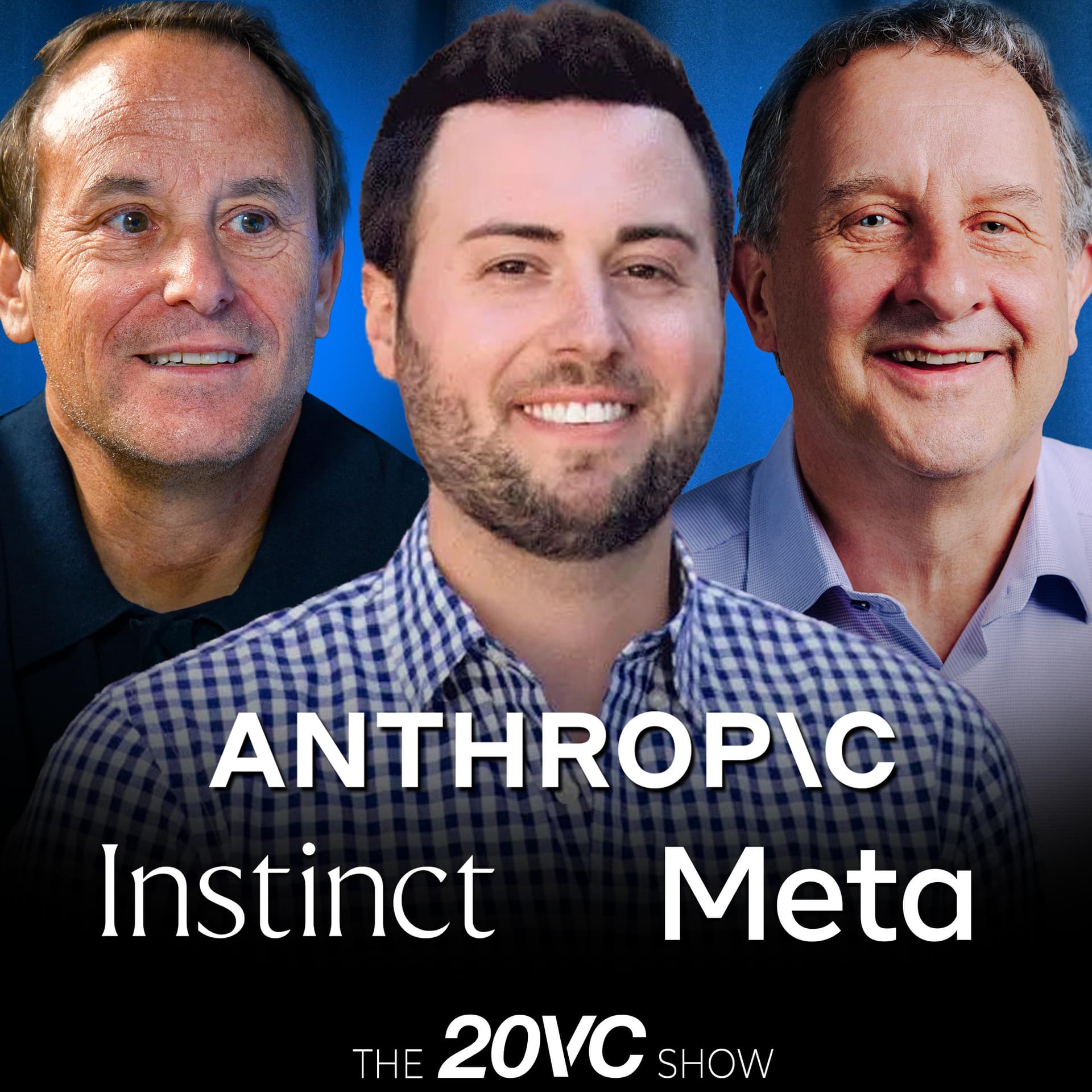
Episode Summary: 20VC: Ramp's Product Playbook with Geoff Charles
Episode Overview In this episode of *The Twenty Minute VC*, host Harry Stebbings interviews Geoff Charles, VP of Product at Ramp. They delve into various aspects of product management, hiring, and scaling product teams. The conversation is rich with tactical advice and insights, making it particularly beneficial for product leaders and founders.
Key Discussion Points
- Becoming a Product Leader
- Career Path: Geoff shares his journey into product management, highlighting the importance of understanding customer pain points.
- Critical Skills: Emphasizes the need to learn early skills that are pivotal for product managers.
- Common Mistakes: Warns against misaligning with customer needs and failing to validate ideas through genuine customer discovery.
- Hiring the First Product Team
- Timing and Team Composition: Discusses the right time to hire product professionals outside of the founding team and the benefits of professional services teams in early stages.
- Experience vs. Stage: Argues that experience in the right stage of a company is often more valuable than sector-specific experience.
- Senior vs. Junior Hires: Debates the merits of hiring senior product managers versus junior team members as initial hires.
- Increasing Product Velocity with Sprints
- Two-Week Sprints: Explains Ramp's use of two-week sprints to maintain high product velocity.
- Structure: Details how the sprints are structured, including lead meetings and team-wide scrums.
- Accountability: Discusses how accountability is intrinsically linked to sprint outcomes.
- Challenges: Outlines when two-week sprints may no longer be feasible.
- Multi-Product Strategy
- Timing for New Products: Addresses when to add a second product and the common pitfalls companies make during this transition.
- Incumbents vs. Startups: Geoff argues that established companies are often not the real threat; new entrants can disrupt more significantly.
- Product Reusability: Introduces the concept of "product reusability" and its importance for achieving velocity across multiple products.
Key Takeaways
- Focus on Customer Understanding: To become an effective product leader, understanding customer pain points is crucial.
- Professional Services Orientation: In the early stages, product teams should act more like professional services teams, engaging closely with customers.
- Hiring Philosophy: The right timing and characteristics in early hires are critical for building a strong product team.
- Sprints for Velocity: A well-structured sprint process is fundamental for enhancing product velocity and accountability.
- Strategic Product Development: Companies should prioritize reusing successful product components when expanding their product lines.
Insights from Geoff Charles
- On Customer Discovery: Engaging deeply with customers, including observing their workflows, can reveal critical insights that validate product hypotheses.
- On Team Dynamics: Empowering team members and fostering a culture of accountability leads to higher performance.
- On Metrics: It is more productive to focus on leading indicators rather than lagging metrics to truly gauge team success.
Conclusion Geoff Charles provides a wealth of knowledge on building effective product teams and maintaining velocity in product development. His experiences and insights offer valuable lessons for both established companies and startups looking to enhance their product strategies.
For more details, check the full episode on [20VC](https://www.20vc.com).
Written by AI. May contain mistakes. Listen to the episode to check what was said.
Transcript
Automatic transcript. May contain errors.0:00products should sit with sales and should be in every single sales demo. You actually should be like a bit more professional services oriented as a product team earlier on. The founder or the first product manager should be selling the first hundred customers. And so as you go multi -product, you just need to ask yourself, what can I reuse from the first product in terms of second product? The reality is that it's very hard for large companies to actually innovate. Welcome back to 20 product with me Harry Stebings. Now 20 product is the monthly show where we sit down with the best product leaders to discuss.
0:29How they start, scale and manage product teams. Today we have one of the fastest growing companies, product leaders joining us. Jeff Charles, VP of Productor RAM. Jeff leads the Product Management Operations and Support Teams at RAM. And Productor RAM, Jeff helps spin off mission lane and scale credit products to millions of customers. This is a super tactical episode, we get very granular. And so get the notebooks out and be prepped. You will want to take notes on this one. But before we dive into the episode state, I'm refreshing the 20vc Miro Boardnud, love your input again, it's really easy just head on over to Miro .com ford slash 20vc and leave your guest suggestions for future shows and you can do it with a digital sticky note or a comment, you can head over to Miro .com ford slash 20vc and Miro actually sponsored this episode.
1:16If you haven't already tried it, I think you'll love it. Miro is the online workspace for innovation, it's packed with the right capabilities to be your dream products home base that you can visualize content, data and research findings all in one space with no problem. It means this space is where you map customer journeys with the whole product team, create user behavior dashboards and map process diagrams and finally it's where you'll run productive team sprints using integrations with tools you already love and use like Giro for developers, a sauna for project managers, Figma for designers and so on.
1:49We use Mirror and love it to brainstorm future shows, vote on potential guests, and leave feedback for the rest of the team in our own time. And right now I'm using it to hear from you. Leave your thoughts on the board at myro .com -2 -0 -VC. That's myro .com -4 -2 -0 -VC. You have now arrived at your destination. Jeff, I am so excited for this. As I said to you before, I've been running listening to your other shows, so thank you so much for joining me today. Super excited to be here. Now, I would love to start. I always like some context. So first, how did you make your way into the world of product?
2:23Let's start there as an entry point. Yeah, absolutely. So I have always been like very short -term focus in my career. So I just follow a lot of the energy and I think that's gonna be a theme throughout this chat. The first like, energy was management consulting out of college. So it's all the hype around just how to think, how to structure, how to sell. Then I got a kind of board of PowerPoint presentations. So I wanted to get close to the metal in terms of big data. I joined a big data analytics company, and that's where I got my first product and I think the way I did that was getting super close to the customer and understanding the customer pain points and then having great relationship with the tech team and understanding like how do we build technology to solve those pain points and I think the pride team kind of came running for there.
3:04What have been your biggest lessons in how to truly understand customer pain points because a lot of people go through customer discovery but I think we'll both agree many do it badly. What is the best way to really understand customer pain. I think you kind of have to walk in their shoes for a full day. Like, what do they listen to? Go listen to that. What conferences do they go to? Go to that conference. What are their pain? What are their aspirations? What does success look like in their role? What is their degree? What do they learn? What is their habits? I spend a lot of time with customers.
3:33And then it's all about just like asking the right questions. Oftentimes like product managers, they have an idea and they ask the question to validate their idea. And it's actually the wrong idea. And so just ask them like, what does success look like here? What is the worst part of your job? What takes a lot of your time? And it just continues digging in and digging in and digging in. And so, and then lastly, like when you do have a product, like sit down next to them or have them share their screen and just watch them do work in your product. And you will see how painful your product is and how many different ways you can improve that product.
4:03Oftentimes, just PM spend way too much time in the office. And I think that's just a huge downside for your team. You said that you kind of followed the energy and didn't really know where your passions lay in the first instance. That's the same for many people, knowing what you know now and where you are now. What would you advise people who maybe don't know where they should spend their time and their energies? Figure out what gets you excited. You do have the energy throughout the day. What is that? For me, it was all about building great products and seeing metrics move and waiting. I think I'm a very competitive person.
4:37Figure out the right industries. For me, when I think about ramp, for example, it's probably the most competitive space. It is extremely metrics -driven. I mean, everything is metrics to the point of whether it's our risk or fraud losses or conversion or net retention or interchange margins and find the industry that will take that box for you. Also, just note what lowers your energy throughout the day. What really bothers you? Is it large meetings? Is it bureaucracy? That was for me, for sure. And so find the industries of the companies that don't like meetings, that don't like bureaucracy. I think at the very least you can actually cut down a lot of things and that makes the selection process a bit easier.
5:16I said there, Kenan, what would you advise others? When you think about advising yourself, you know, you've had an incredible spell at ramp and it's an incredible journey today. Well, what do you know now that you wish you'd known on day one at ramp? Oh man, so many things. I think that we did a lot of things right at ramp. I think the things that we got wrong were always around hiring. And hiring is probably the hardest thing to get right. But it's especially hard when you don't know what you actually need. The biggest mistakes were probably on GoToMarket earlier on. We hired people who had seen success in growth.
5:48And it's hard to disambiguate what was your role in that growth versus the company. And also what was the GoToMarket motion of that company compared to the GoToMarket motion that we strive for? And so growth means a lot of different things. Is it performance marketing? Is it brand? Is it sales? Is it outbound? Is it customer success? Is it account management? Is it product like growth? There's a lot of different combinations. And so people hire their first go -to -market leaders, and I'm sure you have another growth podcast that we could chat through. They often make a lot of mistakes there. It took us a while to figure out the right combination, especially because RIP is both sales -driven and product -driven and marketing -driven.
6:23And we have what we call product -less sales. I would say be super clear on the strategy and hire more IC -level people who can show you the right path and test whether the strategy is the right strategy for you. How long does it take to know if someone's not good, do you think? Depends on how senior the person is. So for ICPMs on my team, I basically place them in teams that are high -performing, and then we immediately see whether they are at the bar. So you take basically something that is fixed, you add a variable, and if anything changes, it's the variable that you added, right? So that's one way of just like being able to manage performance fairly well.
7:00It's harder for senior people who you hired to also hire additional folks And so that's maybe like where I would say like don't do that Don't hire executives that will then hire people under them because that offus gates a lot of their performance And so be clear to the leaders that you're hiring like you're not gonna have that count for at least like six months You're gonna have to do the job and that's a really good way to actually assess performance I think within three months you should actually be able to say and figure out like is this person gonna hit it out of the park or is this person and not gonna work out.
7:30I'm getting off piece, but I'm enjoying this like, peppering of questions. Would you rather have someone who's worked in the same category before, or someone who's worked at the same stage of company that you are before? Stage, anytime. I think the category is not that relevant. You know, I come from more consumer than B2B, and I think that's actually an advantage because you're focusing on metrics, you're focusing on conversion, you're focusing on models, like lead scoring, a lead routing, all the things that like B2B companies have done really poor job on. I think the stage is actually much more important.
8:02Oftentimes, if you hire someone from a larger company, they come in and they just get shocked. Like, where are all my resources? Like, I've never been used to doing the work myself. Like, what do you mean I don't have like 16 people just like supporting this one thing? And so I much rather actually hire people who are coming from companies that are more scrappy in terms of resources that I've gotten their hands dirty, even if they come from a different space. It's not rocket science. Be it a BSAS is not rocket science. You mentioned kind of great themes there. the one commonality in all 20 growth episodes we've done is that growth themes come after product market fit And I wanted to kind of go through the different stages of company growth today And if we start chronologically on pre -product market fit If you think about pre -product market fit you said before and I like this But you said you have a million ideas and the hardest thing is figuring out what truly matters How do you determine what to focus on and what not to focus on in this very very early stage?
8:54So we're probably sub 20 people pre -product market fit So, I mean, at the early stage of ramp, you know, we were about tenish folks and we were just throwing everything at the wall to figure out like what makes people tick. And I think the advice there is, products should sit with sales and should be in every single sales demo and every single onsite and use the sales process as a way to identify pain points. Jeff, if we just jump in there, at this stage often that's not really a sales team. If we pre -product market fit, it may be a founder and one sales rep. Did they just join all sales calls?
9:27Do they go to sales meetings just realistically for founders? What does that mean in reality? Yes, the founder or the first product manager should be selling the first hundred customers, like absolutely. And that's because the sales person is the master of process, of discovery, and of trying to close, but they don't deeply understand the product or even the pain points yet. I mean, they're not enabled. There's no product marketing team. They just really don't understand those things. And so the summary there is, use the sales process as discovery, sit with, you know, if it's a larger customer, the CEO should definitely be there.
9:59And dig into what's working in the demo, what's not working in the demo. Where are their eyes opening up versus, you know, they're looking away. What are the questions that they're asking? And then basically just use the demo as like a prototype to your product and continue, like that's essentially your product at this stage. It's the demo instance in the store you can tell. And then the things that they actually identify is like, oh, this is curious or like, I do have a pain point there. Basically like run that back to your scrum teams, build a prototype or build a pride very quickly. And then the next demo show them that you actually incorporate their feedback.
10:28And that I think is also the piece that people miss is you actually should be like a bit more professional services oriented as a product team earlier on than like saying like, oh, I have this vision, I'm gonna build this perfect thing. Like if you actually find one or two design partners and you just build for them, they will love you way more than, you know, the best in class SaaS pride that's already in the market. I get so many founders that obviously investing today, I get so many founders that say, I don't get it though. I did the customer discovery and they said, oh, that's great. And that's great.
10:56And people can be very polite. How do you determine between polite? That's great. And oh my gosh. This is really what I needed. Look, I think it took us a while, a while to get right, a while to get the pride that really wowed them. I think what we did is we were extremely aggressive in terms of making it super easy for them to switch. And what I meant by that is like we literally had teams say, give me your old credit cards. I will log in to all of your other software and I will switch your cards for you I will sit with your finance team for a full day and I would get them set Like basically give them no reason to say no the practice free It's better and you're not gonna have to lift a finger and so just like be realite less there.
11:36That'd be my voice Did you ever have to do that with a customer? Yes, you did So it's kind of like thinking that in terms of like the customer discovery in terms of internals You've set before that you worked in two -week sprints. And I remember I was running, I was really annoying, I was running around High Park in London. And I was like, great, that sounds awesome. How do you structure two -week sprint? Like, what does that actually mean in reality? So can you explain, how do you plan these sprints? And how is it broken up? So I've iterated a lot in terms of just progobelman processes and this is the process that I've come to love.
12:09I'll be super tactical. So you have a Monday leads meeting where you talk about What is the actual plan for the next two weeks? And you alternate between tactical and strategic there. So one week it's like the tactical two weeks, and then the week in between, it's the strategic around the next couple of months. That's just the leads. So you align with the leads, product engineering design leads, as to what you need to achieve. On the Tuesday morning, you have a team -wide like Scrum meeting. That basically is your five to ten people, ten Macs, where you're actually saying, we've decided this is what we're going to do, and that the decision has been made.
12:40And it's all about people signing up for work. So don't assign, but have people sign up. Hey, Joe, here are our goals. What do you want to achieve and help us achieve in the next two weeks? And out of that meeting, you basically come back with the clear assignment of roles and responsibilities. And then any additional like deep dives that people need to have in terms of specs or designs or decisions, etc. There are no other meetings that are recurring in the entire probably development process. Those are the only two one hour meetings that happen. Everything else is scheduled if there is a blocker or if there's a question or if there is a a brainstorming session, etc.
13:13So every other meeting is extremely gold and extremely well -run. Okay, tell me. In terms of the teams themselves in these two weeks' brims, how big are they? And how are tosses assigned between them? You mentioned there about you choose which bits you're passionate about. How much is leader led versus IC led? If you believe in impairments, then a lot of it has to come from the individuals. And I think that you have kind of a social force where people are looking at their peers, that appears like I could do that, I could do that, I could do that, and they want to do more because they're managers in the room, right?
13:44So I think it's a really important culture to have people sign up and take on more than to actually push these things down. And so yeah, we basically have engineers that sign up. And then we post publicly, here are our goals and here's who's doing what? And so the scoreboard is super, super clear. And then before the start of the next spring, we basically go and say, this is what we wanted to achieve, what have you achieved. And the the individual say, I achieved this or I didn't, here's why. And that's essentially the scoreboard. So we also just do a lot of gratitude, meaning like, how has someone helped you achieve your goal so we can continue fostering a culture of helping each other as well?
14:19Having done many of these now, when you look back, what are the biggest mistakes you think you made? And I guess if you were to advise other founders on doing two -weeks, Prince, what would you advise them knowing what you do? I think that people tend to put too much emphasis on the task, the system, the meetings, and not enough on just what do you need to achieve those goals. And product managers often times become project managers, where they'll do the work on behalf of the engineers that just simply don't want to do some of the work that we're putting them on them. What I mean by that is don't write tickets on behalf of people, let them write their own tickets, give them the goal, not necessarily the task.
14:59have them manage up if you're constantly asking them for updates or you're constantly asking them like what's blocking them You're disempowering them and you're emphasizing a culture of you Project managing their work instead like every single person that ramp owns their work and manages their own project and They're managing up. This is the risk that I have This is the question that I have This is the key decision that I need you to make and that just creates a culture of just empowerment and velocity And so don't treat your employees like babies because they will become babies or you will hire babies or you will retain babies instead treat them like founders themselves.
15:28What do you do if they don't set ambitious enough projects for themselves? If you have a core team that's ambitious and you have one person in the team that's not as ambitious as that team, you need to part ways with that person because it bristly lowers the bar and everyone becomes demotivated. It's fairly easy to see as long as your core initial team is ambitious. And again, this goes back to add one variable at a time into that team so that you can actually understand what are the drivers of headwinds. Could you do two -easprint and two -eatsprint off to two -eatsprint? Is there any time in between?
16:01How do you structure them? Every quarter we take a step back, and we look at, okay, what did we achieve in the last three months? We basically have off -sites per pod that are customer centric oriented, and we ask ourselves, okay, what does incredible look like in the next three months? Where do we want to be at that time frame? That is a great moment to re -energize teams so they don't burn out in just this two -week -street cadence. And they also reflect on what they could have done better. You know, what are the changes in the process? What are the changes in terms of people? What are the changes in terms of strategy?
16:31So we do take a step back every three months, and that's a great refresher to then re -vowelize the team in the next three months. So if that's at the earliest stages, if we kind of move a step forward and say we do incredible sprints and we find some form of product market fit, so if you use with the cool -card products and we're at whatever that number is, six, deed a hundred people. You set them that you start planning in months for one, two, quarters at a time. Why the shift in months at this stage? And how do you not lose speed with the expanded time horizon that you have to work with now?
17:04Yeah, I mean, when you're a bigger company, right? You now have a customer support team. You have a sales team and account management team. You have customers that are not yet sold on your product today that need to understand the roadmap to be sold on your product tomorrow. And so you need to have a bit more of a longer term focus or a longer term goal and plan to make sure that you can address those needs. At that stage, you have a bigger marketing team and that marketing team needs ammunition to have very strong market moments. Those moments can't be one feature here, one feature there, etc.
17:33They need to be an aggregation of features and value propositions to then go in the market and tell a differentiated story. That's where you basically just need to arm them with, here's our plan over the next just call it six months. And here's how we can tell a story within this pride roadmap that is anchored on these large market moments so that you can actually go live and you can train the press team on how to tell the story to the press, video content and case studies and landing pages and conferences, whatever that is. And so that's now more valuable. You couldn't afford to do that earlier on.
18:04You just have to have an existential crisis and ship as quickly as you can. So that's really the value of why I've played a bit longer term. If we're blunt, product marketing need to work closely together, but product teams often will go marketing our fluffy and like, you know, go sponsor another event. And a lot of marketing is like kind of intimidated by product, especially if it's kind of engineering heavy, product teams. And there's a chasm often. How do you encourage synchronicity between the two where they can work together effectively in that way, whether it's messaging, flanting pages, whether it's telling press, the right story and messaging, how do you create that alignment?
18:39We have a culture at ramp where even if you're not in the team, you can advise and leave comments and suggestions to other teams. And we build in the open. What I mean by that is like, if you're a salesperson, you can go into my product spec and leave a comment on my product spec with your opinion. That is welcome. And same thing, if a pride marketer is designing a great landing page, you can have an engineer, comment on a landing page and be like, this value prop doesn't make sense to me. What that does is it gives everyone visibility and what everyone is working on. So there's trust because oftentimes trust decreases what you don't know what the other person is doing.
19:15It also just lets people be empowered in terms of giving feedback and then slow something's down or it's like a bit harder to manage. The long term I think it like leads to like much better craft. And so yeah, with the engineers understand end to end how to launch the product as well as the product marketer. Product marketers have full access to all the decisions we make on the product. They sit down with us in terms of user research. and that's important so that they can actually craft the good market motion. So there's always gonna be attention, but attention is greatly mitigated. If you have shared goals, like we want this product to be successful in the market and trust within the teams through visibility.
19:47When I hear that internal feedback, debate, truth, I think to the references that I got on you and everyone said that your velocity, velocity, velocity was so cool to everything you do. And then I think to Gustav Sodistrum who's the CPR at Spotify, who's set on the show, talk is cheap so we should do more of it. And I honestly look at this Jeff now, listening to you and I go, they're at odds because you're welcoming discussion and debate and leaving comments on my products specs and everyone being able to say anybody should work with what was your course strength which is speed speed speed how do you retain velocity while welcoming everyone's opinion on your work.
20:27You can you empower the decision maker. So I actually think that like more data does not slow you down. I'm in none -deadated with the data. I'll tell you, we have Slack channels with every single negative feedback we get from customers. Every time we lose a deal, there's a Slack, why would we lose a deal? Who do we lose it to? And was it a product feature? Was it a timing feature? Was it a pricing feature? Whatever it is. There's so much data that's happening. And it inspects, there's so many comments. I think that that makes you better at making the decision. I think what you need to do though, is you need to empower the person to make the decision.
20:59And when the decision is made, You need to commit even if you disagree and you need to align on the outcomes So if a PM gets 16, you know, a thousand different like comments on the doc You read all of them. You say I'm still going with this decision Then you commit you hold that PM accountable to that outcome if the outcome works You can reflect back on those comments and you can change your mind or if the outcome didn't work The PM should reflect back on the feedback that we're given and we'll have a post -mortem on it So I don't think more data slows you down the culture it can't be like I just want to share my opinion because I care about my opinion The culture should be, I want to share my opinion because I care about the outcome.
21:31I totally get you. You also said in this stage, and I really want to double down this because I didn't really get what it meant. You said that you shifted your technology teams toward thinking about the reusability and durability of systems. What does it mean reusability and durability of systems? And how would you advise founders on that and give them what you know now? So when you're a pre -pride market fit, it's very easy to try to build systems that have extremely long shelf life. And I think you should only do that if they are very high confidence, meaning like you know that this system is going to be alive for a very long time and very high risk, meaning if this system doesn't work, we're screwed.
22:07The rest, I think you should just understand that the shelf life is probably 12 to 18 months and be okay with it. Once you find that product market fit, then your goal is basically scaling that as well as adding new products. And so as you go multi -product, you just need to ask yourself, what can I reuse from the first product in terms of second product. Because you should typically go after a second product that has economies of scale in terms of systems you've already built. So an example for that for us was our first product was cards, our second product was expansion management, was a reimbursement.
Read the full transcript
22:35Now, when you think about a reimbursement, it's fairly simple. There is an employee identity which we already have. There is a form and a request flow which we already have. There is an approval system which we already have. And there's a money movement system. We had a money movement system between the customer and ramp when they put us back for the card. We just had to switch that money and miss system from the customer to their employees And so that that was reusability So then we went back to all the systems and we thought okay like how do we leverage those systems or rebuild them? And a multi -tenant or multi -use case fashion and then the important part there is like just thinking slightly ahead Okay, like but what comes next after that like well what comes next after that?
23:08It's probably like BDB payments and so we rebuild those systems after the first product to Sustain the next product and potentially the product after that How do you know when is the right time to do a next product? I often find founders do not appreciate enough how deep their initial market is and they have much further to run They think and they think about new products or geographies too soon How do you advise founders on when's the right time to do a new product? So I think that for the majority of the company you need to be like single product oriented for a very long time Until you get to a really good market share but as a tech team, you actually need to have an R &D department that is constantly shipping new features and new products.
23:50And so I know there's a disconnect there, but like, here's what I mean by that. I think that tech, after you find product market fit, the equation really is good to market. The equation really is like, we're marketing your brand, your distribution, your sales engine, your monetization engine, etc. That is a lot less on the tech team than it is on the good market team. So when you're spinning up a new product after the first product, do not distract the good market team. until you find product market fit. That's really important. Like what you don't want to do is ask for a bunch of marketing resources and sales resources.
24:18When you don't even have product market fit on your second product, keep that good market team extremely focused, keep a small, small team in the tech organizations building the next product. Once growth kind of slows down a little bit on your first product, and the entire executive team's like, oh my god, what's going to be our next horizon? You have it right there. You have it in your back pocket saying, boom, this product is actually ready to go to market and it'll help us continue that exponential function. How do you stop this very jerk like shift then from like hey, we have this product is ready to go to market and then your GTM team going we haven't focused on this we've got no idea about marketing positioning pricing How do you prevent that kind of jerk like handoff from being quite so static?
24:59What we typically do is we start at the bottom of the market with product -led growth on those products And so there is actually no like sales and very little marketing use that to prove the business case to the sales team and we continue iterating on the product until we can get to more min market sales driven segments. And at that point, we can go to the sales team and say, here's the positioning that worked and we leverage product marketing as well. Here's a positioning that work. Here's the actual use case. Here's the ICP and here's a potential revenue. We basically train a smaller team within the gonna market team, a smaller sales team and account management team to try to cross sell those products or try to sell those products and then we scale from there.
25:37So that's a little bit of how we done it. I speak to a lot of founders and we have a lot of public founders on the show in terms of public CEOs and founders and they say the hard thing is Harry when you're at a $10 billion company, you know, just shipping a new feature, the massive deal, or shipping a new product, the massive deal, we have a brand to lose now. Do you buy that you come to a stage where even a ground stage, people care if you do a product that doesn't work, versus when you're a startup, kind of who cares? You don't have that many customers, not many people will even notice. Does it matter or do people forget anyway?
26:07Yeah, I don't think it matters. For larger companies, when you're doing a product release, it's a lot more about like marketing to existing customers and marketing to the market. But at ramp, even with 15 ,000 customers, our marketing is actually geared towards the market. And the market doesn't even know what our product is. I think it's actually important to separate these two things out. When you go live with a new product, just go as loud as you can in the market, and by the time that they get to, okay, I actually want to use ramp, I'm sold and I activate, the price will actually be much better than the actual product that we built.
26:37And markets, your customers differently than to the market. That your customers should already be probably on a beta before even announced it to the market. So that's, I think, the advantage here is you have a huge tab and you can separate your marketing strategy that way. When we think about new products, often OKRs determine how we think about success of them. And I really like this when I heard you said before, but you really said that we should kind of not disregard them, but we get too focused on them. and that we should focus more on being product strategy driven. What we think about that, why do we get too hung up on OK -Os?
27:09Because they are so hailed in our business. So why do we get too hung up? And why is product strategy driven more efficient? Yes, Ogre is just a way to measure performance, and this is an objective and then key result. The reason why I don't like the framework is that it doesn't actually talk about strategy. It just gives a goal and then it just tells the team, and go hit this goal, but there's no thinking on the exact level around how we can actually achieve that goal and why that goal is important. And you spend a lot more time debating, what's the right metric, is this achievable, is this not?
27:42And then you have teams trying to sandback some of the metrics so that they can look good to the rest of the organization. It becomes like a very political game. When in fact, what you should be talking about on a quarterly planning perspective, what truly matters for our business, how do we actually achieve that thing, which is the strategy? So I'll give an example, it'll be very easy for me to tell the product team, like, hit X dollars of revenue in this segment. And then we can debate, like, oh my God, it should be, it should be X, it should be Y. But like, we don't know. There's so many things we don't know.
28:10And we're so, it ensures a business still, even with a ton of revenue. And so instead, I say, well, okay, the strategy is, is cash flow conversion. And so we want to build, we want to ship a product that solves that problem in three months and get 10 customers. And that's much more specific. And that's like, she, a delineation of product strategy. And that should be the goal. And at that point, it's much more clear what we need to get done and there's a lot less debate around the goals themselves. So you say there are about kind of less debate around the goals themselves and less on the metrics themselves that you care about, but they determine success.
28:40And I've seen you say before, I just care about how we're going to win. But what is winning? Winning is dictated by setting a finish line and hitting that finish line. So do you not need to set them to know what winning is? So I think there's like leading and lagging metrics, right? You want to win on your lagging metric, but you really want to focus on the leading metric. I think setting goals on lagging metrics like revenue, market share, and PS, that is not going to be clear to a team on how to actually change those metrics. I actually much rather focus on the leading metrics, which is like how many customers did we get on this new product?
29:15How many features did we ship in this specific segment? Those are more to more leading rather than the lagging ones, which is which is revenue. I prefer value -based matrix, which is like how many transactions did we drive on a per customer basis? What's the usage on a per weekly basis? What's the card spread within Orgs within the first 30 days? Like that for me is the most viable because it actually shows the net revenue retention over time. It shows you server time way more than like how many new logos did we get? I could go up or down, but if you do value -based matrix for me, it just says so much more.
29:50The question really is around metric setting is like can I as a team in a two -week sprint move this metric? And if I can it's a great metric if I can't it shouldn't be part of really our goals And so oftentimes you have such a lagging indicator. It's like the the S &P 500 stock price It's like you're you're not gonna move that in a quarter quarterly earning calls of publicly traded companies That's the outcome of like the work that happened a year ago And so you're not gonna go the team on that because they're gonna work super hard They're gonna see the stock bright change and they're gonna be like, oh my god Like the work I'm doing is not valuable, but no that was the work you did 12 months ago And so I agree with you in terms of I base metrics But I actually care a lot more about the actual correlation with what I'm doing today and the metric that I'm holding my team accountable for When you we said about gonna product strategy you've done a brilliant framework before I did just want to dig in on a couple which is like you said number one is goal What do you want to see in the world if we start there?
30:42Can you have many goals? What makes a good versus a bad goal? Each team should probably have one, maybe two goals, and then as a tech organization or as a private team, we try to synthesize those and aggregate those into like three, maybe four. A good goal is it's clear, it's achievable, it's motivational. I mean everyone kind of knows this. The perfect example is like, you know, putting a man on the moon by this state. That's a great goal to have. There's an outcome, it's measurable, it's motivational. What's a bad goal? Where do people make mistakes with goals? If you see yourself repeating the same goal for like many quarters at a time, it's not motivating.
31:18And so something that's more like a vision or a mission statement should not be a goal. Can I ask you on number two, it's hypothesis? What was Ram's hypothesis and how did it change? So our hypothesis from the start was that finance teams were equipped with tools that did not work for them and then incentivize them to spend much more time and spend too much money. Our hypothesis was how do we give a product and a solution to finance teams that helped them spend much less time managing expenses and made the right decisions for their business in terms of spending less. That hypothesis was a positioning statement around the card that helps companies spend less, which was a great anti -positioning against the status quo.
32:02Do you think startups get hypotheses right? I think oftentimes PM are enamored with their solution and they're not actually good at defining the hypothesis that led them to that solution. They just ship this product and the product doesn't work and then they have to go back and say like why didn't work and then you know they'll have a bunch of excuses. The design isn't good, the marketing isn't good, the sales team isn't selling it, the engineering team cuts scope, whatever it is. But a lot of times the reason why the product didn't work is because your hypothesis was wrong and it's hard to actually reflect if you didn't write down that hypothesis ahead of time.
32:34What is your belief about the customer the problem and the solution that will make this successful? And if you write that out then you can actually reflect back and learn a lot more and you can also just be a hypothesis Dribbid in a sense of like not a bad PM because I had the wrong hypothesis I had the hypothesis I learned and I tested your bad PM if you don't learn from your failures and you blame others It's so take responsibility for the hypothesis that you made and then make sure that you're waiting more often than not in terms of learning from your hypotheses there. Post -mortems are a crucial part of any product team.
33:05Or if been your biggest lessons in terms of how to do post -mortems while as a product leader? A lot of documentation. Blame, like no blame. I think it's actually like you need to have curiosity, you need to engage with questions. You need to have a fairly cross -functional team that everyone that's affected be presence so that you build trust with those teams oftentimes. When you screw up, it's not the engineering team that is affected. It's the customer service It's the account manager that had to apologize to the customer. Bring those teams together, share the data, be up front with the facts that open up discussions around like, what could we do better, what are some of the ideas or hypotheses for what we could do better, and then take action items that are very clear and timely to address those things so that the post -mortem doesn't happen again.
33:49I think that's the most important thing is like, screwing up once, it will happen. We will screw up all over the place and we have. Screw up twice on the same problem, cannot happen. Product reviews remote versus in -person. How do they differ? Oftentimes trust is eroded if you don't actually meet in person. So we do have a strong culture of flying people into the New York office and making sure people have time together. So if you have that, then like there's largely no difference between remote work and in -person jam sessions. But if you actually haven't seen the second half of someone's body, it's hard to actually trust them and it's harder to engage with a ton of trust.
34:22The third thing in product strategy, now we've got all go. We've got a hypothesis and the third was right to win. Why are we uniquely positions do this? And the honest truth is like is anyone really uniquely positions do something? When you think like Google, Facebook, in this case, Stripe, anyone could allocate a insane amount of resources and come and take your lunch. How do you think about that? The reality is that it's very hard for large companies to actually innovate and you even see this with like when you're launching a second product to your in your companies. It's hard and you're just your small company and it's still hard.
34:57I mean think about like if you have a huge company and Huge good -market engine and you're trying to launch a new product like it becomes exponentially harder And why is that you have board expectations which are very short -term focused? You have a good -market team which is incentivized with one business model You have an understanding of one specific customer profile and then you have like one core a DNA of Engineers that are all like incentivized to build organizations under them And so it's hard to just like break all that. You need to break sometimes the actual business model. You need to break the good of market motion and focus on a new customer.
35:28You need to break an engineering and product and design org structure to create new teams. And that's really, really hard. And so you've seen that. How has Amazon actually been able to launch financial products? It's been hard. How is Salesforce actually been able to make their acquisitions super successful? It's hard because they do seed -based incentives. Whether it's Stripe trying to actually go from like, developers and SME to finance teams in the enterprise. Who makes you more nervous? Is it like incumbents or is it startups? There isn't a incumbent B2B spend management company that is actually even close to like a Microsoft level of like innovation and velocity.
36:04So I'm not really scared of the incumbents at all. And like, MX is like, it does not know how to build software. It is an incredible company with an incredible brand and an incredible card and merchant product. But there are four cry -away from being a SaaS company. I would say a new entry and specifically folks that are going after again like a very pointed solution and find a new entry in the finance space. And so we won like keep a very close eye on new players. We invest in new players. We acquire great talent and we actually use that as a testing bed to figure out like what's working and we include that in our product strategy.
36:38The competitive landscape is one risk that one always faces regardless of business. Part of the product strategy thinking process. this. Number six was RIS, which is why would we fail? When you think about that, it tells me about how do you know when to give our product and when it's a fail? And how do you think about that cool segment of why we fail in the product strategy session? I love the statement here, double down or pivot is hard. What does that mean? So at Ramp, we've shipped a lot of things and I don't think we've been particularly good in taking things down. And the framework that I have around, do you actually sunset the feature or the product or do you keep it is one of like what is the cost of keeping that up?
37:20If you get to a place where your clarity or application or you're adding a lot of complexity and that like reduces the stability, then you should really think about like sun setting these features. And so for me I would much rather have a lot of features that we can turn on and off based on the segment and based on the needs and continue testing rather than then deprecating. I think in terms of like doubling down we should be very clear around how confident are we that the next hypothesis that we have will pan out and how much effort will it be to test that new hypothesis. And oftentimes, you know, the first hypothesis was your main one and you might not have a second one that's as strong and as if that's the case then like don't double down.
37:57What was already a strong hypothesis you had that turned out to be wrong? One of the hypothesis we had was that we can embed like a financial product directly in our invoicing products and it will just like have massive take up. And the hypothesis there was that the person paying the bill had the authority to take a loan, to pay the bill. And that was the wrong hypothesis. In a sense that the person paying the bill oftentimes, it's a clerk, it's an agent that just is more of an operator than necessarily like a big decision maker in terms of like your financial decisions. And so you actually need approval from more of a CFO, a strategic finance person to understand like, should I pay an interest rate to actually extend that payment?
38:36And so we had the wrong hypothesis in terms of like the actual target segment which then made our product We had to essentially ship our product to increase the bullet take with that When we think about like hypothesis in product so much of it for me comes down to this kind of age old question of like Art or science in product when you reflect on the is it not is it a science? We mentioned that kind of when do you pull a product again slightly art slightly science? How do you reflect on is product more art or more science? I have a standard scientific process for product development that I've like tried to apply across the entire teams And yet like different teams perform in very different ways And so that kind of shows you that like it is more art than science and I think art is a big part of what we do at ramp Our biggest advantage is actually it is velocity But it's also the design experience of our product and how delightful it is to finally work in solution That is much more or consumery in terms of its design than typical B2B SaaS.
39:32And that takes a lot of creativity. And so I would say, I spend a lot more time on the art part of product, which is almost painting on a canvas in terms of prototypes and designs and flows. And I think that's how you build great products is really spending a lot of time with an empowered design team, testing and iterating with the customers. Art versus science is similar bit different to intuition versus data. We used that before that all of Ram's success was intuition in the early days. How do you think about that and the question of intuition versus data? B2B companies have a lot less data than B2C and startups have no data.
40:09So when you're a startup, a B2B startup, like you should hire people with strong intuition or at the very least like strong ideas that they can very quickly invalidate with more qualitative data than quantitative data. Oftentimes you have PMs from the Facebooks and Google's of the world that are actually just good at testing and moving metrics But their intuition oftentimes isn't actually locked into customer research and actual customers higher people who are able to listen Who have a strong sense of what's a good product like they're actually like snobbs when it comes to like their the applications They use on their phones or costly complaining about a software product lean into that because you're not gonna have data for a very long time And only recently do we have enough data to actually run Navy test.
40:52Only recently do we have enough data to say to whole teams accountable to more of a lagging metric than the leading one. It takes a very long time. Designed as you mentioned earlier, creativity, the beauty of creativity, I had Jean on from Platt, the CTO at Platt, and he said that AI will most profoundly impact product by reducing the importance of UI. You agree with that and how do you think AI changes really how product works and is consumed, which is a tough question. I definitely agree with that. I mean, when you think about a lot of the SaaS products out there, it's like reports, it's tables, it's forms, it's drop downs, it's buttons, all of which are meant to like help you achieve the goal that you have.
41:34But like realistically, like you can list out the actual jobs to be done of your customers pretty cleanly and there's not that many of them. And then you can definitely use AI to do that. So an example of Enramp was like, we had like a huge table of like all of your car transactions and you would go in and you would just approve the transactions that were in policy. You can leverage AI now we do where we can just flag magically. Like the things are actually out of policy or actually fraudulent and we can actually have much more of a conversation based approach to what the customer is doing. So 100 % I think the software is going to look a lot less like tables, graphs and drop downs and a lot more like a conversation where at least the UI that is extremely dynamic that abstracts the data that you actually would need to see and just gives you the actual raw intelligence.
42:15And I think hopefully we spend a lot less time in more tactical work and much more time in strategic work. I clearly just quote prior guests who I think is smarter than me. But Glenn Coats, who's VP of Product to Shopify said, the day the founder relinquishes the title of had of product to see PO is the day the company dies. Do you agree with that statement? Yeah, I I listen to that, I love that. I don't agree, and again, the Shopify, obviously, Toby's very involved in the product surface area. At RAMP, I think we have a slightly different approach. I think that our founder, Eric, is very focused on our vision, very focused on our brand, very focused on our marketing, and our story, and our positioning in the market, and has a very strong sense of what we want to be as a company.
42:56How we get there, I don't think that it's necessarily super important for the founder to have the strongest opinion. and I think that they need to shepherd the culture to get there. They need to hold the teams accountable for high velocity. They need to be able to pine on what looks good and what it doesn't, what is a good decision and bad decision, but you need to have an empowered private team and tech team that actually calls the shots in terms of the sequencing. So I would say, you know, we've done well with kind of our CTO cream wearing more of that product hat and I think it's worked well for us so far.
43:27Given your focus on velocity, how do you ensure that the people that you bring into your teams on the company have the same centristy towards velocity that you have? Yeah, how do you hire people that have a strong sense of velocity? So look, the first one is like, what's their motivation? So I asked them like, you know, why are you interested in joining Ramp? And I think that the answers I look for is like, I wanted to move faster. The company is too big. Things are moving too slowly. I like Ramp's velocity philosophy, and I want to know what it feels like. I like building and shipping things.
43:55Like, those are all like strong signals. Then the second thing is like, do they actually have that experience? like have they actually try to push something through. So you go deep in their profile, like how have you had impact at your previous company? And then you go deep, like, what was something that was getting your way? And you see them react, like, did you confront that? Did you address that? Did you influence that? And then finally, like, higher people who have, sometimes a chip on their shoulder, like people who were ex -founders that might not have succeeded or early engineers that have been coding for a long time that just want to build great things.
44:24And I think you find that DNA that really helps. So those are some of the things that we look at. When we think about the process now, you said number one before did you have impact background and go in the apps? Number two, second round. Do you put in the work take home exercise? What's included in the take home exercise? What do you want to see? Is it on your company? Is it on their old company? Is it on a different company? Can you help me on that one? We do cases that basically are like lateral things about ramps So they're about something that we would never do so that we never really like steal people's work but something that is somewhat relevant to RAM so that the person can actually start thinking about RAM and oftentimes they get excited about the problem and they're like, oh my god, I really wanna work at this company.
45:05And so it helps them just start understanding a little bit of our space. But typically it's about a new product that is working or not working and what they would do about it. What I look for there is just like, did the person put in the work? Are they super clear? And are they able to influence a team? Because largely what a pride team really does with the engineering design team is like they're the ones advocating for something and influencing teams And so if you can't influence me that this is a good idea, you're not going to be what influence the team. OK, got it. And I like that in terms of building an excitement around the space.
45:32The third step was, can you think deeply on the spot? What does that mean? And can you unpack that stage for me? How do you test thinking deeply on the spot? So the final round, there's like product, engineering, and design interviews. And half of it is like fit and half of it is case. And we basically just throw a ton of different cases at them. Whether it's a case around like a system failed, what do you do? or customers complaining, what do you do? Or product shipped and the metric move this way, what do you do? And you just started addressing basically one, like are they framework oriented?
46:02Like do they have a strong framework for how they think? Two, are they able to ask the right questions and engage with you to get to the right outcome? And three, are they actually able to get to the root problem or cause very quickly that helps them just get to like 80, 20 in terms of the solution? Can we move into a quick fight? So I say a short statement, and then basically peppy with questions. Does that sound okay? You're a long distance runner and a runner. What are the similarities between running and product? It's long and hard. You have to do like short distance as you go to the long distance.
46:35So two -week sprints for a marathon. It's very metrics oriented. So you know how you're pacing and you know how you're doing. Honestly, it takes repetition. You won't get the first product right. You won't get your first run right. But if you put in the work every day, you'll get your great outcomes and these things compound. I love running. What do you do? What do you tell yourself when your legs just say no more I'm done. Slow down slightly and also just I think aim for like near more near -term goals when you're tired just reduce the goal that you have. So your legs might like feel tired if you're thinking about like I have 15 more miles but how do you feel if it's just like okay just get over this hill just get to that tree and I think if you do that if you break down you know it's hard to think about like how does maybe come a hundred billion dollar company it's much easier to say how can we crush this day how can we crush this quarter.
47:17I totally agree with you I always just get to the next mile, just get to the next mile, next mile. And then I always do positive visualisation. I picture myself at the end and think how good that will feel. That's a really helpful one. Not enough people do positive visualisation, so I have an espresso and a biscuit at the end and I see myself in that moment and that is like goodness will come. If I finish and if you don't, you're stuck halfway through a course empty, that sucks. Okay, most important skill to build early on in your career and product. You got to spike at one thing either you deeply understand technology so you're at X -code or you know at a code Either you deeply understand business equations you're at XBC or you're just really like 10 case for fun Or you're just a deep snob when it comes to pride design pick your poison ideally all three But you need to spike in one thing so that you can come in and you can build a trust with that team What would you say is the biggest mistake found as mate when hiring product teams?
48:09They don't let go in terms of the how and they're not clear enough in terms of the what? But how do you advise them on how to let go? I think the moment that they join, be very clear with them. For the first month, I'm going to micromanage you and you're going to shadow me for everything that I do. And then the moment that you know that they got it, you need to step away and empower them and let them make mistakes. Often times they either give everything and then but they don't let go until the person super disempowered or the person actually doesn't have any of the contact -seeming decisions.
48:37So be a super micromanager the first month and signpost that with the dear hire and then step off and step out and be very clear on the outcomes you're trying to drive. Well, one piece of advice would you give to a product leader starting a new role today? I would say the founders are probably very anxious so over -communicate, over -communicate, over -communicate. When I first joined as the first product person at Ramp, I was giving weekly updates on here's exactly what we've done, here are the decisions that I've made, here are the trade -offs that I've made, here are the key things that need your opinions on, and I over -communicate it costly to the leadership team, and that builds a lot of trust.
49:12Make sure that you're sharing what's in your mind with them in a way that is very actionable for them to pile. As a leader, do you think you can force your team to over communicate with you? What I mean by that is I hear you and I'm like, God, I would love it if everyone in my team sent a little update at the every Sunday. Saying, this is what I did. This is what I achieved. Can you implement that in your team? I have. Yeah. Monday morning, the first thing everyone in my team tells me, what did they get done last week? What are they going to get done this week? What are the key decisions that they're going to make?
49:40and what do they need my help on? And it's public, and so everyone on my team can read each other's goals and outcomes. Would you like to be a CEO in the future? I don't think so. I have very little patience with fundraising, no offense, and I'm not a very strong marketer. I'm a builder, I'm an operator. Maybe if I find people who can compensate for that, but I think where am I shining what I love doing is building great products, and I think that CEOs oftentimes get, the majority of their time is spent on telling the story on being great at the press and great with investors and I would get fairly stretched and not super happy.
50:14But I'm glad that we have people like that that I can work with so that I can just focus on this shit that I want to do. Final one for you, Jeff, when you think about company product strategies that you see, which one are you most impressed by? Maybe surprising for me to say, but I think Apple continues to crush it. From a product strategy perspective, and what I mean by that is that you know, they have a level of craftsmanship, a level of delight and brand that just has incredible loyalty to their customers. And they've also just had this compounding effect of the ecosystem that they've been building that continues to just drive so much revenue I mean when you think about like the iOS ecosystem and the monetization on Applications when you think about Apple pay and the Apple card and the Apple wallet It just continues to compound and you see that in the public market So I'm super impressed with that company and their ability to continue to innovate even at that scale And honestly they've rarely missed and that they're still absolutely winning the market today And so I hope that we're continues to have that level of brand loyalty and that compounding effects of the ecosystem that we're building today.
51:12Jeff, as I said, I loved your prior interviews. There was so many things I wanted to double click on today. Thank you so much for joining me and I've absolutely loved this. Thanks a lot Eric. This was fun. I just love doing that show. Jeff was such a fantastic guest. He really put up with me going very off -scheduled. If you want to see more and see the full episode in detail in video, you can check it out on YouTube by searching for 20VC, that's 2 .0 VC. But before we leave you today, I'm refreshing the 20VC Mirror Boardnud. Love your input again. It's really easy. Just head on over to mirror .com ford slash 2 .0 VC and leave your guest suggestions for future shows.
51:47And you can do it with a digital sticky note or a comment. You can head over to mirror .com ford slash 2 .0 VC. And mirror actually sponsored this episode. If you haven't already tried it, I think you're going to be able to do it. your love it. Miro is the online workspace for innovation. It's packed with the right capabilities to be your dream products home base that you can visualize content, data and research findings all in one space with no problem. It means this space is where you map customer journeys with the whole product team, create user behavior dashboards and map process diagrams and finally it's where you'll run productive team sprints using integrations with tools you already love and use, like Giro for developers, a sauna for project managers, figmifer designers, and so on.
52:29We use Mirror and love it to brainstorm future shows, vote on potential guests, and leave feedback for the rest of the team in our own time. And right now I'm using it to hear from you. Leave your thoughts on the board at mirror .com forward slash 2 -0 -VC. That's mirror .com forward slash 2 -0 -VC. As always I so appreciate all the sport and stay tuned for a fantastic episode this coming Friday with Sanji, Founda and CEO at SAMSARA.
From the publisher
Geoff Charles is the VP of Product at Ramp, leading the product management, operations, and support teams. Prior to Ramp, Geoff helped spin off Mission Lane and scale credit products to millions of consumers. He started his career advising Fortune 100 financial services companies.
In Today's Episode with Geoff Charles We Discuss:
1. How to Become a Product Leader:
- How did Geoff make his way into the world of product?
- What are the single most important skills for product people to learn early?
- What are the biggest mistakes that product people make early in their career?
2. When and Who to Hire for the First Product Team:
- When is the right time to hire your first product people outside of founding team?
- Why are the best product teams in the early days professional services teams?
- What is more important; the person has stage or sector experience, when joining?
- Should you hire senior product people or junior product people as the first hires?
3. How to Increase Velocity Using Sprints:
- How does Geoff and Ramp use two-week sprints to have insane product velocity?
- How are they structured? How are goals set? Who is included?
- What makes a good vs a bad sprint? How is accountability tied to sprints?
- When do two-week sprints no longer become possible? What happens then?
4. Going Multi-Product, Will Incumbents Kill You and Product Re-Usability:
- When is the right time to add a second product?
- What are the biggest mistakes companies make when going multi-product?
- Why is it unlikely that an incumbent is the one to kill you? What competitor should worry you?
- What does Geoff mean when he speaks of "product re-usability"? Why is it crucial to velocity?