
- Podcasts
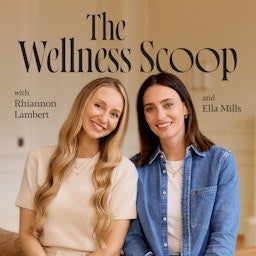
- The Wellness Scoop
- The Best Gut Health Snack, Butter's Big Comeback & Are Vegetables Half as Healthy?
The Wellness Scoop9 Nov 2026 · 55m
The Best Gut Health Snack, Butter's Big Comeback & Are Vegetables Half as Healthy?

 Add vo to ChatGPT or Claude to ask about everything you hear
vo listened to this episode to put together the overview and transcript, so there may be the odd mistake.
In short
Gut-health snacks (fiber + protein), whether vegetables are less nutritious due to soil decline, the “butter boom” and how natural foods aren’t automatically healthier, declining pea consumption, and processed meat links to early-onset bowel cancer; plus lighter segments on omega-3 concerns in farmed salmon and a study linking cat density with national happiness.
Guests
No external guests. Hosted by Ella Mills and Rhianna Lambert (with producer Will mentioned as a cat owner).
Key claims (with examples)
- Farmed Scottish salmon omega-3 content reportedly halved (University of Stirling study, 2006–2015); wild catches at lowest recorded levels (2025). Concerns include pollution, misleading “sustainable” marketing, and dyeing fish pink.
- Crops may have 20–50% lower key nutrients vs the 1960s (e.g., carrots possibly half potassium; wheat failing zinc targets). Cause: degraded soil; recommendation: eat more and more varied vegetables, not rely on supplements.
- Butter “natural” doesn’t mean healthy: UK saturated fat limits exceeded; butter consumption ~8g/day (~1.5–2 tsp). Examples: butter-themed Paris shops/clubs; UK butter sales up 12.3% (675M).
- Peas: UK intake down ~74% since 1975 (37g/week); examples include pea soup, mushy peas, pea-and-butterbean dips.
- Processed meat: BBC Panorama “Cancer Before 50” highlights nitrates/nitrites in bacon/ham/salami; estimate: 50,000 UK bowel cancer cases over a decade attributed to processed meat.
- Cats: study of 93 countries suggests more cats per person correlates with higher happiness, likely via reduced loneliness.
Transcript
0:00Venture into the great indoors with VLux Skylights and let natural light and fresh air transform every room Because home isn't just how a space looks, it's how it feels. Discover more at VLUXUSA.com. This holiday, all plans, even unlimited, are just$15 a month. A holiday deal this good obviously deserves an enormously expensive holiday song, like All I Want. Right. Okay, we can afford that. You know what, forget the music budget. We're going to stick with whatever's in the public domain. Give it a try at mintmobile.com slash switch. Upfront payment of$45 for three months,$90 for six months or$180 for 12 month plan required,$15 per month equivalent.
0:39Taxes and fees extra. New customer offer for initial plan term only. Greater than 50 gigabytes may slow when network is busy. See terms.
0:47Welcome to the Wellness Scoop, your twice weekly dose of health and wellness inspiration. As always, hosted by us, I'm Ella Mills. And I'm Rhianna Lambert. And after a decade in this industry, we know it can be very overwhelming and confusing. And that's why we're here with our podcast to cut through the noise and make healthier living simple, fun and personal.
1:15I love being here. So nice. It's all cold and grey and a bit rainy and rank outside. And I feel really cosy. I've just put the heating on yesterday. Yeah, it just feels really cosy and nice. I've got my hot cacao that we're obsessed with at the moment and feels like a good morning, Ru. Oh, I love that. Now I'm really craving my hot cacao, my hot chocolate. Damn it. I should have brought one into the studio with me. I'll have to go and make one after this episode. What do we have coming up today, Ella? You know what? We have quite a fun episode today because we have lots of, you know, some weeks we have like big chunky headlines.
1:50And I feel like this week we have so many headlines or so many things to talk about and tell you about. So we are literally covering every base under the sun. We're going to be talking about everything from the best everyday snacks to support our gut health to our veggies really half as nutritious as they were 60 years ago. And I've read a very interesting personal column on that this morning that I want to talk about. Don't let me forget. The effect of modern farming on our soil and the impact that people are concerned about between this and GLP-1. So loads there. And then, really, this is for you.
2:22Do countries with more cats have happier people? Here we go. And also producer Will is obsessed with cats and has cats and him and me have just been talking about their cats. So this is for you guys. Okay. We're going to talk about butter. Yes, no, healthy, not healthy. Why is it suddenly everywhere? What's the 101? Why do we hate peas? We're not eating peas anymore. What's going on? A little bit more because we're very outspoken researcher on this link between processed meat, bowel cancer, tongue scraping, the oral microbiome. I mean, I could go on and I could go on. Ella, we've got such a jam-packed show.
2:55It's actually really promising because I feel like it's full of really helpful, actionable things this week. And also you are going to be in the know. So first of all, let's discuss Ella. How have you been? Because I know you've had a birthday in the house and it's just busy, right? Oh my gosh. Yeah. So my older one is just turned seven this summer. And then my little one was six yesterday. And oh gosh, I feel like it's so funny. I don't know about anyone else feels this, but I'm like, at what point am I going to feel like a grownup? Cause I'm pretty sure I still don't feel like a grownup and therefore like, will it ever happen to me?
3:31And I was like, gosh, I have a six children, a seven children. That's actually really old and grown up. Anyway, we had the sweetest, loveliest day and it was just so nice. and I am really enjoying this age actually. I think any family birthday that you have or reason to celebrate and things just make you reflect. You can't help it. Of course you do. And you can go down, I go down a bit of a scroll hole every time birthdays come along for anybody and I'm looking at old pictures and I often wonder the same question, but will we be, you know, in our nineties thinking, am I old? I swear. I'm like, what do I need now to become a grownup?
4:07like what is it I don't know but I still feel like a grown-up sometimes I'll be like oh you know when you're talking about something I was my my sister I think I said um got engaged over the summer and tomorrow they're doing just a little kind of um small family like a drink celebration of their engagement and I said to her I was like oh are there any grown-ups coming and then I was like well yeah I'm pretty sure it's all grown-ups but by that I meant like my parents anyways. I've had a very different start to my day. I just had my last blood test, which is very exciting. But it's interesting because of course, there's new data and guidelines over in America on iron thresholds and things that are changing slowly into the UK as well.
4:50And what previously, I know we've discussed this before, was a deficiency, is now basically a deficiency for a lot longer when you look at that sliding chart and you really need to be hitting your levels of iron. So my last ever blood test, Ella, to find out how I'm getting on. And I feel like it's the end of a pregnant era for me. So yeah, 39 weeks. That's it. You did it. I've done it. Which leads us on to something I'm also very passionate about. If we do a little pickup and our headlines that matter. Oh, I didn't even include this in the what's coming up. There's so much to talk about. Do you remember last week, guys, if you tuned in last Monday, we was talking about, we've been talking obviously a little bit about this um as re has termed it this omega-3 crisis but the impact essentially that overfishing and some commercial fishing practices have had on sustainability in terms of our oceans um in any kind of david attenborough our planet fans will be well aware of these sorts of things anyway um yeah the huge reduction that we've had in fish but salmon which I think if I understand is the most popular fish in the country is now kind of the latest issue in our ongoing omega-3 crisis and re-noted last week about this and we had lots of questions being like tell us more so re tell us a little bit more give us a bit of a pickup here okay I will first of all I am intrigued what Britain's most popular fish is I'm wondering if it is the cod from the fish and chip shop can we find out or is it indeed salmon I am interested in that.
6:24But ultimately, while Ella looks that up for us, this came from Project Slingshot, which launched its latest campaign on the 6th of October this year, actually. And it's fronted by wildlife presenter Chris Packham. And it discusses the issue we have actually with Scottish farmed salmon, which is sold by the majority of retailers. M &S particularly raises concerns about all sorts of things from pollution, misleading marketing, animal welfare. Do we have the stats, do we know what britain's most popular fish is maybe it's haddock well it's interesting so basically i mean it's kind of like anything where we need more diversity in our lives where 80 percent of seafood consumption in the uk is the big five salmon cod haddock tuna and prawns so obviously because of um like uh tin tuna that's incredibly popular but obviously yeah cod and haddock are I'll kind of call fish and chips.
7:18So I think once you remove fish and chips in terms of what fish people are cooking at home, maybe for dinner, I think salmon appears sort of in number one spot. Yeah, no, I can imagine that's the case. One particularly interesting study that I pulled up here was published at the University of Stirling, and it found that the omega-3 content of farmed salmon has halved. And that was an earlier study between 2006 to 2015. So actually, this historical evidence would now, if you look at it today, in today's era, I'd imagine we'd have depleted again the quantity of Amiga 3 that we're getting. But this campaign is huge.
7:57And I couldn't not mention it because wild catches reached their lowest recorded levels ever, Ella, in 2025 as well. Yeah, I just want to pause on that for one sec, Ray, if you don't mind, because I do think it's really important to note that just between 2006-2015, as we said, halved roughly the intake of omega-3 that you'd be getting from the salmon that you were eating if you were eating farmed Scottish salmon. Actually, it's interesting because that sets us up for a trend later on that we're going to talk about this time in our veg. But it's really, really problematic because we know how important something like omega-3 is.
8:34And you think you're getting it because you're eating salmon, but actually you're maybe now not getting anywhere near enough. Wild salmon, as you said, the lowest catches recorded. So there are also huge issues and lots of you will know there's also big concerns that have been raised recently about the sustainability of farmed salmon, the animal welfare, but also the pollution that's happening and the chemical treatments and the impact that this is having in a wider context on our infrastructure and climate. So this isn't to say never eat salmon ever again, of course it's not, but I think it's just really important to be really kind of conscious and aware of what the macro picture looks like.
9:20Exactly. Now, there are several areas here that are backed up by fact. So this isn't just a claim, they are statistics, what the evidence is telling us. And what I would suggest you do rather than me read them all out because they're a bit doom and gloom, is go to Project Slingshot to have a look for yourself. But we're looking at essentially dyeing fish a pink colour, which is what happens to nearly every single fillet of fish you see in these supermarkets that are still claiming that they are sustainably sourced and all these sorts of claims they have on the packet to make them look pink. So they appear to be more palatable, whereas actually, of course, because they're farmed and living with a lot of issues at the moment and infestations, like we discussed with bananas, you know, if you've got one colony of bananas, if one goes down with an illness, they all go down.
10:07And it's the same with farm to fish. They are up against a lot and it does raise so many welfare issues. But this is where it's very difficult to, and we're going to discuss the new ones, but nutrition versus the ethical side of things is always something that's very contentious. It's a motive. We all have different viewpoints and that is totally okay. But most people in the UK don't eat enough of the oily fish anyway to get the omega-3. And like Ella said, if the rates have already halved, we're probably not consuming what we need. So fish is still nutritious, even the farmed salmon, but I would argue the quality of it is definitely not.
10:47And what that salmon has lived and been through, if you remember last week, I discussed what I believe in the circle of life, you know, what you're consuming probably isn't a happy, happy fish. There's lots of different presence of all sorts of things from astaxanthin. We use a lot of antibiotics now because of sea lice infestations for moldchide. Yeah, there's lots of different things you can look up. So head to Project Slingshot to learn more. I don't need to list it all off to you all now. And we're actually going to discuss something that's equally as, I feel, contentious, but interesting.
11:24And it made the headlines that vegetables, Ella, are now half as nutritious as 60 years ago. And experts have worked out why. And you found this headline in The Independent. Yes, exactly. Although it seems to now, actually, a couple of days later, had a huge pickup everywhere. But it is really crazy. So it was looking at some of our kind of very, very popular everyday foods, crops like wheat, carrots, apples, peas, although more on peas later, not as popular as they used to be. But that they may contain substantially, like very meaningfully less of certain very important nutrients than they did just in the 1960s.
12:00So this is a new report, it's from Hollow Harvest, from Deep Science Ventures and the Mark Leonard Trust. And it brings together some evidence that suggests that crops, as I said, substantial drop in nutrients, potentially 20 to 50 % reduction of several key nutrients. Now, that's not everything, but we're looking at, for example, carrots, and the report shows that carrots now could have half the potassium. So the problem is, is you'd need to eat twice the amount of carrots. So we'll talk about why that's challenging in a minute. And then wheat, fewer than a third of the wheat that we're using in our bread since the 1960s now meet the recommended zinc target.
12:37So zinc's gone massively down. You would need four slices to get about a third of your recommended daily selenium intake, for example, now from wholemeal bread. So huge drop in selenium, in zinc, potassium in carrots, apples and peas also looked at as crops with hugely declining nutrient levels, potentially 20 to 50 % reduction in some nutrients. So it's pretty huge. And interestingly, Ria, I really want to hear your take on why we need things like zinc and potassium again, just as a reminder. But I guess the challenge here is essentially the reduction is not because a carrot has changed it's because our soil quality has dropped so much in that time and obviously these crops they grow in the soil to state the obvious but they depend on the soil for their mineral supply and this degradation that we've had on our soil as a result means that our soil is just so much less healthy there's so much less richness in there for these veggies to absorb and eat and enjoy to grow and then give us yeah i don't I feel like we didn't mean to be really depressing today, guys.
13:41We'll turn it around as we go, promise. Well, I think it's an important one because we've often been asked about this and the Soil Association actually raises these sorts of issues frequently. And I think we'll have to just be more honest and transparent with ourselves when we look at the world as changing, look at global warming, look at the climate change that's also going to impact the nutritional quality of the soil, what capacity we have to grow certain crops. So it is an important discussion to have. But what I will caveat with is it doesn't mean stop eating your vegetables and just take a synthetic vitamin because that does not do the same thing.
14:14It just means it's never been more important to consume more plants in our diets. And I think that's how we look at this is we need to start getting a large variety of them in. You asked me about potassium and zinc, right? And these minerals that you get, they're trace minerals. and you must get them through your daily diet because they're essential, which means your body can't produce them. Just like with omega-3, you need to make sure you're getting it in, you know. So things like zinc, immune system, I think most people know zinc for wound healing, you know, if you get a cut or something, hormone regulations, cellular growth on like a DNA synthesis level, potassium, of course, people will relate to blood pressure, I imagine, would think of it like that.
14:59But they're so key for all these cellular functions that happen every single day that we're not really aware of that keep our body ticking along nicely. The good news is most of us are not deficient in these key areas and nutrients. It can be slightly harder if you're vegan, again, because in dairy and animal produce, you can get a bit more of these nutrients as well. But generally speaking, if we eat enough veg in our diet, we will be getting enough of it. But I think the key concern is that, you know, if you have a look at how farming's changed our life, there's a stat here that cereal yields per hectare have increased by 215 % since the 1960s.
15:36So we're just, we're farming differently. We haven't been as sustainable. They've had to increase the use of pesticides, which also hasn't helped the soil because we're doing larger crops and you don't want one of them to get a disease like we mentioned earlier with bananas or if we're factory farming things and fish. The world is a very, very, very different place. But also, I think we need to call and make a stand and say we deserve better standards of care and food. And I felt like we should have a sustainability minister in Parliament that just watches all these things and helps us all look at how we're doing in terms of supporting our farmers, but also helping everybody eat well and saving the planet.
16:20it. It's a very overwhelming subject. We've got lots of different stats here. Of course, you know, they also call, according to one of the UK reports, that the composition data for fruit and veg were last reviewed in 1991. I mean, why have we not had a more recent review? That's insane to me. You know, we need to be making sustainability a priority. There have been two interesting bits about this that we've picked up on in terms of the concern around the drop in our nutrient quality. Number one, people have raised the issue of the era of GLP-1s and the decline of our food coinciding. Because as you said, what you need, we just talked about with salmon, what we just talked about with our carrots, for example, if you're getting half the omega-3 used to get, if you're getting half of the nutrients used to get, we need to be making sure we eat more of these things.
17:12And if people's appetites are shrinking and we're eating less, then obviously that puts us even more potentially at risk of nutrient deficiencies than people had already considered. And that's something that's being flagged and raised as a really important point. Also, given the fact that we have replaced so many of these foods anyways with UPFs means that our chronic deficiencies, we talked about it last week, for example, with folate, with folic acid, that if we ate a very balanced diet, we probably would be less likely to have these deficiencies, but we already don't do that. And then if the little bits we have have half the amounts in, we become even more in trouble.
17:48And then, for example, there's an interesting opinion piece in The Telegraph with the headline, the shocking news about our veg is a disaster for parents like me. It's already hard enough getting children to eat their greens. Doubling their portions will mean double the drama. And it's true. But this is just it. You said five fish, right? We said earlier that the public consume. It's the same with vegetables. It will be the same veg that we're just not diverse. We do not consume or know how to cook a diverse enough range of produce to help with sustainability. We don't know how to eat seasonally.
18:22We need more guidance. I feel like there has to be a humongous piece. And we've got so many people at play here from industry down to education levels, down to future generations, which is why obviously I'm so passionate with children's nutrition and my new book Ready, Set, Cook. But I just feel like if people knew how to utilize a larger variety of produce, we wouldn't have ended up here as well. Because let's be honest, it's broccoli, used to be peas. We'll discuss that later. We're really teasing that one. Tomatoes. I don't know if it's going to live up to the hype, Ru. No, I know. I feel like we've really bigged that up now.
18:58But you know, this is an issue. So let's try and be a bit more creative everybody um in the kitchen watch this space and it's something that we don't want to fear with it does mean still eat your veg it just means you really need to prioritize it more than ever before reed you want to know um the uk's most favorite veg i just looked it up oh yes well what date are we leading up to what's the most recent this is 2026 you gov poll okay who would you guess is number one do you know it is hard between carrots I don't think people's favourite vegetable broccoli yeah I'm gonna go carrots nearly carrots number two potatoes oh yeah I was thinking do I put the spud in the category of course you do yeah of course it's a potato because technically carbohydrate but falls in your veggie category I would still argue that the answer is technically a carrot well that's interesting because two of the top five are potatoes so number one is potatoes two is carrots three is garlic four is new potatoes.
19:57Does that count? And five is red onions. It speaks volumes. I shouldn't be laughing. I love a potato too. There's nothing wrong with potatoes. Blimmin love them. But we just need to add a bit of colour on our plates, everybody. Come on, let's get some more colour in. Yeah, I love a fun challenge. I feel like our fun challenge this week is to buy something that you don't normally cook, like a celeriac, for example. Or like, you know, this time of year, there's loads of lovely little varieties of squash. Get a completely new variety of squash and make something with it. You know, I'm absolutely gutted about, Ray, is that in my old house, in my veggie garden, I grew spaghetti squash and it's really hard to buy here.
20:41And I was so excited about it. And anyways, next year. But okay, right. I am waffling completely. I don't even have the script anywhere near me anymore. It's totally fine. She's been looking up vegetables for us all, which is great. We're actually moving on to a very different headline, which I'm really excited to discuss that Ella has found. I feel like it's especially for me. This is for Rhi. Yeah. Come on. You made it through your pregnancy working so hard. You know what? Something to make you feel good, Rhi. The headline, this was in the Times, feline good. Countries with more cats tend to be happier.
21:17I mean, what headline the Times chose to lead with? I mean, it goes to show maybe a lot of Times readers do have a feline friend at home because it says that countries that have more cats per person tend to have happier humans. So researchers looked at 93 different countries comparing national happiness scores alongside the wealth, the healthcare spending, the size of their cat populations. I mean, who would have thought to look into this? A wealthier country is generally reported greater happiness, but so did those of more cats relative to the human population. That's so interesting to me because the UK is not known for being a happy country.
21:57And in fact, I remember with the wellness group, we definitely discussed that we were kind of low down on the chart there and we ranked 18th for both happiness and cats per person with an estimated 13 million cats, roughly one for every five people. well you know what we have so many serious headlines when i saw this i was like you know what it just feels good but interestingly look we've actually talked about dogs before so i had to bring this for you because we've seen studies to show that dogs make us happier um statistically speaking so it's interesting cats and essentially the researchers are saying it's probably the same connection here which is that we know obviously loneliness is a huge issue and it's a huge factor for our health.
22:39And so the theory here is that cat ownership, you know, having a pet in general, reduces loneliness and can alleviate stress. And that is probably the biggest explainer as to the association between cat density and greater national happiness. I guess I would love to know the age demographic as well of this, because I feel like perhaps as a percentage, as we age of people that have pets that keep them from slipping into greater loneliness And that's the alleviated stress, the association between reduced loneliness. But also, so this studies, the researchers include the University of Tuku and the University of Chicago here that were looking at companionship.
23:22And they also point to earlier studies that link pet ownership with better emotional well-being as well. So ultimately, it's great to just see that there's more research. the fact that animals we share this world with animals everybody and they do bring so much joy cats could partly be a sign of comfortable living conditions though rather than the reason people feel content obviously there's that contest um there with the research and also there's lots of cats that need homes i just want to shout that out as well so maybe this is your sign to adopt a cat and i think also like just generally it just shows like as we always say we always say it but you know, just your daily reminder that wellness isn't just broccoli and, you know, it doesn't have to just be cats either.
24:06But I think it is this sense that our emotional wellbeing, our connection to other people, other beings, it's really important. And like, don't underestimate that. And I think particularly at this time of year, when it's darker, it's colder. I mean, I keep telling myself all week that I'm going to exercise, haven't done it once. It's so cold and dark in the mornings. I just don't fancy it. And I think it's a nice reminder there's lots of building blocks to our health and I'm not excusing the fact that I do know I need to move my body and go outside but it's nice to know that actually emotional connection and connecting to others is a really important pillar and not one to neglect.
24:58You know what? Forget the music budget. We're going to stick with whatever's in the public domain. Give it a try at mintmobile.com slash switch. Upfront payment of$45 for three months,$90 for six months, or$180 for 12-month plan required. $15 per month equivalent. Taxes and fees extra. New customer offer for initial plan term only. Greater than 50 gigabytes may slow when network is busy. See terms. Venture into the great indoors with V-Lux Skylights. Create spaces full of natural light and fresh air. So you can better connect with nature, your home, and those around you. Because home isn't just how a space looks.
25:38It's how it feels. Velux Skylights. Discover more at veluxusa.com. When it comes to my policy, Farmers gives it to me straight. So there's no surprises. It's your coverage. You should never be confused. You hear that? An insurance provider with a conscience. We're a choir, but yes, we have that too. Straightforward coverage you can literally understand. That's what you get when you have farmers. Bum, bum, bum, bum, bum, bum. Learn more at Farmers.com. Underwritten by Farmers Truck or Fire Insurance Exchanges or Affiliate. Products not available in every state. We've talked about the Whey meditation app a few times now because we're obsessed.
26:22And I've just looked at my stats and I'm on over 3 ,800 minutes of meditation with them so far this year. I've actually done it almost every single day for six months now, normally 20 minutes a day. And I cannot tell you the difference it's made to my life. I just feel this amazing sense of inner calm, even when life is chaotic. And I don't think I've ever had that before. I feel less reactive, more grounded and just more peaceful in myself. It's become one of the most important, unmissable parts of my day. It really is. And now you finally got me onto it too. And I started using it because I wanted something to help me unwind at the end of the day.
26:56So I've actually been doing the meditations before bed when I'm finding it hard to switch off and it's really helping me get to sleep. So it's become a nice way to shut down at the end of the day. Yeah. And you guys seem to be loving it, too, because as a community, you've now done over a quarter of a million minutes of meditation on the way, which is just incredible. And I think you're loving what I love and reloves, which is how simple it is. You don't choose between hundreds of meditation and keep scrolling. link, you just do one after the next. You follow the path, each one led by the same person, the founder, Henry.
27:28Exactly. You just literally open the app, press play and do the next one. And I think it's the whole simplicity, which is a huge part of why I've actually managed to stick with this every single day. Yeah. So if you haven't tried it yet and you've been wanting to get into meditation to help you with overwhelmed sleep or just finding a slice of peace and calm in the day. You get a 30-day free trial with us. You just go to thewayapp.com forward slash wellness scoop. Yes, that's thewayapp.com forward slash wellness scoop. Headline number three today. We have raised a lot in the past. It does feel like a very, I don't know, trendy time.
28:10It's called the butter boom, Ella, the butter boom, and it was in The Guardian. Yeah, I'm really interested to talk to you about this. So basically, butter's having a moment i think we've all seen that do you remember in lockdown what's he called thomas straker is that his name who like the butter guy and he was doing all these viral butter videos i miss so basically my lockdown memory is a newborn and banana bread i totally missed a viral butter moment i'm afraid i need to know about this and now he's made products called all things butter but essentially it's everywhere and so this guardian piece that you're mentioning really the butter boom why is everyone suddenly obsessed was like illustrating it so effectively there's a shop in paris apparently called le butter and it is dedicated to butter has candy striped walls apparently butter themed hats and tote bags fridges stocked with 50 varieties of butter and you can have flavors like wild garlic that sounds really nice i'm not sure about the next one raspberry and chocolate and you taste it from little wooden spoons so what you taste it from wooden spoon not sliced on bread they're literally giving out bits of butter for people that's that's absolutely wild i know and then it was talking about um a kind of members club in belgravia in london um that was advertising apparently for a butter sommelier um so instead of like a wine sommelier and their responsibility would be assisting in selecting the butter assortment which you normally think of that with like wine and cheese so that's quite interesting apparently Paris Fashion Week this year.
29:41When you go to a nice hotel Ella you they do make homemade butters with all sorts of flavors like truffle or black pepper or salt you know so I can definitely see why a private members club would have it and but why passion I said passion why passionate Paris Fashion Week? I think this was just the idea that like apparently all the influencers and all the kind of dinners associated just had like butter as centerpieces like slightly sculpted but just like huge butter and yeah elaborate sculptures almost like food artists treating it like a marble at this point um then obviously we've talked about this before we have the people on social media who are just eating whole sticks of butter a big trend you know how we love to put nut butter in medjool dates people like to put butter in dates just butter oh no i can't it sounds a bit gross to me like it's just a bit much fat maybe i'm not sure anyway tell us if you've tried it.
30:35So basically going a long way away from spreading butter on toast in the morning. And then obviously, you know me, I like to look this up. So I was reading The Grocer, which is the kind of trade grocery magazine. And they were saying that sales of blocks of butter are in the UK worth 675 million and they're up 12.3%. So they're really like, yeah, people are loving butter. I think it lends into the UPF trend again. You know how we discussed before we tried to explain the difference between margarine before and butter and plants, danels and all the different things. I think it definitely leads back to the fact that there's a sort of Nara Smith vibe out there where a lot of people do perceive certain items to be more natural, therefore healthier, dictating consumer choice.
31:32Yeah. And obviously it is more natural than a margarine, but I think it's the question, and this is why I'm excited to talk to you, Ray, is the question is natural always superior essentially when it comes to health. Interestingly, we're eating way more of it as well. So in the 1990s, apparently we were eating around two kilos of butter a year per person. and because there had been so much messaging at this point around saturated fat that the there was a huge boom in spreads like margarine based spreads with plant oils so much lower in saturated fat and a big reduction in butter I mean I remember as a kid we never had butter my mum was obsessed with butter she loves butter no one can eat a thicker slice of butter as a ratio to bread than my mum I don't think sorry Camilla but we never got butter we were like put on spreads I feel like that was the moment where they boomed and um butter was out well it was the low fat era as well wasn't it where yogurts were pumped with um everything else and you took the fat out it do you know what though what I'm quite disappointed with when I see things like this is we actually came on leaps and bounds if the message had got out there to the British consumer that we were consuming too much saturated fat.
32:46It just went too far with the food industry at that time. And it's almost like what we're doing now with ultra processed foods. Things go, we just take things out of context. They go too far. And then you lose the actual healthy, underlying nutrition, public health message that came alongside it to begin with. The butter in small amounts is fine, but we were upping our intake massively. I mean, if you look back in the day, we just had so much more respect for food. You know, we'd really cherish where the butter had come from, how hard someone had probably worked to produce it. We would really want it to last for a certain amount of time and spread it thinly or really look forward to it.
33:26And now it's just become an everyday item that you can slather as much on as you want. And there's definitely a perception, Ella, of health, which shouldn't be there, I must add, with butter. So what is so interesting, Ella, is that the UK consume at the the moment, over three kilograms per person and actually roughly eight grams a day, which I would say is too much. But that then compares with around eight kilograms in Belgium and also nine kilos in France and Denmark. But what we also have to remember here is context of what else is in somebody's diet, what else is in somebody's lifestyle and how things vary across the board.
34:01But ultimately, I have to say, as you've got the context from this whole episode so far. We're not eating the veg, we're not eating the fiber, we're not eating the roughage. We seem to just have diets high in saturated fat still, high in salt, high in sugar and ultra processed foods in this country. Yeah. And so that's what I wanted to ask you, because as you said, and I think butter is quite an interesting symbol here in terms of the whole UPF conversation, because I think obviously now people have in their heads, UPF equals bad, natural equals good and look if you're going to take the world's largest generalization it's not inherently wrong like but there are obviously nuances as we always say and I think butter is really interesting within that because actually if you're standing in the fridge in the supermarket I'm just curious for you to compare that for us the spreads versus the butter and how much butter because butter is very popular how much can you eat should you eat okay so let me just explain first of all what this in science we call it the nature fallacy now what we've got here what's going on is just because an image of something or a marketing image has changed of a particular item of food doesn't mean the nutrition's changed so what we've got is a logical error that almost all of us human beings carry it assumes that something is inherently good healthy or morally right there's also morals behind foods that are placed on them because it's natural or bad or dangerous because it's unnatural.
35:27So in science, we often look at this natural, we call it nature fallacy and examples of where medicines even looked at and addressed, you know, there's all sorts of things there. But when it comes to daily intake of saturated fat, you know, we also have gender divides, Ella. So, you know, you've got men, men should have no more than 30 grams a day, which is less than 11 % of their total intake of food energy. And for a female, that would be 20 grams per day. And we know on average, we are exceeding this, we are getting too much. The British Nutrition Foundation states that women and men are exceeding the intake of saturated fats.
36:06And when you look on a label, really, you don't want anything that's got more than five grams of saturates per 100 grams, that's high, you want to be looking at 1.5 and less. And this must be really difficult for the British Heart Foundation for, you know, our biggest killer in the UK, we discussed it, was it last week, was it two weeks ago, is heart disease still. And there is an undeniable scientific link between saturated fat increasing and the rates of heart disease we have in this country. Of course, there's lots of co-founding factors, but butter is not healthy. And without labeling, it's an item that blooming tastes so good when you scrape it on some bread and it's fresh and it's flavored of all these fancy things that Ella's just said.
36:51I mean, oh, I'd love a bit of, I mean, I've obviously got a craving for it, but truffle butter or something, a pinch of rock salt or my delicious crumpet in the morning. But that should not be seen as a everyday healthy item. That's what I was curious about. Also, for context, the roughly eight grams that we're eating per day is about one and a half to two teaspoons worth of butter. So I'm just thinking about it here as well for people to visualize. And I guess this is what's interesting is obviously if you're not eating really many other sources of saturated fat, like you're not eating red meats and things like that, and butter is the bit that you enjoy, then that's probably absolutely fine.
37:31But I guess it's like anything in life. It's just realizing that we just can't have too much of everything. And so pick your vices or pick the things you love, because if your limit is roughly 20 grams of saturated fat and essentially you're getting half of that from the butter that on average we consume each day that doesn't give you a massive amount of leeway for other sources of saturated fat like a steak for example not just that ella upf foods are high in saturated fat so most things in a packet will have way more saturated fat than you realize so it's just the context so if you've had if you eat like a really healthy mediterranean diet and you enjoy butter on your toast as part of that, you're probably not necessarily going to be having a problem.
38:15But if you've got much more of a kind of red meat heavy diet, quite a lot of ultra processed foods, quite sort of snack heavy in that department, and then you're enjoying quite a lot of butter, then the fact that butter is natural does not mean it's the better choice for you. And let's delve into some differences here. So let me give you a little bit of lowdown between organic butter versus grass fed or something because those are the trends right I do believe that people online are looking is that correct they're looking towards grass fed options and things assuming that's also like a nature fallacy healthier so essentially cows that eat organic feed are free from all the extra things that can add into feed and this is particularly true over in the States.
39:01In America, slightly different here in the UK. But we do have strictly regulated boards of what goes into diets. But I have my own qualms about these industries in their own way anyway. But there's not really much difference. Choose organic if you're concerned about soil quality and feed. Grass-fed really just means that the butter itself, because the cow has lived a life, you would hope. It's all very dubious, but predominantly on green pastures. I mean, that's the image they want to sell you that's packed with high levels of omega-3, which we have discussed. But do I think getting it from grassroot butter is a reliable source?
39:40No, but it might have a few more vitamins and minerals. As with everything in life, when you're looking at food, those sorts of things are so marginal. What you are missing from your diet is not the best type of butter. What you're missing from your diet is the variety of colour and fibre. Remember 4 % of us get enough fibre that links to all the headlines we've discussed today. Fibre also helps with our cholesterol levels and saturated fat and it helps bring down the risk of heart disease and actually all these crazy trends are just making us sicker and sicker. But Rena, we're really missing peas.
40:16So we're eating more butter but we're eating fewer peas. People in the UK are consuming around 75, less peas than 50 years ago. And I'm kind of upset about it. So apparently we now eat just 37 grams of peas per week, which is a 74 % decline from the 144 grams that we ate in 1975. Now, I don't think 37 grams of peas means anything to any of us. So just to contextualise it, essentially that's 125 peas a week, which is about apparently one and a half to two heaped tablespoons. So two tablespoons of peas a week, it's not, it's not a lot. I used to, do you know what's so disappointing is I only found out about this when I was doing a BBC London interview about the protein fixation, the hype, and then the interviewer said to me, oh, and of course we don't even eat peas anymore.
41:11And I was like, what? Then I saw these headlines and it's true that we've dropped. He said something like it's 75 % less popular than it used to be. I just can't get over it, Ella, because if you have a freezer, peas are one of the most affordable ways to get nutrition in and they are so versatile, packed with protein, packed with fibre. But there is a wider farming angle, isn't there? Yeah, because we grow 90 % of our own peas. And so they are sustainable, but they're also, as you said, they're really affordable and I just think they're really yummy. So this is a plea to eat more peas. I am obsessed with kind of slightly mushy peas where I'll like blitz them.
41:49So boil them and then I'll blitz them and I blitz them with a little bit of mustard, a little bit of lemon, olive oil, sea salt. So, so, so yummy. Just as a side dish, like, you know, put them on your potatoes. I really like a kind of butter bean and pea, like very smooth dip, delish. Then also, I just love peas in a soup, like pea soup that you've been so into recently. That's what I'm posting this weekend. Yeah, they're just such an easy ingredient. Like I put them in a curry, all the rest of it. Anyway, they're really cheap. They're really easy to keep stocked up, like peas and pesto pasta.
42:29That's the kind of thing when I'm lazy. I will use a jar of nice pasto, saute some garlic, put some peas in the pan of the pasta and then like a couple of tablespoons of lentils and hey, presto, done. But this is why it wasn't in the top five British consumed veg, which I was shocked at. I honestly did think peas would be in there because of the cost angle. So everybody, this is your reminder. We seem to have really lost touch. I feel like this whole episode is about reconnecting with our roots of food. I like that, Rhi. Yeah. And kind of just celebrating the simple things versus the trendy things as well.
43:07And then one last thing before we go on to our trends is we talked about this before, but it's just been back in the news. You guys have probably seen it because there was a panorama, BBC panorama documentary called Cancer Before 50. Why is it rising? Because obviously, as we know, there's been this huge increase in rates of cancer before 50. Obviously, collectively, we're really alarmed and researchers and scientists are working incredibly hard, incredibly quickly to try and get to the bottom of this so that we can support our collective populations in trying to reverse this trend. But Professor Chris Elliott, who's a former government safety advisor at Queen's University, Belfast, he has been kind of on every news site going, talking about how ProcessMe comes into this and just renewing calls to clamp down on nitrates and nitrites and bacon, ham and salamis.
43:55And as a reminder, they're used to prevent bacterial overgrowth and keep the meat looking pink, but they can contribute to something, to compounds that can create DNA damage. And the estimate is that more than 50 ,000 UK bowel cancer cases over the last decade could be attributed to eating processed meat. 50 ,000 bowel cancer cases potentially attributed to eating processed meat, which is really, really huge and concerning. So I think that's just, as I said, he's been everywhere talking about this. We don't need to go into it in detail because I know we've talked about this before, but he was just really stressing, please, please, please reconsider that these are an everyday food.
44:38They're not. We were ahead of, again, when we first launched the wellness scoop. This is quite a large topic because of the ultra processed food conversation. And I remember we were discussing ham being a British staple as a sandwich choice for children. And finally, with the new school food standards that we've been fighting for as of September 2027 will kick into place where it will no longer be seen as an everyday item on menus, which is an absolute breakthrough. But it really shouldn't take bowel cancer rates to rise this rapidly for people to listen. It's very sad. So everyone listening here, we know what we need to do.
45:15We need to change our perception of everyday healthy items like red and processed meats and butter and all sorts of things and just try and embrace a bit more creativity within our food. Whoever we can encourage, our grandparents, our parents, our kids, our neighbors, just to try, like Ella said, something new. Maybe alongside our charity walk that we want to do next year, maybe we should run some kind of um innovative competition what can you do different each week with a new vegetable something to make it a bit fun ella oh my gosh should we start doing that let us know we could have like a veg of the week so as i said i just mentioned the other day like celeriac you can do celeriac wedges and roast them edge of the week yeah and we could inspire you with different ways to cook all it could be it could be like beans or fruit as well like rhubarb monthly yeah okay maybe what do i like this let us know what you think you know i love all this stuff so i've told you our top five vegetables you want to know our favorite sandwich fillings oh don't am i going to just like have another sigh of despair i'm guessing cheese and onion or ham and cheese yeah it slightly varies like um website to website survey to survey but essentially ham and cheese and BLT and then plain cheese as well, egg mayo or tuna mayo.
46:35They're the top ones. So can you imagine how many ham sandwiches are sold every year in the UK? I'm going to need to tell you. Okay, have a look. While she does that, let me remind you where the fibre gap falls in for most adults in this country. It's lunch times. And if that's the sandwiches we're leaning towards, that is why, because we are lacking the fiber. We're getting too much saturated fat and processed food items for lunch every day because of our sandwich choices as well. This is not to say everyone's got it wrong. It's just as a society, we need to help each other get out of these daily traps, I feel.
47:08What is it, Ella? Have you got a stat which usually have some good surveys on this sort of thing? I'm going to have to come back to you on a really concrete number because it's a little bit confusing but the total sandwich market is absolutely enormous it really is um apparently we about 11 and a half billion sandwiches every year in the uk about 50 made at home and the rest not and obviously as we know ham and bacon are some of the most popular fillings so you know definitely over a billion uh bought but definitely we could say maybe of the 11 and a half billion sandwiches eaten each year across the UK, we could probably say probably half of them contain a processed meat.
47:52That's a lot. Do you see, but this is what I mean. I really feel like this whole episode today has been about reconnecting with our societal norms, like what everyday choices have suddenly become and how we perceive them. And we're not saying sandwiches are bad at all. We're just saying we need to change the fillings. We need to mix. I love a sandwich. me too especially in this weather i love a toast oh my gosh a toasted one where the cheese melts but i also do like all the extra veg and stuff in it so i do think we just need to have a little think about what we consider an everyday item what it's doing for our health versus you know it's become a norm in this country that we do blts fish and chips and butter we need to change our norms back to peas and carers.
48:40I mean, let's bring it back.
48:47Okay, Rhi, on our trends, we're going to just quickly run you through. This was in Vogue, and Vogue was saying the nine best snack options to support your gut health, which we thought was quite a useful and helpful article, actually. And essentially, Rhi, you're going to love it, because the central idea of the nine best snacks for gut health was you need to combine fibre and protein so that your snack is helping you feel satisfied it's helping you feel full go on because you've got really nice combo of the two so actually contrary to the headline there is no one singular snack that's best for gut health but really what you want is this combo of fiber and protein which I like as we know nation of snackers we need help I mean this is what we've been saying as nutritionists and dieticians this is how we structure your meal plans yeah Greek yogurt with fruit, hummus with crudités, edamame beans, cheer puddings, Ella.
49:38I mean, that wasn't on the list 15, 20 years ago, I will say. I don't think we were a nation of cheer pudding lovers, but there is a demographic now that are. And as everyone listening knows, Ella and I love a cheer pudding. And if you buy cheer seeds in bulk, I think it's quite a cost-effective way across the week of getting a lot of fiber and protein and omega-3s then. I totally agree. Also roasted chickpeas roasted chickpeas are so yummy you literally just tip them out the um tin pat them dry and then roast them a little bit of olive oil sea salt and then you could add a little soy sauce a little chili or you could do them like honey and chili yum then they also had the idea of fermented veg with a protein sauce so you could have like cheese and pickles sort of thing which is quite fun and then pistachios they're recommending as an easy snack a nice combo fiber and protein, no preparation needed, but obviously that would be the same for all nuts basically.
50:31But they highlighted a study in apparently in which people with pre-diabetes found changes in gut bacteria after 12 weeks of eating pistachios every day. I love that. Honestly, it takes just little changes like this to get into your diet, will make a difference to your gut bugs, prunes and walnuts, dates and dark chocolate. Oh, Ella, you know there's as you know i am still on the health food mission to have dark chocolate as a health food i now have because we did stop for a cheeky little break so i always need the loo halfway through i now have a hot chocolate with me that's 85 plus so alongside ella's cacao and remember it contains fiber so dark chocolate's actually a source of fiber as well alongside your day it's kefir smoothies ella this sort of thing being in a mainstream magazine like like vogue for certain types of people is only positive.
51:20And I think it's wonderful to see a nice positive trend to end on today. I totally agree. And a really nice reminder when you're thinking about snacks, protein and fibre together is absolutely amazing. And then before we close, I just had to tell you this because I subscribed to The Economist newsletter and I opened it up and The Economist, which is like a very highbrow publication, was talking about tongue scrapers. Do you remember really early on in the wellness scoop we talked about tongue scrapers as a trend so i thought you'd really appreciate the level to which they're making mainstream news and all these guys on on like wall street or in the city in london opening their economist and reading about tongue scrapers but two cool things first of all apparently they actually come from the romans i had no idea who knew oh i had ayurveda in my head so that's really interesting i love that because when we looked at the evidence we were all for and I still use my tongue scraper every day I love this yeah apparently Napoleon Bonaparte had a silver tongue scraper oh my goodness because obviously they didn't but back then they didn't really brush their teeth did they no apparently George Washington took us everywhere so I mean this predates Gwyneth and Hayley Bieber for sure and then it was talking about as we said the Romans Gwyneth Inspo but just again as a reminder are we obviously as we were just talking about those next we want to feed our microbiome but we also have microbiome in our mouth and it's home to around 700 different species of bacteria fungi other microbes and two-thirds of that community roughly is on your tongue which is kind of gross and weird because you've got these tiny little grooves on the surface which is where the bacteria collect so it's it's kind of gross but anyway but apparently the cleaning the tongue is a really good way of removing some of the coating, the biofilm that they can make.
53:10And that's what helps freshen the breath. So you're not removing the kind of beneficial part of the microbiome, but some of the sort of waste product that you don't necessarily need. So I think generally speaking, obviously cleaning your teeth is really important. That's not to do away with that. But I think there is some evidence that tongue scraping, particularly for bad breath, can be really good. So it's centuries old practice, getting a moment in the spotlight. And a nice reminder, we've got to look after the microbiome in our mouth too. I love that. What a high to end on, something that I would feel lost without doing every single morning.
53:43And for everybody that's going to tune into us as well this Thursday, we are going to cover a breadth of topics. We've got when does healthy eating become too restrictive as well, which I think is also something we should definitely touch into. We have got cheer seeds in there and cacao. and sugar-free squash. Is it really that bad? So we're covering loads of topics on our Extra Scoop this Thursday, Ella. We are. And then anyone who listens on Thursdays knows we tell you what's coming up and then we seem to talk about 5 ,000 other things. And plus we have loads of recommendations from you guys, from us as well.
54:14We'll be back here on Thursday. We can't wait to see you then. See you then. Have a good week.
54:27Venture into the great indoors with V-Lux Skylights. Create spaces full of natural light and fresh air. So you can better connect with nature, your home, and those around you. Because home isn't just how a space looks. it's how it feels Velux Skylights discover more at VeluxUSA.com this holiday all plans even unlimited are just$15 a month a holiday deal this good obviously deserves an enormously expensive holiday song like all I want right okay we can't afford that you know what forget the music budget we're gonna stick with whatever's in the public domain give it a try at mintmobile.com slash switch upfront payment of$45 for three months $90 for six months or$180 for 12-month plan required.
55:19$15 per month equivalent. Taxes and fees extra. New customer offer for initial plan term only. Greater than 50 gigabytes may slow when network is busy. See terms. Hmm, hmm, hmm, hmm. When it comes to my policy, Farmers gives it to me straight. So there's no surprises. It's your coverage. You should never be confused. You hear that? An insurance provider with a conscience. We're a choir, but yes, we have that too. Straightforward coverage you can literally understand. That's what you get when you have farmers. Bum, bum, bum, bum, bum, bum. Learn more at Farmers.com. Underwritten by Farmers Truck or Fire Insurance Exchanges or Affiliate.
55:54Products not available in every state. Star Wars The Mandalorian and Grogu is now streaming on Disney+. What are you waiting for? Hop on. The must-see galactic adventure comes home on Disney+. This is the way. Our only chance is to work together. I like this kid. Always wear your seatbelt. Star Wars The Mandalorian and Grogu. Now streaming on Disney+. Rated PG-13.
From the publisher
What's the best snack for supporting your gut health? Why is everyone suddenly obsessed with butter again? And are our vegetables really half as nutritious as they were 60 years ago? And why do we suddenly hate peas?!
This week, we explore nine simple snacks that could help support your gut microbiome, from kefir and chia pudding to pistachios and dark chocolate dates. We also unpack the extraordinary butter revival, from butter sommeliers to the debate around saturated fat and ultra-processed spreads, and whether butter really deserves its new healthy image. Plus, surprising research suggesting some of our everyday foods contain fewer nutrients than they did decades ago, what soil health and modern farming have to do with it, and why this matters even more as GLP-1 medications become increasingly popular. We also look at the fascinating link between cats and happiness, why tongue scraping is making mainstream news, and the latest concerns around processed meat and bowel cancer.
The Way 30-day trail: https://www.thewayapp.com/wellnessscoop
Send your questions for our weekly Q&A to hello@wellness-scoop.com
For more from Rhi and Ella:
Order your copy of Ella's new book: Quick Wins: Healthy Cooking for Busy Lives
Order your copy of Rhi's new book: The Fibre Formula
Pre-order your copy of Rhiannon's brand-new cook book for kids: 'Ready, Set, Cook!'
Sign up to Rhitrition+ HERE
Learn more about your ad choices. Visit podcastchoices.com/adchoices
More from The Wellness Scoop
All episodesWe use cookies.They keep vo running smoothly and help us improve it. Privacy policy
Scan the code with your iPhone camera
Listen in the app.
- Play everything vo finds for you
- vo remembers everything you hear
Go to the App StoreFree on iPhone