
 Ask ChatGPT


 This is Money Podcast
25 Sep 2025 · 31m · 14 chapters
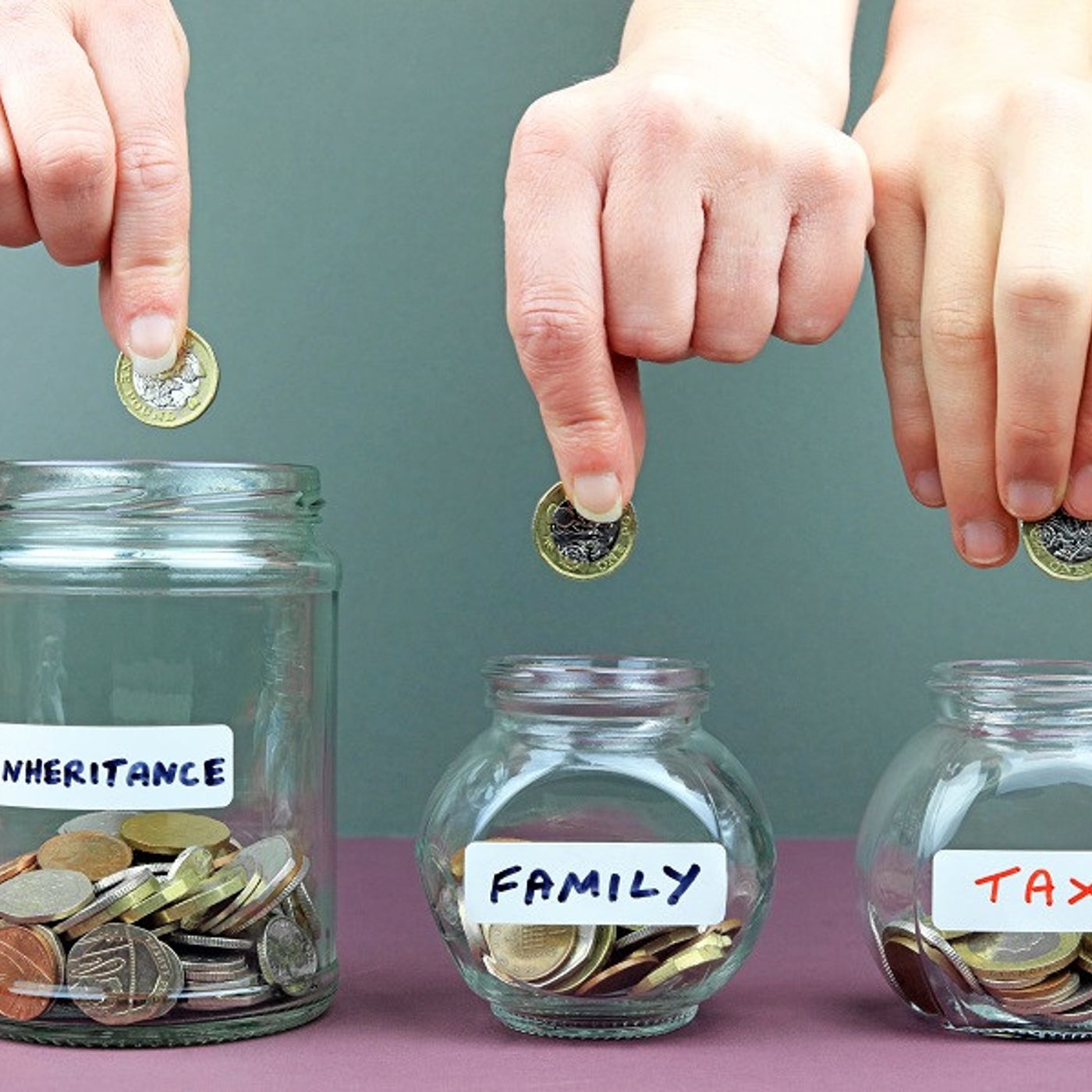
A bonus episode explaining why pensions and inheritance tax are dominating pre-budget worries, especially the April 2027 plan to include pension pots in inheritance tax calculations. It covers inheritance tax planning options, care-cost fears, pension tax-free lump sum timing, whether to draw from pensions or ISAs first, and how to give to children (including trusts and allowances).
Lisa Caplan of Charles Stanley Direct. She advises customers via free 15-minute coaching calls on inheritance tax planning and pension retirement income, focusing on making pensions last and helping clients enjoy retirement.
Only about 4% of estates currently pay inheritance tax; freezing allowances is already pulling more families in. After April 2027, pension-based inheritance planning changes and pensions may be taxed twice (inheritance tax then income tax). People should “enjoy your money,” and consider spending/gifting earlier using the 7-year rule.
Using spare income gifts (including pension drawdown treated as income) with standing orders and record-keeping; taking tax-free cash now is speculative and may lose pension’s tax advantages; care-cost modelling (e.g., £100,000/year in today’s terms) and setting aside funds; gifting £325,000 to one child vs two children (second gift can be taxable); and naming/structuring “parents’ inheritance” pots or using specific inheritance tax trusts (with costs and lifetime charges).
Written by AI. May contain mistakes.
Discussion on the recent changes to pensions and their implications for inheritance tax.
“because that's definitely something that you do want to be able to do in your pension years.”
Exploration of why people are focusing on pensions and inheritance tax amid upcoming changes.
“the time, but now the rules have changed.”
Analysis of how different generations approach pensions and the impact of tax changes.
“find out more, tell us a bit about the coaching sessions or the advice sessions that you do with people.”
Advice on actions individuals can take now to mitigate inheritance tax risks.
“And then possibly thinking about their own inheritance tax.”
Discussing the pros and cons of taking tax-free cash from pensions amid speculation on future changes.
“So don't knock yourself into too high a tax bracket.”
Learn about the tax implications of taking money out of your pension funds and strategies for utilizing tax-free cash effectively.
“from then on will be taxed and you will have to declare it on your tax return.”
Discover how inheritance tax applies to estates over £2 million and strategies for reducing tax liabilities.
“Yeah, I mean, I've just got to be careful.”
Explore the misconceptions around transferring property ownership to children and the legal ramifications involved.
“I mean, I've spoken to a fair number of people who've said, well, to be fair, a fair number of children who said about their parents' property, oh, can my mum just put her house in my name and that'll work?”
Learn about the changing dynamics of retirement income sources and the benefits of using ISAs and pensions strategically.
“on the agenda should I change the source of the money that I use to support my spending in retirement it was pension last should that be different now in general that has been turned on its head.”
Understand the implications of receiving pension benefits after age 75, including taxes and planning strategies.
“That inheritance tax benefit to pensions that's being removed was only really a genuine benefit if someone died before the age of 75.”
Discuss the factors to consider when giving money to children, including tax implications and concerns about financial responsibility.
“And also, I think a lot of people are confused by the limits and allowances and also worries about what might happen to the money.”
Learn about strategies for giving financial gifts to children while maintaining some control over their usage.
“I think there's a conversation to be had, and I always encourage people to talk to their children.”
Learn about the role of trusts in managing inheritance tax and misconceptions surrounding them.
“They can get their hands on it if they want to.”
Discover tips on how to prepare for the upcoming budget and avoid panic.
“I'm not talking about a normal discretionary trust where you put the money into trust and then you have control over when the money is paid out, how it's invested and all that sort of thing.”

Get the gist, explore an idea or ask about something said.
 Claude
On This is Money Podcast, what are the key points of this episode?
Searching your listeningAutomatic transcript. May contain errors.
0:02Simon Lambert: Welcome to a special bonus episode of the This Is Money podcast. I'm Simon Lambert and I'm joined today by Lisa Caplan of Charles Stanley Direct. Pensioners and inheritance are at the forefront of people's minds ahead of the budget, as they have been over the past year. In the last budget, Rachel Reeves upped the stakes on both by announcing that she will pull pension pots into the inheritance tax net from April 2027, something that has definitely focused people's minds. Meanwhile inheritance tax limits remain frozen anyway and that freeze is already pulling more families into the inheritance tax net.
0:38Simon Lambert: Lisa spends her days helping Charles Stanley's customers understand how to protect their wealth how to make their pension last in retirement and importantly how to enjoy their hard-earned money because that's definitely something that you do want to be able to do in your pension years. She is going to talk us through the questions that people are asking her right now about pensions and inheritance tax. Lisa, after that long introduction and regular listeners will need no introduction to who you are as you are a regular guest on This Is Money podcast. Welcome to the special episode. First of all, I guess the question is, why have pensions and inheritance tax been so high up the agenda over the past year?
1:25Hi, Simon. At the moment, as things stand, relatively few estates pay inheritance tax, despite the fact that it's known as the most hated tax. Only 4 % of estates actually have inheritance tax to pay. And the reason for this is that if you add in all the allowances and the fact that they are inherited between spouses, you know, if a spouse leaves everything to their spouse and they have a home, which they leave to their direct descendants or their children or grandchildren, what it means is there's a million pounds before there's any inheritance tax to pay. And you only pay inheritance tax on your estate.
2:09That's over the million pound threshold. There's some bits and details, like if your estate is over$2 million, you start to lose part of that. But that's why up to now, relatively few estates have had to pay. And your pensions haven't been included in that because they're sort of away from you in a certain extent in some sort of quasi-trust sort of arrangement. But what the Chancellor has done is that from April 2027, they will be included in the calculation. And what that means is, I've seen figures that say 7%, so nearly double the number of estates will have inheritance tax to pay. A number of people I meet in my work and I speak to, your listeners who I speak to in my coaching calls, they have used pensions as an inheritance tax vehicle.
2:59And that was right at the time, but now the rules have changed. So people are really looking again at the inheritance tax planning and thinking, what can I do? And I think you've hit the nail on the head was the first thing I say to people is enjoy your money. Money is only useful to you insofar as it's spent in a certain sense. That's a bit of why people are talking so much about inheritance tax and pensions at the moment.
3:24Simon Lambert: Are we faced with a scenario where obviously this is being painted as something of a tax rate on wealthy older people, you know, the boomer generation, large pension pots, using it to dodge inheritance tax, but most people need their pension pots to live on in retirement. But there's maybe a generational thing going on where at the moment we've got a generation who are more likely to benefit from defined benefit, final salary schemes, and so they have been able to use their SIPs or defined contribution pots as something on the side that they can try to avoid spending. Are we going to shift into a scenario maybe where in a decade's time actually it's going to start to flip around and we're going to see more of those people in retirement who actually need those defined contribution pots to rely on for their retirement income because we're going to start filtering through to the people who had defined benefit schemes taken off them part way through employment or never got one in the first place.
4:25I think in a certain sense, the changes to pensions and inheritance tax forces us to regard pensions as they were originally intended to be, for us to use pensions as they are intended, as they were designed to do, which was to provide income when you no longer work. So you save while you're working so that when you're not working, you can still enjoy life and have a comfortable lifestyle. And that's what the effect has been, is that whereas previously I would be saying to people, well, maybe leave your pension, your SIP for last, because it's very effective from an inheritance tax point of view.
5:06It's turned it on its head and people are now using that first because, of course, it's going to get taxed twice, first as inheritance tax and then secondly as income tax in the hands of the beneficiary. So I think, yeah, it's making people look at pensions to use them as they were designed to be used, to provide a steady stream of income in your later years. And they're great for that. You can control your tax point by how much you take and draw down. If you decide you want secure income, you could buy an annuity. And that's more of the planning discussion now.
5:40Simon Lambert: And before we go into the most popular questions, just quickly, when you're talking to people, customers, listeners of the podcast who have heard about Charles Stanley and decided to find out more, tell us a bit about the coaching sessions or the advice sessions that you do with people. Me and my team are happy to speak to anybody for 15 minutes of a financial question. I find in 15 minutes I can either help people answer the question. I'm not going to recommend an investment, but I will talk about inheritance tax planning or I will talk about pensions. obviously I can't go into too much personal detail but in 15 minutes I can tell you what I think you need to know and I can point you in the right direction for the next step where to get more information and all all sorts of things the calls are free and I've spoken to quite a few this is my new listeners they always tell me they recognize my voice which is very nice that's good to hear so if you do listen to this to the podcast and you do contact Charles Danny and up talking to Lisa yeah definitely tell her where you heard about it where you came from this is always nice to hear and now we are going to move on to those most popular questions you've told me these in advance so i can ask you then because it would be a bit odd if we did a podcast with you asking yourself questions so let's get into them and remember listeners as lisa mentioned just then this is general discussion none of it is personal financial advice first up people are asking what can i do about inheritance tax now that pensions are being caught in the net And you've given us a bit of an explanation of why people are asking this, but what do they need to know and what is the general answer to that?
7:19I always encourage people to think about inheritance tax sooner rather than later because you have so many more options. You know, there's the seven year rule that people know that, you know, you have to survive seven years after making a gift for it to be outside of your estate. But I think when I speak to people, there are a couple of things that I say to them. First, as we mentioned before, enjoy your money. Anything you spend comes with a 40 % discount effectively, which is the tax that will be paid. Also, it's just nice to give, as they say, with warm hands. You're giving to your family when they're younger and they can use the money.
7:59They need the money more when they're younger. They've still got mortgages, they've got children, all sorts of things. If you're waiting until you die, It sounds a bit morbid, but they're going to inherit when they're 60 or so. And by then, the most expensive part of having a family is done. And then possibly thinking about their own inheritance tax. Long answer to that part, but basically spend, give now rather than later. And what I do with people is I'll work out how affordable it is for them. So we'll do some cash flow planning, really, and identify what's fair, what they can afford to give and still be secure.
8:38Simon Lambert: And one of the big worries people have is the potential for care costs in later life, isn't it? Do you find people under-allocating or mentally over-allocating to that and therefore avoiding giving money away and avoiding spending on themselves and enjoying the best years of their retirement because they're worrying about something at the end? There are two camps. There's the people I'm not thinking about it too much. They can have my house, sort of thing to pay for care. But then there are other people who think, yes, they've had experience with their own parents or they just know that it's this big worry in the future.
9:15You know, this isn't a quick 15 minute conversation that I'm having with them, but we would run the numbers to say, OK, let's assume that care is going to cost£100 ,000 per year in today's terms. So we'll inflate that. And let's, you know, you can't, nobody knows, but let's say for the last three years of your life, you're going to be paying for care. What does it look like? And then sort of working back from there to say, okay, you need to set aside a million pounds. For argument's sake, you've got X amount you can afford to gift. Actually, when I say a million pounds, that's a bit scary. But, you know, your assets will hopefully grow over time.
9:51And we are talking about something in 20, 30 years time.
9:54Simon Lambert: And ultimately, you know, people can, if there isn't somebody, another partner living there, people can use the value of their house. People can put their entire pension income into it. People sometimes maybe think of these costs and they go, on top of all the other money I'm having to spend, it's actually like, well, unfortunately, if you're in a care home, you're probably not going to have to be spending all of that other money. Yeah, that's right. I mean, care looks different for different people. Sometimes it's care in the home, sometimes it's care in a care home. But yeah, that's something that you have to think about.
10:25The other thing is, I mean, I almost say it in a quiet voice. So so that it doesn't get taken away. But at the moment, you're allowed to give away any excess income. So if you've got spare income that you don't use, you're allowed to give it away. As long as you're doing it regularly and as part of a plan and it's genuinely completely given away, you have to be able to demonstrate that. Well, your executives will have to demonstrate that it's spare income. And it has to be income. It can't be capital. but that can be given away. So if you're talking about someone with a great DB pension that they don't spend all of, they can give it away.
11:09And what's interesting for me from a SIP point of view is pension drawdown, that is income, that is defined as income. So if you've got a SIP that you don't need, watch out for your own tax thresholds. Anything you take out of your SIP is income and is taxed as such. But you can then give it away. So don't knock yourself into too high a tax bracket. But that's useful for people.
11:33Simon Lambert: It is an incredibly valuable part of the system that's being used a lot more. But as you say, there's possibly lots of people doing it, paying 40 % tax on money they're taking out of their pension to avoid 40 % tax for the down the line. Yeah. There is a bit of a burden in terms of what your executor has to demonstrate. So keep records of what comes in, what goes out. And I think also, if you set things up as a standing order, it's easy to show this is a plan. Now, the next question, and this is definitely something that is at the front of people's minds at the moment, certainly those who can access it or who are coming up to the point where they can access it.
12:13Simon Lambert: Should I take my pension tax-free lump sum cash now? Why is this being asked and how do you respond to that one? I have had a number of conversations with people about this. It's come up because there's a rumour, there's speculation that the Chancellor, when she stands up on the 26th of November is going to reduce the amount of tax-free cash that people can take. So at the moment, people can take 25 % of their unused pensions, tax-free up to a certain limit,£200 ,000. £268 ,000, a nice round number. Where it comes from is that's 25 % of the now abolished lifetime allowance. I mean, it would be relatively easy to change that number to bring it down.
13:03Relatively easy, immensely unpopular is what I think. The thing is, I can only advise people on the situation as it is today. So I will tell people that there is speculation, but the rules are as they are today, you can have a 25 % tax-free. I don't think it's necessarily a good idea to take it out. If you need it for something and you're going to spend it, or you can put it into your ISA allowance. That's fine. But essentially, you're taking money that's in a privileged tax wrapper. SIP has got fabulous tax treatment and keeps your life really simple. Money inside a SIP. It's inside a pension.
13:44So obviously, you pay no income tax and no capital gains tax. In that SIP, you don't have to declare it. It just sits and gets reinvested and grows. And it's just lovely and simple and great from a tax point of view. So if you take out your 25 % tax-free cash, you're taking it outside of that tax-privileged environment and any growth or any interest from then on will be taxed and you will have to declare it on your tax return. So there are two aspects to it. The growth will be taxed and you have the hassle of having to declare it on your tax return. And over the years, certainly the tax on the growth could cancel out the tax-free cash.
14:29I would caveat that I would say, if you have a plan for that money, so you want to pay off your mortgage, you want to pay your kids' uni fees, you want to pay down debt, that's good. Then your tax-free cash can be useful for that because there's no future tax coming on that. But if it's just going to sit in your bank account, not grow, and any income that you're getting in the form of interest is going to be taxed. I question whether you really want to, on the basis of speculation, take it out of a beautiful tax pot.
15:03Simon Lambert: And is there mileage in people who are thinking, actually, do you know what, they are in that position that we talked about with the top of the podcast, where they've got a defined contribution pot, they've got a SIP that's got money in that they don't need for their retirement income. If they're thinking of giving that money away, is it potentially a good idea for them to go, right, okay, well, I'll take the tax fee, lump sum, and I'll just give that away now. And I've handed it over. I've started the clock ticking on the seven-year rule. Yeah, I mean, I've just got to be careful. I'm not advising, you know, these are possibilities.
15:37But yeah, that could be a good thing to do because you're not paying any tax. Your descendants, you know, who you pass the money on to may or they may have good use for the money, but be sure that you don't need the money. Make sure that your situation is secure first, in general with inheritance tax. People, you know, want to help their families and especially if that SIP was created as an inheritance tax vehicle and they're never going to need it.
16:02Simon Lambert: It's also useful, I mentioned the two million pound threshold. Once you're over, that your estate is over 2 million, you start to lose the residence null rate band. So instead of having a million, you could have 670 ,000 threshold and giving money away immediately helps with that bring you can bring you closer to that 2 million pound threshold. You don't have to wait seven years. You get your residence null rate band back immediately. Do you think there's a tendency for people in that position to underestimate their wealth whether they'll be over the the two million pound threshold you know they're like oh i'm never worth that much it's not going to affect me and then all of a sudden they add everything up and go oh my hand whoops people i speak to often quite wealthy i mean so yeah um and some people you know they they tell me what their house is worth particularly if they live in the southeast and i think okay if you say that but i would have a have a look at uh right move zoopla whatever see uh you know see what houses around you were going for so you've got a more realistic view and and there's no gaming the system on that one is there the tax man does check on expensive houses as to whether you have valued those properly in in the probate process so there's no going oh that's what it's worth but i'll i'll chop a couple of hundred grand off that.
17:29Yeah. I mean, I've spoken to a fair number of people who've said, well, to be fair, a fair number of children who said about their parents' property, oh, can my mum just put her house in my name and that'll work? And it's like, well, no, it won't work. It absolutely won't work. Yeah.
17:46Simon Lambert: I mean, this has got to be one of the most asked questions in our kind of financial planning, ask an expert questions this year is the can I put my house in my children's name can my parents put their house in my name uh you know that kind of thing yeah yeah so definitely up the top there next question uh on the agenda should I change the source of the money that I use to support my spending in retirement it was pension last should that be different now in general that has been turned on its head. I would say, I mean, always you have to watch, you know, your income tax level, trying to keep yourself, if you take money out of a SIP and you keep your total income below firstly 50 and then 100 ,000, you know, or higher an additional rate of tax.
18:36But yeah, there's no particular reason to save the pension anymore. And an ISA is also fabulous and much more flexible than a pension. So it could be a good idea to keep a nice full ISA and then take money out of your
18:51Simon Lambert: pension first. But in reality, it's going to be a mixture of the two. So people had been parking their SIPs, but I think unpack your SIP and look at it again and think, well, maybe I should be taking money from there as well as my ISA. And actually, it's worth noting, isn't it, That inheritance tax benefit to pensions that's being removed was only really a genuine benefit if someone died before the age of 75. Because if someone dies after the age of 75, at the moment, until these rules kick in, it's still outside the inheritance tax net. But the person who inherits your pot is going to pay money, is going to pay tax on it at their marginal rate.
19:32Simon Lambert: and if you take any more than a very small amount out of the pension as the beneficiary you're highly likely to knock yourself into the 40 tax bracket if you're not already in it but there is this risk now of double taxation on the pots because although the government has you know refused to absolutely confirm it and there's a lot of pressure on them to do something about this as it stands when these rules kick in someone dies after the age of 75 not only will their pension pot have inheritance tax levied on it, but their beneficiaries will also pay income tax when they take the money out. That's right.
20:09So yeah, they'll pay 40%. Well, your estate pays the 40%. And then as you take it out after that, if you're over 75, it's income in your hands and it's taxed as such. Part of the thinking around that originally was You got a tax benefit when the money came into the pension, so you have to pay a little bit of tax. But the idea was that you would pay in your high earning years and get good tax relief on the pension contribution, but probably pay a lower rate of tax in your later years. But, you know, with the way thresholds have been frozen, that's becoming less and less true. And, you know, there's all the outcry about the fact that, well, you know, on the upside, state pensions are going up.
20:58So people forget that. That's, you know, for pensioners, that's really good. And I think it's about£23 ,000 already for a couple. That is actually bigger than the personal allowance. So yes, some of it does get taxed.
21:10Simon Lambert: yeah we're in we're knocking on the door of that strange position of giving people money and then taking taking it back off them but yeah the the people who are concerned about these questions about pensions and inheritance tax are definitely going to be paying tax on their pension income yes so yeah um and finally it's this sort of golden question that always comes up in inheritance tax planning. Should I give more to my children now? And also, I think a lot of people are confused by the limits and allowances and also worries about what might happen to the money. I want to give them the money.
21:53Simon Lambert: I don't want to pay inheritance tax, but I'm worried that they're going to squander it. What should people consider there? Okay, so let's do the hard facts first, which are the allowances. Most people know about the£3 ,000 that you can give away that's immediately outside your estate. And often people know about the£325 ,000 rate band, which your estate doesn't pay tax on. What I would say to them is you are allowed to give away as much as you like. There's nothing to stop you giving away£500 ,000, a million pounds if you've got it. But that will count against your estate for a full seven years.
22:35People ask me about taper. They say, yeah, yeah, but if I live for more than three years, it starts to taper down. That's only true insofar as you're giving away more than the Norway Band and the Residence Norway Band allowances, because it applies to the inheritance tax that's payable. So it's just the bit that's over that, that tapers down. And another fact that people really need to be aware of is the inheritance tax that I'm talking about here on large gifts over the allowances. That inheritance tax is usually payable by the recipient of the gift. What this means is firstly, they have to have the money available to pay the inheritance tax.
23:21And also be careful the order in which you give money to your children or to anybody. So say for argument's sake, you've got two children and you give the first one£325 ,000. They never have to pay tax on that. It's outside of the estate. It counts against the no-rate ban for a full seven years. It counts for that, but there's no tax to pay for them. Child number two, you give£325 ,000. That's now over the allowance and it's taxable. They will lose 40 % of that. So bear that in mind. Second part of the question was about children squandering the money. There are two parts to it. I don't really speak to people worried about people squandering the money.
24:06Spouses squandering the money, sure, of their children.
24:11Simon Lambert: Within these questions, somewhere down the line, there's always mention of an unreliable partner. The husband, wife, boyfriend, girlfriend, partner who isn't great with money, is a bit spendy. Yeah, there's always that worry, isn't there? Yeah, that's often unsaid. You kind of have to flush it out. The other part of it is, I understand as a parent myself, they want their children to have a work ethic. People ask me to say, I worked hard for my money. It's a values thing. I want my children to value hard work and making it for themselves, to have that reward. And that's why they sort of hesitate to do it.
24:55I think there's a conversation to be had, and I always encourage people to talk to their children. Very few children I speak to are greedy and grabby. They're concerned about their parents and they want to do the right thing, and they'll say, no, no, no, you know, that sort of thing. I also saw some research about millennials and money. And think of it this way. While you're alive, you've still got your beady eyes on your children and what they're doing. Once you're dead, they get the money and you've got no idea what happens. So if you want to have some degree of control, maybe do it while you're still alive.
25:29Simon Lambert: I mean, that is a fantastic point to make is that there is this worry. And there's all kinds of layers of the onion to be stripped off. oh yeah worry but you are right i mean you can still at least have an influence on them while you're here yeah once you're gone no you're not gonna be able to do anything about that unless you set up some elaborate traps that are going to catch them from beyond the grave i don't recommend that by the way but i do think it's one of those issues isn't it where so people are quite happy or more happy to gift for money that's going to go into a house deposit be that for a first time buyer more often now for people moving up the property ladder or going into like renovating a house or something like that because it goes into something concrete you you can't really spend that money you could get it back by remortgaging but most people aren't going to do that but if there isn't that need to do that you know they already live in the house they they need they don't want to move or that kind of thing then there's that question of well how do how do i how do I do this?
26:31Simon Lambert: And you could pay off their mortgage, for example, or a chunk of their mortgage. But many parents will think, well, actually, like you say, I want them to have to have that discipline of paying the mortgage and the work ethic of the mortgage. Because if I believed that, maybe if I believed that instead of the money going into the mortgage, it would go into extra pension saving or extra saving for their kids or into investment ISA, then I'd be happy to do it. But I've kind of got a suspicion I've just gone on some more expensive holidays and live a bit higher on the hog. But there are ways of giving people money where you don't necessarily have control over it, but you can create a bit of a hurdle, can't you?
27:09Simon Lambert: For example, if you can put it into an investment account for somebody, then it's just going to be that bit harder for them to take the money out and spend it. Is that a good idea for people to consider? Like, can I create, you know, I want to give it away. Can I create this extra little hurdle that will stop it being spent? I don't think that's necessarily a good or bad way to think. I think some people will be willing to just give the money and that's fine. But yes, what you can do is create psychological barriers as well. So create a pot and call it parents' inheritance pot. Give it a name, a designation.
27:51At Child Standing, we do manage pots which are owned by children and grandparents of sort of the lead client of a family, if you like. It's their money. They can get their hands on it if they want to. They just have to ask. But yes, they have to actually, it is that hurdle of having to speak to someone and do it. I mean, also, we've got an online platform and that's where you can create a pot that is, you know, a separate pot. and there there isn't a person who's going to stop you but you are accessing a pot that is you know
28:25Simon Lambert: where that pot came from and a lot of people think about trusts in this sense don't they think oh well i'll put it in trust but there's a lot of um misconceptions around trusts isn't there and the degree of control you can have over them and essentially if you have any control over it there are tax charges to pay aren't there trusts are useful but i think the clue is in the name sort of, if you don't trust somebody, a trust is helpful. And certainly for disabled children, trusts are wonderful and really helpful. But trust is a way of you keeping some control over the money without owning the money.
29:05And for it to work from an inheritance tax point of view, you can't be a beneficiary of the trust. There are some certain specific inheritance tax trusts, I'm not talking about a normal discretionary trust where you put the money into trust and then you have control over when the money is paid out, how it's invested and all that sort of thing. Two things to say. You're creating a legal entity. It needs to be looked after from an accounting point of view and a legal point of view, and it has to be registered. And there are regular tax that needs to be paid. They're quite expensive. expensive. They're not a good tax solution.
29:46A person has a better tax position, but you do still have some control. And the second thing to say is if you make a gift that's over those allowances that we were talking about, you have to pay a lifetime tax charge of 20%, which you don't get back if you survive seven years. And if you don't survive seven years, the other 20 % is payable as well. Okay.
30:09Simon Lambert: For a final question, the budget is two months away, roughly. What should people do to prepare for it and what shouldn't they do? Inevitably, I'm going to say, don't panic. No knee-jerk reactions. I think it's a good idea to know where everything is, what everything's worth and all the normal things. Just be on top of your finances, you may need to make some decisions based on what the Chancellor says. There is so much speculation. It can't all be right. Probably not all wrong, but nobody really knows. So just perhaps think through what that would mean for you and don't overreact. Don't make assumptions about what's going to happen because it might not happen and then you're in a worse position than you need to be in.
30:59Simon Lambert: Very good advice. Lisa, that's all we've got time for. Thank you very much for joining us and sharing your wisdom. My pleasure, Simon. I'm always happy to talk. Thank you. And thank you very much for listening. Join us next time on the This Is Money podcast. And the usual episode will be out on Friday. Goodbye.
Hosted on Acast. See acast.com/privacy for more information.


