
In short
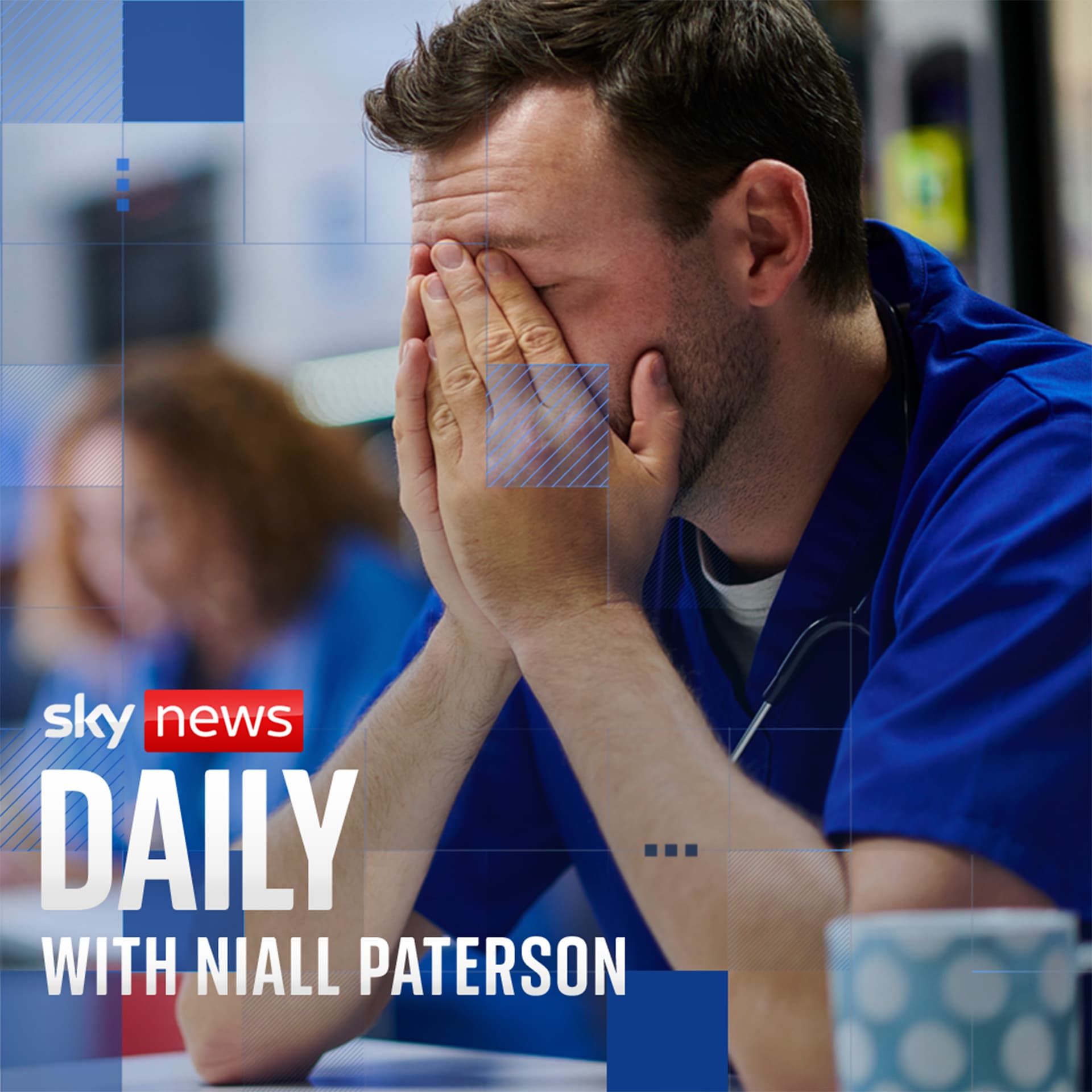
Episode topic: First responders’ and NHS staff’s experience of trauma after road traffic collisions involving young drivers, and the campaign for graduated driving licences (GDLs) to reduce deaths and serious injuries.
Guests/backgrounds
Grant Thompson, paramedic with Devon Air Ambulance (30 years’ experience). Dr Anne Hicks, emergency consultant at Derriford Hospital (30+ years). Larissa, ward manager on Derriford’s major trauma ward. Dan Whitehead, Sky News correspondent reporting from Sheffield and Devon.
Key claims
“Ripple effect” of crashes extends beyond families to emergency workers and clinicians. Talking to relatives is described as the toughest part for emergency doctors. Young drivers are disproportionately affected; GDLs reduce young-driver deaths by 20–40% in countries like Canada, with Toronto data citing an 83% drop in young driver deaths after GDLs.
Notable examples
Josh Atkins, 17, killed near Sheffield in Nov 2023; driver sentenced for causing death by dangerous driving. Paramedics described arriving at scenes where three teenagers died. Hospital staff described patients waking to life-changing injuries (e.g., losing limbs) and varied reactions.
Written by AI. May contain mistakes. Listen to the episode to check what was said.
Chapters
Tap a time to open that second in VOThe Human Cost of Road Traffic Incidents
0:45 to 2:12
Frontline NHS staff share experiences dealing with young victims of car accidents.
“I think that was just one of those jobs where you're not expecting I suppose what you're to see on those days.”
Reporting on Grieving Families
2:12 to 4:00
Investigation into the campaign by families for stricter driving regulations following tragedies.
“The driver who he was in the car with is going to be sentenced at court on Friday for causing death by dangerous driving.”
The Mental Toll on First Responders
4:00 to 6:04
Discussion on the psychological impact of witnessing traumatic incidents on emergency personnel.
“It is not just mum and dad who are impacted.”
Emergency Care and Recovery
6:04 to 8:50
Insights into how healthcare workers manage the aftermath of road traffic collisions.
“because they, like the families, would like to see these numbers reduced.”
Advocacy for Graduated Driving Licenses
8:50 to 13:12
Analysis of the campaign for graduated driving licenses to improve road safety among young drivers.
“will be throwing their support behind the campaign.”
The Burden of First Responders
13:12 to 14:00
Reflection on the challenges faced by first responders and the need for systemic changes in driving laws.
“Get a black box fitted and you'll get a low insurance premium.”
The Challenges Faced by Frontline NHS Workers
14:00 to 15:31
Explore the emotional and psychological struggles of NHS workers on the front lines.
“a no-brainer really and it's why they're urging the government to do a rethink.”
Transcript
Automatic transcript. May contain errors.0:00Coming up on the Sky News Daily, the shadow that follows the flashing blue lights. As the government prepares its new road safety strategy, we speak to frontline NHS staff about how they deal with the deaths of young drivers. How does a banana trigger a CIA-backed coup? Do AirPods herald the arrival of a new global order? What do LED lights say about the future of humanity? I'm Ed Conway and in each episode of my new podcast Stuff Matters I take an object, crack it open and reveal the world-shaping forces hidden inside. This is economics told through the things we think we understand. Search Stuff Matters on your podcast app to listen and follow.
0:45I think that was just one of those jobs where you're not expecting I suppose what you're to see on those days. And we got there reasonably quickly. I think three of these young people actually died in the scene, which was quite difficult. It's always a shock to the system when you get to those jobs. So, yeah, it can be tricky. It can be tricky, yeah. That is Grant Thompson. He's a paramedic with Devon Air Ambulance. And like many of his colleagues on the front line, he's seen up close a number of young people lose their lives on Britain's roads. Just try to imagine that for a moment, to see someone's life slip away as you're desperately trying to save them.
1:26Look, we can all understand the grief that those deaths caused the victims' family and friends. But do we spare a thought often enough for the NHS staff that have to witness their final moments? For the past year, Sky News has been reporting on a campaign led by grieving families to toughen the rules on young drivers, restricting them from travelling at night, for example, or with a car full of passengers. And they are finding support from those frontline NHS workers. Our correspondent, Dan Whitehead, joins us from Sheffield and actually from a very specific location in Sheffield. Just explain why you're there.
2:01Dan Whitehead:We're about to interview the family of Josh Atkins. He was a 17-year-old lad who lost his life on this road that I'm on, on the outskirts of Sheffield back in November 2023. The driver who he was in the car with is going to be sentenced at court on Friday for causing death by dangerous driving. He had passed his test just the day before. So it is a real example of the pain that families can feel and just why there is this large-scale campaign to push for tougher laws for young drivers. And I suppose that's the thing, Dan, that when I read, as we all have, stories of young people losing their lives on their roads, either at their own hands or the hands of others, you know, your heart goes out and it goes out to the friends and the family.
2:48But there are others who are touched by this.
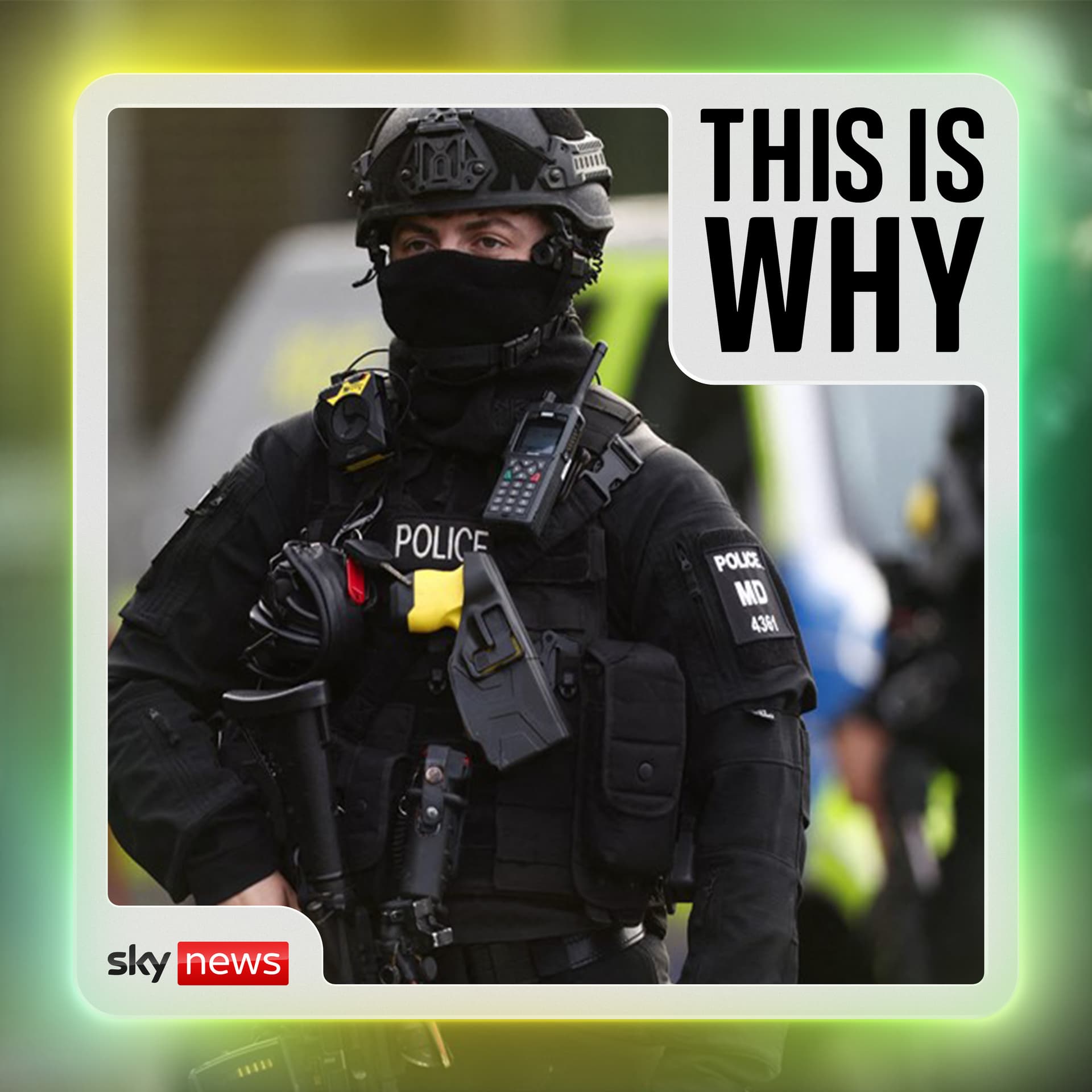
2:50Dan Whitehead:Yeah, that's right. So we've been looking at the sort of campaign for graduated driving licences. We've spoken to devastated families. We've seen how it works in other countries. But over the last month or so, we've spent time with members of the emergency services, specifically the air ambulance team down in Devon, as well as the largest hospital down there, Dereford in Plymouth. We've been on the major trauma unit within the A &E ward, speaking to consultants, paramedics, pilots, because really very often they are the first at the scene to some of the most harrowing of situations. And we've been hearing about the impact on them because we always hear, don't we, about the families.
3:25Dan Whitehead:It of course hits them the hardest when they lose a loved one. But those people who get the 999 call feel the impact just as much. And we were speaking to paramedics who have, even in the last 12 months or so, arrived on country roads just like this to scenes where three teenagers were there who had died in crashes. You know, the causes and reasons for what happened are different in every single case. But what isn't different is the impact that it has on those people and the ripple effect it has when they have to break that news to other people. But it is an example of that so-called ripple effect.
4:01Dan Whitehead:It is not just mum and dad who are impacted. It goes further and wider. Well, let's start then, Dan, with the first responders, the paramedics who arrive on the scene before pretty much anyone else. As you say, you have been spending some time with Devon Air Ambulance. I mean, a chap you spoke to there, Grant Thompson, the things he has seen. When I asked him the question, you know, sort of, can you remember any particular incidents? He's been a paramedic for 30 years. You could tell he got a bit choked up about it. But you could also tell with all of the emergency service personnel who I'd spoken to, that it is not often that they open up about it.
4:35Dan Whitehead:This is their job. It is what they do. It is what they're paid to do. They signed up to it. They all have coping mechanisms, whether that's with their own family. They all certainly lean on each other in terms of colleagues to deal with it. Sitting down and being asked directly about these children who have died, knowing that you can't help them, and that is what your job is to do, was clearly very difficult for a lot of these personnel because uh i just don't think they got the chance um uh all the choice to to really open up about it uh very often and clearly it has a real impact on them and can be very obsessing the loss of any life is is tragic and and affects a lot of people and the clinicians as well um but i think when there's a young person that survives as well and they've got to walk with that for the rest of their lives and more than likely would be one of your friends actually all All of the emergency service personnel, especially Grant and the air ambulance team, did say that, you know, RTCs, road traffic collisions, are the sort of the bread and butter.
5:37Dan Whitehead:It's the bulk of the work that they do because they can get there incredibly quickly. But it's always hardest, the emergency workers told me, when it is a child, when there's a child involved with their whole life ahead of them. That makes it incredibly difficult for them. It's very obsessing. They need to decompress. It's a very, very tough job that they have to do. And it was really about understanding how they cope with it and what could be done to try and prevent these deaths because they, like the families, would like to see these numbers reduced. They don't want to be going out to these accidents and having to either treat children with life-changing injuries, teenagers with life-changing injuries, or even worse, those who've died.
6:24At some point, you know, a doctor somewhere is going to have to sit down with a family and tell them that their kid's not coming back. How do they deal with that?
6:33Dan Whitehead:Yeah, and I think one of the most striking interviews we did was at Derriford Hospital with an emergency consultant, Dr Anne Hicks, who again had worked for 30 odd years as an emergency consultant. And I asked her what her toughest part of the job was. And she explained that it's not dealing with the trauma patients. It's not being in an emergency room performing life saving treatment. It is speaking to the family. Definitely the toughest part is talking to the relatives. I get huge satisfaction from doing it well, but I can remember the face of nearly every relative that I've ever spoken to. So far, we've obviously focused on those who have lost their lives and the people who've been around them at that point.
7:17But many young people who are caught up in these road traffic collisions don't die, but instead suffer life-changing injuries. And I suspect that that will have an impact on the people that treat them as well.
7:29Dan Whitehead:Yeah, actually, when we were at Derrifid Hospital on the major trauma ward, we were with Larissa, who's the ward manager, and the ward was full, she was telling us that she's seen the whole spectrum of patients' reaction after an RTC if they are waking up on that ward after being rushed in by the air ambulance, often obviously sedated, they're unconscious. And then they wake up and realise they may have lost a limb, they may have lost more than one limb, and their life has completely changed. And she said that some patients are hysterical, some deal with it very well, and she said that is very hard for us to know how to manage it and quite often they don't know how to manage it until this patient comes around and wakes up.
8:10Dan Whitehead:We also spoke to people in the rehabilitation side at the hospital as well, because that, of course, is a huge part of the recovery. And actually, interestingly, starts from the moment they get into the hospital, getting them moving again, adapting to what might be a completely new life for them. So there's a hugely dedicated team, obviously not just at Derriford, at every hospital who focuses on that. But look, day in, day out, these emergency workers, these rehab clinicians, the nurses, the surgeons, this is what they do day in, day out, and it does take a toll. Little wonder then, Dan, that those frontline NH staff you've been speaking to, plenty of them, will be throwing their support behind the campaign.
8:53Just explain exactly what we are talking about here. Changes to young people's driving licences.
8:58Dan Whitehead:Now, the campaign for what we call GDLs, graduated driving licences, has been around for quite a few years. The reason it's ramping up is because the government is due to publish its new road safety strategy. It's the first time they've updated this strategy in more than a decade. And within that strategy, that is where they would put GDLs. Now, the government have consistently refused to consider them. But the campaigners and the families are saying, you've got to do something here because it's so disproportionate. disproportionate for young people to be impacted by road deaths and road injuries.
9:31Dan Whitehead:Some extra measures have to be taken. New figures came out in September for 2024 when it comes to road deaths. There were around 1 ,600 deaths on Britain's roads last year and more than a fifth of those deaths involved a crash that involved a young driver. The actual number of young drivers who die is quite small. Last year it was around 70 or so out of the 1600. But when you look at the deaths that involved a young driver across all age ranges, it's more than a fifth. And young male drivers are four times more likely to be killed or seriously injured than all drivers aged over 25. So young drivers are disproportionately impacted by road accidents, whether that's seriously injured, at KSI, killed or seriously injured.
10:19What evidence though is there, Dan, that these graduated driving licences might actually reduce the number of fatalities?
10:24Dan Whitehead:So graduated driving licences have been in place in countries like Canada. Most states in the US have some form of it. Australia, New Zealand and Canada, three of the big countries that really have sort of full-blown graduated driving licences. Across the board there, over their introduction, you've seen deaths and serious injuries amongst young drivers fall by 20 to 40 percent and we were in canada back in april to really understand how it works and it was fascinating being there we spent a day a couple of days with a driving school 16 17 year olds starting out on their driving journey takes two years to get a driving license in canada and when i was chatting to i think she was 17 a young lady and said oh you know in the uk you can do like an intensive week and then take your test and you're straight out on the motorway in one week she couldn't believe it she said that's so unsafe not just for you, for the other drivers.
11:12Dan Whitehead:I'd be petrified if all I had was an intensive week. And then to go on the roads. One study that was done in Toronto on the impact of GDLs showed that in the five years to 2022, the number of young driver deaths was down 83 % compared to the five years before graduate driving licences were brought in. Now, not all of that will be down to GDLs. There's been huge improvements in road safety over the last 30 years or so. But it's not disputed that GDLs have saved many lives. So what then are we hearing from the Department for Transport? We know that there is a new road safety strategy coming out, but so far they don't appear minded to do anything in this direction.
11:52Dan Whitehead:No. And in every statement we've had over the last 12 months from the department, they say that they are not considering graduated driving licences. They acknowledge the heartbreak that families feel. They acknowledge that young people are disproportionately impacted. In some of the early statements from the government, they said that they weren't looking at introducing GDLs because they unfairly penalise young drivers. That phrase was removed in subsequent statements because it understandably did not go down well with the families who've lost children, who don't think that perhaps six months of tougher restrictions for young drivers would be much of a penalty for them.
12:31Dan Whitehead:They have said in the latest statement to our report that they are looking at other options to increase the safety and reduce the number of young drivers who are killed and seriously injured so that is the statement from the government uh you know this the road safety strategy was due to be out in the spring it wasn't it was due to be out in the summer it wasn't the latest we've heard from the sources that it's going to come out in december um so we will see but i think the campaigners who are going to launch a big campaign in a couple of weeks during road safety week i think they understand that look graduated driving licenses aren't going to be announced in this strategy, but they would like something to be done.
13:07Dan Whitehead:Whether that would be black boxes. We see that on some insurance policies for young drivers. Get a black box fitted and you'll get a low insurance premium. That technology is really easy to implement. It's already there. And if they were mandatory, then at least that might help with the speed side of things. But the graduated driving license scheme in Canada, for instance, bans you in those early months of driving between midnight and five in the morning. It bans you in the early months of driving with a car full of your mates all factors that we so often see in fatal incidents here in the UK we hear it so often in this case in other cases that there were a group full of passengers of their peers and it was late at night and those factors in a full-blown GDL scheme are restricted for the first few months six months 12 months while you gain that vital experience so you can understand why the families here who have lost their children in these crashes almost see it as a no-brainer really and it's why they're urging the government to do a rethink.
14:04Dan just to take us back to those those frontline NHS workers you've been speaking to how do they do it to see what they do with the frequency that they do and still turn up to work the next day I mean it's almost unbelievable.
14:18Dan Whitehead:It is it's remarkable and we always you know it's a grateful aren't we that there are people in this world who do tough jobs like that I suppose you know there are many people that they do save and that balances things out i suppose they save many more lives uh hopefully than than the ones that they simply can't do anything about um and and in that instance it's a very rewarding job but the flip side of that comes those incidences like that grant explained where you get there and you've got three children and he i think there's certainly some of the emergency workers spoke to in devon had children of the same age uh you know teenagers who are about to start learning to drive.
14:53Dan Whitehead:And one of the emergency consultants said, look, I know GDLs aren't in place. I will be implementing a GDL style scheme to her learning of driving. You know, okay, for the first six months, you're not driving any of your mates around and you're not going to drive between those hours. And they see it on the front line and you kind of think, well, why would you do that? Well, they see it and they see deaths that are preventable in many cases. But yeah, I mean, thank God for people like that who do that job because, you know, they do save many lives. But of course, they face the flip side of that coin as well.
15:28Dan, thanks very much indeed. Well to see Dan's full report. Just head over to the website, skynews.com. The Sky News Daily is back again tomorrow. Till then, take care.
15:42How does a banana trigger a CIA-backed coup? Do AirPods herald the arrival of a new global order? What do LED lights say about the future of humanity? I'm Ed Conway, and in each episode of my new podcast, Stuff Matters, I take an object, crack it open, and reveal the world-shaping forces hidden inside. This is economics told through the things we think we understand. Search Stuff Matters on your podcast app to listen and follow.
From the publisher
Fatal crashes caused by young drivers inflict untold suffering on survivors and the loved ones left behind. But what about the trauma experienced by first responders?
They are part of the so-called ripple effect caused by the aftermath of tragedies on UK roads - and their stories are rarely told.
Niall is joined by Sky correspondent Dan Whitehead, who spoke to NHS workers about their experiences.
Producers: Tom Gillespie and Araminta Parker
Editor: Mike Bovill