
In short
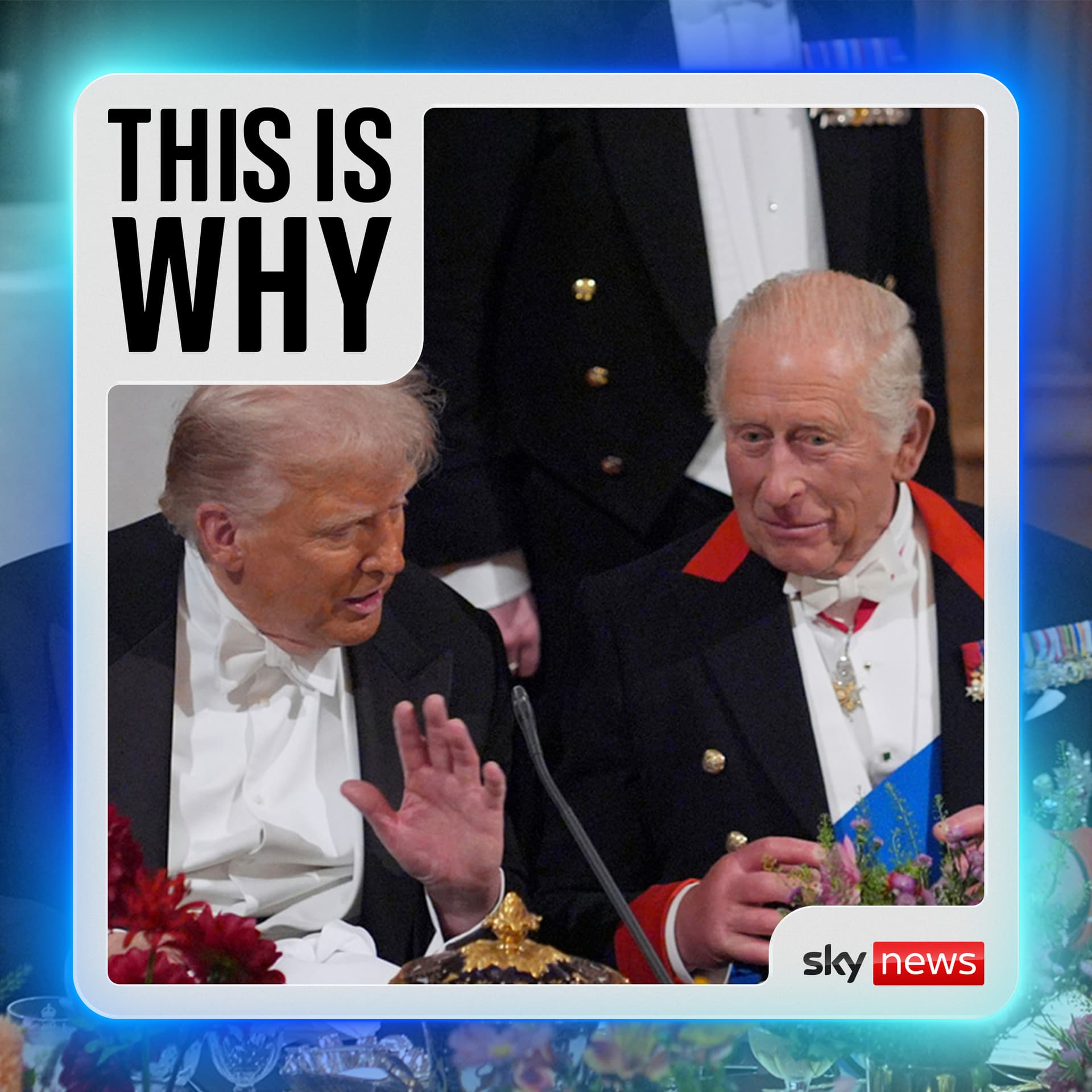
After a third attempted assassination of Donald Trump at the White House Correspondents’ Dinner, the episode explains why keeping King Charles safe is a top priority for his upcoming US state visit, and what security changes and lessons should be applied.
Guests
Di Davis, former head of royal protection (Metropolitan Police career; led palace and personal protection in the UK and worldwide). Hosts referenced: Sam Coates (Sky News) and Anne McElvoy (Politico).
Key claims
The Secret Service failures shown in grainy video—an armed gunman running past multiple agents with no physical barrier—require urgent review before the state visit. Security should be layered (“onion” model), with strong communication and contingency planning. Intelligence grading and experienced judgment are essential.
Notable examples
Royal attacks dating back to 1760; Charles’ Australia incident in the 1990s; a Northern Ireland case where a man reached the Queen with guns and explosives on a bus; US history where four presidents were murdered.
Written by AI. May contain mistakes. Listen to the episode to check what was said.
Chapters
Tap a time to open that second in VOUnderstanding Trump's Security Incident
0:58 to 2:07
Discussion on the attempted assassination of Donald Trump and its implications for King Charles' visit.
“I am still trying to get my head around what happened to Donald Trump at the weekend.”
Insights from Security Expert Di Davis
2:07 to 4:21
Interview with security consultant Di Davis on protecting high-profile individuals.
“I spoke to security consultant Di Davis.”
Comparative Security Approaches
4:21 to 6:36
Differences in security measures between the UK and the US for royal and presidential protection.
“in the way in which the United States looks after what you and your other professionals would refer to as the principle than compared to the way we do things here in the UK?”
Planning and Communication in Security
6:36 to 8:02
The importance of planning and communication among security teams during state visits.
“And of course, there are rare occasions where the security surrounding the president and the security surrounding the king come into close proximity.”
Challenges and Intelligence in Security
8:02 to 11:10
Discussion on intelligence grading and challenges faced by security personnel during high-risk events.
“not be up to mustard when it comes to the security around the king and the president?”
Public Perception of Royal Protection
11:10 to 14:03
Exploration of public understanding and respect for the efforts of royal protection officers.
“I'm thinking perhaps of individuals who may be fixated on the king, people who have made threats in the past.”
Understanding Royal Protection Roles
14:03 to 15:05
Learn about the importance of respect and organization in royal protection.
“successful trip to the united states but but from your own perspective di you're many many years working alongside Royal Protection.”
Transcript
Automatic transcript. May contain errors.0:02Sky News, the full story first.
0:11Another attempted assassination of Donald Trump has significant implications for King Charles' visit, and this is why.
0:23I'm Sam Coates from Sky News. And I'm Anne McElvoy from Politico. Downing Street drama, leadership battles and policy U-turns. We're on it before it breaks. We take you straight into the rooms where the real political conversations are happening. Smart Insight, clear analysis in your feeds by 7.45am. So you start your morning fully brief for the day ahead in British politics. Hit follow and listen to Politics at Sam & Anne's wherever you get your podcasts.
0:57Hi everyone, Neil here, and look, to be honest, I am still trying to get my head around what happened to Donald Trump at the weekend. The President was at the annual White House Correspondents' Dinner with the world's media also in attendance, including some of our Sky News colleagues. Shots were fired after an armed gunman attempted to gain access. He's now in custody, and the President is carrying on after what's actually now the third attempt on his life. But what does all this mean for the state visit from King Charles? King Charles is coming and he's a great guy and we look forward to it.
1:32He's really a fantastic person and a tremendous representative and he's brave. Well, we know the US trip hasn't been cancelled, keep calm, carry on and all that. But we're also being told that some aspects of their security have been tinkered with. Senior officials, nothing can go wrong. Can you imagine if anything went as it did on Saturday night with the king and queen sitting there? it would be a diplomatic disaster. So, have lessons been learned from Trump's near miss? And just how do you protect a king or even a president when there are potential threats round every corner? I spoke to security consultant Di Davis.
2:10Now, after a distinguished career in the Met, Di became the head of royal protection, meaning he was responsible for palace and personal protection, both in the UK and worldwide. Di, great to have you with us today. You have obviously spent years up close and personal protecting the royal family. So when you heard about yet another assassination attempt on Donald Trump, what did you make of it? I'm honest, I was astonished and deeply surprised. And what I was surprised was when I saw that grainy video of how this individual was able to run past at least five, if not six, Secret Service. And there was no physical barrier.
2:50and I was concerned because I later heard the Secret Service agent say this was textbook and that this was like a castle door and in that instance if this was their first outer then in my humble professional opinion it wasn't good enough. So whatever they say something needs an urgent review and that review hopefully has been carried forward to the state visit. I agree. I've heard some in the United States claiming that this was a victory, that ultimately, given that Donald Trump remains alive, well, we've done our job. But I suppose that the other argument that has been put forward by, you know, ex-Secret Service and all the rest of it is that you can't protect against all risk.
3:31Well, I agree, you can't always be 100%, but there are some basics. And I always compare it to an onion. There are layers. And yes, they're quite right. Nobody got to the president or the first lady. But it takes a bit of a stretch to say this was a victory. This individual was able to carry guns, knives, and all the rest of it from outside into his room, then down into almost the basement area. And again, I put the qualification, I wasn't there. and I can only comment on what I've seen and heard. And from my 55 years experience of travelling the world, advising some of the richest people on the planet, how you stay safe.
4:13And I can only comment thus that there are, in my view, serious concerns as to their deployment. Are there then fundamental differences in the way in which the United States looks after what you and your other professionals would refer to as the principle than compared to the way we do things here in the UK? Well, huge differences in one sense, because we don't have the kind of armour that they do, and we certainly normally do not carry the level of firearms that they do. In my day, I think we had well over 20 members of the royal family, and we did it in the British way, very low-key. Planning is a key factor.
4:49The what-if scenario is a factor. And the history of attacks in the royal family, going back that I've done to 1760, and also attacks on the European royals and indeed the American presidents. It's a fascinating tale and far, far more cases have been recorded and acted upon, which most of the British public, and I suspect itself, know very little about. But of course, I suppose that is the one characteristic that Donald Trump and King Charles share, that they have both been on the receiving end of an assassination attempt. I think Charles was out in Australia back in the 90s. I think both of them are huge risk potential.
5:31History has shown us that various members of the royal family, close relatives of Charles, have been subjected to terrorists and murdered. The one in Australia was a guy with a blanks, luckily, and he managed to get almost down to the stage there without being shot, which I find amazing. So, yes, there are numerous incidents where people have tried and plotted to attack our British royal family. And in the same way, if you look at the American presidents, four have been murdered. And as you probably are aware, American politicians of a wide variety in the last few years have been subjected to attacks.
6:09So it's a dangerous precedent. And again, I would say you apply the same degree of professionalism, common sense and practical knowledge to both individuals, the king and indeed, you know, the president and the vice president and speaker of the House. There are three key people who could have been murdered or assassinated by this individual who tried on Saturday night. So it's a very serious incident. Incredibly serious. And of course, there are rare occasions where the security surrounding the president and the security surrounding the king come into close proximity. State visits like the one Charles is embarking upon.
6:49When we have a visit like this, who is running the security? It's a combination of royalty protection who ultimately are there to protect the monarch and his wife. So there will be their responsibility in one sense, but they will have to, obviously, work in conjunction with the Secret Service. and there would have been months of planning. There would have been numerous visits by the teams to work together, to plan together, and you would have reconnoitred it. The teams out there, the British teams, would have visited all the premises. They would know it intimately, and they would have, throughout this time, worked closely with their Secret Service counterparts.
7:32They normally have a very good relationship, and there's reciprocity on both sides. And despite our prime minister and Trump not particularly getting on at the moment, the Secret Service and the British authorities normally get on very well. But given the fundamental failures that we saw in Washington at the weekend, an operation, you know, led by the Secret Service, will there not be concerns amongst, you know, those who do the job that you used to today that the Security Service might not be up to mustard when it comes to the security around the king and the president? Communication is key. And one of the key things and failures often in the past is when that communication is a breakdown.
8:15So the ability to communicate quickly and succinctly with each other is vital, I would have thought, and clearly something that everybody has worked out. The other thing is, is contingency planning. What if it goes wrong? How do you get your principles out of it? Where are the safe places? And you cover all aspects from firearms, terrorism, explosives to illness by the principles. So it's a huge, huge logistical issue with many, many hundreds, if not thousands involved in overall planning. Obviously, Charles and Camilla are going. The trip is going ahead. There have been, we're told, a couple of changes to the security detail.
9:00What might that be, do you think? Well, again, it would be those areas where it's perceived the highest risks are. Not so much, perhaps, in the White House. It's when you're traveling to and from, but I'm assured they will be in protected vehicles, that the president will make sure, as will his senior officials, that nothing can go wrong. Can you imagine if anything went as it did on Saturday night with the king and queen sitting there? It would be a diplomatic disaster. So I have no doubt that every single sinew of intelligence and information will actually be carried out by professionals. Unfortunately, Mr.
9:40Trump and other administrations often put people in posts who have no real practical knowledge. And so you rely on the real professionals to actually carry out and make sure that everything is in order. Do any tensions arise in this process? Have you ever seen disagreements behind the scene about whether or not a visit, an occasion, an event was safe? Yes, in the past, historically, there have been differences between various agencies and they can't always agree. But you try and learn the lessons from history and you translate them into today's professional attitude towards each other. And respect, I think, is there on both sides.
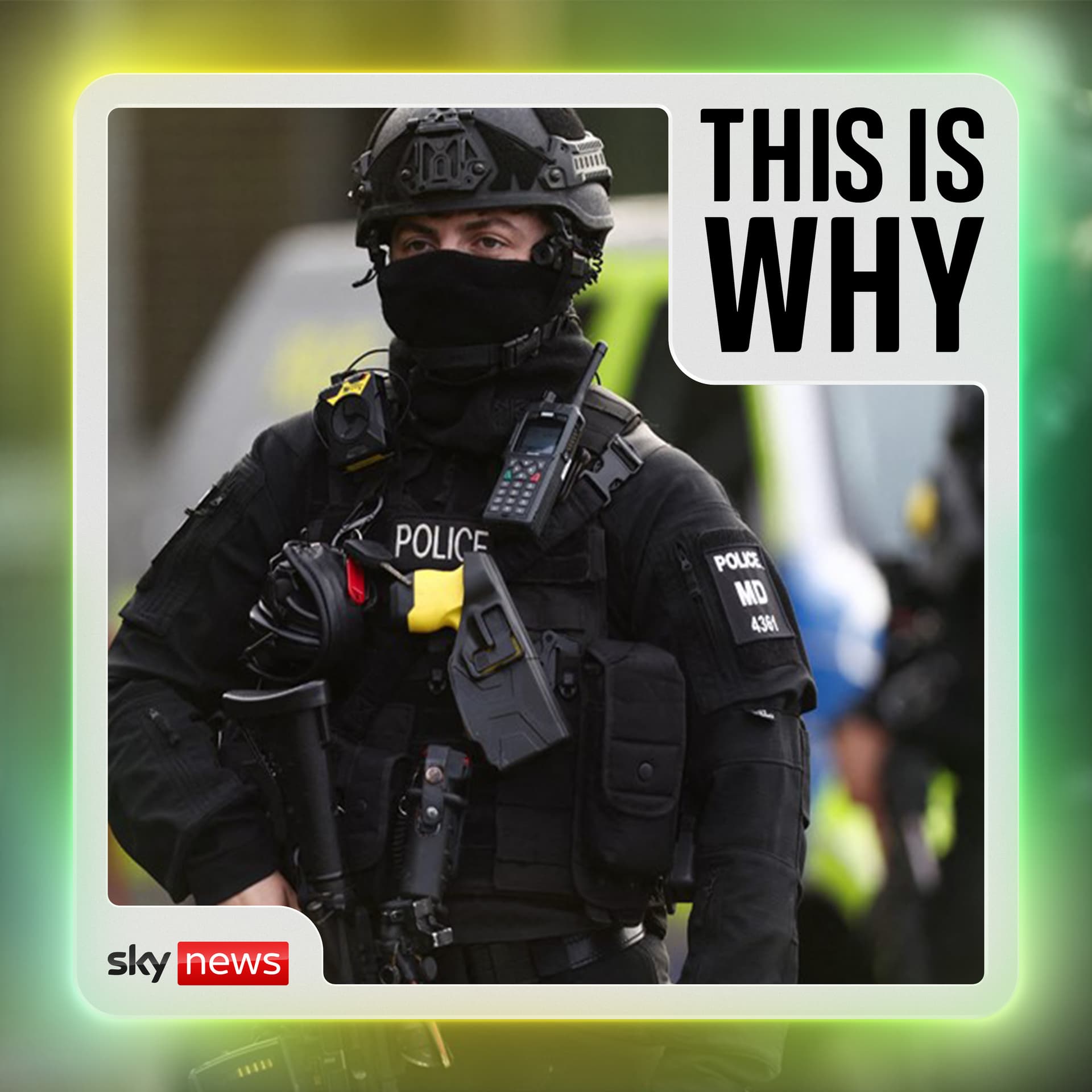
10:20Just then break down the layers, the levels of protection that there will be around Charles when he makes this state visit. It's like an iceberg, really. What you see is not the whole picture. and below the surface, as with an iceberg, there is a whole range of issues and individuals from security to police to military. That all has to be coordinated. They're all firearms trained. They're all trained to a high level. There's a national standard and there's a standard set by the Metropolitan Police in terms of advanced driving, you name it, advanced first aid and so on and so forth. I have confidence as much as you ever can that they are well-equipped, well-trained and ready to do their duty, which ultimately is to protect the king and queen.
11:09How important is intelligence in organising security for trips like this? I'm thinking perhaps of individuals who may be fixated on the king, people who have made threats in the past. It's a very good question and it's one of the questions I first asked when I took over command. Intelligence is graded information, and it is essential that whoever grades that intelligence has the requisite knowledge to determine. And that instinct, which you can't teach in a book, you can teach a lot, but that instinct, that knowledge and that experience of those who are charged with assessing the intelligence and grading it appropriately so you act accordingly.
11:50It is one of the most important aspects of security, both for this country and anywhere else. As we've discussed, it is a question of balance. There is no way by which risk can be 100 % avoided. Given that, I'm just wondering if there have been moments where you or colleagues have thought, do you know what, I'm getting a bit nervous about this. this might just be a wee bit too exposed, but have gone ahead with the occasion anyway? Well, yes, it took twice in my experience. In this country and abroad, the officers felt uneasy with the scenario and they decided to cancel actually the, not the whole event, but some aspect of the event.
12:34And again, in Northern Ireland, when the Queen famously went there, one bloke went on a bus with his guns and explosives, believe it or not. So you have to prepare for everything and everyone. Obviously, you have worked for Charles and you will know how he approaches trips such as this. When it comes to security, how actively involved are the king and queen in their arrangements? Do they personally prefer a lighter touch approach or are they happy to hand over all the security to individuals like yourself and just trust in the people that they have hired to do the job? Senior members of the royal family who were born into it, they've had protection since they were born.
13:12So they're well used to it, and they realize the consequence of not listening to them. I was with the Queen on one occasion where a gentleman in Wales came up with a bunch of flowers, and he wasn't really stopped. I queried that because I was there as an observer. It eventually turned out he was somebody from Northern Ireland and suspected possibly of doing a reconnaissance. Thank goodness nothing happened, but you just have to be careful on your toes, and you have to brief because local officers don't have the day-to-day influence that royalty protection officers so you have to communicate what you want how you want it and they must must be on their toes and report and deal with any kind of activity that's out of the ordinary obviously all of us keep our fingers crossed that charles and camilla have not just a safe but a successful trip to the united states but but from your own perspective di you're many many years working alongside Royal Protection.
14:10What's the one thing that you would wish the public understood a little bit more about the job you and your former colleagues did? I hope the pension was bigger. I'm not complaining. What I'm trying to say, what would I want the public to be aware? I think just to give a bit of leeway and understand the huge amount of organisation and practical skill and ability that goes into these events and how much you rely on the basic individual's concern, from cleaners to everyone else. They're part of that security and they should be treated as such and given the degree of respect. But, you know, treat everyone, everyone from the lowest up to the top people.
14:59Treat them with respect. And that applies to some members of the royal family as well. Treat people with respect. Dai, it's been a pleasure talking to you. Thanks so much for your time. And that's your lot for this episode. Do let us know what you think. The email address, as always, why at sky.uk. We're back again tomorrow.
15:35breaks. We take you straight into the rooms where the real political conversations are happening. Smart Insight clear analysis in your feeds by 7.45am so you start your morning fully brief for the day ahead in British politics. Hit follow and listen to Politics at Sam & Anne's wherever you get your podcasts.
From the publisher
Why keeping the King safe is Trump's top priority
King Charles's trip to the USA is still going ahead, despite a gunman attempting to storm a dinner attended by President Trump on Saturday night.
It's the first state visit to the country by a British monarch since Queen Elizabeth II in 2007. Charles is also due to emulate his mother by addressing Congress.
Officials from both sides of the Atlantic are working closely on security arrangements. But has the tour been compromised by the assassination attempt? And what does it take to protect a head of state?
Niall speaks to Dai Davies, a former head of Scotland Yard's Royal Protection Command.
Have you got a question for Niall? Email the show: why@sky.uk