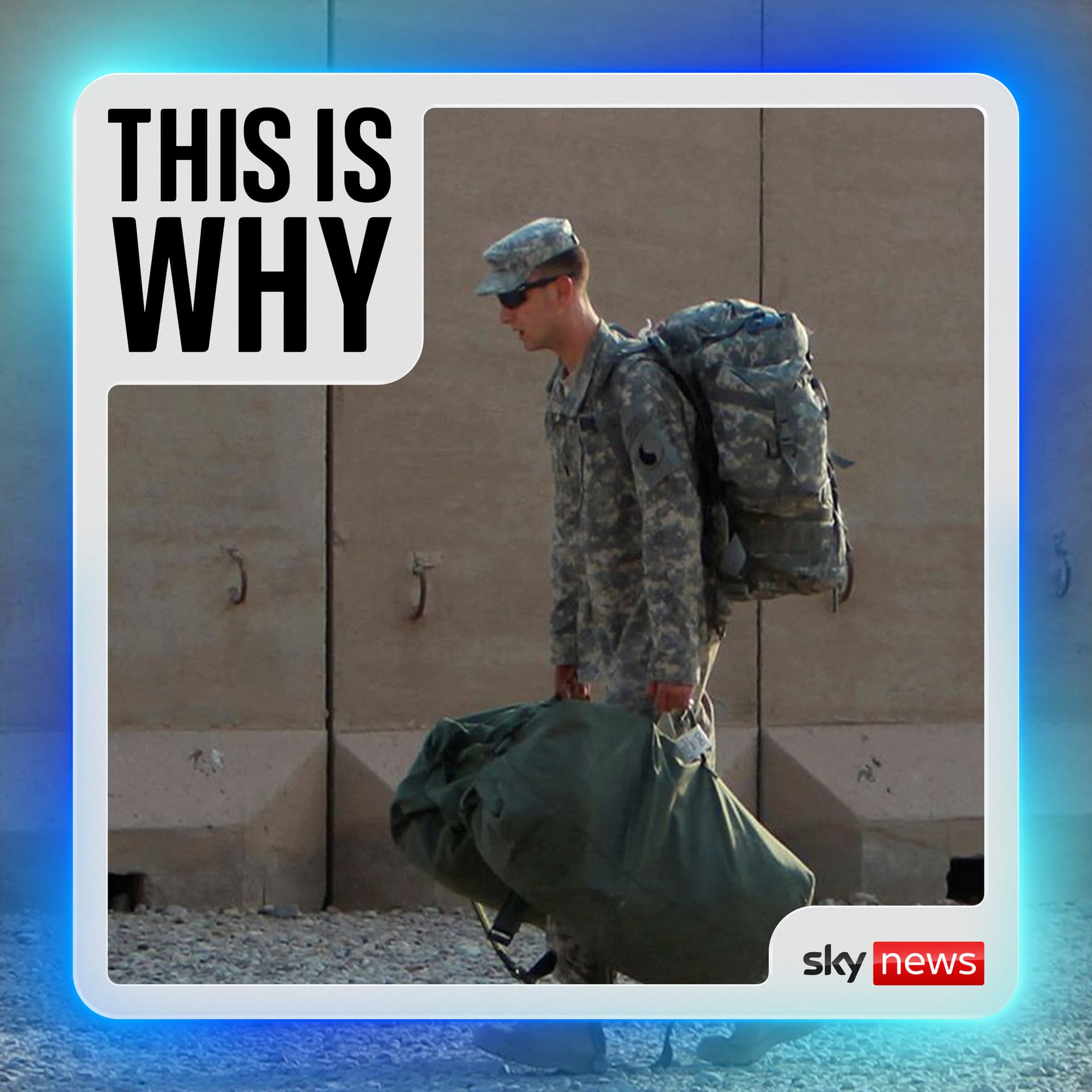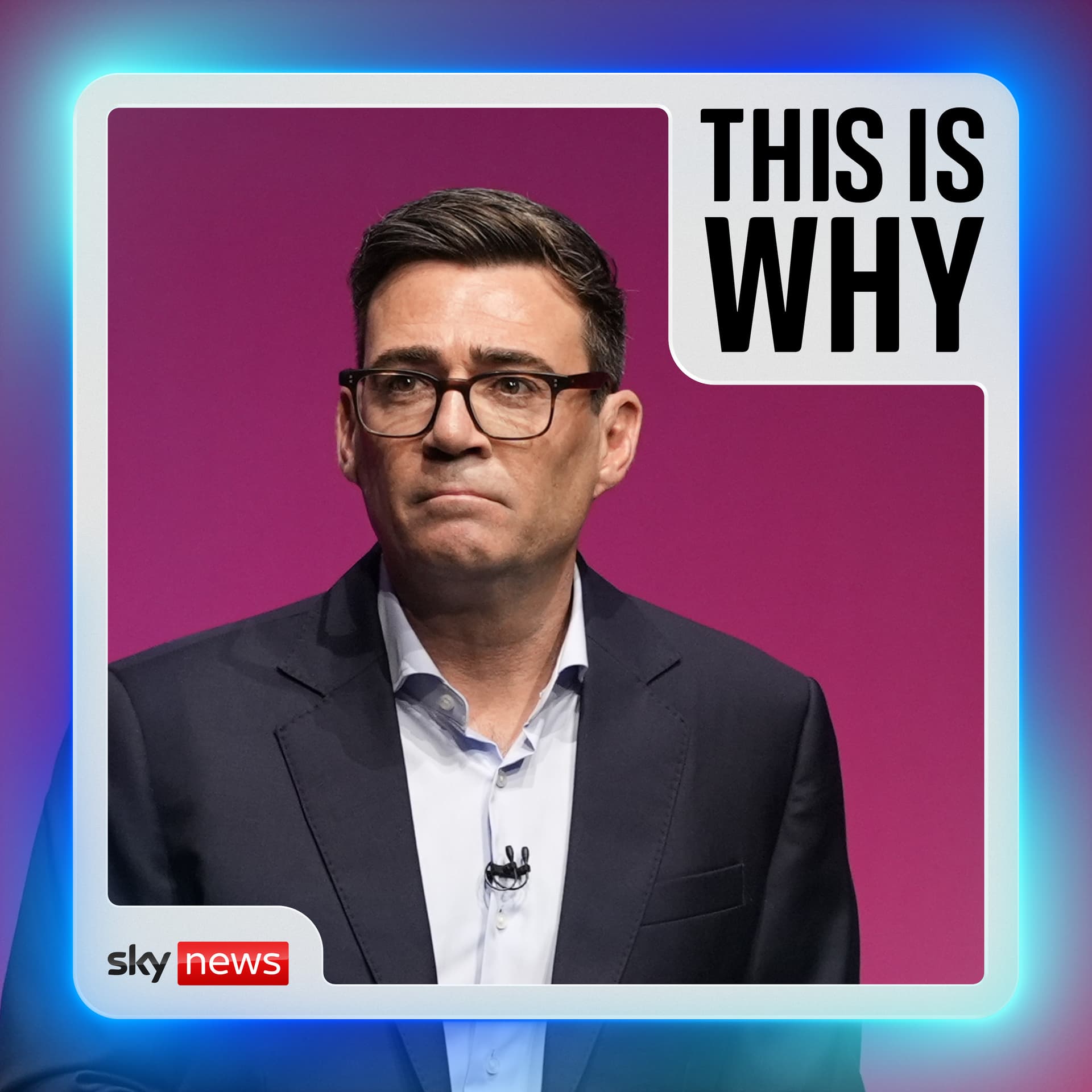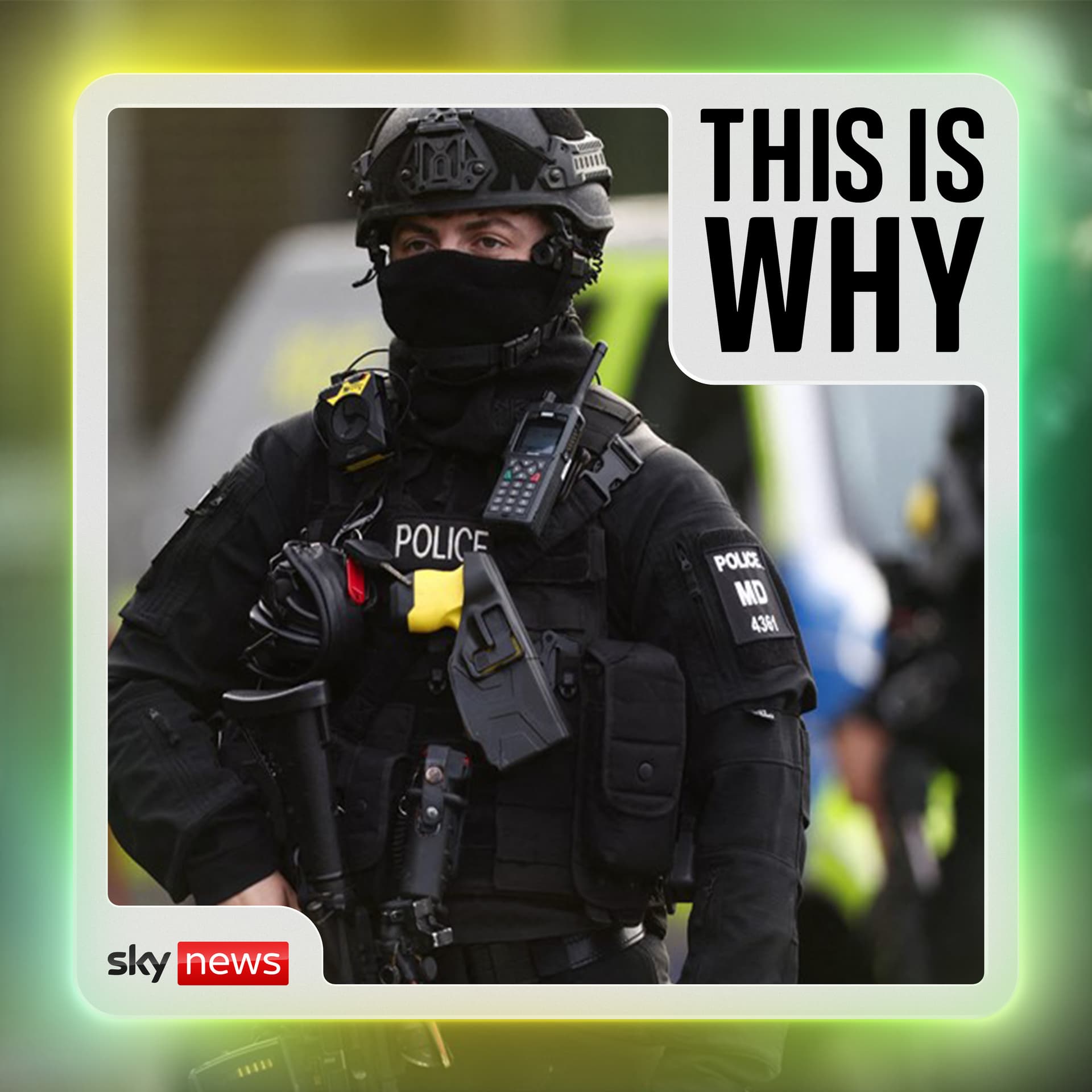

In short
Q&A on Iran’s escalation in the Strait of Hormuz, UK military readiness, drone/robot warfare procurement, and implications for US/NATO support under Donald Trump.
Guest backgrounds
Professor Michael Clarke is a defence analyst. Host Neil (Sky News “This Is Why”). Questions come from viewers including Natasha Rushton, Lorraine Rees, John Launders, Mark Bryant, Ollie Potter, Sandra Jenkins, Joe Kelly, Ian Hume, Michael Barton, and Dorothy.
Key claims
Blocking or making the Strait of Hormuz dangerous was “understood” by professionals, but the White House/Trump team didn’t treat it seriously early enough. UK readiness is low because the Royal Navy has very few deployable warships (one carrier, two frigates, one destroyer, one attack submarine). Britain lacks enough drones/counter-drone capability and overall “numbers” for true warfighting. Trump’s Russia policy reflects admiration and fear of Putin; Europe may be left to handle Russia.
Notable examples
Strait of Hormuz oil/gas chokepoint; US/UK ship readiness debate (Gibraltar idea); “Bullet” counter-drone drone (with British help); lasers as cheap counter-drone weapons; reference to Britain’s Strategic Defence Review (2025–2035 plan) and Ukraine/“sixth generation warfare” robotics.
Written by AI. May contain mistakes. Listen to the episode to check what was said.
Chapters
Tap a time to open that second in VOIran and the Strait of Hormuz
0:30 to 1:40
Discussion on the strategic significance of the Strait of Hormuz and military responses.
“And since we launched This Is Why, we've been asking you to get in touch with your questions, your suggestions at the email address, if you've forgotten, why at sky.uk.”
US and UK Military Preparedness
1:40 to 5:10
Analysis of the US and UK's military readiness and strategic decisions regarding Iran.
“have always understood how easy it would be to block the Strait of Hormors or to make them dangerous enough to close them.”
Naval Forces and Limitations
5:10 to 7:14
Michael Clarke discusses current limitations in British naval capabilities.
“at the Downing Street level, to take this more seriously early enough.”
The Future of Warfare: Drones and Robotics
7:14 to 10:09
Exploration of the impact of drones and robotics on future military strategies.
“What we see in Ukraine and now in Iran is the tip of that revolution.”
Political Implications of Military Actions
10:09 to 12:31
Discussion on the political ramifications of military decisions regarding Iran and NATO.
“doing things for the sake of the government, but we can't fight a war.”
Trump, Putin, and Geopolitical Dynamics
12:31 to 14:01
Analysis of the relationship between Trump and Putin and its impact on global security.
“If Russia, even in the next two years, say, were to launch an attack, I don't think they will, but if they were to launch an outright attack on the Baltic states, a NATO country, will the Americans be there?”
American Security Strategies and European Responsibilities
14:01 to 15:00
Learn about America's shifting security strategies and Europe's responsibility in the context of the Ukraine issue.
“I mean, Michael Barton makes the point, given all the noise coming from the United States at the moment, if we needed security help, would they really not come to our aid?”
Public Awareness and Military Preparedness
15:01 to 16:58
Explore the importance of public awareness regarding military issues and the implications of government transparency.
“So that's where we are for as long as the Trump or MAGA republicanism dominates American decision making.”
The New European Security Landscape
16:59 to 18:15
Understand the changing dynamics of security in Europe and the necessity of being prepared for potential conflicts.
“We have no right to peace and prosperity at this level.”
Transcript
Automatic transcript. May contain errors.0:02Sky News, the full story first.
0:11Michael Clarke:Professor Michael Clarke is here to answer your questions about Iran, our military and everything else defence related. But you might not like some of his answers. And this is why.
0:30Michael Clarke:Hi everyone, Neil here. And since we launched This Is Why, we've been asking you to get in touch with your questions, your suggestions at the email address, if you've forgotten, why at sky.uk. And it turns out there's been an awful lot of them about what's been going on with Iran. And in particular, it's siege of the Strait of Hormuz. That's the kink, sort of very narrow dogleg in the Persian Gulf, that a fifth of the world's oil and gas has to pass through. Plenty of you are wondering about the state of our military too, given what at least appears to have been a very sluggish response from the United Kingdom.
1:03Michael Clarke:So who better to get on than the internet's favourite defence analyst, Professor Michael Clarke? And Natasha Rushton has our first question. Could the US or Israel not have seen this coming, that Iran would use the strait as a weapon? Michael, good to see you as always. And look, I think Natasha makes a really important point there. I mean, you look at the tankers not getting through the strait, you look at the price of a barrel of crude, and it certainly suggests that the Americans didn't see this coming. And I can't believe that. I genuinely can't believe that there was no one at the Pentagon, maybe Central Command, who turned around and said, lads, hold on a second, don't we need to think about the oil?
1:38Yeah, I mean, the professionals, defence and foreign policy professionals, have always understood how easy it would be to block the Strait of Hormors or to make them dangerous enough to close them. Even if you don't block them physically with mines, you can close the Strait of Hormors. That's always been understood. And I've spoken to naval personnel who've said, that's the first thing you learn at Staff College. You know, when you come on to Middle East issues, the first thing you do is straight-of-hormers. So it's no surprise to anybody who knows anything about the issue. And it's no surprise to the American military or the State Department.
2:09The issue is it didn't get up to the White House and or the White House didn't think that the crisis would get to this point so quickly. A lot of us thought that Straight of Home was the big lever that the Iranians could pull, and they probably won't pull it immediately. It might be something that happens in three or four weeks' time, instead of which the Iranians immediately went right up the escalation ladder with attacks all around the region. They went for the big lever immediately. So that was a little bit surprising, but only a little bit. But the fact that the big lever was there is as plain as the nose on your face to anybody who's been paying any attention.
2:47Michael Clarke:So was there a lack of communication upwards to the president or was the president simply not listening? But who is Donald Trump listening to? He's listening to a bunch of amateurs. And so, you know, Marco Rubio, he's an amateur in world politics. Pete Hegseth is a complete amateur in military affairs, even though he's been in the Marines himself. The fact is, I mean, Pete Hegseth seems to know nothing about real defence. And my understanding is that he's not particularly well respected within the American forces. Dan Cain is, who is the chairman of the Joint Chiefs. But even Dan Cain was brought in as a Trump appointee because he was more Trump-like than his predecessors.
3:26So you've got this problem that at the top of government are a bunch of people who Donald Trump brings in for their loyalty. And they're having to learn on the hoof when world politics is in a state of turmoil. So it's hardly surprising that they don't really know what they're doing.
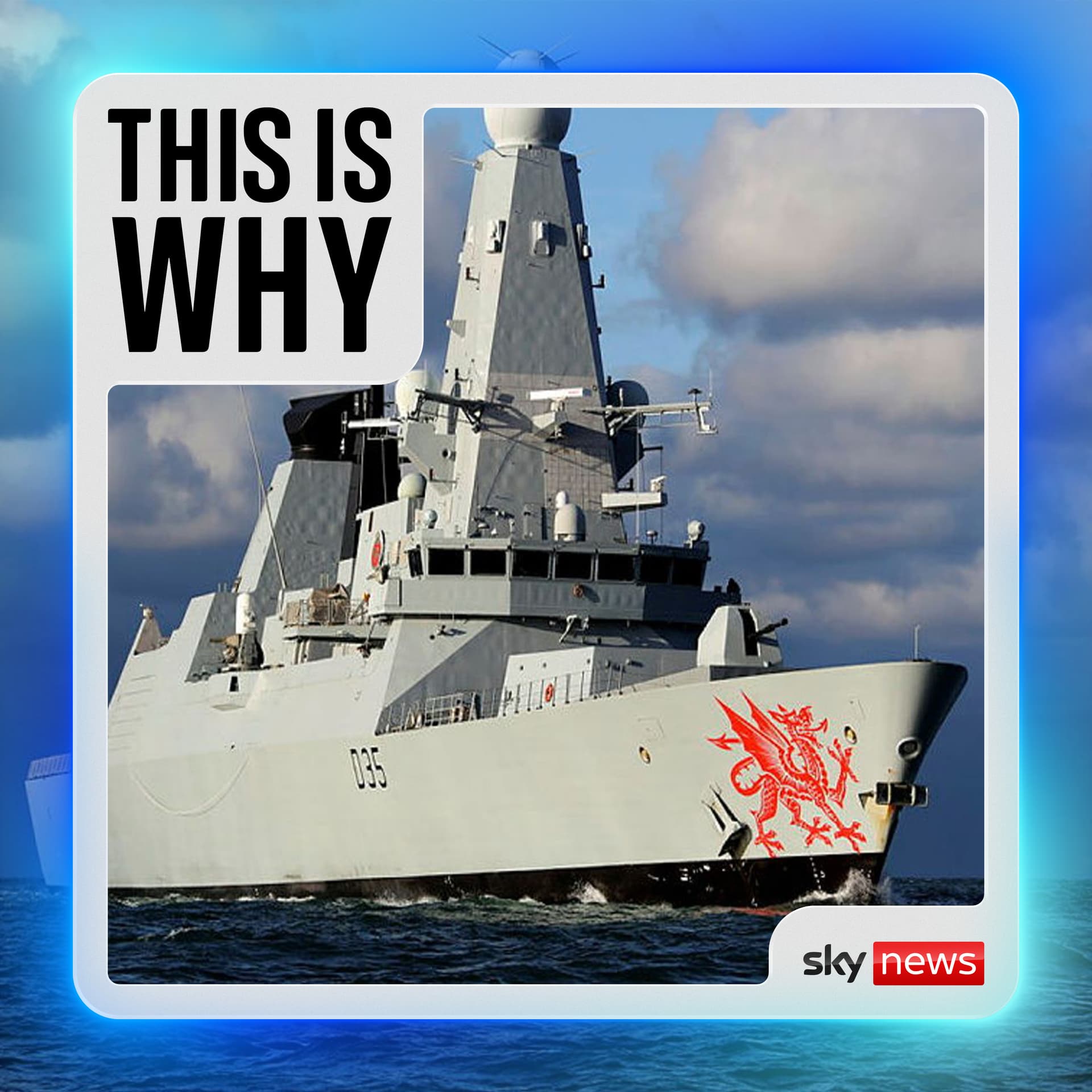
3:42Michael Clarke:But are we any better? Are we any more professional? Lorraine Rees asks this. We all knew that America was going to bomb Iran about four weeks ago. Why did we not put a couple of warships at Gibraltar, just in case? A similar point from John Launders. Why were these ships never prepared in advance? Yeah, well, two reasons. One is we don't have the ships. I mean, as I speak, what have we got that's in the water that is available in the British Navy? We've got one carrier, I mean, which is available to go soon. We've got two frigates, the Somerset and the St Albans. We've got one destroyer, which is the Dragon.
4:15and we've got one attack submarine, which is HMS Anson, which went to Australia and might not be on its way back. That's it. That is the British Navy at warship level. Now, below that, you've got OPVs, the offshore patrol vessels, which are useful, but they're hardly significant warships. That's it. So, first of all, the Navy is at such a low point of ability and readiness at the moment. This crisis couldn't have occurred at a worse time for the Navy when it's trying to recapitalise everything and is trying to desperately save money by keeping ships and crews ashore, essentially. Secondly, I mean, I think, you know, your questioner is right in the sense that there has been, apparently, quite an argument within the MOD.
4:55The Navy did say we ought to think about Eastern Mediterranean, and the MOD seems to have said, no, no, don't worry about it. We've got air power there. We've got the tornadoes at Akatiri. That'll be okay. and it looks as if there was a failure at the top level, at the Downing Street level, to take this more seriously early enough. So I don't disagree with the question, except if they had taken it more seriously, what were they going to do? They're going to take ships off other tasks in order to send them there.
5:25Michael Clarke:But why, when the decision was made, couldn't the ship be made ready more quickly? We're talking about dragging here. I mean, Mark Bryant makes the point. When I served in the 90s in HMS Lancaster, We were always ready. I was activated. And within 24 hours, we were all back on board and gone. What's the crack now? Asks Mark. Well, Mark, it was a different Navy in the 1990s, had a lot more ships. And the Lancaster, funny enough, is still in Bahrain. It's been decommissioned. So it's sitting there as a ship waiting. It's probably deteriorating now. It's waiting to be towed away for scrap, I imagine.
5:57So the simple fact, Mark, is at the moment we don't have the ships.
6:00Michael Clarke:I just wonder then whether or not this was us just thinking, you know, naval power just wasn't as important anymore. I want to play a question from Ollie Potter. To what extent will this war and Ukraine change how Western fascinator countries approach their weapons procurement in the future, with drones now having a huge role on the battlefield and Iran able to cut off a fifth of global oil supplies with its conventional military? Basically nowhere to be seen. Ollie's got a point. Yes, he has. It's not unanticipated. If you look at the British Strategic Defence Review of a year ago. Which is what?
6:36Michael Clarke:That's kind of our blueprint for what our military should do. It was the review of what we need to do to transform our forces for the 2030s. And it laid out a 10-year plan from 2025 to 2035. And it takes on board all of those points. So the change in the nature of warfare, the use of not just drones, but it's robotics. This is sixth generation warfare. We talk about drones because we see them all the time in Ukraine and we're seeing them now in the Iran war. But drones are only the most obvious part of sixth generation warfare, which is the war of robots. Robot aircraft, robot ships, robot submarines and drones of all types and robot tanks, robot ambulances.
7:15People stretches on literally on a robotic device and a soldier just hauls himself onto the stretcher, covers himself in a blanket which deflects, well, deflects lots of things, heat more than anything else, and takes him off the battlefield. That's sixth generation warfare. Everyone is anticipating it. What we see in Ukraine and now in Iran is the tip of that revolution.
7:40Michael Clarke:Whether we're going to do it and be ready for it or not, I don't know. Well, I think that's a point that Sandra Jenkins is actually making. And Sandra, thanks for joining us. This is Why was her first podcast that she ever listened to. So it's great to have her with us. But she makes the point, why are we not fighting drones with drones rather than the expensive, incredibly expensive missiles that we've been firing? We may well have anticipated this problem, but to me it doesn't look like we've actually prepared for it. Quite a lot of technology is now going into drones as counter drones. So the Ukrainians have developed a really good one called Bullet, which has been developed with British help, and it's a really fast drone.
8:17It looks like a toy quadcopter, but it's really fast, and it can locate an incoming drone, and it just literally shoots itself into the air. And so we're already seeing it. So, yes, there is counter-drone technology, and, of course, there's counter-drone technology being developed through lasers, which are very cheap. I mean, there's all sorts of issues with lasers, but, I mean, if you can use a laser gun, 10 pence, 50 pence a shot, quite literally, it's very, very cheap if you get the rest of it right. Right. So there's lots of counter drone technology being developed as drones are developing.
8:49But you're absolutely right. This is always the way with warfare. Something comes along and then there's a counter to it. And the counter is always, you know, so many years behind because it takes time. And then there's a counter to the counter. I mean, warfare is a constant race of technologies.
9:04Michael Clarke:But it's also a constant evolution of what it is you think you need to do and what you have to do. And I just wonder if we need to go back to we need to go back to the drawing board. Or is it just simply that in terms of conventional forces, you know, standing army, air force, navy, we just don't have enough of any of them? That's absolutely right. We don't have enough of anything. So we don't have enough of the counter drones. We don't have enough drones. And we don't have enough tank ships and planes. Because one of the things that warfare teaches us, and we knew this anyway, but we kind of put it to the back of our minds, is that real warfare involves a lot of attrition.
9:38I mean, a lot of people die, a lot of people are injured, and a lot of equipment is lost. And what we've done in Britain in the last 30 years, we've had just enough equipment to do operations, to go around the world, to do things, to involve ourselves, say, in Iraq or Afghanistan at a certain level. And that was pretty low-level stuff. That was brigade-level stuff in military terms. But when you talk about war, you talk about divisional level, core level. You're talking about four and five times the number of troops, the amount of aircraft and ships or whatever you might need. And we just don't have those numbers.
10:08We've let them run down on the assumption that we could go around the world doing things for the sake of the government, but we can't fight a war. Now, will we be able to in 10 years' time? Well, that's what the Strategic Defence Review set out. Will we need to within 10 years? Almost certainly. So, you know, we're running out of time available to us, given the world situation, where we have to be prepared for war fighting rather than just operations. And that's always the problem. We need more of everything.
10:39Michael Clarke:Let's take this back to Donald Trump. and in inverted commas, are allies when it comes to fighting war. Joe Kelly has a question along those lines. Will the PM's inaction over Iran and his unwillingness to send ships to the straight and foremost be worth it if it means that the US withdraws substantially from NATO? Will it be worth it if we have personal rationing? And finally, is America's much-needed support for Ukraine now dead in the water? Will it be worth it if the United States withdraws from NATO and if we are all queuing out the pumps. I think we're a long way away from petrol rationing in Britain.
11:15It may come, but I think that the crisis would have to get a lot worse first. And remember that this crisis in terms of energy is still nothing like the crisis we had in the 1970s, which I remember very well, which was the first oil crisis as a result of the Middle East War of 1973, the Yom Kippur War. And that then created real stress in the world economy, which took a decade to unwind. So we're nowhere near that yet. But we could get there. We could. We could. But when people get alarmed about this, remember, we've lived through worse than this in the past. So we're not there yet is one thing.
11:50Secondly, I think Keir Starmer and the government, they think that they have a good line here, that they took a clear line that this war was not lawful in the way it was started. And I think I would agree with that point. and that what the government is doing is now protecting our interests, our bases around the region, and protecting our friends. But we are not going to join the war with the United States. Now, the U.S. will react to that and is reacting to that. But the fact is the U.S. has already more or less pulled itself out of NATO in reality. And that may not last, but for as long as Trump is in power, the United States is not going to help the NATO allies.
12:31If Russia, even in the next two years, say, were to launch an attack, I don't think they will, but if they were to launch an outright attack on the Baltic states, a NATO country, will the Americans be there? No, they won't. No, they won't. They will leave it to the Europeans. That's where we are already.
12:45Michael Clarke:So much of what the White House and Donald Trump is doing right now is, I think, at first glance, inexplicable. I think that's reflected in the question we've got here from Ian Hume. A big fan of Michael Clarke. Thanks very much, Ian. The only question is, what has Putin got on Trump? Russia's linked to Iran. They supply Iran with weapons. So Russia is helping Iran to kill US soldiers. Why has Trump lifted sanctions on Russian oil to fuel the EU? Yeah. Nobody knows what Putin has got on Trump. I mean, what we can say for definite is that Trump genuinely admires Putin, really likes him as a person.
13:19He likes his dominance. He likes his decisiveness, his ability to be ruthless. It's like a mafia boss to another mafia boss. He likes all of that about him. And the second thing that we know, and we know this from people who worked for Trump in the past, he's frightened of Putin. He fears him. He fears Putin with nuclear weapons. He thinks that Putin is maybe mad enough to use them, but he also fears Putin. I mean, Putin's not a particularly clever man, but he's cunning. And every time Trump and Putin meet, Trump comes away saying what Putin wants him to say. There is a real discrepancy between the way Putin dominates Trump and seems to know in his cunning mind just how to manipulate him.
14:00Michael Clarke:But if there were to be some kind of incursion by Russia on the eastern frontier of Europe, I mean, Michael Barton makes the point, given all the noise coming from the United States at the moment, if we needed security help, would they really not come to our aid? Probably no, because the Americans made it clear that Europe must look after its own security. And if you look at the National Security and National Defence Review that the Americans published in January this year, National Defence Strategy, They had the national security strategy in November, which was very, very anti-European. And then the national defense strategy in January.
14:38And in that strategy, they say, we, America, we are looking for a partnership with Russia. And the Europeans, and when they say the Europeans, they mean NATO. They don't think America is part of NATO anymore. In reality, the Europeans must deal with the Ukraine problem. Right. So it's up to the Europeans to deal with Russia on Ukraine, while the Americans have a partnership with Russia. And that's written down in black and white in the strategy. So that's where we are for as long as the Trump or MAGA republicanism dominates American decision making. It may not be the case forever, but it is the case for the next four and maybe the next 12 years.
15:13Michael Clarke:I want to conclude with a point, not a question, actually, from Dorothy. She says this. Please tell Michael I'm a big fan. He speaks in a way which catches one's interest and is able to hold it, especially on topics of which most people have little knowledge and understanding. He has a real gift for communication. Thank you. Praise indeed. But it did get me wondering if whether, you know, the British public is as informed as it needs to be about what has been happening with our military in the past, what is going on right now and where we might be in the future. whether people like me in the media have perhaps not done enough over the past, the years since Russia's invasion of Ukraine, to put out into the public domain the state of the military, the state of the world, and get some pressure on politicians to perhaps address those issues.
16:00Yeah, Neil, none of us have done enough because we're in a different world now. And two things. One is the Strategic Defence Review I mentioned came out last year, Britain's SDR. It's a very good document and it does mark a path forward. and if we can get there in 10 years, that'd be great. If we can get part of the way in five years, that would be much more reassuring. I'd be more reassured than I feel. But, you know, the government doesn't want to talk about it. Having done the review, the government doesn't want the public to read it or know about it because it's a bit scary and it implies a lot more money would have to go into defence to make it work.
16:33It doesn't say that, but as you read it, and I read it a lot, you can see how much it implies we need to do. So that is a problem. And again, you don't want to just alarm people. You don't want to be sensationalist about this. But the fact is, we, you and I, and our children, our children's generation, have lived through uniquely lucky circumstances in Europe and in Britain. We've been uniquely prosperous, uniquely safe for two generations, two and a half generations. What is likely to happen now is that our grandchildren, if you like, will live in a Europe which is much more like the Europe of the last thousand years, which is less safe, less secure, less prosperous than we have got used to.
17:17We have no right to peace and prosperity at this level. It's not a God-given right. You've got to work for it and earn it, and we're going to have to earn it. Well, somebody, our children and our grandchildren, are going to have to earn that right again by being more prepared to look after our security. I mean, the way to avoid war is to be able to fight one, and then you deter it. If you're not able to fight a war, then an aggressor will just walk over you. And we've got plenty of aggressors around Europe, and we've got one big aggressor, and there's no sign that Russia is going to change anytime soon.
17:48So the way to avoid a war with Russia is to be genuinely prepared to fight one, and then you know that you've got a fair chance then of deterring the Russians from something reckless. And if you do end up in a war, then it's more likely to come to an end very quickly if you're able to fight it. And that's the situation we're in. And as I say, I don't like to be alarmist about it, but I think we have to realise that we've had the peace dividend, and it was great. We had a holiday from history at the end of the Cold War. It's over. It's done. It's gone. So it's a new world, and we've got to be clear-eyed.
18:18You know, it's a new Russia we face. It's a new America we face for the long term. It's us in Europe. We've got to believe in ourselves. We've got to be prepared to do what we need to do, and we've got to be prepared to talk to each other about it and not try and avoid it. Michael, always a pleasure to talk to you. Thanks again.
18:35Michael Clarke:Thanks very much for listening. If you, like me, are keen on more, Michael Clarke, just scroll back in your podcast feed where you'll discover the pain of us discussing the United Kingdom's standing up to Donald Trump. Also, an episode very specifically on HMS Dragon. Do get in touch. Let us know what you thought about today at why at sky.uk. Or perhaps you've got a suggestion for another one of my colleagues we can put in the hot seat for a question and answer session. We are back again tomorrow. Till then, take care. Thank you.
From the publisher
Should the US have predicted there would be a siege at the Strait of Hormuz? Why wasn’t the UK better prepared for this conflict?
This Is Why has been asking for your questions about the Iran war and in this special episode they are about to be answered.
From the delay in the departure of HMS Dragon, to whether Donald Trump would now be less likely to offer the UK military support – this wide-ranging episode is shaped by your messages.
Who is on hand to respond to them? It’s Sky’s military analyst Professor Michael Clarke.
Have you got a question for a future episode of This Is Why? Email the show - why@sky.uk