 Ask ChatGPT
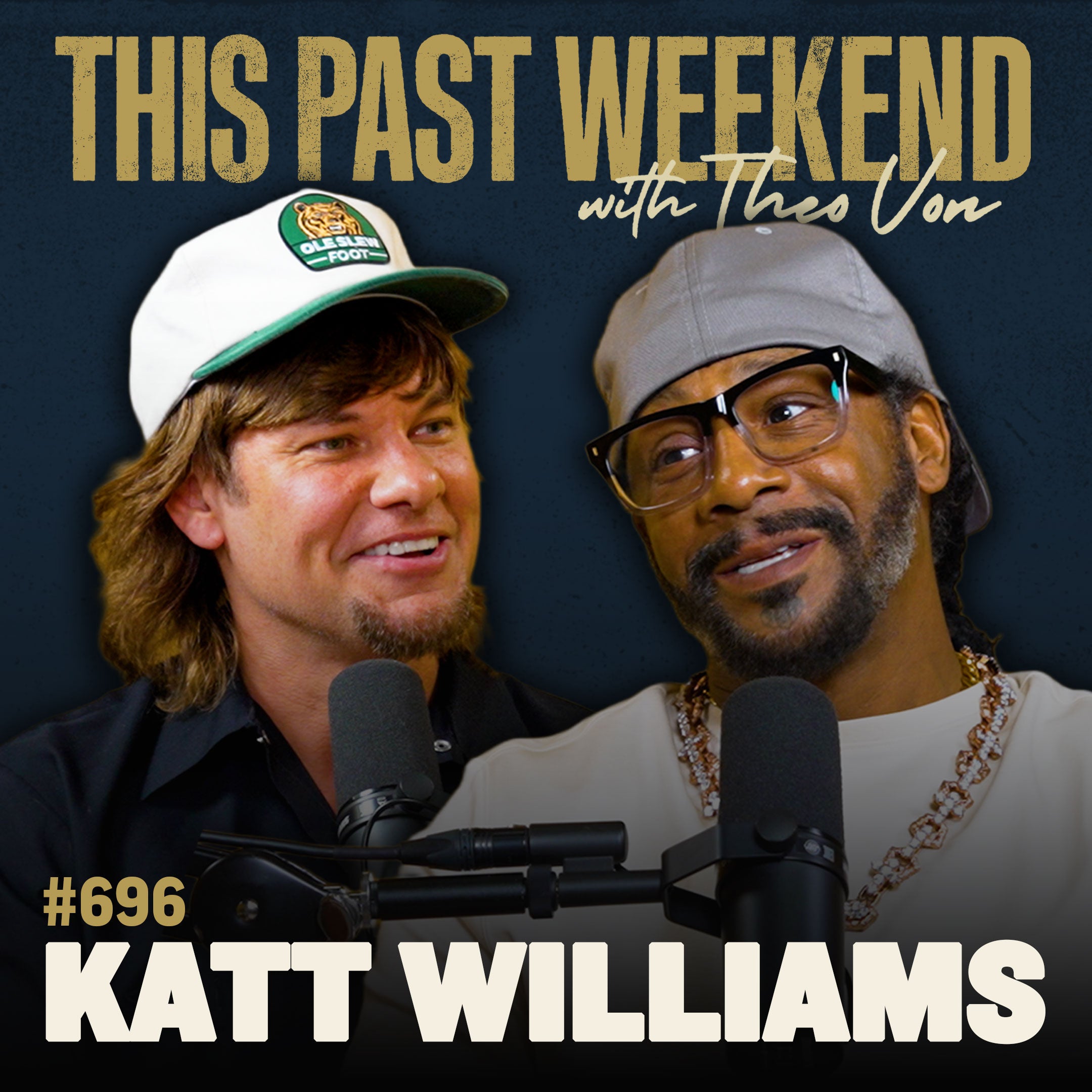

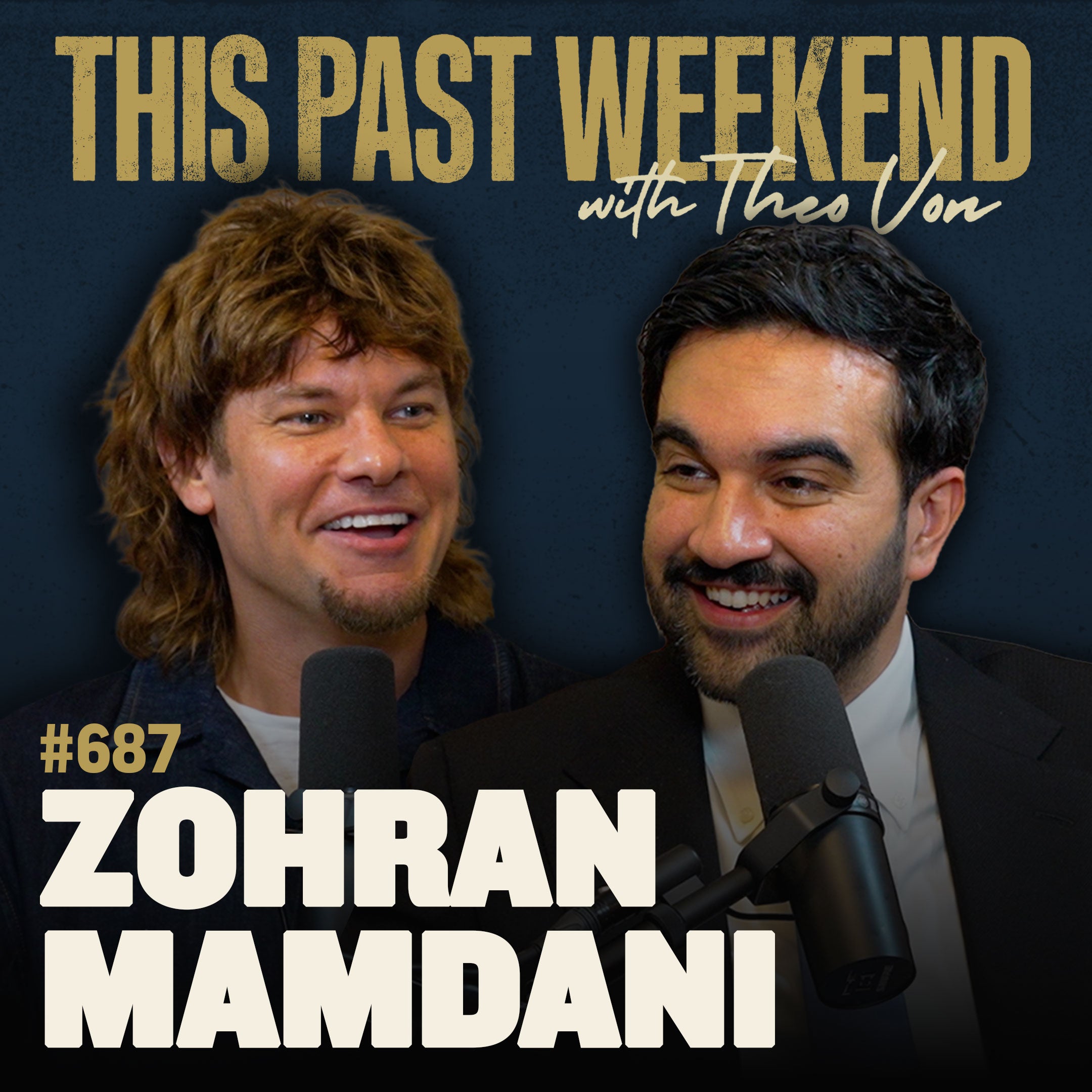
Zohran Mamdani, New York City mayor, discusses making NYC affordable and livable, arguing that mismanagement and profit-driven incentives undermine the “American dream.” He covers city budgeting, rent control, childcare, labor enforcement, and “socialism” as guaranteeing basic dignity (housing, childcare, transit, groceries).
Zohran Mamdani was born in Uganda, moved to New York at age seven, grew up on the Upper West Side, attended Bronx Science, and worked as a nonprofit foreclosure prevention housing counselor in Queens (Jackson Heights, Richmond Hill). He ran for mayor driven by frustration that leaders talked about problems without acting.
NYC’s budget was mismanaged, with a projected deficit allegedly doubled (about $12B vs claimed balanced budget). Waste and fiscal impropriety, plus short-term budgeting, worsen crises (example: snow removal funding based on recent averages). He frames affordability as eroding the American dream and says greed is “baked in” to profit-maximizing models.
Chief Savings Officers renegotiating contracts (about $94M) and freeing unused office space ($24M). A DoorDash labor settlement: DCWP used DoorDash data to find underpayment/nonpayment to 260,000 workers, totaling $131.5M. He supports rent stabilization/moratorium efforts and universal childcare pilots saving families about $20K.
Written by AI. May contain mistakes.
Zohran shares his background and connection to New York City.
“There's a lot of folklore out there about who you are, right?”
Zohran discusses his motivations and frustrations with city leadership.
“It's the third most expensive city in the world.”
Insights into the mismanagement of New York City's budget.
“It's going to be a tough start to the interview.”
Zohran explains the challenges in budgeting for snow removal services.
“I also want to leave the city in a good standing for whoever comes next because it's still the same city.”
Discussing the reliance on consultants and efforts to improve efficiency.
“And their remit was, how can you save this percentage in your department without cutting services?”
Zohran details his work in housing counseling and its impact.
“I mean, he had - And they had drugs or whatever in that little - They had like one of those little baby - It was like a little baby stroller.”
A conversation about the current state of the American dream.
“You know, they had a car, you know, some kind of a car accident.”
Exploration of the fading ideal of the American dream amidst rising living costs.
“So it's not something that's guaranteed to you, but it should be something that we can feel.”
Discussing initiatives to enhance quality of life, such as childcare and affordable housing.
“If you got a little couple extra bucks, if it's Friday.”
Examining the role of greed in economic disparity and the consolidation of opportunity.
“I didn't like it, and I knew something was wrong.”
Highlighting the recent labor settlement against DoorDash and the importance of making justice accessible.
“Like, people think that they have better odds playing the lottery than making it in their own life.”
Exploring the implications of greed in business and the ethical responsibilities of CEOs.
“like how does greed, like how do you, I think, how do you battle greed?”
Discussing the role of government and data in holding corporations accountable.
“It's like - Is your government, your state, is your city government equipped well enough to battle some of those algorithms?”
A deep dive into the challenges faced by nurses and the significance of their strikes.
“Now, once the kids are out of earshot, the kids do not need to be hearing this.”
Highlighting the dedication of nurses and the inadequacies in their compensation.
“Some of it, it's like, yeah, how many patients are they responsible for, for each nurse?”
Introducing new city initiatives aimed at protecting consumer rights and enhancing support for citizens.
“Now we have to actually take care of these people in a way that isn't just 7 p.m.”
Insights into the difficulties and social dynamics of online dating.
“And then that's the thing is that they, it has to be as easy to cancel as it is to sign up.”
Exploration of socialism's definition and its implications for dignity and basic needs.
“Take a gander, you know, look, you know, filter, filter.”
A discussion on the effectiveness of capitalism and the need for reforms to ensure dignity for all.
“I mean, you explain socialism like I kind of thought it was, right?”
Debate on the government's responsibilities in providing necessary resources and addressing economic inequality.
“And he said, I'm going to go right on with my idealism because it is an idealism that delivers for everyone who lives here.”
Discussion on navigating political disagreements while addressing urban housing needs and collaboration with the federal government.
“And you'll hear a lot of fear mongering around it.”
Learn about a major housing project proposal aimed at addressing the cost of living crisis in New York City.
“It's a rail yard in Queens in a neighborhood called Sunnyside, where you could build a platform over the rail yard, and then you could build housing on the platform.”
Discover the importance of government trust and listening to constituents for political leaders.
“There was a famous Daily News newspaper headline.”
Explore the complexities of political identity and the dangers of pigeonholing voters.
“there are a lot of people who are just looking for someone to change their material reality and your time is better spent listening to them than lecturing them.”
Understand why many citizens feel disconnected from political parties and how this affects voter turnout.
“I'm sure, you know, I'll have to read up and look on it.”
Learn about the concept of hope as a discipline and its importance in political engagement and societal change.
“It goes back to that early thing of like, you get my money, you don't get my time.”
Discuss the complexities of discussing Israel and antisemitism in the context of American politics.
“you guys had talked about having to arrest him when he came into town originally, but that wasn't something that you actually had a jurisdiction that could do or try to keep him out of New York City.”
Hear personal stories from Palestinian families affected by conflict and the role of government accountability.
“is not only ensuring that, you know, when antisemitism takes place that you condemn it, but also that you do the work to prevent it.”
Exploring the basic needs of safety, dignity, and family in society.
“And all these people want is what everybody wants.”
Discussing the erosion of trust in government actions and accountability.
“Like, yeah, how do we move forward from that?”
A personal anecdote about a meeting with the Prime Minister of the Netherlands and LGBTQ representation.
“It's just crazy to see that guy speaking on our country.”
Addressing the complexities of discussing genocide and political accountability.
“I think it's probably an interesting time to be deep going further into politics, you know, a position that a lot of people don't trust these days.”
Contemplating the future and the role of complicity in political dynamics.
“It is because that is also how you understand the world.”
Emphasizing the importance of hope and proactive measures in political discourse.
“And our job is not to pat ourselves on the back for when we got to it.”

Get the gist, explore an idea or ask about something said.
 Claude
On This Past Weekend w/ Theo Von, what are the key points of this episode?
Searching your listeningAutomatic transcript. May contain errors.
0:00He's the 112th mayor of New York City and one of the most talked about figures in politics. He's got a lot of big ideas and we're going to get into it. I'm thankful for his time. Today's guest is Mr. Zohran Mamdani. Shine on me and I will find a song I've been singing just before.
0:32And if you got to move, Zoran, do you prefer Zoran? Yeah, I'm fine with that. Okay. Yeah, yeah, yeah. Well, all right. Yeah, Zoran is good. Theo, I assume is fine. Yeah, that's fine, man. Thank you so much. No, please, man. There's a lot of folklore out there about who you are, right? And a lot of people have heard your name, but they don't know you. Yeah. You were born in Uganda. Yeah. You moved to New York at age of seven. Yeah. You were a rapper for a little while. Who wasn't? Yeah, a little while. But give me the two-minute, give me the two-minute who is Zoran Mamdani. I would say it starts and ends with being a New Yorker.
1:13As you said, I moved to our city when I was seven years old. My dad got a job here in New York City at Columbia. And so I grew up in the Upper West Side and went to middle school in the neighborhood, went to high school in the Bronx, Bronx Science. and then I left for college and came back to this city. And the thing that has always been a part of my life is this city, no matter what stage of my life I'm in. And to me right now, I have the greatest job in the world because every day I get to wake up, serve the same city that I've loved since I was seven years old. And I think, especially with a view of how do we make this a city that not only everybody can love, but everybody can live in.
1:53Because a lot of people love this city, but not as many of them can live here. And that's because this is also most expensive city in the United States of America. Is that true? Yep. Wow. It's the third most expensive city in the world. Wow. Yeah. What am I talking about? I got to pay whenever I leave here. Yeah. And I'm not excited about it. It's an expensive place to be. What made you want to be mayor? Like I'm a comedian, right? You know, self-proclaimed, but there's some evidence of it, right? Because it's a weird thing to say. There's enough evidence. It's a weird thing to say though sometimes, but I'm a comedian because I need, like, there's something I need people's approval, right?
2:29There's something I need when I go on stage, the laughter, I don't know what it is. I need to be seen. I don't know what it is, but being a mayor just, it seems like, you know, sometimes the mayor is like, you know, the, the guy in town who like finally wanted to be able to say, well, everybody picked me or like, you know, it becomes this sort of, I'm the hero kind of thing. Like why, like why, Yeah. Why do you want to be mayor? I think the thing that pushed me the most to run for this position was both a love of the city, but also a frustration with the fact that a lot of the leaders of the city talked about the problems.
3:04Like they, there was nothing they could do about it. It was like, somebody's got to figure this out. It's like, you're the mayor. That's where we are with a lot of, with a lot of. That somebody is you. Yeah. And I think it's not to say these are easy things to resolve. It's not to say you can snap your fingers and people just were refusing to do it. But it's that a lot of times it felt like people weren't even trying. And if they were, they were just trying to make things worse because there was money to be made when you make things worse. I mean, this flip side of being the most expensive city in the world is that a lot of people make a lot of money in the city.
3:37And amidst all of that wealth, one in four New Yorkers are living in poverty. So to me, it was looking at the politics of the city I love and seeing a complete abdication of duty, just like a sense of somebody else's problem, not mine to fix. And the thing about being the mayor is, yeah, it's tough, but also you actually have tools that you can use to help people, to make people's lives better. Is that an honest fact, Mr. Mondani? Yes, sir. 26 % of me, so. It's going to be a tough start to the interview. 26 % of New York City residents, totally a record 2.2 million people live below the poverty line.
4:21Once you got in office, was there things like, do you get to see what's really going on? Once you're in there, can they keep, I don't even know who they are anymore, but it's like, are there still secrets kept? Are you able to see that, okay, the way that this is structured isn't for the everyday man, that this system here has been built like for the elites or to favor the elites. Like, what did you see? I think one of the major things I saw was how deeply mismanaged the city budget was. It's not a sexy topic or one that most people wake up thinking about, but so often in politics, the incentive is just to tell the best possible story of the day and not tell the whole truth about what's actually happening.
5:05And so the prior administration had said, you know, we had a balanced budget. We had, I don't know, maybe a$6 billion deficit or so in the year to come. And then we came in, we looked through all the books and we found that at a best case scenario, we were at a$12 billion deficit. In the city? In this city. Wow. And the last time we had deficits like that, there was a major global event. Something had happened to cause the deficit. It was, you know, it was tough when it was the peak of the pandemic. It was tough when it was the global financial crisis. There was no event around this that could explain this much of a deficit.
5:42So what do you think is going on? Is it just greed? Like, is it just - I think it's, I mean, look - Like, what did you notice? Like, what were some of the, like - I think a lot of it is incompetence and a lack of interest in resolving it. A sense that you could just keep pushing it until it was somebody else's problem. Wow. And that to me is like, yeah, look, I want to do a good job while I'm the mayor. I also want to leave the city in a good standing for whoever comes next because it's still the same city. Whoever's the mayor, we still live in the city. We still love the city. And so when you come in and you're like, actually, the deficit is twice as large.
6:16There's nothing you can pin it to besides internal mismanagement. it also just begs the question of what is going on and what have been the decision-making points over the course of the prior administration that led to this point. So I think that was one of the big things where you look under the hood and it is way worse than what you would have imagined. And you also realize how so much of the government is built with a short term in mind. I'll give you an example. I come in, we start to see the most serious snowfall we've seen in New York City for a while. We haven't really had winters with a lot of snow recently.
6:54Oh, that's nice. I like snow. Yeah. You know, I used to like snow until I became the mayor and I thought about snow as a structural problem. Well, we're probably overpaying for it from somebody. Well, I mean, the big thing is that I found out that the way we budget for snow removal services is as an average of the recent year's cost of snow removal. So if you haven't to add snow for the last few years, you're not going to have any money really set aside for that snow removal. Got it. And so I think having to reallocate that funding, deal with the first blizzard in 10 years, these are the kinds of things that are some of the ones that they shock you when you get in there.
7:28So it's fair to say then you just saw a lot of mismanagement. Mismanagement. There was waste. There's also this addiction to consulting, a sense that, you know, for years we've been told that if you contract something out of government, you will save money by bringing in kind of specialized consultants. When we looked at the city budget, when we looked at different departments, we realized we had to save a lot of money through efficiency as well. We couldn't just look for help from elsewhere. So we set up something called chief savings officers in every department. And their remit was, how can you save this percentage in your department without cutting services?
8:08We do not want to cut services. So we saved$94 million just by renegotiating contracts to a better rate. We saved$24 million just by letting go of unused office space. These are the kinds of things where you can actually save more than a billion dollars without affecting the services you're delivering to people. And that to me is like, look, I'm a socialist. I believe in the importance of government to deliver for working people. I also believe that that government has to be the most excellent, efficient version of itself to be worthy of people's trust. And when I came in, the government that we saw was powered by incredible city workers but mismanaged at the top where waste was just an accepted part of doing business.
8:54And that can't be. Every time you waste, you tell somebody, don't believe in government. you give them a reason yeah that's a good point actually yeah it's true you're like why would i even yeah why would i waste i don't want to pay my taxes somebody's just gonna somebody's just gonna misappropriate it but did you notice did you notice a lot of fraud like was it fraudulent do you think it seemed or was it just or is it is it even worth figuring that out i think it's it's if you if you find an evidence of fraud it's always worth figuring it out if that's actually the case what i will say is from what we've seen it's more to do with mismanagement it's more to do with just kind of fiscal impropriety, I would say, like moving money around to make it look like things are better than they are.
9:36There are some people in the past administration who've been investigated for fraud. That definitely did happen. It's not, I'm trying to think. I don't even know. Maybe it's Eric Adams. I don't know if it's him or not. Is it? He was the previous mayor. He was? He had a number of his - Oh, yeah, he was bonkers, dude. Remember when he was looking for those guns and those Care Bears or whatever? Yeah, I do remember. Yeah, check your backpacks. Yeah, that's crazy. That's crazy. I mean, he had - And they had drugs or whatever in that little - They had like one of those little baby - It was like a little baby stroller.
10:07It was a fake one though for kids when they have a baby, like a pretend baby or whatever, to practice for being a mother one day or something. And then they found like a little bag of dope on the side of it. You know, I was like, what is this about? But anyway, that seemed fraudulent to me. He had a number of top aides who were investigated. Yeah. And one of them memorably said when speaking to a contractor, where are my crumbs? Oh, yeah. Like, where's my money as part of this deal? Oh, that sounds like, that's a bar though, to be honest. If you were going to be corrupt, those are the best words to use.
10:40Yeah. At least they were like kind of poetic at being corrupt. You got to say that. So that's kind of cool. But I think that to me is an example of why people have lost faith. And people look at it and they're like, I'm already giving you my money. Why should I give you my time? Why should I give you my care? And I don't ever want to lecture somebody that they're wrong to feel that way. I want to prove to them that it can be different. And then from there, hope that they can believe. I know that, and thanks for talking with me today, man. Please. That's awesome. I know one thing that you champion is rent control, right?
11:13And that you worked in the housing, as a housing counselor, what's the term? So I worked as a foreclosure prevention housing counselor. And I'll say that in English. that is me working for homeowners who are on the brink of foreclosure. They would come in and I would negotiate with their bank on their behalf. And was that private or was that was a public service? That was working for a nonprofit. Okay, got it. So I would work for a nonprofit in Jackson Heights and Richmond Hill in Queens. And these would be middle-class homeowners. They were, you know, what I would find is these are people who we would describe as having a successful middle-class life.
11:50They had a union job. They had a home that they owned and it was just one emergency often that would throw them out of being on time with their payments. Oh, yeah. And it would be a medical visit they hadn't planned for, an illness of a family member. You know, they had a car, you know, some kind of a car accident. And - Yeah, I've been there. I mean, I've been on the edge of where it's like you have to call and you're trying to figure out refinancing and that takes so much of your time. And then you have to go to a public service to get some help. It's a nightmare. It is, and I think what was, it was one of the more fulfilling things I've ever done in my life because I could help someone stay in their home.
12:28The more depressing part of it is no matter how many clients I helped, there would always be another client. And it doesn't take away from the people that you helped, but it makes you realize that this is a systemic issue. There is no amount of individual assistance I can provide that will stop this. and that's then what made me think about running for office was understanding that actually, if you want to resolve this, you have to get into the systems and the structures that create these kinds of conditions because there are so many people who you'd think are living a successful middle-class life and they're, like you said, they're on the brink.
13:06Yeah. And they shouldn't need some intervention from one person to be able to survive. That shouldn't be based on whether or not that person does their job. And in that case, that person was me. Where does like, you know, rent increase, like the cost of living has gone up. We live in a time, it's really, really tough, right? You talked about a middle-class worker who's just trying to keep his home. Do you think that the American dream is still alive even? But bring up what is the American dream? People have shit damn forgot what it is. It's the American dream is the belief that anyone in the United States, regardless of where they started, should have a fair chance to build a better, freer and more fulfilling life through ability, effort, and opportunity.
13:49It's an ideal, not a guarantee. Look at that. Look at that second sentence. I think in many ways that is the issue. A fair chance. No, it is an ideal, not a guarantee. Right. It's not. Okay. So I see what you're saying. So it's not something that's guaranteed to you, but it should be something that we can feel. And I think it's something that it's like, it's kind of like this tone that resonates inside of everybody here that I have a chance if I show up for myself, if I do my best, you may need a little bit of luck or a little bit of good fortune along the way. I feel like that's always felt like it's been the case, but I feel like that's starting to dissolve.
14:26It's slipping away. It doesn't feel real anymore. It feels like a thing you can believe in, not a thing you can live. And it needs to be a guarantee. Yeah. If something is just an ideal, it starts to lose its worth. I mean, think about democracy. A lot of people talk about democracy now as an ideal or as a value. And to somebody who can't afford their groceries, they're like, what do I care about a value? What do I care about an ideal? Like, I'll give you an example. To me, the greatest mayor in New York City history, Mayor Fiorello LaGuardia. And when he was the mayor, this is about a hundred years ago, he was looking at the fall of democracies in Europe.
15:04And he was saying, people are not turning away from democracy because they're tired of liberty. they're turning away because they're tired of being hungry. They're tired of not being able to feed their family. So if democracy doesn't mean the better life that it has to, it'll lose its worth. And the same thing with the American dream. If it's something you can only see when you turn on your TV or you hear about that one guy you grew up with who made it, that doesn't mean enough. And so to me, it's like in this city, the reason I'm focused on housing and childcare and groceries, it's like these are the basic aspects of a good, dignified life, and people can't afford them.
15:42I mean - Yeah. Oh, yeah. Well, I've seen some of the stuff that you've done. I know that you were offering a night out for parents, the opportunity to go have a night out for themselves and to offer childcare to help with that. Tickets for the opera, which is just a chance for somebody to have a new experience. That's all that's pretty cool, right? Like a lot of quality of life sort of things. I think there's, oh, I know you're working with the stabilization of rent control, right? and a two-year moratorium on an increase? Yeah, that's what the Independent Rent Guidelines Board, they came out, they said for the next year and the year after that, no rent increase for more than 2 million New Yorkers.
16:17Right, and it sounds like to me, it sounds like you're just trying to give people a chance to take a breath, right? That's what it sounds like. I mean, all those things kind of like, you know, I can have a night out, right? I can listen to a music that gives me a bit of peace, right? I can know for a couple years that the job that I have is going to equate with the costs that are going to be going out. That is such a beautiful way of describing it is to take a breath. Because when we talk to parents and we ask them, you know, what are the two most important things that could make a difference in your life?
16:50It's time and money. Yeah. And you give them the time of a night out. You take care of the cost of child care. Oh, yeah. And it keeps the love going. If you got to take your lady out. You know, go out for a dinner. Yeah, go out for a fish dinner. If you got a little couple extra bucks, if it's Friday. Yeah, that's fish dinner. Yeah, if somebody loves you, I think they buy you fish. What kind of fish is your favorite? You know, there's one I don't like, but it smells really bad, but I can never remember which one it is. Okay, I'm going to hit you with a couple. All right. Is it Branzino? I feel like it.
17:20Branzino is the one that was in the mob or something. I don't eat that one. Was it? Huh? Yeah, Branzino. Was that in the mob? He probably was. What are you even talking about? You're going to tell me Branzino wasn't freaking involved in some fishy business or whatever? All I'm saying is if you want some good fish, 31st Street and Broadway, Astoria, Bahari Estetorio. Great Greek seafood. Bahari? Bahari. Bahari? Yeah. Estetorio? Estetorio. Okay. Branzino. Okay. Don't ask. He's not a guy there. Okay. Is the fish. Okay, got it. I got it. Okay. Yeah, I think, but there's a lot of misguidance with fish because they'll come in with like, every year like a new fish comes out, like barramundi, where was that?
17:59My whole life, didn't exist. Bam, suddenly. Who is that? That's what I'm saying. It's on the menus. Yeah, he's not running against you. You know what I'm saying? But Barramundi sounds - Who is he? Yeah, Barramundi sounds like - I thought we dealt with him. Me too, but still. Then they come in with tilapia. Like they come in with - Tilapia is a classic. But has it always been there? Like it came out probably 16 years ago. People started talking about tilapia. Then they come in with whitefish. And then a lot of American catfish got replaced with this thing. I think it was called whee fish. Can you look it up?
18:27This Vietnamese fish. Whee fish? They snuck it in. They snuck it in, you know? Vietnamese fish dishes commonly feature. No, it's called We Fish. No, Q-U-E maybe? Q-U-E? Quee fish? Quee, well, that's not the clip we need out there. Okay, it's not. Okay, it's all I got. I'm just saying, I'll say this. I was repeating what you said. Well, look, do not never repeat after me, sir. I'll tell you that straight up. But when you look it up, it was a fish that replaced catfish in Louisiana in a lot of restaurants. I think You know it's funny Because I was born in Uganda And in Kampala We're by Lake Victoria Oh this is one Oh swai The fish you're thinking of Is usually S-W-A-I A Vietnamese farm raised Pangasius fish Often used as a cheaper substitute For Louisiana U.S.
19:22catfish Is this the one you were thinking of? Yeah they snuck it in a while back I don't know what happened Swai fillets are mild White boneless and usually inexpensive properties that make them suitable for fried fish plates. Anyway, there was a time when they were gaslighting a lot of fish plates with using this or whatever. I don't know if gaslighting is a term, but they were tricking people. They didn't tell you, but you just knew something was off, you know? Swy. Yeah, swy. It was just a fish. Never had some swy fish. A fish that had happened. Anyway. Do you like it? I didn't like it, and I knew something was wrong.
19:54You knew it wasn't catfish. Yeah, I just knew something was wrong, and I'd ask, and nobody would— you couldn't get any real information, you know? It's kind of like government, you know? I think it's probably like that. Like, you think you have this, like, democracy, but then you start realizing, like, something's wrong here, right? Something's a little off, you know? There's some bad fish in here, you know? And that's, I don't even know if that was a good comparison. But I actually think, have you heard of the term inshittification? Inshittification? Yeah. I haven't. I might screw this up a little bit, but my sense of it is that it's a description of how something that is initially successful is then made worse oftentimes in a pursuit of greater profit the quality gets worse oh yeah profit gets greater yeah stant socks there was a company called stant socks and they had this is just my judgment they had the best socks and then they started getting them i think outsourced something happened they started just wanting to make a higher higher level of money and it's fair That's their business, you know?
20:55But in shitification, the process where online platforms or digital services progressively degrade in quality over time as they chase maximum profits. Well, that was going to be one of my next questions for you is, yeah, like, do you think that the American dream is still alive? You know, I don't know. It used to feel like you did enough work, you did this, and you did these things, and you could have this. You could have a life, right? You could have an existence. What's that graph we were looking at earlier, Nick, if you had that? It was about, yeah, U.S. rent prices versus income since 1986.
21:29And you can see that rent prices are up 150%, whereas income is up on average 25%. It's unbelievable. It's unbelievable. I mean, it's, right, you're putting people, this is just a slow boiling of people's ability to at some point even have peace. because if you don't have peace, if you can't like catch your breath, like you're saying, it's like, you just can't operate, you know? Like you can't live the American dream if you can get a good night's sleep. Yeah. You know, like if you're stressed out, it's like, you know, and I just think that that's a place where we're at. A lot of people are, they've internally, they still have that thing that wants them to be able to do it, right?
22:10They're striving, but the external isn't meeting them halfway or even a third of the way anymore. Like I feel like it used to. It feels like you have to luck out in some big way. I mean, in many ways, I feel like it's why a lot of people play the lottery. That's, for many, it feels like their only chance. Do you feel like there's like - Like, people think that they have better odds playing the lottery than making it in their own life. What does that say about the country that we live in? Well, it just feels, now it feels like if you were born in a certain circles, you know, if you have certain DNA, if you have, that there's kind of like a, you do the work and I'll earn the wages, I'll earn the money.
22:57It feels severely like there's like a trafficking of opportunity. That's what I would say it feels like to me a lot of times. And to me, one of the greatest things about this country is that the American dream wasn't just held up as an ideal for someone else. it was that you thought it was for you too. Yeah. And the problem is that people, like you're saying, people feel like no matter how hard they work, it's just as far away. They're not getting any closer to it. Well, they're the only ones holding up their end of the bargain. Exactly. That's what it feels like. America isn't holding up its end of the bargain anymore.
23:31And I think the tough part of this, if I'm thinking about it from a city level as a mayor. Yeah, that's what I was getting. It's not really your responsibility because you're a city guy, but it is a bigger picture thing. The city is a microcosm of the country. Yeah, and it's our biggest microcosm. Exactly. And if you look at it at the city, it's not even like people are struggling and it's everybody. It's that we're also the wealthiest city in the world. There's never been a wealthier city than this. So imagine you're living that graph and then you look outside in your city and you see the kind of wealth that exists here.
24:06you realize that it's not for a lack of opportunity being created. It's that that opportunity is being consolidated. And that's why for me, one of the things that I speak about so often is we have to make this a place where everyone can afford it. Because right now it feels like the city is becoming a museum. Something a middle class family can afford to visit once a month, maybe on the weekends. We want people to live here. And there's more than enough money for everyone to be able to. Well, where does greed come into play then? Because that seems like a word that's not maybe spoken about sometimes.
24:41I don't know. It just seems like then at that point, it would seem like some people are just being really greedy. I think that greed is baked in to a lot of this economy. I think that just last week, we held DoorDash to account. Yeah, congratulations, dude. Thank you, man. That was cool. I mean, I know there were other people that were involved. Who was involved? I would say the first person I want to give credit to is the commissioner of that agency. The agency is DCWP. Commissioner's name is Sam Levine. Nice. Does a great job. Thank you, Sam. And the people at DCWP, they are doing great work.
25:14What they did, they poured through terabytes of DoorDash data. And they found that DoorDash was underpaying or not paying at all more than 260 ,000 workers. Damn. for$131.5 million. This is the largest labor settlement in New York City. Wait, how much was it? $131.5 million. That's a lot. That's as much you can have. That's a lot of money. Yeah. And the thing that I so appreciate about Sam and DCWP is that they're not now going to make those delivery workers jump through a hoop. That money - They're going to hit them with it? They're going to the same email that they were registered with, with DoorDash.
25:55They have a choice. Do you want it as a check? Do you want it as direct deposit? Dang, boy. And if you don't respond, just send in the check. Wow. And that to me is, you have to make it easy. You have to make justice easy. Yeah, they made it too hard. If you make justice hard, then we're going to end up with cruelty. Everything's big. Well, not everything. And I don't want this to be a dour conversation. Sometimes I can get a little bit dour. We're not getting dour. Okay. But that's awesome, dude. Oh, God, I should have done freaking DoorDash. What the hell? I think you're doing all right. Dude, you got to go after some other companies.
26:29I have a list of companies I've worked for that I want you guys to look into. It was the sock one? Huh? Tans? Oh, Stance. Stance? No, I never worked for them. I've worked at Cold Stone Creamers, though, for almost 11 months. Seven months. Like it, love it, gotta have it. I did last. Seven months. Where did you work from? I worked at location 1171. Where would... I know 1172, so I'm not as familiar. Oh, yeah. I was outside of Baton Rouge. So, yeah. And people, you know, they like ice cream, but... Did you have to do the singing? I would do it sometimes, but also sometimes I would sing. once I was a little bit of seniority, which only took one month because we had a lot of turnover and we had, and we had layoffs.
27:03But, um, once I had seniority, I would make the, like, uh, like, I don't want to say lower level employees. It was just me and one other guy, but I'd make, I'd make Danny go up there. What was he singing? Huh? He would just sing the happy birthday song. But anyway, we got more important. I'm sorry. Shout out to Danny though. Yeah. I think he's okay, dude. Actually, I will rat him out a little bit because because he had this like, he kind of, this another problem is some people want to take it too easy. His arms would get too cold from being in the, where the ice cream was, like in the ice cream aquarium or whatever.
27:37And he'd have to go - Ice cream aquarium? Or like whatever you put the ice cream in. The - Never heard it described. You know what I'm saying? Like the thing where the ice cream's in. Yeah, yeah, yeah. He'd start complaining his arms were too cold and he'd have to go sit on the side and wrap a towel around each arm. So I'm going to rat him out, Danny. You little fricking cold arm monkey. Anyway, moving on, sir. Um, Sports betting has become impossible to ignore this season. It's in every app, every broadcast, every group chat. You get it. Maybe you've even been there. But at some point, you start doing the math on what all those small bets actually add up to.
28:14Acorns gets it too. And this season, they're offering something better than a parlay. Acorns is the saving and investing app that cares about your money habits. and they're stepping in with a new alternative. If you've recently lost a bet, Acorns will match that loss up to$50 and turn it into your first investment deposit. It's called investinol. Think of it as the antidote to losing that parlay. Instead of watching your money disappear, put it to work. Lost a sports bet recently? Tell Acorns how much you lost and they'll match it up to$50 as your first investment. Just head to acorns.com slash investinall.
28:58That's A-C-O-R-N-S dot com slash I-N-V-E-S-T-I-N-A-L-L. New customers only. Terms apply. Acorns.com slash investinall.
29:23very. Investing involves risk. Acorns Advisors, LLC, and SEC Registered Investment Advisor. View important disclosure at acorns.com. Yeah, well, it just feels like, yeah, like, yeah, like how does greed, like how do you, I think, how do you battle greed? Like, how do you battle it? Like, is that, is that even a real thing that can happen? Yes. Yes, it is. And I think the reason I even was, was bringing up DoorDash is that the CEO of DoorDash spoke openly about needing to use the greedy algorithm, right? Needing to pursue, like we were talking about and shouldification, needing to pursue whatever the path was to highest maximum profit.
29:57And why did he say he did? Because to shareholders, profit is all that matters. Dude, I'd rather lose money on the stock that I invested in and everybody make a fair wage. That's what I'm saying. And I think the problem is we start to think about everything from the perspective of a shareholder, that people have to make more and more and more money. And these companies look at the products they have and they say, how can I create more money? I have to drive up the margin. And I can only do that by breaking the law, driving down the quality, whatever it may be. And I think to your question, can you hold greed to account?
30:32I believe you can. You just have to be willing because it's not an easy thing. And the funny thing is when you do it, the people you're holding to account will pretend like they were going to get there anyway. DoorDash, morning of the announcement, puts out like a notes apology. It's like a, hey guys, we just found out. Yeah, long night over here. You know, we mistreated some dashers. It sounds like they're talking about, like, the reindeers that you love. And it's like, you don't care about these guys. But they're like, we just mistreated some dashers to the tune of$131.5 million. Oops, just like a post-up.
31:08So sorry, never going to do it again. It's like - Is your government, your state, is your city government equipped well enough to battle some of those algorithms? them like do you guys have a technical group that's capable enough because that seems like a place where a lot of these companies sort of are hiding in sort of this um place that's not as brook and mortar where you can't send like a you know an employee to go over there and just be a surveyor or be a um like a inspector inspector yeah i think that's the only reason we were able to hold them to this account was because again sam levine dcwp they have incredible city workers at DCWP who literally pour through terabytes of data.
31:52And one of the things that's so exciting is this isn't just a settlement where DoorDash delivery workers will get money. 15 million of this, roughly around, I think about 16 and a half million, is civil penalties and fines. From that money, we're developing our own app that the DoorDash delivery workers can use to record their use of the DoorDash app. So when DoorDash gives us its data, we will also have the same, the workers who worked, giving us their version of the data to cross-reference it. Man, that seems like so much extra work just because somebody doesn't want to be honest though. You got to plan for a lack of compliance as opposed to expect that you'll get it.
32:33And who was the company, who owned that company that was doing that? Like who was allowing that to happen on their watch? And that's DoorDash. But who's the owner of it? Who's the owner of DoorDash? About to find out But who's the CEO of it? Chief Executive Officer And Co-Founder of DoorDash is Tony Hsu Tony Hsu Hey Tony What's up with Hsu bro? Pay up dog Come on bro And Tony He knows what's popping Tony what's going on And that's allegedly Tony Hsu We don't know We don't have an attorney so that's just allegedly him and that's allegedly how you even pronounce his name but yeah don't dash on your workers like that Tony that didn't seem cool Zeron let's go into like let's go into a common ground actually that both of us had we both went to the nurses strike can I reach over to app you up yeah I'll do it type shit we both type shit type shit we need a type shit at this point dude just for even being alive bro we should have a type shit day for the entire country where everybody's actually what i'm here to announce i didn't know that you were going to join me in this type shit man just because we're go people are going through it bro yeah and we're able to feed and house ourselves man and people are really going through it you know when the parents drop their kids off for that night for the night of what for the for the for the parents night out when when the parents were doing the child care for the kids okay everybody just says it right after they drop the kids that's that's it.
34:07Now, once the kids are out of earshot, the kids do not need to be hearing this. Do not need to hear this. No, but once they're out, I want to see parents high-fiving with a TS between them, brothers. One thing that we have in common is the nurses' strike. We both went out. My sister's a nurse, right? That's awesome. Yeah, it's just got a soft spot in my heart. And it's probably the job that I admire the most because it feels like it's one of the places that it's very obvious that someone is putting in their care, right? I mean, their genuine care, their time, taking time. And these are mothers, a lot of them.
34:39And so they're taking time away from their own children and their own family members to be there for someone else's, right? Which is, it's such a, it's almost the biggest sacrifice you could do would be to love someone, you know, to love someone else solely for their own wellness, right? But this - That's a beautiful way of putting it. I saw a fact that those nurses would have to work 200 years full time to make some of the same salaries that some of these CEOs make in just one year at those hospitals. I mean, that - What are we doing? It gets back to the lottery thing. It's like you don't even have that shot.
35:16And it's not that people need to make what that CEO is making, right? Like we're talking about astronomical figures. but again to what you were saying earlier labor is what is creating the value yeah and you have nurses who are pouring everything into their job yeah like sometimes it's hyperbolic when people describe things as life or death or life-saving this is literal this is literal when we describe this as life it's a great point and and we can't even pay them we can't and when you go to the picket line. And you hear from these nurses, what are they asking for? They're asking for safe staffing.
35:52They're asking for better ratios between nurses and patients so they can take care of the patients. Yes. Some of them had an insane, like people don't understand the nurse ratio. Some of it, it's like, yeah, how many patients are they responsible for, for each nurse? They simply cannot take care of that many patients. And yet that's what they're being asked to do. Yeah. And safe conditions. They wanted security around some of their parking lots and around some of the hospitals so they could walk safely to their car after work so they don't end up hurt and in the hospital that they work at. Does this sound like luxury?
36:22One nurse got hurt after work. They put her in the hospital. Then they put her on her own chart. So she had to be the patient and then come and take care of herself. That's insane. What the heck, dude? That's impossible. And I think - And they won't give some of them adequate healthcare. And what are we - that's - it's like, it's almost at the point now where it's like you have to laugh at sometimes because like they say that police officers sometimes you'll see them laughing outside of something that like a murder scene or something very sad and it's because it's a body's natural way of handling it and it's just like it's either laugh or cry yeah and i think what's you know i i remember meeting a nurse i asked her you know she let out a big sigh we were in the elevator together she let a big sigh i was like how's your day going she was like oh it's going okay um i gotta go home after this i I was like, oh, where's that?
37:12She said, I have to drive for two hours because she couldn't afford to live in this city that she's working. And beyond what that does for her quality of life, beyond what that means about the city, also in terms of safety, you have nurses pouring everything they have into their shift. And then you want that person to get on the road for two hours at night. It's fucking unreal. And it's the same city that would spend all the money on the commercial. Let's applaud our COVID nurse. Let's be in the front lines. and now they can't even like, where are those commercials now when you want to take care of your nurses?
37:46Where's that same energy? This goes back to what we were saying earlier, which is the difference between a value and something that's material. It's like we were there to clap. Now we have to actually take care of these people in a way that isn't just 7 p.m. clapping outside of our window. Is there a, go on, I'm sorry. Well, I think that was one of the reasons that I went out on the picket line. And there were these articles written about mayors don't stand on picket lines. Mayors have to remain neutral in a negotiation between workers and management. And Desmond Tutu spoke about a long time ago that neutrality in the face of oppression is choosing injustice.
38:20Yeah. And how am I going to be the mayor who ran on a platform of making the city affordable and then just sit in my office and watch nurses rally for the basics and say, not my fight? The basics. Agreed. Dude, if you're not fighting for the underdog anymore, who the fuck are you even fighting for, bro? So that's my question. And Desmond Tutu came and spoke to us when I was a student. I was a student on semester at sea. I worked in the bookstore there. And they gave us a chance to go like on this cruise ship. It was like a cruise ship around the world. And I got a scholarship, whatever, and I got to go.
38:51But he came and spoke to us on our boat one day. It was pretty cool. Anyway, that's bragging. That's awesome. That's not bragging. That's facts. It was pretty cool. You're right. It's facts. But I mean, to your question, if you're not rooting for the underdog, who are you rooting for? You're rooting for the favorite and you're telling yourself they're the underdog. that that's the funny thing is when you talk to people nobody thinks that they're rooting for the system yeah they think that they're everyone thinks they're aggrieved by the system yeah but we have to actually address the problems of it do you think you can do that i think so you do i don't think it's easy right i don't think it can happen i don't think we've solved it in in nine months but but i think in nine months we've started to deliver universal child care for families there's 2 000 families in the city that are now saving 20k that they would have otherwise spent.
39:35We've shown that we can do the big things, the little things. We've paved 200 ,000 potholes. We've won this$131.5 million back for the working class people who deliver the food that people need to stay full. And this, while also saying that so many of the things that annoy so many people, they're going to be our problem too. I mean, coming up in October, we're launching the nation's first municipal click to cancel rule. So what that means is we're going to have a portal where you can submit any of the subscriptions you have. Like if it's like a planet fitness or peacock or whatever it may be. And you guys will cancel it for them.
40:13That's what we're going to do. Let's go, bro. You're going to do that? And then that's the thing is that they, it has to be as easy to cancel as it is to sign up. Yeah. Cause it's not fair because they trap you, bro. When you call on somebody, they're like, meet me under a bridge. If you want to cancel it or I'm like, what? Our town doesn't even have a river in it. Like what bridge? Like It's a lot of just a shell game to steal people's money, and then your time, and then your stress goes up, and then you get inflamed, and then you have to go to the hospital. That's where it's at. It's just like, yeah, it feels like kind of a dark game sometimes.
40:44It starts small, though, but all those little small things are really starting to add up for people. They build. Some people, and yeah, shout out nurses, man. Shout out nurses. Yeah, maybe I'll marry a nurse one day. I don't know. Got to meet one. InshaAllah. Single. but TBD right TBD you know you on the apps no I'm not on the apps I don't you know what I don't like what I don't like were you ever on the apps I was you are not no not now I was okay then I I met my wife on hinge nice but it's also it's not easy oh dude I don't oh no I know it's not I know it takes a lot of work for people on there just the and that's a level of like you know you You know, well, congratulations.
41:27That's cool. Thank you. Yeah. And are you still married? Yes, we're still married. Okay, great. Oh, yeah, I didn't see that. I'm sorry. Let me ask you. But I do want to answer. The reason why I didn't like it, I don't like somebody being able to tell me no when they're not in front of me. Like you can look at me and tell me no, because I do that every day, kind of like somewhere in the dark recesses in my head, you know, but you're not going to do it from the comfort of your own home. You know, you got to, you got to show up. You got to see me. Yeah. You at least show up. Because if you show up and tell me no, it's like, that's fair.
41:56You know, like you come, you've looked in the window. You've been like, dear God. You gave me a shot. Yeah. Yes. Yeah. You just said, even you just came over. Yeah. Take a gander, you know, look, you know, filter, filter. I know it's a bit of a sail rack over here, but filter through, you know? So I think that's why I'm not on them. I want to talk a little bit about socialism, right? Because it's a buzzword, right? Because socialism, will you define socialism for us? because people say it a lot and don't know what it is. And sometimes those people are me. I'm so happy to be with those people right now.
42:31Socialism to me, it means that you will have whatever you need to live a dignified life and that it is the government's job to deliver on that. Okay. Right? It's a belief that you shouldn't live in a place where all you can do is pick your own leaders. you should also be able to have that power in the rest of your life, right? People talk about it as the extension of democracy from the ballot box to the rest of your life. What do people mean by the rest of your life? They mean your workplace, your home, things like that. So when people say dignity, I want to be very clear. We're talking about the things that allow you to take a breath.
43:14Housing, childcare, right? Public transit. No one should be priced out of these things. These are non-negotiables. You need these to live. And what I think is so confusing is there's parts of life in our country that line up with this belief. Public education. We believe that everyone should be able to go K through 12 for free. And they do. Libraries. We believe that everybody should be able to read a book that they'd like to for free. And they do. but when it comes to early childhood education right before kindergarten we're comfortable with people paying twenty thousand dollars a year to afford it because that's what the cost is the average cost in New York City in New York City right now good deal yeah they did a study that found that for a family of three to afford child care they had to make three hundred and thirty thousand dollars a year to live in the city and afford child care in the city and afford child care a family of three three so that means only one child okay okay And to me, that's kind of even what used to be enough money 10 years ago is not enough money.
44:20The struggles of affordability, they apply to a lot more people than people typically think. And to me, as a socialist, what I'm fighting for is that nobody is priced out of dignity. And there's just a comfort right now with living in a country where the market gets to determine everything, not just luxury, but dignity too. We say, oh, I'm sorry, you don't have enough money to afford a home. It makes you feel like, yeah, there's something - To afford food. Yeah. It's like, it's - Oh, I can't imagine, yeah. A dad that is like having to maybe watch his kids eat something that he wishes they could eat something better because he can't afford eating until he worked all day.
45:01So what do you want him to do? Yeah, right. What do you want him to do? Where is he supposed to go? Right, at that point, it's a level of, you're creating a level of suffering, right? And people will say like, Okay, some of this stuff I don't know exactly about, but I'm just thinking the best that I can. And our listeners know that I don't know about this. So it's like, I'm not going to pretend that I know a lot about some things about socialism, democracy, communism, et cetera. You'd be right at home in politics. Yeah. Okay, good. I mean, you explain socialism like I kind of thought it was, right?
45:34That's what I've thought it was. It feels to me like we're in this kind of privatized communism right now that people don't want to admit to a little bit. Like it feels definitely like the government, um, like it's basically businesses that are running how we operate. It's businesses that are even puppeteering our government. I mean, it seems like that at a very high level, especially like when you get into like, um, you know, lobbies and some of these tech industries and stuff like that. I mean, and I think that's obvious to me by you have people that were like heads of large companies, especially in the tech sector who were Democrats last time, but now they're Republican suddenly and people like, oh, that's just odd.
46:13You know, it's not odd. It's just because of the opportunity, I feel like to be some sort of a puppeteer. Right. But outside of that, like we've people want to, there's this desire inside of us. I feel like as a, just a American person that you want to believe in capitalism, right? You want to fight for capitalism because that feels like what's fair. That feels like what's always been there. but now it feels like like so much is owned by just a one percent right that's like like how can you believe in if there's no capital to ism you know what are what are you still fighting for right and i do understand though that people i understand when people like socialism you can't put the government in charge of everything but at a certain point if capitalism is not working for everybody if it's only working in theory and every and one percent own everything and have just monopolized everything and squeezed it into, you know, just into themselves and into their own chest.
47:10If there's a level of greed that's that big, then you have to do something to take care of people. At that point, it's not humane to still believe in something that doesn't seem like it's working. I'm not saying I know everything about capitalism. I don't, and I don't even know why I'm kind of agitated. But you don't need - But if it's not working, then something has to be done. And so that's like, but when people hear socialism, they get very scared, right? So is it like kind of a new idea of socialism that you're pitching? Or is it just that there's no other way out? Because for me, I don't know.
47:47I wouldn't describe myself as a socialist. I believe in democracy. That's sort of like, I think - That's the building block of socialism. Okay. And I would say is that you don't need to have a PhD in this. Okay. You just need to walk outside. Look at the world that you live in. and ask yourself, is this enough? Is this working also too? It's like, how long do we want to keep like, you know what I'm saying? Like, it's like putting your fantasy team out there every week and you're like, they fuck, they've been bad for like, one guy's a hundred, one guy's 77, one guy's Mitch McConnell, who doesn't even know he's a guy anymore.
48:18It just like, you know, you start to look at like, if something isn't working, then even if there's a guy who will come in and has a sort of a Hail Mary idea, even if it is a Hail Mary idea to some people, right? So I would, there's something about at least that's something different, right? Like that's the part of me that like, I'm not saying that I'm a socialist or that I'm, you know, I'm a capitalist. I practice capitalism. I work in it. You know, there's things I don't like about it, but I still take part in it. So it's tough for me to be angry at a system that I also cooperate with and work in.
48:51But I think the other thing - Am I making any sense? You're making a lot of sense. But yeah, just like, what else can we, I feel like we're at a point where you have to do something. And I think that the contradictions that you're talking about, those are the ones that everyone is living through. We're all living through capitalism. And you might be doing well. And at the same time, you can still feel anguish about the fact that there are other people working just as hard who aren't. And they never will because they don't have a shot. and the only thing, like if we keep going, you know, I keep going back to this thing of the lottery, it's like the chances of hitting it are so low and yet people see it as higher what the chance is in their own life and it effectively ends up becoming a tax on the poor.
49:33And what we're talking about is how do you bring some humanity back into what you guarantee to everyone? And oftentimes people will say it's idealistic and I just go back to LaGuardia, the mayor of about a hundred years ago. And he said, I'm going to go right on with my idealism because it is an idealism that delivers for everyone who lives here. And that to me is, if you're not fighting for them, then what are you doing? If you're fighting to just keep this system. Yeah, that's crazy. And we don't want the same thing with a different face and a different name and a different, we want something different.
50:14And I think - It's like fucking, this has been a long Halloween, bro. this like system that we've been living in. It's been a fucking, it's been a long Halloween for a lot of people. You were saying earlier, you know, what do you do, right? I think implicit in that is like, you feel this, then what do you do? I mean, the place that I found as my political home was an organization called the Democratic Socialists of America. And this was a place where I would just go for meetings and I would meet people who felt the same way. And first you would realize that you're not alone. You're not nuts. you are actually part of something much bigger than yourself and you can be as well.
50:53And it feels like when people go through life, the further they get away from school, the more isolated they start to become from the world around them. And that is also a function of a society where people are what they call increasingly atomized, just separated out. And so much of the fabric that we used to have, it started to come apart at the seams. and for me being a member of this organization it was something that opened my eyes to how to make sense of it and also what i could do to change it and that was something that it didn't just help me with my anxiety it also just helped me with my sense of my place in the world it was like okay i feel this way here's a candidate that feels the same i'm gonna go and knock on doors for them and that's what i did for a lot of years i would just go out there i would knock on doors door after door after door.
51:42And one of the most radicalizing things is when you knock on somebody's door, they open their door, they invite you into their home, and you see the life that they live. And you ask yourself, how can this be okay in a city this wealthy? You knock on a door, you're there to ask them, are they going to vote in an election in three weeks? And it's an older man in Bay Ridge, and he says, come into my apartment. And he's proud, and he's welcoming you. And you look at this man, he's north of 80 years old. He's alone. And you're like, how is this life? Yeah. This man has worked his whole life. And how is this how we treat him?
52:24Yeah. Sorry, I know you said you didn't want to be dour. I don't think it's okay. But yeah, so does our government already kind of practice socialism with some of their policies? A lot of the things, a lot of the programs that they're supposed to have are already a form of socialism, isn't it? Yes. There are socialistic policies we have. The point is how do we actually expand that so that everyone gets to benefit from it? And you think about whenever people come forward with an idea of taking care of working people, it is slammed with the most kind of fear-mongering tactics you can think. When the idea of social security was introduced, it was described as trying to Sovietize the republic.
53:03That's how people talked about it. And now social security is the most normal thing you could think of in this country. And, you know, right now we're trying to build five city run grocery stores. Why? Because the cost of groceries has gone up 30 % since the pandemic. People can't afford their groceries. And we're going to have one city run grocery store in each borough. And there's going to be a 30 % discount on the essential items. The idea is so that people can afford to go to the grocery store. They can afford to feed their families. Got it. And you'll hear a lot of fear mongering around it.
53:36But the basic question to me is, what's the point of government if not delivering for people who are being priced out of the essentials? Yeah. That's a key part of it. Well, government's been working for the elite for a long time, it feels like. Or it feels like that certainly feels like what's happening more than ever. And now it feels very exposed. It feels very out in the open, especially when there's like a trove of emails, like connecting a lot of them, you know, involving certain crimes or alleged crimes. Um, whenever you ran for office, some of your campaigning was calling out Trump for, um, his broken promises, right.
54:09That, that he campaigned on, right. Uh, cheaper groceries from day one, no forever wars and helping the working class, right. How do you work together with someone, um, that you've had so many public disagreements with, but then keep that energy when you have to go into a meeting in order to, um, like make deals so you can get done what you do need done for yourself. I think, sorry, God, you think it would be easier for me? No, please. I understood what you were saying. Okay. Um, I think if you knew earlier, you should have cut me off, dude, because I'm fricking, what are you doing out there? You think I'm going to be like, I got you, man.
54:47I got you. No, I'm going to let you finish your question. Please. And also another thing I'm lobbying for word lifeguards. I want them in the streets when somebody can't get through a sentence, a word lifeguard. What do you want them to do come up and just help you get there that's what i need do they stop you or do they give you the word whatever just put a little buoy on you and help you get to the end of a sentence sometimes don't worry brother this is how it ends okay there we go yeah that's it um anyway answer that question all right because because you've had to make because you needed federal funding right for some you have to you have to you have to maintain that you keep your federal funding in the city i got you okay good thank you all right um a couple of things first is you have to be honest about the fact that you still have disagreements.
55:31If you campaign saying you have disagreements, then you get elected and then you're like, actually, we're all good. It's like, you're just a part of the problem. You're part of why people don't believe in politics anymore. And so the president and I still have disagreements. We talk about them whenever we meet. And also the point of those meetings is not just to say, I believe this, you believe that. It's also, okay, where's there a place where we could work together to deliver on something? And so when we met recently at Gracie Mansion, I brought up this idea we talked about in the White House called Sunnyside Yard.
56:03It's a rail yard in Queens in a neighborhood called Sunnyside, where you could build a platform over the rail yard, and then you could build housing on the platform. And in this city, the number one driver of the cost of living crisis is a lack of affordable housing. So this project would create 12 ,000 homes, 30 ,000 jobs, be the most homes in a single project since the early 1970s. You can only do it with the federal government. So the president and I, we spoke about this. I pitched it to the president. Why you can only do it with federal government? Because they own the rail yards? Mm-hmm. Antrach, federal authorization, and also the scale of funding required.
56:36Okay, got it. And so when I went to the White House the last time I pitched it to him, I brought him a mock-up of a newspaper. There was a famous Daily News newspaper headline. The president Ford said, it said, Ford to New York, drop dead. and I brought him that, and I brought him a mocked-up version where it says, Trump to New York, let's build. Like, this is what the future could look like. And then in this last meeting that Gracie mentioned, he agreed, okay, let's set up high-level meetings between your housing and operations team and our White House about how we can move forward on this. And that doesn't mean we don't have disagreements on other issues.
57:12You know, we talked about them in that meeting. We talked about them before. But it also means if there's an opportunity, take it to deliver for people because that's also my job. I don't just want to be a person who tells you about what I think. I want to also be a person who proves to you that you can trust and believe in government. And to the point of the way that you were describing some of the president's early platform, you know, when we were talking about cheaper groceries, we were talking about the working class. We were talking about making for a city you can afford. About 60 ,000 New Yorkers who voted for the president voted for us in the election.
57:48and that to me shows that for all of this impetus in politics where you want to judge someone and you want to cast them off as if, oh, they voted for them, you can never talk to them or things like that, there are a lot of people who are just looking for someone to change their material reality and your time is better spent listening to them than lecturing them. I mean, that's the point of political office should be to listen to people and then work on what they've told you. I think we keep getting all these questions of like, you know, what is the Democratic Party? Where is it headed? This, that, and the other.
58:24What does this consultant think? What does this ex-Democrat think? To me, it's like, what is the Democratic Party if not its voters? And you're hearing from Democratic voters across the country, they want change. You even heard it from Republican voters. Well, they're all the same voter these days. People would try to pigeonhole. Yeah, when pigeonholing is kind of bizarre, people would pigeonhole me as this sort of MAGA guy. Do you know where the term pigeonhole comes from? No, let's look it up. I don't. I hope it's not a sexual thing. I pray to God. If it is, probably. If it is, you're reading it.
58:59Well, if it is, it's someone in your line of work who's been involved in it. I'll say that. The phrase pigeonhole originated in the 1500s as a literal term for a small nest. Recess or opening in a dovecote where domesticated pigeons live. Or a dovisote. What's a dovisote? In a dovisote? Or is it dovecote? Can you look up dovisote for me? Columbarium. Oh, gosh. It's taking us. This is what it's doing. See, this is how it happens. This is politics. Columarium TSTS. Is it? A columnarium is a structure intended to house pigeons or doves. So just. Sorry. It's okay. No, it's good. Dude, what are you talking about?
59:47But yeah, people try to pigeonhole. They try to pigeonhole voters. I don't think voters think that they're Democrat or Republican anymore. Everybody I talk to is like, there's not a side anymore. All of this is run, it feels like, by a higher cabal. that's every, because it doesn't feel real anymore. It feels like Bernie got railroaded by his party. They never even had a primary. We tried to have Kamala on our podcast. She didn't want to come on, right? So Trump would come on. But everybody does want a pigeonhole. I guess it makes it easier for us. I mean, I'd probably do it too. I'm sure, you know, I'll have to read up and look on it.
1:00:20Well, it's easier to categorize if you put everybody in a box. Right, it's easier to categorize. And it also absolves you of responsibility. What responsibility does it absolve you of? If you're a politician and you look at a voter and you say, well, they're in that box, it means that you don't have to try anymore. Oh, I see. You don't have to reckon with why they might have chosen that box. Got it. Right? So often people talk about this like it's faded, like people are forever that thing. And to me, it's like every day is an opportunity to win someone over. and if you're just caught up in the fact that someone wasn't always with you, then you're never going to actually build something bigger than yourself.
1:01:03If you just want day ones all the time, then it's like, well, how many people were your day ones? Like shout outs to your day ones. But you also need to build a coalition that goes beyond that. Yeah. Yeah, I mean, it's interesting. And some of it is just for safety. Some of it is operating systems that we just use for safety. and because it's been what's always been done, you know? And some of it is familial as well. Your parents were this and so you're that. But I think people believe that these walls have dissolved, that there isn't really, that there's not really two sides anymore. It's from what I gather, just as I'm a pretty, I feel like I'm a pretty regular guy that, and that's a crazy thing to say.
1:01:44That sounds crazy for even a guy to say that. So I'm probably not. But it seems like people don't believe that there's any side anymore. Just so you know, and it doesn't matter. What I'm saying, just so you know, fuck, I don't know. But what I'm saying is, it seems like that. Like people don't believe either one of these sides anymore is like a real side. Can I ask a question to the team? Yes. How many people voted in the last presidential election? Yep, at GS41. Two? Two of five? Oh, no, no, sorry. I didn't mean how many people in here. I mean, how many people in the United States of America?
1:02:20Oh, damn, dude. dude. Both of these gooners didn't even vote. I was like, PS41, what does that have to do with this? What is happening here? In the 2024 presidential election, 73.6 % of the city voting age population was registered to vote and 65.3 % voted according to new voting and registration tables. So 65.3 % voted in the 2024 presidential election. So almost about a third. did not vote. Yeah. And I mean, I think the reason I asked that was... Could be disinterest. When you're talking about people don't see themselves as part of a side, people are choosing a new side, which is to be uninvolved.
1:03:07Yeah. It goes back to that early thing of like, you get my money, you don't get my time. And I think that there's a lot of times when you get closer and closer to election day where it feels like a politician is lecturing you like why you need to vote. And it's like, actually, I need to convince you that this is worth your time because time is the most precious thing you have. I need to show you that this is relevant to your life. A lot of people look at the struggles in their life and then they look at the politics they're offered and they're like, this has nothing to do with me. And to me, it's how do we eliminate the distance between the two?
1:03:41So that's why we're just as focused on a pothole as we are on universal childcare because you look outside your window, you see a pothole. You're like, how could I believe that that same government that can't fix this could do that? It has to be one that does both. And then you will slowly start to get people to believe again. But they don't owe you that belief. Yeah. I mean, look, I love hearing it. And I'm hopeful that, yeah, that anybody can do something different. I think that's what people are like. People at this point would be shocked if somebody can do something different, you know? I think that I feel like that that's how kind of in a place that people are.
1:04:15and I don't think they're in a place of disarray for like hopelessness for themselves entirely but I do feel like there's a hopeless malaise there's there's somewhat of a hopelessness sometimes for a society and the democracy that we have that's what I feel like and also who gives a shit what I think but I do I mean people do but but also what you're describing is what a lot of people share yeah um like a lot of people have shared a sense of hopelessness and we have to remember there's this, a writer and organizer, her name is Mariam Kaba. She talks about hope is a discipline. You have to practice hope.
1:04:53And you can't, you won't just wake up one morning and naturally feel it. It comes from what you do. And, and to me, it's also, we have to make it easy for people to hope. And that comes from, from our work. That's our job. Yeah. Recently they had Netanyahu who was in town, right? The big dog, or some people call him, or the genocider. That's kind of, that's one of the terms I'll loosely use a lot of times when I'm referring to him. But he was in town and you guys had talked about, you guys had talked about having to arrest him when he came into town originally, but that wasn't something that you actually had a jurisdiction that could do or try to keep him out of New York City.
1:05:33Was that the case that it wasn't like a - It was, when we, you assess all of the legal framework that you have, it is the federal government that if they were to join the International Criminal Court, they could enforce a warrant. So just to the point here. The ICC, right? That people talk about, but we're not a member of that. We're not. But I believe that we should become a member, that we should enforce its warrants. Because I think this gets back to the question of, you know, when you're asking, can you hold greed to account? Can you hold impunity to account? And the more people see someone break a rule or a law and there is no accountability for that.
1:06:11Or a morale or a thing of moral conscience maybe? I don't know the terms. It calls into question whether that has any worth anymore. And we always speak about the laws, the international laws of the world, the things that started to be created after World War II. The United Nations, the idea of multilateralism, and the lack of enforcement of it also calls it into question. So that's what I believe, that the U.S. government should join the ICC. It should enforce its warrants for everyone that has been issued. And when it comes to the prime minister, it's been issued for crimes, alleged crimes against humanity and war crimes.
1:06:47A lot of people are upset about what's going on in Gaza, right? And I think specifically because it's been one of the most, it's been the first genocide that's been heavily kind of televised, I'll say, like on our phones and in social media. how do you keep people from like misdirecting energy that's against Israel towards like their Jewish friends right because I'll talk about it with my Jewish friends so we have like a good relationship about it like they know how I feel and I know how they feel and so it's like a comfortable like existence but I think some people maybe don't have some of those conversations and they don't know if it's okay to maybe bring them up or they don't know um or sometimes it's their boss and they don't know if they can talk about it.
1:07:26What do you, like, how would you manage some of that? Because you also have to manage it on an even larger kind of scale because, you know, you're the mayor in like a city that's like, has a large Jewish population. And that's one of the things that I'm proud of is that we live in the most Jewish city in the United States of America. And to me, it's being very clear. One, that no Jewish person in New York City is responsible for the actions of the state of Israel. And if you want to hold anybody accountable, it's the people who are making those decisions, the prime minister, the state of Israel, also our complicity as American taxpayers, given that we know how many billions of dollars we have sent in bombs and continue to send.
1:08:10And then I think it's also being very clear about, you know, actually just today we released the first plan at a municipal level anywhere in the country to combat antisemitism and listing out the ways that we would do so. And one of the things is not only ensuring that, you know, when antisemitism takes place that you condemn it, but also that you do the work to prevent it. And also being very clear that critique of the state of Israel, you know, the policy actions, the genocide, that in and of itself is not antisemitic. Yeah, I agree. Speak up about it. You know, if you feel something, you should be able to say something, we're alive.
1:08:48This is our only chance to be alive. And we're talking about, when you asked me about the prime minister, we're talking about the architect of a horrific genocide. And I think what's so, there have been all these attempts to, you know, people talk about a ceasefire. Just last week, the Israeli military killed an 11 year old boy, Palestinian boy in Gaza in a section that's considered to be a safe zone. This is continuing. And - Oh, it's unbelievable, man. And last week I had a number of Palestinian families from Gaza come to Gracie Mansion, where I live as the mayor of New York City, and to hear from them about the way that their lives have been shattered.
1:09:29You meet two sisters and their mother, and they tell you that the same airstrike that injured one of them ended up killing two of their brothers. that they lived in a tent that the father in that family is still there. You speak to an older grandmother, and at the end of the meeting, she just comes up and says, like, can you bring my son here? And having to tell her, like, I will try, but as the mayor, I can't promise you that. And all these people want is what everybody wants. They just want their family. They want safety. They want dignity. and to know that not only have we watched as that has been stripped from them, but that we're financing it.
1:10:16Yeah, I know. It is this conversation that you and I are having about faith in government. One of the reasons people don't have faith is they look at the kinds of things that governments do. They say, why would I believe in that? Yeah, why would I even associate myself with it at times? And so you have to stop those things if you ever want anyone to believe. and you've stopped them also for the morality of it. Do you think, what do you think is this? Like, yeah, how do we move forward from that? Like just as a regular citizens, like. Well, I think I've been asked about where do we go from here?
1:10:55And, you know, we have 2028 coming up in a big question of what happens after this administration. And I think that there has to be a commitment to a different kind of future. There has to be, you know, we're talking about reckoning with this. What will you do that's different? How will you deliver something else other than thousand pound bombs? and I hear that from New Yorkers all the time and I hear it from a wide variety of New Yorkers and I think it has to be a big part of what comes next is a politics of humanity not just for the people that we represent at home but also the people that we're bombing abroad.
1:11:42But if you had your say, we would have arrested the guy, you think? If I had my say, the US government would have joined the ICC, honored every single warrant that they've issued. Fuck yeah. Sorry to say it like that, but yeah, I don't know. It's just crazy to see that guy speaking on our country. It's almost unbelievable. I was, I mean, he - And he called you out too. Yeah. Was that weird? Was that scary? It was strange. I mean, I was having a meeting with the prime minister of the Netherlands at the LGBTQ center in downtown Manhattan. And he's a gay guy? The prime minister? Yeah, yeah. I've never seen him before.
1:12:19He's very handsome. He is? Okay, good. I don't know. Yeah, I'm trying to, yeah. Hello, sir. Very nice guy. Yeah, good guy. So you were meeting with him and - I was meeting with him and the director of the LGBTQ Center and a number of younger queer New Yorkers. They were talking about what that center meant to them to have a place where they could go and be themselves and learn about the history of the queer community in New York City. And then I get back from that meeting and it's like, oh, by the way, here's here's what he was saying at the un all right it's so bizarre yeah did it feel personal then i mean he he'll all of this is an attempt to distract yeah from responsibility name as many people as possible try and make it into a back and forth it's not about me and him yeah it's about the fact that he's the architect of a genocide yeah and it's like yeah if i was the architect of a genocide, I would probably talk about anything but that.
1:13:16That's a good point. Yeah. It's just, yeah. I don't know. It's an interesting time to be alive. I think it's probably an interesting time to be deep going further into politics, you know, a position that a lot of people don't trust these days. Understandable. And yeah, I don't know exactly where all my laurels lie, but I do love getting to learn about it, you know? And yeah. Yeah, and thanks for talking a little bit about the genocide, yeah, and just what's going on over there. I do feel like it's okay to speak about it and that people have been more comfortable with speaking about it. And a lot of people are afraid to speak about it in politics.
1:13:56And I think one thing I would just say is your curiosity is a beautiful thing. It is because that is also how you understand the world. and none of us are experts on any of these things. Yeah, it's our first time being alive. You know? So people try to shame others for not knowing the answer when they're asking the question, but there's a beauty in asking the question. Yeah. The question is also such a critical part of it. And then listening to someone else for the answer. And I think to your point, the reaction that we're talking about is also a human reaction to watching something horrific. seeing it, knowing that we're complicit in it, and asking ourselves, what is there to do?
1:14:43And I think raising your voice is one thing. And I think understanding that no matter what box you put yourself in, that there's a complicity across both parties when it comes to this. And to me, I think about there's a book that came out by a writer named Omar al-Aqad, one day everyone will always have been against this. And the reason that stays in my head is it's such a succinct way of describing the fact that the more years pass, the more people will feel comfortable coming forward and saying, that was horrible. And we'll eventually get to a point where some of the people responsible will start to say, that was horrible.
1:15:26And just know that you are not crazy and thinking these things. And our job is not to pat ourselves on the back for when we got to it. It's about to do everything that we can to bring an end to it. Yeah. And bring an end to this and make it easier for people to hope again. That's the work. Cool, man. Well, yeah, thanks for thinking about it. Absolutely. And yeah, that is hope. And you have to stay hopeful. That's the thing that I just said, won't disappear from us for some reason. That's something pretty special, isn't it? Well, you've got to believe. That, yeah, that somehow we always are able to keep some hope that's exciting that makes me think yeah that yeah that's exciting um yeah mr mom donnie thanks for your time good luck in politics mr vaughn yep wish you the best brother and uh tsts tsts type here now i'm just floating on the breeze and i feel i'm falling like these I must be cornerstone.
1:16:25Oh, but when I reach that ground, I'll share this peace of mind I found. I can feel it in my bones. But it's gonna tell you.
Zohran Mamdani is the 112th Mayor of New York City. He was previously a housing advocate and member of the New York State Assembly.
Mayor Mamdani joins Theo to talk about what he’s seen behind the scenes since taking over America’s biggest city, catching strays from world leaders, and why he thinks socialism is growing in popularity.
Zohran Mamdani: https://www.instagram.com/nycmayor/
-------------------------------------------------
Tour Dates! https://theovon.com/tour
New Merch: https://www.theovonstore.com
-------------------------------------------------
Sponsored By:
Celsius: Go to the Celsius Amazon store to check out all of their flavors. #CELSIUSBrandPartner @CelsiusOfficial https://amzn.to/3HbAtPJ
Acorns: Head to http://acorns.com/investinall and give your money the best chance at growth!
Perplexity AI: Ask anything at https://pplx.ai/theo
-------------------------------------------------
Music: “Shine” by Bishop Gunn Bishop Gunn - Shine
------------------------------------------------
Submit your funny videos, TikToks, questions and topics you'd like to hear on the podcast to: [email protected]
Hit the Hotline: 985-664-9503
Video Hotline for Theo Upload here: https://www.theovon.com/fan-upload
Mail stuff to:
ATTN: TPW
PO BOX 40137
Nashville TN 37204
------------------------------------------------
Find Theo:
Website: https://theovon.com
Instagram: https://instagram.com/theovon
Facebook: https://facebook.com/theovon
Facebook Group: https://www.facebook.com/groups/thispastweekend
X: https://twitter.com/theovon
YouTube: https://youtube.com/theovon
Clips Channel: https://www.youtube.com/c/TheoVonClips
Shorts Channel: https://bit.ly/3ClUj8z
------------------------------------------------
Producer: Zach https://www.instagram.com/zachdpowers
Producer: Trevyn https://www.instagram.com/trevyn.s/
Producer: Nick https://www.instagram.com/realnickdavis/
Producer: Andrew https://www.instagram.com/bleachmediaofficial/
Producer: Halston https://www.instagram.com/halstonrays/
Learn more about your ad choices. Visit megaphone.fm/adchoices