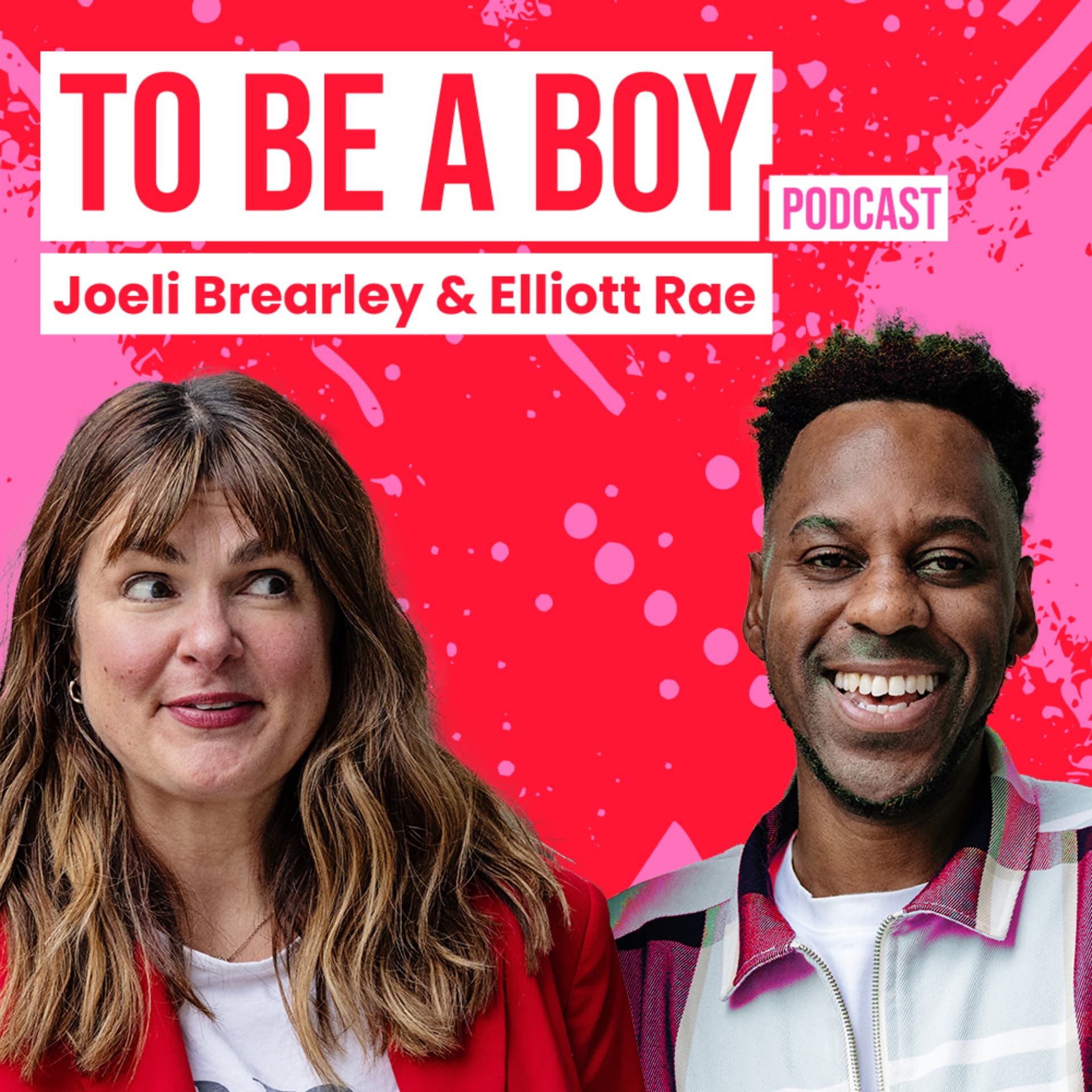
In short
London Mayor Sadiq Khan discusses violence against women and girls, the “manosphere,” and online misogyny targeting boys. He argues algorithms exploit vulnerable teens, normalizing harmful sexual and relationship attitudes early, and warns that every three days a woman is killed by a man. He outlines City Hall’s prevention approach: the NOISE tool (“Negative, Oppositional, Insecure, Simplistic, Earning”) plus school, community, and father-focused interventions, including a £1m London Violence Reduction Unit package.
Guests
Sir Sadiq Khan, Mayor of London (six brothers; youth clubs and all-boys schooling; campaign experience; co-creator of “Have a Word,” “Mate,” and the NOISE toolkit). Hosts Jolie Brearley and Elliot Ray.
Key claims
not all boys/men are bad; equality isn’t zero-sum; positive role models are scarce; paternity leave and flexible working help men “out of the man box.”
Notable examples
16-year-old seeing manosphere content; boys learning sex via pornography; “strangling” women myths; 15m views for “Have a Word,” 2m for NOISE; youth football mentors; vigil for Berlin Pride after an attack.
Written by AI. May contain mistakes. Listen to the episode to check what was said.
Chapters
Tap a time to open that second in VOAddressing Violence Against Women
0:00 to 0:23
Discussing the issue of violence against women and girls in London.
“Your teen might not share everything with you, but teens share everything with each other.”
Addressing Violence Against Women
1:18 to 2:03
Discussing the issue of violence against women and girls in London.
“So first of all, massive respect for what you've done.”
Impact of the Manosphere on Youth
2:03 to 4:23
Exploring how online misogyny affects young boys and their identity.
“We shouldn't make a sweeping generalization against all boys and all men, right?”
Understanding Social Media's Role
4:23 to 5:44
Examining the positive and negative influences of social media on young men.
“you've told me is it's not uncommon of young people who've got legitimate questions, searching of identity, who they are.”
The Need for Positive Role Models
5:44 to 6:50
Emphasizing the importance of role models in shaping young men's perspectives.
“I mean, Ofcom says that one in five boys aged 13 to 17 would have seen misogynistic content in the last month.”
Engaging Boys in Conversations
6:50 to 9:45
Discussing strategies for communicating with boys about harmful attitudes.
“And I'll pick up on something that you said, I think, framing this conversation saying not all boys are bad, of course.”
Introducing the NOISE Tool
9:45 to 14:00
Presenting an interactive tool aimed at helping boys navigate the manosphere.
“and the noise tool that you've developed is a key part of that campaign.”
The Importance of In-Person Role Models
14:00 to 18:00
Exploring how boys benefit more from real-life role models than online influences.
“And the idea is, think about the three spaces where a lot of boys and young men are at home, at school, or people are a furry unit or whatever, and in the community, youth clubs.”
Reflecting on Past Experiences
18:00 to 21:54
Discussing the importance of reflecting on past behaviors to guide younger generations.
“And I say this question not in arrogance, right?”
Reflecting on Past Experiences
22:00 to 22:24
Discussing the importance of reflecting on past behaviors to guide younger generations.
Show all 17 chapters
Integrating Conversations in Schools
22:24 to 26:16
Strategies for introducing important discussions about gender and respect in schools.
“Inherited from that great dad I was talking about.”
The Role of Fathers in Raising Healthy Boys
26:16 to 28:01
Understanding how fathers can positively influence their sons' views on gender and respect.
“Yeah, and football does great work outside of sport.”
The Importance of Addressing Misogyny
28:01 to 28:51
Learn why addressing boys' misogynistic attitudes is crucial for future generations.
“The reason why what we're talking about is so important is if we allow our boys slash young men to have misogynistic attitudes in perpetuity, they're tomorrow's dads.”
Challenges and Rewards of Fatherhood
28:52 to 30:06
Explore the difficulties and rewards of being a dad and the resources available.
“And so it's hard to find what is the right book to read, what is the right...”
Paternity Leave: A Societal Responsibility
30:07 to 32:08
Understand the significance of paternity leave and its impact on families and society.
“At some stage in our society, we asked the question, do we think women of child-rearing age should be out in the workforce?”
Changing Roles of Fathers in Society
32:09 to 35:18
Discuss how the identity of fathers is evolving and its implications for child-rearing.
“And that also includes good childcare for an early age.”
Hope for Future Generations
35:19 to 38:22
Gain insight into why the next generation may have a better experience than previous ones.
“boys and girls have their fathers as role models we've learned from the very beginning.”
Transcript
Automatic transcript. May contain errors.0:00Honey, what are you listening to? Mom! Your teen might not share everything with you, but teens share everything with each other. And certain everyday behaviors, like sharing food, drinks, or kisses, could mean sharing bacteria that can cause meningococcal disease, known as meningitis. Although meningitis is uncommon, about 1 in 10 who develop it will die. Ask your teen's doctor about missing meningitis vaccinations. Learn more at meningitis.com. Vaccination may not protect all recipients. Sponsored by GSK. Trying to be a bit more mindful of things you buy? For you and your family? Well, when it comes to laundry, choose All Free Clear.
0:39100 % free from dyes and perfumes. All Free Clear uses only essential ingredients that tackle tough stains and odors. And it's gentle on the skin. It's a powerful clean you can feel good about. So go on, pick up a bottle of All Free Clear for your next laundry day.
1:04Welcome back to To Be A Boy podcast with Jolie Brearley and Elliot Ray. Today's guest needs no introduction. I'm a proud Londoner, as you can tell from my accent. Today we have Sir Sadiq Khan, the London Mayor. Welcome to the podcast.
1:17Sadiq Khan:Call me Sadiq, I'm only called Sir Sadiq when I'm in trouble. So first of all, massive respect for what you've done. I've lived in London all my life. You've got a North London twang, but you've got a South London twang. North, West, Wembley, Brent. But the work you've done, your longevity, the impact. So just massive respect for you as a human as well as the work you've done. So today we're going to talk about one of the most pressing issues in society in London, violence against women and girls, the manosphere. We know that around 20 % of all crimes across England are related to violence against women and girls.
1:50One in four women will experience domestic abuse in their life. So we'll talk about your new campaign We'll talk about the manosphere, boys, dads, parental leave, youth services, all that good stuff So in a recent speech you warned that we risk losing a generation of young men to the manosphere and online misogyny The other day I was speaking to a young man, he's 16 His younger brother has recently got a phone, he's 13 years old He's on the platforms, he's seeing this content He was a happy young boy now he's obsessed with the gym now he's thinking about how much money he can make he's worried about his relationships in the future he's 13 years old and i've kind of seen my friends and family how this is impacting young people sadiq what are you hearing from londoners what are you seeing how concerned are you about the online world and the manosphere content well i want to
2:43Sadiq Khan:begin this conversation by just making it clear uh because every boy's watching this or listening into this and, you know, men. We shouldn't make a sweeping generalization against all boys and all men, right? We know from our experience it's just not the case that all boys are bad and all men are bad as well. There is an issue, though, in terms of social media. Look, social media is a source for good and a source of concern. And I'll come to the benefits and the disbenefits. The benefits are huge. You know, this podcast will reach far more people because of the advent of social media, right? you can advertise a great product by social media.
3:19Sadiq Khan:You can signpost people to hopefully this podcast and other things you can think of in terms of social media. The ability to date, very different from our day. The last dance at the disco, you know what I mean? Very easy, much easier now with the dating apps. And we can give other examples of the joys, booking a holiday and so forth. But there are downsides, right? Particularly at the moment where you could be of any age and have this piece of kit where you can basically communicate with someone on the moon. The satellites mean you can communicate with somebody 4 ,000 miles away. You can be in your own bedroom and someone can reach you without you asking for them to reach you.
3:53Sadiq Khan:And the algorithms is a different conversation altogether, which you'll come to. And my anxiety is when I think about my own experiences growing up a long time ago, except I had positive role models who were men, whether they were my big brothers, my dad, people at the youth club, at school and so forth. It would have been very hard for somebody to divert me to a different path in terms of other messages of positive masculinity. And my concern about the story you've told me is it's not uncommon of young people who've got legitimate questions, searching of identity, who they are. They may be shy.
4:35Sadiq Khan:They may be lonely. They may not have a positive role model in their orbit. And they go on social media and ask legitimate questions. And the way these algorithms work is, they come to you with some of the answers. And you could be looking for validation, you could be looking for agency, you could be looking for questions, you make entertainment. And so what happens is these algorithms hook you in. And then you're bombarded with the same sorts of messages. And so it is a source for concern to be. And that's why It's incredibly important. We recognize the challenges and we try and address them.
5:11Sadiq Khan:And that's what this campaign we've launched is all about. And that's the final point. And your introduction dealt with this very well. But I need to just, if one stat should frighten us and nothing else is this one. Every three days across our country, a woman is killed at the hands of a man. Every three days. We have an epidemic of violence against women and girls done by men. Not all men are violence. Not all men are bad. and it starts early. And I think we've got to recognise the manosphere is making things worse, not better. We can't pretend it's not there. And so what we're doing is trying to address that.
5:45Yeah, definitely. I mean, Ofcom says that one in five boys aged 13 to 17 would have seen misogynistic content in the last month. So this is widespread, you know, and it's really serious.
5:56Sadiq Khan:Let me tell you some of the stories I'm hearing, which is boys and girls, their first experience of relationships is pornography on their phone. And so boys are growing up thinking there is a certain way of having sex. There is a certain way that women should be, whether it's, you know, having no hair, whether it's, you know, strangling a woman because you think it gives them a climax. And we can talk about other horrible examples online. That's how boys are growing up and girls. And it's normalizing things that aren't normal. And that's why it's incredibly important. We recognize there's a problem and we address that.
6:32Sadiq Khan:And it's, you know, it's heartbreaking when I see and hear stories like the one you've told about that 30-year-old boy, because the potential these kids have is huge and they've been sucked into the manosphere and people are profiting from this sort of stuff. Yeah. And I'll pick up on something that you said, I think, framing this conversation saying not all boys are bad, of course. It's quite important. And on this podcast and on my work, that is always a starting point. Like people aren't born inherently bad. Yeah. it's the world, society and obviously the manosphere that corrupts. How do we talk to boys?
7:08What's your take on how we talk to boys to address the harmful attitudes and the content, but at the same time make them feel like they have a place in this conversation, that being a boy isn't necessarily the problem, it's the attitudes that we sometimes consume and whatnot.
7:24Sadiq Khan:So how do we get that balance between bringing boys in about alienating? I think, yeah, one of the things I've realized is actually all of us could do with some improvements in interpersonal connections and stuff, right? Being a dad is hard. You know, being an uncle is hard. Being a big brother is hard. Being a man is hard. And the same goes for, you know, being a mom, you know, being a big sister and so forth. And having these conversations can be really difficult because, you know, we all remember growing up that the anxiety with the birds and bees conversations, right? It's a different kettle of fish now with the challenges boys and girls have.
7:59Sadiq Khan:First thing I would say is, you know, it's got to be two-way. And my experience, you know, is listen as much as you talk. You know, the old adage where, you know, two ears and one mouth, so use this one twice as much as you use this one. So I'd encourage people to listen to their son, their younger brother, their nephew to understand what their anxieties are, what their ambitions are, what their aspirations are, what worries they've got. And too many boys that we speak to don't feel listened to. And we work a lot with youth workers across the city. We're training them up to have more skills. And youth workers talk back to us and tell us, actually, a lot of these are children.
8:40Sadiq Khan:They are children, the young men. The youth worker may be the only man in their life that's a positive influence, right? That's why we're investing a huge amount in youth clubs. So I'd ask boys what they're going through, what issues are affecting them, what their ambitions are. and then try and address them. Not thinking you've got all the solutions. We are encouraging boys and young men to find solutions themselves. I want Londoners to be citizens, to be active citizens, to think for themselves. This phrase that sociologists use called critical thinking is really important. This conversation we're having, both of us would have done some work in advance of this conversation.
9:17Sadiq Khan:We thought about the questions you're going to ask, I suspect, and I thought about how I'd respond and stuff. And we've got to give young people that confidence to think for themselves. And one of the things we've done in this toolkit is encourage young men and boys to ask questions about the product they're on, on the Manus Fair. Let's talk about that then. So ignore the noise, trust your voice. I like it because I think we do need to train young people to think about what they're seeing. Like how does this impact others? Why is this here? What does it mean? You know, who's benefiting? and the noise tool that you've developed is a key part of that campaign.
9:55So talk to us about the noise tool, what it does, and also the impact you're hoping it's going to have on young people.
10:00Sadiq Khan:Well, first of all, we've been working in this area for a long time. I'm somebody who has got six brothers, three older brothers, three younger brothers, went to an all-boys in the house. And a great sister and a great mum as well. I went to an all-boys school. And so I reflected on my experiences growing up. Self-reflection is very important. You know, on some occasions when I was with my mate doing dance on the bus, how was it received by women on the bus or girls on the bus? When I'm at the club or disco, how was me thinking I was being charming and approaching a girl? How was that received?
10:34Sadiq Khan:And so I've reflected a lot on my own growing up. I was blessed, though, with great youth workers, great brothers and so forth. But you still reflect, right? And so what we've tried to do is to work with experts in the current era. My era growing up was very different to the current era. And we've done a lot of work with experts in this field, but also creators, TikTok creators and others, to come up with a tool that's interactive and useful. And it follows two other pieces of work we did. We did a video which, again, worked with experts on called Have a Word. and it's about boys, young men, reflecting on their behavior when they're in a public space, how they treat girls and women, viewed by more than 15 million people.
11:16Sadiq Khan:85 % changed their behavior when they saw this video. We then followed that up with another piece of work called, you know, Mate, which is when you may have been in situations, Elliot, where somebody you love and adore a friend is behaving inappropriately and you don't want to fall out with them permanently, but you've got to challenge their behavior. And what this piece of work is around is, you know, ignore the noise, trust your own voice, is how can we give boys and young men the skills to deal with these issues themselves? And we worked with some great TikTok creators, a great organization called Beyond Equality, and many others to try and come up with this tool.
11:54Sadiq Khan:And it's already been viewed more than two million times when you launched it a month ago. And the acronym, you said NOISE, is actually to try and encourage you as the user to ask yourself questions. Is what I'm looking at on the manosphere, is it negative? Does it make me feel less good? Is it oppositional? Is it sort of pitting men against women, boys against girls? Insecure, does it make me feel insecure in terms of who I am? Simplistic, N-O-I-S. Is it simplistic in terms of there's only one way to be a man? And E, this is the important point, earning. It's somebody making money out of me feeling bad, about me feeling angry, and people are making a huge sum of money from these algorithms.
12:44Sadiq Khan:There are men who are creating these videos, hooking you in with these algorithms, monetizing misogynistic views. And by the way, the first few times you click on It's Not Bad Stuff, look, it's a good thing to be fit, right? If somebody's going to show you how to get a six-pack, right, you can understand the temptation. If somebody's going to give you some advice about fashion, right, and so you get hooked. And the way these algorithms work is... It's just sandwich. It's spawn, right? Spawn because they get you in. By the way, if you look at most things that are addictive, your first hit is free, your second hit is free.
13:21Sadiq Khan:You actually analyze how the drug markets work. Often they give you the first, second, or third drug free because they wouldn't get you hooked in. And there are other examples of this as well, offers they do, right? Because they want to get you in. And so a lot of boys and young men are a bit lost, right? They may have someone they can ask these questions to. They may want a girlfriend. They've not got a girlfriend. They may feel they're ugly. They may feel their apologies, a wimp, right? And so these videos are quite powerful. And so this tool we've devised, not simply for you as an individual, but we've also given dads the tools, mums the tools, big brothers the tools, youth workers the tools.
14:03Sadiq Khan:And the idea is, think about the three spaces where a lot of boys and young men are at home, at school, or people are a furry unit or whatever, and in the community, youth clubs. And so we're deliberately making this tool accessible in all these spaces. I definitely want to delve into that, because I think the antidote to the manosphere is actually not online, it's in person. Spot on, man. It's the role models. Yeah. I love what you said there around kind of looking back and reflecting on your own experience. And I was talking to my wife yesterday and just reflecting on how I feel like... When did you meet?
14:37Sadiq Khan:Where were you when you met? 2008. When we met at that time, it was a different time, right? Where you would be in the club and you would approach a woman and you would like chirps in is what they called it. And you would chirp. And you look back and you think, was that actually okay? like I'm sure most of it was and most of it was okay between two people um but you do look back and you think actually it was a different world and I think it's healthy to look back at some of the behaviors and I feel like with young people if they see us as older people dads uncles etc doing that reflection for ourselves it helps them to I love I love the trips he's he's been dated I haven't choked for a long time.
15:19Sadiq Khan:Let me tell you the game changing moment for me. And I've got to be honest about this, as I always like to be. When I became a dad, I'm the father of two brilliant kids, both girls. Me too. It changes your life and your perspective. Because then you can have conversations and hear how it feels being, you know, chatted out, all the rest of it. You can read adjectives. So I'd never experienced, and I've used the tube my entire life. I'm from South London. I know you're from North London. Tube's been my entire life, bus from my life. I've never been touched up or felt up or sexually harassed. I've never really imposed a curfew on myself because of the time of day.
16:02Sadiq Khan:I've never thought about the shoes I'm going to wear. But when you speak to girls and women, often their experience has been touched up on the bus or tube, which breaks my heart. this phenomenon a few years ago, thankfully, there's a big reduction of upskirting, people taking photographs up your skirt, women slash girls having to not wear heels on the way home because they may need to run quickly, having to get home before it's dark, and I could go on. But it's important for us to reflect as blokes, our experience is different to girls slash women. And that's one of the things why I talked about critical thinking, you know, The fact that women have got more rights now, the rise of feminism, shouldn't come at the expense of masculinity and men's rights.
16:52Sadiq Khan:We've got to try and get across this. I use one of the acronyms in NOISE. It's simplistic. Boys versus girls, men versus women. And one of the narratives when you actually spend time, and I wouldn't encourage it, looking at some of these Manus Fair content is the increase in feminism means your rights have been diminished, right? You're no longer the breadwinner, so forth, so forth. And this is one of the reasons why these negative attitudes come. And I'll tell you this, we've looked at some research. I mentioned, you know, the epidemic of violence against women and girls. Every three days in this country, a woman is killed at the hands of a man.
17:27Sadiq Khan:It doesn't start here. There's a spectrum of negative attitudes, wolf whistling, you know, inappropriate behavior, and I could go on, which gets to here, right? And so if we can, at an early age, teach boys and girls what a healthy relationship is. Teach boys, be respectful of girls and women. Isn't you being weak? By the way, you don't necessarily have to be the, in the comments, breadwinner in the family, right? And so if you're at an early age, teach boys that that's a life skill. And I say this question not in arrogance, right? There's a reason why we respect our partners. There must be something at an early age that gave us that foundation to respect girls and women.
18:09Sadiq Khan:It could be our parents. It could be somebody in our life. And what should worry us is we did some research in Poland. You've done it for us. Less than one in five boys have a positive role model in their life. Less than one in five. Right. And so you can understand why boys are going elsewhere for this role model. Yeah, I mean, I look at my dad's amazing man. What he taught me not not necessarily directly, but just seeing how he lived his life, how he worked, how he loved my mum, how he parented us. And so much of that is ingrained in me without even knowing it. Spot on. I love what you said there about it's not a zero sum game, it's not a competition.
18:48In the countries where women have more equality and more rights, men have healthier lives too, they live longer, they're less likely to die by violence, more likely to have protected sex. They're coming out of the man box, allowing yourself to go to therapy, to maybe not be the main breadwinner in your family, seek help and community is so key, so important. But let's talk about those in-life interventions then and the one million pounds package of money through the London Violence Reduction Unit that you've pledged. I understand there's three parts of it, like you mentioned. There's the training for dads, there's the sessions in schools, and there's a community of network of football mentors.
19:24So let's start with schools then. So what does this work look like in regards to bringing this conversation into the school environment?
19:31Sadiq Khan:So I've got members of my family who are teachers, and I've got huge respect for teachers. They're, in my view, overworked, underpaid, and underappreciated, but they're so busy. They're so busy with the National Curriculum and so forth. So we've got to help them help our children. We can't expect teachers to go and do the research themselves. It's just hard, right? And also teachers, for good reasons, may lack the confidence. They're not experts in this particular conversation. Spot on, spot on. So we've got to make it as easy as possible for them to utilize the work that we've done. We've done the heavy lifting, the research, the analysis, and we've created this toolkit.
20:06Sadiq Khan:So the idea is we want to start early, by the way. We think we should start in primary schools. so you start early in primary schools and secondary schools people referral units provide a toolkit that the school can use but also outside expertise there's a group we're working with for beyond equality we've given them funding they can go into schools do sessions and they're great sessions and the idea is sometimes it could be if a teacher has identified somebody in inverted commas at risk. It could be one-to-one. It could be in a group. It could be explaining to a young person what the red flags are.
20:41Sadiq Khan:The acronym is really useful in terms of noise. Ask the other question, does this make me feel less of a boy? Negative. Ask the other question, is this a bit simplistic, men versus women? Ask the other question, is the person I'm following making money out of this, earning. And so the idea is to give teachers the confidence to teach young people. And the young people themselves do some of this learning when they've gone away from the classroom and stuff. And it's available on the City Hall website, the london.gov.uk website. You can download it for free. If you're a dad or a mom or an uncle or an auntie or a teacher, go to the website, download this stuff for free.
21:20Sadiq Khan:If you want us to send in the experts to your school, we can organize that as well. But don't forget, we've got a captive audience, right? Because kids are in schools from sort of, you know, 8.35, 9 o 'clock until 3.30, 4 o 'clock. If there's space in that school diary to do this, I'd encourage teachers to do this, but I appreciate how busy they are. Yeah, and Beyond the Quality are amazing. We work with them, their previous guests on the podcast, Dan and Ben, shout out to them, incredible. Teens share everything. That may include the bacteria that can cause meningococcal disease known as meningitis.
21:50Even if your teen's been vaccinated in the past, they could still be missing meningitis vaccinations. Ask your teen's doctor or visit meningitis.com today. Sponsored by GSK.
22:24for your next Laundry Day.
Read the full transcript
22:30Let's talk about football then. I'm a big football fan. Who'd you spot? Beans Park Rangers. Okay. I did my research. You're a Liverpool fan, right? Character building, man. West London. Yeah, yeah. Inherited from that great dad I was talking about. Yeah, he handed that down to me, unfortunately. You're a Liverpool fan? Yeah. Feeling good about the new season? Iwe Ola?
22:47Sadiq Khan:I've got to tell you this. I mean, it's heartbroken that Salah's gone. Yeah. It's going to be difficult. you know position to fill we'll have to wait and see I mean I think the jury's out the jury's out yeah wait and see wait and see we need to buy some more players the great news is one of your co-owners may be buying 30 % of shares oh really yeah I didn't know that and so potentially exciting with the new injection of money but the problem is when you're a club owned by you know a sovereign wealth fund like you know Man City and you're like Arsenal owned by billionaires who wouldn't spend it's difficult to compete so you as a QPR fan know all about you know not having the money because it's difficult to compete right You've got other clubs in the championship with a serious amount of money.
23:25Sadiq Khan:It's hard. It's hard. It's hard, really hard. So part of the fund is going to football mentors. And so for Parenting Out Loud, we do lots of community work. We had an event at Arsenal. We use football to engage dads. And I know for us being a football fan as a man and a football mad boy, I know the impact of football and mentors in that space and how that is, again, a captive audience. So what does the work look like in regards to the football mentor? Well, look, QPR, one of the 11 clubs that work really closely with us, they're great. And so, yes, we've got six Premier League clubs, but other clubs as well in London who do so much good stuff outside of football.
24:02Sadiq Khan:And it's just, I want to thank them for the work they do in the community. But what we know, we're sort of, you know, case studies of this, is the ability of football and sports to change attitudes. And so we're working with coaches, football coaches, working with the clubs, a number of initiatives, but also we recognize actually if you have got young people together because of football it's an opportunity to raise other issues as well and i think by the way listen every young person plays football and we're good examples of this will become an elite athlete right well we're not we're not going to be jude bennett if only if only and so but but it's a life skill isn't it it's a team sport you learn how to be magnanimous in victory dignified in defeat you know and how to have leadership skills but also you can learn from somebody you respect the coach about life skills like, you know, how to be a man, how to be a healthy boy.
24:55Sadiq Khan:And the great thing about sports is you can become physically fit playing sports, but also gives you mental fitness as well. And it's character building, right? And so character is a word, it's an old fashioned word we don't use anymore, but I really liked the word character. You know, what's the character we want to have in our young people? And so some of the questions we ask, we ask boys to ask themselves is what sort of man would I like my dad to be what sort of man what are my best mate to be what sort of man would I like to marry my sister and so that that helps you frame how you're what you're turning into and empathy is really important and so football coaches are phenomenal so we we spend a lot of money uh in young people um and it's really important we invest in young people the phrase we use you mentioned the violence reduction unit is we've got a public health approach when it comes to young people everyone always moans when young people get involved in anti-social behaviour or crime and you know and we deal with the consequences of that why would we deal with the issue of prevention right in terms of giving young people constructive things to do healthy things to do keeps them away from crime but they turn into decent human beings who can fulfil their aspirations and ambitions so we're using the vehicle of sports if you like to do other good stuff besides playing football and staying away from trouble, giving the coach the tools to teach boys in particular how to be good young men, but also girls as well because healthy relationships must also include girls in terms of what is a healthy relationship, what are the red flags, you know, really important.
26:31Yeah, and football does great work outside of sport. It's really good. I'm always saying to the clubs where I work, can we have like, do more to PR what you're doing because I think the average person doesn't know that Arsenal or QPR go into the local community, work with ex-offenders, go into schools, work with people with neurodiversity and disabilities every day and it's not seen. I think we need to talk more about the great work and this will be part of that as well. We're really lucky.
26:55Sadiq Khan:I mean, QPR in particular were great around Grenfell, by the way. The work they did with that community there was phenomenal. But also the work I know that the club does when they go and visit kids in hospitals, really, really good. The investment they give to youth clubs, the free tickets that they give. Your club's done a great amount of work to do with knife crime as well, preventing knife crime and stuff. So huge respect. Yeah. So the third part of that investment is fathers. So obviously this podcast also run Parenting Out Loud. So we go into organisations to do culture change. And a lot of the conversations we're having with dads now around paternity, flexible working and stuff like that, but it's also around how they raise healthy children, boys and girls, but particularly how they talk to their boys about the online world and misogyny.
27:40And a lot of dads are quite unsure. The will is there. They understand it's an issue now. We've raised awareness, but they're still unsure about what's an effective way to actually parent my young son to protect him from the other influences. So what does that look like in regards to that training kit for fathers?
28:00Sadiq Khan:Well, let me just take you back one step. The reason why what we're talking about is so important is if we allow our boys slash young men to have misogynistic attitudes in perpetuity, they're tomorrow's dads. They could even be today's dads. And how are they raising their sons? How are they raising their daughters? I mean, two programs everyone talked about last year, Adolescence and the Louis Thoreau program. And without personalizing this, some of the women Louis Thoreau spoke to in his program, it was heartbreaking to me to see the way they saw their role because of what the man's views were in those relationships.
28:39Sadiq Khan:and so it is really important that we understand why this is an important issue it's an important issue because we you know the reasons we discussed but also if we're not careful what we're doing is creating problems for tomorrow and so it's really important we address that in relation to being a dad listen we both know being a dad is hard it's incredibly rewarding incredibly rewarding but it's hard right every day my three-year-old was up at 3am yeah it's really hard it gets easier different challenges though yeah so it's incredibly rewarding but it's hard and there's a whole load of literature out there, how to be a good dad and all the rest of your stuff, right?
29:13Sadiq Khan:And so it's hard to find what is the right book to read, what is the right... And now with social media, you know, the Instagram stuff, you know, all the time, the way there's, you know, all the TikTok stuff, you know, so infinite strolling, right? How to be a good dad. And so what we're trying to do is give dads of boys in particular some of the skills they may need to be a good parent. The stuff we talked about, I mean, our dads, I would argue, were great dads without realizing they were great dads because they'd seen their dads be great dads, right? But what if the cycle's broken and somebody's not got that?
29:43Sadiq Khan:Do you see what I mean? So we've got to give people the skills to make it as easy as possible. And the toolkit we've created, ignore the voice, trust your own voice, toolkit is important. The noise acronym is really important, so download that as well. But don't be scared as a dad to ask questions, to ask for help. You've raised a really important point in your question. I know you've had a great campaign about this around paternity leave. Look, my view's very simple on this. At some stage in our society, we asked the question, do we think women of child-rearing age should be out in the workforce?
30:17Sadiq Khan:Right? And the answer was yes. And therefore, we introduced maternity rights to allow them to be able to take time off whilst they're working, have a child, be able to get remuneration while they're off, and then go back to work and be guaranteed their job when they went back. Right? There's a whole conversation about how good those maternity rights are, but they've improved a lot over the years. And I'm really pleased this government, because I support it, has increased and improved the rights for mums. The second question is, do we believe men who are new dads should be fully involved in their kids?
30:55Sadiq Khan:I think the answer is yes. Do we think that bonding at an early age with your child makes you have better links with your child and can lead you being a better dad. I think yes. If that's the case, I think we need to understand the societal benefit of decent paternity leave and paternity pay. And it's not good. It's improved recently. It's still not good enough. If you are middle class and you've got savings, you will take time off because the law requires you, the employer, to give you time off. But your savings is what carries you through because you don't get the same salary as your paternity pay as you would on your normal pay, right?
31:38Sadiq Khan:What about those manual workers? What about those people in zero-hour contracts? What about the bus driver, the nurse, the porter? We're saying he doesn't need to bond with his child. And so I fully support your campaign to have improved paternity leave for DAS. It's incredibly important. We in City Hall have improved the rights for those who have children early, you know premature babies it's really important to recognize that paternity leave maternity normally covers when the child was supposed to be born so we've improved those rights but the statutory paternity pay is not great two weeks yes it's great this government's made it from day one rather than having to work for you know six months to get these rights i think these are big questions that the government should be responding to those countries by the way that have got really good and And I would say generous paternity and maternity pay are happier countries, economically more successful as well.
32:29Sadiq Khan:And that also includes good childcare for an early age. And again, I support what the government's done in terms of childcare from nine months up to four years. But that gives the father the time to bond with the son, with the baby, right? And it's really important to understand. It's got to start early. That's why I mentioned that we're working with primary schools as well in relation to giving teachers, youth workers, parents the tools to help them be better parents. Yeah, well said. I think it's from two angles, because if we're giving dads that time to be caregivers from the very beginning, they themselves are coming out of their man box.
33:03They are stepping away from work.
33:05Sadiq Khan:It's also, Elliot, really, and this is really interesting. I've thought about this a lot over the last few years. I think the identity of a man, of a dad, is very different now to what it was 10 years ago, 20 years ago, 30 years ago, in terms of the role dads play, that doesn't make you less of a man, man. Makes you more than that. Yeah, change you to nappy, right? You know, my grandparents wouldn't know what to do with a nappy, right? You know, but the fact that we did, you know, doesn't make us less of a man. We're more involved in the raising of our child, right? And so another reason why the manosphere worries me, it's a one-dimensional view of what it means to be a man.
33:42Sadiq Khan:And men come in different sizes and shapes, as do dads as well. But I genuinely think this old-fashioned view where you watch olden films where if you're lucky, the man is outside the delivery room having a cigar pacing up and down maybe if they've taken time off work. I mean, most of them are still at work and then it's straight back at work the next day. And so I think it's a good thing that the role of men have changed in society. But if we're not careful, it will become a privilege for those that can afford to do it. And the select committee recommended six weeks paid at 90 % of salary. The Joseph Ranshee Foundation said it could add 2.6 billion to the economy by getting mothers back into the labour market if they wish to do so Is that something that you would support?
34:26Sadiq Khan:Absolutely, I think it's really important to go back to the basic question Do we believe that women of child-rearing age should be in the workforce? Do we believe that dads have a big role to play in the raising of their kids? And so when you ask those basic questions, that leads you to hopefully a conclusion that, you know, mums and dads, new mums and dads in particular, deserve more time with their kids. And then when you find out, you know, happier workers are more productive. When you find out that if a woman can return to work after giving birth because the dad's around, can be more productive.
35:00Sadiq Khan:When you find out that actually means an employer's having to recruit somebody new because the woman's had to leave the workplace because child care is so expensive, it adds to the economy. And we've worked with so many businesses to help them to increase their paternity and introduce more flexible working, but not all have done that. And that's why I think the government intervened to raise the floor for everybody. We can address so many issues that we've spoken today by changing what it means to be a man and a dad and making sure young boys and girls have their fathers as role models we've learned from the very beginning.
35:26We've spoken about some big topics today. Sadiq, thank you so much for your time. Let's end on hope. We've spoken about some of the biggest challenges we have across London, across the UK what gives you hope around the work you're doing what you're seeing to say in five years the next generation are going to have a better experience than some of the people are
35:47Sadiq Khan:having now I'm so hopeful honestly I mean on a daily basis so many young Londoners who inspire me their energy their dynamism their aspiration there's a phrase that's not mine I can't pretend it's my phrase where you know you know talent is evenly spread opportunity isn't and one of the things I talk about often is the London promise. The London promise is very simple. It benefited me. It probably benefited you. The London promise, in my view, is you work hard, you get a helping hand, you can achieve anything. The problem is too many people haven't got that helping hand. So my job as mayor is to be that helping hand.
36:20Sadiq Khan:I'll give you a couple of examples just in the last week that is so inspirational. So unfortunately, recently there was an awful attack on the Pride Parade in Berlin. And what happened was young Londoners got together this week and organized a vigil in solidarity for those in Berlin. And thousands turned up. And it was just so inspirational. It was heartbreaking to be there because of why we're there. But it's inspirational to think that these young people organized this vigil at a moment's notice for solidarity with the people we'll never meet because of our values. right it's about values and the other thing which is great is again we launched this week a strategy uh you know when i first was running to be the mayor of london uh experts said it would take almost 200 years to bring the air in london within lawful limits we did it in nine we're going to do the same to our rivers and waterways that we've done to our air and so a year ago we we said look can you as london has come up with some ideas what we can do to clean up the rivers and waters and this week we published a report that comes from these groups and it's so exciting about how we clean up the waters and rivers.
37:31Sadiq Khan:And the final thing I'll give you in terms of why I'm so hopeful about going forward is you and I spend lots of time speaking to young people and what you realise from Londoners in particular is that the ambition they have is infinite and that is a good thing because when I was growing up, I grew up in a council estate where I just didn't realise what was possible. I didn't see anybody going to work wearing a suit, wearing a uniform, yes, a bus driver, a porter, a nurse, a cleaner, but not a suit. And so we just assumed there was a limit in what we could achieve. When you speak to Londoners, they're so sparky and so ambitious that they think they can achieve anything.
38:18Sadiq Khan:And that is a good thing. Aspiration and ambition is good. So that makes me so hopeful that unlike my generation, who thought we were limited by what we could achieve, and notwithstanding that we achieved great things, imagine what these youngsters can do, bear in mind their ambition is huge. Great way to end. Sir Sadiq Khan, soon to be Lord, congratulations. Thanks a lot. It's been a pleasure. Thank you for your time. Thank you so much.
From the publisher
How do we stop boys being pulled into the manosphere, without making them feel blamed or shut out? In this episode, Elliott sits down with Mayor of London Sadiq Khan to talk about online misogyny, positive masculinity and why listening to boys matters.
The Mayor introduces City Hall’s “Ignore the noise. Trust your own voice” campaign and its practical N.O.I.S.E. check, designed to help young people question the content competing for their attention. The conversation also looks at the real-world role of fathers, teachers, youth workers and football coaches, as well as why better paternity leave could help create more present dads and healthier role models from the very beginning. We talking about raising thoughtful young men, and giving every boy the tools, relationships and opportunities to flourish.