
 Ask ChatGPT

 Today in Focus
28 Oct 2026 · 12m · 7 chapters
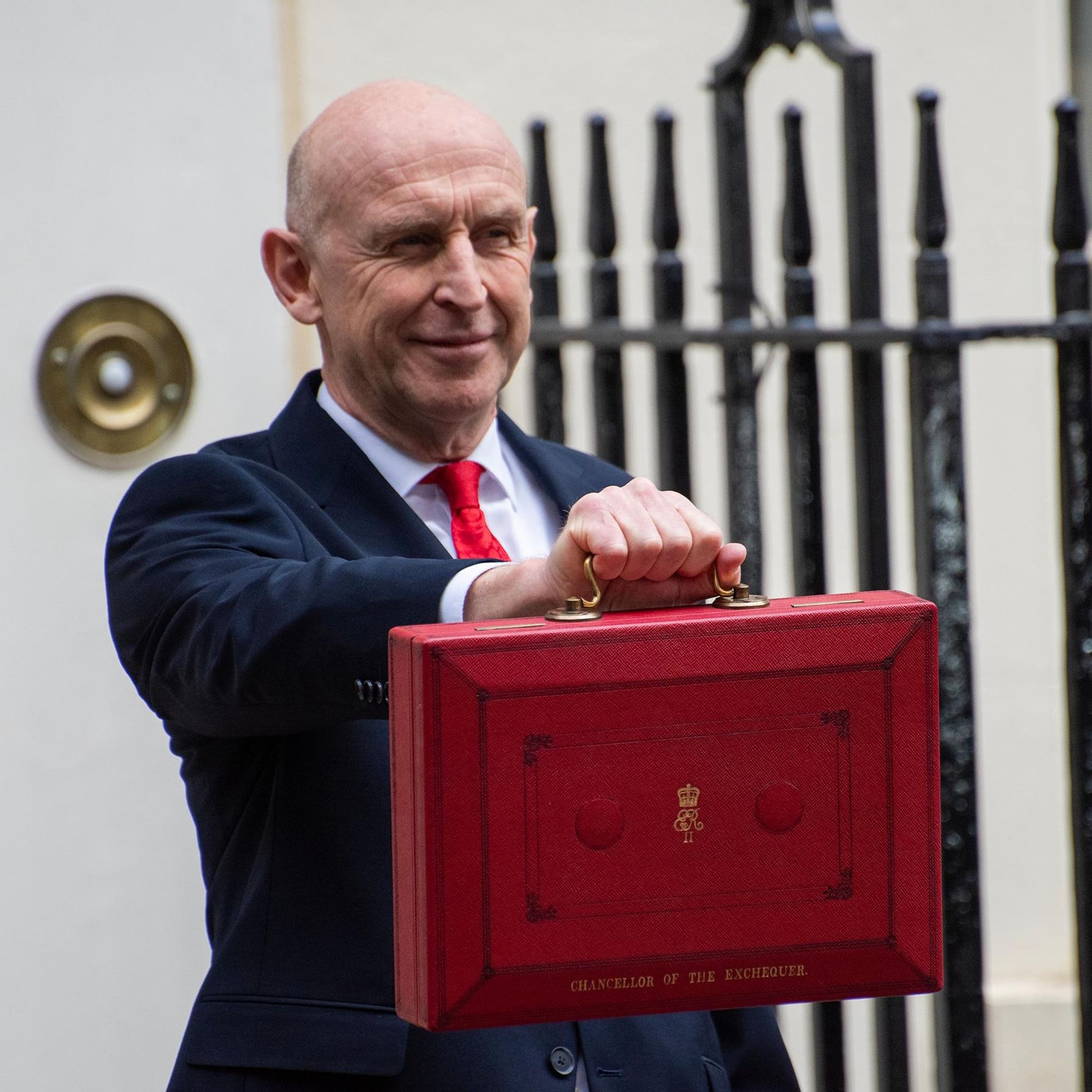
The episode is a Guardian “The Latest” discussion of Andy Burnham’s first budget as Labour’s new government, presented as “breathing space” for a tough winter amid global economic shocks blamed on Donald Trump’s war in the Middle East.
Lucy Hoff (host) and Heather Stewart, The Guardian economics editor.
the budget offers short-term relief (not full protection) plus longer-term groundwork, but relies heavily on temporary measures and “can kicking” ahead of a major spending review next year/autumn.
£100 paid to households in council tax bands A–D (cost ~£2.6bn); ~£4bn/year energy support including cancelling fuel duty rises and extending the VAT cut on electricity; carer’s allowance cliff-edge changes removed; bank levy raised to 6% (from 8% previously cut); income tax on rent/savings increased by 2 points from April; business rates relief for high-street firms funded partly by higher taxes on gambling and vape shops and by tightening VAT collection from online retailers.
Written by AI. May contain mistakes.
Discussion of the economic challenges and the key themes of Burnham's budget.
“This is going to be a tough winter in terms of living standards.”
Examination of specific financial measures introduced in the budget.
“So and he talked a lot about the kinds of people he wanted to help families and small businesses and so on.”
Discussion on measures aimed at supporting carers and families.
“And was there anything else interesting in there?”
Analysis of new taxation policies affecting banks and landlords.
“The bank levy was something that we at The Guardian first reported on that there was going to be a tax on the profits of banks but did that go far enough?”
Strategies to aid high street businesses amid economic challenges.
“Some of the other people who are going to have their pockets picked to pay for this package includes landlords and savers.”
Criticism regarding the budget's content and its political implications.
“Well, you're going to meet some of the costs then.”
Discussion on the potential future implications of the budget and political strategies.
“Yeah, I mean, there was also a bit of laying the groundwork for future things.”

Get the gist, explore an idea or ask about something said.
 Claude
On Today in Focus, what are the key points of this episode?
Searching your listeningAutomatic transcript. May contain errors.
0:00This is The Guardian.
0:30and packages in seconds. Then schedule a pickup right from your home or office. For a limited time, go to stamps.com and use code podcast for a free welcome gift. Taxes and fees apply.
0:45This is a budget for the working people of Britain. This is going to be a tough winter in terms of living standards. You know, mortgage rates are going to be going up. Energy bills are going to be going up. Analysts like to speak of economic headwinds, but what we face today are global economic storms. He basically sort of shouted, lavished the banking sector with love. And, you know, I love banks. By the way, I'm taxing them a bit more. He's setting himself up for potentially a really challenging set of decisions next autumn. From the Guardians today in Focus, this is The Latest with me, Lucy Hoff.
1:19We have had the first budget under the new government, under Andy Burnham and his new chancellor, John Healy. Heather Stewart, you're our economics editor. The vibe had been kind of long set up as basically this is going to be a little bit of breathing space, a phrase we heard possibly about 100 times in the course of this. At least, yeah. What in this very challenging global economy? Yeah, absolutely. The message from John Healy was it's very tough out there. He talked about sort of global storms and the kind of headwinds caused mainly by Donald Trump's war in the Middle East, right, which is still rolling on.
1:55That's made energy prices higher. it's made life harder for everyone. And so his message was basically, look, I can't stop that. It's not my war. We didn't cause it. I can't completely protect you from it. But here are some smaller things that we can do to help you out in the shorter term. So and he talked a lot about the kinds of people he wanted to help families and small businesses and so on. So it was, yes, let's try and give you a breathing space, even though we can't offset completely the impact of what's going on out there. Yeah, he said this was a war that we absolutely didn't choose but here's a little package of measures well not a little but here's a package of measures to help you out a bit what was in that package was there anything really substantive yeah so the thing that grabbed my attention most that we didn't know about beforehand was um a hundred pounds which will be paid into the bank accounts of anyone who lives in a house in council tax bands a to d yeah which caused the check your council tax status website to crash yes everybody Everybody was immediately wondering which found they're in.
2:51A sign of some good cut through. Yeah, yeah, absolutely. And that's a bit more than we expected. That costs about£2.6 billion. The total package of energy sort of support measures was about£4 billion a year, which is, you know, fairly considerable. It also included, as we expected, cancelling the fuel duty rises that Rachel Reeves had pencilled in, extending the VAT cut to electricity bills, which Andy Burnham had already announced, but it'll now go on into next year. So there were various aspects of it. But in the aggregate, they are going to save you a little bit on your energy bill ahead of what looks like being a pretty tough winter.
3:26Yeah. And was there anything else interesting in there? There was a big win for the long running Guardian campaign for a carer's allowance. We should throw a big nod to that being included today. Absolutely. Yeah. That cliff edge that our colleagues have written so powerfully about where, you know, you earn a tiny little bit more and then you're told you're not entitled to the carer's allowance and you've overclaimed and they're going to claw it back. and it causes a lot of anxiety. For people, John Healy made clear that that will go. And there were lots of other sort of smaller measures to try and help people out, really.
3:58That was the general vibe was it's tough times and, you know, let me see what I can do to help. Yeah, and the sort of language of shifting, you know, the burden of these challenging economic times from the individual, from the worker, from the sole trader, the young person, as you say, to kind of, I think, people that we can all agree or organisations we all agree people don't really like which is landlords, banks, big corporations that dodge taxes. The bank levy was something that we at The Guardian first reported on that there was going to be a tax on the profits of banks but did that go far enough?
4:32Well it was smaller than we maybe expected. So how does it work first of all? So banks pay an extra levy on their profits as a proportion of their profits and they pay three percent in addition that was cut from eight percent by um jeremy hunt one of john healy's tory predecessors and we thought it might go back up to eight percent that was kind of what the banking sector thought well it has gone up but only to six percent okay so um uh it's less sort of swinging than maybe some in the banking sector might have feared bank shares went up after the budget or after that bit of the announcement um and he really sort of he didn't say you know this is a sector that has been sort of profiteering out of you know done very well out of the last six months when interest rates have been higher than expected he basically sort of shout lavish the banking sector with love and you know i love banks you know i want to really celebrate banks oh by the way i'm taxing them a bit more so it was sort of more in sorrow than in anger but it is the case that some of the costs of that package are going to come from this tax and it's only temporary we should say as well it's a temporary windfall tax and as you say some Some of the other people who are going to have their pockets picked to pay for this package includes landlords and savers.
5:45So Rachel Reeves had already increased the tax rate, the income tax rate on money that you make from renting out a property or from savings. And on both of those things, it'll go up by another two percentage points in April. So that's another sort of way of raising money from, as you say, maybe not tremendously popular groups to help to cushion a wider group of people from this energy shock that we're facing. Yeah. And so who else kind of won out from this? There was a lot of talk about the high street sole traders, but also shifting money away from big digital retailers onto the high street. Yeah, that's right.
6:20So he is, Healy said he would offer more help than we thought to high street businesses. So he's talking about pubs and shops and, you know, he likes to sort of paint this picture of, you know, lovely, friendly high streets. This is something Andy Burnham has talked about as well, right? And he's going to fund this partly. So they will get some relief from their business rates, from higher business rates, more than we thought, in fact. And that's going to be funded partly by higher taxes on gambling and on vape shops. Again, not particularly well-loved aspects of people's high streets. No comment, I would say.
6:56Yeah, right. Someone that is almost solely funding them. All right. Well, you're going to meet some of the costs then. But yes, again, it was it was let's sort of pick a not terribly popular group and try and yeah, they're also going to make sure that online retailers collect VAT. And again, this is all aimed at sort of trying to help brick and mortar retailers like the ones who hold up local high streets to thrive. Okay, so I mean the criticism that's been levelled at this budget in this sort of hour or so that we've had to digest it is it's basically a package of tiny little tinkerings or little things that don't amount to very much.
7:34But there is a sort of political argument it seems from what you're saying about, you know, where the focus is being shifted on that feels quite in line with Burnham's vision, but doesn't deliver in terms of policy. What do you think? Yeah, I mean, there was also a bit of laying the groundwork for future things. So on energy, for example, Healy talked about various ways in which they want to change the way energy prices are set. It's a kind of long running problem in the UK. We have unusually high energy prices. It's one of the reasons our inflation tends to be higher sometimes and last longer.
8:05And we have end up with higher interest rates. So he talks about various policy changes to do with the way that generators are funded and so on, which he hopes will bring down prices in the long term. So that was, you know, one of the longer term things. He also talked about housing, trying to boost house building through various different measures, which again, you know, he talked about the sort of moral imperative of tackling homelessness, which again, we've heard of from Andy Burnham. So this was, you know, the Chancellor, absolutely, the Chancellor talking about trying to boost house building.
8:34So there were definitely some longer term things. There was also quite a bit of can kicking. Oh, a huge amount of cam kicking and on really big things like potential cuts to the benefit system, crucially defence. John Healy being a politician who resigned under the last prime minister as defence secretary because his department wasn't getting enough money. That was a decision that he had voided taking today that was met with huge criticism from the opposition, Kemi Badenock, when she stood up to follow the chancellor. Yeah, so I think probably what Labour would say, what the Treasury would probably say is, look, we're in a really volatile, uncertain period.
9:10We don't know how long this war is going to last. You know, we don't know what the outlook is going to be. Things got significantly worse this year. Could be better in the spring. You never know. We could beat the OBRs, the Office for Budget Responsibilities Forecast, which have been cut as a result of this conflict. So you can see why they can say, OK, not a great moment for making long term decisions. We've got a big spending review coming up next year. could be as late as the autumn. Let's leave a lot of those things for then. But I suspect we haven't had yet the think tanks sort of responses to this.
9:39But I suspect some of those Institute for Fiscal Studies, for example, will probably say, you've dug some big decisions that you are going to need to make and that he's setting himself up for potentially a really challenging set of decisions next autumn, if that's when it comes. Yeah, breathing space is by definition, very temporary as a state. Well, he's made himself a bit of breathing space, I think is the hope. Yeah, temporary indeed. I mean, do you think there's an argument that this is breathing space to a general election that would allow them to change the manifesto to allow them to do some bigger things?
10:10So I know there's a lot of speculation about that. I think there's speculation about it at Westminster, isn't there? Arisen in light of... Which seems to have risen. I can't help thinking Labour want a bit more time to try and fix the public services than they have had. And they will be hoping, as I say, that things could look significantly better by summer next year, by autumn next year. You know, this is going to be a tough winter in terms of living standards. You know, mortgage rates are going to be going up. Energy bills are going to be going up. Do you want to hold an election in the teeth of that?
10:40I don't know. So I know the speculation is out there, but it didn't feel to me after watching that statement that that's more likely than it was this morning. Yeah, sort of like they want more time to prepare before and hope that the economic climate improves. Exactly, and to show some results from what they've been trying to do in, say, the NHS and so on. So I guess, I mean, since Burnham's come into power, there has been this bold vision of what he sees the country's future as. This budget sort of didn't feel like it quite fit that. There were, you know, iterations of Burnham's politics in there.
11:12But do you think they've got away with it for now? I think they have got away with it for now. I mean, I don't think it's, you know, Burnham has talked about sort of ending 40 years of neoliberalism, hasn't he? sort of ditching economic orthodoxy. I wasn't really getting that vibe from today. I was very much getting some of the other things he's talked about, about, you know, are things going to get better for the lives of ordinary people on the streets of places like Makerfield, Prime Minister's constituency. That was absolutely there. But this longer term, you know, we're going to ditch 40 years worth of economic policy.
11:44Not so much, I would say. OK, well, we'll wait and see. Heather, thank you so much. Thank you. That's it for today. My huge thanks to Heather Stewart, at The Guardian's economics editor, you can keep up with all our coverage of the budget over at theguardian.com. Thanks for listening to this episode of The Latest. Today on Focus will be back in your feed as usual tomorrow morning. The Latest will be back tomorrow night. This episode was produced by Angus Neill and Claudia Femini. The senior producer was Leo Schick. The executive producer was Zoe Hitch. And it was presented by me, Lucy Hoff.
12:14This is The Guardian.
12:23you save you invest you keep an eye on spending so why do your finances still feel so complicated quicken helps you put the whole picture together and make sense of what to do next connect accounts from more than 14 000 financial institutions and see how all the different pieces of your financial life fit together with quicken you can make sense of your options and decide what to do next quicken Know what to do next. See how at Quicken.com. Hey, I'm running out to drop off a stack of letters and packages. Need anything shipped while I'm gone? Save the gas. Stamps.com lets you print postage and schedule pickups right from your desk.
13:01Sync your contacts into the address book, get detailed accounting insights, and get notified the moment your certified mail is delivered. All from my desk? All from your desk. Join the 4 million businesses using Stamps.com right now with code podcast and get your free welcome gift. Stamps.com, code podcast. Taxes and fees apply. You're either all in on this model, or maybe you're building with another. You're either speed, or is it security? You're either custom, or are you ready to use? Or, you're AWS AI. With hundreds of models, ready-to-use agents, speed and security built in, you don't have to pick a side.
13:41You can have them all. How will AI revolutionize your business? AWS AI is how.


