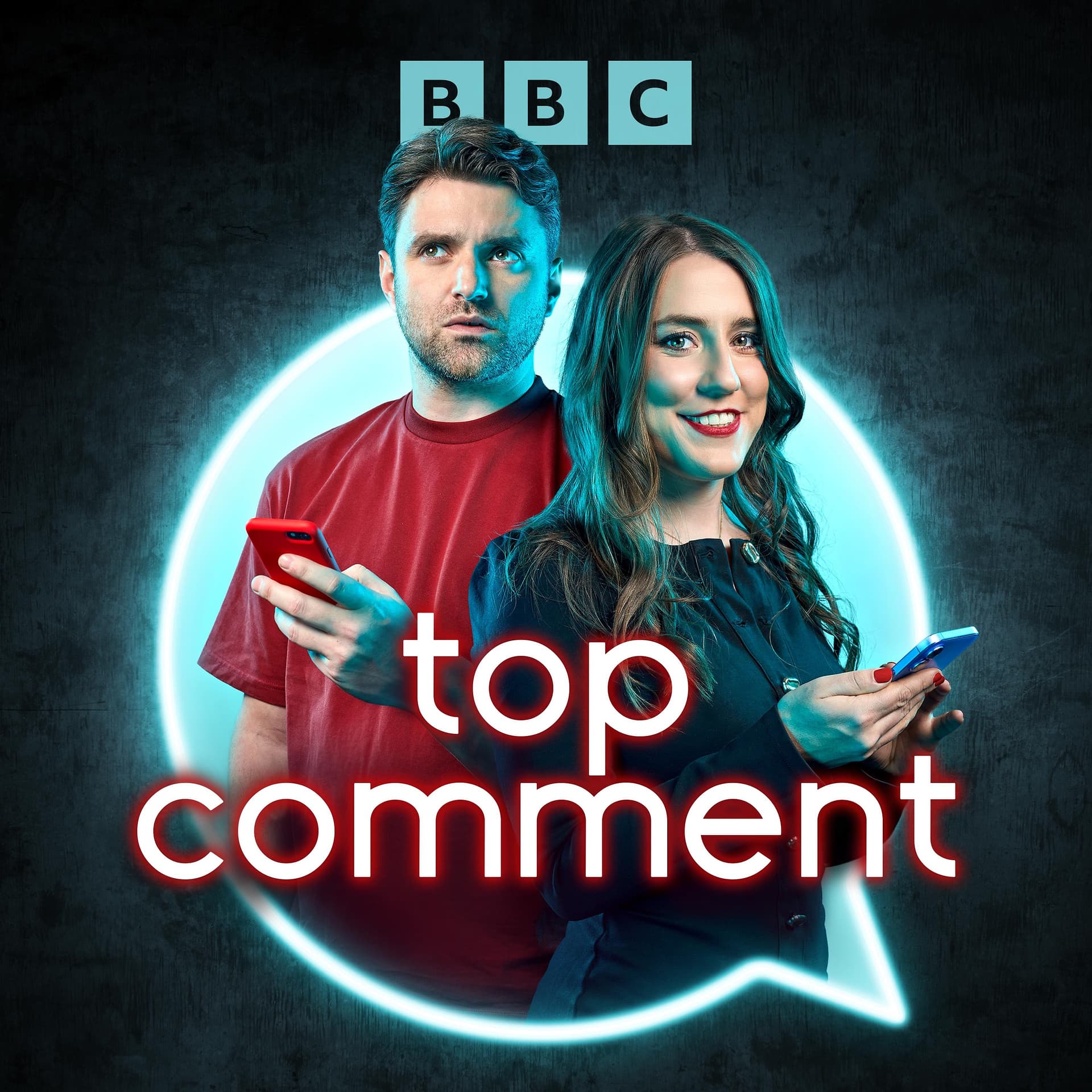
In short
The episode argues that prediction markets (Kalshi, Polymarket) and social-media dynamics are “gamifying” real-world outcomes, creating incentives for manipulation and misinformation. It explains prediction markets as online betting on events (wars, elections, even “aliens by 2027”), valued in the billions, and notes deals with US news outlets.
Key claims
insider/non-public-information betting is possible, illustrated by Kalshi fining Artem Capta (accused of betting using material non-public info from editing MrBeast videos). It cites alleged suspicious Polymarket bets (e.g., Maduro capture; Israel/Ukraine cases involving classified info or map changes). It highlights Polymarket’s UMA-based adjudication for ambiguous outcomes (e.g., “Will Zelensky wear a suit?”). It connects this “attention markets” idea to incentivizing rage/controversy. It then links anti-vax content on social media to measles outbreaks (UK/US examples) and discusses platform responsibility (Spotify/X/Meta) and influencer ecosystems.
Guests
Marianna (BBC senior investigative/disinformation expert) and Matt (co-host).
Notable examples
baby macaque “Punch” trend-jacking; dildos at WNBA games allegedly encouraged by Polymarket betting.
Written by AI. May contain mistakes. Listen to the episode to check what was said.
Chapters
Tap a time to open that second in VORecap of Previous Episode
0:45 to 1:21
Hosts recap the last episode's discussions on clavicular and decline porn.
“So, for people who don't know us, obviously you're the BBC's kind of in-house disinformation expert.”
Introduction to Prediction Markets
1:21 to 2:18
Hosts introduce the topic of prediction markets, focusing on Kalshi and Polymarket.
“So the first thing we're going to talk about is the rise and rise of prediction markets.”
Understanding Prediction Markets
2:18 to 4:47
A detailed explanation of what prediction markets are and how they function.
“And I guess the place to start is, what is Kaoshi?”
The Philosophical Basis of Prediction Markets
4:47 to 6:28
Discussion on the philosophy behind prediction markets and their accuracy compared to polls.
“So they're almost like polling, essentially.”
Regulatory Landscape of Prediction Markets
6:28 to 7:48
An overview of the regulatory challenges faced by prediction markets in the US and abroad.
“And the plan was to create prediction markets that would help predict events in the Middle East.”
Insider Betting and Its Implications
7:48 to 11:01
Exploration of insider betting, including notable cases and ethical concerns.
“What's the best way of defining how it's regulated?”
Manipulation of Prediction Markets
11:01 to 12:59
Hosts discuss how real-world events can be manipulated through prediction markets.
“for placing bets using classified information.”
The Accuracy of Betting Outcomes
12:59 to 14:00
Examining the issues surrounding the accuracy and determination of betting outcomes.
Zelensky's Suit Bet and UMA Voting
14:00 to 16:10
Explore the complexities of betting on ambiguous outcomes like Zelensky's attire and the role of UMA in decision-making.
“like army gear basically to this meeting where he got a real dressing down do you ever why don't you wear a suit why don't you wear a suit you're the highest level in this country's office and You refuse to wear a suit.”
Polymarket's Expansion and Viral Bets
16:10 to 18:10
Discover Polymarket's new focus on betting regarding viral content and its implications.
“And, you know, there's loads and loads of bets that you could imagine where the outcome isn't clear.”
Show all 16 chapters
Measles Cases and Vaccine Hesitancy
18:10 to 22:30
Understand the rise in measles cases connected to vaccine skepticism and the role of social media.
“We've seen an uptick in areas like Leeds.”
Influencers and Vaccine Misinformation
22:30 to 28:04
Analyze the impact of influential figures and social media on vaccine skepticism and public health narratives.
“not only a a wider audience than they did before but kind of like a more captive audience because a lot of people have been primed during the pandemic and other things to think, oh, hang on a second.”
The Impact of Health Misinformation
28:04 to 29:46
Explore how misinformation impacts vaccination decisions and public health.
“Or I've seen this post telling me that if I vaccinate my kid, this will happen.”
Social Media's Role in Misinformation
29:46 to 30:34
Discuss the policies of social media platforms regarding harmful content.
“When it comes to the major social media companies, X and Meta, which owns Instagram and Facebook, do still have policies that deal with dangerous and harmful content, including misinformation.”
The Viral Monkey Phenomenon
30:34 to 33:06
Learn about Punch the monkey and the phenomenon of trend jacking in marketing.
“Is there anything good on social media right now?”
The Attention Economy and Brands
33:06 to 34:28
Understand how brands navigate virality and the attention economy.
“attached to that virality, it's like how do you protect the brand but also you want to be a part of it and sell monkeys.”
Transcript
Automatic transcript. May contain errors.0:00I'm really curious what your chair feels like. Your chair's so bad. At some point I want to try that. By the way, if you're just listening to this, Marianna, who's senior at the BBC to me, has a giant luscious chair and I have a tiny pink one that forces me into the fetal position. You're chair-mogging me. And if you don't know what chair-mogging means, you have to listen to our previous episode, the first episode of Top Comment, where we discuss clavicular. We also spoke all about this concept of decline porn. And I tracked down this guy who's made these AI-generated videos of Croydon in South London.
0:34Now, in response to our episode, he has actually made a new video, an AI-generated video showing roadmen, as he calls them, taking over the BBC. What, just like storming into the BBC? Yeah, storming the BBC, climbing around on the news desk, everything.
0:51So, for people who don't know us, obviously you're the BBC's kind of in-house disinformation expert. Yeah. I'm an investigative journalist. And I think that last episode and those two stories give you a very good flavor as to the kind of stories we'll be doing. Exactly. This podcast, the whole point of it is to investigate and analyze what is popping up on your social media feed and why, which Matt and I spend our day to day doing a lot. You can go back and listen to the episode we were discussing in this feed, episode one. For episode two, what have we got on the agenda, Matt? So the first thing we're going to talk about is the rise and rise of prediction markets.
1:28So you've probably seen Polymarket and Kalshi, the two famous prediction market websites, popping up on your feed. We're going to talk about what's really behind them and why they may not be all that they seem. And we're going to be talking all about anti-vax, the rise of anti-vax, or maybe the emboldening is the right word on social media, and how that is contributing to and inflaming real world stuff, including outbreaks of diseases in the UK and in the US as well. You might have seen this stuff coming up in the comments or in other places. So we're going to get into all of that. And, and, and, we could not do this episode without talking about a certain baby monkey, which if you have spent any time on social media this week, you will have struggled to avoid baby punch.
2:18Okay, so we've just found out that Kalshi, which is one of these prediction market sites, companies, has decided to fine a$20 ,000 fine someone called Artem Capta, who allegedly placed bets based on, quote, material non-public information that he got by working as a video editor for one of the world's most famous YouTubers, MrBeast. This is a big deal. And I guess the place to start is, what is Kaoshi? What are prediction markets? What are we talking about here? Okay, so a quick explainer on what prediction markets are. They're online betting markets where you can bet money on the outcome of real world events.
2:56If you go on the two most famous websites, Polymarket and Kalshi right now, you can see bets for things like... Should I get it up? I'll get Polymarket up. You can usually bet on anything like the outcome of wars that are going on right now, when Israel will strike Iran, when the US will strike Iran. Yeah, so it's got US strikes Iran by, and then it's got two different dates, March 31st and March 14th. There's some random stuff as well, like will the US confirm that aliens exist before 2027? What are the odds on that? It's 16 % chance, yes or no, and the volume is$9 million. I'm going to say no to that.
3:33Well, Trump has said he's going to do something about aliens. And some of the stuff tips into slightly grotesque betting, arguably. Like you can bet on specific outcomes in the ongoing Ukraine war. And you can bet on whether Israel will bomb Gaza. You can bet on the outcomes of court cases. You can bet on whether some random celebrity is going to appear at the Super Bowl. You can bet on pretty much anything. Anyone can put a bet on there. So Kaushy and Polymarket, they are valued at$8 billion and$11 billion each. So tons of money is being traded on these platforms. Both have struck deals with major U.S.
4:09news organizations, CNBC, CNN. So you may now see the betting odds of certain news events like elections on the ticker in American news. Quick disclosure, we should tell you that CNBC and Calci have a commercial relationship that includes CNBC having a minority investment in that company. And of course, we run lots of different Calci data on our screen and discuss it. And we can talk a little bit about the regulatory framework around these websites in a bit. But I think one really interesting thing that most people don't know about prediction markets is the kind of philosophical idea behind them.
4:46So it comes out of this rationalist movement within Silicon Valley. And what they believe is that if you aggregate enough information from betting markets and if people are staking their own money on those bets, you essentially create the most accurate predictor of the future, a kind of crystal ball. So they're almost like polling, essentially. They're more accurate than polling. And is that because of the sheer number of people that get involved and have a stake in it, I guess? It's because of that. It's also because, like you said, they have a stake in it. So they're because they want to be right.
5:21Their belief, their rationalist belief is if you're betting your own money on something, then you are going to be accurately saying what you think will happen rather than polling, which is less accurate. Or like maybe I think this, maybe I, yeah. But the other reason it's more accurate is because of insider betting. So it arguably benefits the founders of these companies in their quest to create a kind of crystal ball. if people with privilege information as to what will happen in a news event, if they bet on it, that brings the betting odds closer to the actual probability of an event happening.
5:52That insider betting is essentially what Mr. Beast's editor was accused of by Calci because they pointed out that his bets were statistically anomalous. And it's worth saying that a spokesperson for Beast Industries, which is the entertainment company that was founded by Mr. Beast, have said it had, quote, tolerance for this behavior, whether by contestants or our own employees in relation to that case. Not to go down too deep of a rabbit hole, but to give you a little bit of idea of the history of this, the guy who kind of invented this is a guy called Robin Hanson, the father of prediction markets.
6:25And he actually got DARPA, the US Defense Research Agency, to fund one of his projects called the Policy Analysis Market. And the plan was to create prediction markets that would help predict events in the Middle East. It was dubbed the terror market. Now, this project was scuttled in 2003. Why do you think the terror market was cancelled? Because it will encourage people to carry out attacks. Exactly. So they quickly figured out if we start letting people bet on terrorism in the Middle East, people might do terrorism to make money on those bets. Yeah, and then bet on it themselves. So if, for example, a politician were to bet on an event where they kind of know what the outcome might be because they are parties privileged information you'd get in trouble for that wouldn't you like that's insider trading yeah it's insider betting and there is a difference and the regulatory situation is difficult so in the uk you can't use these websites can you they're basically blocked and say places like france that's also the case belgium that's also the case in the netherlands they now call this unlicensed betting you you can look at the website like i'm able to look on my phone but i i can't participate basically and then there are some so Polymarket is the one we were talking about, which is outside of the US.
7:34Calci is the one that's like very US centric and focused. And there are quite a lot of places working out how to deal with this. But it's kind of interesting, isn't it, Matt? Because it's not dealt with like betting on sports, like betting on a football game or a soccer game or whatever the right American sport you want to bet on is. What's the best way of defining how it's regulated? Well, yeah, a commodity is a kind of financial investment that works on the prediction of the future of a market, whereas a security is like an actual bit of investment, like a stock, for example. Yeah, yeah, yeah.
8:09And in the US, the Commodity Futures Trading Commission is the body that regulates this, which means that they see it as a commodity. But the history of the regulation is kind of interesting. So initially, the CFTC was very much against this. Under Biden, they fined Polymarket 1.4 million dollars and blocked americans from trading on the platform then there was a lawsuit later that calci won paving the way for for these prediction markets to continue and donald trump's administration have been had a very sort of different approach to this i think it's fair to say that yes so the prediction markets predicted trump to win both calci and polymarket but yeah just to give you an idea of like how things have changed for these companies shane copeland the guy who founded Polymarket, who's 27 years old.
8:56He's now a billionaire. He basically was raided by the FBI as part of an investigation. At the time, under the Biden administration, Polymarket claimed the raid was political and was basically retaliation for its users, betting overwhelmingly that Donald Trump would win the election. He did win the election. That investigation was later dropped. Kalshi also named Donald Trump Jr. as a paid advisor. and a few months later, Polymarket brought him on as an investor. So some people have pointed out that there's a lot of alignment between the Trump administration and these predictions markets. Yeah, and speaking of politicians and the administration and everything else, I mean, presumably the people who are most advantaged when it comes to betting on this stuff would be people that work in the realm of politics or the government or different sort of departments who would know what's going on.
9:45Right. Like if you know that the US is about to strike Iran, you could place a bet on that and make a ton of money. Now, there have been some suspicious examples of bets. For example, one person made$400 ,000 placing a bet on the eve of the US's operation to capture the Venezuelan president, Nicolas Maduro. He said he was going to get captured. He then was, which seemed a bit suspicious to people. Polymarket hasn't commented on that. Cauchy did respond by saying that its rules prohibit trading by anyone with material non-public information. On the other hand, some very clever people claim to have made money on the Maduro capture simply by building a bot to track Domino's pizza's deliveries in Washington, because if more people are ordering pizza near the Pentagon, that means that people are staying up all night, like having meetings in the Pentagon, which means they might be about to do something.
10:36But there are other examples too. So last summer, an account called Rico Suave 666 won more than$150 ,000 on Polymarket basically betting with very suspicious accuracy on the precise timing of Israel's attacks on Iran. Israel actually arrested two men, one of whom was an army reservist, and charged them with bribery, obstruction of justice, and serious security offenses for placing bets using classified information. So what the Israeli case illustrates is that governments don't want accurate probabilities for every event to be broadcast, especially when there's classified information involved.
11:17But that is, according to the founders of these companies, what they're trying to do. And Matt, you also mentioned Ukraine. Obviously, the war's been happening there now for four years since Russia invaded. Is there any evidence that there's been insider betting when it comes to that? Yes. So there's this map developed by the Institute for the Study of War, and it is essentially a live map of the Ukraine conflict, updated hourly to reflect advances and changes in the battle lines. there was one bet in particular around the battle for Myrnykrad which is you know a place in Ukraine and there was more than a million dollars in trading volume for this bet will Russia capture Myrnykrad now at a certain point it appears that someone with access to this map changed the battle lines not in a way that reflected reality but they just changed it on the map leading people to make tons of money in this bet.
12:09And the Institute for the Study of War has said that this was an unauthorized change to the map. And this is where you get into the problematic nature of these prediction markets is when people start to change real world events and affect real world events in order to make money on bets. And I guess that's why we're even talking about this. And it matters is because people can bet on outcomes, you know, here in the UK, for example, when there's an election or there's going to be one of many prime ministers that we have. People can decide to bet on who they think that might be or who they think might win an election, but in a way that they can't affect the outcome, really.
12:47The issue here is the kind of ability to distort what's happening in the real world because you're betting on certain things which you could then affect or change and or it might encourage people to do certain things that would make their bets come true essentially yeah i mean that happened at the wnba there was this ridiculous event where people were throwing dildos onto the court at wnba matches and they're like listening to this podcast people must be like what i know there's like a we're only talking about reality this is just the world we now live in so people are throwing dildos on the court at wnba polymarket basically encouraged users to bet on like whether it would happen again surprise surprise people started tossing dildos onto the court more yeah so i mean that may seem like a small example but you're incentivizing something essentially yeah but like what's the like dildos on the court of the future is it like the u.s striking iran to make money on a polymorphia bet it's all these things are now possible right the other thing is there's a question as to how accurate the outcomes are and how open they are to manipulation yeah so let's say for example you place a bet on will zelensky wear a suit to his meeting okay and this is an actual bet for and this is after he wore his like army gear basically to this meeting where he got a real dressing down do you ever why don't you wear a suit why don't you wear a suit you're the highest level in this country's office and You refuse to wear a suit.
14:17Just want to see if you do own a suit. Pressing down quite literally. This was on Polymarket and the trading volume was around$200 million on would Zelensky wear a suit. Now, do you remember Zelensky kind of wore a suit? Yeah, but it wasn't like a traditional suit. Exactly. So then it becomes a debate over who wins the bet, right? And who defines what a suit is. Right. So the BBC said that he was wearing a suit, but the bet actually said, no, he wasn't. And that got people to question, how is the outcome of this bet actually being determined? The way it's being determined is pretty crazy and potentially manipulatable.
14:59So it goes through a crypto token called UMA and holders of UMA basically vote on the outcome of a bet. Yeah. So they vote on the final consensus. But the weird thing about this is when you vote, you stake some of your UMA, your financial holdings on the outcome of a bet. And so you are financially incentivized to go with the majority, even if it's not factually accurate. Because if you say Zelensky is wearing a suit, but the UMA consensus is that he isn't, you then lose money. So it's not a perfect system by any means. And also, some have said through analysis, they've found that 95 % of UMA tokens are held by large holders, which basically means that like a small number of people control this supposedly decentralized system for deciding what the true outcome of a bet is.
15:59Kaoshi has its own system for adjudicating bets, but it's Polymarket that uses this UMA system. And again, it may not seem that consequential if we're just talking about Zelensky wearing a suit or not, but hundreds of millions of dollars was riding on that. And, you know, there's loads and loads of bets that you could imagine where the outcome isn't clear. And the main reason we're talking about all of this is because it's all about this kind of world that you are very familiar with, Matt, of kind of like crypto and like stuff that feels a little bit murky and is kind of new. there also were questions about how to actually deal with it in the way that it can affect yeah we're sort of playing catch up to it and it's changing constantly so now polymarket has just announced that it's going to expand into attention markets where you can bet on what is likely to go viral if you imagine a world right where you can bet on what is going to go viral and what you know about how algorithms work on social media yeah i mean does that count as insider betting i guess not because it's just expert knowledge rather than like an insider who works at one of the social media companies has told me by the way this we've changed our algorithm to favor x y or z but no but but what you know about what you have found about algorithms is that they favor like argumentative controversy yeah rage content gonna provoke a reaction so people are already incentivized to create and share that stuff so double things like the x marketing x's payment program yeah but now they could be even further incentivized by putting a bet on it so the divisive surprise surprise the internet becomes worse yeah exactly
17:41okay so another thing that you can bet on when it comes to polymarket is measles so you can bet on for example the measles cases in u.s by february the 28th or measles cases in the u.s in 2026 which feels quite dark on that. I mean, we've been talking about quite a lot of dark betting, but also very relevant to what we're talking about now because we've seen outbreaks of measles last year in places like Texas and other areas of the US. We've then also seen them in places like Liverpool in the UK. We've seen an uptick in areas like Leeds. And then now, very recently, we've seen a surge in cases in London, specifically North London, where there have been 104 cases that have been in London and then there's been some in the West Midlands as well.
18:25Why is this happening and how does this relate to social media? Well, it's happening for a variety of reasons and there have been anti-vaccine sentiment or hesitancy in certain communities since vaccines became available. But what loads of medics I've spoken to, nurses, other people are saying are, look, this is about what's popping up on people's social media feeds. We often hear about vaccine scepticism in the US where the Secretary of Health and Human Services, RFK, appears to be a vaccine sceptic himself. But is it now getting bigger in the UK? Yeah, I think the thing that appears to be different right now is that vaccine scepticism has existed for a long time, certainly since vaccines became widely available.
19:07And we think back to the late 90s when there was this guy called Andrew Wakefield, a doctor who made these now debunked allegations about the link between the MMR vaccine and autism. That was way before social media, the dawn of social media and that contributed to some people deciding not to vaccinate their children um he got in loads of trouble for this and um there was a period of time where everyone said no no no this is not true do not believe this vaccinate your kids etc and we should add the caveat of and this applies to all vaccinations that there can be side effects there are examples of where people do come to harm or stuff happens that parents are unhappy about but that is not as scientific research shows us the majority of cases the majority of people but what has happened since then, like the late 90s here in the UK, but actually I'd say all over the world and social media contributes to this, is the normalisation of certain rhetorics about vaccines.
19:58And, you know, when Facebook groups came to be, when you had parent groups, you had places where, you know, mums and dads could talk about things like vaccinations, you started to see some of this scepticism bleeding through. And then you started to get some of these alternative health influencers who would build entire followings, discouraging people from seeking traditional medical advice. but they're a little bit more niche. They stay within their communities. They're not getting the visibility that they can now get. And that's when COVID happened. Yeah, exactly. So COVID happens. There's a huge amount of vaccine scepticism, understandably because this vaccine comes out really quickly and because the world is dealing with the COVID-19 pandemic and also because there are real examples of people who were harmed by the vaccination.
20:38Maybe they had blood clots. There were other side effects. And there is also genuine questions for the pharmaceutical companies and for politicians about decisions they made. But, but, but, but, but broadly, the vaccinations were effective and they were the reason that the pandemic sort of certainly the restrictions and all of those bits came to an end in the way that they did. But that did not stop the anti-vaccine activists, some who predate the pandemic and some who sort of emerged during the pandemic, seizing upon these ideas and not just talking about COVID anymore, talking about the MMR vaccine, talking about other widely available vaccines.
21:12and now it is very hard if you basically are interested in health at all and you're seeing stuff on your feed to avoid these kinds of influences is this because of social media yeah so covid happens and actually at that time the companies were stricter when it came to health misinformation quite a lot of the big companies had rules about what you can and can't post so if something was factually incorrect inaccurate maybe it would get labeled there'd be a fact together and the kinds of people like the health misinformation influencers a lot of them had their accounts taken down on places like twitter or metas platforms facebook and instagram even on tiktok then if we fast forward there's this debate about freedom of expression elon musk buys x which was called twitter and he says actually we've got this wrong in terms of how we're dealing with sort of censoring as he called it um certain types of posts he allows a lot of the people back on his platform including people who spread health misinformation and including about vaccines and he changes the rules and says actually you're allowed to post this stuff and we'll have community notes we're not going to have like fact-checking labels in the same way mark zuckerberg once donald trump is elected follows suit at meta he changes some of their sort of fact-checking rules certainly in the us and all of this results in these people the anti-vaccine influencers having not only a a wider audience than they did before but kind of like a more captive audience because a lot of people have been primed during the pandemic and other things to think, oh, hang on a second.
22:39Is everything not as it seems? I don't want to trust doctors and nurses. I don't want to trust the health advice beyond healthy, genuine scepticism. And so we get to this point where some of these people have like, you know, having been basically what we would call kind of cancelled, like taken off the platform, deplatformed, are back with a vengeance and are able to reach millions and millions of people with information that is misleading or in some cases just completely not true about vaccination. How much responsibility do you think Spotify has in this story? Because obviously they paid hundreds of millions to Joe Rogan for his podcast, which is the most popular podcast on earth.
23:15And Joe Rogan has been accused of spreading vaccine misinformation. Yeah, I think it's helpful to actually, if we're going kind of inside the anti-vaccine circles, to break this kind of ecosystem world down into a few different parts. So you've got like the really adamant anti-vaccine activists. So you've got people like a woman called Kate Shemarani, who I've investigated before, who built a huge platform during COVID and has continued to push stuff that is not true or is misleading about vaccination. She would say it's not misleading. You are being duped by governments and pharmaceutical companies and everything else.
23:49And she has said that repeatedly online. You've also got people like Asim Malhotra, who is a kind of prominent doctor who has used his platform to also express scepticism about vaccinations and to suggest that they're linked to certain diseases. Again, he's really defended his views, said this is important, scepticism, etc. Didn't he speak at the Reform Party conference? Yeah. He said the COVID vaccine was a significant factor in the cancer diagnoses of King Charles III and the Princess of Wales. Yeah, which is, there is no evidence to support that idea at all. And quite a lot of people found it really offensive.
24:21And at the time, Reform were very strongly criticised for having allowed him to have a platform. And actually, this gets to something important. and in a weird way it ties in with Joe Rogan and the point you're making about Spotify, which is you've got people who actively spread this stuff and build a platform and a following, whether they truly believe it or not, and that is another question. They would say they do. They also benefit often from spreading these ideas, whether it's on social media or in the real world, rehabilitating their image, being able to appear at party conferences or wherever else that is.
24:50Then you've got the people who allow this to happen, but they don't necessarily take an active view. Someone like Joe Rogan, hugely popular podcaster who has, allowed people to express some of these ideas that are contrary to the scientific evidence, whether it comes to vaccinations or health on his podcast. Again, not saying that he endorses those views, but just not sufficiently challenging them in a way that like I would if I was interviewing someone who... And that's the issue. That's the issue, right? Because we, as the arguably the traditional media, right? We cannot do things like that.
25:22We cannot invite someone who says things that are arguably misinformation about vaccines and not challenge them. Otherwise, you know, it wouldn't go out. We might lose our jobs. Everything has to go through editorial policy, has to go through lawyers. Everything has to be fact checked rigorously. That's how media works. Does media make mistakes? Yes, of course. But it is judged by the extent to which it does or does not abide by those laws and that code of ethics. That does not exist in social media. And in fact, you can actually gain more of a following by not telling the truth. Like Rogan is an example of someone who's come out and said, I'm not anti-vax.
25:57I just kind of want to hear different people's perspectives and listen to them. Someone like RFK Jr., who is obviously holds a much more significant position when it comes to health, being the Secretary for Health and Human Services in the US. He has also said, I'm not anti-vaccine. I'm just worried about people who have been harmed by vaccinations. And actually, when it came to the measles outbreak that happened in Texas, he did go on to actually encourage people to have vaccinations and to make informed decisions about vaccinations around MMR and measles and everything else. One thing that I think is really important here is like a lot of this can feel bigger than social media.
26:29Like we're talking about someone who is holding a really important seat in office. His sort of reputation for being involved with health was made on social media. Like during the pandemic, he built a huge following by posting his scepticism about COVID-19 and vaccines sort of across the board, both on the left and the right. And a lot of these influences, some of them started talking about health. They started talking about vaccinations and then it became about a whole range of different things like freedom of expression, politics. I think that it's really worth us saying as well that a lot of this stuff is really emotional.
27:02Like it's completely understandable that people want to make informed decisions about health choices for their kids and themselves. And when stuff is playing on fear, when it's playing on your emotions in that way, which is how stuff goes viral on social media because it gets reactions. It's just the perfect storm for people to then say, oh, OK, maybe I'm just not going to do this. I'm not going to go down the vaccination path because I'm worried about it. So I'll just leave it with really serious consequences because herd immunity requires on a certain number of people all doing it. It's not an individual choice.
27:31It is, but it's not. OK, but how do we know that it's this disinformation and stuff on social media that's actually causing these outbreaks? So it's always really hard to draw a concrete line between real world consequence and what's happening on social media, because often it's a little bit wiggly and there are other factors at play. So we know when it comes to some of the recent measles outbreaks, for example, the one in London, and the same applies for actually some of the ones that happened in the US, that there are particular religious communities that have been affected where there are historically low uptake in vaccinations because there's a scepticism around them that relates to religious belief.
28:04that scepticism relating to religion has existed for a long time so you know that was that was the case 10 years ago it's the case 20 years ago obviously the makeup of certain areas does change and evolve over time and so you could see how certain areas might then have lower herd immunity and be more vulnerable to outbreaks what i think is crucial here and the the the key sort of tenet of evidence there's two bits that are really important one is that people on the front line who are talking to families affected by these outbreaks and talking to them about vaccination are increasingly hearing people say to them, I've seen this on my feed and so therefore I don't want to have this.
Read the full transcript
28:39Or I've seen this post telling me that if I vaccinate my kid, this will happen. I would then also just say my own, like I spend a lot of time investigating health misinformation and I've been looking at some of the key kind of big hitters in terms of influencers who've come back onto platforms like X. This stuff is being actively recommended. These people's followings have grown, not decreased. No one's asking questions of them as though they are credible. They've got blue ticks, they've got following, they've got loads of people commenting. Why wouldn't you believe them? And often these are people who've been previously discredited, but they are persuasive and they're good at social media and they get you in.
29:10And if you look at the way they've pivoted their content, because, you know, the pandemic feels kind of a while ago now, they're focusing on other types of vaccinations like MMR, but also like whooping cough, which there are examples of where that's really seriously affected pregnant women in different places. It's a combination of all of those things which points to the fact that disinformation, anti-vaccine disinformation is exacerbating what's happening here.
29:37For the sake of clarity, we mentioned Spotify and Spotify do have policies, for example, their dangerous content policies, where they make it clear that they don't allow content promoting false or deceptive medical information that may cause offline harm or directly threaten public health. When it comes to the major social media companies, X and Meta, which owns Instagram and Facebook, do still have policies that deal with dangerous and harmful content, including misinformation. And they do remove or act on those bits of content, they say. And then in terms of the major prediction market companies, Polymarket and Kalshi that we mentioned, they consistently maintain that their practices are responsible and that they shouldn't be regulated in the same way as gambling companies in the US on a state level.
30:19And they say that they're committed to stamping out insider betting.
30:26Okay, we've had a pretty heavy dose of stuff on social media that is bizarre slash harmful. Is there anything good on social media right now? You ask Matt and I will deliver. Let me just get my prop. Oh no. Is that... This is... That's the toy that the monkey has. Sitting on my lap is a large-ish little cuddly monkey orangutan, which is the same as the orangutan that Punch, the baby macaque monkey in Japan has. And if you have not seen it, strongly recommend it. Although it is actually quite, we said this was like light, but it's quite sad. Actually, yeah, this is probably possibly the most traumatizing thing we've covered so far.
31:10It's like a monkey that was abandoned by its mother, right? Yeah, yeah. And now it has this little cuddly toy to replace the monkey. Because the other monkeys are bullying it in the zoo in Japan. It kind of slows Punch down quite a lot because Punch is trying to drag this little cuddly monkey with him slash her. We also have got a real debate going on about whether Punch is a girl or a boy. Is that not something you could have just Googled? No, because there seems to be a bit of conflict. Widely, it's been reported that Punch is a little boy, but then I saw something on social media that suggested that Punch was a girl.
31:37I may now be a victim of disinformation, but we will get to the bottom of what's going on with Punch. What I would say, and the reason that we're talking about Punch is not just because the videos are quite cute slash a bit tearjerker-y, hence why they're being pushed by the algorithm, but also because it's part of this thing called trend jacking isn't it where a moment goes unexpectedly viral like the monkey and then the cuddly monkey which happens to come from ikea obviously other brands of monkey are available ikea have jumped they've got like a whole marketing they're like great we're on it you know there's an ikea near the bbc and we popped to go and get a cuddly toy of punch there were like dozens of little monkeys sitting on the shelf with bits of paper there were all these adverts like you walked in and there was like immediately like a darker monkey with the orangutan that was obviously meant to be like punch like they have seized upon this there's no suggestion by the way just for anyone that's feeling a bit conspiratorial there's no suggestion that this was anything other than just a zookeeper going out and happening to buy this kind of toy for punch like there's no suggestion that ikea planted the cuddly toy for punch yeah right nothing is more valuable from a pr and branding and marketing point of view for a brand than to attach themselves, if they can, do so organically to something that's already viral.
32:51Because, you know, brands spend millions trying to figure out how to make themselves go viral. And then this monkey just starts dragging around an Ikea toy and the job is done for them. Yeah, yeah, and it's the lack of control that you now have. It's like you actually can't anticipate what the moments will be. You jump on them, but then also when there's any kind of negative publicity attached to that virality, it's like how do you protect the brand but also you want to be a part of it and sell monkeys. well yeah but it can sometimes be cringe like some brands have done really well like ryanair yeah they have like a very funny social media account obviously jet 2 jumped on the whole jet 2 holiday trend i remember that darling hold my hand yeah i'm really bad at singing that was pretty good but like news i think it kind of reflects like it's part of the attention economy now that brands and it's the same thing of politicians can get much more mileage and attention by just responding to whatever is viral already.
33:46It used to be that brands would build. Yeah, that organically went viral as well. Like naturally won the algorithms rather than trying to force something to do well. Although I think it's really interesting the kind of tactics that brands can use, not just to jump on stuff, but to try and sort of initiate organic trends, which is often the idea of them like talking to influencers or getting them to spread stuff like it's organic, which there's been quite a crackdown on from sort of advertising standards because it can make stuff seem like it's authentic, but it's actually not. Okay, whatever you are seeing on your feed, whether it is a baby monkey with its cuddly toy or whether it is prediction markets or whether it is anti-vaccine ideas or any kind of disinformation, conspiracy theories, trolling, something internet cultury, whatever it is that you want us to talk about, please get in touch.
34:28You can send us an email at topcomment at bbc.co.uk and you can also send us a WhatsApp on plus 44 330 123 9480 and we will happily mess up our algorithms for you.
From the publisher
Over the past year, prediction markets like Kalshi and Polymarket have exploded in popularity, as users bet on everything from battles in Ukraine to sex toys being thrown at sports games. So with concerns over both regulation and the prevalence of insider information inviting intense scrutiny, Matt has been examining how these platforms really work.
Also on this episode, is the recent rise in measles cases in London down to disinformation? With several proponents of vaccine scepticism being welcomed back to social media, Marianna explains how these often discredited accounts are being amplified online.
And, as the viral story of Punch the monkey and his orangutan companion drives mass sales of an Ikea soft toy, we consider how brands are increasingly looking to profit from organic content through 'trendjacking'.
Top Comment is hosted by Marianna Spring and Matt Shea. The series producer is Laurie Kalus. The social producer is Sophie Millward. The technical producer was Jonathan Greer. The editor is Justine Lang. The senior news editor is Sam Bonham.
If you want to get in touch about something that's popped up on your feed, our email address is topcomment@bbc.co.uk or you can send us a WhatsApp on +44 330 123 9480.