 Ask ChatGPT
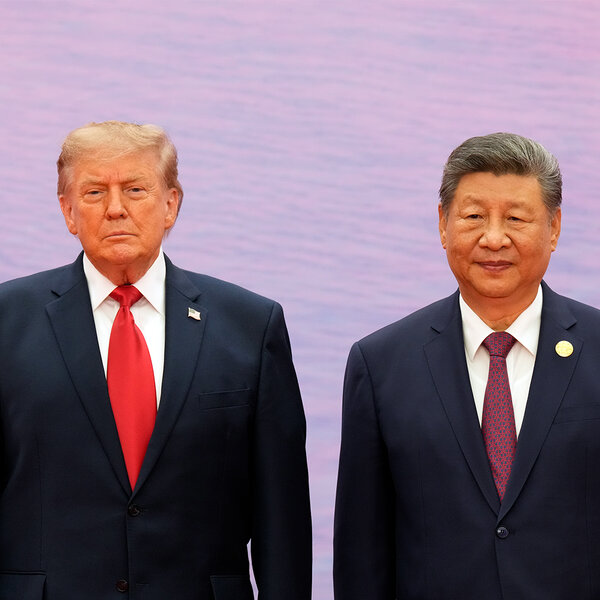
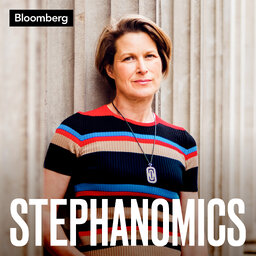

The episode reframes the podcast from “Trumponomics” to “Stephanomics,” arguing the global economy is undergoing a “seismic shift” driven by inflation, AI, energy shocks, conflicts, and political threats, with the rules-based order fading. It claims U.S. economic decisions have worldwide effects: tariffs reshape global supply chains; U.S. interest rates (with 10-year yields up to ~6%) change borrowing costs thousands of miles away; and technology, energy, and investment choices ripple across borders.
No specific guests are named in the transcript.
tariffs altering supply chains; “trade equivalent of nuclear war” framing; borrowing costs affected globally by U.S. rate moves.
Written by AI. May contain mistakes.

Get the gist, explore an idea or ask about something said.
 Claude
On Stephanomics, what are the key points of this episode?
Searching your listeningAutomatic transcript. May contain errors.
0:01Stephanie Flanders: The global economy is being pulled in new directions. We are in the middle of a seismic shift. Inflation, AI, energy shocks, all kinds of conflict and political threat. The rules-based order is fading. None of these stories sits neatly within national borders. What happens in the U.S. matters for the U.S. and matters for the whole world. Since Donald Trump's re-election, this podcast has been Trumponomics, tracking the global impact of Trump's economic policies. If there's one thing that story has made clear, it's that what starts in Washington doesn't stay there. Tariffs reshape supply chains around the world.
0:43In effect, Trump kind of threatened the trade equivalent of nuclear war.
0:48Stephanie Flanders: American interest rates move borrowing costs thousands of miles away. A lot of structures haven't been tested with a 10-year yield as high as 6%. So this is potentially a big sea change that is still only starting. And decisions about technology, energy and investment ripple across borders. This new economic world order is being shaped by decisions made everywhere. So we're widening the lens and going back to Stephanomics. I'm Stephanie Flanders, Bloomberg's Head of Government and Economics. Every week we'll take one big question about the global economy and follow wherever it leads. We'll draw on a global newsroom, hundreds of reporters around the world, and talk to the economists, thinkers and policymakers who will shape what happens next.
1:40Stephanie Flanders: Stephanomics, your weekly guide to the forces reshaping the global economy. Follow Stephanomics on Apple Podcasts, Spotify, or wherever you listen.
The Stephanomics podcast is back. Every week, host Stephanie Flanders takes one big question about the global economy and follows it wherever it leads. From trade and technology to inflation, central banks and markets, the conversation will connect the dots between the forces reshaping the world economy. Listen to new episodes every Thursday.
See omnystudio.com/listener for privacy information.