 Ask ChatGPT



The “electric stack” (batteries, power electronics, motors/electromagnetics, and embedded compute) and why electrification is accelerating—plus the U.S. vs. China manufacturing and security implications.
Energy analysis has focused too much on supply; device-side “electrotech” has driven ~99% cost declines since 1990. China dominates critical stack components (about 3/4 of lithium-ion batteries and 90% of motor magnets). Batteries help shift peak loads to average loads at the device level, reducing grid stress. The U.S. risks missing the hardware bottleneck while chasing AI; China is “commoditizing AI” and securing “Lego block” manufacturing.
Impulse Labs’ induction cooktop uses a built-in battery to deliver ~10 kW per burner from a standard 120V outlet; it buffers induction peak power. He cites laptops/VR headsets/data centers, where power draw is bursty, and mentions grid storage as moving from a single “spinning shaft” to a network of buffers.
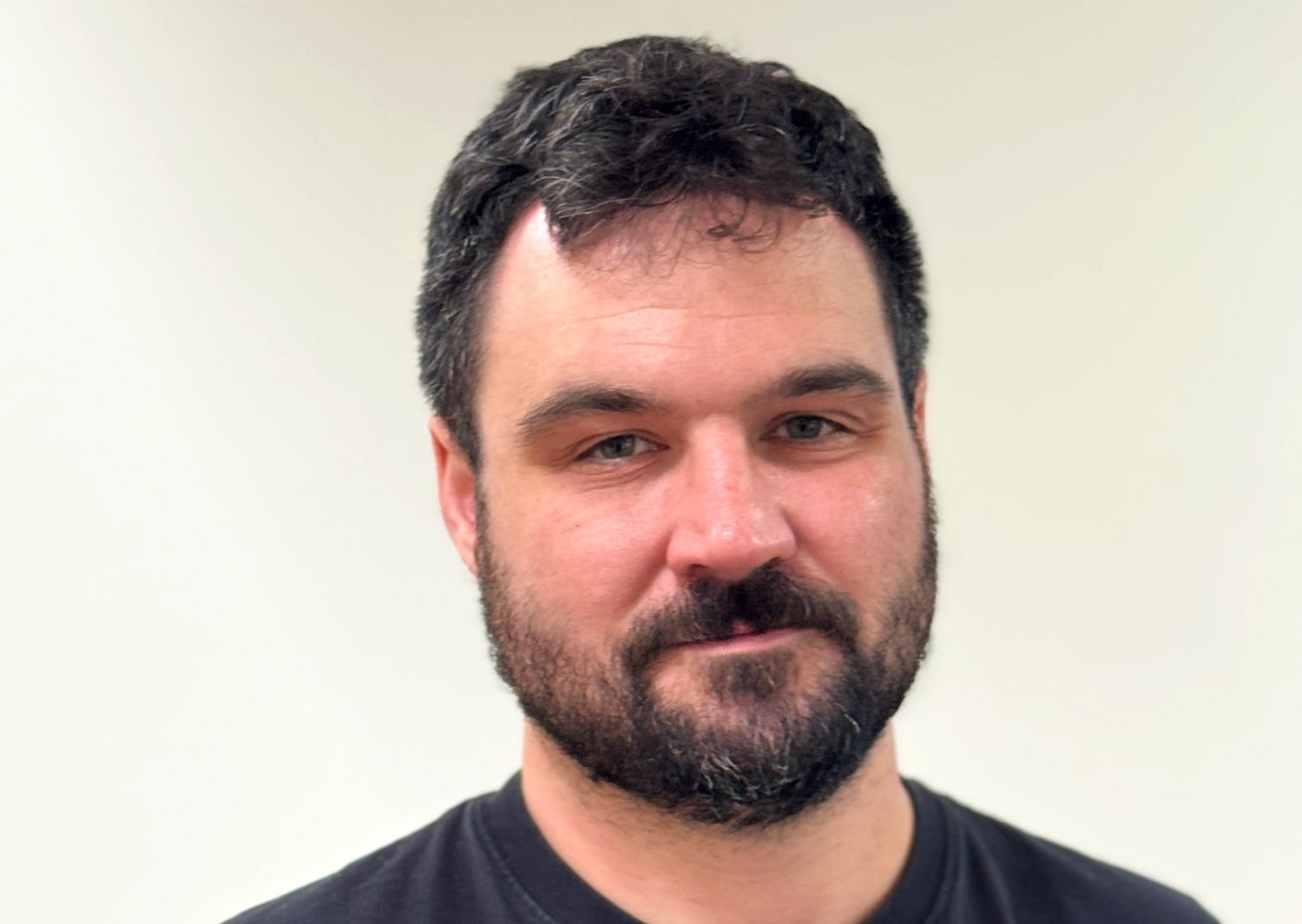
Sam D’Amico, co-author of The Electric Slide essay “The Electric Slide” (Not Boring) and founder of Impulse Labs (formerly worked on VR headsets/game controllers at Facebook).
Written by AI. May contain mistakes.
Discusses the shift towards devices that consume energy and the significance of the electric stack.
“Electrotech basically comes down to four technologies, batteries, electric motors, chips, and power electronics.”
Sam shares his transition from consumer electronics to focusing on electric devices, especially cooktops.
“Or was it just something about cooktops specifically that lured you into this?”
Sam discusses the innovation of induction cooktops and the role of battery technology in cooking appliances.
“In that kind of early formation process of the company, I was like, I kind of realized that these were all key pieces that made this workable.”
Exploration of how appliances can manage power usage effectively and the potential for batteries in various devices.
“the joke I would say is like, we're evolving from like the Tesla, the Thomas Edison electric stack to the Tesla, the car electric stack, you know, with a lot of these transformations.”
Discussion on the future of electric devices leveraging battery technology.
“or at least, you know, kind of smart computer-defined power electronics, basically.”
Learn how various household devices utilize power differently, focusing on peak usage and energy storage solutions.
“it could actually locally discharge during that period or maybe not charge as fast in some cases.”
Discover the four key technologies in the electric stack and their interconnections in the clean energy revolution.
“We kind of jumped into the guts of it real quick.”
Explore the historical development of lithium-ion batteries and power electronics that enabled modern electric vehicles.
“And then if you broaden the things you can do with them, you create new industries, you create new scale, you end up manufacturing a bunch more of them, they get cheaper, the use case then expands again, etc., etc.”
Understand the significance of electromagnetics in electric vehicles and the emerging role of AI in this sector.
“So you can do a lot more, you know, crazy experiences as well.”
Examine the contrasting approaches of China and the US regarding the electric stack and AI technology.
“So every bit they get cheaper, the capability curve goes up, the space of things they can do goes up in the combination of the things they can do together.”
Explore the intersection of AI hardware and electric stack technologies, and the implications for American manufacturing.
“It's a lot of hardware that is kind of like electric stack shaped, actually.”
Discusses the risks associated with relying on foreign manufacturing for electric components and the importance of maintaining production capabilities in the U.S.
“So this is something where you can see recent FCC and I think commerce actions.”
Explore the obstacles facing U.S. manufacturing, particularly regarding environmental regulations and the need for localized production.
“And if they were, they were building exquisite systems for the military or for medical or whatever.”
Discuss the importance of consumer demand in shaping the industrial policy and the current state of the U.S. automotive and battery industries.
“Now, is the volume of drone motors from the entire Ukraine conflict enough to stand up a notable industrial base there?”
Delve into the advancements in electric cooktops, battery technology, and the benefits of distributed energy storage systems.
“They're protecting combustion long after its shelf life.”
Examine the future direction of electric appliances, market strategies, and the role of partnerships in achieving mass market success.
“I don't know, it's like somewhere in the 7 to 10 kilowatts and I forget the exact number.”
Discussion on medium-sized electric appliances and their market potential.
“These people have opinions on all this stuff too.”
The application of power buffering in industrial machinery to enhance efficiency.
“That's my next question is, you know, we're talking about these medium sized electricity, electric devices where, you know, like a lot of the smaller ones have been perfected.”
Insights on how Silicon Valley views climate change amid technological advancements.
“way we think about it and the modules basically are like battery for buffer and power electronics for fine-grained control.”
Discussion on how AI technology is influencing climate change mitigation efforts.
“I think the bigger aspect of this is the bigger story is that the language has changed, but I'm not sure if the mission has changed.”
Exploration of how electrification and geoengineering may address climate change.
“I do think that the thing is real is that like, I think people are still underestimating how transformative AI is going to be.”

Get the gist, explore an idea or ask about something said.
 Claude
On Volts, what are the key points of this episode?
Searching your listeningAutomatic transcript. May contain errors.
0:06All right, greetings, salutations everyone. This is Volts for October 23, 2026. Building our piece of the electric stack. I am your host, David Roberts. Energy analysis and journalism have traditionally focused on the supply side, But in recent years, there's been a welcome turn in the other direction, toward the ongoing revolution in the devices that consume energy. What's happening around the world is an explosion of electrotech. The devices that translate electricity into motion, heat, and work are getting exponentially cheaper, smarter, and more sophisticated. Electrotech basically comes down to four technologies, batteries, electric motors, chips, and power electronics.
0:57Together, that electric stack has gotten about 99 % cheaper since 1990, which is why cars, drones, boats, and stoves keep going electric. And why, eventually, everything is going to go electric. Yes, I said everything. Currently, China manufactures most of that stack, including roughly three quarters of the world's lithium-ion batteries and 90 % of the magnets that spin the motors. That leaves the U.S. in a weak and perilous position. That, at least, is the argument of The Electric Slide, a sprawling 40 ,000-word essay published in the newsletter Not Boring last year. It says, while America is betting the future on AI, China is betting on the hardware, and China has made the smarter bet.
1:55One of the co-authors of that essay, Sam D 'Amico, is trying to put the theory into practice. His company, Impulse Labs, makes a drool-worthy high-end induction cooktop with a battery built in. That lets it push 10 kilowatts per burner while plugging into an ordinary 120-volt outlet. Impulse is now licensing that core platform to bigger appliance brands. And Sam has his eye on, quote, every midsize machine that runs on electricity. I thought it would be fun to talk to Sam about why the electric stack matters, why he started with a cooktop, where electrotech might go next, and how much of it America can realistically manufacture at home.
2:44Let's do this. All right. With no further ado, Sam D 'Amico, welcome to Volts. Thank you so much for coming. Thanks so much for hosting. All right. So, Sam, you were in consumer electronics in your previous life, And I've been sort of curious whether it was this kind of big picture thinking about electricity and the imperative of electricity and the electric stack and the evolution of global markets, et cetera, that impelled you to get into electric devices. Or was it just something about cooktops specifically that lured you into this? So what prompted you to switch over? That's a great question.
3:28So basically the storyline, it's like in the mid 2010s, I definitely wanted to kind of start my own company, definitely wanted to work in hard. I was at the company formerly known as Facebook at the time, and I was working on VR headsets and game controllers and stuff like that. And I'd realized that, you know, if I wanted to do something like this, like something of this level of ambition, make a device of that level of awesomeness. well you needed to do it inside a big company and the reason why you had to do it inside a big company was this has now changed as of ai and all this other stuff but if you wanted to make a vr headset you needed to have an app store right and in order to have an app store that was any good you needed to have you know developers on there and for the developers to want to develop for your product you know they would need to have millions of users on the other side and so i kind of realize that this like two-sided marketplace problem was in some sense intractable for huge swaths of consumer electronics and hardware and kind of the reason why you've seen consolidation at the top where it's like okay only if you're as big as open ai can you decide oh yeah now we're going to do a big consumer hardware swing which is what they're going to be doing this is something where if you're an individual user or you're a smaller company or an individual founder you're like, okay, well, I need to get my millions of users before I can even get to the next thing.
4:51And so that was a key thing that I was like, okay, that's the first thing. The second thing was with stuff like smartphones and VR headsets and all these other things, they had already kind of been touched by these electric stack technologies, you could argue. You're kind of pushing the limits of like what the off-the-shelf chips are doing. You're getting like Apple obviously has a huge fundamental lead in their smartphone chips, for instance. And, you know, to make a better product, you need to actually have, you know, a billion users, enough demand to do that and being willing to customize things from the display, the camera, the chips, et cetera.
5:29And so I kind of looked at this in a way where I was like, okay, so there's like three reasons why you really shouldn't go do the smaller devices now, because like, you're going to get the force getting mocked by like these trillion dollar companies. And then the other option is like, okay, well, you can do the larger machines. You can go do cards and rockets and all this other stuff. And I'm like, maybe it doesn't make sense to agree with Elon on the first door round was kind of the thinking. This like medium-sized machine market is kind of everything left. And these are devices that have, you know, based on the technology and built on kind of like the previous generation of technologies.
6:04When there was, you know, a brief wave in the mid-2010s of kind of smart appliances and putting, you know, of smartphone guts into stuff, but like there hadn't really been a ton of core innovation in how the systems work and how they were like architected. And so I've zeroed in on that as like, there's an opportunity here. And then the second thing is like, well, you don't need multiplayer for a stove. Your friend doesn't need to have the same stove as you to make the stove go, right? No network effects. Fortunately or unfortunately, there are less network effects in this space. And so that means that you could start with, you know, selling one fantastic to product to one person and you'd still be able to be successful there.
6:41And so that was just an attractive thing. In that kind of early formation process of the company, I was like, I kind of realized that these were all key pieces that made this workable. Whereas like me being like, hey, I'm going to go raise for like some sort of newfangled AI smartphone thing or whatever, like that would have been a much more difficult ask and arguably like more difficult to actually to be successful as well. And then the second thing was like, okay, well, why stove period? And it was the realization on my own was this was like 2019. I'm at this like IEEE haptics conference in Tokyo because I was visiting, because I was working on the VR game controllers at the time.
7:24And my pizza comes out of this pizza oven in like 45 seconds. And I'm like, okay, this is fantastic. How many watts did that really take to cook that pizza? An electric pizza oven. I was like, okay, so electric pizza oven. I like toasting barbecues in my house. So I like to cook for people. And so the realization was like, oh. And then I'm noticing that the guy is not continuously putting pizza into this pizza oven. It's like puts the pizza in, comes out 45 seconds later. There's a period where like the oven's empty. And I'm like, okay, so if you had a battery, you could just buffer the spikes when you actually have the pizza inside.
7:57And suddenly, you know, you could trickle charge that pizza oven, you know, over the rest of the day. Right. Right. But whereas you can't get the wattage you need straight out of a 120 volt standard outlet. Yeah. I mean, if you look at like toaster oven pizza, you don't really get good results out of those. That's effectively what you'd otherwise get from 120 volt outlet. And so this was kind of like one of the inception points where I was like, oh, there's now a set of technologies, back to the electric stack, framing where I didn't have as cogent of a description at the time. but it's more like if I could take basically the guts of an electric vehicle and I can apply it to spaces where it hadn't been applied to before well fundamentally I can make a better device and I can make a better device without having to spend a billion dollars on R &D for new displays cameras all this other stuff because the automotive industry already did this for me and in some sense like the stack was ready effectively and then you know with a bit more kind of like startup journey details it was kind of like okay well what's the device that probably has the most touch time in the home that we're also the flame is actually the ux for in the case of gas stove and that that's what led to doing a cooktop first was kind of like okay most people don't know how their dryers powered even it's gas like that was something i ended up learning over the course of i think i smelled a gas leak in my house and like i checked my briar and i was like oh i didn't realize my dryer was gas and so meanwhile like you definitely know if your stove was gas.
9:28So that was kind of the rationalization for like why pick on the stove is the first thing. But then it's also just like a great thing to pick on because it's got the most disparity in peak power versus average power. I think the Energy and Information Administration says that an induction cooktop is how many watt hours per day? It's like 200 to 300 watt hours per day. But the peak power of a cooktop with all the elements turned on could be like, well, except for us, but like maybe like seven to 10 kilowatts or something like that. And so you end up wiring like half of your electrical panel if you're in an urban area to something that's using like potentially less power than your computer.
10:07I mean, this is just basically at the household level, the same problem we talk about at the grid level over and over again, which we're being up till now, we have been forced to build infrastructure for peaks, right? Which means a lot of the time, a lot of the infrastructure is not being used and batteries solve that problem at the macro level. And now they're solving it at the micro level too. Yeah. And I think there's a metaphor here where if you think of the grid, the joke I would say is like, we're evolving from like the Tesla, the Thomas Edison electric stack to the Tesla, the car electric stack, you know, with a lot of these transformations.
10:42But the metaphor that I think has been very useful for me, at least in terms of thinking about the grid is like the grid before the advent of storage looks kind of like a rotating shaft that's spinning 60 times a second or 50 if you're in europe or whatever and you kind of have to clutch into that shaft like to participate in the grid you got to basically make sure that like if you're trying to add energy to the grid or whatever you got to like turn that on and like you know slowly dial up the friction until you're spinning at six times a second too and if you do that poorly like Like, obviously, this is why the interconvention queue is so long.
11:21This exists at the micro level with like, oh, I want to get permits for home storage for my house to the macro level of like, can I plug in a data center? And so that was kind of like where electricity 1.0 gets you to. It's like, OK, you've got a spinning shaft. You can even think of it even simpler. It's like, where did the grid come from originally? It's like, well, you're running factories and the factories needed to use each other for backup. And what were those factories running on before electricity? they were running on water in many cases, like the Lowell Mills in Massachusetts and stuff like that.
11:51So it's like, okay, you've got a water wheel. The water wheel is spinning, let's say 60 times a second. That's going into a shaft. That shaft is then powering all of these machines that are all running in synchronized, you know, off of the power being pulled out of the water wheel or like, okay, then we evolved to generate electricity and then power all the machines with electricity. But again, they were still spinning at that same frequency basically. And so what storage lets you do is it changes it from this sort of like, you could almost think of it as like a single shaft rotating to a network that looks like the internet.
12:26Where you can basically be like, okay, well, there's now packet buffers everywhere on the internet. Battery storage could be pumped hydro, et cetera. And now that makes the grid a lot more resilient. It makes it not like one single spinning shaft. It makes it very much a, like, self-healing network. And I would argue we're, like, only partway through that transition. And this transition happens at the device level, obviously. It started with, like, your smartphone. Actually, before the smartphone, it was, like, what were the expensive things that needed lithium batteries? Initially, it was, like, cam porters, just something like that.
13:02But basically, it was, like, expensive consumer electronics now to all consumer electronics. And I'll have the lithium batteries in them. Okay. and then automotive-derived technologies on the other end. And then we're kind of in this pincer movement where every device in between is getting filled in now at this point with having some level of battery storage or at least, you know, kind of smart computer-defined power electronics, basically. I'm curious. So the cooktop is perfect for your purposes in that the difference between average draw and peak draw is huge. And that's where batteries are handy.
13:35they can store up and then they can be the ones to supply the peak. I guess I'm trying to figure out how big that space is. How many appliances fit that description? I can give you a good example of this. I think it's pretty much everything. Really? Let's use your computer as an example. And I think this is kind of funny because it's like your laptop already kind of does all this stuff. You know, it's trickle charging off of its charger. If the GPU is drawing a lot because you're playing a video game or whatever, it could actually locally discharge during that period or maybe not charge as fast in some cases.
14:07And so like we've already seen this sort of stuff. Like so on computer side, it's like it just turns out that like you're not drawing all the power all the time. Actually, I can even give a better example. It's like the VR headsets where you spend all this compute to render the frame. You try to do it as fast as possible. Then you show it and then you basically wait. And you often are like waiting and the chip is asleep after the frame has been rendered basically. And so that's how you can get the battery life to not be like 45 minutes and said maybe you'd get closer, like, two hours, something like that.
14:37And so it turns out that there's kind of, like, lots of things like this. Data centers are like this. If you look at what's happening with, like, Trang, where, like, they have to, like, basically, you do a ton of compute across all the racks, and then they have to share all that data. And then in the sharing of that data, that takes less power because it's bandwidth-constrained, not compute-constraining. So that's why these facilities all have giant batteries outside of them right now. Yeah, but I'm talking about the medium-sized electric machines that you are honing in on. Yeah, so like oven preheat is another example.
15:11It's like your oven doesn't use a lot of power except when it's preheating, is a good example. And then most of these devices are just off all the time. So like another example, like your laundry machine might be relatively consistent in terms of how much power it's drying. But like I live at home by myself, so it may be a little bit of an exception, but I use it once a week. and so as long as you can capture kind of like one session for use of all these devices like you're pretty much good in a bunch of the cases and then even within that session it's like well is your dryer running full bore all the time or only for part of the cycle basically and then when you kind of look into that you'll notice that the same thing i mentioned where it's like okay well you're using your stove an hour a day but then within that one hour only two minutes are at max power.
15:56And it kind of like fractally is true through that whole thing. It seems like this pretty much happens on everything. Your water heater, it's only when you're taking a shower or filling up a bathtub. Otherwise it's like, okay, yeah, you put a little bit of hot water into your sink in your kitchen to wash some dishes. That's not material. And also like, are you running water all the time in your house? No. And so HVAC is probably the one where it's like, it has more continuous load profile versus this. But even then, it's like, OK, well, if you're looking at AC, there is a peak period, right? The grid even like trices in a lot of cases with time use rates.
16:34And so it may push you into more of a like four hours of storage type domain, but it's still something that you can largely address with energy storage versus not. OK, so I want to pull back the lens a little bit. We kind of jumped into the guts of it real quick. I want to pull it back to the lens of it and then get back into the guts later. But let's just talk about, for people who are not familiar, maybe for people who have not read the electric slide, or one of my ongoing agonies is that, you know, you and I are aware that electricity specifically is the thing. Electricity is the thing, storage use, et cetera.
17:09But I think a lot of people just have kind of electricity and clean energy, capital C, capital E, kind of mooshed up in their head. They don't have electrification as a distinct category with distinct technologies and distinct dynamics in their head yet. And my mission in life is to try to do that for people, try to help people see that clean electrification is something distinct from the larger category of clean energy writ large. So maybe just talk a little bit about the electric stack. What are the four technologies? How do they fit together? why those four and like what is this sort of revolution that you were trying to capture in the electric slide that big essay yeah that sounds great so basically the four technologies are batteries power electronics electromagnetics which include like electric motors and other systems embedded computer and the reason kind of all these things were together is like this is the first time that there's a fully coherent set of technologies that are like address all my software Is the other thing really kind of underscore here?
18:11And so you could argue that Tesla was revolutionary in making the first practical electric vehicle. But in some sense, the Model S being kind of the first car that was produced in some sense, like a consumer electronics device, was equally revolutionary in some sense, dependent on the fact that they could use electric stack technologies, basically. Like these were codependent, but in some sense that was as big a revolution as being an ED period. And so go back to history and kind of talk about why we're here now versus, you know, earlier. It's like basically we needed to ride down a bunch of cost curves to make this stuff work.
18:53So lithium ion batteries, I think early developments for like with Sony and like these things, it really worked for consumer electronics if they're above a certain price. And they needed like exquisite battery life, basically. So this landed in portable camcorders first and then went to laptops in the 1990s. By the time that Tesla was able to start looking into this stuff, like the key revolution that enabled Tesla was like the founding team was like, oh, these laptop batteries are good enough. And you could build a car that would have like non-trivial 200 plus mile range just with the cylindrical 18650 battery cells that are already in scaled production for the consumer electronics industry, particularly laptops.
19:38Yeah, the beauty of the cost curve, which I don't know that everybody fully grasps, is that every little increment they get cheaper, it broadens the use space, the application space, the things you can do with them. And then if you broaden the things you can do with them, you create new industries, you create new scale, you end up manufacturing a bunch more of them, they get cheaper, the use case then expands again, etc., etc. And so Tesla was sort of right at that moment where kind of realization like, oh, they've gotten cheap enough now that EV has entered the viable use case space. Yeah. Laptops effectively enabled an electric sports car.
20:20Now, what enabled the subsequent development is actually wasn't laptops, but it was actually just the EV industry itself. In some sense, once there was a certain class of high end vehicles available, everyone realized that they could then invest in this and make it happen. then the second core technology is power electronics so basically it's like if you go back to how the grid you know historically works like we kind of avoided having switching or storage in a lot of the grid up until like the 70s and 80s it's kind of crazy and it's like if you look at what was done it was like okay well yeah you have circuit breakers you've got the ability to turn things on and off like kind of a macro level but not at the like microsecond level if that makes any sense and so the eventually the transistor is obviously really huge but the big story is like i think in like the 70s and 80s we started getting kind of these like higher power insulated gate bipolar transistors and higher power mosfets those have just been improving ever since and so again when tesla was you know putting together their initial like motor control and all their stuff it's like okay yeah it was possible then because the semiconductor parts existed to actually drive a three-phase motor off of the battery pack, or brushless DC motor, or AC induction motor off the battery pack.
21:38That was also just an enabling technology that had to take time to develop and for the cost first to go down. Because obviously, like, when you're trying to do something with relatively high power, it ends up being a decent amount of semiconductor die area. And then what's happened since then has been just, like, a revolution with galleon nitride and silicon carbide. And now we're starting to see, like, data center power where you're able to do you know close to 20 kilowatts in like a single unit of rack space you're able to do like all the solid state transformer work that folks like heron power it and phase with doing like all this stuff sorry and then even more mundane it's like your power brick for your laptop can be like half the size that it used to be that revolution has been crazy and enabling then means like okay you can throw a lot more power around with in some sense downstream of software control as well.
22:28So you can do a lot more, you know, crazy experiences as well. And then the next piece is electromagnetics. And this goes into like the motors and the supply chain there. So like, basically I'm trying to remember, it's funny is like, I wonder if the biggest use case for neodymium magnets a while back was like those toys that you could like construct things out of that like, you know, kids ended up like accidentally eating and like having to, you know, get surgery for. I forgot the whole story of that, but basically the neodymium magnet situation has been nuts because like in some sense if you actually look at what's been happening over the past like 24 years is the magnets themselves have gotten better and this effectively means like you could have more magnetic fields density and all sorts of stuff so like the motors have gotten better and this is like and so and what's been very interesting with this is only now is like the u.s government realizing that okay this thing was kind of like in some sense the rare earth conversation was just ignored because it was like, okay, it was the electric vehicle thing, which was like not big and now it's big.
23:24And then it was like toys. And meanwhile, like investing in mining and materials and all this other stuff is like, you know, historically was kind of like underappreciated in the U S now everyone's waking up, but it's kind of like, I think there's, there's some definite arguments with like, are we too late and all that stuff? The other thing that's really interesting about this is like, well, this is how you turn electricity to motion. And now that AI has just shown that, okay, robotics is probably coming pretty soon. There'll be a quote unquote chat GPT moment for robotics. You know, if you're on tech Twitter, you'll just see that someone's claiming that about every other day now.
24:00So it's probably going to happen. I'm not saying I'm skeptical here. I'm just saying people are, it's going to happen. And so now everyone cares and wants to have motors and actuators built in United States, much to my benefit as an investor in one of those companies. But the way I would wrap all this up is these four key components of the electro stack, batteries, motors, power electronics, embedded compute, all have been riding down this cost curve, their own cost curves together, getting exponentially cheaper. And riding up a caseability curve. Right. So every bit they get cheaper, the capability curve goes up, the space of things they can do goes up in the combination of the things they can do together.
24:41Now that they're all cheap is sort of like has grown exponentially, I think faster than our brains and institutions can keep up right now. So there's like an explosion of things that electricity can do now that we are like groping around trying to even figure out how large is that space. And we're just like groping our way through that space now because it's happened so quickly, like comparatively so quickly for all these things to get cheap together. There's just been this combinatorial explosion of things they can do. And we're just now groping, kind of checking the things off the list one at a time.
25:21But we keep discovering like, oh, it could do this too, and this too, and this too. And one of the things it can do is AI. So here's one of the aspects of the essay I thought was really interesting. So one of the things you argue in this essay is that China is taking a different path than we are, has made different choices than we are in regard to the electric stack. You argue that it is trying to grab hold of the manufacturing and the expertise and making these substrates, these pieces of the electric stack, while it's trying to commoditize AI, whereas we're just going after AI and trying to make that our domain and you think China's got the smarter strategy there I'm just curious what you mean by commoditizing AI and what are the implications of that yeah so that's a great question so basically what China's been doing is basically I think you can almost imagine as like you ever played the video game civilization or something like that where you like imagine like the technology tree I think this is also how Elon thinks of it as well, to be very clear, I would lump like the China and Elon thinking in like one zone.
26:31I would lump like, let's call it like American finance finance in the other one. My stereotype, the US view is basically that like, okay, figure out how to make the money and then you can kind of demand pull everything through, which is generally a good strategy from a, you know, hey, you want to make your business work, right? But if you think about it from the building blocks sort of layer. It's like, okay, well, how do I do that? I need to have Lego blocks A, B, C, and D. I need to have my batteries, power electronics, embedding, compute, electromagnetize, whatever. I need to have those building blocks.
27:02And I would argue that China and Elon have specifically identified that the bottlenecks will be their ability to have those Legos. And so making sure that you've got a complete Lego set is extremely important. and then the other piece of this is like well ai is going to do this thing called like foom ai doomers or like whatever it's called like foom where it's effectively ai will get to the point of self-improvement because of like jevon's paradox and all this other stuff like we're gonna be using a lot of ai in the future like it's gonna be kind of unreal and a little bit you know beyond i think what people are expecting and so demand for all the technology that ai runs on is also going to explode then if you want to actually build things in the real world like you're going to be starved by the fact you're competing with all of these AI demand, basically.
27:53And so I think the opportunity in America is in danger of missing is that we've created this demand engine with Frontier AI, and we're not necessarily steering all of it offshore. If we had decided like, hey, if we're looking at like tens to hundreds plus gigawatts of new data center development over the next couple of years, which is what I've been hearing, well, that's a lot of hardware to be produced. It's a lot of hardware that is kind of like electric stack shaped, actually. And it would be pretty compelling if we use that to kind of re-industrialize America, build a lot of factories, do all this other stuff.
28:28That hasn't exactly been happening yet. And, you know, there's just tons of domestic companies making money on the AI boom, but you'll notice that the tariff treatment of AI hardware is, you know, not less than, you know, what a lot of other things are. We're intentionally not tariffing it to try to not slow that out, slow that down. What that also means is that we're not necessarily on-shoring production of all these things. That's something that I've definitely noticed and realized that there's a gap here. Now, going back to Elon, which I think this is actually really interesting, is if you look, SpaceX is not considered the top frontier lab in AI.
29:02People were not using Grok. People were preferring Klaue and Codex to Grok in a bunch of cases, for now. But he is in a very enviable position in the space because he's probably one of the few people in America who knows how to still build stuff. and so they've been very successful at getting data centers plugged into power and being able to build these like large dale coherent clusters and that puts him in a position that he actually ends up having leverage over anthropic over you know some of the other folks despite the fact that his models aren't necessarily as good yet and you could argue that this looks awfully similar to what's happening in the robotic space with folks overseas in china where it's like okay well you could build all the robots you could be training the frontier models for robot control like pi or skilled or these other companies but who's golding your motors and actuators and so i think there's this really interesting thing of like maybe there's going to be a bimodal split in the winners of the ai race which is like the folks that kind of control the electric stack technologies and then maybe the ai lats clarify for me though like i think maybe talking about this in the context of AI is going to be driving a lot of listeners crazy.
30:13So let's just talk about electric cars instead. What would be wrong if we want to get the benefits of electric vehicles, which relate to pollution, less maintenance, et cetera, et cetera. And we just bought them from China, which is very good at making them cheaply. Or, you know, same thing like heat pumps, we're electrifying industry, electric furnaces, arc furnaces, or whatever, like all these, If China can manufacture enough of them for cheap, what is wrong with us simply buying the pieces from China and rearranging them in clever new ways? Our innovation is, you know, assembling new ideas out of these Lego blocks and we just leave the manufacturing of the Lego blocks to them.
30:57What is wrong with that? What is the danger there? hey there everybody don't worry i'm not going to tell you about a new mattress or push a credit card on you this isn't an ad there are no ads on volts it is supported entirely by listeners like you if you'll indulge me for a second i'd like to ask for your support i started volts because we're all surrounded by depressing news about climate change and misinformation about clean energy and it's never been more important to share the stories of the real people on the ground doing the real work of transition and all the ingenuity and courage and public spirit they are bringing to it.
31:36People are hungry to hear these stories, to learn from and find inspiration in them. I've heard from people who change majors or careers after hearing episodes of Volts. People using it in classrooms and community groups, even state legislators who have passed bills inspired by specific episodes. Sharing these stories matters. It makes a difference. If you have found value in it and want to help me continue doing it, I hope you will join the community of paid subscribers at volts.wtf. It's about the cost of a cup of coffee a month. If you don't like subscriptions, you can make a one-time contribution, leave a review on Apple or Spotify, or just tell a friend about Volts.
32:15I am grateful for any and all support. If you're already a paid subscriber, thank you. And now, back to the show. What is wrong with that? What is the danger there? Yeah. So this is something where you can see recent FCC and I think commerce actions. The reception on this has been kind of bipartisan in some sense, which has been very interesting given, you know, kind of our current political climate. But basically, the FCC banned new foreign source power inverters. And you could argue that, okay, so we define what an inverter is and all that stuff. Basically, something that converts DC to AC so it can like, you can send power into the grid.
32:56And if you go back earlier in the episode, it's like I mentioned the grid is kind of a network. And then obviously these things run software on them. Okay, so you're allowing foreign network devices to connect to our network. It's kind of like the simple way to put this. And so it's like, do you want to do that without some checks? Likewise, for any sort of large loads in the grid, it's like, okay, well, if you give other countries software control over those devices, like there are cybersecurity risks, right? Like this ends up being kind of the same as the Cisco and Huawei disputes of like 15 plus years ago, where like China kind of push Cisco out of their systems, US pushed Huawei out of their systems.
33:40And it's like, in some sense, there's a sovereignty aspect of it. Like, do you actually control the grid or the network that you're connected to? Okay, but that's an argument for then maybe manufacturing our own power electronics. and the software controls. But like rare elements, you know, motors, those are not networked in any meaningful sense. Those are just kind of dumb, I guess, pieces of the puzzle. Is there a reason not to just let China do those? Yeah, so I mean, I think that the argument then is what happens if there is some sort of national security issue. And then you end up in this position where you don't have the production capacity available to respond to a crisis because like, okay, we could make a decision that, you know, uses up all of our interceptor missiles for our stance.
34:31We would never do something so dumb, Sam. Come on. We would never do that. And now there's like rush to, you know, fix these gaping holes in our defense supply chains to produce, you know, heal to produce like that basic restore of ability to produce things at volume. And so I think that us having a baseline level of capability is important, but there's another reason why I think this is important. And it actually comes down to the innovation cycle. So if you go to southern China, like Shenzhen, stuff like that, you go visit places like BYD or companies like that. One thing you'll notice is like the engineers are pretty close to the factory.
35:06So like the ability for them to iterate is downstream of the fact that, well, the decision chain and the ability to like speak to the folks doing the production. That loop is really close. Yeah. Yeah. Let me insert here because you're teeing at my next question, which is one of the other arguments you make in the paper is that there's enormous benefits to having design and manufacturing close together, like you're saying, in a close loop together. But no American company has that. Apple computers are famously designed in California and manufactured in China. Everything's manufactured. Your own company, Impulse, designed the stove and it's manufactured in China.
35:46So if if that's an error, then that's a really fundamental error that the U.S. is very, very far down the road of. I would argue that. So Apple actually is interesting here. So Apple addressed this sort of concern of co-location with a clever solution that a large megacore could solve, which is they pay for business class flights for their, you know, early career or engineers to just basically post up at the factory until stuff is done. And I guess you can close the loop by throwing a bunch of money at international flights. Yeah. They are like the number one United customer, if I remember correctly.
36:25I think there was some signage at some conference that was like, it was like a hundred million dollars a year in business class flights. I'm just United. They obviously spend on the other ones too. But basically closing that loop is super important. I would push back on there being no American companies that have done this. There's a couple and they all seem to be run by one dude. This is the vertical integration that everybody talks about that Elon so big on is basically that is basically bringing manufacturing and design under a roof so that they can iterate with one another. They can communicate back and forth faster.
36:57Yeah. And I would also argue that like there's a lot of people who like speak the cult of like SpaceX virtual integration. But the real story is that the supply base just isn't really there for the volumes and demands that they need. So it's like, there's no satellite supply base that could make stuff for 10 ,000 satellites a year. Like that was never a thing that anyone in the defense industrial place was doing. Because of that, it's like, okay, if you're doing things that I've never done before, and your problem is actually like, they could have probably gone to Asian contract manufacturers and then like, hey, Foxconn, I'll let's build some satellites.
37:30The issue is they couldn't because of ITAR. So they had to do it in the United States. International traffic and arms regulations. So basically it's like, you know, satellites are, you know, ballistic missile adjacent, et cetera, et cetera. But basically it's like they hadn't do in the U.S. because of those regulatory cars. What did Tesla do for a lot of their power systems and computer systems like that? Well, they work with Asian contractors for a good chunk of their system. They're not fully vertical on every print service board in the Model 3, for instance. Like they're working with folks that know what they're doing and stuff like that and so that said they now are in a volume that they can kind of pick and choose who they work with and all this other stuff but the supply day is like tesla is not as vertical as you might think because they're working within that ecosystem and this kind of goes into like the big problem with the u.s on the innovation side it's like your ability to iterate in shenzhen is just so much faster because it's like three phone calls gets you you know 20 suppliers yeah and like things can be driven between and like these are all the driving distance and like prototyping goes way faster i've been talking to founders who are like i'm just gonna spend two months in chan chan just can get the first prototype out did you go through this with impulse yeah yeah yeah well so we had a fun part where we started the company in 2021 you couldn't really go to china until 2023 but i basically spent a huge amount of time getting stuff up and running and now we've got you know building just kind of scale to arbitrary volumes you know most of the downstream are just tappable in terms of like pre-ordering carts and stuff like that but we were a little bit early to kind of the second wave of this but like if you're some founder trying to build some like ai doodad or whatever or a robot or whatever it's like this is clearly the path to getting you a prototype faster the difference too is because you're prototyping in the production ecosystem you're kind of like what i would call like playing for keeps where effectively if the decisions you make if they're you know made and applied to like a transition production line it's like well those will scale to your final product versus if you go and prototype in the u.s with like big master cars online hardware store or whatever it's like well now you're gonna have to remap that to a production process later you're gonna go through you know what certain people would describe as like manufacturing hell or whatever so this is the big gap is like the u.s lacks kind of this mature ecosystem that lets you kind of prototype anything meanwhile shenzhen is turning into this like what i would call like a matter compiler like it's like okay cool you can like almost like vibe code out hardware just by asking for it like we're getting the star trek replicator just happens to be a city but then the frustrating that and this goes back to the electric stack it's like there's only four things you need to be good at so why don't we just get good at those four things this gets to my question let's cut to the chase then because like standing up a manufacturing ecosystem of the scale and skill that China has built honestly strikes me and I think a lot of people as basically fantasticals.
40:24We're pretty far down the road of being a service economy. A lot of things would have to change for us to get that, for us to truly manufacture our own stuff on the scale that China does. So like clearly the people who are saying this kind of thing, who are advocating what you're advocating are advocating for something short of that. So like, what is the right percentage, right? Like how much of our own stuff do we need to be producing or what kinds of our own stuff? You can't just say we need to become like China because that's the work of like a half century. You know what I mean? And we're in a hurry on a lot of fronts here.
41:03So like, what do we mean concretely when we're saying this? I think the reality is it's like, it's not that many discrete things we have to get good at. And we're honestly still pretty good at most of these things. Like the automotive industry provides us enough backstop scale, like our existing automotive industry provides enough existing backstop scale that like we have some of these capabilities in-house like still. But a lot of it's just like, can you assemble print and certificate boards with automated equipment and then can you put them in boxes? If you want to be really simple, it's like, that's not rocket science.
41:33Like it's relatively true. The big issue with all of this is that the customer profile of someone who goes through domestic manufacturing until very recently was i am a fancy medical device company and i'm building like an artificial heart and it can cost gazillion dollars or i am raytheon sub sub subcontractor and i don't care if this bolt costs a billion dollars or it's an automotive like the automotive player that is like you know building something from the last century and so i think that we We ended up kind of pigeonholing ourselves where it's like no one was really doing the things that were going to inflect.
42:10And if they were, they were building exquisite systems for the military or for medical or whatever. It's like they weren't sold at enough scale to ensure that the pricing was competitive and all that other stuff. And so I think you're asking me like, what is the 80-20 of like U.S. manufacturing? And not just that, but like, do we need also to be digging the minerals out of the ground? Do we need to be doing initial processing of the minerals into materials that go into these pieces of the electric stack? Like how much of the China has like so comprehensively grabbed a hold of all this. What bits of it do we need or how much of it do we need?
42:49Like what is the reverse engineering I've been doing is like, how is Elon the only guy who seems to be able to do this? And if you kind of look at like what's crazy about this is like there's all these technologies that were invented in California, for instance. and if I was like hey I just want to make a factory and make this it wouldn't be more expensive it would actually just be illegal for me to do it and so the examples are like if you wanted to make printed circuit boards in California I believe you have to deal with California Air Resource Board and your local water agencies and stuff like that because like you know you're plating like goal on you're doing electroplating and doing all that stuff and like basically doing chemistry with metals has become largely illegal.
43:29And so kind of the trade made in the nineties was like, as we were kind of de-industrializing from the fall of the Soviet Union. And then in the post 2008 recession, when, you know, we didn't really resurrect a lot of our U S manufactured base, except for the auto industry was like, okay, yeah, you just do this overseas. And like, we didn't realize that we had made it impossible to reactivate these facilities because of, you know, environmental law and all this other stuff, because we kind of went into a, like, it didn't matter because you do it overseas. Now, I think this is kind of ironic because it's like, okay, we all like solar panels.
43:59We like batteries. We like all this other stuff. But like, it's kind of hypocritical if we can't, you know, manufacture these things in places like California that essentially are like the biggest fans of these technologies. And so I do think there's going to need to be a little bit of a reckoning on the environmental side for like just allowing basically legalizing greedy jobs is probably the way that I would phrase it. It's like, there's an opportunity for tons of blue collar, quote unquote, green jobs that frankly are not currently allowed in places like California, close to where the engineers that develop the psychologists are.
44:31And so that's a big piece of it as well. But like going back to what would I say to prioritize is like, I think if you look at what's missing in our industrial stack, it's like, frankly, it's like, we just need capability to build the replacement level stuff, which is kind of ironic because the US likes to do the thing of like, this is the doomer version of it it's like we're kind of like germany entering world war ii where we had all the wonder waffen but we didn't have the volume production of all the stuff that actually matter versus america entering world war ii where we could like turn washing machine factories into munitions factories yeah so not to kind of bemoan our like late empire situation but basically the point though is like being able to just have baseline production of the basic stuff Like, okay, can you go get drone motors in the U.S.?
45:22Now, is the volume of drone motors from the entire Ukraine conflict enough to stand up a notable industrial base there? Honestly, maybe not, which is actually kind of crazy. So then it's like, okay, well, you probably need to have a domestic robot actuator business with drone motors for defense purposes being some sort of side effects, basically. And so you kind of end up navigating to like, I think ultimately you need to anchor with some sort of consumer demand, not just like the national security demand. But consumer demand is the industrial policy we need to be, you know, architecting. But then to make that work and make it cost effective, we need to do all the things like reform, you know, environmental law, permitting, make it offer cheap financing for factories, get states to compete off each other and be like, hey, I'll give you, you know, your tax abatements, incentives for workforce development, etc.
46:12Like there's a lot of states that are actually starting to do that, do really clever things with this, but we need to start getting into that game too, because that's ultimately how China works. Like China's ultimate thing is that they have like competition between all the provinces. The provinces, you know, step up and give people extremely cheap financing, like really good access to land and power, you know, facilities, et cetera. And they understand kind of this industrial policy finance ecosystem that like, I think America is starting to get, but it's like, that's a key piece of it. We used to have this thing.
46:42They used to be called local banks. Well, China also has central planning that decides on the overall industrial direction of the country. Then they have furious competition at the local level or within sectors, you know, in between provinces. But they also get the benefit of just deciding we're moving in this direction. Let's all row. You know, we're all rowing in this direction. And then everybody's competing. You get the benefits of competition down there at the sector level. But you don't have this sort of either total lack of planning or flailing back and forth just about the macro direction of the whole country.
47:20Yeah, I would argue that there is the most interesting thing about the current moment we're in is I was joking with this on a panel at a conference like a year or two ago, but basically it's like, you know, the tanks are going to go woke even because basically, you know, the electric stack is going to absorb even the most like masculine of combustion technologies at a certain point. But that sort of stuff is going to happen. Very funny about this is like, I don't think anyone in current administration, you know, disagrees with that statement, actually. I just think that they might message it differently.
47:52So there might be more alignment here than you would expect, you know, at the street level, if that makes any sense. I think that there's definitely a kind of like, OK, what are we going to do about the U.S. auto industry and the EV transition and all sort of stuff? And I think there's going to be big macro strategic disagreements. are we going to have a domestic battery industry that is, you know, underwritten by some sort of consumer demand? Yes. I mean, what they're doing now on EVs is the opposite of what you would do if you took the imperative to develop your own electric stack, et cetera.
48:23Seriously. Do you not agree? Like it is the opposite of what you would want to do. They're protecting combustion long after its shelf life. And then I would argue that, and this goes back to what you were saying, things like should we allow byd and like gili and xiaomi to sell their cards in the united states i'm like i think the answer is yes but i think if the answer is yes and it's kind of in this like it would just show how behind we are you know it's kind of like it would be like it would be embarrassing for many years it would be a sputnik moment and so i do think that like we need to step it up and be competitive here and that might mean that okay the big three need to you know need a reboot there's a lot of interlocking issues for why we're in the spot i would argue that like jim farley at ford like they understand it deeply it's just that there's a lot of structural issues that make this tricky i think he does drive a xiaomi as you said by the way just to say like he was very impressed very verbally vocally impressed when he went and visited we're almost out of time i want to get back to the stove for a minute a little bit a couple of stove questions so this is your little piece of the electrotech revolution is cook tubs a couple of questions about cooktops, which is why, you know, the battery to increase performance, that's a straightforward argument.
49:33Like you're going to get really high levels of power at your burners. And so you can do certain cooking things you can't do with a normal cooktop, but that's limited and high-end, definitionally limited and high-end thing. Part of what you're trying to do is get batteries in and then control the batteries. So a couple of questions about this. One is, why should you control the batteries rather than the utility controlling the batteries to why a bunch of little batteries in appliances rather than one large home battery in a very good control software like why the benefits of the batteries beyond performance talk a little bit about those yeah so i think the performance angle was basically like want to convince people like hey you should buy this new product from a startup and like the general attitude was like okay we have to just make sure this is the singular best oven market.
50:25Like it was kind of, that kind of the argument. Because also like you're not going to win on price. You don't have pricing power and volume and all sorts of stuff when you're starting. So you're like, okay, you got to do it that way. The second thing was like, okay, so we put a inverter in the product. We haven't turned it on yet, but we've got the capability to push power out of the battery into the house. And obviously there's a bunch of changes with the company solar laws and all sorts of stuff to make permitting that easier. But to be clear, you can't plug into anything into the stove and the stove is not involved in any kind of demand response or anything like that we haven't turned these features on repiloting stuff like this but basically that there's a directional inverter in the product it's code compliant to like ul 1741 so it's just like a solar inverter or any other stuff one caveat here is like with a central home battery you have this problem where it's like you got to either back up the whole house or you got to back up part of the house and then you have to like he's that's the killer consumer value prop we don't necessarily have that the value prop for us is the stove's really good and it also backs itself up so like there's no need to do the like partial home backup thing that like if you install a single power wall that's what you would probably do versus like it's only two of them and you can back your whole house up that's actually what like base power for instance has been solved was like just make the battery so big that yeah you can back the entire house up and then you don't have to deal with this like weird half-assed installation situation that is like adds like 50 % more complexity on the electrician side or if not more way more and so we were like oh well the battery's gonna be smaller than that by nature it's gonna fit inside a device and then it's like okay so you just need to do a grid timer you don't need to do grid forming and then you can still do all the virtual power plant stuff but you take backing up the house off the table which makes the installation weight membership for it so then going to like the second piece of it which is why many small batteries versus one big battery well it's like i think there's a role for batteries at kind of every layer of the network if you think of the grid as a network going back to what i was saying earlier there's packet buffers at every layer like down to the router in your house and so you end up doing this in a couple different layers and the reason this would make sense it's like okay let's imagine i have a central home battery like you've got a power wall it's only got so much peak power out of the inverter.
52:38I don't know, it's like somewhere in the 7 to 10 kilowatts and I forget the exact number. But like your house could draw more than that. And now if you could basically say, okay, cool, my major appliances all draw way less. Well, now that central home inverter doesn't have to handle induction cooking, doesn't have to handle all these things. And so again, makes the installation distribution problem significantly less if you kind of scatter batteries everywhere. Then the next piece is you got to then kind of re-aggregate them into something that is like legible for utility. Ultimately, the utility is the one who actually gets the value out of the batteries that are distributed on the grid because it's like, they're the one who's saving money by not having to upgrade transmission because they can then harvest the battery storage.
53:22And so ultimately, that's the person who gets the most value here. And then it's all these other things are just structures to kind of share that value with the people who deploy batteries, basically. What's the roadmap? Right now, it's a$7 ,000 countertop cooker, which is obviously going to be of limited sale. That's a limited market. Is the idea to bring down the cost of the impulse cooktop until it becomes a mass market product? Or is the idea to take the basic core technology and power electronics that are making it work and embed those in other countertops that are cheaper? Like what is the product roadmap for the impulse cooktop specifically?
54:08Yeah. So we've got several partners in the appliance industry that are coming out with products at various price points. And these are both cooktops and ranges. So like basically with the oven integrated and other products like that, but basically take the underlying electronics, largely the same stack we can tune the performance and software depending on what the customer's price point and all sorts of stuff is there's other things we can do in hardware to like defeature you know up feature etc but this allows us to go from like hey we'll have like a 30 and 36 inch cooktop available to a bunch of different SKUs in a bunch of different sizes and shapes we've announced some of them already we're gonna announce more in the coming these are through other bigger manufacturers other bigger appliances bigger manufacturers now we're still making all the electronics ourselves.
54:51So it's like that's coming from our supply chain. Then it's kind of like the goal is to set a new standard where it's like, OK, well, one of the key features with our product is like you can set and hold an exact temperature and you can set a hold an exact temperature inside the pan through some technology results. Yes, I think you tried to explain to me exactly how that works once at a demo and I still confess to be totally baffled by how that works. Yeah, effectively, if you control the temperature sensor and you control the induction, you can kind of measure the temperature through the pan versus just kind of like seeing some sort of second order like the bottom of the pan is hot or whatever signal wild but that sort of stuff super exciting for people the fact that we've got like a screen can put a bunch of content stuff on there has been super exciting for some of these partners as well and so we're kind of being like hey this is the new standard for where induction and kind of power systems for appliances are going period.
55:44So you want to be like the Intel inside of the induction stove world? Yeah, but it's also like Intel plus Microsoft is probably the way to think about it, like in the 90s, because like you're doing the software and clouded platform and all of their sense of all. That's how we're taking this like more mass market than just like, hey, one brand, one SKU or two SKUs, one industrial design, et cetera. These people have opinions on all this stuff too. Like people want some like like cornu thing or you know whatever it's like people have all sorts of preferences what they want in their kitchen and so you end up in this pickle where it's like the appliance industry is actually closer to like the car industry in a sense where there's like dealerships and like it is kind of the dealer model and like multi-step distribution and all sorts of stuff so this allows us to kind of do the compelling thing right at the node where they're the most interested people are to buy it which is like the appliance space the appliance manufacturers specifically Like that's been a lot of my focus on that.
56:37And then it's also just like what other categories of devices to kind of go into and innovate their nest. That's my next question is, you know, we're talking about these medium sized electricity, electric devices where, you know, like a lot of the smaller ones have been perfected. A lot of the bigger ones require a lot more scale than you have to get into. But like an individual company can get a toehold in this medium sized electric appliance world. world what else is in that world and what's next on your list i'm holding a little a bit of this a little bit close but basically it's like there's a lot of stuff in the home that's really interesting there's stuff in cooking that's interesting that like i would love to do a microwave for instance but that's probably a little bit later the other stuff is like there's industrial equipment is interesting because it's like okay if you can buffer power to let's say like a cnc machine or something like that like now you can install more cnc machines in a building what are cnc machines like computer numeric control like you have cutting metal the machines that cut metal like the thing that machines like your macbook's body or something like that but basically it's like you know people are trying to re-industrialize america there's actually a pretty interesting opportunity in terms of just like power buffering industrial equipment so that way you know again it seems like everything if you kind of look closely at power traces from pretty much any machine they're like not on all the time and then when they're on they're not at full power all the time and you can just look at that across huge numbers of sectors and there's really interesting stuff to do there and so one of the things we've been doing is just like figuring out kind of like what the minimum viable like core module is for that and then okay that becomes the thing that we can kind of like repeatedly sell across a bunch of these spaces and then it's got all the same software and control systems and do you want the temperature sensor for some other use case you can use you know it's like it all ends up being this kind of modular platform that's been kind of the way we think about it and the modules basically are like battery for buffer and power electronics for fine-grained control.
58:29You're just applying that to machine after machine. After machine after machine. And then the thought here is like, how do you connect to the gray bullet? We got this root tie inverter. You now have that. You can do that in that sort of modular way as well. All right. We should probably leave it there. Actually, I have one additional question, which I may or may not cut if you have like a minute or two left, which is semi-unrelated to the other questions. You're kind of in the Silicon Valley founder world and community, which, you know, the rest of us, whether we like it or not, have to be aware of.
59:05You can't escape, yeah. What they think, what they're doing, what their sort of macro thoughts are, matter to the rest of us, whether we like it or not. And I'm just sort of curious about, I'll tell you my external impression is that these people through some mix of like AI, sci-fi scenarios and effective altruism arguments about the distant future and etc etc have basically talked themselves out of caring about climate change much is that accurate no you don't think so i think there's a couple things going on that are like interesting here so like i think what people have realized is that there is a kind of like ai will solve all problems sort of ea adjacent you know thing that i think is totally happening but i have to be a little bit quiet about this but basically it's like i think that there is relative conviction that geoengineering will work among a certain sector of folks and it's probably some sort of like stratosphere aerosol stratosphere particulate injection situation and i'm reasonably convinced that we're going to have mitigations that look in that shape, or we're going to have to do those mitigation because, again, we're going to get so far into trouble in the 2040s, 2050s, that it's going to be inevitable that we're going to have to do that sort of stuff.
1:00:27I think the bigger aspect of this is the bigger story is that the language has changed, but I'm not sure if the mission has changed. It just makes me sense. And when I say that, it's like, well, if we're re-industrializing America, we're building stuff with all these new technologies, what are those new technologies again? Oh, it's the same tech stack that we anointed as the saviors for climate change, basically. It's the same stuff. It's like, okay, well, how are we going to solve climate change originally? It's like batteries, power electronics, embedded compute, electromagnetics, rebuild every machine on that stack.
1:00:58Now everything is suddenly electric. Oh, and then we need to make sure that we have clean, firm power. Okay, well, building lots of batteries, every data center is getting gigawatt hours of batteries attached to it or whatever. And then what's the cheapest source of electricity? Well, it's probably solar out in the desert in South Texas. And so it seems like we're doing all the things that we were supposed to be doing. We're just talking about it differently. I'm not sure if that's reassuring. It looks to me like a lot of them are perfectly happy to power AI on gas and in fact are embracing that affirmatively and less and less talking about that as a bridge as far as I can tell.
1:01:38So that would seem to indicate to me that they care a lot more about AI than they do about climate change. I do think that the thing is real is that like, I think people are still underestimating how transformative AI is going to be. Someone said like 2 % of Americans have a paid chat GPT subscription or something like that. Like this is maybe six months ago. But the fact that that subscription rate is so low, which means that everyone's just talking to some like low end model and not talking to like the stuff that's actually at the frontier means that I think most people's perception of this stuff is fun and only inaccurate in terms of how transformative that's made.
1:02:14And so one thing to really put a fine point on is like, I'm definitely in like this, like, you know, low tens of thousands of people. And I'm not even in one of these frontier labs. I'm not seeing what's quietly happening at Oak and the Ironthropic or whatever. And it's like, what's actually happening there, to my understanding, is like, people are like throwing thousands of agents at complex problems and walking away with solutions to like math proofs and stuff like that. it started to get pretty spooky and like outside of the domain of like what humans can comprehend of the capabilities so we're at the point then you have that group then you have people like me who are like deep in the sauce with this stuff and then you've got like typical software engineers that are getting dramatically more productive with this technology and then you've got kind of people on the outside of this being like what is going on this is wacky i think we're in the biggest inflection point in technology industry ever basically maybe since like the dawn of the Eventually, the transistor and the integrated circuit might have been about as big.
1:03:16This could be the big one, basically. And I strongly suspect that I even think that I'm not taking this as seriously as I should say based on what I'm seeing in all this other stuff. But what is the implication of that for climate change? Spell it out. What are we supposed to take from that about this gathering problem of climate change? So complex engineering work is going to be increasingly more tractable by machine intelligence over the next two to three years. The transformation of the economy with AI is going to basically buy more batteries and solar than I think ever were bought before. Now, yes, they're going to buy gas turbines, but gas turbines are fundamentally bottlenecked by hard materials problems, whereas solar is not bottlenecked, right?
1:03:56And we're not going to go give China gas turbine technology to scale it. That's not going to happen. That's not going to happen. And so basically, I think what's going to effectively happen is the economy will increasingly just electrify on cars will go electric because of autonomy because that's again like you'll want the more controllable electric created vehicle like if you look at tesla cyber cap the brakes are electric it's like it has no hydraulic system anymore i mean you could argue that starship is electric an electric vehicle just happens to have you know freinwick reculsion is methane but like other than that it's like all the actuators and all that stuff it's an electric vehicle and so i think what's going to happen is we're going to see a slow or very rapid transformation of like everything becoming kind of like a robot.
1:04:39And thus to be a robot, it's going to have to be electric. Then the last question is going to basically be like, okay, well, what do we do about the fact that, you know, earth is several degrees Celsius, Mormon, and it should be. And I think the answer there is probably geoengineering. This is my guess. And are there people working on this right now? The answer is yes. But I also suspect that that's going to be the spicy topic in the next, you know, 10 years or so. Well, everything you said could just spin off into a pot of its own, but I probably shouldn't have cracked that can open at the very end of our pod.
1:05:10The point is we're going to have to deal with climate change, but the tools we're going to have to deal with it are going to basically be that entire economy is going to be electric within the next 10 years, period, driven entirely by forces, entirely by demand pulp, basically, on robotics and data centers and all sorts of stuff. And then it's like, okay, how do we clean up the mess we made of the past century? And it's like, it's generally a good question. Do I think people are not caring? It's like, no, I just think that what's happening, it's almost like climate change was the concern and now there is a bigger concern if the next thing's done all right well i'm going to resist the temptation to pull on all those strings and end it here that's another pod for their deck thank you for talking this through with me as always as you know i love talking about electricity so thanks for indulging me all right cool all right see ya thanks everybody you've been listening to volts founded and hosted by me David Roberts, produced by Nate Peavy, and supported entirely through the generosity of listeners like you.
1:06:11If you have 10 seconds to spare, please leave a rating or review on your favorite podcast app. It really helps other people find the show. See you next time.
Collectively, the electric stack (batteries, motors, chips, power electronics) has gotten about 99% cheaper since 1990. It is quietly remaking every machine that turns electricity into motion, heat, or work. Problem is, China makes most of it. Sam D’Amico, co-author of “The Electric Slide” and founder of Impulse Labs, is betting the US can still claim a piece of that stack. He’s starting with a battery-powered induction cooktop. We talk about why domestic manufacturing matters, what America would actually have to build to compete, and how Silicon Valley’s founder world really thinks about climate change, geoengineering included.
Chapters:
00:00 – Introduction
02:52 – From VR headsets to kitchen appliances
07:07 – How a pizza oven inspired a battery stove
10:07 – Peak demand, at home and on the grid
13:25 – Which appliances could use a built-in battery
16:46 – Electric stack 1: the four technologies
20:28 – Electric stack 2: power electronics and motors
25:21 – China bets on hardware, the US bets on AI
30:08 – Why not just buy it all from China?
33:51 – Why engineers need to be near the factory
38:39 – How much does the US need to make at home?
45:19 – US EV policy and letting Chinese cars in
47:49 – Batteries in appliances vs. one home battery
52:04 – Impulse’s plan: its tech in other brands’ stoves
55:17 – What’s next after the stove
57:14 – Has Silicon Valley stopped caring about climate?