 Ask ChatGPT


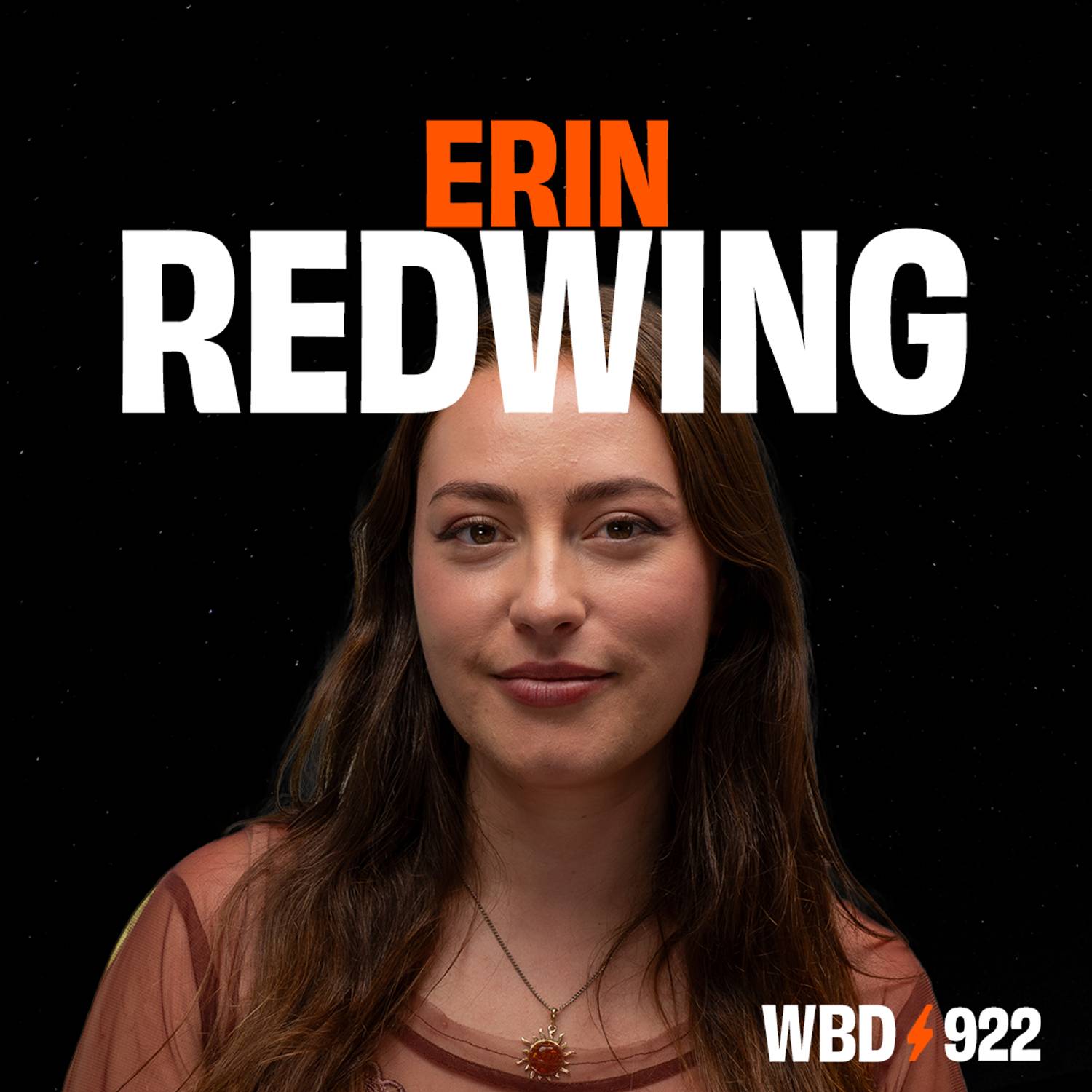
Erin Redwing argues that Bitcoin’s “hyperbitcoinisation” hinges on long-running astrological cycles, especially a Saturn–Uranus opposition tied to Bitcoin’s creation (2008/2009) and a target year of 2032. She also uses outer-planet “civilizational astrology” (not sun-sign horoscopes) to interpret economic and political turning points, including eclipse-related chaos.
Erin Redwing is a “Bitcoin astrologer” who began in astronomy (outer planet/planetary science). She worked on telescopes and outer-planet observations, did a PhD at Berkeley (later dropped out), and later built an astrology/prediction-focused podcast. She frames astrology as spiritual/philosophical rather than gravity-based science.
Pluto cycles (about 250 years) map to empire rise/decline; the US is undergoing a “Pluto return” reckoning. Eclipses are times of chaotic external energy that can strongly affect individuals (e.g., Trump). Bitcoin’s natal chart (Genesis block Jan 3, 2009) contains a Saturn–Uranus tension (institutions vs rebellion), and the Saturn–Uranus cycle ending around 2032 implies Bitcoin either “makes it” or fails.
Pluto at US founding (1776) returning now; March/April 2025 eclipse transits squaring Trump tied to market/tariff movements; Saturn–Jupiter conjunction at Aquarius first degree (late 2020) coinciding with the 2021 bull run.
Written by AI. May contain mistakes.
Erin explains her transition from astronomy to astrology and Bitcoin.
“Tell us who you are and why on earth you're a Bitcoin astrologer.”
Discussion on outer planets' cycles and their significance in astrology.
“And that's coincidentally also the part of astrology that I'm most interested in is the outer planet cycles.”
Erin connects astrological cycles to historical and economic trends.
“Like, from an astrology perspective, that's the way I would call it.”
Exploring Erin's approach to predictions and their implications in real life.
“So the United States has its natal chart that was July 4th, 1776, when the Declaration of Independence was signed.”
Erin discusses the significance of eclipses and their potential impact on events.
“But I think ultimately what makes something a science is you can kind of, like, observe patterns playing out, and then you can also apply a plausible mechanism.”
Discussing the nature of making predictions and the credibility it builds.
“So I kind of was like, you know what, whatever, I'll throw my hat in the ring.”
Exploring philosophical and scientific perspectives on life's rarity in the universe.
“the gravity of Pluto is making any difference, but you think there's other spiritual things that do.”
Understanding the evolution of astrology and its separation from astronomy.
“understand the language of the simulation that we're in.”
Explore how astrology can provide insights into human experiences and archetypes.
“Like this is a very new sort of thing that we're doing is this like daily horoscope type of stuff.”
Discuss the spiritual aspects of Bitcoin and its impact on individuals.
“And when in Bitcoin, we like to talk about these cycles, things like the fourth turning.”
Learn about the Age of Aquarius and how it relates to the evolution of Bitcoin.
“So have you heard of the age of Aquarius?”
Discover how astrological patterns can inform predictions about Bitcoin's future.
“This is an Aquarius, like I would call it a mega structure.”
Understand why 2032 is seen as a pivotal year for Bitcoin's future.
“Honestly, it's the similar thing with like, I don't like being a psychic.”
Delve into the characteristics associated with the Taurus astrological sign.
“So Taurus, Taurus is one of my favorite signs.”
Learn how to interpret astrological charts and their significance.
“You as a Pisces moon, I was talking about Pisces earlier.”
Discover the correlations between personal charts and Bitcoin's chart.
“and the reason why it's financial, sorry, is also because it's in the second house, not worth getting into what the houses are in astrology.”
Explore the anticipated transformations Bitcoin will undergo by the year 2030.
“God of the underworld bringing up all this like muck from the surface.”
Delve into the ongoing issues affecting Bitcoin, including internal debates and technical challenges.
“So I'm very curious to see how you show up in Bitcoin.”
Discuss predictions for Bitcoin's future developments, particularly regarding soft forks and communication.
“But over the course of the next 20 years, we're going to have like more and more kind of things.”
Learn about the astrological connections people have with Bitcoin and its implications.
“Have you ever done anyone else's chart in Bitcoin?”
Explore how the new generation is adapting to digital identity and technology.
“like pretty common theme that I see with people.”
Discuss the psychological effects of digital connectivity on society today.
“how we as people are going to relate to it.”
Understand the relationship between digital and physical realities and its implications.
“And I just think like we have this tendency to focus on the negatives because the negatives, I don't know.”
Gain insights into future predictions for geopolitical and technological shifts.
“Like it's not like a proof of stake, like bullshit token, right?”

Get the gist, explore an idea or ask about something said.
 Claude
On What Bitcoin Did, what are the key points of this episode?
Searching your listeningAutomatic transcript. May contain errors.
0:02I think that Bitcoin does a really effective job of creating a relationship between digital and physical reality. Obviously, I'm open to being wrong. I'm open to putting out interpretations that don't play out the way that I think. But by 2032, like we are already in hyperbitcoinization, the year where Bitcoin either makes it or doesn't. I came from astronomy. Like that was my job before. Well, we started. Oh, we started. We started. Oh, OK, great. This is the ninja launch on you. Yeah, yeah, yeah. This is the gotcha. So tell me, like, you're a Bitcoin astrologist. I don't know what that means.
0:36I don't really even know what astrology is. Like in England, we had, there's a terrible newspaper called The Sun. And in that, every week, there'd be like a column by Mystic Meg, which was doing like horoscopes. That and the fact that I'm a Taurus is literally all I know about astrology. And I don't even know what being a Taurus means. Like, I don't know what that's meant to like signify. We can get into that. That's where I'm at. But Erin, thank you for coming on the show. Thanks for having me. Host of Hell Money Podcast with Casey. Give us a bit of an intro. Tell us who you are and why on earth you're a Bitcoin astrologer.
1:09Right. So my name's Erin. Yeah, I call myself a Bitcoin astrologer because that's the easiest way to communicate what I do. Astrology is what got me into Bitcoin in the first place about five years ago now. And I have a podcast, so I kind of am like you. I just sort of ramble and pontificate about various Bitcoin-related topics. It's a great job. It's a great job. It's a great job. So, yeah, I can kind of start with how I got into Bitcoin through the lens of astrology, because I think that's probably the best way to set up what Bitcoin astrology is. So I actually started as an astronomer. So I got into astrology while I was working in astronomy.
1:49So I was kind of living like a double life between astronomy and astrology for about five or six years. Astronomers are not very friendly to astrology. I was going to say, they don't seem like they go together very well. No, they don't go together very well. I don't really know how that part of my brain unlocked, but I grew up atheist. I was raised by a scientist's parents. I was a scientist myself. And so my way of understanding the world was all empiric, rational reasoning, and I didn't really think there was anything beyond that. And I still really think that that way of thinking about things is important and useful.
2:23I just sort of think that there's rational reasoning, and then there's kind of irrational reasoning. And you can kind of put on different hats at different times and use them to understand truth in different ways. So, got into astrology while I was working as an outer planet planetary scientist. And that's coincidentally also the part of astrology that I'm most interested in is the outer planet cycles. Can you tell me what that even means? Like, what are you studying there? Yeah, so I was doing my PhD at Berkeley. I've dropped out, so like, don't give me the credit. I'm not like a doctor of planetary science.
2:52but I was doing my PhD at Berkeley, which is what brought me out actually to the beautiful Bay area that you see in the background of this podcast set. And that was in 2018. So I was working on telescopes that were doing observations of the outer planets. So the inner planets like Mars, Mercury, Venus, Earth, they're all terrestrial. They're all smaller planets. The outer planets, the gas giants, they have much longer cycles. They're further out in the solar system. They have like water ice that surrounds them instead of just like rocky surface. So they're kind of interesting both from like a space weather perspective, as well as like a how did the solar system form kind of perspective.
3:32So that was sort of what I was studying in my PhD. At the same time, I was very interested in the astrology of outer solar system objects because the outer solar system objects, like from Neptune, Uranus, Pluto, kind of beyond Saturn, have only been discovered in the last 150 to 200 years. Okay. Because we needed telescopes to see them. So Saturn used to be the end of the solar system. And so if you look at like ancient astronomy or ancient astrology, these two things used to be the same study. It only would go out to Saturn. And so the outer planets, which are basically Uranus, Neptune, Pluto, were only discovered recently.
4:08And so I kind of think we're living in like the golden age of modern outer planet astrology and astronomy because we've just kind of discovered these objects. And the reason why I like them from an astrological perspective is because they have these longer cycles. So, for example, Pluto takes 250 years to go the whole way around the zodiac, which is like the astrology frame of reference. And so with that, you can do astrology of civilizations, of economics, of society. Whereas instead of just saying, oh, Mercury's retrogrades, I feel bad today, or whatever, you know, it's a little bit more civilizational and societal astrology, which is what I'm interested in.
4:45And so that's kind of, that was what I was looking at as an astrologer before I got into Bitcoin, was kind of looking at economic cycles, political cycles, and just kind of trying to think about civilizations from an astrological perspective. And economists do this all the time. They just don't have like a reason for it. Like if you look at like Ray Dalio, right? He's famous for his 250 year cycle of empire fall or like rise and decline. That is the Pluto cycle. Like, from an astrology perspective, that's the way I would call it. So help me understand, from like an astrology perspective, why does, like, what is the implication of Pluto taking 250 years to go around the zodiac?
5:22Like, why, what changes in that? So in that time, so you can think of it in a couple different ways. One of them would be, so the basics of astrology, you know, you said you're a Taurus, right? What that means is that the sun was in the Taurus constellation, or that was like the direction of the sky that the sun was relative to the Earth at the time you were born.
5:39Erin Redwing: Okay. So as an astrologer, if you're working with like a person, you would get their time and place of birth, and then you basically just draw up a map of the solar system at that time. And so I'll show you later, like your chart, I'll look at Bitcoin's chart, all that kind of stuff. But basically, as an astrologer, you just take a map of the solar system, and then you ascribe various like pseudoscientific meaning to that. So for you, like the Sun was in Taurus at the time you were born. There's probably other, all the other planets had positions as well. And so if you look at something like Pluto having this 250-year cycle, one thing that you can look at is, okay, so at the birth of the United States, for example, 1776, Pluto was at the end of Capricorn.
6:19It was at, I think, 25 or 26 degrees Capricorn. 250 years later, which we're now going through right now, the Pluto return of the United States, Pluto has gone all the way around the Zodiac back to where it was when the United States was formed. And so if you look at it from Ray Dalio's perspective, which he doesn't say he's doing astrology, but I'd love to ask him if anyone's ever brought that up to him. Ray Dalio basically says, okay, 250 years is about the time that an empire has its reign, right? So I think Ray Dalio basically looked at the British empire, the American empire. Now his argument is that China is the new thing that's emerging.
6:56And so from an economic perspective, he looks at it as like, okay, you rise and then by 250 years, you're over. This also matches with the Pluto cycle because Pluto is essentially the ruler of the underworld. In like Roman and Greek mythology, it's like Hades, you know, the sort of ruler of the underworld. And so Pluto is kind of like the power structures. And it's sort of like when you go through a Pluto return, which we are going through in the United States right now, it's a reckoning on like, okay, what are the dark underlying forces at play here? And those kind of become apparent, and then they can result in the collapse of the empire, often do.
7:32So, like, as an astrologer, that's, like, a very exciting time to be alive, right? Like, I'm an American living through the American Pluto return. It's, like, it's the best thing as an astrologer to be able to observe that in real time. But so, like, with my skeptics hat on. Yeah, yeah, yeah, of course. Like, whenever I hear things like that, I just think coincidence. But if you go back another 250 years before, was it the founding of America, you said the Yeah, so something I think maybe to make clear is like, so you have your natal chart, which is, that's particular to you. So the United States has its natal chart that was July 4th, 1776, when the Declaration of Independence was signed.
8:12That is like the astrological imprint. Similarly with Bitcoin, we do the Genesis block. So January 3rd, 2009, that's where we, you know, that's Bitcoin's beginning. And then you look at current, like what's going on right now, and how the planets are currently transiting that natal chart. So yeah, if you go back 250 years, you know, if there was something that was created 250 years before the United States, then 1776 would be that thing's Pluto return. And is there something that if you go back another 250? No, it's not exactly like that. Like, I think the way to think about it is, of course, you can sort of look at the planetary transits as like a general.
8:47The way I think about it is like the transits of planets are the energies and archetypes that are available to us at a given time. So you can kind of look at what's happening. So, for example, 2025 is a very, very astrologically crazy year. There's a lot of planets that are entering new signs, that are having conjunctions with each other, all this kind of stuff. And so you can look and say, OK, these are sort of the energies that are at play right now. How do those energies directly impact specific charts of the United States, of institutions, of individual people? And that's where the interpretation on an individual level comes in.
9:18And do those predictions that you can make from this actually work? Because when I was prepping for the show, I listened to you with Charlie Spears. Nice. And I think you recorded that like at the very start of this year. Yes. And you said that something in the markets was going to happen in sort of March, April. And I was like, huh? And I looked and obviously tariffs dropped in March and April, which had a massive impact on the markets. So like, again, you can call that coincidence, but it's pretty good shout. Yeah, for sure. For sure. And so, like, how often do you make these kind of predictions and something actually happens?
9:49All the time. I mean, so I, as I said, I came from science, right? So I don't think that astrology is a science. I wouldn't categorize it in the same realm. Is economics a science? No, no. Economics is also a pseudoscience. I think astrology and economics are both pseudosciences, and I have love for both of them. But I think ultimately what makes something a science is you can kind of, like, observe patterns playing out, and then you can also apply a plausible mechanism. So astrology has no plausible mechanism. Like I don't believe that the gravity of Jupiter is causing or the gravity of Pluto or something like that.
10:23I have like various, like, I would say spiritual and philosophical reasons why I think astrology works. But I would say, you know, for many years, I basically, I kind of liked astrology, but I was like, no, but it doesn't really make sense. You know, like I was like a working astronomer. I was like, no, no, no, this is bullshit. This is just coincidence, whatever. But I've been doing this for eight years now, almost nine years now. And I mean, it's just been incredibly informative in understanding the world around me. And I think maybe that just has to do with humans are naturally spiritual creatures.
10:58Like we always come up with reasons for the unknown. Even if we think that we're rational people, there is a side of us that's irrational. There's a side of us that seeks meaning. And so for me, I think astrology is just, it's essentially an ancient system for trying to understand the world around you. Some people might not like it. They might not find that it works for them. But for me, it's just over the nine years that I've been into it, it's been so informative. And so in terms of predicting, for a long time, I didn't try to make predictions because I also don't really like, I don't think of myself as a psychic or anything like that.
11:28I don't really have an intuitive sort of like, oh, I can see this thing happening in the future. For me, it's more that, as I said, astrology, from my perspective, is the energy and archetypes available. So, for example, in March of this year, we had a series of eclipses and a couple other planetary transits that were all very, very strongly impacting Trump. Trump was born on an eclipse, so that's already kind of like a little auspicious and weird. Even if you're not an astrology person, that's a little weird. What does that mean in astrology, though, to be born on an eclipse? Eclipses are times of chaotic external energy coming in, unpredictable things.
12:05So, like in Babylonian, like ancient Babylonian society, they would never bring in a new ruler under an eclipse because it's like, no, no, you don't want to do that. Sometimes they would actually put in a fake king. If they wanted to bring in a new king, they would put in a fake king if it was happening around an eclipse, and then they would get rid of the fake king. Kill the fake king. Yeah, exactly, because it's bad luck. Coincidentally, also, King Charles was coronated on an eclipse, so it's interesting for the British Empire. And Rishi Sunak also came to power on an eclipse. It was six months apart.
12:32So eclipses happen every six months. So that eclipse that happened in March was exactly squaring Trump's natal eclipse. So you can imagine like a big X essentially forming over Trump's chart. So I was looking at 2025 astrology. I think the first time I noticed that that transit was happening was in 2021 or 2022. And I basically was like, okay, Trump is not president right now, right? Like in 2022, but he's probably going to be, or something's going to happen in 2025. He has to be a major player. This is a weird, like most people aren't born in an eclipse. Most people don't have eclipses that directly impact them so powerfully.
13:07And so I kind of knew like March 2025 was going to be an important time, both for the world, but then really focused around Trump as an individual. So like if we go back to what we were talking about with the coincidence aspect, there's both the energies that are available to us at the time, which are like in March and April, we had a set of eclipses that were quite powerful as well as a couple other planetary transits. And also it was impacting Trump's like imprint, you know, his like natal chart. So I knew Trump would be like a major player. I knew it was probably going to be chaotic, catastrophic in some ways, because that's what eclipses are.
13:41Eclipses can bring in good things, but oftentimes they're scary. You know, it's stuff that comes out of nowhere that you're like, oh my gosh, this is shaking everything up. So when I looked at 2025 astrology, every year I kind of like to look at like the transits ahead for the year and like give my little predictions. Basically at that time, it was December that I was looking at this. That was when Bitcoin hit 100K for the first time. I was like, okay, like we're probably in pretty good shape, but there's something that's gonna happen that's gonna shake things up But once we get through that like we're probably pretty good and honestly, I think it's just I used to not like putting predictions out because as I said, I don't like I don't like being like a psychic I don't like being I don't like for people to follow blindly like in general, you know And so I don't want to say like oh this is gonna happen And then people don't know why they think that but they just have this like impending paranoia or whatever But I've also realized that if you don't put your predictions out, then you don't ever like build credibility, you know?
14:37So I kind of was like, you know what, whatever, I'll throw my hat in the ring. This is what I think. And at the time, like the Charlie Spears podcast, I think like very soon after that, like Arthur Hayes put out a similar prediction from his pseudoscience, which is economics, you know, and it aligned very closely with what I was saying. So I don't know, you know, there's obviously I'm open to being wrong. I'm open to putting out interpretations that don't play out the way that I think. but this is what I do, you know, and this is like what I believe in. So from my perspective, I was like, hey, this is a pretty strong one.
15:06Like, I'm sure something's going to happen at this time. Let me just say it. And then that's basically what played out. This episode is brought to you by River, the best place for Bitcoiners and businesses to buy Bitcoin. With River, you can set up zero fee recurring buys, making stacking stats effortless. And while you're waiting for the perfect buying opportunity, River lets you earn daily interest on your cash balance paid in Bitcoin, which outperforms most high yield savings accounts. But what really sets River apart is their dedication to security. You have peace of mind knowing that River has monthly proof of reserves and holds all Bitcoin in multi-sig cold storage.
15:37And with US-based phone support, you'll always have someone on hand ready to help. To find out more about River and to open an account, head over to river.com forward slash WBD and earn up to$100 in Bitcoin when you buy. That's river.com forward slash WBD. This episode is also brought to you by Iron, the largest NASDAQ listed Bitcoin miner using 100 % renewable energy. Iron are not just pairing the Bitcoin network, they also provide cutting edge computing resources for AI, all backed by renewable energy. We've been working with the founders Dan and Will for a long time now and have been really impressed with their values, especially when it comes to their commitment to local communities and sustainable computing power.
16:15So whether you're interested in mining Bitcoin or harnessing AI compute power, Iron is setting the standard. Visit iron.com to learn more, which is I-R-E-N.com. So you said a minute ago that you don't believe that necessarily the gravity of Pluto is making any difference, but you think there's other spiritual things that do. What are they? Okay, so this is where I think, like, when I was working in astronomy, the primary question that I was interested in was, why are we alone? You know, like, I mean, you can interpret that from the alien's perspective, but you can also interpret it from a philosophical perspective.
16:47Like, we are so statistically unlikely. And from all of the observations that we've done of the entire universe, I mean, astrobiology, like the field of astronomy that deals with life in space, has basically come up with nothing. I mean, we're like, oh, you know, there's the Goldilocks zone around planets where liquid water may exist. And we kind of assume since we're water-based, that means that life elsewhere probably is water-based. There's good scientific reason for that, but it's still... I find that hard to believe that there couldn't be some other way that life evolves. I mean, water is a really special molecule.
17:19It's like, there are reasons why it's nice to have water for life. And, you know, for example, like Titan, which is a moon of, I think Neptune, maybe I'm getting that wrong, has like liquid methane in the same way that we have liquid water. So they have like liquid methane oceans, liquid methane clouds. There's some people that would think like, okay, how could we make the building blocks for life out of methane? And there's certain reasons like water is both polar and non-polar. And so there's things with water that make it nice for, for example, like, you know, If you look at the primordial soup, which is our current best theory for how life evolved, although we really have no idea.
17:49It's like we have primordial soup, question mark, black box, and then life on the other side. There's lots of compounds that dissolve in water, and so that can result in chemical reactions that maybe would then lead to life. Again, it's like a black box, question mark. We have no idea. But it kind of makes sense that we simplify our assumptions that way if we're looking at it scientifically. But the problem that I saw basically working in astrobiology was that we didn't really come to any interesting conclusions from that. And the more that we look into the universe, from my perspective, it just becomes more clear that we are so rare, unlikely, and improbable.
18:26And it's really hard to do good science when you have one data point. And we only have one data point. We don't even know if there's life on, for example, like close by planets or asteroids or anything like that, right? So, you know, I think part of the like spiritual, you know, I kind of like started this way because I think part of it for me was that I realized that the question that I was interested in answering, which was this like mystery of the universe, like why is it that we're so statistically improbable, was not being answered scientifically very well. And that doesn't mean it couldn't be.
18:56Of course, we could always discover life. We could always discover something interesting. We could always get some radio signal from an alien civilization elsewhere. And, you know, that would - Maybe they're already here. I don't know if you listen to Matthew Pang. Oh, exactly. Exactly, right? So, you know, I think for me, it just kind of became clear that science was not doing a great job of answering the question that I was interested in. And if you're not answering it scientifically, you know, this is what religion tries to answer too. Like, okay, God created us here and God created this perfect world for us to live in and whatever.
19:28And so I kind of was like just opening myself up, I would say, spiritually. And so, you know, if I have to get into like why I think astrology works, again, I think this is more of a spiritual thesis than anything else. I think that the structure of the solar system that we exist in is, it's both statistically and unlikely. And it almost feels like simulation. I was going to say, are we just living in a simulation? Yeah, yeah, yeah. Like that's kind of, honestly, at this point, that's sort of like the theory I subscribe to the most. I mean, even something like, for example, the fact that we get exact eclipses.
20:02The moon is 400 times closer than the sun, and the sun is 400 times larger than the moon. There's no reason for that. There's no reason for that scientifically. Very recently, I was listening to a podcast and heard that for the first time. I was like, holy shit.
20:13Erin Redwing: Yeah, yeah. Like, that makes no, like, I mean, it may make sense. It may all just be coincidence, and that just is it. But it seems very handy. It's a little fishy. It's a little fishy. I mean, that's basically, you know, I feel like my scientific career was just like me kind of discovering these little fishy things, being like, hmm, there's actually no scientific reason for that. Like if you were on Jupiter, I mean, Jupiter has like tens of moons and that are the size of Earth's moon. You wouldn't get the exact eclipse. Like whenever a moon of Jupiter transits the sun, it's just like a little blip.
20:43Maybe the sun dims a little bit, but you wouldn't even notice because there's not that exact sort of, the structure is not the same. And is our moon like statistically very large compared to other planets' moons? It's not large. It is, so like Mars, for example, Mars' moon is like quite large as well. I think it's bigger than our moon or like relative to Mars' size, it's bigger than our moon. Lots of planets have moons. Almost all planets have moons. But we have like this one moon that is like, you know, if you look into the sky, those are the two bodies you see, the sun and the moon. And yeah, just, I don't know, little things like that, right?
21:16Where it's just like, this just seems too perfect. So I kind of came to the understanding with astrology that, you know, some astrologers would say like, oh, it's like the gravity, you know, but it's like you have more gravitational force on me than Jupiter does, you know? I don't think that makes any sense. I think it's more that we're living in what seems to me to be a very specifically curated environment. And if you wanted to, let's say you're a higher power, you know, whether that's like just alien that's seated life here that like is watching the whole thing or your God or your whatever, how would you try to specifically time certain things to happen if you had like a plan?
21:59You know, the only way to do that is through natural timing. So the planetary objects, the motion of planetary objects is the only source of decentralized natural time that we have. You can look into the sky and you can see that the sun is directly above you and you say, okay, it's noon. Or you can say, oh, we're almost at, I don't know when this episode will be posted, but we're at the solstice in like two days. You know, that's a specific time. I should try and release this on the solstice. Yeah, yeah, yeah. In like the next two days or whatever. You know, so like if you wanted to plan specific things, if you wanted to send certain energies into the world, again, whether you're God or you're like a scientist and we're in a little test tube, which is essentially God to us, at least from our perspective.
22:43To me, I think the motion of planetary objects would be the best way to do it systematically. And so I think like if you are an astrologer and you're kind of noticing those signals, you can basically just like create a system where you're like, okay, it seems like during eclipses, that's when chaotic things happen. And so you take notice of that. And like, I think it's like a way of trying to understand the divine. Like that's, that's my interpretation. And so I think maybe it's just like, you know, from my perspective, maybe we're living in a simulation and this is like one aspect of the simulation that we can observe over thousands of years and try to recognize cycles in and recognize patterns and use that to sort of understand the language of the simulation that we're in.
23:24We got so deep so quickly. I know, I love it. I absolutely love this shit. And so like, when did this become a kind of kooky pseudoscience that everyone dismisses or a lot of people dismiss? Because like, if you go back to ancient Egypt, they spent all their time looking at the stars. Is it because now we just spend all our time looking at our phones? So it was the enlightenment. So basically astrology and astronomy were like the same study for a long time. Even if you look at like Galileo's papers, which is like, that's sort of when astrology and astronomy split was around like the scientific enlightenment when we decided, oh, actually the earth is not the center of the universe.
23:57The sun is the center of the solar system, which was a very controversial idea at the time. if you look at like Galileo's papers, he refers to the planets as gods, or, you know, maybe like the Christian Catholic church at that time wouldn't have liked to describe it that way. But he writes as if Jupiter has a personality, which is the way that astrology thinks about it as well. So for a long time, if you were looking at astronomy, you kind of thought of the planetary bodies as having like energies, personalities, maybe being gods, if you're like pagan, you know, and it was essentially the scientific enlightenment that caused these two fields to diverge.
24:32We said like, okay, actually, Earth is not the center of the solar system. The sun is the center and maybe like the planets aren't gods. Maybe these are like inert objects that we can observe. And so that's where you had like a little bit of a, I would say that's the beginning of the divide. Astrology was still widely practiced. I mean, Galileo, for example, was like, he was employed as like a practicing astrologer who did astronomy on the side. Like at that time, it was like you would go see an astrologer and they'd be like, oh, yeah, this is like you're going to die on this day or whatever. You know, it was very like morbid, honestly, at that time.
25:04But we basically saw like the departure at the same time that we saw the departure from science and religion, where science was now antagonistic to religion. And so science sought to be materialist. It sought to look at things empirically and rationally rather than looking at like the natural world as this mystical thing that we're just sort of observing in the way that maybe a spiritualist would. So that was the original. And that's like what, 1500s-ish time. That's when the diversion occurred. And astrology still has like chugged along. Astrology came back into sort of like popular modern usage actually with the advent of the daily newspaper.
25:42And this is why I like to do the comparison with economics and astrology, because essentially when the first daily newspapers were coming out, they needed content to fill the paper every single day. And so they're like, okay, there's not news every single day.
25:54Erin Redwing: Although now, of course, they're like, okay, what are the daily horoscopes for Taurus? How's the day for Taurus? We didn't do daily horoscopes until basically the early 1900s, late 1800s when daily newspapers started. And also at that time, that's when we started doing daily economic forecasting. And so you had these newsrooms where there were like astrologers and economists like working together. One for boys, one for girls. Yes, exactly. Exactly. Exactly. So like the kind of like astrology that we know in the modern age where we think about daily horoscopes and, oh my gosh, you're a Taurus. This week's going to be great for you.
26:29That's only in the last hundred years or so that we've done astrology that way. Before it was, you know, it was kind of more about like observing the natural world. And as I said, kind of thinking about like energies and archetypes that are floating around right now and that are like, okay, now might be a pretty chaotic time. Or now is a really nice time. Like it was a little bit more generalized rather than personalized for you. Here's what's going to happen to you. Here's when you're going to meet your boyfriend or whatever. That's all the stuff I have a problem with. It's like, can it really go that micro?
26:56And also whenever you read those, you can read like all the horoscopes for every different star sign. And they're all just like nice things that might happen to you that day. And then at the same time, it's like everyone in May going to have the same day. Yeah, yeah, yeah. I mean, so, like, I think that's essentially the problem I have with it is it's just looking at the sun sign. The sun sign is one aspect of the horoscope. Okay. But, of course, if you're writing a newspaper column or you're trying to do generalized content, you don't know someone's chart. All you know is their sun sign. And usually all people know is their sun sign because that's easy.
27:27It's just your birthday. You don't know your moon sign. You don't know your Jupiter sign. You don't know all these other things in your chart. So if you want to do like mass produced content for astrology, you kind of have to do it from this like very basic, just one, looking at one planet sort of thing. And that's just not the whole story. And so like, you know, I think it's really more of a story of just like, if you need to produce content all the time, your content's going to get worse, you know? And if you're trying to produce content for the masses that will have mass appeal, your content's going to be worse.
27:56I think many things fall into that category of degradation of quality. But as I said, this is like, this is modern astrology. Like this is a very new sort of thing that we're doing is this like daily horoscope type of stuff. But even like Carl Jung looked at astrology as essentially being like the vocabulary of psychology. So, you know, that's part of what really drew me to it initially was I came from this very scientific, rational, logical background. And honestly, I think I was a pretty unempathetic person, like not totally unempathetic. Obviously, there's some intrinsic empathy, but astrology gave me a vocabulary through which to understand human experiences and what Jung would call universal human archetypes.
28:38So I think that's the better way to think about astrology. That's interesting. Yeah, it makes it more interesting. I think it's more like a psychology study, essentially. And then, you know, you can also apply it to be predictive or whatever. And then that's where it becomes a little bit like, that's why I don't like to do just general psychic predictions because I think it gets a little bit muddy there. But it's an interesting vocabulary to learn, honestly. Yeah. And when in Bitcoin, we like to talk about these cycles, things like the fourth turning. It feels like we're in a fourth turning right now.
29:09Uranus return, yep. Well, that's what I was going to say. Does that kind of frustrate you in any way? What is your reasoning for things like the fourth turning? So, yeah, I look at it astrologically. So, for example, the fourth turning is the Uranus return cycle is 84 years. So I just think of it as the Uranus cycles through the Zodiac. Ray Dalio is like 250 year cycles. The Pluto return cycle, the Saturn return cycle, which is 28 to 30 years, generally correlates like economic cycles as well. I don't get frustrated by it because I worked in astronomy for five years and like dealt with the worst of the worst.
29:42You've already had all the frustration. Yeah, exactly. Like, honestly, from my perspective, Bitcoiners are more open than a lot of groups that consider themselves to be rationalists. Bitcoiners, a lot of Bitcoiners feel spiritual reverence towards Bitcoin. 100%. And there's a lot of people who would say like, no, that's terrible. And we need to look at this as a technology. This is not God, whatever. I don't think Bitcoin is God, but I do think that there's some sort of interesting spiritual aspect to Bitcoin. There totally is. Like, there's a reason that people who get into Bitcoin end up wanting or trying to dedicate their entire life to Bitcoin.
30:11It changes you. It's a very strange thing. Like I've never experienced anything like that with anything else. Yeah. Yeah. No, I totally agree. And I mean, actually, that's maybe a good like pivot to how I got into Bitcoin through astrology. Yeah, tell me that. So have you heard of the age of Aquarius? This is like a common kind of hippie thing. Is there a song called the age of Aquarius? Yeah, it's from the musical hair. It's like, we're at the dawn of the age of Aquarius. That's all I know about it. So the age of Aquarius, this is the longest astrological cycle. So we have all the planets and they're orbiting around the sun.
30:39And so we have all those cycles we can look at. But there's also the precession of the equinoxes, which is basically so the Earth is not orbiting on a straight up and down axis. It's slightly tilted. And so the precession of that tilt changes over time. And that's, I think it's a 26 ,000 year cycle. So it's a really long cycle. And the astrological ages, like the age of Aquarius or the age of Pisces, are essentially just like a slice of that pie, where the precession of the equinoxes proceeds into a new sign. So right now, we're at the dawning of the Age of Aquarius, which just means that the equinoxes have processed into Aquarius, or they're sort of doing it right now.
31:15It's a 2 ,000-year era. Okay, and what happens in the Age of Aquarius? I'll start with the Age of Pisces. This is the age that we're exiting. So 2 ,000 years, we get like a new astrological age. And this essentially sets the tone of like what I would call human civilization. If you look at the last 2 ,000 years, the Age of Pisces began with the birth of Jesus Christ. So, I mean, even literally you can go down to like the Bible story, the three wise men that were searching for a star that would lead them to the birth of Christ. Those were three astrologers that were looking for the beginning of the age of Pisces.
31:48And by the way, Christian theologists would not disagree with that interpretation. Christianity is not at odds with astrology. They don't have a problem with astrology. The Catholic Church and astrology were fine for a long time. It's only in modern times that we're like, astrology is satanic or whatever. but you know basically uh the three wise men were astrologers that were looking for the beginning of the age of pisces which began with the birth of jesus christ the symbol of pisces is a fish you are probably familiar with like the christian fish mythology jesus is in many ways a very piscean character and um essentially what i would view the age of pisces as which is the year zero to the year 2000 approximately was the age of monotheistic religion pisces as a sign as an energy is all about kind of dissolving yourself into the masses and seeking for a spiritual idea, a higher calling, something that can tell you how to live your life.
32:40That's a little bit of a negative interpretation of Pisces. Like, sorry, if there's any Pisces out there that are like, no, I'm a free thinker, whatever. But in general, Pisces has to do with like, losing yourself in kind of like the ocean of ideas or spiritual reverence around you and kind of following something. And so I think what you saw over the last 2000 years was the civilization that was built primarily on monotheistic religion and belief. Now, with approximately the year 2000, we're entering the age of Aquarius. The hippies kind of first were the group that sort of noticed this and got into it.
33:12And they were like, yeah, like summer of love, we're in the age of Aquarius. They were a little bit too early. Like they were maybe like 40 years too early for the age of Aquarius. But I would say that the age of Aquarius is essentially the digital age. I think what we're looking at right now is the next 2000 years, we're building out the digital realm, I think it's sort of, in a way, it's like its own dimension, right? Like, if you think about the laws of the physical realm compared to the digital realm, they're so different. And we're just sort of starting to scratch the surface of what the digital realm looks like.
33:44Aquarius in general, as an energy, has to do with what does it mean to be an individual in a collective of other individuals? So instead of Pisces, which like loses its identity and loses itself, religion is the opiate of the masses, instead of losing yourself, Aquarius then says, no, no, no, I'm an individual. I have my own individual desires, my own individual incentives, but I recognize that there are other individuals with their own incentives. And so what does it mean to work in a network of other individuals while not losing my individuality? In tarot, which is like another thing that is, you know, some people read tarot cards, some people are into astrology.
34:19In tarot, the Aquarius card is the star card. And I think that's a really good metaphor because essentially Aquarius is like one star that, you know, every star is its own sun of its own solar system. It has its own individuality, but you look into the sky and you see million, billion, trillions of stars. And so there's this context that exists. And so Aquarius, one of the common themes of Aquarius is decentralization. And so, you know, as if I think of myself as like one of the three wise men that's like searching for the signs of the age of Aquarius, that was essentially how I was before I found Bitcoin.
34:49I was like, okay, like we're entering this interesting era of networks and decentralization and sort of this structure of individuals in a collective of other individuals. And so when I learned about Bitcoin, I was like, oh, this is it. And it's not all of it, right? It's the internet, it's the digital age, but this is an Aquarius structure. This is an Aquarius, like I would call it a mega structure. Bitcoin is this like very robust network of nodes all around the world that are all building literally like block by block, like the pyramids of Giza, you know, building this megastructure together in this decentralized way where no node is dissolving itself into the sea of other nodes.
35:30It has its own priorities. It has its own economic incentives, miners, you know, all of that. They have their own incentives, but they all work together to form the structure. And it was actually, um, the thing that tipped me off to Bitcoin was there is this like very, uh, there, there was a conjunction of Saturn and Jupiter in, at the first degree of Aquarius, uh, at the end of 2020. And so at the end of 2020, I was like, Ooh, this is like a really important day. You know, this is, this is a day where something is happening. You know, there, there's like new age of Aquarius energy coming in. I'm just going to take notice of this day.
36:01That's what I like to do as an astrologer is just kind of like notice the world around me through the lens of astrology. And I was like, I think I was like driving out to the beach to like view the conjunction. Cause you could see it right over the sunset. And I looked at my phone and I had the Robin hood widget on my phone that had like stock tickers on it. And I was like, Oh, Bitcoin's back up to its all-time high of 18K. That's kind of interesting. Like, you know, today's an interesting day. Maybe I should take notice of this. And so when I went home that night, I went and learned about Bitcoin and I was like, oh, yeah, yeah, this is it.
36:30And that conjunction of Saturn and Jupiter, again, at the first degree of Aquarius, set off the 2021 bull run. If you look, like you can map the dates, like it's one-to-one. And the entire time that Jupiter was in Aquarius, that was the 2021 bull run. And Jupiter is the planet of growth expansion. that's usually if you do like financial astrology, you look at like Jupiter transits for when number go up, basically. So, you know, Jupiter essentially was in Aquarius all throughout 2021. It dipped back into Pisces. That was when you saw the like down, I think it was like April through July or something of 2021.
37:03That's when you saw the price go back down. And then once it entered Aquarius, it went back up. And then once it left Aquarius, it went back down again. You know, that whole year basically as an astrologer was like, oh, obviously this is it, right that's so interesting because when you said but like before you you told me how you got into bitcoin i assumed it was through like markets and trying to like use predictions to play the market because there is someone on twitter she's like a crypto person who does this and she puts up dates every now and again i forget her name um but she i remember once she put a date up which was in may it was around my birthday um and it was like the absolute pico top of the last bull run and like she just put up dates with no context like i don't know a year before it happened and i remember thinking that being like, that's pretty fucking spooky.
37:46So have you ever tried to like actually predict Bitcoin price through astrology? Yeah, I've done a little bit. I mean, that's kind of what I did like this year, right? As I was like, okay, there's some chaos going on in March and April. Doesn't look like it's going to be good for America. Trump, probably Bitcoin as a result, but it's not that serious for Bitcoin's chart specifically. Like I think if you look at anything that I did when I was, I did like a podcast episode on my podcast and then also on Charlie's and I just like tweet about it in general. I think the thing that I said was like, okay, there's greater economic forces at play here.
38:16It's not specifically impacting Bitcoin's chart, but when you have all this stuff going on chaotically in the world, that's going to affect Bitcoin price. So I've done a little bit of that. Honestly, it's the similar thing with like, I don't like being a psychic. I think when you tell people when numbers are going to go up or down, they start, they turn their brains off. And so I don't like doing price predictions. I've done it. If you say when Bitcoin is going to go up or down, my YouTube numbers go crazy. Right, right. Okay, so yeah, you can clickbait this. Like, Astrologer says 2032 is the pivotal year for hyper-Bitcoinization.
38:47That's honestly my big thing. I think, like, by 2032, like, we are already in hyper-Bitcoinization. Like, we've finished the cycle. I mean, it could fail, right? Like, I think this is the thing. Like, it's all about the energies that are available to you. You can make free will and individual choices within those archetypes. But 2032, to me, has always been the year where Bitcoin either makes it or doesn't. Why 2032? So if you look at when Bitcoin was created, 2008, 2009, and you look at the natal chart of that time, Bitcoin was created during a Saturn-Uranus opposition. So the cycle between Saturn and Uranus, Saturn is institutions, structures, restrictions.
39:26Uranus is the rebel without a cause, the idealist who says, no, things can be better. The Saturn-Uranus cycle, which is around 40 years, I think, maybe 45 years long. That's interesting. Sorry to interrupt. because like that kind of represents Bitcoin. It is like rules and restrictions in a lot of ways, like it's rules for everyone. But at the same time, it's this like rebellious movement, rebellious money. And those two things are opposing each other. Yeah, so Bitcoin has those two things opposing each other in its natal chart. And so there's an opposition within Bitcoin where, as you said, it's like conservative, but it's also rebellious and it's also idealistic and focused on technological progress.
40:03And like that tension will always exist in Bitcoin. Like that is part of what Bitcoin is. But so 2008, that was when you had just generally in the skies, you had that opposition playing out. And, you know, 2008, that's when you see the financial crash. That's when you see, you know, Occupy Wall Street and all this kind of like realization of like, oh, maybe the institutions actually don't have our best interests at heart. Not only that, but they're just like terribly functioning and they're not responsible and we can't really trust them with our money. That cycle began at the end of the Cold War.
40:31So this is a 45 year cycle. That's why I target 2032, because basically the cycle began at the end of the Cold War. And the Cold War, if you look at it from the perspective of Saturn-Uranus cycle, the way I would, that was World War II to the Cold War was the previous Saturn-Uranus cycle. That cycle, to me, was about capitalism versus communism or the West versus the East, you know, like all those kind of topics of like, who's running the world from like an economic institutional perspective? And so like at the Cold War, at the end of the Cold War, you kind of see like, okay, capitalism or the United States or whatever you want to call it won.
41:08But the internet also came about at that time, like late 80s, early 90s. And so you see the seeds of something that would maybe be the next challenger essentially to the United States power. And so that was the beginning. And then basically when you get to like the major crisis point, which is the opposition, which is 2008 when Bitcoin was created, That's where you really see like, oh my gosh, yeah, the institutions that essentially gained power after the Cold War and run the whole world can't be trusted. We have to do something about this. So that cycle ends in 2032. And that's why I say at that point, we'll either have hyper Bitcoinization or Bitcoin will have failed.
41:42Like it's essentially we're experiencing the challenge between the rebel, the Uranian sort of like outside forces rebel that's like, no, we don't have to do it this way versus the institutions. And I think that's essentially the internet or Bitcoin versus the, what I would say, like financial institutions of the United States. This episode is brought to you by AnchorWatch. Now, one of the things that keeps us Bitcoiners up at night is an idea of a critical error in your Bitcoin cold storage. And this is where AnchorWatch comes in. With AnchorWatch, you're protected by two things. You have their time locked multi-sig vault, and you have your own A plus rated Lloyds of London backed insurance policy.
42:20so you get to hold your keys and anchor watch holds the risk so whether you're worried about inheritance planning wrench attacks natural disasters or just your own silly mistakes you're fully protected by anchor watch rates for fully insured custody start as low as 0.55 and are available for individuals and commercial customers located in the u.s speak to anchor watch for a quote and for more details about your security options and coverage over anchor watch.com that's anchor watch.com this episode is brought to you by blockware would you rather have one Bitcoin today or two in a few years from now?
42:51Silly question. Well, Bitcoin mining is a tried and true method to accumulate more Bitcoin and over a few years it can even outperform a normal DCA. Blockware's mining as a service enables you to start mining Bitcoin without lifting a finger. Blockware handles everything from securing the miners to sourcing low-cost power and configuring the pool. They do it all. With multiple data centers across the US, Blockware is the most reliable mining partner in the industry and mining is one of the most efficient ways to acquire Bitcoin. So click the link in the description to get started today. And if you tell them what Bitcoin did sent you, you'll get one week of free hosting and free electricity for every hosted miner purchased.
43:26So click the link in the description or head over to blockwaresolutions.com. Can we get really selfish? This is my podcast. What does it mean to be a Taurus? So Taurus, Taurus is one of my favorite signs. Taurus. Thank you. Yeah, yeah, of course. I have Taurus rising. My mother's a Taurus. So I love Tauruses in general. Taurus is, it's the first Earth sign. So the signs, they all have like different energies and modalities associated with them. Taurus is, the astrological cycle begins with Aries, which is like the spring equinox and like April, March. Taurus is the second sign. So Taurus is still like a very young energy in a lot of ways.
44:04It's the least mature Earth sign. And for that reason, it has a very simple perspective on earthly pleasures. That's like the thing that people most associate with Taurus is, is they know what good food is. They know what it means to live a good life, not to do it in excess, not to desire things that are outside the scope of simple pleasures, but just they know what's good. Tauruses know what's good. They're good with money usually as a result. The worst quality of Taurus is that they're stubborn. They can't have their mind changed. And even if you present them with new information, they just don't.
44:33They're the bull also in astrology. They're like bullheaded. Yeah, you're bullish. Exactly. Yeah, Taurus is, I love Taurus because I think they're stubborn, but they're usually right. Like they know what's good, you know? But yeah, the worst thing about Taurus is that they can be very simple-minded. They can be one-track-minded. It's hard for them to see the perspective outside of themselves. Of course, that's one aspect of your chart, right? You also have Pisces, Moon, and Gemini Rising, which I pulled up your chart before and we can get into specifics. Because I don't know what any of that means.
45:03What does that actually mean? Yeah, here, let me show you. So I'll show you your chart because I think that maybe helps give it a little bit of... And I can send you screenshots or whatever if you want to overlay anything. So basically, that's your chart. And so what we're looking at there is literally just a map of the solar system from the perspective of Earth at the time that you were born. So all the symbols on the outside are planets, and then the ring that they're, like, the kind of map that they're mapped onto is just the constellations or the zodiac signs. The only significance of the zodiac signs is that they're just pointers in the sky.
45:36If you think about it, like, the planets are moving around all the time, and the moon takes 28 days to go the whole way around the Earth. We orbit the sun over the course of a year. The stars are basically the backdrop map that doesn't move. They move over thousands of years. But generally speaking, if you want to point to a destination in the universe, you would say, okay, it's at two degrees of Pisces, and you would know what direction in the sky to look. That's not going to change. Essentially, as an astrologer, what you do is you have this map of the solar system, and then you can see all these lines that are formed.
46:07Those are angles between planets. It's when I was talking about like the opposition of Saturn and Uranus. That's 180 degrees. They're like opposite each other. So when I look at someone's personal astrology, I see things like, oh, you're a Taurus sun, you're a Pisces moon. That means this, that means that. But I also look at like, oh, wow, you have this like opposition between, you know, Mars and South Node, like opposing the North Node. And like, that's going to play out in your personality. Is that something that I have? Yes, it is. And what does that mean? So, okay. I mean, feel free to cut any of this if it becomes like too personal.
46:34Because obviously this is like, you know, it ends up being a little bit of like a therapy reading at some point. That's why I'm here. Yeah, you're like, I need it. I need it. Yeah, I mean, so you have like your big three, which is what a lot of astrologers like to look at, which is sun, moon, and rising. Rising has to do with the position of the earth at the time you were born. So it's kind of like your earth sign. You're a Taurus sun, Pisces moon, Gemini rising. So you're a Taurus, but that's one component of your personality. The sun sign is sort of your external personality. It's the way that you radiate energy off of yourself.
47:04You think about like what the sun is. So that's the energy that you put out. The moon sign is how you take energy in. It's about your emotional world. Maybe it's who you are when other people aren't around or the way that you process things. You as a Pisces moon, I was talking about Pisces earlier. Pisces moons are very like, I don't want to say emotionally complicated because I think to them, they're like, no, this makes sense. But it's a very emotional placement to have. Pisces is a water sign. It's the most mature water sign. Pisces is like the little old lady that you help cross the street.
47:32Like it's like, oh, she has so much wisdom, but also like she needs help. Pisces moons in general, they have, they have a very deep emotional world that's hard to communicate to other people. It makes perfect sense to them, but they're kind of like a goldfish swimming in their own bowl, and they're like, you know... I can get on board with that. I think that's probably pretty accurate. Yeah, yeah, yeah. So it's good that you have the Taurus Sun, because that keeps you grounded in reality. If you had too much water energy, like Rob Hamilton, actually, who's the one who connected us, he's like a triple water sign.
47:59He's like a force to be reckoned with in terms of emotional manipulation and control. He's an emotional wreck. Yeah, yeah, yeah, exactly. And he knows other people's emotions. Like, it's all, yeah, it's a dangerous combo. But, yeah, having a water moon, it makes sense because water is emotions. And so, like, you are very emotionally intuitive. You're very emotionally intelligent. But it can be hard to communicate it to other people. And it can be hard maybe to feel like people understand you. The thing that I think is, like, interesting about your chart is, so you have, again, like, cut things if they get too personal, but you have this really interesting conjunction of Mars, Chiron, and the South Node in Cancer.
48:38Chiron is an asteroid. I was just about to ask you one more. Yeah, yeah. Like, there's some asteroids that astrologers like to use. The South Node is a calculated planet that's relative to the Moon's orbit around the Earth. That's where the eclipses happen. So we have eclipses every six months. That's because that's when the Moon and the Sun are both on the axis where eclipses can happen. So like if you think about a normal full moon or a normal new moon, the sun and the moon are not like perfectly aligned. They might be in the same part of the sky, but they're like not perfectly aligned. The nodes are the part of the sky where they're perfectly aligned.
49:10Okay. And so for a person, like a person's natal chart where the nodes are, this is considered to be, the south node is like the kind of like, think of it as like past life karma or whatever. It's sort of the karma that you come into the world with to deal with. And then the north node is where you're supposed to push, where you're supposed to grow in this lifetime. So you have kind of an interesting configuration of Mars, which is like the planet of aggression. It's the planet of war. It's also the masculine side of love. It's what makes you go out and do something or get something. Like, I want that.
49:41I'm going to go get it. You have that with your south node, which is like the kind of karma that you came into the world with, and with Chiron, which is the wounded healer in astrology. Chiron in mythology is like the best doctor in the land, but he's crippled. He can't heal himself. And so it's like strength in helping others through wounding in your own life. And so, um, that sticks out to me because essentially like, uh, what I would say is there's some sort of like wounding around financial and emotional security that you've had to heal essentially by setting boundaries, learning how to be, um, learning how to take care of yourself before you take care of others or not having like some weird caregiving relationship, like intertwined with people where it's like, either you feel like people aren't supporting you or, or maybe there's some generational stuff too, like family lineage kind of stuff.
50:29You've had to figure out like, okay, this is how I make my money. This is how I run my life. Not that you don't depend on anyone at all, but you've learned how to create those boundaries with people even when they get like mucky and murky. Do you mean like financially depend or emotionally depend? So the reason why I say it's financial and emotional is because it's in cancer, which is the mother of the Zodiac. So particularly around, you know, you said your mom's gonna watch this episode. She's gonna love this episode. There's a maternal aspect here as well. Not to say your mom caused this like trauma or anything, but...
51:00Fucking mom. Yeah, exactly. She's responsible for all of it. But the emotional side is like the caretaking, like a maternal energy of like either you feel like you need to care for others or you weren't taken care of yourself or whatever. There's this kind of like weird wounding around caretaking or being taken care of that kind of is like leftover from, you know, call it a past life, call it just like karma you have to deal with, whatever. Mom, you took care of me, great. Don't listen to her. Yeah, yeah, exactly, exactly. Yeah, and essentially, I mean, you in this life have to, like, go the opposite direction of that.
51:32So it's like, you know, there's kind of, like, some releasing around, like, and the reason why it's financial, sorry, is also because it's in the second house, not worth getting into what the houses are in astrology. But the second house deals with money. It's the house ruled by tourists, actually. So it's, like, very basic, you know, I need food, I need water, I need shelter, like those kind of like basic needs that you have that money is usually the support network that makes that happen. So there's some kind of like, like a, an unevolved version of you might become like a little bit defensive about those things, but an evolved version of you would say, Hey, you know, there's always power structures between people, right?
52:07Like someone has money, someone doesn't, there's a power structure there. The evolved version of you is very aware of that. And it's like, okay, yeah, I, I need to just reckon recognize when I have my incentives, when I have my things that I need taken care of, and when other people need that, and how I can do that for other people, and when I can't. That's like the big kind of like, I would say karmic lesson of your life, is like figuring out like, where do you take care of people? Where do you get taken care of? And how can you put that in a balance that doesn't like trigger you, essentially?
52:34That's interesting, because I definitely don't like to rely on anyone else financially. Yeah, and you shouldn't. That would be an unevolved version of you. Yeah, and so like, I struggle to kind of understand exactly what all of that means. And it's also quite hard. It's very technical. It's quite hard to like evaluate yourself when someone's telling you as well. Is there anything else in there? Yeah. Well, one of the things I wanted to talk about, I have it in my notes because it also relates to Bitcoin's chart. So I was looking at both your chart and then also your synastry with Bitcoin. You can look at like two charts overlaid each other and you can see like where are the points where they line up.
53:06And that's what's called synastry. So if I look at like, okay, how does Danny's chart relate to Bitcoin's chart? And also, like, side note, part of another thing that made me really interested in Bitcoin as an astrologer is, like, as I said, I like doing economic, societal, civilizational level astrology. Bitcoin has an exact birth time. Like, it's really hard to find, if I wanted to do the exact birth time of J.P. Morgan, like, when did J.P. Morgan begin? Was it when they signed the corporate documents? Was it when the guys met for the first time? You know, it's, like, very hard to, like, create an origin time.
53:36Bitcoin has an exact, like, to-the-minute time that the first block was mine. And so for that reason, you can do really, really precise astrology for it. And that's something that I often, when I'm trying to get astrologers into Bitcoin, I'm like, there's an exact natal chart. You can actually do this very precisely. And everyone's like, oh my gosh, wow. And whatever. So basically, if you overlay Bitcoin's chart on your chart, the thing that comes out, and this actually relates to the 2032 stuff for Bitcoin, is Bitcoin has... So hold on one second. Let me look at my notes. Yeah, yeah. Okay. So Bitcoin, one of the things that Bitcoin does is it has South Node, which is like the point that I was talking about, about like the karma that you carry over from something previous.
54:19It's like not really your fault, just kind of like it's your cross to bear in a way. Bitcoin has its South Node right on its ascendant, which to spare like the technical details, essentially the challenge that Bitcoin works with is it transforms individual human greed. So the sort of negative aspects of selfishness, like this is mine. I want it. I don't want you to have it because if you have it, I won't get it. Whatever. Bitcoin's kind of public facing identity is taking greed, taking the desire to get, you know, let's call it the block reward, right? If you look at it just from the perspective of like what Bitcoin is with Bitcoin mining, you know, you're like, I want the block.
54:59I want the block. I want the block. That's like the way Bitcoin mining works. And all of us are like these selfish actors where we're saying like, no, no, no. I think the number is 42. I think the number is 106. Did I get it? Did I get the reward? Like that's the structure of Bitcoin. We're transforming with Bitcoin, the sort of negative aspects of human greed and selfishness, and then moving opposite in the direction towards Aquarius. Bitcoin has its North node in Aquarius towards an idea of, okay, we can all look at what we want individually and we can all decide that this is a system that, that generally doesn't allow people to cheat it, doesn't allow people to defraud other people, doesn't allow greed to result in bad outcomes for the entire network.
55:38And we can all take the positive aspects of our selfishness and create something that's a network that we can all agree on. So that's something that Bitcoin has in its natal chart. And you also have like a very important, like you have Saturn and Jupiter opposition in your natal chart right on that axis, like conjunct Bitcoins. And so that specific part of the chart in 2030 is being transited by Pluto, which as I said, Pluto is this like God of the underworld bringing up all this like muck from the surface. I can get into like how that's playing out for Bitcoin over the next like 20 years. But basically like around the year 2030, I think it's the end, like November, December, 2030, Bitcoin is going to go through this like difficult transformation around selfishness.
56:20Like Bitcoin wants to evolve the more unproductive or unevolved sides of human greed and selfishness and wants to push us towards systems where we can each respect each other's individuality, but also work together, that will be a difficult transformation that Bitcoin has to go through in 2030. And then you have, like natally, these very important, like Saturn and Jupiter both there, where you have both an optimism around selfishness, where you're like, hey, it's not the worst thing to be selfish. That's a natural thing for people to want. We shouldn't ask people to give up their own human desires in order to participate in society.
56:57That's something that like you have synastry with Bitcoin. But also like we can be realists here. We can build structures. This is Saturn that allow us to participate as individuals in a collective with each other. So that's like the synastry. I would say that's like your strongest relation to Bitcoin is that like you understand that it's not going to work if we need to create a collective society where everyone has to compromise their individuality in order to participate. That's something that you understand natally. That's a big part of why you relate to Bitcoin. And that part of Bitcoin is like going under a very difficult transformation in 2030.
57:30So I'm very curious to see how you show up in Bitcoin. Like, what is it? Like five years from now? Interesting. Like if you had to kind of guess what you think that issue could be for Bitcoin in 2030, do you think that could be to do with kind of the institutionalization capture of Bitcoin? What happened? It's so hard to say. I mean, I think, so actually let's talk about what's going on with Bitcoin right now. So Bitcoin basically, you know, if we look at Bitcoin's natal chart. Bitcoin has a ton of placements in Aquarius. That's another reason why, like, you know, as an age of Aquarius person, I was like, ooh, okay, it has all this stuff, all this energy in Aquarius.
58:05Right now, right now we have Pluto that just entered Aquarius. This is like, you know, if you follow me or any astrologers, they're all talking about like, oh my God, Pluto entered Aquarius. This is a whole thing because we're entering the age of Aquarius. We have all this Aquarius transformation that's going on. And Pluto is basically for the next 20 years while it's in Aquarius, going through and saying, this doesn't work. There's weird psychic dark forces at play here. The tech institutions aren't what they say they are. Surveillance, all this like gross, tricky stuff about entering into a highly surveilled.
58:37Yes, the tech dystopia side of entering into the digital age. All of that is being brought to the surface and transformed over the next 20 years as Pluto is going through Aquarius. And Bitcoin has all these placements in Aquarius. So basically over the next 20 years, we have like transits to planets in Bitcoin's chart where that aspect of Bitcoin is having all this stuff come to the surface. And ideally we clear it away, we transform it and we move on to a new version of Bitcoin. I don't mean that in like a technical way, but just like the way we think about it, the way we relate to it, the way it shows up in our society.
59:09So right now we are going through a transit of Bitcoin's natal Mercury in Aquarius. Mercury is the, it's kind of the network aspect. Mercury in Greek mythology is Hermes. It's the like character that can go to the overworld and to the underworld and deliver messages. That's where the phrase don't kill the messenger comes from. It's like Hermes or Mercury is like, hey, I'm just letting you guys know. Like I'm not the one who wrote the message. I'm just giving you the message. So it's the way that we communicate and connect with each other, but it also has this kind of like weird mischievous sort of side to it.
59:42Right now we have this transformation around Bitcoin's natal mercury, which the natal mercury is also in the sixth house of the mundane, the day-to-day stuff, the like work, the way that things play out on like a very mundane day-to-day level. And so I think what we're seeing with kind of like the controversy around things like soft forks, things like the opportune debate, a lot of that is like, it's kind of the nitty gritty of how Bitcoin runs, you know, like from my perspective, a lot of this debate is between the core maintainers who work on Bitcoin, who know how Bitcoin works, and they know like, hey, actually, we update Core all the time and we could introduce bugs all the time.
1:00:19Like if you guys are worried about, you know, a soft work introducing bugs, like the soft works are highly reviewed. The little changes are not always so highly reviewed. And I don't even say that as a critique of Core. That's just the mundane of how it works, right? There's kind of this tension between like, I think people who have this idealistic vision of how, oh, Bitcoin can ossify and just not change at all. That's completely false. We're always going to have to do updates to Bitcoin. And like people who don't really understand how it works on like a mundane technical level versus people who do that maybe are like frustrating or frustrated because they see these people that have this like big grand idea of like what Bitcoin is and, you know, what it could be and what it shouldn't be.
1:01:01And then they're like, well, but the reality is that you can get around the op return limits. You just can't do it through the normal mining pools, you know? So I think like what we're seeing right now, and I suspect that a lot of this, as I said, Pluto like brings up the muck, you know, and I think what we're seeing, again, from my perspective is like, we're seeing the darker intentions, the darker sides of all the different parties at play in like the very mundane day to day development of Bitcoin. And I think essentially our challenge right now through like February of next year is to look at those things, acknowledge them, clear out the things that don't work and move forward.
1:01:36Like, I don't think the goal here is to like ossify and like stay in this like tense aspect where we can't even talk to each other. We're all talking around each other. Again, communication, transformation around communication. We need to be able to have these conversations on a mundane technical level. But right now what we're seeing is all the stuff that's maybe like technical debt, for example, or like debt around the structures that we've created for how Bitcoin is maintained that are coming up right now. So I bring that up because like basically that part of the transit is ending by like February of next year.
1:02:11But over the course of the next 20 years, we're going to have like more and more kind of things. You know, it's like we're not we're not through this at all. Like and that's yeah, that's why I say like we're sort of like still just figuring out like what Bitcoin is in a lot of ways. So the transit that I was talking about with you in 2030, that has to do with the ideal Bitcoin. The ideal Bitcoin where everyone can act as a selfish actor and it creates an unselfish system overall for everyone. Or like a fraud-proof system, if you want to think about it that way. That's what's going to come up in 2030 where I think you'll be an interesting voice or perspective.
1:02:48Again, I'm just curious to see where you are in your career or whatever, your relationship to Bitcoin at that time. Because I do think, you know, right now I think there's a lot of people who are very frustrated with the state of Bitcoin. the people who like work on Bitcoin are very frustrated with the state of discourse. It's like the conversations are unproductive. You can't like talk or connect with anyone who doesn't have your exact perspective. Again, all of this I think is very like - I share all those frustrations. I think the up return debate is the most frustrating one. Yes. At least since the block size wars.
1:03:18It's just like there's some people talking about it on an ideological level, some people on a technical level, and they're just not communicating in any way. They're talking about different things to each other. Again, yeah. Yeah. Mercury mundane communication. That's like the way I would read it. I think like to me, it reads also, this is not astrology. This is more like my psychology interpretation. I think we really never dealt with the trauma from the block size wars. And so we're just like repeating narratives over and over and over again. We're saying, well, this character behaved this way last time.
1:03:42And so they're evil or they're good or they're whatever. And yeah, we're not actually talking about the idea at all. We're not actually connecting over like, well, this is how Bitcoin works. This is how Bitcoin development actually happens. We're sort of having these like ideological sort of like PTSD responses. One of the funniest things that's come out of it is, I don't know if you saw like when this was really kicking off, I feel like it's calmed down a little bit. There were people complaining about core making changes in Bitcoin without getting consensus. It's like, if you think they need consensus to make like a policy change in core, you just don't understand how this thing works in the slightest.
1:04:16Yes. And there was so much of that. It's been like, I mean, it's been all right for content, but it's been a super frustrating time to me. Yeah. Yeah. Yeah. And again, I think it's like we're seeing the first of what are really important, difficult transformations around Bitcoin and its relationship to the rest of the world. Yeah, this is going to continue, unfortunately. And like this specific part, the sort of I personally think what will happen is by the end of the year or kind of like Q1, Q2 of next year, we will have an idea of how a soft fork should happen. That's kind of what I, like, again, this is like me making my prediction.
1:04:52And I, one of the things that's hard about making predictions and why, like, when you said like, oh, in 2030, do you think it's going to be like whatever? It's like, I don't know who's going to be doing what, right? I can tell you this is the energy that's playing out. This is the archetype playing out. But who the people are or the specific actors, it's like, who can say, like, who can say in five years, like, what's going to be going on with Bitcoin or like what that controversy will be about. But I know something's going to happen. But I think if I just think about it like with the context that I have as a Bitcoiner, I think probably what's coming out of this time of really difficult kind of like ad hominem attacks and talking past each other and not learning how to communicate is I think we will have a model for how to do a soft work at the end of this.
1:05:36I think we will have a soft fork. I personally think it'll be something like OpsiTV. And I think we'll learn, okay, this is how it's done. Because right now, the model for how to do a soft fork is anything but what's happened in the past. We don't have a way that we communicate, hey, this is an idea that I think should happen on Bitcoin. Let's talk about it. Let's debate it. Let's test it. Let's see what it enables, if it's good, if it's bad. We don't have a standard for doing that. And so I think in a very like, you know, Pluto transformations are not easy. The United States Pluto return, like as another example of a Pluto transformation, obviously the transformation that the American empire is going under right now is not easy.
1:06:18but it results in a form that's like more stable where the muck has been cleared out, the bad stuff has been cleared out and we have like a better foundation to work with. And so that's kind of my thought is I think all of this coming out like personally will result in us knowing how to soft work Bitcoin which we will need to do if Bitcoin's going to succeed. That's really interesting. Have you ever done anyone else's chart in Bitcoin? Oh my God, on this phone I have so, I have like a library of people's charts. I'm interested if you've ever done Satoshi's or Hal's or someone like that. So Satoshi doesn't have a chart because we don't know who Satoshi is.
1:06:53I mean, you could look at that like, what is it? April 5th, 1975. Yeah. But of course, was that his real birthday? Like, who knows? Yeah, I've not looked at Hal's chart. I've looked at Ethereum's chart. Ethereum's chart is almost like a mirror image of Bitcoin's chart. There's a really interesting antagonism between Bitcoin and Ethereum. Interesting. Yeah, I've looked at a lot of individuals. Honestly, a lot of what I like do is, well, I have a podcast, I do events, whatever, like there's kind of like the more normal aspects of what I do. But what I do is a Bitcoin astrologer is usually like I will meet with people and I'll kind of tell them like, hey, you know, here's first of all, just like your natal chart, like kind of give them a base reading.
1:07:30And then I'll say like, here are important dates for the year ahead. Here is like things that are happening with Bitcoin for the year ahead. Here's how you maybe fit into this. Because like all of my clients are all in the Bitcoin world. So, yeah, I think it's helpful if you're someone who's interested in astrology and you also have the Bitcoin mind virus and your whole life revolves around Bitcoin, which anyone in this ecosystem understands. I think it's good to go to someone like me who has the Bitcoin knowledge and the astrology knowledge because then I can kind of do both, basically. But yeah, I mean, I give people readings all the time.
1:08:03And it's so funny. Sometimes I'll see drama playing out on Twitter and I'll be like, let me check that person's chart. Like, oh, they're going through that, like, that's tough. Have you ever done anyone's chart where it's like, holy shit, it lines up in a really interesting way with Bitcoin? Yes. I mean, honestly, most people, I would say, common trends that I see in people's charts is Aries placements, Capricorn placements, and Aquarius placements. The reason for that is Bitcoin is a Capricorn, January 3rd, Capricorn sun, Aries moon, and it has a ton of placements in Aquarius. And so I think there's different reasons.
1:08:37I would say Aries people are drawn to Bitcoin because Aries people are very action-oriented. They like to go to war whenever things— They want to argue, basically. They want to butt heads. They want to be adversarial, and they want to do action. And so I've noticed there's a lot of Aries people in tech for that reason, too. It's like this move fast and break things type of like, let's just try it and see what happens. A lot of Aries people are into Bitcoin because it's adversarial. Capricorn people are into Bitcoin because Bitcoin is this conservative structure. Capricorn rules the institutions.
1:09:08It rules rules and restrictions. It rules karma. So Capricorn people like that Bitcoin actually works. And then Aquarius people are like the weird, like, future decentralization, like, tech people that are like, yeah, this is the... We're moving into the era of decentralization, whatever. So I see those trends. Yeah, I've also just, I mean, in general, like, there's a lot going on in a chart in general. And so there's always like, and maybe this is like a good, like, critique of astrology. There's always something that you can kind of look at and be like, okay, like this is the way you relate to Bitcoin.
1:09:37Even someone who hates Bitcoin, right? They still have a relationship to Bitcoin. They think it's like, um, you know, whatever, whatever FUD they think about it. Like if you look at like, oh, well, yeah, like your personality type is not really like super aligned for this, you know, like you probably are better off working on other aspects of, of the world, you know, like not everyone's going to get the Bitcoin mind virus from my perspective. But in general, I would say like Aries, Capricorn, Aquarius placements, that's like pretty common theme that I see with people. Uh, the new generation of kids that are being born right now, I think they will be the ones that are not struggling with digital identity the way that kids are right now.
1:10:10So like right now, if you look at like eight year olds, nine year olds, you're like, oh my God, they're addicted to iPads. They have no idea how to relate to other people. Like they don't, they don't understand the relationship between digital and physical reality. And they're like really struggling with that. I personally think that the children that are born with Pluto and Aquarius in this new generation, this is the first generation that's going to be very digital native in a way that's like not like a cognitive dissonance like they're going to understand it and be able to relate to it in a healthy way i think there's a really interesting happening where like babies went through that era where like mums were just mums and dads were just giving them ipads and like basically just zoning out for however long and it feels at least amongst like my friendship group that there's been a real pushback against that like so many of my friends now it's like no screens for babies at all like don't even have the Teleon in the house with them.
1:10:58And like, I really do wonder what will happen to those kids that have basically grown up on an iPad. Like it can't be good. No, I think it's a really tough, you know, like talk about like the lost generation and like past previous cycles. I think it's a similar thing where like, you know, you at least grew up somewhat with digital access, like whatever age you got a phone or a laptop or whatever, you have some idea of what it did to you personally. When I was growing up, my parents had no idea. Like, you know, I think that that's part of the transition that we're seeing right now is it's so tempting and easy to just give your kid an iPad because it like sedates them.
1:11:33But the problem, like the, so people say that, like we grew up with TVs and stuff, obviously, and I did, and I watched Disney movies and all that stuff when I was a kid, but it's so different to like what kids watch on iPads now. It's just like pure dopamine all the time. Like even the YouTube videos, it's like everything is designed just to like zombify them. I think a big part of it is the connectivity aspect. So like, you know, if you're watching a TV, you know, a TV program from pre-digital age, you are, or, you know, even like in that transition time, like when you were a kid or I was a kid, it's entertainment media.
1:12:04It's not the same as like a lifestyle. Like now the screen, of course, like YouTubers and that kind of stuff, there's still like a show aspect to it, but there's a parasocial aspect as well, where it's like, that's your friend. You know, that's a person you know, that's a person that you, it's like a character in your life in a way. And we got that a little bit with TV shows and, you know, like, child stars and whatever, but I think a big aspect is there was, like, a separation between this is real life and this is, like, an entertainment show that I watch. Now, kids, not even just kids, us, right?
1:12:38It's, like, so much of your life is on the computer. So much of the way that you connect with other people, if you really were to, like, leave Twitter, leave everything, like, you would be missing out on a huge component of society at this point. Like, it's almost something you can't opt out of in the way that you could, like, turn the TV off. And it kind of, maybe you missed the big show that everyone's talking about the next day, but it's not the same as, like, governments now make their announcements on Twitter. You know? Like, if you actually want to participate in society, you have to be connected with people in the digital realm, which fucks with your brain.
1:13:12And I don't think, like, you know, that makes it sound very, like, you were saying before, like, now people have learned, like, don't give the kid the iPad as soon as they're out of the womb, right? But I do think, like, there's some aspect of, like, we have to learn how to relate to this in a way that feels natural to us. And I just think that transition takes time. And if you view it as, like, this is a 2 ,000-year era that we're entering into, and we're really just at the beginning of it, I think it makes sense that we don't quite know how we as people are going to relate to it. And so we're getting, like, terrible neck and back problems because we're like this over our screens.
1:13:46And, like, maybe we'll figure out the ergonomics of how to like be on a screen all day without destroying the human body. Like maybe that's something we'll figure out even in the next decade, right? Yeah, it's funny that you say that we have to be on it because like my, I have a real aversion to like social media. I'm on Twitter, that's it. And really, if I didn't have this job that I have, I probably wouldn't even be on Twitter. Like everything in my body says like, just move away from this and go live out in the woods somewhere. Because like realistically, what does it actually change for you if you see that Iran's getting bombed and Israel's getting bombed and the US might bomb Iran?
1:14:17Is it good? Like, you can't make any meaningful change to that as, like, an individual person. Like, I'm not going to change whether Trump goes and bans bombs around. Well, how did you find out about Bitcoin? Yeah, on the internet. Right. So I think it's like we have a psychological bias towards, like, being really angry at the bad things and not really recognizing the positives that have been added to our life. Like, for me, I grew up in the middle of nowhere, like, rural Pennsylvania. And if I had had to go through my, like, childhood high school experience with no access to digital culture, to people that were into the same weird shit that I was into, I would have been a really lonely kid.
1:14:52There's probably a lot of ways that I would have been better adjusted, you know, like I would have like developed, like I wasn't an athlete, for example, maybe I would have played a sport or something. There's ways that like maybe, yeah, my life would have been different for the better. But ultimately, I'm really grateful that the internet has allowed me to pursue my weird interests and become, again, like getting into the astrology, like I think this is part of the Aquarius thing as Aquarius is about like becoming an individual. And so like a lot of people, you know, you might have some niche interest that in your town, maybe one or two people would be into, but on the internet, thousands of people are into.
1:15:24And that's like a huge benefit to your life. You don't see it that way because you're just like, oh, I opened my phone and I feel bad when I doom scroll. But the reality is that the fact that like, you know, I can connect with you, even though you live around the planet or I can connect with Bitcoin, Bitcoiners all around the world and we can meet up in person, which like I think is a good way of fusing digital and physical reality a little bit. that's a huge benefit to my life that I wouldn't opt out of. I just, I think it's like, you know, like, Nietzsche has the idea of the Ubermensch, right?
1:15:52Like, where it's like this person who, like, has full mastery of themselves and full mastery of their environment, and, like, they become, like, a superhuman. And I kind of think, like, that's playing out a little bit with, like, boundaries with our addictive smartphones, where it's like, if you can figure out how to have mastery over your relationship to the digital world, you're a super person, you know? Like, you are doing the work of 10, 20 people, and you have access to anything that you would ever want to learn about at your fingertips. You don't have to go to college. You can get an education on the internet.
1:16:22I'm not recommending that, but it's just true, right? Like, there is a version of humanity that takes a lot of personal responsibility and has a lot of self-awareness and has a lot of discipline. I'm not saying we're necessarily headed toward that or that that's a likely outcome. There is a version of humanity that can use these devices as a way of making us better. And I just think like we have this tendency to focus on the negatives because the negatives, I don't know. The reason why we have those negatives is because this thing is so alluring, you know, like we like it too much. So I don't know.
1:16:56It's like, I think it's important to keep those things in perspective. And, you know, Bitcoin couldn't exist without the internet. So is this just classic early age of Aquarius stuff where we're still trying to figure out? It's just classic. Exactly. You know, they crucified Jesus. We need to crucify the internet. That was 33 years in, you know, like we're not even that far into the age of Aquarius. So we just need to figure out how to live a healthy digital life, not an unhealthy one. Yeah. And I think a lot of it is learning how the digital realm works and how it shapes us. Like there's not even one single person who has lived their entire life, a full human lifespan online.
1:17:32Like, even when we reach that point, that will be a point where we say, Oh, okay, like, that's how this changes us as people. You know, that's how it changes your brain chemistry. That's how it changes your body. That's how it changes your relationship to other people. Like, all these things. We've not seen it. Like, we are the experimental, like, first test of this. And so, yeah, I think, like, there's actually, like, I have this, like, thesis of Bitcoin as well, where it's, like, part of why Bitcoin feels so... I don't know if good is the right word, but it makes people make sense of modern life more when you get into it, is I think that Bitcoin does a really effective job of creating a relationship between digital and physical reality that feels healthy.
1:18:14And the way that it does this is through energy consumption. Like digital reality needs energy. There's a lot of things that digital reality doesn't need. Like the digital version of you doesn't need to eat, doesn't need to go to the bathroom. It doesn't need all these like human aspects, but it does need energy. You need energy to power the computers. AI needs energy to train the models. Bitcoin needs energy to mine. And in physical reality, we also need energy. And so I think there's this like tangible tether that Bitcoin has to physical reality that like, that's part of why I think it's so effective for establishing value in the digital realm is that it's not completely divorced from reality.
1:18:47Like it's not like a proof of stake, like bullshit token, right? Like it has a tangible physical tether to physical reality, which will never leave entirely, even as we're building out the digital realm. Erin, you're the best. I've really enjoyed this. This has been so much fun. But I want you to leave everyone with a prediction. You gave Charlie a prediction. You told him, March, April, shit's hitting the fan, and shit hit the fan. So give us one for the next 12 months. Okay, so, you know, I think what's happening right now, again, I don't know when you'll post this, but like, you know, we're like on the precipice of World War III or whatever.
1:19:19We'll see how things play out. There are some like tense aspects going on in June, but July is really positive. I don't know. like maybe we have nukes like dropped by then. Like I could be totally wrong. But if I just look at the astrology. After the nukes, it's beautiful. Right, after the nukes, then we're all good. If I just look at July astrology, essentially what we've been going through since 2020 is this falling apart of the old institutions. The wool was pulled from over your eyes or whatever in 2020. For some people it was before that, but for a lot of people it was 2020 where they realized like, wow, nothing works.
1:19:56Like this is really bad. 2020 to 2025 is essentially like those institutions falling away, losing power, and collapse. And in order to have a new thing emerge, you have to have that collapse. And so July of this year and then all of 2026 has kind of the first really solid new beginnings coming in. I don't know exactly what they'll be. I think that war will also be part of that. I don't think that we just like skip into a beautiful utopia. I think there's going to be a pretty significant rebalancing of power in the world, like geopolitically, that has to happen. So I'm not going to say like everyone's going to be living in like a great digital utopia.
1:20:37But I think like while a lot of the structures of the physical world are falling apart, transforming, being reshaped, there's a lot of new beginnings that are happening, I think primarily in the digital like tech space that are new, interesting and exciting. And again, it's like very easy to be very doomer about tech, but it adds a lot to our lives and it benefits us in a lot of ways. And so I think if I had advice for people just generally, like notice, and this is what I like to do as astrologers, I like to just feel like, oh, this is an interesting time. And I'm noticing things more acutely, like honing my intuition and awareness.
1:21:12During July, notice what new things come up that feel optimistic and that they can work. Like not just, oh my gosh, wow, someday we'll be doing da-da-da-da. But like, wow, there's this new thing, new, you know, invention or product or platform or whatever it is, could be a personal thing. Whatever new energy is coming in in July, you're just going to get like a little blip of it. And then we have like a lot more collapse throughout the rest of 2025. But that's like a moment where you can actually see like, these are some new beginnings that can last. So July of this year, look for new beginnings.
1:21:43And then 2026 is honestly the best year astrologically that I've like seen as a practicing astrologer. Very, very positive. so it's again not to say there's not going to be chaos going on and I think to your point about like do I actually benefit from every single day opening the timeline and seeing what's up with the new war in Iraq or like a war in Iran or you know pick your best Middle Eastern country that you want to invade and have regime change like yeah maybe that part that I think is falling away and transforming and dying of civilization maybe that part is not something that you should be committing your time, energy, and attention to.
1:22:20But there probably are things that are coming out right now that you might want to instead. And so I think like noticing things like that, noticing new beginnings, noticing fresh energy, fresh solutions that are coming in, like it's coming. We've just had like five years of collapse, you know? So July is good. Rest of the year is a bit of a shit show. And then 2026 is amazing. It's quite good, yeah. That's pretty much the basic summary. There you go. Thank you so much, Viserion. This has been a lot of fun. Thanks for having me. We'll do it again in another 2 ,000 years. Yeah, exactly. We'll check back in.
1:22:50Whatever's after the age of Aquarius. Totally. Well, this has been great. Thank you. Thank you. I appreciate it.
Erin Redwing is a former astronomer turned astrologer and the host of the Hell Money podcast.
In this episode, we discuss how outer planet astrology can offer insights into macroeconomic and civilisational shifts, why Erin believes Bitcoin's 2032 Saturn-Uranus cycle climax is a make-or-break moment, and how the Age of Aquarius provides a framework for decentralisation. We also talk about the natal chart of Bitcoin, why its inception reflects a structural tension between rebellion and order, and how astrology helps Erin make predictions about markets.
THANKS TO OUR SPONSORS: IREN: https://www.iren.com/ RIVER: https://river.com/wbd ANCHORWATCH: https://www.anchorwatch.com/ BLOCKWARE: https://mining.blockwaresolutions.com/wbd
Follow: Danny Knowles: https://x.com/_DannyKnowles or https://primal.net/danny Erin Redwing: https://x.com/realizingerin