 Ask ChatGPT


Ocean pool’s stance during the BIP-110 (Bit 110) controversy, whether AI is pulling miners away from Bitcoin, and why mining centralization (power, pools, ASIC supply) is still a major risk. The guest argues Bitcoin mining will adapt and decentralize further, not die.
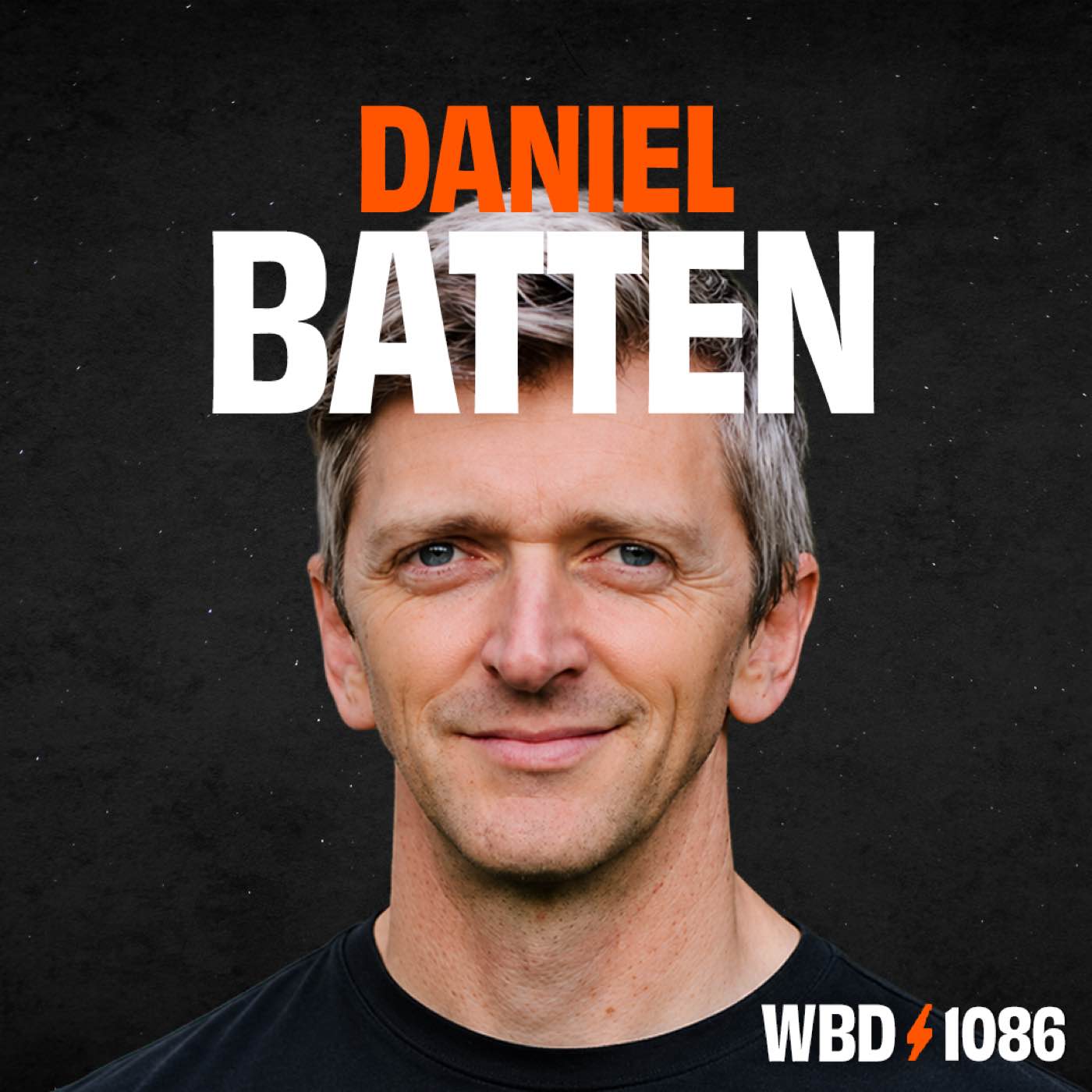
Nacho Pauls is a Bitcoin industry executive and the episode’s main speaker. He presents Ocean as a pool built around “miner autonomy” and decentralizing Bitcoin by letting miners choose signaling. He describes himself as a long-time Bitcoin believer (“Bitcoin saved my life”) and chief commercial face of Ocean.
Written by AI. May contain mistakes.
The episode discusses the challenges Bitcoin miners face with the rise of AI.
“Our vision was one, his vision was different.”
The guests share personal experiences and advice regarding Bitcoin mining risks.
“Yeah, I don't know how many times I've been here, but for a thing like this, it's my first time ever.”
The conversation shifts to the controversies surrounding Ocean and the Bit.110 debate.
“all driven mainly from your side, at least, through Luke and through Mechanic.”
Discussion on how Ocean's leadership decisions impacted its stability during controversies.
“We didn't lose everything because we were, from the leadership, calling our miners.”
The aftermath of Bit.110 and its effects on miner trust and Ocean's operations is examined.
“We bring in more revenue and we have the best fees in the industry.”
The hosts discuss internal discussions and company dynamics leading up to the Bit.110 fork.
“And was it Luke and Mechanic's decision to step down or were they forced out the company?”
Reflections on the company's philosophy amidst leadership changes and controversies.
“Again, the beautiful thing about Bitcoin is we don't get a say.”
The ideological divide within the Bitcoin community and its implications are discussed.
“It took discipline to build your position and the platform you use for Bitcoin back loan should have the same discipline.”
Discussing security setups and the importance of miner autonomy.
“Recent hardware wallet vulnerabilities have definitely made me rethink my entire security setup, as I'm sure it has for a lot of Bitcoiners.”
Exploring the issues of miner centralization and its implications.
“It picked up pace end of the year last year, died on the sword in August.”
Analyzing the future challenges and opportunities in Bitcoin mining.
“Then you get the software side of things, like pools.”
Explore the current challenges miners face due to rising energy costs and market dynamics.
“What happened in Paraguay, we started mining there.”
Discuss how AI technology is influencing the Bitcoin mining industry and market strategies.
“If you were a businessman, ruthless, like our friends from the big country are, would you do it or not?”
Understand the economic implications of power contracts in Bitcoin mining amidst price fluctuations.
“Something that we were seeing two, three years ahead of time, all of a sudden, strap on jets and started going.”
Analyze the differences between Bitcoin mining and AI data centers in operational demands.
“Just to dig into that, the reason being because like to mine Bitcoin, you can essentially like throw a shed up in a field with a massive fan and stick machines in there and it'll work.”
Explore how Bitcoin mining can adapt and potentially benefit from AI advancements.
“with everything that's going on in the world today, if you are the best of the best in the world today, it'll take you two and a half years.”
Exploring the challenges and opportunities surrounding Bitcoin mining amidst the rise of AI.
“If you had a site of a gigawatt, let's go smaller because a gigawatt is insane.”
Discussing how Bitcoin miners can adapt and thrive in changing markets and conditions.
“He saw an opportunity for the company to flourish.”
Examining various international markets for Bitcoin mining and the associated risks and rewards.
“and MBTU, which is an opportunity to get cheap power.”
Highlighting how Bitcoin mining can revitalize local economies and communities.
“There's a lot of generation that's lying there dormant and doing nothing because there's no grid that will withstand it.”
Discussing the innovative strategies and technologies shaping the future of Bitcoin mining.
“And then two of the biggest miners in the world moving there.”
Explore how Bitcoin miners adapt to energy demands and curtailment strategies during crises.
“the Bitcoin mining there to allow them to do the demand response.”
Discuss the potential evolution of public Bitcoin miners amidst rising AI compute incentives.
“In terms of decentralizing hashrate around the world to these stranded places, awesome.”
Understand the current challenges and potential for innovation in the Bitcoin mining sector.
“Is there anything else that's happening now that I might not be aware of that's interesting?”
Learn about the need for financial expertise in Bitcoin mining and the potential for sovereign nations to engage in mining.
“And the one thing that we always hated as an industry and now we need to embrace is the finance bros.”
Explore how countries with stranded energy assets can capitalize on Bitcoin mining to turn waste into wealth.
“But on the power side of things, on those stranded assets, you're going to see big countries doing it.”
Discover the speaker's personal story of how they transitioned into the Bitcoin industry and the impact of their experiences in Argentina.
“It's just going to take someone to make that sort of leap of faith to actually do this thing.”
Learn about the speaker's challenges and experiences with Bitcoin mining.
“So when that happened, I gravitated to our Bitcoin, started studying and looking at it.”
Discover how sports and perseverance shaped the speaker's character and career.
“Penguin was the best education I've ever had.”
Explore the connection between athletics and personal development in the speaker's life.
“So that discipline, that hardheadedness, that going, hey, you cannot do this.”

Get the gist, explore an idea or ask about something said.
 Claude
On What Bitcoin Did, what are the key points of this episode?
Searching your listeningAutomatic transcript. May contain errors.
0:02Our vision was one, his vision was different. Why would he stay? It was, you know, of course, it was not a pleasant conversation. It was long, it was arduous, it was painful because as human beings, I love them both. And again, I wish them the best. The bug started growing and the insanity of AI hit us, you know, like a punch in the gut out of nowhere. So when AI came, obviously every public miner had to pivot. We'll not say it enough. I, every time somebody asks me, hey, I want to be a miner, it's like, no, buy Bitcoin and forget about it. If you're crazy enough to put in everything you have and more, eat dirt for two years and then get two more years of pain, mistakes and everything on your belt, then you might, might, and this is a big might, make it on the Bitcoin mining industry.
0:54Let's go. Cheers. Cheers. In Mexico. This is my first time in Mexico. Yeah, I don't know how many times I've been here, but for a thing like this, it's my first time ever. Let's go. Number one podcast in the world, come on. There you go. Oh man, have we got some stuff to get into today. Drama, drama, drama. All the drama. So when I first heard about Ocean, when you guys launched, this would have been end of 23? Yeah. I thought it was awesome. This is exactly what I think Bitcoin needed, Bitcoin mining needed. And then almost immediately, you guys get pulled into this controversy, this civil war, holy war, around Bitp 110, all driven mainly from your side, at least, through Luke and through Mechanic.
1:36But Ocean is like front and center of this entire debate. As this thing went on, was there any point where you were worried about this ending the company? With the approach that we have, since we're, the good thing about Ocean is a really healthy company, meaning decisions are not made by one single, you know, leader. Luke is the founder. He was the CTO when all this started developing. The good thing is the company was always standing on the ethos that was built on. Our focus was decentralizing Bitcoin and bringing the power back to the miners. So in the middle of all this war with our founder and CTO running or being the picture, the image of one of those sites, again, it's his personal belief, not the company's.
2:25But regardless, he's part of us. So we kind of distance ourselves from him. The company stood still firm and we did what we set out to do, give the miners the choice. I want to know what happened at Ocean during this time because, like it or not, because of Luca Mechanic, Ocean was seen as this Bit.110, this pro Bit.110 company. Did that have an impact on your business? Yes. To what degree? Let's Fast forward to the end, and then we go back chronologically. So fast forward to the end. August came. It happened. We were at 46xHash. We lost 20 of them. And it's a simple explanation. We didn't lose everything because we were, from the leadership, calling our miners.
3:11We, from the day one, told them, guys, we're going to give you the choice. You can signal it or not. It's your hash. It's your choice. You can do whatever you want with it. some of the miners started signaling. Then a couple of weeks go by. They say, we don't want it anymore. We help them get on and off. Long story short, we were the only pool that gave choice to the miners. That being said, fast forward, we get to this moment and our CTO was very vocal, doing a lot of things, proposing a proof of work change. He was saying a lot of things that were not aligned with the company. So what would you do if you were a miner?
3:50Like if you're marrying a company and you see the CTO out there on X calling people names, doing all these things, would you stay? Absolutely not. And it's relatively trivial to move. Exactly. It's like it'll take you literally an hour and a half, two. Of course, you need to deal with a pool and whatever, but it's an easy endeavor. But we didn't lose everything. And that's the point. People trusted us with their hash rate, trusted the team, trusted the pool. and we since then haven't lost a single day of work, a single SAT. We're working as day one. We are today sitting at 26 exahash. Our plan is to get to 100 by the end of the year.
4:29That's my personal KPI, not the company's. So for the audience to know, that's insane. I am insane, but I will be able to do this. I have a great team behind me, but yes, of course, we took a hit. On the PR side of things, it was not great. on the commercial side of things was not great. But the good thing is great sailors are built in rough seas. So here we are a few weeks, almost a month and a half after, sitting idle, doing exactly what we set out to do, adding new clients, growing the pool. And those miners that were, of course, obviously reacting to what happened and scared are now starting to come back because, you know, to be honest, and this is not supposed to be a sales pitch, but I'll do two minutes of it.
5:17We are the better pool. We bring in more revenue and we have the best fees in the industry. So it makes total sense to mine on us. So I want to know what was going on. Let's start off with sort of pre the Bit.10 fork. What was going on in terms of like the internal discussions at the company? Because I know the thing that was public just before that happened was Giacomo stepped down from the board. Is that right? Right. Like, what was happening in those conversations? What forced him to step down? He didn't believe in what Luke was representing or trying to get the company to do. So as he is one of the most loved and known people in the industry, he's always been the one that reacted to what he believed in, not following any trends or anybody.
6:02In this case, he was part of the board. The company was doing something he was not in agreement. And again, this is my read on the situation. I don't want to put words in his mouth. He's a great interviewer, so you might have another one coming down the pipeline. I'm trying to do it for a while. I'll help you. He's a really amazing guy. So he said, hey, this is not representing me. I'm not doing it anymore. Again, we're jumping in and out, but fast forward, we restructured. Luke left the company. Giacomo's back on the board. So at that period before Giacomo stepped down, obviously he's back on the board now.
6:33Was there a sort of feeling within the company that Luke and Mechanic had to go at this point? I don't think it was at the company, but picture, let's put ourselves in their shoes. They are striving for this. They're proposing something that's extremely intense or problematic for the whole network, for Bitcoin itself. And they are doing it because they believe in it. So would you stay in a company that's running on the different path and staying on the main chain on Bitcoin or what we believe is Bitcoin? Or will you leave and go do what you want to do? Again, of course, this is the CTO, one of the founders.
7:11There were conversations internally that needed to be had. We have them. But out of that, they are doing their thing. They're still running. I wish them the best. Would I follow that? No. Do I believe in that? No. Do I want to stay and work with following that path? 100 % no. So. And was it Luke and Mechanic's decision to step down or were they forced out the company? No, it was a conversation. No, no, no. There's no way of forcing anybody to do this. Luke's been in the industry forever. He was one of the founders of the second pool ever. He's super well known in the industry. He was one of the guardians of Bitcoin back in the day.
7:55Forcing him to do something, it's beside the point. Of course, our vision was one. his vision was different. Why would he stay? It was, you know, of course it was not a pleasant conversation. It was long. It was arduous. It was painful because as human beings, I love them both. And again, I wish them the best in their life, with their families, with whatever they choose to do. But that's not Bitcoin. And I'm the devout believer of what I've been saying since I joined the industry. Like Bitcoin saved my life. I've seen Bitcoin save many people's lives. I see Bitcoin a shining beacon in so many ways, why would I follow something that is not it?
8:34It's funny, when this was all happening, I've had Mechanic on the show a couple of times during this whole debate. And at least at first when I was talking to him, I kind of agreed with a lot of his ideological beliefs about Bitcoin. I do think a lot of this stuff was spam. I was very surprised, maybe naively, that they have gone as far as they've gone and they have actually fought themselves off the network. I didn't see it going that far. Yeah. I was on the same boat as you. Again, Mechanic is one of the smartest guys I know. Lovely guy. Father, husband, super nice. He's always been around the industry.
9:12Everybody appreciated him. He's great at communicating. We lost a great communicator. But when you're following something blindly or doing what they are doing and they actually believe that they're doing good, maybe it's that. I don't know. It happened in the industry. We're talking about this off camera. And that division that happened, and I'll paint a picture for the audience. I was born in Argentina. We were under socialist government for 70 years. And the last decade or the last two decades, it got rough. Families were parted because of political belief, right or left. Friendships gone. Our industry was a safe haven, and this cracked us in half.
9:52And we lost a lot of great people, people that have been there forever, people that are great Bitcoiners, people that are really good and nice human beings, because they're following something that they believe is right. Again, the beautiful thing about Bitcoin is we don't get a say. There's consensus, and what consensus says is what we follow. Yeah, totally. And while I say I ideologically aligned in some ways with Mechanic early on, like technically I never sort of bought the argument, but like you say, it completely split Bitcoin.
10:26Do you think they'll ever come back? I hope. I hope. I hope because, again, it's not only them. We have a lot of friends. And this year, early this year, we were sharing a conference with a lovely group of Bitcoiners. Like, this is like the creme of the creme, the highest echelon of our industry, and we were having a conversation all together. And we were debating amongst each other because we were having an intellectual conversation, not a passionate conversation. And I think we disagreed then because you were more Bit.10. I was for some of the values that Bit.10 stood for. I do think that it was rushed.
11:04I do think it was not the best year to do it. And I do think there was a lot of things that were not great. There were some that I would have said 100%, but that's my personal belief. I was like, should we protect Bitcoin from outside influence in a way that will guarantee the longevity of Bitcoin? I agree with that part. then they put in there 150 ,000 things that do not align, had nothing to do with it and that were petty bunters and we can go deeper like the one other thing that we lost don't forget about this we lost nodes because now nobody's keeping it up there's nothing and everybody is running core and there's no options again, do I have anything against it?
11:51No yeah i understand we have a choice decentralize even that we should yes i mean i'm not that sad we lost um personally like but i'm not saying that we shouldn't have alternative implementations and there are other ones out there but i i do understand the point um do you think like the thing that never sat right with ocean for me during this whole debacle and don't get me wrong i think ocean's a cool company i think what you're doing with data amazing we need this in the industry But the thing that never sat quite right with me was you sort of being situated as a company, as the, you know, you're not tipping your hand on the scale when it comes to what blocks go into, what transactions go into a block, but you were kind of tipping the scale in terms of what Bitcoin should be.
12:35And it felt like a bit of a hypocrisy. Bitcoin is a hard asset. It took discipline to build your position and the platform you use for Bitcoin back loan should have the same discipline. That's Ledin, the lead sponsor of What Bitcoin Did. When the next opportunity comes along, a Ledin loan puts liquidity in your hands without selling what you spent years building. Loans are funded in hours, not days. There's no monthly payments. There's no penalty for repaying early. And all the rates are published up front. The larger the loan, the lower the rate. Eight years of protecting client assets with a perfect track record and over$11 billion in loans have taught Ledin what really matters.
13:10Your Bitcoin stays custodied. It's never let out to generate interest and Ledin doesn't ask you to take its word for it. Every month, Ledin publishes its open book report with all metrics independently reported. It's proof over promises. Hard assets, higher standards. Check your rate at ledin.io forward slash WBD, which is L-E-D-N dot I-O forward slash WBD. Bitcoin-backed loans involve risk. Do your own research before taking out a loan. APR eligibility and terms apply and may vary by jurisdiction. In the world of Bitcoin, security isn't just a feature. It's the entire foundation. and that's where my new sponsor BitGo come in.
13:44For over a decade, BitGo have been the backbone of the entire industry, securing billions of dollars of Bitcoin for major funds, exchanges and institutions. Following their 2026 public listing on the New York Stock Exchange under the ticker BTGO, BitGo are now bringing that exact same enterprise infrastructure to individual Bitcoiners. Self-custody is still the gold standard, but as your stack grows, it's worth thinking about whether diversifying your custody can make sense. BitGo pioneered commercial multi-sig and their cold storage combines distributed keys, offline key generation, and geographically separated vaults.
14:16Head to bitgo.com to get started with institutional grade custody. Your Bitcoin, secured like an institution's. That's BitGo. Recent hardware wallet vulnerabilities have definitely made me rethink my entire security setup, as I'm sure it has for a lot of Bitcoiners. And the uncomfortable truth is that no single security product can promise there'll never be a problem, which is exactly why the design matters. BitKey is a self-custody hardware wallet that uses three keys created in three separate environments there's one on your phone one on the bitkey hardware itself and one on a secure bitkey server two of those three keys are required to sign any transaction so a problem isolated to just one key is never enough to move your bitcoin so if you are rethinking your setup right now as i'm sure a lot of people are you should really think about the bitkey the hardware looks great the app and the user experience is second to none backing up and restoring your wallet is seamless and they even have inheritance built in so i really don't think you'd be disappointed so download bitkey today use the code wbd for 10 off the second generation bitkey which is this device right here with the screen download the app download bitkey use code wbd and get 10 off again why would we do that if we're putting the keys in your hands like we are giving you the autonomy as a miner and bear in mind for the audience that's not well versed into how pool works we are the one or one of the few pools in the world today that actually allow the miner to be a miner and not a hasher.
15:40So we don't buy the hashrate from the miner and give them the Bitcoin back. We allow them to build their blocks, take them, use them, put any transaction they want in there. They are full autonomous. They are actually mining, not hashing. That being said, on the other side, if there's a potential for coming up, why wouldn't we accommodate to the needs? If there's a miner that want it out of the 5 ,000 that are mining on ocean today, we have to deliver for them. And that's what we did. Do I believe that we were closer to the BIP-110 side? 100%. I'm not going to hide or claim something that we were in the end.
16:19But I'm not the one investing hundreds of millions of dollars, running ASICs at the highest performance, buying them at a risk, running different type of cooling systems everywhere in the world or hunting for anything or doing everything that miners do. So I'm not the one that's going to make the choice on what that power of compute is going to point to. So when you say you were definitely more on the Bitbonten side, as a business, were you? Because Luke and Mechanic, they're out there, they're talking, they're doing videos, and sure, they'll be wearing their Ocean t-shirt while they're doing it or whatever.
16:50But they're not necessarily - I don't know today. I don't know about today if they were. Maybe not today, but back then. But they weren't necessarily speaking for the company then. Although, obviously, the company gets dragged into it. Did you, as a company, have a stance? We always have a stand. We have to deliver to our clients and to the miner. We have to make them autonomous. That's the ethos. We need to decentralize the network. The only way to do it is giving the power to the miner. What I believe personally, it's my thing, and I always represent the company. So if we were out and about at a conference and I pick a fight or I do something stupid, I still represent the company.
17:27So it's Ocean who's also going to get affected. And this is what happened. If I go there and do something stupid, it it's not only my reputation that stained it it's also the company because i'm their chief commercial officer i'm the guy that's you know the face of the thing yeah so we did a bad job about like separating personal belief from the company probably but it was pretty obvious it was done in their accounts it was down by them it was them on stage it was them on podcast it was them on everything the company stood pretty firm on what we lived in and we're still standing here i believe because of that.
18:03Because again, we gave the choice. Most other pools could have singled to B1.10 and that would have forced the fork to work. And we would be talking in a different chain completely if they were to signal because miners have no choice. If Foundry signals, every miner who's sending it to Foundry is on B1.10. If Antpool does it, it's Via, Luxor, any of them, which they didn't by the way would have done it the miners have no choice they can change pools but that's about that it's like like you say it gets messy because like especially i don't know exactly i can't remember what mechanics role was but lucas the chief technical technical officer he's in the c-suite like if he's talking about this like he even if he's trying to make this a personal opinion it becomes a business like the business um so what does this mean now for like ocean going forward What are you as a company now?
18:55If this has been your thing for the last two years? It's not been our thing. Again, the Holy Word's been there for a bit. It picked up pace end of the year last year, died on the sword in August. And again, we were there before. We're still here. We're still growing. We're still solid. What we did as a company is we took everything to a different level. So Jason Hughes became the CTO. Giacomo came back. Bob Brunette became the chairman of the company, one of the most loved and knowledgeable guys in the industry. I like Bob. And I thought Bob actually had one of the better, like he was obviously ProBip110 for a long time.
19:33But I thought he handled that situation far better than the vast, vast majority of people on that side of the argument. And he was transparent about it. Again, truth always prevails. And on our side, it was the same. We also got Rafa Seguri to join our board. our team is very very I always like this approach like what we have as a team is we have the Navy SEAL approach we have very very high executives that run at an insane pace and are delivering consistently a lot of results because of the way we work and we're really healthy as a company so when you turn around and say hey where's Ocean going I just hinted it to you when we started but I'm going to say it strongly we are going to end up there at 100xHash that's my personal KPI we are onboarding miners as we speak.
20:18We're not going to stop. And our mission of decentralizing the network, which is the flag that we fly by, is going to be... Today we're one of the biggest, if not the biggest or the only one, standing at the gate helping to do this. And you see the growth of Antpool and Antpool Proxies. A lot of miners in distress because we're just coming out of a couple of years of very, very hard business. And the barrier was the longest and the coldest we've had since inception. So there's a lot of deals that have been done with manufacturers. Those manufacturers choose the pools of their choice because they're giving you the equipment and a deal and joint venturing with you and so on and so forth.
21:03So it's allowing the Chinese pools to reign a network, which is very dangerous. I was painting a picture to one of my friends the other day. If today Ocean would be 100 % of the network, which we don't want to, and that's not the point, we'd still be decentralized. Because every miner is being their own block, is running their own node, and doing it as it was intended. So if, which is really dangerous, by the way, we were the only pool standing, it would be even better than the situation it is today for Bitcoin. Do I want to be the only one? No. So do we need more pools like Ocean and pools that are in the market and have been forever to come on our turf and try to do what we did?
21:46100%. Yeah. For now? One of the, I think it was almost like the worst marketing moment and the best marketing moment for you when the actual fork happened. I think the last block was mined by Ocean and then before the fork happened and then the very first block after the fork on both sides of the chain. Right. So on the Luke side of things and on the B110 side of things, on the main chain, we hit the first block. And this is, again, you know math and you know how hard that would be, even at 40xHash as we were back then. Oh, the chances are absolutely tiny. And for anyone listening that doesn't understand the sort of relevance to that, is basically whoever is actually running the mining machines can pick the transactions, pick what they signal for.
22:30And so because this is like a more decentralized version than the typical big pools you might talk about, it hit on both sides. And I remember watching the live stream and mechanics face when that first ocean block not signaling for Bitbonten. Beautiful moment. I was supposed to be on holiday, by the way, so the audience know. Not happy holidays. It was very, very, very intense and very complex. But that's the beauty of it. We stood by something and that specific serendipitous act showed everybody, the clients, the industry, everybody, that we stood by what we said. Yeah. It's probably worth getting into why ocean is different.
23:11And in fact, let's actually take a step back further than that. Let's talk about the problem with miner centralization as we know it today. So let's paint a picture. It's dangerous on many layers. And let's start from the ground, which is the cornerstone of mining? Power. Where's most of the industry located right now? Or a lot of it? Texas. Yeah. And the US in general. You have some in the motherland, so we don't name the R word. You have some in China that's, you know, not supposed to be mining, but it is. Yeah. And then there's nooks and crannies around the world. South and Central America.
23:45Paraguay has a gigawatt. Brazil is picking up pace. There's, you know, spaces that... Then you have Canada that had a lot of mining. And then, of course, for obvious reasons, governments and socialism started to decrease. But there's an opportunity in places like Alberta now. There's the CBC there that's helping miners move there. BitDeer just announced they're going to do a 200 megawatt site over there. So on the power side of things, we're centralized, which is very dangerous. Then you get the software side of things, like pools. You have massive pools running in today, most of the network. You have Foundry, which is one of the biggest, and then Antpool, but there's also Antpool proxies.
24:26There's pools that are running Antpool behind their system. Yeah. For the audience to understand this, you have the Chinese boogeyman behind you, and then the Chinese boogeyman is giving you the money to pay to customers on the other end. And that's happening with a lot of pools, and most people don't know who they are. I'm not getting into that kind of worms. But just to give some context there. So AMP pool and its proxies, how much of the... In my opinion, we're close to 50 % of the network. Okay. Maybe more. And we breached 50 % before way, way earlier in Bitcoin's history. I can't exactly remember what happened then.
24:59Did the mining pool actually forcibly move hash rate off their pool? In the past, you mean? Yeah. Yeah. So if AMP pool plus proxies is close to 50%, how much of an issue is that? the problem is what they can do with it or let's say tomorrow the government decides to regulate them or anything bitcoin is exposed it's the same thing if 50 of the hash rate or 50 of the of of was run by foundry i use pool yes if they have 55 60 of the network running on foundry and then tomorrow somebody in government wakes up and starts regulating it everything we fight for it's done. Regulating it by saying you cannot facilitate transactions to these addresses.
25:44They're very, very creative, so they can regulate it in any way, shape or form. That's why, again, we've been fighting for decentralization and fighting for independence and sovereignty and autonomy on how we do and what we do with our Bitcoin. That's the beauty of it. That's how we probably fell into it. I know your origin story, I'll tell you mine in a bit, but we all fell into Bitcoin because something happened to us and we were looking for that freedom, for that autonomy, for that way out of the system that's been pushing the boot in our throat forever. So what would be the top of the list of your fears in that scenario though, where government comes in and tries to regulate one of these pools that might have over 50 % of hash rate?
26:23And it will immediately change everything that we know and love about Bitcoin. Because if we are regulated, you hold it. Where do you get it from? Which pool is getting it? Do we need to trace it? Like who's going, where's the custody of it? How do you get your hands on it? Like everything we run from. And again, for people to understand, because most people believe that your audience is pretty knowledgeable about Bitcoin. But when we go out there, I just came back from Finland on stage and I was speaking to people that are barely getting into Bitcoin. Their first thing in their head is what Netflix is putting there.
27:00All the different platforms are putting there. It's like Bitcoin is bad. It's used for foul things. It's used for whatever foul endeavors. And it's not the point. We know where the transaction is. We can trace it point to point exactly from where it came from. The beauty about Bitcoin is if you want to follow it and understand where it comes from, you can follow it from inception to the other end. But if we don't want to, you can't. and there's no government, nobody in the world that can do that. Now, fast forward, let's say 80 % of the industry is now mining in the U.S. 60 % is mining in a U.S.-based pool.
27:40How does that look as a business? We're a trillion-dollar industry or several. But now we will be much more in the near future and we will start to get interesting. So people are going to come after us, come after our industry, Bitcoin, Bitcoin mining. It's kind of happening right now. And you see it, what happened in Quebec with miners that are getting kicked out because, you know, we warm the oceans and all this, you know, bullshit that they're claiming that we're doing and affecting, instead of looking at it as a safe haven, something that's great. What happened in Paraguay, we started mining there.
28:18The price was amazing. Fast forward three years, four times, they raised the price of energy, which is making Bitcoin mining really hard. Miners, when they're invested millions of dollars, there's a gigawatt of mining. For the audience to understand energy, a gigawatt of mining, it can energize three cities. Huge. Half a million or more people living in them. It's massive. So if we keep that path going on the software side, on the hardware side, on the energy side, there's a problem. You know how the ASICs industry works. Today, Bitmain is still one of the most powerful because they sell most of the ASICs in the industry.
29:01That's a problem because they control it. What happened right now? A year ago, we were buying ASICs at 32 a T. That's the way of measuring ASICs for the people that do not know it. Two months ago, we could buy them for$6,$6.50 a T. Same equipment, same machine. S21 XP, one of the best performance in the industry. So what's the reaction of a manufacturer? I'm not going to launch the new model because if I launch it, I'm going to cannibalize my own business. So I'm seeking on it. That's the power that a guy that has 70, 80 % of the markets is running. So it's beyond just government. It's the industry itself.
29:42I don't know if this is still happening, but I remember stories from, you know, way back where Bitmain were making these machines and then plugging them in themselves, having a huge advantage over the rest of the market before they would even sell them to the public. That's, I believe in the same thing. I cannot prove it, but let's paint a picture. If you were a businessman, ruthless, like our friends from the big country are, would you do it or not? Of course. Makes total sense. Yeah. Would you buy, would you sell new equipment that outperforms by 25 to 50 % the equipment that you have right now on the market?
30:16Will you come out with it right now, cannibalizing everything? making your own equipment useless instead of like keep the business going. Again, Bico Mining is a lovely business, but it's hard and cruel. Is the state of mining centralization getting better or worse? Like if you take, say, the last, I don't know, five years, have we improved in any way outside of things like, we'll come to Datum and, you know, Stratton V2 and that stuff later, but in terms of the power, the machines, the location of the miners, are we getting any better? And the pools? I think we're getting better now. And we got a lovely nudge from AI coming into the world and building data centers.
30:59And I'll explain to the audience why. So Bitcoin mining started being industrial, heavily industrial around 2020. And then it started taking off. we were able to raise money the pubco starting popping up the maras of the world the the clean sparks the core all the miners that were iron all the miners started picking up and building something that was done let's say informally or on a on the cowboy side of things you know we were going out there throwing containers mining then it started ramping up into an industrial build, like 100 megawatts, 50 megawatts, 200 megawatts. Massive sites that started going up.
31:44So obviously the hash rates started to condensate into those big vehicles, the Bob Cozener. So all the miners that were small to mid-size couldn't have access to anything, infrastructure, ASICs, because they cannot compete. Why? Because the prices, of course, are different. If you're buying 200 megawatts worth of S21s or M66s or A2s from any of the different manufacturers, you have an edge. You're negotiating. Again, this is a business. You're negotiating with different terms. So if I come in and say, hey, by the way, I want$2 ,000. I was like, oh, honey, thank you very much. Wait in line. You're going to pay 3x the price that these big guys are saying.
32:26and these guys were buying ahead of time, buying before they even came to market with ASICs, which was in my head, I was like, I'm a math guy, I'm a technical guy, I know what I'm doing. Why would I buy something I have never tested? In my head, it was insane. I couldn't even fathom the idea of doing it. These miners were doing it because they have public money behind it. They need to be the bell of the bell. They need to announce it so they could keep raising money, keep building the company, keep getting to those numbers. So this happened. And then last year, the bug started growing and the insanity of AI hit us like a punch in the gut out of nowhere.
33:08Something that we were seeing two, three years ahead of time, all of a sudden, strap on jets and started going. So when AI came, obviously, every public miner had to pivot. And I'll explain why. So Bitcoin mining is really complex and the core of everything is price of power. When you sign a PPA or a contract with an energy company, it's usually five years or 10 years or 15 years. Back in the day, you could mine at a high price of power. Because with the performance of the equipment, the size of the network and everything, you were still profitable. When you're saying a high price, what are you talking?
33:45Is this like... Anything over five cents. Okay. Anything over five cents, five and a half cents made sense. We were making money. we were in the green, depending on which equipment you were running, what uptime you were running at, or for the audience to know, we need to run 365, 24-7, or as close to that as possible. Meaning 95 % to 98 % uptime will get you in the green. Anything under, you're in trouble. Even with curtailment in Texas, even with anything that can change that number. And then after that, you need to have performing equipment and then a team that can operate it and keep it running.
34:22So it's extremely hard. Don't do it. Buy Bitcoin. So if you're crazy enough to mine, now, again, we were on that cowboy route. Then we started getting industrialized. And now we're coming to a point where when you had a PPA signed at over five cents with the halving coming up in 28, anybody who's over four and a half, five as a ceiling sent power, it's not going to be profitable, no matter what you're running. No matter what you're running. So this insanity of AI came in, and this is an opportunity. So I have a PPA for the next 10 years. I have to pay a high price of power. My data center, it's similar.
35:02For the audience to know, to build a Bitcoin mining facility, you invest around$1.5 million per megawatt. To do the same thing on AI, you need to invest$15 million, which is insane. Every Bitcoiner eventually has to answer one question. If something happened to me, could my family access my Bitcoin? Would my children inherit what I've spent years stacking? That's why Anchor Watch builds Bitcoin custody solutions designed to protect you and your family against real life accidents, errors, kidnappings, and even death. Every solution includes their inheritance protocol designed to help your Bitcoin reach the people you intend it for.
35:39And US-based customers can also add Bitcoin insurance backed by Lloyds of London. Whether you're a self-custody expert or want multi-institutional support, your Bitcoin estate plan should not be an afterthought. Bitcoin is only generational wealth if it can be passed down. So make sure your family can access tomorrow what you've built today. Anchor Watch is your custody, your way. So visit anchorwatch.com to get started. That's anchorwatch.com. As Bitcoiners, we spend a lot of time thinking about taking control of our money. But what about where we live and the options we have if the rules change?
36:10Having a plan B means giving yourself and your family choices. Somewhere else you could live or a different system you can access if you need it. And this is the stuff you want to have in place before that happens. That's where expat money comes in. They help give freedom minded people optionality so you're not dependent on the whims of any one government or any one system. Their founder and CEO, Mikkel, has been an expat for over 25 years. He's built his own life this way and brings that personal experience to helping others do the same. If you've ever thought about building your own plan B, download their free report at expatmoney.com forward slash WBD.
36:44That's expatmoney.com slash WBD for your free report. Just to dig into that, the reason being because like to mine Bitcoin, you can essentially like throw a shed up in a field with a massive fan and stick machines in there and it'll work. I know it's not going to be the most. I hate your guts for saying that, but yeah. Okay. It's really hard. It's not that simple, but for the sake of the metaphor, let's say it is that. And then for an AI data center, it needs to be like the most high-tech data center you've ever seen. Not the most high, but you need triple everything. Everything needs to be redundant.
37:15Why? Because you need to run at 100 % or 99.99999. So the bug eats and eats and eats and never stops. Bitcoin mining can curtail or shut off, shut down. You know, we can withstand a little bit of a wave. So, these high prices of power, this hype behind it, the network got this massive spike. So, of course, the bigger the network is, the harder it is to get blocks because the competition is heavier. So, fast forward, AI comes along, money is behind it. Our knowledge of building data centers, it's pretty similar. for people to understand this, like building a data center for Bitcoin mining is like running a simple Ford V8.
38:11It's complex, it's hard, but if you tune it right, it runs like a dream. Now we go to a HPC. This is like the highest tech Tesla running with a B12 behind it and getting to 15 ,000 horsepower. power. This is like an all different ballgame. But it's still a car, still has an engine, still has four wheels. You still have to do aerodynamics and you can work on it. So our knowledge is pretty similar. So there was an opportunity with people that have the background and have built this to scale that to a different level and start complementing. So the pubcos did what they did. They started diversifying into AI HPC.
38:53Can I ask one question there? Is part of this as well that they had these 5, 10, 15 year power contracts with the grids and they had these at like pretty good prices. So therefore they were just sat in the perfect position to capitalize on AI. Yes, that's my personal belief. And again, you have a team that knows what they're doing because they already did it several times. And we are really fast and really intense on doing it in our industry because we are chasing that 21, beautiful 21. And the faster we grow, the faster we get to it. And the more we mine, the more we can get of it. So team that knows what they're doing, relationship with energy companies, and the context of what's going to happen after 28.
39:36So all that being said, the strategy was smart. The ones that were first are now reaping what they are doing, because again, to build a Bitcoin mining site, it takes, if you have mid-voltage energy, four to six months. If you're not amazing at it, we can do it in four months. Then if you want to build an AIHPC data center with constraints now on infrastructure, with everything that's going on in the world today, if you are the best of the best in the world today, it'll take you two and a half years. crazy so the people need to do the math like you're going to pay for power not energy but you're going to pay for power that that contract you need to sign for it and then you build for two years they're not going to let you move in their backyard eat their barbecue and you're not paying anything yeah so it's much more complex than most people know that being said we're complimentary there's a lot of investment coming in and it's the new hot thing in the market so So funds are throwing money at it.
40:34And so smart CEOs of our pubcos, which we know most of them, and they're really, really smart, took the chance to start right in that way. So we went from 1.3 ZetaHash to 998. Then we have it in this context that, you know, we shrunk and there was a little bit of breathing air. We went down to 60. And then we saw the real bottom when it comes to infrastructure. We lost 10 % of the network in that. And we actually saw how expensive it is to generate the asset, Bitcoin. And for context, again, like Bitcoin price goes up and down. Hash rate never really goes down before this. Like there's obviously very quick spikes.
41:18Like when the China Bank came out, the hash rate dropped for a minute. But to see like actual bear market hash rate, this is probably, is this the first one really? That I've been a part of? Yes. to my knowledge I think it's yes because at the size that we are right now it makes a difference back then when probably it happened we didn't even care and so give me some more context around so you have let's say you have a you know gigawatt mining site huge mining site and AI comes along how much more money are you going to pivot assuming you can relatively easily change the data center how much more money are you going to make doing high power compute for AI rather than mining Bitcoin so I'll use your metaphor which is I don't know a place in the world that can do that.
41:59There's no place I can turn upside down fast or have the infrastructure. But let's paint a picture for the sake of the conversation. If you had a site of a gigawatt, let's go smaller because a gigawatt is insane. But let's say you have 100 megawatts, which is extremely expensive and complex, but it's doable. You have 100 megawatts of... And the data center is compatible with AI HPC. right now, ready to go, you will get$280 a million, which is insane. Insane. That's right now ready to go power. If you had to build it and then withstand the wave, take those two years, the number is not going to be the same.
42:38But for power right now ready to go, it's that high, which is crazy. It's$280 versus what with Bitcoin? $60. Okay, so it's not even close. No, I wouldn't even flinch. And so is this a threat to Bitcoin mining in any way? Or is this actually a really good opportunity which will allow Bitcoin mining to decentralize to different parts of the world? You got me at hello. But yeah, that's exactly what I believe in. Everybody was complaining and freaking out. And every time I go on stage or I sit down with anybody to have this conversation like with you, they're all freaking out. Bitcoin mining is dying.
43:13Bitcoin mining is shrinking. We're going to lose the miners. We're going to lose everything. For me, it's completely the opposite. The big guys are interested in AI because there's money and there's good returns and they have the knowledge. Yes. Are they going to diversify and do both? Yes. Are there some that are going to go 100 % into HPC? Probably. Are there some that are going straight into infrastructure like BitFarms that became Kiel now? They're doing only infrastructure. Ben is one of the smartest guys. I know a Bitcoiner at heart. He saw an opportunity for the company to flourish. He took it.
43:46They're doing amazing. And then what happens with everybody else? So now the big guys are not growing at an insane pace. So they're not buying as many ACs as they bought. They're not chasing as much infrastructure as they were chasing. So now there's an opportunity. And where the opportunity lies is twofold. One, the small and mid-sized miners now have enough breathing room to pick up the pace and grow and become bigger and bigger and bigger. That's the one thing, decentralizing that hash power in many, many companies that have the opportunity to grow. Because the big guys are looking elsewhere.
44:27And then the second thing is Bitcoin mining. From now on, we were industrial up to now. Now we have to be not only industrial, but also exceptional and understand financial markets. Because after 28, if you're not mining at a great price of power, meaning you have to find a place in the world where like Waha in Texas. Minus six cents an MBTU. That's how you actually measure. Say that again. What does that mean? The MBTU is how you measure the price of gas. Okay. Yes. Negative six cents, it's unheard of. The price of gas in most of the places in the world is one and a half, two cents an MBTU or more.
45:03What do you mean minus though? You're getting paid to take it. Yes. And I explain why. To take oil out of the dirt, you need to, obviously, when you're drilling, you get gas. That gas for the oil companies that if there's no pipeline or anywhere to sell it to or to whom, there's nothing to do with it. But you cannot keep digging for oil if you don't do anything with that gas because you're not allowed for obvious reasons. You know, regulation, environment, so on and so forth. So they can't just burn it? You can, but it's expensive. Okay. So that's where we come in as a savior, a knight in shining armor, and say, hey, we'll take that gas out of your hand.
45:44DIMI and us beautiful contract. We mine, again, remember, there's no pipeline. This is a middle of nowhere. You cannot put an AI HPC data center. There's no fiber. There's no grid. There's nothing to overcompensate for the moments when that goes up and down or there's any issues. So Bitcoin miners have to find these places like Waha, Calgary, and Alberta. These places, gas is 1.5, almost 2 cents Canadian and MBTU, which is an opportunity to get cheap power. How will that convert into actual power for a miner? It will get you into the mid three cents a kilowatt hour, which is a perfect price of power for Bitcoin mining for the next 10, 12 years.
46:26Then there's places like we were discussing, Brazil. Brazil has a massive, it's a massive country. It's six countries in a country because they have their states and each state is run specifically in a way with different leadership. but the whole generation in Brazil, it's outgrowing the demand. So every other country is growing and they have not enough energy. Brazil is still growing because there are a lot, but the grid is overcompensating and there's going to be more energy. So the price of power is going down in the next years. That being said, you have to navigate Latin America and all the beautiful colors and benefits of being there.
47:05Importation tax, and there's a lot of things that are constrained. And then... I'll talk about a bad one, a bad experience, Ethiopia. Three years ago, everybody came to me, Nacho, we're going to Ethiopia. They're giving you two cent power. It's crazy. It's like, guys, don't do it. No, no, you don't know anything. You're jealous. Like, you don't know enough. I was like, guys, don't do it. You're going into a country that's destabilized, that has a government that's greedy. So long story short, fast forward three years, there's a lot of hydropower in Ethiopia, but there's a shitty greed. So people there don't get, you know, they have half of the time they don't have the lights on or AC or heat or whatever.
47:43So the government allowed miners to move in. Massive investments were made, substations, infrastructure and everything. And now they raise the price of power for the fourth time. They're raising the price of importation to 100%. So we went from 0 % for importation, so they move in. Now anything you need from a fan to a chip to a board at 100%, we're losing money. Crazy. So we have to be creative. We're going to have opportunities like Oaxaca, Calgary, Peru is the only other market that I know of in America that's decentralized like Texas. Is it the same? No. It's Latin America. It's rough. It's really raw.
48:22It's green. But there's a lot of hydro. There's a lot of thermal. There's a lot of generation that's lying there dormant and doing nothing because there's no grid that will withstand it. as someone who's been to africa i've not been to ethiopia i've been to the ethiopian border but i've been to kenya a couple of times see eric from gridless um i love eric shout out to eric he's awesome but i am very well aware from those trips that if you're not from that place you probably shouldn't go and try and do business in that place like amen when i travel around with him he's the only reason i'm still alive today probably i wouldn't take it that far these are beautiful countries but yeah no no seriously the trip we did like i'm not sure we would have survived it so me and eric yakes went out to see eric and philip from gridless and um we took a road trip from from nairobi 30 hours over a few days up to the ethiopian border and they were looking at building a solar uh solar grid out there like i think it was a megawatt quite relatively small but this place has zero power um and one interesting that maybe we should talk about is how the price of solar has come down dramatically and and eric's belief makes bitcoin mining with solar like actually very viable out there but um we went to this place and so it's a village in the middle of nowhere it's not even on a map you can't find it on google maps or whatever they have no power and he wants to build a megawatt solar plant and supply power both to the village as long as they're willing to pay more than the bitcoin mining network will pay and then also mine bitcoin and this is i think back to the beauty of bitcoin mining which ai compute cannot contend with like you're saying with the gas site in you know the middle of nowhere in america is that latency doesn't matter fiber fiber doesn't matter like you throw up a starlink you could do it like not even that eric in that side is mining with an lte chip like an old chip with a cell phone network on ocean because he's running datum so he doesn't need to have a massive connection and we tested it for fun in that specific place and you're talking about that beautiful you know soulful story let's bring it up a notch what bidder and riot did for roxdale a town that was dying in texas you know people were leaving the young people were not going to stay in the town they were company there was a massive coal company that when they always was the commission of obviously because it was you know polluting everything and then bitcoin miners came in took that substation started building you know two things first infrastructure then started bringing in business because, you know, employees and everything, hiring people.
50:54There's a beautiful story. At the big deal facility, there's a retired teacher, 75-year-old, that's fixing chips in their lap, which for me was like, wow. Like a community that was dying, a town that was disappearing in the middle of nowhere, Texas, suddenly flourished because we moved in at an insane pace. I'm talking about months. This came from nothing to existence in months. And then two of the biggest miners in the world moving there. And now a town is flourishing. People are staying. There's jobs. There's restaurants. There's hotels. There's everything because you need to accommodate the people that are there.
51:31Schools started working again. Hospital picked up. You know, everything. So we did it at a smaller scale with Eric. The same thing happened in Paraguay. Paraguay has a shitty, shitty grid. But now with Bitcoin miners in there, for you to do the math, 100 megawatts of Bitcoin mining in Paraguay, it's$4.5 million of electricity a month. And there's a gigawatt. So there's 10 of those. And those we pay real good on first day of the month because we kind of live with, you know, hey, by the way, we're going to shut off your electricity because... No. So the first thing we pay is our electricity bill.
52:15And don't get me started on what you can do with that amount of money in countries like Paraguay, Kenya, even rural towns in America. So I remember the first time Troy Cross came on the podcast, which would have been 2021, maybe. And he said something that I've never sort of forgotten. I think he's completely right in that he always said that Bitcoin is like the dung beetle of energy. Like the places it will go will outperform everyone else because it's willing to go to the most remote, the most, it's like the the worst form of energy, as long as it's the right price, it doesn't matter if it's grid connected or if it has huge latency.
52:50It's not near a town. It doesn't have that light. It doesn't need any of that. That's Bitcoin's speciality. Do you think that's the future we're moving to? And do you think sort of the public Bitcoin mining story might be over? I believe that mining at a small scale and Tyler will kill me for saying this, but I think we're far from the retail side of things. I think there's a future with retail and we'll get into it in a minute, but let me get back to your question. So what I believe is, and I'll use two examples of right now happening situations. Finland, I was just there, they're running 30 megawatts of infrastructure at a very high price of power, but they're selling the heat that's generated by the miners.
53:34Is this the one that's going back to the municipality to start heating the water? Exactly that. So it's a country where four months of the year, it's dark. It's extremely cold. So the heat is an asset. So the municipalities are buying, by the way, 30 megawatts of heat. It's massive. Yeah. So the municipalities are buying the heat out of the miners. They're charging, of course, the price of power. Because, again, these countries are not known for having spare energy, but they do need the heat. So they pay a high price of power. They sell the heat. They balance to a number that makes sense for Bitcoin mining.
54:10And they can expand as much as they want. Because they're bringing in for the community something that's really scarce over there. That is the heat to withstand that harsh winter. And then let me go on the other side. Odessa, Texas, the middle of nowhere. There's only like windmills, solar plants, and gas plants. There's a client there that's called Sanga. They managed to, with the combination of wind, solar, and a little bit of the greed, Bitcoin man at a price that's unheard of. And this is without batteries. This is without being creative. This is like basic things. And this is a today thing.
54:48This is not like in two years or where we're going. So that definition that you called us before, it's perfect because that's where we are. And we are extremely fast to move, fast to build, fast to deploy, and then also fast to pick up and go. Like, let's paint a picture. Let's go about to the AI HPC thing. We build the site. It'll take us two and a half years to build that beautiful data center, Elon Musk with all the bells and whistles and all that stuff. Gorgeous. Give me a plot of land next to it. I'll mine the hell out of it for two and a half years. And the moment you're done, I want to energize.
55:23I'll pick up and go to the next site that I already have. Foundation built, everything done. So I go in with trucks and within 24 to 48 hours, depending on the distance, I'm mining again. So this allows you to monetize those sites before the AI would ever be able to. What about the public companies that are integrated in the Texas grid, as an example, where they're doing demand response as well? Because that's something that the AI compute can't do. They can do. But there's companies now developing software that can allow you to do that. And there's one that's already doing it. With AI compute?
55:54Yeah. Okay. So it's not going to be like these huge data centers in Texas are going to be running both AI compute and Bitcoin mining with the Bitcoin mining there to allow them to do the demand response. So some of them are going to do that. That will depend on the strategies. And there's plenty of them actually doing it. There's an example right now. There's a company called Data Factory. They just merged with Polycloud and Andy Mutter. The chairman is the guy that invented Teams, David, back in the day when he was at Microsoft. So that guy is running the company. They build the software that can actually curtail compute.
56:29So they have several sites. If one of them needs to be curtailed because they are in the grid in Texas. And for the audience to know, curtailment means you shut off your mining equipment or you shut off the light and they pay you for not using it. That's it. That's curtailment. basically speaking. And this is when the city's demanding power. So it might be in a heat wave or a storm or whatever else. What happened early this year in Texas, that cold wave that came and nobody was prepared for it, it hit the whole US. People were out, back in 21, it happened and they lost a lot of people because of the cold and there was no way to reach them because there was ice.
57:04And these cities are not ready for that kind of cold. In Texas, there's 300, in Austin, there's 300 days of sun they don't even have jackets basically and they got four inches of ice on the streets i was there nobody told me this i was there when it was happening it was after nashville this year after the conference i was in nashville while it happened yeah so i i escaped to austin figuring hey austin is you know super hot there's nothing gonna happen and i was stuck there couldn't even fly airport was when i when i got off the plane there the airport was empty. It's like, oh shit, this is the walking dead.
57:35I'm actually leaving a TV show. So going back to the thing that we care about is when this happened, the only ones that could favor the greed in order for what happened in 21 to not happen again were Bitcoin miners, because we have the ability to shut down. AI cannot do that. Are there companies on the edge that are starting to figure out how to do it? Like this company I just mentioned? Yes. They're really good at it and they're doing it. Can it be done at a high scale, like with a gigawatt plan? I don't know. I don't have enough knowledge to tell you that. It's probably feasible and probably AI will code it to do it.
58:13Probably, but again, I think that that big gap of they need to run 100 % all the time, no matter what, and we can come in. And let's use another example where I'm taking everybody on a trip around the world. I'm a well-traveled guy and I really enjoy it, but Spain. What happened in Spain this year? They got 12 hours of blackout. The whole country, done. Out. Boom. Why? They kicked out all the companies that were favoring this curtailment because they say, oh, we're going to full green, you know, we have sun, we have wind, we have this. We're the hippies of Europe. Yay! And then the grid went down.
58:50Down. 12 hours of complete darkness, no energy, peak of summer, people were dying of heat stroke. And then that compounded within weeks into three days of that happening. That's a lot of hours. That's a lot for a whole grid to fall down. And it's just totally unacceptable. That's unacceptable. In this day and age, it's unacceptable. So what happened now? They're begging us to come back. Going back to the, do you mind with solar? That's the case with Spain. And let's take another crazy trip and go to Chile. Atacama Desert is the highest radiation in the world where you can actually have solar panels.
59:30It's full with it. There's 12 gigawatts of solar panels up there. No transmission. It's not connected anywhere. And again, who's built them? What's the point? They were building them because they were giving away, you know, all this money for solar when it was the hype of solar early days. You know, there's a lot of money to be done. Transmission will come. If we build it, they will come. Remember the movie? I don't want to be that guy, but yeah. I mean, that one particularly is a scam. If they're doing it for government subsidies and they're not even connected to any power lines. They pay them to not do anything.
1:00:00Scam. Yeah. It's funny. Back to that story where I was saying I was in Saru, that village way up in northern Kenya. they have a load of NGOs that obviously go out and build stuff out there and this was another example of a very clear scam there's no power in this town they have a couple of solar panels on the roof of the school which can power it during the day they have no batteries and it can only power like half the school the other solar panel they have on a well so they can get clean drinking water seems great donated by an NGO they'd never plugged it in so there was a solar panel sat there above a well that was built and they just couldn't use it because it had never been actually connected like this stuff is insane But that's the truth.
1:00:38That's the truth. And again, if you go there, up there, at Atacama Desert, it's a 38 % uptime, meaning we have energy for 38 % of the day, which is not enough for Bitcoin mining, unless they give it to us for nothing, like cheap change. which is what I went there and proposed to the solar companies, the government and you know what the response was? No, no, no, no. We want four times that. I was like, guys, don't be stupid. This is a stranded asset. We can come in here, build up a treasury for you because now it's doing nothing. I'm willing and happy to pay you. You know why they said no? Because if they energize anything, the government stops paying.
1:01:15It's nonsense. So it goes against the scam that we were talking about. So again, I'm giving all these examples on flying around the world. So the audience understands that we as an industry have something that's extremely valuable. We can go anywhere. We can mine anywhere. As long as the price is good, as long as there's land. And again, not plenty of land. We don't need massive places like AIHPC. I was part of a company that ran 160 megawatts, 105 megawatts of mining with five acres. So I want to actually really hone in on the question I asked at the start of that, because this all sounds great.
1:01:54In terms of decentralizing hashrate around the world to these stranded places, awesome. But will we have public Bitcoin miners that are specifically mining Bitcoin? Or is that era kind of over it? Because the incentive to go and do AI compute is just too high now. I will ask you the same question I asked you before. You're a smart guy, you're a business driven guy. If there's a new hot thing that's paying you a ton of money, would you follow it or not? But would you let go of the asset that got you here and you know very well it's growing and it's going to be massive? So you think at the best, it's going to be like a hybrid type model?
1:02:29I think most of the pubcos are going to go hybrid or full on on the other side, But then you have the exceptions. Electron. Full private miner. They're running a massive amount of hash rate. And they're not going anywhere close to AI for now. They're focusing on mining. And I say for now because, I don't know, I'm not the CEO. I'm not making those decisions. But again, they're focused on that. And there's plenty of the guys that we know that most of the audience do not know or never heard of. that are private miners that are going their hash rate massively because there's opportunity now. So, and this is my read on the situation, and this is what I, maybe in a year we sit down again, or I'm happy to sit down as many times as you want, but in a year we sit down and say, hey, what happened?
1:03:18Where did the network went? My opinion is going to decrease a bit, and then we start back. We're never going to see the jumps that we saw the last three years. That's, in my opinion, gone. There's no way to grow that fast, that intense, if you're not a pub co and getting public money behind it. But the reason I ask about the public companies is, I know Bob Burnett, who's obviously on your board, he's never been a fan of the public mining companies. And again, I kind of want to get back to the point, what I don't want people to be is scared by this, like migration away from Bitcoin mining to AI compute, even if it's, you know, hybrid, because I think it's actually going to be good for Bitcoin.
1:03:53I think it's healthy. And again, I don't think public miners are bad for our industry. I think they gave us a leg up. They improved the mining rigs. Oh, yeah. I definitely don't think they were bad. They raised the bar so high that we all had to, you know, race up to the challenge. I always tell everybody, I want somebody else to come in and build something similar to Ocean and challenge me. I will win, but I'm happy to pick a fight. I'm happy to bring them in. It will be healthy for the industry. I don't want more of the same. I want something different that's doing it as Satoshi intended and helping the network to get decentralized.
1:04:27That will help us all because I own Bitcoin. My kids are going to have a future because of Bitcoin. So I've obviously got my ears to the ground on the mining side anywhere near as much as you have. Is there anything else that's happening now that I might not be aware of that's interesting? New launch, Desk23 and the A3 from BitDeer are running 10.5 joules of terahash, which is like 50 % better in performance than the best thing in the market today. So that is actually interesting because I thought with the miners, like the way we've seen the, you know, every time a new model comes out, it seems like there's been diminishing returns on actual output.
1:05:05This has been a big step up again. Yes, in my opinion, yes. Why is that happening? Because like I thought we were getting to the point where the chips were getting so precise, so small that you, like the limit in terms of how far you can push it was getting reduced. I think, again, I'm not a technical guy and the audience can laugh their ass off while I say this, but that's my humble opinion of actually running them and being on a side and actually doing this. I think we're going to hit anywhere between seven, eight Joules Citi as the bottom bottom. You're going to get them to be even better than that.
1:05:38And then it's going to come down to performance, price of power. The industry in the future has to go to the price of power being zero. How? You can ask. Partner up with a generator, be a generator. There's many, many ways of doing it. That's for another podcast. But Bitcoin miners have to go towards zero cost of power. And then the power of compute off the ASICs, it's not going to get even better than that. And then now you have a big competitor for those chips. Remember that. Like now the bug, AI, is eating everything, even that. So do I think we're going to see leaps like we've seen up to now?
1:06:18No. Do we still have a little bit of runway to make them better? I believe, personally, yes. It's going to be hard, very hard. But I think there's a little bit of more runway to hit that ceiling or bottom on the performance. And then everything will come down to operations, Raypress Power, app time, all the variants that make Bitcoin mining so complex. And I will not say it enough. Every time somebody asks me, hey, I want to be a miner. I was like, no, buy Bitcoin and forget about it. If you're crazy enough to put in everything you have and more, eat dirt for two years, and then get two more years of pain, mistakes, and everything on your belt, then you might, and this is a big might, make it on the Bitcoin mining industry.
1:07:07That's why it's so hard. That's why there's so few of us. One of, obviously, like in the US, the most hot button topics that everyone's talking about right now is data centers. And there's half the country that thinks they're great and half the country that thinks they're terrible. And whether you call it a data center, you call it a Bitcoin mining site, essentially the same thing. You're matching power with compute. Has this spilled over into Bitcoin? Because obviously AI is taking the brunt of this debate, but has it spilled over into anything you've seen in Bitcoin? time um we will be always being challenged by you know people counties you know whatever like i'll give you examples when when we started going hard in texas neighbors were complaining no no they're boiling the seas dude killing the polar bears yeah yeah you know killing the bees because of the harmonics like there's harmonics in bitcoin mining and there's harmonics in transformers and so there's a thing the worst thing about our industry is lack of knowledge again we are perceived as you know the money for dirty business we are perceived as the guys that you know are building things that heat and change the the the weather patterns and affect the the the global heating now we have we we're not even like we're not making a dent yeah but again lack knowledge and, you know, all this media bullshit that we're surrounded with is the only thing that will affect us.
1:08:36That being said, I've been to many, many places in the world where there's Bitcoin mining, where there's intent to bring Bitcoin mining on, and we're being received with open arms. Like I told you, Calgary, Albert, they're opening their arms, asking us to go mine there. You see Texas with 86 gigawatts of power already running, still building. Of course, if you want interconnection tomorrow in Texas, you have to wait until 2031 to get one. But the guys that are there can still grow, can be creative, can do it. You can go off grid and build it. They're really warm to us. You get, you know, Wyoming, like one of the biggest Bitcoiners in Senate now is Cindy Lomis.
1:09:15We have representatives everywhere. You see now American Bitcoin. The president of the US son has a Bitcoin mining company. We're not going away. I think sovereigns are going to take into Bitcoin mining. I think energy companies are going to start looking at it. Again, like I told you, if you're an oil and gas company and you're making millions and millions of dollars on those barrels, would you flinch if I say, hey, I can go there and Bitcoin mine and you can get a couple million dollars extra? It's like the guy will look at me with a cigar and say, hey, buddy, I do that, you know, in two hours in two of my rakes.
1:09:52Like, they don't even flinch. Are they going to look at it so they can get more oil? Probably, yes. So I think Bitcoin mining is going to get even more professional. It's going to get even more intense. And the one thing that we always hated as an industry and now we need to embrace is the finance bros. So after 28, if you are burning your Bitcoin to pay your daily, you won't be able to make a profit. So you need to find ways to be creative with your Bitcoin, to hold your Bitcoin, get loans for the barriers, navigate them. I'm not a financial wizard. There's plenty of people that are smarter than me in the financial world that can attest to what I'm saying.
1:10:32But you need those guys that we always hated. Like we were making fun of this earlier today. You know, I went to a conference, it was full of finance bros, all those like puffy jackets. The Patricone jacket. We made fun of them back in the day. Now we need them. Yeah. We need smarter people. We need to be more professional. We're evolving into something that, again, you've seen the pace of the last two years. Picture what's going to be the next two and with the halving in the middle. And so this is the stuff that like CleanSpark are doing some really interesting stuff on the finance side. I'm speaking to Harry next week, so we'll probably get into that.
1:11:02But you said then that you think Sovereign's going to get into mining Bitcoin. Bitcoin. Why? Why would they mine Bitcoin rather than, like you say, just buy it? Let's paint a picture. If you want to buy it, you need to get out of pocket, go through any financial structure the country has, you know, get a reserve. You've seen it's been hard for the US, which is the safe haven of Bitcoin and a president that's pro Bitcoin. It's been rough. You see Texas, one of the biggest players in our industry, the reserve is not as big as everybody's think it is so it's not an easy endeavor if you if you want to go that way that being said if you have an energy asset that's wasted or not used which is the fastest way to make to turn into an actual asset that's worth a lot of money bitcoin they still need the money to buy the machines and but that's besides the point that's investing into a a business that will get you the asset.
1:11:59It's like, let's paint a picture. Gold is what happened with all. There's a massive, and we know it, and this is informal information, and I want to go into the Joe Rogan side of things and go really dark, but they found a ton of gold in China, and the Chinese are not releasing it or selling it to the market because if they do it, the price of gold goes down. That's basically it. And this is a government thing. So let's go back to our sovereign mining. There's assets that are stranded everywhere in the world. Nobody dares go there. And most of those in different countries, like Argentina, are owned by the government.
1:12:39So if you want to again, try to monetize that or do anything, it's hard. That means if you're building an industry, bringing labor, building a data center, maybe reducing the heat or whatever the the pr thing that country loves more is is easy to do and you still get the asset so you're investing into the country you're generating jobs you're generating jobs to build it you're popping up these communities that were perishing because there's nothing there it's just like dirt and a few houses or a few a little town that's dying so you're bringing injecting a new industry in it and then you are keeping the asset and making something that's wasted, it might be a dam, it might be a gas field, it might be whatever it is, the type of energy you wish, you can turn it into something.
1:13:33So I think sovereigns are coming in and they understand. The worst thing we had back in the day was the lack of knowledge about Bitcoin. With Trump being so vocal, Lavi Mohaydem, with Saylor going out there and doing what he did, Bitcoin started to pop up everywhere and we got a lot of exposure. Yeah. Is it enough? Not even close. Do we need more? A hundred percent. People understand it? No way. But they know what Bitcoin is. They know how Bitcoin works in a base layer. So now, we were the outsiders, the weirdos, the nerds. I've been called nerds so many times. Now that Bitcoin ripped all those that called me nerd came running at me.
1:14:13How do I buy it? Where do I keep it? We should get into your background. Then everyone will know you're definitely not a nerd. but before we do that so which sovereign do you think will move first because obviously like Bhutan mining Bitcoin for a long time they've actually been incredibly successful for such a tiny country do you think this will be places like Paraguay that have this huge amount of power that they're really not monetizing or do you think it could be a country as big as the US I think we're going to see a blend I think look at the example they have almost no energy and what El Salvador did with Bitcoin was remarkable.
1:14:49But on the power side of things, on those stranded assets, you're going to see big countries doing it. Like, hey, we don't know, but the motherland, trust me, for sure is doing this. Oh yeah, Russia mining. For sure. And they have so much power. So much power. And basically they don't care about anything but the benefits of the powers that be. So it's happening. We're not seeing it. There's no communication at it. We cannot attest for it. And China's most likely the same. But what about what you consider a Western nation? I believe we're going to see countries that are a little bit more edgy. I hope to God Argentina looks at it and the president that's still in power today remains and understands how to do it.
1:15:39I see Brazil, there's an opportunity. There's a lot of, again, the generation matrix in Brazil, So the energy being generated is going, is more than they are consuming. So there's a massive opportunity. What will you do with it? Build the steel mill, takes 10 years, and then you're going to make, what, two cents? Again, build the steel mill. I'll mine the hell out of it for the next 10 years until you build it. So I think there's going to be these big countries. And then, like I told you, Peru, if they understand it, if there's people that are edgy enough, there's appetite for it. It's a safe haven.
1:16:16Colombia has a ton of gas. Is it rough? It's crazy. They came out of a socialist government. It's really hard to navigate. But as you said with Ethiopia, if you have a local that understands how to navigate it and you have a guy that can do that, it's doable. It's feasible. There's those countries over there. I'm talking about on this side of things. and then there's plenty of places i i've been around the world a lot but there's places i don't know yeah and probably they're looking at us and say oh so i have this dam it's a couple gigawatts a couple megawatts can i mine here the water is there it keeps going like look at the example itaipu the dam in paraguay is the second biggest dam in the world people are listening probably never heard of Paraguay, don't know what it is, much less that the second biggest dam in the world is there.
1:17:0512 gigawatts from one dam that runs all the time. There's no water shortage, there's nothing. You know how much energy the country consumes? 2.5 gigawatts. Of that dam, 6 gigawatts are for Paraguay and 6 are for Brazil because it's in the border. They're selling it to Brazil for cheap change. The thing is, when you actually look at it, there's almost no country in the world that couldn't benefit from this. Of the countries that I know the best, like the UK, there's massive wind farms all over the North Sea, all over the Irish Sea. Whether you like them or not, it doesn't matter. They're there.
1:17:40What's the problem with them? Regulation on the government. So these guys have the stranded asset. They have the appetite to do it. And they're wasting so much of that power output. We can come in there and save them and say, hey, let's join venture. I'm not going to pay you for the power that you're throwing away. I'll give you Bitcoin for it. Yeah. And it just makes total sense. Australia. Like, Australia is sat on so much, like, every natural resource you can basically imagine. It's also incredibly hot, sunny all the time, windy. Like, all these places have such an opportunity. It's just going to take someone to make that sort of leap of faith to actually do this thing.
1:18:15But bear in mind, investing into these massive endeavors on generation, that's why I said sovereigns are coming in and energy companies are coming in. It's very, very expensive. It's really, really, it's really, when you do the math, to return that investment, we're talking about 30, 40 years. And then we as Bitcoin miners, because we're talking about the sweet spots and all the stuff, we need to stop thinking as the cowboys that, you know, drop in, make the Bitcoin move, and start thinking, okay, if I build a power plant here, it lasts for 30 years. If I'm mining on gas and I have turbines there or generators, their lifetime, if we do it right, is 15, 20, 30 years, depending on where you're running.
1:18:56I don't want to get into that technical, but Bitcoin mining is three and a half years. The moment you energize the first until you get to the spot where the miner is not profitable anymore, it's about three and a half years. You make most of that Bitcoin the first year and a half, and then you start making less and less and less for obvious reasons. Growth of the network, performance, better equipment, so on and so forth. that being said you don't need to think three years and a half when you're spending a ton of money into building that infrastructure you think okay this will last 30 years maybe generation will get here in 5 10 15 years i'll still own the asset that's generating i still will be mining on that and then what i can do is either if it's a regulated market like texas curtail and sell back to the grid or sell the asset to the grid or to another industry or whatever you want So there's layers.
1:19:46That's why I'm saying Bitcoin mining became not only industrial, but now extremely professional and complex to navigate around. Yeah. But so when you say that, it's not even like the Bitcoin mining companies or the people want to set up Bitcoin mining companies that are the bottleneck here. There's all regulation. Like it needs the companies, the countries that are regulating these power markets to realize that if they allow Bitcoin miners to come in, they're just going to, potentially they can just eat the wasted power. It can drop the price of power for everyone. Like this can be a huge win for any country that actually adopts this.
1:20:18What did I tell you first? Like knowledge is the worst thing we have as an industry. People don't understand it. They're just riding on the perception of the movies and the TV series and the platforms gave them. And they don't understand it. They don't know how we work. And again, when they think it's like, oh, if I move this industry here, it's going to take like three years. Dude, if there's mid-voltage power, I'll be mining in four months. Anything that we've not talked about in here that you want to? Because before we close out, I do want to touch on your background. Oh, let's go in there.
1:20:49I'm not talking about the industry, but I can stay here for four hours. The audience will be bored after three minutes. It's like, oh, it's natural. No, no, no. This is not boring because you said that people call you a nerd. You should tell everyone what you did before you came to Bitcoin because this is cool. Oh, yeah. Well, I was born in Argentina. I played rugby for 30 years. I traveled the world, my country, playing rugby. I was in media. I did a lot of things. But we were talking about the the scars of war, which Bitcoin mining will give you a bunch. Mine are physical because of rugby. I break my shoulder, everything about this one, four broken nose.
1:21:27I broke my nose four times, six ribs, have surgery in my knee, my ankle, three in my wrist. I was a nerd that was blessed with the gifts of being a jock. And I traveled the world and my country with rugby, which gave me the most amazing experience ever. but the one thing I want to talk about is why did I jump into our industry and why did I found Bitcoin? Being in a socialist country and this gap happened and everything wrecked our society. We were one of the most educated countries back in 1945. After the Second World War, we had the biggest gold reserve in the world. And then socialism came and that within the next 70 years went down the drain completely.
1:22:16So I was making a living. I had my own company. I was running my media company. I was live streaming in 2014. Like you guys see now all this that's going on, podcasts and live streaming. We're doing that back in 2014. So we were breaking ground that nobody was bringing it. Like we were running a radio and a theater. Again, all radio guys. This is the thing that you pay in the car. For us that were a little older, we experienced it. Most of you probably don't, but we were running that. We had the theater, live streaming, everything in the same place. We had Slash, Dua Lipa, Gary Clark Jr. Everybody was coming in there because they were so impressed about the fact that they could see themselves online and we had to go to other things.
1:22:58So we're doing all that. And then all of a sudden, the government in Argentina decided to do something that was called the corral. The corralito. They put our money in the bank. That's my money that I made. That's my account. And I was put on an allowance with my own money. I was like, excuse me? Yeah, yeah, yeah. You can feed your family. You get a grand a week. Like, what? That's my money. If I want to take it all out tomorrow, I'll take it. No, you can't. Because the government said so. We were paid in bonds that looked like bills that were worth nothing. Literally nothing. They were paying with monopoly money.
1:23:40Our salaries were paid with monopoly money. I was blessed. I was part of the 1 % of the population that actually had real good lawyers, and I could get protection for that, and I took my money out, and I was kind of safe. But then I started looking, like, hey, is this real? Like, how the hell can somebody take ownership of my asset, my money that I put my blood, sweat, and tears into getting? And now I'm on an allowance. It's insane. So when that happened, I gravitated to our Bitcoin, started studying and looking at it. Tried mining it, failed. 18 came, I got wrecked. Lost everything. And then I moved to Paraguay and then I was headhunted into a minor.
1:24:26Penguin was the best education I've ever had. Hard, rough, intense. It was like not sleeping, going into it, like everything. So my personal life, and again, when I left Argentina, I was broke, my wife was pregnant, I had nothing. And again, in this industry and with the knowledge I had, I came in and I was saved by this. Why? Because there was a lot of pain and hard work attached to it. But going back to my personal story, it all came back from sports. It all came back from representing my province, representing my country, running everywhere. You know, again, now I'm 44 years old and I call myself like I'm tiny and skinny and people make laugh at this.
1:25:15Like I'm still 114 kilos, but I was much bigger. But that gave me a lot of things that are relatable with the values that we have. So that discipline, that hardheadedness, that going, hey, you cannot do this. Oh, oh, oh, now I can do this. You want to bet? So that discipline, everything gave me that edge that I took into our industry. So yeah, my background is kind of crazy, but I was still a nerd, dude. I was still reading and doing all these things. And I was blessed because I found a sport that embraced me and gave me a lot of things. But yeah, it's... That's very cool. Time for some more beers.
1:25:54Thank you very much. These are not for you guys. We're going to keep going ourselves, but...
1:26:10Thank you.
“Our vision was one, his vision was different. Why would he stay?”
Nacho Pauls, Chief Commercial Officer at OCEAN, joins me to discuss why Luke Dashjr and Mechanic left the company, the fallout from BIP110, and how the controversy cost the pool nearly half its hashrate. He gives his account of the internal disagreements, the painful split and what comes next.
We also get into why major Bitcoin miners are turning towards AI, and why Nacho believes the shift could actually strengthen Bitcoin.
How decentralised is Bitcoin’s mining industry? We discuss the influence of large pools and hardware manufacturers, the risks of government pressure, and why control over which transactions enter a block matters. We also get into stranded energy, the economics of staying competitive and the challenges miners face heading towards the 2028 halving.
THANKS TO OUR SPONSORS:
LEDN - Explore Bitcoin-backed loans and get 0.25% off your first loan.
BITGO - Secure your Bitcoin with institutional grade security.
ANCHORWATCH - Insured Bitcoin custody, security & inheritance. Book a consultation: https://www.anchorwatch.com/wbd
BITKEY - Get 10% off the new Bitkey wallet with code WBD.
EXPAT MONEY - Build your Plan B. Explore second residencies, citizenship and offshore wealth protection.
FOLLOW:
Danny Knowles: https://x.com/_DannyKnowles
Nacho Pauls: https://x.com/NachoPauls