Ask ChatGPT

 What Bitcoin Did
9 Oct 2026 · 1h 30m · 33 chapters
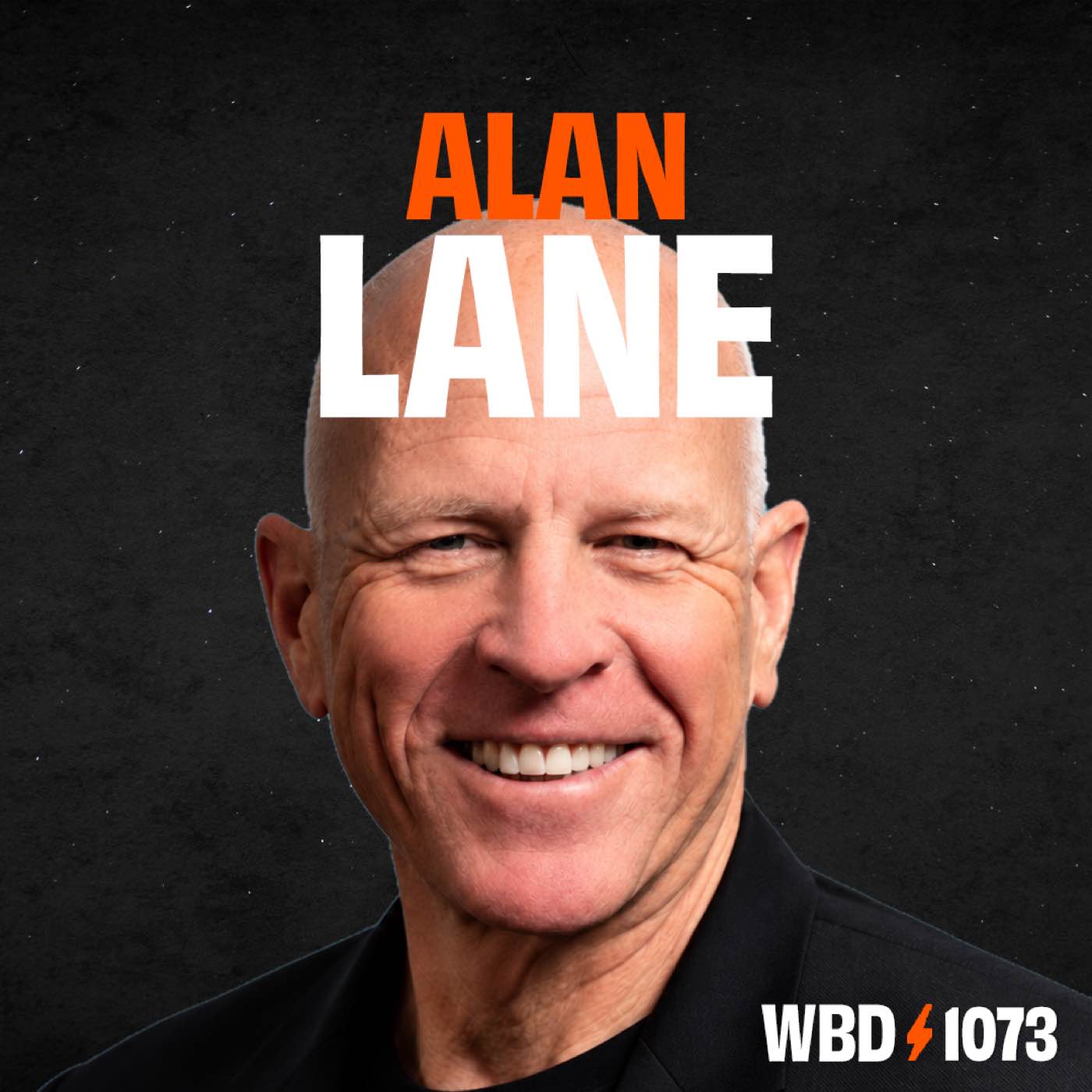
Alan Lane, former CEO of Silvergate Bank, explains how Silvergate became a Bitcoin-focused bank via the Silvergate Exchange Network (SEND), how it grew rapidly during the 2017 bull market, and how regulatory pressure and crypto contagion culminated in the bank run and collapse tied to “Operation Choke Point 2.0” themes.
Alan Lane joined Silvergate in December 2008 as CEO; previously worked in banking and private industry (CFO/CEO roles, turnaround work). He started in banking as a teller in 1981, later ran a community bank, and returned to banking in the late 1990s before taking over Silvergate during the 2008 financial crisis.
Written by AI. May contain mistakes.
Learn about the bank run and challenges faced by Silvergate.
“And then all of a sudden the run accelerated and within a matter of a couple of weeks it was you know I mean we experienced the biggest bank run in history.”
Discover Alan's banking career and how he came to Silvergate.
“But just to back up a little bit, just to give you a little context.”
Explore the growth strategies Alan implemented at Silvergate.
“And when I joined Silvergate, it was the smallest company I'd ever worked for.”
Learn about Silvergate's pivot to focus on residential mortgages.
“And so my charge going in there was let's turn this into a business bank.”
Alan shares his initial interest and curiosity about Bitcoin.
“I was reading about Bitcoin, that with Bitcoin, you could be your own bank.”
Understand the challenges faced by Bitcoin companies in banking.
“that raised venture money from reputable VCs, they're trying to do all the right things from a regulatory compliance standpoint.”
Dive into the concept of Operation Choke Point and its implications.
“That's a money service business because that, you know, that is a retail store that is cashing a check for a third party, right?”
Explore how Silvergate Bank transitioned and grew in the Bitcoin space.
“I don't know that, yeah, it was probably in part because it was small.”
Understand the challenges and strategies of managing rapid growth in banking.
“So we did a private placement, but realized that if this was going to take off, then we're likely going to need to be public because we're going to need to, you know, have access to capital to fund the growth.”
Learn how Silvergate built a crucial two-sided network for Bitcoin trading.
“But it's, it's a great inflection point because, because at the time we weren't quite sure the Sen was brand new.”
Discover how Silvergate navigated regulatory scrutiny while managing growth.
“These funds are moving rapidly and we cannot make a five-year commercial real estate loan, you know, and trust that these funds are going to be here long-term.”
Understand the development of the Silvergate Exchange Network and its impact.
“You know, but those APIs did not allow a tech company to integrate with the bank to enable transactions.”
Understand the development of the Silvergate Exchange Network and its impact.
“If something happened to me, could my family access my Bitcoin?”
Examine how Silvergate adapted to market slowdowns and strategic shifts.
“That's the end of that Bitcoin bull market.”
Learn about the compliance challenges faced by businesses seeking banking.
“And tell me what that board conversation was like.”
Discover the journey of Silvergate going public and its subsequent challenges.
“third party has a thousand clients that they're all trying to, you know, build compliance programs for.”
Learn how COVID-19 affected Silvergate's operations and stock performance.
“The entire world shuts down, except for crypto.”
Discover Silvergate's growth trajectory and capital raising strategies post-IPO.
“So then talk me through the next year or so, through 2020 into 2021.”
Explore the increasing regulatory scrutiny faced by Silvergate and its partnership with the DM Association.
“When did you start getting more and more scrutiny?”
Understand the challenges and decisions surrounding Silvergate's stablecoin initiatives.
“who was our primary federal regulator, but then also the U.S.”
Examine Silvergate's client relationships and its approach to Bitcoin-backed loans.
“We closed that deal and announced it on January 31st of 2022.”
Explore the banking relationships of Silvergate and early indicators of trouble with FTX.
“There were at least three customers that were larger than them.”
Understand the implications of the massive deposit withdrawals and strategic decisions made by Silvergate.
“And we ended up living that four months later.”
Learn about the survival strategies implemented by Silvergate amid regulatory scrutiny and financial losses.
“And the beautiful thing is that internally we were saying, hey, you know, we were a five billion dollar bank two years ago.”
The host and guest discuss the challenges faced during a tough period for Silvergate.
“And our team just, just, you know, they showed up every day.”
Alan Lane explains the impact of regulatory letters on Silvergate's operations and decision-making.
“And when those are issued, it's all of them together.”
Discussion on the decision-making process leading to the winding down of Silvergate.
“And we were being told that we were going to have to diversify.”
Alan Lane reflects on the aftermath of Silvergate's closure and its effects on the banking industry.
“Do you think that pressure to run a diversified bank was, was there incentive in that to protect depositors, protect investors, or was it to cut off Bitcoin, crypto from the banking industry?”
A discussion on the perceived motives behind regulators' actions against crypto banks.
“winding down was a contributing factor to Silicon Valley Bank's failure.”
Alan Lane shares the challenges and responsibilities faced while winding down the bank.
“talked about how um silvergate was like a crypto siffy a siffy bank sifi systemically important financial institution um you know that's what these too big to fail banks are that they're they're called SIFIs.”
Learn about the difficult decisions and responsibilities faced during Silvergate's downfall.
“Because without customers, you don't have a business.”
Discover insights on regulatory challenges and the impact of pursuing Diem.
“I've had a lot of time to think, you know, there are things that I wish we would have done differently.”
Alan Lane shares his newfound belief in Bitcoin's importance after his experience.
“that the world needs Bitcoin than I became convinced going through this process.”

Get the gist, explore an idea or ask about something said.
 Claude
On What Bitcoin Did, what are the key points of this episode?
Searching your listeningAutomatic transcript. May contain errors.
0:02And then all of a sudden the run accelerated and within a matter of a couple of weeks it was you know I mean we experienced the biggest bank run in history. We had instances of being debanked ourselves you know I'm not going to you know throw stones at anybody but there were counterparties that want were trying to distance themselves from us that we relied on to provide services to our clients. We were not going to be permitted to run a bank focused on the Bitcoin or the crypto market. It did become clear very quickly that FTX were not what they said they were going to be. What was happening internally at the bank when you saw that happening?
0:45Let's do it. All right, Alan. I am so excited for this show. We've been talking about doing this for so long. And for anyone that isn't aware of the story, they're about to hear about probably one of the biggest stories in Bitcoin ever, certainly the last five, 10 years. And it's not really a story that's been told. So I'm very glad you're here. I appreciate the opportunity. Of course. But we should start by, like for any of the audience that don't know who you are, let's go through who you are, your background, and then what happened in the early days at Silvergate. When did you start with Silvergate?
1:15Sure. So I started at Silvergate in December of 2008. Little did I know that a couple months before I started, the Bitcoin white paper had been published. And a month or so after I started at Silvergate, you know, January 3rd, 2009, but I was fully, you know, immersed at Silvergate. But just to back up a little bit, just to give you a little context. So I started in banking as a teller while I was in college in 1981, 45 years ago. So I've done a lot of things, been with a lot of banks over the years, but I also spent several years in the 90s before many or most Bitcoiners were born in private industry in both retail and manufacturing as CFO, CEO.
2:09And so had a pretty broad business background. I went into businesses as kind of a turnaround guy in the mid-90s and got back into banking in the late 90s initially as a chief financial officer, then as CEO of a community bank. Built that bank, sold it, and then did a couple of other things along the way before I found my way to Silvergate in 2008. And when I joined Silvergate, it was the smallest company I'd ever worked for. 38 employees, four branches, a little under$300 million in assets. So very tiny niche. Primarily did commercial real estate lending and purchased residential mortgage loans and had a securities portfolio.
2:57But it wasn't a business bank. Didn't have really customers that walked in off the street. So it was very small, based in San Diego. And, but importantly, this was right at the height of the financial crisis in 2008. It was small, clean, and well capitalized for a small size bank. And so it was really well positioned to take advantage of whatever opportunities were going to come along during the great financial crisis. And so did you go in there as CEO straight away? I did. Okay. And when you joined that bank, obviously very small community bank, like what was your plan for growth? Yeah. So as I mentioned, Silvergate was privately owned.
3:40The chairman and CEO at the time owned, I think he owned 25 % of the bank. And he had put together an investor group when he bought control of the bank about eight years earlier. I think it was late 90s when he took control of the bank and was essentially just running it as a finance company. He had a commercial real estate background, had cut his teeth at Goldman. But he recognized that in order to really get any value out of this investment that he had made, he was going to have to turn it into more of a community bank with real deposits, core deposits, you know, et cetera. And so my charge going in there was let's turn this into a business bank.
4:32That's, you know, I'd been in business and the banks that I had run previously were more focused on commercial business banking as opposed to commercial real estate. And so we were going to become a business bank. And the challenge at the time was that every other bank in the country that was still standing during that great financial crisis, they were all choking on their real estate exposure. And so all of them had decided too, they wanted to be a business bank. So there we were, really small platform, and we were trying to be a business bank while every of the bank in the country was saying, hey, you know, we can't lend against residential.
5:14And so we actually pivoted right after I got there and went all in on banking residential mortgages. Now, we did that through a mortgage warehouse operation. So we were providing financing to mortgage brokers all over the country, mortgage bankers, essentially. And so while everybody else was getting out of real estate, we went all in on it and and grew very successfully over the next four or five years. And what we didn't have was deposits. We didn't have a deposit franchise to fund our loan growth. And that's really what led me into looking at Bitcoin. So at this period, you bought the bottom in the housing market.
6:01You had good growth. And then 2014 is when you first started doing things with Bitcoin with the bank. But when did you first start hearing about Bitcoin? It wasn't much earlier than that. So 2013 was when I first got interested in it. And it was just an intellectual curiosity personally. I was reading about Bitcoin, that with Bitcoin, you could be your own bank. At the time, I had been a banker for however long that is, 30 plus years. And so I thought, well, I wonder how that works. And we had developed a little bit of a reputation at Silvergate of being a bank that was interested or that was willing to consider things that weren't quite normal for a traditional community bank.
6:51Right. And so I was starting to get introduced to to some folks. As an example, there was a company that was they were an OTC desk. They were a broker dealer and they were enabling their clients to to buy Bitcoin. And so we started looking at it through the lens of, well, if we offered banking services to them, what what would be required? And, but at the time, we certainly had no idea that it was going to turn into what it turned into for us. But to back up at the time, we were looking for deposit sources. We still had the same challenges that we were a small bank trying to bring in deposits.
7:40Limited branch network, growing branches is, it's always been slow. It's virtually impossible now, you know, especially in this digital age. that we're in. And so looking for other niches. And as I went down, and I'd like to say I went down the Bitcoin rabbit hole, but that was really later. But as I was just looking at, okay, well, what is this new thing? I discovered that there were companies that were raising venture money and they were getting kicked out of banks. And the example I often used back in the day was Coinbase. They had raised, I think,$20 million. And I thought, well, gosh, if here's a company that raised venture money from reputable VCs, they're trying to do all the right things from a regulatory compliance standpoint.
8:30They've heard of AML, BSA, and they're trying to do those things in a regulatory compliant manner. And if we can find a way to bank them, then maybe they can take that venture money and deposit it with us. I had no concept of the SIN, which we'll talk about later, but it really was more of just a business banking offering for a niche industry that was starting. And all they wanted to do was open a bank account, deposit their money, and pay their employees and their rent and all that. So to me at the time, it just looked like a business banking opportunity on the deposit side, it obviously became much more.
9:12And so when you say you needed to find a way to bank these people, what does that mean? Like, why were they getting kicked out of the other banks? And were you the only one that was looking to actually offer them a solution? Yeah, I'm not sure whether other banks were looking to offer solutions. I was aware that these companies were getting kicked out of banks. And the issue at the time was, you know, a lot of people in the industry have heard of operation choke point 2.0 yeah well at the time in 2013 and 14 we were kind of on the heels of the original choke point um no one called it choke point 1.0 it was called choke point and this was the gambling industry yeah exactly and and um so you know was gambling and and other you know other things that um that were unfavorable let's call it you know we weren't in those you We weren't banking any of that stuff, but we recognized that these companies, these Bitcoin companies, I should also mention, this was Bitcoin only at the time.
10:17I mean, crypto wasn't even really a thing, right? I mean, it was Bitcoin. And so we recognized that these companies were kind of getting lumped in with the online gambling and all the other stuff as part of the choke point. what it really had to do with was the regulatory framework so so um in banking parlance these are these are considered money service businesses right um now in my commercial banking career working in community banks i was very familiar in southern california especially with money service businesses um from the perspective of like a a you know a bodega a grocery store where they would also allow, you know, maybe migrant workers to cash their paychecks, you know, those kind of things.
11:09That's a money service business because that, you know, that is a retail store that is cashing a check for a third party, right? Which is, you know, they're not in there just to buy groceries, but they're actually in there cashing a check. And so there's an absolutely, there's a regulatory framework that existed even back then for, Or, okay, this is a money service business. And so there are specific things that a bank needs to do. And it's know your customer. What is the source of funds? All of those things. And so what we looked at was, okay, is there a way that we can bank this type of activity?
11:49And what would be required? Now, the other thing that's interesting is in earlier that year, 2013, was when the first FinCEN guidance came out. So there was FinCEN guidance, I think it was in March of 2013, that was the first regulatory guidance around, as the term was called then, virtual currency. Okay, so you can go look at this guidance issued in early 2013. And we looked at that and they basically FinCEN outlined three different types of activities. There was a user of virtual currency, an administrator or an exchanger. I think those were the terms. And so we looked and said, OK, well, which one of these buckets does a company like Coinbase fit in and what are the requirements?
12:39And so once we got comfortable that we understood that, we then had a conversation with our regulators in 2014 and said, OK, this is the type of activity. We did kind of a Bitcoin 101 tutorial and we were launched. And so when you started taking money from Coinbase and these other companies that were sort of new in the Bitcoin space, was there any pushback from regulators, not even just in that meeting, but in the following 6-12 months? There was nothing. No. And is that because of the scale of it? Because at that point, it was still relatively small. This show is brought to you by our lead sponsor, Ledin.
13:19I've taken out multiple Bitcoin-backed loans with Ledin, and I think they're an awesome company. So if you do need dollars for a business expense, a tax bill, you just want to stack some more Bitcoin, whatever the reason is, Ledin lets you use your Bitcoin as collateral instead of selling it to raise the cash. And with Ledin Loans, your collateral is held in custody and it's never lent out to generate interest. They give you all the tools you need to manage the loan as the Bitcoin price moves, so you'll get alerts. There's an optional auto top up, which automatically adds Bitcoin to your collateral if it's needed.
13:46And for any reason, you can always repay the loan early with no penalty. To see what a loan would look like for you, check out the loan calculator on their website. You'll get to see your rate before you apply and how much collateral you'd actually need. And if you do want to apply for a loan, use the code WBD for 0.25 % off your first loan at leden.io forward slash WBD. That's L-E-D-N dot I-O forward slash WBD. In the world of Bitcoin, security isn't just a feature. It's the entire foundation. And that's where my new sponsor BitGo come in. For over a decade, BitGo have been the backbone of the entire industry, securing billions of dollars of Bitcoin for major funds, exchanges and institutions.
14:23following their 2026 public listing on the new york stock exchange under the ticker btgo bitgo are now bringing that exact same enterprise infrastructure to individual bitcoiners self custody is still the gold standard but as your stack grows it's worth thinking about whether diversifying your custody can make sense bitgo pioneered commercial multi-sig and their cold storage combines distributed keys offline key generation and geographically separated vaults head to bitgo.com to get started with institutional grade custody your bitcoin secured like an institutions. That's Bitcoin. As Bitcoiners, we spend a lot of time thinking about taking control of our money.
14:58But what about where we live and the options we have if the rules change? Having a plan B means giving yourself and your family choices. Somewhere else you could live or a different system you can access if you need it. And this is the stuff you want to have in place before that happens. That's where expat money comes in. They help give freedom-minded people optionality so you're not dependent on the whims of any one government or any one system. Their founder and CEO, Mikkel, has been an expat for over 25 years. He's built his own life this way and brings that personal experience to helping others do the same.
15:28If you've ever thought about building your own plan B, download their free report at expatmoney.com forward slash WBD. That's expatmoney.com slash WBD for your free report. You know, I would say that, um... I don't know that, yeah, it was probably in part because it was small. in part because it you know the activity certainly wasn't it wasn't unusual for you know if it's a money service business by definition they are essentially transacting with other people's money right and there's a regulatory framework for that and as long as you build the appropriate controls then that's an activity that you should be able to bank.
16:16And so, you know, and I should say that, you know, Coinbase wasn't our first customer. I use them as an example because of the fact that they had raised a pot of money. Yeah. And I was looking at that and saying, okay, if we can attract those types of customers, it could be a fairly meaningful initiative for us. And that's another important thing. And it kind of piggybacks on your question about, you know, the fact that it was small. Um, we looked at this as a bank, we were maybe around 500 million in assets. So in five years, you know, we, we had grown from call it 300 million to 500 million, you know, that's kind of pretty, you know, slow and steady growth.
16:57Um, but I looked at it and I said, well, gosh, you know, most banks are just kicking this stuff out because it's too small. They don't want to build the infrastructure to be able to handle it. But for us, it could be meaningful. You know, if we could attract 100 million in deposits from this, you know, it could have a meaningful impact on Silvergate and everyone else is going to ignore it. So it was worth it for us to spend the time to try to figure it out. And as you know, and that any of your listeners know, once you start going down the Bitcoin rabbit hole, there is no turning back. And so, yeah, it was the beginning of, you know, of a great journey.
17:38Okay, so then take me through the next few years that came. How quickly did this grow? You start with, when you first start taking Bitcoin deposits, you're at$500 million in deposits. What did it look like over the next few years? Yeah, so it was slow to take off. For those that have been through many cycles, the end of 2013 was super exciting. That was right when we were getting in, you know, and that was when I bought my first Bitcoin personally. Everyone buys the top. Oh, man. And then Mount Gox happened in early 2014. We had already opened one account. And by the end of 2014, we probably only had like a half a dozen clients, probably less than 20 million in deposits.
18:25and um 2015 the i didn't know it was a bear market you know we now have these you know these these terms um you know but it was it was a bitcoin bear market and we were trying to you know we were trying to build a business and and so by the end of 2015 we maybe had a dozen clients um maybe 20 um and but uh importantly we were starting to um get what i would consider to be better quality leads. Okay. So such that in early 2016, that's when we hired Ben Reynolds. Ben, Ben Reynolds, we hired him initially just as a business development officer to essentially go out and try to drum up business in this new initiative that we were running.
19:17Ben didn't know anything about Bitcoin, but there wasn't anybody that knew anything about Bitcoin back in, you know, in 2016. And, and, you know, the way Ben would usually describe it is he said, you know, Silvergate had some of the best clients at that time in the industry. And so his, he just went back out there and asked them, hey, you know, how can we be more helpful? And that question, and really listening to what people were saying, what our clients were saying in 2016, really became the genesis for the Silvergate Exchange Network, the SEND, and then all of the growth. But in 2016, by the end of 2016, we maybe had 50 million in deposits.
20:07So it still wasn't growing significantly until the bull market of late 2017. And that's when everything kicked off. And so you mentioned the Send Network then, and that was one of the huge new products that you brought to the market that we'd never really seen before. When did that launch? So the idea was 2016. We needed to make some changes in the technology platform at Silvergate in order to really build it. We were in the process of doing a data processing conversion. And, but I mean, the timing couldn't have been better in terms of hiring Ben, getting out there, him getting out there and identifying what some of the needs were, because it really helped us determine which platform, which core data processing platform we were going to go with.
20:59And it really was all about enabling our clients and our prospects to interact with the bank via API. And back then, you know, I mean, now you go to any, you know, any legitimate website for, you know, any tech, you know, a fintech. And, you know, if you're a developer, you can immediately go to the developer website and you can look for, you know, for all their documentations. you know, their SDKs and their APIs and all that stuff. Well, that didn't really exist in 2016 and 17. But Ben identified that as a need. And that caused us to choose a specific platform that would at least allow us to build an API to allow our clients to interface with the core.
21:50And so that launched in, I think, late 2017. But 2017 was kind of the pivotal year for the launch of the CEN. We started 2017 with 50 million in deposits in this initiative. And at the time, we had grown to be about a billion dollar bank. So in terms of asset size, we're about a billion dollars of which. And that portion is not super meaningful. Right. 50 million in deposits from the Bitcoin initiative. by the end of March. So in the first quarter, we were a hundred million by June, it was 300 million. And I sent, uh, an email to our board, um, with a line from jaws that said, we're going to need a bigger boat.
22:39Um, and I, I still had no idea what it was going to become. Um, but, and by the way, there was one other thing. Um, we had been trying to stay under a billion dollars in assets and this has everything to do with kind of regulatory thresholds. Okay. Um, if you're, if you're, um, once you cross over a billion dollars in assets, then there are certain regulatory requirements that kick in. Um, a lot of this has to do with like, um, you know, regulatory compliance, um, internal controls, things that all banks have, but smaller banks tend to outsource a lot of that. And as you get bigger, you start to bring some of that in-house, start to get a little bit more sophisticated.
23:21So in 2016 and 17, we were trying desperately to stay under a billion dollars in assets while we were building all the infrastructure. And so as this initiative was growing, we were like shedding other stuff. Okay. So we had brought in a lot of internet and brokered CDs to fund the loan growth. And so it's like, well, let's let that roll off and we'll fund it with the Bitcoin, you know, with the deposits from the Bitcoin initiative. And so that allowed us to stay under a billion. But that was in 2016. But by the end of 2017, we had a billion dollars, over a billion dollars in this initiative. And so we essentially went from a billion dollar bank to a two billion dollar bank in a year.
24:16And that kind of growth is unheard of. And so we had to raise some money. We weren't public yet. We didn't go public till 2019. So we did a private placement, but realized that if this was going to take off, then we're likely going to need to be public because we're going to need to, you know, have access to capital to fund the growth. So tell me what it means to grow like that as a bank, because you said previous to this, you've been growing steadily, slowly. And now all of a sudden 2017 hits and you're growing like a high growth tech stock. Like this is insane numbers. How unusual is that in banking?
24:52It's very unusual. um it you know we ended up uh you know because of the growth and because of the niche uh we started being viewed i think by the regulators um as more of a um i'll i'll use the term high risk um not from the bitcoin crypto perspective as much as from the growth perspective right it's like okay well do you have the all the infrastructure um that that you need in order to handle this growth doing things like managing liquidity. We didn't yet really understand the kind of spikes. But I will also say in fairness to our entire team at Silvergate, because the CEN hadn't really been launched yet, we weren't yet managing the funding the way we ultimately did for like from 2000 and call it 18 or 19 through the end of 22.
25:57Because once we recognize that, okay, the primary way our clients are going to use this is for managing liquidity, then we realized, okay, we cannot use these funds the way we had originally. When we got into this business in 2013, the idea was we're going to use this to fund our loan growth. Well, as some of our competitors learned in the first quarter of 2023, if you're using those deposits to fund your loan growth and those deposits dry up, if you have a run on the bank, you can't go out to all the people that you lent money to and say, hey, could you please pay me back because I've got to give the money back to our depositors.
26:41So I don't want to jump the gun here in terms of where we're at in the story, but I do think it's worth explaining the way that you were managing that book sort of up until this point and then what you changed going forward. So when you were getting the deposits in, how were you using that money within the bank? Yep. So again, and 2017 is an interesting year to talk about this because as I mentioned, we had grown to a billion dollars in size, but we had funded it with a lot of CDs, a lot of brokered certificates of deposit. Those were typically, you know, in dollar amounts of up to$100 ,000 or up to$250 ,000, whatever the dollar, you know, the FDIC insurance limit was, but they were chunky deposits, term deposits.
27:27And so it's really a better match funding for a loan book, right? Um, and, um, but then as the deposits grew and, um, we didn't have the capital to support the growth in 2017, um, the only way that we could support that growth was to let the CDs run off and essentially replace those with the deposits coming in from, from the likes of a Coinbase, et cetera. Okay. Um, now at the time the cent wasn't launched, so the money wasn't moving in and out. It was just, it was all one way. It was all coming in. Okay. But it's, it's a great inflection point because, because at the time we weren't quite sure the Sen was brand new.
28:14And when you're launching something like the Sen, and these are all things I've learned, you know, it'll sound like, oh, you know, gosh, you know, Alan knows so much about networks. I learned it all at Silvergate. You know, it's, you know, we essentially built a two-sided network, right? Where we had all of these exchanges, okay, that were essentially enabling their clients to buy and sell Bitcoin, right? But then you needed all the other liquidity providers as well. So all the OTC desks, you know, and so we've often used the example when we were out raising money, for instance, we would talk about other networks, you know, in fact, like Uber, you know, and Uber is a two sided network.
29:03You got riders, you know, I took an Uber on the way over here. Right. But it doesn't work if you don't have drivers. Right. And and so building building that that two sided network, we didn't know if it was going to be successful. But the beautiful thing is once you start getting that that kind of critical mass, it just kind of builds on itself. And that was really, you know, at the time it was like, okay, you know, back to your question. These funds are moving rapidly and we cannot make a five-year commercial real estate loan, you know, and trust that these funds are going to be here long-term.
29:45And so we started shifting. And now the beautiful thing also is that a traditional bank doesn't grow, you know, the loan side doesn't grow that rapidly. Right. You know, and so it wasn't that hard to kind of say, OK, well, we can continue to fund this little loan book, you know, maybe 300, 500 million with CDs. and we can, with the rest of the money that's coming in from the Bitcoin deposit, the Bitcoin depositors, we'll just keep that in cash and investment securities. And so that was the way we managed. So for a while, we kept both going. Okay. And so the other thing you said there is that when you reached, you added a billion dollars to the balance sheet during 2017, you were getting more scrutiny from the regulators.
30:33And their question was like, do you have the infrastructure to deal with this? At the time, did you? You know, we had kept them, you know, fully apprised all the way along the way. I remember when we talked about the Senn and we talked about building, you know, this way for our clients to interact with the bank and exposing an API. You know, I mean, a lot of banks back then, I mean, it's funny to talk about this, but I mean, it literally was, you know, 10 years ago. very, very few banks had transactional APIs at the time. Yeah. Lots of banks said, oh, yeah, we've got APIs. You know, but those APIs did not allow a tech company to integrate with the bank to enable transactions.
31:2424-7. 24-7. And, you know, that's the other important thing, which, again, and I give all the credit to Ben Reynolds for this, because Ben, when he was out visiting with our clients, and I'm going to backtrack just a little bit, but the reason the Sen was born is because when he went out and asked our customers, you know, how can we be more helpful? So some of these folks were, and these were like the proprietary trading shops in Chicago, as an example. They were managing, you know, they're buying Bitcoin all over the world. And at the time, there were huge disconnects. There was a huge arbitrage.
31:59It was the kimchi trade. Exactly. Exactly. And, but in order to, in order to really effectuate that trade, that meant that they had to have liquidity in all these different markets, right? Because Bitcoin, you know, it doesn't sleep, right? 24, 7, 365, the banking hours, Monday through Friday, 8.30 to 5, you know, and, and so they were spending, as they told it, as they shared with Ben, they were spending at least half of their time figuring out how to have the appropriate amount of liquidity in Singapore, in London, all over the world, just so that they could take advantage of opportunities. And so when Ben came back from his field work and said, hey, I think if we enable our customers to transfer money to each other, this could really be a huge unlock.
32:52And I was skeptical. I'll be the first to admit, I was saying, will they really keep the money? I mean, won't it just leave the platform? He said, Well, no, because they're going to be trading with each other. And so it was a huge unlock. We were literally, I think, the first bank in the world to bring the old-fashioned, traditional banking system, only open Monday through Friday, into the 24-7, 365 Bitcoin ecosystem to where you could literally push dollars any time of the day or night. And there's two other quick distinctions. It was U.S. dollars only. Okay, so we never touched crypto. You know, we called it the Silvergate Exchange Network, not because it was an exchange, but because it was a network of exchanges.
33:42Okay, so we allowed our customers to move dollars and it was push only. And you had to be a client of Silvergate. So this was the other beautiful thing is that once you were inside the network, than when other customers found out that, oh, I can transfer to Danny on a Saturday night. So it became a huge unlock and then it became a business development tool because if you're a client with Silvergate and you're interacting with a new potential counterparty - You own them on the network. They would say, hey, do you bank with Silvergate? If the answer was no, that would be the first call. Recent hardware wallet vulnerabilities have definitely made me rethink my entire security setup as I'm sure it has for a lot of Bitcoiners.
34:27And the uncomfortable truth is that no single security product can promise there'll never be a problem, which is exactly why the design matters. BitKey is a self-custody hardware wallet that uses three keys created in three separate environments. There's one on your phone, one on the BitKey hardware itself, and one on a secure BitKey server. Two of those three keys are required to sign any transaction. So a problem isolated to just one key is never enough to move your Bitcoin. So if you are rethinking your setup right now, as I'm sure a lot of people are, you should really think about the BitKey.
34:56The hardware looks great. The app and the user experience is second to none. Backing up and restoring your wallet is seamless and they even have inheritance built in. So I really don't think you'd be disappointed. So download BitKey today. Use the code WBD for 10 % off the second generation BitKey, which is this device right here with the screen. Download the app, download BitKey, use code WBD and get 10 % off. Every Bitcoiner eventually has to answer one question. If something happened to me, could my family access my Bitcoin? would my children inherit what I've spent years stacking. That's why Anchor Watch builds Bitcoin custody solutions designed to protect you and your family against real-life accidents, errors, kidnappings, and even death.
35:36Every solution includes their inheritance protocol designed to help your Bitcoin reach the people you intend it for. And US-based customers can also add Bitcoin insurance backed by Lloyds of London. Whether you're a self-custody expert or want multi-institutional support, your Bitcoin estate plan should not be an afterthought. Bitcoin is only generational wealth if it can be passed down. So make sure your family can access tomorrow what you've built today. Anchor Watch is your custody, your way. So visit anchorwatch.com to get started. That's anchorwatch.com. And so get to the end of 2017. That's the end of that Bitcoin bull market.
36:11Going into 2018, 2019, did you see a slowdown in the growth? We did. Yeah, it wasn't as significant as other downturns that we've experienced, but it definitely slowed down. I think one of the things that masked the slowdown a little bit was the fact that because the Sen was new and we were onboarding, you know, we had a pipeline of clients or prospects who wanted to be onboarded. And, you know, they would bring in. And even though the market overall was in a downturn, we were growing. So we weren't growing as much, but the customer count was growing. Deposits fell off a little bit. But it was 18.
36:52It was 2018 when I said to the board, we should consider going all in on this. And they said, well, what do you mean by all in? And I said, well, I mean, like, this should be our business. This should be the strategy. This is what will create the most value for shareholders. We have something that nobody else is doing. I think Signature had maybe launched Signet around the same time. But, you know, we just recognized that it could be really meaningful for us. And so at the time, we still had four branches. But within two years, we were down to one branch. You know, COVID happened, obviously, a couple years later.
37:39But we ended up exiting all of our other lending activities. We started Bitcoin collateralized lending. We were the first bank, I think, to lend against Bitcoin. best lending I've ever done. And so a lot happened in 2018 and 19. And tell me what that board conversation was like. Did they get this by this point? Obviously, they've seen the deposits grow in a huge way, but did they get going all in on Bitcoin? That's very different from it being a part of your business. Yeah, it's a great question. And what I want to say to start with is I had a great board and they were very supportive, um but there were obviously skeptics right um you know we've all heard michael saylor talk about you know his his journey um but um because even going all in at that time um didn't mean completely exiting everything the the exiting everything else really was driven more by covid um so the going all in in 2018 was really more about um making sure that we had the resources recognizing that this was going to be an initiative that where we were going to devote um essentially unlimited resources to the extent that we you know i mean obviously nobody has unlimited resources but to the extent we could raise the capital um and that we could build the appropriate infrastructure, then, um, you know, we didn't want to be turning away good business.
39:12Having said that, um, you know, I think at our peak, we had around 15, 1600 clients, all business clients, but we had turned away over 10 ,000 businesses. Um, so there were a lot of companies that we said no to, um, which also gets lost in the story. But, um, we were, you know, if you had an account with Silvergate, you were viewed as, you know, you had a good program. Yeah. Again, I don't want to jump the gun too much here because this kind of gets into what we'll talk about later. But you said you said no to 10 ,000 businesses. What would be the sort of common reason that you would say no to a business?
39:52The most common reason literally was an immature compliance program. So it's a big tell if you've got someone coming to you and we ask for an org chart and the founder is the CEO and the chief compliance officer. But then they got wise to that. And so then they would go out and they would maybe hire some third party. But if you're just putting off, if the company's just putting off that responsibility to some third party, and that third party has a thousand clients that they're all trying to, you know, build compliance programs for. So there were many companies and, and, you know, there were quite a few that did the work to become compliant.
40:37And then, you know, so they would come back and they would say, well, what do we need to do? And we tell them and, um, you know, a year later they, they, they'd be back and, and we'd put them through again and, and some made it. So, okay. And so going into 2019, uh, you go public what was the value when you went public well i don't remember what our market cap was um the the ipo was was disappointing we almost didn't get public okay so um and anybody can go back and look at this i mean i think we were um we were trying to raise 40 million um and um and we were i think we tried to price it at like maybe, um, maybe 13 to 15 bucks a share.
41:24But we, when we had done the private placement in 2018, we had priced that at 12 bucks a share. And, um, so we went public at 12. Um, and, and, um, I don't remember what the market cap was. I, I, it's, it's been so long ago. Um, but it, it was basically almost like, um, you know, and we, we actually had to get some, some, um, investors that would be willing to sell into the IPO, which we weren't originally going to do. It was going to be all new capital. But the demand just wasn't there. So believe it or not, in November of 2019, we had a tough time convincing people. And then three months later, COVID happens.
42:08The entire world shuts down, except for crypto. you know and we have the the flash the covid flash crash in march but then it's kind of off to the races and you're now sat there as a public company much better access to capital and bitcoin's ripping yeah so at this point is it like all hands on deck grow grow grow um it it actually took a while um believe it or not so and you know that um flash crash march of of 2020 um just just to give you a little insight. So our stock price went from 12 bucks to eight bucks. Okay. Our book value was like 12. Okay. And so I was really torn because I had a little bit of money personally in my money market account.
42:58And it's like, okay, well, you know, Bitcoin price went down, Silvergate went down. And I thought, no, I am now the CEO of a public company I need to demonstrate. And so I didn't buy Bitcoin. I bought Silvergate stock. And I got a great buy on it. You know, I paid eight bucks a share for something that, you know, a year later was, you know, was, I think we did a secondary offering at 64 bucks a share. There you go. Money where your mouth is. Okay. So then talk me through the next year or so, through 2020 into 2021. What was your experience at the bank then? Yeah. So we did start growing in 2020.
43:36By the end of 2020, I think we were, I want to say that we were maybe around$2.5 billion in assets.
43:52Yeah, I'm losing track of the numbers in the years. We might have been up to$5 billion by then. But the real growth came in 2021. one. So just to kind of level set, December, so fourth quarter of 2020 is when the growth started ramping up. Now, because we had been public long enough, we had been public for just over a year, we qualified for the term of art in the public markets is a well-known seasoned issuer. You might have heard Saylor talk about this, a Wixie, as they call it, a well-known seasoned issuer. If If you've been public for a certain amount of time, your market cap is a certain level.
44:38You've filed all of your SEC filings on a timely basis so you can have more efficient access to capital. So we started working on a capital raise in December of 2020 that we ultimately hit the market with in January of 2021. And I think we raised about$200 million. And, you know, contrast that with, you know, three years earlier in 2018, when we had done that private placement, we raised about$100 million, took us six months running around the country trying to convince people to invest in this little thing at Silvergate, you know, and then three years later, you know, we, you know, it takes us about a month to get to line up the bankers and, you know, and we raised a couple hundred million dollars.
45:26Okay. And so when we talk about sort of the regulators as a part of this story, they're going to come into it in a very meaningful way soon. When did Choke Point 2.0 first start? When did you start getting more and more scrutiny? me. I've had a lot of time to look back. There's the headlines there, and then there's, well, you know, when can we might maybe identify some things that in hindsight may look like, oh, you know, maybe this was it. One of the things that doesn't get talked about a lot. So we spend, you know, Silvergate was known for the SEND, the Silvergate Exchange Network. But we were also at that time working on Stablecoin.
46:16Okay. It's obviously a big deal right now. Again, I think we were early to this. But in the beginning of 21, in the midst of all this growth, we start having conversations with the DM Association. and just to bring everybody up, you know, Facebook had announced in, I think it was 2019 was when they announced Libra. Libra, yep. And, you know, there's all kinds of blowback. And so Libra goes through a couple of different iterations. They go offshore to Switzerland, create this thing called DM. And they still have a desire to issue a stable coin, obviously. It was initially going to be a basket of currencies that was going to support it.
47:03Then it was going to be a dollar only. Um, and, um, as often happened back in that timeframe, um, people found their way to our doors, um, because they, you know, as just their, their talking people say, well, have you talked to Silvergate yet? And what happened in the first quarter of 21 is, um, some of our tech team was working with their team and, uh, the feedback that I was hearing, and this was all kind of secondhand from our folks that were working in the trenches with them is they said, hey, you know, we just accomplished with you guys in three weeks what we haven't been able to do with these bigger banks in months.
47:44And so we started talking with them about being their launch partner. And we started having conversations with a ton of different regulatory agencies. And this is all, Oh, by the way, anybody that's interested in this should go back and look because and I'll finish telling the story here from our perspective for what I can say. And there's a lot that I can't talk about. But there was an FT article that was written in early 22. And then David Marcus posted something on Twitter. I think that might have been 24. but should go back and look at those to kind of you know triangulate here on what I'm about to share but in any event in the in the first and second quarter of 21 we start working closer and closer with the DM Association and as we're working with them we end up working with what we discovered was essentially the president's you know this is the U.S.
48:51president's working group on stablecoins. Didn't know what it was called at the time, but it was regulators from the Fed, who was our primary federal regulator, but then also the U.S. Treasury, the CFTC, the SEC. I think there might have been OCC in there. So we're having lots of conversations with folks from DM, folks from Facebook and DM and with all these different regulators. And we get to the point in June of 21, where we're ready to launch pilot and we're all set, we're ready to go. And, um, we, um, essentially were asked to not launch yet. Okay. I can't go into any detail. Um, but it was basically what we were told.
49:42And, and, and by the way, what we were told was true, which is, Tate, their president's working group is in the process of issuing a white paper. They're doing a study. They're going to issue a white paper later this year. And we would really prefer if you would wait until that guidance was out. OK, so, of course, being good citizens, you know, we always tried to, you know, to work with our regulators. If they ask us to hold off, we held off. Okay. It took, so that was late June, November 1st, the president's working group report on stable coins is issued. In that report, it stated that the U.S.
50:30government would prefer that stable coins are issued by insured depository institutions. they they created an acronym idis insured depository institutions um it didn't actually say banks um but you know we looked at that said we're an insured depository institution importantly dm association decide you know recognize we're not an insured depository institution so they the dm association made the decision in november of 2021 that they were going to just throw in the towel, fold on this project, and they're essentially going to sell the technology. So they asked us if we would be interested. So we participated.
51:19It was a competitive bidding process, but we had gotten to know them pretty well and a lot of the members of the association quite well. And so ultimately, we were the successful bidder. We bought DM. We closed that deal and announced it on January 31st of 2022. And as I look back on that arc, and then everything that happened in late 22, I think there's a link to when we popped up on the radar of the broader regulatory. that might have put a target on your back because i mean for anyone that's not aware i wasn't around back then like the perception of stable coins was vastly different to today like i remember when libra first went in front of congress and david market marcus got absolutely oh yeah like they were so anti this idea yeah um okay so that's sort of going through 2021 2022 everything's really ripping, is this when you reach your sort of highest period of growth?
52:25Yeah, I think our peak was, it was definitely the first half of 22, first or second quarter. I think on a, you know, and this doesn't get reported because it's intra quarter, but I think, you know, maybe we're at the end of 22, we were 14 and a half billion in assets. I don't know if we ever reached 15 billion in 22, but we kind of peak, go up over 15, but then by the end of maybe the first quarter, you know, we were, we were back down a little bit, but, um, a lot of stuff started happening. Um, you know, again, that, um, folks that have been, been around long enough, you know, the, you had the Terra Luna thing, you know, you got the three hours capital, you got all this stuff that's going on.
53:09Um, but the send is just clicking away, you know, um, you know, where, um, we, by, we also had over billion dollars in loan commitments against Bitcoin. We had about 700 million outstanding at its peak. That all performed flawlessly, as you would expect when you have an over-collateralized loan, collateralized by Bitcoin. When you were doing that, this is a bit of a tangent, but when you were doing Bitcoin-backed loans, what were you doing with the Bitcoin that you received? So we never tested ourselves. What we had done was we had partnered with custodians. I think our largest partner in that was NIDIG.
53:51But we essentially had five different custodial partners. And the reason we did that was primarily because we understood that if an individual who owned Bitcoin, and I say an individual, but this was a business initiative. So it was businesses only, but a business had already gone through. And let's use Sailor as an example, because it's commonly known that MicroStrategy was one of our borrowers. Well, if they had done all of the work and decided that, hey, I want to custody my Bitcoin with this entity, then we weren't going to make them move that. So we established relationships with NIDIG, with Fidelity, with Coinbase Custody.
54:38Anchorage and indirectly with BitGo. It was with Bitstamp, but I think they used BitGo for their custody. So we basically, any of the institutional grade custodians at the time, if you wanted to borrow against your Bitcoin and you held it there, then we would enter into, in Wall Street parlance, it's called a tri-party agreement. Very common type of structure where you've got three parties, you know, you got the lender, the borrower, the custodian. And that's how we did it. And we monitored the collateral coverage 24-7. And the beautiful thing is, because it was over collateralized, we didn't have the problems that the under collateralized lenders had.
55:26You know, if one of our borrowers got into trouble, if they were having liquidity challenges, they wanted access to the to the the liquidity that was tied up in their loan with us right you know because if if they were over collateralized then if they paid that off then they could free up some incremental liquidity yeah and and that's exactly you know what what we experienced you know during that time frame okay so in 2022 who are your biggest clients coinbase and circle were um and we though they were named publicly you know they were named in our filings um the other you know larger large clients that we had at the time um you know we we we banked all of them right so um so uh kraken bitstamp um ftx obviously um and um you know there was a narrative out there that FTX was the largest.
56:30They were not. There were at least three customers that were larger than them. But they were meaningful. They were certainly meaningful.
56:41But, and then on the lending side, some of those same clients were also, you know, they're on both sides of the balance sheet. And so, you know, it was a great business. um i mean it was you'd built this to be the cornerstone of the bitcoin industry like this was who everyone banked with um amazingly impressive and so in terms of the the businesses that you banked i'm obviously asking about these for a reason and we're getting to that but obviously ftx were you banking with them alameda as well and was it like the three hours capital like all the all the people that end up getting caught up in this sort of crypto contagion sure Okay, so let's go through the list.
57:25So we banked Genesis, which filed bankruptcy. We banked BlockFi, which filed bankruptcy. But my recollection is that Alameda was one of the earlier, we talked about the earlier days, you talked about the kimchi, that whole thing. Alameda was one of those customers that was using the SAN. to buy and sell Bitcoin all over the world. It wasn't until later that they formed FTX and FTX ultimately became a customer. So yeah, so FTX, Alameda, but then yes. Now, three hours capital, I don't think they were a client. Celsius was not a client. Or if they were, they were in the very early, early stages, but we didn't have any exposure to Celsius at all when they were one of the other ones that filed bankruptcy during that time frame.
58:21Okay, so during 2022, obviously we know what eventually happened to FTX. Was there any period where that account started looking risky?
58:32Not, to my recollection, not until all of a sudden, you know, they were experiencing a run. You know, and if you remember, for a brief period of time in that like summer time, they were actively acquiring, or at least attempting to acquire, some of the companies that were in trouble. As an example, you know, BlockFi, right? They were seen as the savior of crypto. Exactly, exactly. Okay, and so when, let's get to sort of the juicy part, when it did become clear very quickly that FTX were not what they said they were going to be. What was happening internally at the bank when you saw that happening?
59:13um so we certainly didn't initially i don't recall seeing any you know like regulatory compliance warning signs um i think what what we saw happening was um deposits went down rapidly and then um we started seeing other deposit flight um and and so this all happened pretty quickly and it started happening i think the the second week in november um and um you know there was something that had been posted on twitter about their balance sheet you know ftx's balance sheet or something like that. And then all of a sudden, you know, their deposits, and I don't even remember specifically being made aware of the FTX deposits specifically, it was more like, okay, well, deposits are going down.
1:00:18And then all of a sudden, the run accelerated. And within a matter of a couple of weeks it was you know i mean we experienced the biggest you know as a percentage of deposits the biggest bank run in history this was the biggest bank run history and i think the total was 70 percent of deposits were withdrawn that's right okay i there's i've got so many questions on that but firstly when this was happening when when it got to sort of crunch time when you're at 40 50 deposit been withdrawn and it's not slowing down what's happening in the bank? Is everyone panicking? Or did you know that you were robust enough to survive this?
1:00:55From a liquidity standpoint, we were, we knew that we were going to survive that. What we were beginning to question was, okay, where's the bottom of this? Okay. It's really ironic that, you know, I'm going to share something with you that my fellow Silvergate team members will remember. But keep in mind, this is the tail end of COVID. We had experienced all this growth during COVID. We were a fully remote bank. And we had, in that second week of November, we had a gathering of our employees. And obviously, people still need to run the bank. So about half of the employees had gotten together in San Diego.
1:01:42And we were essentially having one of our first get togethers post COVID. And, um, so we had a series of events and, you know, people were working, but then we were also, you know, getting together and, um, this deposit run starts heating up. And, um, I remember having a, so having a conversation with our team, folks that were there in the room and, um, and the question came up, you know, about the deposit run. I mean, we were very transparent, you know, and internally, everybody knew every day what the deposit levels were, et cetera. And I made a comment that ended up being somewhat prophetic.
1:02:21I didn't know it at the time, but because of the way we had structured the balance sheet, I said to our team, I said, if all the deposits leave, we will handle every withdrawal. And then the next question we're going to have to do is we're going to look around to each other and say, okay, well, what do we do now? And we ended up living that four months later. But I mean, we knew that we had the liquidity to satisfy every withdrawal. So you have the liquidity to satisfy the withdrawals, but what does that actually mean for the bank? Like, even if you can cover withdrawals, can the bank continue to survive?
1:02:59Because I imagine shareholders, investors get hit really hard in this, but you're gonna make all the depositors hold. Yes, yeah. Yeah, so it's a great distinction to make because we had to, initially, we didn't realize we were going to have to sell our entire securities portfolio, right? So the way we had structured the balance sheet was instead of lending out those deposits, we were keeping a large investment securities portfolio. do. But keep in mind also that all that growth happened during a time when interest rates were zero because this was COVID, right? So 2020, 2021, and first part of 22 until I think the Fed raised rates for the first time in March of 22.
1:03:46But all of that growth happened when interest rates were zero, which meant that we had to invest in something because as you're growing, you have to build more infrastructure. You have to hire more people. How do you pay for those folks? Well, you have to earn revenue somehow. So we were building an investment portfolio that would be short duration, but taking some maturity, you know, transformation, you know, or, you know, that, that trying to go out on the yield curve a little bit so that we could generate enough yield to pay for all the infrastructure. Right. So that's the painful part in the unwind, because once we realized that we have to sell the securities portfolio, we did take losses.
1:04:27Now, Now, if we didn't have enough equity to cover the losses, we would have failed. OK, so the way we built the balance sheet was everything that we had was pledgable to borrow against. So the first thing you do when you have a deposit run is you borrow against your investments. Other banks may borrow against their loans, but ultimately got to pay those borrowings back. It became really clear early on that this was going to be a while. This was not going to be, as we're talking with our clients in the aftermath of FTX, it's going to take probably months, not weeks, for our deposits to come back, which means we're going to have to pay down these borrowings.
1:05:12We're going to have to sell some securities. We didn't realize we were going to have to sell them all, but that's what we started doing. So we borrowed from the Fed, we borrowed from the Federal Home Loan Bank, and then we start selling securities to pay them off. And, you know, ultimately, then as we get into March, you know, we made the decision to wind down completely. But that was not anywhere in our thinking in November and December of 2022. You survived this 70 % deposit bank run. is there any part of you at that point that thinks okay we can rebuild from here we've taken a huge hit but there is a possibility that there's a hundred percent there there was um there was no doubt in my mind that we were that we were going to continue to serve the industry um the the kind of conversations we were having in december um was okay because we have we've had to sell at the time so we had an internal initiative um just tell you some of the things that come back flooding into my mind.
1:06:14We have to sell 5 billion of securities in five weeks. Okay. So it was five in five, but this was Thanksgiving to new year's. And I knew from my banking experience that we really didn't have until new year's because the, the entire market shuts down for, you know, what's meant we're saying five in five, but we really got to do 5 billion in three weeks. Okay. So we sold 5 billion of securities in three weeks, paid off the discount window at the fed, and took, you know, 700 million in losses. I think the losses on the securities portfolio was 700 million. And we had over a billion in equity, but it was a huge hit.
1:06:55So then the question becomes, okay, now we've just burned through a ton of capital, which means if it all comes flooding back, we don't have enough capital service at all. So we start talking about doing a RIF, a reduction in force, right? So this is, you know, Merry Christmas, you know, but in the first two weeks of December, we were putting together financial projections for what would it look like, you know, to be on the other side of this. And the beautiful thing is that internally we were saying, hey, you know, we were a five billion dollar bank two years ago. We know exactly what it takes to run that.
1:07:31It doesn't take as much as what we have right now. And so by the by January 5th, so we actually did a press release on January 5th and we We announced that we were laying off 40 % of our staff. We told the entire market exactly what happened. You know, what was the deposit run? What were the losses from the sales of securities? But good news, you know, we're still here. We're servicing the industry. And we were, you know, we didn't have to rebuild anything. We actually had to cut, right? You know, we had to make some strategic decisions to say, okay, we're not going to be able to do this correspondent banking initiative where we were, you know, establishing relationships with banks all over the world.
1:08:14So there were things that we were trimming back on. And one of the things that we were also focusing on was, okay, if you're an exchange and you've issued your own token, like, you know, so I mean, again, this doesn't exist anymore, but all these exchanges, you know, had issued their own token so that they could, you know, offer marketing incentives or whatever but that that was a big red flag you know after what happened with ftx and their token and so it's like okay well if they've issued their own token then we're going to have to go in and take a hard look and and we might be firing some customers and so we were going to essentially be a leaner operation but we were going to still be in business so the most impressive thing of this entire story like one it's very impressive that you built a bank from 500 million deposits to 15 billion that's incredible but it's even more impressive that you survived a 70 deposit withdrawals bank run.
1:09:04Is there any other bank in the world that could have done that? I don't think so. And I've got to really pause here and give credit to our team. The team at Silvergate, I mean, they were impressive and everybody, our customers loved us. But going through this, you really, I mean, you show your mettle, right? People and our team, Had we not structured things the way we did, we wouldn't have survived. If we weren't there, you know, and people weren't showing up when they were needed and then dealing with the onslaught of the regulatory attention, the customers, you know, it was literally and and, you know, we were essentially we had instances of being debanked ourselves.
1:09:55You know, I'm not going to, you know, throw stones at anybody, but there were counterparties that want, were trying to distance themselves from us that we relied on to provide services to our clients. So it was an incredibly stressful time. And our team just, just, you know, they showed up every day. And it's the thing that I miss the most is, is working with all the incredible people at Silvergate. Yeah. Yeah. So start of 2023, tail between the legs, you've been hit really hard, but you still have this plan to survive. What happened in the next three months until March when you decided to close down?
1:10:30How did that thinking change? Yeah. So on January 3rd, the banking regulators issued an interagency letter, a joint statement. And when those are issued, it's all of them together. So it's the Fed, the FDIC, the OCC. And if you go back and look at that letter on January 3rd, it looks like it was written for Silvergate and maybe Signature. You know, I mean, but they were just citing all these liquidity risks to, you know, about concentrations in this industry, et cetera, banking, crypto. but we looked at that and said okay well yeah these are all right but we satisfied all of these right you know we did this okay so so it felt a little bit at the time and again hindsight is 2020 only if you look and learn but at the time it just felt a little bit you know what kind of like cya okay it's like you know the the regulators are you know pointing out the obvious um and but we survived it okay um it was really the second letter that they issued and i i don't remember the date but it was late february okay so there's a second letter that gets issued a joint letter and toward the end of february which again um speaks to the concentration of banking the crypto industry um and though so that letter and then you go back and you look at the other one.
1:12:07And then, you know, the feedback that we're getting, which we can't, I unfortunately can't talk about. It became really clear that if we were going to continue to bank the crypto industry, and I'll use crypto in, you know, in this context, it was going to have to be a much smaller initiative inside of a more diversified bank. And this was the thing that I really was you know just struggling with uh from the perspective of you know and i at the time when we were when we were deliberating this internally at silvergate silicon valley and signature hadn't failed yet right um so this was um i i mean i was really struggling with okay wait a second we're being told that we have to be more diversified but if we had been more diversified we likely wouldn't have survived because you know now some people say well you would you know we just have two lines of business but um that's incredibly inefficient and one of the reasons we did focus was because of the distraction of having two different types of two big different types of business with different types of risks and so the um the focus that we had was i what i believe and I still believe this to this day, is what allowed us to survive.
1:13:30And we were being told that we were going to have to diversify. And then you just have real challenges. It's like, okay, well, wait a second. What percentage? And there's stuff out there in the public that says, oh, well, the regulators were telling banks that it can't be more than 15%. I don't know that I ever heard a specific percentage. I started out, well, what if it's 50-50? You know, trying to try to, you know, and we just got to the point where it's like, okay, this is, this is untenable. We, we are not going to, our investors, you know, we had raised over a billion dollars in capital by this time.
1:14:05Um, unfortunately burned through a chunk of it, um, you know, through this, the, you know, surviving the run. Um, but it's like our investors did not invest in a, you know, diversified community bank. And so we started having, you know, in early March, it, you know, the focus became, okay, well, what, what would it look like if we actually wound down the bank? Um, and again, you know, um, Silvergate was always on the cutting edge. Um, there aren't many banks that, that actually choose to, um, voluntarily liquidate. And so we had to talk to the regulators about what would that look like? Um, but we felt like that was the best way to preserve capital, um, for our investors, you know, cause the goal was, okay, we've given all of the depositors their money back.
1:14:54Let's try to give as much of the money back to investors as we can. And we'll just move on. So earlier you said you made the decision to wind down the bank. Do you feel like you had a decision you could make or were you forced into that decision? It was certainly our decision to make. We were not going to be permitted to run a bank focused on the Bitcoin or the crypto market. I will tell you one, being a Bitcoiner myself,
1:15:33we were looking for a way to okay well can we create a more focused initiative inside the bank that just focuses on bitcoin okay we the only thing we ever the only digital asset the only cryptocurrency we ever lent against was bitcoin and it's the only one i ever would and so it's like okay well can we have a bitcoin collateralized lending initiative maybe have a handful of of Bitcoin only companies, you know, maybe some of the best exchanges that even if they're dealing with some other tokens. But can we do that? But then it was like, OK, well, what is the rest of the bank going to look like?
1:16:11And none of that was appealing. And so the bottom line is, yes, we made the decision. It was our decision to make. And it was important. We wanted to keep control. We felt like it was important that we kept control of the process, right? And so the responsible thing to do at that point was to say, okay, well, if we're not going to be permitted to run the business the way we believe it should be run, then we should give the money back to our investors. Do you think that pressure to run a diversified bank was, was there incentive in that to protect depositors, protect investors, or was it to cut off Bitcoin, crypto from the banking industry?
1:16:58By process of elimination, and it's hard to know what people's motives are. There's no way you can argue that it was to protect depositors because we did that. I will tell you, I don't believe there was any concern for investors. Um, and, um, this is where I'll, you know, I'll, I'll just say, even by the fact that after we wound down, um, in working through some of the wind down process, you know, some of the, the regulatory fines that, that the board agreed to in order to just get the thing done, um, that, the, that money came right out of shareholder pocket. So there was no concern for investors, um, you know, um, and so by definition, you know, when you give me the three options, I believe, and I want to be careful here too, because we had, I was with Silvergate for 14 and a half years.
1:17:58I worked with the regulatory agencies and I had a 45 year banking career. Okay. I believe I still to this day have great relationships with with the Federal Reserve regulators out of the San Francisco regional office, the California State Banking Department. These are people that you run into. They are local, right? I mean, you run into some of them in town, right? I mean, they're normal people trying to do a job, okay? This was not driven by them. This was driven by a decision in Washington, D.C. that this industry should not be banked. And that's what I believe. That's what we experienced. And that's how it ended.
1:18:54And so after you wind down the bank, it's only a month or two later that we see Signature Bank, Silicon Valley Bank, go through their period of stress. When you watched that and then watched the regulators' reaction to that, what were you thinking? Yeah, so I want to correct something that you just said there because this is really important. I know we've been going a long time, Danny, but it wasn't months or weeks. It was days. We announced on Wednesday, March 8th that we were winding down. Two days later, on Friday, March 10th, Silicon Valley Bank failed. Two days later, on Sunday, March 12th, Signature Bank has taken over.
1:19:38on a Sunday. That doesn't happen. So some people have speculated that our announcement that we're winding down was a contributing factor to Silicon Valley Bank's failure. I think their CEO said something to that effect in congressional testimony a month or so later. And so you really have to ask the question and someone in Washington, D.C. should be asking the question, you know, was the, you know, the announcement that Silvergate made, they're winding down. Did that contribute to Silicon Valley Bank's failure to the run on Silicon Valley Bank that caused the failure? And then to this systemic issue that they were trying to, you know, to to ward off by taking over Signature Bank on a Sunday.
1:20:30So, yeah, I mean, it felt very much like Like, yeah, I couldn't believe it. I mean, I was sitting there on Sunday afternoon and I got a text message from one of my teammates saying, hey, Signature Bank just went down. I said, on Sunday? When has that ever happened? You know, so. So like from the outside looking in, this looks like the Biden administration, the regulators have taken out the sort of key cornerstone banks for the Bitcoin crypto industry. And then I don't know the exact time frame, but shortly afterwards, the BTFP program was brought in to try and sort of stabilize that that that same weekend.
1:21:09It was either Sunday night or Monday morning that that they announced the bank term funding program, the BTFP, which, by the way, if that had existed for us, we wouldn't have to sell the securities. we wouldn't have to take those losses. So we, you know, just like we required our borrowers to over pledge, to pledge more Bitcoin, to cover their loans, we were pledging our securities in excess. And we had to sell those, you know, and, you know, those, those other banks didn't. So I don't want to get too far out on the conspiratorial thing here, but this looks like they've taken out the Bitcoin banking industry.
1:21:47They're then trying to shore up every other bank job done do you think that was the whole game plan here uh it certainly could have had that that effect um i do i do remember um being questioned as to you know we had we had talked about how um silvergate was like a crypto siffy a siffy bank sifi systemically important financial institution um you know that's what these too big to fail banks are that they're they're called SIFIs. Well, we had joked about how, well, Silvergate's like a crypto SIFI. And obviously it wasn't the case because, you know, we wound down and the industry kept on going. So what's your mindset at this point?
1:22:32Like straight after this has happened, how are you doing? Like today or back then? No, back then. Back then, my focus became, you know, winding down the bank and, you know, something I had never done. Right. It's like I've done all these other things in my career. What does this look like? And so at the time, we still had, you know, we still had some Bitcoin collateralized loans that we needed to work through. And so I just shifted my focus. right? It was, okay, let's do this and do it in an honorable way. Let's try to preserve as much equity as we can for our investors and get to the other side of this.
1:23:15Do you feel like the regulators treated you in an unlawful way? I believe that the way that the attention that the industry got was potentially unlawful. Yeah, I don't know. It's hard to answer because, you know, a lot of this stuff is. It's it's guidance. It's not put in writing and you have to kind of try to figure out, OK, where are we going to land on this? um and so you know one one argument is well hey you guys made the decision to wind down um you know you being silver gate um you know but it's it's like okay well what precipitated that you know what were the things that and you know that's that's going to be for other people to figure out um you know it's um we i think we did everything that you know we obviously did everything we could to take care of our customers.
1:24:22Because without customers, you don't have a business. And then we did everything in our power to return as much money as we could to our investors. You know, it was really sad. You know, I talked about our team. You know, we had almost 500 employees. It was, you know, probably that was the hardest thing. And as the CEO, I felt responsible. You know, I felt responsible for those folks and their families. And, you know, so, I mean, it was an incredibly difficult time, but I wasn't the only one. I mean, you know, I mean, the board of directors, you asked earlier about the board when we made the decision to go all in the board, you know, they, they stood up and they continued and they acted honorably and all the way to the bitter end.
1:25:09You know, something like this, it would be very easy to people to start pointing fingers and, you know, hey, you know, we need someone to take the fall. It's like, hey, we're in this together. We made this decision together. We're going to wind it down together. I actually left in August of 23. So, you know, within a few months, we had done every, I had done everything that I could do. And we talked about, well, should I stay on the board or should I leave? But as chief executive officer, there was nothing to execute, you know, and the board could, you know, absolutely work with the regulators and the lawyers and all that stuff to wind it down.
1:25:44And so I left in August of 23 and the board spent another, you know, couple of years, you know, with the wind down. It all just wrapped up actually in March of this year, actually, with the, you know, with the final chapter. Is there anything when you look back, you think we should have done this differently? I've had a lot of time to think, you know, there are things that I wish we would have done differently. I don't know when I put myself back in that position at that time. I don't know if I would have made a different decision. The biggest one is if we wouldn't have pursued Diem, I wonder whether we would have ever, you know, we would have gotten up on the, you know, the radar of the regulatory apparatus, the political apparatus, I should say, in Washington, D.C.
1:26:34You know, we obviously we were still the bank, the crypto bank, per se. but um i think um i think we probably got on the radar a lot earlier because of that you know because of the stable coin initiative yeah from hearing the story it certainly sounds like that's when the target may have been put on your back yeah yeah and in in hindsight the only other thing i i will say you know when you ask me are there other things you know um obviously i wish we would have had more cash you know more cash less securities um but you know i'm sure the folks at signature in silicon valley you know you know in first republic they're probably you know looking back at you know their own balance sheets so those are business decisions that you make at the time you make the best decision that you can and you know then you figure it out as you go this is all wrapped up in march this year um how are you doing now with a little bit of distance from it yeah it's um you know the the distance from all of the flurry of activity obviously you know it's been three years i can't believe it's been that long you know it's been i mean next month it'll be four years since since the run on the bank you know i mean it's incredible how much time has gone by in one sense on the other hand there was a lot of legal stuff that continued to churn through because you know there were all kinds of lawsuits and you know stuff that i had to deal with i and others at the bank had to deal with.
1:27:58So in some ways, it's way in the past. In some ways, it's like, well, just a few months ago, I was talking with lawyers about stuff. So I will tell you the one thing, the one takeaway that I'd like to leave everybody with is I have never been more convinced that the world needs Bitcoin than I became convinced going through this process. I did not know when I first was looking at Bitcoin and these questions, you know, with Bitcoin, you could be your own bank. Well, having been a career banker, you know, how does that work? And, you know, do we really need to be our own bank? Well, I can tell you, I was personally debanked during this process.
1:28:42I'm not going to name names, but there was a financial institution that where I got one of those letters, you know. And so to have a decentralized, trustless, sovereign money that can be used all over the world, censorship resistant. I mean, I became a more hardcore Bitcoiner in March of 23. And I've not looked back. You know, I mean, now I don't own as much Bitcoin as I wish I did. I nearly as much, you know, I went down with the ship with Silvergate. I have a significant number of shares in Silvergate stock that, you know, in hindsight, I wish I would have taken a little off the table and bought Bitcoin.
1:29:32But I was all in, you know, I mean, and I think that's the way it should be. I love it. I think that's the perfect place to end the show. But thank you for doing this. I'm very glad we managed to tell this story. yeah i really appreciate it nanny thank you and thank you for your support of course um alan lane thank you so much thank you
“We experienced, as a percentage of deposits, the biggest bank run in history.”
Alan Lane joins to discuss the fall of Silvergate, the bank run that followed FTX’s collapse, and how his team kept meeting withdrawals as 70% of deposits left. He explains why he believed the bank could rebuild and what changed between surviving the run and deciding to close.
We also get into Operation Choke Point 2.0, why Alan believes Washington wanted the industry cut off from banking, and the failures of Silicon Valley Bank and Signature just days after Silvergate’s wind-down announcement.
THANKS TO OUR SPONSORS:
LEDN - Explore Bitcoin-backed loans and get 0.25% off your first loan.
BITGO - Secure your Bitcoin with institutional grade security.
ANCHORWATCH - Insured Bitcoin custody, security & inheritance. Book a consultation: https://www.anchorwatch.com/wbd
BITKEY - Get 10% off the new Bitkey wallet with code WBD.
EXPAT MONEY - Build your Plan B. Explore second residencies, citizenship and offshore wealth protection.