In short
Podcast Episode Notes: Caspar Lee on YouTube Fame, Entrepreneurship & Why He Walked Away
Podcast Title
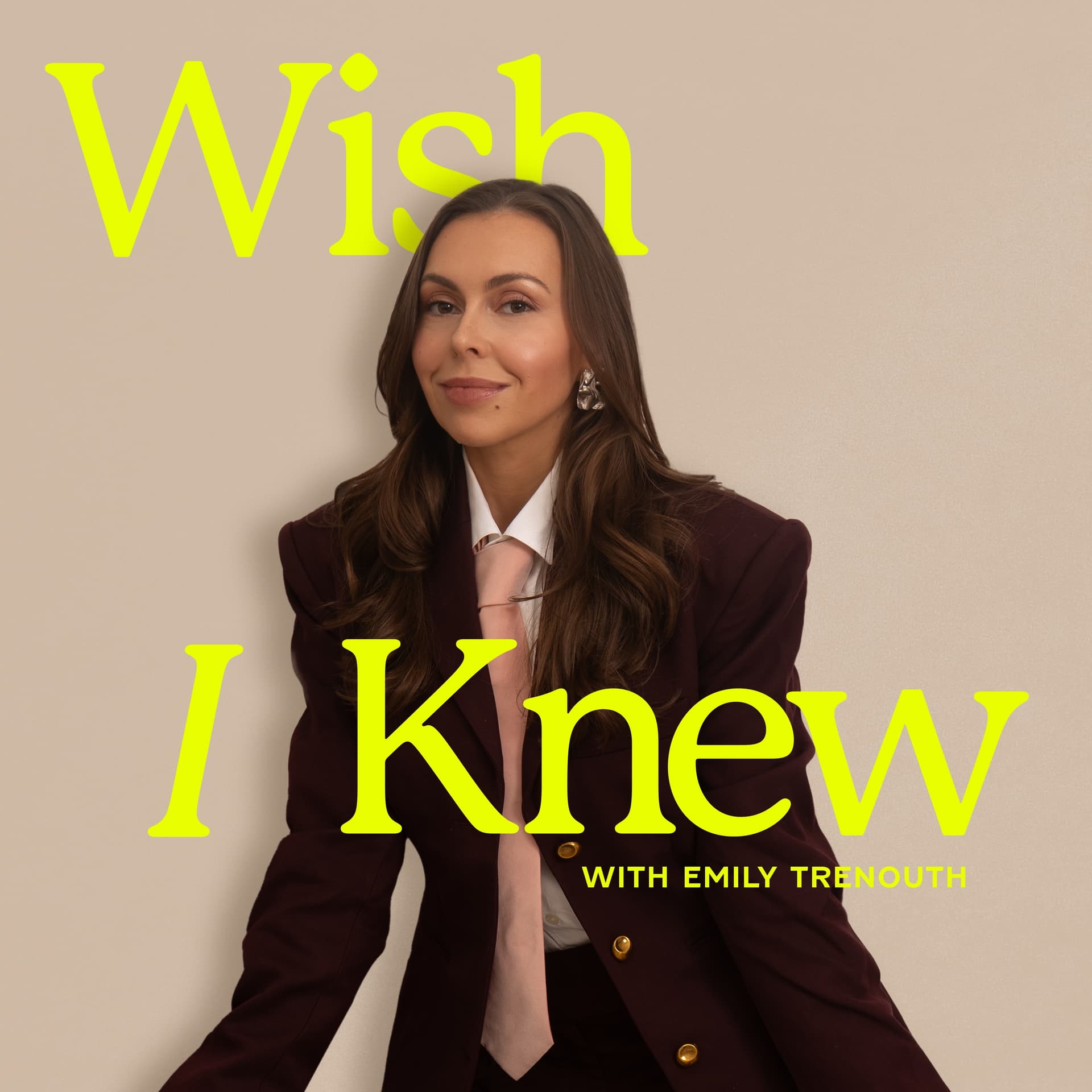
Wish I Knew Host: Emily Trenouth Description: An unfiltered exploration of ambition, honesty, and the lessons learned from founders and creators.
---
Episode Overview Guest: Caspar Lee Description: Caspar Lee, an early YouTube star with 7 million subscribers, discusses his journey from online fame to entrepreneurship, sharing thoughts on mental health, the creator economy, and the evolution of success.
---
Key Themes
- Early Fame and the Pressure of Public Life
- Caspar reflects on the unique challenges of growing up in the spotlight.
- He transitioned from a creator to a business leader, moving beyond the immediate fame of YouTube.
- Defining Success
- Initially, success was tied to subscriber counts and views; it has since shifted toward sustainable business growth and personal well-being.
- Caspar emphasizes that true success involves health and happiness, not just career achievements.
- Creator Economy Insights
- Discussion on the pressures within the creator economy, including mental health issues arising from public scrutiny.
- Caspar highlights the evolving standards and expectations in the creator industry.
- Navigating Mental Health
- He openly shares his experience with anxiety and the importance of seeking professional help.
- Discusses the link between mental health and physical health, particularly gut health.
- Business Ventures
- Caspar launched several successful businesses, including MVE Management and Influencer.com.
- He discusses the importance of recognizing market needs and the agility required in entrepreneurship.
- AI and Future of Work
- Caspar shares his thoughts on the impact of AI on the creator economy and business processes.
- He believes AI can enhance creativity and productivity, but warns against its potential drawbacks if not managed effectively.
---
Key Quotes
- "You miss 100% of the shots you don't take."
- "Obsess over the details; what no one else notices can create the greatest impression."
---
Actionable Insights for Aspiring Creators
- Start Now: The barriers to entry are low; begin creating and learning from the process.
- Niche Down: Focus on a specific area to build an engaged audience.
- Embrace Collaboration: Working with others can help expand reach and influence.
---
Conclusion This episode offers a reflective and honest look into the life and career of Caspar Lee, providing valuable lessons for aspiring creators and entrepreneurs. It emphasizes the importance of mental health, the evolving nature of success, and the potential of the creator economy.
---
Podcast Partner: Heights - Science-backed supplements for brain health. Use code WISHIKNEW20 for 20% off your first month at [heights.com](www.heights.com/wishiknew).
Next Episode Release: Every Tuesday.
Written by AI. May contain mistakes. Listen to the episode to check what was said.
Chapters
Tap a time to open that second in VOCasper Lee's Early Journey
0:45 to 3:09
Casper shares his beginnings on YouTube and his journey to fame.
“Casper Lee, thank you so much for being here.”
Lessons from YouTube Success
3:09 to 5:32
Casper reflects on the lessons learned from his YouTube experience and the importance of perseverance.
“maybe having maybe my mom had a chocolate factory right so maybe it would have been like some food product i would be selling yeah or potentially a lawyer because i watched suits and i thought that would be really fun.”
Transitioning from YouTube to Business
5:32 to 8:10
Casper discusses his transition from YouTube stardom to entrepreneurship and business ventures.
“So it also had that momentum from those viewers.”
Challenges of Fame and Growth
8:10 to 12:00
Casper opens up about the pressures of fame and the challenges of growing an audience.
“And yeah, it was a crazy time in my life.”
Navigating Criticism and Insecurity
12:00 to 14:02
Casper talks about dealing with criticism and insecurities as a content creator.
“But there's something about doing this that I feel is more long term and provides me an opportunity to live.”
Navigating Negative Comments as a Creator
14:02 to 20:41
Learn how creators cope with negative feedback and the societal standards placed on them, especially women.
“I mean, there is something in the way that people perceive women in general.”
The Impact of Social Media on Engagement
20:41 to 22:20
Discover how controversy and debates drive engagement on social media and in entertainment.
“One thing I didn't fully appreciate before running my own business was just how much mental energy everyday decisions take.”
Caspar's Journey into Entrepreneurship
22:20 to 25:51
Explore Caspar's early business ventures and the evolution of his entrepreneurial spirit.
“And so moving into your business life, like what was the first business that you started?”
Youth and Leadership: A Double-Edged Sword
25:51 to 28:00
Understand the challenges and advantages of being a young leader in the creative industry.
“And have there been moments where, because, I mean, I say you're so young, you're not, you know, you've established a lot, but you started young, right?”
The Evolution of Content Creation Across Ages
28:00 to 29:27
Discover how content creation has evolved to include diverse age groups and its implications for creators.
Show all 25 chapters
Accessibility and Technology in Content Creation
29:27 to 30:52
Explore how advancements in technology have made content creation more accessible to everyone.
“And I actually hope compared to Hollywood or traditional media, more senior and older people will find the internet a better place to build a long-term career.”
Niche Strategies for Aspiring Creators
30:52 to 32:41
Learn effective strategies for aspiring creators to build and engage an audience within niche markets.
Building a Creative Talent Management Company
32:41 to 35:25
Hear insights on launching and managing a talent agency focused on empowering creators.
“They represent some of the biggest talent in Hollywood.”
Challenges with Creator Payments and Industry Norms
35:25 to 37:52
Understand the complexities of payment structures in the creator economy and how they affect talent.
“And I think that will be, you know, something to be proud of in a couple of years.”
Trust and Communication in Brand-Creator Relationships
37:52 to 40:00
Discuss the importance of trust and communication between brands and creators in the marketing process.
“we're in i mean it's such a complex issue and i think that um it's natural for people to go first to the party that is responsible for the payment right directly to them i'm talking about talent.”
Navigating Multiple Businesses as a Creator
40:00 to 42:00
Gain insights into managing multiple ventures while maintaining a creative vision and leadership role.
“So creator could post something that is off brief, or could pull out of the campaign or could ghost midway through.”
Managing Multiple Ventures as a Visionary
42:00 to 43:45
Learn how to balance multiple business ventures while maintaining a visionary role.
“must just be so kind of all over the place in the sense of you're doing so much at once.”
The Impact of AI on Jobs and Industries
43:46 to 46:08
Discover the nuanced perspectives on how AI will shape job markets and industries.
Overcoming Challenges in AI Integration
46:09 to 48:25
Explore the challenges faced when integrating AI into businesses and the importance of adaptation.
“So I do also worry like, while I think all these problems are solvable, they're so hard to solve, especially in a political climate like we have today.”
Redefining Success and Mental Health Awareness
48:26 to 51:26
Reflect on personal success metrics and the importance of mental health in entrepreneurship.
“yeah it's still difficult so um this kind of i don't know if the word is inertia of society kind of actually using these tools and for them to be effective is still a bit of a while away.”
Navigating Anxiety and the Importance of Therapy
51:27 to 56:00
Understand the personal journey through anxiety and the crucial role of therapy in recovery.
The Importance of Therapy
56:00 to 57:00
Exploration of how therapy can positively influence lives during tough times.
Advice on Success and Failure
57:00 to 58:00
Discussion on the best and worst advice received along with personal failures.
Start Creating Today
58:00 to 59:00
Encouragement for aspiring creators to begin their journey regardless of imperfections.
“So yeah, I think it's really interesting in the venture community.”
Quote on Taking Risks
59:00 to 59:20
A powerful quote emphasizing the importance of seizing opportunities.
“Because people see you now as Casper, this incredibly successful creator, right?”
Transcript
Automatic transcript. May contain errors.0:00Welcome to Wish I Knew. I'm Emily Trinouth and this is the podcast where we dive into the lessons, pivots, and defining moments that shape our lives and careers. Today's guest is someone who has defined an entire era of the internet, Casper Lee. Casper started making YouTube videos as a teenager in South Africa, long before being a creator was even a career. He built a global audience, moved to the UK and became one of the platform's original stars, before making the bold decision to step away from the spotlight and build something new. Since then, he's co-founded multiple companies from Influencer.com to MVE Management to Creator Ventures and become one of the most respected voices in the creator economy, backing the next generation of talent and businesses shaping the space.
0:44This one's reflective, inspiring and full of lessons for both aspiring creators and business leaders. So with that, let's get into it.
1:00Casper Lee, thank you so much for being here. Emily Tranalth. the Cornish the Cornish surname the Cornish queen I love it um thank you for being here I feel like so many of us have really grown up watching you on YouTube so it's incredible to see everything that you've done since and also to have you here to unpack that all together did you grow up watching me uh I actually skipped the YouTube phase I know because we're actually the same age aren't we I think I'm born in 94 yeah I'm 94 okay when in 94 July I'm older than you I've always seen you as older than me I know I have that kind of no because you're like you've always been a client in my life yeah I feel like clients I always look up to I'm like they're so mature that I just need to impress them so I see them as older than me yeah I mean I I feel like I matured quite young because I started work really early and so that's actually part of why I missed the kind of YouTube era.
1:59Thank you. Because yeah, I was like going out to clubs and stuff at like 16 and using fake IDs. Well, that's why they need to bring in the new kind of digital ID system. That's what Tia Stallman should be talking about. Stop Emily from going out when she's 16. But this isn't about me when I was younger, thankfully. We're going to talk about you. And so my first question to you is, what do you think younger Casper, who was filming YouTube videos in his bedroom would think of you today? I think he would be happy. It was a low bar in terms of what he thought life would be. I mean, I think he would be happy.
2:37I have a wife that he would find very attractive. And I guess a career that he probably didn't even know existed. It definitely didn't exist when he was very young being a YouTuber. And then going into venture capital and having businesses maybe having businesses was the only thing he thought could be possible uh but he wouldn't have imagined i would be doing it um across countries like the us uk the middle east i think he would have kept it to south africa yeah maybe to my local town maybe having maybe my mom had a chocolate factory right so maybe it would have been like some food product i would be selling yeah or potentially a lawyer because i watched suits and i thought that would be really fun.
3:19I like suits but I wanted to be um is it Donna? Donna yeah the lady I think so like the dressed amazing yeah um and so what made you actually start YouTube? I was trying to impress the girls in my class uh I was 16 and I I had pretty bad acne and um I was someone who tried way too hard to impress people and so I think like that was kind of what put people off me I was like if I like someone I would send them like a thousand text messages just saying hi how are you doing how's your day what are you up to with all like the acronyms or whatever and so then I did YouTube and it wasn't very impressive for the first few years it I got like a thousand subscribers after two years of doing it which is which I hope you do better with with this podcast thank you but I persevered and two years later someone click on my ads so that's basically they click the ad like a hundred times and Google thought that was potentially me doing it so they had to strike my account because back then getting clicks on ads meant revenue I'm sure it still does but it's more sophisticated now but back then you couldn't even appeal well if you were me you couldn't appeal because I'm some random kid in South Africa and so I had to restart my account and when I restarted that's actually what became popular because I had now learned what people liked.
4:40I started fresh. And it was a good kind of lesson in sometimes really bad things that you think at the time are awful actually can be like the best thing that ever happened to you. And unless my friend, you know, if my friend didn't click on my ad, I think I wouldn't be here today. Wow. So you restarted. So you learned. Well, I would be alive. Well, obviously. Hopefully. Sounds quite morbid. But I wouldn't be sitting with you. So you learned the ropes for what, two, three years? then had to restart again. And then from that, those learnings, you were then able to apply them and then achieve much quicker success, right?
5:18Yeah. And I think having a channel that from day one looked like it knew what it was doing compared to what I did before was just more interesting to viewers. I did manage to get like a few hundred of the ones who were subscribed to the old channel also on a new channel. So it also had that momentum from those viewers. And I just think I also managed to start using my real voice, which beforehand I had like this fake accent because I was too embarrassed to hear my voice. I don't know if anyone feels this at home, but when you start listening to your own voice for the first time, it sounds really weird.
5:51But when you get used to it, which I finally did, it's like, OK, now I can use this. Yeah, you don't really pay as much attention to it. Right. I think now I love it. I'm like, put some headphones on me while I do a podcast. I just want to hear myself speak. Let me just do a podcast every day. and so you so you grew up in south africa i don't know if i've ever told you this story actually but we have a mutual friend liz oh yeah the stone yes amazing amazing woman okay cool she is the queen of cool she said to me um oh you know you know casper because she's from your hometown my school and she was like i used to come to his sister's parties or something and casper would just be in his bedroom and we'd be like what is he doing and then lo and behold all these years later well my My sister made it very clear not to come out of the bedroom during those parties.
6:38Otherwise, I would have met Liz and probably not stopped texting her. So you saved yourself a lot of future embarrassment. Thank God for your sister. My sister used to do the same. She didn't get in the bedroom. Okay, incredible. And then you moved to the UK. Yeah. At what age? Well, I didn't know where I was going to move. So I left South Africa. I went to Ireland. I actually was in the US for a bit. And then I came to the UK. Well, when I was in the US, I was just like sleeping on a couch for three months. um but i i came to the uk and uh met uh this guy called alfie days um i met these guys called um jack and finn harrys uh zoella marcus butler joe sugg um and we created this uh friendship group it was actually a natural thing like in in like hindsight it might look like we created this because we were all doing youtube but we actually just all got along and i think it's because we all were doing something very unique at the time yeah and that we understood uh and and then i so i lived with alfie for a while he eventually made it very clear that he he was wanting to live with zoe zoe psych um and so joe which is zoe's brother got the call up just like my sister told me you know go to the bedroom he was always in the bedroom and then finally she's like joe we need you uh and he came he came to to live with me and we moved to this place called margravine gardens in Barron's Court.
8:04Wow. And that's where the name for our talent management company that we now have is called. That's where it comes from. And yeah, it was a crazy time in my life. I look back with so many fond memories. It was kind of weird because I talk about it so much still, but it's actually been ages since I was a YouTuber. Yeah. And so I can kind of create this narrative of it was all this perfect thing. I was very successful. and look at that but uh there was a lot of nuance to it at the time as well so and was it like this you know because often when you look back at memories I feel like you do often reflect on the uh really high points and you know it can feel like a bit of a movie in your mind I have that about working at startups and it was this amazing fun you know collaborative time but actually behind the scenes it was like chaos sleepless nights running around arguing with each other all the time was what was it like behind the scenes was it actually like uh you know stressful in a sense or yeah so on on the way up it was really exciting because there was almost this formula I could use um which revolved around collaboration and I like knew when I went to collaborate with someone I could grow my audience and when I could grow my audience more people wanted to collab and then I eventually convinced musicians and actors to do it and that would grow it uh we'd go to these things called like VidCon and like when you're at VidCon you'd just be around other creators and you just see your numbers explode so it was like all very exciting and uh yeah I only had to make one video a week yeah and the video would usually be a camera on a tripod me talking to some people having a good time and I was like 18 19 20 years old so I'd also and then go clubbing for a few nights a week.
9:53It was crazy. I can't imagine you in a club. I know. The clubs even gave us free bottles of champagne sometimes. It was like these promoters who understood YouTube before the brands did. And so that was great. But then at the same time, as you grow your audience, I was getting like 5 million views on a video in like a week, which is insane, especially on YouTube today. That would be insane. Obviously, Mr. Beast does way more, but you know your average successful YouTuber would be very happy with like a million and so we were getting like that kind of views but I would sometimes look at like Joe and I'd be like oh my god he's saying like seven million you know what's wrong with me uh as you really compare yourself to the people you're around so I never actually got like this big head of like this is super successful I knew it was good yeah but I was like well there's always someone else doing slightly better um and then when the views weren't increasing anymore and like it was like oh shit Like we might have hit our peak when it came to like this crew and the fact that we could just sit down and make videos.
10:55And so it became harder. And as that started happening, I was like, well, I also have these other businesses. So if I want to make YouTube improve, I'm going to have to focus all my time on it. But if I want these businesses to succeed, I need to focus my time on that. Yeah. And so I made the decision. I was like, this was an incredible experience. It went really well. I learned a lot. But I'd rather leave it on a high. And so, yeah, that's kind of the YouTube story. That's insane. I've never actually heard that from you before. The raw honest truth. Yeah. Unfiltered. It's like, for me, it's about maybe going back to what I learned with my first YouTube channel that wasn't successful.
11:36It's a very different thing because this YouTube channel was successful. But I learned that if you can leave something and start something new at the right time, that next thing could be absolutely massive. And I'm so happy. I'm way more proud of the fact that I've managed to turn the businesses and the fund I'm involved in into things that are very successful and employ a lot of people than I was with YouTube. Obviously, I love being a YouTuber. I'm also very proud of that. But there's something about doing this that I feel is more long term and provides me an opportunity to live. Even though YouTube is easy in a number of ways, it's also very stressful because you can't really switch off.
12:17you always feel like your whole life needs to be taking advantage of whatever situation you're in for YouTube. Whereas with business, I feel like, you know, there's times where I'm like, no, I can properly switch off. It's important for me now to step back because other people need to take the reins in this particular project or, you know, I need to re-energize so that I can do a good job. Yeah. And I suppose you've got more realistic markers of success that are more defined by you, right so like when you said before you would compare if joe got seven million views and you got five million you'd be thinking oh my god am i a failure well maybe not no no honestly there was a time when i remember i went to a cinema uh and that first night the video never got to a million views and i was like couldn't watch the movie i was just like i was i was just thinking about all the mistakes i'd made with that video yeah um and how old would you have been at that time I think like 22.
13:13Wow. And so, yeah, it's an interesting thing. I think it's almost like it's very different to having a public company, but you are held to a standard beyond just your own standard because while, yeah, you're probably the one thinking about it the most, there's also people in the comments section who love to point out when videos aren't doing very well. It's just like something I've seen. I don't know if you're a person at home and you like to spend your time commenting on videos, it makes you feel good when you can tell a creator, like this is a flop oh you're dead um and yeah even uh yeah so and and and while I always said like I don't read comments and like they don't affect me there are times they do when you're feeling like if you feel like something is an issue and then someone points out the exact same issue be it a pimple on your face or the way you said a word or like your video didn't kill it then and someone like says the same thing in the comment section then you listen to it sometimes and it's tough that people do say like some you could have 98 incredible comments saying how amazing your content is and then you could have two that say that it's really shit especially if you're looking for those two especially if they point out exactly something that you thought if it's something completely silly like it doesn't make any sense then like i feel like it's easier but if it's something you're looking for and it reinforces your insecurity um yeah that that is definitely true and we a lot of people can get good at dealing with those comments i feel like if if you do it for long enough like now i'm i'm getting you know i i don't really care that much yeah uh but there are definitely moments when you're in your early 20s that these things these things are quite difficult but i haven't experienced them to even an inch of the level a lot of creators experience them um i know even my wife um you know she gets way more negative comments than i ever did in even when i had a larger audience and and her content is far less controversial not that mine was controversial but her content is not controversial at all yeah so i also think there's something that you know people hold female creators to a higher standard on social media especially other female commenters i've seen this i'm like wow like you You guys can be pretty deep.
15:26Yeah. I mean, there is something in the way that people perceive women in general. I see it in the media a lot, you know, in this whole concept, especially in the UK, of people building people up and then almost tearing them down. And I know people like Steve Bartlett speak about this quite a lot with the media in the sense that it's so extreme here that it's almost like the norm. And I think that social is the same. Like there's been a lot of things over the years where, you know, other women have come out, you know, trolling people and doing these things, especially in the creator space. And I think women are just so much more open for judgment.
16:05I don't really understand why. Yeah, I mean, it's very true. Like my wife gets quite a few comments when she's doing nice things that says like, oh, she married rich and like she doesn't work. She just like lives off Casper. and it's very frustrating to see because Amber does so well in her own rights and regardless of whether or not I was around hopefully Amber you keep me around please don't leave me when you when you hear this uh but like she's extremely successful and it must be very frustrating when she goes on a holiday that she's paid for for people to think that I have and I know if it was the other way around no one would assume it was her doing it for me yeah and look neither of us come from from money uh we both had very similar upbringings actually and i'm so so proud that she has turned her passion into a career and while being a creator isn't the hardest thing in the world it's super competitive um and a lot of people want to be creators so actually becoming one and then succeeding and not only succeeding but like building a bit of a media empire like she's done for herself even though it looks really chill and fun which is the point by the way there's so much effort that goes on behind the scenes yeah and the last kind of couple years she has spent every single day making content and working hard and to see people going like how does she like literally someone says how does she have time to upload all day is it and then someone replies because she married rich but no it's actually the opposite the reason she uploads all day is because it's her job yes yeah how does she deal with that she's actually really good i don't even know if she cares that much about it but uh i i just find And I just find it fascinating.
17:43Like, there are times where she's made a video and, like, maybe two days later she'll bring it up that people are, like, having a debate about the video. Oh, really? And, like, I think there was one thing around her. Maybe it wasn't even a video. There's a situation. This is a separate comment. But, like, there's a situation around her dress at our wedding. Oh, I think I saw something about this. super viral where like she obviously made a lot of content before the wedding about her dress because she has always dreamed about a wedding dress growing up so she's obsessed with it and she makes content that she's obsessed with yeah and then I think the first photo that came out of the dress uh some people thought oh that wasn't as cool as I thought it was going to be or nice I don't know how you judge a wedding dress but apparently some people didn't like it there There were probably only like 10 comments saying that it wasn't as good as they thought it was going to be.
18:39And then a lot of people then started defending her. And it was kind of strange where she was in this situation where there were like hundreds and hundreds of TikToks defending her against a very small minority of people who said they didn't like the dress. Wow. And it became this big thing. And she knew the dress was kind of cool. She wasn't insecure about it. Yeah. but she got loads of love from that and it was like this this weird social media thing where everyone was like attacking the haters but they hardly existed but I guess in a way that's like created a huge amount of engagement yeah it did and it was like great for the dress uh because I think there was a brand that you know she collaborated on with it and they called the dress the amber oh wow and I'm sure a lot of people like the dress because of it but I was like this is really interesting marketing where you kind of like she obviously didn't do it on purpose but if if it seems like they're a group of people who don't like something it really creates a lot more conversation and I think that's the thing with social media in general like this unfortunately the stuff that starts to do really well uh these days is stuff that is a debate yes and that's now in our politics and it's I guess it's always been in the politics but now on social media it's exaggerated yeah uh but you're also seeing it within the entertainment space of being a creator and um even when I was uh still doing YouTube there was this thing called like the diss track trend where everyone would like i don't know if you remember this you completely missed this i was in the clubs yeah i love it you were just you were probably dancing to the diss tracks in the clubs uh but like a ton of um people started making diss tracks i even got involved it was really fun actually because you could be creative with the diss track yeah but it was so interesting to see how much better the content did when it was like you know attacking another person compared to if you made like a love track yes so it's the the controversialness human nature yeah People want to see, like if you're in a street and two people are having a very kind conversation with each other, people don't really stop to look.
20:31But if you're having a fight, everyone wants to watch. Yeah. And so that's just transcended onto social media in a number of ways. One thing I didn't fully appreciate before running my own business was just how much mental energy everyday decisions take. When you're spinning a lot of different plates and always thinking a few steps ahead, even the small things can start to feel surprisingly draining. After leaving corporate to set up my business last year, I realized if I wanted to stay focused and make good decisions consistently, I needed to simplify wherever I could, especially when it came to my health.
21:05When it comes to supplements, though, I've always really struggled with consistency, mostly because I felt so overwhelmed by having to take so many different ones. That's why I've been using Heights Vitals as part of my new daily routine. I wake up, get ready, take two capsules, and that's literally it. Vitals combines 20 essential vitamins, nutrients and minerals, which would normally mean taking around 14 different supplements. But it's all in one simple formula, supporting both your brain and your body health. For me, it's helped me to stay focused on long days, keep my energy nice and steady throughout the week, and it's massively improved my sleep, which makes a real difference to how I think and show up every day.
21:43I also really value how flexible it is. You can take it with or without food and at any time of day, which really matters when your routine isn't always predictable. Even if I forget it in the morning, I know I can still take it later and stay consistent. And you don't just have to take my word for it. Vitals is backed by hundreds of scientific studies and has been developed alongside leading experts. So if you're looking for a simple way to support your focus, energy and overall health as you work towards your own goals, you can check out Heights in the link below in the show notes and you can use the code WISHINew20 for 20 % off in your first month.
22:16That's Wish I Knew 20 for 20 % off your first month. I hope you love it just as much as I do. And so moving into your business life, like what was the first business that you started? Was it Influencer? The very first business I started was actually when I was a child. I had a bookshop at a market where I'd just take the books from our house that were overflowing the shelves and sell them at 100 % margin. Wow. So I basically stole them. and then I helped my mom with a chocolate factory. It was a very small one but it was really fun to learn the trade there and then when I became a YouTuber I technically created a business for that like most creators do so they're actually businesses.
22:58Believe it or not, my wife is a business. She's not just doing it for fun all day and then I actually started a production company with Joe and we created this production company for our first documentary film we made together called Joe and Casper at the Road, which was like, you know, as someone from Amazon, you should know it. It was an Amazon bestseller. We overtook Fifty Shades of Grey for a couple of weeks. Wow. Which was very exciting. Didn't you go, did you like tour around the world? We toured Europe for the first film and then we did the USA for the second, which was crazy. The amount of crazy things we saw in the US like going around different states was interesting.
23:34Yeah. So we made that production company. It didn't turn into a business, but when Joe and I left Gleam if anyone remembers Gleam it's this incredible talent management company it was like one of the first ones that really understood the space when we left Gleam we created our own talent management company MV and then around the same time I actually think Influencer I joined just before that before we closed but all these contracts were almost happening at the same time wow I didn't realize which is why I was able to kind of do both and I'm really happy I did because I love I love being involved in both sides of the spectrum yeah but keeping them separate yeah um and then I you know proper living and the fun came a few years later yeah I mean it's incredible you have your fingers in so many pies and I think I I noticed this about you um a little while ago because I met you I suppose later on in your journey like through being a client of one of your agencies um and every time that I would talk to you, you'd say, oh, like we found this need.
24:37And then so we just kind of started a business to see if we could solve it and kind of expanded it from there. And I was always so impressed by how quickly you seem to kind of act. And in particular, I think with you and Joe in this sort of working dynamic that you guys both have as well. Where do you think that came from? my mom was always happy to leave any city town job country at a flip of a switch uh if she thought it was like the right thing to do so i think just growing up i didn't think life was something where you you were always super stable and you had to stick at something until the very end um however since starting those businesses because they've worked out i'm sticking at them and i will stick at them for as long as possible.
25:27And so I guess in business, in the very beginning, you've got to be, you know, able to leave something pretty quickly if it's not working. Otherwise, the opportunity of not starting something else is a huge loss. So yeah, I'm very happy to change ideas, change the way I'm doing things. But when it starts to work, I'm also good at sticking to it. Yeah. And have there been moments where, because, I mean, I say you're so young, you're not, you know, you've established a lot, but you started young, right? Finally, just, I'm neither young or old at the moment. I'm in this weird place in life. I mean, same.
26:04It's great. Exactly the same. You're a bit younger. Well, by a couple of months. No, it's funny because I've always been, I started working when I was 16. So, you know, same as you, but obviously. While you were in the clubs. I was in the clubs. Were you being paid to be in the clubs? No, but I wasn't paying. okay oh very good so did you have to disclaim that or like when you should have like a sign on your forehead saying I was gifted yeah I don't think that existed back in those days um but because of that I felt like I had a bit of a head start on people so I moved into my corporate roles really young especially when I transitioned into the creator world because no one had experience and I got in quite early so then I was able to join big organizations like amazon or media comm wpp you could leverage this industry really easily as a young person yes but then i always found that um people would always assume i was older but then if i ever told someone my age it's like people would flip like their perception of me and i would get a lot of um not hate but like i'd get a lot of negative comments or kind of behind the scenes people not liking the fact that I was young but in a senior position and so I'm curious with you throughout your career have you found that it's been difficult at all a being young or b being a creator where you say that people still don't even acknowledge that creators are businesses yeah I think the point you made is nuanced to when you're within a larger organization potentially because I think when you're the founder of a business in a space that a lot of people assume is all about young people yeah it can actually be an advantage um obviously then you kind of have to also hire people who are more senior than you uh to kind of legitimize what you're doing but as the founder i think you kind of can get away with it a little bit yeah um however i felt like with clients and even with employees being really young it is hard to fully connect on a level you would with someone kind of your own age or as you get into your 30s how you can connect with someone in their 40s and 50s i just feel like something about being in my 30s makes it slightly easier to for them to not only drop their guard but to like respect the fact that i have knowledge that i've gained over over the time i've been in it but i do think that being young in the beginning actually was quite helpful um the same thing with with like kind of ai startups today i feel like investors sometimes um you know give way more of a green flag to a young person than someone who is maybe in their 40s yeah because they think you know if you're you're in this space that's brand new being young is a superpower when it comes to creators i think there was this time where being young was really uh it was really helpful especially because there was mostly young people who were watching the internet um and they would relate to those people you know find them attractive but now that you know as the internet has continued to grow and not only young people have gotten older and they haven't changed their viewing habits but older people have now started to come onto the internet and watch it I feel like all ages can have a great career on on social media so yeah um it's like yeah I think there's a massive gap I think you have people on your podcast who create content for a whole different generation to what I thought was possible.
29:28Yes. And that's really exciting to see. And I actually hope compared to Hollywood or traditional media, more senior and older people will find the internet a better place to build a long-term career. Yeah. Yeah, and I think it's more inclusive than ever before, right? I think there was a stat I saw recently that was something like one in five people in the UK classify themselves as a creator, which feels quite high. That's great. Yeah. It just shows you how many creators aren't necessarily doing it full time, but are doing it as part of their life. Yes, yeah. And how it's easy and accessible to different people at different stages.
30:07Well, yeah, I mean, this thing changed the game. If you're listening, I'm holding a phone. And just the sound quality on this compared to my first camera. And now, like, I love the fact that on the new, not that I'm sponsored by Apple, but if you would like to sponsor me, please do. like you can now vlog you see this oh wow is this the new one the new one you can now vlog while it looks like you're on a facetime but i'm actually recording in 16 by 9 i'll send you this footage so you can add it to your podcast but look at that you see what i'm saying isn't that you know i feel that's awkward about it it just is so much more accessible um and obviously ai is going to make it even crazier you don't even have to put your face on camera anymore and you can become a creator yeah exactly so what would be your advice to aspiring creators today i think you need to focus on a niche at first and then probably use tiktok and instagram at first as well to build that initial audience because while youtube you can have a viral video because of watch time it's a lot easier on tiktok for the algorithm to pick you up yeah and there's so many you know niches that you might think are small but they're actually massive and if you can um if you can even build like an audience of a few thousand in something very unique or particular that's so valuable um because if you have like a really broad comedic audience like brands are going to struggle to understand exactly why they're working with you versus i'm sure at amazon you were always looking for like something really random and if you could become that person everyone's like come i need you i need you like you're the person who does that particular thing yeah i always use the example there's this girl who's in germany who's uh she like dances on roller skates and such a great niche she has an incredible niche i became obsessed with her in lockdown um and the brands that work with her work with her for her creativity so it just means that she's working with all these amazing brands in sort of richer partnerships as well because she's got that creative exactly and you can then expand from there uh going back to amazon like it started as online bookstore yeah they were obsessed with a niche yeah obviously a pretty big one um and then you can expand from there and like i have like some really smart friends launching a company now and rather than going after a huge category they're starting with something where they know they can become award-winning within they know they can become the best and from there then they can start attacking maybe the bigger tam yep um and so i think it's a great strategy for not only a startup but for a creator and so you have your um creator management company mve how many years have you been going i think we're like nearly at eight wow we just had a birthday party i'm pretty sure it said seven on the birthday party but i did actually go and i can't remember yeah i think it was seven right so maybe it will be we'll be eight next year and uh yeah it's it's incredible we we convinced wme to launch that with us.
33:01Wow. So WME are this massive agency. They represent some of the biggest talent in Hollywood. And we wanted to launch a creative first talent management company that truly believed that creators were as important, if not more important than traditional. And so to convince the traditional agency to do that with us was a big deal. Yeah. Not only did it legitimize us more when it came to signing creators who were like this is your first talent management company like how can we trust that you know what you're doing but it also legitimized us to the employees we went on to hire because they wanted to be a part of something that not only had these og creators involved but also had wme and like a talent management company really is all about the team that you employ it's a people business yes and you know some people make the mistake of going oh i want to sign to that talent management company because you know they have that talent or because they're that big name that you know did that thing 30 years ago it's like no who who are the people who are going to be managing you at that company yeah that's what's super important obviously the networks you know there's there is a huge network effect of being part of a good management company yeah but the people and so we've been able to hire such incredible people and also because we haven't necessarily had to like try and um run off to profits as quickly as possible because we've had wme helping with like backing us and joe and i also you know we have other businesses this is like our long-term super exciting thing that we want to do forever yeah uh we haven't you know had to squeeze our team and and that means we get a good team they're really happy and we're going to continue to attract the best of the business i mean it's such an exciting space i think the tradition and you're right in the sense of the traditional agencies are starting to kind of recognize that they need to catch up but I feel like with talent especially there's now this sort of massive merge between traditional media and social and the two are kind of quite converged I mean even the fact with like Joe being on Strictly Con Dancing you know and also the mainstream tv work that he does is just testament to that right yeah and I think you're right I think it's no longer unique for us to say we've merged the two things yeah uh and so you know what I'm focusing on now um amongst many things within within the business is is how do we make mve run as efficiently as not only um the ai businesses we're invested in but also like companies like influencer which are also very well-run businesses and i think in uh the talent management kind of world a lot of these businesses are because they're people businesses they don't focus so much on the technology and on the processes and we're like super we're super into that uh and so i think that's where we're going to be able to say one day, you know, yeah, we started as this company that brought creator and traditional together, but we're now this company known for the most incredible processes and experience for our talent so that nothing is ever forgotten.
36:00Everything works really well. And I think that will be, you know, something to be proud of in a couple of years. Hi, my loves. Just a quick pause to say if you're enjoying Wish I Knew, please, please, please hit the subscribe button and leave a quick rating or review. it really makes such a difference to the show and helps us to keep bringing you amazing guests and stories now let's get back to the episode so you've sparked an interesting topic yeah um when it comes to processes creative payments is such a hot topic at the moment have you got any kind of perspective on that i think about this a lot i'm not only a creator i'm also a talent manager and i have an agency when it comes to brands they're used to this model of being able to work with big agency groups and working with other companies that are like able to potentially allow for long-term payments and so that's the model that's worked in the past you can't say to them yeah in all of the other world you work in you can pay in like 60 days or whatever but with us you have to pay like in seven days yeah because they'll just end up going to the big holding agencies who are already treating them that way and now the other question we get a lot is why don't you just front the payment as the agency and and the issue with that is our margins aren't that big yeah and that that's that's a good thing how do how do we fix this again it's going to need to be i think a whole industry coming together and say this is the new normal you have to pay quicker because bear in mind when influencer does get paid it pays within 48 hours right and the reason we don't also like to pay you know using other brands money is because we always want to be able to pay within 48 hours we always want to have the money available um and so yeah that's that's the kind of the conundrum we're in i mean it's such a complex issue and i think that um it's natural for people to go first to the party that is responsible for the payment right directly to them i'm talking about talent.
38:06So to the talent, it might look like, oh, influencer is holding on to my money or this agency is holding on to my money. But I often explain to people as well, even just take payment out of the equation in terms of planning and executing campaigns with creators. It's months, sometimes years I've had campaign plans going ahead, you know, being strategized for. Exactly. And I think people don't notice the amount of layers there are in the chain before it gets to the point of briefing the creator and signing that contract yeah i don't want to be very clear as well like influencer doesn't get paid for the work it does first either i would love actually maybe this is another thing we could try to i think it's something we've pushed for already but i would love the brand just to pay the creator straight away um or or pay us for the creative part because doing it direct is hard when you're working with contracts but could you just pay us for the creators part of the campaign straight away yeah and we can pay them straight away yeah and you can keep our payment terms long because we can we can get through it yeah yeah um but yeah there's there's never i think we get a lot where it's like oh well you got paid for your bid but you you know you're not paying us for us no it's exactly the same so we are you know people also ask are you incentivized to chase the brand for payment right yeah we're super incentivized because yeah we also need to keep going and our goal is to pay a billion dollars to creators within the next eight years now.
39:34We've already paid, I think,$100 million so far. Wow. And we want to get to that goal. And you can't kind of drop a grenade and say, we're no longer doing any work unless you do it within five days because we'll never get there and we won't have a business. So it needs to be a collective approach. We need people to come together. I mean, yeah. It's a very nuanced one. And I can understand why people get so frustrated. like um because i also as a creator get frustrated if i don't fully trust that an agency is paying me very quickly as soon as they get the money and if i think they're potentially holding on to it then then it's not good enough and the other thing i think can be helpful here is communication and that's something we we've needed to improve on at our companies as well as like making sure we have a dedicated person who's constantly up to date on where the payments are at yeah um and then not only that but communicating that really well to the creators uh and then the other thing we're doing is a backstop so um we're able to say look even if we haven't been paid by a brand after a certain amount of time we've done the modeling now where we can go okay we can actually pay and it's not a you or an influencer problem it's an industry problem right and i think it's yeah but it's something we'd love to solve yeah something i spend so much time trying to solve Well, to be honest, on the flip side, I've seen agency and brand side that things can go wrong with the campaign, right?
41:01So creator could post something that is off brief, or could pull out of the campaign or could ghost midway through. And I think there is also that element of trust on the other side as well. so I think some sort of middle ground maybe it's like a partial payment or something helps both parties on sort of both sides of it because I have seen on that side how brands can actually get stung sometimes from the very few bad eggs and I'd love a solution I think everyone would love a solution like that it's a tough conversation to have on social media and I like to kind of talk to people face to face.
41:45So yeah, whenever you come and meet me, I'd love to have a discussion about it. Okay, well, I appreciate your honesty and commitment to this. On a slightly more positive note, something I've been thinking about is your businesses and your days must just be so kind of all over the place in the sense of you're doing so much at once. How do you stay on top of everything? So, I mean, by doing a lot, it does put you in a position where people don't always rely solely on you. And I mean that in a positive way in terms of if you're doing absolutely everything for everyone, like you just kind of, you can ruin a company acting that way.
42:37um and and and so my job uh at these companies isn't to line manage isn't to operate um you know the the day-to-day running of of the show it's it's to be kind of the visionary partner in the business um so at influence i'm literally called the chief vision officer which is a very wanky title uh but it's actually a super important part of a business to be thinking about the future and to be taking ideas from other things in my life that I'm seeing and to see how can we apply them here or maybe I discover something going on within the platforms because of a meeting I'm in at Influencer and I can go to one of the startups I've invested in and go hey have you heard about this that Meta are doing and so by doing all of this stuff it kind of acts as I don't want to use the word flywheel but I don't know what other word to use there to make me a better partner to everyone and like to build my network and to make it easier for me to pick up the phone and say hey I can help you with this or I can help you with that yeah um but you can't do that without other people you can't run four businesses on your own um and and and so yeah that's the way I do it maybe one day with AI you'll have someone doing that but it's not possible today no and I think that um with AI there is so much like misconception out there around uh it's going to steal people's jobs and it's coming to take over and robots are going to take on everyone's work, which I just don't think is the case.
44:07I think engineering is a good example of where it's actually, a lot of people are saying it's going to completely take engineers' jobs, but then the other argument is that it's just going to mean the opportunity cost of not having engineers is even higher because you can now build so much more great stuff. and I heard someone talking about like tech today usually when you build a product or you're on doing a product roadmap you're under a lot of time constraints it usually takes longer than you hope in the future hopefully it could be quicker and hopefully when you build something you could build three or four variations and you'll have the time and capacity to do that and not only that like when you look at world-class products today there's a very small amount of companies like you know google amazon who have the engineering capacity to make truly great product but there's you know millions of businesses who have great ideas and want to make truly great product but it's like really hard to do without a huge engineering team so i think i think it's just going to mean we're going to have better technology in the future and i think that same example can be applied to a lot of industries i don't however think no industry will be affected negatively i think there's always been that throughout revolutions and so uh yeah it's going to be difficult i think that's an important role for government to come in and actually find out how we can do this without also completely putting the brakes on things because if one government decides again similar to the payment discussion we were having earlier if only one government decides to do something and everyone else does it another way everyone's just going to move their businesses to that other place yes yeah which we're seeing a lot of people moving things overseas right now yeah that's from a financial perspective yeah yeah and so yeah we live in this in this world where there's a lot of competition and so yeah it's a really difficult one to solve and i think you know the last big you know revolution we've had with technology has probably been social media and i wouldn't say that's gone perfectly well and we figured that out So I do also worry like, while I think all these problems are solvable, they're so hard to solve, especially in a political climate like we have today.
46:23I actually, I was at dinner the other night and this lady very eloquently said, in this industry, we've all become victims of our own success. And I feel like that really rings true with this conversation and topic of AI and technology and social media in the sense of things have gotten so advanced that we need to catch up. And I think the sort of topics people are talking about in the sense of, oh, people are going to lose their jobs to AI. I don't think that's necessarily exactly true. But I think people need to adopt technology, embrace AI to accelerate them within their roles, right, but also within their careers.
Read the full transcript
47:05Otherwise, it might catch up with them. And I think we've still got a lot of work and education and stuff like that to do. Yeah. And I think we're still a bit of away from AI just being this thing that can come into any business and change the game for it. We actually have to do a lot of work at our businesses to actually make sure it's effective. And the amount of money we're spending on it is actually proving to be a positive ROI. I'll give you an example. We launched this tool called Guru in our company, which is our internal knowledge management system. basically allows anyone at Influencer to speak to a chat GPT style chatbot and get whatever information they need about the company.
47:48And every single time we don't have that information, we can then be told about it by the application and then add it. Great. And I now have like really random questions that I don't have to go and ask a bunch of people for help with. Yeah. That's one example of it. But creating that and make it effective, that was really difficult because at first it had way too much information and it was giving you like hallucinations and all random shit and then we that was like okay now we have to build this again and then it had too little information and it was like too strict on what we could provide and so it's a lot of work you have to put into it yeah and then even once you have it and it's working well getting the team to use that as opposed to just doing what their habits say which is like call someone and ask yeah it's still difficult so um this kind of i don't know if the word is inertia of society kind of actually using these tools and for them to be effective is still a bit of a while away.
48:39And I think as an investor in kind of AI applications, that excites me that AI isn't so good today that you only need one and it can do absolutely everything. I think people are still going to need to build really exciting interfaces and great product design so that you can interact with these products in ways that are actually helpful and don't make your life more difficult. And so beyond AI, what would you say excites you the most about the future of the space? Which space? The creator space. We've covered all of them. Every space. What excites? I mean, so something I'm excited that the platforms are doing now, which is kind of AI related, unfortunately, but it allows you to see your algorithm and for you to understand what your algorithm is pushing you.
49:26and then you can edit your algorithm and say hey like yeah i know i keep clicking on these cat videos but actually i want to start consuming more content about the roman empire wow um and so you're seeing instagram trying this out and i hope more people do it because i find yeah the algorithm can get so extreme that that you're just like you're you're in this loop and you want to get out of the loop yeah and i think being able to edit that will also allow then creators to have a similar experience they used to have where someone actually chose to subscribe to them yes and chose to care about them and then they saw their content yeah now it's like hard to choose without having to watch a bunch of videos do you think that's going to be difficult for like up and coming creators though in terms of discovery or you're right the good thing about uh the algorithms today is yeah it allows um anyone to go viral um but i do think the con of you know it being so much around the algorithm means that if you do ever build an audience how valuable is that audience if you can't retain it um however i will i will say like i think editing your algorithm won't only be about editing you know the people you're getting content from it will be about editing the interests yeah and so if you're an up-and-coming creator and enough people are saying they have interests in this yeah um you should be fine and i also have a feeling this is not going to completely change things because there's a reason the algorithms are the way they are today and they obviously increase the amount of time people spend on platforms and if this new tool is is is too different it won't help with that for sure and i suppose that links back to your point earlier about defining your niche yeah and sticking to that initially to help you get discovered with people that want to engage with that right um okay well we kind of we said we weren't going to talk too much about the industry and I feel like we've just geeked out yeah I'm sorry you want to hear more about me I want to hear more about you um in terms of I mean you've done like I said before you've done so much what do you think success looks like for you today do you think it's changed I think I think waking up and feeling healthy and happy is is by far the most important thing to me I went through this crazy bout of anxiety for like two years about three or four years ago and I had great stuff going on in my life while that was going on but none of that mattered like all i wanted was to feel normal and level again and so since that experience um i kind of i i i find that to be the most important thing but that doesn't involve just like living a good life and just chasing the things that make me instantly happy because that actually makes you sad it involves doing things that you find difficult um and and things that take a long time and things that you know I think you can look back on and either make you feel warm and fuzzy so um yeah it's uh yeah that's that's kind of for me the success metric um that doesn't mean I don't you know enjoy building companies and I don't find that important because that does bring me a level of satisfaction uh but if I purely wake up and and I'm happy and sad based on how everything else is going I'm just gonna be a yo-yo and can we talk about that sort of spout a little bit sure and what do you think kind of brought that on it was after lockdown so I think it was a probably combination of coming out of lockdown I think also transitioning from being a creator to the business stuff even though things were going well there was a lot of imposter syndrome and I started avoiding things and the more I avoided things the more I got scared of them and it was like the cycle and I'm sure there was also this chemical imbalance there too which like I think so much of anxiety for me at least was related to my stomach wow um and and the gut yep and because I was going through it my gut was in a really bad place and just everything was all over the place and it was really hard to get out of but now that I'm out of it I'm I'm feeling amazing uh but there'll be there'll be you know moments when I'm super jet lagged or stressed or something where it can crop up again but now I kind of notice it and allow it to happen and I and I also feel the sense that even if I go back to where I went I at least know what it feels like coming out of that yeah and that gives me like a lot of hope um so I feel like yeah even if it does all go bad whereas at that time that was the first time it ever happened to me and I was like how am I ever going to get out of this this is going to be my life forever wow I think it's such an important thing to talk about I think uh especially with men's mental health it's something that thankfully we're speaking about way more openly now but I feel like growing up it definitely wasn't the done thing to kind of speak about it and especially for men I feel like now there are so many opportunities and spaces to speak openly and freely like you just have done versus women I feel like we've always had this connection with other women of telling them everything and oversharing you know and I think that um you're right with the gut aspect because uh they say the gut feeling for a reason right and there's this like kind of connection between your body and your mind and the gut and yeah and so what kind of things did you do to overcome um so one thing i did was i spoke to a professional um so i i had this therapist for a few months who who really helped um and he slowly kind of coached me to start to do the things that I was really scared of but in a manageable way um I think that's like cognitive behavioral therapy uh we did a bit of that um and yeah I basically a combination of doing the things that scared me and overcoming them with like eating healthy and sleeping well um and and also just speaking to him and understanding what this was and then being able to eventually sit with these uncomfortable feelings combination of all those things uh really helped um so yeah i i couldn't recommend like seeking help enough uh when you when you're going through these things yeah i mean i'm i'm a big big lover of therapy um i started quite young actually i think like 13 i just go into podcasts now for therapy yeah i know this is why i say yes every podcast but at 13 that's that's incredible yeah it was provided by my school actually uh my parents had a messy divorce and uh i had this lady i think her name was julie and i honestly julies are always great listeners oh such a great listener i honestly think she saved my life in the sense of she was just that exact right voice and person that i needed at that particular moment and it's that person who is kind of completely unbiased that doesn't know you or your life that you can speak to quite openly and freely to sense check like is this right is that right should i be feeling this should this person be doing this and so um i think therapy is is hugely helpful for all people at different stages and i think that's something you know we can carry with us 100 thank you julie thank you julie um i don't know where she is now but hopefully hopefully she's watching yeah um okay moving into quick fire best advice you've ever received obsess over the details this is from Sasha Kalecki my partner at Crote Adventures he's obsessed with everything and some things no one else will notice but that doesn't matter if they don't notice it if you obsess over everything the things they do notice will be truly impressive and they go a long way I love that I obsess over the details as well um and I think it's all the tiny bits that come together and make it perfect right um worst advice you've ever received investing in very complicated products that bankers send you things you don't understand just don't invest in them when it's like this random thing that just like you you can't comprehend just don't do it like what like you can just invest in a normal etf you don't need to invest in like a fucking derivative or a derivative of a i don't know i don't even know what these things are just just stick to the simple stuff you've gone way over my head i'm i'm in it was over my head too that's why i should have done it yeah um a failure that you think taught you the most i guess i guess my first youtube channel it was such a failure uh but it taught me how to actually make content uh and how to light myself and record voice and even edit i love that um a book creator or podcast that you would always recommend either on I like Harry Stebbings podcast at the moment.
58:30So yeah, I think it's really interesting in the venture community. One piece of advice you'd give to aspiring creators today? Yeah, I mean, just start now. And again, just because you start and it's not perfect doesn't mean you can't restart. So just start because you'll learn so much. And the barrier to entry is so low now, there's no excuse. Very true. And I think it's really nice actually to hear your story about how you started and reminding people of where you came from. Because people see you now as Casper, this incredibly successful creator, right? Oh, stop it. And entrepreneur and businessman as well.
59:10I have to add those two. And investor. And investor. An investor. Okay, sorry. And keen golfer. Keen golfer. A lesson or quote that you like to live by? You miss 100 % of the shots you don't take. wow yeah love that one yeah that's especially true with investing but that doesn't mean you should invest in every shot because you'll have a terrible portfolio casper that is the perfect place to end our conversation on today thank you so much for joining me that was such an incredible conversation i learned so much from it and i know everyone else will say thank you i'm excited to to see what you do with your learnings there we go
59:54Thank you.
From the publisher
Caspar Lee was one of the first creators to rise to global fame on YouTube, building a 7 million subscriber audience in his early twenties before making the decision to step away from the platform and build something new.
In this episode of Wish I Knew, Caspar reflects on early success, comparison, and the pressure of growing up publicly online. We talk about knowing when to walk away, transitioning from creator to entrepreneur, and how his definition of success has changed over time.
We also explore the realities of the creator economy today - from payments and professionalism to building long-term businesses beyond content - alongside a more personal conversation about anxiety, identity, public judgment, and relationships in the spotlight.
This is a thoughtful conversation about ambition, evolution, and building a career that lasts - beyond the highlight reel.
💙 Podcast Partner: Heights
This episode is supported by Heights - science-backed supplements designed to support brain health, energy, and focus.
You can get 20% off your first month using the link and code below:
Code: WISHIKNEW20


