
In short
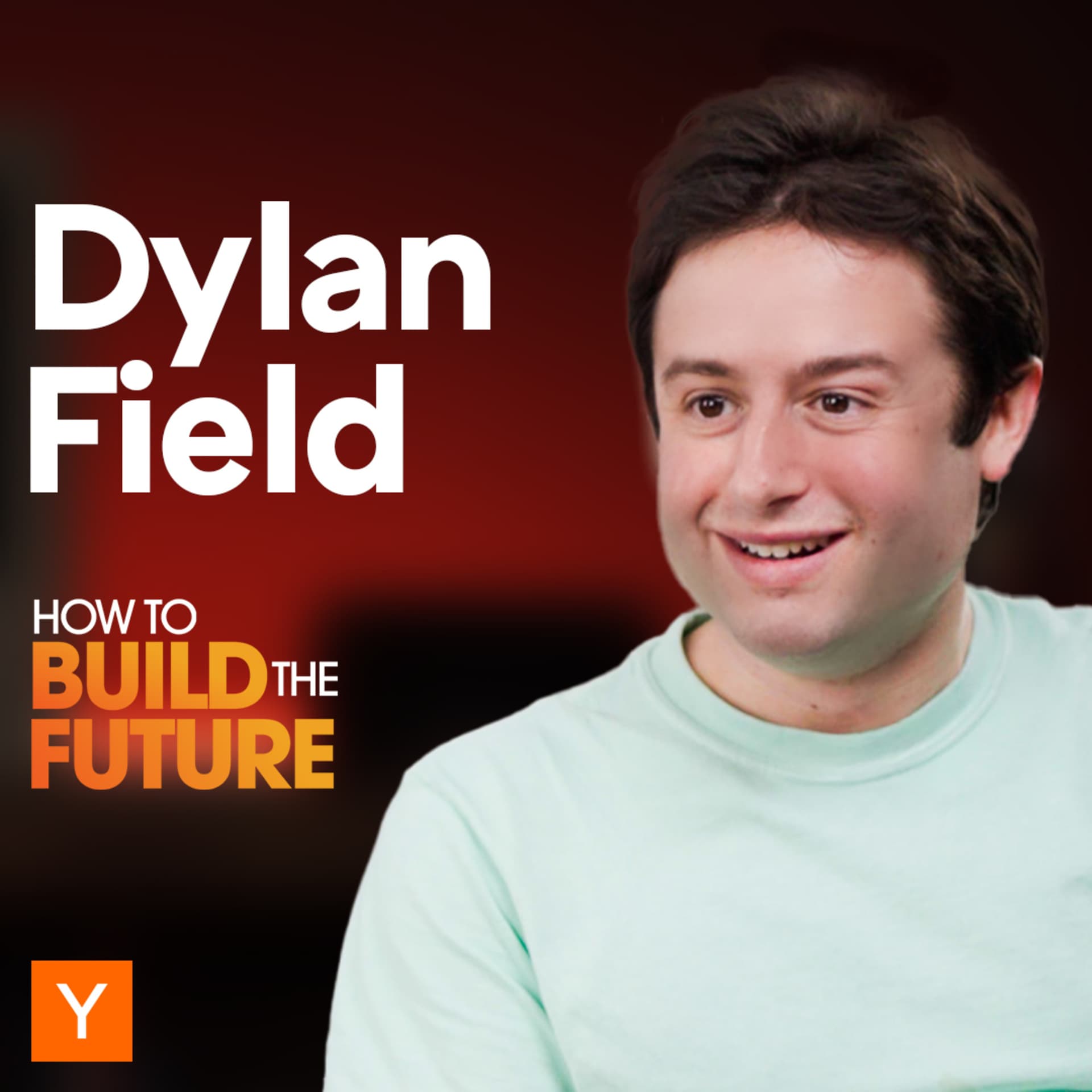
Y Combinator Startup Podcast: The Future Of Design With Figma's Dylan Field
Episode Overview In this episode, co-founder and CEO of Figma, Dylan Field, speaks with Garry Tan of Y Combinator about the transformation of design in the age of AI, the journey of Figma, and the evolving collaboration between designers and engineers.
Key Topics Discussed
The Importance of Design in Software Development
- Emerging Trends: As software becomes easier to build, the importance of design increases. More designers will be hired due to the rapid growth of the software market.
- AI as a Tool: AI is currently seen as a tool that lowers barriers for entry in design while also raising the complexity of what can be achieved.
AI's Impact on Design
- Changing Workflows: AI will lead to new workflows where designers, engineers, and product teams collaborate differently.
- Designer’s Role: Field expresses confidence that the role of designers will be critical in future software development, emphasizing the need for judgement and taste that AI cannot replicate.
Challenges and Opportunities with AI
- AI Limitations: Despite advancements, AI still struggles with producing well-designed applications. The speaker notes an "uncanny valley" where AI can output designs but lacks the nuanced understanding of good design.
- The Role of Human Agency: Designers bring empathy and context to their work that current AI models cannot replicate. The future of design will still require human judgment.
The Evolution of Figma
- Origin Story: Field shares insights into the early days of Figma, including the exploration of various ideas before settling on a design tool.
- User-Centric Development: The importance of dogfooding (using their own product) led to invaluable insights that shaped Figma’s features.
Collaboration and Culture at Figma
- Design Culture: Figma fosters a culture where everyone contributes to the product, emphasizing play and creativity.
- Hack Weeks: Initiatives like "Maker Week" allow employees from all departments to engage in product development and innovation.
Advice for Founders
- Speed and Agility: Field advises founders to move quickly and not to get bogged down by long development cycles.
- User Feedback: Importance of listening to users and adapting products based on their needs to achieve product-market fit.
Key Takeaways
- Design Differentiation: In an age where software can be built easily, design becomes a key differentiator.
- AI Limitations: While AI enhances capabilities, it cannot replace the nuanced judgment of human designers.
- Iterative Development: Founders should focus on rapid iteration and user feedback to refine their products.
- Collaborative Culture: Building a strong, collaborative culture within teams can drive innovation and engagement.
Conclusion Dylan Field’s insights provide a compelling look into the future of design in a technology-driven world. His emphasis on the importance of design, collaboration, and agility serves as valuable guidance for current and aspiring founders in the tech industry.
---
This overview encapsulates the main discussions from the podcast episode and provides a concise understanding for readers who may want to dive deeper into the evolving landscape of design and technology.
Written by AI. May contain mistakes. Listen to the episode to check what was said.
Transcript
Automatic transcript. May contain errors.0:00As software gets easier to build, design becomes more important. and there's gonna be more designers hired because at the time it felt like this tiny market. I think that so far AI is very much in the tool category. You know, we talk a lot about lowering the floor, raising the ceiling, making it so that more people can participate in the design process, but also raising the ceiling on what you can do. The more time has gone on, the more that I'm confident in the designer's role and believe that that's gonna be one of the critical roles in building software in the future.
0:36Today, we have a real treat. We have Dylan Field, the co-founder and CEO of Figma, which millions of people in the world use for collaborative design. Dylan, thanks for joining us. Thanks for having me, Yuri. So we're in the middle of this crazy AI revolution, and design itself is also changing quite a lot. How do you view AI changing the face of design right now? It's definitely an incredible time that we're living through. Ever since we started Figma, the exponential curve we've been on is that there's just more software being created than ever before. It's kind of looked like this before, and now it seems to be going vertical.
1:15Yeah, which is exciting. I think it's super exciting. And my point of view is that design has the opportunity to differentiate software in this age of AI. We'll see whole new workflows emerge, where designers, engineers, product will work together in different ways than maybe they're doing today or at least different cadences and it's been pretty neat to have a front row seat to that and with our platform figure out how we can empower everyone to use Figma to be able to be on that journey of design you know if I think back to just even the earliest days of Figma some of the metrics that have held constant one is that we've always had this really strong international base of users so even from the start over 80 % of our weekly active users were outside the United States.
2:02The second one is, from the start, it's been like one-third designers consistently. And the other two-thirds are non designers. Yeah. All coming to the platform and making things, viewing things, giving feedback. I'm quite excited about how we can activate those users more, make it so they're able to make more contributions to the product process. That sounds right. Does the capability go up and like, Like, are you doing more or will AI take these things over? Like, what's your view so far? Oh, I think that so far AI is very much in the tool category. Totally. And whether it's designers, developers, others, people are using AI to just do more and to explore more.
2:43So the way that I see it is that, you know, we talk a lot about lowering the floor, raising the ceiling, making it so that more people can participate in the design process, but also raising the ceiling of what you can do. Yeah. And I always had this image in my head of like the idea maze you go down, all these different branching paths that you explore as you design and ideate your way through that product journey. My point of view is you get more breadth now in terms of the things that you can try, but it still requires a lot of depth to fully explore it. We're sort of in this uncanny valley still where, you know, you can do prompt app, but prompt app doesn't give you an app that is well designed yet.
3:21So, you know, given that, like, how do you see this playing out? It's kind of interesting to, like, look at the language people use around this stuff. You know, people talk about, like, you're locked in or I'm cooking or they're cooking. Yeah. Vibe coding. Vibe coding, exactly. And for a while, I was just like, you know, whatever, it's new language. And then at some point I realized that maybe the reason people are using this language in particular is that's kind of the feeling you get as you're developing something really fast. Like there's always this call and response you have with tools as you're trying to get the thoughts out of your head onto a screen and you're iterating quickly.
4:04And the faster you make that feedback loop, I think the more you can get into that flow state and also the more fun you can have actually. and you know for Figma one of our values as a company is play. We're always trying to make it so that whether it's as a culture or as a product Figma is fun to use and is a tool that just like lets you creatively express. I think that the opportunity here is how do you create even more of that feeling even if you're not an expert at Figma and have that rapid ideation loop going at all times but to the point you made it's like you also want to give people a way to not just get started and prototype rapidly but also get to the finish line and i think that's where the disconnect is and i think that that disconnect is not just for design but also for code like you can go and get locked in for three hours and make something cool will it be the design you want Probably not, but also it will take some time to untangle the spaghetti mess of your codebase as it currently stands when you're going from start to prototype and then get to something that's extensible and you can build off of.
5:18Yeah. The design part is very interesting because you can get something that works very quickly, but maybe it doesn't work well yet. There's sort of this increasingly lost art, I'm worried, that founders are not focused on design enough? Like, do you find that in some of your angel investing yet? Or? What I'm seeing is that people seem to, year over year, this has been true for a long time, care more about design than ever. Which is great. I might have some selection bias. Because like, you know, obviously, people are excited to talk to me as an angel or my capacity at Figma. But overall, my sense is that people just care much more about design, also understand the value of design.
5:58Totally. It's not just about like, can you make it work? Yeah. There's a lot of people that can make it work. And as people are able to make stuff faster, it's how it works that actually matters. Can you talk about how you're thinking about the evolution of the actual models right now? Because there's sort of like two regimes, right? Image diffusion models like Midjourney and our friends, Suhel at Playground, they're doing image diffusion models. And then on the flip side, there's CodeGen. And the CodeGen methods, the large language models themselves, they can't generate SVG, for instance. Do you think that one or the other is going to work or is it both in tandem?
6:39And then way out in left field is the multimodal models coming from OpenAI and others. Is it just a matter of like, let's just wait a little bit and those will do it? Or is it some other combination? Well, I mean, it's almost goes back to the question of like, what is design when you're asking the question of like why aren't models better at design because they still kind of suck there's so many definitions of design but like one I like is art as it applies to problem solving totally it's I think maybe the reason why these models are not great design yet it's like on the art side you've got diffusion on the problem solving side you've got LMs and it's not clear that people have figured out how to you know marry techniques together yet yeah and figure out how to go approach these problems in the right ways.
7:24And I think also just like as you think about what a designer does, they're bringing in all this context, you know, way more than just, okay, here's this like two-liner problem I want to solve. They're doing, you know, a lot of research with the user like you talked about in order to like go into that iconic pie and figure it out. Yeah, yeah. They're in the idea maze trying to figure out like, you know, from first principles, what is it that this person needs or wants? What are they feeling at any given moment? yeah and how do you take that all in also the current culture moment your cultural moment you're in the flow you're in the part of the brand experience you're in how that all ties together yeah how maps and then I just yeah I don't yet see models that I'm able to figure out how to like bring all those different components in they're lacking the empathy piece of being a designer maybe that's too I don't know for now but uh maybe not forever.
8:17Yeah, I'm curious to see like how they'll evolve. But I also, the more time has gone on, the more that I'm confident in the designer's role and believe that that's going to be one of the critical roles in building software in the future. And I think people that call themselves developers today, they might call themselves designers, you know, in the near future. Yeah. That doesn't mean they're not writing code. It just means that they're going to be thinking more holistically about the product experience along with their colleagues. Yeah, that sounds right. There's a sense that the large language models are going to somehow become super intelligence through just getting smarter and smarter.
8:56But it doesn't seem like there's a lot of agency, whereas what a designer, a large percentage of what a designer does is actually using their own agency to create a thing on a canvas, basically. agency and also judgment yeah and i think that it's super interesting to me because i think in the grok 3 announcement for example you know one of them was saying that uh a lot of the training is done on math problems and cs problems and that kind of transfers over to everything else but then i think about the people i know in as humans that are like the best mathematicians i know are the best engineers and like sometimes they're really good at having great judgment about product experiences and sometimes they're really not.
9:43And it seems like it's almost a different muscle, at least for humans. And so I'm curious if that transfers over or not. Yeah. I mean, my hope is that humans basically retain the agency bit. And I think we were hanging out with some AI researchers recently and they were sort of disappointed that the models are not, you know, but they don't demonstrate as much human-like agency, you know, even after all these innovations with, you know, climbing the scaling laws, it just hasn't popped up. The thing they said was the models are more like hyper-intelligent toasters. But I think that that's the opportunity here.
10:23It's like, you know, the human designer has to understand people and understand their needs and goals and their reward functions and then create UI, create user experiences that match their jobs to be done. From there, it's about how do we equip them with the right tools? Totally. Remove tedium, make it so that they're able to have that rapid feedback loop. Yeah. Do you think that people are going to do more and more chat-based interfaces or is it more visual design or is it even going to be terminal and prompting? which way you know what are you seeing right now in terms of the cutting edge of I'm seeing pretty much everything right now okay uh which is exciting so way more variety then yeah it's not just it feels like we're kind of exploding out the possibility space of how you actually can work and um that's been my prediction of what's going to happen for a long time and I think it's actually go much further out from here for a while uh in terms of people trying different patterns with their tools and different things.
11:24I think it's a really good thing. I think like prompting alone is sort of like we're in the telnet days of AI. You're able to just have, I think, so much more ability to work with tools through different interfaces. That doesn't mean that prompting is not important, but I think there's a lot more to try out there and I'm excited to see people doing that. And also exploring different design patterns and things like, you know, AR, VR, XR. you know there's different windows where I think we're going to see entirely different dynamic interfaces start to pop up fundamentally you know I love just how humans interact with machines we don't have BCIs yet but one day that'll be like the final frontier totally you know until we get there like there's a lot of other stuff to explore I guess the really wild thing is once you have code gen in theory that might be something we see like sort of custom designed vertical software.
12:17You mean basically custom design for each user? Yeah. This is one I'm a little skeptical of. Doesn't mean it's not going to happen or people will try it. But I think that I remember like seeing Snapchat for the first time and then, you know, years later, like started to use Snapchat more. That's an example of software that someone's going to teach you. It's like a consumer product and yet it's actually quite complex. Yeah. You're not going to just like figure it all out if you land in Snapchat. You're going to learn it because you watched your friend use Snapchat. I think there's a lot of software that's like that and the more you shift the interface around the less someone's able to just natively learn and transfer over that learning to someone else yeah so I think there's like a trade-off there that's actually quite important snapchat and minecraft are two of the more crazy examples of like you know how in design low bar high ceiling is like a maxim you just want anyone to be able to clear that low bar and then you want people to stick with you all the way through the high ceiling.
13:14They were like remarkable examples of like, actually the low bar is optional. Let's take a step back. And I mean, I love your story of starting Figma. How did you come up with the idea? It was a process. I guess going all the way back, we started talking about what would become Figma, Evan and I, in late 2011. I was a brown at the time, Evan's my TA. we were kind of like asking the question of why now first what are the technologies that are shifting and will create all sorts of opportunities and like late 2011 that was uh for us drones and webgl yeah and i was actually pushing a little bit harder on drones uh and evan very quickly vetoed that he's like look i think drones will be very important but i uh they're gonna be regulated and or defense.
14:09And I don't really want to do either of those. And also, I like software more. Once you have the hardware component, the run debug loop, it's really slow. He's like, I don't want to deal with that. Okay, no drones. So that was kind of his call. And then it was, okay, WebGL, which Evan had a lot of expertise in in particular. He'd done a lot of prototyping and making sort of toy applications WebGL all the time. And we started to think about, okay, what do you do with that? So then I was like, okay, is it gaming? or is it tools and software? And we kind of looked at that and said, okay, well, gaming's super hard.
14:43You have to have, it's like a hit-based business. You got to make something awesome. It's got to really resonate. Like, let's not do gaming. Let's do tools and software. And then I went and left for a gap semester, what I thought was a gap semester. Yeah, totally. To work at Flipboard. Evan was finishing up in sort of spring 2012. We started to just kind of like tinker and explore and think about those together. looked at stuff like 2d to 3d scene creation uh i got the chill fellowship then we started working full-time august 2012 my internship ended have been moved the west coast and explored a lot of different stuff i think it's like a meme meme creation we did meme generation was one of them yeah probably the low point of figma uh i was like very on it in terms of my thesis was correct memes the moon yeah uh yeah i was like literally looking at the graphs for memes and meme generation and just looking at the search terms and stuff.
15:38And I'm like, oh man, there's no good meme generator out there. We can make the best meme generator. And we spent a week and we made it. And it was like this like, you know, moment of, but is this like really what we want to do? Yeah. And I think Evan was ready to quit and I was ready to go back to school. And I was like, okay, this is a clear like sign that this is not it. This is not it, yeah. But Evan, being the technical genius that he is, he made the text rendering in our meme generator like state-of-the-art in the canvas and then uh you know later on when we eventually got to figma uh you get us to kind of take that out and reuse it for our v1 yeah and uh so it's kind of like this like hilarious moment of like our first text rendering and figma came from the moon generator yeah do you remember i guess i mean a lot of people were still using like i guess even photoshop or illustrator for you know this type of you know high fidelity design yeah fireworks as well I'd use fireworks as a design intern flipboard yeah and it was a awesome tool in many ways but also very buggy and at some point it was killed so I was looking at we're looking at the photography space as well photo editing built a really cool photo editor but it was um just not something that made sense because we're doing the browser and at some point we just kind of like picked our heads up and went wait a second like the best camera is the one that you have in your pocket yeah it's on the phone like why would we be making this browser-based editor for the photos you're taking on your phone it'll just be an app and look to the app market for photo editing it's like no this is totally crowded and this can be a commodity yeah so uh then we said okay can we do something else there storage or search or interesting machine learning stuff computational photography and it felt like either go to the platforms or it'd be sort of too early well the computational photography stuff we're looking at was like in retrospect quite a bit too early yeah uh you know more than a dozen years too early that's right and then we you know saw fireworks uh get killed and went wait a second maybe there's an opportunity there and started to form the thesis of as software gets easier to build design becomes more important yeah and there's gonna be more designers hired because at the time it felt like this tiny market yeah and what it was in retrospect was um a market that was rapidly growing.
17:58And so design ratios changed a ton in even just the five years after we started focusing on building a design tool. And then thankfully we had made that call and it still took quite a while, another year and a half, two years before we got to the point where we had people using it outside of Figma. I guess this is a very profound example of you shouldn't use VC thinking to decide what to work on. Because a lot of people might have looked at how many designers are there in the country and then multiplied that out by like whatever they thought they could spend. And it's like, oh, that, you know, that number is too small.
18:35I shouldn't work on that. Whereas you looked at your users and looked at where things were going, like from a much larger perspective. And, you know, you made a bet. You didn't necessarily know you were going to be right, but it turned out to be super right. Well, yes and no. Right. Like it's easier to say in retrospect. Yeah. But, and looking back, I can be very crystal clear about, oh, here's what we're doing. Here's a thesis. I think in reality, you know, if you looked at the seed pitch for Figma in June, 2013, it was all over the place. Like we were saying we're going to do like a million things.
19:10None of it made sense. It was all very murky. So yeah, I'm pretty impressed with Danny at Index. Because like, yes, let's go. You guys will figure it out. Yeah. I don't know if I'd be that prescient today if I was looking at a seed stage company like that. I think that a lot of our framing up to investors at the time was sort of more what you're saying. Oh, yes, it's a small thing right now. We think it will grow, but also there's like all these other things we expand into. And a lot of the things we decided were, you know, creative tools at the time. And then what the irony of it is that like, that's not all the process we're in.
19:45We're in the process of creating software. Yeah. It's like, how do you go from idea or brainstorming, diagramming and fig jam to, you know, famous slides where you align to going to design where you're trying things and prototyping to gain development, shipping to production. We have a product demo for that. And, you know, then once you're in production, how do you learn? How do you loop back to idea and make this loop continuous? Then do that other places too. You know, we're like, oh, we'll go think about the existing markets that are out there, not what's the new process needs to be created.
20:17and eventually we got there because that's what our users pulled us into. You know, FigJam, brainstorming, it was a behavior people were doing in Figma. We saw it, especially as the pandemic hit. It's like, okay, let's pull it out into this new product and slides. Like people are creating all these slides in Figma design. Okay, great. Let's make a new product. I mean, the team really drove that to be honest. They just saw it and were like, we're going to go do this. When the users pull the product right out of you, it's a pretty powerful moment. Exactly. And demos, same thing too. It goes back to the diversity of users that are in Figma and how do we make better experiences for them.
20:53Can you go back to the first prototype to like the first V1 that was, you know, generally available? Like, you know, when you're entering a space where, you know, fireworks existed, there's probably, you know, your spec or product feature list was like, you know, 100 items long. What was that process like for you? You know, were you really methodical about it? Or was it, you know, we're going to do two week sprints and see what we can get done? Like, what was the... Yeah, we had like a long list of things that we felt needed to be there. And some of them were like, maybe this is optional, maybe not.
21:28There was clearly table stakes. And when I look back at the first people that used Figma for real design work, they were minimalist because they liked how few features we had. So it's kind of interesting that there is like this group of designers that are minimalist out there that like a minimal tool. Yeah. And the second group maybe was people that, you know, like our first customers were Notion and Coda. Coda was called Krypton at the time. And I remember going to Shashir's office. Shashir's the CEO of Coda. I think that they resonated with the fact that it was like cloud first, high performance in the browser.
22:02Because they wanted that for their own teams too. And I finally got, after like months of trying to get a team to adopt Figma for real, got Shashir and his designers to get excited about Figma. We got them like onboarded. so I think it was a few meetings once we were at that point of having table stakes features met mind you this is not a point where like Figma is today so there's no multiplayer now at this point um you know and and like a lot was broken so for example I remember going to a meeting when they finally said we'll use it let's give it a try and we walked out we're so stoked and then we're driving home from there in Paul till we're going back to SF like 20 minutes into the drive 30 minutes back got this email that basically said hey thanks so much for coming by the fonts broke we can't read the fonts local computer that was a shitty thing that I built and yes thanks thanks so much but I will have to give it a try a few months and so we just kind of like turn the car around went back like no no we're back we're still here I'll set up for you yeah but we didn't tell them install yeah I didn't tell them at the time Evan and I that you know that was our they were our first customer yeah and uh i remember this year came in to figma for all hands later like years later and i used him as the first customer he was like i am that's awesome yeah i love that story i mean basically this is also a great example of like don't take no for an answer and you know basically going into your uh first customer's office is a very powerful moment.
23:42Yeah. And then showing that they will learn from them and if they have lots of feedback, great. Like we'll prioritize it. I guess like some of the really banger features initially, I remember you guys had like really amazing sync, like multi-browser sync with like operational transforms. And I hadn't seen anyone else do that type of very fast updates across multiple browsers before. Was that like a moment that, you know, wowed the users or? Definitely. So it's interesting because we launched our closed beta in December 2015. Our GA was done until October of 2016. Oh, wow. So it was a little bit...
24:18A good gap. And when we launched the closed beta, there was no multiplayer. Yeah. It was just kind of like in the browser and here's this new design tool. High quality but minimum feature set. In the sort of months following, Evan started working on our real-time collaboration multiplayer engine. And it took a while to build out. and I remember when we finally launched the GA October 2016 I mean the comments we got were like if this is the future of design I'm changing careers you know that person commented about it and said a camel is a horse designed by committee so it's like very much this reaction from the design community of I'm like the designer that's going to be in the corner I'm going to do this amazing work and I'll do the grand reveal which is kind of the agency mindset versus the product team approach of we're all in together we're gonna like work through this and figure it out that's fascinating and then one of our early users that tried out Figma I remember he tweeted at the time like kind of making fun of us but in a nice way and said oh we're gonna do a design party and like invite everybody to Figma file where you know just like the time there was not many limits on how many people can be in the file there's public link sharing there was no you can there's no pain for Figma for until like mid of 2017 and our servers like started breaking and I mean like for the 48 hours after launch you know the team and Evan were just like firefighting trying to like make sure this one file that was the design party didn't crash that's hilarious but it was like started as people making fun of Figma and turned out to be like this great advertisement of look at what you can do in Figma and people started to jam it and actually make stuff together that they didn't even know each other.
26:02Yeah. It's like, this is powerful. There's something here. So it showed what we were trying to show, even though people were maybe not buying into the message at the time. Yeah, that's fascinating. Your story is very interesting, especially for a lot of startup founders today, because I feel like, you know, it's very common. I'm sure you run across founders that you've probably funded that, you know, three, six months in, you know, it's not working. You know, I'm only a quarter of the way through the list. like I want to pivot I don't you know and then this is such a powerful example of sometimes you have to work through the list like it might take 18 months it might take 24 months from like where you're at to a workable or usable thing but in a way that's the both right I mean we had uh from be August 2012 to May June 2013 that was a period where we're pivoting constantly trying lots of things.
26:54But then, okay, we had a thesis, we went for it, felt like there was an opportunity, and started to build it out more. And then it was, okay, it's going to take a while. In retrospect, we were lucky to have raised money and have resources. I should have hired faster once we started to get signal from the market around product market fit. So I mean, I remember going to a user study with a friend at Coursera at the time. I showed up at six o 'clock after he finished work. The offices were pretty empty. I brought a bottle of wine with me because the text editing experience and flow in Figma was so slow.
27:31And just writing things out took a long time. So I knew we'd have to like drink some wine to get to the user study. We finished the entire bottle in that user study. And the next day or two days later or something, he followed up with me and something like 12 pages of a doc it's like here's all the stuff I want you to build and why I should have taken something like that and gone okay this is clear product market pull like the market's pulling the product out of us yeah I should have then gone okay let's go higher faster let's you know figure out how to inflect growth of our internal team I think instead I was still very cautious and so that's something I wish that I you know if I could have gone back in time I wish we could have you know kind of a little faster there yeah I mean basically when you catch lightning in a bottle that's what it feels like that yep that's a great reminder that was early before we even shipped it so we didn't know yeah but I think now look back and I'm like there were signs yeah that there was fit here even if the product wasn't ready the second part of your story is super interesting and that you know you did it you built it you put it out there you made it collaborative and then the initial reaction was we hate it or Recepticism, at least.
28:41Yeah. Or, yeah, I mean, basically, they didn't understand what it was yet. And I don't know. I feel like that's a common human trait, period. Like, you see the future and you're like, no, it's not for me. Did you have to do anything actively to undo that? Or was it just a matter of time? Like, you know, everything that is different will be hated on and you just have to ignore it. And you, like, relentlessly seek the people who love it. And they're, you know, your best net promoters. I think a bit of both. I mean, we knew from before we even launched the closed beta, we were dogfooding Figma internally.
29:16And we knew from just using it ourselves every day to design Figma for a meta. Yeah. What we needed to do just to make a better design tools for us. Part of that we discovered through the dogfooding phase or the closed beta phase was it really sucks. If I'm in a browser tab, you come into the same link, you edit something. I have a forced reload. I edit something. You have a forced reload. that's just a terrible experience. Or if you lock files, having to request and unlock, it's just not good. Yeah. And that was the default back then for every other product. And for us, we were like, okay, at minimum, we have to fix that so that you don't have this horrible user experience.
29:57And at best, we hope to unlock all these new workflows, but what they'll be exactly, it's unclear. We have ideas of what it could be, but we'll have to see. and so um i think we we had deep conviction and at least to meet table stakes making a good ux we've got to do this and then everyone sort of showed us the way of like how they could use to do all these amazing things yeah it's funny how often i end up using like a product that is not ready for prime time or not quite right and then it's just full of bugs and then you sort of wonder, like, do the developers actually use this product? And if you dig a little bit deeper, it's like, oh, no, they actually don't dog food, and they don't use it themselves.
30:40And then how could you actually make a good product without doing that? It's not possible, probably. I think that's probably the case. Yeah. I mean, everything we want in Figma always goes through a period of us really testing out internally. And until something like reaches, you know, the environment that we use to try things, like that's for me when the clock starts, not before then. Can I ask you about like I guess design culture inside Figma and how you developed it you know is it as simple as at some level like if this is crap I'm gonna say it and we're not shipping this. What went into that culture like you know early on that built this thing that can like consistently create excellence?
31:18First of all I mean we've had the blessing of working with like amazing designers. I don't think it's ever been like oh this is crap like it's almost never a reaction I have in the work because like we got a great team yeah uh that doesn't mean that like everyone's considering the full system or you know I think that the some of the things that come up a lot are like how complex are we willing to make it to give users functionality they want and that interplay between okay figma's got to be approachable which we still have more work doing approachability we're always trying to make it more approachable but also powerful yeah and And you're not just serving the power design user.
31:57You're also serving the user who has been in Figma once in their life or never. And how do you get them to be able to create something and have that experience right away? So we have to balance both. That's one tension that comes up in design culture. How do you make the simple things simple with the complex things possible? I think, yeah, plenty of other tensions that come up too. And usually it's just like for lack of context or having to reason through a very hard problem. So one of the best parts about building something where you've got hard design and engineering challenges, you get to work with the best people.
Read the full transcript
32:27Yeah. So I'm very thankful for the folks that work on the Figma team. The top level answer might just be have an amazing hiring process. Yeah, but also seek out like the best people in the world relentlessly to work with because you're going to learn so much from them and they'll inspire whole new ways of thinking about the problem space. Like a lot of the innovations at Figma do come from our team. yeah um it's not like i'm sitting going hey like think about this thing and you know come up with it like we've got internal things uh culture rituals for example we have a hack week concept we call it maker week because more than just the developers and engineers are doing stuff yeah is really the whole company and it's the only rule is make figma better in some way figma slides is a great example i came out of maker week yeah that's amazing but many of our our best features, our best aspects of our platform.
33:18They've also kind of similar situations. Yeah. Earlier we were sort of talking about like that zero to one and then, you know, one to scaling. You know, do you have any advice for people who basically they made it to zero to one and then, you know, how do you nail the one to a billion? You know, like did your day-to-day change? Like you guys, you and your co-founder were probably in the weeds building a lot of the key features yourself with your own hands. And then at some point you were saying like, actually, I wish I started scaling or I wish I started hiring people and built, you know, sort of care and feeding of the organization feels like the salient feature of like that second phase.
33:58You know, how did you navigate that? What would you tell the people who, you know, yeah, like it's happening, like the users are pulling it out, you know, pulling the product out of us and things like that. My main reflection, I was going to abstract it all the way to be useful to everyone. watching this absolutely is uh sort of the loop you're always in is be self-aware what are you doing the most of right now then go replace yourself with that task if you've got the resources if you don't have the resources like figure out how to get them either by being profitable by raising funding or by being really clever yeah uh and if you can kind of keep doing that loop, that's a sort of loop that'll lead to team building or lead to figuring out the way to delegate work properly.
34:44Like an OODA loop, I guess, that you can just stay on. And if you can do that, like it'll lead you to do the right things. And I think the danger is you just get so reactive that like you never get to that sort of loop and you're never able to self-improve the organization, which is, you know, easy to get to that state because there's always more to do. And as a
35:07you're going to be doing a ton yourself as well. And not just taking this galaxy brain, bird's eye perspective. It's never actually what headspace you're in. But you have to figure out how to zoom out a little bit too. So Figma, in this moment, what are you most excited about and where does it go from here? Yeah, I mean, I'm super excited about that loop we talked about and how do we make it so that you're able to develop software with your team. And I think that's two different aspects, right? There's the how do I get started and prototyping quickly with new concepts, but also there's I've got existing system I have to be in.
35:44How do I create that loop and iterate quickly as well? And how do you make that accessible to more people? Yeah. So there's so much improvement we can do for both of those. And I'm super psyched about like what we can do to enable people there. Obviously, Figma came up in a moment when LLMs and CodeGen were not happening yet. Do you think that's changed then, you know, for the founder who's starting out right now? What would you say to them? I think that even without, you know, the speed at which you can work now with new models and whatnot, I would definitely tell people move as fast as you can.
36:20And you can move faster, a lot faster right now. I mean, I think the speed at which folks are operating is incredible. I don't know if that's what you're witnessing every day. Yeah, definitely. It feels like a moment where we're able to build in a really quick way. And I definitely, you know, when my team comes to me and says, hey, we've got like a nine month roadmap on this feature. I'm like, what the fuck? Yeah, let's squish that down. What can we do to de-scope or figure out how to get it out faster to start talking to people and showing it to people? It's funny because a lot of people come to me and say, I think I should do this two year build on something.
36:52As someone who did one, what do you think? And I'm like, don't, if you don't, if you don't have to, don't do that. Yeah. Like, do it faster. Very few people have to do that. Very few. Some. There's hard tech companies. It's been really cool to see YC investing there and backing stuff like Boom or something like that. These companies that are going to take a long time to get the thing out there as a giant mega project. But yeah, I think that most things don't have to be that. And if there's a way to move quicker, you should do it. Dylan, thank you so much for spending time with us. your story is a true inspiration to designers, engineers, and founders out there.
37:31So thanks for sharing it. Thank you, Gary.
From the publisher
Design isn’t just about making things work—it’s about how they work, says Dylan Field, the co-founder & CEO of Figma.
As AI transforms tech, he believes a designer's judgment, taste, and agency will matter more than ever.
Dylan sat down with YC's Garry Tan to discuss the evolving world of design in the age of AI, the challenging early days at Figma, and how his team forever changed the way designers and engineers collaborate.


