Ask ChatGPT

 Airlines Confidential Podcast
16 Sep 2026 · 1h 29m · 34 chapters

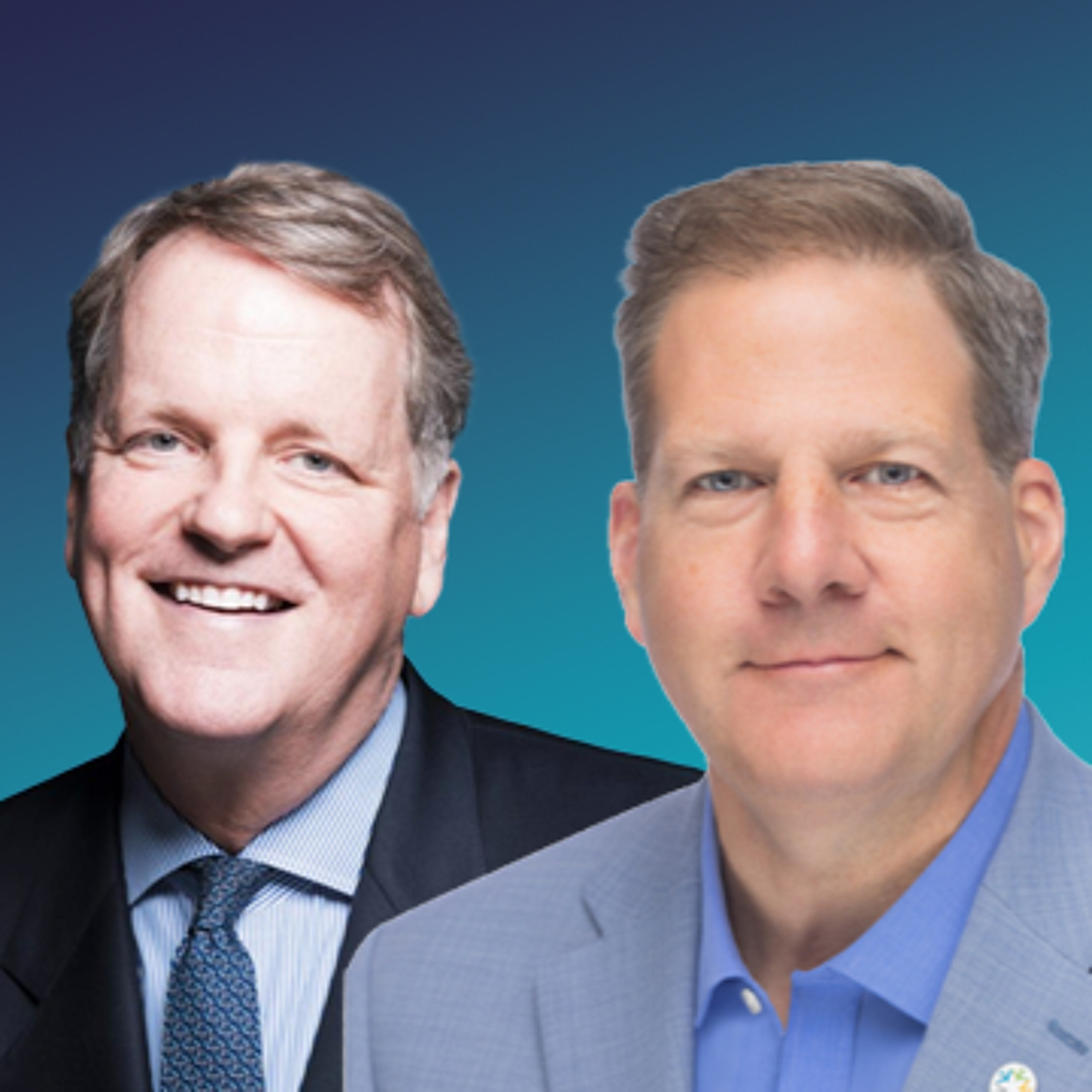
Episode 354 of Airlines Confidential (host Scott McCartney, guest co-host Maya Leibman) covers major aviation news and a deep dive with Andrew Levy, CEO of Avelo Airlines.
A London air traffic control outage (NATS) that caused ~2,500 cancellations; TSA changes in the US (gate passes for TSA PreCheck members; considering allowing full water bottles); airline industry fuel/demand updates (JetBlue revenue outlook; Delta expanding in Austin); AI at airports (Boston Logan hologram concierge “Amelia”); hotel-airline partnership shakeups (American ending Hyatt deal; Delta starting new Hyatt deal); and a safety “soapbox” on a Miami air cargo accident emphasizing missed mandatory go-arounds and the potential value of EMAS runway safety systems.
Andrew Levy, founder/chairman/CEO of Avelo Airlines (Houston-based, 5 years old; 16 Boeing 737s; reached 10M customers in August). Background: co-founder/president of Allegiant (13+ years), board member at Copa Airlines (10 years), EVP/CFO at United (nearly 2 years), law degree from Emory.
Avelo’s “affordable convenience” and “secondary airport” strategy is working; high fuel is a “disciplinary” factor that pushes fares up; Avelo is near break-even and improving losses; New Haven and other small airports show strong customer loyalty.
New Haven, CT; Wilmington, DE; planned McKinney, TX; JetBlue’s seat revenue outlook; Delta’s Austin/San Antonio expansion; NATS outage causes and passenger compensation “extraordinary circumstances.”
Written by AI. May contain mistakes.
Exploration of Avello Airlines' strategy and growth under Andrew Levy.
“with this great conversation you had with Andrew Levy, the founder and chief executive of Avello Airlines.”
Details about a major outage that disrupted air travel globally.
“Okay, first, a bit of a whirlwind of news.”
Maya shares insights on public reactions and personal experiences during the outage.
“That's the phrase under passenger rights rules, which means passengers are unlikely to be entitled to compensation.”
Discussion on TSA's new pilot program for gate passes and other updates.
“They're in the midst of sort of overhauling all the systems.”
TSA considering allowing full water bottles through some checkpoints.
“I'm also kind of concerned about there's been a lot of relaxation within TSA.”
Discussion on how rising oil prices affect airlines, with focus on JetBlue.
“A clear sign that demand has remained steady through the fare hikes, through inflation, through the tariff turmoil, and so much more.”
Learn about JetBlue's growth in Fort Lauderdale and its implications.
“Fort Lauderdale is becoming basically a second big hub operation for JetBlue.”
Discover Delta's plans for expansion in Austin and its competitive landscape.
“Anyhow, speaking of expansion, Delta announced a bunch of new flights in Austin, Texas starting next year.”
Understand the challenges American Airlines faces in maintaining its presence in Austin.
“And I guess she will be in place until AI kills us all before the end of the decade, according to the CEO of Anthropic.”
Explore the implications of American Airlines losing its partnership with Hyatt.
“Frankly, by then the battle for Austin and other fast growing markets will likely be won or lost.”
Discuss potential strategies for American Airlines after the loss of Hyatt.
“Delta and Hyatt announced they would allow double dipping and apparently big time.”
Examine American Airlines' current strategy and presence in Austin.
“You know, American has nine destinations from Austin, I think up to like 40 departures on a peak day.”
Gain insights into the recent air cargo incident in Miami and pilot responsibilities.
“You know, there's going to be way more American Airlines passengers doing that on, let's say, a Hyatt or an Alaska or something than the reverse just simply because of the size of the entities.”
Learn about the mismanagement of the landing approach and its consequences.
“Then the nose was pushed down, get back on glide slope.”
Discussion on runway safety incidents and the importance of EMAS systems.
“As a result, the airplane touched down long on the 9 ,000-foot runway, and the left set of main wheels didn't touch down for a significant distance after the right set and the nose wheel were down.”
Introduction of Andrew Levy, CEO of Avelo Airlines, and his background.
“Okay, let's turn to my conversation with Avello CEO Andrew Levy.”
Andrew Levy shares his unexpected path into the airline industry.
“And we always start with a question Ben taught me was a great first question to ask, which is, how'd you get into this crazy business?”
Andrew discusses the founding and growth of Allegiant Airlines.
“And a lot of reasons why people learn so much there that they've taken elsewhere in the industry.”
Discussion on the current state of demand in the aviation industry amidst economic changes.
Learn about the current economic landscape affecting the airline industry.
“A lot of interest in how demand is holding up in the face of inflation and all that's going on in the world and coming off a busy travel summer.”
Explore the future and sustainability of low-fare airlines in the U.S.
“July, we had the best July we've ever had by a wide margin, not just revenue, but profitability.”
Understand how Avelo Airlines capitalizes on underserved markets like New Haven.
“So it seems to me New Haven is kind of one of those differences, right?”
Discuss the growth potential in regions like McKinney and their airport advantages.
“And it's resonating because it really is valuable to customers.”
Get insights into Avelo Airlines' financial performance and profitability goals.
“You mentioned, I think, a profitable July.”
Learn about Avelo Airlines' journey towards profitability and the challenges faced.
“They got smaller in 24, smaller again in 25.”
Discover the strategic shifts Avelo made in its route network and market focus.
“You know, so we made a lot of changes over the past year.”
Explore the announcement of the Embraer E195 E2 aircraft and its implications for Avelo.
“So you announced an order for 50 Embraer E195 E2s, options for 50 more.”
Gain insights into Avelo's recent financing round and its significance for growth.
“But we love the 737-800 as well, and we expect to operate that.”
Andrew Levy discusses Avelo Airlines' funding strategies and challenges post-COVID.
“You know, we have been funded by equity.”
Levy reflects on the backlash from Avelo's ICE flights and the decision to end them.
“Immigration and Customs Enforcement deportation flights.”
Levy shares Avelo's marketing strategies and customer-focused policies.
“You've had some really creative marketing ideas and passenger policies.”
Levy outlines his vision for Avelo's growth and sustainability over the next five years.
“We have a very large portion of our revenues coming through subscribers.”
Hosts share reflections on Andrew Levy's interview about Avelo Airlines.
“Any thoughts about what Andrew had to say, Maya?”
Hosts respond to listener feedback and comments about previous episodes.
“I thought it was just one of my favorite great episodes.”

Get the gist, explore an idea or ask about something said.
 Claude
On Airlines Confidential Podcast, what are the key points of this episode?
Searching your listeningAutomatic transcript. May contain errors.
0:03Airlines Confidential with Scott McCartney is made possible with support from RTX. RTX has the vision, expertise, and scale to see the future of flight and build it. RTX.com. Infinity Flight, the leader in cadet academy flight training programs. InfinityFlight.com. Ontario International Airport in Southern California. SoCal, so easy. FlyOntario.com. The Executive MBA in Aviation at the University of Colorado, Denver. Business.ucDenver.edu. And by Cerium, the world's most trusted source of aviation analytics. Cerium.com. We also welcome your business's support. Contact us at airlinesconfidential.com.
1:00Welcome to Airlines Confidential. I'm Scott McCartney, wishing Shana Tova to all who celebrate Rosh Hashanah, a sweet and healthy new year to you all. The Jewish New Year and the secular new week bring lots of new news, so lots to talk about. And I'm thrilled to welcome back Maya Liebman, former senior American Airlines executive and now a board member helping a few fascinating organizations, and on the spot for Airlines Confidential in London, where some big airline news took place this week. Shana Tova, Maya, welcome back. Thanks, Scott. Shana Tova to you as well. It is good to be back. So, you know, some of the news this week is happening right here on Airlines Confidential with this great conversation you had with Andrew Levy, the founder and chief executive of Avello Airlines.
1:53Andrew talks with you about Avello's strategy, you know, sort of how it's evolved over the years, how the airline is growing now and reducing their losses, improving finances, even in the wake of this crazy oil price increases. You know, Avello, it feels to me, is really following the Southwest sort of strategy, finding those little secondary airports that don't have commercial airline service or really minimal service, and trying to create a base there by offering, you know, some convenient service in a way that sort of flies under the radar of the big airlines. So without them coming in and trying to squash the new entrant.
2:32So places, you know, like New Haven, Connecticut and Wilmington, Delaware, and soon to be McKinney, Texas. So anyhow, it's a great conversation and people are really going to want to stick around for that. Yeah. Yeah. I thought it was really, I learned a lot about Avello. It's really fascinating what they're doing. I thought it was a great conversation. Andrew brings a lot of what he learned at Allegiant and a lot of what he learned at United. He brings some easy jet ideas and a long history of entrepreneurial efforts that he's been involved in. So fascinating mix for creating an airline with a different kind of model.
3:10And he's been willing to pivot when things don't work. And that's been really interesting and I think a real key. It's an important conversation, I think, for the future of low-cost airlines in this country and a really interesting discussion. Okay, first, a bit of a whirlwind of news. Let's start with a major air traffic control outage in London that disrupted air travel worldwide. Our friends at Syrium counted something like 2 ,500 cancellations. Most of them came on Tuesday and Wednesday last week after National Air Traffic Services system failure. Nats is the UK company that provides air traffic control services in Britain.
3:56Nats said it had an issue with one of its flight management systems and it got fixed. Travelers described chaos at major London airports, hours-long lines, crowded waits for luggage to be returned, and uncertainty over where to spend the night after local hotels were quickly booked at Gatwick Airport. Some travelers reported six-hour waits inside grounded aircraft before they were allowed to leave. At London Stansted Airport, some passengers affected by the disruption slept on the floor. The CEO of Nats apologized, and there will, of course, be investigations. Obviously, this shows that semi-privatized air service organizations aren't immune to technology failures.
4:38Why would we think otherwise? But in fact, the independent newspaper noted that this was the third major incident caused by a NAT system failure in three years, following significant issues in August 2023 and July 2025. There was an interesting issue of who's on the hook for compensating passengers under European passenger protection rules. It looks like no one. The Civil Aviation Authority in the UK said this was likely to be considered the result of extraordinary circumstances. That's the phrase under passenger rights rules, which means passengers are unlikely to be entitled to compensation.
5:20Extraordinary circumstances usually applies to political unrest or severe weather situations. I'm not sure why Nats is not on the hook for this. If you believe that passenger compensation gives companies more incentive to invest in better systems, redundancy, whatever, to avoid delays and cancellations. Why not apply the same logic to Nats? Anyway, Maya, you weren't caught up in this, were you? How did people in London react to the outage? So I wasn't caught up in it directly, but we had some friends visiting and they flew out on Wednesday, the day after the issue. And their American Airlines flight was on time.
6:00It was perfect, but that flight had overnighted in Dublin the day before because it couldn't make it into Heathrow because of the Nats outage. People here went bananas. I mean, again, it's the third time in as many years. The one that happened in August of 2023 happened during a bank holiday weekend, so a three-day weekend. People were trying to get back from their vacations and couldn't get back. And there's still PTSD here from that. I think people also went a little crazy. Martin Rolfe, the CEO of Nats, while the outage was happening, I was on BBC and was apologizing for the outage for sure.
6:46But when asked, you know, are your systems really fit for purpose? It was like, yeah, yeah, they're fit for purpose. And, you know, maybe that's not the best response you want to give in the middle of an outage, in the middle of a crisis. Yeah. And basically, people are just scratching their head. So what it's come out to be is that a military aircraft submitted a flight plan into the flight planning system that had maybe some additional characters, some spurious information. We don't know exactly what. And it brought down the entire UK air traffic control system. And so the question is, like, all right, how can that one flight plan bring down the whole system?
7:27Yeah, seriously. There's a sense that there isn't a backup. They're in the midst of sort of overhauling all the systems. And so there's no viable backup at this time. At a time when, you know, if we're overhauling systems, there should absolutely be some sort of business continuity or disaster recovery. And feels like just a really bad situation. And it'll be really interesting to see if he keeps his job. Yeah. Yeah. Yeah. Yeah. So moving on to airline support providers in the US, there's a couple interesting updates from TSA. So the first is pilot program to allow gate passes for TSA pre-check members.
8:10So you have to have TSA pre-check, but if you want to meet people at the gate or accompany them to the gate before their departure, you can get a gate pass to do that. I mean, I'm having visions of pre-9-11 for what it was like. It's interesting. The program has rolled out to 13 airports, including some really big ones like LAX and Dallas-Fort Worth and Vegas. And the TSA says it plans to expand this to more airports. I'm a little torn, Scott, because I mean, I still see the TSA pre-check line, I have to say, is pretty speedy, but I don't want anything to happen to interrupt that. And, you know, the TSA has said for a long time, they don't want longer lines screening people, you know, who aren't getting on a flight.
8:57And, you know, it just feels like, is this something that we really need? Yeah, no, I don't quite get it. I mean, it seems perfectly, you know, greeting people outside of security works fine. You know, Sometimes the vendors inside the airport, they want more people inside. They're going to buy a cup of coffee while they wait or that kind of thing. But, you know, sometimes you exit and there's a whole big group, a whole large family or school group or whatever meeting people. And, man, if I get stuck in a pre-check line behind, you know, 30 people greeting a returning school group or whatever. With banners and balloons.
9:42Yeah. And, you know, you get inside the terminal. Some terminals are plenty crowded enough, right? I'm just not sure we need this. I'm also kind of concerned about there's been a lot of relaxation within TSA. And I think they, you know, they are trying to make it more reasonable or whatever. But I think we got to be careful with all this, especially, you know, the 25th anniversary of 9-11 is a great reminder that, hey, you know, there's still danger out there. I don't think we need to relax a whole lot of TSA. Yeah, I'm with you on that one. The second TSA update, though, I think is one that we can all get behind, which is TSA talking about allowing full water bottles through some checkpoints because some of the agency's baggage scanners can distinguish now between sort of the harmless liquids and dangerous liquids.
10:36And TSA hasn't said which airports it's happening at, but only that it's considering it. And I will say here at Heathrow, you can bring water, you can bring liquids through, at least through the fast track. I'm not sure if it's every single checkpoint. But it's just, I mean, it's so great not to have to think, oh, God, did I forget to empty my water bottle? And, you know, I think this is one, I think this is one that people will really love compared to, you know, the other one where it's like, is that really needed? Yeah. I mean, I know this is something TSA studied for a long time. And the problem always was the false positives.
11:13You know, if the technology is not up to snuff, It flags water bottles. And so it's got to be inspected or something. Your bag gets pulled. It's not a time saving thing. But the hope now is they've gotten the technology to the point where you don't get a lot of false positives and it should go smoothly. Yeah, I'm with you. OK, I want to mention that I'll be at the American Bar Association's forum on air and space law annual meeting in Denver this week. On Thursday, I'll be interviewing Frontier Airlines CEO, Jimmy Dempsey, and we will bring that to you next week. If you're attending the ABA meeting, by all means, come and say hi.
11:57The airline's confidential part of the program is sponsored by Hush Blackwell Aviation Law Team, helping business take flight. One of the things we will no doubt talk about with Jimmy Dempsey is how high oil prices are affecting Frontier. Last week, crude oil prices topped$100 a barrel again. That's, I think, both a psychological marker and a profit red flag for airlines. Or so we thought. Last week, JetBlue raised its third quarter seat revenue outlook despite higher than expected costs. It was revenue, not profits, but higher revenue outlook continues the trend of airlines basically being able to cover the higher fuel costs.
12:44A clear sign that demand has remained steady through the fare hikes, through inflation, through the tariff turmoil, and so much more. JetBlue noted the higher costs from higher oil, but also said consumer demand seems to be holding up and prices are holding up. The revenue outlook sent JetBlue shares up a bit on a day when airline stocks were hit hard with the higher oil prices. Just welcome news for JetBlue after the Carl Icahn retreat put pressure on JetBlue shares. Yeah, it's great to see any increase from any airline in seat revenue outlook. And it's pretty impressive given everything that's going on, the macroeconomic situation.
13:26I do remember, though, JetBlue sort of shrinking capacity growth for the third quarter. I think Like they originally announced they were going to be up like three to six percent and they ended up sort of more closer, I think, to one to three percent. They said they were going to be. So that might also be an explanation. Yeah. And it also might be that, you know, just really good strategic decision to expand their their network into Fort Lauderdale, really to take over the vacuum from from the Spirit Airlines shutdown. Fort Lauderdale is becoming basically a second big hub operation for JetBlue.
14:05And I think that's a really interesting development. So I think those two things might help explain a little bit of the more positive revenue outlook that they're giving. Yeah, and maybe a sign that Fort Lauderdale is working for them and, you know, the revenue is up and they're adding flights. Good. Yeah, that would be great. Right. Although, you know, it kind of brings into question what, you know, if the JetBlue Spirit merger had been allowed to go forward, you know, what they could have done collectively there. But who knows? Anyhow, speaking of expansion, Delta announced a bunch of new flights in Austin, Texas starting next year.
14:40I heard Ed Bastian was on with you, Scott, a few weeks ago. That was a great episode, by the way, that Delta really had big eyes for Austin and San Antonio. So Americans really got Dallas-Fort Worth. United has Houston. And so Delta is really making a play for that central Texas corridor. And Southwest obviously has designs on Austin too. I think you just announced that they're building a lounge there. Yeah. So some developments there in Austin. And then, of course, no podcast or speech or talk or anything can exist without mentioning AI. Some news that Boston Logan Airport has a hologram AI concierge up and running.
15:21You ask the life-size hologram a question like, where can I get a bottle of water for less than$5? And it'll have an answer for you. The Massachusetts Port Authority is testing the self-service concierge as part of a pilot program intended to supplement the airport's existing passenger assistance options. And the hologram even has a name. She's called Amelia. And I guess she will be in place until AI kills us all before the end of the decade, according to the CEO of Anthropic. Right. Amelia Bedelia, perhaps? I don't know. Sort of somewhat appropriate for airport chaos. You're kind of dating yourself with that Amelia Bedelia reference there.
16:06I think that's like 1963 or something. Yeah, yeah, absolutely. You know, Austin, I'm so fascinated with Austin. I spend some time there these days and what's happening at the airport is really interesting. And I think it's, you know, just going to be a really interesting battle. But I was told recently that one of the factors for American, American would love to be in the mix here in Austin. And American had a great presence, you know, back over the years with strong base of corporate customers. I mean, I remember American food DC 10s between Austin and Dallas to sort of vacuum up the traffic back in the day.
16:52Those days are long gone. Austin is now big enough to be a focus city on its own, nonstop service to lots of places, really fast growing business community driven by AI and certainly other technology developments. But America's been shrinking in Austin, dropping a lot of roots in the face of the Delta and Southwest buildup. And one of the reasons, and I thought this was fascinating, one of the reasons is that Americans handcuffed in the use of small regional jets by its pilot union contract. My understanding is the contract says a large portion of small RJ flying is limited to legacy AA hubs. So that means American can't use a lot of small planes to develop new routes in places like Austin, which is exactly what you'd want the 50 seat, the 70 seat, the 90 seat plane to put on a new route.
17:51Mainline plane is going to be too big, right? You don't have hub feed to fill the pine, so you'd end up with bigger losses and lose out on the profits that you'd get from building up in Austin, if it works. It's just harder to win over customers in Austin unless you can offer a full schedule with lots of flights to lots of places. And to do that, you need small airplanes. So my understanding is that Americans pilots understand this and there probably will be changes in a new contract. You know, it's to the pilots benefit to build new markets and ultimately have those become mainline pilot jobs.
18:37But, you know, waiting for a new contract, that means at least a couple of years. Frankly, by then the battle for Austin and other fast growing markets will likely be won or lost. So it's a tough situation. Speaking of winning and losing, a rather fascinating win for Delta and loss for American last week, American and Hyatt Hotels announced they were ending their relationship. And right away, Delta and Hyatt announced they were starting a new relationship. I think Delta CEO Ed Bastian was hinting at this when he said on the podcast that he was working on more brand alignment with iconic companies and was spending much of his time on these sort of cross-marketing brand associations.
19:26I think this is a big loss for American as it tries to go more premium, right? Hyatt is exactly the kind of premium travel partner you want. Hyatt clearly sees Delta as a stronger partner now. One thing I find curious in all this is that travelers really love the Hyatt-American deal because you could double dip simultaneously, earn both Hyatt points and advantage miles for hotel stays and airline tickets. One purchase, miles in both programs, miles or points in both programs. But American and Hyatt scaled that back, scaled back the double dipping last year. And guess what? Delta and Hyatt announced they would allow double dipping and apparently big time.
20:16So I think they'll win over customers quickly with that opportunity. I'm sure I'm oversimplifying this, Maya, and you may have some insights since you ran the Advantage program a number of years ago, but it just seems to me this is an opportunity that America needs to do something. This is an opportunity for America to get aggressive and make a splash. Sure, Delta stole your hotel partner, but hit back with something bigger. It's interesting. Marriott's aligned with multiple airlines, most closely with United, but not exclusively with any carrier. So maybe there's an opportunity there. The same token, Hilton allows point transfers with lots of airlines around the world and isn't aligned with any one carrier.
21:02Seems like American might need to get creative and aggressive and do something really big with one of the big hotel chains, if that's even possible. I don't know. Or does any of this matter? Yeah. All right. First, let me start with Austin. You know, American has nine destinations from Austin, I think up to like 40 departures on a peak day. They're building a new lounge there. It's like 12 ,000 square feet with an outside patio type thing. I wouldn't say that American is retreating from Austin in any way. I think you gave American a hard time a few podcasts ago about not being strong enough in Chicago.
21:42I think the strategy right now is building back strength. And I think both Robert and Nat Pieper have said this on the earnings calls, building back strength in hubs like Chicago, New York, Philly, LAX, that sort of things. These are the areas where, you know, airlines really get an outsized yield. And while I think the pilot contract, look, there's definitely some inefficiencies for both pilots and the airline in the pilot contract that need to be addressed. But I think in this case, you know, There was a previous strategy during COVID and just afterwards to really focus on the Sunbelt markets.
22:19And now the strategy is really around shoring up presence in the hub markets. So I think that's what's going on with Austin. On Hyatt, that's a loss for sure, no question. But I'm not sure if it's a big loss, like you said. Number one, Hyatt as a brand is really pretty small. I think it's like Marriott must be at least five times as big as Hyatt. Sure, yeah. And even without an exclusive relationship with Marriott, I'm sure American, I'm sure all airlines make more through the relationship with Marriott than they do with any smaller hotel chain just because of the relative size. And I think in these partnerships, the relative size is what's important.
22:57When American does a deal with a much smaller partner, whether it's Alaska or Hyatt, there is an imbalance in, you know, when you're trying to offer reciprocal benefits. So my elite tier qualifies for elite on your program and vice versa. You know, there's going to be way more American Airlines passengers doing that on, let's say, a Hyatt or an Alaska or something than the reverse just simply because of the size of the entities. And so American, you know, just ends up paying more for that relationship. And so the deals have to be structured really carefully to ensure that it's economically feasible for both parties.
23:40And I think probably in this case, it wasn't for American, which is why I think they were probably willing to walk away from it. Interesting. Interesting. Yeah. So other news, Scott, a really unfortunate situation at Miami with the air cargo incident. You really have your finger on the pulse of these kinds of issues. What do you make out of all of this? Well, I'm going to jump on my soapbox here. Yeah. You deserve to. Yeah. It's just so infuriating. Oh, look, there are still lots of unknowns. I think listeners pretty know exactly what happened. It's so interesting, by the way, in accidents now that we have so much data and so much really accurate information instantly.
24:33And certainly NTSB is putting out stuff faster than back in the day. So it's all helpful. There are still unknowns how winds on that runway may have affected the landing, whether thrust reversers or brakes could have been used, or even whether there was a mechanical failure that made slowing the 767 more difficult. But let's look at what we do know. And what we do know is that under procedures prescribed by the FAA and in use at most every airline, a go around should have been executed much, much earlier. There were many points here, it appears, when a go around was mandatory and ignored. And let me put it this way.
25:25Pilots are trained to stay ahead of the airplane. That means anticipating what comes next and planning for it. That means being ready for change. That means being one step ahead, right? Preparing for every phase of flight before you get into it. It's a great cue for just about everything, your job, your relationships, everything. I taught my kids to always think ahead of the airplane. They repeat it back to me now, Dad, you're not thinking ahead of the airplane now. They don't fly, but they talk about thinking ahead of the airplane because it works. And these guys were so far behind the airplane that it just makes no sense.
26:05Honestly, as I said, it's really infuriating. And I think raises a lot of questions about complacency and where we are with training. So a lot to look at out of this accident. The airplane was coming in fast. One of the pilots repeatedly called this out to the other. Too fast to extend flaps to the proper landing position. They needed to slow the airplane quickly, and they seemed to botch that. One way to slow the airplane is to pull the nose up and gain altitude. And that's the wrong way to do it when you're on final approach. You slow by pulling back power, using speed brakes if necessary, maybe even extending landing gear early.
26:48Instead, the plane got well above the proper glide slope because they pulled the nose up. Then the nose was pushed down, get back on glide slope. They're losing altitude so fast, so much so that the sink rate warning sounded. it. So you're, you know, you are off kilter multiple ways here. When you descend rapidly, you gain speed. So at a thousand feet above ground, it's a call out in the airplane got a thousand feet. And that's a key point in the approach. At a thousand feet, proper procedure says if you are not on the path and not properly configured for landing, fully properly configured for landing.
27:33It is a mandatory go-around prescribed by the FAA, used by every airline, mandatory go-around if you're not stable at a thousand feet. They were not. They were not properly configured for landing, not even close. All the way down, plenty of problems that would trigger mandatory go-around. They ignored all of that. Bottom line, the approach was mismanaged miles before the airplane crossed the numbers. That's really clear. They were way behind the airplane. As a result, the airplane touched down long on the 9 ,000-foot runway, and the left set of main wheels didn't touch down for a significant distance after the right set and the nose wheel were down.
28:15Just think this through. A max braking and ground roll required for a heavily loaded 767-300 is 4 ,500 feet or so. That's half the runway. They were already past that point. So there you are, not touching down until you're just about out of stopping distance, another go-around cue. My understanding of the 767 is that thrust reversers and brakes don't engage until both sets of wheels are level, that the plane is down on the runway. But with all the speed it came in with, the left wing was still producing lift, and those wheels weren't down. By the time the pilots tried to execute a go-around, it was much, much, much, too late.
29:00A lot to learn from this. A lot to study the safety culture at the cargo airline, 21 Air. In particular, I think the bigger question is how complacency can be rooted out of cockpits. We have seen this botched approaches in other recent accidents, and more attention needs to be paid to this. I also think, and here I go on the soapbox, why Miami International Airport didn't have an EMAS arresting pad at the end of the runway to keep planes off roads. EMAS is a section of crushable concrete blocks that dramatically slow, really swallows up an airplane, quicksand for airplanes, essentially. EMAS has saved many lives.
29:47The FAA requires it if roads and obstacles are within a thousand feet of a runway. If you have a thousand foot runway safety area, EMAS is optional. That doesn't mean it's not a good safety enhancement. An EMAS pad costs $4 million to$8 million per installation. How cheap is that compared to the lives lost? Obviously, EMAS would have saved lives if Miami had spent the money. Just like the LaGuardia Air Canada accident, short-sighted financial frugality by an airport has cost lives. And I think we need to pay attention to that. Okay. That's my soapbox for the week. Yeah. Such a tragedy. And again, it, yeah, it really reminds me.
30:35And I was on the episode when we were talking about the LaGuardia air candidate accident. And it's just, it just feels like how many times does this need to happen before every airport recognizes that this is money, very, very well spent. Just do it. Yeah. It's an interesting thing. Cause I think, You know, airlines and the industry is very good at this, you know, preaching safety first. It is the most important thing. You don't always hear that from airports. And I think they need to pay more attention to safety. Fair. All right. Time now to thank our sponsors for making this podcast possible.
31:18Thanks to Serium. Serium offers the most accurate and precise data and analytics to enable airlines to optimize planning, operations, and passenger services. The right intelligence drives operational efficiencies, enables you to predict market shifts, and helps airlines respond quickly to maximize revenue, manage costs, and seize commercial opportunity. Visit serium.com for more. And deep appreciation to Ontario International Airport for helping make the podcast possible. Ontario International Airport is wrapping up major upgrades in both terminals with additional TSA screening lanes, welcoming exit corridors and modern family restrooms to make your journey smoother and more accessible than ever.
32:03The upgrades cost about$11 million, and ONT says nearly 80 % of the project was covered by FAA grants. Visit flyontario.com to learn how the airport is keeping waiting times low and creating a better travel experience, even as more passengers choose to fly through ONT. And thanks as well to the Executive MBA in Aviation at the University of Colorado, Denver. The Executive MBA in Aviation at CU Denver is the first degree of its kind in the world. Taught by industry experts like Scott McCartney, designed for ambitious leaders across the aviation ecosystem. With classes located at Denver International Airport and week-long residencies in Washington, D.C.
32:48and at airports around the world, students experience a hybrid, flexible course structure that balances in-person and online classes without career interruption. Go to business.ucdenver.edu to learn more. Okay, let's turn to my conversation with Avello CEO Andrew Levy. Andrew Levy is founder, chairman, and CEO of Avello Airlines, the five-year-old startup headquartered in Houston. Avello reached 10 million customers in August and has proven to be nimble and creative as it gains its footing. Andrew was a co-founder and president of Allegiant for more than 13 years, a board member at Copa Airlines for 10 years, and EVP and CFO at United Airlines for almost two years.
33:34Avello has 16 Boeing 737s, offering low fare, low stress, reliable service, mostly from small, convenient airports. Andrew has a bachelor's degree from Washington University in St. Louis and a law degree from Emory. It is a pleasure to welcome you to Airlines Confidential, Andrew. Well, Scott, the pleasure is mine. I'm really excited to get a chance to visit. I regret that we didn't do this a couple of years ago when Ben asked, but I'm glad to be able to do it with you today. Well, that's great. And we always start with a question Ben taught me was a great first question to ask, which is, how'd you get into this crazy business?
34:19Well, it is crazy. You're right about that. I didn't know that when I got into it. And I'm one of these people who just kind of backed into it. I was not, and I still am not an av geek. Gosh, I was finishing up law school. There was this airline that had started locally I was familiar with called ValueJet. And they offered really low fares to obviously very appealing to people like me who had no money. And I wanted to go to Florida every once in a while. And so I was familiar with it. And then it turned out I had a good friend from college who was handling PR for ValueJet. And she approached me in my second semester, third year.
35:00I was waiting on an opportunity. But it was with the SEC, actually, and they were trying to get some budget money. And she said, hey, these guys are looking for a young attorney who's interested in business. business and I thought, well, hey, I'll go interview with the hiring leader there. And I did. And I felt like, well, what do I have to lose? It sounds like it could be kind of fun. And we'll see where it goes. And so I signed up. I think I was in the role for about two weeks and the offer came in from the SEC. and it didn't take me long to just say thanks but no thanks just because I had already been just gotten really excited about where I was and it was probably part of it had to do with the airline business as far as just how dynamic it is.
35:56But I think a lot of it also had to do with just being in a very early stage entrepreneurial setting where you just have the dynamism of building a company, The fact that it was an airline probably, I'm sure, added to it. To me now, I kind of almost take it for granted because I'm so used to it. But the pace, the dynamism, the constant issues that arose was just really, really interesting. It kind of suited me. And yeah, I was hooked from there. And here I am. That was, gosh, that was 32 and a half years ago. And well, here I am still doing it. And so interesting, ValueJet and Allegiant, we had Maury Gallagher on and talked to him about this and also Greg Anderson more recently about how that was really kind of a training ground for a lot of executive leadership in the industry now.
36:55And a lot of reasons why people learn so much there that they've taken elsewhere in the industry. Yeah. Well, you know, look, I also early on in my days value jet, I realized that. So, you know, when I said they wanted a young attorney, I later learned that they were looking for someone they could hire on the cheap, which they did. But I actually remember seeing the range of Emory Law graduates starting pay. And I knew where mine was. It was literally at the bottom. But I was fortunate I was able to do that. I didn't have a lot of student loans. And I just took a chance. But I realized despite that, I felt like I hit the lottery.
37:40Because I realized early on that I was getting to work with people who had had enormous success. Robert Priddy, who was one of the founders and CEO, Robert had been just enormously successful. Founder of ASA, taken over Florida Gulf, taken over Air Midwest, and had just done incredible things at all three. He paired up with Maury Gallagher and Tim Flynn, who had built Westair from basically nothing into this large regional carrier, including spinning off ACA. And then there was Louis Jordan, who had been president and COO of Continental Airlines and COO of Flying Tigers. And then I got to work with all these other people who were the first level VPs that all had come from incredible places.
38:32And yeah, it was amazing. And so I got to learn a ton. And we did things at ValueJet very, very differently. And really, you know, I got out of the industry after the accident we had in 1996. I ended up working actually for Frank Lorenzo for about a year and a half. So that was my first time living in Houston. And I did that for a little bit. I kind of concluded that it wasn't going to be the right place for me at that stage of my career and where Frank was in life. And I ended up hooking up again with Maury. And Maury, at that point, who I got to know really well, had been involved in an early stage telecom business.
39:10And that was my one stint away from airlines and aviation was doing telecom and took me out to Vegas, got to spend many years in that business, worked with Maury closely. And then it was time to move on from that for a variety of different reasons. I started working for Maury personally on family office. And the first thing we started doing was Allegiant. We had this business. He had loaned some money to the founder who had also had ties into ValueJet. He's an IT expert. And the business was in bankruptcy. Maury had been kind of floating Mitch Ali's name money to keep it going. And it just really had no prospects.
39:49So he had to kind of shut that venture down as far as his funding it. And when I started working with Maury, this company's in bankruptcy. We didn't know what we were going to do with it. We were trying to sell it. Couldn't sell it. And we had both kind of left the sector, both for really the same reasons. The accident in 1996 was incredibly a difficult period of time for anybody associated with, obviously, the, you know, of course, the victims and the people on that airplane had it by far. You can't even compare. But being in the middle of that, which I was, was also extraordinarily difficult.
40:24It was the most difficult thing I've ever been around in my life. And all of us were so emotionally invested in not just the company, but then everything that happened. And I think for many of us, we needed to get away for a while from the airline sector. But, you know, here I am working with Maury. We got a legion. We're thinking, you know, what are we going to do with this thing? And we just thought, all right, well, it looks like we're going to have to maybe figure out how to make this thing work and make some money. And we took it out of bankruptcy in the summer of 01. And we just didn't know what we were going to build.
40:56We knew we were going to do some things that were going to be very different, which was kind of, again, similar to what we did at ValueJet. And we then just kind of continued that same theme of kind of going the other direction from what everybody else was doing. And, you know, we ended up building a really unique, differentiated, and extremely successful business. And a big part of that success is what you alluded to, which is that we had, well, we hired and we trained really, really great executives who are now in leading roles in many other airlines. Many of these folks either work directly for me or maybe they were one level down or two levels down, but they have that kind of allegiance DNA, which continues.
41:45And I'm very proud of that. I know Maury is too. And yeah, no, we have a bit of a legacy going out there and we'll see where it goes. Awesome. Awesome. All right. Let's start with the current economy. A lot of interest in how demand is holding up in the face of inflation and all that's going on in the world and coming off a busy travel summer. What does the fall look like and what kind of impact have oil prices had on novella? Look, I've always kind of had a bit of a different view about the economy going back even a year ago. I saw nothing but strength. And I think that fortunately, that's proven itself, I think, to be true.
42:31Just like every economy, there are people who do better than others, right? And that's no different than anything. But to me, and I'm old enough to know, probably like you, Scott, that 4 % unemployment by definition is an unbelievable economy. And that's where we're sitting right now. And so I felt we had a lot of strength going into the year. I think that's proven itself out. We have seen strength all year long, even before fuel prices went up. We've had a very, very strong improvement in our unit revenue this year. Fuel is obviously a challenge, but it's also an opportunity. I think fuel is what finally did in Spirit.
43:11And not only did Spirit end up going away, but there were many airlines out there that were aggressively pricing against them in part to help them go away. And all that reversed itself. And the great thing about high fuel is that it is the one disciplinary factor in this industry that applies to everybody. And everybody typically acts in concert, which is to take fares up because you have no choice. Everybody pays the same fuel price. Delta maybe has a little bit of an advantage there at some points. But, you know, we all have to get fares higher. And we've all done that. and demand has continued to be very strong.
43:51And so we just finished a really great summer. And our fall looks fantastic, honestly. I mean, I'm extremely excited about it. The hard part is trying to chase fuel because just when we feel like we've caught it, you know, just as we've seen recently, it just kind of levels up at another place. And, you know, nothing's forever. This won't stay this way forever, but that's the challenge, right? Are we trying to run a business that works at$3.50? cents. At the start of the year, we thought$2.50 was the number. That was what the futures curve had. July, we had the best July we've ever had by a wide margin, not just revenue, but profitability.
44:29But that was at$3.50 and change. And now August looks like it's going to come in a little over $4. And September, we'll see, right? So that's part of the hard part, right? Is that every dollar that goes up for us, it represents about$13 to$14 of incremental revenue per customer segment that we need to get. So if it goes up 50 cents, well, that's another seven bucks. And so that's the challenge. But fortunately, we do have a strong economy behind us. And I don't see that really slowing down. If anything, I see even more strength coming. Good, good. More broadly, the economy for the low fare sector of the airline industry, there have been a lot of Scott Kirby predictions of doom.
45:21What's your view of the future of low fare airlines in the US? Well, look, I think there's absolutely a future for companies that tailor their products to people who are seeking lower cost alternatives and value. So I don't think that's changed in any way whatsoever. I think that the strength of the legacy carriers now is certainly different than it was 10 years ago and certainly before consolidation. So they're in a very, very strong position. And as you know, there are a lot fewer airlines now than there were when I started, that's for sure. But there will always be a segment of the consumer market that is seeking alternatives and seeking places where they can save money.
46:19In our case, our focus is on what we call is affordable convenience. Our purpose is what we call it. Some companies use the word mission. But we call it our purpose is to inspire travel. And we do that by saving customers time and money and making it easier for them to go to the places they want to go to. And that's core to what we do. And so for us, where we're doing something that's differentiated, we're not just simply offering a lower price ticket, which is what I think Spirit was doing for much of its evolution as a company. But that's never been what we – that's not what we do. And I think that in this business, a new entrant needs to have something that's unique and different.
47:05We did that at Allegiant very successfully. This is a different market opportunity that we're pursuing. And it's a different space. And I like our chances. We've had some challenges along the way. It's been a tough few years. But I feel really good about how things look now and in the future. So it seems to me New Haven is kind of one of those differences, right? Right. New Haven. And I remember talking about this with with Ben, where he thought it was a brilliant idea. It's a really great idea. So so great that Breeze tried to sit on top of you after you there. But New Haven, Connecticut, an underserved airport with a large affluent population base.
47:49And and I know that I had a daughter who went to school there. was not easy to get to, right? Right. In terms of you got to go to Hartford or worse LaGuardia or Kennedy. So a great little niche for you, I think. How is it doing? So New Haven has been very good for us. And I, my father actually went to school up there. So I was certainly familiar with New Haven, but I'd never had any reason to go. And the first time I actually went, I did what you described. I flew into LaGuardia because there were no non-stops to Hartford. And, you know, as you know, Hartford has never had really great levels of service.
48:30It's a good small regional airport, I would describe it as. And so I go into LaGuardia. I took two buses to get to my rental car. And then I had the fun of driving from there to New Haven. And when I was there the next day at the podium, you know, where we were announcing the deal to bring service there, I said it publicly then that I know this is going to work. I mean, I knew on paper, you know, the affluence, the number of people, all that. But all you got to do is do that drive and realize that all these people, most of whom were were leaking to LaGuardia, that all these people gotten used to doing this because they just didn't have really any good alternative.
49:10And when they could take advantage of not having to do that, it was going to really resonate with them. And that's exactly what has happened there. we have incredible loyal customers there we have a huge market share breeze did come in wish they didn't but they did and that's fine uh they've gotten a lot smaller since they started yeah we're just so big we have so much frequency to places people want to go we have some loyalty programs now that i'm sure are helpful but i think more than anything we offer a really great deal in terms of value for money. And we do it at an airport that is incredibly convenient for those who live near there.
49:50And that's really, that's our focus. And the other three bases we serve today and the fifth that we'll be starting later this year in McKinney are all kind of of the same flavor. They are offering a large number of people in a very large metropolitan area The opportunity to avoid having to drive to the really big airport, deal with all the crowds, the headaches and hassles of a large airport, and instead stay close to home and have a much different and much better experience to go to places that they want to go to. And it's resonating because it really is valuable to customers. And that's, you know, we think that we have something that works and works well.
50:33And we think we can replicate, you know, over the coming next many years. Yeah. Talk a little bit more about McKinney because, you know, we were talking about it before. But I did a whole lot of touch and goes at McKinney National Airport when I was doing my flight training. I know it well, but, you know, back in the day, growth hadn't really caught up out there. You know, it sort of didn't get much past Plano, north of Dallas. Now it's exploded. The growth in Collin County has been enormous and exurbs suburbs well past McKinney and the Dallas Stars hockey team is moving out there. It's really become a core part of the huge Metroplex.
51:24And for people who live out there, it's not easy, really, kind of like New Haven, right? It's a schlep to get to Dallas Love Field. Maybe a little bit easier these days to get to DFW because there's a freeway that goes more or less directly there. But I don't know. It seems like a great opportunity for you. What do you think is – what are you hoping happens with McKinney? Well, we share your view. We're obviously very familiar with the trends there, the growth, the demographics. It's exceptional. We live down the road in Houston. And, you know, Houston and Dallas are neck and neck to – you know, they're the fourth and fifth largest metros in the United States.
52:11there is absolutely no slowing either one of these massive areas down in terms of growth. There's just tons and tons of growth. The only county that's grown more than Montgomery County, which is an area north of Houston I'm actually about to move to, is Collin County, which is up where McKinney is. I mean, it is just endless growth, and I don't see that slowing down at all. So we think that we are in a good place up there. I have never met, Scott, anybody who, if given a choice between flying out of an easy, small, convenient airport, if they had that choice, that they would rather go to a big airport down the street, whether it's DFW or Philadelphia or Charlotte or LaGuardia, Orlando.
53:02And our bases, or New Haven, is our largest presence. We have about eight, call it eight, nine airplanes or thereabouts of our company are kind of focused on New Haven. But Wilmington, Delaware, just south of Philly, is another perfect example. Charlotte Concord, which is off the ring road of Charlotte right next to the Speedway, incredibly conveniently located to the Charlotte metro area, which is growing like crazy also. and then Lakeland, which is right off the I-4 in between Orlando and Tampa. Again, two of the fastest growing communities in the U.S. And so I think McKinney is just like those others in that we're going to offer people that want to go to the place we go to.
53:48And we're not recreating DFW or Love Field. We are – DFW is great. It's one stop to the world or even nonstop to the world, really. and Love Field, of course, Southwest has a massive presence there. And so there's a lot of great options in the Dallas metro area. But if you live up in Collin County or north toward the Oklahoma border or Frisco or Prosper, all these places that are growing, the ability to, if you want to go to Vegas or one of these big Florida markets that we're going to be flying to, then we're going to offer you a great choice. You know, you're not going to have to deal with the headaches and hassles and crowds and congestion and parking.
54:27And instead, you're going to be able to pull up to a parking lot, walk about maybe 50 feet, 100 feet, depending on how far you park from the terminal. You walk in, the counter's there, TSA's right behind it, there's the gate, and there's the plane. And so easy in and out. And that's what resonates with people. It is just a better experience. And for us, we put a lot of emphasis on our reliability. We've been one of the very top operators in terms of on-time performance from the get-go. We were number two and then number one last three years this year. We're sitting at number three so far. But that's important too, because we want people to know that they can rely on us, even though we're not big, we don't have tons of flights per day, but we are really good at getting you where you need to go on time with, you know, your bag on a clean airplane treated by nice people and being able to access these really unique and quite honestly, better opportunity or better travel experiences at the airport.
55:32And that's, that's fundamental to who we are. And, and, uh, I think, uh, I, again, I haven't met anybody who'd rather go to the big airport if they got a good option in the small airport near them. Yeah. Yeah. All right. You mentioned, I think, a profitable July. It was looking back in the DOT filings. You're not a public company yet, but I can look at the DOT filings. There was full year losses, 23. They got smaller in 24, smaller again in 25. So how close are you to being profitable? Well, Scott, you know, let's see. Let me give you a little bit more insight. We broke even in 24, practically.
56:21We were just barely below the break-even lining. We lost about a million bucks on$300 million in revenue or something like that. Last year was a different story. Last year, we ran into a buzzsaw of different things. some of them were outside of our control many of them were not that quite honestly there were you know we made a lot of missteps and you know i i personally made a lot of missteps and so last year was a tough year so you know this year we are off to a much better start and we're feeling really good about things except for fuel you know fuel when fuel moves as quickly and as violently as it did, nobody can catch it.
57:02You know, obviously it takes time to catch it because you've already sold a lot of your inventory, assuming different price points. And so, you know, I feel really good about where we are. Balance sheet is in as good a position as it's ever been. Fuel is definitely a negative and it's making it harder for us. We've had record, not just record, well, we had record margins in July by a wide margin. But from a unit revenue performance, we're just coming off our best April, May, June, July, August. We haven't closed the books, but it's going to be a record. September is going to be a record. So we've seen the area of our company where we haven't performed as well has been on revenue generation.
57:42And that's really changed this year. And some of it is a rising tide that's lifting all boats. But when we're outperforming others, then it's good confirmatory data that suggests that there's more than just that going on, which I believe as well. You know, we have better people, better systems, better tools, better procedures. And we're rolling out more and more new revenue streams, which we've done pretty aggressively starting. We're really starting over a year ago, but that's just continued as we have gone through this year and there's more to come. And so, you know, pair that with the best cost structure out there from an efficiency standpoint, great reliability.
58:25And the leg of the stool that we just haven't been as good as on REVU made a lot of changes this year to improve that on the network side of things. And we're very encouraged. And, you know, we're just rooting for peace in the Middle East one of these days and see if fuel price can get back down to, you know, under three bucks. Yeah, yeah. Yeah. Those network changes, you pulled back from the West Coast and concentrate on the East Coast. Is that the primary change? You know, so we made a lot of changes over the past year. And yes, one of them was West Coast. Look, we went into Burbank. We believed that Burbank was another example of these phenomenal secondary airports.
59:06And, you know, we actually we had the West Coast was was that a kind of a I look at it as like a store level profitability and it was break even. So it was fine. But the problem is that I don't believe that once you are kind of trending at a certain level that all of a sudden you're magically going to take a step up. And, you know, I just don't believe in that kind of stuff. Right. So we had been at that level for a couple of years. So we had a number of routes that actually worked really well, but we just couldn't get enough of them to work really well. And I think we misjudged a couple of opportunities out there in terms of the size and scale and our ability to make them work.
59:47And it was just time to move on. You know, we gave it our best shot. It didn't work out. And look, it's like every this is my fourth early stage company. I mentioned ValueJet, Allegiant is another, the telecom I mentioned, and now this one. And not a single one, maybe I did as the exception. I wasn't there when they concocted the whole thing, but none of them work according to plan. You always have to make adjustments on the fly. And we've certainly done that. So getting out of the West was a big one. We also, we took a step backwards to go forwards. So we shrunk the company earlier this year, and that's always hard to do in an airline business.
1:00:25It certainly had a negative impact on our unit costs. But we were able to shave a bunch of airplanes out of the organization, particularly the 700s, which were a less efficient 737 variant. We now have only one remaining. We're hoping we can replace that one over the course of the next several months as we're bringing a new 737 800s into the fleet. And as part of that transition, we really just got very, very focused on these core markets that we're in today. New Haven, Philadelphia Wilmington, Charlotte Concord, Orlando Lakeland, and then soon to be McKinney. And those five points are going to keep us very busy for the next few years.
1:01:12We think there's a lot of opportunity and we're just very pleased with how the business is performing with that more focused core group of bases. Interesting. Interesting. So you announced an order for 50 Embraer E195 E2s, options for 50 more. I think deliveries begin in 2028. So so out a bit. It's it's an interesting order that that airplane been around for a while, not sold in the U.S. because of scope. It doesn't fit into scope clauses at at big U.S. airlines. So you'll you'll be unique in in that. Tell us about the airplane, what your plans are for it. And sure. And why not take them sooner than 2028?
1:02:01Well, sure. No, look, I think the E-2 is a phenomenal airplane. And I would push back on the idea that this is anything having to do with a regional jet. It's built by a company that's historically built RJs. But this is a mainline airplane. This is a small, narrow body. It can go up to 146 seats. The spec that we will likely operate, you know, we'll finalize that when we need to finalize that. But we're probably going to be right around 140. So we'll have some roads with extra space like we do today on the 737. So this to me is, I mean, yeah, it's a small airplane. If you want to look at kind of people flying A321s left and right.
1:02:40But in my book, 140 seats, that's not exactly a small airplane. So that is not even close to being inside of the scope clause issue. That's just a fundamentally different bird. But you're right that it hasn't found acceptance in the U.S. It has a lot of momentum around the world. There's been a lot of orders in the last year from very, very well-known companies, LATAM, ANA, SAS, just to name a few. And I think the airplane is fantastic. It is, in my opinion, best in its class. It has terrific economics. It obviously costs more than a used airplane. But quite honestly, airplanes right now just cost more, period.
1:03:23There are no more MD-80s out there like we had at Allegiant. But this airplane is a little more on the seat cost side of things, but it's a lot lower on trip. And compared to its closest competitor, which would be the A220, the airplane is 10 ,000 pounds lighter. And that makes a big difference in terms not just fuel burn, but also performance. So, you know, back to New Haven, which has a short runway. And there's some other fields that we like to focus on that have shorter runways. having an airplane that is efficient, sized well for our business, and can get off the ground with very little pavement, that's a real advantage.
1:04:03And those are some of the reasons that we decided that this airplane made a lot of sense for us. As far as timing, you know, we need to bring the airplane on when we're ready. You know, we went from 22 airplanes down to 15. We'll be back at about 22, 23, we believe by the end of next year. So it'll take us about almost two years to get back to the same size we were. And then the E2 will start kicking in sometime thereafter. And so we're still working on the details as far as the exact timing of the first deliveries. We're very excited about the airplane, but we're really focused right now on just making this business work today and in the very near term.
1:04:46The E-2, we think, is going to be phenomenal for us for growth over time. But we love the 737-800 as well, and we expect to operate that. These airplanes that we have, and we're expecting to add many more between now and the first E-2. And we think there's a place for both of them, 189 seats on the one hand that's highly efficient, and then 140 seater that will be very, very well suited for a lot of the types of things that we do today and that we expect to do in the future. I was curious about that, whether it would be a second fleet type for you or whether this was to replace 737. You know, Scott, we'll see.
1:05:21I hate having more than one type, but I've done that before. You know, Legion we had two and then three, which was absolutely not ideal. And it never is ideal. However, the 800 is a great airplane, but it's back to size. I mean, in my world, that's still a very large airplane. And especially when you're operating an O &D network, we're not going to build some massive hub and spoke airline. That opportunity doesn't exist in the United States. You know, you can't recreate a legacy hub. There's just no real estate to even do that, even if you wanted to. So we're an O &D carrier and 189 seats, a lot of seats to fill.
1:05:59So 140 seats for what we do is better suited. These airports that we like to target are in many cases, you know, no one in some cases have ever even operated there. I mean, Lakeland has never had scheduled service. Wilmington, Delaware has never really had anything that's stuck. And we just keep growing it and making it work. And New Haven, as you know, it was many, many years since it had mainline equipment in there and any kind of significant activity. and McKinney, we're going to be the first ones because they just got their 139, and we're going to be the first scheduled operator that ever flies at that airport.
1:06:38And those airports are great. We love them for all the reasons we talked about. However, they take longer to build. You know, we're going into a place where, in some cases, they don't know who the heck's Avello, right? You know, we are not a household name by any means. You know, we're a little airline. We're finding our way. But, you know, you're in the Dallas area. You certainly heard of American. You've heard of Southwest. But now you're just beginning to hear about who we are. And then you got to also get people to think about this new airport that's out there. And so that just takes time.
1:07:09And there's no there's no way to speed that up. You can speed up with marketing, spend a lot of money there. But at the end of the day, people got to go decide they're going to take a chance, try it, have a good experience, tell their friends and family. And that's how this works. And so because of that, having a smaller airplane that has lower trip costs and can allow us to have more patience as we build these new airports and new opportunities, we think is better suited. And, you know, who knows? Maybe one day that'll be the only airplane we operate. But for now, I like the idea of having the big airplane where, you know, we make we do really well in, you know, to come back to New Haven for a second.
1:07:54We have no problem filling up airplanes there at rates that make sense and are compensatory. But, you know, having a smaller airplane in McKinney, as an example, something brand new, you know, if I had a smaller airplane there, I'd probably rather start with a smaller airplane. It's just less risk. Yeah, yeah. No, I remember Bob Crandall telling me that you can never have an airplane that's too small. Well, I don't know about that. I mean, look, as you know, the reason airplanes have gotten so big is there's many reasons. I mean, some of it is only two manufacturers that build larger equipment.
1:08:29I mean, obviously, Embraer is the third, and this is their biggest airplane. But the other ones, of course, they make more money selling the bigger airplane, and that helps. But then, of course, you have all the input costs that are pointing things in that direction. So there's a lot of reasons, I think, why the airplanes are getting bigger. And today, you really can't make small airplanes. I'm thinking more like 50-seaters and 70-seaters. It's part of a legacy network, sure. Otherwise, forget it. It's just the economics are upside down. But you're right. I mean, look, the worst thing that happens if I don't have more seats is I get to yield up.
1:09:05That's not such a problem. That's not such a bad thing. That was Bob's point, higher prices and fewer empty seats. Yep. So with the E2 announcement, you also announced a new round of significant financing from an unidentified investor. I kind of assume the investor is Embraer, but all that aside, what does the new investment do for you? Well, first of all, one of the beautiful things that I love about being a private company is we don't have to share information that we don't want to share. And that's one I'm going to pass on. We have a lot of investors in this company, and there's a lot of folks that you know who they are, and you've probably met many of them, and you know their names.
1:09:50And then there's institutions, and we have a pretty big capital stack of different people, different types of people. And, but, you know, look, it was a meaningful amount of money, but there's, you know, there's nuance to everything. And I'll just kind of leave it there. You know, we have been funded by equity. We've been funded by debt. We were able to do a transaction at the end of the year, which which is part of the shrinking of the fleet that brought in incremental capital and a very non dilutive. And, you know, so very nice to you know, we always try to protect our investors. I'm one of our investors and many others who put their capital to work here.
1:10:30And we treat that with the respect that it deserves. And we're very, very focused on delivering one day, we believe and hope, a really good return for these people who have put their money with us and trusted us with their money. And so, look, you can never have enough cash in this business. That is something that I have seen. I have been wrong about how much cash we would want from day one. We've had a lot more challenges coming out of COVID. It was certainly more difficult than I had anticipated. And we've had to do a few rounds of capital. But for the most part, it's been with very little dilution.
1:11:09And we're very proud of that. And we'll see how things go as we move forward. If we can make this business really start to cash flow, then you know that's those are investments that you know those are companies people want to own a piece of and so that's our goal is to get to a point where we have size and scale to uh and of course the financial performance to to have an exit through uh public markets um you know but we'll see we'll see we're building the business for the long term and that's really all we're focused on right now is just every day blocking and tackling so one of the things andrew i think I feel like I should ask about, you mentioned some painful, difficult stuff in 2025.
1:11:58And one was the agreement to fly U.S. Immigration and Customs Enforcement deportation flights. There was a big public backlash to that. And you ended that nine months after it started. So So as you look back, any thoughts on it? Was it a mistake? Yeah. Well, you know, gosh, I always believe that I don't look back with a lot of regret on anything, Scott. I definitely look back and say, boy, I really made a mistake here or there. But, you know, we're very thoughtful about the decisions we make. And we look at all the data available to us and we make what we think at the time is the best decision for the company.
1:12:49And that's what we did when we decided to move in that direction. And look, after many, many months, we realized that we needed to change that and get away from it. And there were a lot of reasons for that. It was definitely we definitely knew we were taking some brand risk. but it was, I think I and others, I think were shocked and surprised at the, the level of anger that came from that doing something that historically had been kind of somewhat routine. And so that was a bit of a shock. And honestly, you know, the last place I want to be is in the middle of a polarizing political issue, but that's where we were.
1:13:35But the decision to get out of it was one that was due to several factors, but certainly, you know, that's one of them. Our customers, you know, we had a large number of customers didn't care at all. And a large number of our customers made their voices known that they really thought that what we were engaged in was inappropriate. And that combined with some better understanding of some of the business risks involved, both the good and the bad, we just concluded that it made sense to get away from it. Looking back on it now with all the hindsight that we have, absolutely wouldn't do it again. And glad it's behind us.
1:14:12It's a chapter in the book. And we're just kind of moving on, moving on down the road as we've been over the last many months since we stopped. All right. Let's talk about some of the new thing. You've had some really creative marketing ideas and passenger policies. And I think, you know, the benefit of the clean sheet of paper that you started with, you've got a Velo Plus, a paid membership program, which seems similar to Ben Baldanza's$9 fare club. You offer stretch seating, also stretch plus, which is the more legroom with a blocked middle seat, which now we see United doing some of and others.
1:14:58A sliding scale on change fee, cancellation fee, but you've also now started charging a carrier electronic usage charge, $30 a segment, make reservations. Give me an idea of what the overall philosophy is on marketing and fees. What do you want the brand to be? Well, let's start with the last one. That fee has been something that's been around for over 20 years. And quite honestly, that is irrelevant to the customer. It's in the background. And I I don't want to get into the details of that particular one, but I view that as all about dumping. Now, as far as the other things, we have wanted to be a, I used to describe it when I was raising capital back in 2019 to do this venture is I wanted to be from a pure brand and marketing perspective.
1:15:52I wanted to be EasyJet instead of Ryanair. Now, from a financial performance perspective, I'd want to be Ryanair all day long. But from a brand perspective, that was the analogy I used for those who were familiar with those two companies, which did almost identical things, you know, in terms of the product. It was, you know, full Y, you know, on both A320s and 737s and everything that they charged for extra. But one had a very different perception amongst the public than the other. and and and so that was our goal with Avello is we wanted customers to want to choose us and not fly us because they had to or because we were just the cheaper alternative and so a lot of what we've done as a business is really to try to to not be viewed as a as quite honestly with all due respect to to those who were associated with it but we didn't want to be spirit honestly And I think Spirit embraced a very brash image, which I think helped them generate a lot of publicity, but I think really hurt their brand in the long term.
1:16:58And, you know, we at Allegiant did a lot of the exact same things, but we had a very different brand out there because we really were, we just approached things differently. We're more like that at Avello. We are trying to offer customers what we call as affordable convenience. We want to make it easy for customers to choose us. I think you'll see more of that coming through as we move forward. We're about to roll out bundles finally. We're like the last operator in the U.S. that doesn't sell anything other than just a pure unbundled product offering. We think that's going to resonate with our customers, those who just want to go quickly through the booking process and not be tied up in going from one thing to another.
1:17:40But we offer a lot of value-add products. You know, we have always had space in the 800 to play with. We've removed one of the front galleys to open it up even more. And so we have always had rows in the front that had 34, 35 inches of space. And then another section that was more like 30, you know, call it 31 to 33. And then in the back behind the wing, it was 29. And that's something we've done from day one. We did start a stretch plus product is what we call it. But it's a European business class style product where you have the middle seat is blocked. And that's a product a lot of people really like and we're very pleased with it so far.
1:18:25The subscription and the loyalty programs, that's in its infancy. But the club, and I don't know how similar it is to the$9 fare club. I never really put a lot of focus on that one. But we used to talk about doing this 20 years ago at Allegiant, and it just never was high enough on the priority list to move forward on it. And then more recently, really, it's probably more inspired by a company that I'm a seed investor of called Volotea over in Spain that has a product that's similar to this. And we're really pleased with it. And it is off to – my vision of it is to make it almost like Costco. You know, Costco historically makes the money off the subscriptions and, you know, the items they sell, they're extremely low margin.
1:19:14The reason they're just a world-class company is really that subscription revenue. You know, Costco, of course, you can't walk in the store without being a member. So I don't think we're going to get that far where you have to be a member to even book on us. But I'd love to get as close to that as we can. And something like Amazon Prime, which will never be as meaningful in people's everyday lives as Amazon. But you don't even think twice about renewing your Amazon Prime membership. I mean, I just don't know anybody who even thinks about it. That's what we want this to become. And we want to offer so much value to our customers who are members in the form of discounts, in the form of, you'll see as we roll forward, we're going to offer different tiers for those who want to pay more, they'll get more, whether it's early access to the schedule for those people who just want to be able to book right away, the flight they want, the seat they want for, let's say the holiday periods, there's quite a few people who actually are like that.
1:20:12Some people don't care at all, but some people are just itching to do it. We're about to give them access to a broad product line of discounted products and services provided by third parties a little differently than what we did at Allegiant. So we think there's a lot there, and we're very excited about that. We have a very large portion of our revenues coming through subscribers. And then we rolled out a credit card program earlier this year, which is early stages, but it's growing very, very nicely. And those two will form the foundation of our loyalty programs as we go forward. But look, we want customers to view us as a place where they are going to get a good deal, be treated kindly.
1:20:59They're going to get a very nice product. It's a simple, basic product, but it works really well if you're flying short haul. And it's just simple, basic air transportation. Scott, it kind of reminds me of Southwest back in the early days of just being really good at what they did. We're not trying to be everything to everybody. We're very focused on what we're doing, but the fewer things you focus on, it's easier to be great at those things. And that's a really important part of our kind of culture is really just being extremely disciplined and very focused on who we are and also who we're not.
1:21:36Fascinating. Fascinating. So in five years, what do you hope Avello is? My goal for Avello is really to build a great company. And to me, a great company is one that takes care of all of its stakeholders. And of course, that includes financial performance because to be a great company, you have to have a company that's generating cash, free cash flow. So I look at it from a financial lens, certainly. But look, I think if we do a good job, it kind of reminds you of a quote from Herb Kelleher, and I can't remember the exact quote. But the notion was, if you think small, you'll get big. If you think big, then bad things happen.
1:22:21We think small. We think what's, you know, because I like to tell our people, we have a weekly kind of town hall. And I always talk about how, look, just you got to take care of each customer, every flight, every day. And just rinse and repeat, rinse and repeat, rinse and repeat. and just try to continue to get better at everything we do. And I think as long as we do that and hopefully we have a little bit of luck or maybe a little less bad luck in terms of, you know, things like fuel prices kind of skyrocketing on us, then I think in five years we'll probably be bigger than we are now. And, I mean, I think we'll probably be meaningfully bigger.
1:23:03But really what I would hope for is a company that's self-sustaining, that's kind of got a long way to go, you know, a long way out in front of it at that point. And I don't measure, size has never been anything that I get excited about. It's just doing a good job. And that includes taking care of customers, taking care of our crew members, and taking care, of course, of our investors and capital providers. We do all three of those things, and that'll make me really proud in five years if that's where we are. Awesome. Awesome. Well, Andrew, this has been fascinating. Thank you so much. It's great to catch up and really looking forward to checking back in as Avello grows.
1:23:46And we will follow the progress closely. Thank you, Scott. I hope to see you up at McKinney one of these days. We start up in November 11th up there. So I'll hopefully have a chance to say hi to each other in person. I really appreciate the opportunity to come and talk to you. So thanks again. Thank you. Thank you. All right, we will be right back with more on Airlines Confidential. Promotional support provided by the ultimate avgeek website, theairchive.net, a vast collection of airline memorabilia, timetables, route maps, rare cabin and airport photos, special flights and more. All at theairchive.net, the hub of air transport history.
1:24:25Thanks again to Andrew. Any thoughts about what Andrew had to say, Maya? I thought it was a great interview. I learned a lot about Avilo that I didn't already know. And I thought his comment towards the end about, you know, I think he was quoting Herb Kelleher saying, you know, if you think small, then good things will happen. If you think big, bad things will happen. If you think small, you'll get big. And it sort of reminds me of the Scott Kirby quote. I don't know who he was quoting, but he used to say something like, pigs get fat and hogs get slaughtered. So, you know, you can think small like a pig, but don't think big like a hog.
1:25:06Otherwise, you know, you're going to find American and United starting service in McKinney and New Haven before long. Yeah, yeah, yeah. No, this whole secondary airport trend is fascinating. You know, outside Washington, Manassas, Virginia is just is starting to fire up as a commercial airport. And you could see that, you know, rather than going to DCA or Baltimore or Dulles, you could see these guys going to Manassas. It's just fascinating. Yep. All right. Before we get to the mailbag, thanks to RTX for its support of Airlines Confidential. At RTX, a century of aerospace and defense innovation shapes a unique perspective.
1:25:49It takes more than technology alone to rapidly advance the future of flight and strengthen global security. It takes the vision to see what's next, adapting expertise and scaling manufacturing capability to deliver where it matters most. Perspective is everything RTX. Visit rtx.com to learn more. And thanks to Infinity Flight Academy. Infinity Flight Academy is helping build the next generation of professional pilots. Airline hiring may move in cycles, but developing skilled professional pilots takes years. Infinity provides structured, airline-focused training designed to develop pilots with the skills, discipline, and professionalism needed for today's flight deck.
1:26:32From individual career pilots to large-scale cadet and university programs, Infinity is helping build the aviation workforce of tomorrow. Learn more at infinityflight.com. Infinity Flight Academy, where future airline pilots take off. so scott in the mailbag jim from oceanside california has praise for beverly bass and your episode last week with doug parker which was awesome by the way jim says love the interview with beverly that play is amazing he's talking about come from away and what is more is how the people of gander did so much for so many stranded passengers they were so good to people from the u.s It's a shame the way we are treating Canada today.
1:27:15Yeah, it was a great comment. And I just love it. Doug had set all that up. I thought it was just one of my favorite great episodes. Beverly Bass is amazing. So I felt really honored to be able to bring that to everyone at the 25th anniversary of the 9-11 attacks. And thanks, Jim. Thanks so much for that. Really appreciate the comments. I also wanted to say congrats to Doug on being honored by the International Aviation Club last week with the very prestigious L. Welch Pogue Award. Doug was, as always, humble and gracious and funny, and he inspired the crowd with a great reminder about what leadership is really about in this industry.
1:28:03Yeah, he's the man, and he really is as humble as they come. Really is. All right. That's all for this week. Thank you so much, Maya. This has been great fun and, as always, really interesting and informative. I appreciate your views and the views from the other side of the pond. I'll be back next week with Oscar Munoz and my interview with Frontier Airlines CEO Jimmy Dempsey from the American Bar Association Aviation Meeting in Denver should be another interesting listen. I'm sure it will be. Thanks so much, Scott, for having me. Have a great week, everyone.
Scott McCartney with Guest Co-Host Maya Leibman. Guest: Andrew Levy, CEO, Avelo Airlines. Also: The London UK ATC system failure; Gate Pass pilot program; Positive signs from JetBlue; Hyatt splits with American and announces Delta partnership; The Miami incident; Listener reaction to Beverley Bass interview.