Ask ChatGPT

 Airlines Confidential Podcast
30 Sep 2026 · 1h 7m · 18 chapters

Episode 356 covers two main areas: (1) aviation systems and industry economics, and (2) Alaska Airlines’ strategy and execution under CEO Ben Minicucci, with Oscar Munoz as guest co-host.
FAA/ATC outage and modernization debate. The hosts discuss a Northeast air traffic control outage caused by a Philadelphia TRACON backup fiber line being cut during New Jersey Transit rail construction. When L3Harris switched to backup, the backup failed. Thousands of flights were delayed or canceled (e.g., Newark canceled 600 and had eight hours without takeoffs). Key claim: the incident shows the current system’s “rickety” resilience and supports a $30B modernization plan, while raising concerns that AI-driven airspace management must remain advisory.
Airline market-cap gap. Using 10-year stock and market-share data, they argue Delta and United gained investor confidence via consistency, brand/loyalty, and capital allocation, while American lacks urgency and “relevance,” especially in major cities (LAX, New York, Chicago).
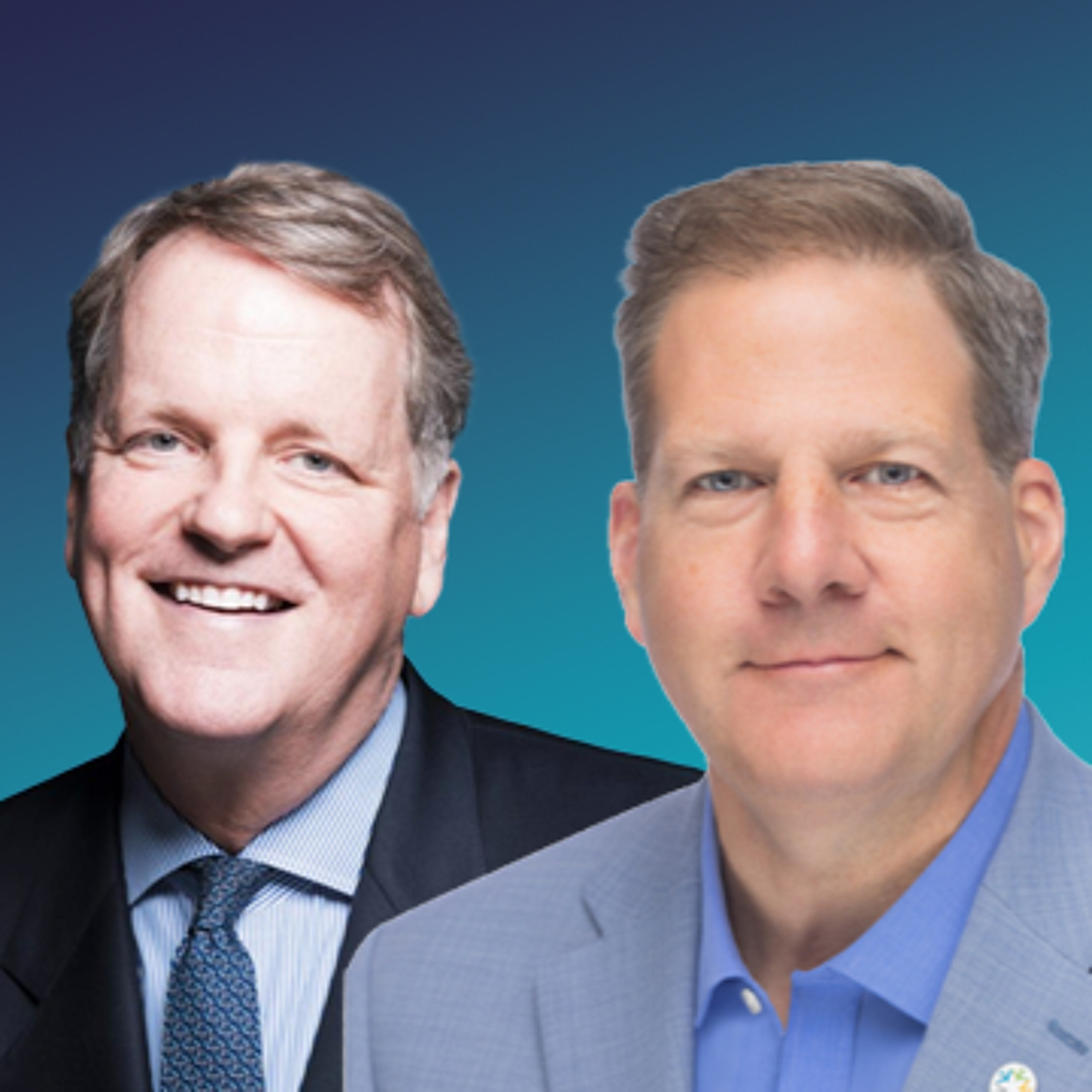
Ben Minicucci, CEO/president of Alaska Air Group and CEO of Alaska Airlines (23 years at Alaska; previously Air Canada; mechanical engineering background; led Alaska’s Hawaiian acquisition and long-haul launch). Oscar Munoz, former chairman and CEO of United Airlines (returns as guest co-host).
Alaska’s “Aurora Suites” premium product; upgauging Hawaiian inter-island flights from 717s to 737-800s driven by engine cycles (CFM56-7) and to capture peak demand; Alaska’s international growth from Seattle (Tokyo/Seoul, then Rome/London Heathrow/Reykjavik) and plans to reach 15 international destinations by 2030.
Written by AI. May contain mistakes.
Discussion about the controversy surrounding Senator Tuberville's comments on furries in aviation.
“I'm Scott McCartney wishing a happy furry week to everyone involved in aviation.”
Analysis of the recent air traffic control outage and its implications for air travel.
“is this dramatic change over the past 10 years in the market caps of Delta, United, and now even American, which has really fallen behind, for lack of a better term.”
Discussion on the need for modernization in air traffic control systems and the role of technology.
“In fact, the administration just proposed a$30 billion plan this past week.”
Exploration of the market performance and capitalizations of major airlines over the last decade.
“All right, Oscar, I've been doing some data mining of my own on the market cap question for American Delta and United.”
Discussion on American Airlines' market share erosion and competition with other airlines.
“One of the things I hear from some American executives is that Delta and United got a head start on their mergers.”
Meet Ben Minicucci, CEO of Alaska Airlines, and learn about his background.
“Ben Minacucci is CEO and president of Alaska Air Group and CEO of Alaska Airlines.”
Ben shares his journey from military service to becoming a CEO in aviation.
“Great to be with you and reconnecting after all these years.”
Discussing Alaska Airlines' market position and competitive strategies against Delta.
“It's so interesting you came up through the mechanical side.”
Ben provides insights into Alaska Airlines' recent transformation and future goals.
“done a lot of work over the last two years transforming Alaska.”
Learn about Alaska Airlines' premium offerings and service strategy.
“And so we're really excited about this new Alaska that we're creating that is only going to get stronger in the next two, three, four years.”
Explore how Alaska Airlines plans to manage costs after the Hawaiian acquisition.
“I'm curious, too, with the economy we're in now where interest rates are going up, inflation is a concern, are we headed for a slowdown?”
Understand the rationale behind upgrading aircraft in Hawaiian operations.
“You've had a bunch of announcements, including what you did yesterday.”
Discover Alaska Airlines' approach to expanding long-haul international routes.
“And again, it kind of standardizes a little bit of the narrow body fleets that we have.”
Learn about Alaska Airlines' dual brand strategy and its implications.
“Does the alliance make up for destinations that you can't offer yourself?”
Learn about Alaska Airlines' approach to brand distinction and loyalty.
“And it's something that we've committed to, that we're going to do for as long as we operate this way.”
Insights on leadership qualities in the airline industry from Ben Minicucci.
“and wish you all the best ahead and look forward to checking back with you.”
Discussion on Frontier Airlines' pilot compensation and operational challenges.
“Oscar, any thoughts on what Ben had to say?”
Listeners share insights and questions on the airline industry.
“So moving to the mailbag, and again, a wonderful example of how detail-oriented, how people closely watch our industry, which is so fun to watch.”

Get the gist, explore an idea or ask about something said.
 Claude
On Airlines Confidential Podcast, what are the key points of this episode?
Searching your listeningAutomatic transcript. May contain errors.
0:27Oscar Munoz: Thank you. SoCal, so easy. FlyOntario.com. The Executive MBA in Aviation at the University of Colorado, Denver. Business.ucDenver.edu. And by Cerium, the world's most trusted source of aviation analytics. Cerium.com. We also welcome your business's support. Contact us at airlinesconfidential.com.
1:00Ben Minicucci: Welcome to Airlines Confidential. I'm Scott McCartney wishing a happy furry week to everyone involved in aviation. For those who haven't heard, Senator Tommy Tuberville of Alabama kicked up a dust storm by giving a speech on the Senate floor saying air travel was imperiled by many pilots, flight attendants and air traffic controllers who were furries. I admit I don't really know what that is, but I do know that Chris Chimes now owes me$5 because he dared me to talk about Tuberville's attack on pilots, flight attendants, and air traffic controllers. And I do know that we have an absolutely fabulous podcast for you this week.
1:39Ben Minicucci: I'll be talking with Alaska Airlines CEO Ben Minacucci about Alaska's changes, its future, its strategy, its challenges, and even why engines drove his decision to upgauge aircraft for intra-island Hawaiian flights. And we'll upgauge the podcast even more by bringing back Oscar Munoz, former chairman and CEO of United Airlines. Welcome back, Oscar.
2:04Oscar Munoz: Well, thanks, Scott. into double the winning bet. I actually went ahead and Googled what a furry is. Not sure how it applies, but it sounds like if you've ever been traveling, you go to these Comic-Con or these, I don't know what these anthropomorphic animal characters that people dress up in. So no, I don't know. You fly a lot. I'm not seeing a lot of crew members in those costumes, but I don't know.
2:32Ben Minicucci: No, I was thinking about it. I thought, well, Snoopy was probably the first one, right? The Snoopy and the Red Baron.
2:39Oscar Munoz: Yeah, these characters, at least the pictures I saw on my Google search, do not quite look like Snoopy. That's a little bit more. Okay. And so, you know, maybe outside of our age brackets. Yes, I think so. So, but listen, on a more serious topic, I'm excited about today's podcast. Ben's a great guy, so I'm looking forward to talking about him. And then, you know, the more serious topic that we're going to change is, you know, you and I have talked about this before. is this dramatic change over the past 10 years in the market caps of Delta, United, and now even American, which has really fallen behind, for lack of a better term.
3:14Oscar Munoz: And that's worth talking about in detail, because I know I get a lot of questions with my CNBC folks when I'm on Wall Street or I'm in Boston with Fidelity. So I'm looking forward to digging into that.
3:25Ben Minicucci: Yeah, absolutely. Sounds great. Okay, first, the big news of the past week was the air traffic control outage that crippled flying in the Northeast for much of a day, and the disruption spilled over for another day or so. Ironically, it came just as FAA Administrator Brian Bedford was showing off his new headquarters data-driven airspace management system that promises improvements in efficient use of airspace to reduce delays and cancellations. What a reminder of how far we have to go, right? As listeners probably know, the FAA says L3 Harris, a technology contractor, told it on Sunday that it had a problem with the primary communications circuit for the Philadelphia Terminal Radar Approach Control Facility, the TRACON, which also manages Newark Aerospace.
4:16Ben Minicucci: When it switched to backup, the backup failed. It turns out a New Jersey Transit rail construction crew had accidentally cut the backup line, and the FAA didn't know. There's a quote from Bedford. When it went to flip into backup, we discovered that the backup fiber had a break, end quote. And by the way, don't blame the construction crew. It was digging 10 feet from where the utility line was marked, where it was supposed to be. So not their fault that they cut it. Flights into New York's three major airports, as well as Philadelphia and Boston, were stopped for hours. Thousands were delayed or canceled.
4:57Ben Minicucci: Newark alone canceled 600 flights and went eight hours without takeoffs. As I said, what a graphic reminder of how far we have to go. The system collapsed because some guys working on railroad tracks with a backhoe took down our air traffic control system. I know some in Congress will question the prudence of giving an agency a blank check for many billions to build a new air traffic control system when it doesn't even know when a crucial backup cable is cut, but that's what we have to do. In fact, the administration just proposed a$30 billion plan this past week. If anything, this episode, similar to so many in the past and no doubt in the future as well, this episode is a stark reminder of how rickety the current system is and how urgent the need for new really is.
5:49Oscar Munoz: You know, as you discuss the delays that happen in particular in that corridor, hell hath no fury like a New Yorker delayed, as you know. And I was in touch with our United guy that runs EWR, and, you know, that eight hours was real. And delays, I mean, we had, you know, the UN General Assembly was going on. So there was a lot of pressure. And shout out to all those teams that, you know, got everyone back after that long delay. And so, you know, there's just an uncomfortable lesson here when you can have literally the smartest new technology in the world, but the resilience of it is only as strong as the weakest point in the system, which in this case was, you know, could be reached by a backhoe.
6:32Oscar Munoz: And then, of course, there's going to be concern about trying to give people money and all that. But to me, this this continuously strengthens my conviction and case for modernization. Right. Yeah. What's the phrase? The answer to discovering that your house has bad wiring isn't to stop renovating the house. Right. You got to go in there and do all those things. Yeah. So the investment is going to be required. It's going to be required over multiple administrations, which is why May has made this whole thing difficult. And again, we've talked about it before and we can talk about it till we're blue in the face.
7:06Oscar Munoz: But it is going to have to be a protracted decision that crosses over administrations because it's going to take time and money and the best resources. And, you know, and speaking of AI and some of those things, you know, the conversation with this smart strategic management of airspace routes and trajectories, which is a wonderful acronym that Bedford was touting. You know, the concern is that it will move a lot of decisions away from airlines into the hands of the FAA operations centers. And of course, we as airlines have been concerned that any algorithm that's AI driven could dictate changes and routes and ground stops and cancellations.
7:45Oscar Munoz: And all of the people that have experience and know know that there's an art to this experience goes a long way to make it run smoothly. And I think airlines are right to be concerned and their assurances have to be made from the FAA that is only advisory. Right. And we're looking for I think, you know, I'm enormously supportive of using AI here, by the way, I don't want to sound in that way. But in a system this complex, at least at this stage, you know, I want AI as the co-pilot, you know, to use a phrase rather than the pilot. And an algorithm can see a lot of things. But I've been in those towers.
8:22Oscar Munoz: I've been with those folks like many people. And there's lots of there's lots of things for us to help us run things better. But I think for now, the combination has to be a strong one. So we will see.
8:34Ben Minicucci: Totally agree. All right, Oscar, I've been doing some data mining of my own on the market cap question for American Delta and United. And I thought it'd be good to start the conversation by looking at the stock performance of the three biggest airlines over the past 10 years, right? Interesting time period. I think this kind of tells you everything. Over the past 10 years, Delta stock is up 141 percent and United is up 126 percent. And American, it's down 61 percent, down by a lot. Southwest, by the way, is up nearly 40 percent over 10 years. And so Delta, the company today, is worth about$55 billion.
9:21Ben Minicucci: United has a market capitalization of about$36 billion, and Americans is only$9 billion. None of this, by the way, is particularly impressive. These are airlines, after all. Delta ranks number 458 in market cap among companies globally. United's number 694. These are the biggest airlines in the world, right? And American number 2 ,192. American is worth less than Toro lawnmowers. Think about that one for a second. So why is that? Over the past 10 years, revenue at Delta and United are both up about 72 percent. They've grown considerably. American, only 45 percent. 2016, the 10-year-ago comparison period, that was a good year.
10:12Ben Minicucci: Corporate travel was rebounding. Oil prices were down. Delta's net profit margin was 8.3%. United and American were almost exactly the same at 6.4%. That was 10 years ago. This year, Delta is expected to be around 5.8 % net profit margin. And remember, we're dealing with the high oil prices. United about the same at 5.6 % or so. and American, oh my, less than 1 % net profit margin, but at least there will be profits and not losses. We think, you know, largely dependent on what oil does the rest of the year and the economy. So how does the market look at this? Is this all because American isn't producing the same kind of earnings as Delta and United?
11:01Ben Minicucci: What are you hearing from investors? How do they view the big three airlines these days.
11:08Oscar Munoz: Yeah, I know. As you can imagine, it's pulled aside quite a bit from many different folks. Interestingly, many different types of investors, right? As we know, there are a lot, multiple folks that invest in things for different reasons. And so while the numbers explain a bit of the market cap gap, I don't think they explain all of it, right? Markets, as you know, just don't value earnings. They do put a price on their sort of confidence in tomorrow's earnings and particularly among long-term investors, you know, management and its direction, its consistency, you know, becomes part of that equation.
11:44Oscar Munoz: And, you know, they really value the things with regards to strategy. Discipline is clearly the point of that. And so I hear all of this and then carry it through the next cycle. And so it got me interested and I did a little Scott McCartney work myself because you've influenced me. And so I went back to see this concept of investors and are there different types of investors and all this thing. So I went back, I just went back for five years just because I know it's something I did when I was part of that to see where our gap to Delta was, which has been, you know, obviously a united focus. And, you know, it's, you know, while as you say that the current financial performance is comparable and they both attract serious long-term investors, You know, there is still a premium that people are paying for Delta that is, in my estimation, yet fully paying for United.
12:33Oscar Munoz: And, you know, what is one of those points? Consistency, brand, loyalty, economics, allocation of capital. And this is where more subjective, it's confidence built up over a period of time. And that, I think, is probably the gap that I see between a United and Delta. I mean, United has had a remarkable turnaround, has continued and doing all the right things. But it's been more recent where I think Delta has been. We're going to talk a little bit more about America later, but that's a whole different conversation for a lot of different reasons. But, you know, right now, you know, the combination of people that own the big two in this particular case, Delta United, are becoming rapidly similar.
13:24Oscar Munoz: And then, of course, I'm sure you read, you know, Berkshire just took a big stake in Delta, which it's a reentry into a place they entered right before COVID. I know when I joined United, they took 10 percent of us, which was a great, good housekeeping seal of approval so much. but they've gone back big into Delta, which has increased that market cap. So Delta and United are going to chase each other. United, I think, has a lot of room. It'll take some time for people to get comfort in their consistent results. And then, of course, American just has a lot of work to do. And I think we're going to talk a little bit more about that.
14:01Oscar Munoz: So that's my initial thought.
14:05Ben Minicucci: Yeah. Well, it's interesting. The timing is interesting, right? One of the things I hear from some American executives is that Delta and United got a head start on their mergers. And maybe to your point, Delta a head start over United. And so Americans playing catch up. Delta and Northwest merged in 2008. United and Continental in 2010. American merged with U.S. Airways in 2013. So a good five years behind Delta and Northwest. But all those mergers were more than a decade ago. So do you think the timing of that is still a factor?
14:47Oscar Munoz: Listen, you hate to be critical, but I faced that situation when I took over United. We were five to six years in and still using the merger and all the things. At some point in time, integration has to stop being an explanation and it has to become history. And so, you know, these mergers happened a long time ago and investors aren't paying for the starting point anymore. They're paying for what you've built from it. And so right, wrong or indifferent. You know, there's my old phrase of proof, not promise has to be delivered here. And I think that's where that's where American needs to come to come to get back into the mode, because that trust and future delivery is not yet evident.
15:33Oscar Munoz: Right. They're making some progress. You have to give them credit. Their last set of numbers have certainly shown some improvement. So there's hope there. But it's going to take some time for everyone to to sort of build the confidence that they've built in the other big two. Three, if you include Southwest, which has had. Yeah.
15:49Ben Minicucci: Yeah, it is. I mean, this this year is going to be such a stark thing. You know, I think I think Delta is going to have given the economic headwinds. Delta is going to have earnings of several billion dollars. United is going to have earnings of several billion dollars. Americans not. It's going to be pretty much flat. And and I think that's that's kind of stark to me, the time. And, you know, maybe this is a result of of the time. But to me, the biggest issue here, well, there are a couple of things. One is that I don't feel urgency from America. If they think time is it is they are playing catch up.
16:36Ben Minicucci: They're not playing it real hard. Even the move to premium, a long phase in to that. I don't get a sense that the message is not, hey, we're at war. The message is, oh, everything will be OK. And I think that there is a war here and it's really fought in market share in the biggest cities. And this is a root cause of Americans' profit erosion. I suppose this is sort of a chicken and an egg. You know, which came first? Did the decline in service or whatever? Was that the cause of the market share erosion or the market share erosion come first? And that's led to the difficulties. But if you look over, stick with our 10-year period for market share, start with Los Angeles, because very competitive market.
17:34Ben Minicucci: I've always been fascinated with Los Angeles. Lots of high-profit travelers there, very important markets, second largest city, all of that, Pacific Gateway, everything. I pulled cerium data to look at seats in the market. If you look at third quarter market share, the current quarter we're in compared to the third quarter of 2016, you'll see that American went from number one at LAX to number three. American had 20 % of the market. Now it's down to 16%. United has gone from 14 % up to 18%. Delta has gone from 16 % up to 19%. So Delta is the largest out there. The big three together have gone from 50 percent of the market to 53 percent.
18:19Ben Minicucci: So you can see some effects of consolidation and from the decline of the low cost wing of the industry. Not a lot, but clearly United and Delta are growing and American is shrinking. OK, so that's L.A. Now look at New York, the largest market. All three big airports combined. Same story. American has gone from almost 15 percent of the market to 13.4 percent in terms of third quarter seats this year compared to 10 years ago. Delta has gone from more than 23 percent to nearly 25 percent. United has had the biggest gains in New York from 22.4 % 10 years ago to more than 25 % in the current quarter.
19:06Ben Minicucci: JetBlue, by the way, has stayed mostly flat in terms of market share. So that's New York. I thought, well, look at Chicago, too, because not only the third largest city, but also a flashpoint, right, between the competitive competition between United and American, Scott Kirby making allegations that Americans losing a ton of money and should pull out of its hub in Chicago, American fighting back and coming back strong this year. United had a 9.5 percentage point lead on American 10 years ago in terms of seats. Now that gap is 13.4 percentage points. So United has grown in Chicago, and this is for the current third quarter, and it was bigger than American before.
20:01Ben Minicucci: It's even bigger than American now. And then one last thing I thought, well, let's look at average America. Let's look at, I don't know, Kansas City, right? Not a place any of the big three are making huge investment or major pushes. What's happening in normal town? Well, United has grown from about 9 % of seats 10 years ago to nearly 13 % this quarter. Delta has grown from 16 % of seats to 18%. So the consolidation that we've seen, right? American has shrunk from 17.5 % of Kansas City seats 10 years ago to 14 % today. Southwest, the biggest airline in Kansas City, has stayed much the same at 50 % of seats in the market.
20:47Ben Minicucci: So same pattern, American, Delta, and United. How does American reverse this trend? Can it rebuild market share?
20:57Oscar Munoz: You know, again, so much to unpack here just because it's a bit of the situation that I know I walked into at United. And I know the Chicago story in particular very well. And what we've done to there. But, you know, to your specific question, you know, how does American reverse this? And can it rebuild market share? And, you know, you don't rebuild market share by chasing market share. I learned that because that's what United was trying to do in a lot of ways. It just wasn't working. You have to build relevance. And I think this is where Scott Kirby and I really paired well together because, you know, you have to give your high value customers a reason to choose you repeatedly, especially in a Chicago market that was very balanced there.
21:46Oscar Munoz: And once that happens, share follows. It's just simply that you can simply add capacity and, you know, get a number on a chart, but you can destroy value pretty quickly to the allegation that maybe American is doing it in a way that that is costing them money. You have to rebuild relevance, not only with your customers, but with your employee base. You travel, I travel. I'm fairly one-owned when I travel. I try to do it when I do other airlines, but I do fly them. And, you know, you have those comments that are made to you privately. And, you know, I think United's employees were at that point when I took over.
22:27Oscar Munoz: And it's, I think we're American employees, the front line, because they need the energy, they need the excitement, and they need their building towards something. And that is unclear. And, you know, you mentioned a sense of urgency and an aggressiveness, or whatever it is that you might not be seeing. I think employees see that. So, you know, the work there, while yes, at the end of the day, you want to regain your share and your markets and numbers, you have to gain relevance. And it starts with your employees, It starts with your customers choosing you repeatedly. And that is a task that requires, you know, a certain kind of consistent leadership and commitment.
23:03Oscar Munoz: And again, it's been done before. And I do hope for them because they're, you know, they're a great airline and they're great people. But that relevance with high value customers and their employees, I think, is the path for them. You know, what do you think?
23:18Ben Minicucci: Yeah, no, I think that's a great point. And, you know, I think I think the American airlines workforce is terrific, but they don't see a plan. They don't you know, what is our strategy to get get back? Maybe it's starting to shape up with the with the premium. But that that just feels like catch up. And I do think the most successful management I've seen in this business is a management that can motivate employees because it's a frontline business. It's, you know, and everybody's out there working hard, hard jobs. But it really does matter if they are invested in their job and their company. And I think Delta and United and Southwest have done that to a far greater extent than American.
24:11Ben Minicucci: It's a leadership issue, a communications issue, a strategy issue. And that is what, you know, when I say there's no urgency, there's no fire, you know, Scott Kirby's running around kicking sand in your face. You got to respond because the employees need to see it. And the other thing about employees is that I think Americans' inability to run an on-time operation for many years really beat down the workforce. And, you know, I've talked before about being in Chicago on a stormy day when, you know, America was canceling a much higher percentage of its flights than United was. And there were long lines for reaccommodation and everything else.
24:59Ben Minicucci: And I just thought, you know, these employees are under enormous stress. And And by the way, they probably were two days ago and last week and last month and all of that. It just accumulates.
25:12Oscar Munoz: I really just interject there just for a second. A famous phrase that I've used many years in my turnaround journey at United in talking with all of my employees. It's just a lot of different feedback. But the classic one was when a flight attendant just gladly in tears told me, I'm just tired of always having to say, I'm sorry. Yeah. And it was that was it just permeated because she has nothing to do with operations. She has nothing to do with the coffee. She has nothing to do with their ops. Right. She has nothing. But she has to explain it because you and I as travelers are snapping at somebody and it's usually your flight attendant.
25:51Ben Minicucci: Right. Right. And, you know, you're wearing the uniform. You're right there in front of the customer and you're going to you're going to hear it. So, yeah, I think it's I mean, it's the big picture. Right. It really is a situation that I do think over time can be reversed and an American can come back. But we got to see a better plan, I think, is sort of the bottom line to all this. All right. Interesting discussion. And I'm sure we'll talk more about it. I'm curious what listeners think. But it is one of the big issues in this industry. And so I think it's important that we continue to watch and look and talk about it.
26:41Ben Minicucci: Also important, time now to thank our sponsors for making this podcast possible. Thanks to the Executive MBA in Aviation at the University of Colorado, Denver. The Executive MBA in Aviation at CU Denver is the first degree of its kind in the world taught by industry experts and designed for ambitious leaders from across the aviation ecosystem. With classes located at Denver International Airport and week-long residencies in Washington, D.C. and at airports around the world, students experience a hybrid flexible course structure that balances in-person and online classes without career interruption.
27:18Ben Minicucci: Go to business.ucdenver.edu to learn more. I know that program is near and dear to your heart, Oscar. I was in Denver recently visiting with David Chandler, the brilliant leader of the program. He said you've been meeting individually with students talking about their careers. What a wonderful and unique opportunity for them.
27:38Oscar Munoz: Yeah, that's a very special part. I'm not an educator, but I do have a lot of experience in what you find with students wanting to learn. It's beyond the books, right? And so we get a lot of, you know, more private conversations about their direction and their concerns and their excitement. And it's fascinating to get to learn to the human behind them because we're all different and we have different motivations. So that's an added part to this wonderful program. So it is now a time. We have a few slots left for the next cohort, which starts here at the top of the year. So I look forward to hopefully meeting many of you that might join in.
28:16Oscar Munoz: We also want to thank RTX for its support of this podcast. At RTX, a century of aerospace and defense innovation shapes a unique perspective. It takes more than technology alone to rapidly advance the future of flight and strengthen global security. It takes the vision to see what's next, adapting expertise and scaling manufacturing capability to deliver where and when it matters most. So perspective is everything. RTX. Visit rtx.com to learn more.
28:43Ben Minicucci: And thanks to Infinity Flight Academy. Infinity Flight Academy is helping build the next generation of professional pilots. Airline hiring may move in cycles, but developing skilled professional pilots takes years. Infinity provides structured airline-focused training designed to develop pilots with the skills, discipline, and professionalism needed for today's flight deck. From individual career pilots to large-scale cadet in university programs, Infinity is helping build the aviation workforce of tomorrow. Learn more at infinityflight.com. Infinity Flight Academy, where future pilots take off.
29:21Ben Minicucci: Okay, speaking of taking off, let's turn to my conversation with Alaska Airlines CEO Ben Minacucci. Ben Minacucci is CEO and president of Alaska Air Group and CEO of Alaska Airlines. He's been CEO for the past five years and is the architect of Alaska's acquisition of Hawaiian Airlines and the launch of long haul international service. I think I first talked to Ben about 10 years ago or so when he was both chief operating officer for Alaska and CEO of Virgin America when Alaska bought that airline, integrating operations and figuring out how to run on time in San Francisco. So the second merger that Ben's led through.
30:04Ben Minicucci: Ben's been at Alaska nearly 23 years, born in Montreal. He has a bachelor's and master's degree. He has bachelor's and master's degrees from the Royal Military College of Canada. Ben, it is a pleasure to have you join us on Airlines Confidential.
30:22Oscar Munoz: Well, thanks, Scott. Great to be with you and reconnecting after all these years.
30:27Ben Minicucci: Yeah. So we always start with Ben Baldanza's favorite opening question, both as an interesting first question and an homage, I think, I hope, to the co-founder of this podcast who was such a driving force in making air travel affordable. And the question is simply this. How'd you get of this crazy business.
30:49Oscar Munoz: It is a crazy business. Well, you know, when I was 17 years old, I joined the military, the military academy, as you mentioned, and got my mechanical engineering degree. And I was lucky, you know, coming out of college, I got field postings where I was in charge of maintenance quadrants right at the get-go. Not that I knew what I was doing at 22, 23 years old, but I was in charge of a C-130 Hercules maintenance quadrant, a 707 air-to-air fueling squadron. And, you know, I learned and grew to love aircraft maintenance and flying all over the world on deployments and fell in love with just the world of airplanes and operations.
31:33Oscar Munoz: And after a 14-year career, I got recruited by Air Canada and spent seven years in Air Canada under tech ops division, which I loved. And this was, you know, the transition from military to business and learned so much there and loved it. But then Alaska came calling while I was in Vancouver for Air Canada. They came calling and I moved the family south to Seattle. And I've been there the last 22 years. And, you know, from the time I got into Alaska, I just loved it because it was just about the culture and the people in this small airline that just would do anything you needed to do to thrive and be successful.
32:14Oscar Munoz: So I just love the culture, love the people. And there you go. Here I am.
32:19Ben Minicucci: Yeah. Interesting. It's so interesting you came up through the mechanical side. Gordon Bethune, too. It's an interesting way to learn the business.
32:29Oscar Munoz: I think it's, you know, from there through operations, it's just a different lens. And I, you know, this business is so complex. You just have to surround yourself with people when you don't have experience in one area of this complicated business. You got to make sure you have people that fill your gaps, you know, in other parts of the business.
32:47Ben Minicucci: Yeah. Yeah. Great point. All right. I want to start big picture and then we'll peel back the onion some. Alaska had a good niche business in Seattle years back, extremely loyal following with the locals, essential reliable service and some challenging operating environments in Alaska. And then Delta came to town and set up a hub in Seattle in 2014, six years after the merger with Northwest. That was 12 years ago, and you've held off Delta pretty significantly. Seattle is really one of the most unique competitive dual hub airports in the U.S. Seattle and Chicago is what I think of, really. Alaska has stayed above 50 % market share and Delta these days around 24%.
33:35Ben Minicucci: that. What's been the key? And can that continue?
33:40Oscar Munoz: You know, it has been 12 years. And look, for us, it's really simple. You know, Seattle isn't just another hub for us. It is the hub for us. It's our hometown. And we vowed that we're going to protect it, you know, every which way we can, and especially share and market share. And so, you know, Delta, we have a lot of respect for Delta. They're a great airline. But this is the place where we feel is ours. It's our home. It's where our kids went to school. It's we have shared. It's 2x of that of Delta here from a domestic capability. And we have just fierce loyalty from customers along the entire Pacific Northwest.
34:27Oscar Munoz: So, you know, and look, it's been 12 years and we look at every day what we could do better. And one of the gaps that we saw that we had in Seattle was on the international side. And we saw that gap and we recognized it and we knew that we had to address it. And, you know, we had One World, which was a partial solution. We were part of the One World, but we did have aspirations to grow an international hub. And Hawaiian, the acquisition of Hawaiian accelerated that. So that was the arrow in the quiver that we needed to fill. And we filled it. We have five destinations today, seven next year, and building up to 15 by 2030, which should give us the largest international footprint here out of Seattle combined with the biggest domestic network out of Seattle.
35:17Oscar Munoz: So all that to say is, look, Seattle is our largest and most important hub, and we're going to continue to protect it with everything we can.
35:26Ben Minicucci: Yeah, yeah, so interesting. I want to get more into the international service, but let's stay big picture for a minute. You clearly saw the need to get bigger, first with Virgin America in 2016 and then Hawaiian in 2024. And that made you stronger in the West, the international expansion you just mentioned. But as big airlines go nationally, you're fifth largest, a distant fifth, half the size of Southwest in RPMs. In this consolidated network industry that we're in, do you need another acquisition for long-term strength?
36:05Oscar Munoz: Yeah, you know, we are fifth, and it's a great question. How we view it, Scott, is our thesis around this is you need to have scale, relevance, and loyalty in the big hubs that you operate. And for us being West Coast right now, we look at our hubs in Seattle and Portland and Anchorage and Honolulu in California with San Diego that we're just building up and what we have in the Bay Area. And we operate out of 18 airports, 16 or 18 airports in California. Our goal is simply to create scale, relevance and loyalty on the West Coast as we fly north, south, east and west. And that's really our focus to do well.
36:47Oscar Munoz: And that's what really has been the driver of how we see expansion. So that's a place we feel that there's still a lot of work to do, a lot of growth to happen, especially as we get into the 10 Max airplane. And so that's what we're excited about. East Coast someday, do you think you need or don't need? You know, that's not something that's on our radar in the short term. Right now, our focus is to continue to grow Seattle, grow our West Coast hubs. And we just think there's just a lot of dry powder left to really optimize the existing hubs that we have. And I think a mistake that maybe some companies do is they spread themselves too thin and lose focus.
37:35Oscar Munoz: And that's not something that we want to do. We know that our strength lies off these West Coast hubs and flying to destinations. For example, we fly to 110 different destinations out of Seattle. So we cover pretty much the entire country. But there's still more that we want to do. Again, with the international expansion, there's still some more domestic holes that we want to fill. And so we're just excited about just continuing to make sure that these become fortress hubs over time. And really, that's really what drives loyalty. It's what's going to drive profitability at the end of the day.
38:11Ben Minicucci: Okay, good. All right, let's pivot to the present. Give us an update on Alaska this fall. You had your investor day yesterday. What was your message?
38:21Oscar Munoz: You know, it was exciting, exciting investor day. Look, what we wanted to sort of walk through with investors and the media was that we've done a lot of work over the last two years transforming Alaska. And Scott, you've known us for the last 20 years. You know, Alaska, at least from when I joined, we were focused on being a low cost, low fare airline. Now we had a good product, but it was just low cost, low fares. And we were super successful over the last 20 years. You know, we were in the most profitable airlines. You know, you follow us. We were usually on the top of the charts for the Wall Street Journal rankings for operation excellence, customer satisfaction, that promoter score.
39:02Ben Minicucci: By the way, that was always a challenging operating environment. It always was so impressive that flying into Alaska, flying in stormy, foggy, rainy Seattle, flying the West Coast, that you could do that was always impressive.
39:18Oscar Munoz: We just invest in a lot of technology and innovation in the cockpit stuff that helped us do that. And then just strong operational processes that helped us, which, you know, even today we're the, you know, leading operational airline in 2026. But, you know, it was, it was really that, that focus going from a low cost, low fare airline that was good at operations, good at customer service, good with guests, good with employees and transitioning to say, Hey, the world is shifting the world. As we saw, you know, after we finished a Virgin America acquisition and, you know, we headed into the pandemic, that airlines that were going to be successful, the airlines that were leaning into global and leaning into premium.
39:59Oscar Munoz: And that's where our strategy started. You know, like in 2021, 2022, we started thinking, how do we position Alaska for success? Because what we didn't want to do is fall victim. And I said this at Investor Day that just because your strategy worked in the past, it doesn't mean your strategy is going to work in the future. And we wanted to make sure that we were going to fall victim to that type of thinking. So we said, look, why don't we disrupt ourselves? Even though things are going well and we continue to do well, let's disrupt ourselves and position us for the next decade, which is a hard thing to do because things were going well.
40:33Oscar Munoz: We're coming out of the virgin acquisition. Things are starting to move in the right way, except for, of course, the pandemic. So when we came out, we said, let's go exercise this strategy. And when, you know, how do we were going to do this strategy organically or inorganically, the best option for us was the acquisition of Hawaiian that built up our Hawaii franchise and gave us more access, you know, across, you know, our network got more breadth. Loyalty is improving at a phenomenal rate. And it gave us access to wide bodies that if we had to order them with the order books the way they are, it would have delayed our implementation of that strategy.
41:14Oscar Munoz: So what this acquisition, you know, frankly did for us is just accelerate, you know, the idea of saying, look, we got to protect Seattle as a hub. Global is one of the holes we're trying to fill. And this really accelerates that thinking. So that was really part of the investor day messaging that the transformation phase is largely behind us. The value creation phase is in front of us. We've done all the hard stuff about getting on, you know, the operating certificate is done. We've unified loyalty. We've got the single reservation system. We've launched a global gateway. So we're activating the earnings platform through premium global loyalty and cargo.
41:57Oscar Munoz: And so we just got more ways to win with a broader network, a more diversified earnings base. And so we're really excited about this new Alaska that we're creating that is only going to get stronger in the next two, three, four years.
42:11Ben Minicucci: And a lot of that, some interesting announcements out of Investor Day where you're enhancing the frequent flyer program, accumulation with a debit card option, which I think is interesting, but also premium options on the airplane. So a new premium economy cabin and other enhancements, including on the Max 10s that you mentioned that will be coming. Talk about the premium push. Do you feel like this is catch up with what others are doing in the industry or leapfrogging in any way? What do you think?
42:51Oscar Munoz: Well, for me, it's definitely just us executing the strategy that we had in place. And this introduction, we call it the Aurora Suites. The Aurora Suites is this premium experience from, you know, the airport to the lounges to onboard. And this is the light flat seats on international with what we call premium economy or premium reserve, as we call it. And the same thing, we're going to launch it on, you know, the 10 max when those airplanes come in. And it will have the same thing on certain transcon routes. So we'll have a light flat, a premium reserve, to complement our existing domestic networks.
43:31Oscar Munoz: So we're super excited about the premium strategy that is really going to take shape tremendously here over the next couple of years. But to your question, it's catch-up. Look, like I said, we've been super successful with the product we have. And our success wasn't because we have different airplanes or a different product on board. The products and airplanes are essentially the same across the industry. What differentiates us is always the service. Our values are rooted in care, being caring and kind, which our people do so well. And this empowerment framework that we give our employees about doing the right thing.
44:11Oscar Munoz: So we've always distinguished ourselves through service. And the product only enhances the experience for the guests. So we feel that everything we've done, Alaska has always been at the top of the charts in terms of customer service and their promoter scores. The product is only going to continue to enhance it from the end-to-end experience. So we're super, super excited about us seeing this come to fruition here over the next couple of years.
44:41Ben Minicucci: I'm curious, too, with the economy we're in now where interest rates are going up, inflation is a concern, are we headed for a slowdown? And this is sort of an industry-wide question. Is there a danger of going too far on premium, especially if there is any kind of economic slowdown ahead?
45:07Oscar Munoz: You know, it's always good caution to have, and you need to have eyes wide open and make sure you have mitigation strategies in place in case the economy does slow down. You know, it's something we watch every day, you know, with inflation being a bit sticky, of course, fuel costs being where they are. And we do have a strong consumer that continues to spend money, which is a good thing. The one thing that's, I think, different from Alaska from everyone else is we just simply, and we show this at Investor Day, our stage lengths are simply longer than any other airline. And if you look at, you know, because of where we operate from the West Coast and, you know, whether we go to Hawaii, we go to the East Coast, we go south, we go north, we have pretty long stage lengths.
45:53Oscar Munoz: So our customers, you know, the ones that are looking for a more comfortable experience do buy up into the premium and to the first class experience. So we feel like regardless of what happens with the economy, and of course, we have to be flexible, but this product really fits our network strategy. And really, it's tailored to what our customers are looking for, which is that type of a product and experience.
46:24Ben Minicucci: Good, good. So you mentioned some of the milestones in the Hawaiian acquisition of single operating certificate, single reservation system and all that. Let's talk about costs and how it's all working financially. What specifically has to happen to get costs in line after the Hawaiian acquisition? Are you kind of where you want to be or is there more to come with this? You know, well, even today, the Alaska costs are 10 % to 15 % below most airlines in the country.
47:01Oscar Munoz: So this is something we've always had a cost advantage. But look, having done the second integration, when you're integrating two airlines, you always have some parallel costs going together as you integrate both companies. And as this integration, like I said, is coming to a close with, again, And, you know, the single reservation system out of the way, the single operating certificate out of the way, unifying loyalty. We are now bringing down a lot of the integration costs out of the system. So our costs are going to come down. But again, our focus is really long term and making sure that we're focused on this premium strategy.
47:38Oscar Munoz: But we also focused on having a low cost structure that allows us to compete even more effectively, especially if there's a downturn. So, no, costs are absolutely in line of where we expect them and more improvements to come going forward.
47:55Ben Minicucci: It's been a busy year. You've had a bunch of announcements, including what you did yesterday. But one of the things I thought was interesting was the decision to replace the 717s from Hawaiian with 737-800s. That seems like a significant upgaging. And that's such a competitive market. The line I've heard about the inter-island stuff is there's kind of enough traffic there for one and a half airlines. And now you and Southwest are competing there. What's the idea of upgaging there?
48:30Oscar Munoz: You know, so those 717s are amazing airplanes and they've worked really hard over their careers. But, you know, again, this is my maintenance background. You know, all their airplanes, you can fly airplanes a long time. They just need more downtime, more maintenance as they get older. And we're at the point with the 7117s is they do need to get replaced. And the decision to say which airplane do you replace it with was less about an airframe and more about the engine because of the cycles that you incur flying in our islands. So, you know, when you look and say, OK, what's the best engine out there?
49:08Oscar Munoz: Well, like we have a lot of experience with the CFM56-7. That's the engine that's on the 737 NGs. It's, I believe, one of the best built engines in my time. And so that really is what drove the decision to say, we need the right engine in our island. Now, you know, the 737 has it, the 320, the Airbus 320 family has it. And so you say, like, where do you, you know, where do you go? And we had 59 737 800s, you know, on property. And we have this great order book with Boeing on Maxxis. And so it was kind of an easy, logical decision to say, let's replace the 701 Sands. Although they have, it's a bigger airplane, the airplane will have a bigger first class for those customers, a bigger premium class, premium economy, and a larger main cabin.
50:00Oscar Munoz: So in Hawaii, believe it or not, the inter-island flying is larger than the Boston, New York, D.C. triangle of flying. That's how many people, I mean, that's their way of life, flying between the islands. So in the peak times, the extra gauge is going to be super helpful to us because, you know, sometimes we spill customers in those peak times. So capturing all that demand on our airplanes is going to be hugely beneficial. And it's going to be a reliable airplane, a more comfortable airplane. And I think our guests will love it. And one of the other things it does, we talked about costs from a cost structure point of view, eliminates one fleet.
50:42Oscar Munoz: And again, it kind of standardizes a little bit of the narrow body fleets that we have.
50:47Ben Minicucci: Interesting. That's really fascinating. OK, let's let's talk long haul. We mentioned some of this east to Europe, west to Asia. What's what's working so far and and how's it working? Delta has come in on top of you pretty aggressively with this. How's it working?
51:08Oscar Munoz: It's working great out of the gate. These routes always take time to mature, but we've been only operating for a little over a year with Tokyo and Seoul. We just launched Rome and London Heathrow this past spring and Reykjavik. We're really pleased with the results we've seen right out of the gate. And it's not unexpected for us. Look, we have such a strong loyalty base here in the Pacific Northwest. Again, our domestic network is super strong in Seattle. It's 2X, that of our closest competitor. And so we knew we could fill those airplanes. We knew that the loyalty base was there. And so we remain, again, super optimistic.
51:53Oscar Munoz: We're not, again, in it for the next quarter or the next year, we're in it for the long haul. And we knew that it takes time to build this thing out. But we believe that, you know, starting with where we did and building up to 15 international destinations will bring in more loyalty, will bring in more corporate business to Alaska. And the ASMs, just to give you a sense, we'll have 8 % of our ASMs today are international. By 2030, it'll be 20 % of our ASMs will be international.
52:27Ben Minicucci: Really? Wow. Wow. And how's the 787 working for you?
52:32Oscar Munoz: You know, the 787 is a wonderful, beautiful airplane. We're super happy with it. We love it. We're excited to put the product improvements we have on it. We're going to upgrade the life-flat seats. We're going to put a premium reserve, the premium economy that doesn't exist in there. So those airplanes are going to be even more accretive to the bottom line as these enhancements go into the airplane. But no, our employees love it. Our guests love it. You know, it's funny. I flew in it. And it's, you know, all those things Boeing said about it that you feel better when you land. I felt better when I landed after after being on the 787.
53:09Oscar Munoz: It really felt good.
53:10Ben Minicucci: Yeah. Yeah. So you mentioned One World earlier. And I always thought of Alaska internationally, a little bit of the Switzerland. You kind of partner with anybody and try and be friends with everybody, right? But I'm curious now if you can compensate for network size at all with the alliance. I don't know. How is it all working these days? Does the alliance make up for destinations that you can't offer yourself?
53:48Oscar Munoz: Yeah, you know, it's working super well. Our relationship with American and our one world partners is terrific, as well as all the other individual relationships we have with other carriers. What's fantastic today is we can fly into a London Heathrow and our guests can go from London Heathrow and connect to other cities across Europe. Today, they do that. We do that with Japan Airlines out of Narita. So these partnerships are super important and it's working really well for us. We're an integral part of one world and we're looking at over time how we expand these relationships in a more productive way.
54:27Ben Minicucci: Uh-huh. And I wanted to talk about brand strategy and the local loyalty that we've talked about. You're operating sort of a blended dual brand airline. The Alaska name is everything for you on the West Coast, but that doesn't really work in Honolulu. And in Honolulu, Alaska probably doesn't work all that well. But long term, can you keep two names? Do you eventually have to consolidate into one name?
54:57Oscar Munoz: No, you know what? And again, this is all my experience going through the Virgin America integration and then acquiring Hawaiian. I will tell you, just at the get-go, when we thought about Hawaiian and doing it, my thought, and I told the board right out of the gate, is we've got to keep both brands. The Hawaiian brand is almost 100 years in service. It means so much to the people in Hawaii, the cultural and emotional connection. And it's very similar to the state of Alaska, where the residents of Alaska have a strong affinity to the native on detail. So this is something that is just unique to Alaska.
55:35Oscar Munoz: We have these two wonderful brands that are so strong, and it is just the right long-term approach for Alaska Air Group to have one company with these two beautiful customer-facing brands. Our flight attendants, pilots, mechanics can work on, once we have integrated joint collective bargaining agreements and seniority lists, it's simply one company operating two distinct brands. And it's something that we've committed to, that we're going to do for as long as we operate this way. And I think it's the right thing for our guests. It's the right thing to drive more loyalty. and it's honestly, it's a little harder work.
56:19Oscar Munoz: You got to think through a lot of stuff from the digital side, uniforms and service and different product on board when you fly to Hawaii, for example. But it is well worth the extra effort to make sure that these brands are distinct and continue to thrive long-term.
56:42Ben Minicucci: And do you find the Alaska brand sells internationally, sells overseas? Is there any name recognition in Europe or Asia with that?
56:52Oscar Munoz: You know, we're starting to gain traction. You know, the good thing about the name Alaska is that people ask, wow, Alaska, you know, and it gives us an opening to tell our story, you know, that although we do fly in the state of Alaska, we just don't fly to the state of Alaska. We're a West Coast-based airline. But it's amazing to see the phenomenal reception we've gotten as we fly to different destinations. And with Hawaiian flying internationally out of Honolulu, they've built quite a loyal brand following in the cities they fly to, into Japan and Seoul and Australia. And so, no, the name is not going to hinder us from being successful, for sure.
57:32Ben Minicucci: And just to be good, the Pacific flying with the A330s out of Honolulu, that continues, right?
57:39Oscar Munoz: That continues, yes. And the A330s are going through the same transformation. You know, we call them Aurora for Alaska and Leihoku for Hawaiian, where we're going to upgrade the cabins and have the same experience, a similar experience on the A330s that we'll have on the A787s.
57:57Ben Minicucci: Well, Ben, this has been fascinating. Really appreciate the time. and good luck with everything ahead. Love to see all that you're doing, shaking up the industry and growing the company and wish you all the best ahead and look forward to checking back with you.
58:16Oscar Munoz: Great, Scott, it was a pleasure and great connecting with you again.
58:19Ben Minicucci: Take care and we will be right back with more on Airlines Confidential.
58:23Oscar Munoz: Promotional support provided by the ultimate avgeek website, thearchive.net, a vast collection of airline memorabilia, Timetables, route maps, rare cabin and airport photos, special flights and more. All at the archive.net, the hub of air transport history.
58:38Ben Minicucci: Thanks again to Ben. Oscar, any thoughts on what Ben had to say? I thought it was a really interesting discussion. What do you think?
58:46Oscar Munoz: Well, as always, Scott, you do a great job with those conversations. You know, I met Ben a while ago. He had just finished the Hawaiian merger and speaking more socially. But the strategy that he was laying out in his conviction and what I see today is consistent, which is always a great sign of a capable leader. Right. I did this and here's what I'm going to do. And then you move forward in this proof not promise concept. So, you know, and from what I hear, he's a he's a great operator who understands that airlines aren't just airplanes and schedules, but they're people serving people, which is very new to my heart.
59:24Oscar Munoz: And so after listening to him, you know, I think about, you know, if I were describing a profile needed in today's marketplace to turn around an airline, you know, someone that has that credibility operationally, strategic intelligence, humility is an important part sometimes and an ability to connect with employees because that's where it really helps. And then, of course, you got to have this obsessive focus on relevance and bringing back your customers, which is the conversation we had with with American. And so I think Ben checks a lot of those boxes. And the only concern that you have, and you know this, and we had this at Continental because everybody was sort of merging around us.
1:00:02Oscar Munoz: We had the potential to sort of remain stranded on an island as a very large regional. and to add a personal proof, I'm headed to Seattle from Florida next week for an event and badly wanted to fly Alaska. And it's difficult to do that, right? They have that, they're building that fortress hub in Seattle, which is great, but if you're trying to reach it from the East Coast and I'm not major city, it becomes a little difficult. And that's where they have to ramp up and to really make it worthwhile over time because, you know, it's easy to get overcome by the big ones. But I think Ben's the right person to do it and I wish them lots of luck.
1:00:39Ben Minicucci: Yeah, yeah. It is a tough job ahead, right? Building a network organically, I do think eventually. They're going to need more on the East Coast. They're trying to build up in places like San Diego. Lots of airlines are trying to build up in San Diego. It's going to be interesting to see how it all shakes out. And if they can, this is a network business. You got to have a network and they're going to need a bigger network. Okay, before we get to the mailbag, thanks to Serium. Serium offers the most accurate and precise data and analytics to enable airlines to optimize planning, operations, and passenger services.
1:01:17Ben Minicucci: The right intelligence drives operational efficiencies, enables you to predict market shifts, and helps airlines respond quickly to maximize revenue, manage costs, and seize commercial opportunity. Visit serium.com for more. And thanks to Ontario International Airport. Ontario International Airport is wrapping up major upgrades in both terminals with additional TSA screening lanes, welcoming exit corridors and modern family restrooms to make your journey smoother and more accessible than ever. Getting from parking to your gate quickly and back again at the end of the journey is part of what makes ONT SoCal so easy.
1:01:57Ben Minicucci: Visit FlyOntario.com to learn how the airport is keeping wait times low and creating a better travel experience, even as more passengers choose to fly through ONT. So moving to the mailbag, and again, a wonderful example of how detail-oriented, how people closely watch our industry, which is so fun to watch.
1:02:21Oscar Munoz: But Bob from Oshkosh, Nebraska, had this observation. Couldn't help but notice one of Frontier's most recent deliveries, and then names the tail number, is named Spirit, comma, the Golden Eagle. So not sure if Frontier is honoring the late Spirit Airlines, throw in a little shade or a combination of the two, or if it's just a happy accident. Either way, at least there's still one A321 with a new Spirit in the skies above. So thank Bob for that observation. Love that.
1:02:51Ben Minicucci: Absolutely love that. It's an interesting question, right? But yes, glad that there's at least one Spirit airplane. I'm going to go with shade, by the way. Yeah, I think you're probably right. Or ignorance on somebody's part. Well, yeah. All right. Steve from Boston had another Frontier observation after my interview with Frontier CEO Jimmy Dempsey. Frontier pilots are responsible for the safety of up to 240 passengers on the A321, so seating capacity closer to mainline wide-body aircraft than traditional narrowbodies. When looking at labor compensation, pilots at all other carriers earn 35 % to 45 % more per hour on similar narrow-body aircraft, with that gap widening even further when factoring in industry standard retirement contributions and profit sharing.
1:03:44Ben Minicucci: Despite running the operation on a 30 % plus labor discount compared to mainline peers, Frontier still posted$137 million net loss in 2025 and losses in every quarter in 2026 so far. If keeping pilot compensation suppressed by nearly half relative to the mainline industry doesn't yield operating profits, how can management justify this strategy while expecting to retain experienced pilots and ensure the highest standards of safety and operational experience. Thank you, Steve, for that. Frontier has been in mediation with its pilots union for more than two years, so hopefully there'll be an agreement soon.
1:04:27Ben Minicucci: It's a significant factor, as Steve notes, that most everyone else is paying market rates to pilots except Frontier, and it will impact the financial results once a deal is signed. I would add that, I mean, Steve's right on target with this, but when he says, how can management justify the strategy? The whole reason I think Jimmy Dempsey became CEO suddenly was that Frontier realized it needed a new strategy. And Jimmy has moved very quickly to implement a new strategy, a lot of what he outlined in our discussion. And so I think Jimmy is committed both to getting a new pilot contract and returning frontier to profitability.
1:05:13Ben Minicucci: Tough task, but he is working really hard at it.
1:05:18Oscar Munoz: Yes. Once that deal is signed, it will have a significant impact on their financial in a timeframe with high fuel, with, you know, the product itself being a little bit in a place where relevance may not be as great. So I wish them luck as well. But, you know, earlier on, you said about our industry, and we were talking to ones at the top of the food chain with United and Delta, but yet how we rank and market cap overall. And that was, you know, that's always a point is having been in that seat. It works so hard, so many difficulties, everybody opines, there's all these issues that you face. And, you know, when, when we sit in teams of CEOs and private rooms and look at all the issues we face, airlines are often pointed as like, yeah, that's a job I wouldn't want to have because there's just so many factors and Frontier has all those factors externally, plus the ones they've got to fix internally.
1:06:14Oscar Munoz: So that's great. So, well, I think that's all for this week, Scotty. So from my perspective, have a great week, everyone. Absolutely.
1:06:22Ben Minicucci: Have a wonderful week. I'll be back next week with Henry Harderveld. Thanks again, Oscar. Thank you all for listening. So long.
Guest Co-Host Oscar Munoz. Guest: Ben Minicucci, CEO, Alaska Air Group. Also: Airline market capitalization, Primary and backup system failure at Philly TRACON; Market share numbers & discussion; Listener input on Frontier's "Spirit" plane, and pilot pay.