In short
Aspire with Emma Grede - Episode Summary
Podcast Information
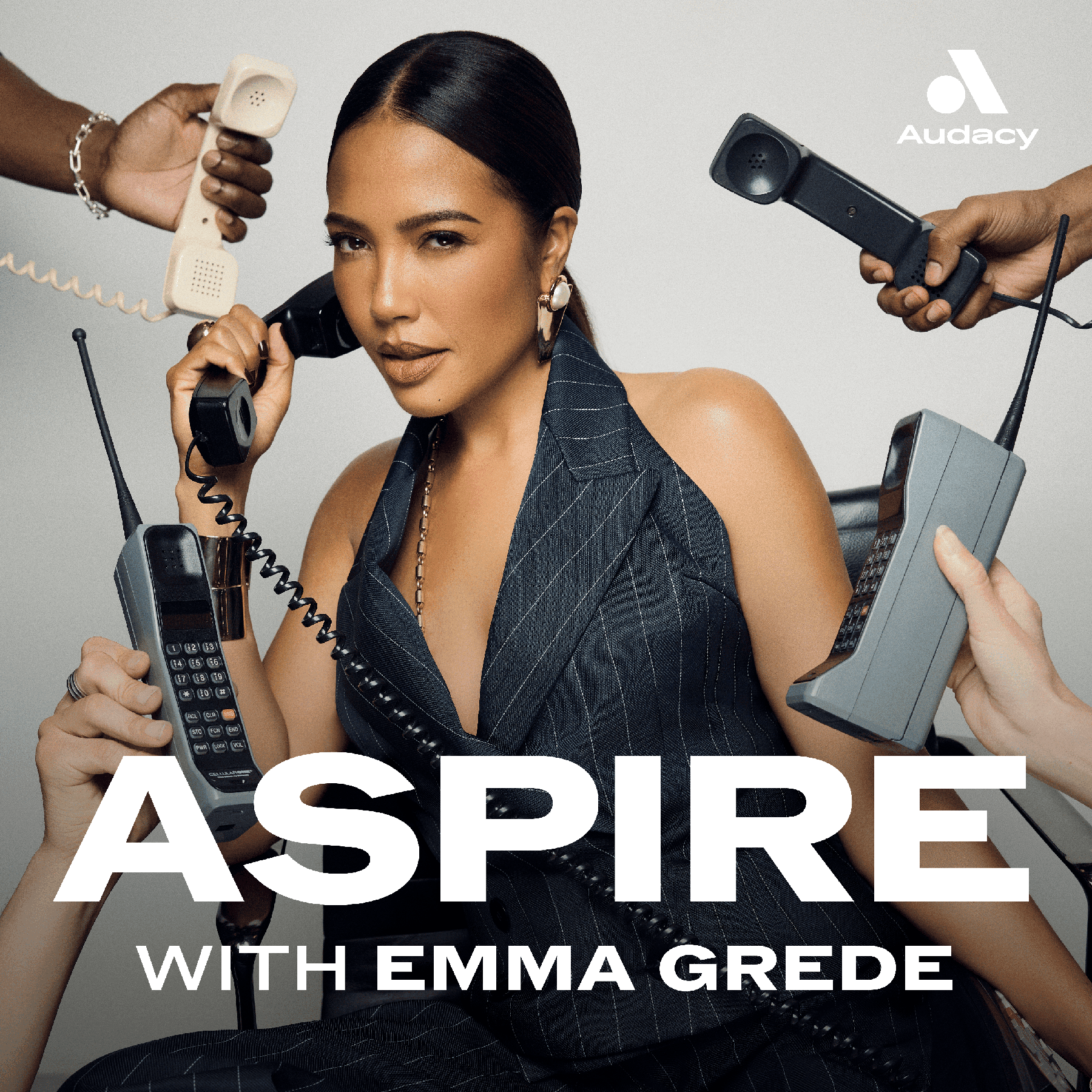
- Title: Aspire with Emma Grede
- Description: Emma Grede, an influential figure in entrepreneurship, engages in thought-provoking conversations with some of the most successful minds globally. The podcast delves into personal stories, philosophies, and strategies for achieving success in life and business.
Episode Details
- Guest: Gwyneth Paltrow
- Episode Title: Aspire with Gwyneth Paltrow: Why Being Early Is Better Than Being Liked
- Episode Description: Emma and Gwyneth discuss ambition, personal evolution, the emotional toll of leadership, and the journey of transitioning from an Oscar-winning actress to the founder and CEO of Goop. They explore the complexities of ambition and leadership, especially as a woman in business.
---
Key Themes & Insights
- Personal Transformation and Entrepreneurship
- Gwyneth reflects on her transition from acting to entrepreneurship, emphasizing the courage it takes to pivot careers and pursue passions.
- The decision to create Goop stemmed from her desire to aggregate lifestyle information she collected over the years, rather than a calculated business strategy.
- Navigating Public Scrutiny
- Gwyneth shares her experiences with public criticism and the emotional toll it can take on leaders, especially women.
- Despite the scrutiny, she recognizes the importance of authenticity and staying true to one's vision.
- The Importance of Resilience
- Resilience is highlighted as a crucial trait for entrepreneurs. Gwyneth emphasizes learning from failures and maintaining the drive to keep pushing forward.
- She discusses the personal challenges of leadership, including making tough decisions that affect employees.
- Balancing Ambition and Personal Well-being
- Gwyneth discusses the balance of ambition with personal growth, emphasizing the need for self-acceptance and understanding of one's core motivations.
- She reflects on the shifting perspective of ambition with age, acknowledging the importance of pursuing goals for fulfillment rather than external validation.
---
Key Takeaways
- Authenticity Over Approval: Paltrow emphasizes the importance of being true to oneself rather than seeking approval from others.
- Community and Support: The value of surrounding oneself with supportive family and friends is highlighted as crucial for personal and professional growth.
- Lessons in Leadership: Effective leadership requires making difficult decisions and creating a culture of accountability and excellence within a team.
- Health and Wellness: Gwyneth stresses the importance of nutrition and lifestyle choices in maintaining vitality, which plays a significant role in overall success.
- Navigating Change: Emphasizes the need to adapt and pivot in business, particularly in response to market demands and personal growth.
---
Quotes
- On Entrepreneurship: "At its core, entrepreneurship is about vision, resilience, and the courage to create something lasting."
- On Ambition: "I still want the world. I still want to see things and learn... but I don't want to do it because it proves to everyone that I'm a bad person."
- On Resilience: "I never give up. I never quit. If you believe you are holding your future, you have no choice but to keep going."
---
Conclusion This episode captures the essence of ambition, resilience, and the emotional complexities of leadership. Gwyneth Paltrow's journey from acting to entrepreneurship provides valuable insights into personal growth, the challenges faced by women leaders, and the importance of authenticity and community in achieving one's dreams.
Written by AI. May contain mistakes. Listen to the episode to check what was said.
Transcript
Automatic transcript. May contain errors.0:00At its core, entrepreneurship is about vision, resilience and the courage to create something lasting, even in the face of enormous challenges. Bao, artist at war, tells the remarkable true story of Joseph Bao, whose creativity and determination became his greatest tools of survival. Imprisoned in a Nazi concentration camp, Bao was a gifted artist who risked his life to save others by forging documents. Even in the most impossible circumstances, he remained a creator, an animator, a poet, and a romantic. His story is proof that ingenuity and imagination can be acts of resistance. The film also tells of one of history's most extraordinary love stories Joseph Bond with Rebecca, a woman whose bravery matched his own Like the entrepreneurs who turn vision into reality Bao shows how creativity, resourcefulness and the will to build can endure Even in the face of destruction It opens September 26 Visit baomovie.com to watch the trailer and learn more You can also sign your organization up for group screenings Again, that's baomovie.com Ready to level up?
1:06Chumba Casino is your playbook to fun. It's free to play with no purchase necessary. Enjoy hundreds of online social games like Blackjack, Slots, and Solitaire anytime, anywhere with fresh releases every week. Whether you're at home or on the go, let Chumba Casino bring the excitement to you. Plus, get free daily login bonuses and a free welcome bonus. Join now for your chance to redeem some serious prizes. Play Chumba Casino today. No purchase necessary. VGW Group. Voidware prohibited by law. 21+. TNCs apply.
1:39the most important thing I always say to founders like is it going to kill you not to do this otherwise don't don't do it you know it was so me the way I got divorced I was like okay like what is the best you know way to do this like let me go gather data from everyone who was raised that's the beautiful thing about being a founder and an entrepreneur like I don't think you ever learn as much about who you actually are and what you're made of? My guest today is someone whose first name is all the introduction she needs. She's an Oscar winning actress and the founder and CEO who built Goop from a simple little newsletter into a global lifestyle brand.
2:21Now, depending on who you ask, she's a visionary, she's a cultural lightning rod, she's out of touch, she's ahead of her time, she's doing too much, not enough, or maybe she's just doing what she wants to be doing and what only she can. Welcome Gwyneth Paltrow to Aspire. I'm so thrilled to be here. I'm so happy to have you. Just really, really excited to have the conversation. It's an honor, honestly. You're so lovely for saying that. So I want to take you back a little bit because I think we all know you how we know you. We know you as Gwyneth, the actress, the Oscar winning actress, I should say.
2:54But I think that for so many people, you know, we think that there's a time and a moment in our career where there's a pivot on the horizon, where we're in something and whether we like it or not, whether we need to or not, there's kind of this burning desire to do something else. And I'm so impressed with you because almost like at the height of your career, you decided I'm going to do something else. So I want you to kind of take me back to 2008. Maybe it's even before 2008 when you were like noodling. What gave you the idea that you should start your own company? I guess idiocy, naivete, I mean, foolhardiness.
3:34I was so lucky to have the acting career that I had. You know, my mom is an incredible actress. My dad made TV shows, so I grew up very much in it. And my mom, when she was on stage, she was like the most whole synthesized, like a live version of herself. And so I wanted to do that. I wanted to be on stage and feel like that power that she was kind of radiating. And I had my heart set on that path and I never really even thought about anything else. I was like, this is what I want to do. This is what I want to do. And I did it. I had a lot of success. I wasn't good at saying no. So I was doing like three movies a year, five movies a year.
4:22And I really kind of burnt out. And also it was at a time, you know, I think, I hope Hollywood's a bit better now, but it was a bit, you know, sort of sexist culture in certain respects. And I don't know, it's just, I had my daughter and I was just like, I think I need to not do this right now. Like I need a break. I need to put this down. I want to be home. Luckily I could afford to take a break and not go back to work. And I just kind of took three years and had my kids. And I really started to question why I had decided to act. Did I really want to? Did I still love it? It was like a lot, I kind of gave myself the space to examine it and reflect.
5:08And I was like, I just don't know how I feel about it. And at the same time, I had been doing movies all over. And I had always had this incredible curiosity when I was, you know, filming in Naples or Paris or Toronto, like, where do I go? And this is pre-internet, right? So like, where's the best pizza? Like, is there a good, you know, pajama store, like where are all the cool kids going? And there was like no way to find that information. There was no like aggregation of, of, you know, tips that were resonant for me. And so I would, I would always take notes and I would ask like the cool makeup girls, like what, what bars do you go to?
5:47And like, even in Paris, sometimes if there was a really cool looking person, I would stop them on the street and be like, can you give me like your five best Paris things. So I kept these reams of information. And then at the same time, because I was acting and I earned money before my friends and I bought a house before my friends, I learned to cook before my friends. And I learned to like pick out wallpaper before my friends. So my friends would be like, how do I roast a chicken? Or like, where can I go buy wallpaper? And I was that person. I was always that person. So finally I was like, maybe I should just like put all this in a website, you know, that was like very new on the internet.
6:25And that was sort of like, that's how basic it was and how like heartfelt. And yeah, it was just - So it wasn't like, let me create a business that takes me away from this Oscar winning life. It was actually, let me aggregate all of this information that I have somewhere. And then I think I had a secret, I was harboring like a secret desire that maybe I could turn it into a business at some point. But of course I didn't have the authority. I didn't know how. So I just thought, you know, I'll just, this is like, I have such a passion for me. I'm just going to do this and then I'll see maybe if anything comes out of it at some point in the future.
7:04So at what point did you get the idea that this was something that you could actually monetize and turn into a proper business? So it's funny because, so I think for about four or five years, there was no monetization. I was just writing newsletters and people would stop me and say like, what are you going to do? And what are you going to do with this? And I, I didn't know. I didn't, I didn't even know how to think my way around. Like I didn't even know what business models could be applicable to something like this. Cause this was like pre, you know, this was really early. And so at this point it's like you, did you rope in a couple of like journalist friends.
7:45It's like, what did they say? No, it was me. No. I was by myself. And you're like, I like learned how to mess around with MailChimp and WordPress. And it was like me and I had an assistant and that was it. And you would just decide a subject. Did you have a grand plan? Did you have like a content plan and an idea of what you're putting out or were you just like, this is what I feel like? This is just what I feel like. Wow. So it really was that organic And it stays that way for four or five years with zero monetization. But weren't you a bit like, I'm winning. I'm giving these tips. I need to see some kind of back end.
8:22Because I would be like that. I'd be like, what is happening? I'm giving this free information out. Somebody pay me. I'm always looking for someone to pay me. I know, but this is why you're where you are. And this is why we're out. So because I think as an artist, you create to create. Yes. You create to put something out in the world. And you don't really think, I mean, of course you get a paycheck, but it's not kind of the burning reason why you're doing something. And it's only in business when you start to reframe it and think like, okay, what's the ROI on all my time? And so that was like a slower burn for me, but at a certain point, you know, and I had ended up investing a lot of money in this business, I thought, you know, maybe, maybe I should try to think about how to monetize it.
9:05And, and then, and then other people were saying, you know, you've really got something here. You've got a ton of engagement. And so that's when I started to think about how. And I started with some partnerships, basically. It was kind of like a mini media model. Like brand partnerships? Yeah, like brand partnerships. And you said that you'd put a ton of money in. This was your own money or had you started to raise at that point? No, my own money. So you took your own money that you had, you know, earned and you just plowed it in thinking, I just, I love this. I'm a creative who wants to give something back.
9:35And that's just where my heart says to go. Exactly. Wow. Wow. That was it. Unbelievable. Okay. So at what point did you have the realization that this is something that could pay? It's interesting because, so we kind of had a media model at first and people were paying and sponsoring shoots. And I thought like, this feels fine, but it also feels like the reason that this works and is resonant with people is because it's really authentic. and I started to worry that if it was me being paid to talk about things, even though I was super strict, like it had to be a brand that I genuinely loved or used, you know, that makes the aperture really narrow.
10:16And also I didn't want to be a content factory and I didn't want like a clicks model and all this. So I had done this piece, this content piece on the French pharmacy, like all of the great things that, you know, and that like I go to Paris and it's like all the thing. So I did a piece, a content piece on all the things that I loved from the French pharmacy. And it was like, you know, the retin-A cream, the retin-A. Yeah, the embryolese, the creole, like all the things we made. Homeoplasmin and all the things, you know. I still use that. Me too. And I was on the street and a woman stopped me and she said, oh my gosh, I love Goop.
10:51I love your newsletter. I wait for it every Thursday. I love the piece on the French pharmacy. But she said, it was so frustrating because I was spent like three hours on Amazon.fr, like trying to buy the lip balm. And she said, I wish I could have just clicked to buy it. And I thought, oh my gosh, you know, this could actually be like commerce as a service, as opposed to like a transaction. Totally. And I was like, this is actually valuable for her if I, if I offer things to buy. And so that's how the e-commerce started. Wow. That's unbelievable. And at that point, I just don't think there were that many editorialized platforms that were doing that, right?
11:36Like even the model wasn't fully fleshed. It certainly wasn't what it is today. Absolutely not. There was no, no, no model for that. There was, it was really, really early. So you're, you're there, you understand there's a glimmer of an idea here. How do you go about building a team, raising money? I feel like, you know, because I think that we look at you and we're like, yeah, she must have had it all figured out. But it does feel like this business came about in such an organic way. And so many people that are listening will be sitting in their corporate jobs or thinking about starting a business.
12:06Where did you start? How did you start with those things? So I was actually at a cocktail party in London at a friend's house. And this woman came up to me and she said, hi, I'm Juliet. I'm a VC. And I was like, what's a VC? And she was like, yeah, I had no idea. English Juliet. English Juliet. I love to. I mean, she's one of my favorite people. She's incredible. Yeah. She's incredible. And a huge champion of female founders. Huge. And she said, you know, I really love what you're doing and what are you doing? And do you want to turn it into a business? And I said, I do, but I don't really know how to do it.
12:44And she actually introduced me to my first CEO, a guy named Seb Bishop, whom I adore. And I'm still really close. In fact, he just had his birthday party at my house last week. And he came on board and he helped me start to think my way around how to do this and how to build a team. And he was running Project Red at the time for Bono. And he was ready to kind of go back into e-commerce. And so we started to build a team and started to do collaborations and started to develop a supply chain and build an e-commerce engine on the site, which we chose the wrong one, but that's fine. And it was like just a slow process of us thinking through how we were going to, you know, offer this curation and offer special product to people.
13:36And that was kind of like phase one. It was when I was in London, very early stages of Goop. I had another CEO. And then I was going to move back to LA or not back, you know, move to LA. And unfortunately his mother became ill with leukemia, so he couldn't come. And that's when I moved and I really started trying to run this thing kind of by myself. So it wasn't like a conscious decision. I'm going to get rid of this guy and become the CEO. That just kind of happened to you. you moved back to LA. And what's like, what is, what does the business look like at this point? Was it like a functioning business with a staff and, you know, a set of, you know, priorities and a business plan, or is it still something that you're just figuring out and tinkering with?
14:25Still trying to figure it out. I was trying to just get people around me who were really passionate. I had this little team in London, which I knew was going to be really hard to keep while we were in LA. And so I was slowly kind of, I was repatriating the company here and try, and I had this little barn out back in my house in Brentwood. And, you know, slowly there was one woman there with me, then two, then three, then there were eight, you know, then we were, um, starting to build our own product lines and we grew. Oh, you started that early. We started, I think in 2016, we started with our first product.
15:02Okay. Wow. But it feels, it's so, first of all, I think it's so interesting. that you say, you started to hire people that were really passionate. Because I always hire for passion and attitude over experience. You weren't trying to look for like e-com experts. You were like, who cares about what I'm doing? Yes, because I think in a way the model was really evolving and it still is. And so I think one of the mistakes I've made subsequent to that is sort of like outsourcing expertise in a way where there's not flexibility. And I find with people who are really passionate, they're like problem solving, you know, as opposed to like, I was here, this was a playbook, this is how it worked, this is what I want to bring to Goop.
15:45Like that tends not to work for us. Yeah. So sometimes I think, you know, it's difficult to find people who have domain expertise and are really passionate. But I agree with you. I think that passion is what's going to drive the curiosity and the problem solving more than domain expertise. I couldn't agree with you more because I feel like when you get really seasoned experts, my number one thing is that I need you to also be flexible. Because if you're coming to me from any other company where you've had this like real understanding of the business, I want that experience, but I need you to come to me and have the flexibility to do things differently.
16:25Exactly.
16:29I'm so ready for fall. Mostly because it's officially layering season and Macy's VIP fall fashion preview sale is the perfect way to update your wardrobe. Right now you can take an extra 30 % off top brands plus 15 % off beauty. So it's just the perfect time to grab pieces you've been dreaming about. I'm going to snag a few pieces from Good American, of course. I just know I'll be wearing them non-stop. There's something for everyone in this sale. Women can shop over 100 brands of clothing, handbags, and accessories. And ladies, don't worry about your little ones. Kids' prices are just as low.
17:05Finally, to my beauty lovers, you'll get 15 % off favorites like YSL and Armani. The Macy's Full VIP Fashion Preview runs September 25th through October 5th. Shop in store or online at macys.com and get ready to step into full style. Every entrepreneur has that moment at 2am when they're wrestling with a problem that won't let go. Maybe it's restructuring a partnership deal. Maybe it's figuring out international expansion. Or maybe it's debugging a code that's blocking your launch. That's where Claude becomes invaluable. AI that thinks through problems with you. Upload your contracts, financial models, or business plans.
17:43Claude analyzes documents up to 200 pages instantly. Need to research market trends? Claude searches the web and synthesizes findings with citations you can verify. But here's what's different. Claude doesn't just give you quick answers. It works through complex problems step by step. Asks clarifying questions, spots issues you might miss. It's built for people who care about getting the right solution, not just any solution. Whether you're building the next billion dollar brand or solving technical challenges, Claude matches your level of ambition. Try Claude for free at claude.ai slash aspire with Emma and see why the world's best problem solvers choose Claude as their thinking partner.
18:32So tell me about when you decided there's a business here and I'm actually going to go out and raise finance and take this very seriously. Yeah. I'm trying to remember what year it was. It was probably, you know, I want to say 2013, 2014, 2015 in there somewhere. That's interesting because that's almost eight, well, six, seven years after you started. So a long journey of like figuring this out and trying to understand what it was. A long journey of trying to figure it out. And then I started to coalesce around like, I think our unique proposition, which is to curate that clean beauty was super important to us.
19:17You know, we were so early in that space, people, and at that point we were curating other people's products before we started to make our own. There was really no like kind of more aspirational, efficacious, clean, truly clean, clean beauty. So we were like, okay, well, we'll make it. But the reason why we started to raise money essentially was because my biggest investor, he invested in another company and they were at their board meeting and they were reviewing the numbers for an early in the quarter. All of a sudden, say it was like customers down here, the customer acquisition count jumped way up.
20:00And then for the rest of the quarter, it was like a really high quality customer. I really, you know, they had come back and back. There was a great LTV. And so your cohorts were banging. Or they were banging in the other business. They were banging the other business. Got it. Got it. And my investor said, what happened on this day? And they said, we were on this thing called Goop. Oh, better thing to happen to an investor. He's seeing it somewhere else. You didn't even need to tell him. Exactly. So he called me, actually. And that's how I first took venture money and how I started to put the plan together of how we were going to do this and create a business.
20:40Did you have a plan for the money? And were you the CEO at that point when you raised? We had an interim CEO when I was kind of learning. And so, which was really helpful because she kind of, you know, I still have a really hard time asking for money. You do? I do. I, I, I don't like fundraising. Really? I don't like it. I just don't, I just don't like it. I just, you are kidding. Oh my gosh. I would love to be you fundraising. I'd be like in my ball gown, just like coming in. I would love it. I've arrived. I do a speech. I just, honestly, I feel like it would be so powerful to be you fundraising.
21:21I think, and you know, I think also because when I went out and started doing it on my own, I think it wasn't, It's very, as you know, I mean, maybe not free, but it was really hard. You know, it was hard to raise money. I think a lot of people took the meeting because their wife was a fan. They wanted a selfie. And they wanted to see you. They wanted to see me. And they weren't serious about the business. And I had so many no's. Can you detect that? Like, how's your bullshit armature? Did you walk in and be like, I ain't getting this check? At first I was like, oh, they're so nice. They're going to write you.
21:57and then I was like, oh, this is just a selfie meeting. This is a selfie meeting. Fair enough. That's like very, very difficult. So you raise your first bit of money. You have an interim CEO at the time. You have a plan for something that's really emerging. Is there a moment that you sit back and you're like, okay, this is a serious business for me now. This is something that's actually going to be my life and not kind of these recommendations and this fun sort of purpose-driven thing for me, it's actually going to make me a bunch of money. Well, I'm still waiting for that to happen, but... More about that later.
22:33But yes, I mean, I started to feel that, you know, what we were doing also had, I think our values are and were so strong. I really believed in what we were doing. I really believe in, you know, not only clean beauty and clean products, but this idea of like being of service to busy working mothers who want the kind of the best of the best quickly. They want to know how to optimize themselves. They want to know how I'm optimizing myself. You know, they want access to good information, good recipes, like they don't want to waste any time. And I love providing that. As I said, like when I started, that's who I always have been to my friends.
23:15And I love being that for the women in the goob community and the men too, you know? So I thought it was a very worthwhile pursuit. And also it's really fun to sort of, you know, when you're an actor, you're kind of waiting for someone to give you a job. Like you can't really express yourself, you know? It's like, if you're a musician, you can pick up a guitar. If you're a writer, you can sit down and write. But when you're an actor, like, what are you going to do? Go in there and like do a monologue in the mirror, you know? And it's very frustrating. I never thought about that. It's like, you don't have agency.
23:50And I think this is why a lot of actors are drawn to become entrepreneurs because it's kind of like a twin spirit, but you can actually execute on something that you, you know, you can ideate, you can execute, you can put it into the world. It's yours and it feels like, but it does have that artistic streak running through it. Yeah, no, I completely understand. And I think especially when you're in a business like the one that you've created, because it does feel so intrinsically you, there's things that we didn't use to say that we didn't use to know. And you constantly have introduced new ideas, I think to the culture, right?
24:26To the culture at large, but you also got your fair share of backlash for that. And I feel like for, well, certainly for women more generally, but female founders, female CEOs, they just get it so much harder than men. Did you anticipate that? And then when it started to happen to you, because I feel like there's parts of, there's parts and times when, you know, the headlines of I'm sure have been very beneficial to your business, but there's also times where it just feels like it's just been vicious. And I wonder how you dealt with that on both sides of it. So in the early days, it was really hard.
25:03It was really hurtful because, you know, it was coming from the best possible place. And, you know, and also to be honest, I have always been really ahead of the curve. So I would talk about something, write about something and people would freak the fuck out. And then, and now they're like multiple, you know, it's like, I remember when I wrote my cookbook called it's all good. And it was because my son had really bad eczema. And the pediatrician said, you know, you got to cut out gluten and dairy and sugar. I was like with a toddler, like how? And so I did this book and there was, you know, one headline that somebody should call social services on me, like that kind of thing.
25:49And now of course, like gluten-free is like a trillion dollar industry. So, but what started to happen was by pattern recognition, I could say, okay, I'm going to say something. I'm going to talk about, how I'm addressing an issue, whether it's divorce, whether it's trying to get my kid off gluten for a time being, whatever. And everyone's going to freak out and then everybody's going to adopt it. And so I think I was able to get that perspective, but it didn't mean that it didn't hurt. I mean, luckily it's like all that stuff always does drive traffic to the site. Thank goodness. And one time I did, you know, like a sort of sentiment thing.
Read the full transcript
26:32And even when, even like if people were like, oh, we don't like Goop this week because like she did some, said something crazy or we don't, you know, it always went up and to the right. Like, you know, the sense. Yeah, we were still coming there to look and to buy. And the curiosity was such a huge part of what you had. And I do think that you introduced ideas like, you know, conscious uncoupling. Like I remember reading that and being like, what is she talking about? But then it was so like, it was like a revelation and a breakthrough. And it wasn't like it wasn't happening, but you put a label on it for people that was like, this is it.
27:08This is how you do it. This is what you call it. And this is what it looks like in real life. And it was just such a moment. Yeah. Yeah. And I mean, God, and at the time, if you can imagine, you know, I'm really suffering, right? I'm getting a divorce. I'm getting separated. I have little kids and I really believed in what we were doing. It's basically that all started because, you know, it was so me the way I got divorced. I was like, okay, like, what is the best way to do this? Like, let me go gather data from everyone who was raised in a divorced family. And figure out what is the way to optimize for this situation?
27:49I'm trying to optimize this. It's not what I want. You know, we all want to like be married to the parent forever. Of course. So I was like, how should I do this? And I actually talked to a lot of people who were children of divorce. And the common denominator, what everybody said, it wasn't that their parents got a divorce. It was that their parents, it's that they, one, you know, a dad would drop them off the end of the driveway. Yes. Be like, I'll see you next week. I don't want to see your mother. It said the mother would roll her eyes or say something bad about the father. And that was what had hurt the kids and caused the trauma.
28:25No doubt. It's the dysfunction between the two parents playing out and the kids having to choose sides and decide what to do. Exactly. And that is the opposite of the way your life works now because you have one big, beautiful, blended family. It's really nice. And it wasn't easy to do. You know, it definitely took a lot of work. but I remember at some point, like the therapist that we were working with kind of was talking us through something and I had a penny drop and I thought, you know, we're not a couple anymore, but we're a family. We are a family and we're going to be a family forever. And let's figure out how to be a family without being a couple.
29:08And so that's sort of how it all came about. No, it's incredible. I do think that you're someone who is so resilient and that is an attribute. No, I mean, you must be because otherwise you'd just be a puddle of a woman. The amount of mean things that have been written about you and said about you. And I often think that when I meet FEMA or any founders, right? Resilience is such a key attribute when you start a business because so much goes wrong. So much is thrown at you. So, you know, things that you could never anticipate. How do you think about building your resilience? Is this something that is just, it's in you and you were always like that?
29:46Or is it a muscle and you've trained yourself to become more resilient? I just wonder how you even think, or do you think about it at all? I don't think about resiliency. I was raised to be resilient. My father really made me stand on my own two feet as a kid. I think the ways in which we all grew up in a time where, as we were talking about before. It was different, right? And so I think we all had some degrees of adversity in our households, which made us resilient. Then I chose acting, which is like 7 ,000 no's. You're not good enough. You're not pretty enough. You're not this, you're not that.
30:25And just kept going. And I think it's because it's almost like if you are holding your future and you believe, Like you can see it and you know that it's yours and it's for you and it's coming. You have no choice but to get up and just keep going, keep trying, you know, looking at something differently. What am I doing wrong? Why did I get this hit? Like, is there a better way I can say this or do this? And it's been like one long exercise in resiliency, I think. And I never give up. I never quit. But I think part of that is really intrinsic to me. There are certain circumstances that I've been in where I feel like it probably would be a lot easier to bow out of this because that's just not me.
31:18I'm like one of those things, you punch and they pop back up. But it's so interesting because I think that is what makes an incredible entrepreneur because people imagine once you're out of a situation where somebody else is telling you what to do that suddenly it gets easier. And I think when the decision is all on you to go left or to go right, it actually is so much harder. And there are things that happen in companies. And I know that you've been through lots and you must have over all of the years. There are so many difficult decisions to make. Is there ever a time when you are like, I actually can't do that?
31:51This is just too much. Have you had those moments in the company where you're like, I just can't go? Yes. Multiple. Multiple moments. I mean, I really thought when COVID happened that we were going to go out of business. Same. Same. I had one sort of period in our history where I had the wrong team and they were not, some of them were not putting the goop business first and it almost all fell apart like in a terrible way. People that you trusted. People that I trusted. I was like, I'm done. I can't do it. Then I had, all of our money was in a bank that collapsed a couple years ago. Oh. Remember that?
32:37Yeah. Remember that? That little crumble. Yeah, that little thing. I was like, okay. Like, there have been so many, you know, even, and then even sometimes I think, because it compounds, right? And it's like, sometimes I've had days like that where, you know, I don't know, they change the Facebook algorithm and you can't like get a customer. And you're like, I quit. I just can't do this anymore. I don't know how to make it work anymore. I don't know how I can't scale this business if they keep changing the algorithm, you know? So it's just like, I think it is, it does wear you down and some, some events feel catastrophic, like a bank collapse or when you are like, am I going to make payroll or not?
33:22And some of them feel small, but I think I have them all the time. I think all founders have them all the time. And at a certain point for me anyway, I was like, when I gave myself permission to let it collapse, I was like, because that was the thing I was holding against myself. Like if this doesn't work, I am a failure. I am a bad person. Like I am not worth it. And I sort of had to go through the exercise of like, if it fails, I will be okay. It will fail. And I will still wake up in the morning. Like I thought I had conflated it. I thought like, if it fails, I die. I fail. And I can never do this again.
34:11And I'm not worthy. And it's because of me. And I think that that is such a female point of view. And I talk about this all the time. Also because we're not given grace, you know, in the media, in the business community, it's like this woman did this thing again. And it's like, you know, men get to start and fail and lose and piss people's money away. I mean, it's incredible. It's incredible. Such a double standard out there. I talk about this all the time too. Do you think that you've become better at dealing with those things or do you think that you'll forever relate to them in that way? And you've just like, you've strengthened in that muscle to get through it.
34:47I wonder if it actually changes over the years. I think it does change because now I think what happens is like, I now have the experience and I have, you know, all of the Dharma, all of the work I've put in and I, I keep somehow making it through and I keep getting to new milestones and like, I'm not where I want to be yet, but like, it's been a lot, it's 17 years of this, you know, like, even though it wasn't a company at first, but sending out this newsletter. It'll be 17 years. So - Did you ever think - Never. When you started that 17 years later, you'd still be doing this? Never. Never. No.
35:29And I still love it. You do? I still love it. I love that you still love it. I love it. It's so hard, but it's so rewarding. And I love the people that I work with. And I've learned so much. That's the beautiful thing about being a founder and an entrepreneur, like, I don't think you ever learn as much about who you actually are and what you're made of, maybe in your marriage. But those are like, for me anyway, those are the two most revelatory roles I've had in terms of like getting close to myself and understanding myself. Definitely. And I also think that if you are, you know, if you're the type of person that's constantly analyzing what you do, why you do it, why these things are happening, how you handle them.
36:10It is a little bit like in a relationship or parenting for me. I'm like being a parent and being a founder and entrepreneur, these are the places that I am learning every day about myself, like it or not. And if I'm not learning, someone's going to point it out to me. Do you have those people in your life that you've been able to lean on or do you feel like you're a bit of a, like a solo person creating your own thing? I just want to. Yeah. I mean, both. Like, I mean, And on the way in this morning, I talked to my brother for an hour in the car. I'm very, very close with my family, my friends I've had.
36:46My best friend, Mary, we've been best friends since we were four years old. I have people around me who really have my best interest at heart. My husband, who is so brilliant, and he's such a beautiful observer of behavior. And he asked me questions in such a beautiful way, but that hold me accountable or that ask me to hold myself accountable for things. So I think I've never, I'm really lucky because it's never been my instinct to surround myself with yes people. Cause I see that a lot. And I have never found that interesting. Like. That's interesting. In your own company, do you think, have you been able to bring those people into the business that are able to challenge you?
37:30Definitely. Because that's hard. Not everybody has that. That is hard. But I approach it like I am an extremely collaborative leader. And I think sometimes it's actually been to the detriment of the business. And so my work is more around being decisive and feeling like it's okay if someone disagrees with me. This is what my instinct is telling me and this is what we're going to do. That's my lesson more than I need to hear the hard truth. You know what I mean? Yes. So that's really what I say is final and I'm going in that direction. It's so hard for me, Emma. Is it really? Yes. No. I want consensus.
38:12I want everyone to feel aligned. And I know that is not what we think about you. I'm going to have to. That is not how I do it. I need to come shadow you, I think, for a week. Well, it's interesting because I think that that comes from a place of, you know, I feel like I made a lot of good decisions and they're things that maybe went against the grain. And I would imagine for someone like you who has done things that we didn't even know existed or created products that there was just like, you know, no obvious need for, but then suddenly we were all like, okay, we need this thing now. That you would feel conviction and that you would just be like, no, we're going my way.
38:49This is not a democracy. This is not a consensus building exercise. It's like, that's the way we're going. But when you've raised money, right? And you're trying to follow the data. You can make data-driven decisions. People are coming to you and saying the data is showing us X and you feel instinctually Y, right? And you're like, okay, I really think we should do this. But like - Give me an example. When has this happened to you and you're just like, oh, I can't like - Take the vibrator that we made, right? I remember it. I own it. Okay, fantastic. So this was like, theoretically, a risky product to make.
39:30Why would we do that? Look at our customer cohorts. They're into beauty and fashion. Like, why are we going to make something like this? We had certain products and wellness that were not our strongest products because, you know, also in retrospect, like, I'm not a doctor. I'm not a nutritionist. Like, I may think I am, and I may have researched things to that point of being a nutritionist, but I'm not, right? So why is somebody maybe going to buy an ingestible from us more than from a doctor, right? So certain categories, they had their really loyal people, but it was hard to really acquire customers.
40:10Also, the margins in wellness were terrible, so we couldn't really you know, promote them properly. You know how that goes. But I felt really strongly that the vibrator was not only a wellness product, it was a movement. And that until we did our vibrator, you know, sexual wellness products were not on shelves from reputable sources, right? It was like the sex shop on the corner, some gross, right? And it was like, to me, it was like, this is a real statement around the fact that women deserve to not feel shame about their sexuality. Like pleasure is great. You know, if, especially if you're like a hard charging corporate woman, like you have to need that.
40:57Right. So it was like, should we, you know, I don't know, you know, the sort of customer data shows that maybe that's not the right, you know, and we did it and it was super successful. And it was, I think we started a really important conversation. And now like there are vibrators in Bloomingdale's and that merchant says, thank you to me for that, you know? Yeah. I mean, that's like category defining. That's what we call it. You've done so many different categories in the business. How did you decide what to do, what not to do and how to like ultimately, I guess, like decide to shut things down because everything from like the Netflix series, you have clothing, you have wellness, you have beauty, you've had like vitamin products.
41:40There's just been such a slew of stuff. And of course the editorial platform still exists, which I imagine is a really heavy lift. So what, what does the decision-making process look like around those things? Yeah. So I think like for the first few years, it was very exploratory. It was kind of like, do we have the latitude to go into this vertical and do it? And, you know, there were certain things worked better than other things. And I think kind of over time, you know, even just understanding, like really looking at the data and understanding like our customer really wants to read what we write.
42:17They really love our fashion point of view and they really love our beauty point of view. And so until we have so much cash on the balance sheet that we can experiment again. Like let's really focus on those three things and on our food vertical, which has been an incredible success for us. This is a good food office. Oh, I'm telling you, we are that Brentwood chicken salad and those little wraps. We are chowing down on those every day. Every single day. So, so good.
42:50I used to think I needed a full drawer of makeup and at least 20 minutes to look presentable in the morning. But then I tried Merit and now I'm done in five minutes. Merit is a minimalist beauty brand that's made to simplify your routine. It's for people who want to feel put together without spending a ton of time or energy. Their products are clean, vegan, and so easy to use. You genuinely can't mess them up, even half asleep. Lately, I've been reaching for Flush Balm every morning. It gives me the most natural looking flush and it blends like a dream. The Minimalist is another go-to. It's part foundation, part concealer, and it evens out my skin in seconds without feeling heavy.
43:29And great skin serum? My skin just looks better and more hydrated every time I use it. Merit has made my mornings feel less rushed and more effortless, which I didn't really think was possible. It's time to simplify your morning. Head to MeritBeauty.com and get their signature makeup bag free with your first order. Lately, my social feeds are full of wellness hacks that are kind of questionable. Like, should I really be taking olive oil shots every morning? Or is red light therapy the cure for everything? I'll stick to an actual professional thank you. And with ZopDoc, it's easy. ZopDoc is a free app and website where you can search and compare high quality in-network doctors and click to instantly book an appointment.
44:13Filter by insurance, location, speciality, and ratings from verified patients and then you can see their actual appointment openings choose a time slot that works for you and click to instantly book a visit appointments usually happen within 24 to 72 hours and same day visits are often available we use it here at aspire and you should too it makes taking care of your health so much simpler and so much less stressful stop putting off those doctor's appointments and go to zocdoc.com slash aspire to find and instantly book a top rated doctor today. That's Z-O-C-D-O-C.com slash aspire. ZocDoc.com slash aspire.
44:57Look, we get it. You can hardly go anywhere or do anything these days without hearing AI this or AI that. And if you're like most people, when it comes to AI, you're impressed, but have a few concerns. But what if AI was used not as a tool to replace people, but as a way to help understand people better. AI from SurveyMonkey is designed to do just that. From crafting the perfect survey, which is harder than you might think, to analysis that digs deep, finds patterns, and surfaces trends quickly, SurveyMonkey's powerful suite of AI capabilities makes it faster and easier than ever before to get insight from real people, helping you make confident decisions for your business.
45:38Try it today at surveymonkey.com slash Emma.
45:48I want to get into the business as it is today because it feels like a really new day in your business. And, you know, I think that you, you've kind of said there was a brilliant article that I read yesterday where you said, you know, like the LTV on the vagina candle customer perhaps didn't shake out as you imagined it would. But it's a really important statement, right? Because we live and learn in our businesses about what's going to work, what is there for press, what's actually a scalable business. Yes. How has your customer shook out and what does the company look like today? Yeah. So very strong in beauty and fashion and the food, of course.
46:25So we're really like strengthening our strengths. Our beauty business grew 40 % last year. Well, it won't grow as much this year. So don't worry. The economy is not working in my favor. That is the new growth. That's what we're saying right now. Just take that one back to your board. thank you okay you tell him msj i'm gonna write that down um and our g label business grew 50 last year that's incredible so we really just want to focus on on those things and also i'm always refining you know it's like we've had this great multi-fashioned business but you know as we continue to invest it's like those bit that's a hard business that marketplace you know it's so hard.
47:07It's like, it's so hard. And you have to make a decision. Like, what are we going to win at? What are we going to be best at? Because that is read. And especially at your price point, it's a really competitive business. And I think you've actually done a very good job. Like, I know if I want a cashmere sweater for five,$600, like you do them beautifully. I know if I want a great stripy t-shirt or a great white shirt, do you know what I mean? I feel like you have a lane and it's very focused. Like you've done a good job at that. But there'll be other places where I imagine you go, you've kind of gone off and you've gone on a tangent.
47:38What happens when you make a mistake? Because we all do them. Yeah. I mean, I own it and I pivot. Like, you know, take the multi-brand fashion business, for example, like that's how we started. And it's sort of like, you look at a business like that and you're like, okay, well, we're not losing money on the business. Like there is EBITDA in the business, but is that really the group of the future? Like, or is there a better way to showcase other brands or the curation, which people rely on us for without me buying the inventory, putting it in the warehouse, fulfilling it, dealing with returns and all the things that are going to erode that already like pretty narrow margin.
48:20Yes. So I think I'm constantly trying to think about ways to make the business more profitable and really to lean into what the, like I'm trying to read the tea leaves of like, what is the customer trying to tell me with her behavior? Like, I know she loves the multi-fashion, but is there a way for me to do that in a way that actually strengthens the business? And so that's like, that's something that I'm focusing on a lot right now. Yeah. And I feel like reducing complexity because when you get the opportunity to do a lot of things, it can be really enticing, right? You're like, I can do this, I can do this, I can do this.
48:53And seemingly the world is your oyster. Cause when you're you, there's just so much opportunity out there. And, and also, you know, I guess you could just kind of put the Goop brand on so many things and make it work. So you just have to really reduce what you're doing. Right. Especially the way that I've always done it, which is, you know, I was joking with this friend of mine the other day of a celebrity who has a great business and like, she just stuck her name. You know, I'm the idiot that's like building brick by brick and trying to find a co-man somewhere and like source raw materials. Like what kind of a moron?
49:28Like I did it like the hardest, longest way, you know? And so. Do you regret that? No, I don't. No. I don't. No, because you have product you can be really proud of. I do. Yeah. I mean, I'm slathered in goop body butter now. With the retinol times three, three days a week. I'm like, this is some good shit. It's some really good shit. Right? But it has to be. Yes. And I take that so seriously and I, I don't release anything unless it is the best possible product that I can release. Like I'm relentless. I'm a psycho perfectionist about product. And if you've surrounded yourself with psycho perfectionists.
50:06Yeah, I have. I have. I really have. And more and more as we've kind of grown up into a proper company, you need to hire people, I think, who are holding everybody to the same standard as you're holding things. You know, it's like if a fabric is not good enough, like they need to feel it and touch it and send it back. Right. It's like, and that's really what gives me leverage too, is having people who have a high bar for excellence. Absolutely. So what happens when you make a misstep? Because I feel like in my career, and again, we don't talk nearly enough about this. I've made so many mistakes.
50:43I've gone off on tangents where I lost money. You know, we started shoes at Good American. It feels like, oh my goodness, like why did we ever try to make sizes four through 14 in three different widths? If you wrote like a bad case for, you know, how to, you know, or a good case for how to lose money, that would have been it. And I also feel like that's something that I can write off and say, okay, that was a creatively bad decision. But there are other decisions I've made that have been, I guess more, I've taken them more personally because it's resulted in having to do a riff, you know, a reduction in force.
51:17And that as a, again, as a female founder is something that I took really, really hard. Are there moments for you when you actually just go, I, I fucked it up and you, and you do end up taking it very personally. How do you get over those things? And how do you even, I just wonder how you framework that in your business because you don't get everything right. And I feel like we're setting people up for a fall if we tell them that we do, we do it right all the time. I've made so many mistakes and, you know, so many of the mistakes are also like, um, not questioning, you know, especially because I felt like I didn't, I didn't finish, I didn't finish college, let alone go to business school.
52:02Like I didn't grow up in a corporate environment. So a lot of my mistakes were around trusting people who were like, just trust me, not doing my own diligence, you know, to creating the wrong products to, you know, like spending a ton of time on money and money on something that doesn't work. And I think we've had to, you just have to be graceful and admit defeat and refocus. And, And, but you know, you just touched on something like when I've had to do reductions in force, that's the hardest thing for me. And one of my friends works at Goldman Sachs and just every year they just cut the bottom 10%.
52:43Just cut. Just cut. Yeah. And as a matter of excellence, right. It's purposeful. And it's like, we only want the tip of the top, the, the, you know, the cream. And therefore we're just going to keep getting rid of the bottom. I think they do it at Facebook. They do it so many of the best in class businesses. They do it everywhere. Everywhere. And I think as women, we struggle to do that. I also think that when we do that, you know, it becomes a much more interesting story in the news than when men do that. Like I don't read these stories about Google cutting, you know, doing their, you know what I mean?
53:15Never. Right. The stories don't get ridden. No, they don't. Because it's much more a story on the other side of how they've cultivated a, you know, like excellence within the workforce, right? It's written that way. It isn't about like, oh my goodness, she over, you know, she over-egged the pudding, she over-expanded the business and now there needs to, you know, 20 people need to get fired. Have you figured out a way of, you know, I always talk about it as like killing my darlings. Like when I, when I decide like a project is over, a moment is over, we have to make a big change? How have you kind of figured out how you can do that without feeling the heavy burden?
53:54Or is it just always heavy? You know, now I feel like I've gotten more clinical about it. You know, it's like, I think it's great to try. I think it's great to take risks. And sometimes the product market fit is just not there. And it's not your fault, you know, or sometimes maybe it could have been there, but you don't have the budget to, you know, like pour tens of millions of dollars into marketing something. And so you just sort of have to let it go. And I think it's important to admit defeat early. Like that's something that I've learned too. It's like, if it doesn't, if it's not working, let it go.
54:37Yeah. It doesn't get better later. It doesn't get better. It doesn't get better later, but that decisiveness can be very, very hard to come by. It takes a lot of practice. It really takes a lot of practice. But you're there now. I'm there now. And as the CEO, these things are your decision. Yes. Because you are the CEO of this company. Yep. Like that is, that is your job. You're in the office all the time. That is it. Well, now I live in Santa Barbara, so I'm here less, but I'm here a lot. Did you envisage that you would be the CEO, like from the outset? Because obviously you had a couple of people, then you had an interim.
55:12How long have you played that role? I've been CEO, I think since 2016. So it's been a while. I really do love it. I think I, I have dreams of like going back to being founder, you know, and having somebody else, especially the, the parts that are harder for me. Yeah. Um, like anything that requires math or an Excel spreadsheet. I love the strategy piece, but like, do I need to spend time on logistics and fulfillment? Like I'm getting to the point where I'm like, you know, maybe somebody else, you know, should. Could do that. No doubt. Maybe somebody else should do that. And maybe the business would be, you know, would find like, I don't know, new life if, if I don't know.
56:08Do you envisage that there'll be a time when you can, like when you'll be out of the business entirely, or do you just imagine transitioning into founder? Did you build, did you build a company actually that you could step aside from? I think that's why I didn't name it Gwyneth Paltrow. And, you know, I, and I really want this business to be a legacy that's bigger than, you know, one person. And, you know, I think what's hard is that I am a good and a cheap asset. So, you know, so like if, if something's not working, they can throw me in a paid ad and, you know, it's like, the IRA is working right here, right?
56:53For sure. But ideally I would like to get to the point where I'm less consumer facing and more like the heart, like the spiritual heart of the place and less the face of the place. But if you could do it all over again, given what you've experienced and what's happened, would you be the CEO of Goop? I think I would for a while because again, like I've learned so much about myself and it's so fascinating. Like I love business. It's endlessly intriguing. The stakes are high. It's highly creative. It's also highly quantitative. Like, I don't know how else I would ever have exercised all these parts of myself.
57:35No doubt. And I feel like you're very good at it. I mean, you have to have been to build a company to this side. What kind of leader are you? I think I am. I mean, I guess you'd have to ask the team, but I think I'm a very collaborative leader. I think I'm very warm. I think I'm very inclusive and I am learning to be, as I said, not only decisive, but I'm learning to articulate my expectations, which has been hard for me. So that's like, I'm really trying to hold people to KPIs and like have the harder conversations more frequently. Do you think that's harder because you're you, because you come into the room as Gwyneth Paltrow?
58:23Like there's an expectation that you kind of have to be like a nice lady to people. You know, I don't think anybody has that expectation. They expect that I'm going to be. I don't know. You know, I've never thought about that, but I, I mean, I think that having been famous for such, you know, I've been famous since I'm like 22 years old. I'm 52. So, you know, much more than half my life. And I think you subconsciously or unconsciously adapt to be a very famous person in the world. And I think it's part of, I take it as part of my role to make people feel comfortable because it can be a destabilizing thing.
59:02So maybe there's an aspect to that that I'm not totally aware of, but there probably is. I mean, I'm sure there is. There must be. But you've built a business that's really, I guess, incredibly sustainable in that it exists in this lane of its own. And you believe it's going to be stable with or without you. I feel like that must feel like such an achievement. No? Yes. I think we have a ways to go until I can completely bow out of the sort of consumer facing part. But I know it would work without me. What would happen if you walked out tomorrow? Like if you left? I think the team would know what to do.
59:39Yeah. And I think they would figure it out. Yeah. I feel like it's such, there's such clarity in the purpose of the business. I don't feel like it would be that difficult. If I was at Goop tomorrow, I feel like I'd be like, okay, I've got these three verticals and I know I'm not allowed to put any shit in the products. Well, do you want to come and run it? I mean, no, no, who knows? You never know what's going to happen in life. We'll see how this goes. It's so funny. Oh, I love it. Take another job. Oh my God. The lady with the most jobs in America. No more jobs needed over here. Let's know that.
1:00:14When you think about your ambition, you know, because I think that you are a person who is unapologetically ambitious and we've seen that in so many different facets from you. And so I just wonder like how you think about ambition at this point in your career when you have been famous for 30 years, like what are you excited about now? What are you ambitious about? I have great ambition around Goop and really growing it. You know, now that we're kind of out of that post COVID, like four year, you know, and now let's, well, let's see what happens with the economy. But I have a lot of ambition around like getting this business to scale and getting Goop Kitchen and, you know, all over America.
1:00:58And also I think it would be great in the UK and in Paris, like there's Do you want a Pret-a-Manger sandwich? Not every day. Do you want your chicken, Brentwood chicken salad? I want my Brentwood chicken salad. I want my wraps. Exactly. I'm a soggy sandwich. I'm an LA girl now, so I would say that. No Pret-a-Manger for you. No, thank you. No, thank you. What do you wish you'd have known when you started out? Like hindsight's such a fine thing. And I always, I could come up with a list of 50 things I wish I'd have done differently. Do you feel like that? I do. I do. I feel like I wasted a lot of time if I look at it through that lens.
1:01:37On the one hand, I do get quite philosophical and I think everything happens exactly as it should. And it's okay that the business has grown slowly and steadily. And I read once somewhere that there's a Chinese proverb that says, the slowest growing vegetable has the most nutrients. Oh, I love that. And so sometimes if I feel like, oh, I've wasted time or it's taken too long, I kind of go back to that idea that like, we're always on the right timeline. Even if we see, you know, friends or competitors do something more quickly, it's like, it's not our timeline and our timeline is what it is. But sometimes I look back and I think like, oh my God, like, why did I do that?
1:02:26why did I, you know, why did I get off Shopify in 2015? Like, why did I do, can you explain, like, why would I do that? I don't know why you did that. I'm still on Shopify. Okay. Why would I get off? Shopify is the best thing since sliced bread. I mean, honestly, it's just amazing. Right. So why did I do that? I don't have an ad from Shopify. If you want to, if Shopify want to be here, please come. Cause I am the shop, the advocate for Shopify over here. Okay. Well, I got off of it. Someone talked me out of it. They were like, you've too much revenue to be on Shopify. Get out of town. They're the biggest I mean, Skims is on Shopify.
1:02:56Well, this was when it was like, you know, right. Exactly. Oh, I need, you know, I need to build it yourself. Go to build it yourself. Right. Good Lord. You know how much money I've wasted? Oh, I can't imagine. Yeah. And I do feel like, again, there's so much advice for female founders. You know, I can't tell you how many people I talk out of building their own warehouse or, you know, their own 3PL. I know. That's not your business. But I do feel like, especially with businesses where there's a talent at the kind of forefront of the business, there's a moment where you kind of have this period where there can be such incredible acceleration in what you do.
1:03:35And you either jump in that window or you ever so slightly miss it. And it's frustrating to me because I feel like in every company I've ever been a part of, I can look back, even though I feel like I lean into it as much as possible, I can look back and be like, oh, goodness me. I should have been more, should have, could have, would have. And it's hard when it's you as well. Because, you know, again, like the weirdest thing about me, I think, is that I'm actually an introvert. I don't like being in front of people. I don't like being in front of a camera. I hate public speaking. So I think that's also hard for me because my first career was all about that.
1:04:13And my second career is about that to a certain degree as well. Yes, we all want you. Sometimes I'm like, it's the best thing for the business for me to lean into this, but I don't want to do it. Do you give advice to younger founders? Like, do you find you're there doing that? Because I know you invest in like a lot of companies and especially in female founders. What is your advice that you like to give most frequently? The most important thing I always say to founders, like, is it going to kill you not to do this? Oh, that's a good question. Because otherwise, don't do it. Like, you have to know with every fiber of your being that you are alive to do this business.
1:05:00Otherwise, don't. Don't do it. Don't do it. And then I think there are just like certain table stakes things that I wish somebody had told me at the beginning. I mean, luckily I was obsessed with product like you. So I always made the best possible thing that I could make. But sometimes I think people like don't have a high enough standard, you know, especially in a consumer business, like, you know, you see what happens when it's a one and done thing. Oh yes. And it's not a business. It's not a business. That's not a business. So like, how are you going to obsess around keeping that customer and keeping them engaged and delighting them.
1:05:38It's like, it becomes a retention thing. Yeah, and how did you do that? Like, do you feel like you were just born that way and you were the end customer? Like, how did you get into that point of constantly thinking about your customer? Because it's a difference between like making a product for yourself and serving a customer base. Because I'm her. You are her. I'm her. Yeah. And I know what I want and my customers deserve that. Yeah, I think they do. And I mean, it's a really great way to think about it Because I think it's hard to be good or to be excellent at something that you don't feel intrinsically.
1:06:10And that you're really far away from being a customer. I'm like one of the top five Goop customers. Are you really? That's psycho. I love that. I am. I need to go back and do a deal for you and your own company. What is happening here? My employment agreement is coming up. So I'll bring you in. Renegotiation. It's about to happen. Great. So how do you feel about ambition now? Because there was this amazing quote that you had. and I'm going to read it so I don't bastardize your quote, but you spoke about your relationship with ambition and you said you have a healthy level of ambition, which I think is so clear from you.
1:06:43You know who you are and you want the world. First of all, that you just say that out loud. I want the world. Thank you very much for just being unapologetically ambitious. But then you said that there's another aspect that comes from damage. You say, I want that so a hole will be filled so that other people will find me worthy and lovable. I think I was dancing between those things. Yeah. And when I look at goop, your family, the life that you've really curated around you? Do you think that you've managed to balance that, like the dance between this healthy ambition and the wounded ambition? Did you find a balance there?
1:07:18Is it still ongoing in some way? I think that will be ongoing until the end of my life. Like, I think we all have a core wound. and I think we hopefully know what it is and we work on it and it's a lifelong pursuit to make friends with that wound and heal from that wound and not make decisions from that wound. The other interesting thing is when you cross 40 and then definitely when you cross 50, there's this deepening that happens in your relationship with yourself. and this, at least for me anyway, I've had this sort of like love for myself start to cultivate really post-50. So, you know, I'm in the past couple of years and I'm sort of shifting away from this paradigm of like, I need to be something such that this, you know, it's like, no, I just need to be me.
1:08:16And that there's so much power in like befriending yourself and being in integrity and saying what you think, even if it's unpopular or even if you're going to disappoint somebody. And it's this like incredible blossoming that I feel happening. And so I hope that continues to happen more than like, you know, because sometimes I still have my own personal scoreboard against myself, not against anybody else. And I can be quite punishing, you know, self-punishing. Like I can be very, very hard on myself. And so my hope is that as I continue to sort of soften into this next iteration of who I am and who I was meant to be, that it will be more of the healthy ambition.
1:09:02It's like, I still want the world. I still want to see things and learn. And I want to taste food and I want to risk stuff and I want to do things I've never done before. But I don't want to do it because if I don't, it will prove to everyone that I'm a bad person. Wow. Does that make sense? more than you could ever imagine. I feel like there's like a book, a manifesto, like something in there because I feel like 50 for so many women is such an age that you dread, right? And the way that you just described it is like an awakening and to get to that place where you have so much love for yourself and you can put yourself first.
1:09:47Like I love that version of turning 50. I'm here for that. It's pretty great. I have to tell you. It looks great on you. I mean, it really, really does. I do something. I get on the group chat because I have some fierce group chats. I'm like, what do you want to ask her? So this is what they want to ask you. Okay. I love this. This is for the girls in London. I love this. You're known as someone who still looks like yourself, which is so nuts. Every time I see you, I'm like, you just look like a better version of exactly what you looked like 20 years ago. It's really nuts, but you're very, you know, we know about Goop.
1:10:21We know about you. You're all about the natural beauty. Um, but is there something that you do that we should all be doing? What is it? Like really, what is it? I mean, so I think it sounds dumb, but the women who look the best are the women who really take care of what they eat. Let's like exercise it's diet. I know it's, it's true though. I knew you were going to say that. It's like, it's not really true. I thought you were going to go, so there's this guy. I know. Well, but there is also stuff. I mean, of course, there's a lot of guys. But I do think that in terms of like looking good, vitality, like you've got to hydrate, you've got to sleep, you've got to eat nutrient-dense foods.
1:11:05Like you've got to limit alcohol. You've got to, I know, you can't smoke. You can't smoke. No. No, we're done with that. Those days are over. Those were the days, Emma. Paris with a cigarette. So chic, but no, not so much, not so much for the skin. I wanted to ask you about, because you're very, very close to your kids and I feel, I don't feel like there's a time that I've ever spoken to you where either they're not around or they haven't, they don't come into the conversation. But you and your daughter, Apple, have a very, very close relationship. And I wonder if they've ever challenged you or if she's ever challenged you on something that you've said or done in public?
1:11:44Oh, in public.
1:11:49I mean, it happens in private. Yeah. I mean, she'll like take the piss. Like she'll like one time I remember I was like, had my to-do book open, you know, I still was like writing down stuff with paper and a pen. And, you know, she must have been like, I don't know, you know, 13 or whatever. And she was like, make more vagina candles, you know, so like make fun of me all the time, makes fun of me on social media. She does? Oh my God. Yeah, totally. I bet she's very, very proud of me though. I think she is. I think she, you know, I think she recognizes how hard I work and she likes that I actually am a bit of a trailblazer.
1:12:34You know, I think she thinks it's cool. No doubt. Absolutely no doubt. Which part of Goop still feels like you and what feels like it's just not so much? It all feels like me. Does it? Yeah. Oh, that's so lucky. It really does. I mean, that's an achievement. 16 years in that that business still feels like you. And I think it does. Yeah, it really does. Like I still, I still care so much. I care about every article and, you know, every marketing campaign and every product, like I care so much. It's nuts. I know you do too. I really do. I mean, I'm a borderline obsessive person. I mean, that's how I feel.
1:13:17I'm really proud of it. What's one thing that people assume about you that's completely wrong, but maybe you secretly kind of love it? I think people from afar, I think people can think that I'm cold or haughty or something. Like I get, like people have said that. Like, oh, we thought you were going to be arrogant. We thought you were going to be. And I'm actually like very warm and a huge dork. Like a goofy, you know, like I'm very goofy and warm. You're very warm. Yeah. The first time I ever met you, actually it was the second time. Second time I ever met you, we did a workout the first time.
1:13:54The second time I'd started another one of my ill-fated, just categories, an active line with Good American. There is no more. But I bought a piece of the active. I still have that jumpsuit. That jumpsuit. You remember it. I love it. You took off your workout clothes in your kitchen. You put on the jumpsuit. I thought, can I quickly take a picture? No, don't do that. That's weird. You put it on and you did the whole workout on it and you were like, this is amazing. And you gave me all this feedback and I was like, this is so cool. And you sent me a picture of yourself in it. Still have it. I can't believe that.
1:14:27I do. I love that. Maybe it wasn't so bad, everybody. All right. We're going on to the rapid fire. Okay. The first thing that you do when you wake up, please. Cuddle my husband. That's a good one. Yeah. What a good one. That's number one. Yeah. And it's the number one thing that you should do. What's the last thing you do before you go to bed? Cuddle my husband. Oh, that's brilliant. So cute. And put in my earplugs and my mouth guard and my mouth tape and all the sexy stuff. So sexy. I love to look at you. He's like, that's not what I signed up for. But anyway, what are you currently aspiring for in your business life?
1:15:07Let's, that's such a good question. I'll narrow it down to one thing. I guess the number one thing and what feels like the most urgent to me is profitability. you know like it's hard we're supposed to get like we have a whole plan we're supposed to get but i want to i want to accelerate you want to accelerate i would like to yes i would like to accelerate yeah i understand that i mean it's it's tough yeah at the time when you started your business profitability wasn't the zero no one cared no one cared they were like grow grow grow acquire a customer doesn't matter and then all of a sudden you were like oh well i'm supposed to put money on the bottom line.
1:15:46180. Yeah. It really was. And I think that if I'm ever speaking to founders, I was very lucky because I had all of these, they hate it when I call them the old guys, but they are fucking old. Like I had these older guys that sat on my board that were like, don't listen to the young 'uns. Those D2C fools over there, they don't get it. And so John Howard and Andrew Rosen, and actually my husband Jens were like, Ibera Emma, learn the words, understand and it put money on the bottom line because when shit hits the fan and it will and it did that's what's going to save you and I'm so glad I listened and I just think I don't know like I thank God every day that that was the point of view because it's really hard to retrofit a business into probability and so then you have like you know all these things that were built in order to for that first model of direct to consumer where probability didn't matter and it was all top line and exactly like going back and undoing a lot of that stuff, like team size, office size, whatever.
1:16:48All the things. All the things. All the things. Okay. I'm going to aspire to profitability. Okay. Thank you very much. What is something that you're currently aspiring to in your personal life? It's such an interesting question because I feel like I'm coming into an era where I've really figured out so much balance and where I don't feel guilty about the things that I do to be restorative and regenerative. But I think what I aspire to is like to be out of the grips of this like crazy hormonal phase that I'm in. Are you perimenopause? Yes. I learned that term from you. I want perimenopause to end.
1:17:30That's what I aspire to. It's bullshit, right? It's bullshit. Perimenopause and then menopause. So like you're just going to go into the next - I know. Well, I'll tell you how that goes when I get there. I mean, again, another conversation you started. I did not know the term. I did not know the doctor. I did not know what was happening. And you were like, maybe. I was like, no. Yep. Thank you for that. What's a book that's changed your life? Oh, there's so many. I always go back to Mary Oliver's poems. She's like going to church for me. And so I have different copies of her different books. all over.
1:18:09And whenever I need to sort of reconnect with that feeling of like purpose and that, you know, the world is so much bigger than me or any failure that I have or any disappointment or any happiness, I read Mary Oliver. Oh, I love that. Okay. That's a really fantastic answer. What is something that you valued when you were starting out that you don't now? I feel like I still value all the things that I started out valuing. I mean, um, that is very interesting. Yeah. In itself. I still have that, all those feelings of like, you know, no, that's it. That, that is a perfect answer. Then I asked you the other way around, is there something that you value now that you actually didn't back then?
1:18:57Yes. Having the hard conversations. It's like almost every mistake that I've ever made comes from me not saying what needed to be said in the moment because I didn't want to rock the boat or hurt someone's feelings. Every single mistake. Like when I'm on my deathbed, when I look back at my life, those will have been the mistakes that I made. Like I didn't have the hard conversation when I needed it professionally, personally. wow what an incredible insight to end this on I feel like there's so much learning in that again because it's so hard it's so hard for so many people to just have that level of honesty and also not even just with other people but with yourself yeah right you're like not truthful and honest and admitting things to yourself and so it becomes really really difficult that's right to make the right decisions and to have the right conversations.
1:19:57It's true. Wow. So that's an area that I don't compromise anymore. Good for you. Yeah. How incredible. I love having you on. Thank you so much for the conversation. Thank you for having me. Thank you, my dear.
1:20:13If you're loving this podcast, be sure to click follow on your favorite listening platform. While you're there, give us a review and a five-star rating and share an episode you loved with a friend. We'll be so grateful. A Spy with Emma Greed is presented by Odyssey. I'm your host, Emma Greed. Our executive producers are Corrine Gilead-Fisher, Derek Brown, and me. Our executive producers from Odyssey are Maddie Sprung-Kaiser, Leah Reese-Dennis, and Jenna Weiss-Burman. Justine Dom is our senior producer. Our producer is Kristin Torres. Sound design and engineering by Bill Schultz. Angela Peluso is our booker.
1:20:49Original music by Charles Black. video production by Evan Cox and Kurt Courtney social media by Olivia Homan special thanks go to Brittany Smith Sydney Ford my teams at Jones Works and WNE Maura Curran Josephina Francis Hilary Schuff Eric Donnelly Kate Hutchinson Rose Tim Meikle Sean Cherry and Lauren Vieira if you have questions for me you can dm me at aspire with emma greed greed is spelled g-r-e-d-e That's Aspire, A-S-P-I-R-E, with me, Emma Greed. Or you can submit a question to me on my website, emmagreed.me. In football, value isn't just about making flashy plays. It's about consistency, durability, showing up.
1:21:39Week after week, season after season. That's Toyota, the brand built for the long game. Award-winning quality, legendary reliability. and a lineup of vehicles that hold their value against the toughest competition. Every play, every drive. It's no wonder Toyota was named the best resale value brand for 2025, according to Kelly Blue Books, KBB.com for the fifth year in a row. And why Toyota is proud to be the official automotive partner of the NFL. Because like every great team, Toyotas are built to go the distance. For great deals and reliable vehicles you can count on, Visit BuyAToyota.com That's BuyAToyota.com Vehicle's projected resale value is specific to the 2025 model year.
1:22:26For more information, visit KelleyBlueBooksKBB.com Toyota, let's go places.
From the publisher
Emma sits down with Gwyneth Paltrow for an unfiltered conversation about ambition, evolution, and the emotional toll of leadership. Gwyneth opens up about her radical pivot from Academy Award-winning actress to founder and CEO of Goop, the challenges of scaling a brand born from personal passion, and the intense public scrutiny that’s followed her journey. They dive into the emotional complexity behind ambition, navigating layoffs as a woman leader, and how Gwyneth balances personal growth with her brand’s identity.
If you've ever wondered what it really takes to reinvent yourself—and stay true to your vision even when the world has strong opinions—this conversation is for you.
To learn more about listener data and our privacy practices visit: https://www.audacyinc.com/privacy-policy
Learn more about your ad choices. Visit https://podcastchoices.com/adchoices